B21, China Town Mall, Midrand

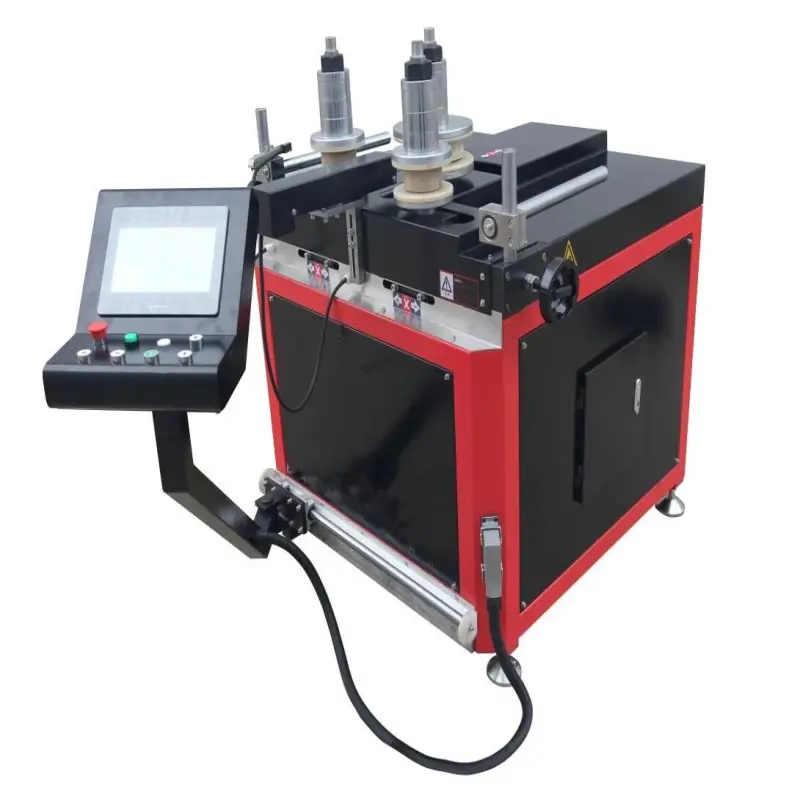
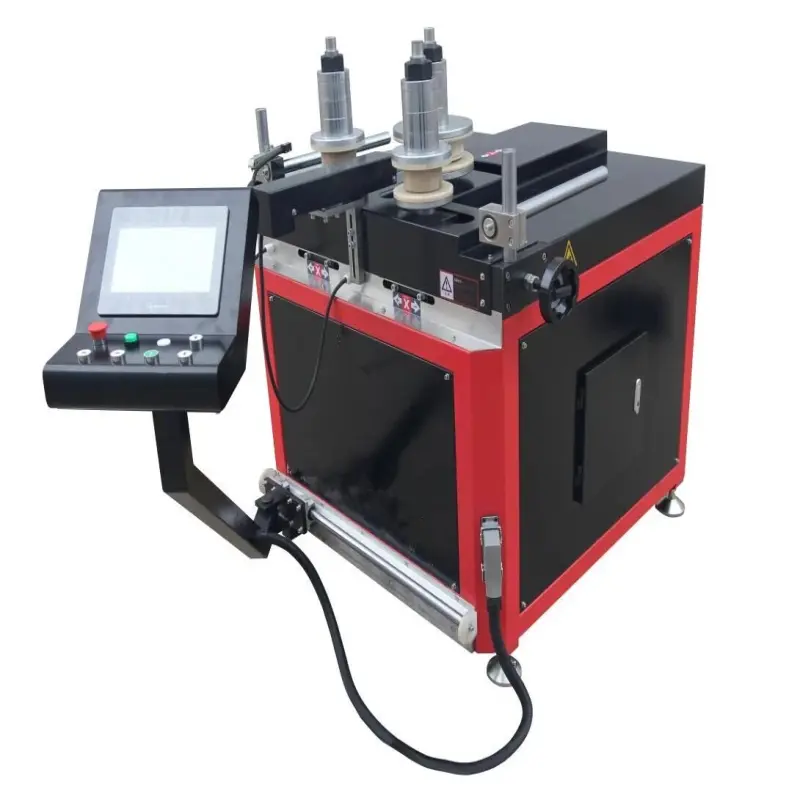
Hydraulic Servo Metal Stainless Steel CNC Bending Machine
Asset finance available
Do you want funding for this equipment?
Afrimart can connect you with trusted funding partners who specialise in asset finance for businesses like yours. Compare options and apply in minutes — final approval is subject to provider review.
Check funding options
Secure & no obligation
- Section : Machinery
- Category : CNC industrial Machinery
- SKU : 1600731779092

Hydraulic Servo Metal Profile Stainless Steel CNC Bending Machine
This high-precision CNC bending machine is designed to handle various metal materials such as iron, copper, aluminum, and special-shaped materials. Ideal for furniture manufacturers, wrought iron engineering, aluminum alloy doors and windows, and decorative steel structure enterprises, this machine provides a highly efficient and reliable solution for bending operations.
Key Features:
Versatile Bending Capabilities:
Capable of bending a variety of shapes, including C shape, U shape, S shape, full circles, and springs.
CNC Controller:
Equipped with a CNC controller that simplifies operation and ensures high precision in bending.
Advanced CNC Software:
The software makes the bending process easy and accurate, even for complex shapes.
Material Rebound Detection:
Capable of detecting material rebound and automatically compensating to eliminate any issues, ensuring consistent results.
High Precision:
Offers precise control over bending angles and material handling for complex designs and accurate results.
Heavy Duty:
Designed to handle tough materials and high workloads with reliable performance.
Technical Parameters:
Model: LWG-CNC-25T
Power Supply: 380V 50Hz
Power: 5.5 kW
Y Axial Hydraulic Thrust: Max. 25T
Max Torque of X Axis: 4000 N·m
Minimum Bending Radius: 100 mm
Three Axis Speed: 1-15 r/min
Weight: 1200 kg
Applications:
This CNC bending machine is widely used in industries requiring high-precision bending for a variety of metal profiles. It is particularly suitable for:
Furniture Manufacturing: Bending metal components for furniture frames and structures.
Wrought Iron Engineering: Used in the production of ornamental iron structures and products.
Aluminum Alloy Doors and Windows: Ideal for shaping metal parts for doors and windows.
Decorative Steel Structures: Used in construction and design of decorative steel elements.
This Hydraulic Servo Metal Profile Stainless Steel CNC Bending Machine offers a reliable and efficient solution for high-precision metal bending, providing versatility and ease of operation for manufacturers in various industries.


| Model | LWG-CNC-25T |
| Power supply | 380V 50Hz |
| Power | 5.5.0KW |
| Y axial hydraulic thrust | Max:25T |
| Max torque of X axis | 4000N.M |
| Minimum bending radius | 100mm |
| Three shaft speed | 1-15r/min |
| Weight | 1200kg |
Details pictures

- Shipping Timeframes: All orders are processed within 2-5 business days (excluding weekends and holidays). After your order has been processed, the estimated delivery time is before 17 Sep, 2026, depending on customs, Please note that due to high demand, some items may experience longer shipping times, which will be communicated at order confirmation email.
- Order Processing Time: Please allow 2-5 business days for us to process your order before it is shipped . Orders placed after 16:00 on Fridays, or during weekends and public holidays, will begin processing on the next business day. Processing times may be extended during peak seasons or sales events.
- Manufacturing Time: Some products needs manufacturing time, the manufacturing process will take approximately 10-30 business days depending on the product. This timeframe may vary depending on the complexity of the product and current demand. but this will be communicated with you during order confirmation.
- Returns and Exchanges: We offer a 30-day return policy for most items. If you are not completely satisfied with your purchase, you may return it within 30 days of receipt for a refund or exchange. Items must be unused, in their original packaging, and accompanied by proof of purchase. Return shipping costs are the responsibility of the customer, unless the item was damaged or defective upon arrival.
1. What materials can the Hydraulic Servo Metal Stainless Steel CNC Bending Machine work with?
The machine is designed to bend a wide range of metals including iron, stainless steel, copper, aluminum and various special-shaped metal profiles used in furniture, wrought iron, doors & windows and decorative steel structures.
2. What are the key technical specifications of the LWG-CNC-25TP model?
Model LWG-CNC-25TP; power supply 380V 50Hz; motor power 5.5 kW; Y axial hydraulic thrust up to 25 T; max torque of X axis 4000 N·m; minimum bending radius 100 mm; three-axis speed 1–15 r/min; machine weight approx. 1200 kg.
3. What bending shapes and profiles can the machine produce?
It can form C, U and S shapes, full circles, springs and many special-shaped profiles. The CNC software supports complex multi-bend sequences for intricate geometries.
4. How does the CNC controller and software simplify operation?
The integrated CNC controller and advanced software allow programmable multi-axis bending, easy setup of bend sequences and parameter entry, and help reproduce complex shapes with consistent accuracy. For specifics on file formats and programming workflows, consult the supplier.
5. What is material rebound detection and how does it work?
The machine detects elastic springback (rebound) of the material after bending and automatically compensates by adjusting the bending parameters so the final angle matches the programmed value, improving consistency across parts.
6. What level of precision and repeatability can I expect?
The machine is built for high-precision bending with accurate control of angles and positions. Final precision depends on material type, thickness, tooling and part geometry; provide sample parts or specifications to determine achievable tolerances for your application.
7. What tooling options are supported and can tooling be customized?
A variety of bending tools and dies are supported for different profiles and radii. Custom tooling can be supplied or designed for special profiles—contact the manufacturer with drawings or samples for quotation.
8. What are the installation and site requirements?
Requires a stable, level concrete floor capable of supporting the ~1200 kg weight, a 380V 50Hz three-phase power supply, appropriate hydraulic oil and filtration, sufficient working space for loading/unloading and access for maintenance. Exact space and foundation requirements should be confirmed with the supplier.
9. What safety features are included?
Typical safety features include emergency stop, guarded moving parts, overload protection and electrical protection. Operators should follow local safety regulations and receive training before use.
10. What maintenance is required and how often?
Regular maintenance includes checking and topping up hydraulic oil, replacing hydraulic filters, routine lubrication of moving parts, inspecting tooling and fasteners, and electrical checks. Follow the manufacturer’s maintenance schedule and service manual for intervals and procedures.
11. Can the machine handle high production volumes and heavy-duty work?
Yes — it is designed as a heavy-duty, reliable solution capable of handling tough materials and repeated production workloads. Actual throughput depends on part complexity, material thickness and automation level.
12. Is training and after-sales support available?
Manufacturers and suppliers typically offer operator training, installation support and after-sales service. Contact your supplier to confirm available training, spare parts supply and technical support options.
13. Can the machine be customized for special profile sizes or higher capacity?
Many suppliers offer customization of tooling, control options and machine configuration to meet specific profile dimensions or production requirements. Discuss your application details with the manufacturer for possible modifications and quotations.
14. What are the electrical and hydraulic power requirements?
Electrical requirement: 380V 50Hz three-phase supply; motor power 5.5 kW. Hydraulic components require the correct grade and volume of hydraulic oil and a properly configured pump and filtration system as specified in the machine manual.
15. How do I get pricing, lead time, warranty and spare parts information?
Pricing, lead time, warranty terms and spare parts availability vary by supplier and order configuration. Provide your contact details, required specifications and quantity to the manufacturer or dealer to receive a formal quotation and delivery schedule.
Latest Order Arrivals
Discover our latest orders
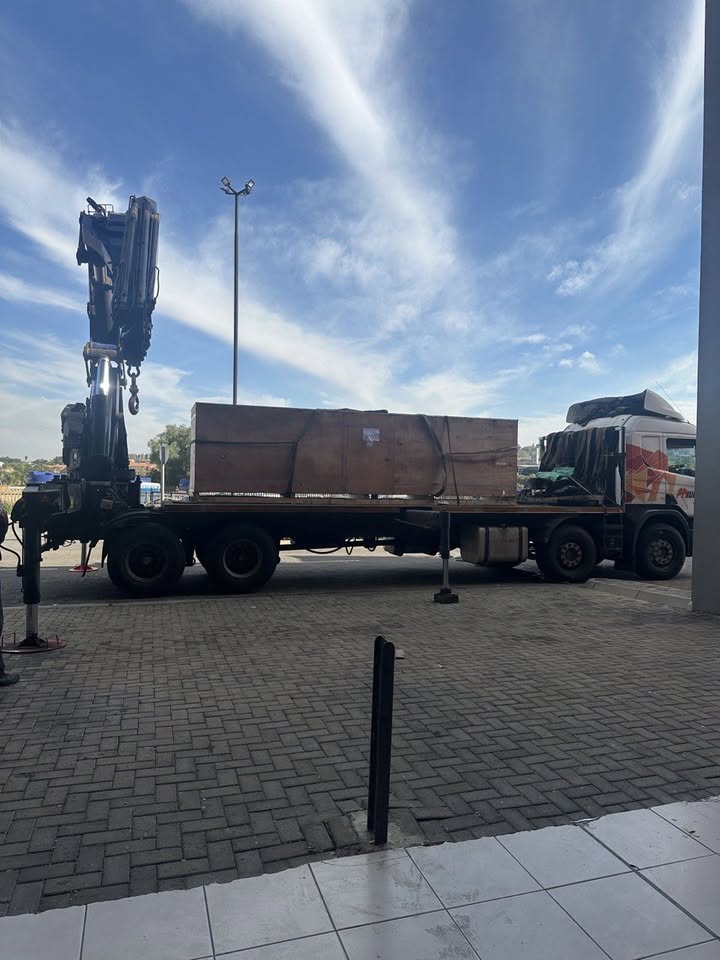
12 Heads Embroidery Machine
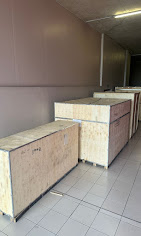
Toilet Paper Machine Machine
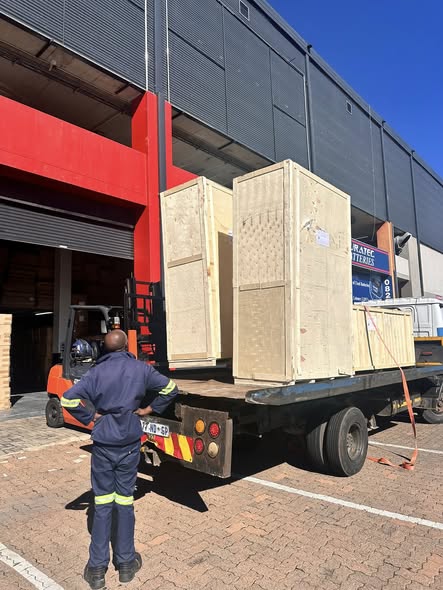
Order Collection
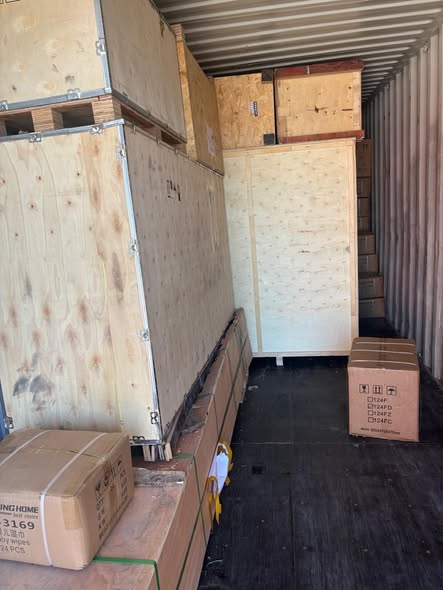
Cross Border Clients
Order cros border countries Collected
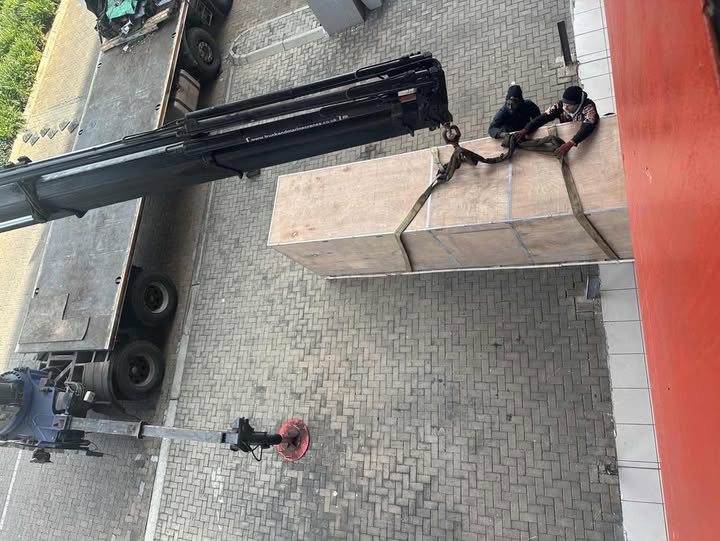
Industrial Machine Cllection
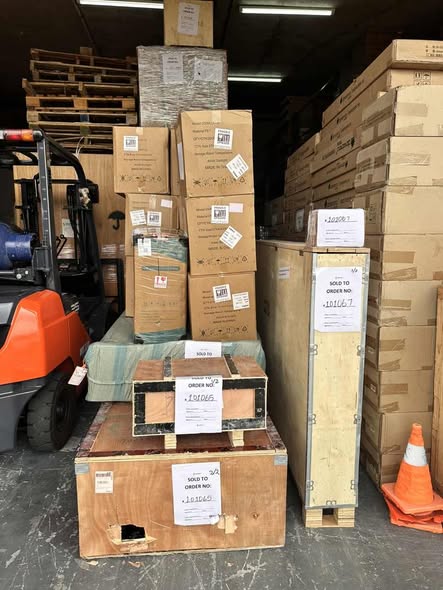
Agriculture Processing Machines
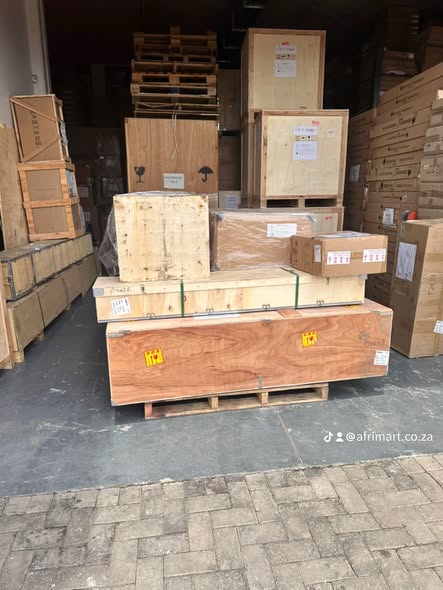
Ready for collection
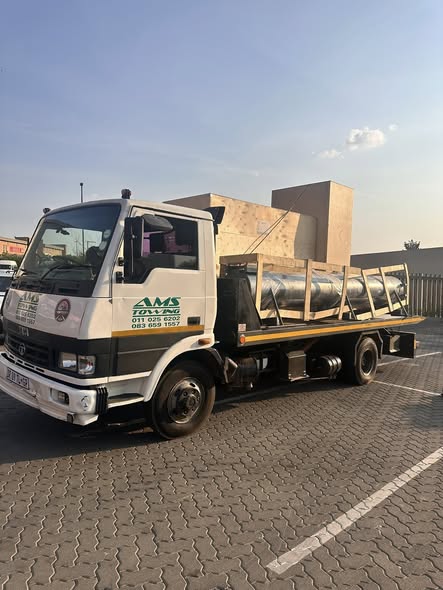
Water Pump Equipment
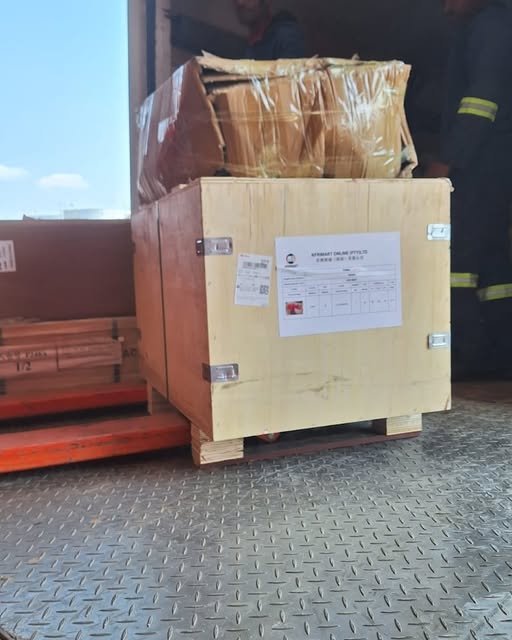
Packaging Machine and accessories
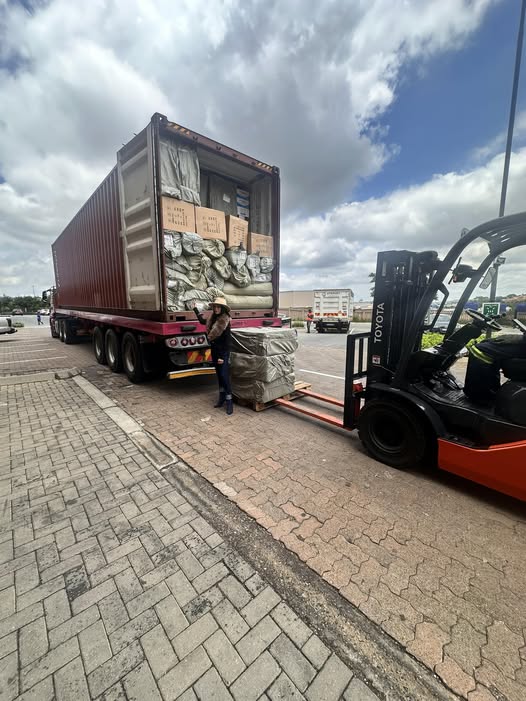
Fabrics Manufacturing Equipment
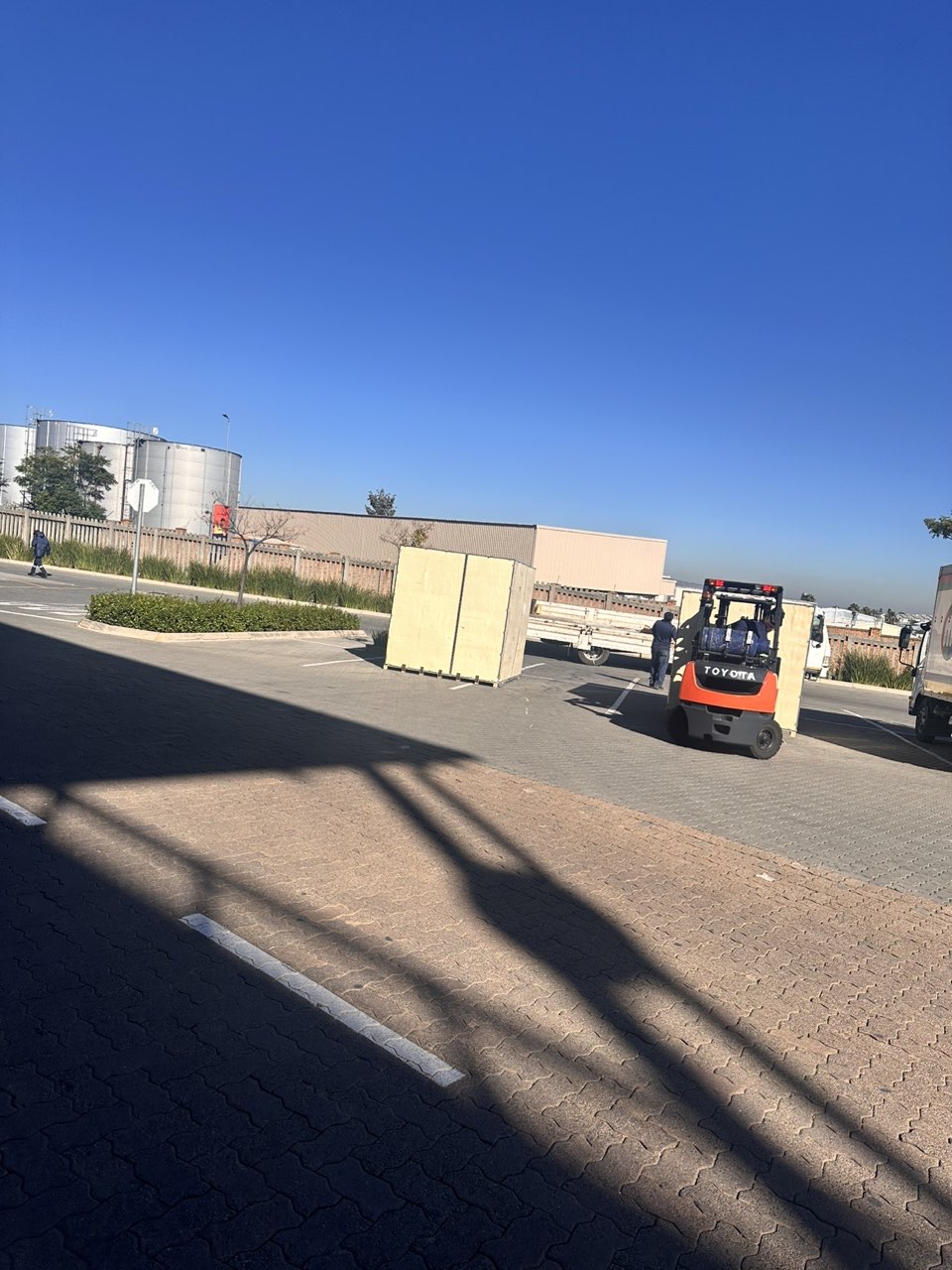
Mining Equipments
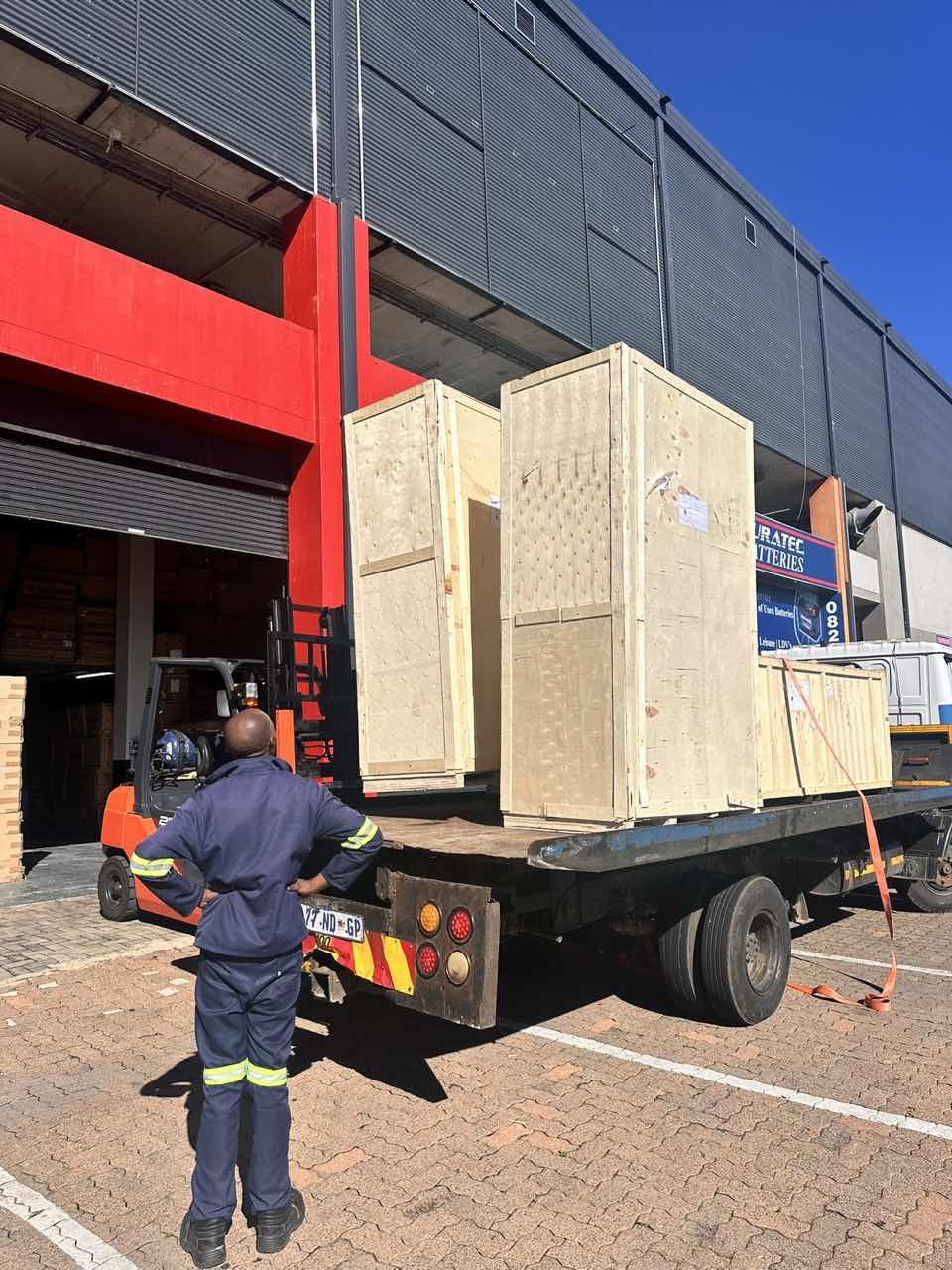
Food Processing Machine
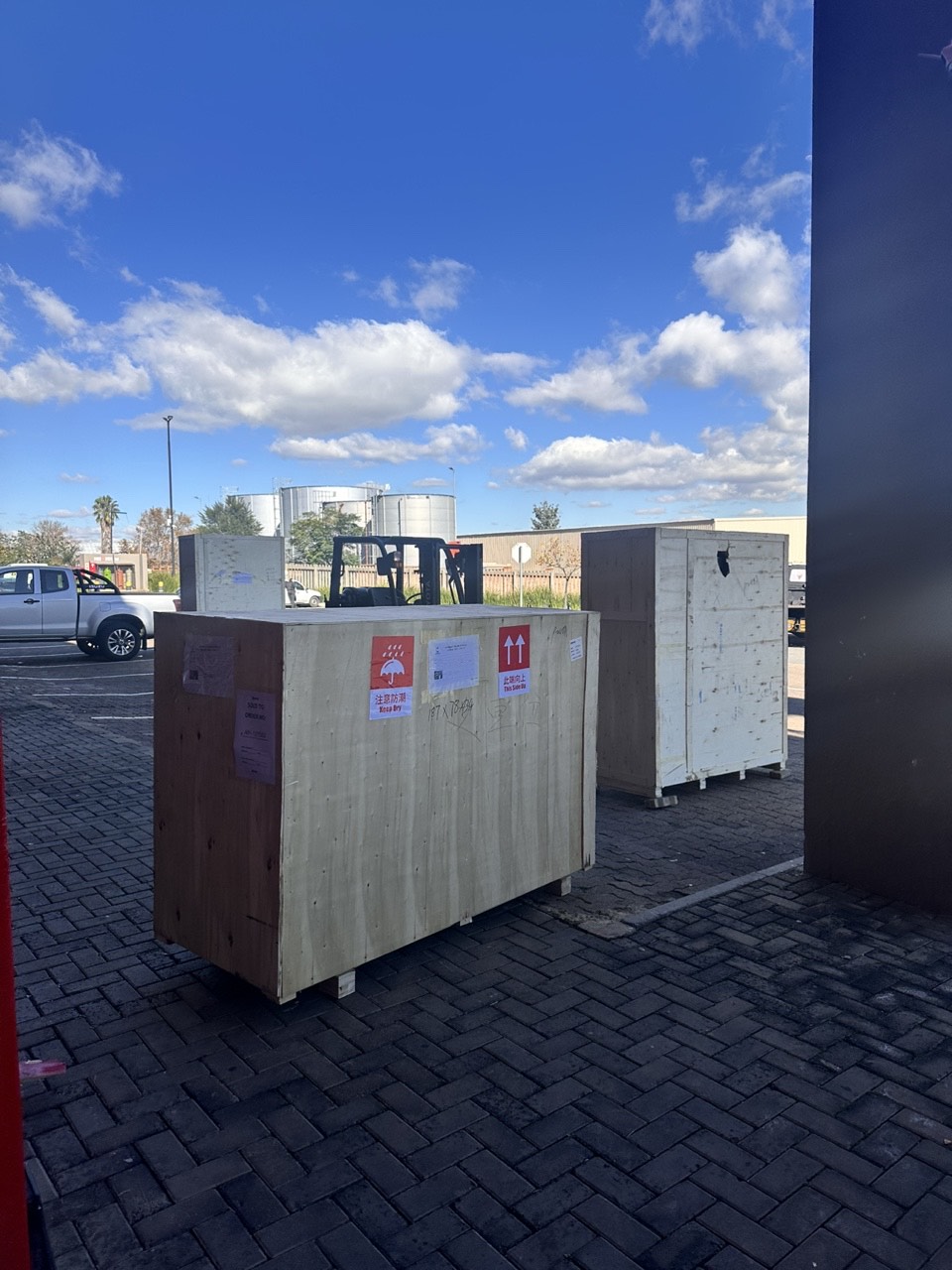
Batch of Orders
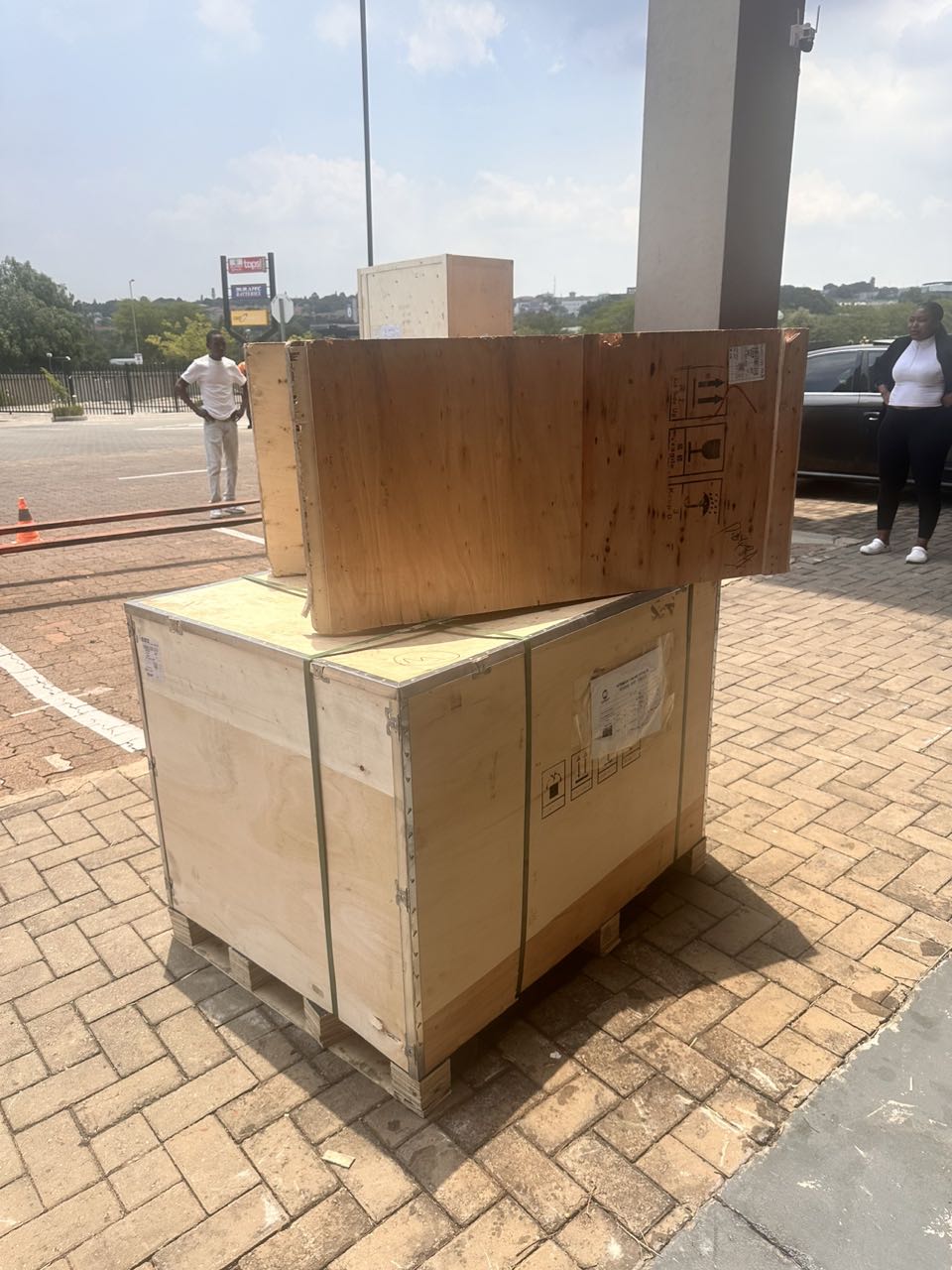
Batch of Orders
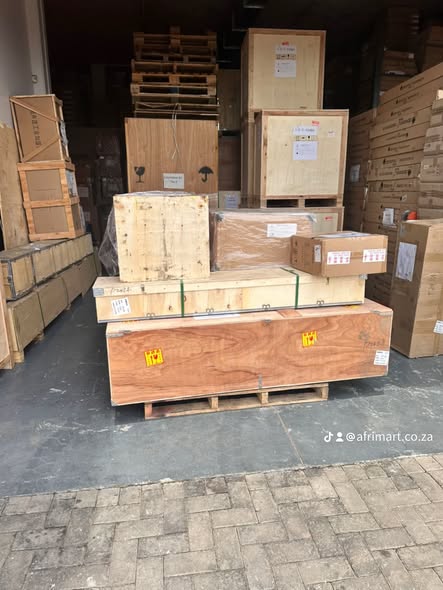
Latest Orders Labelled
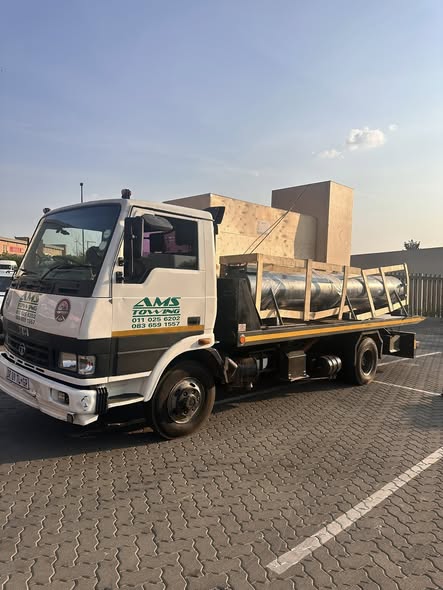
wheel alignment machines
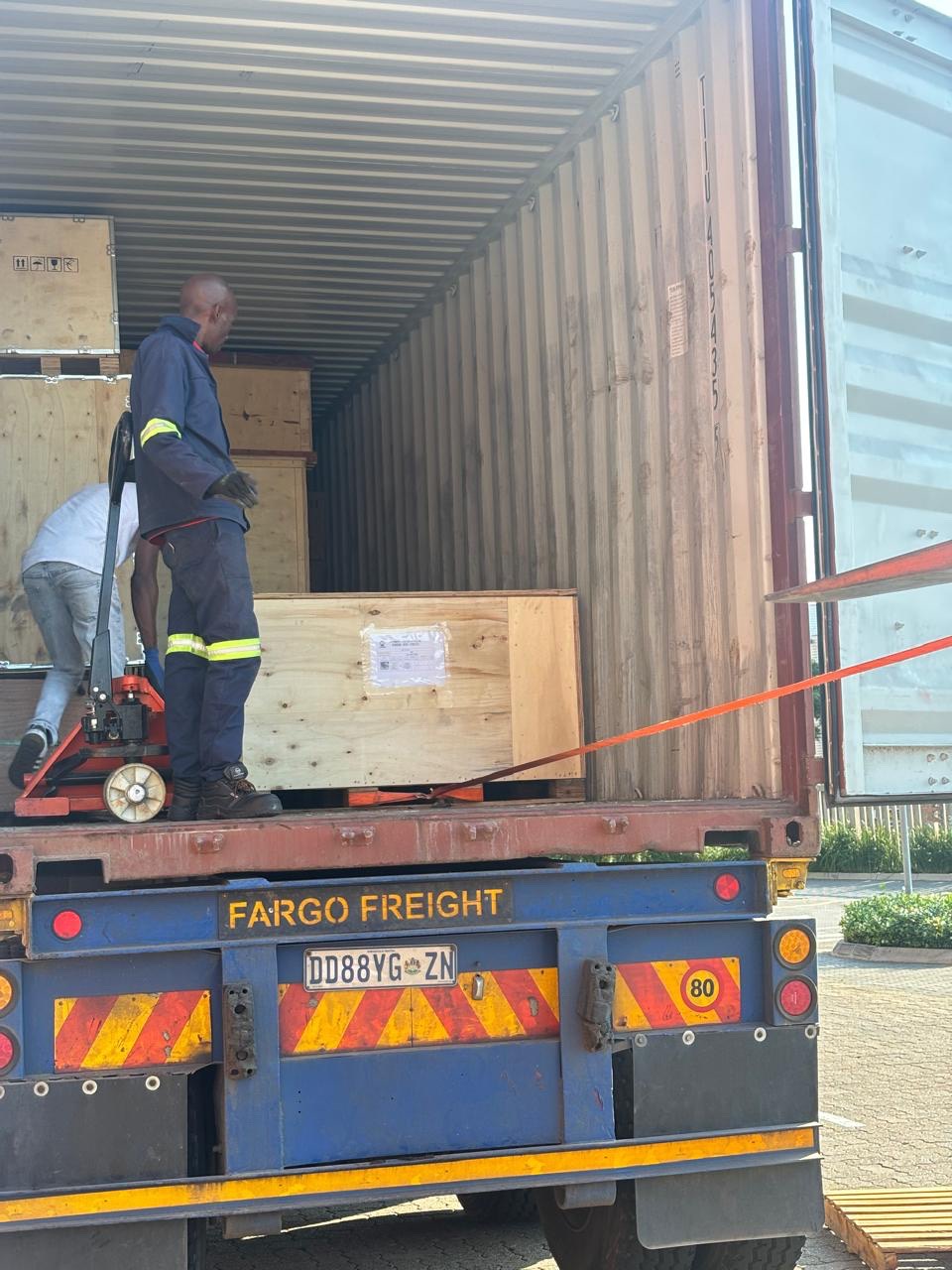
new arrivals
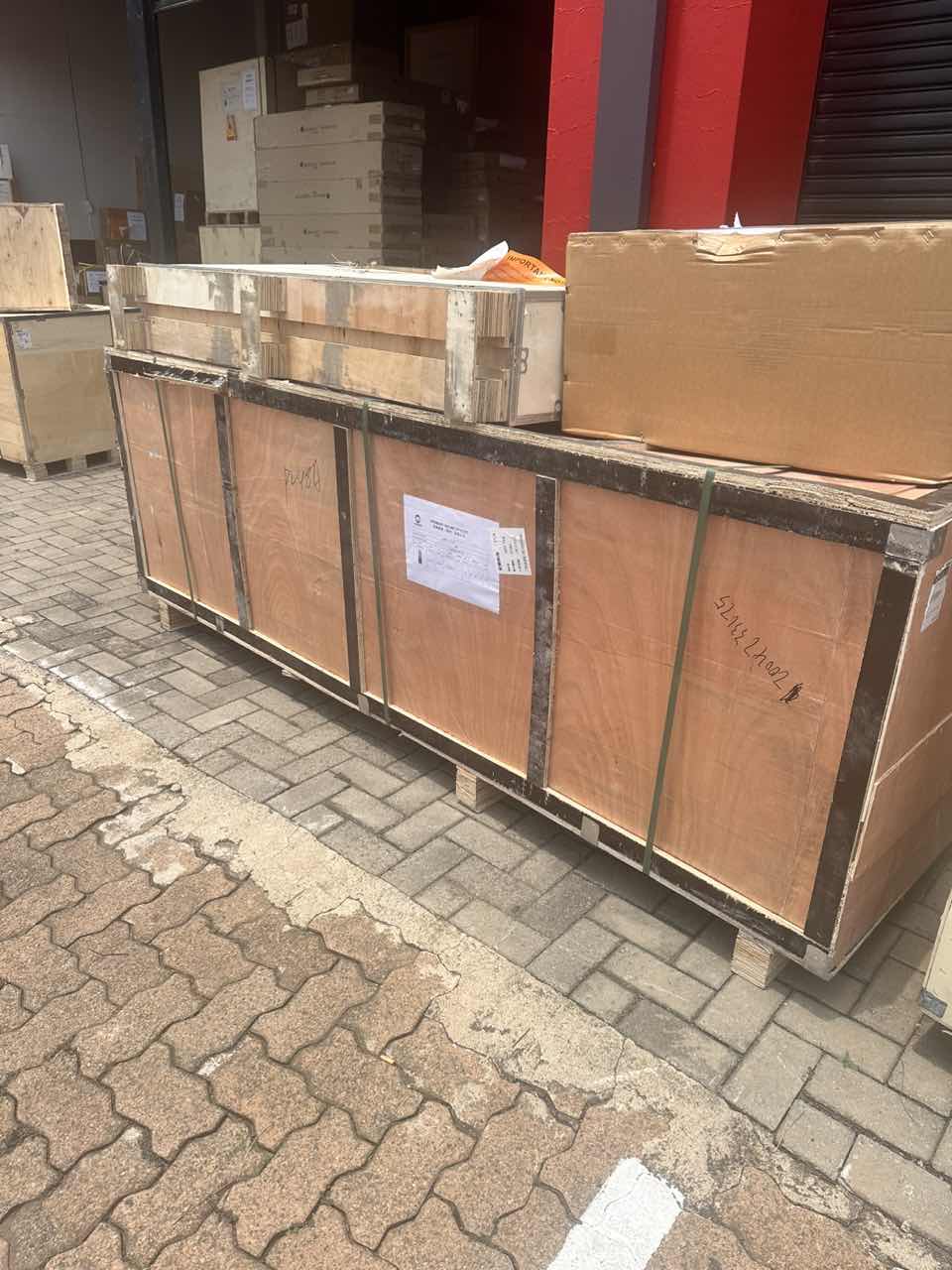
Pre Orders Offloading
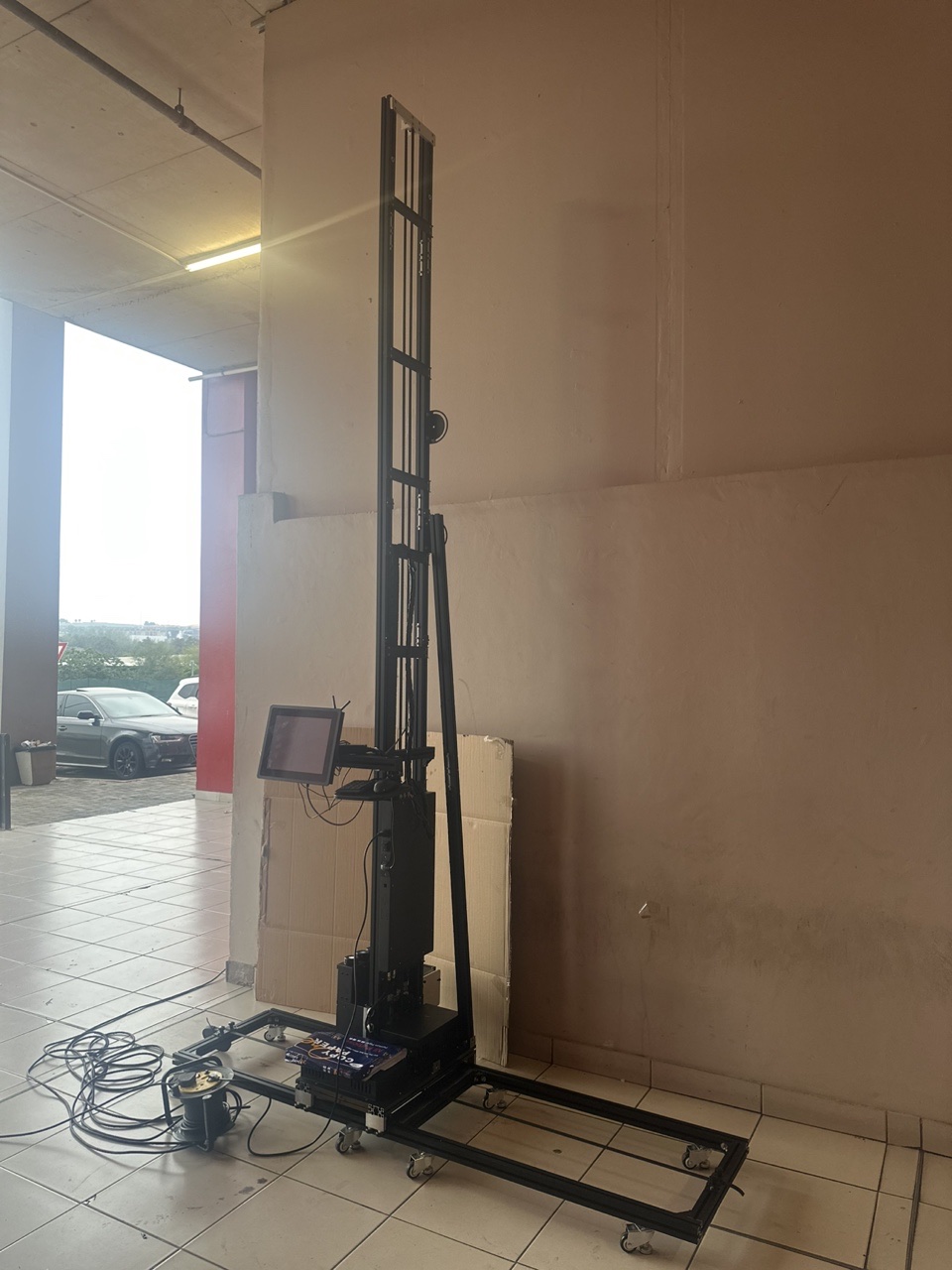
Latest Arrivals
Latest Arrivals
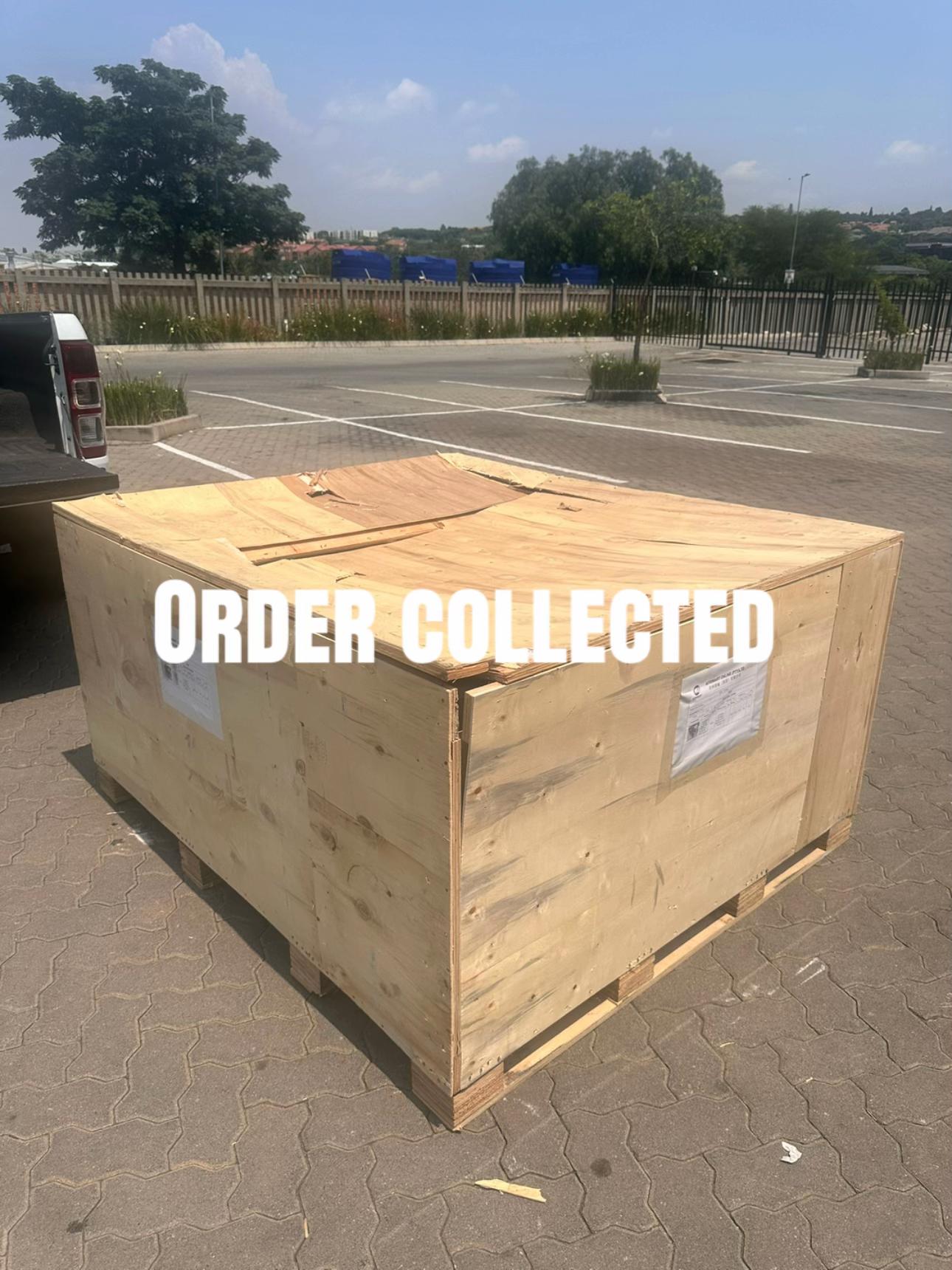
Latest Arrivals
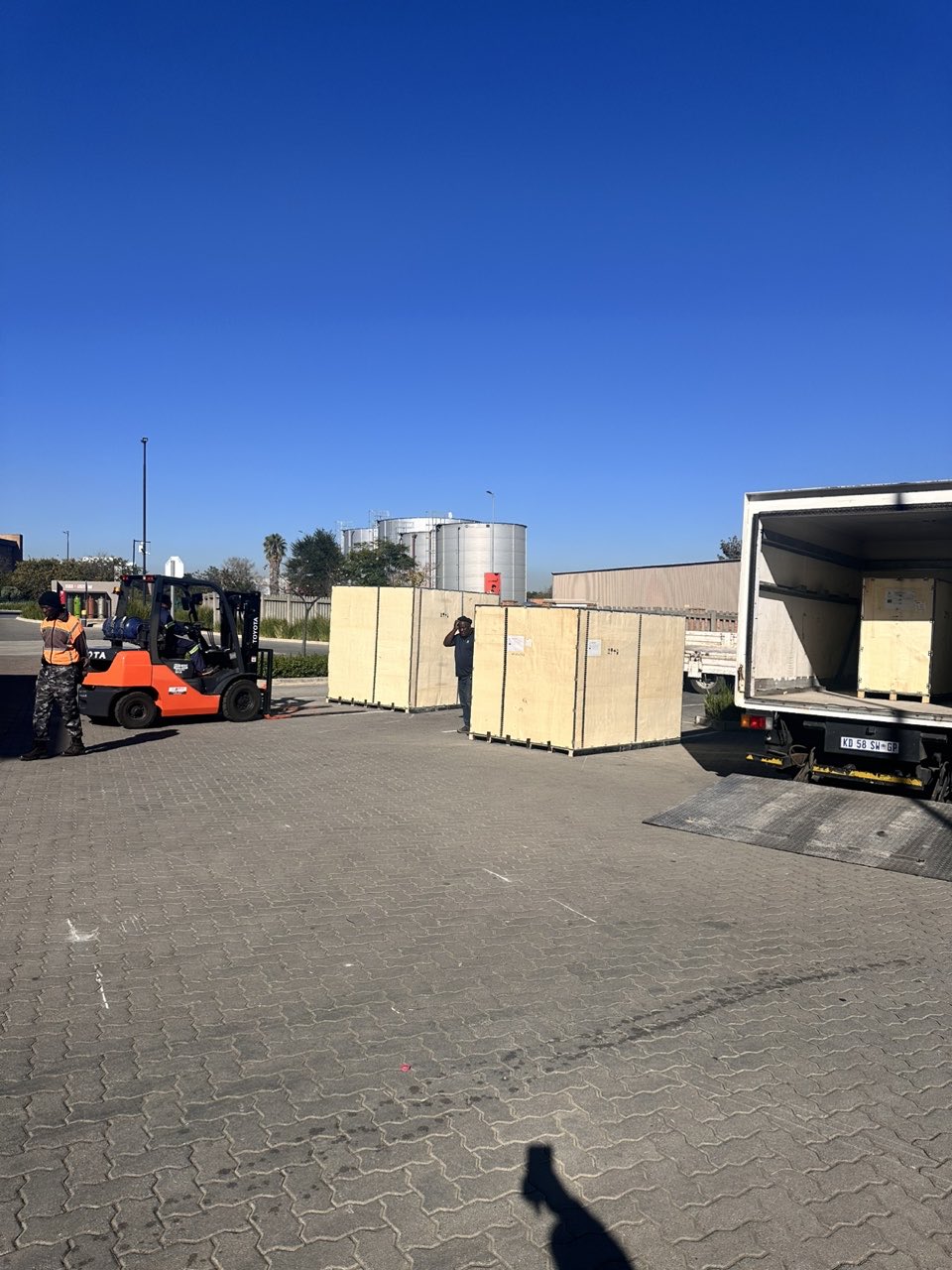
Loading
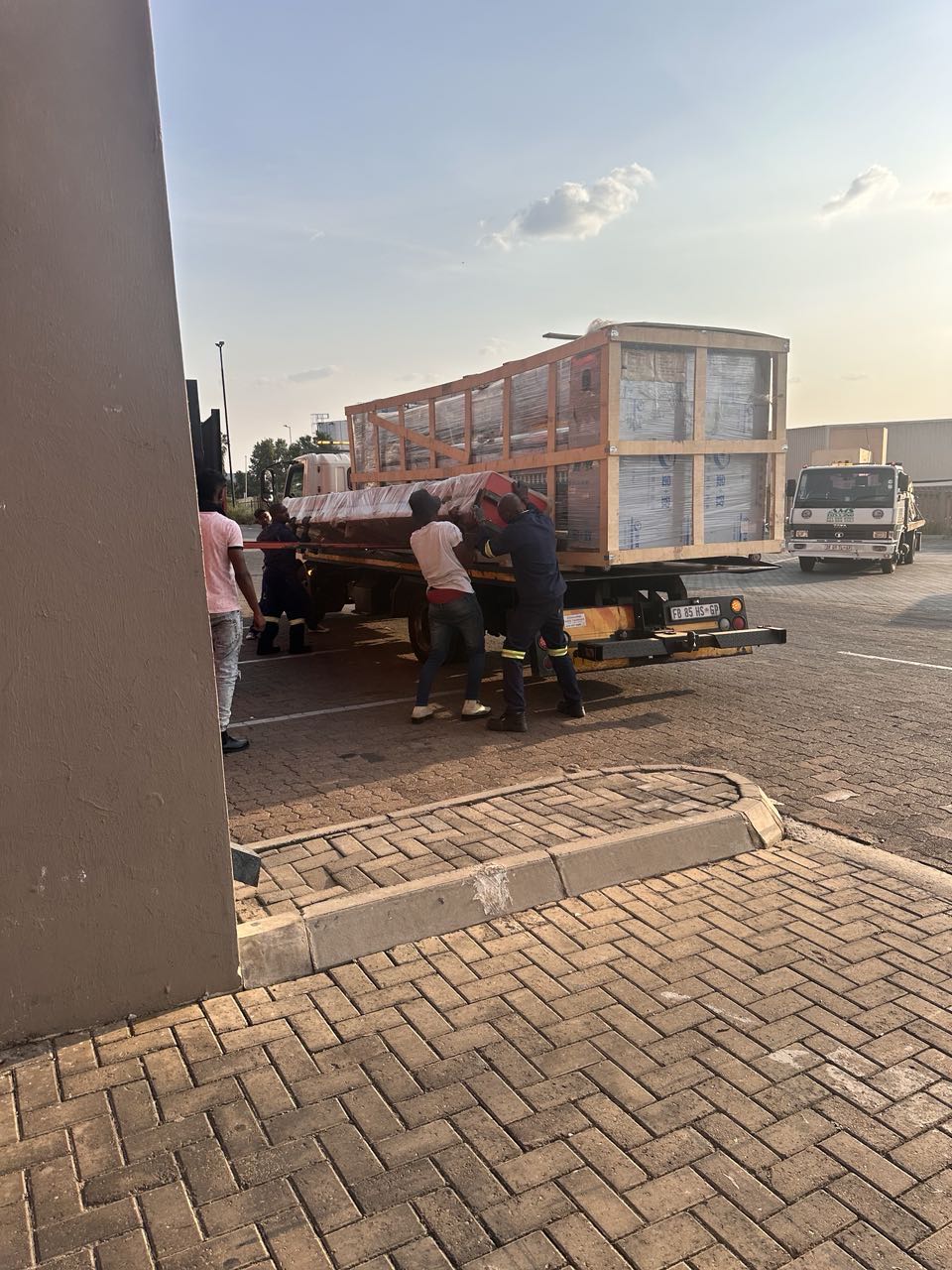
Toilet paper making machine
Toilet paper making machine
Toilet paper Rewinding Machine
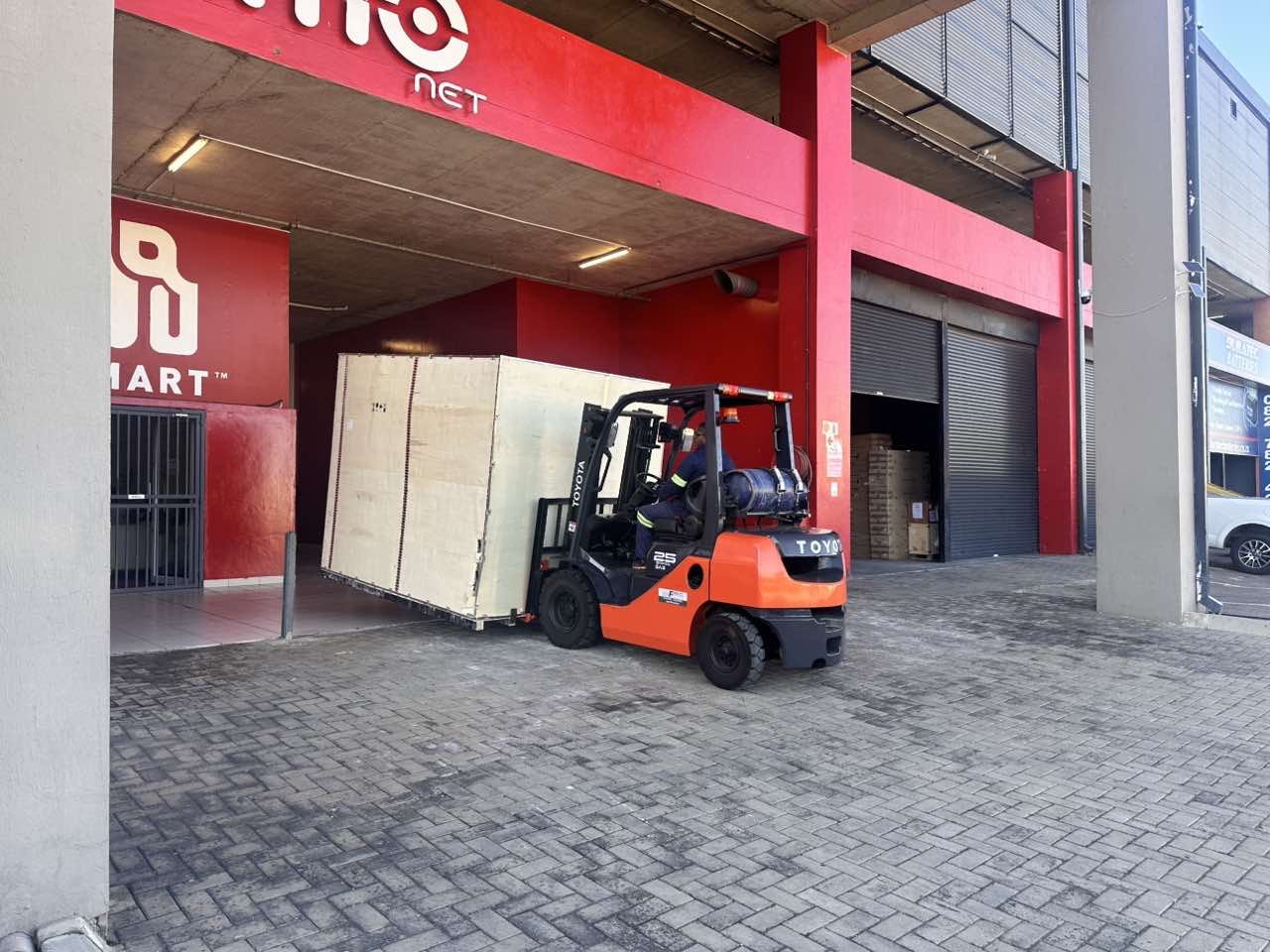
latest arrivals
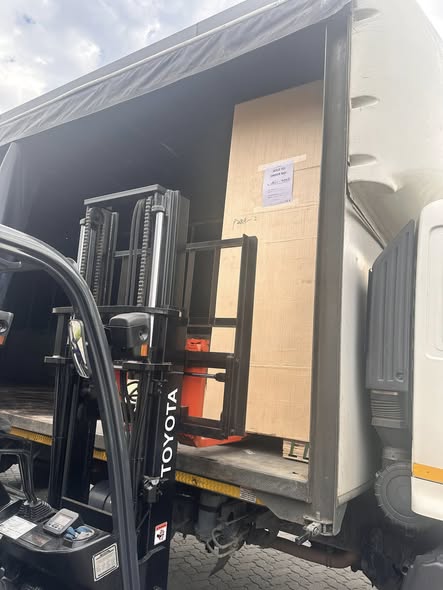
offloading
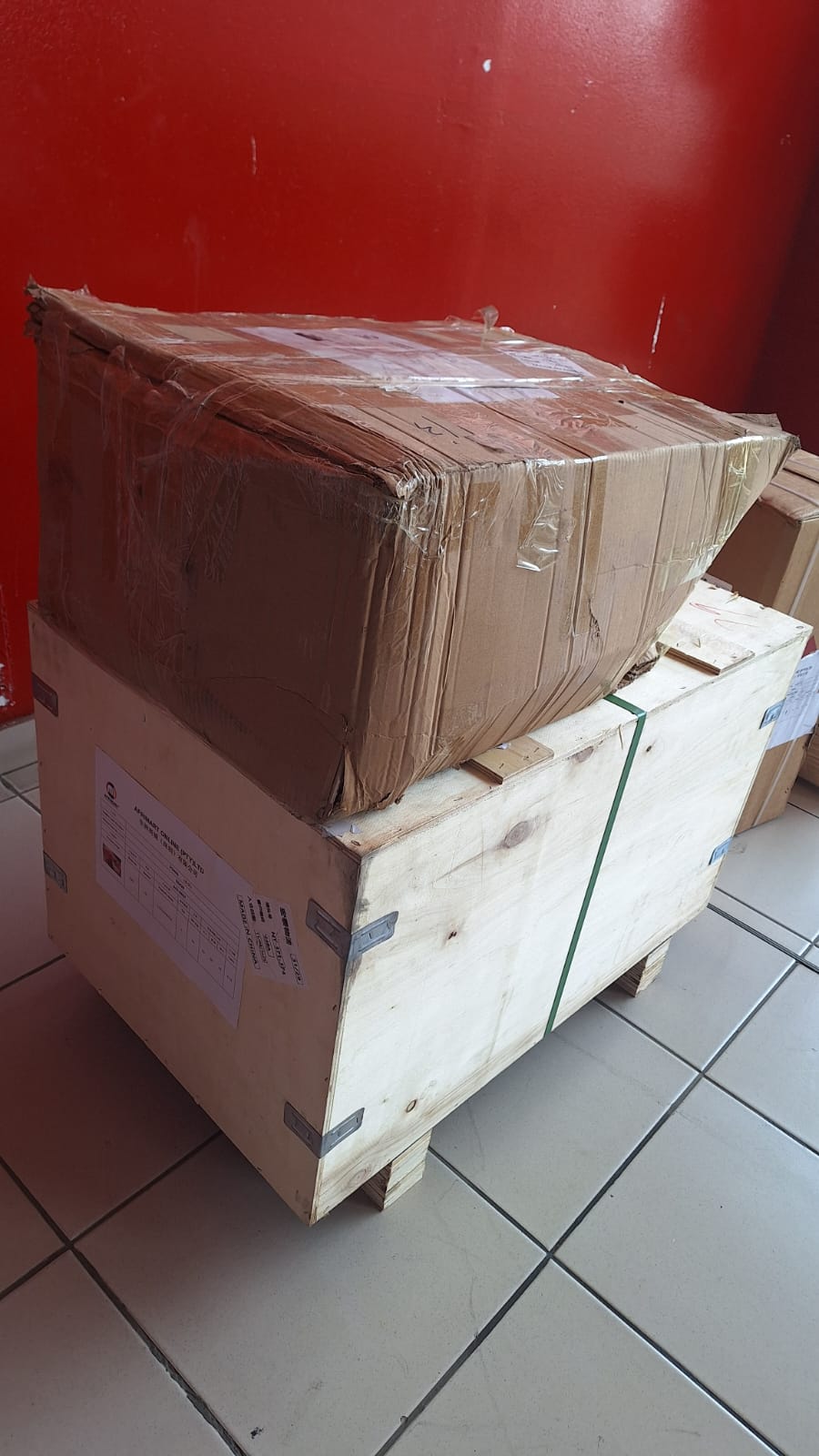
order success
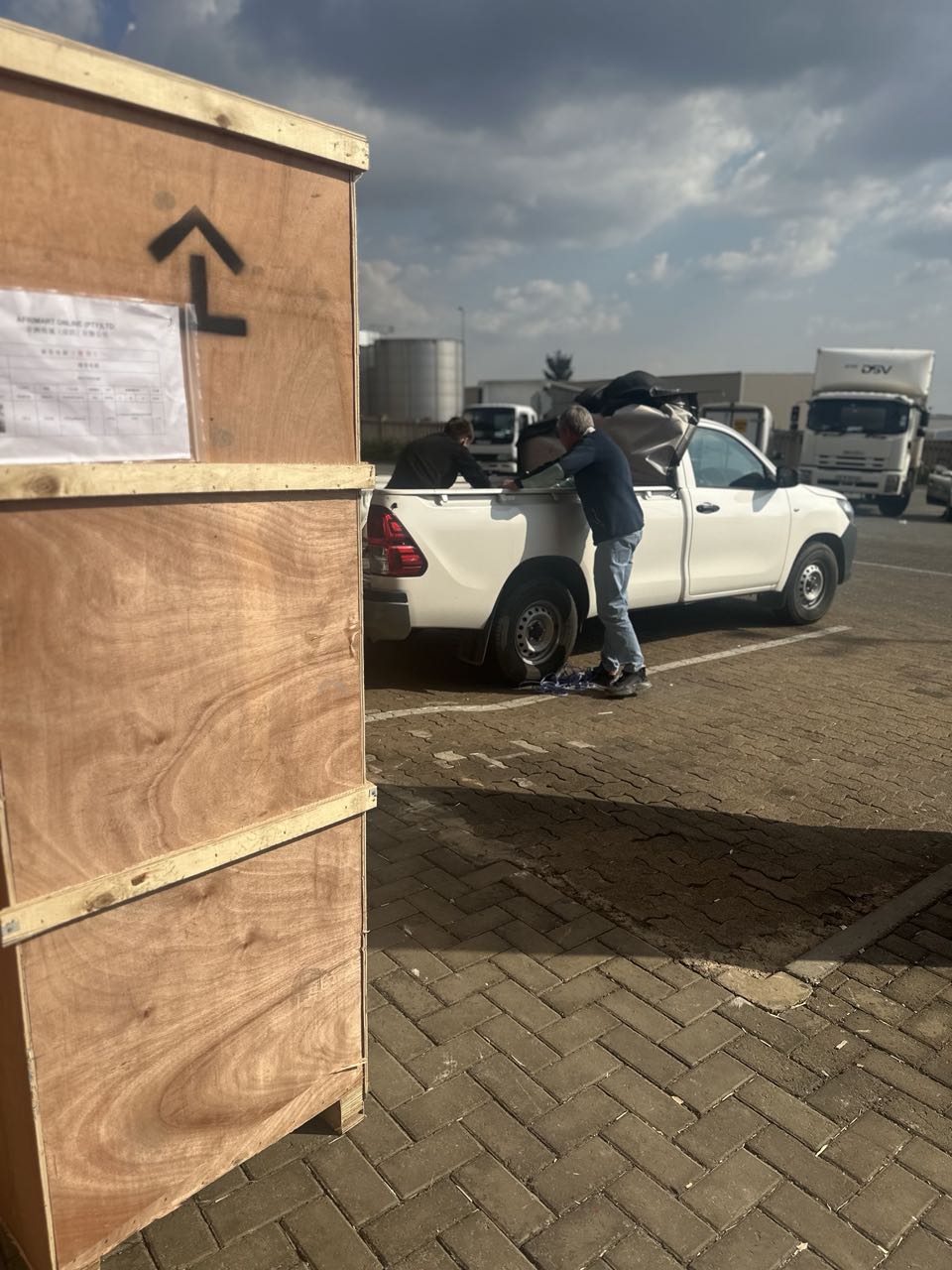
order collection
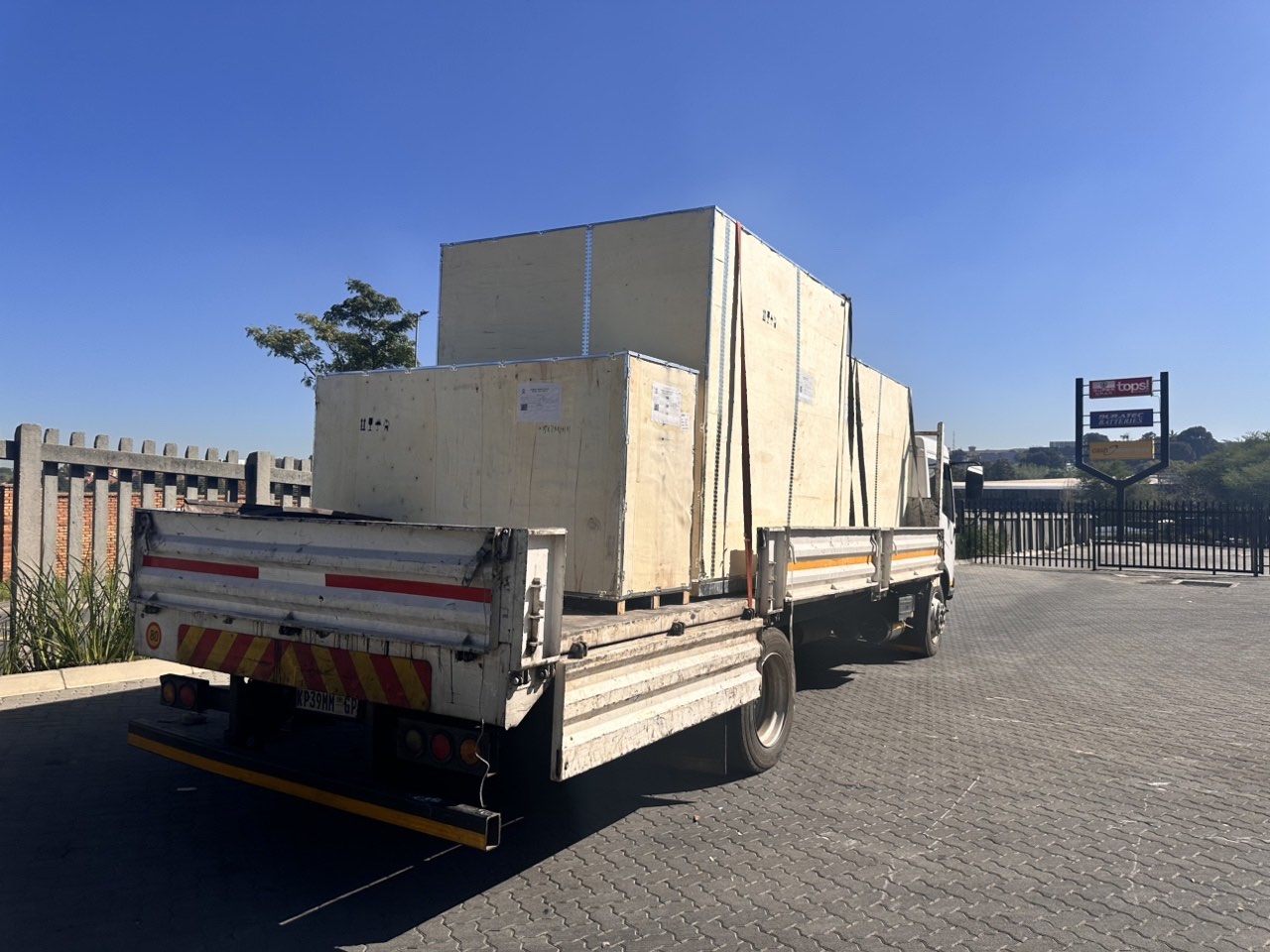
order offloading