B21, China Town Mall, Midrand

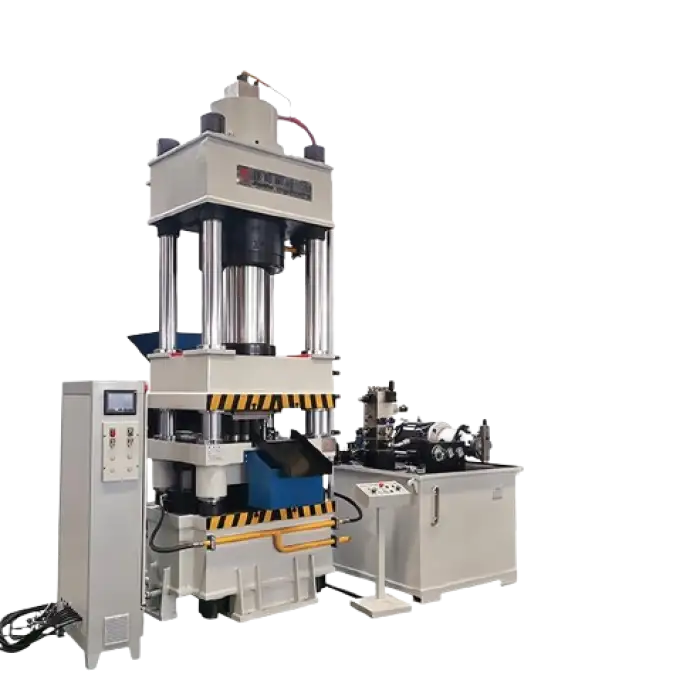
Hydraulic Bath Bomb Ball Press Machine Provide Mold Cheap Price Hydraulic Press Machine
Asset finance available
Do you want funding for this equipment?
Afrimart can connect you with trusted funding partners who specialise in asset finance for businesses like yours. Compare options and apply in minutes — final approval is subject to provider review.
Check funding options
Secure & no obligation

- Section : Machinery
- Category : Machine Tool Equipment
- SKU : 1600742670605

Hydraulic Bath Bomb Ball Press Machine - Affordable Hydraulic Press Machine
Introducing the Hydraulic Bath Bomb Ball Press Machine, a powerful and efficient tool designed for your manufacturing needs. This machine makes it easy to create bath bombs and other metal products with precision. With a strong build and high performance, it is perfect for various industries.
Specifications
| Attribute | Details |
|---|---|
| Machine Type | Four-column Four-beam Hydraulic Press |
| Weight | 12 T |
| Motor Power | 22 kW |
| Slide Stroke | 550 mm |
| Ejector Force | 300 kN |
| Return Force | 240 kN |
| Model Number | Y32-400T |
| Core Components | Bearing, Motor, Pump, Gear, PLC, Pressure Vessel, Engine, Gearbox |
| Warranty | 1 Year |
Key Features
- High accuracy for precise manufacturing.
- High working efficiency for faster production.
- Durable construction with strong steel metal.
- Comes with a 1-year warranty for core components.
- Video outgoing inspection and machinery test report provided.
Applications
- Manufacturing bath bombs and cosmetics.
- Metal extrusion forming.
- Metals stretch forming.
- Stamping metal products.
- Used in various industries like food and beverage, construction, and printing.
The Hydraulic Bath Bomb Ball Press Machine is not just a tool; it's an investment in quality and efficiency. With its robust features and reliable performance, it is the perfect choice for your production line.
Product Info Gallery
- Shipping Timeframes: All orders are processed within 2-5 business days (excluding weekends and holidays). After your order has been processed, the estimated delivery time is before 31 Aug, 2026, depending on customs, Please note that due to high demand, some items may experience longer shipping times, which will be communicated at order confirmation email.
- Order Processing Time: Please allow 2-5 business days for us to process your order before it is shipped . Orders placed after 16:00 on Fridays, or during weekends and public holidays, will begin processing on the next business day. Processing times may be extended during peak seasons or sales events.
- Manufacturing Time: Some products needs manufacturing time, the manufacturing process will take approximately 10-30 business days depending on the product. This timeframe may vary depending on the complexity of the product and current demand. but this will be communicated with you during order confirmation.
- Returns and Exchanges: We offer a 30-day return policy for most items. If you are not completely satisfied with your purchase, you may return it within 30 days of receipt for a refund or exchange. Items must be unused, in their original packaging, and accompanied by proof of purchase. Return shipping costs are the responsibility of the customer, unless the item was damaged or defective upon arrival.
1. What is the Hydraulic Bath Bomb Ball Press Machine used for?
This four-column four-beam hydraulic press (model Y32-400T) is designed to press bath bombs and other cosmetic products, and can also be used for metal extrusion, stretch forming and stamping in industries such as cosmetics, food & beverage, construction and printing.
2. What are the key specifications of the machine?
Key specs include model Y32-400T, machine weight 12 t, motor power 22 kW, slide stroke 550 mm, ejector force 300 kN, return force 240 kN, and core components such as bearing, motor, pump, gear, PLC, pressure vessel, engine and gearbox. Warranty for core components is 1 year.
3. Can this machine form round bath bomb balls and does it require a specific mold?
Yes — the press forms bath bomb balls when used with appropriate spherical molds. Mold design (cavity size and material) determines product shape and finish, and the machine is compatible with custom molds sized for its press stroke and force.
4. Are molds included with the machine or sold separately?
Molds are typically offered as an optional extra. Suppliers often provide standard or custom molds at additional cost — contact the vendor with desired product dimensions and material to get mold availability and pricing.
5. What is the expected production capacity (units per hour)?
Production capacity depends on mold cavity count and cycle time. As a rough example, with a single-cavity mold and a 10–30 second cycle time you might expect 120–360 pieces/hour. Multi-cavity molds and optimized cycles increase output. Exact rates should be validated in a production trial.
6. What are the power and electrical requirements?
The machine uses a 22 kW motor and requires a three-phase industrial power supply. Exact voltage and frequency (e.g., 380–400 V, 50/60 Hz) should be confirmed with the supplier so wiring and breakers can be sized correctly for your location.
7. What safety features does the machine include?
Standard safety elements typically include emergency stop, pressure relief valves, guarded moving parts, PLC controls and interlocks. Final safety features and guarding configuration can be confirmed and customized per site safety regulations.
8. What kind of warranty and documentation are provided?
The machine comes with a 1-year warranty for core components. Suppliers also provide video outgoing inspection, machinery test reports, operation manuals and basic maintenance documentation. Extended warranties or service contracts may be available from the vendor.
9. Do you provide installation, commissioning and operator training?
Most suppliers offer factory acceptance testing, remote commissioning support and operator training materials. Onsite installation and commissioning or hands-on training are often available for an additional fee — request details when ordering.
10. How often should the machine be maintained and what maintenance is required?
Regular maintenance includes daily visual checks, lubrication of moving parts, periodic tightening of fasteners, and hydraulic system upkeep. Change hydraulic oil every ~1,000–2,000 operating hours or at least annually, replace filters as recommended, and inspect seals and hoses regularly. Follow the supplier’s maintenance schedule in the manual.
11. Are spare parts readily available?
Yes — core components such as pumps, motors, seals and electrical parts are generally available. Suppliers typically stock common wear parts and can supply replacements; discuss lead times for specific components when ordering.
12. What certifications and quality assurances are available?
Suppliers commonly perform outgoing inspection tests and provide test reports and videos. Certifications such as CE or ISO can often be arranged or supplied depending on the manufacturer and buyer requirements — confirm availability with the vendor.
13. What is the typical lead time and shipping process?
Lead time depends on machine configuration and whether molds or customizations are required. Typical manufacturing lead time is often 2–6 weeks; shipping timelines vary by destination and freight method. Ask the supplier for a delivery schedule and FOB/CIF options.
14. Can the machine be customized for different product sizes or materials?
Yes — the press can be adapted with custom molds, tooling and control parameters to accommodate a range of product sizes and materials (cosmetic powders, some metal forming tasks, etc.). Provide product drawings and material specs for an accurate customization quote.
15. How do I get pricing and a formal quote?
Pricing depends on configuration, included molds, shipping, installation and any optional services. Contact the supplier with required model (Y32-400T), desired mold specs, production targets and destination for a formal quote, lead time and shipping cost estimate.
Latest Order Arrivals
Discover our latest orders
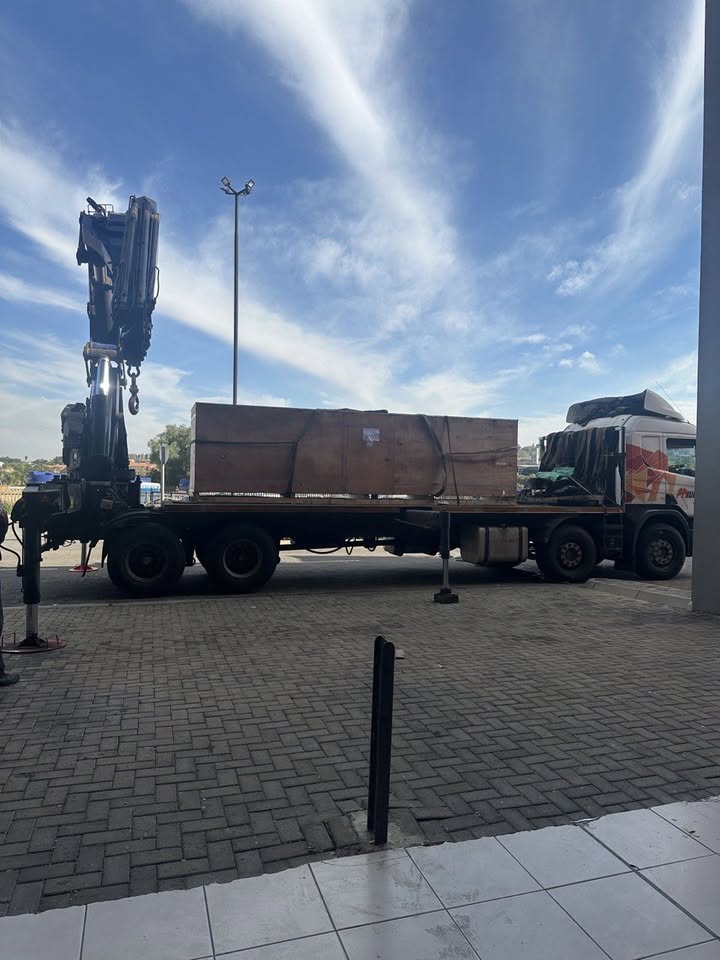
12 Heads Embroidery Machine
Toilet Paper Machine Machine
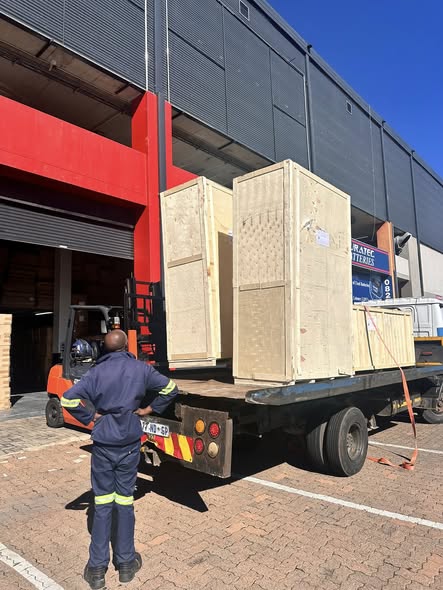
Order Collection
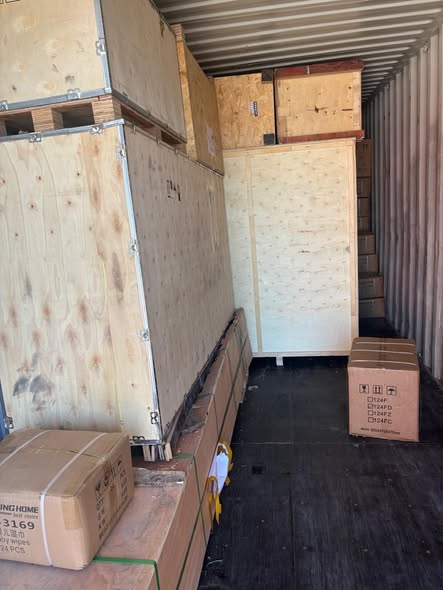
Cross Border Clients
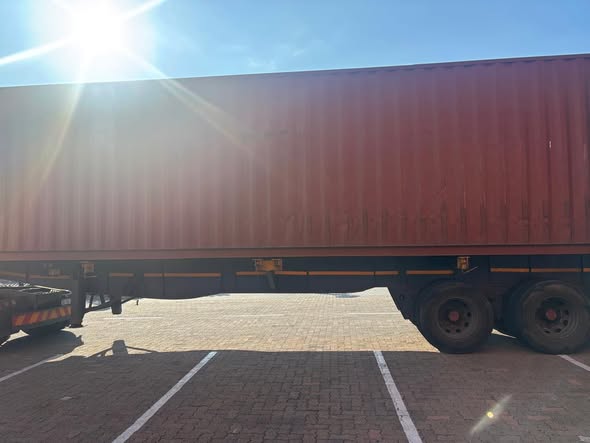
Order cros border countries Collected
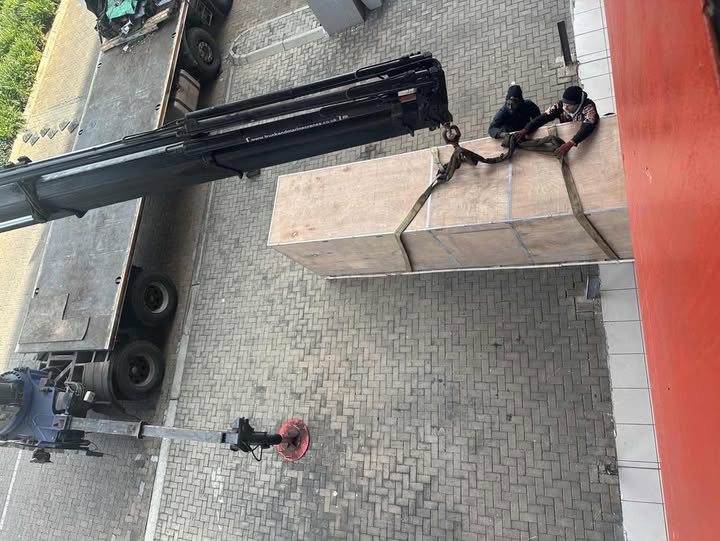
Industrial Machine Cllection
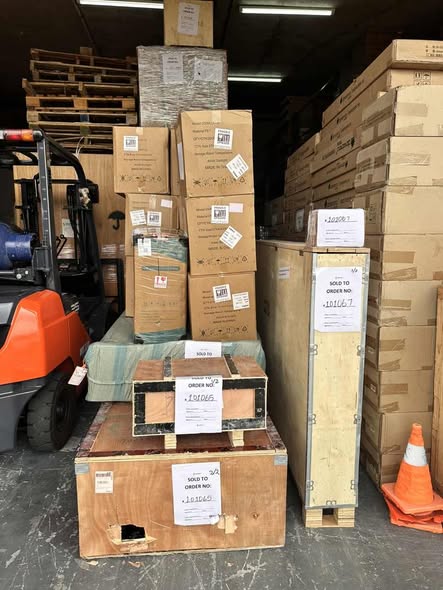
Agriculture Processing Machines
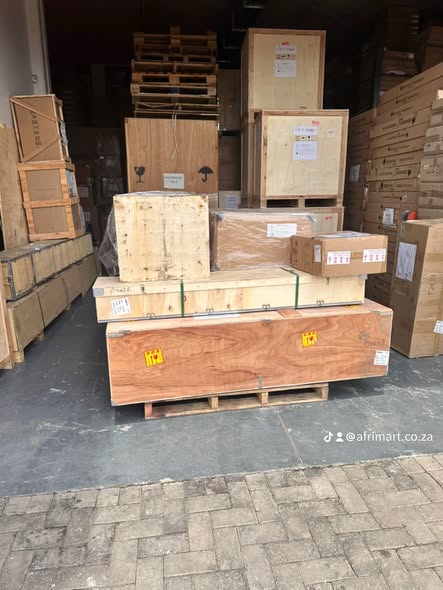
Ready for collection
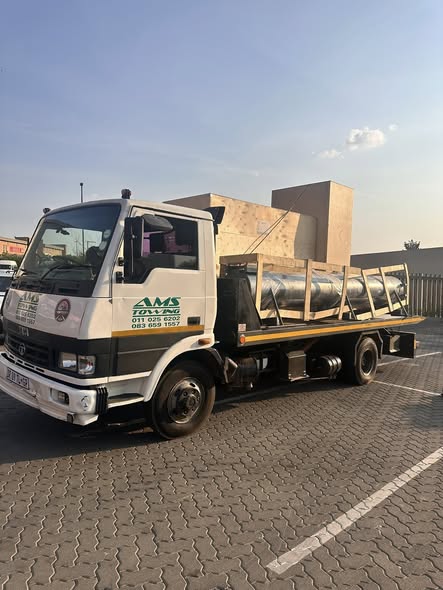
Water Pump Equipment
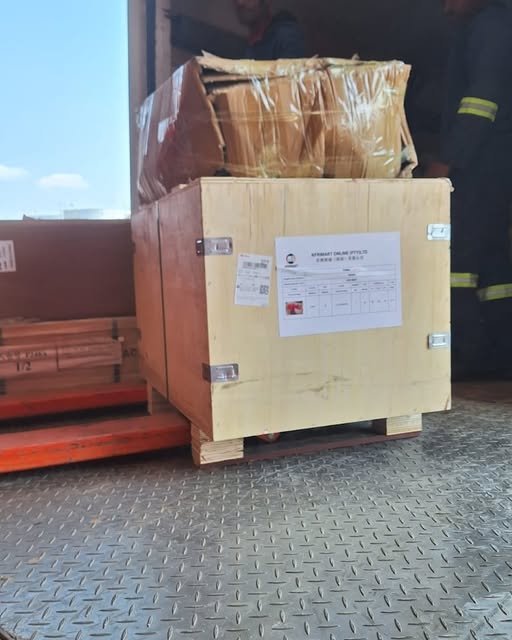
Packaging Machine and accessories
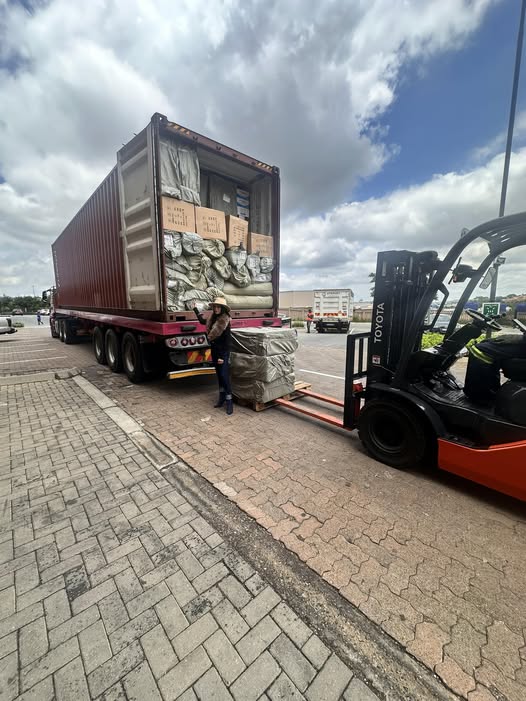
Fabrics Manufacturing Equipment
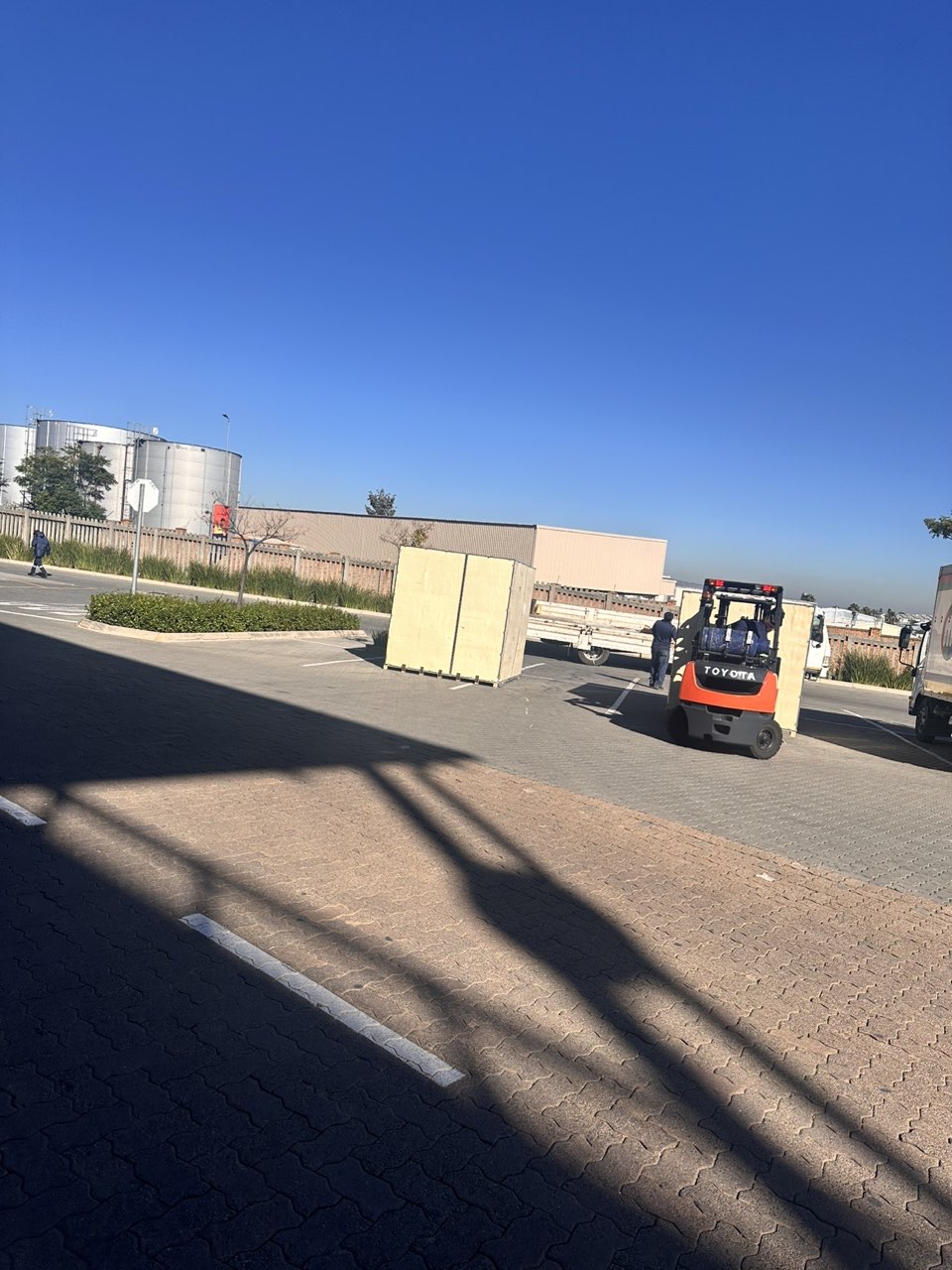
Mining Equipments
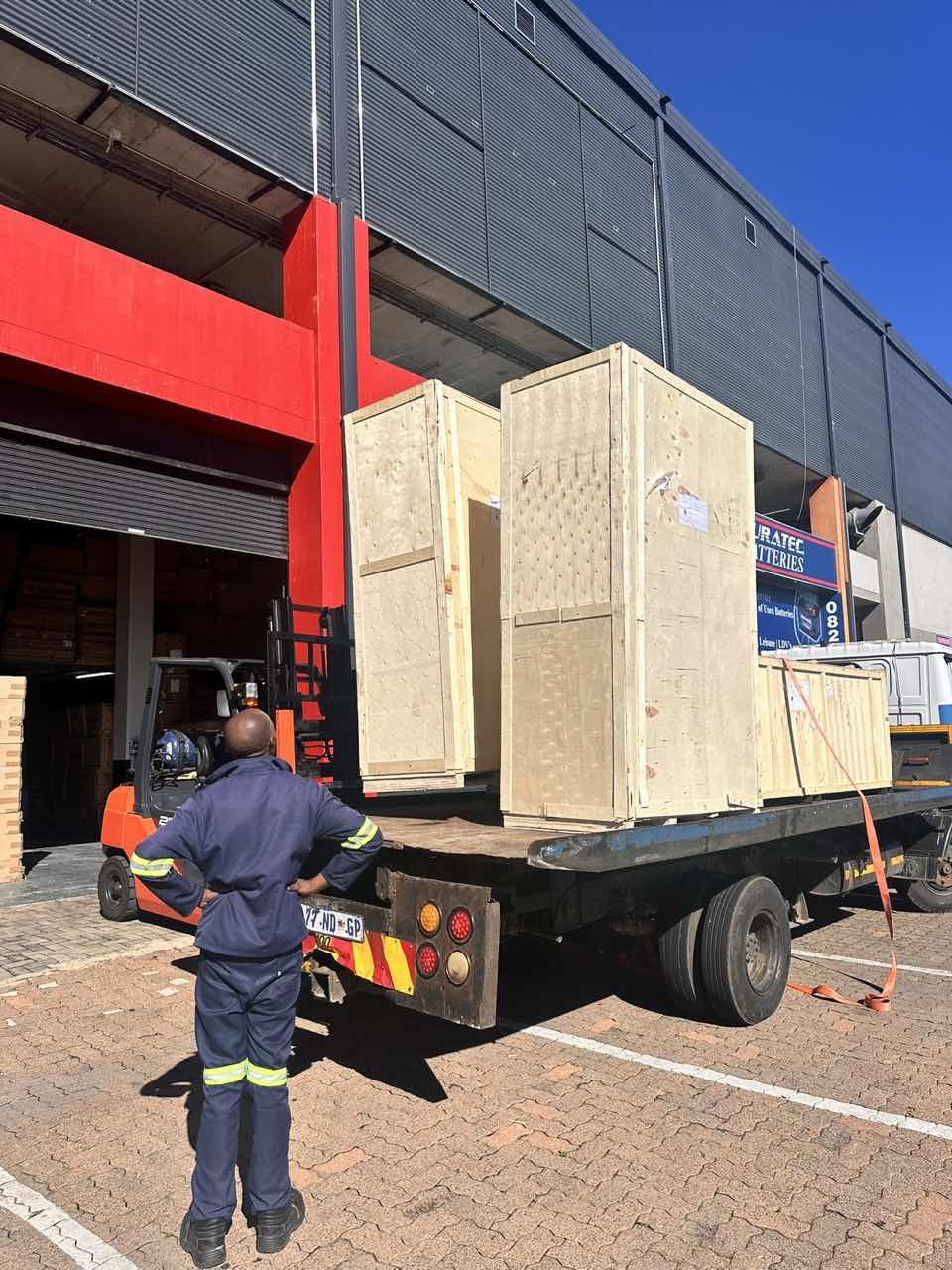
Food Processing Machine
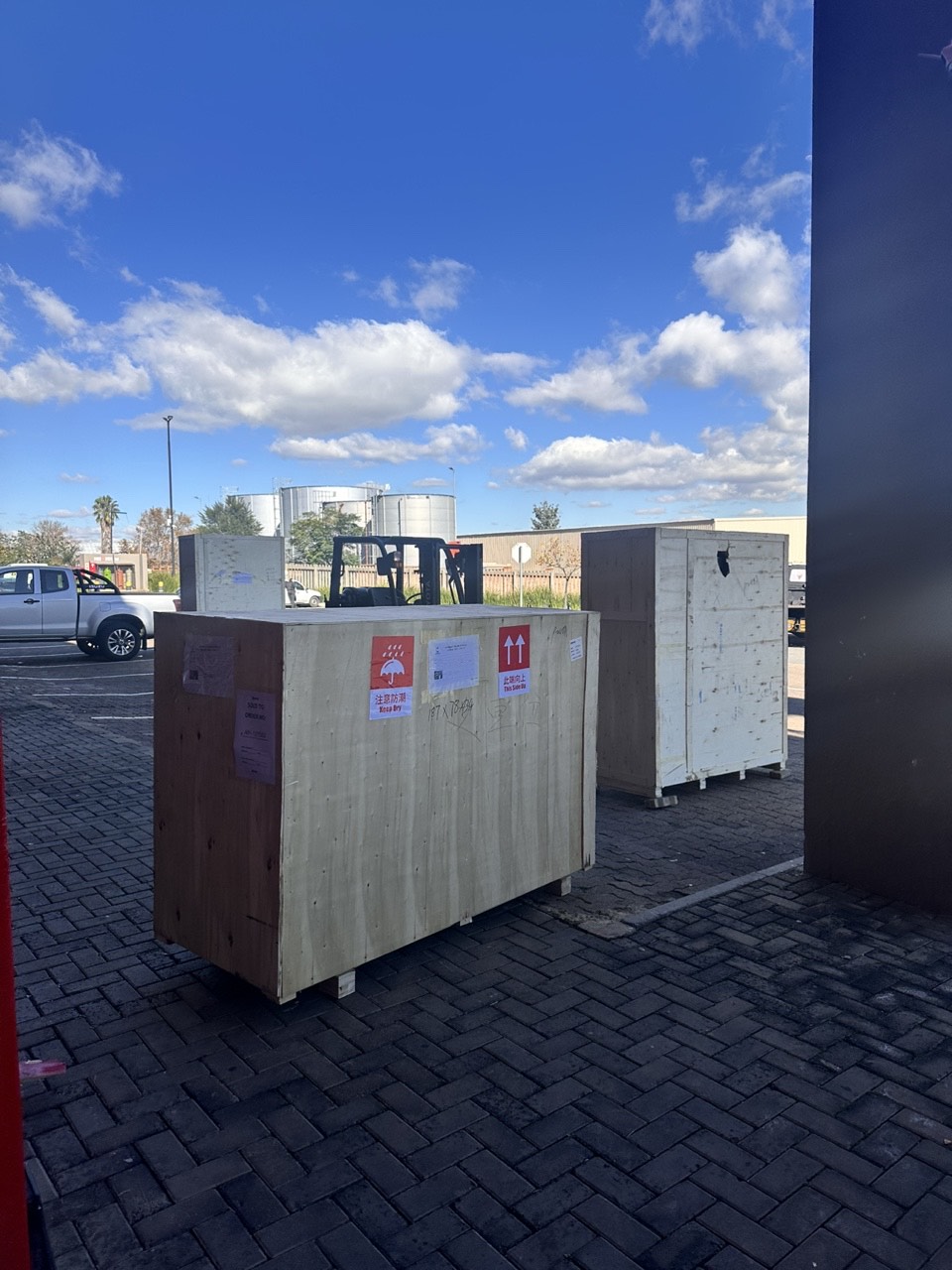
Batch of Orders
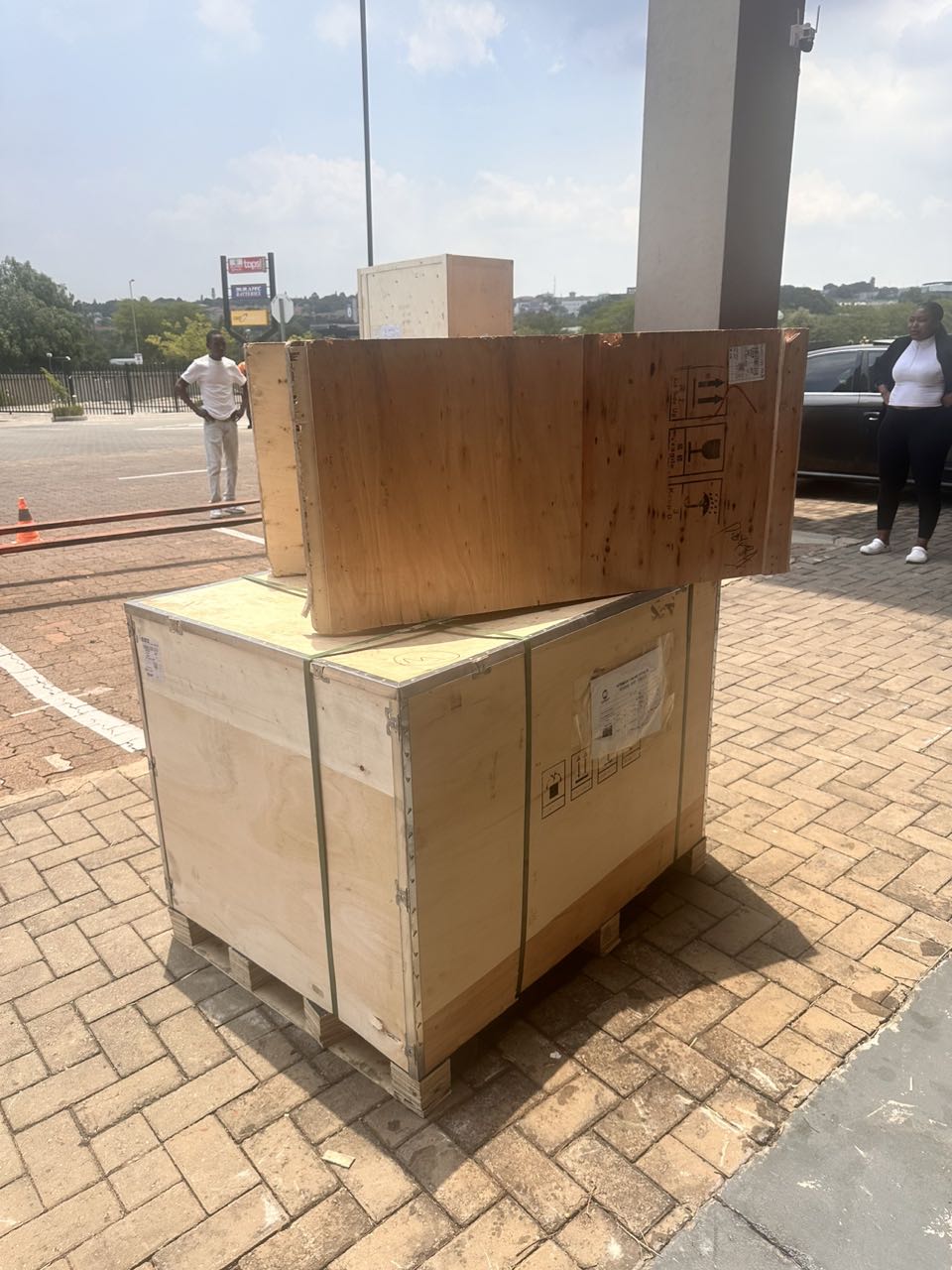
Batch of Orders
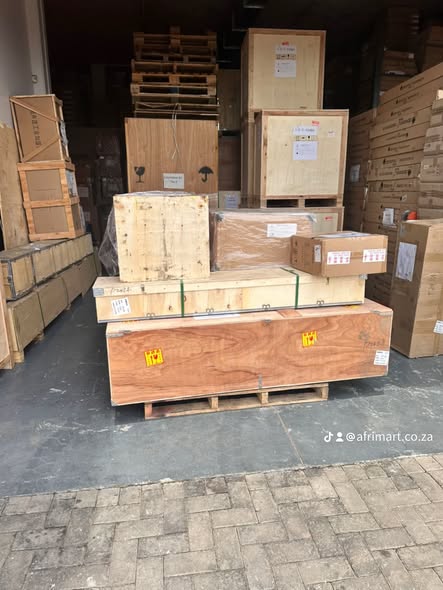
Latest Orders Labelled
wheel alignment machines
new arrivals
Pre Orders Offloading
Latest Arrivals
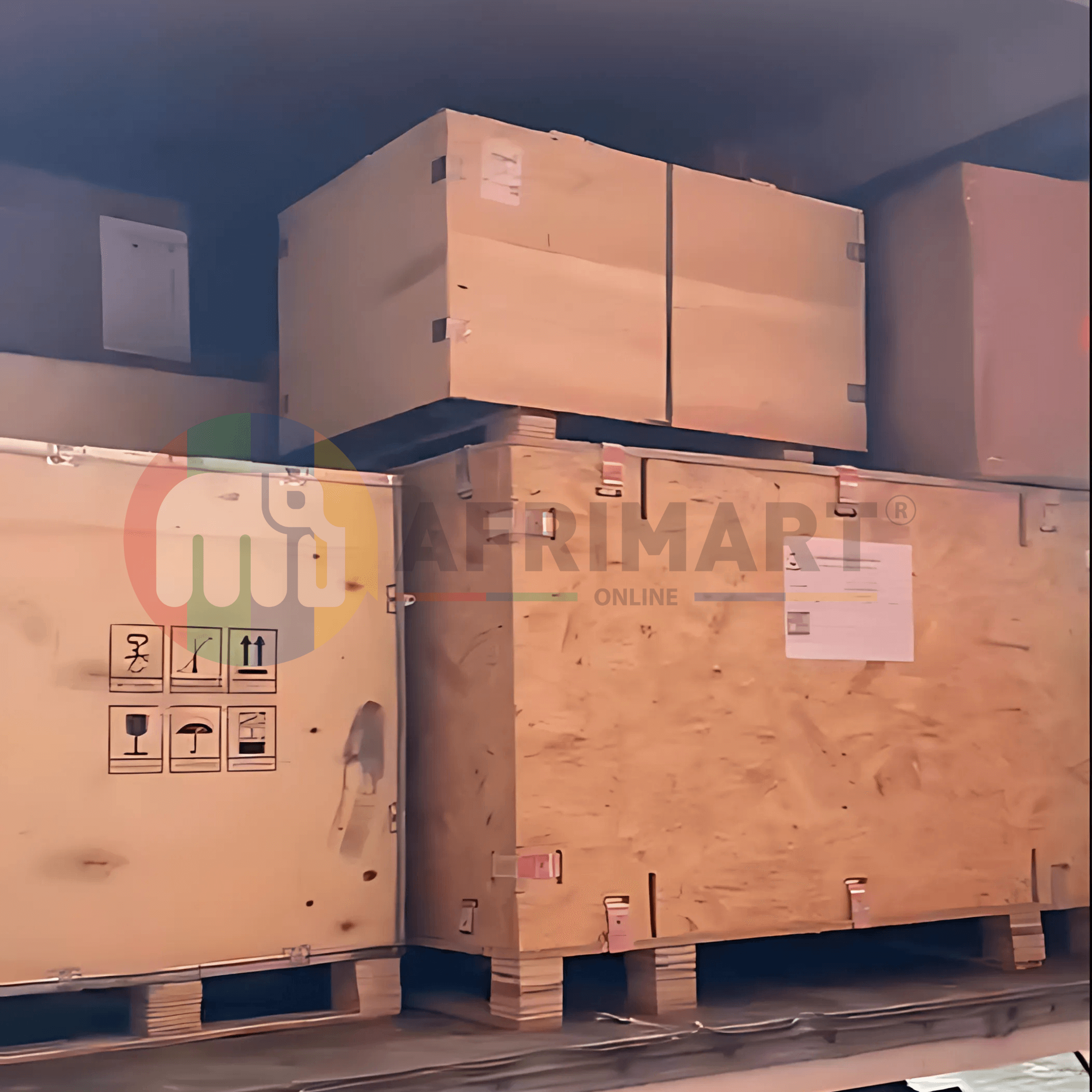
Latest Arrivals
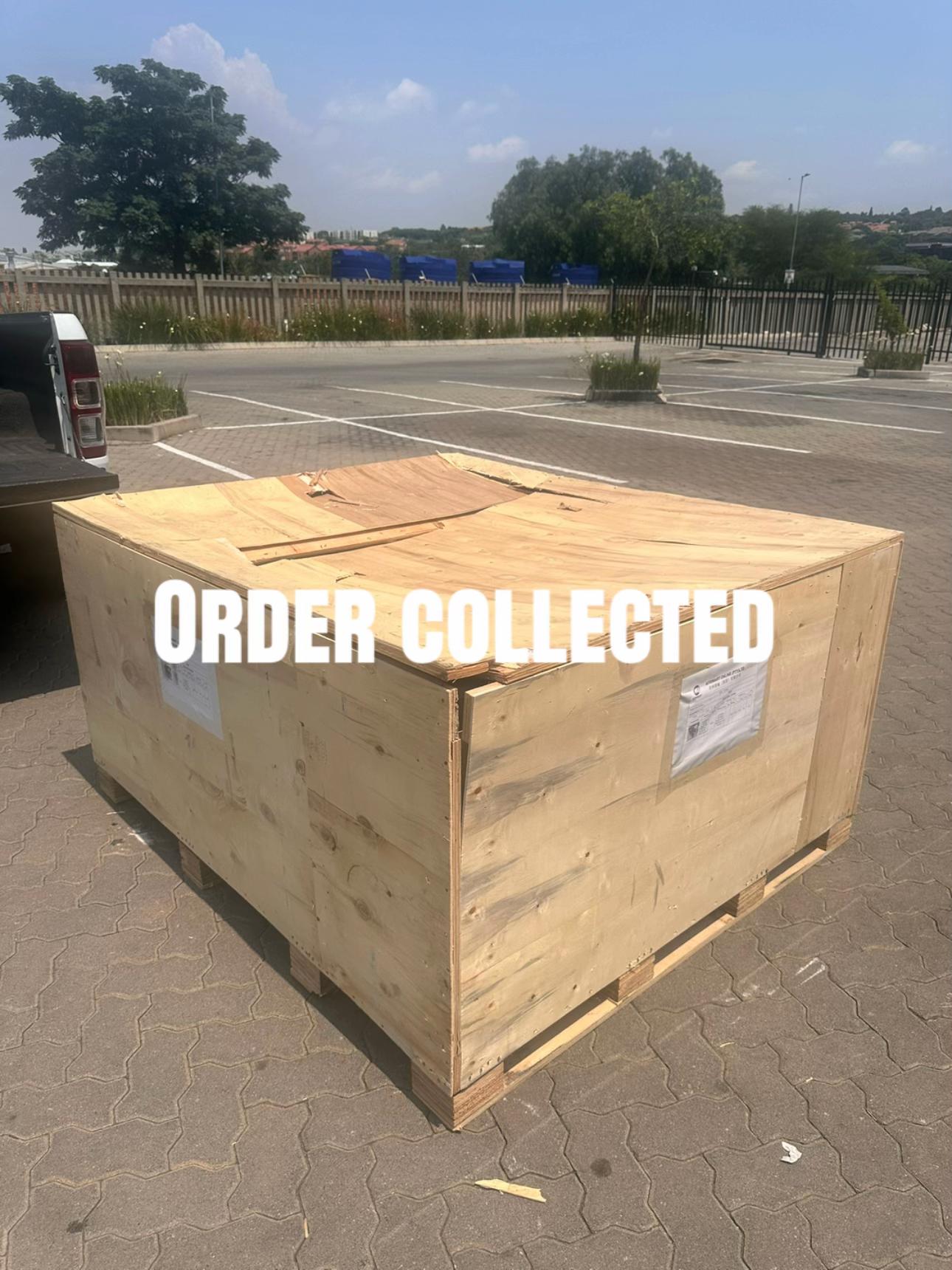
Latest Arrivals
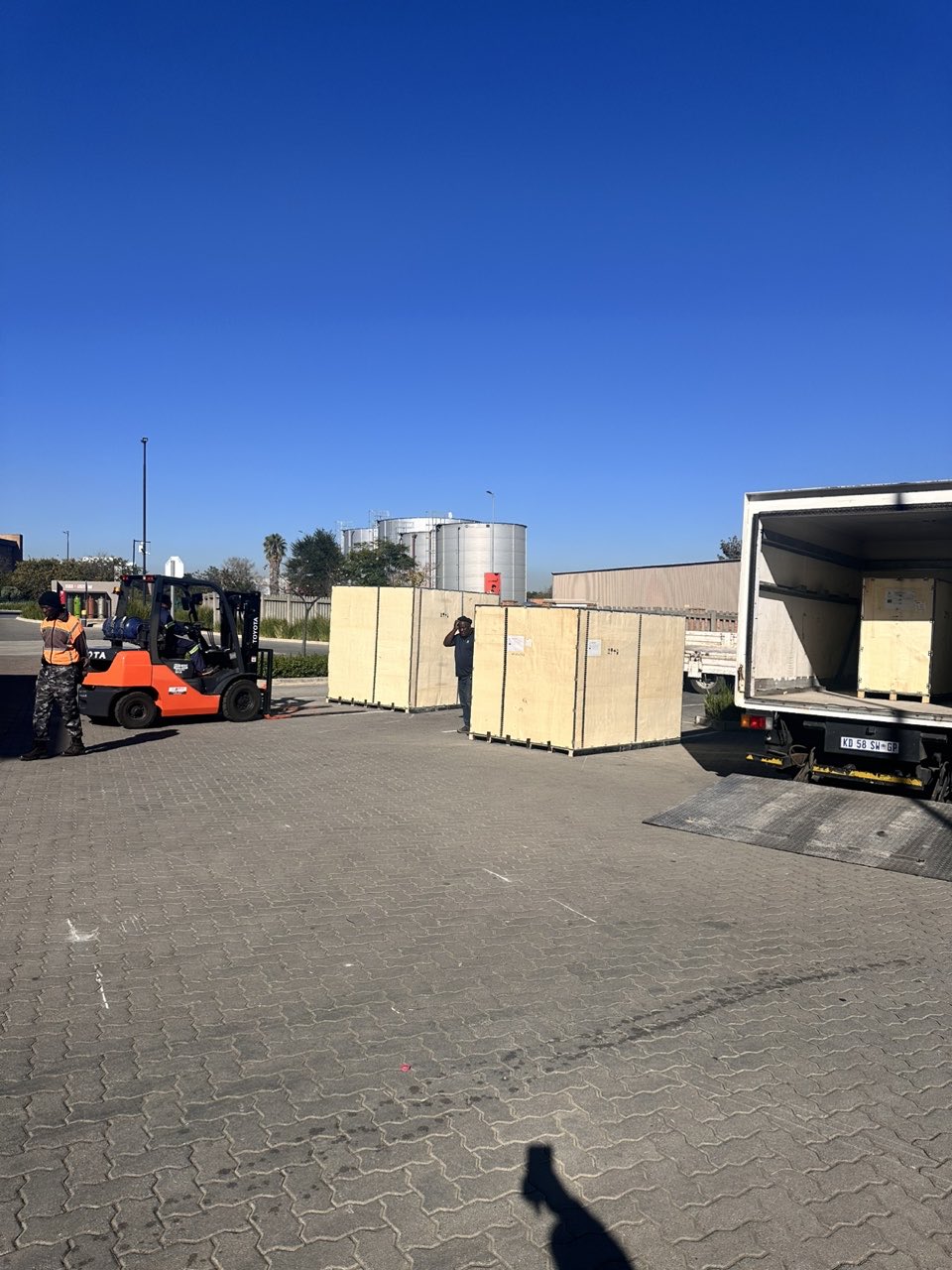
Loading
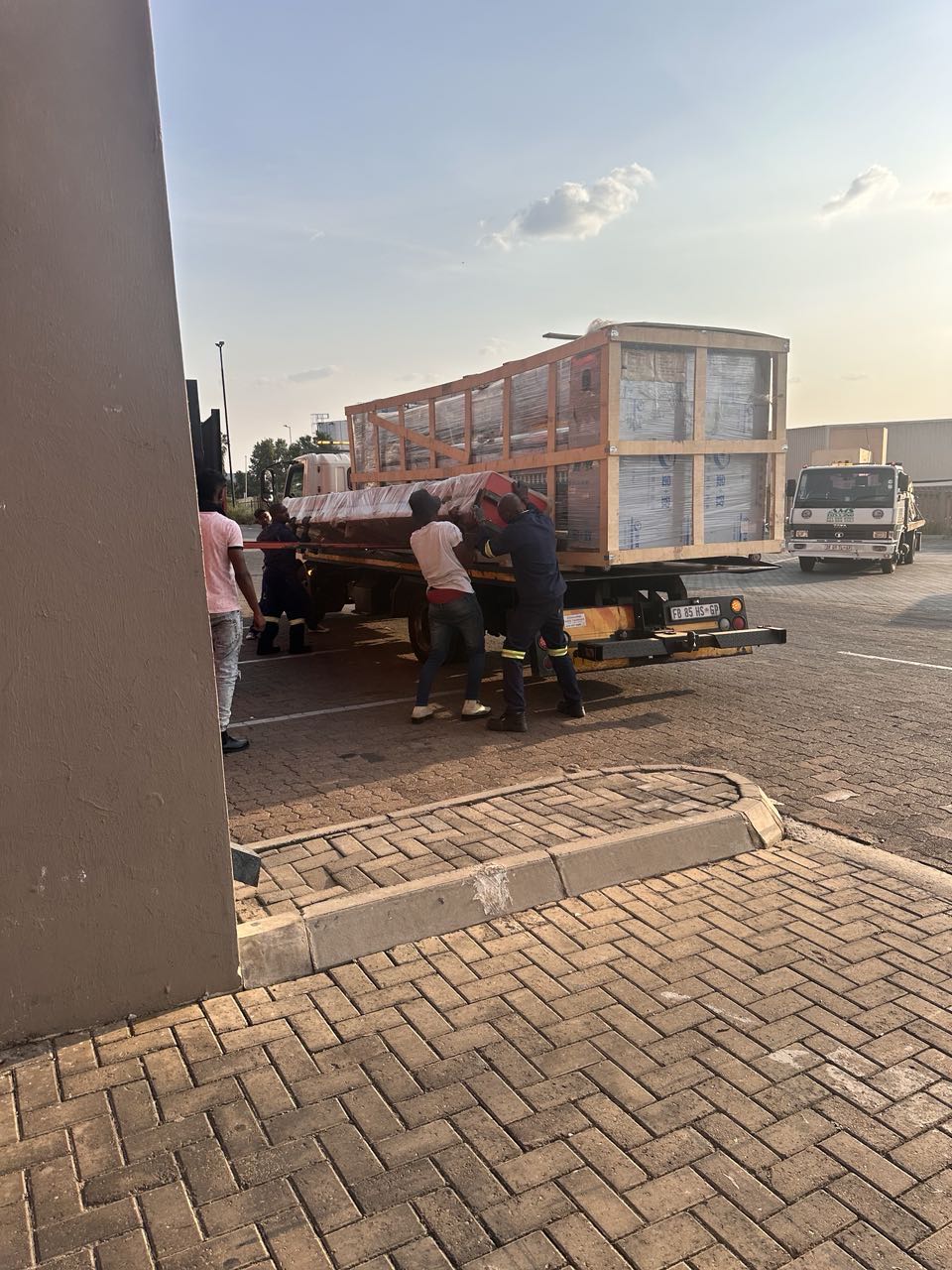
Toilet paper making machine
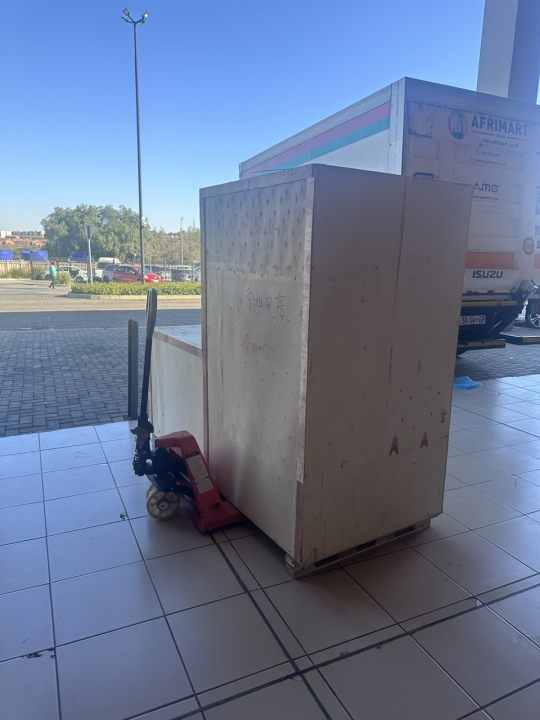
Toilet paper making machine
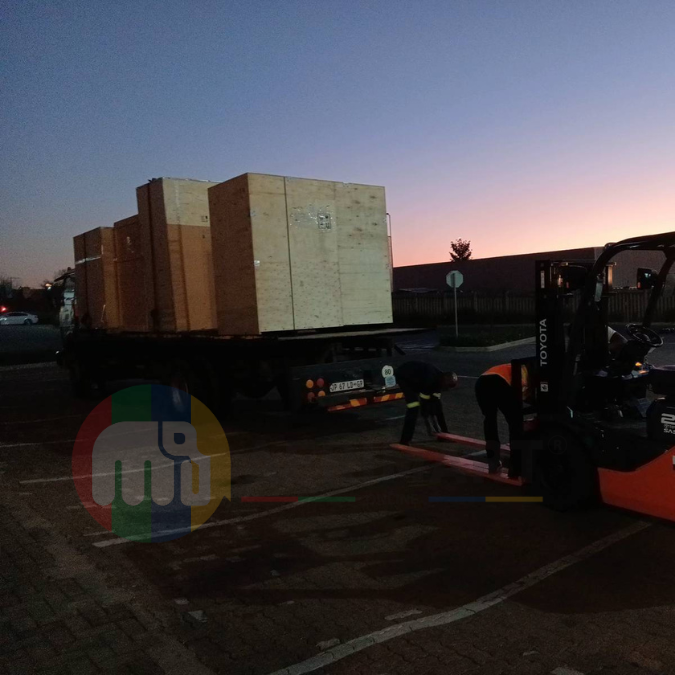
Toilet paper Rewinding Machine
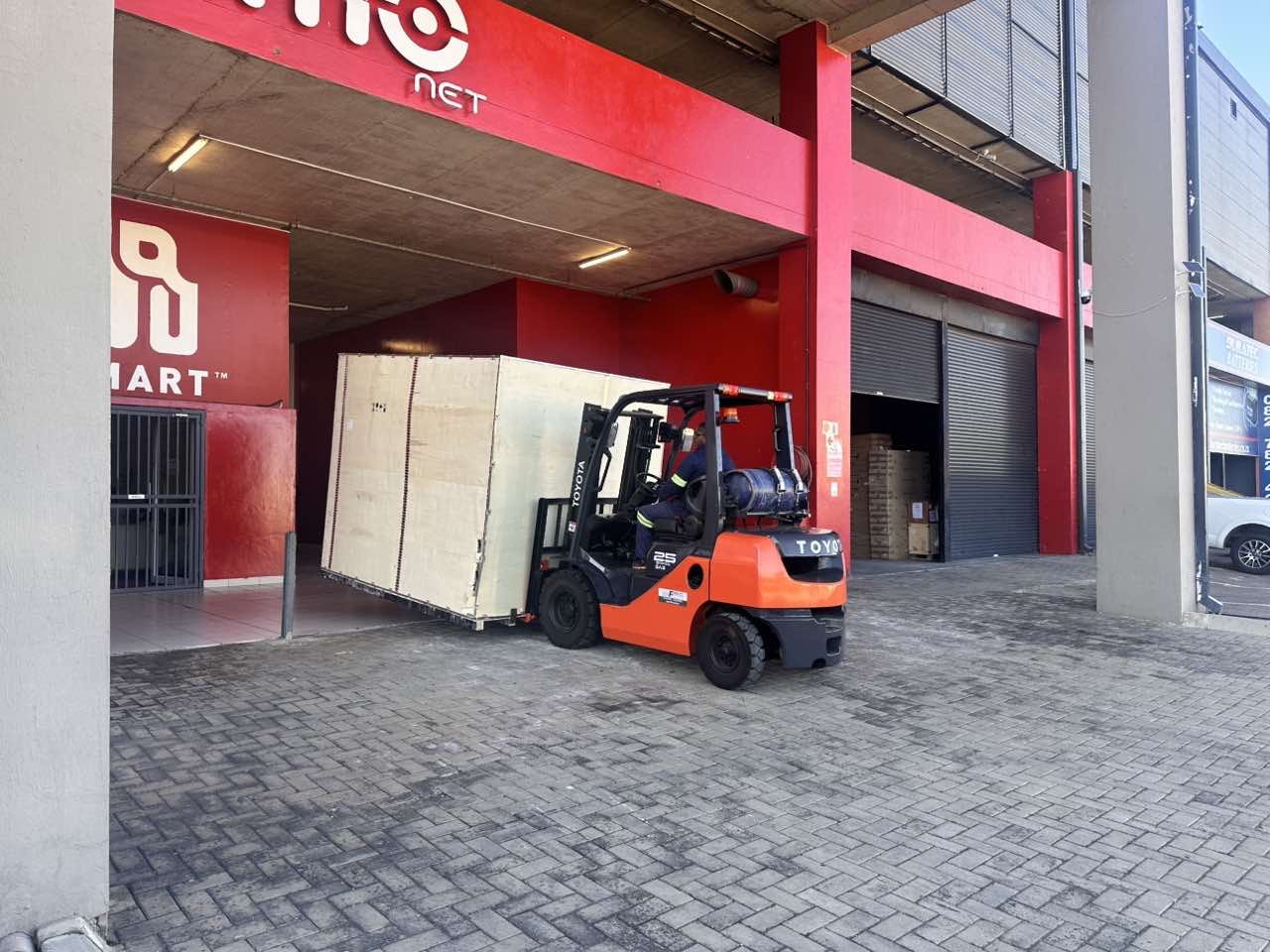
latest arrivals
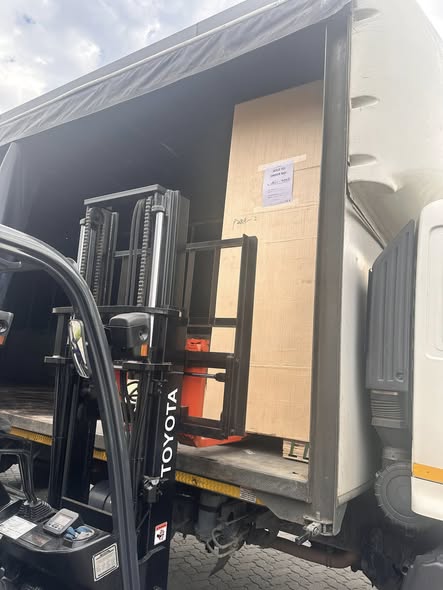
offloading
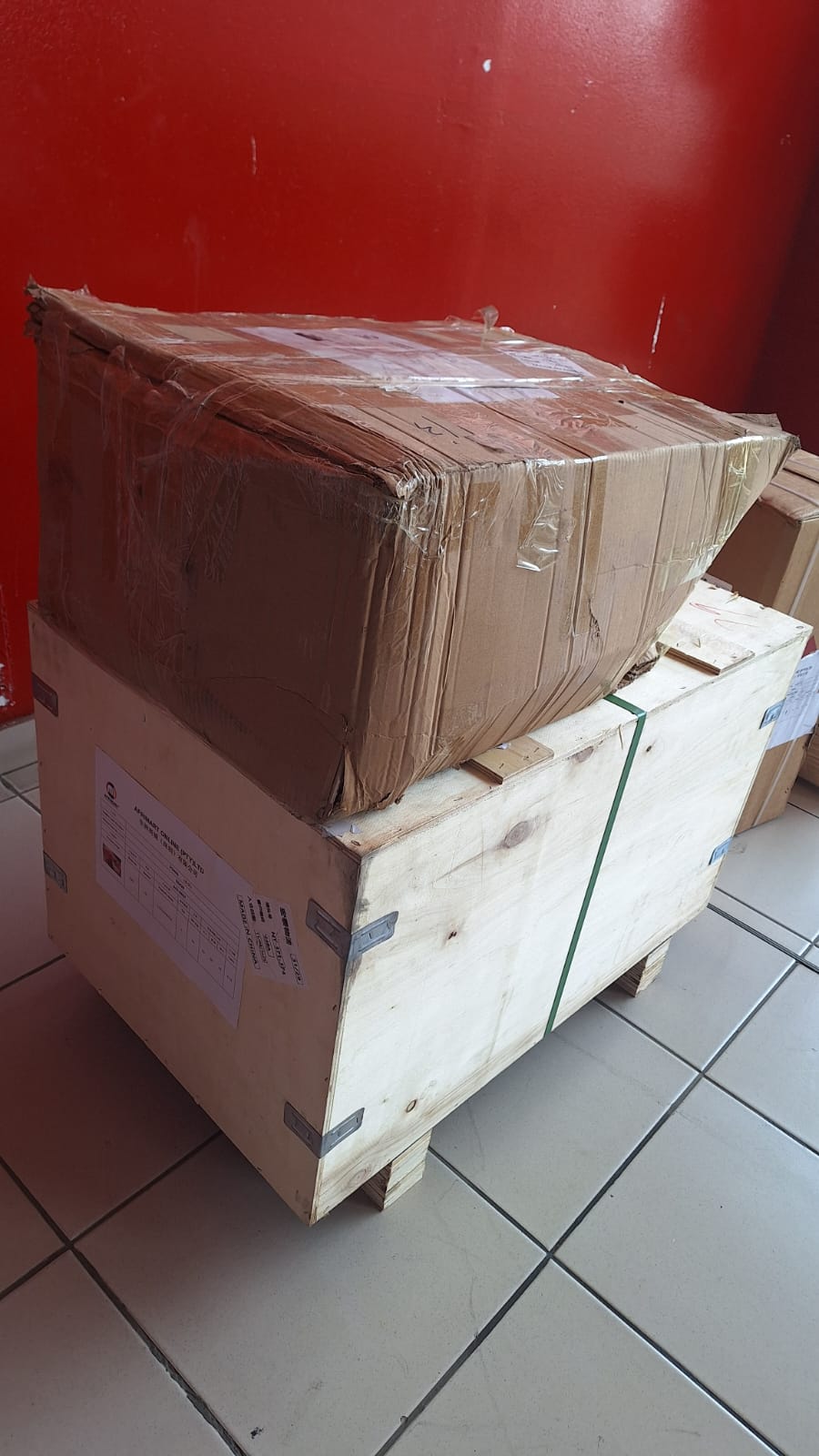
order success
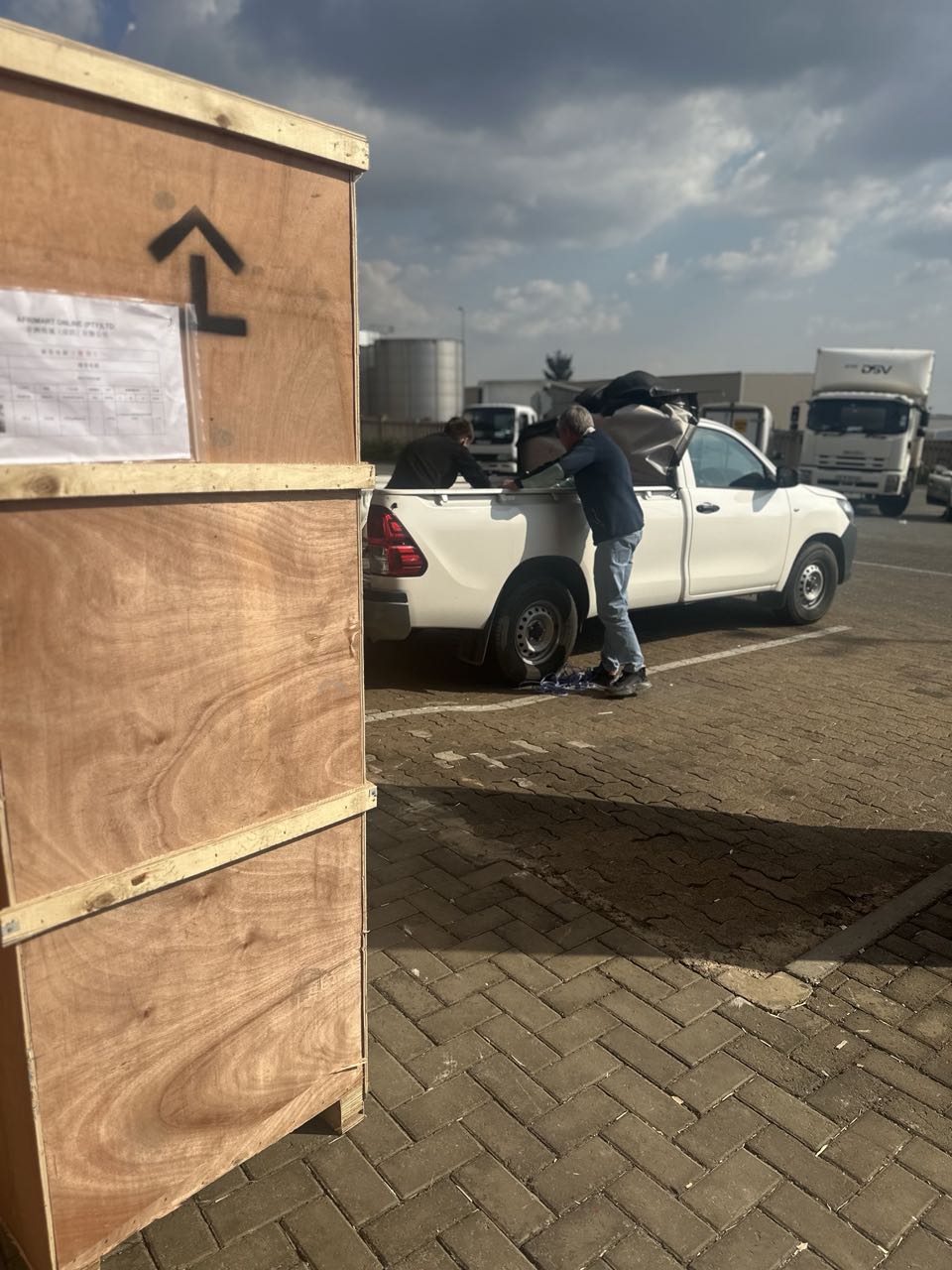
order collection
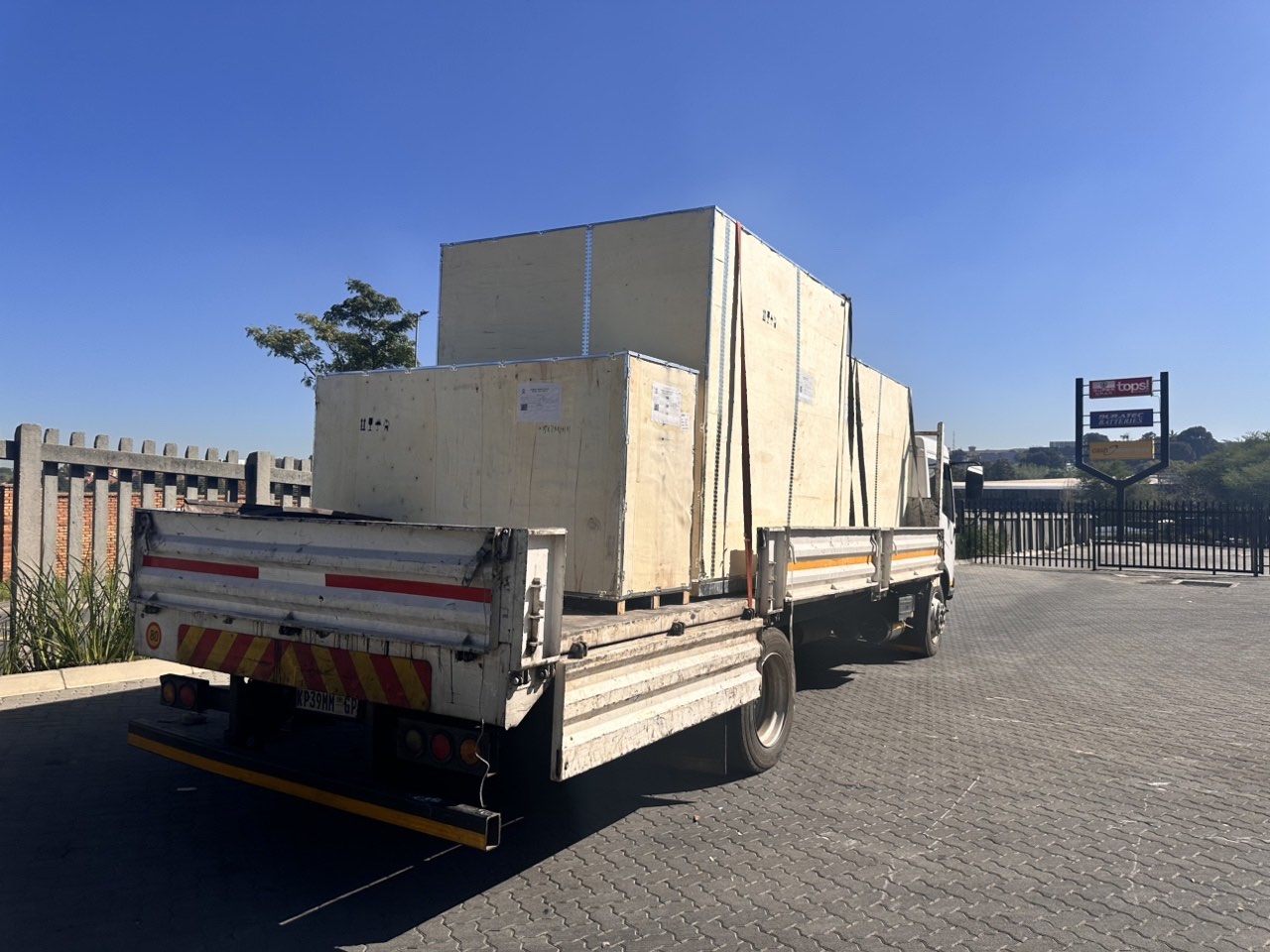
order offloading