B21, China Town Mall, Midrand

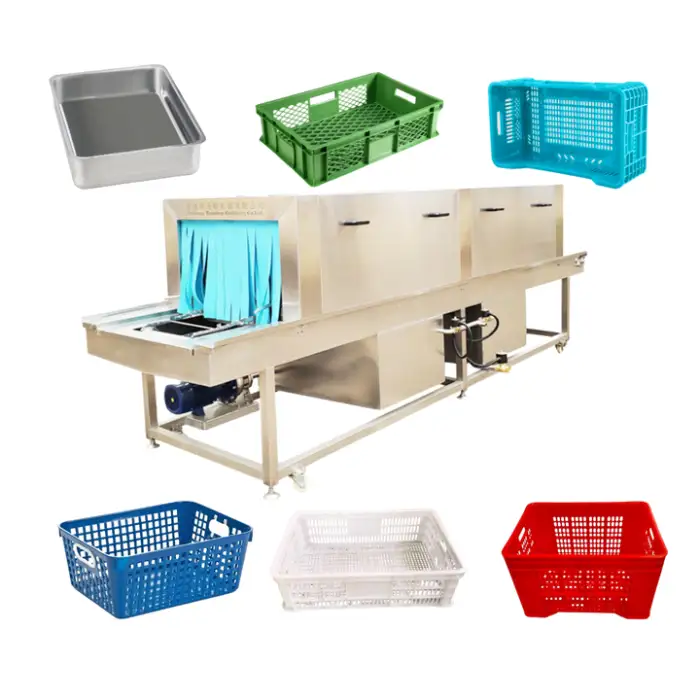
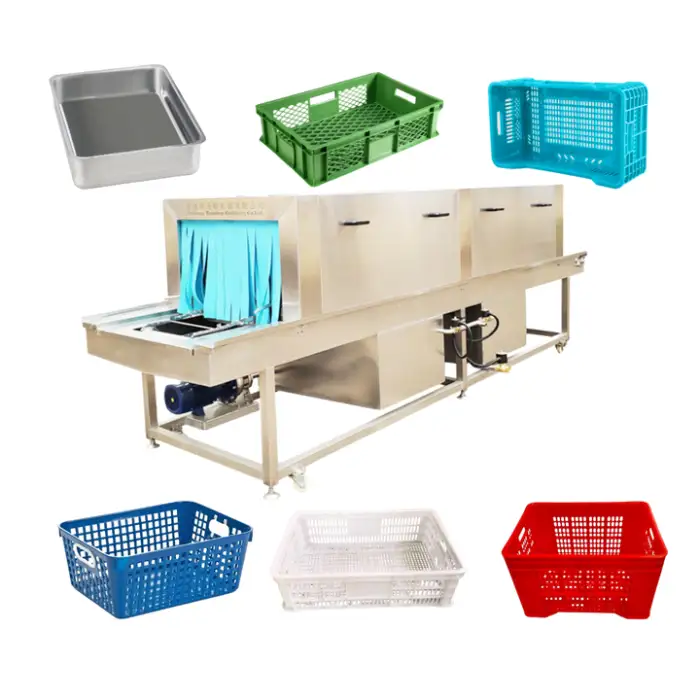
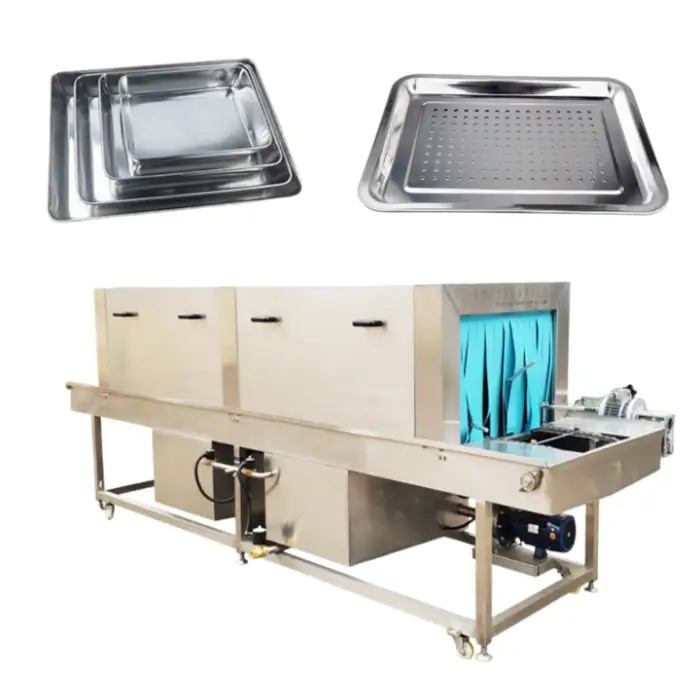
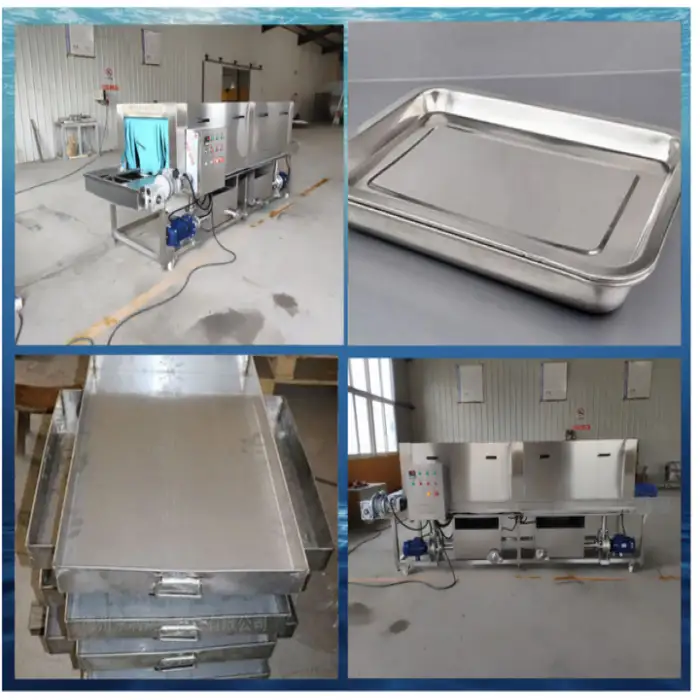
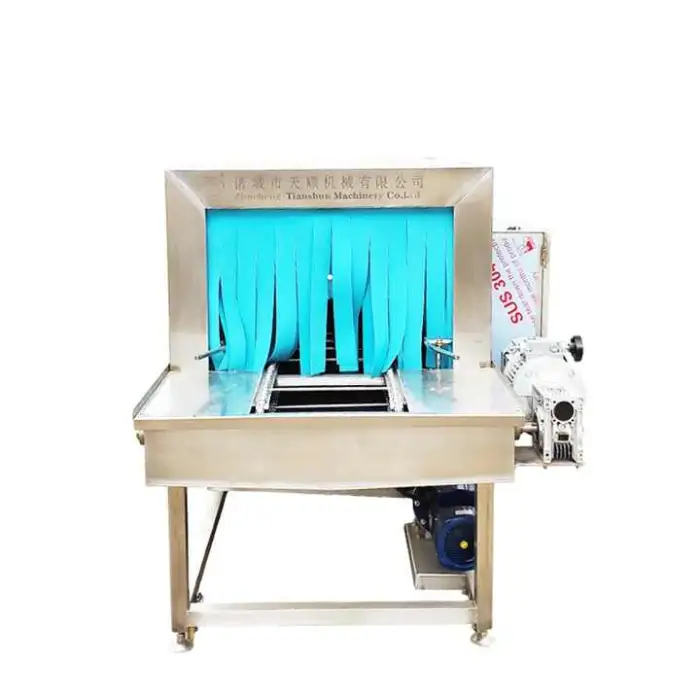
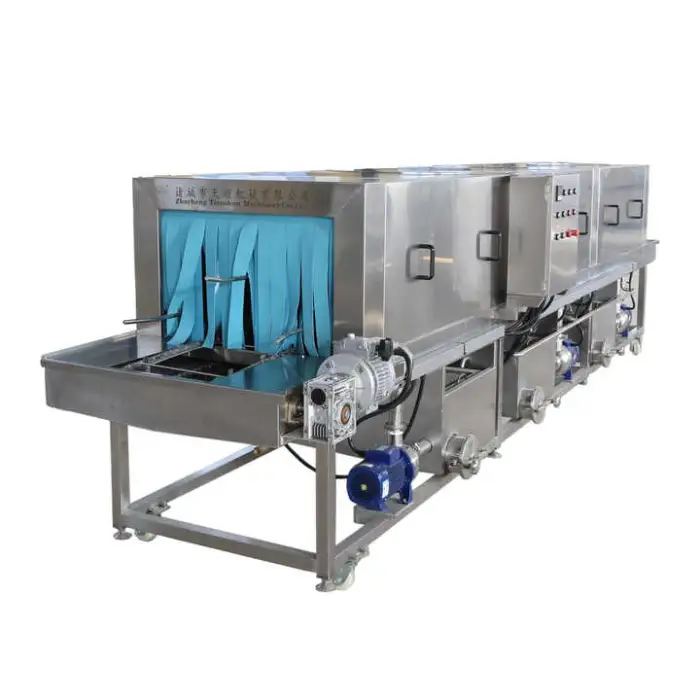
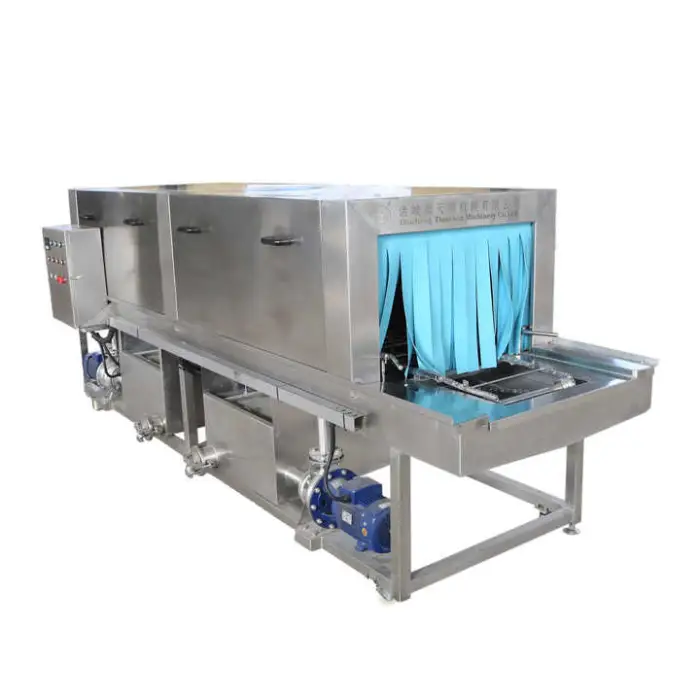
High Efficiency Washer for Plastic Trays Baskets and Pallets Perfect
Asset finance available
Do you want funding for this equipment?
Afrimart can connect you with trusted funding partners who specialise in asset finance for businesses like yours. Compare options and apply in minutes — final approval is subject to provider review.
Check funding options
Secure & no obligation

- Section : Machinery
- Category : Cleaning Equipment
- SKU : 1601298324921

High Efficiency Washer for Plastic Trays, Baskets, and Pallets Perfect
The High Efficiency Washer for Plastic Trays, Baskets, and Pallets Perfect is designed to provide powerful cleaning for your industrial needs. This machine uses hot water and high pressure to ensure critical cleaning without leaving any residues. It is perfect for washing plastic trays, baskets, and pallets, making your cleaning process quick and effective.
Specifications
| Attribute | Details |
|---|---|
| Voltage | 380V |
| Material | Stainless Steel |
| Cleaning Process | Hot Water Cleaning |
| Machine Type | Industrial Washer |
| Power | 3.75kW |
| Dimensions (L*W*H) | 4150*1320*1440 mm |
| Weight | 500 kg |
| Capacity | 300-500 trays |
| Water Pump | 2 SETS |
| Filter System | Yes |
Key Features
- High pressure cleaning for effective dirt removal.
- Hot water cleaning to ensure thorough sanitation.
- Stainless steel construction for durability.
- Online and video support for easy troubleshooting.
- Large capacity for washing multiple trays at once.
Applications
- Washing plastic trays used in food processing.
- Cleaning baskets in commercial kitchens.
- Sanitizing pallets in warehouses.
- Preparing trays and baskets for reuse in production.
- Maintaining hygiene standards in industrial settings.
Product Info Gallery
- Shipping Timeframes: All orders are processed within 2-5 business days (excluding weekends and holidays). After your order has been processed, the estimated delivery time is before 02 Sep, 2026, depending on customs, Please note that due to high demand, some items may experience longer shipping times, which will be communicated at order confirmation email.
- Order Processing Time: Please allow 2-5 business days for us to process your order before it is shipped . Orders placed after 16:00 on Fridays, or during weekends and public holidays, will begin processing on the next business day. Processing times may be extended during peak seasons or sales events.
- Manufacturing Time: Some products needs manufacturing time, the manufacturing process will take approximately 10-30 business days depending on the product. This timeframe may vary depending on the complexity of the product and current demand. but this will be communicated with you during order confirmation.
- Returns and Exchanges: We offer a 30-day return policy for most items. If you are not completely satisfied with your purchase, you may return it within 30 days of receipt for a refund or exchange. Items must be unused, in their original packaging, and accompanied by proof of purchase. Return shipping costs are the responsibility of the customer, unless the item was damaged or defective upon arrival.
1. What types of items can this washer clean?
It is designed primarily for plastic trays, baskets, and pallets used in food processing, commercial kitchens, and warehouses. Other materials may be cleaned if they are compatible with hot water and high-pressure washing—check with the manufacturer for specific material compatibility.
2. What is the machine's stated capacity?
The specification lists a capacity of 300–500 trays. Actual throughput depends on tray size, soil level, selected cycle time and configuration—contact the vendor with your tray dimensions and soil conditions for an estimated throughput rate.
3. What are the electrical requirements?
The machine requires 380V power and has a power rating of 3.75 kW. This typically means a three-phase supply; installation should be completed by a qualified electrician and comply with local electrical codes.
4. What cleaning process does the machine use?
It uses hot water combined with high-pressure washing to deliver critical cleaning and thorough sanitation without leaving residues.
5. Does it include a filter system and how should it be maintained?
Yes, a filter system is included. Filters should be inspected and cleaned regularly (frequency depends on soil load—daily visual checks and routine cleaning are common). Follow the manufacturer’s maintenance schedule for filter changes and deep cleaning.
6. How many pumps does the machine have and what does '2 SETS' mean?
The specification lists '2 SETS' of water pumps. This can provide greater flow/pressure capacity, redundancy, or staged operation. For details on pump arrangement, maintenance intervals and spare parts, consult the technical manual or supplier.
7. What water temperature and pressure does the washer operate at?
The machine uses hot water and 'high pressure' for cleaning, but specific temperature and pressure ratings are not given in the basic spec. Refer to the detailed technical datasheet or contact the manufacturer for exact operating ranges and recommended settings.
8. What detergents or chemicals can be used?
Use detergents that are compatible with plastic and stainless steel and appropriate for your industry (e.g., food-grade alkaline detergents for food contact equipment). Always follow detergent manufacturer guidance and check with the washer supplier for any restrictions.
9. Does the washer include a drying function?
A drying system is not specified in the provided description. Some installations add an integrated drying section or a separate drying solution—ask the supplier about available configurations and options.
10. What are the machine dimensions and installation considerations?
Dimensions: 4150 mm (L) × 1320 mm (W) × 1440 mm (H). Weight: 500 kg. Installation requires a level, load-bearing floor, adequate clearance for maintenance, proper water supply and drainage, and appropriate electrical connections. Heavy lifting equipment (forklift or crane) may be needed for placement.
11. Is the machine suitable for use in food processing environments?
Yes—stainless steel construction, hot-water sanitation and high-pressure cleaning make it suitable for many food processing and hygiene-critical environments. Verify any regulatory or certification requirements for your facility with the supplier.
12. What safety features does the washer have?
The basic description does not list specific safety features. Industrial washers commonly include emergency stop buttons, safety guards, interlocks and thermal protections. Confirm the exact safety features and compliance with local safety standards in the technical documentation or with the vendor.
13. How often should routine maintenance be performed?
Routine maintenance frequency varies with usage and soil load. Typical recommendations include daily visual checks, daily or weekly filter inspection/cleaning, periodic pump and spray nozzle checks, and scheduled professional servicing per the manufacturer's manual.
14. What kind of support and warranty is available?
The product listing mentions online and video support for troubleshooting. Warranty terms and lengths are vendor-dependent—confirm warranty coverage, spare parts availability and service contracts with the supplier before purchase.
15. Can the washer be customized or integrated into existing production lines?
Many industrial washers can be customized for conveyor interfaces, cycle adjustments, pre-clean or post-rinse stages and additional modules (e.g., drying). Contact the manufacturer or sales representative to discuss integration, customization options and lead times.
Latest Order Arrivals
Discover our latest orders
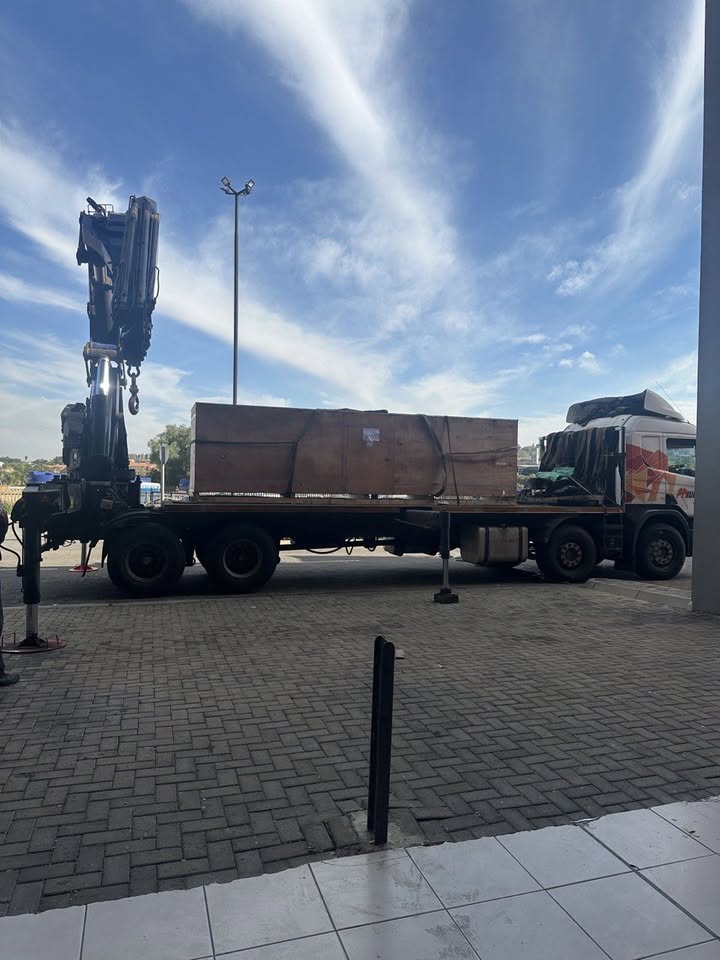
12 Heads Embroidery Machine
Toilet Paper Machine Machine
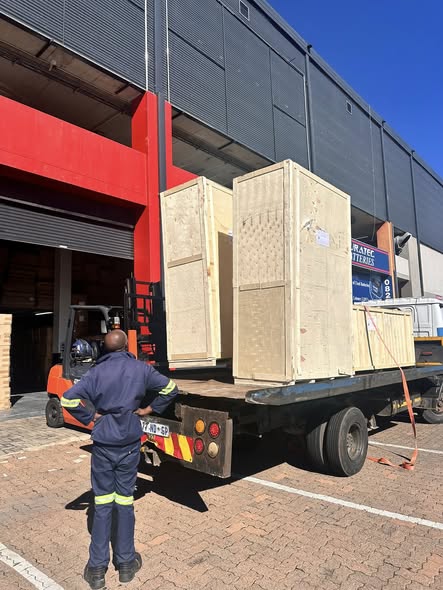
Order Collection
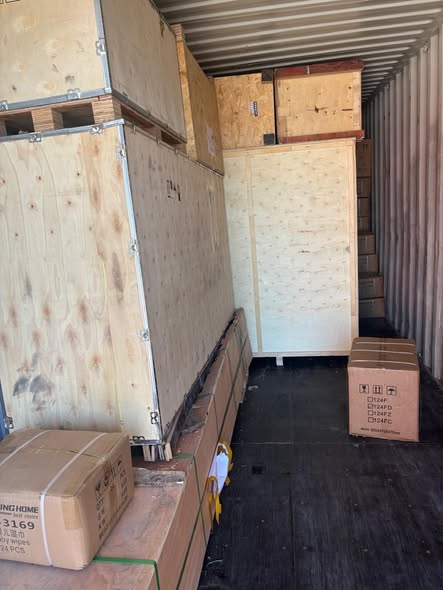
Cross Border Clients
Order cros border countries Collected
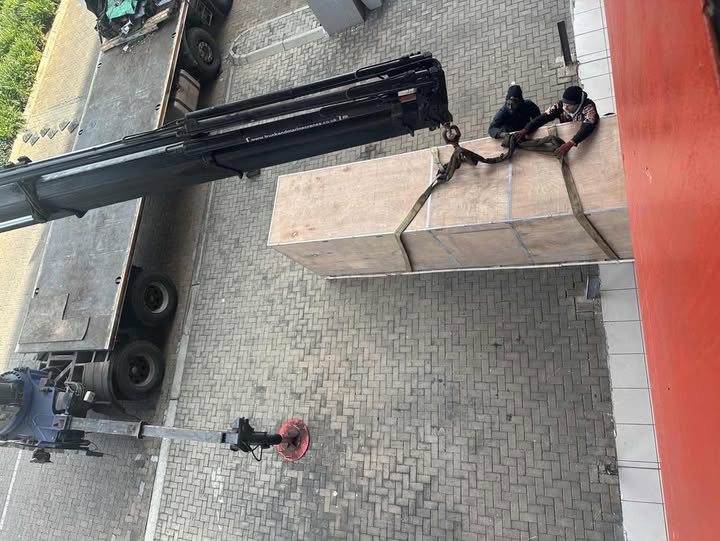
Industrial Machine Cllection
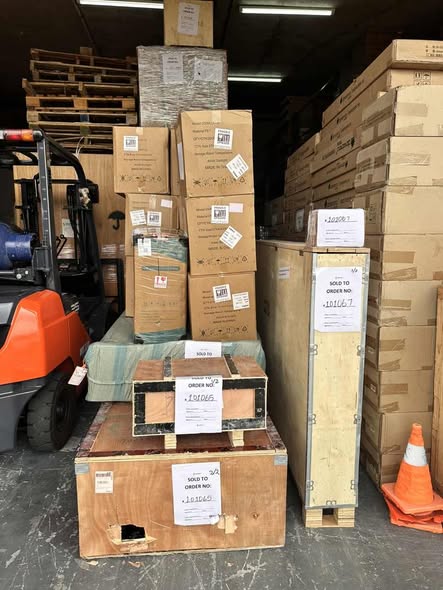
Agriculture Processing Machines
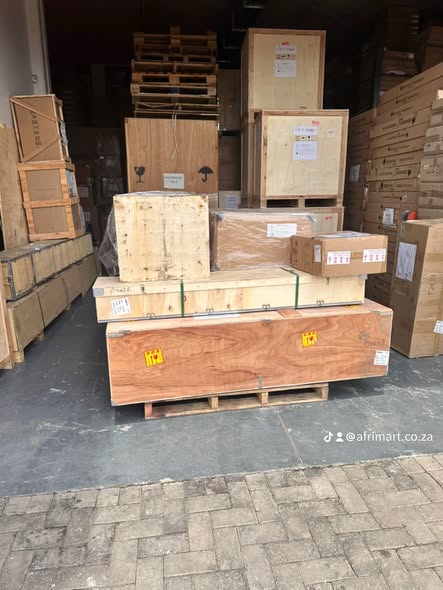
Ready for collection
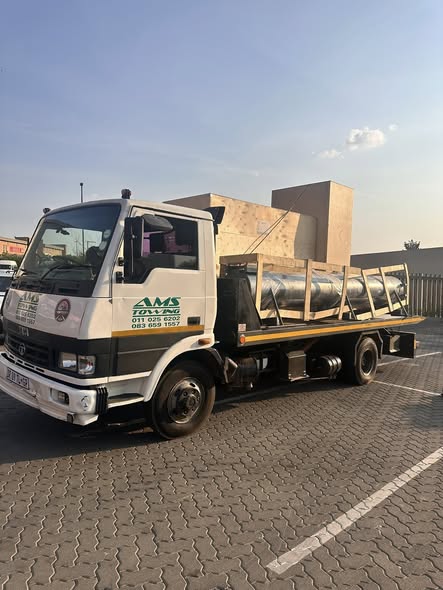
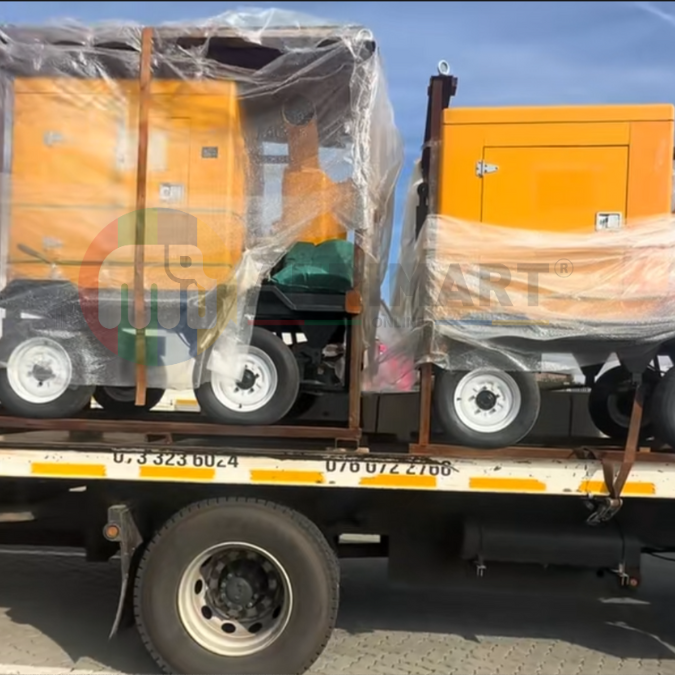
Water Pump Equipment
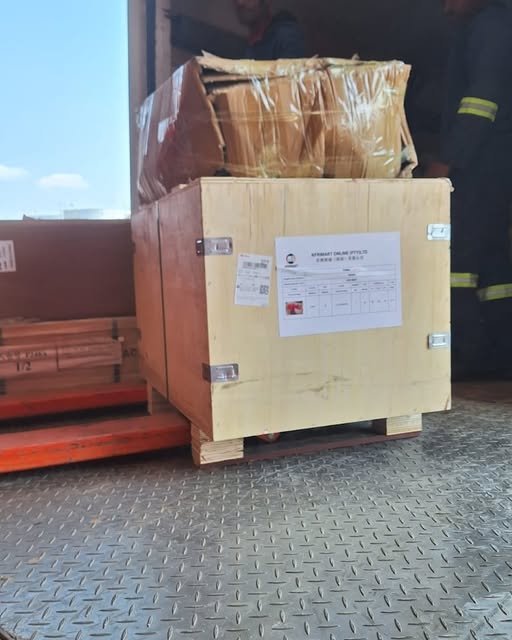
Packaging Machine and accessories
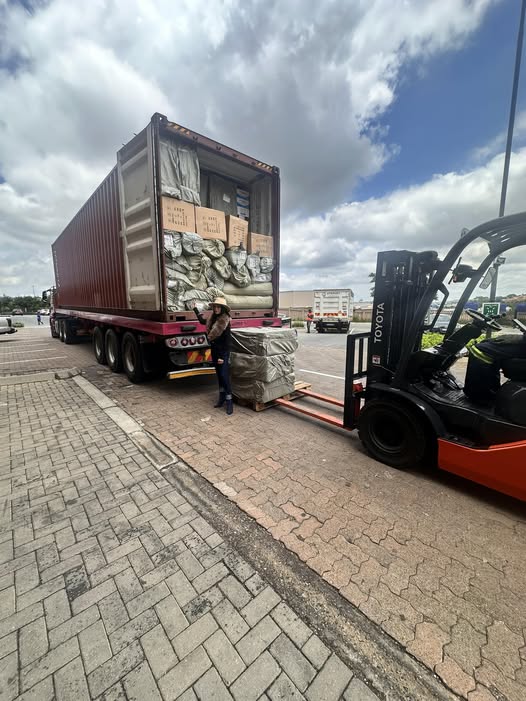
Fabrics Manufacturing Equipment
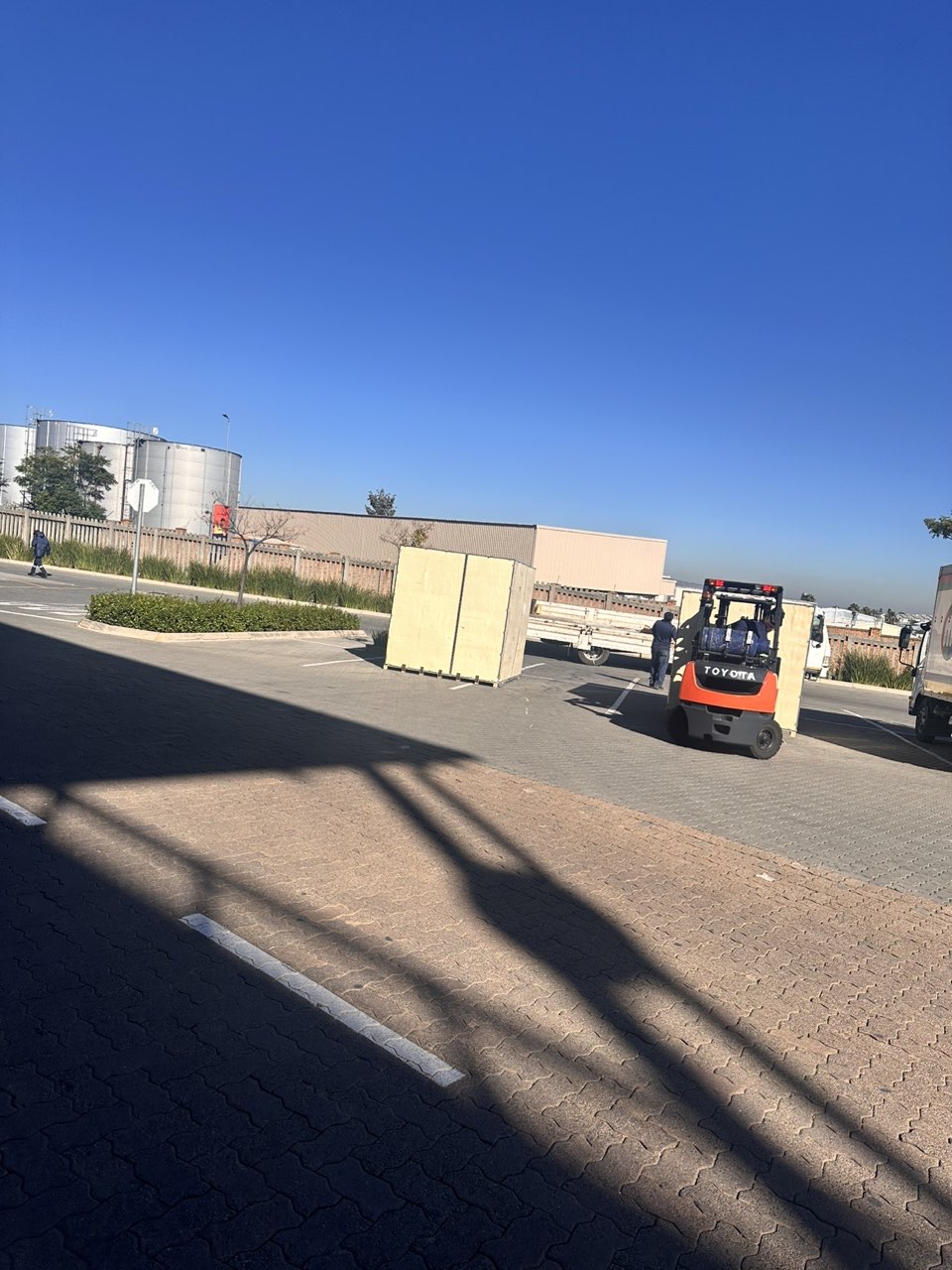
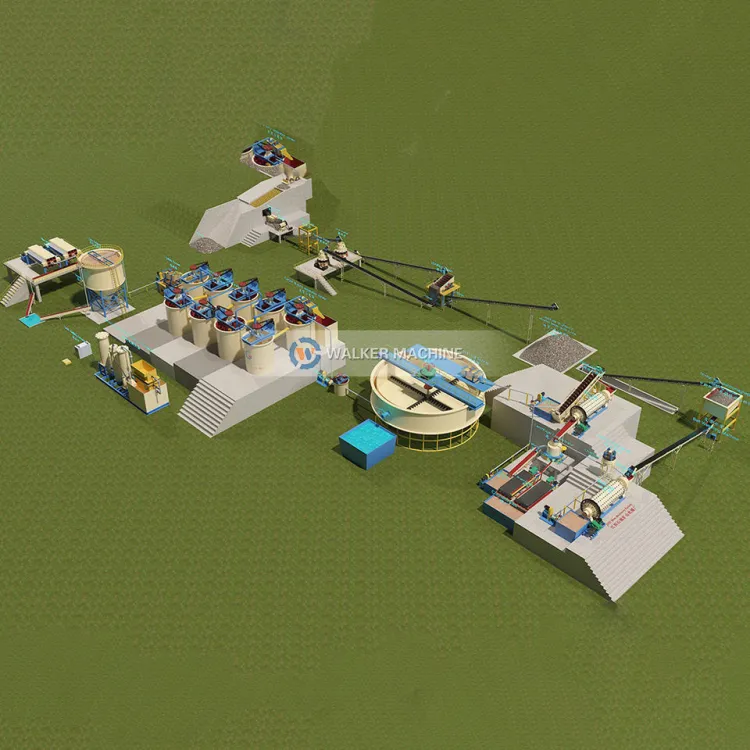
Mining Equipments
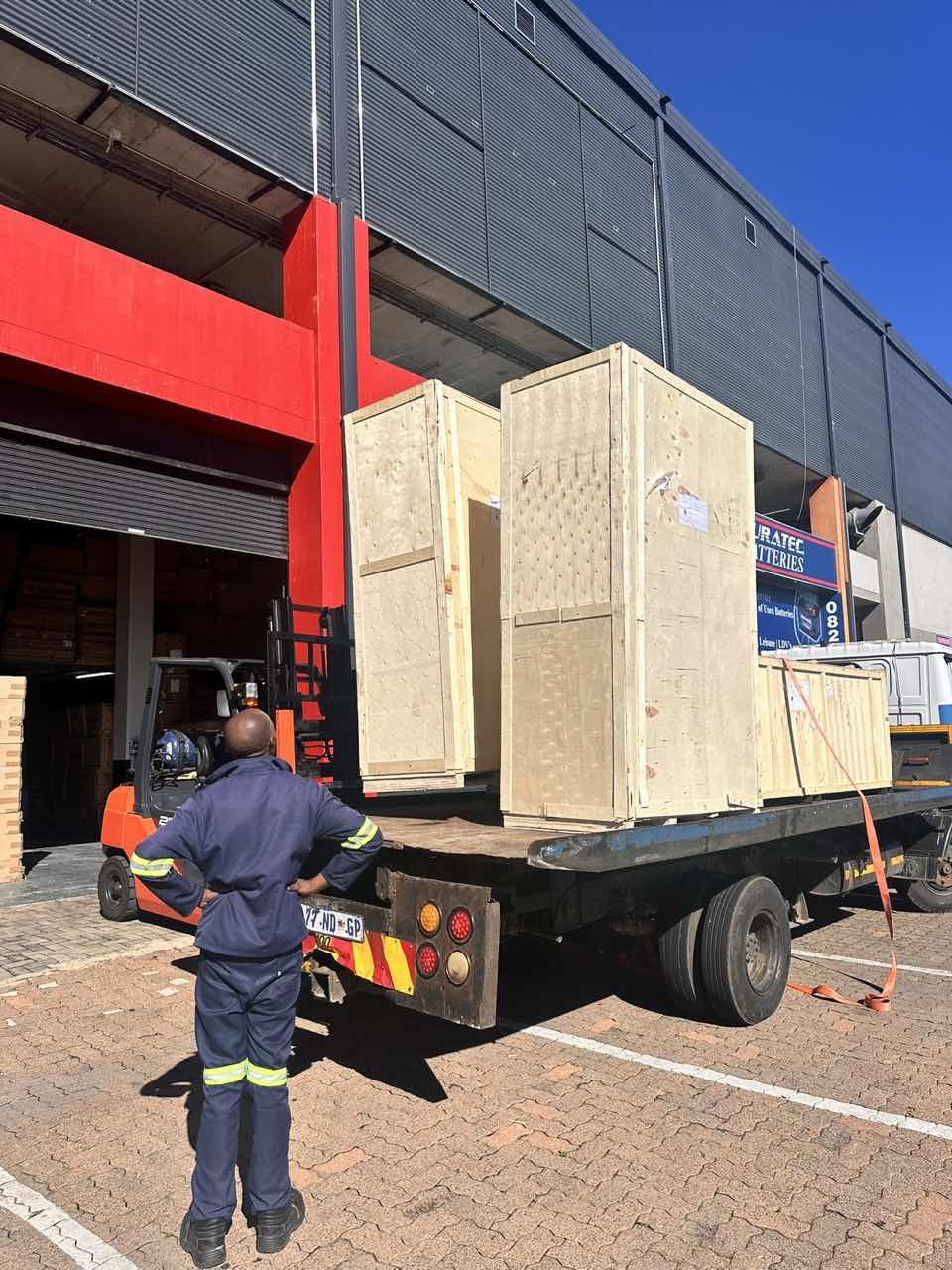
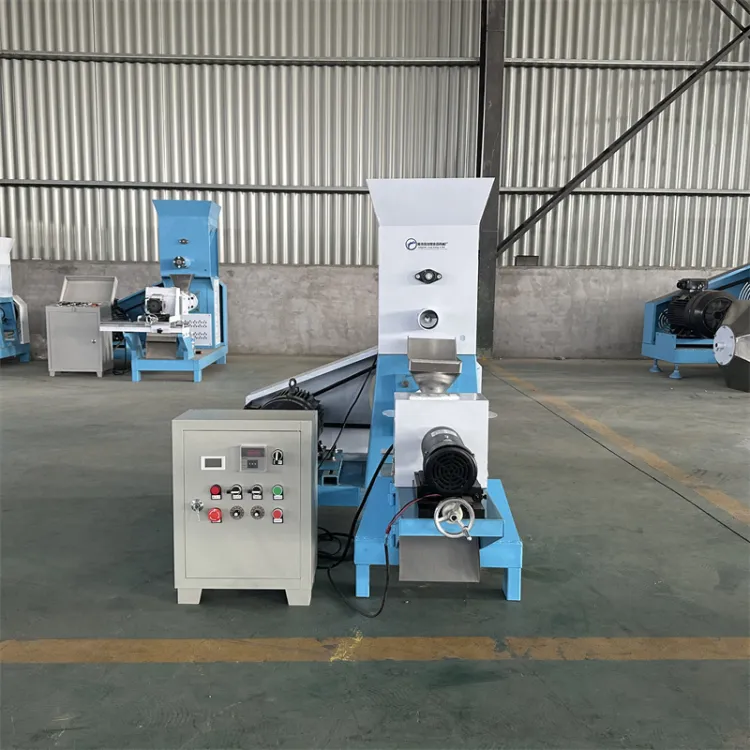
Food Processing Machine
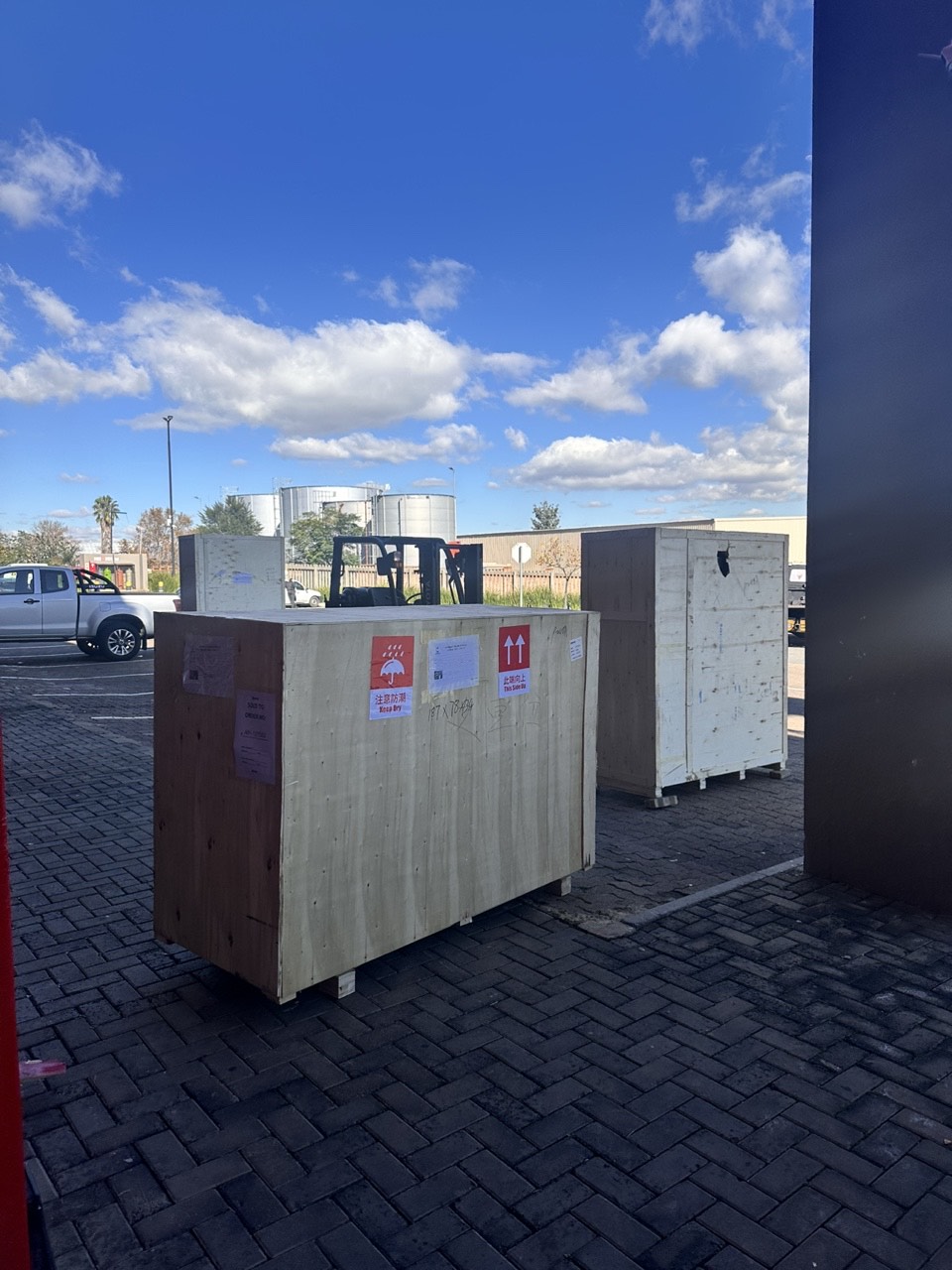
Batch of Orders
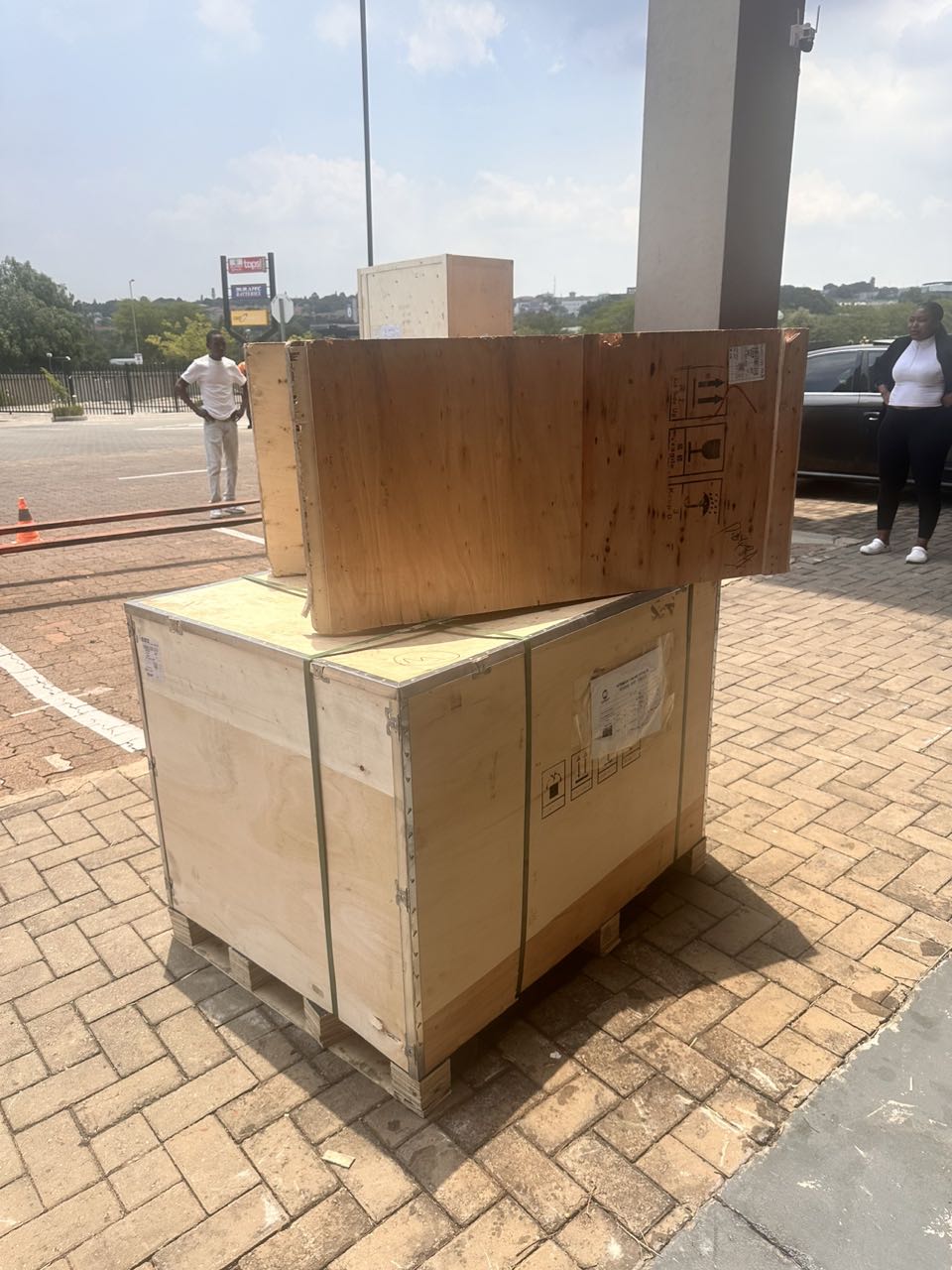
Batch of Orders
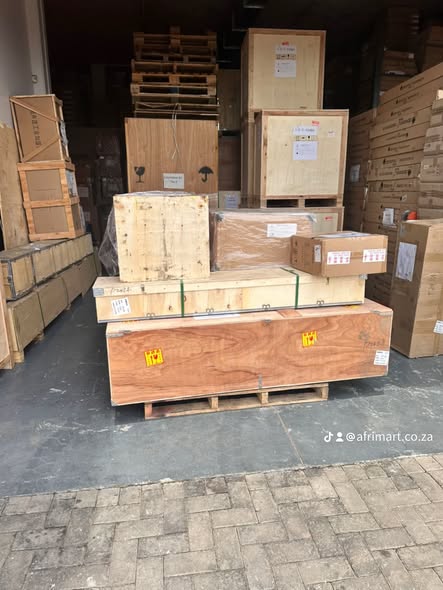
Latest Orders Labelled
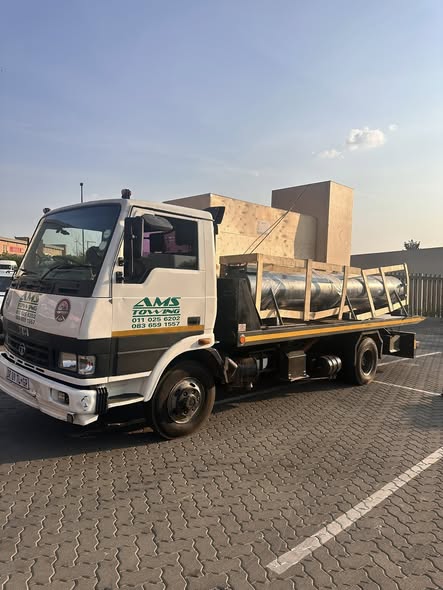
wheel alignment machines
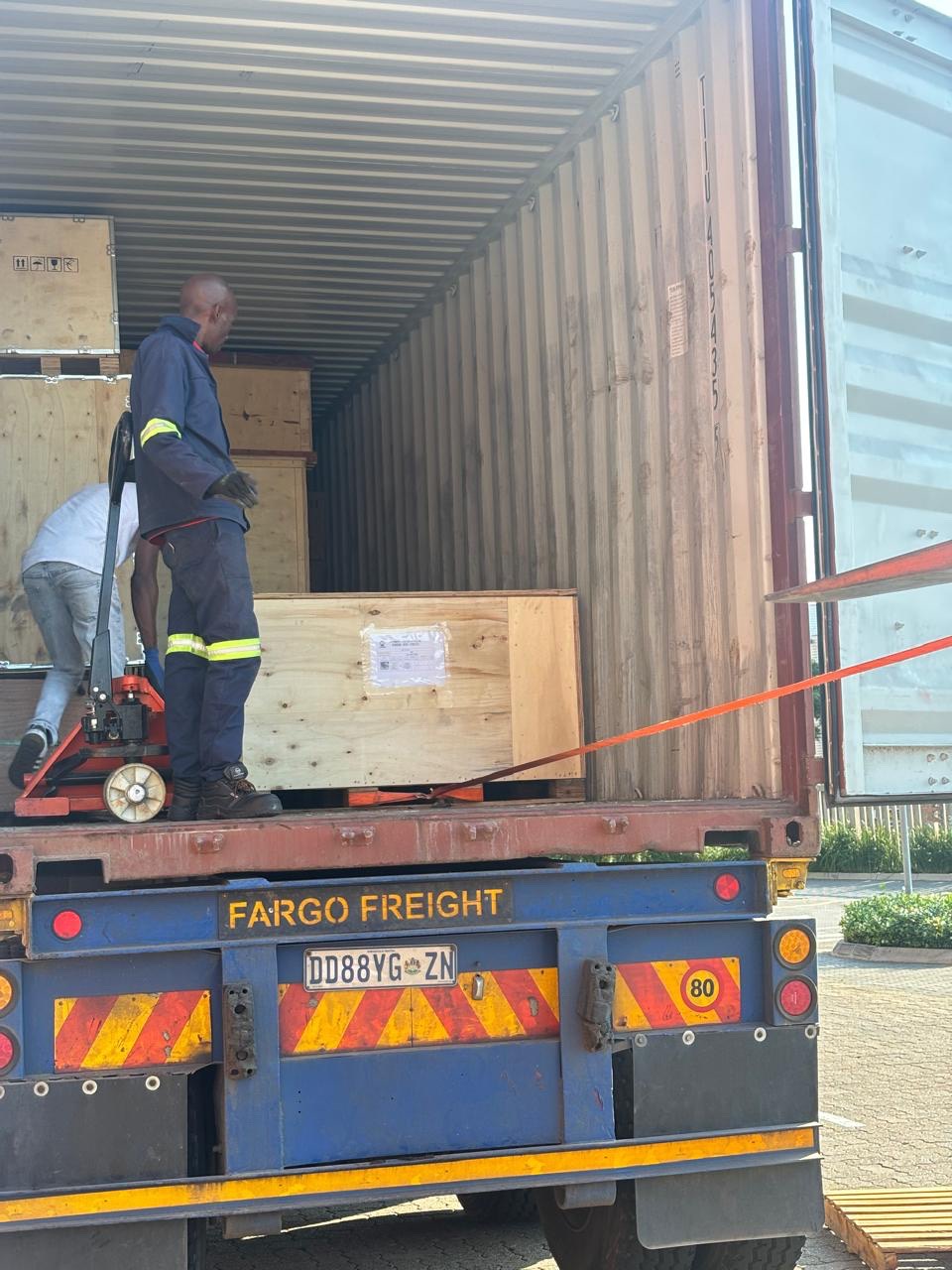
new arrivals
Pre Orders Offloading
Latest Arrivals
Latest Arrivals
Latest Arrivals
Loading
Toilet paper making machine
Toilet paper making machine
Toilet paper Rewinding Machine
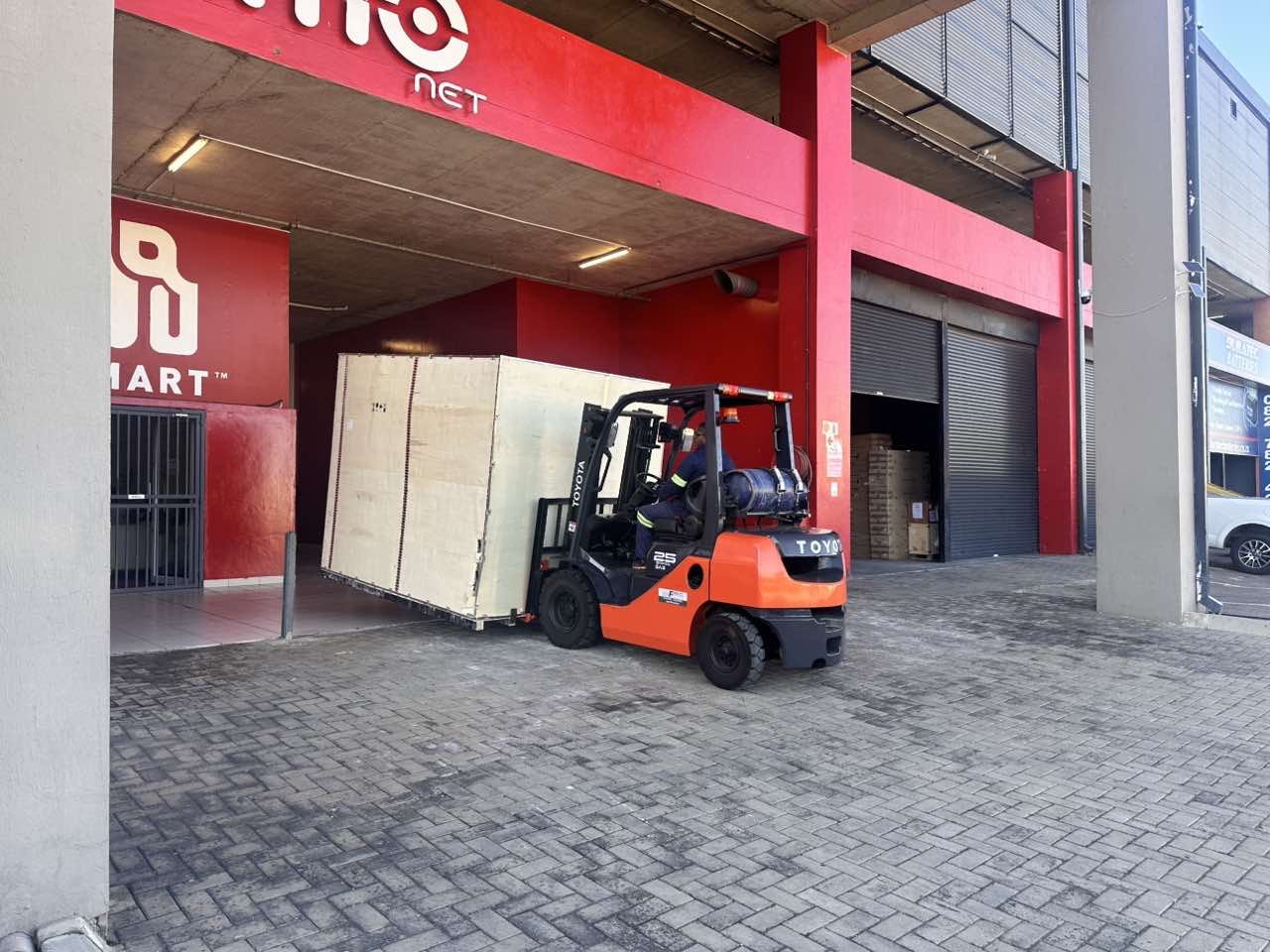
latest arrivals
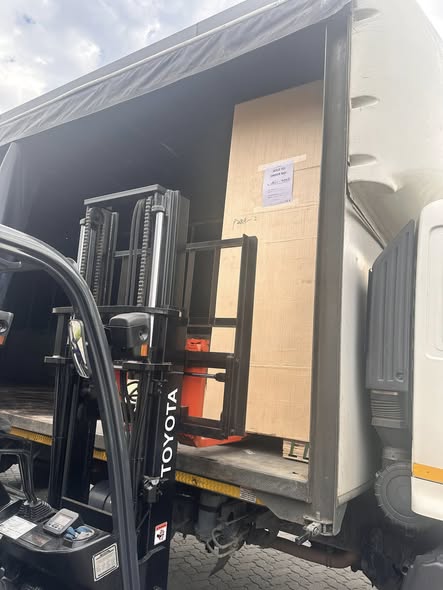
offloading
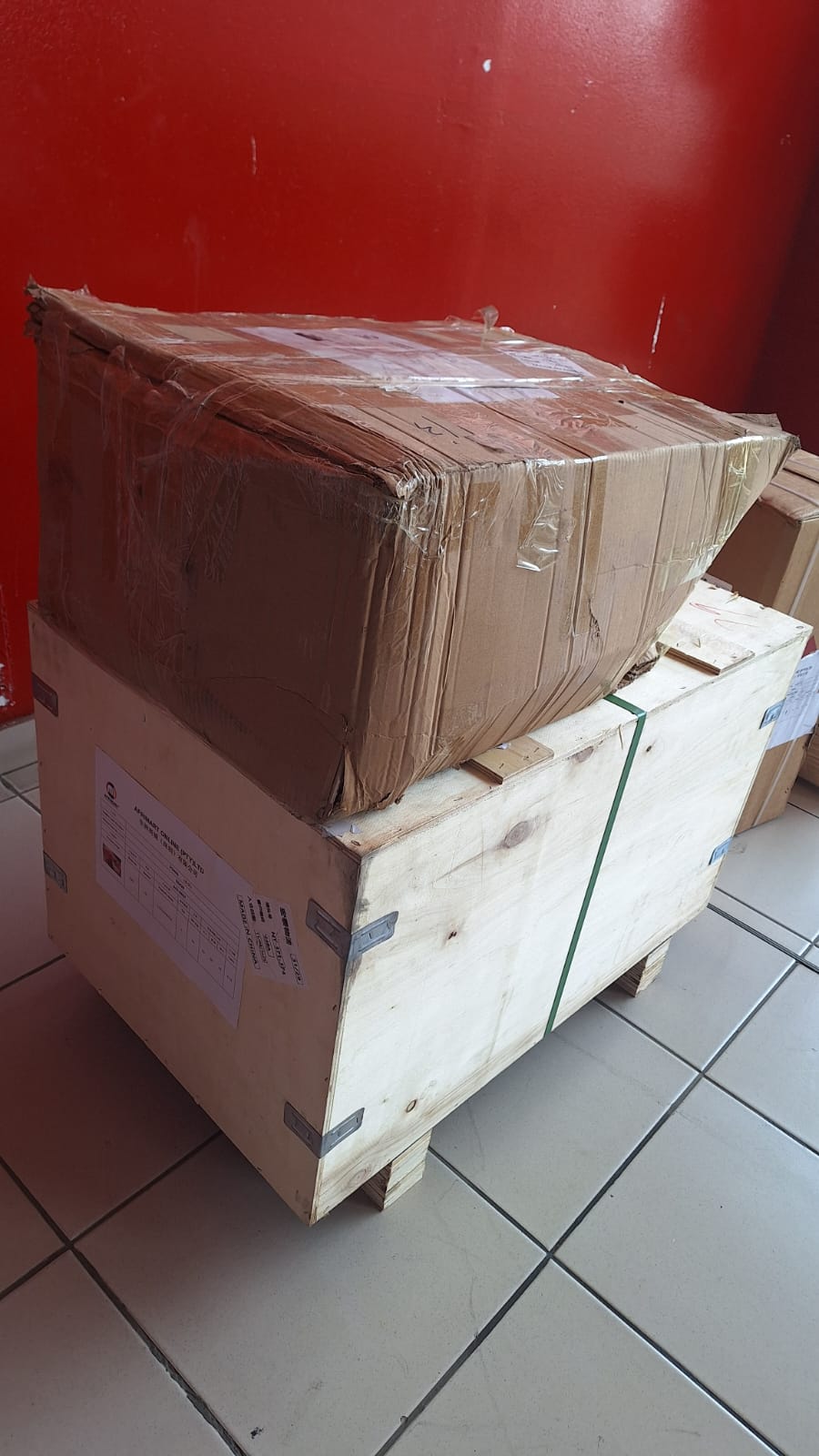
order success
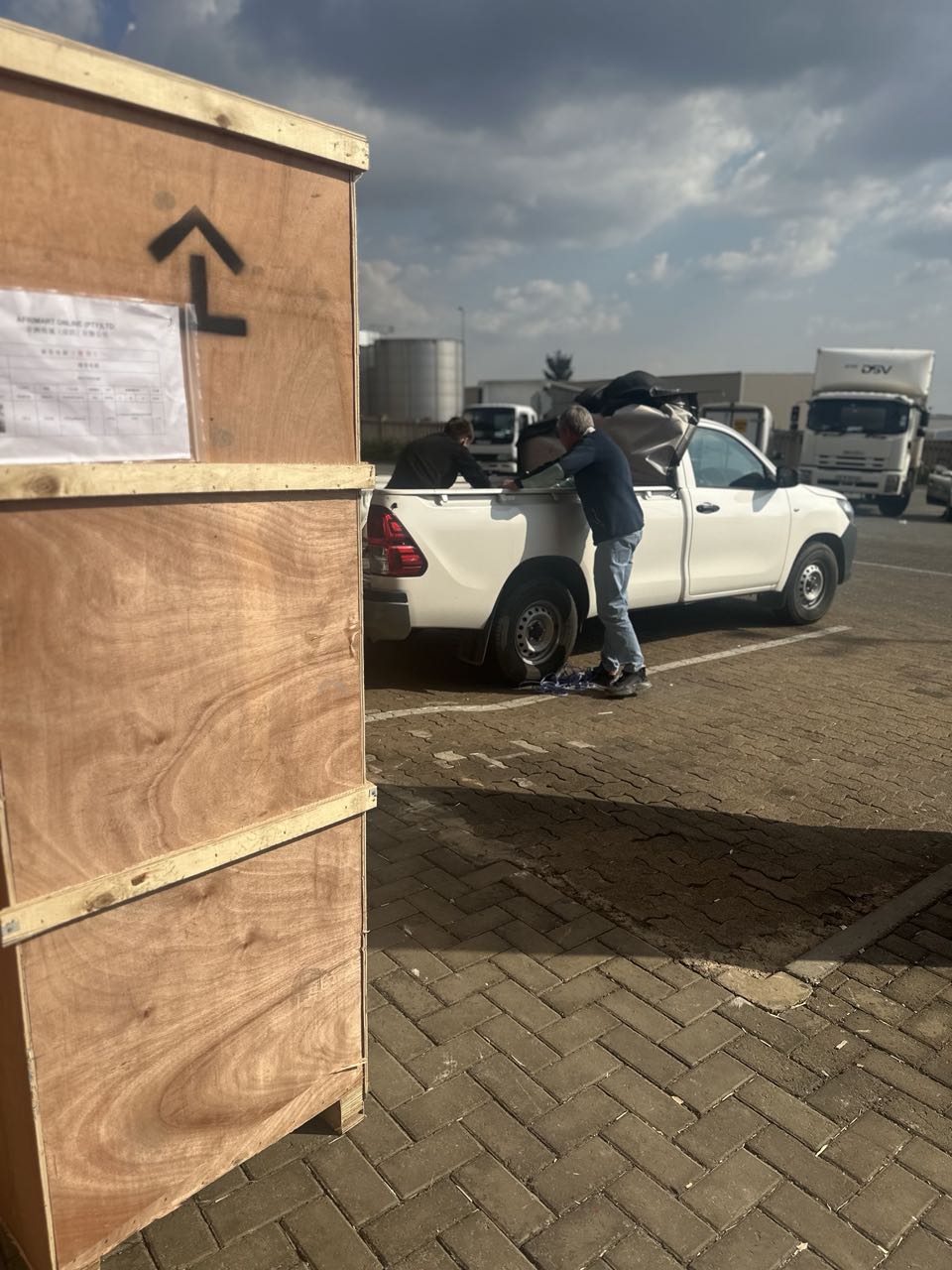
order collection
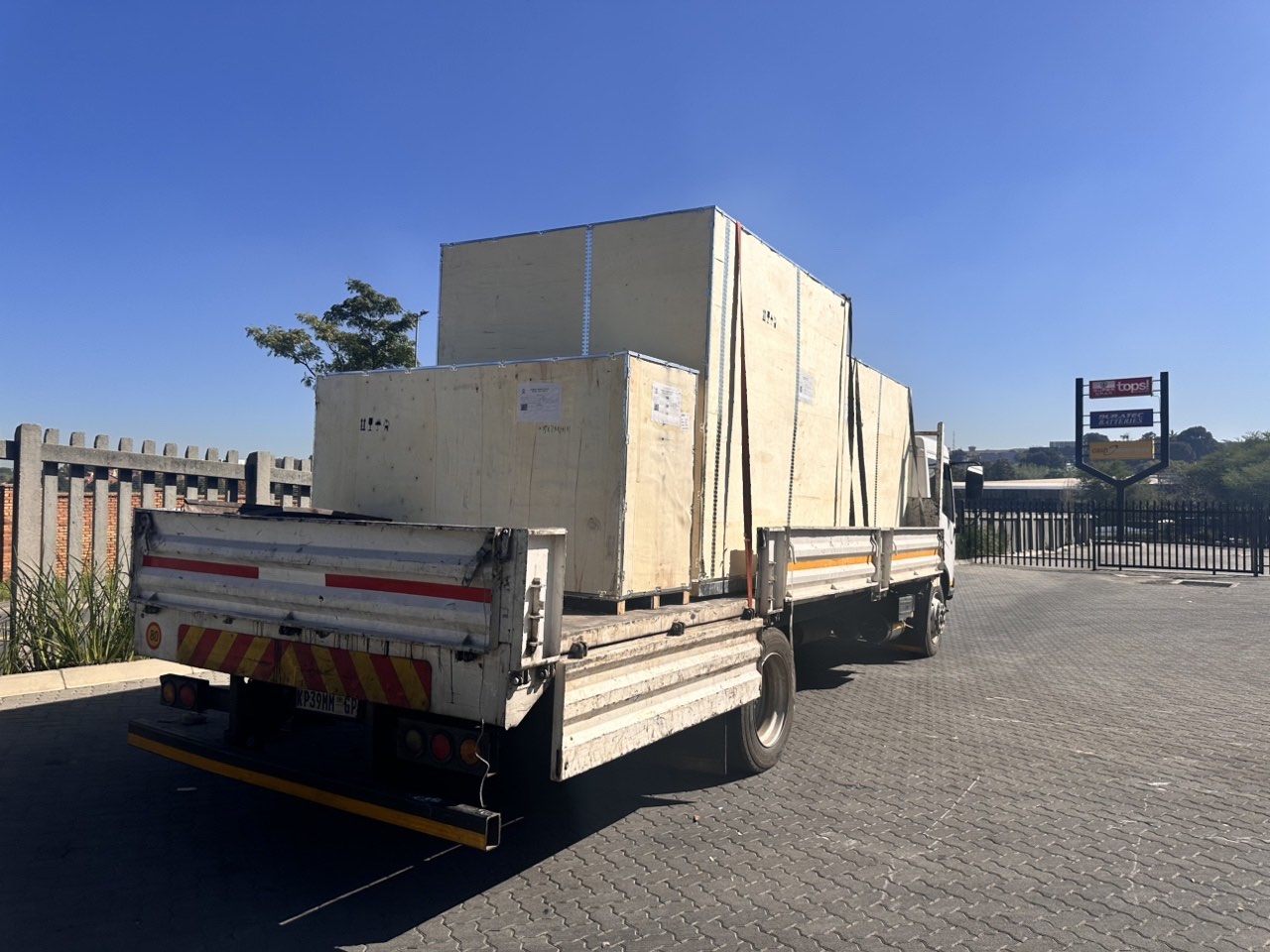
order offloading