B21, China Town Mall, Midrand

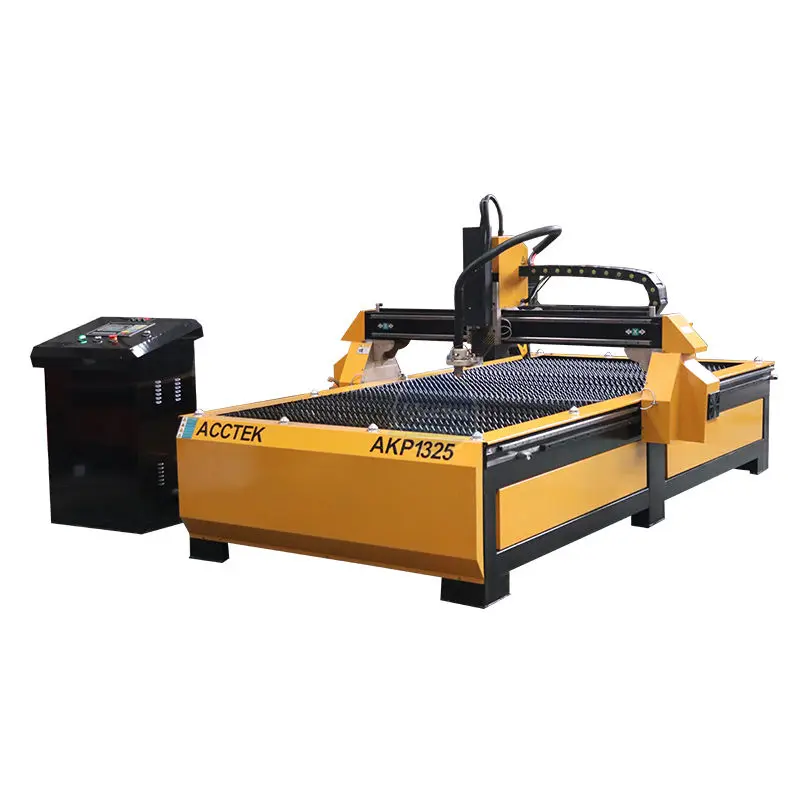
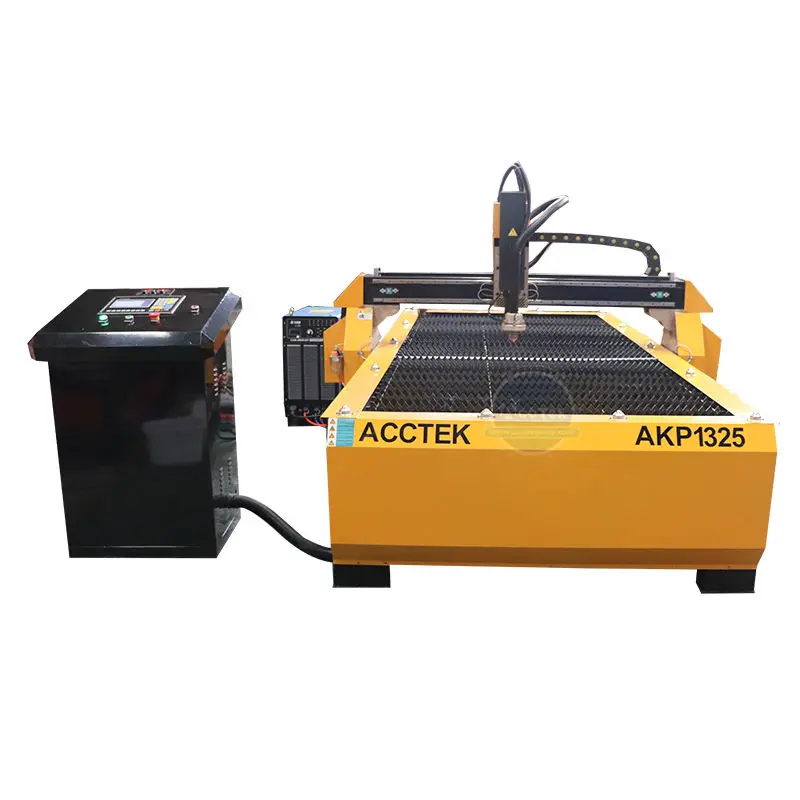
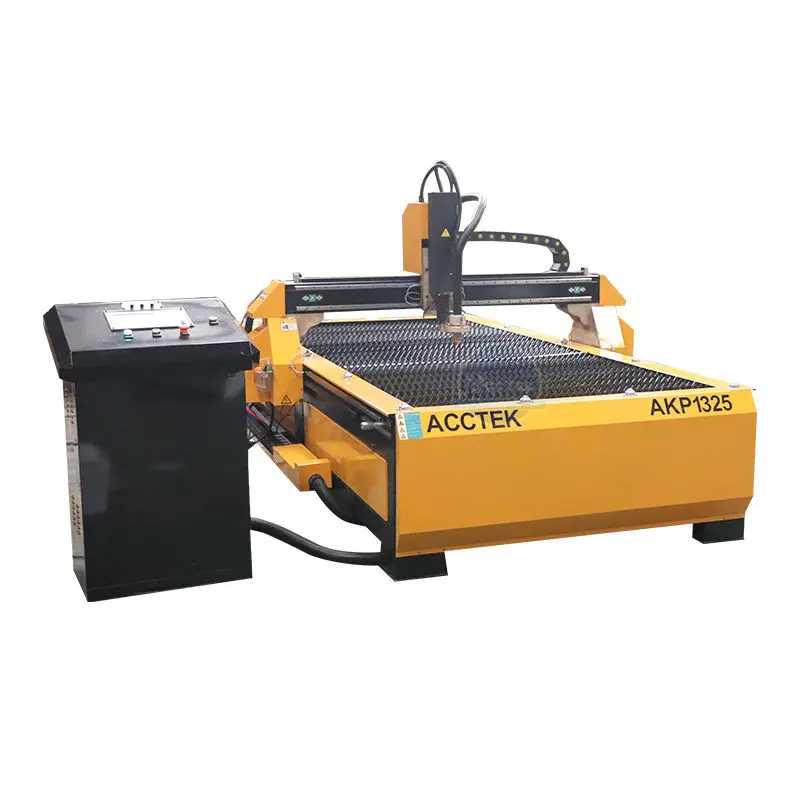
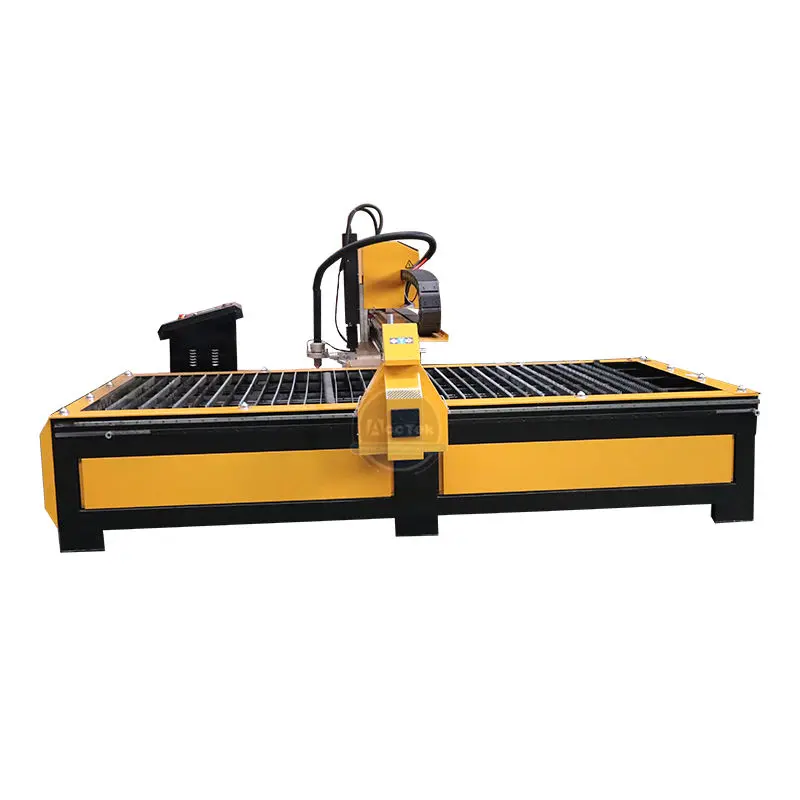
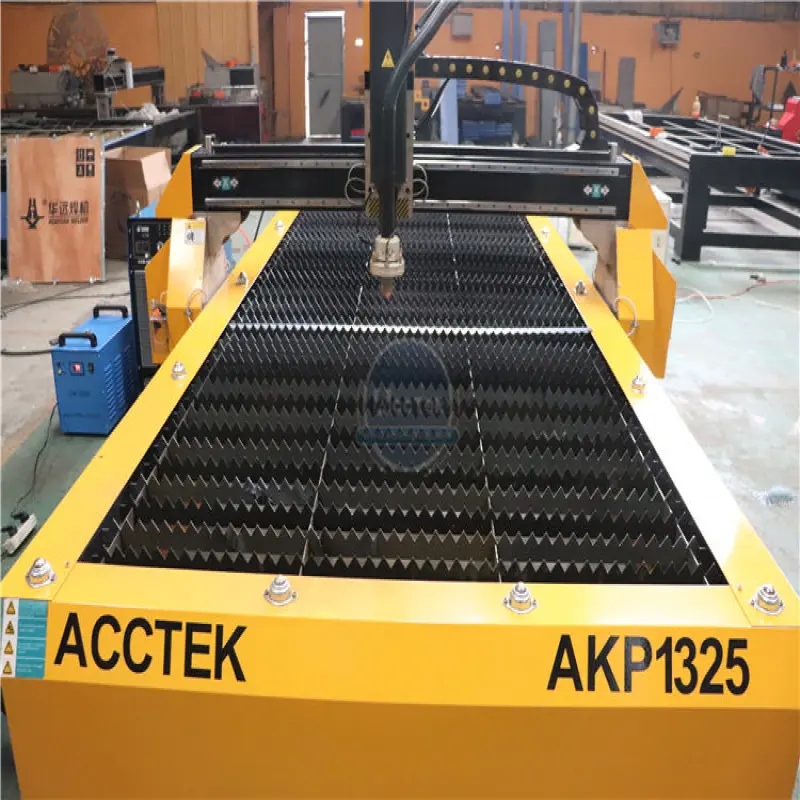
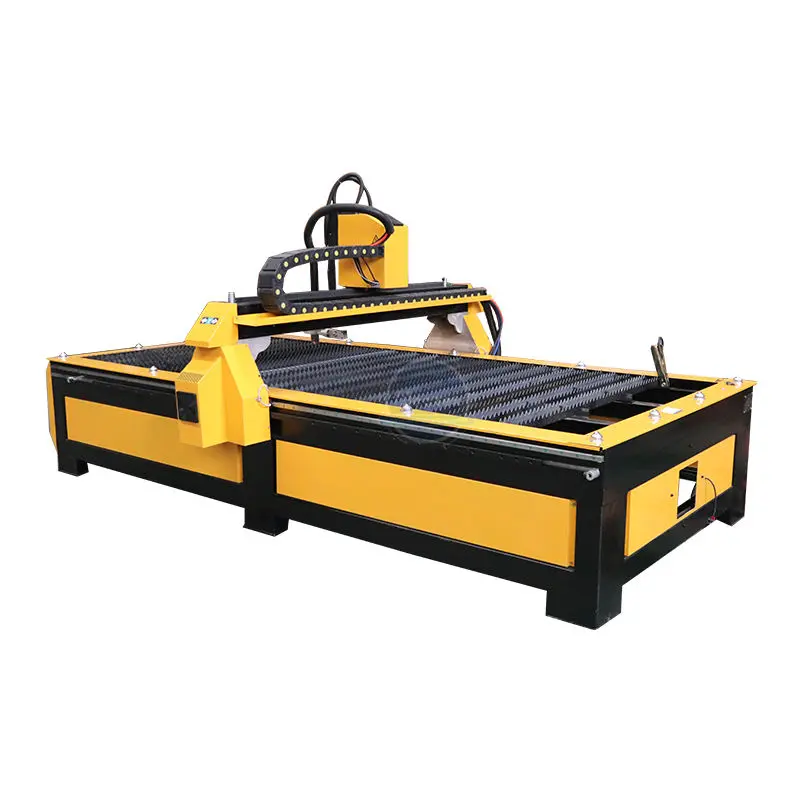
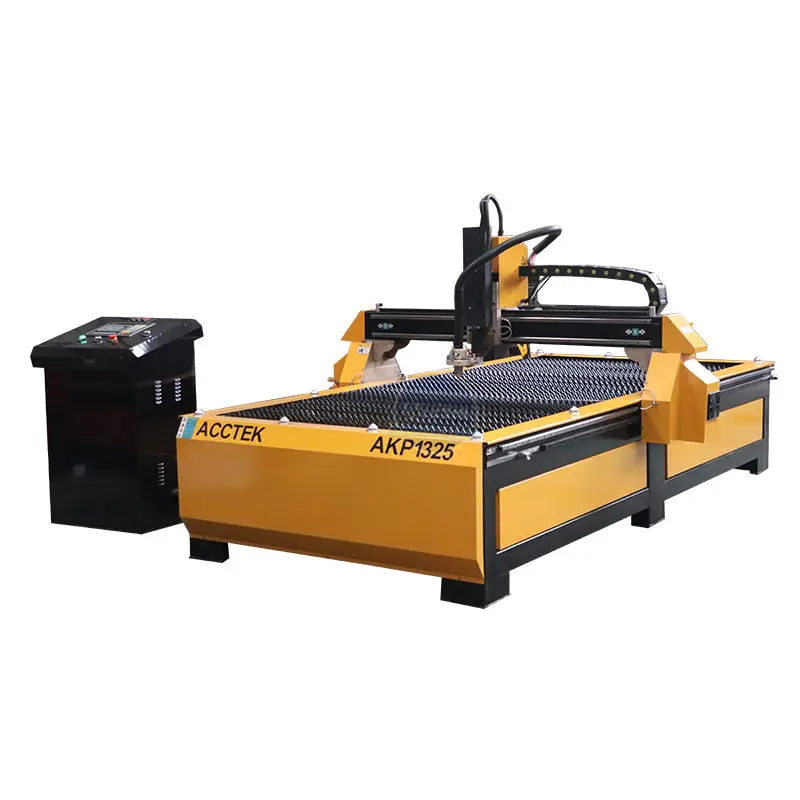
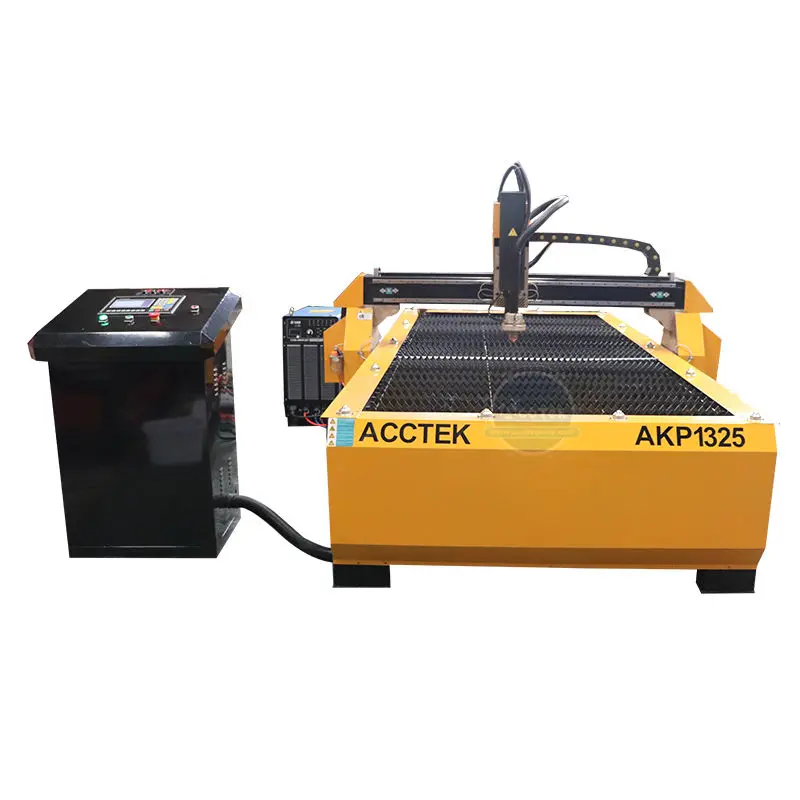
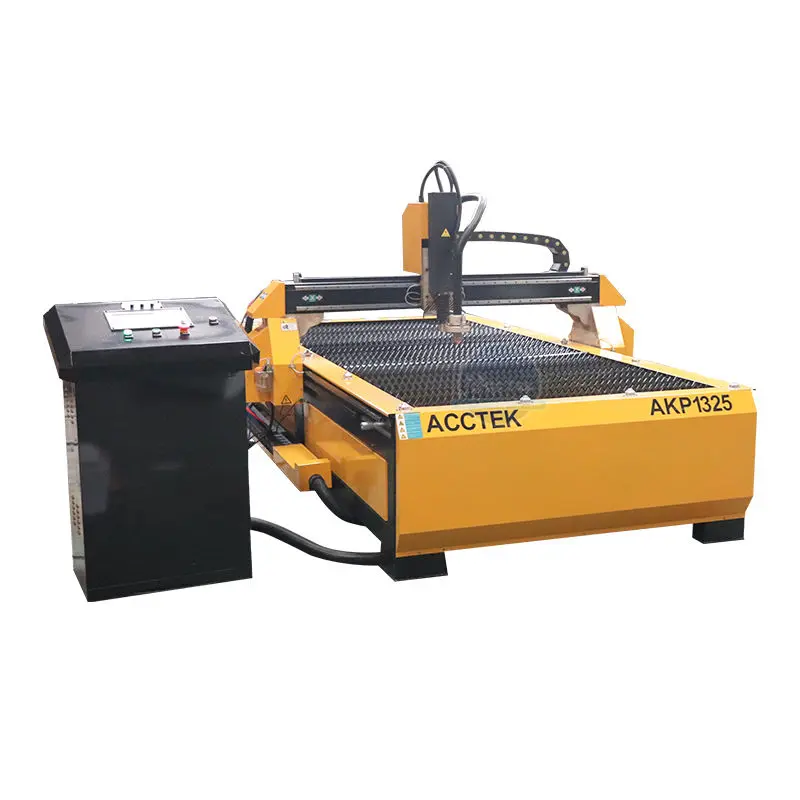
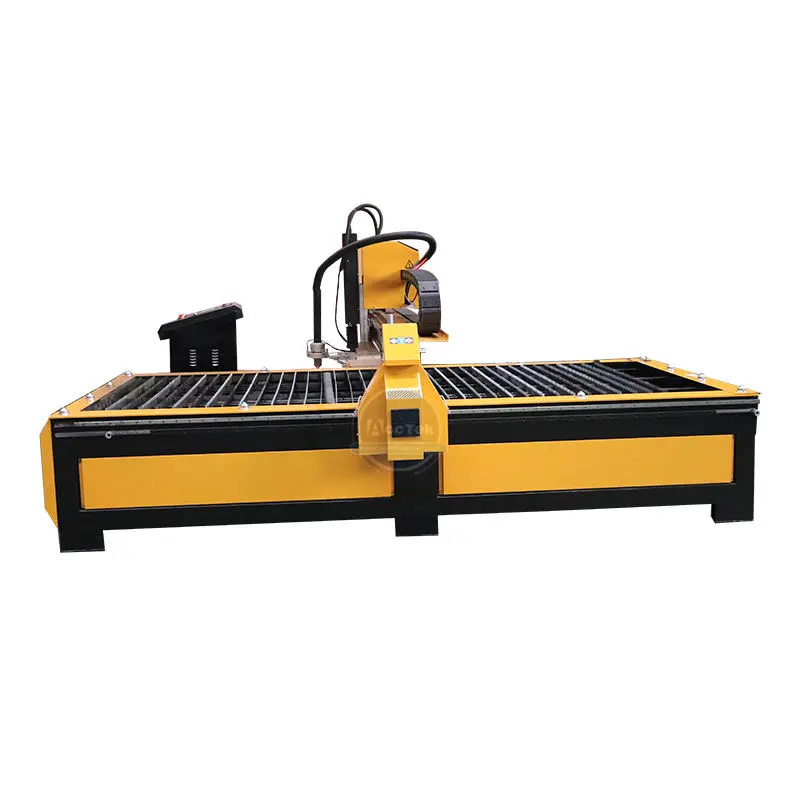
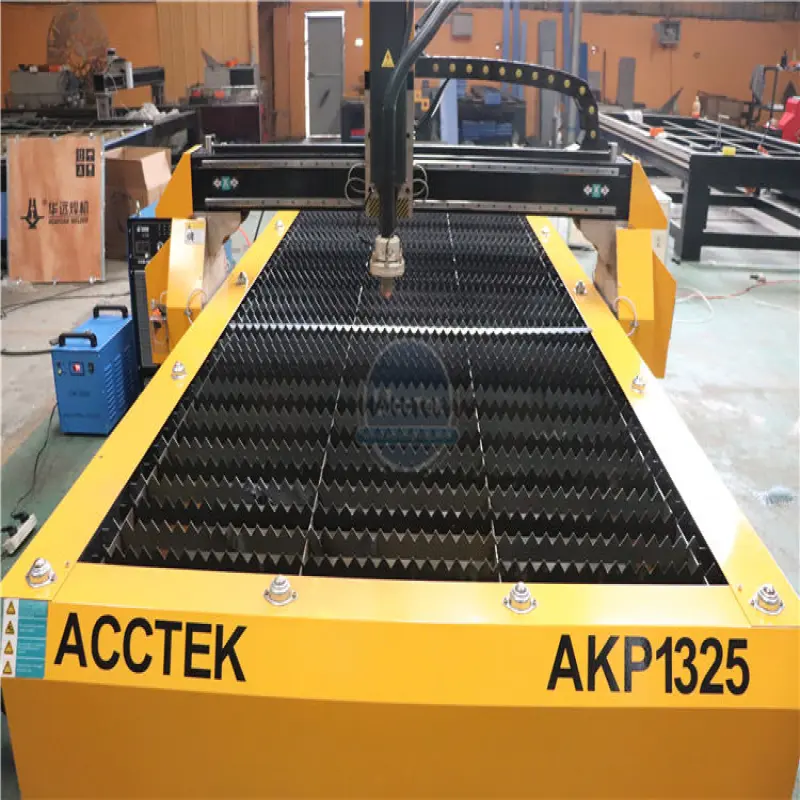
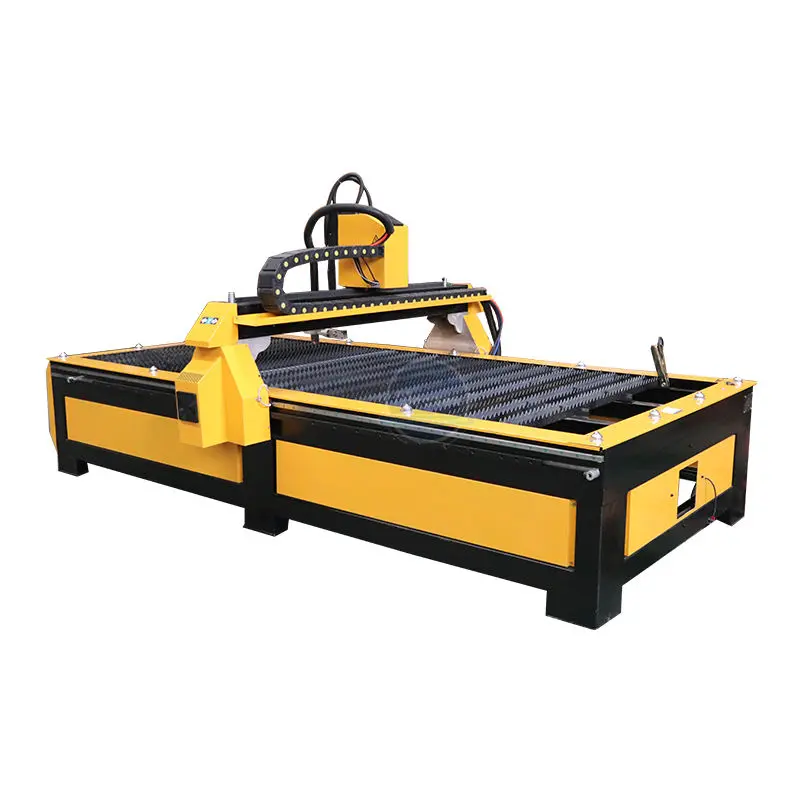
Heavy Duty Desk Type CNC Plasma Cutting Machine
Asset finance available
Do you want funding for this equipment?
Afrimart can connect you with trusted funding partners who specialise in asset finance for businesses like yours. Compare options and apply in minutes — final approval is subject to provider review.
Check funding options
Secure & no obligation

- Section : Machinery
- Category : CNC industrial Machinery
- SKU : 60719469163



Main Features
1) Welded structure of thickening square tube, together with Taiwan imported guide rail to ensure running speed and accuracy.
2) Power supply adjusts current according to different thickness of the material to ensure cutting material without burr.
3) Advanced digital control system, large capacity storing function, convenient to read and process.
4) Compatible software: Ucancam ,Type3, Artcam, etc
Machine Details


- Shipping Timeframes: All orders are processed within 2-5 business days (excluding weekends and holidays). After your order has been processed, the estimated delivery time is before 03 Jul, 2026, depending on customs, Please note that due to high demand, some items may experience longer shipping times, which will be communicated at order confirmation email.
- Order Processing Time: Please allow 2-5 business days for us to process your order before it is shipped . Orders placed after 16:00 on Fridays, or during weekends and public holidays, will begin processing on the next business day. Processing times may be extended during peak seasons or sales events.
- Manufacturing Time: Some products needs manufacturing time, the manufacturing process will take approximately 10-30 business days depending on the product. This timeframe may vary depending on the complexity of the product and current demand. but this will be communicated with you during order confirmation.
- Returns and Exchanges: We offer a 30-day return policy for most items. If you are not completely satisfied with your purchase, you may return it within 30 days of receipt for a refund or exchange. Items must be unused, in their original packaging, and accompanied by proof of purchase. Return shipping costs are the responsibility of the customer, unless the item was damaged or defective upon arrival.
1. What materials can the Heavy Duty Desk Type CNC Plasma Cutting Machine cut?
It can cut electrically conductive metals such as carbon steel, stainless steel, aluminum, copper and brass. The final cut quality depends on the plasma power source and cutting parameters.
2. What maximum material thickness can this machine handle?
Maximum cutting thickness depends on the plasma power supply you pair with the machine. The gantry and welded heavy-duty frame support cutting of thicker plates than light-duty machines, but please consult the specific plasma source and the machine model spec sheet for exact thickness ratings.
3. What are the table size and footprint of the 'desk type' model?
Desk type models are typically more compact with a smaller working table than industrial floor models. Exact table dimensions and overall footprint vary by model and can be provided on the product spec sheet or by the supplier.
4. Which plasma power supplies are compatible with this machine?
The machine is compatible with most mainstream plasma power supplies. Compatibility depends on the torch interface and control signals; popular brands (e.g., Hypertherm and other industrial plasma sources) are commonly used. Confirm model compatibility with your supplier before purchase.
5. What CNC control system does the machine use and what are its capabilities?
It uses an advanced digital control system with large-capacity program storage, easy-to-read display and program processing. It typically accepts common CNC commands and can store multiple cutting programs; check the exact controller model for supported file formats and connectivity (USB, Ethernet, etc.).
6. Which CAD/CAM software is supported?
The machine is compatible with common CAM packages such as Ucancam, Type3 and Artcam. It also accepts standard output file formats (e.g., DXF/G-code) from most CAD/CAM systems.
7. How accurate and repeatable is the cutting?
Precision is supported by the welded thickened square-tube frame and imported guide rails to ensure stable motion and consistent cutting. Exact tolerance and repeatability figures depend on the specific model and setup; request the machine's technical specification sheet for numeric tolerances.
8. Does the power supply automatically adjust for material thickness?
Yes — the system described adjusts current according to material thickness to help achieve clean cuts with minimal burrs. Note that optimal results also depend on choosing the correct plasma source and cutting parameters.
9. Is automatic torch height control (THC) included?
Many CNC plasma systems of this type are offered with automatic torch height control to maintain optimal arc length and improve cut quality. Verify whether the specific model you order includes THC as standard or as an optional add-on.
10. What maintenance is required to keep the machine running reliably?
Regular maintenance includes cleaning the table and slats, inspecting and replacing consumables (nozzles, electrodes), lubricating guide rails and drive components, checking electrical connections, and keeping the controller and software updated. Follow the manufacturer's maintenance schedule for best results.
11. How long do consumables last and are spares available?
Consumable life varies with material type, thickness and cutting parameters. Typical consumables include electrodes and nozzles and should be inspected regularly. Spare parts and consumables are normally available through the manufacturer or authorized distributors—ask about availability when purchasing.
12. What are the electrical and gas requirements?
Electrical and gas requirements depend on the plasma power supply and machine configuration. Plasma systems may require single- or three-phase power and a suitable compressed air or gas source (e.g., oxygen, nitrogen) depending on material and plasma type. Confirm exact requirements from the machine and plasma source specification sheets.
13. Is installation and operator training provided?
Many suppliers offer installation, commissioning and operator training as part of the delivery package or as optional services. Confirm what level of on-site setup and training is included before purchase.
14. What kind of warranty and technical support are offered?
Warranty length and coverage vary by manufacturer and distributor. Typical support options include limited warranty on the machine frame and electronics, spare parts availability, and technical assistance via phone or service visits. Verify warranty terms and support response times with the seller.
Latest Order Arrivals
Discover our latest orders
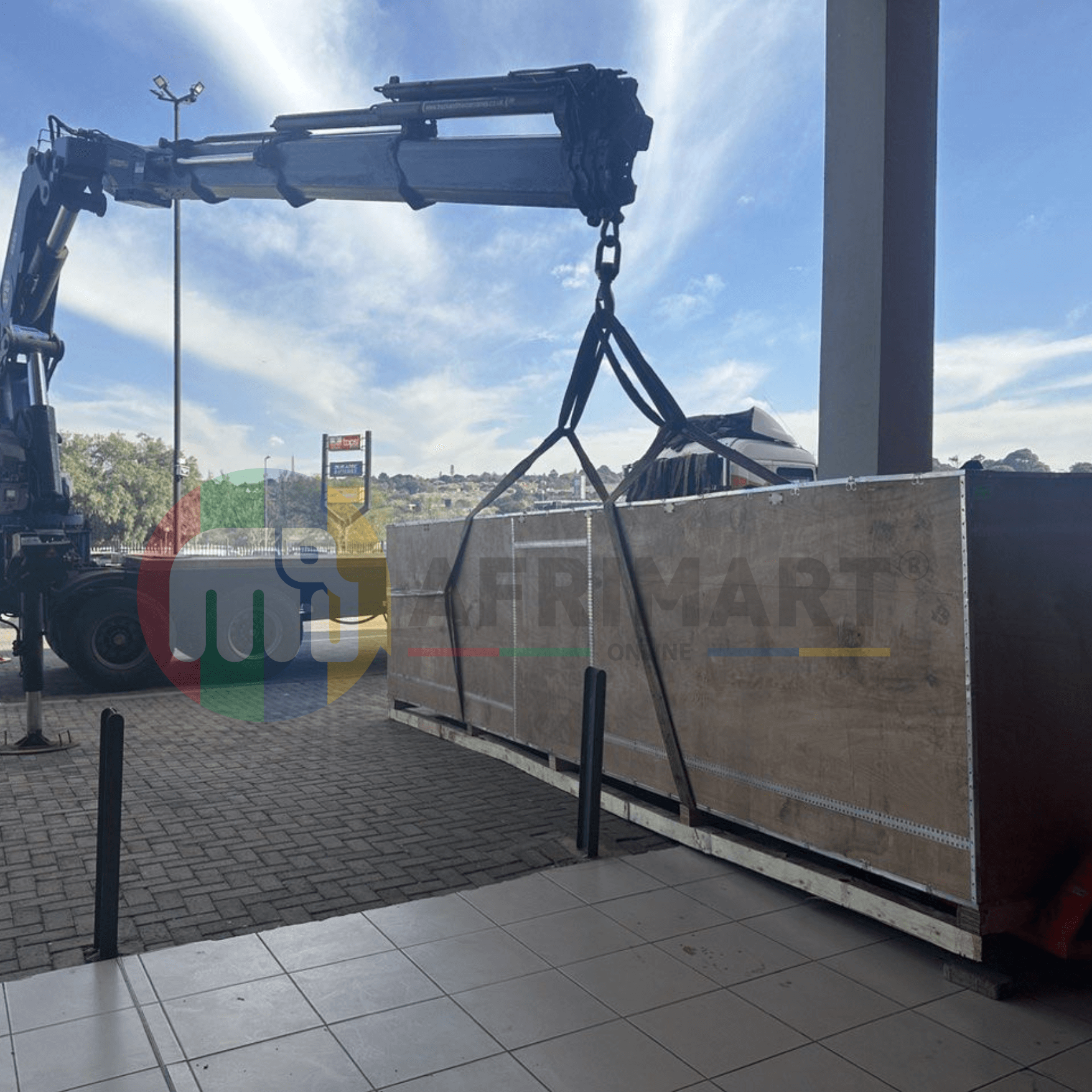
12 Heads Embroidery Machine
Dewatering Pump Machine
Order Collection
Portable Water Drilling Rig
Order Usefully Collected
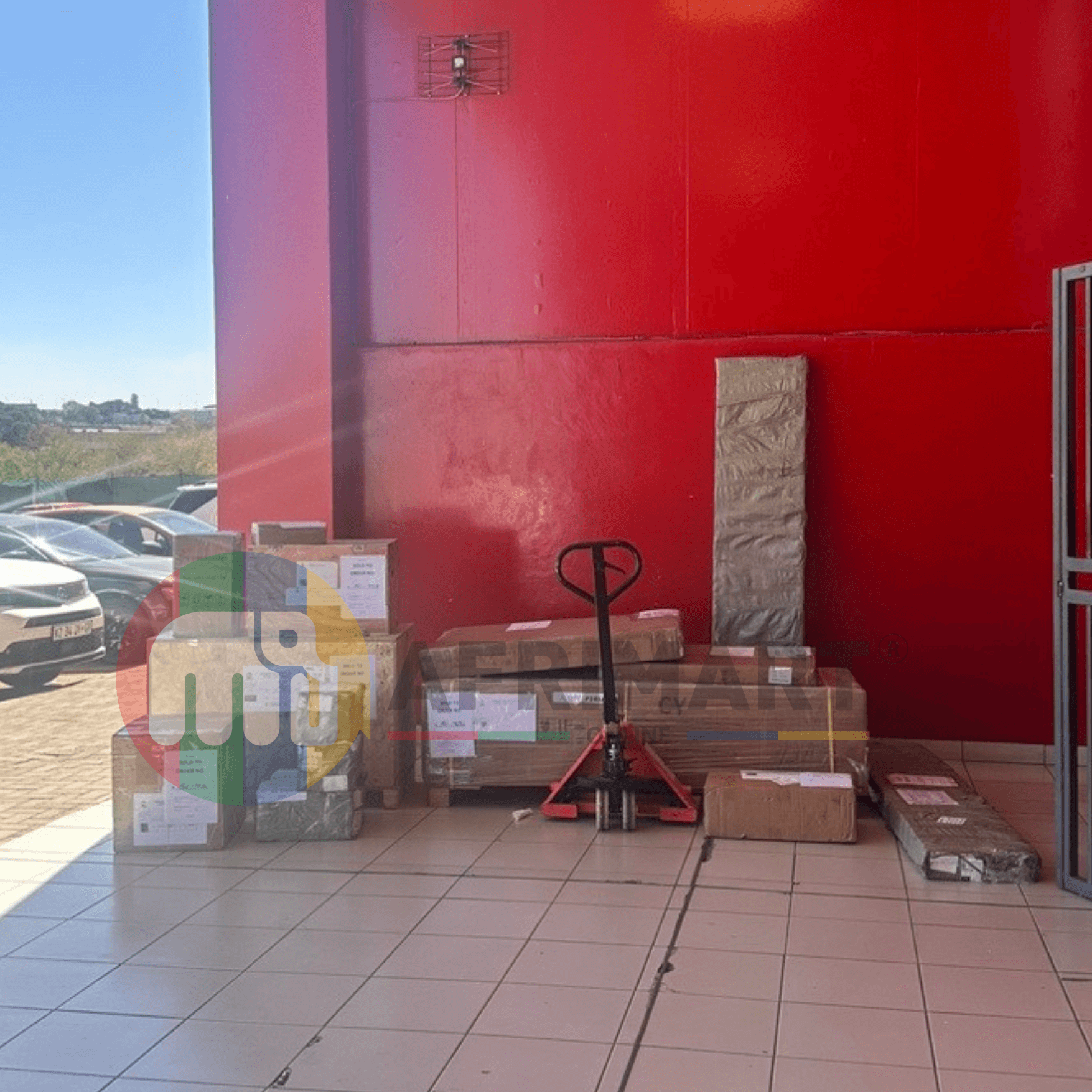
Batch of Orders
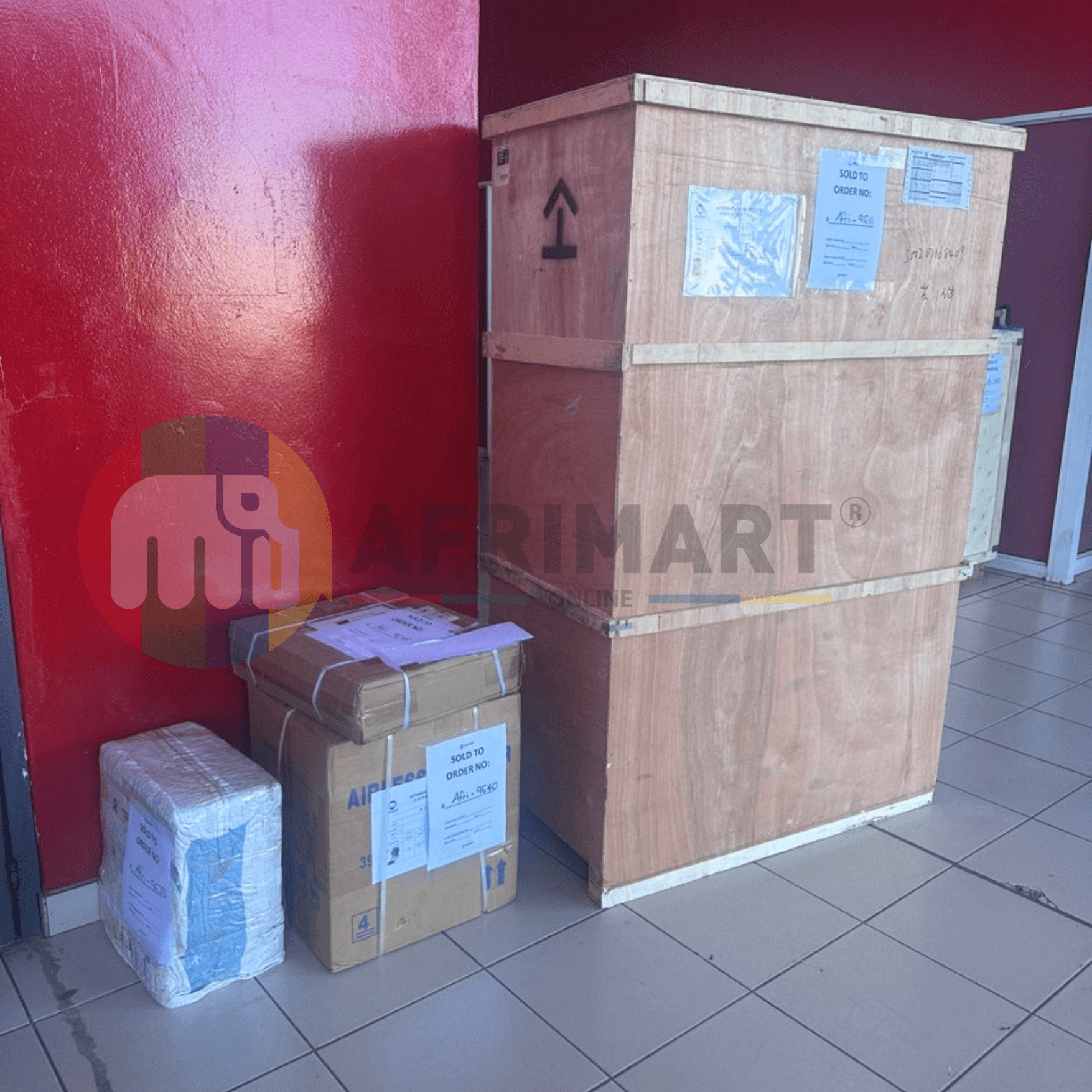
Agriculture Processing Machines
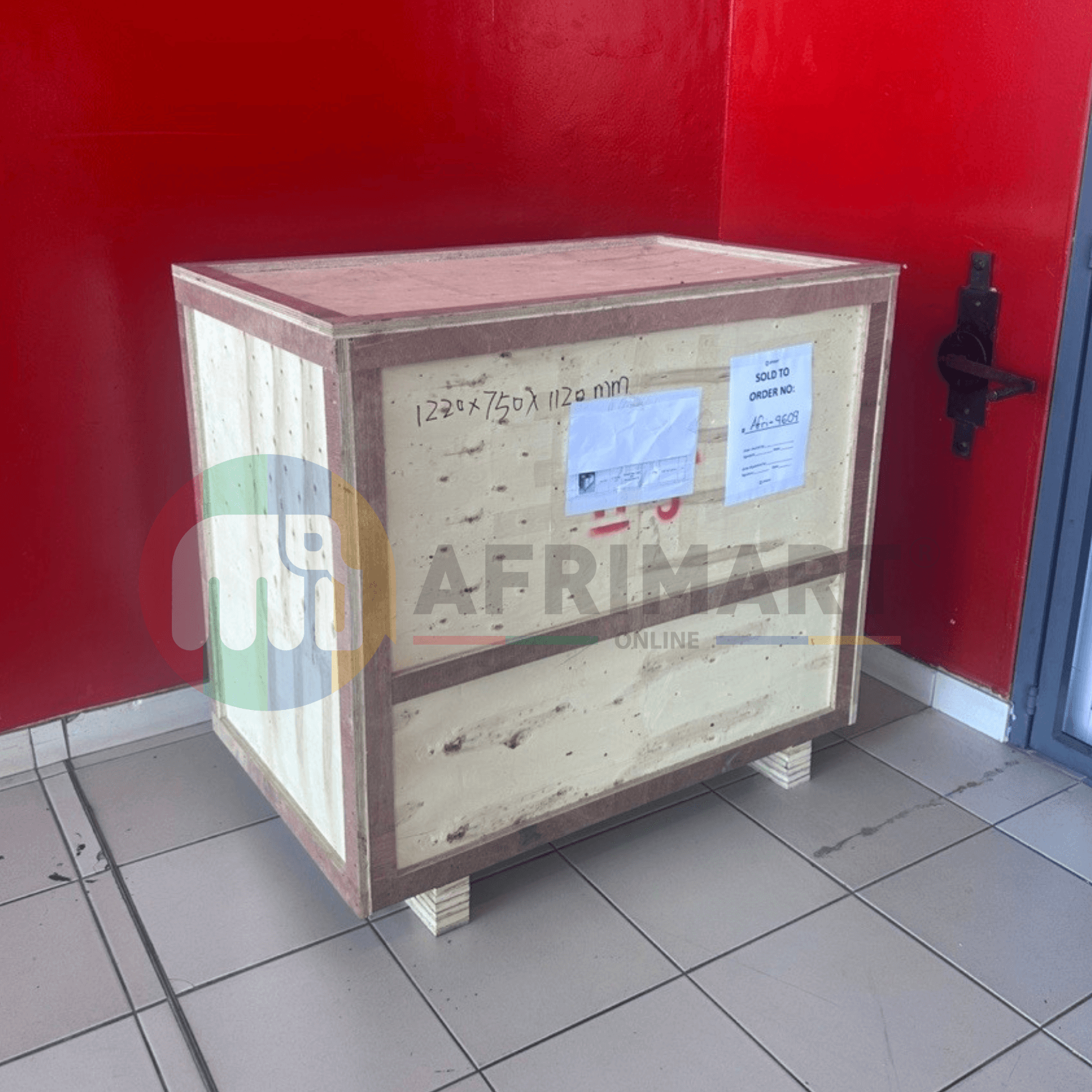
Meat Grinder Machine
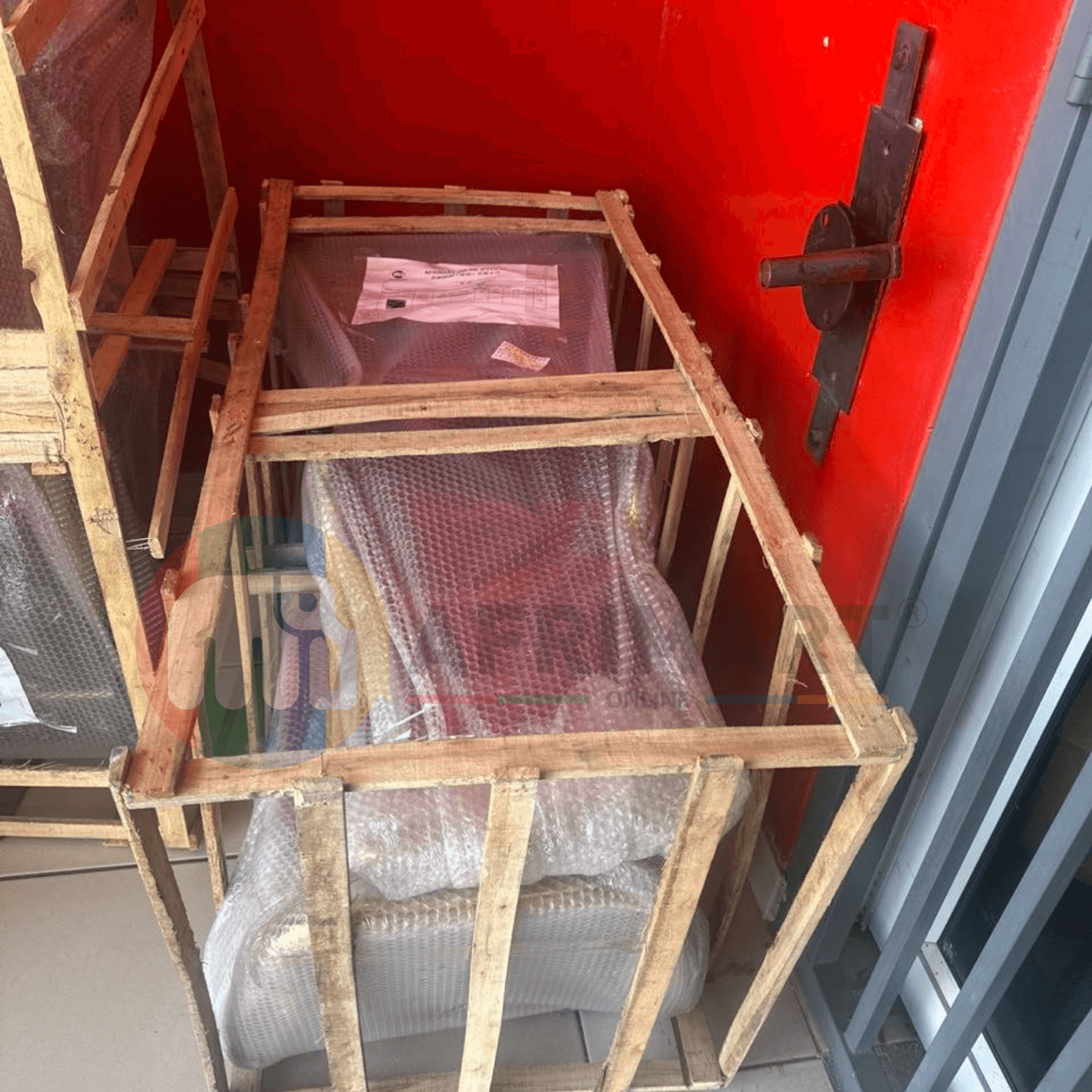
Water Pump Equipment
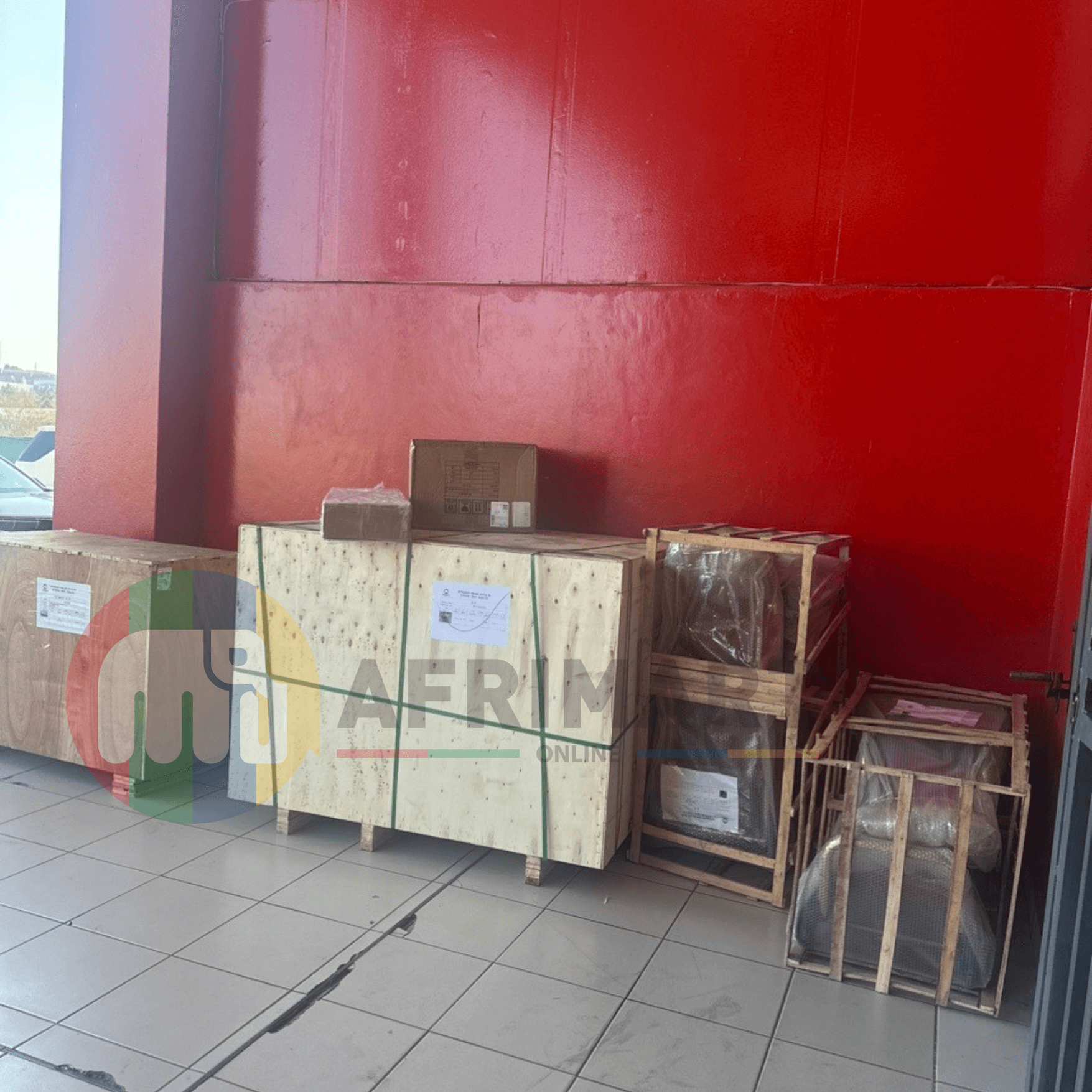
Packaging Machine and accessories
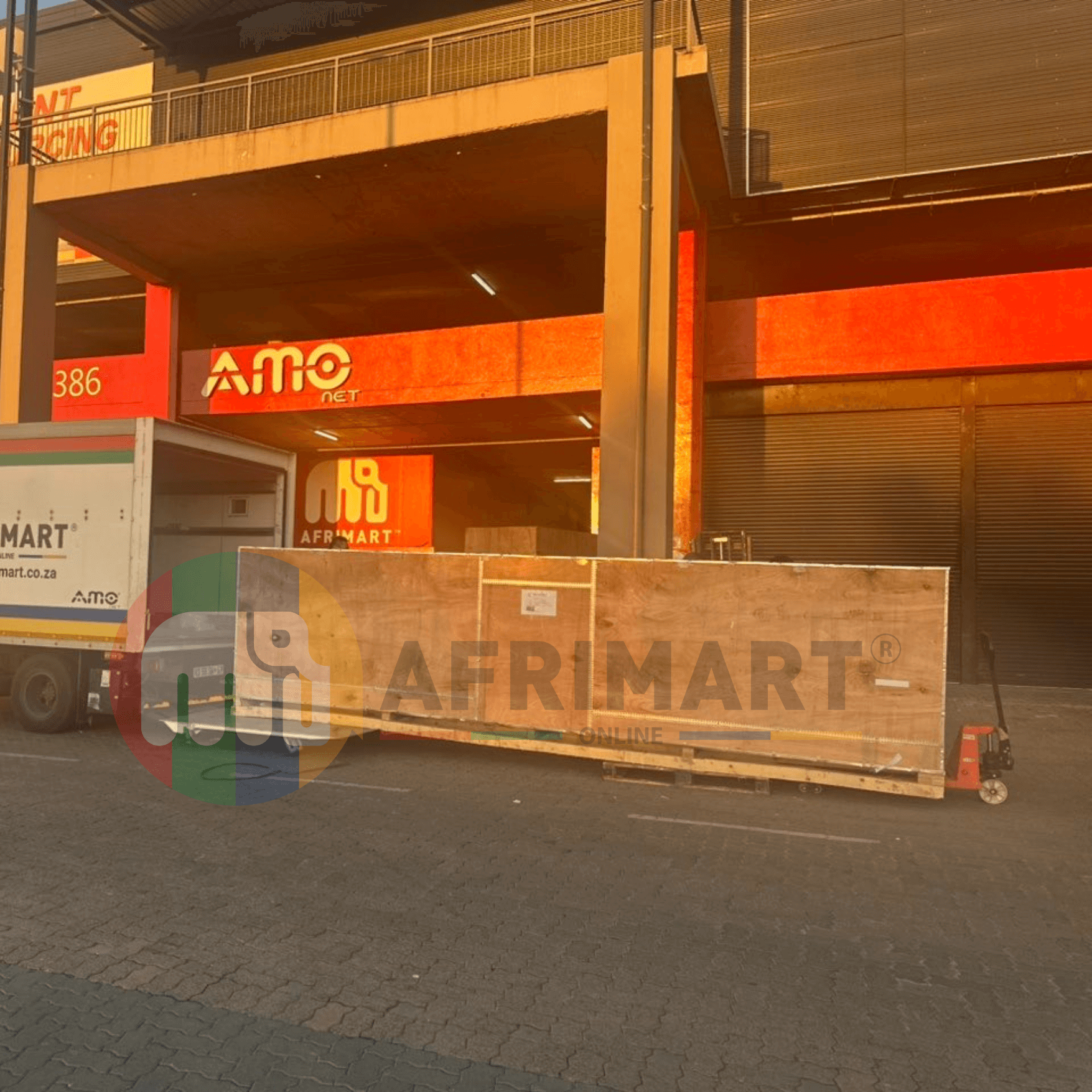
Fabrics Manufacturing Equipment
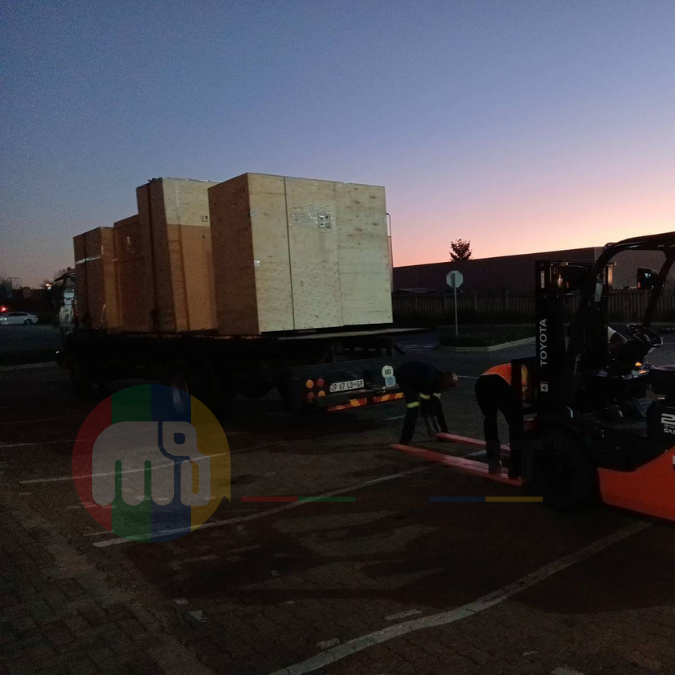
Mining Equipments
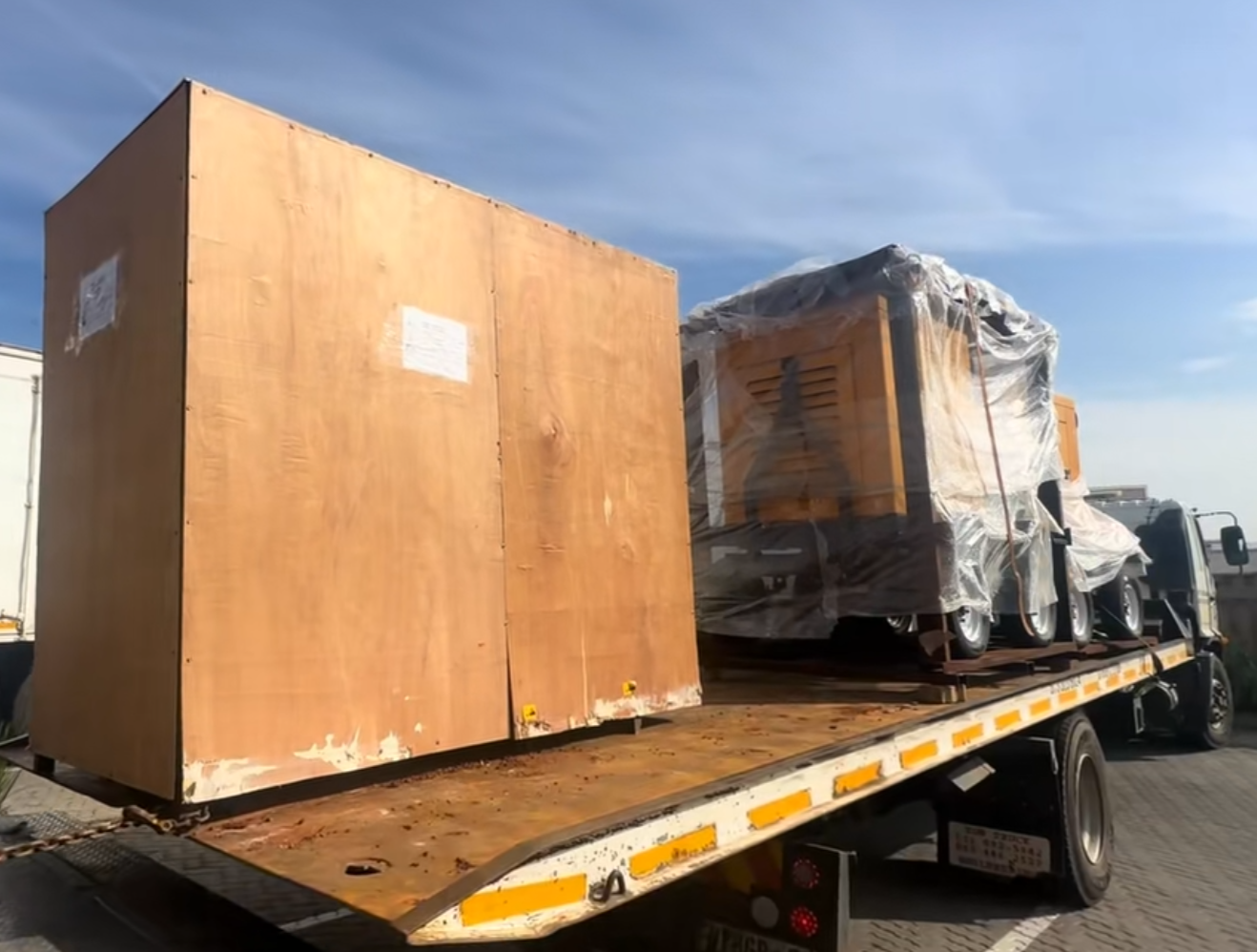
Food Processing Machine
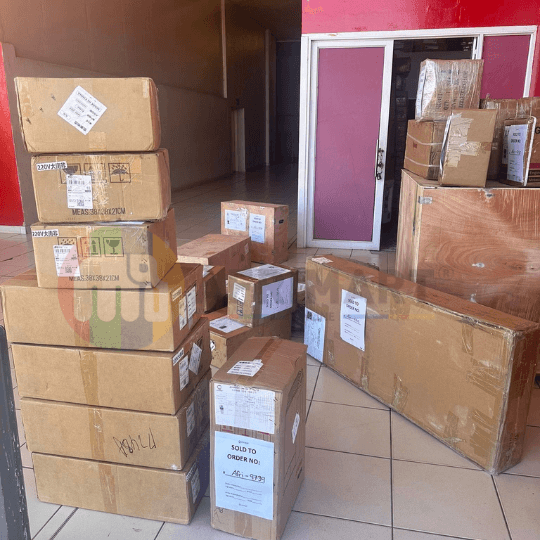
Batch of Orders
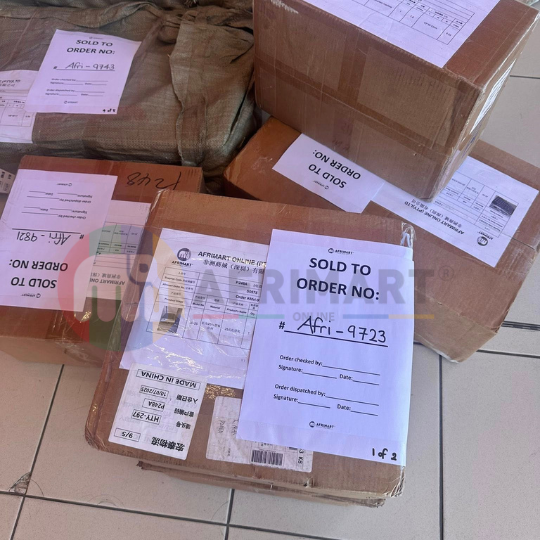
Batch of Orders
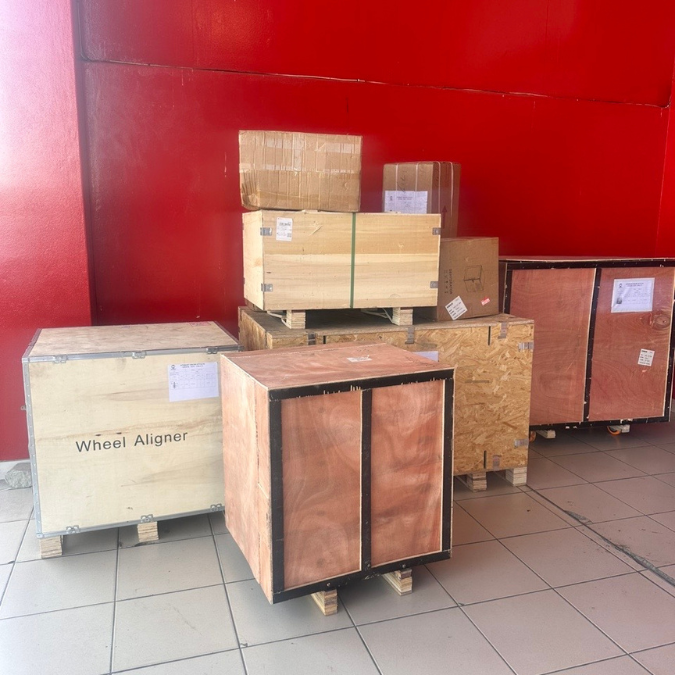
Latest Orders Labelled
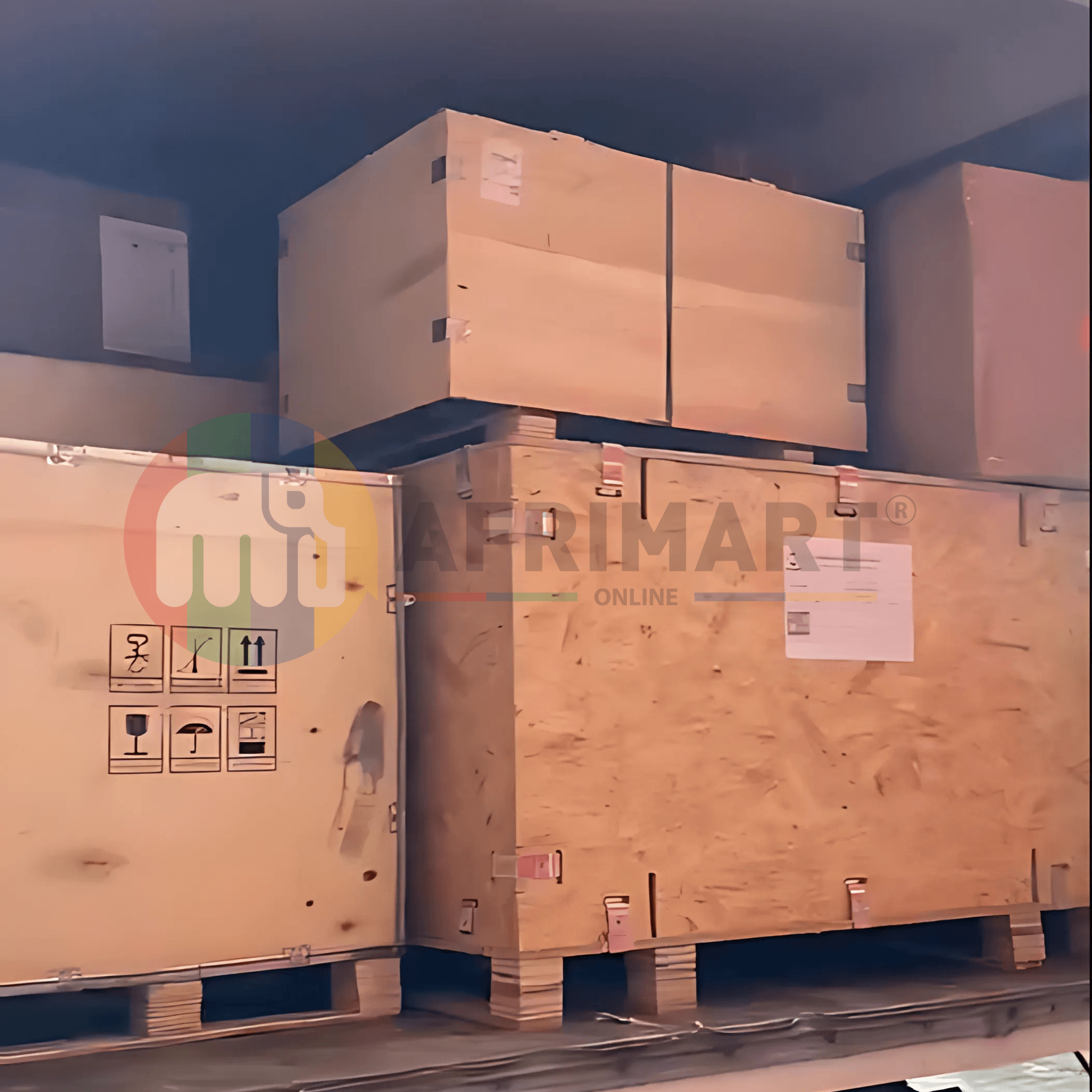
wheel alignment machines
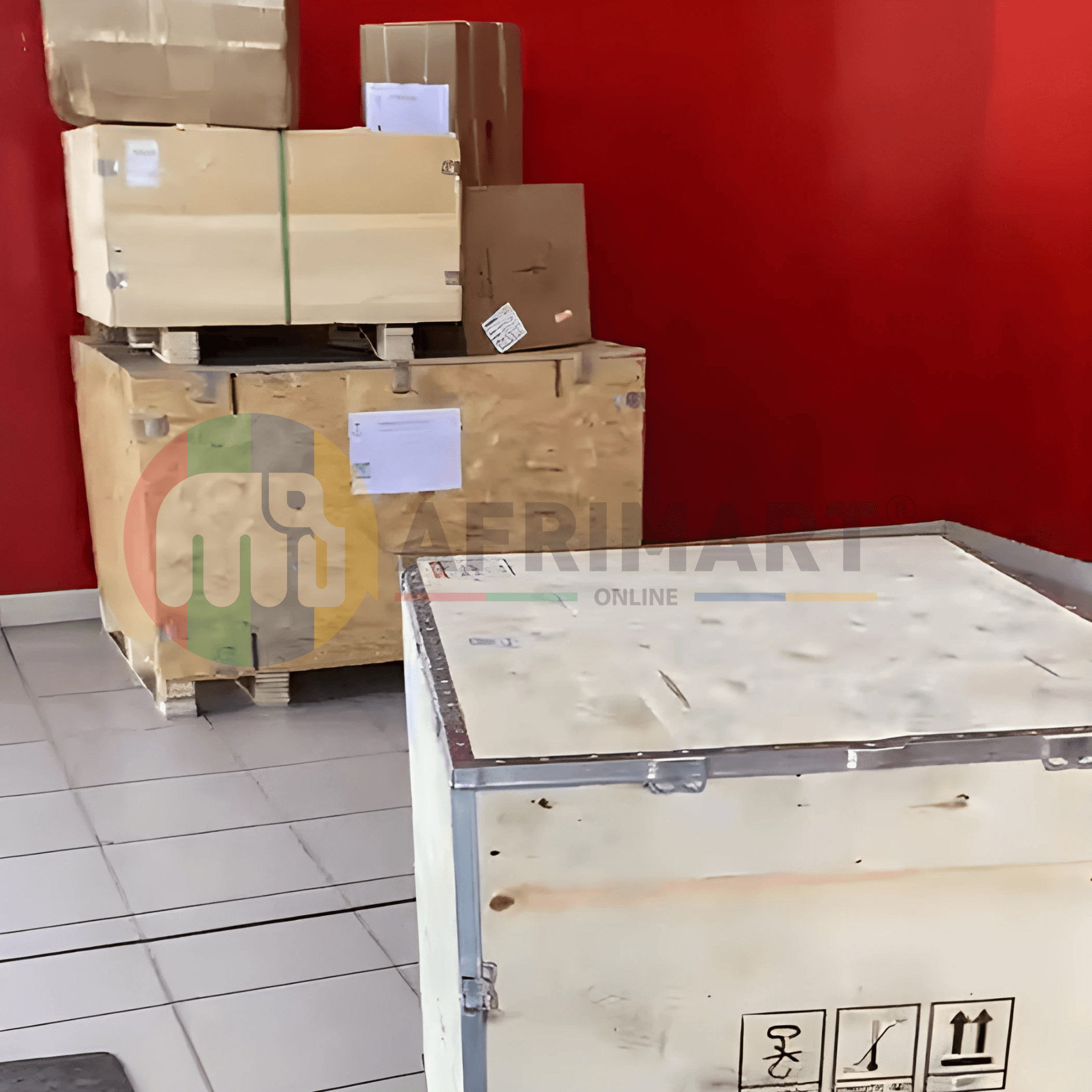
new arrivals
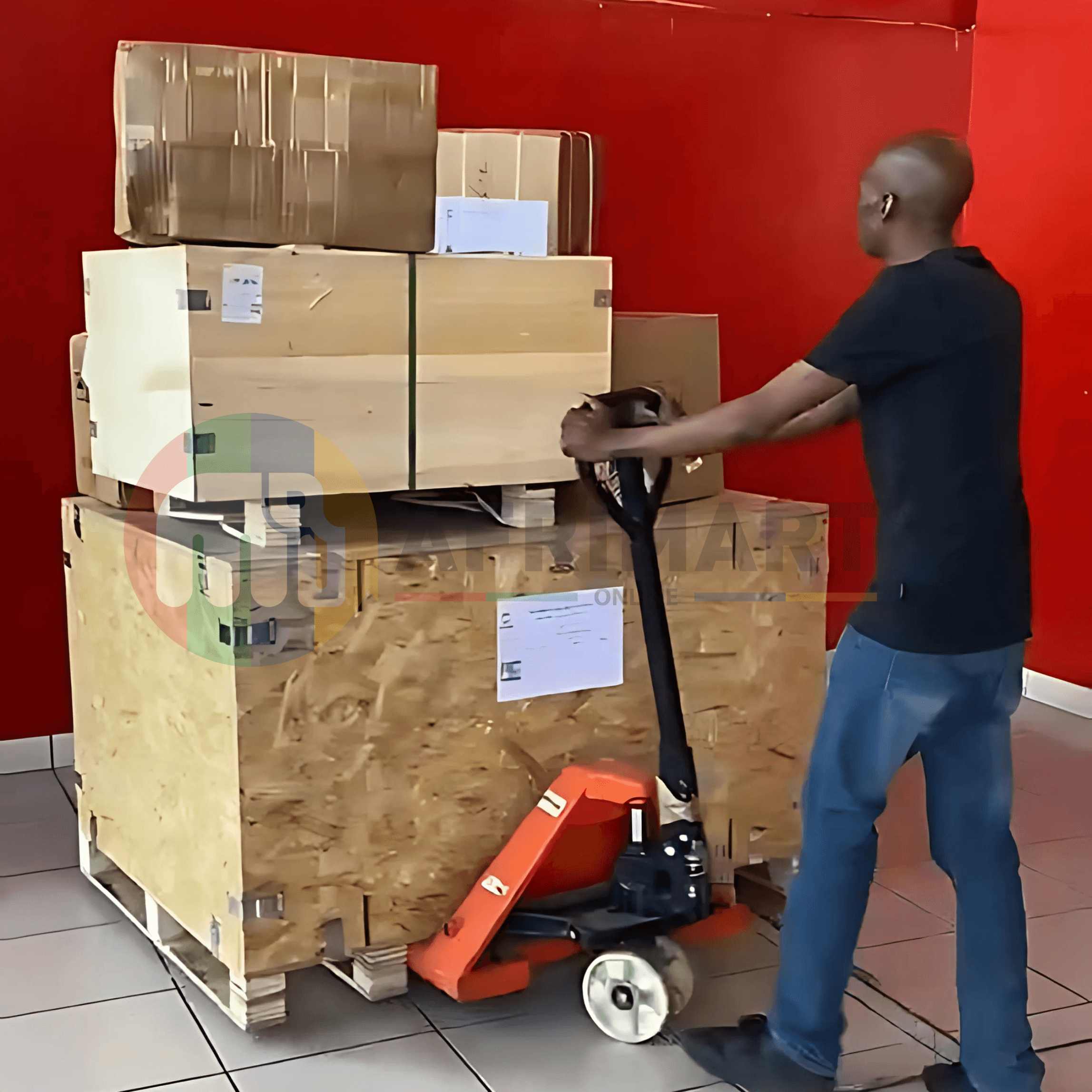
Pre Orders Offloading
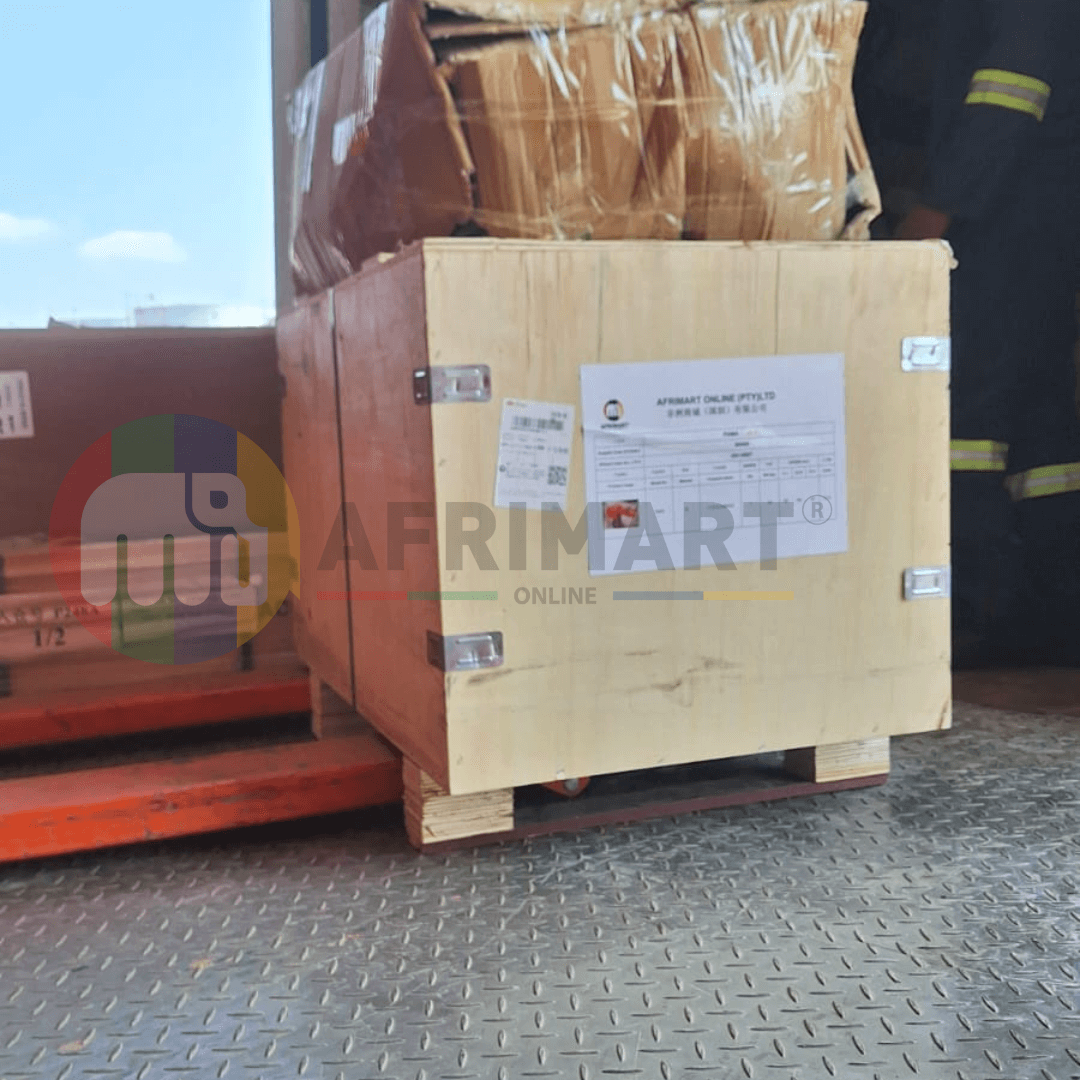
Latest Arrivals
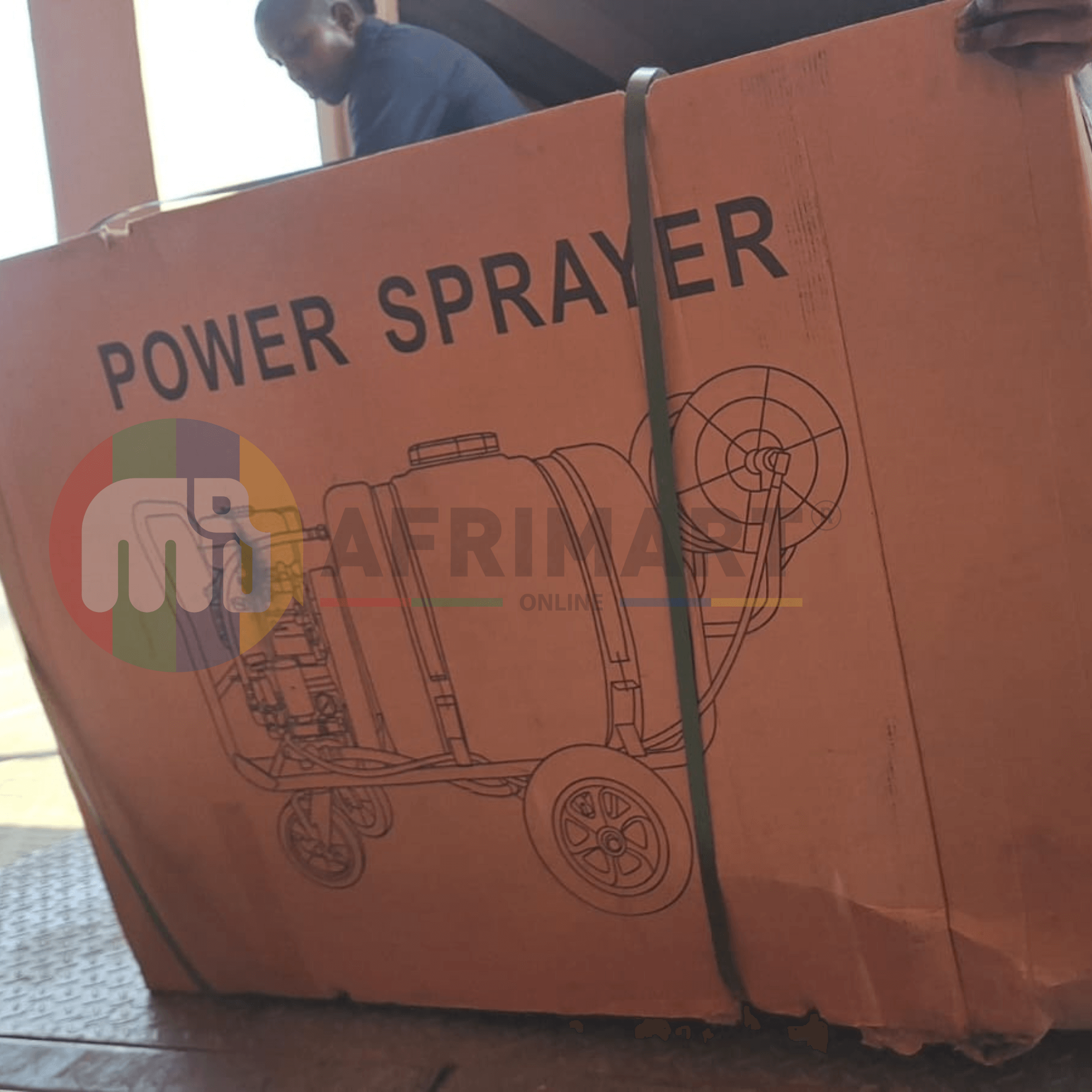
Latest Arrivals
Latest Arrivals
26 January 2026
Toilet paper making machine
Toilet paper making machine
Toilet paper Rewinding Machine
latest arrivals
offloading
order success
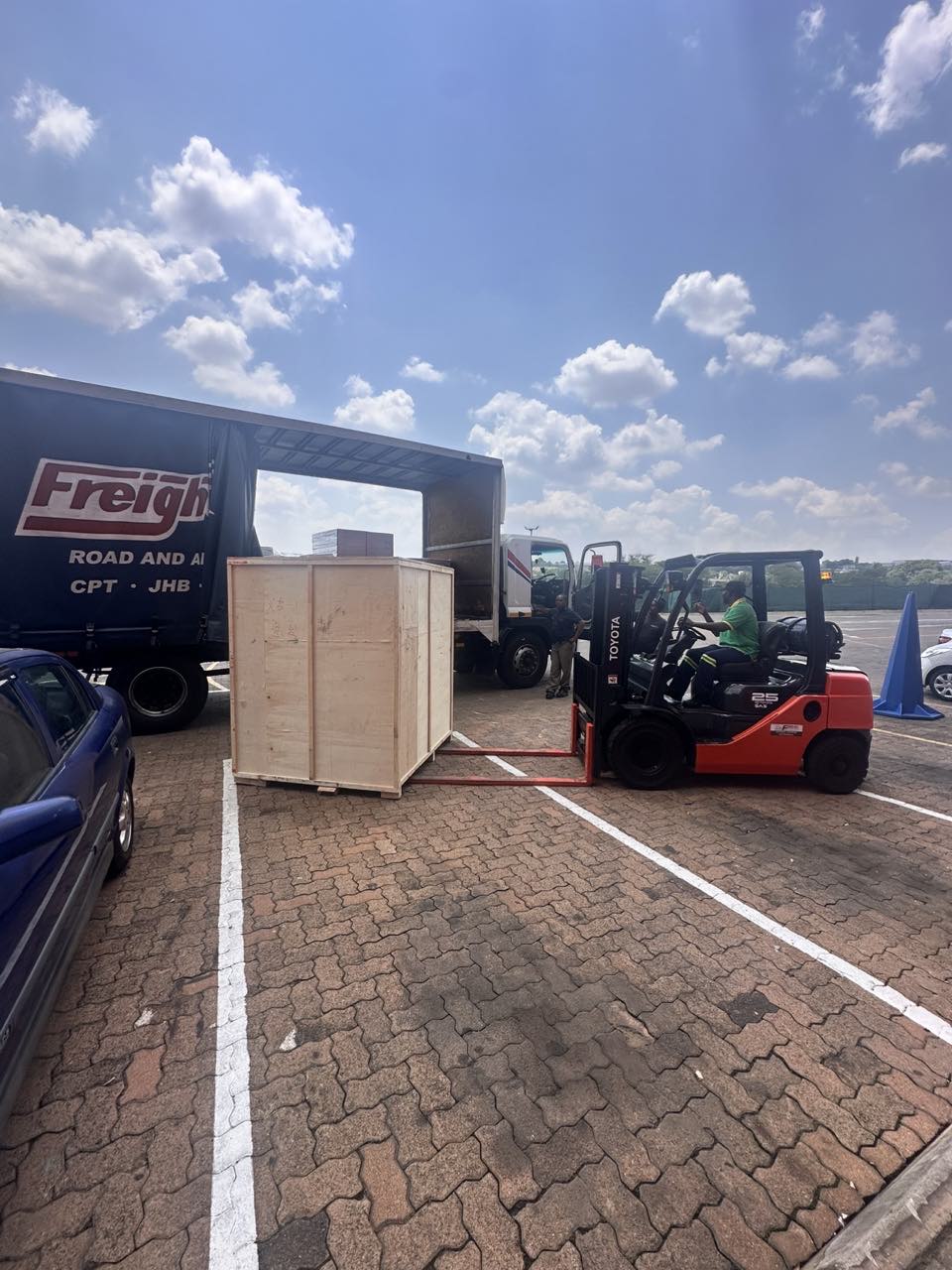
order collection
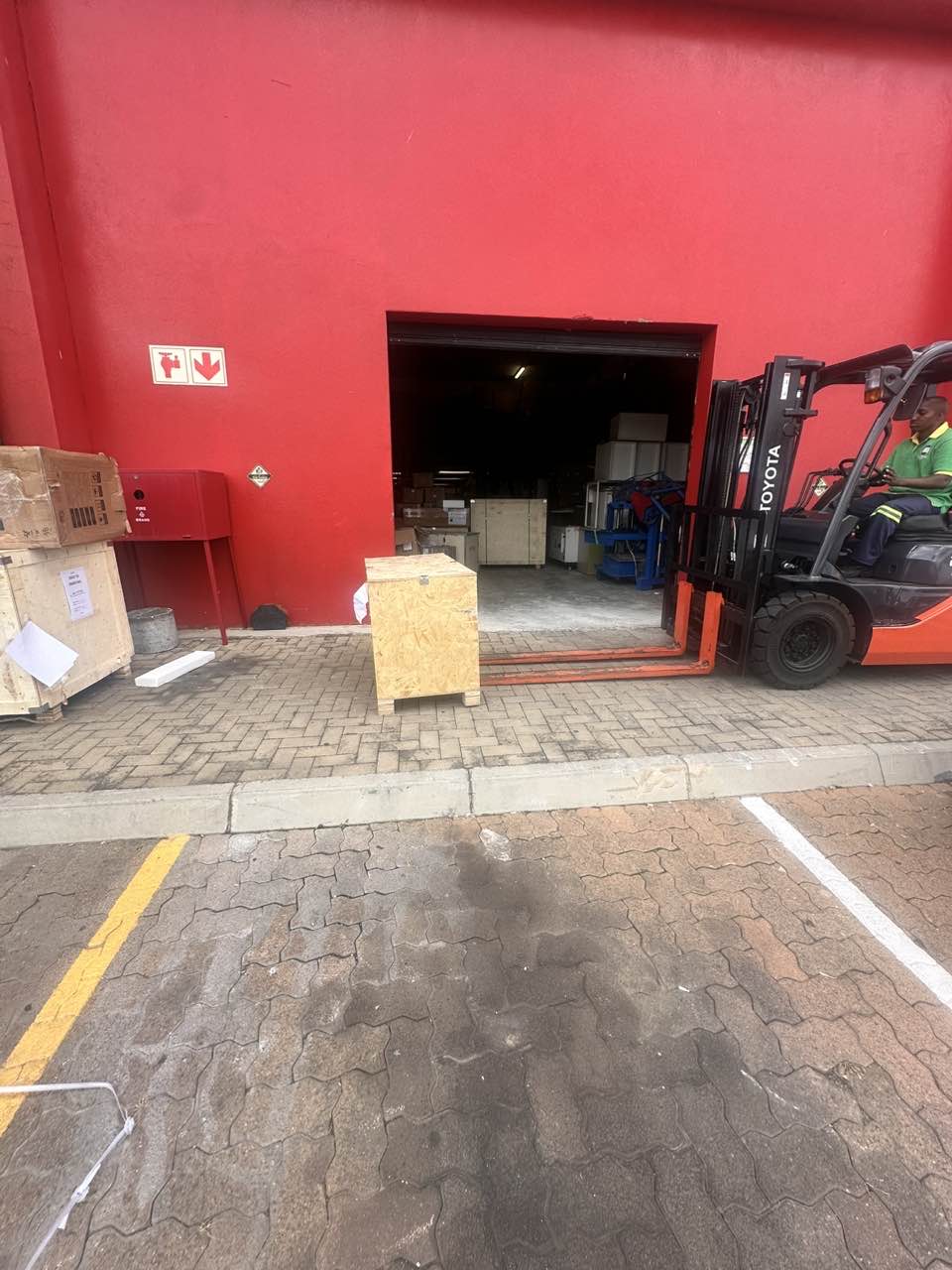
order offloading