B21, China Town Mall, Midrand

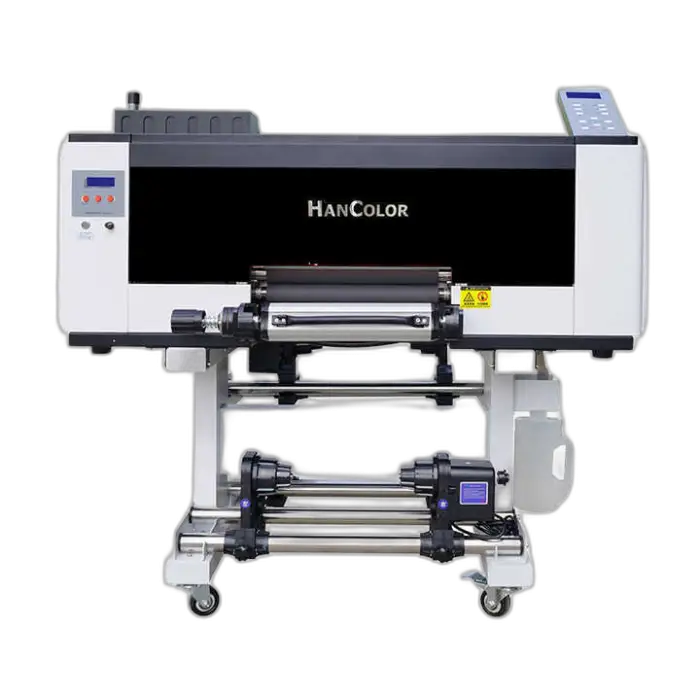
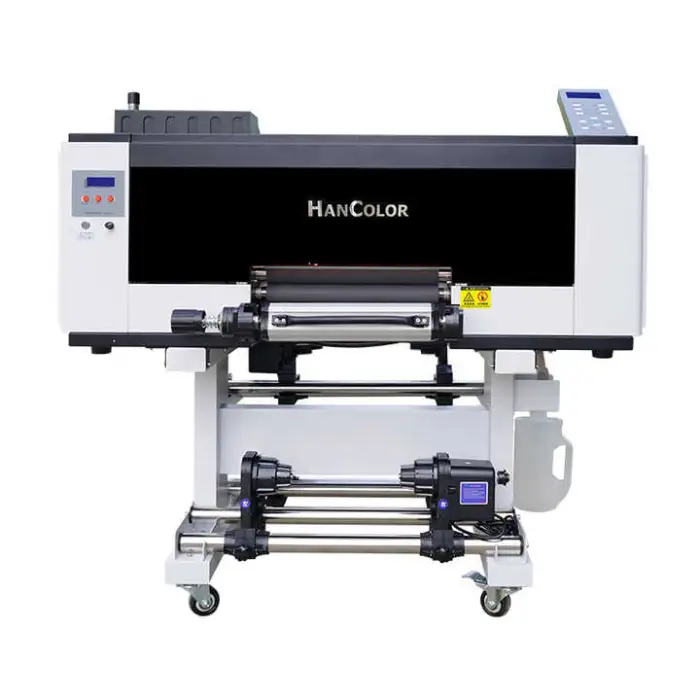
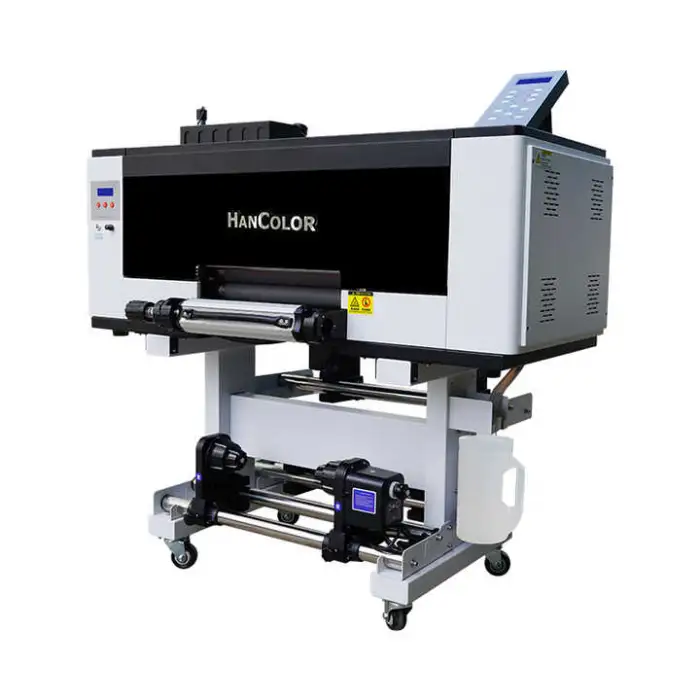
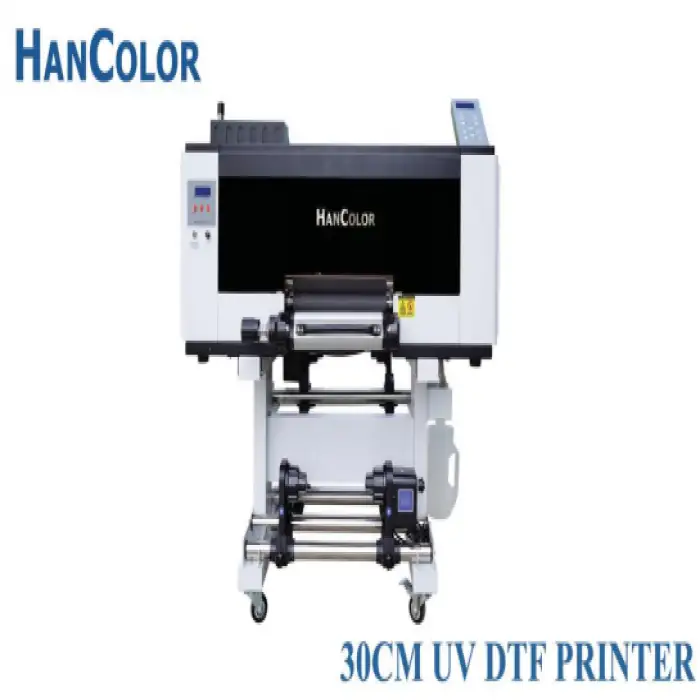
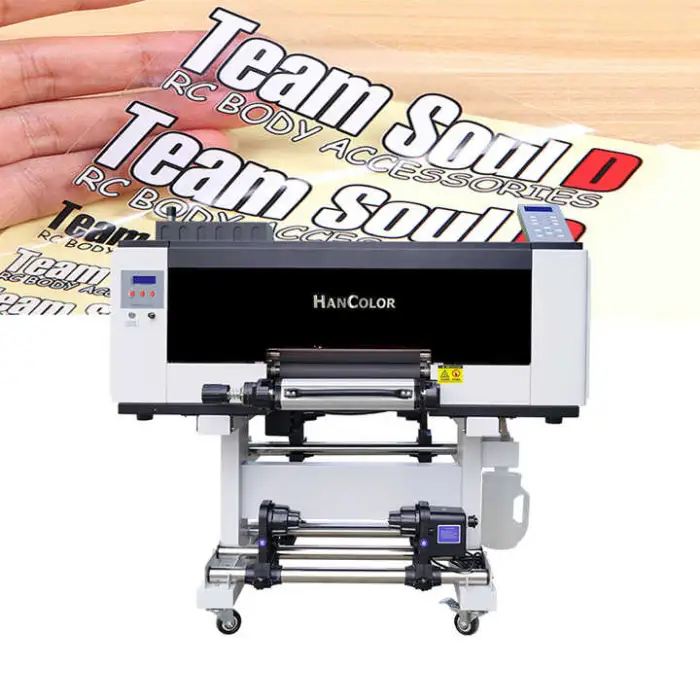
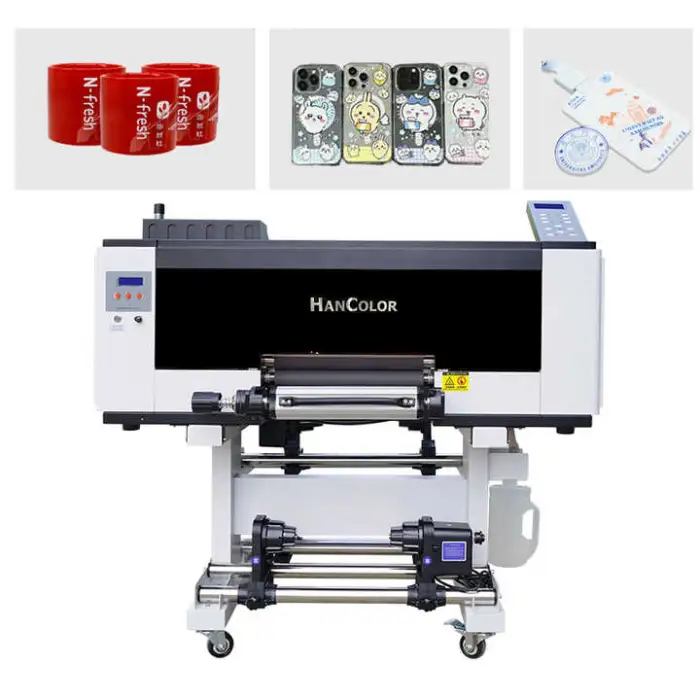
Hancolor Small Size 30cm Uv Dtf Crystal Label Printer Printing and Laminating All in One for Phone case Bottle
Asset finance available
Do you want funding for this equipment?
Afrimart can connect you with trusted funding partners who specialise in asset finance for businesses like yours. Compare options and apply in minutes — final approval is subject to provider review.
Check funding options
Secure & no obligation

- Section : Consumer Electronics
- Category : DTF Printers
- SKU : 1601445546427

Hancolor Small Size 30cm UV DTF Crystal Label Printer
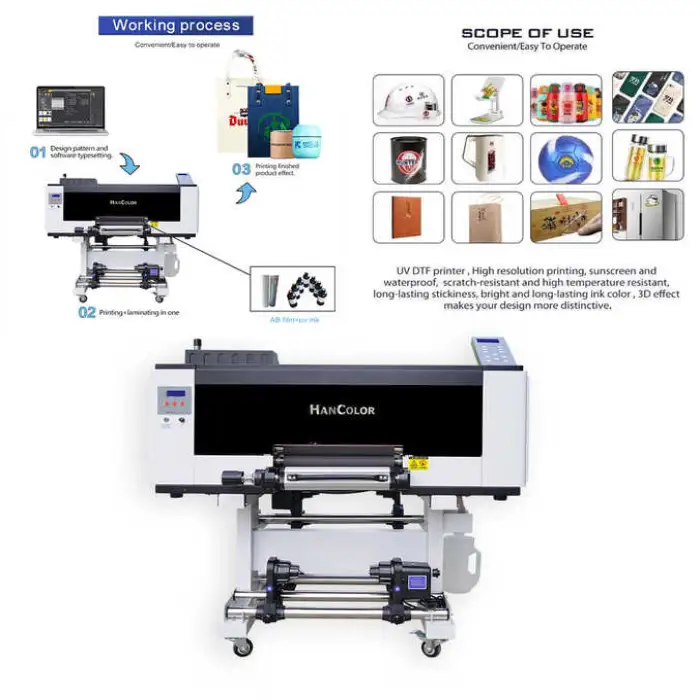
The Hancolor Small Size 30cm UV DTF Crystal Label Printer is a powerful all-in-one machine designed for printing and laminating. It is perfect for creating colorful designs on various materials like phone cases and bottles. With advanced technology, this printer delivers high-quality prints quickly and efficiently. Whether you are a small business owner or a hobbyist, this printer is a great choice for your creative projects.
Specifications
| Attribute | Details |
|---|---|
| Type | Inkjet Printer |
| Color & Page | Multicolor |
| Resolution | 1080dpi, 1600dpi |
| Automatic Grade | Automatic |
| Print Head | XP600, Epson I1600, Epson F1080 |
| Plate Type | Roll-to-Roll Printer |
| Control Type | Push button |
| Ink Type | UV Ink |
| Print Speed | 3㎡/h |
| Power Supply | 220V |
| Dimensions (L*W*H) | 1520*730*750mm |
| Weight | 130kg |
| Model | 30cm UV DTF |
| Printing Width | 300mm |
| Ink Color | CMYK+LC+LM+W+V |
| Printing Material | PET Film |
| Power Consume | 1200W (not include head and ink system) |
Key Features
- High-resolution printing at 1080dpi and 1600dpi.
- Automatic operation for ease of use.
- Versatile printing on various materials including plastic and fabric.
- Fast print speed of 3㎡/h for efficiency.
- Compact design suitable for small spaces.
Applications
- Printing custom designs on phone cases.
- Creating labels for bottles and containers.
- Producing vibrant prints on clothing and fabrics.
- Making unique wallpaper designs.
- Crafting personalized items for gifts and special occasions.
Product Info Gallery
- Shipping Timeframes: All orders are processed within 2-5 business days (excluding weekends and holidays). After your order has been processed, the estimated delivery time is before 18 Jul, 2026, depending on customs, Please note that due to high demand, some items may experience longer shipping times, which will be communicated at order confirmation email.
- Order Processing Time: Please allow 2-5 business days for us to process your order before it is shipped . Orders placed after 16:00 on Fridays, or during weekends and public holidays, will begin processing on the next business day. Processing times may be extended during peak seasons or sales events.
- Manufacturing Time: Some products needs manufacturing time, the manufacturing process will take approximately 10-30 business days depending on the product. This timeframe may vary depending on the complexity of the product and current demand. but this will be communicated with you during order confirmation.
- Returns and Exchanges: We offer a 30-day return policy for most items. If you are not completely satisfied with your purchase, you may return it within 30 days of receipt for a refund or exchange. Items must be unused, in their original packaging, and accompanied by proof of purchase. Return shipping costs are the responsibility of the customer, unless the item was damaged or defective upon arrival.
1. What is the maximum printing width of the Hancolor 30cm UV DTF Crystal Label Printer?
The printer has a maximum printing width of 300 mm (30 cm), suitable for small-format labels, phone case wraps, bottle labels and PET transfer film.
2. What print resolution and speed does this machine support?
It supports high-resolution printing at 1080 dpi and 1600 dpi and has a typical production speed up to about 3 m²/hour (actual speed depends on resolution, ink coverage and media).
3. Which print heads and ink configuration does the printer use?
The machine is compatible with common industrial heads such as XP600, Epson I1600 and Epson F1080. Ink channels are CMYK + Light Cyan + Light Magenta + White + Varnish (CMYK+LC+LM+W+V), enabling full color, white underprint and protective/finish varnish layers.
4. Which materials can I print on with this printer?
This UV DTF unit is designed to print onto PET transfer film (DTF film) and can produce transfers for fabrics. It is also suitable for producing labels, decals and laminated prints for items like phone cases and bottles. For direct printing on rigid or highly curved objects you may need additional fixturing or secondary finishing processes.
5. Does this machine include lamination, and how does the lamination work?
Yes — it is an all-in-one printing and laminating solution. After printing (typically on PET film), the built-in laminating section applies a protective film or varnish layer to increase durability, scratch resistance and finish. Use the recommended laminating films and settings from the manufacturer for best results.
6. What power and physical requirements does the printer have?
The printer is designed for a 220 V supply and has a listed power consumption around 1200 W (this figure does not include the print head and separate ink system power). Physical dimensions are approximately 1520 x 730 x 750 mm (L x W x H) and it weighs about 130 kg—plan for sufficient floor space and safe lifting/installation.
7. What file types and software does the printer accept?
The printer works with common graphics formats such as PNG, JPG, TIFF and PDF through standard RIP or print workflow software. Most suppliers include or recommend compatible RIP software — confirm with the vendor which RIP versions and drivers are provided or supported.
8. Can I print white and varnish layers for printing on dark substrates?
Yes. The ink configuration includes white (W) for underprinting on dark materials and a varnish/clear channel (V) to provide gloss/matte finish and added protection.
9. How do I maintain the printer and care for print heads?
Follow the manufacturer maintenance schedule: perform regular automatic/manual head cleanings, flush lines when idle for long periods, use recommended inks and solvents, keep the media path and laminator clean, and replace consumable seals and wipers as instructed. Refer to the user manual for detailed daily/weekly/monthly procedures.
10. What consumables will I need and how often do they need replacing?
Primary consumables include UV inks (CMYK+LC+LM+W+V), PET DTF film, laminating films, maintenance solution, wipers and print-head caps or maintenance kits. Replacement frequency depends on print volume, ink coverage and media usage — keep spare inks and maintenance parts on hand for continuous production.
11. Is the printer suitable for small businesses and hobbyists?
Yes. The compact footprint and roll-to-roll design make it suitable for small businesses, print shops and serious hobbyists who need high-quality small-format production. Note the machine's weight and electrical requirements may necessitate professional installation.
12. Will prints be durable and suitable for products like phone cases and bottles?
When printed and laminated correctly, UV-cured prints with a varnish/laminate layer are durable and resistant to scratching and fading for many labeling and decorative applications. For long-term wear on frequently handled items, test the specific substrate + lamination combination and follow recommended curing and finishing steps.
13. Are there any safety or environmental considerations?
Yes. Use the printer in a well-ventilated area, follow safety guidance for handling UV inks and solvents (gloves, eye protection), and dispose of waste materials according to local regulations. Ensure electrical installation complies with local codes.
14. Does the printer come with warranty, installation or training?
Warranty, installation services and training vary by seller. Many vendors offer installation, setup and operator training packages—confirm the specific terms, warranty length and support options with your supplier before purchase.
15. How do I get the best color accuracy and consistent results?
Use ICC profiles and a recommended RIP workflow, print test charts and calibrate regularly, use manufacturer inks and media, maintain stable environmental conditions (temperature/humidity), and perform routine maintenance (nozzles, feed rollers and laminator) to ensure consistent color and registration.
Latest Order Arrivals
Discover our latest orders
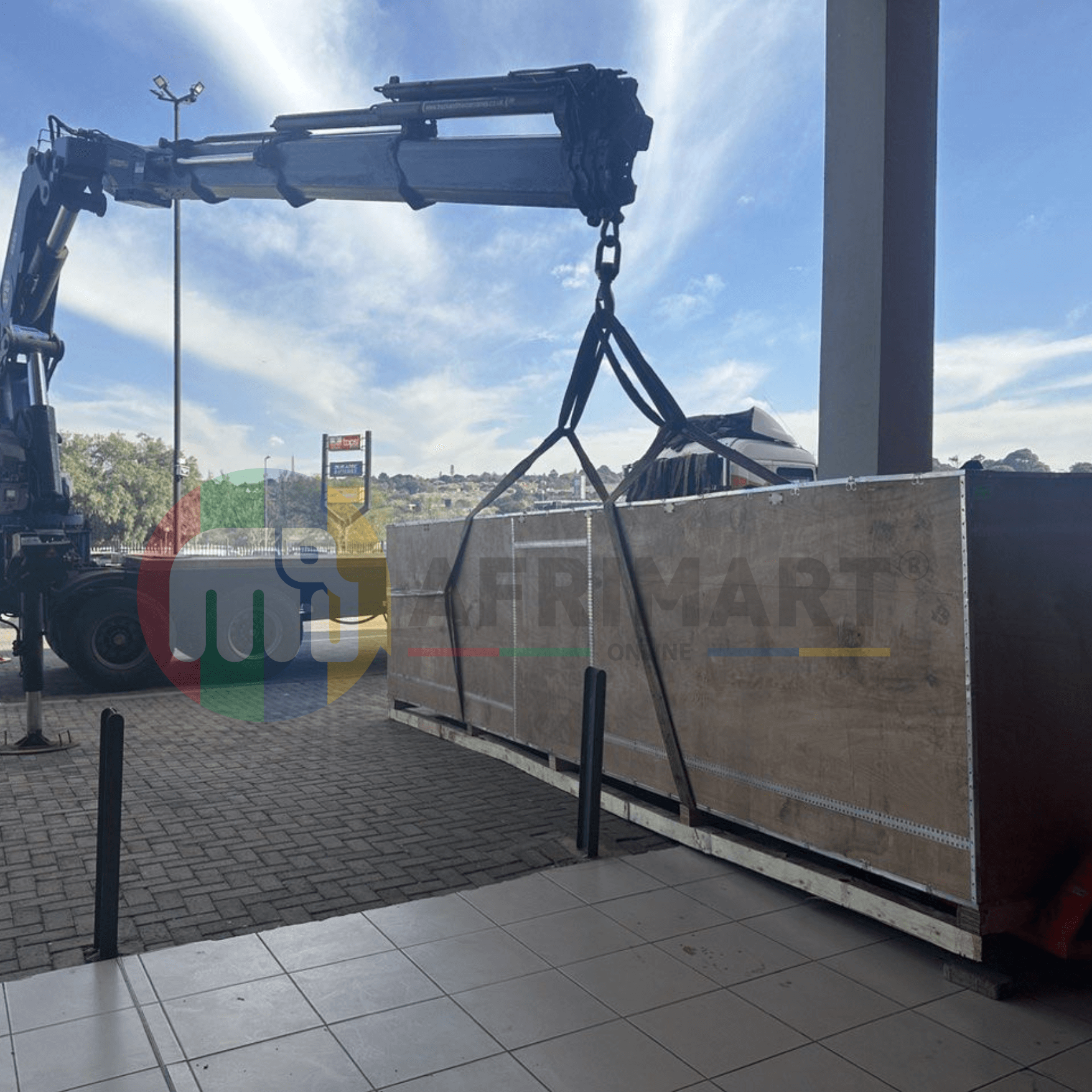
12 Heads Embroidery Machine
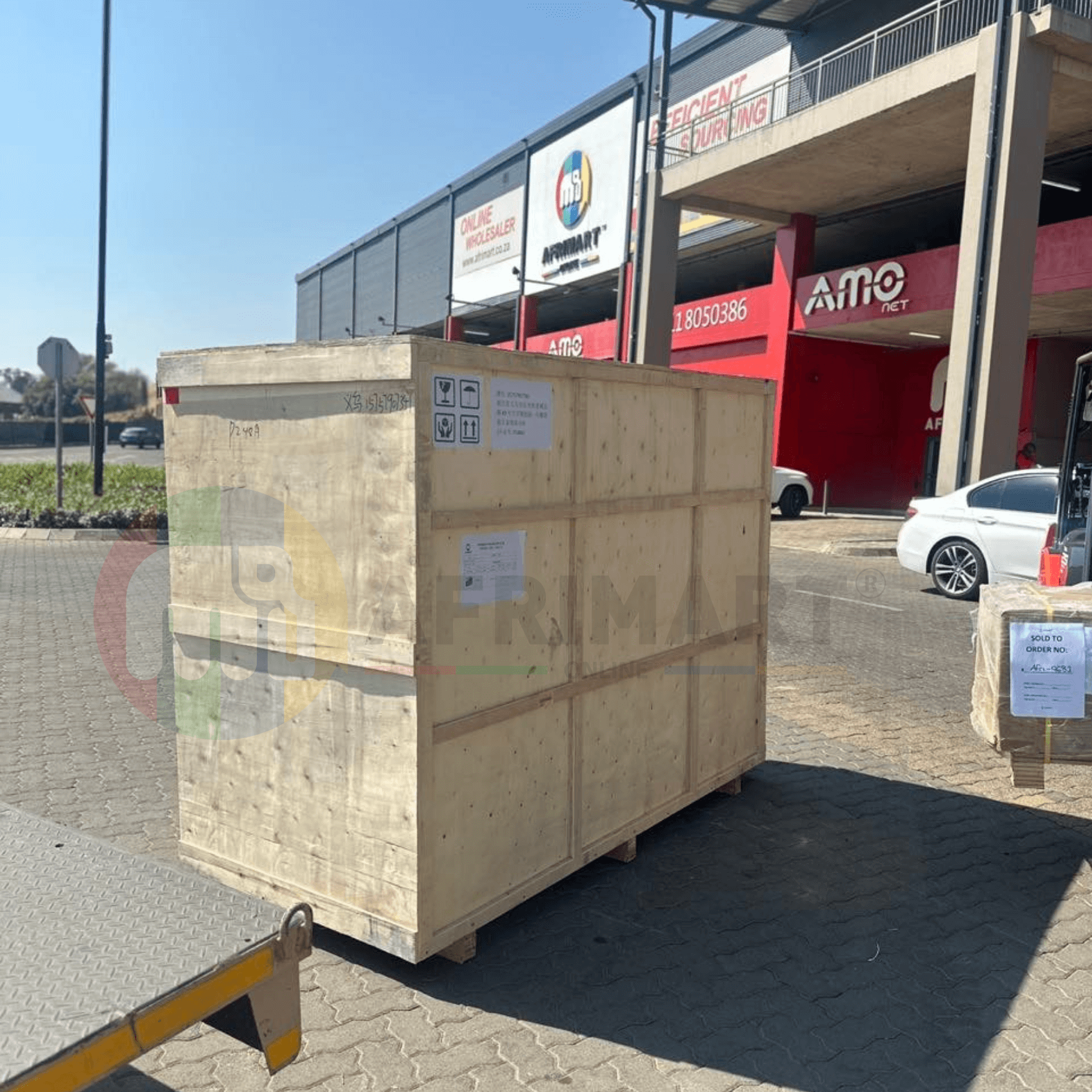
Dewatering Pump Machine
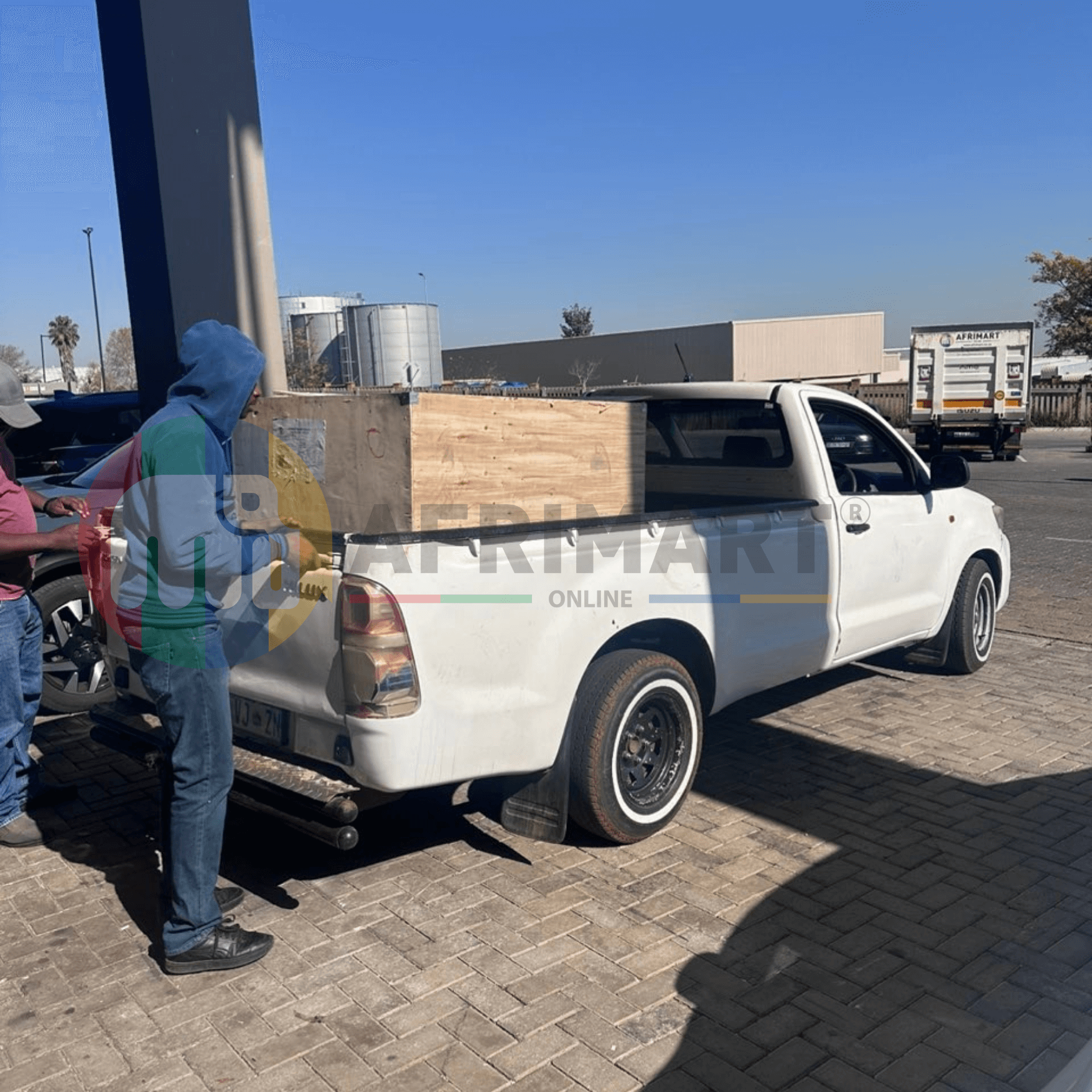
Order Collection
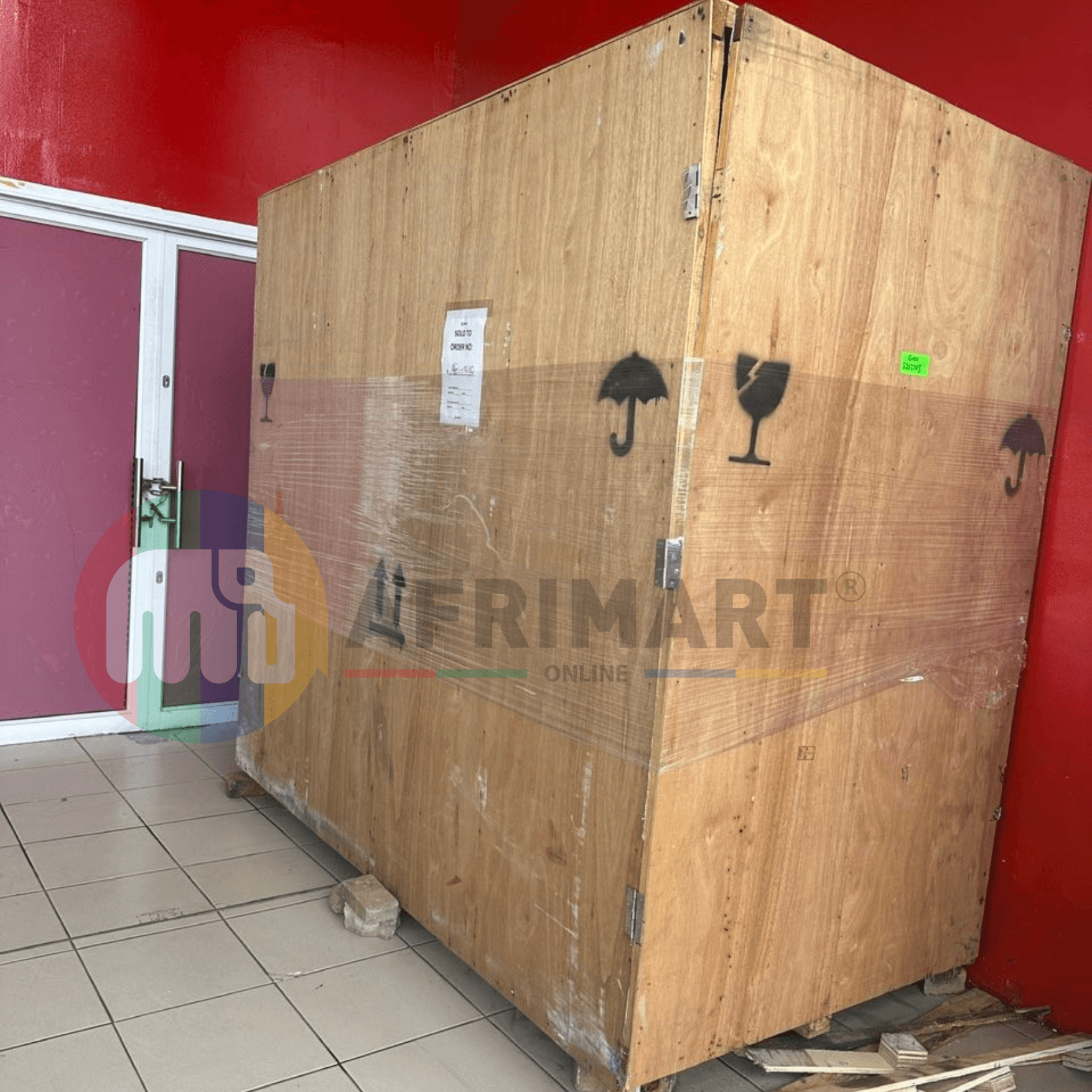
Portable Water Drilling Rig
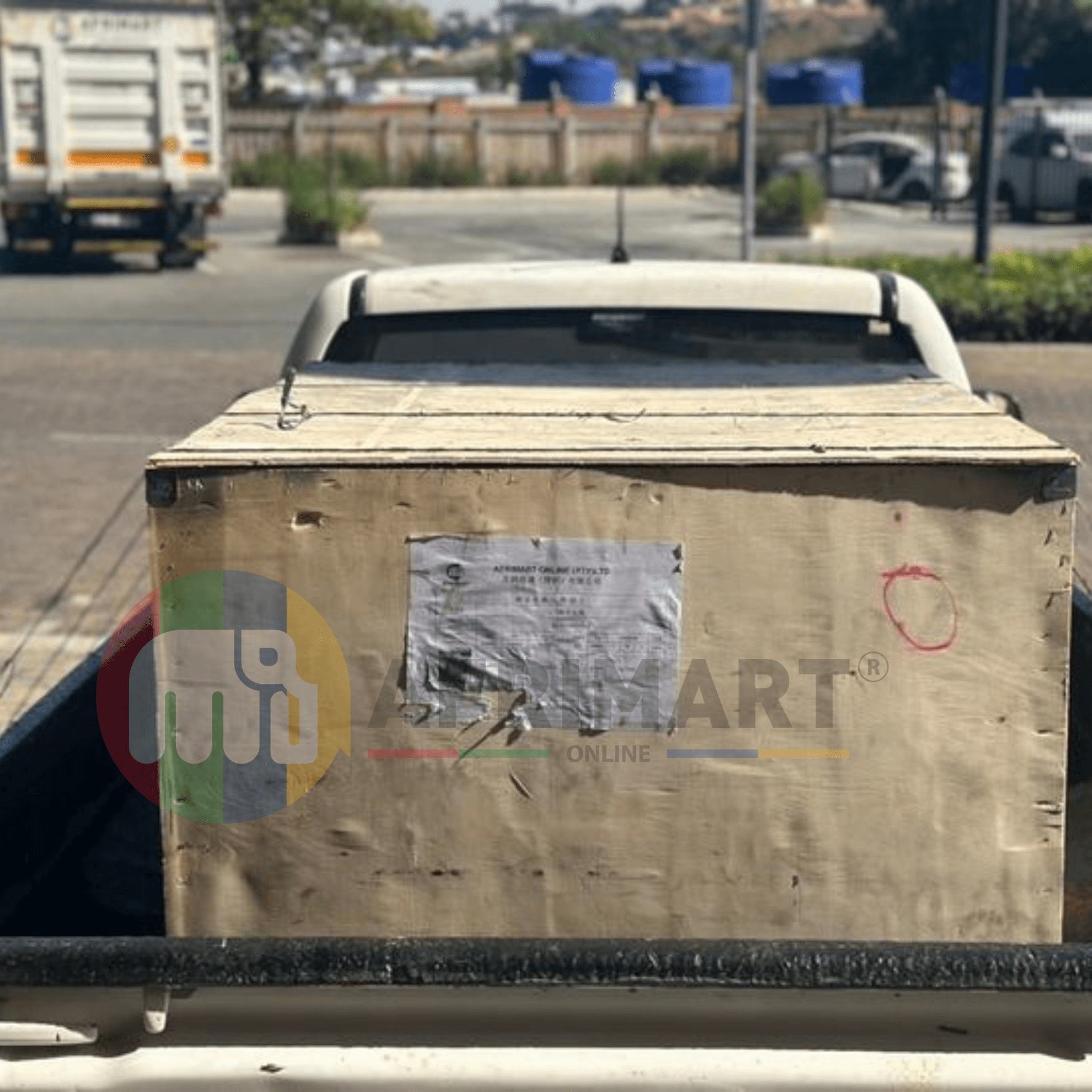
Order Usefully Collected
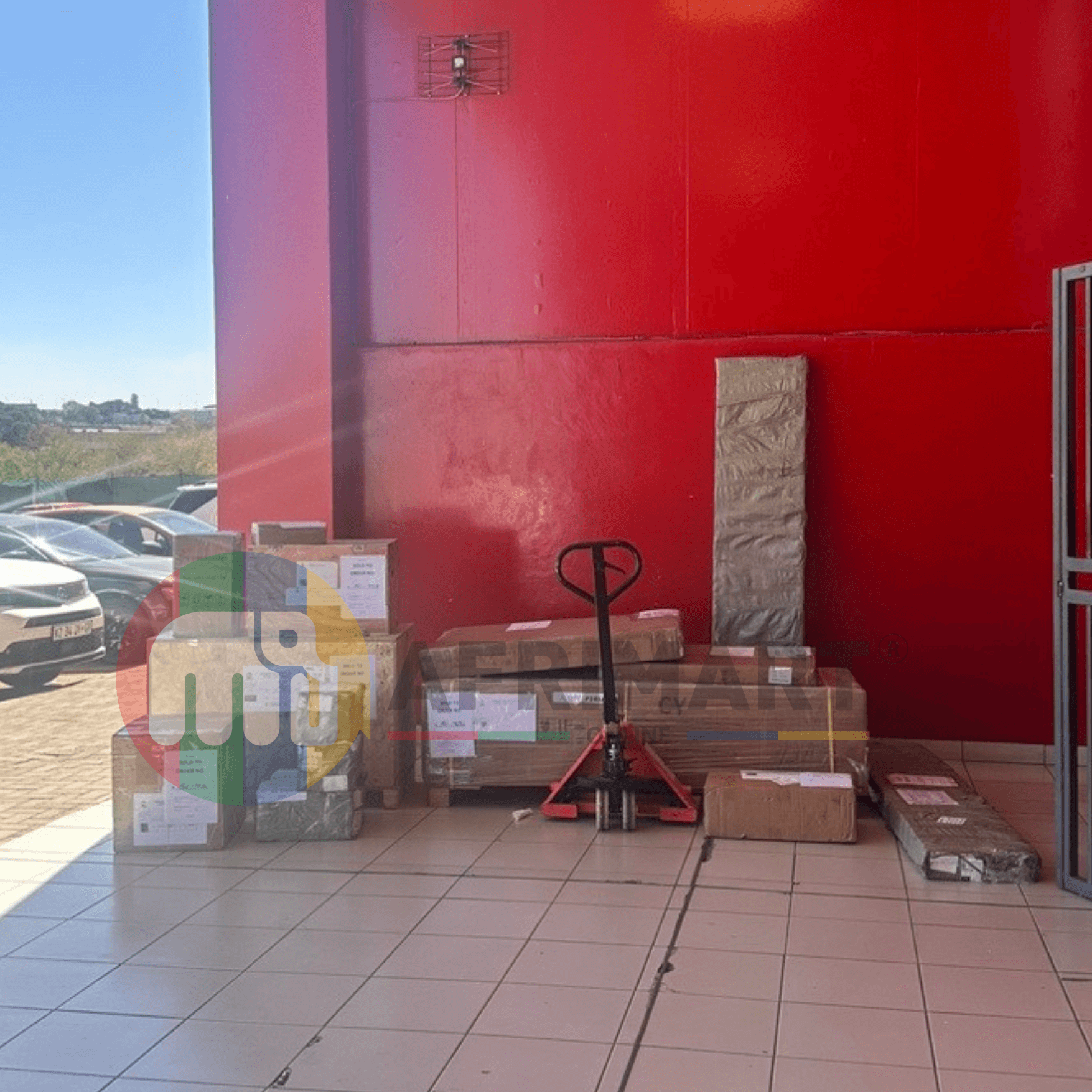
Batch of Orders
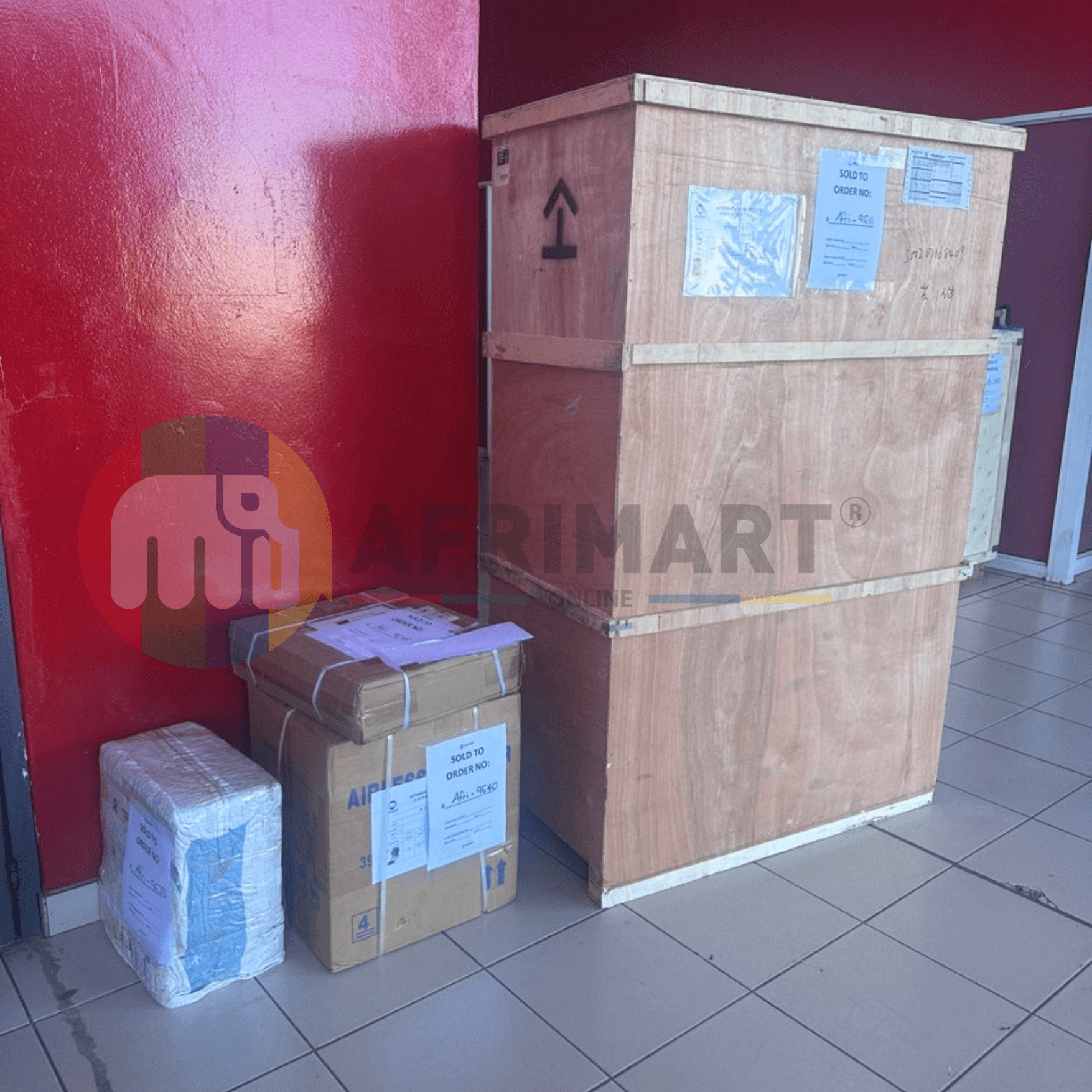
Agriculture Processing Machines
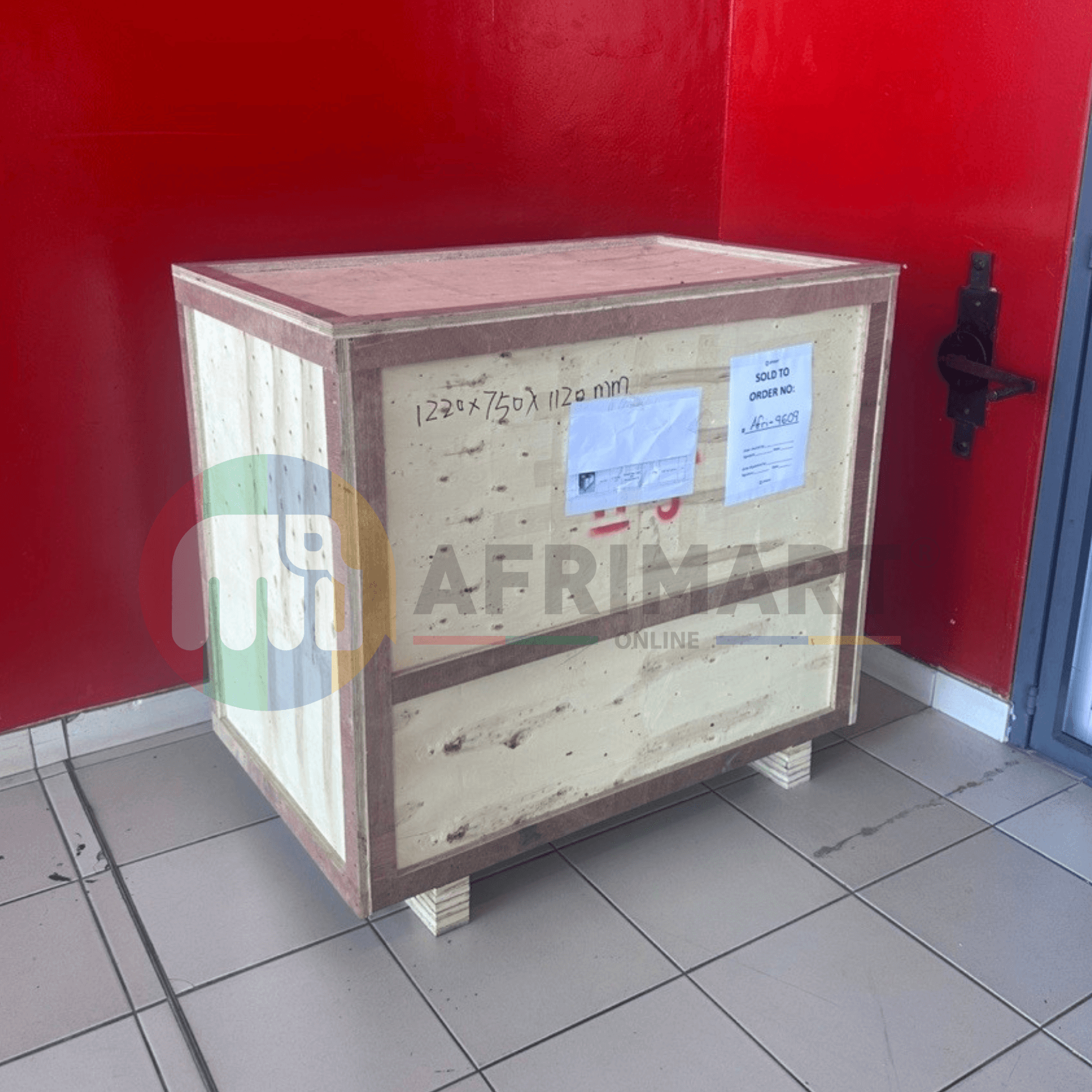
Meat Grinder Machine
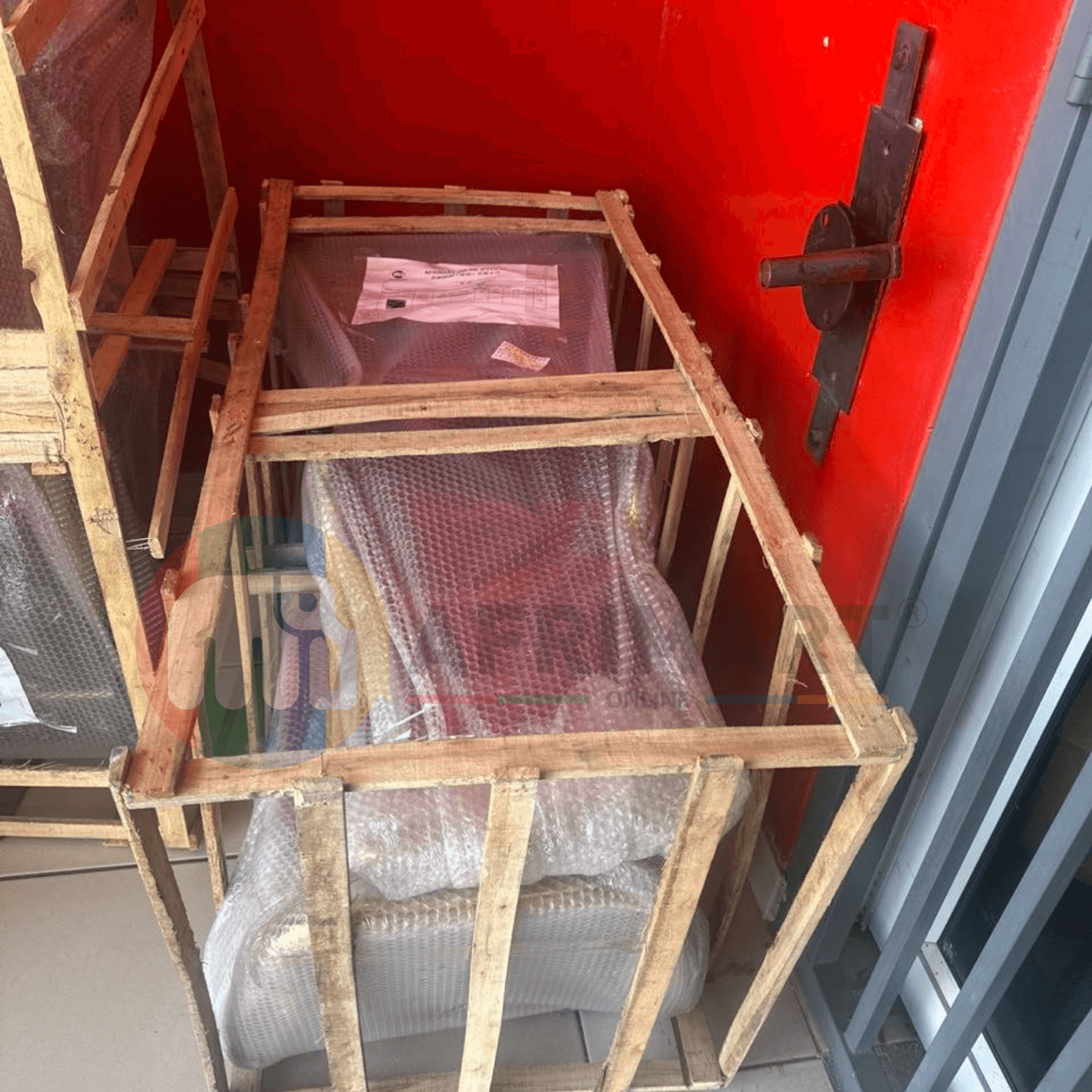
Water Pump Equipment
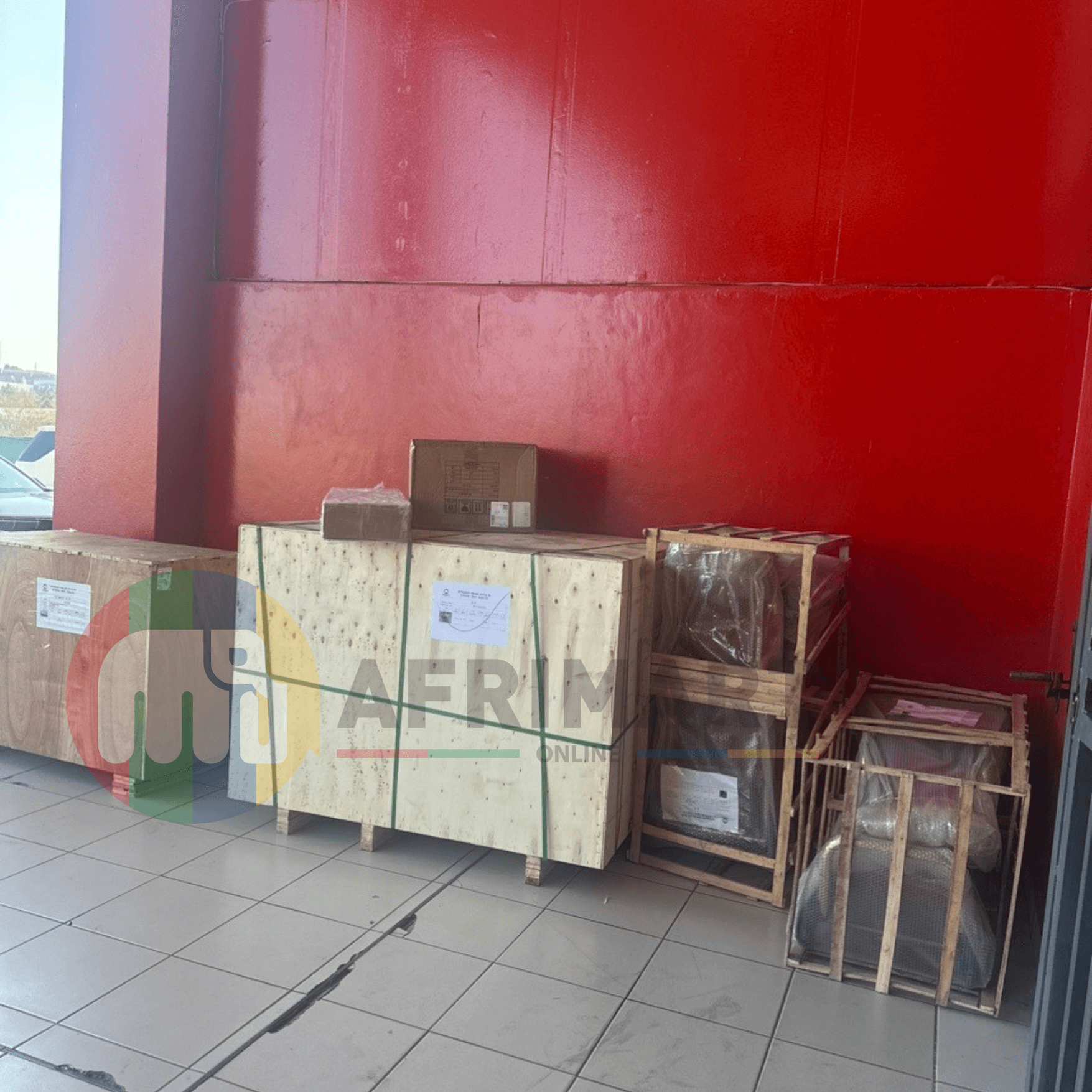
Packaging Machine and accessories
Fabrics Manufacturing Equipment
Mining Equipments
Food Processing Machine
Batch of Orders
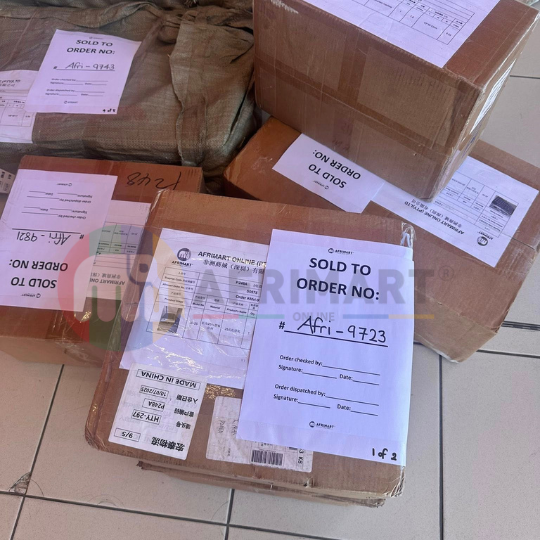
Batch of Orders
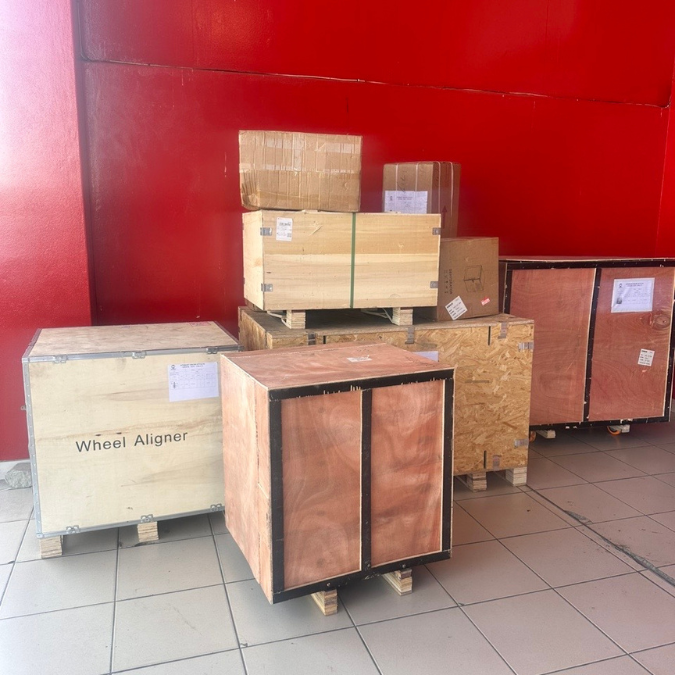
Latest Orders Labelled
wheel alignment machines
new arrivals
Pre Orders Offloading
Latest Arrivals
Latest Arrivals
Latest Arrivals
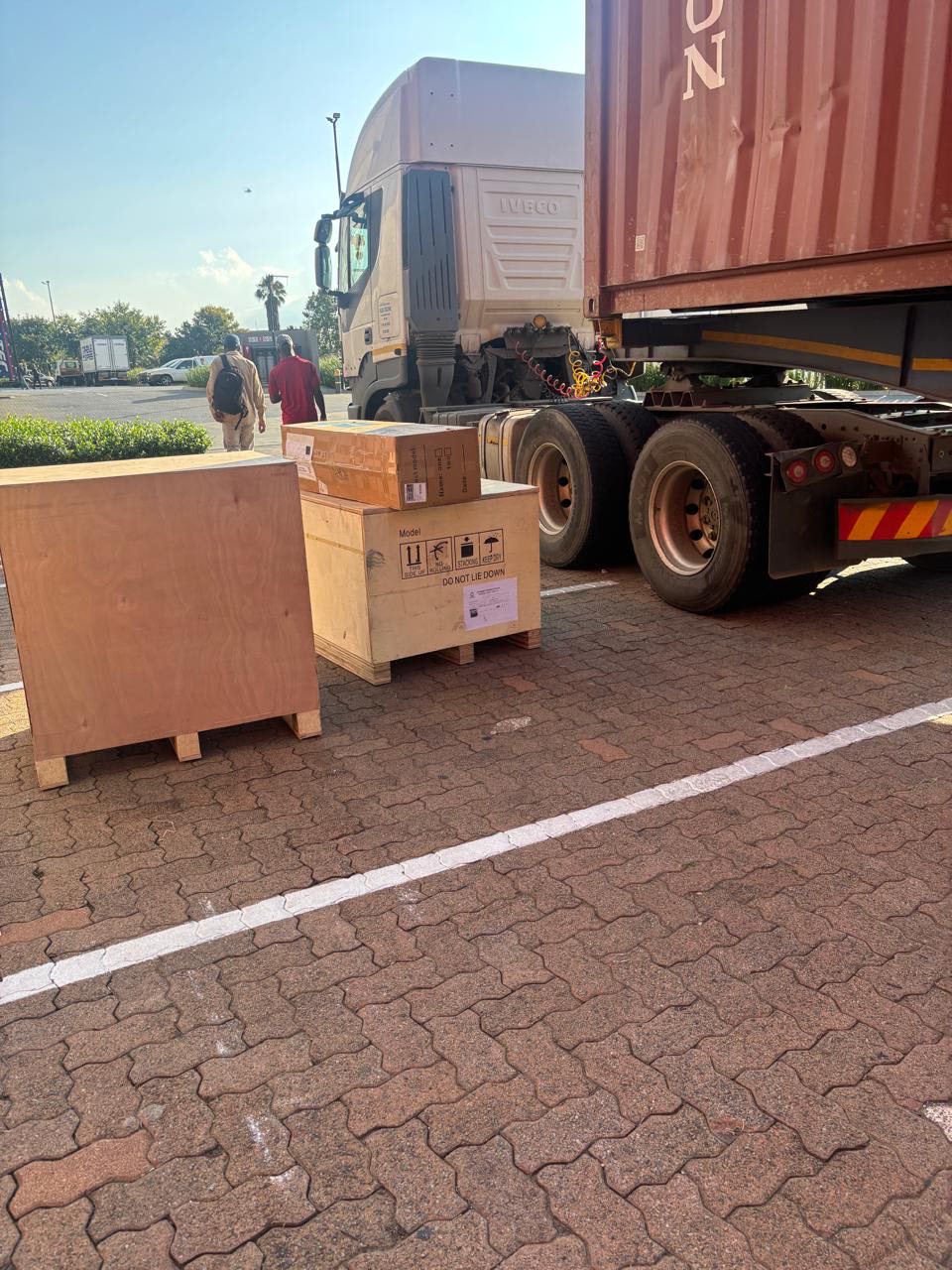
26 January 2026
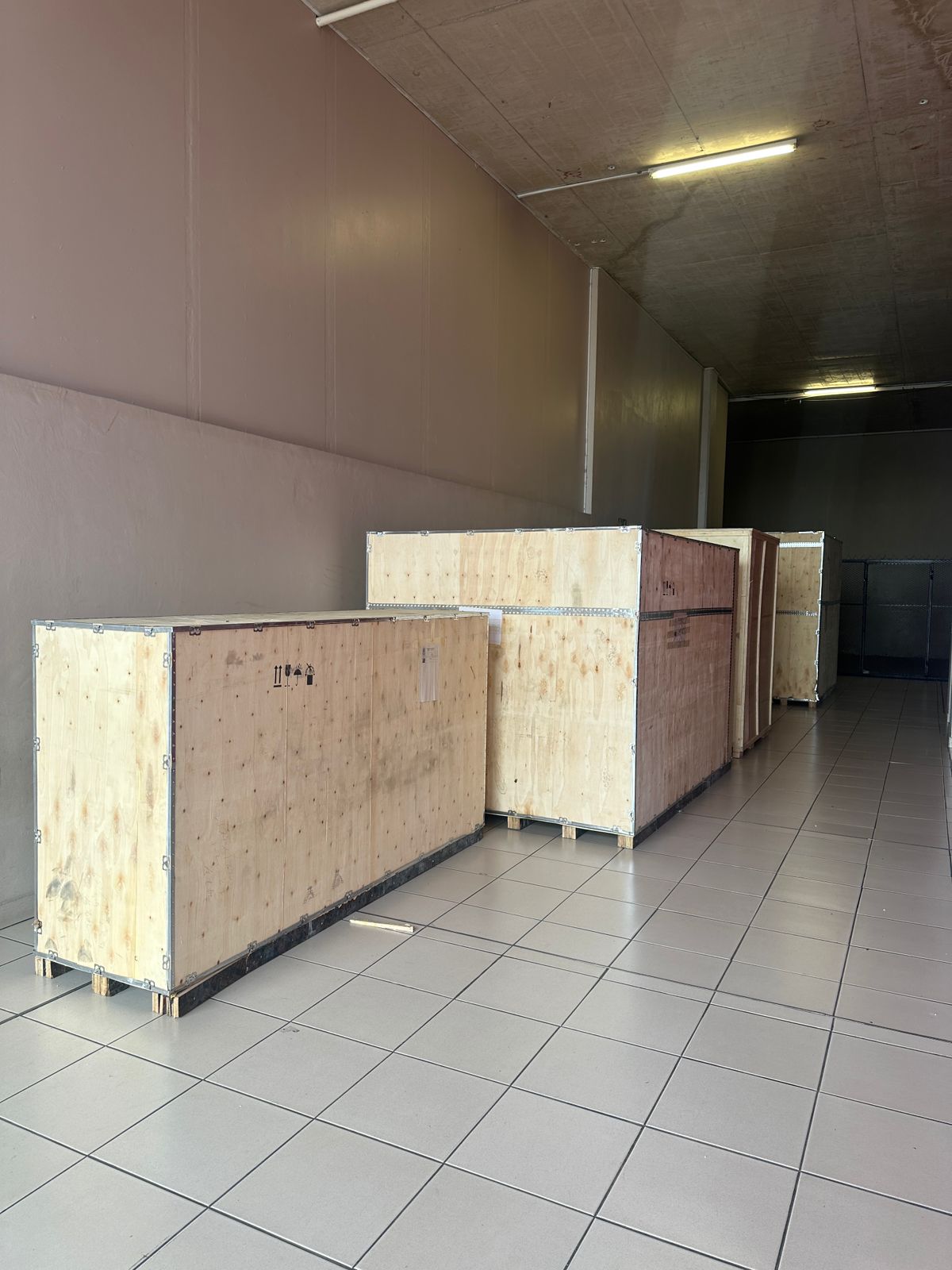
Toilet paper making machine
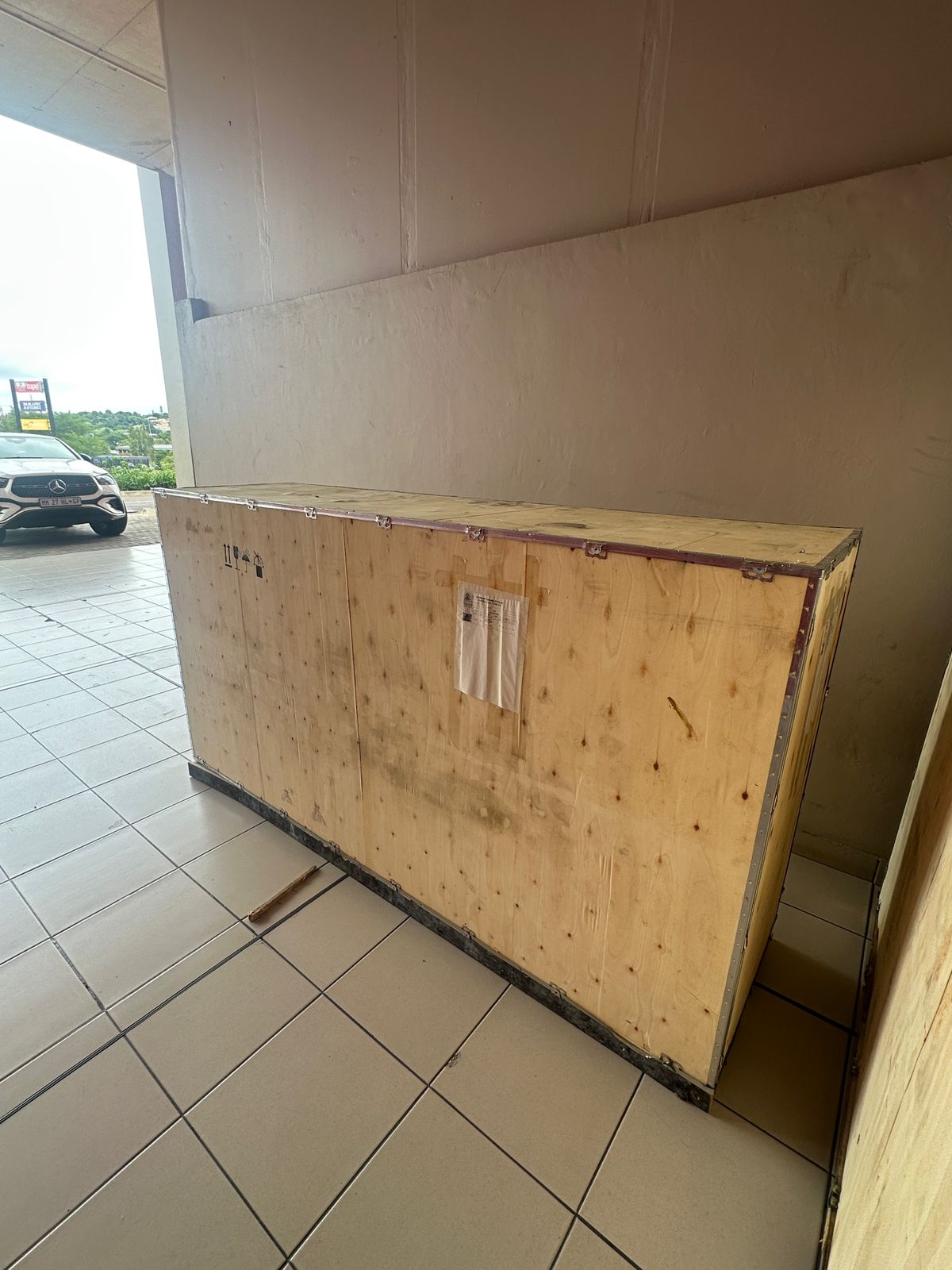
Toilet paper making machine
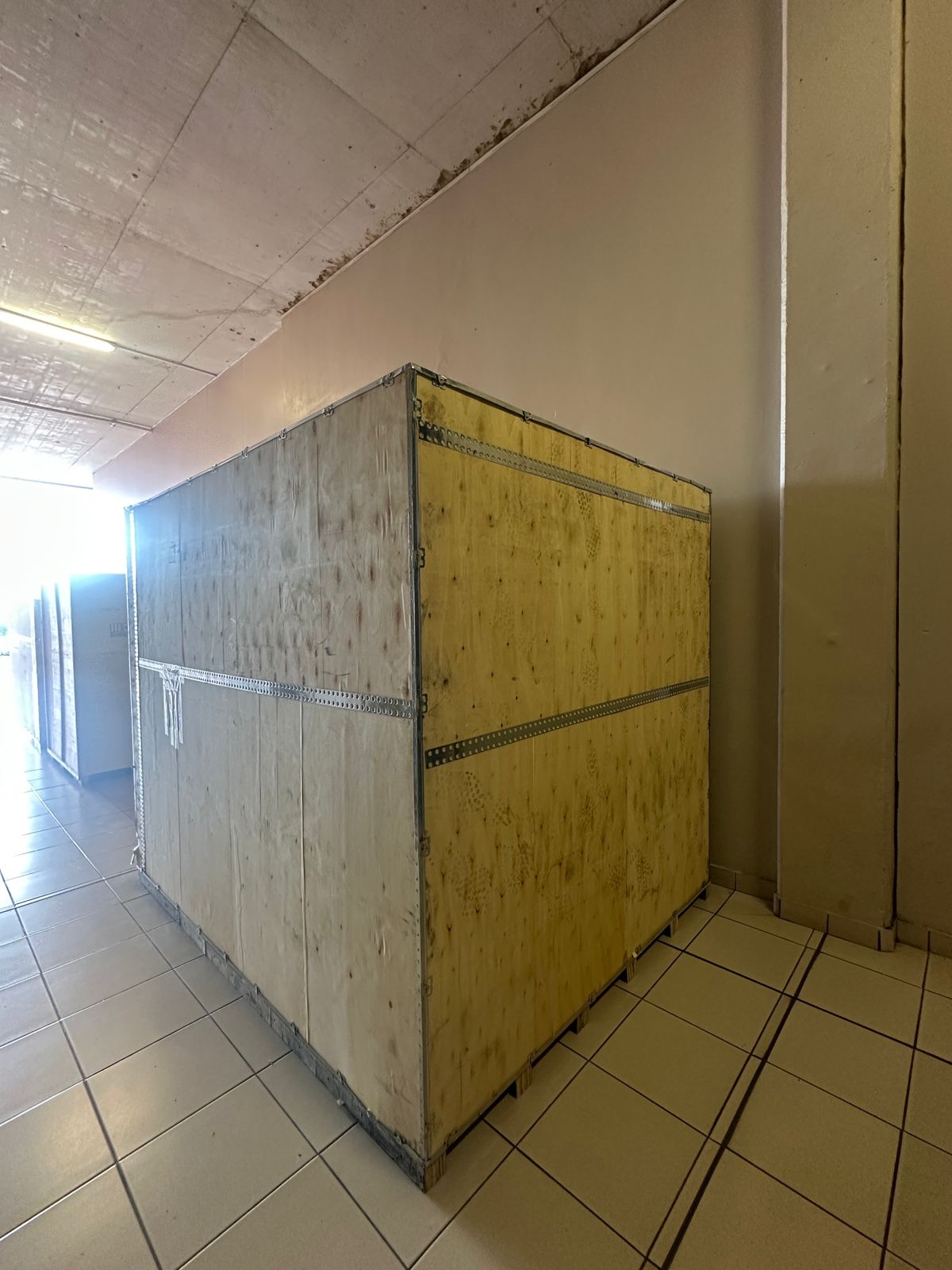
Toilet paper Rewinding Machine
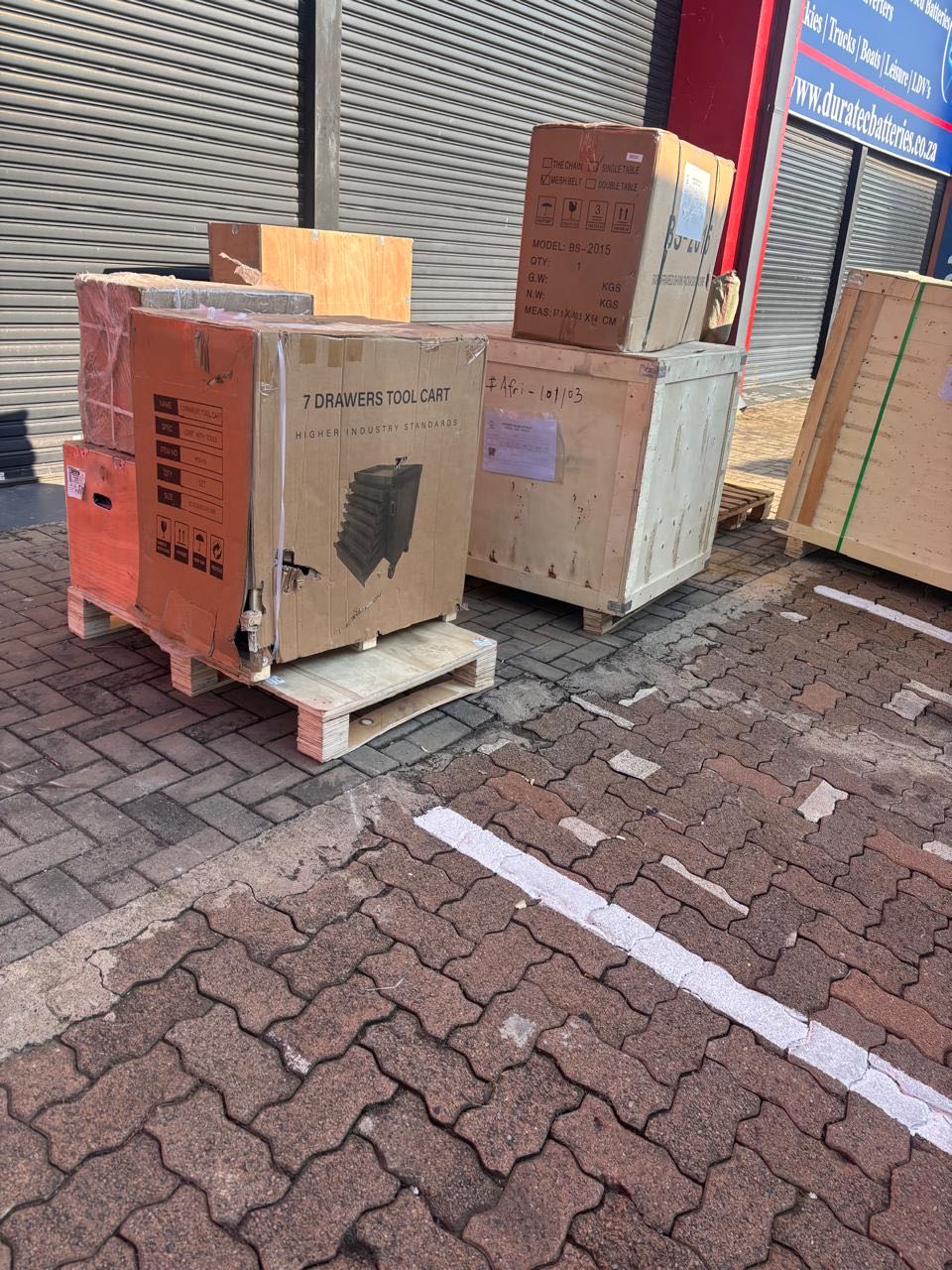
latest arrivals
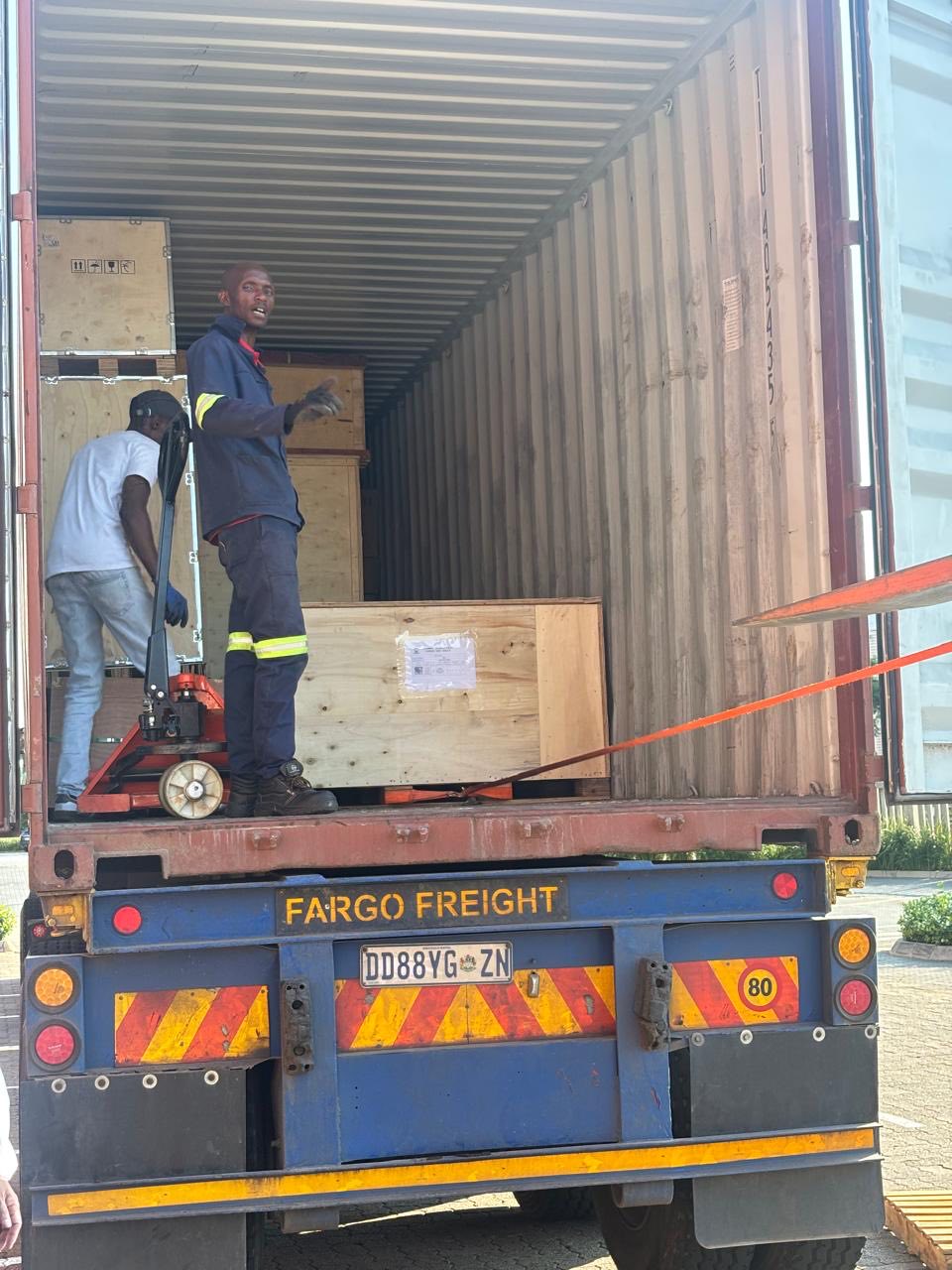
offloading
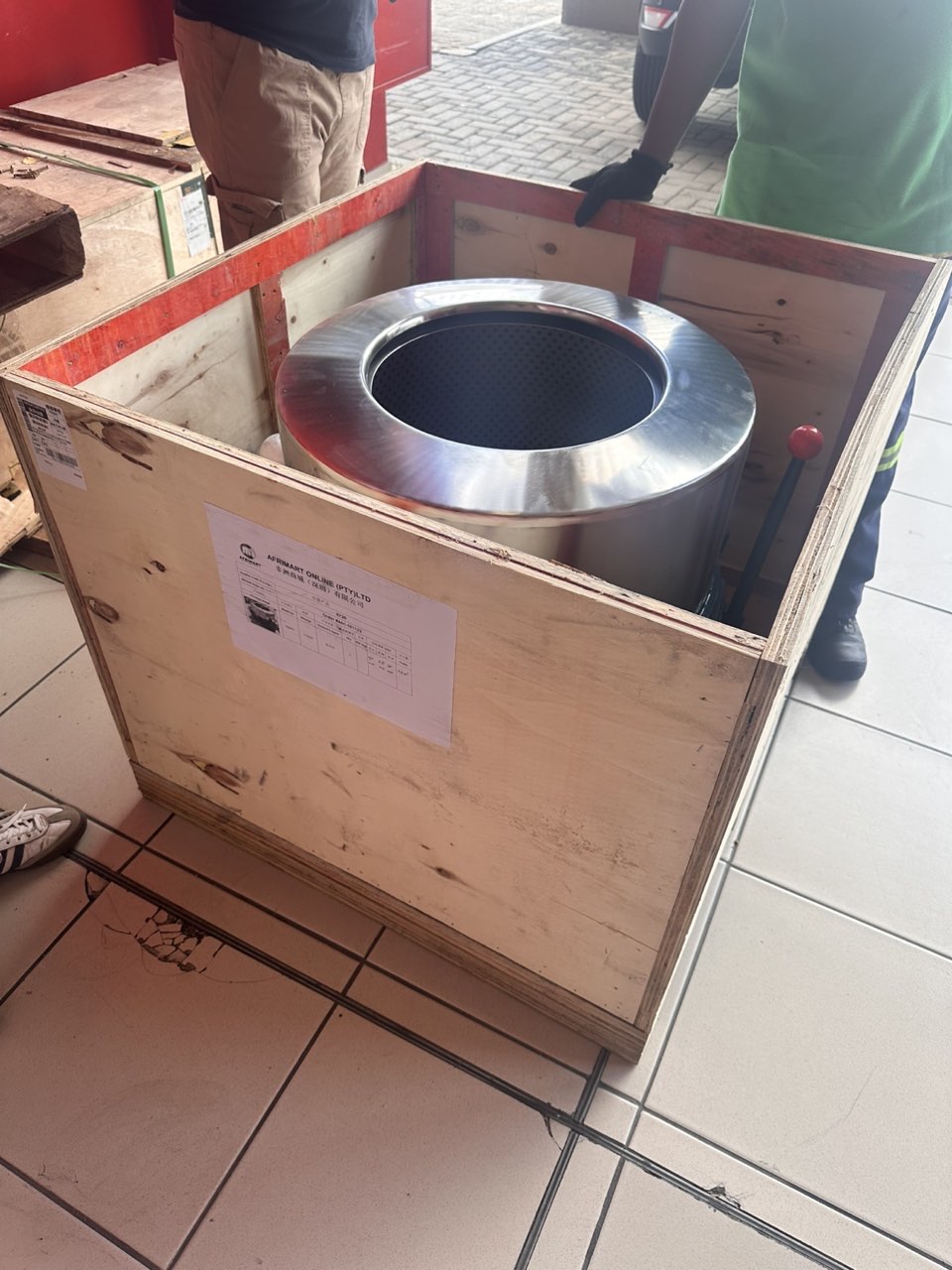
order success
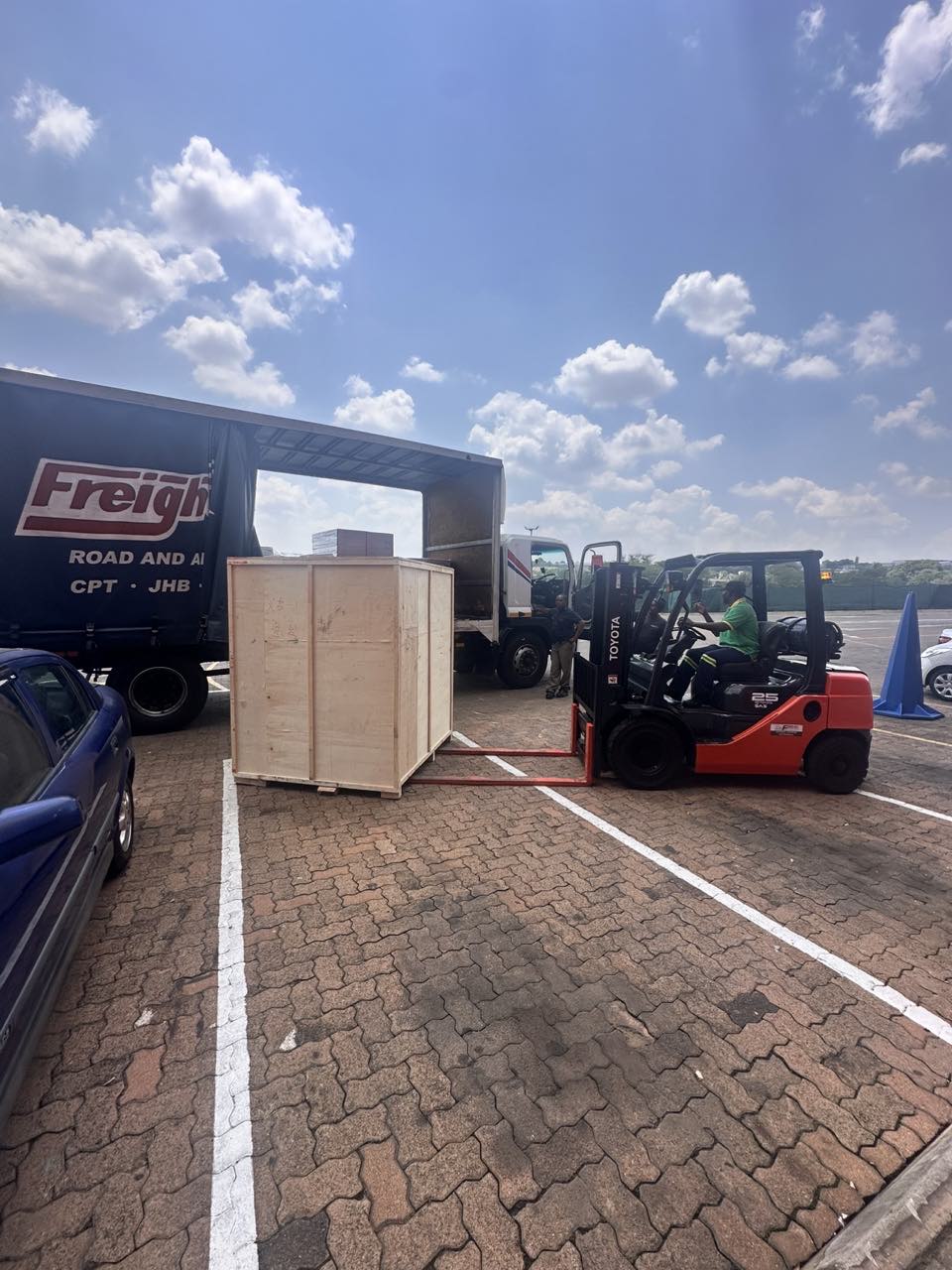
order collection
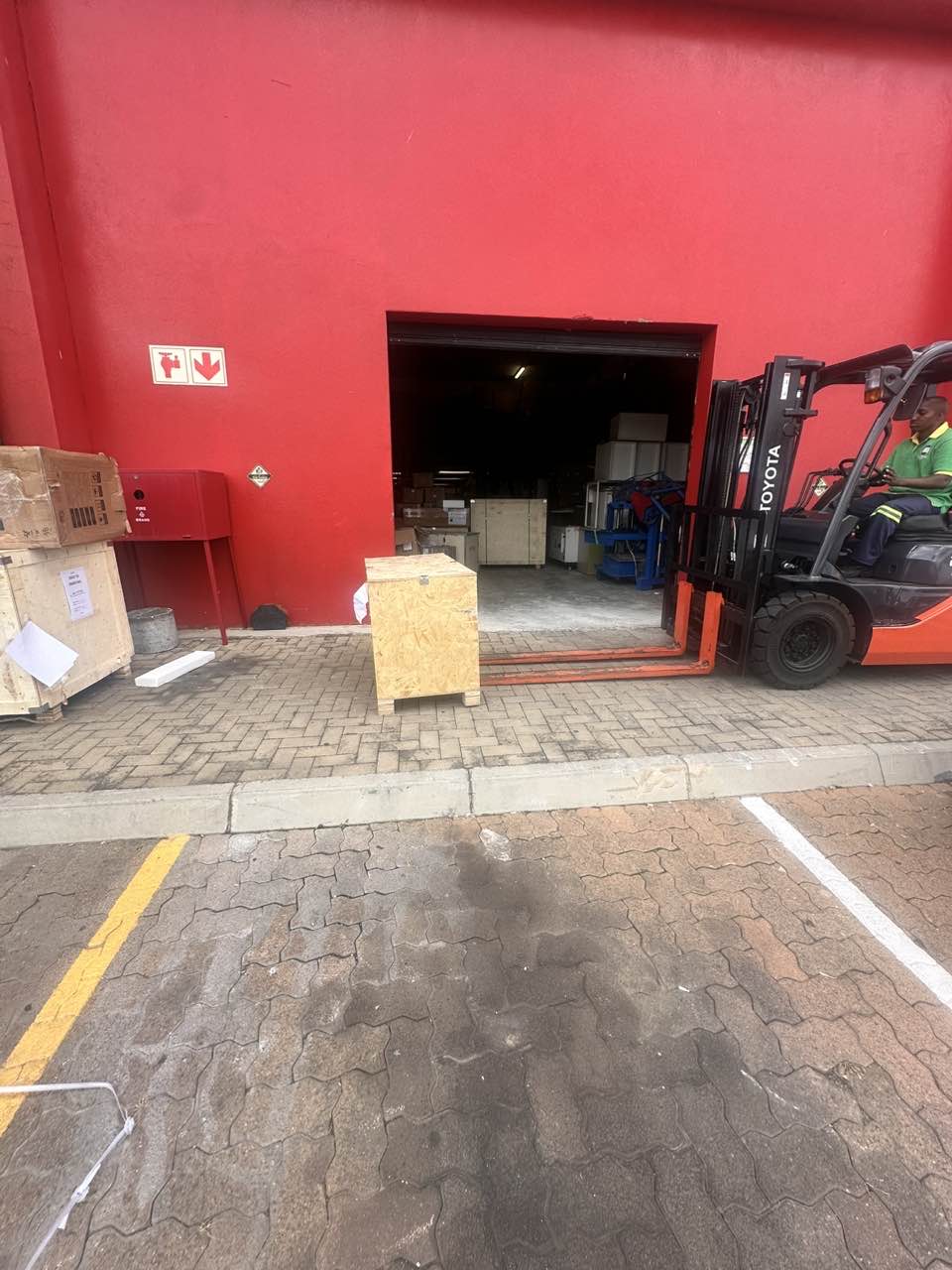
order offloading