B21, China Town Mall, Midrand


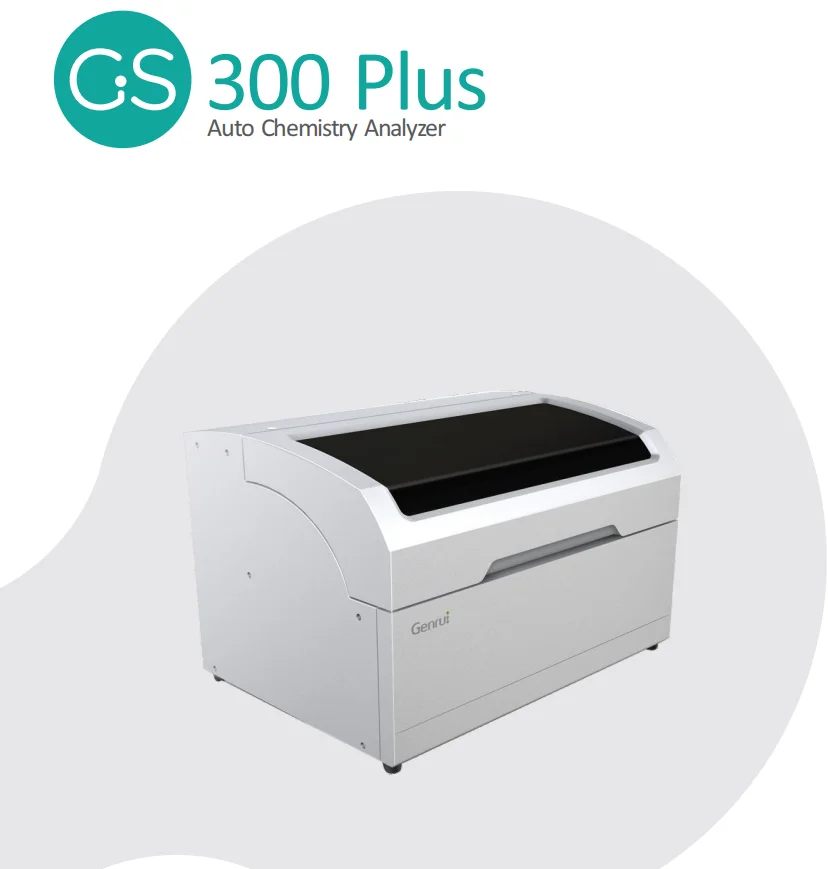
GS300 Plus Fully Automatic Clinical Biochemistry Analyzer
Asset finance available
Do you want funding for this equipment?
Afrimart can connect you with trusted funding partners who specialise in asset finance for businesses like yours. Compare options and apply in minutes — final approval is subject to provider review.
Check funding options
Secure & no obligation

- Section : Medical Supplies
- Category : Professional Medical Devices
- SKU : 1600467858823

GS300 Plus Fully Automatic Clinical Biochemistry Analyzer:
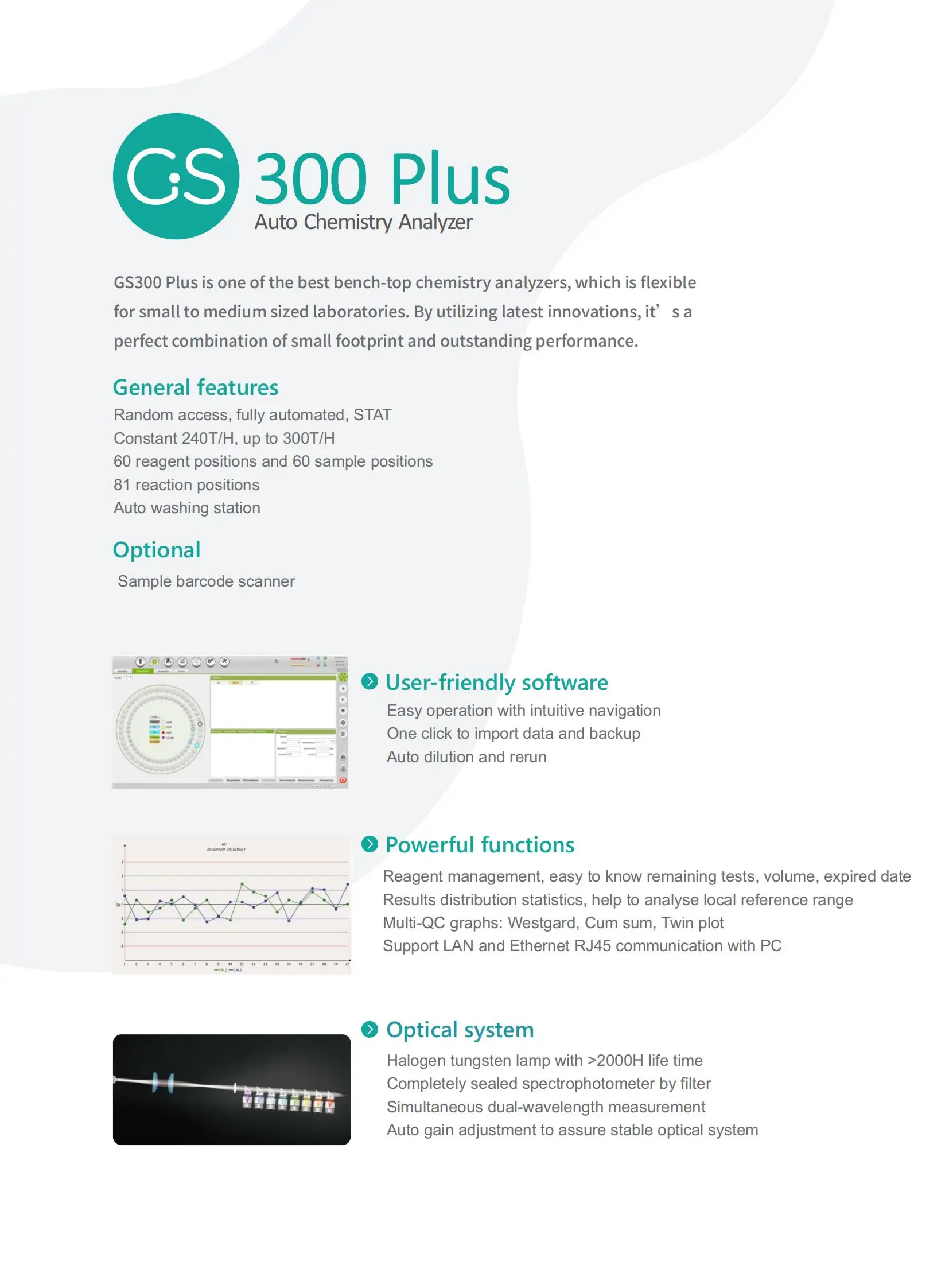
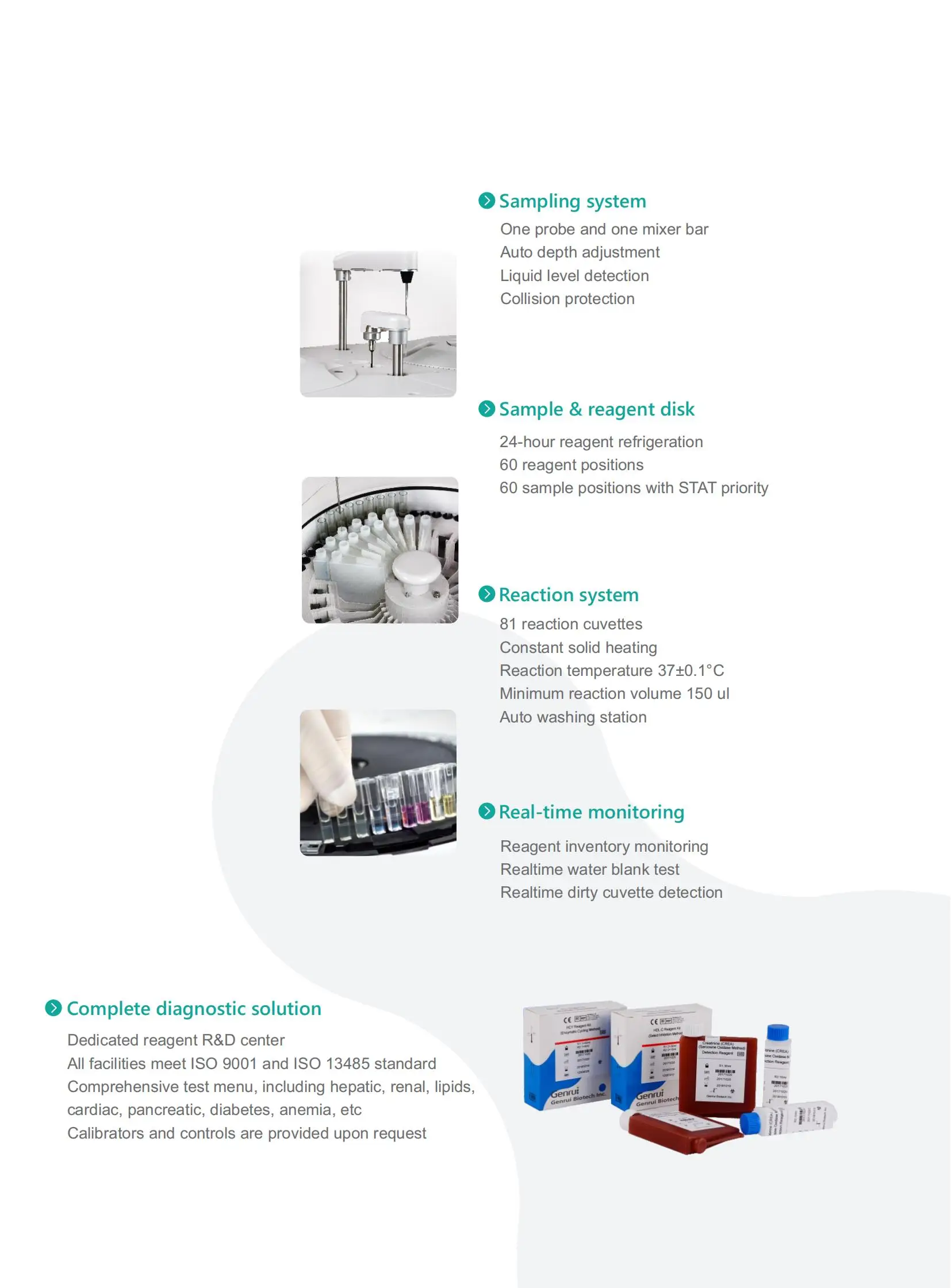
The Genrui GS300 Plus is a fully automatic clinical biochemistry analyzer designed for medical laboratories. With advanced features and high throughput, this device provides accurate and efficient blood test results, making it an essential tool for healthcare professionals.
Key Features:
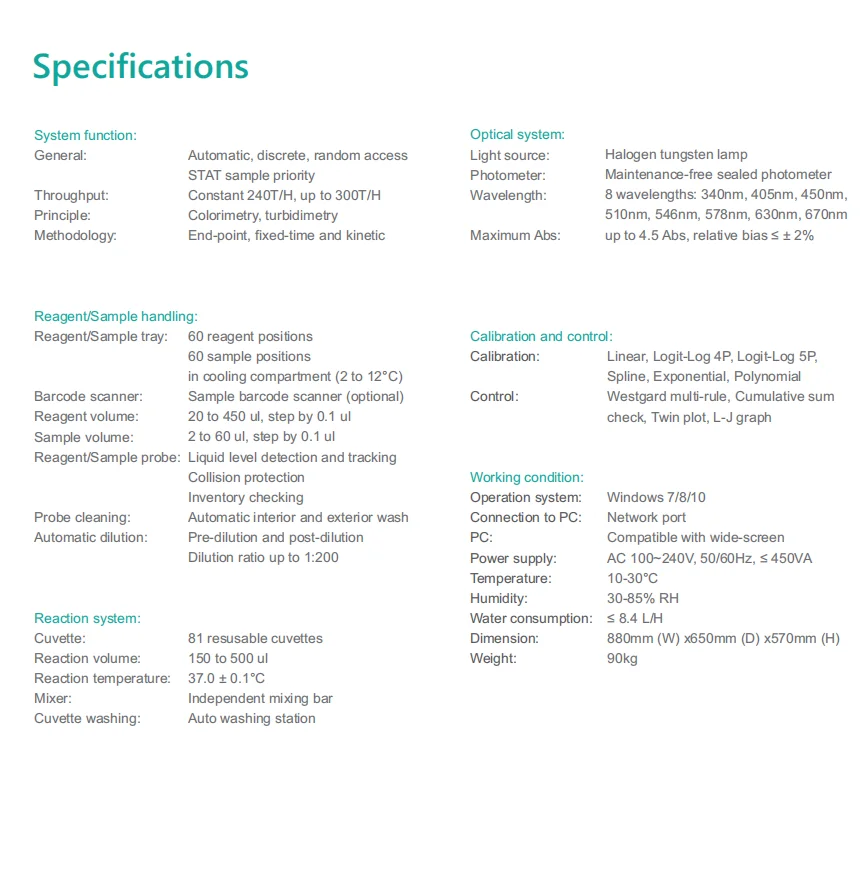
- High Throughput: Capable of conducting 240 tests per hour, making it ideal for busy medical laboratories that require fast and reliable results.
- Reagent and Sample Positions: Features 60 reagent positions and 60 sample positions, with STAT priority for urgent tests.
- Reusable Cuvettes: Equipped with 81 reusable reaction cuvettes, reducing operational costs while ensuring consistent performance.
- Auto Washing Station: Automatically cleans the cuvettes, saving time and ensuring contamination-free results.
- Compact Design: Despite its advanced functionality, the GS300 Plus has a compact design with dimensions of 880mm * 650mm * 570mm and weighs 90kg, making it suitable for a variety of medical laboratory spaces.
- Class II Instrument: Meets international safety and quality standards, ensuring it is safe for use in clinical environments.
The Genrui GS300 Plus Full Auto Chemistry Analyzer is a reliable solution for medical laboratories needing efficient and accurate biochemical analysis. Its robust features and high throughput make it an essential addition to any clinical setting.
Product Info Gallery
- Shipping Timeframes: All orders are processed within 2-5 business days (excluding weekends and holidays). After your order has been processed, the estimated delivery time is before 04 Aug, 2026, depending on customs, Please note that due to high demand, some items may experience longer shipping times, which will be communicated at order confirmation email.
- Order Processing Time: Please allow 2-5 business days for us to process your order before it is shipped . Orders placed after 16:00 on Fridays, or during weekends and public holidays, will begin processing on the next business day. Processing times may be extended during peak seasons or sales events.
- Manufacturing Time: Some products needs manufacturing time, the manufacturing process will take approximately 10-30 business days depending on the product. This timeframe may vary depending on the complexity of the product and current demand. but this will be communicated with you during order confirmation.
- Returns and Exchanges: We offer a 30-day return policy for most items. If you are not completely satisfied with your purchase, you may return it within 30 days of receipt for a refund or exchange. Items must be unused, in their original packaging, and accompanied by proof of purchase. Return shipping costs are the responsibility of the customer, unless the item was damaged or defective upon arrival.
1. What is the throughput of the GS300 Plus?
The GS300 Plus can process up to 240 tests per hour, making it suitable for high-volume clinical laboratories.
2. How many reagent and sample positions does the analyzer have?
The instrument features 60 reagent positions and 60 sample positions to accommodate a wide panel of assays and samples.
3. Does the GS300 Plus support STAT (urgent) samples?
Yes. The analyzer provides STAT priority handling so urgent samples can be processed ahead of routine runs.
4. What type of cuvettes does the GS300 Plus use and how many are there?
The system uses 81 reusable reaction cuvettes, which helps reduce consumable costs while maintaining consistent performance.
5. How are the cuvettes cleaned?
The GS300 Plus includes an automatic washing station that cleans the cuvettes between reactions to minimize carryover and contamination.
6. What are the physical dimensions and weight of the GS300 Plus?
The compact footprint measures 880 mm × 650 mm × 570 mm and the unit weighs approximately 90 kg.
7. What types of samples can be analyzed on the GS300 Plus?
The analyzer is designed for routine clinical biochemistry testing and commonly processes serum and plasma samples; specific assay compatibility depends on the reagents used.
8. Is the GS300 Plus compliant with regulatory or safety standards?
The GS300 Plus is classified as a Class II instrument, meeting internationally recognized safety and quality requirements for clinical use. Check local regulatory guidance for lab-specific compliance.
9. What quality control and calibration features are available?
The GS300 Plus supports routine quality control and calibration procedures. Laboratories should follow the manufacturer's instructions and local accreditation requirements for QC materials, calibration frequency, and documentation.
10. What consumables and spare parts are required?
Key consumables include reagents, reusable cuvettes (initial set), wash solutions, and waste containers. Spare parts and maintenance kits are available from the supplier—contact your distributor for a complete consumable list.
11. What maintenance is required and how often?
Regular preventive maintenance includes cleaning the sample/reagent areas, verifying wash function, checking optical components, and routine quality control runs. Frequency and procedures are provided in the user manual; consider a service contract for scheduled maintenance.
12. Can the GS300 Plus integrate with a laboratory information system (LIS)?
The GS300 Plus is intended to support laboratory workflows and typically can be integrated with LIS systems. Integration options and supported interfaces vary—confirm supported communication protocols (e.g., HL7, RS232, USB) with your supplier.
13. What training and support are available for new users?
Training and technical support are generally provided by the manufacturer or authorized distributors. Available services often include on-site installation, operator training, and ongoing technical support—verify specific training packages with your vendor.
14. What should I know about installation and power requirements?
The analyzer's compact size allows flexible placement in many labs. Exact electrical, environmental (temperature/humidity), and installation requirements are specified in the product manual—confirm these details with the supplier prior to purchase and installation.
Latest Order Arrivals
Discover our latest orders
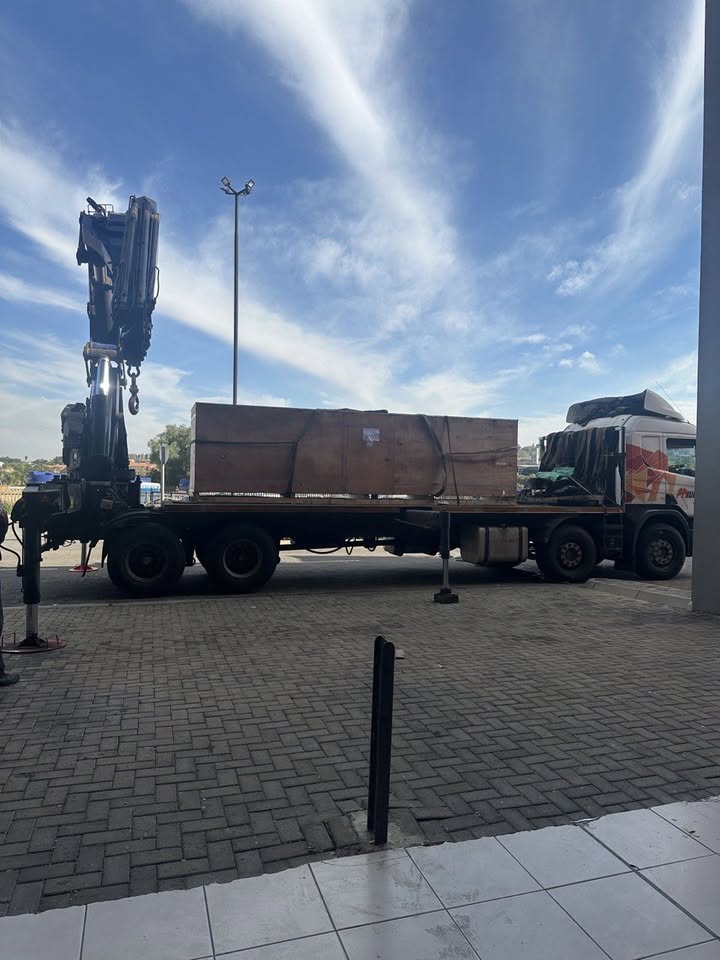
12 Heads Embroidery Machine
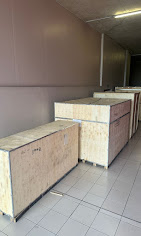
Toilet Paper Machine Machine
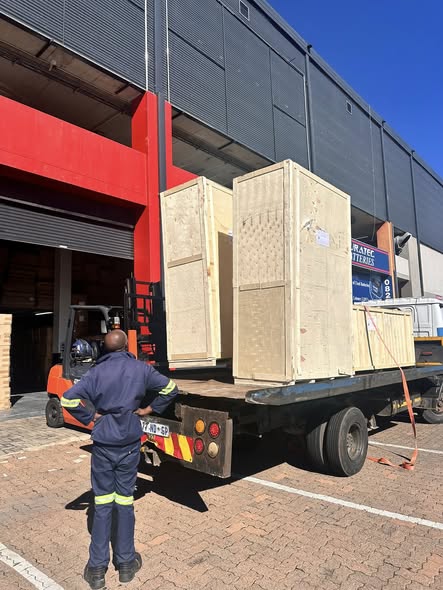
Order Collection
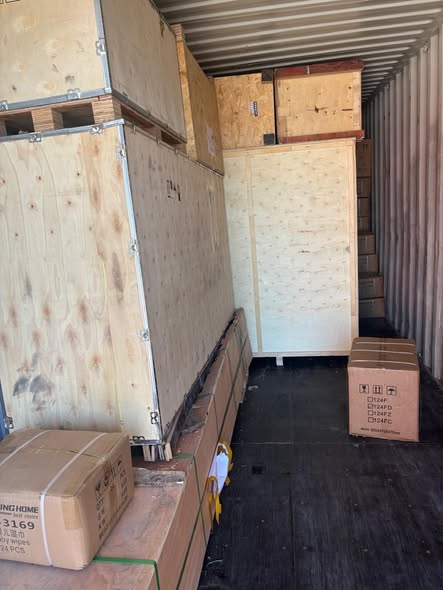
Cross Border Clients
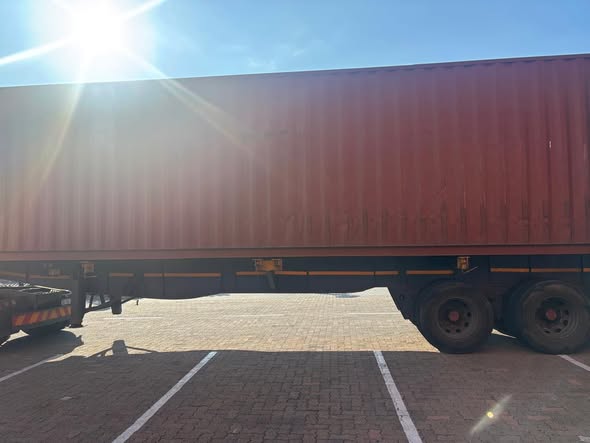
Order cros border countries Collected
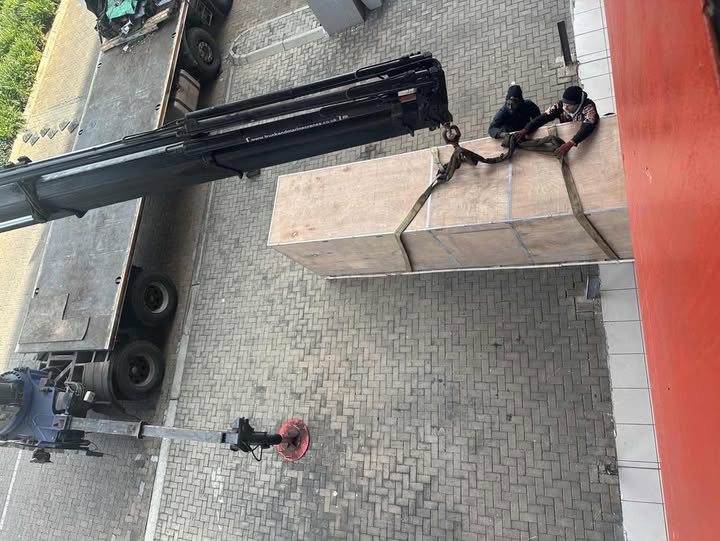
Industrial Machine Cllection
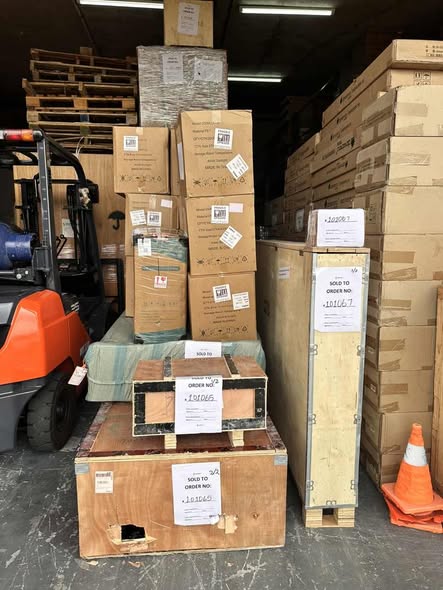
Agriculture Processing Machines
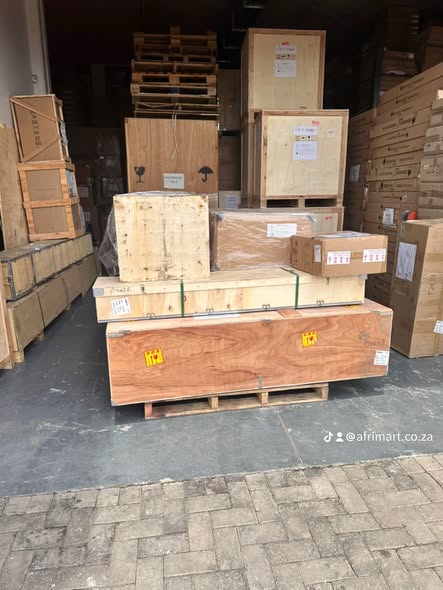
Ready for collection
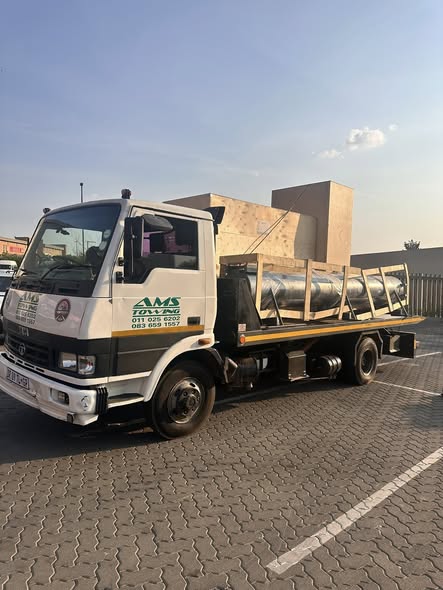
Water Pump Equipment
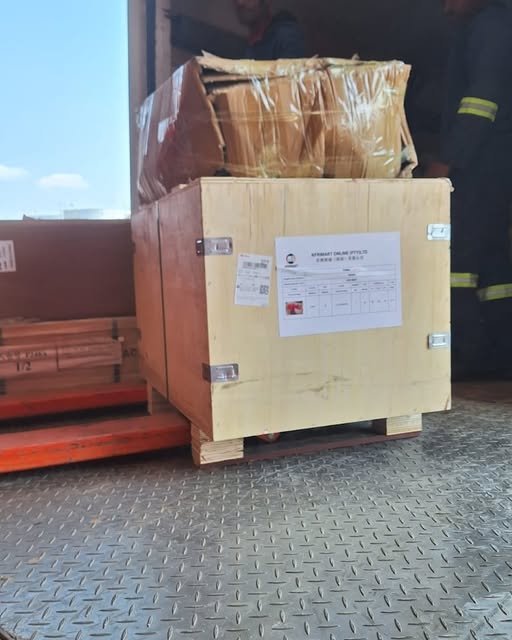
Packaging Machine and accessories
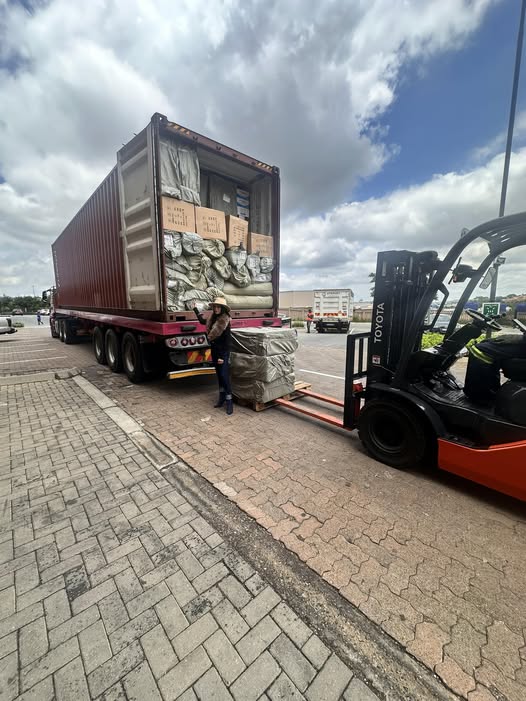
Fabrics Manufacturing Equipment
Mining Equipments
Food Processing Machine
Batch of Orders
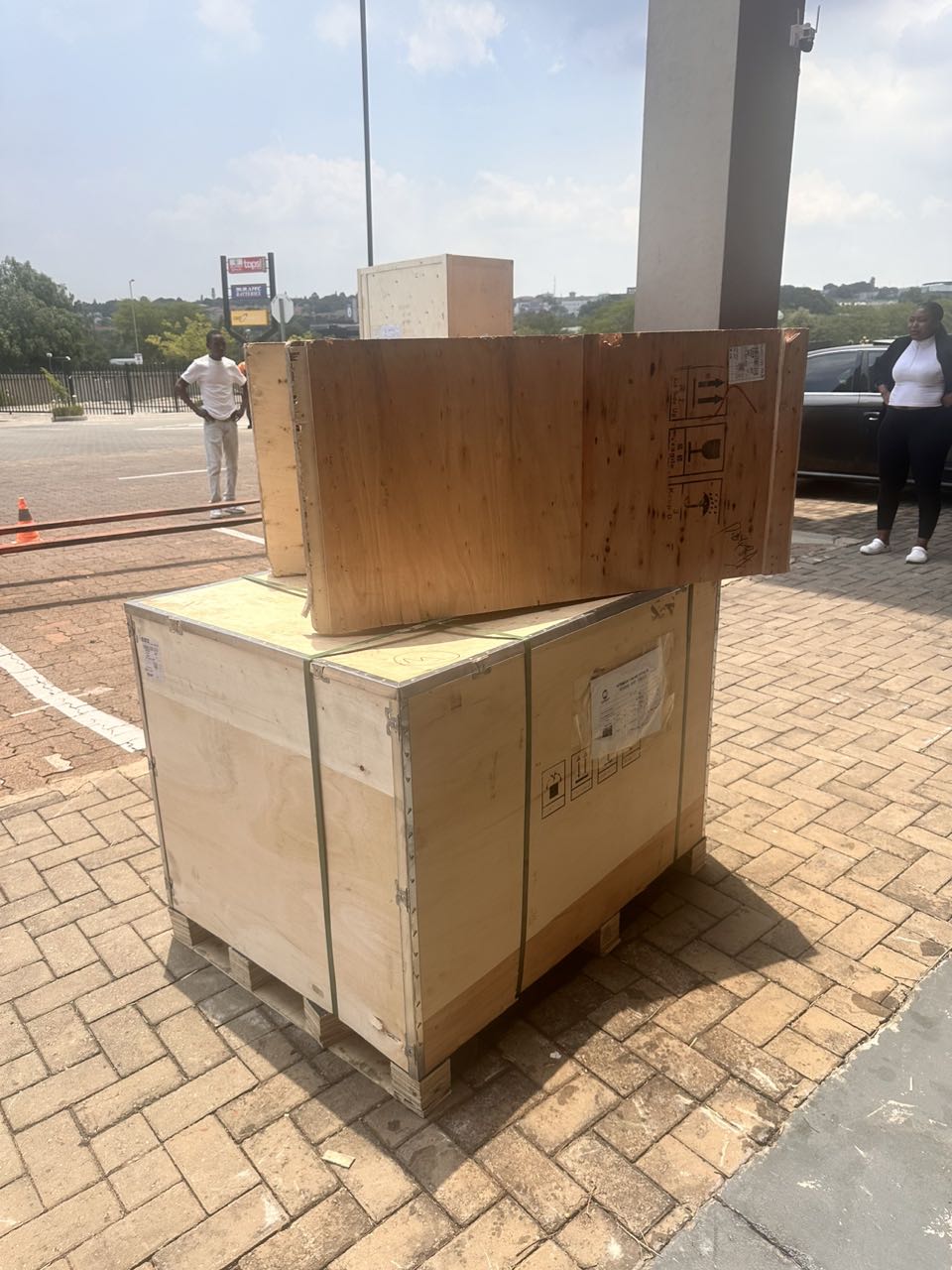
Batch of Orders
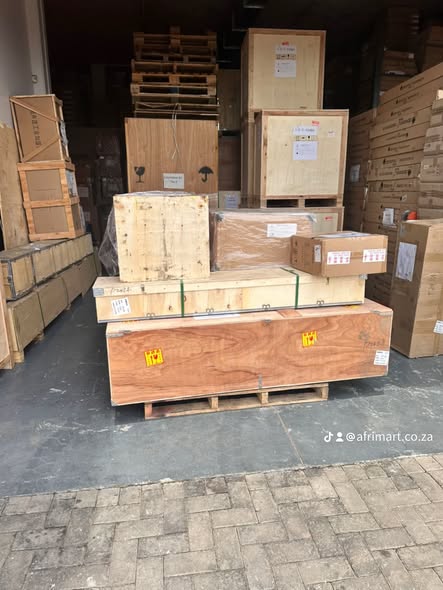
Latest Orders Labelled
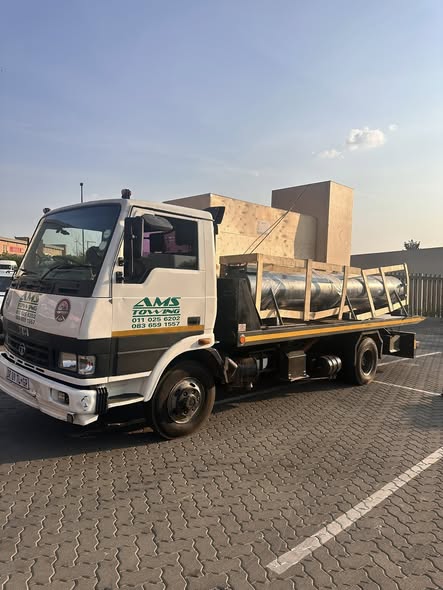
wheel alignment machines
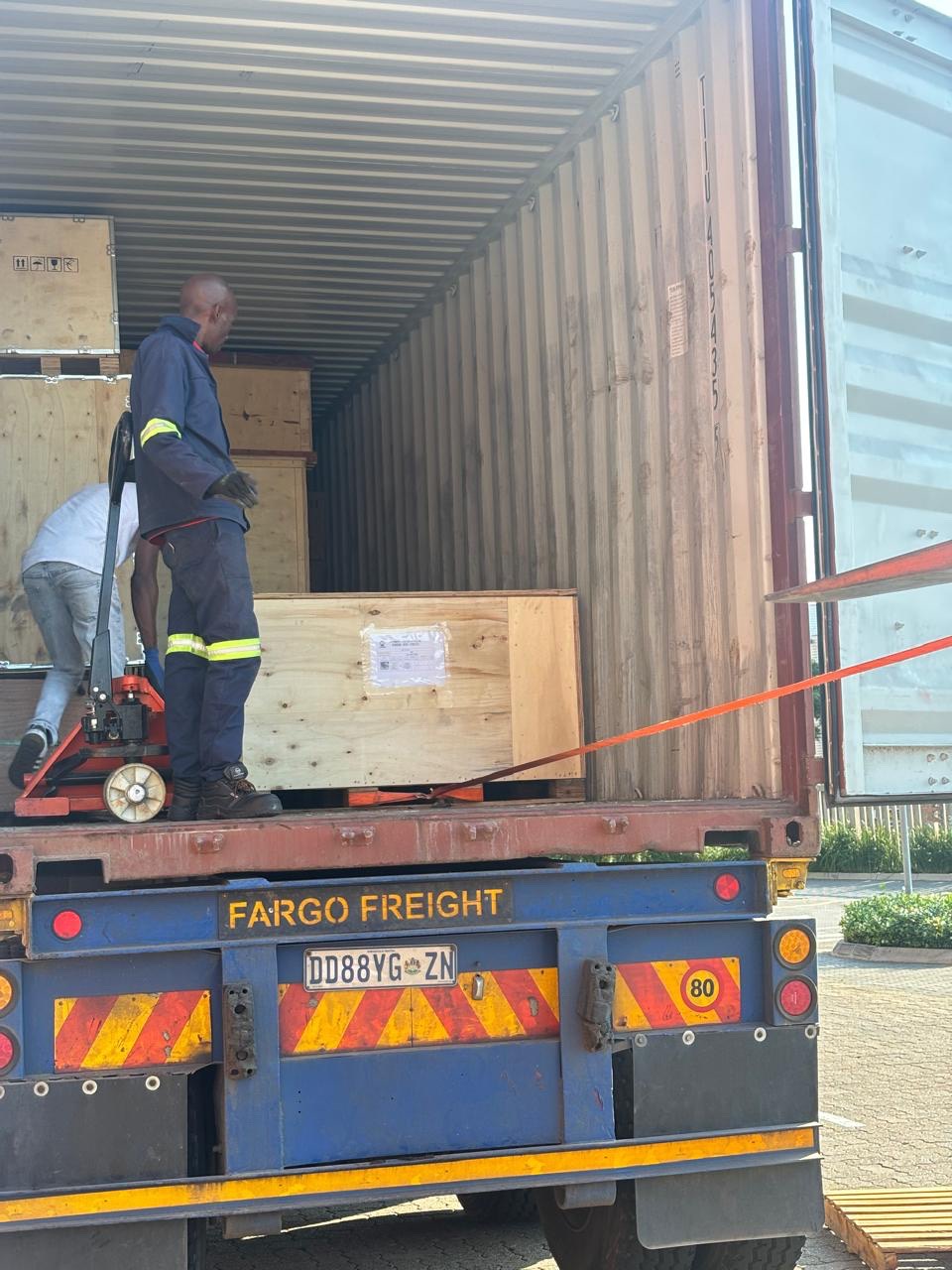
new arrivals
Pre Orders Offloading
Latest Arrivals
Latest Arrivals
Latest Arrivals
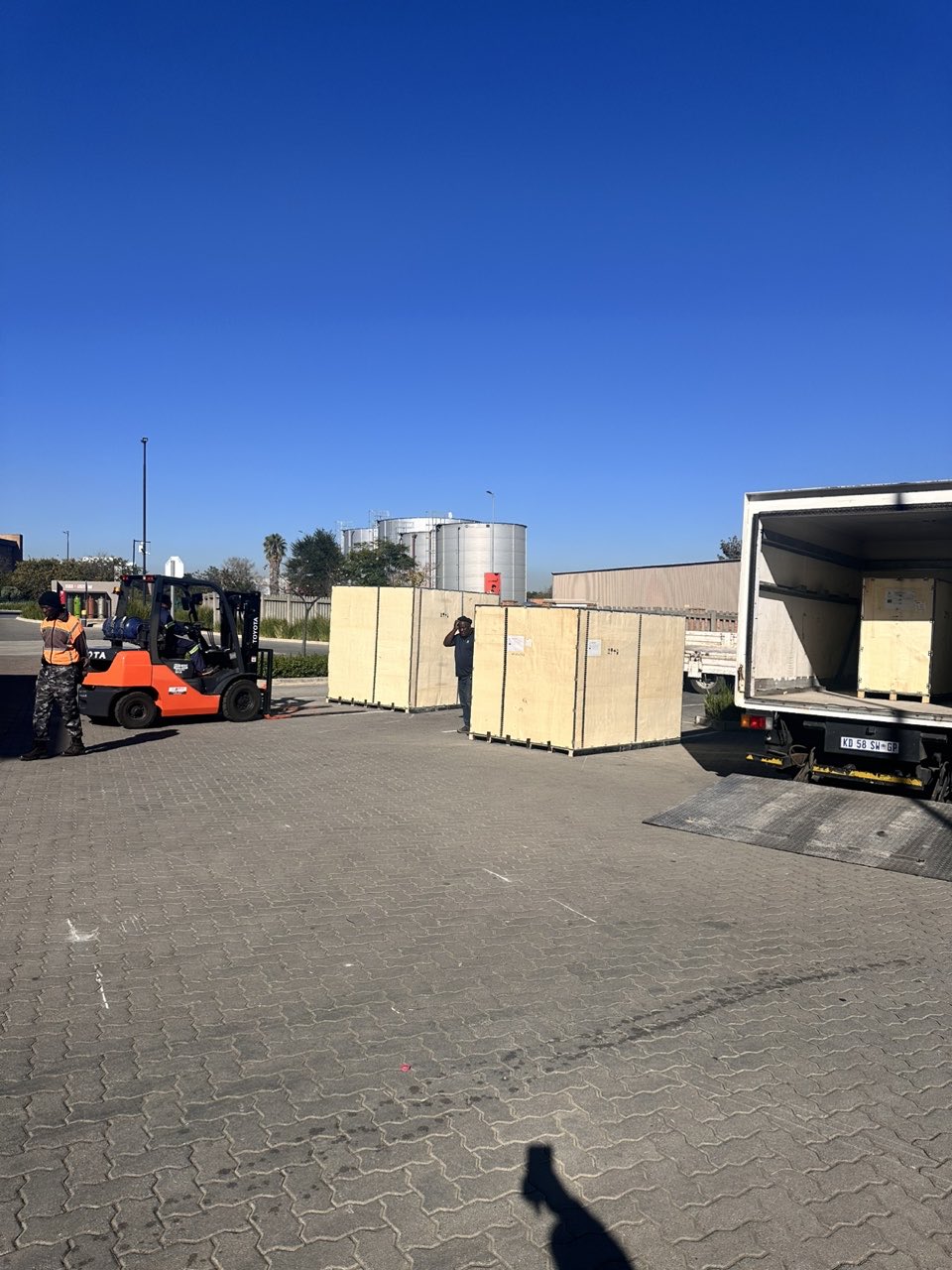
Loading
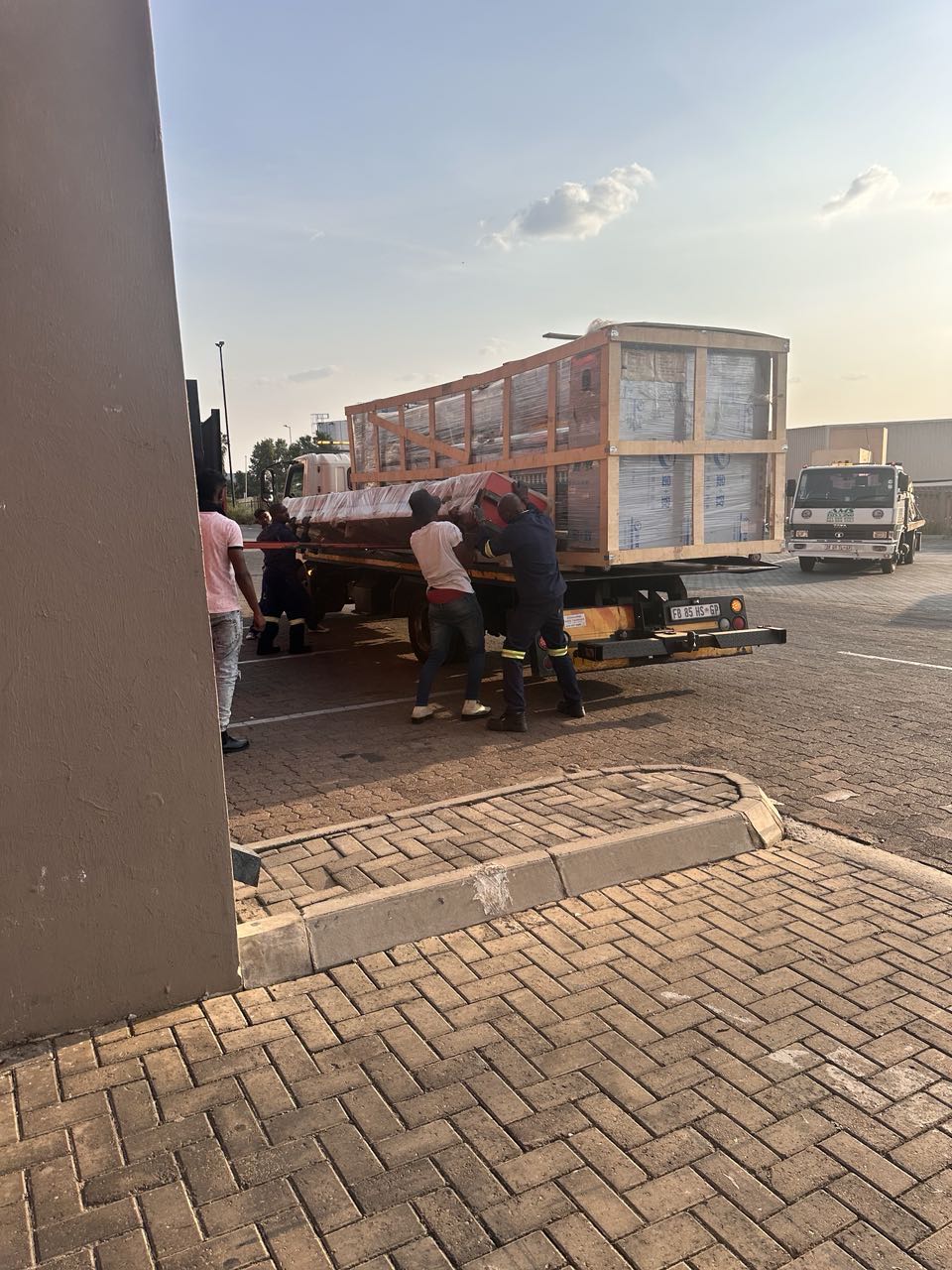
Toilet paper making machine
Toilet paper making machine
Toilet paper Rewinding Machine
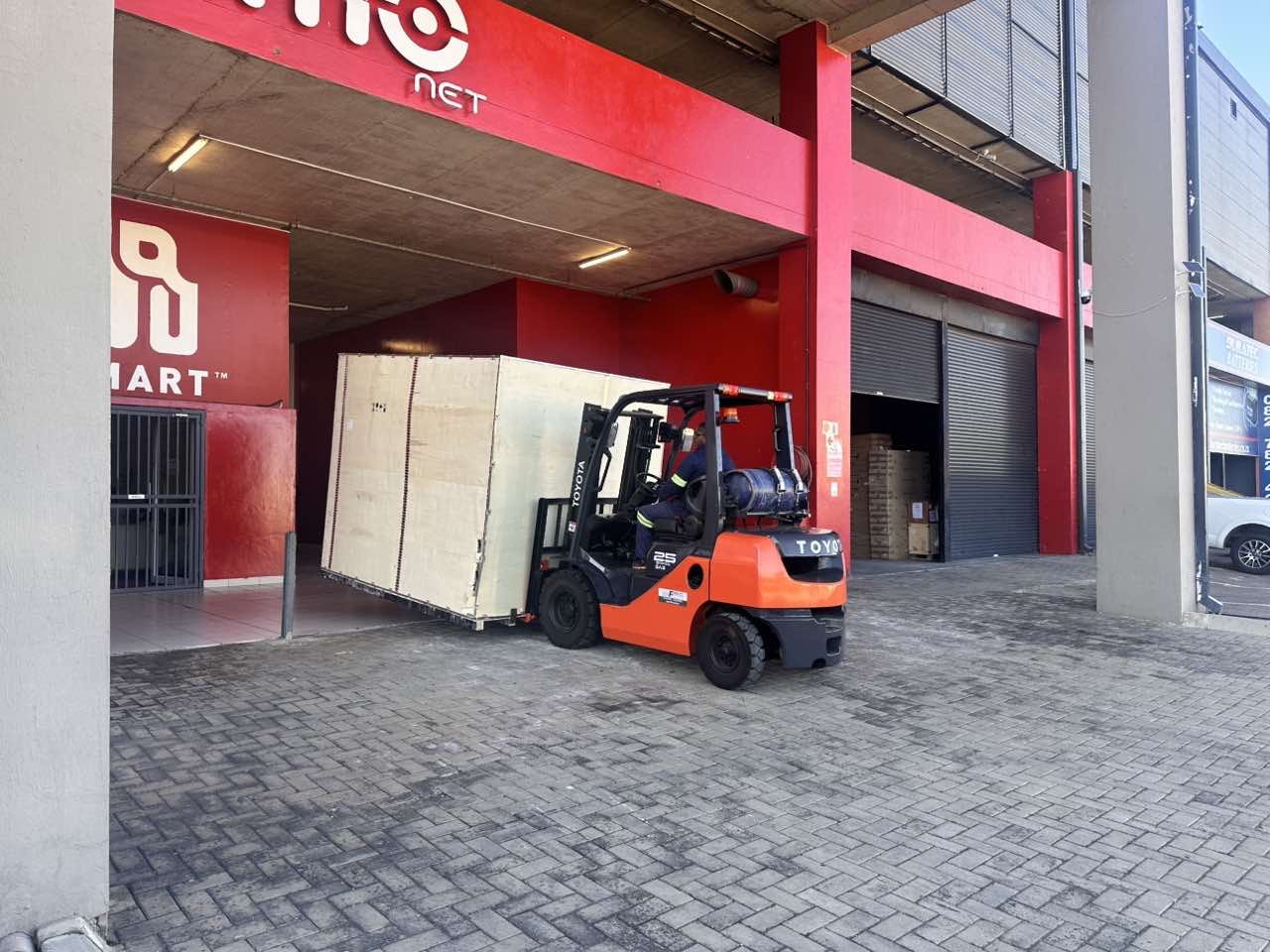
latest arrivals
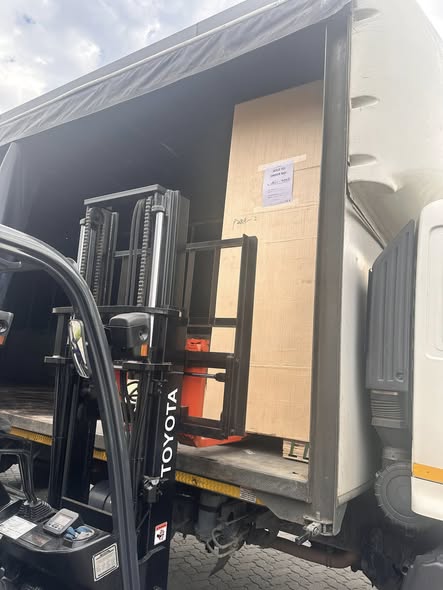
offloading
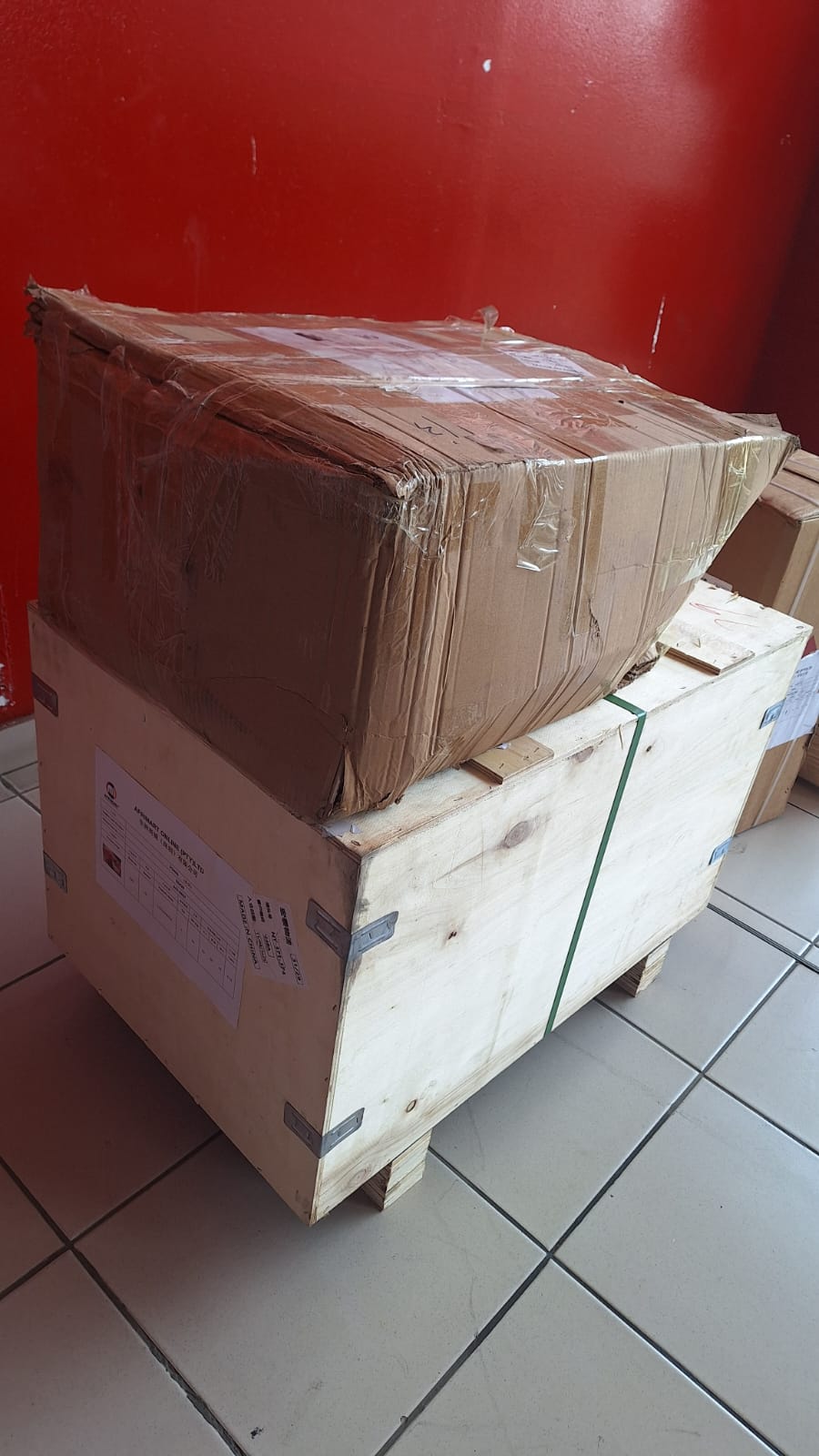
order success
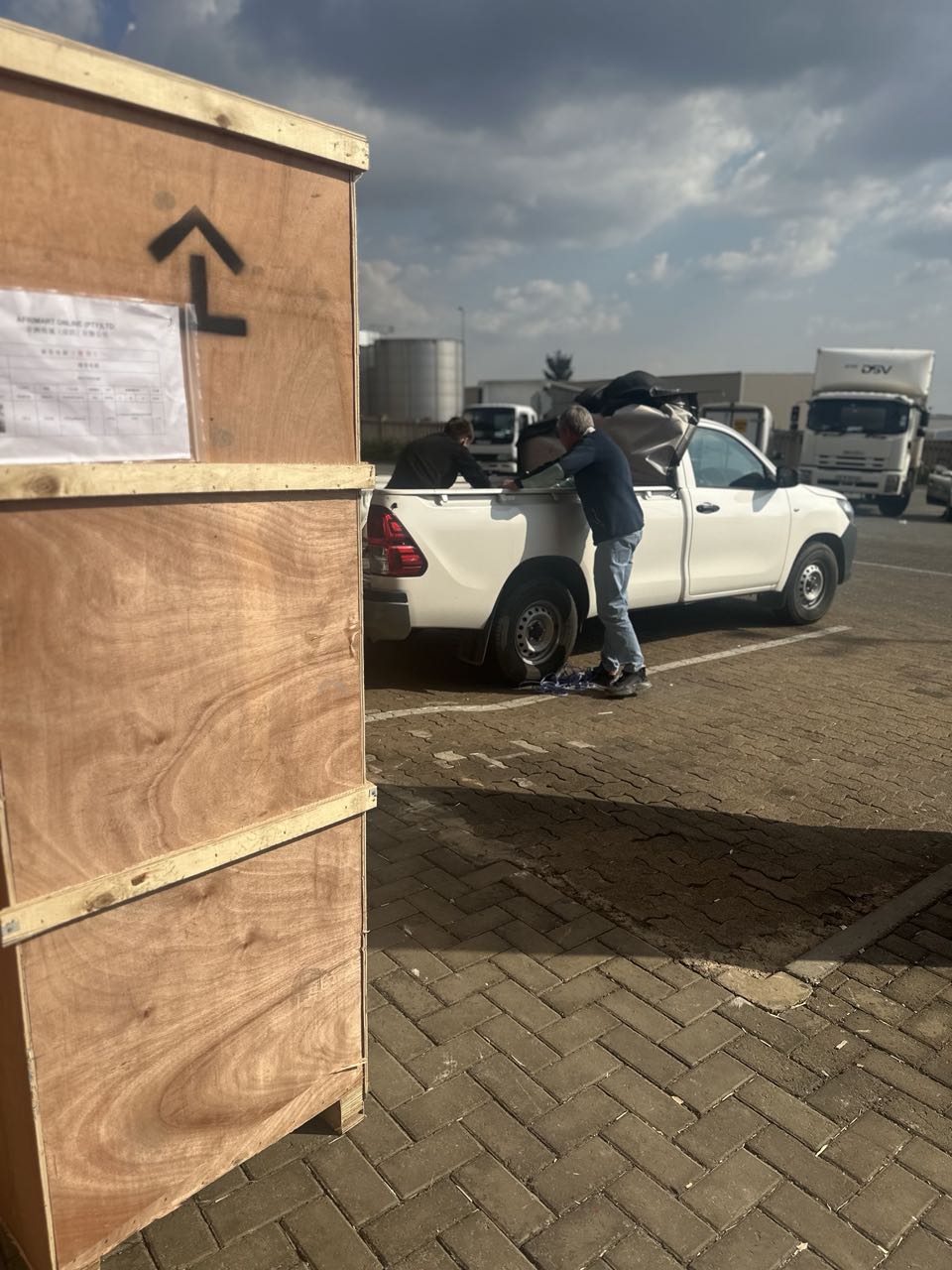
order collection
order offloading