B21, China Town Mall, Midrand

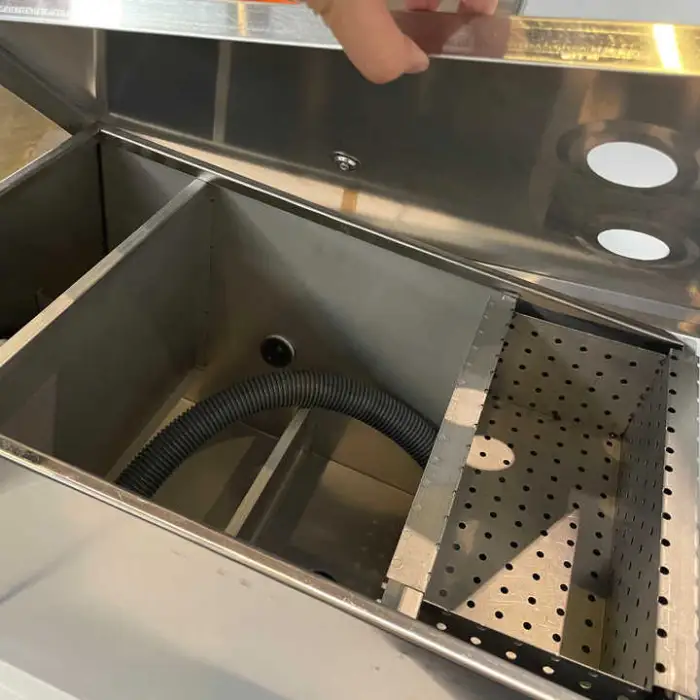
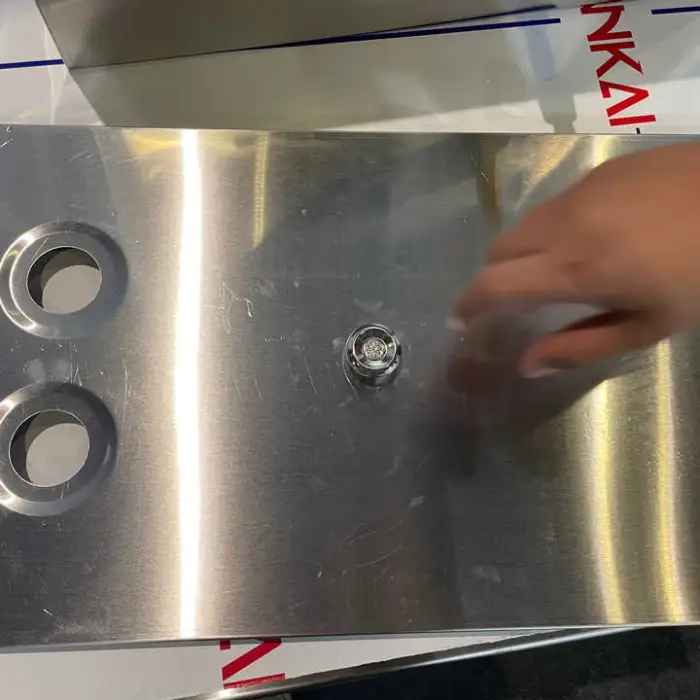
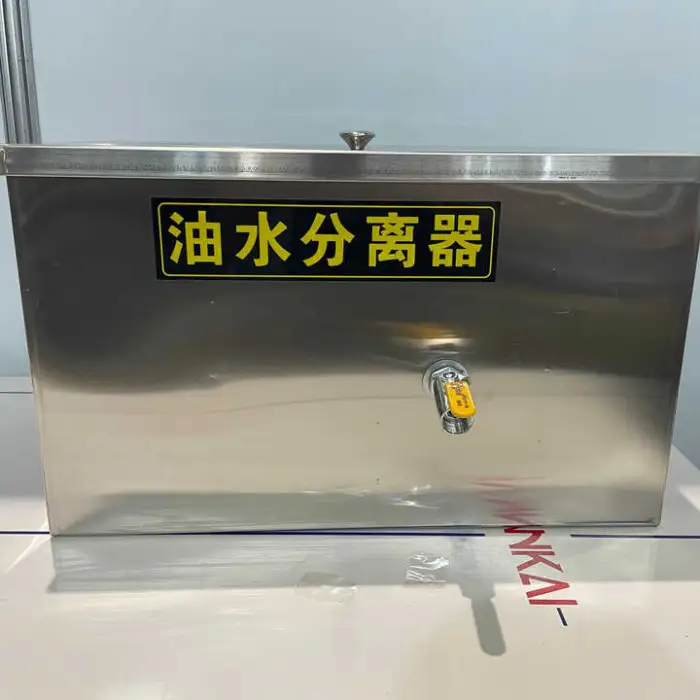
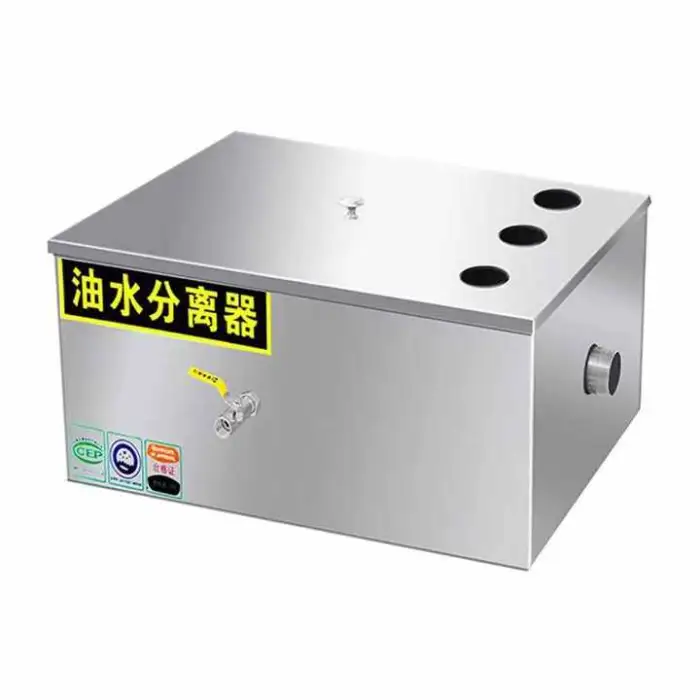
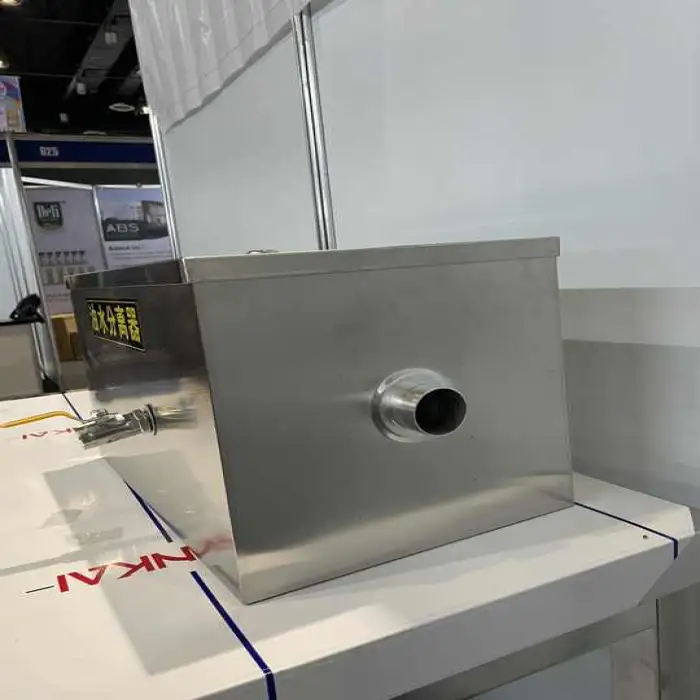
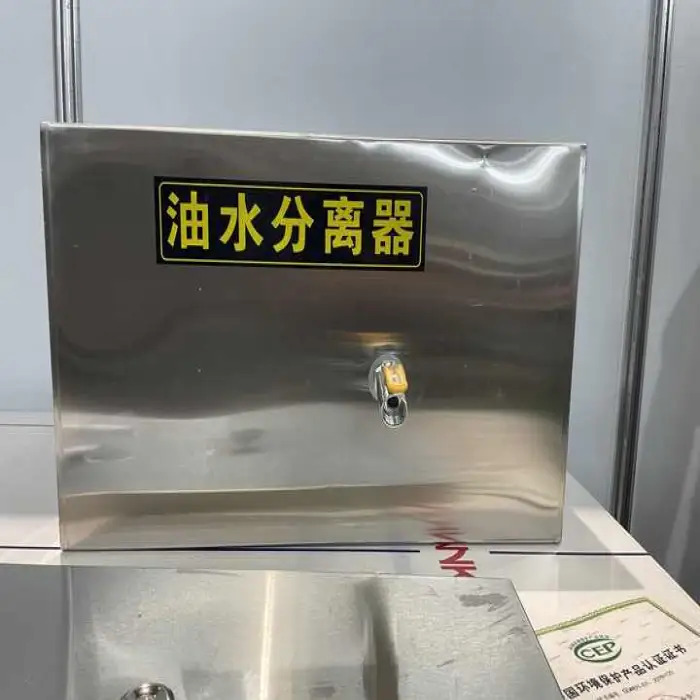
Grease Trap 201 304 S/S Oil-water Separator for Other Hotel & Restaurant

- Section : Machinery
- Category : Industrial Machinery
- SKU : 1601278290078

Grease Trap 201 304 S/S Oil-water Separator for Other Hotel & Restaurant
The Grease Trap 201 304 S/S Oil-water Separator is an essential tool for any commercial kitchen. This product helps to keep your kitchen clean and efficient. Designed for restaurants and hotels, it separates grease from water, ensuring a smooth operation. Made from high-quality stainless steel, it is durable and easy to clean.
Specifications
| Attribute | Details |
|---|---|
| Model Number | GYC-2 |
| Brand Name | Ruitai |
| Material | Stainless Steel 201/304 |
| Usage | Commercial Kitchen |
| Application | Restaurant Commercial Kitchen Equipment |
| Color | Silver |
| Size | Customized Size |
| Keywords | Kitchen Equipment Projects |
| Type | Cooking Equipment |
| Feature | Easily Cleaned |
| Function | Multipurpose |
| Selling Units | Single item |
Key Features
- Durable stainless steel construction.
- Designed for easy cleaning and maintenance.
- Effective grease and oil separation.
- Custom sizes available to fit your kitchen needs.
- Multipurpose use for various kitchen applications.
Applications
- Restaurants and cafes.
- Hotels and catering services.
- Commercial kitchens in various settings.
- Food processing industries.
- Any establishment that requires grease management.
Product Info Gallery
- Shipping Timeframes: All orders are processed within 2-5 business days (excluding weekends and holidays). After your order has been processed, the estimated delivery time is before 05 Feb, 2026, depending on customs, Please note that due to high demand, some items may experience longer shipping times, which will be communicated at order confirmation email.
- Order Processing Time: Please allow 2-5 business days for us to process your order before it is shipped . Orders placed after 16:00 on Fridays, or during weekends and public holidays, will begin processing on the next business day. Processing times may be extended during peak seasons or sales events.
- Manufacturing Time: Some products needs manufacturing time, the manufacturing process will take approximately 10-30 business days depending on the product. This timeframe may vary depending on the complexity of the product and current demand. but this will be communicated with you during order confirmation.
- Returns and Exchanges: We offer a 30-day return policy for most items. If you are not completely satisfied with your purchase, you may return it within 30 days of receipt for a refund or exchange. Items must be unused, in their original packaging, and accompanied by proof of purchase. Return shipping costs are the responsibility of the customer, unless the item was damaged or defective upon arrival.
1. What is the KITCHEN Grease Trap GYC-2 made of?
The GYC-2 is constructed from stainless steel (options: SS 201 or SS 304). SS 304 offers better corrosion resistance and is generally preferred for more demanding or humid/coastal environments; SS 201 is a more economical option.
2. How does this grease trap separate grease from water?
The unit slows wastewater flow and uses baffles so fats, oils and grease (FOG) float to the surface while heavier solids settle. Cleaner water exits from a lower outlet. The captured grease is retained in the trap for periodic removal.
3. What sizes are available and can you get a custom size?
Sizes are customizable to fit your kitchen needs. Because required capacity depends on kitchen flow rates and fixture counts, contact the supplier with your layout and peak wastewater flow so they can recommend a size.
4. Where can the grease trap be installed?
Installation options depend on the selected model and size. Smaller units can be installed under sinks; larger units are often floor- or in-ground mounted. A licensed plumber should evaluate the site to determine the best placement and plumbing connections.
5. How often should the grease trap be cleaned?
Cleaning frequency varies by usage. Typical commercial kitchens empty and clean grease traps every 1–3 months; high-volume operations may need weekly or monthly service. A good rule is to clean when the grease layer reaches about 25% of the trap volume or when solids accumulate significantly.
6. What is the recommended cleaning procedure?
Remove accumulated grease and solids, scrape and wipe internal surfaces, and rinse with hot water and mild detergent. Use non-abrasive cleaners to protect the stainless finish. For safe grease disposal and deep cleaning, many businesses contract a licensed waste-hauler or service provider.
7. Is the grease trap food-safe and corrosion resistant?
Yes — stainless steel construction is suitable for food-service environments. SS 304 provides superior corrosion resistance; SS 201 is also stainless but less corrosion-resistant in harsh conditions. For long-term exposure to steam, salt air or chemicals, SS 304 is recommended.
8. Does the unit meet local plumbing or environmental regulations?
Regulatory requirements vary by jurisdiction. The product is designed for commercial grease management, but you should confirm local codes and required certifications with the supplier and your local authority. The seller can provide documentation or recommend models that comply with local standards.
9. Can this unit be used in restaurants, hotels, and food processing facilities?
Yes. The GYC-2 grease trap is intended for a wide range of commercial applications including restaurants, cafes, hotels, catering services and food processing facilities. Select the appropriate size and configuration for your specific operation.
10. What accessories or add-ons are available?
Common accessories include replacement baffles, lids, inlet/outlet plumbing kits, strainers and mounting frames. Availability depends on the supplier — contact them to discuss compatible accessories for your selected size.
11. How long will the grease trap last?
Durability depends on material choice (201 vs 304), usage intensity, maintenance and local conditions. With proper maintenance and regular cleaning, stainless-steel grease traps can provide many years of service. SS 304 typically offers a longer useful life in aggressive environments.
12. How do I size the grease trap for my kitchen?
Sizing is based on peak wastewater flow (from sinks, dishwashers, and other fixtures), number of seats/staff and local code requirements. Provide your estimated peak flow and fixture schedule to the supplier or a plumbing professional so they can recommend the correct capacity and dimensions.
13. Are there warranty or after-sales support options?
Warranty terms and after-sales support vary by seller. The product listing does not specify warranty details, so contact the supplier (Ruitai) or the retailer to obtain warranty information, service plans and spare-parts availability.
14. Can I connect this grease trap to an existing drainage system or septic tank?
In many cases, grease traps can be integrated into existing drainage, but compatibility depends on pipe sizes, flow direction and local regulations. Some jurisdictions prohibit certain connections to septic systems or require additional interceptors. Have a licensed plumber and local authorities confirm the proper installation.
15. How do I order or request a quote for a customized size?
Contact the supplier or retailer with your model preference (GYC-2), required material (201 or 304), desired dimensions or kitchen flow/specification details. Request lead times, pricing, shipping options and any needed documentation (e.g., drawings or certifications).
Latest Order Arrivals
Discover our latest orders
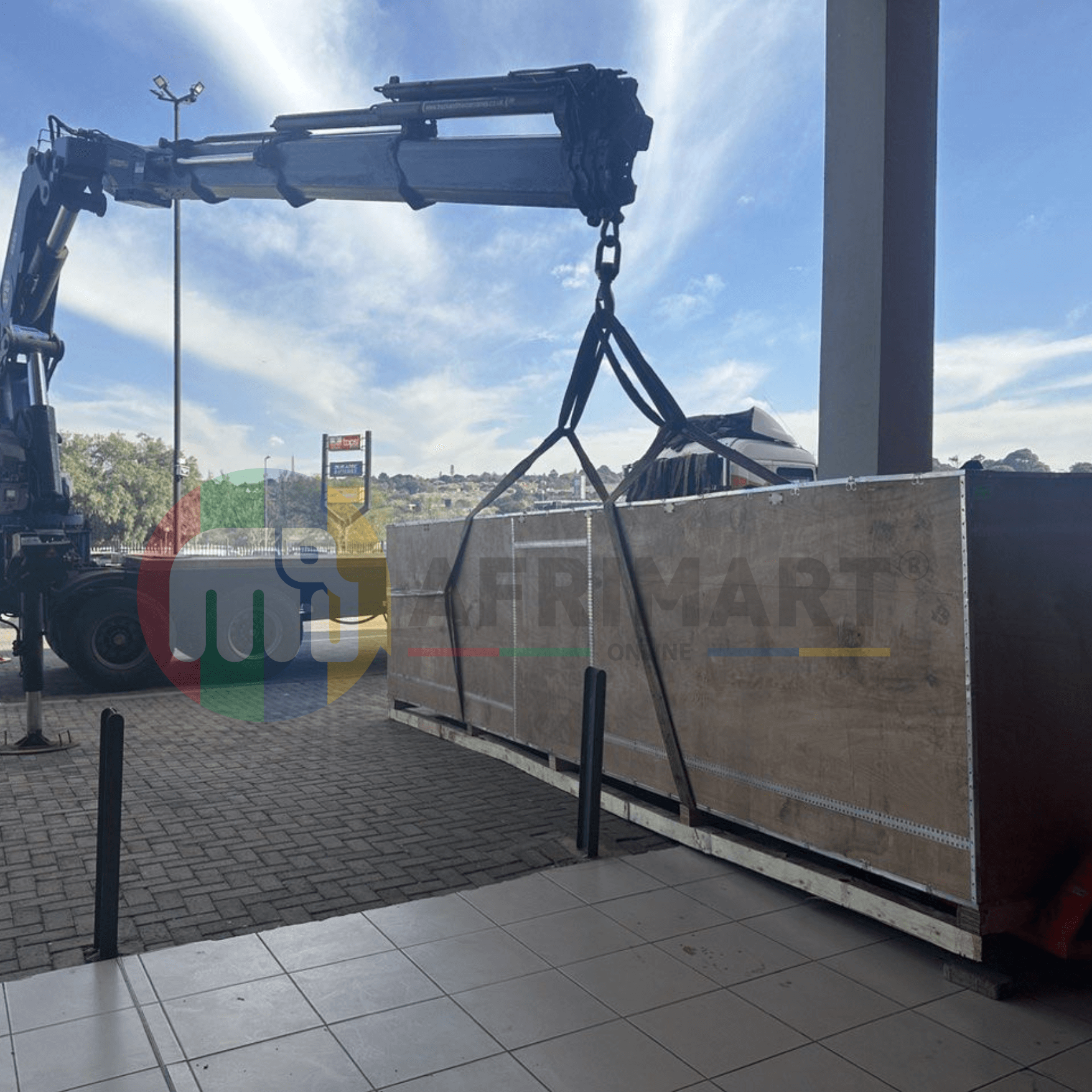
12 Heads Embroidery Machine
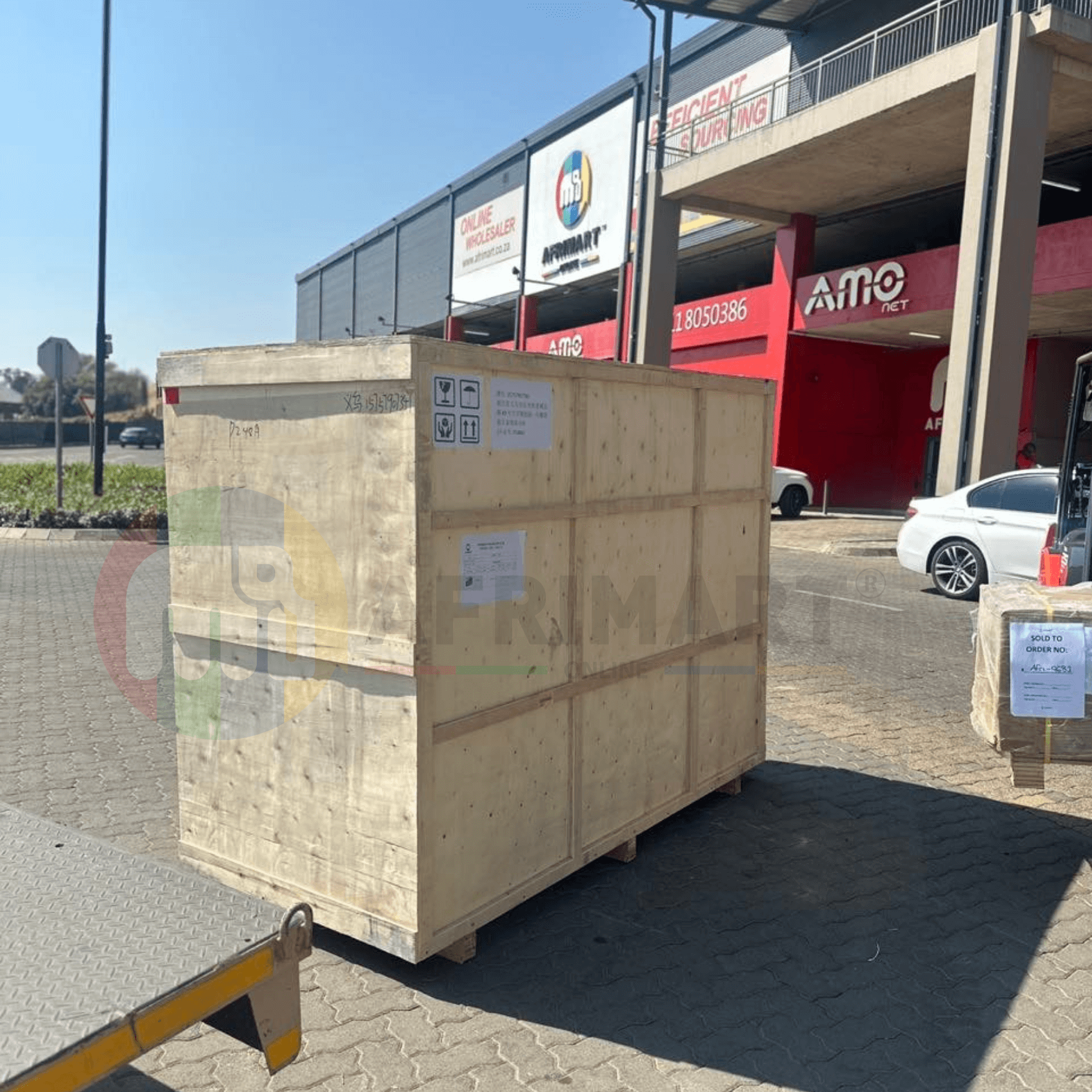
Dewatering Pump Machine
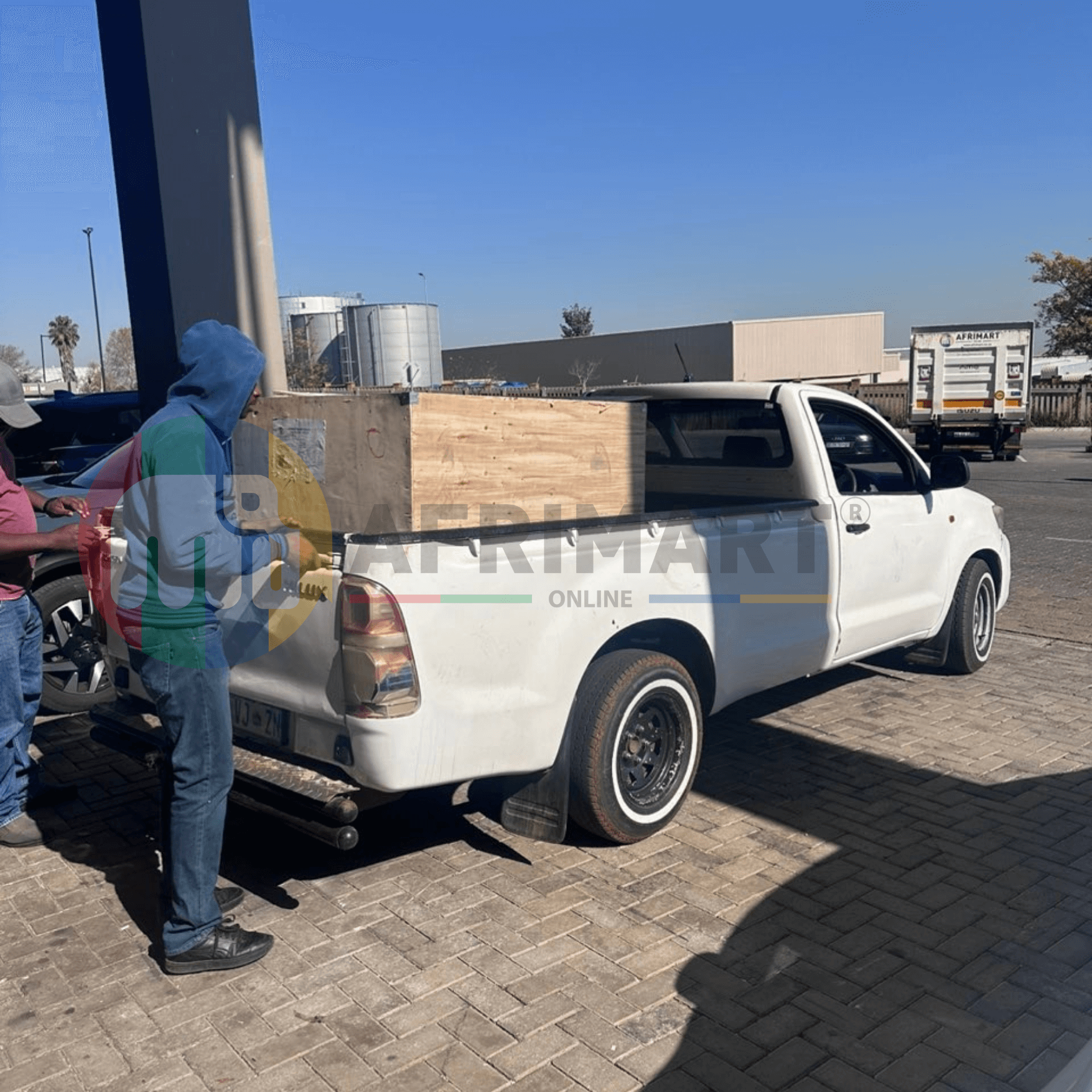
Order Collection
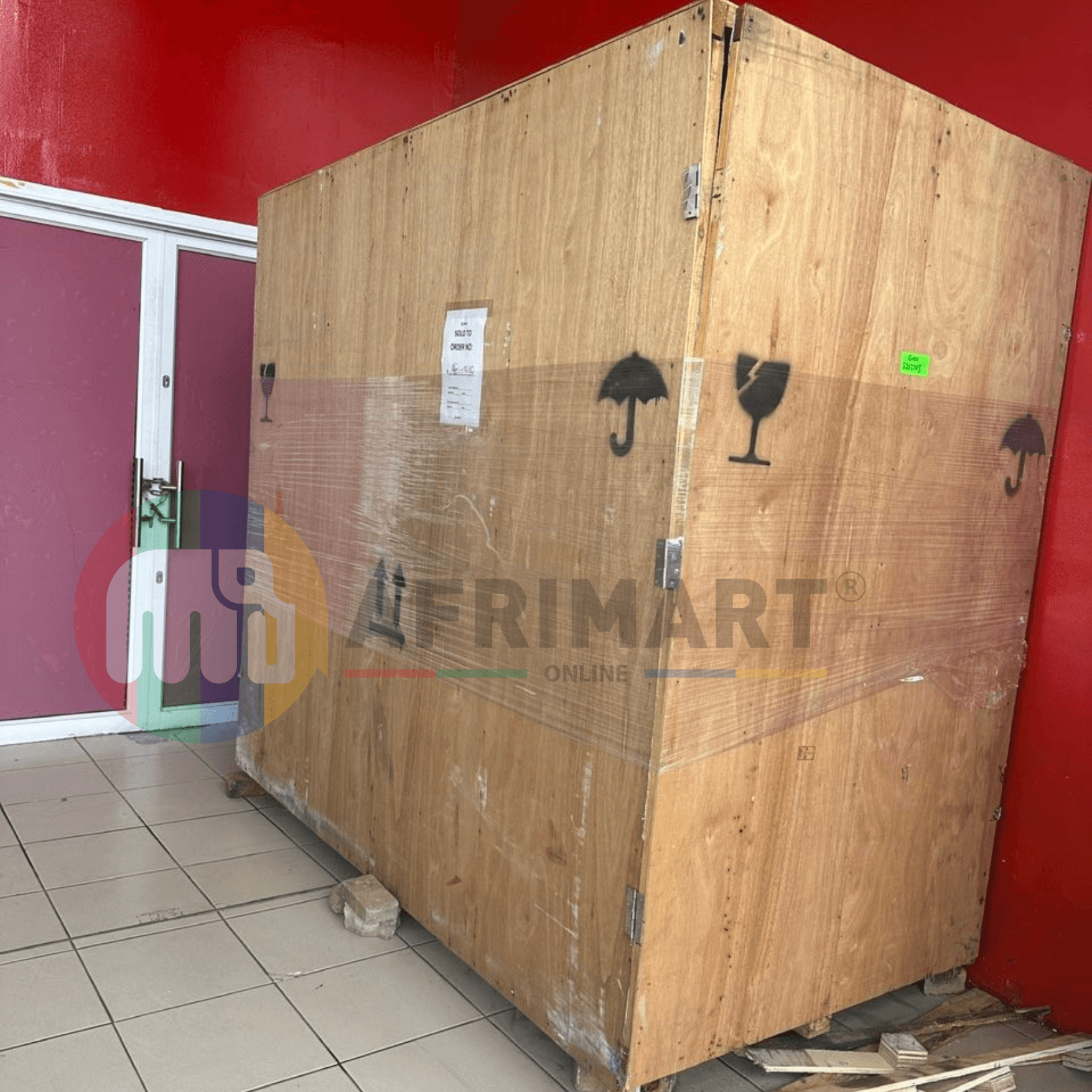
Portable Water Drilling Rig
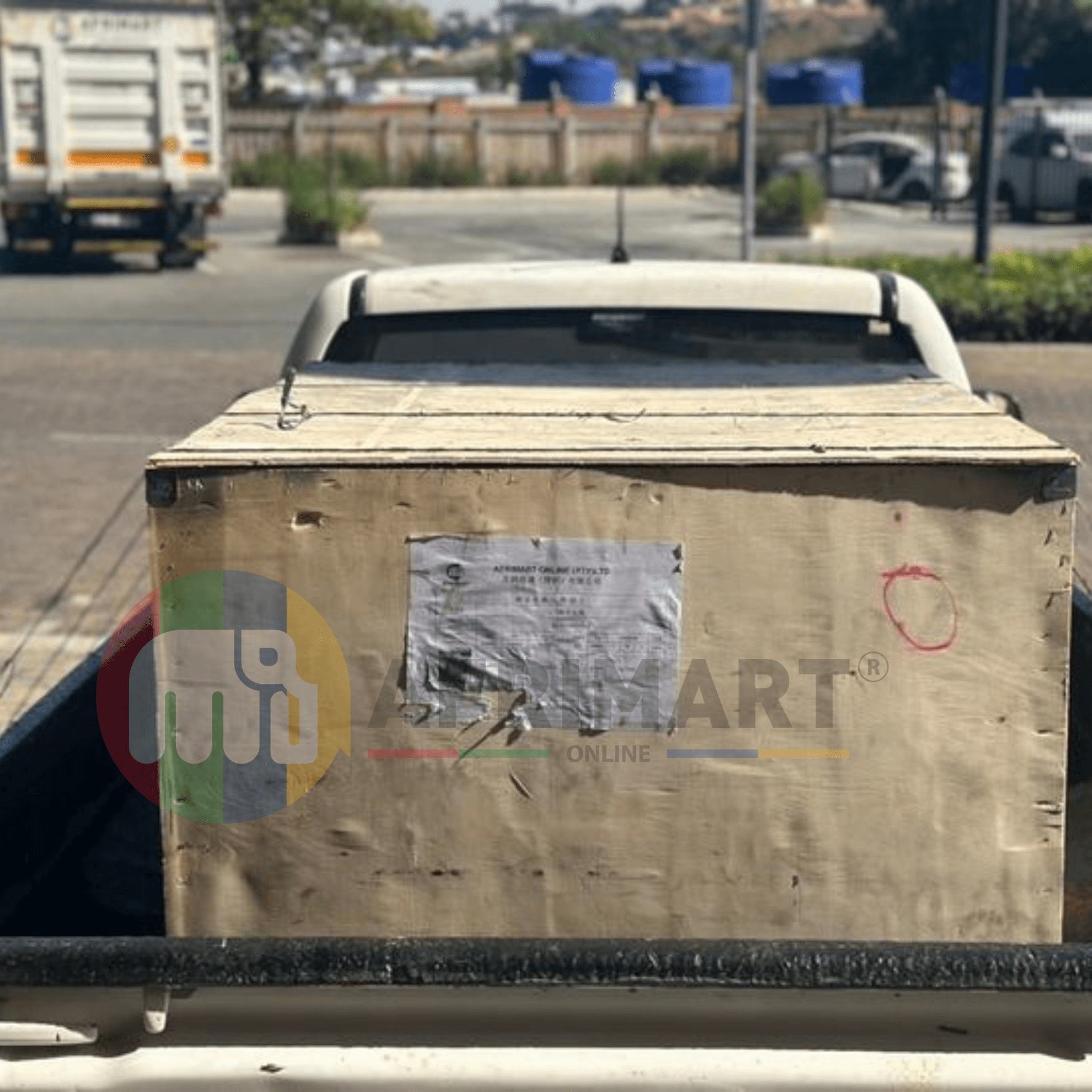
Order Usefully Collected
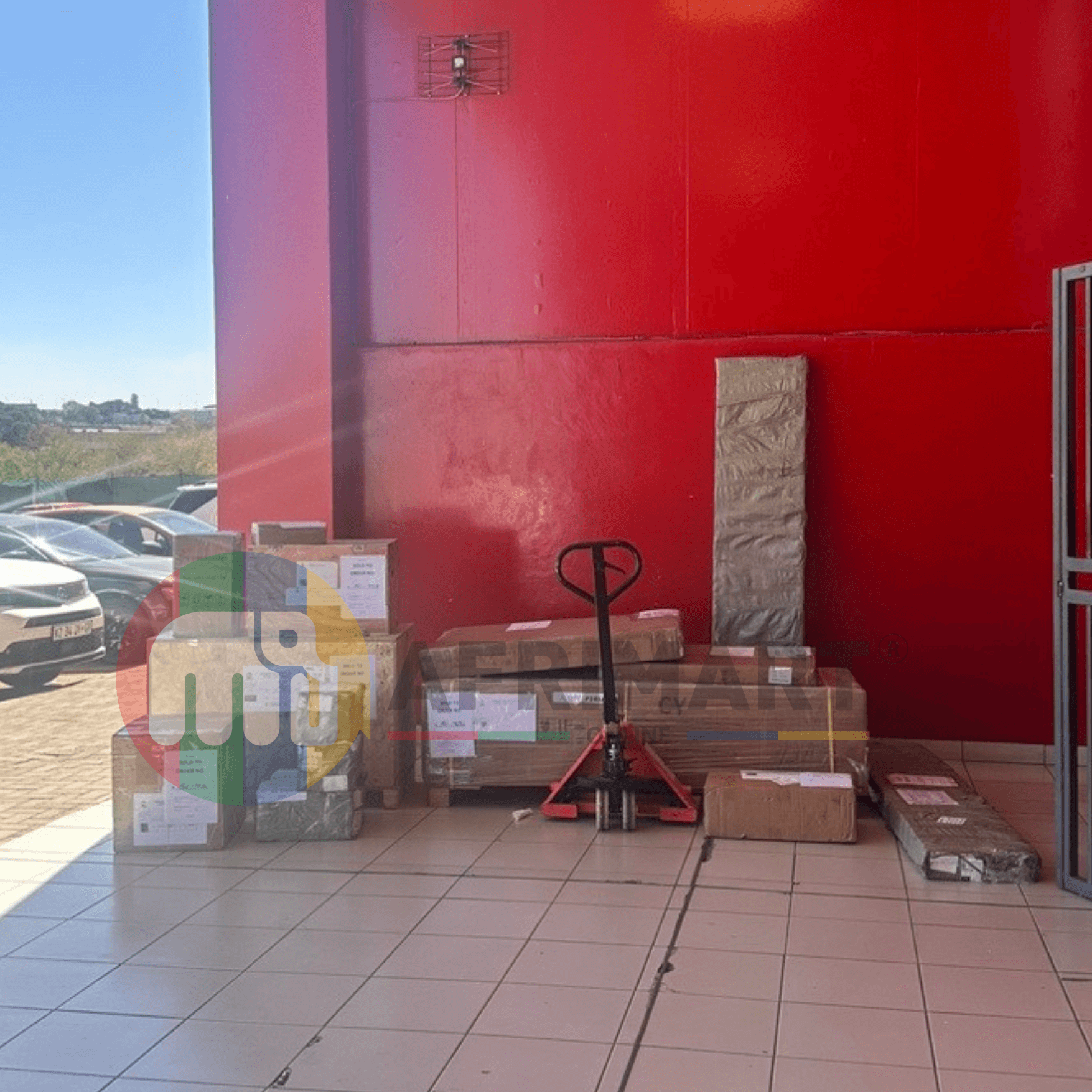
Batch of Orders
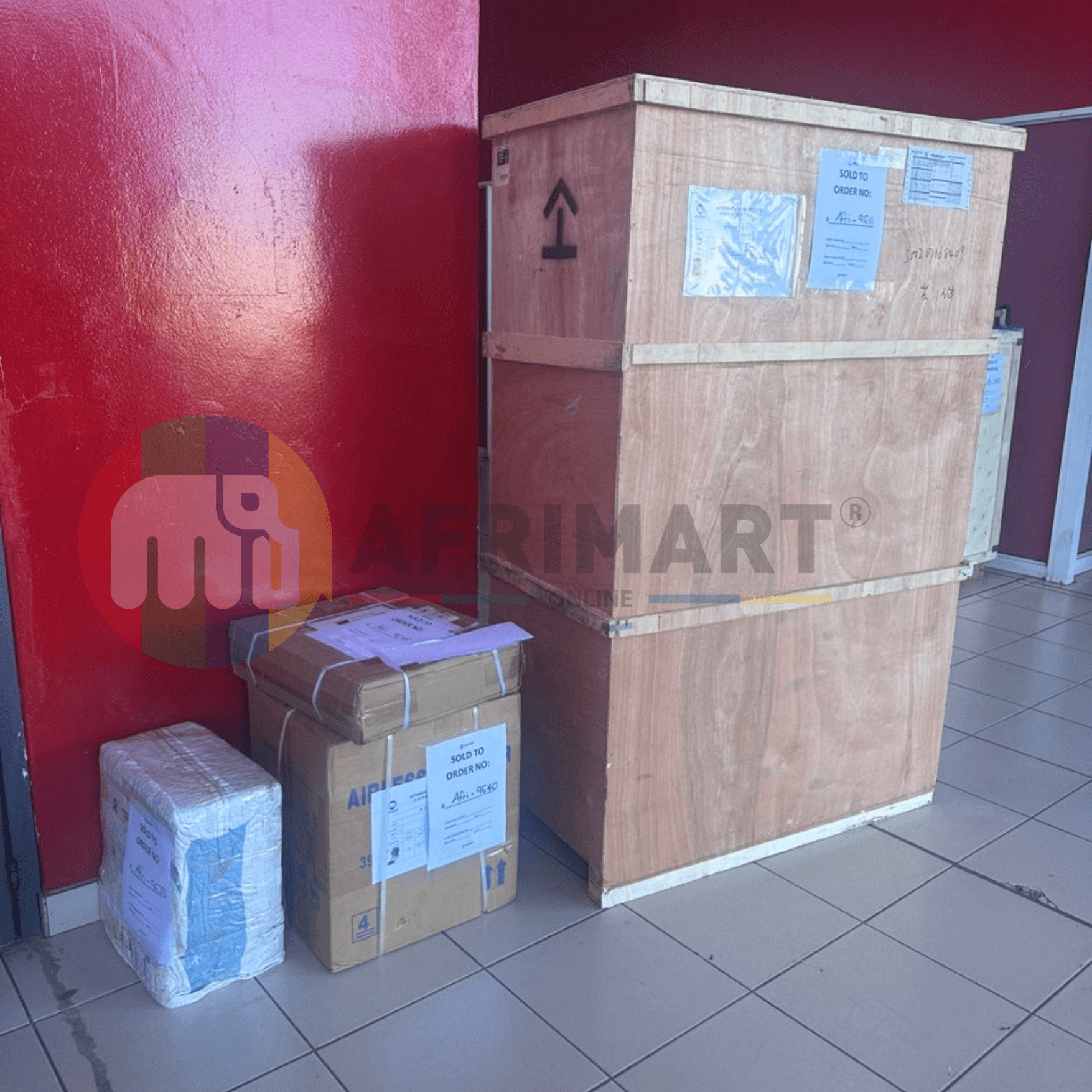
Agriculture Processing Machines
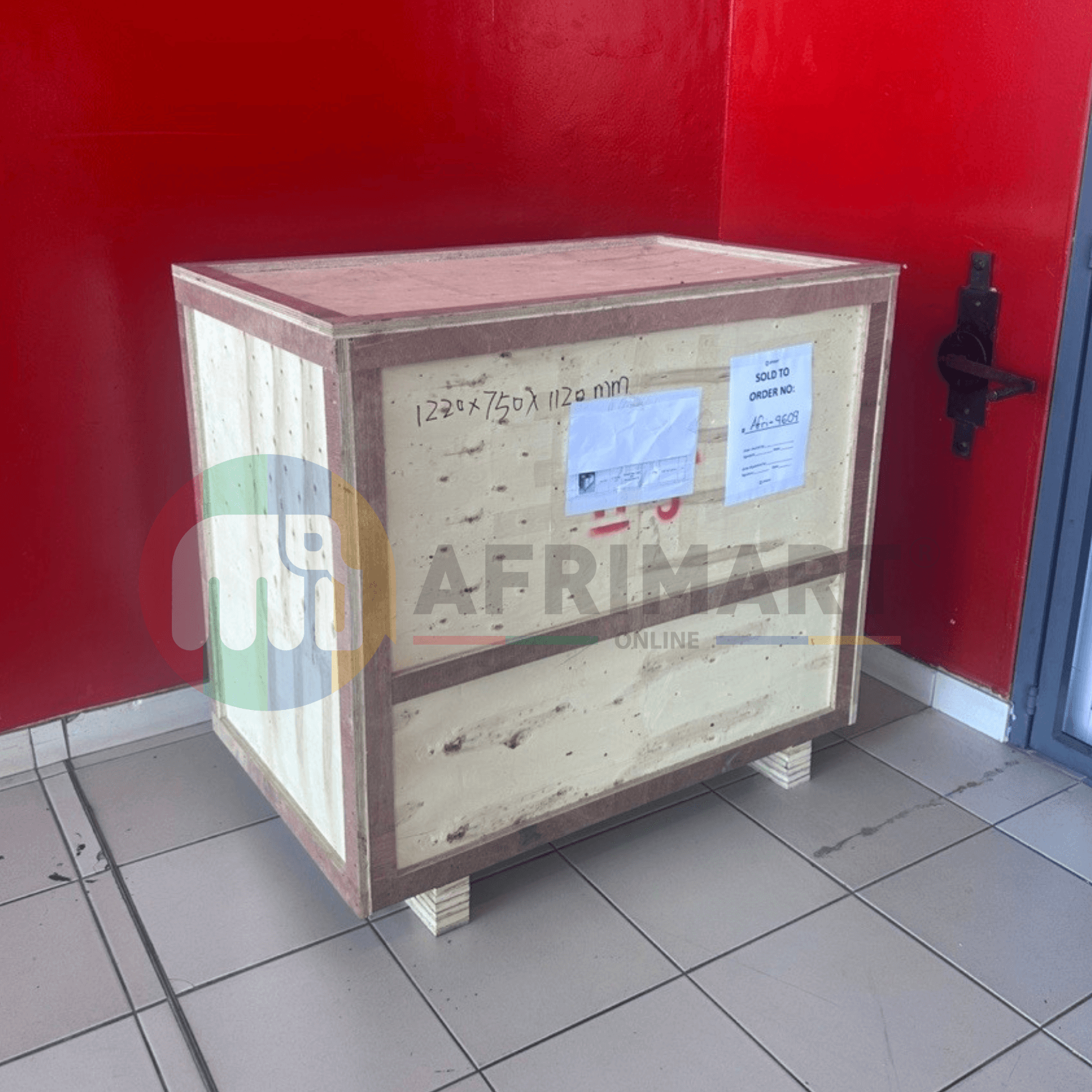
Meat Grinder Machine
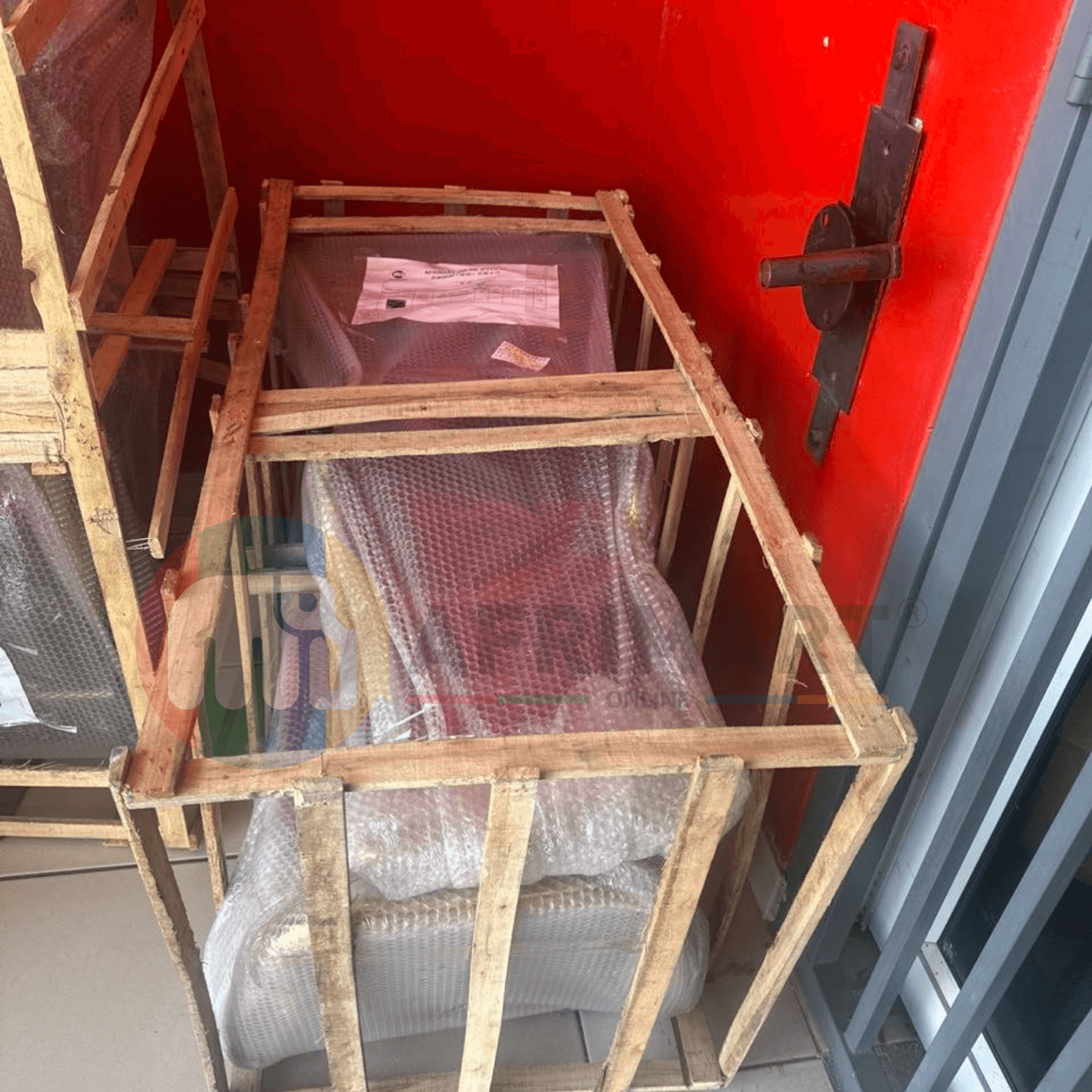
Water Pump Equipment
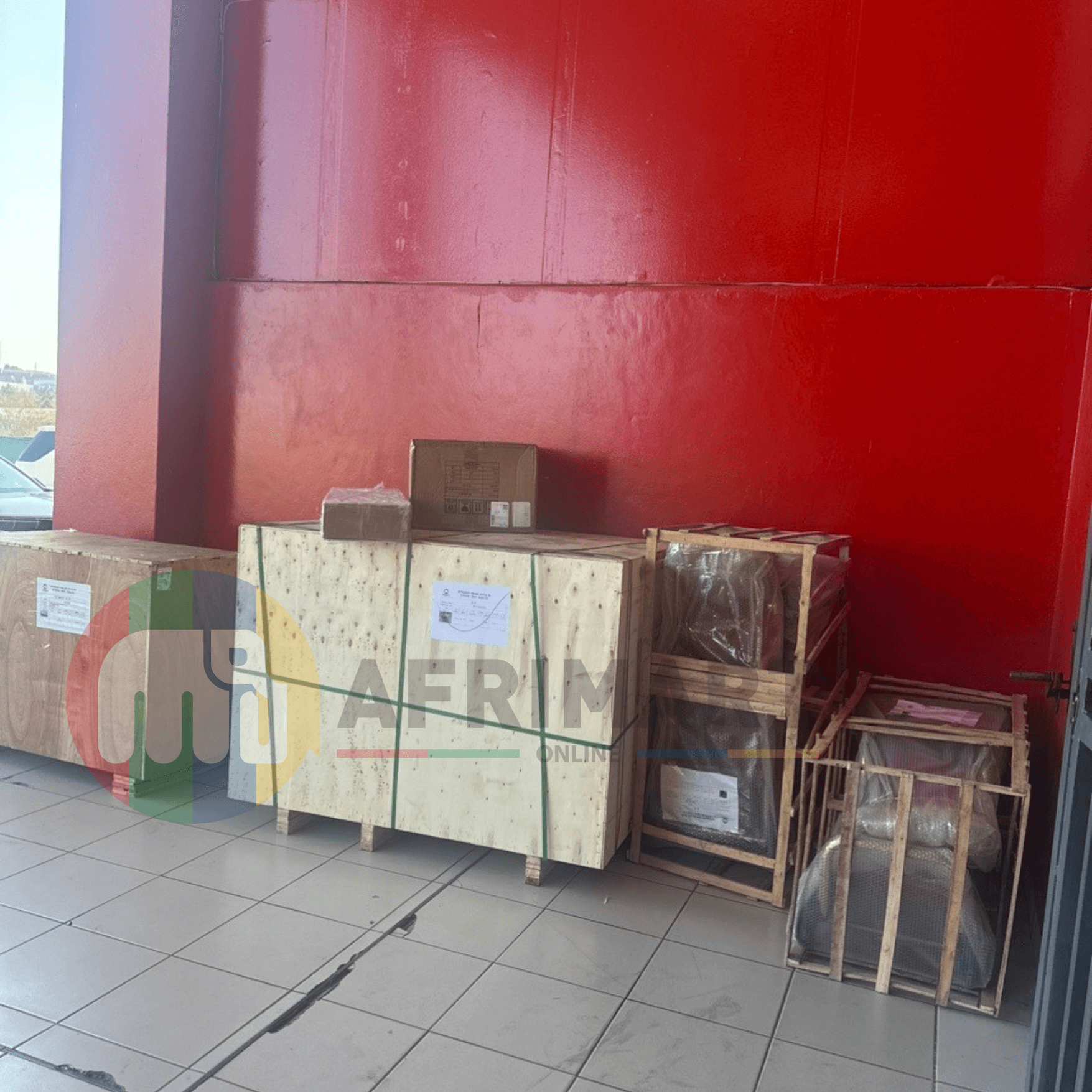
Packaging Machine and accessories
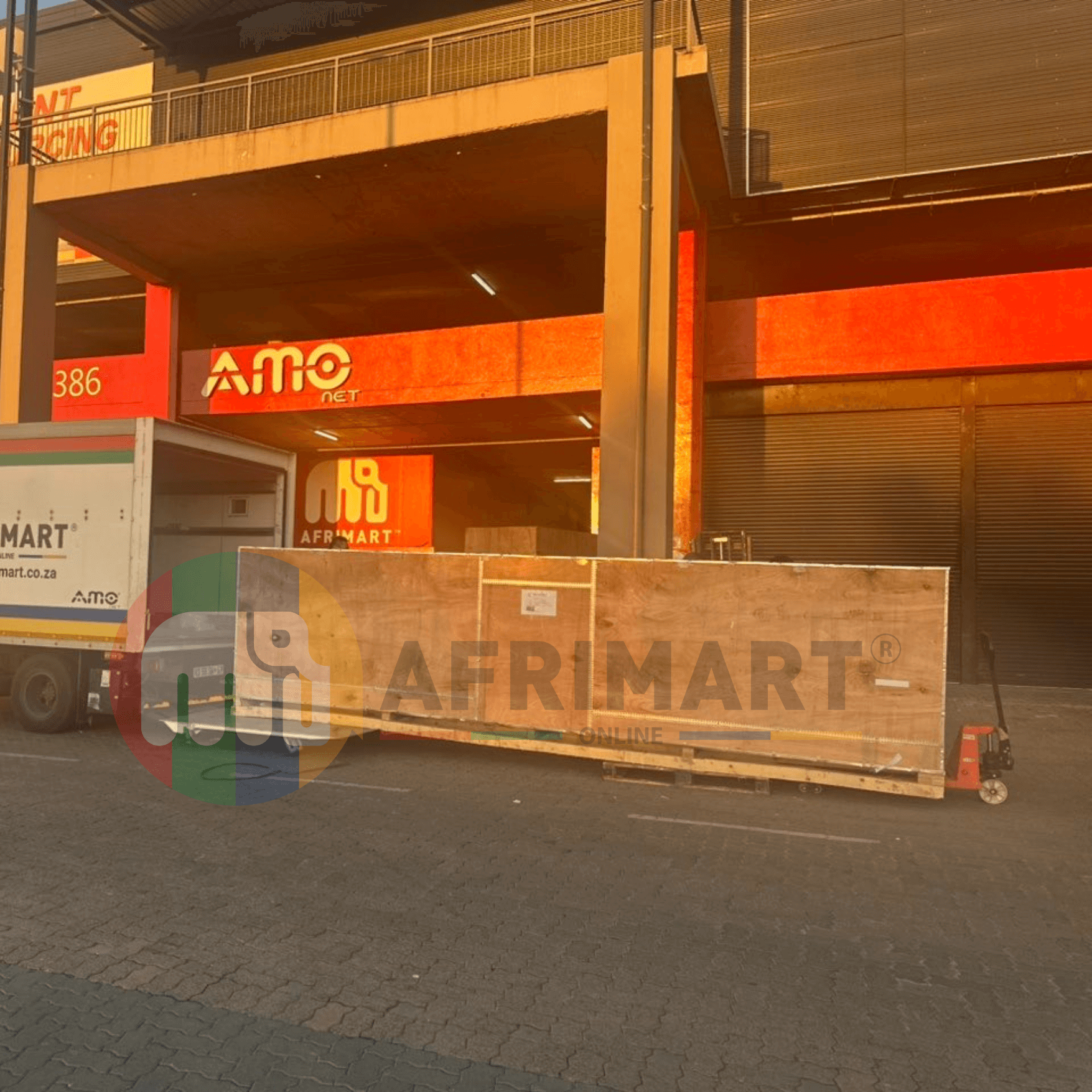
Fabrics Manufacturing Equipment
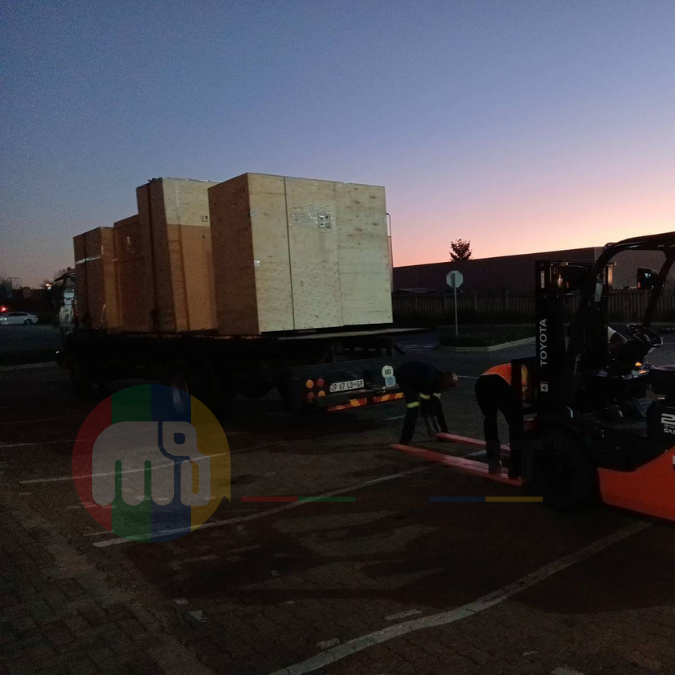
Mining Equipments
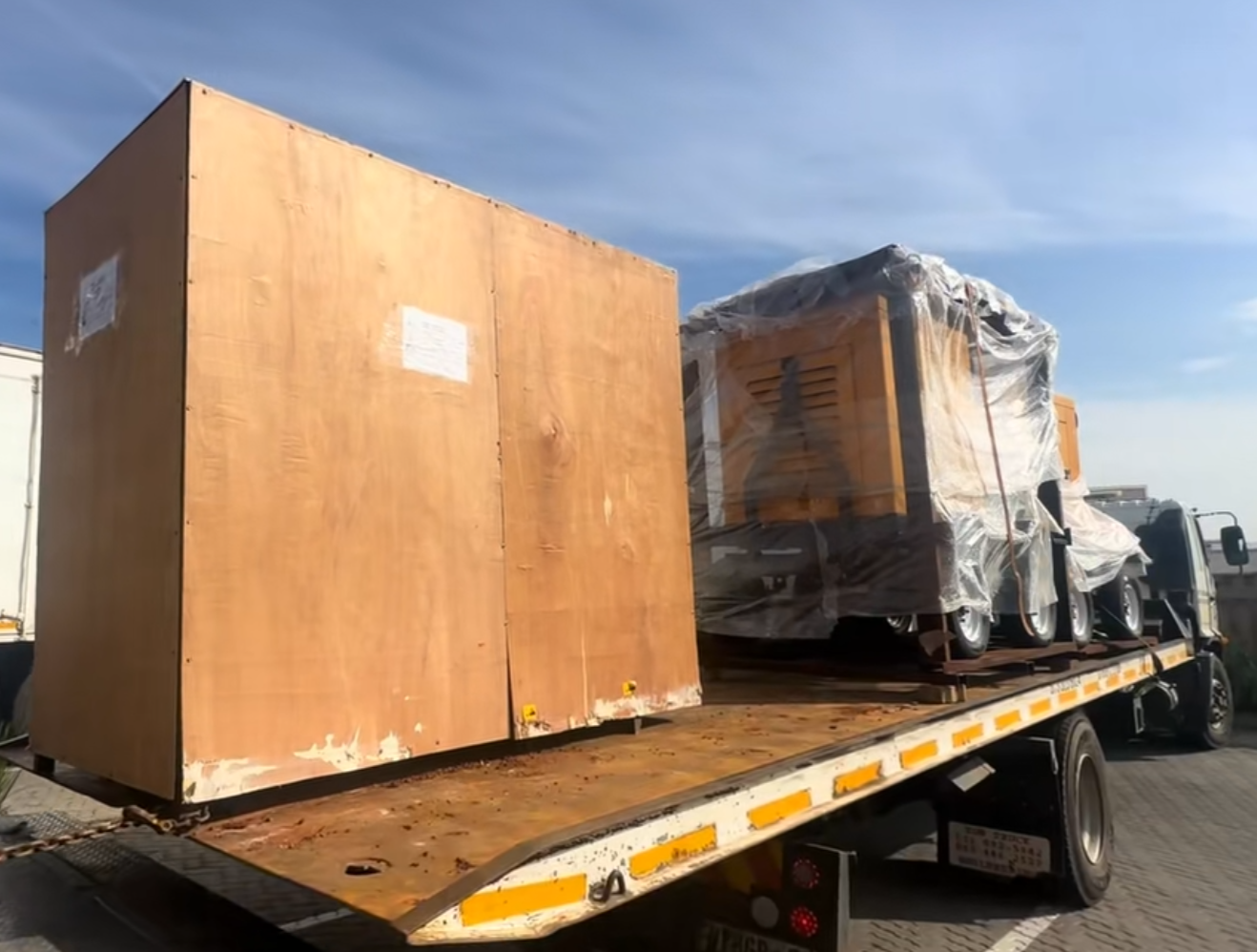
Food Processing Machine
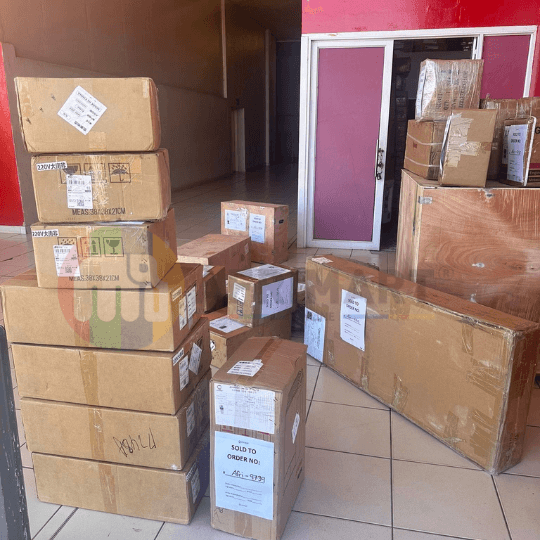
Batch of Orders
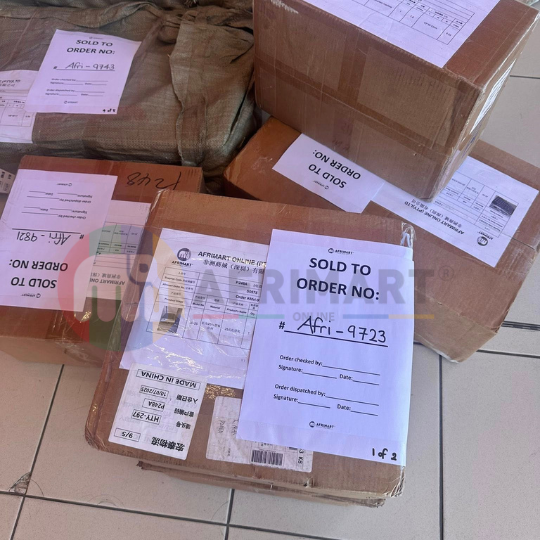
Batch of Orders
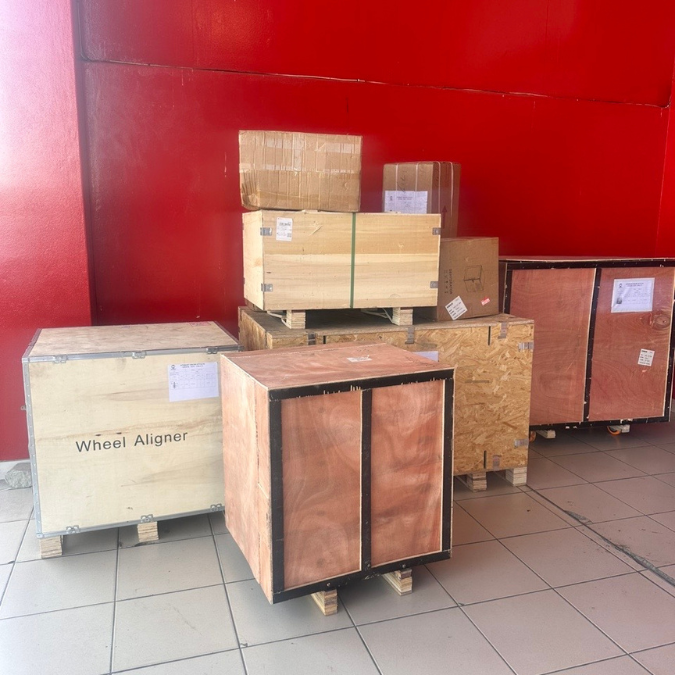
Latest Orders Labelled
wheel alignment machines
new arrivals
Pre Orders Offloading
Latest Arrivals
Latest Arrivals