B21, China Town Mall, Midrand

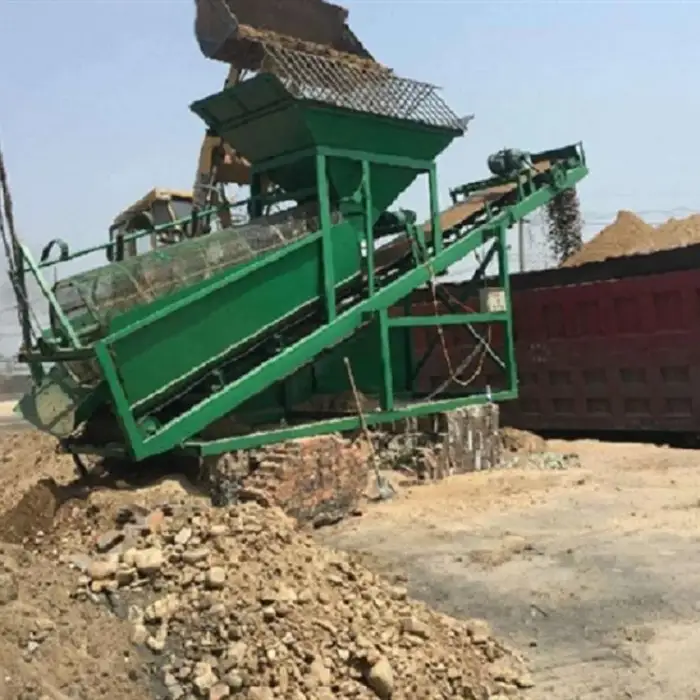
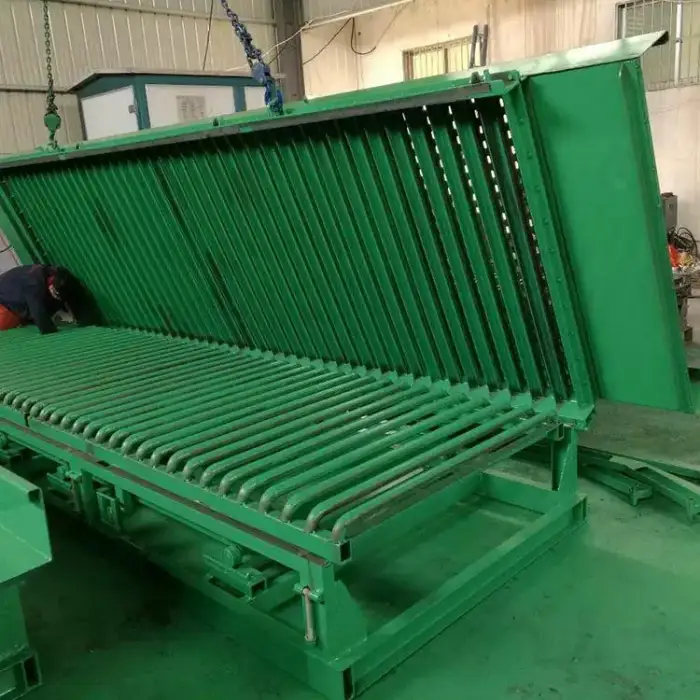
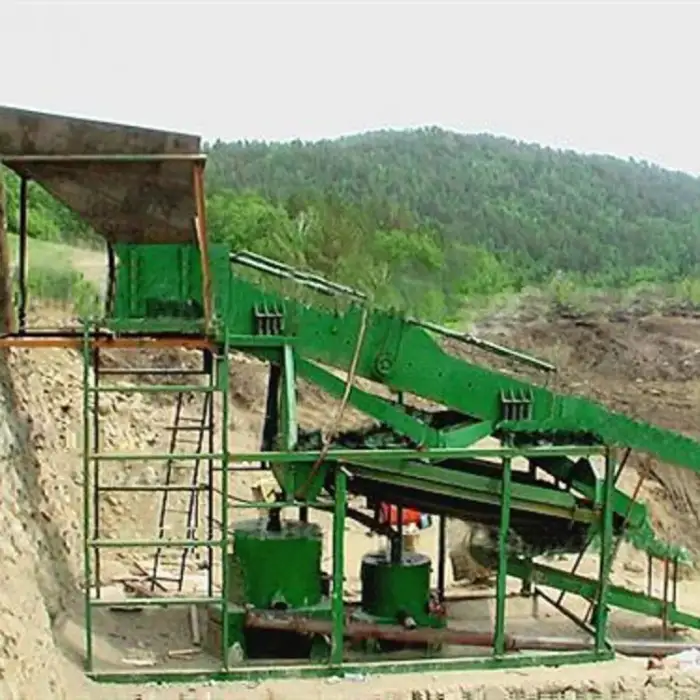
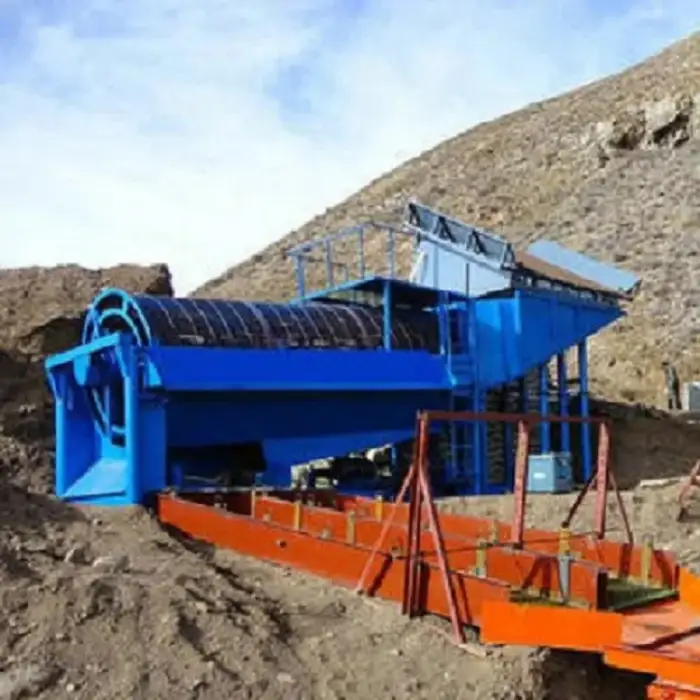
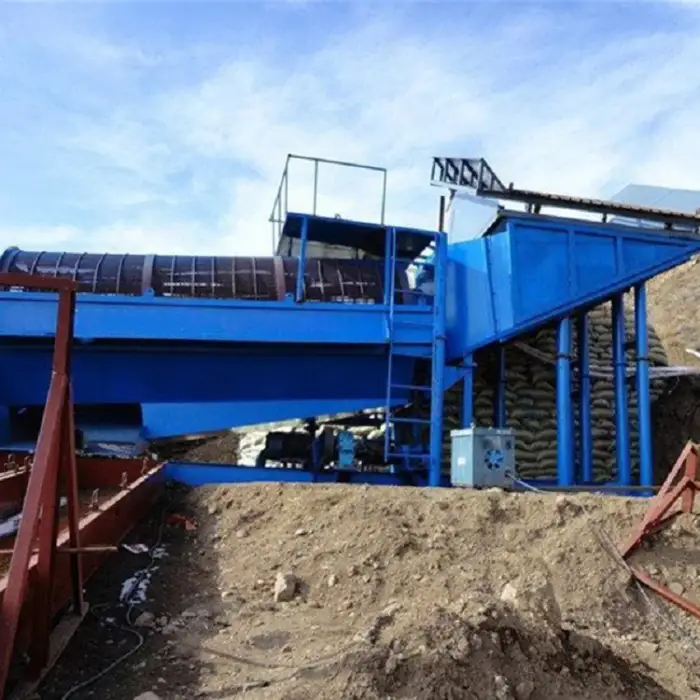
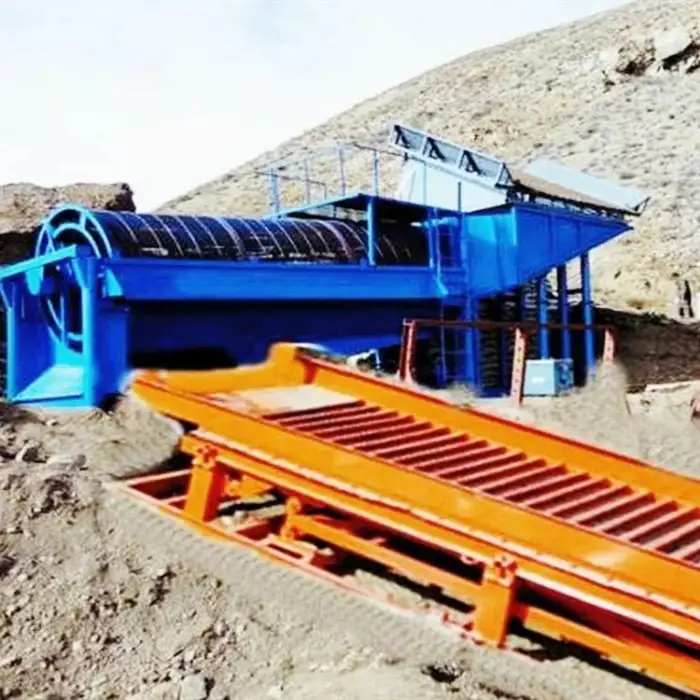
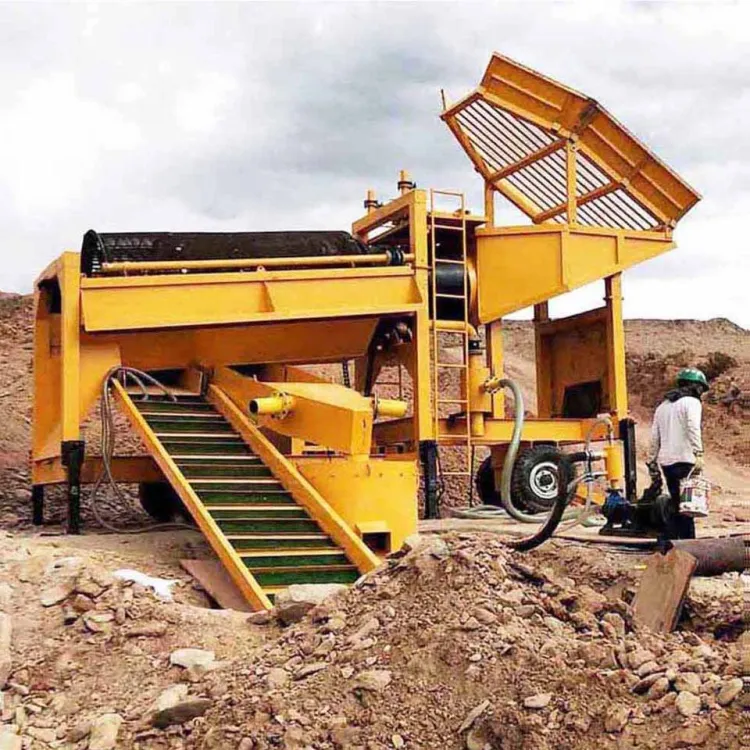
Gravity Separation Process Of Placer Gold Ore Gold Mine Processing Line
Asset finance available
Do you want funding for this equipment?
Afrimart can connect you with trusted funding partners who specialise in asset finance for businesses like yours. Compare options and apply in minutes — final approval is subject to provider review.
Check funding options
Secure & no obligation

- Section : Machinery
- Category : Mining Machinery
- SKU : 1600219192642

Product Description
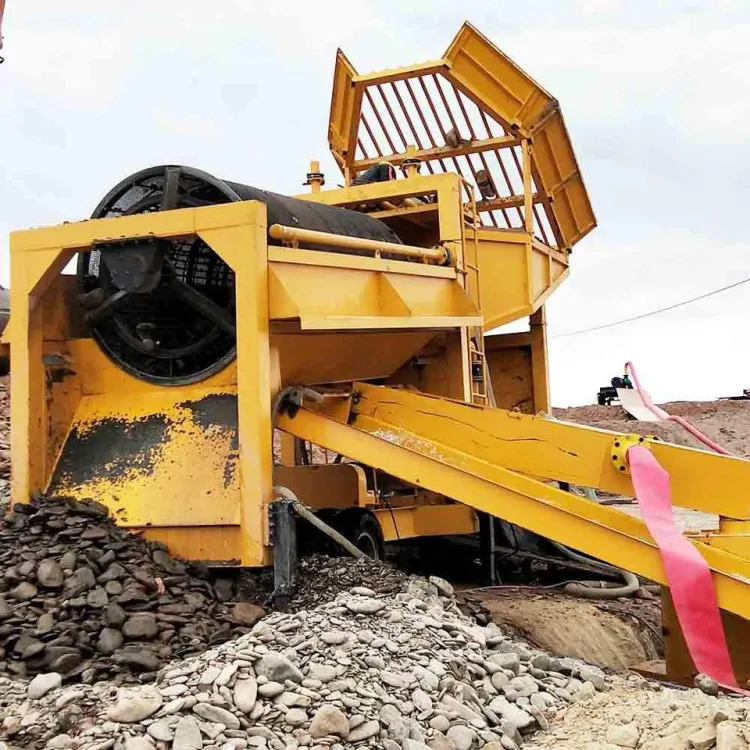
Placer gold has high gold content and high mining value. According to the characteristics of placer gold and the requirements of environmental protection, the gravity separation process of gold ore is becoming an indispensable part of placer gold processing.

Working Principle
Gravity Separation Process Of Placer Gold Ore:
1. Crushing Process
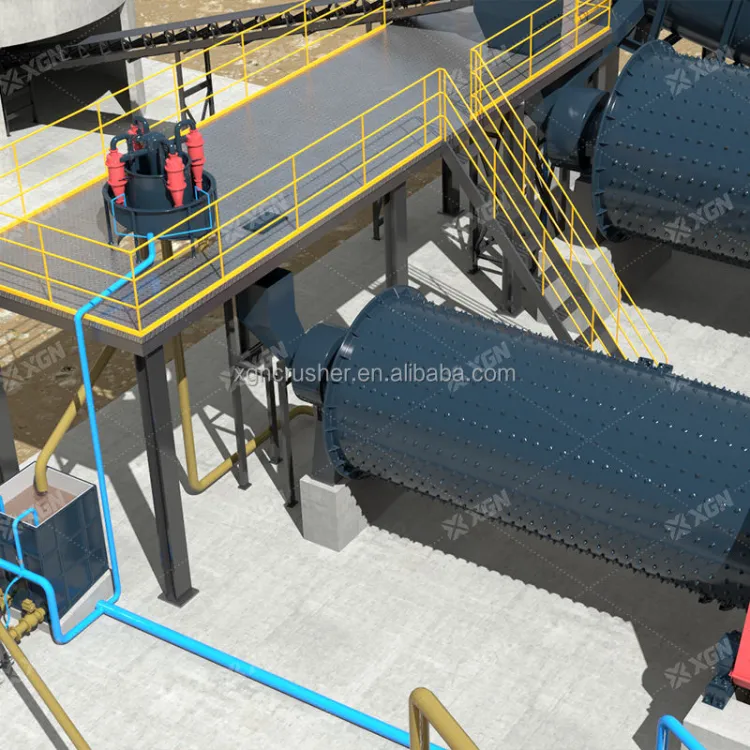
The crushing process consists of three stages and one closed circuit. The ore is transported to the raw ore bin by truck. The raw ore bin is equipped with a grid screen. The large particles on the screen are broken manually by a hydraulic hammer until they pass the grid screen. The ore blocks in the raw ore bin are fed into the jaw crusher by the trough feeder for coarse crushing, and then fed into the circular vibrating screen for screening and ore washing. The products under the two-layer screen are fed into the classifier, and the overflow mud from the classifier is fed into the thickener for thickening, and then fed into the ball mill in the grinding stage.
The returned sand from the classifier is sent to the powder ore bin. The upper layer of the screen and the material under the first layer of screen are fed into the crusher by the belt conveyor for intermediate crushing. After intermediate crushing, they are fed into another circular vibrating screen for classification by the belt conveyor. The material on the screen and the material on the second layer of screen are fed into the fine crusher by the belt conveyor for fine crushing. The fine ore discharge is also fed into the belt conveyor and fed into the vibrating screen by the belt, so that the crusher and the vibrating screen form a closed-circuit work. The material under the second layer of screen is fed through the belt conveyor Belt conveyor to powder ore bin.

2. Grinding and Classification Process
The ore in the fine ore bin is fed to the belt conveyor through the pendulum feeder, and then fed to the lattice ball mill. The ball mill discharges the ore into the high weir single screw classifier, the classifier returns the sand to the ball mill for regrinding, and the classifier overflow flows to the pump box.

3. Gravity Separation
Then it enters the gravity separation equipment for gold recovery. The gravity separation equipment of gold mine mostly uses centrifuges combined with reciprocating circulation concentrator for gold recovery. In this way, the recovery rate is high and the tailing running is less. Centrifuge for single gold recovery rate is high, reciprocating cycle concentrator for wrapped gold recovery rate is high, these two kinds of equipment can recover not only granular gold, but also coarse gold, sheet gold, surface gold and other fine particle gold.

Technical Parameter
| Capacity | Equipment Model | Qty. (set) |
| 30t/h Processing Line | 1230 Vibrating Screen | 1 |
| 0960 Creeping Chute | 2 | |
| Fixed Chute | 2 | |
| 50t/h Processing Line | 1545 Vibrating Screen | 1 |
| 1170 Creeping Chute | 2 | |
| Fixed Chute | 2 | |
| 100t/h Processing Line | 1860 Vibrating Screen | 1 |
| 1570 Creeping Chute | 2 | |
| Fixed Chute | 2 |
- Shipping Timeframes: All orders are processed within 2-5 business days (excluding weekends and holidays). After your order has been processed, the estimated delivery time is before 06 Aug, 2026, depending on customs, Please note that due to high demand, some items may experience longer shipping times, which will be communicated at order confirmation email.
- Order Processing Time: Please allow 2-5 business days for us to process your order before it is shipped . Orders placed after 16:00 on Fridays, or during weekends and public holidays, will begin processing on the next business day. Processing times may be extended during peak seasons or sales events.
- Manufacturing Time: Some products needs manufacturing time, the manufacturing process will take approximately 10-30 business days depending on the product. This timeframe may vary depending on the complexity of the product and current demand. but this will be communicated with you during order confirmation.
- Returns and Exchanges: We offer a 30-day return policy for most items. If you are not completely satisfied with your purchase, you may return it within 30 days of receipt for a refund or exchange. Items must be unused, in their original packaging, and accompanied by proof of purchase. Return shipping costs are the responsibility of the customer, unless the item was damaged or defective upon arrival.
1. What is the gravity separation process of placer gold ore?
The gravity separation process is a method that utilizes the differences in density between gold and other materials to separate gold from placer ore. It is an effective and environmentally friendly technique for recovering high-value placer gold.
2. How is the crushing process carried out in the processing line?
The crushing process consists of three stages, starting with the manual breaking of large particles, followed by coarse crushing with a jaw crusher, and intermediate and fine crushing using circular vibrating screens and crushers to ensure the ore is properly prepared for further processing.
3. What equipment is used in the grinding and classification process?
The grinding and classification process uses a lattice ball mill for grinding the ore and a high weir single screw classifier for classifying the ground material, ensuring optimal particle size for effective separation.
4. What types of gold can be recovered using this process?
This gravity separation process can recover various types of gold, including granular gold, coarse gold, sheet gold, and fine particle gold, maximizing the recovery rate.
5. What are the key components of the gravity separation equipment?
The gravity separation equipment primarily includes centrifuges and reciprocating circulation concentrators, which work together to achieve high recovery rates and reduce tailings.
6. What is the capacity of the processing lines available?
The processing lines are available in different capacities: 30t/h, 50t/h, and 100t/h, allowing for flexibility based on your mining requirements.
7. How does the classifier function in the processing line?
The classifier separates the ground material based on particle size. The overflow is directed to the pump box for further processing, while the sand is returned to the ball mill for additional grinding.
8. What is the role of the thickener in the process?
The thickener is used to concentrate the overflow mud from the classifier, increasing the density of the slurry before it is fed into the ball mill for grinding.
9. Is this process environmentally friendly?
Yes, the gravity separation process emphasizes environmental protection by minimizing harmful chemicals and using mechanical methods for gold recovery.
10. Can this equipment be customized for specific mining conditions?
Yes, the equipment can be tailored to meet specific mining conditions and requirements, ensuring optimal performance and efficiency in gold recovery.
11. What maintenance is required for the gravity separation equipment?
Regular maintenance includes checking for wear and tear on components, ensuring proper lubrication, and cleaning to prevent buildup that could affect efficiency.
12. How long does the entire placer gold processing line take?
The duration of the processing line depends on the capacity and the specific characteristics of the ore. However, the process is designed to be efficient and can be optimized to meet production targets.
13. What safety measures should be taken during the operation?
Safety measures include wearing appropriate personal protective equipment, following operational protocols, and ensuring that all equipment is regularly inspected and maintained.
14. Are there any training programs available for operating this equipment?
Yes, training programs can be provided to ensure operators understand the equipment's operation, maintenance, and safety procedures.
15. What are the advantages of using gravity separation for placer gold?
The advantages include high recovery rates, low environmental impact, cost-effectiveness, and the ability to process a wide range of gold particle sizes.
Latest Order Arrivals
Discover our latest orders
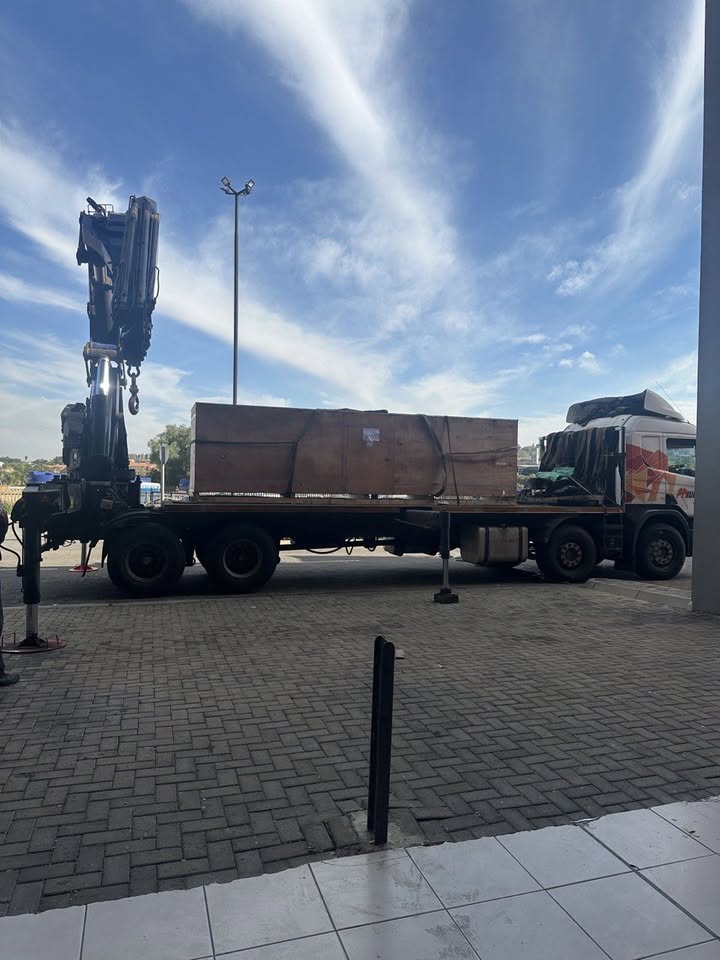
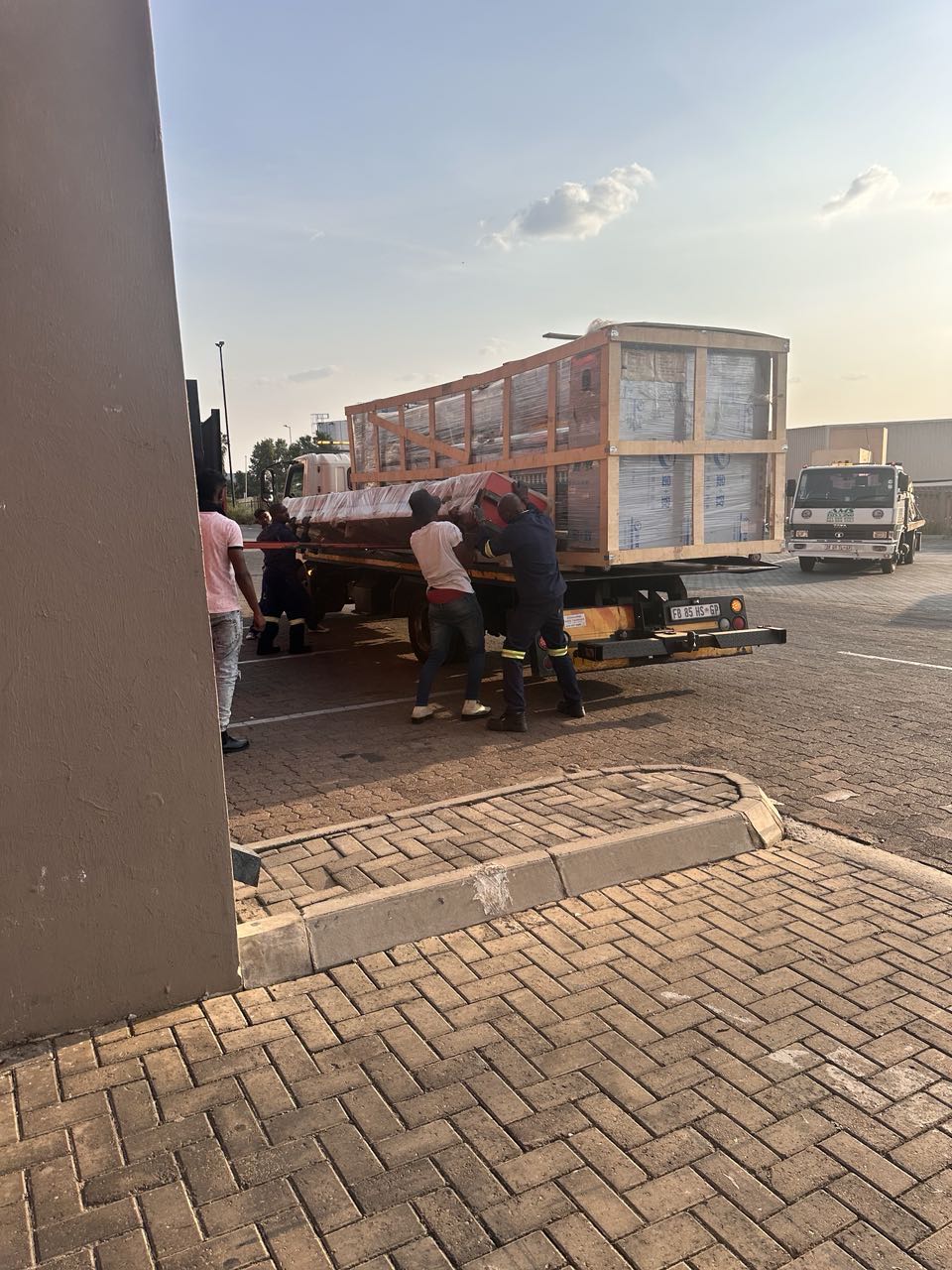
12 Heads Embroidery Machine
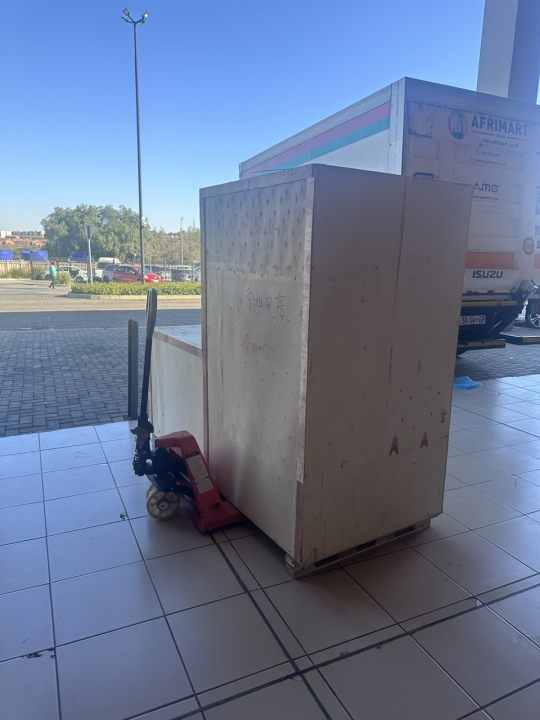
Toilet Paper Machine Machine
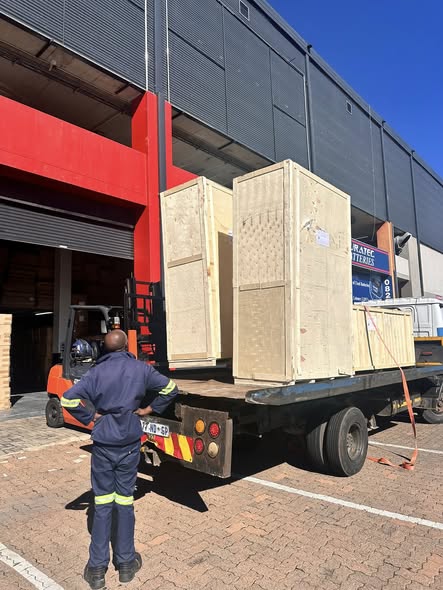
Order Collection
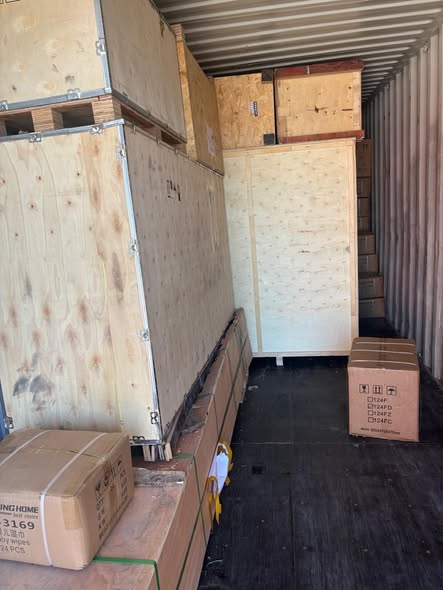
Cross Border Clients
Order cros border countries Collected
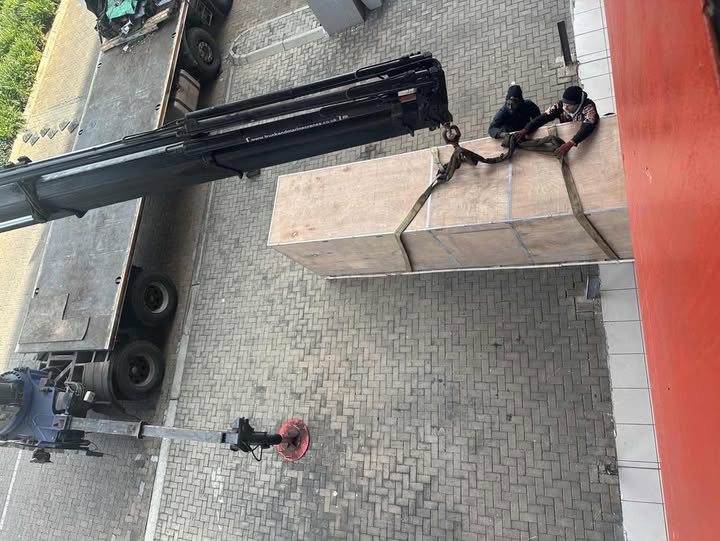
Industrial Machine Cllection
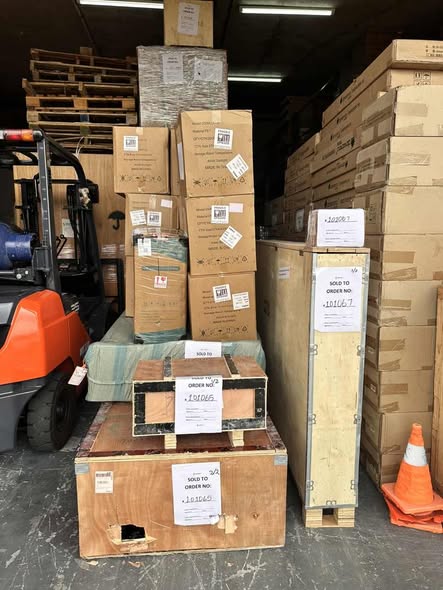
Agriculture Processing Machines
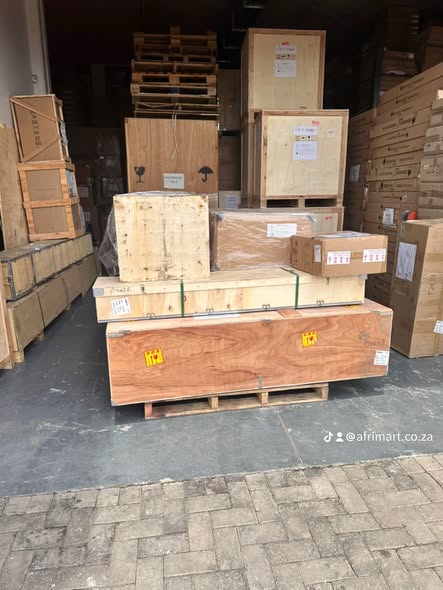
Ready for collection
Water Pump Equipment
Packaging Machine and accessories
Fabrics Manufacturing Equipment
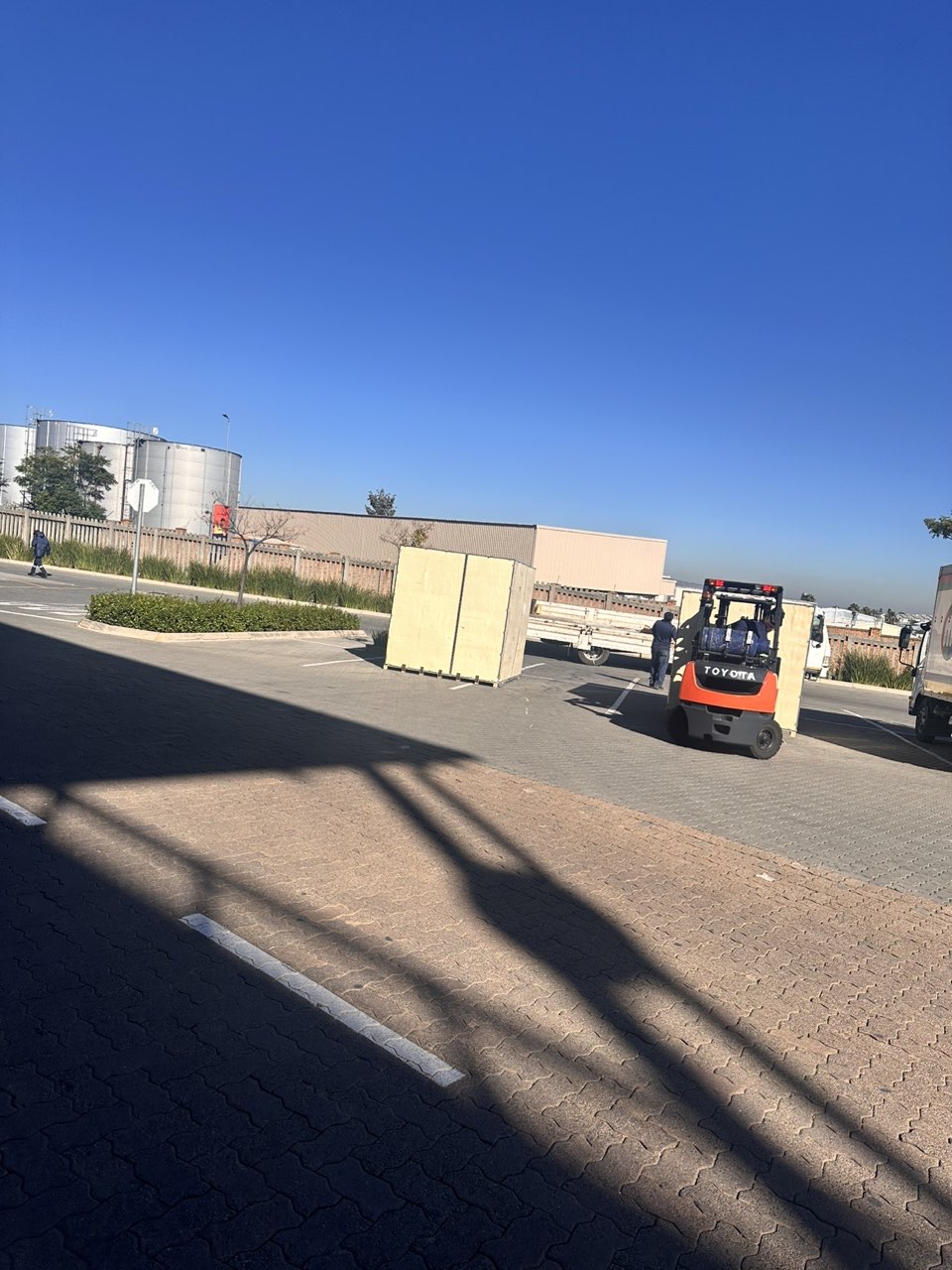
Mining Equipments
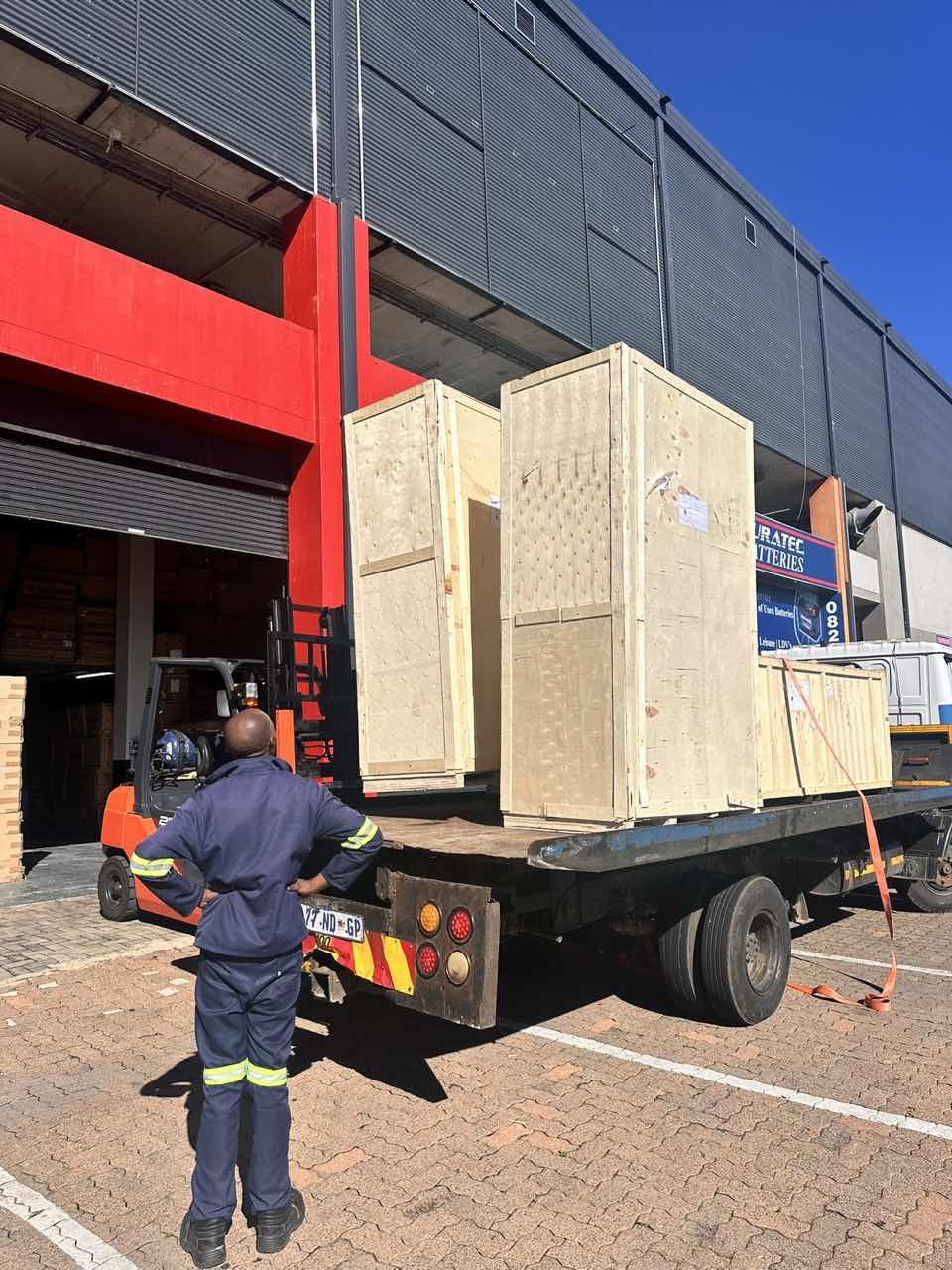
Food Processing Machine
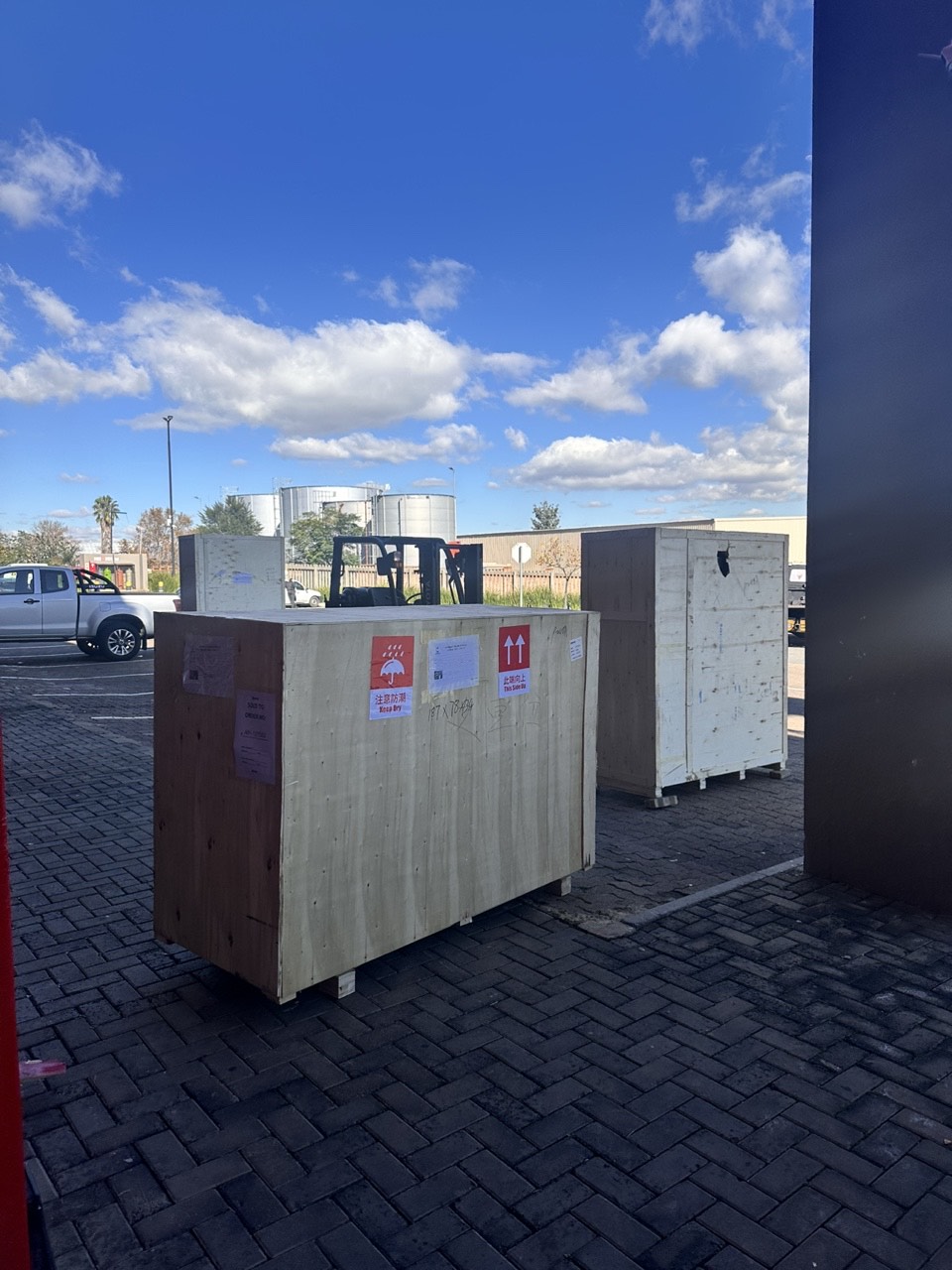
Batch of Orders
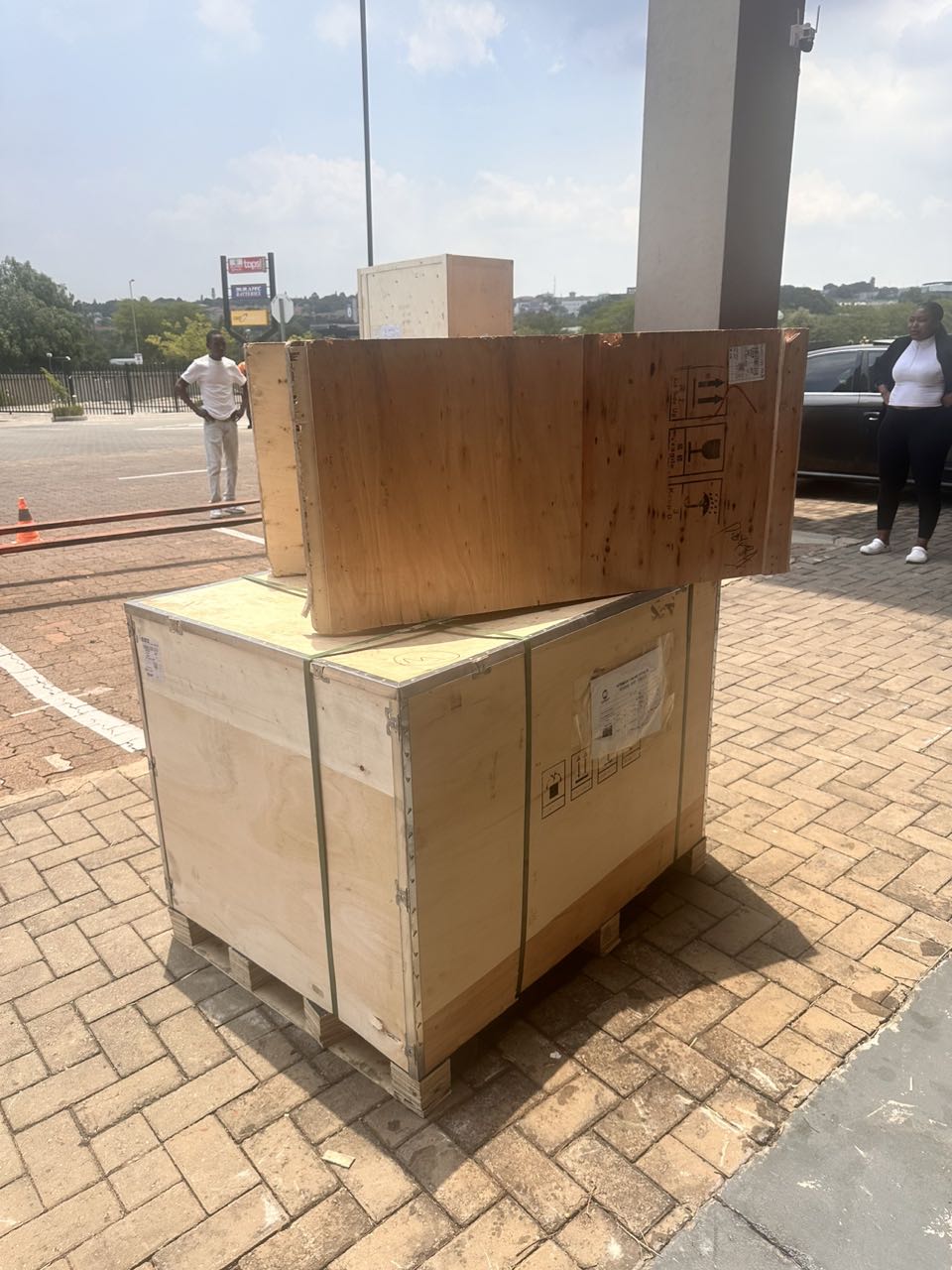
Batch of Orders
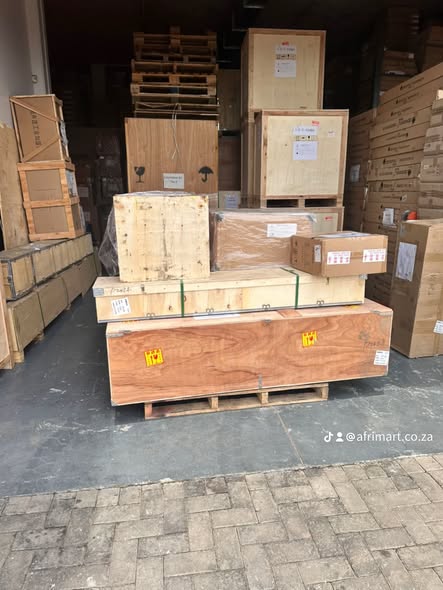
Latest Orders Labelled
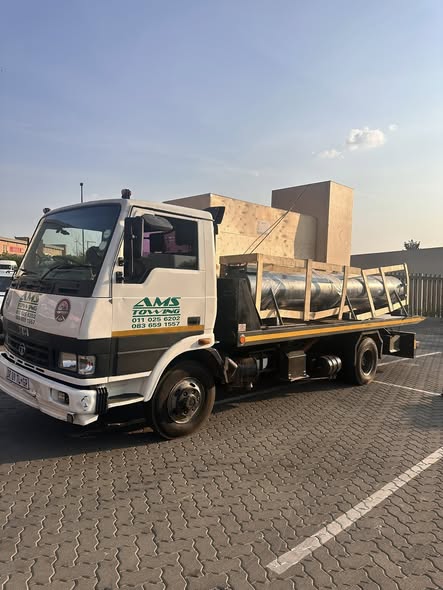
wheel alignment machines
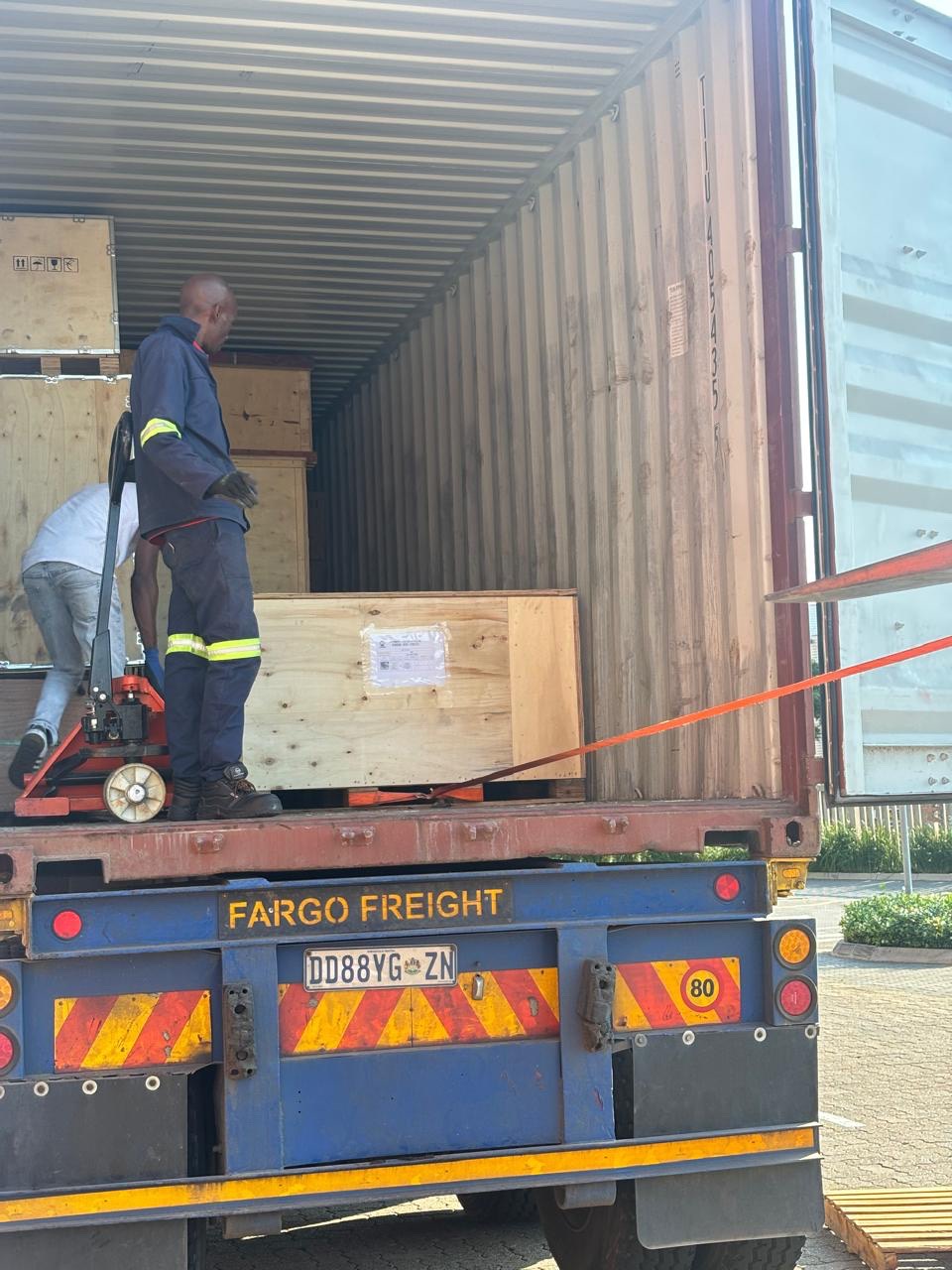
new arrivals
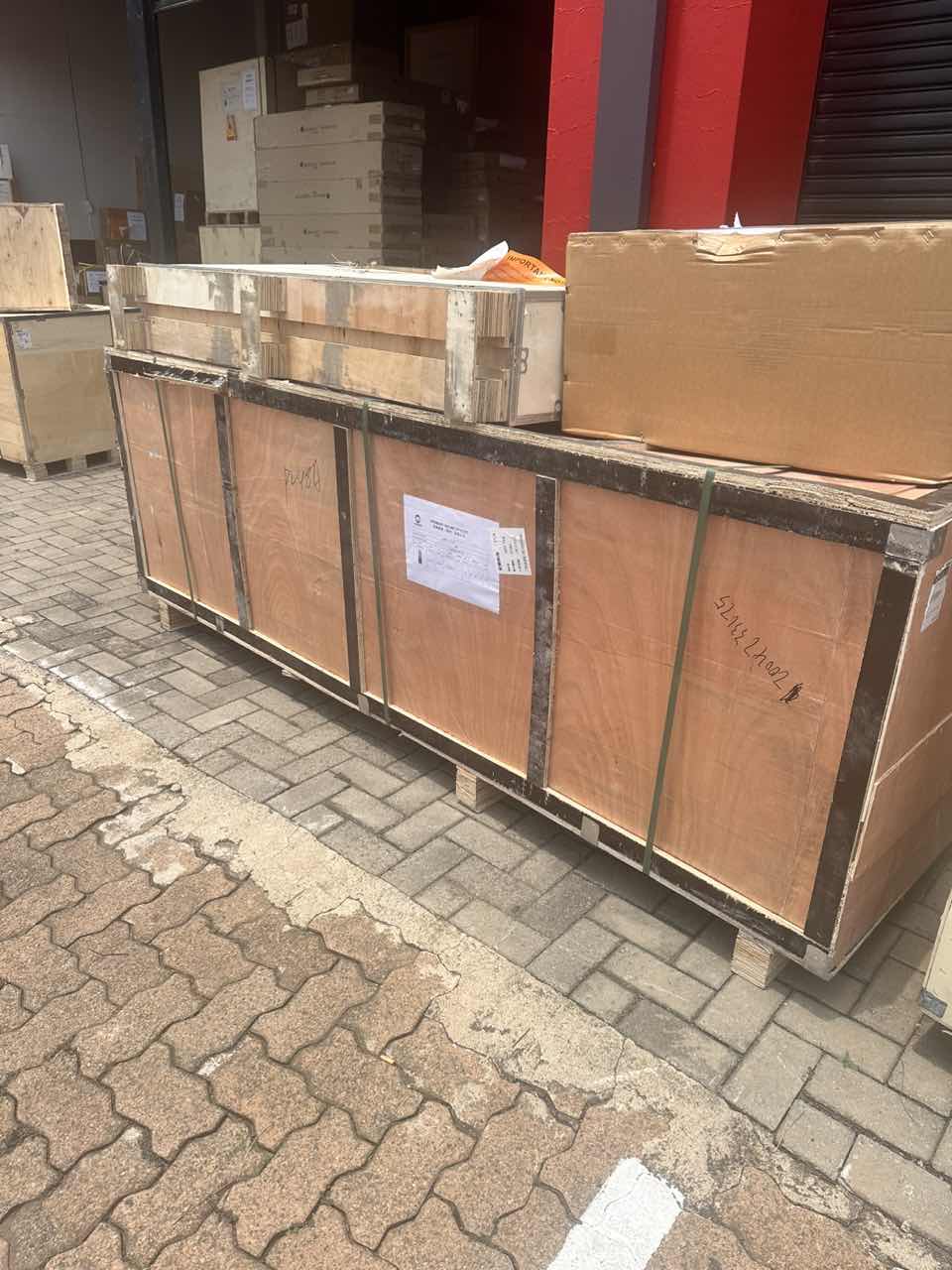
Pre Orders Offloading
Latest Arrivals
Latest Arrivals
Latest Arrivals
Loading
Toilet paper making machine
Toilet paper making machine
Toilet paper Rewinding Machine
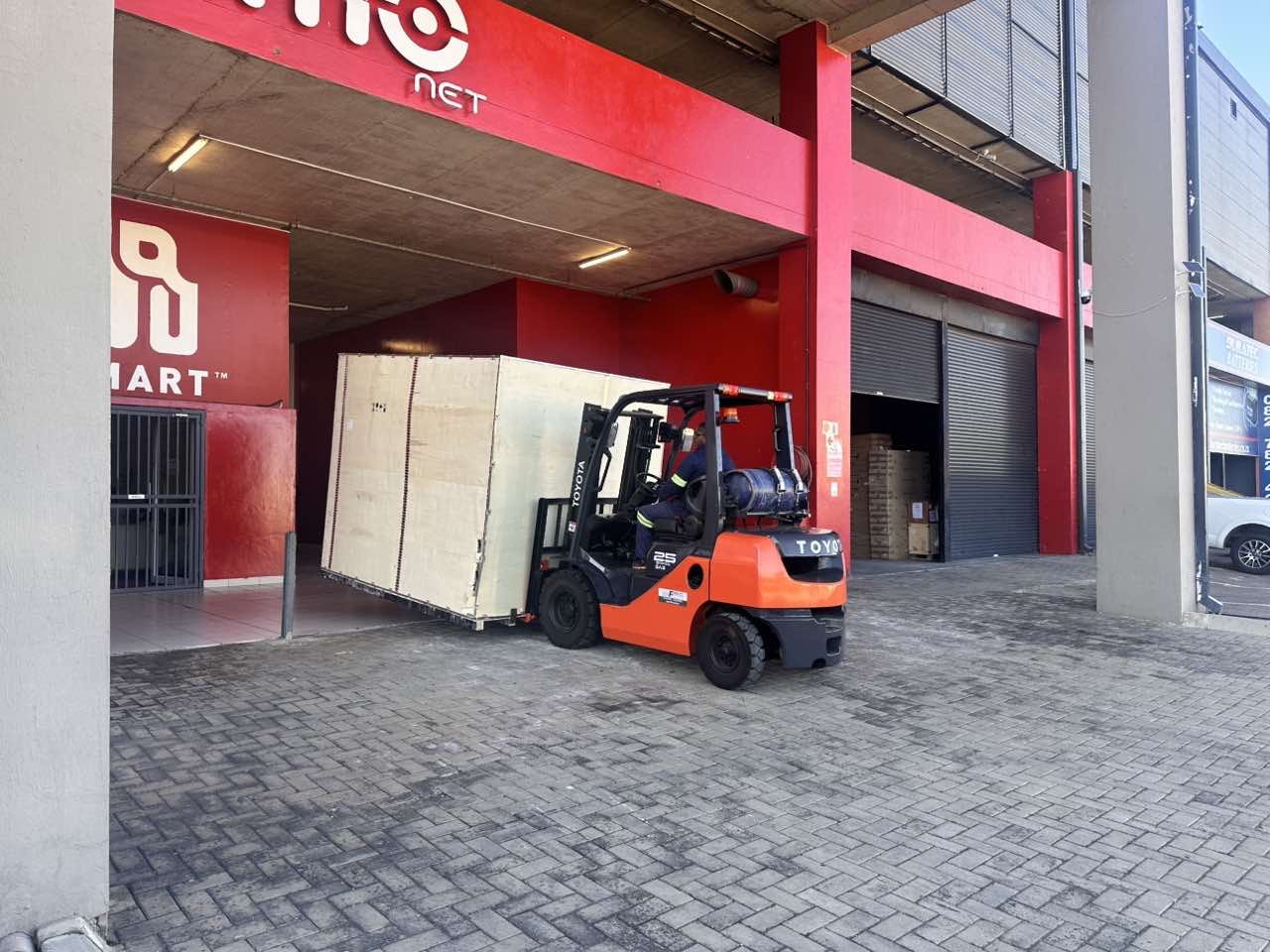
latest arrivals
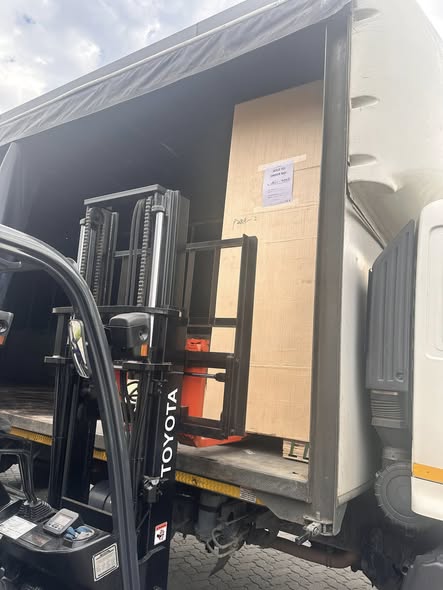
offloading
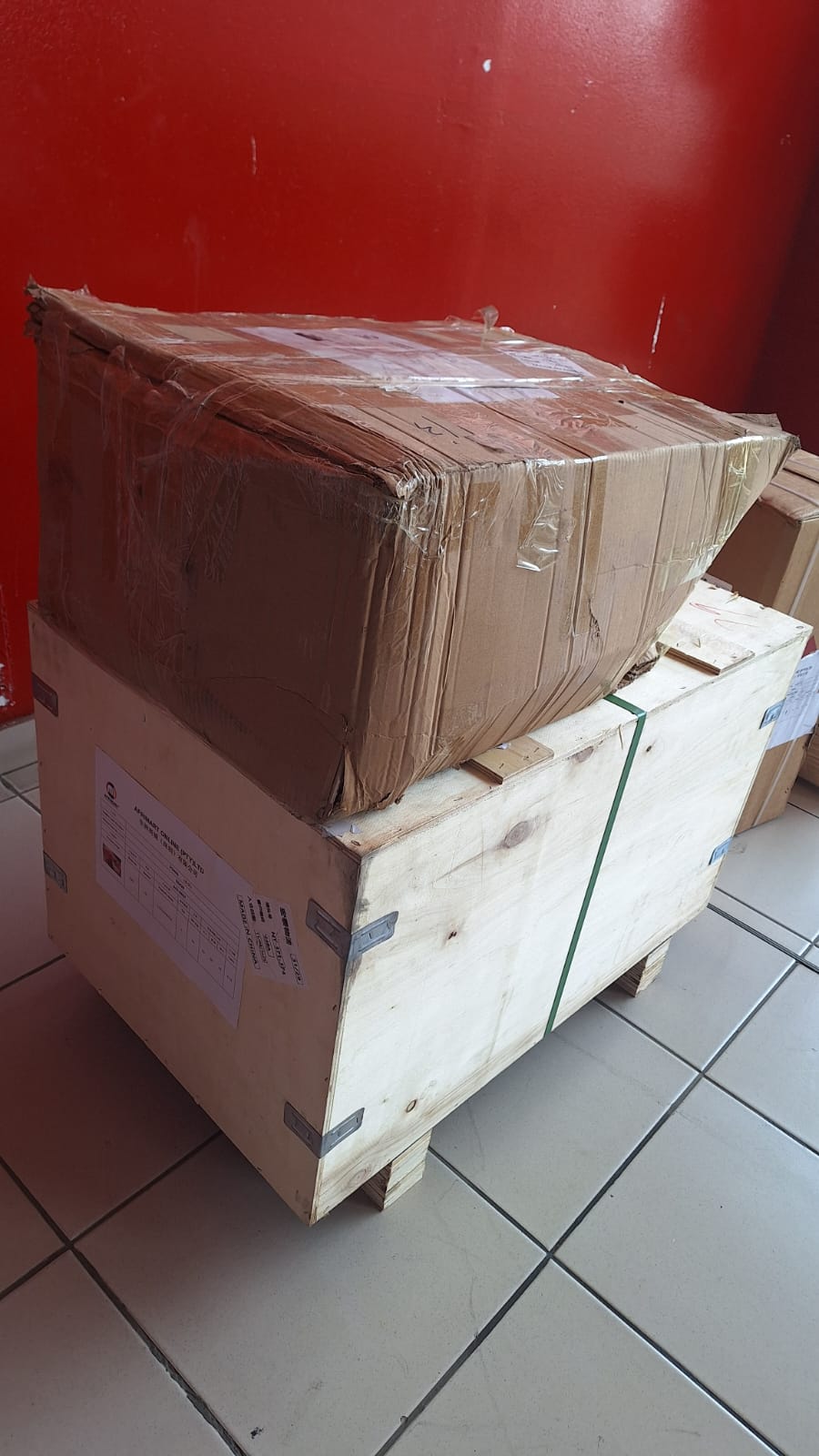
order success
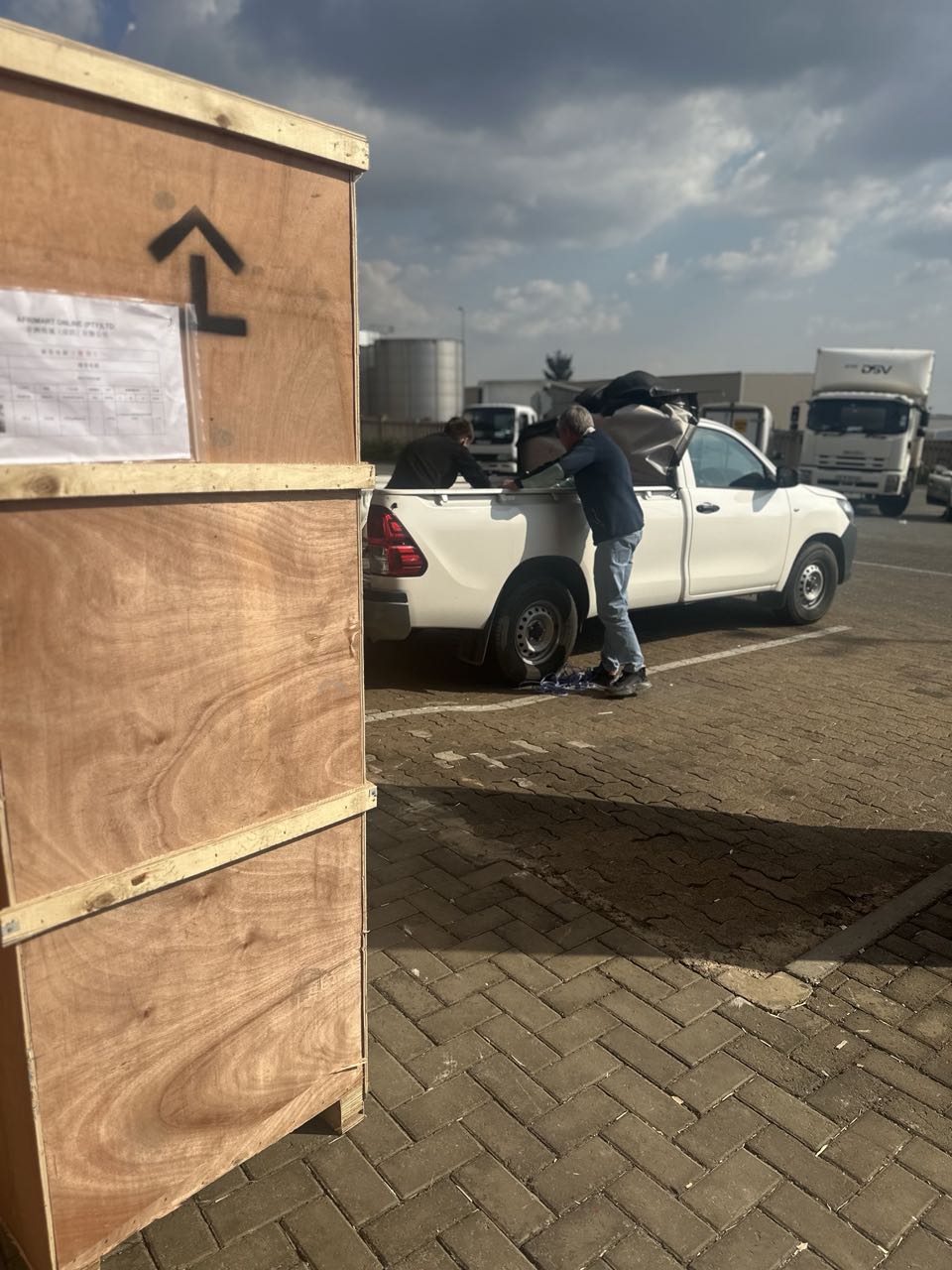
order collection
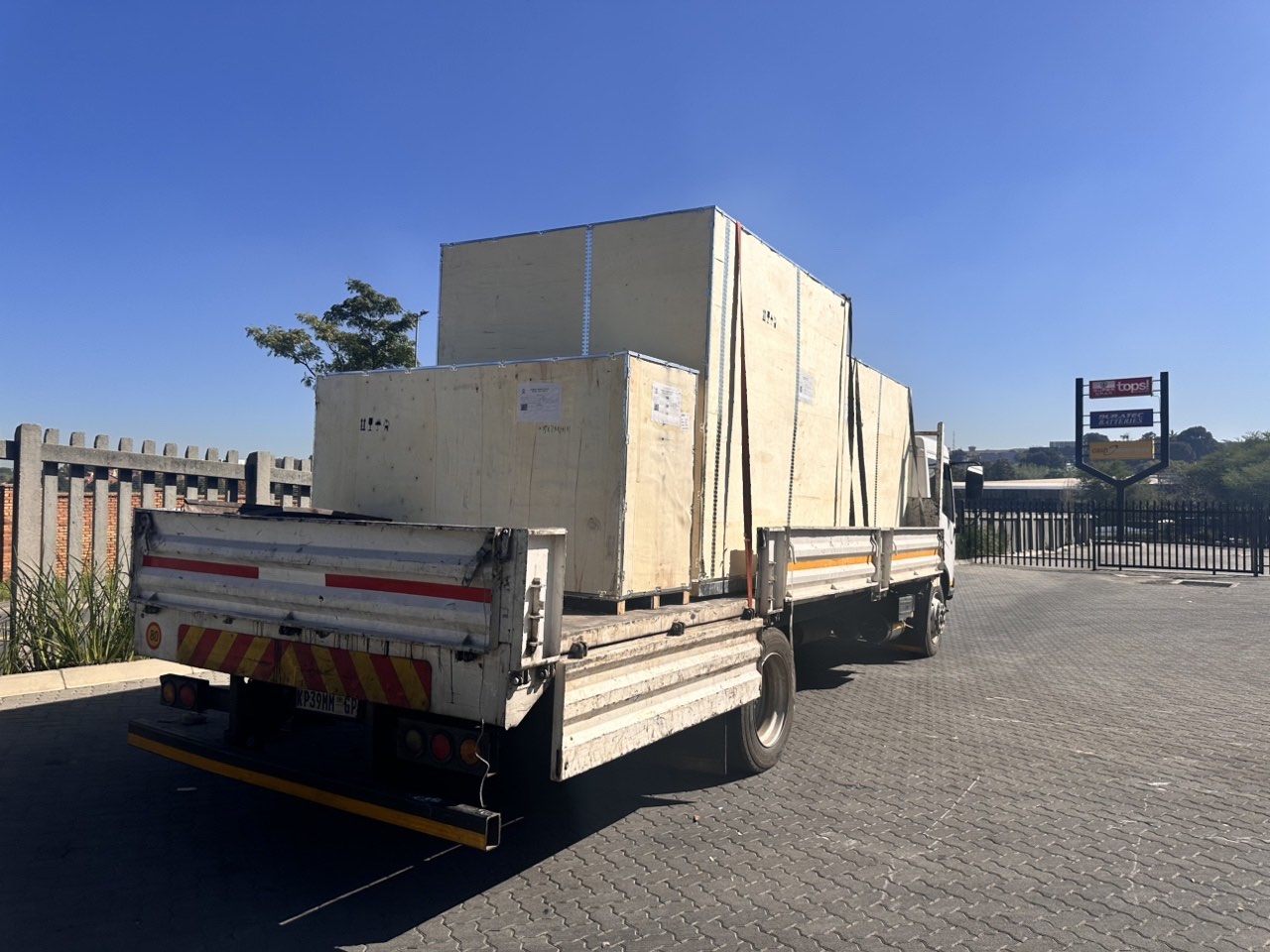
order offloading