B21, China Town Mall, Midrand

Grain Processing Equipment
Asset finance available
Do you want funding for this equipment?
Afrimart can connect you with trusted funding partners who specialise in asset finance for businesses like yours. Compare options and apply in minutes — final approval is subject to provider review.
Check funding options
Secure & no obligation

- Section : Machinery
- Category : Agriculture Machinery
- SKU : 1600190818678

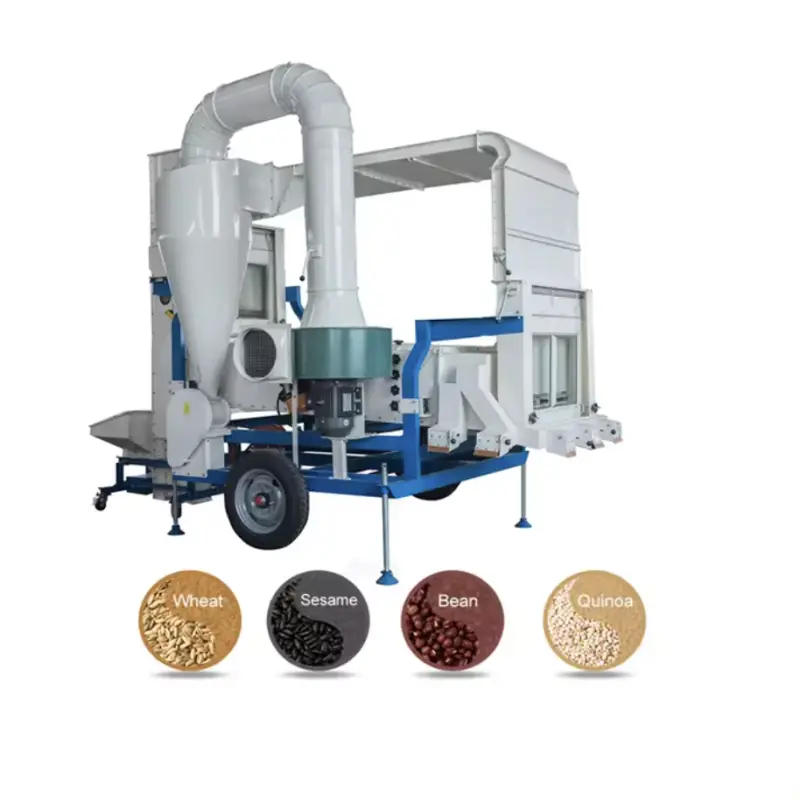
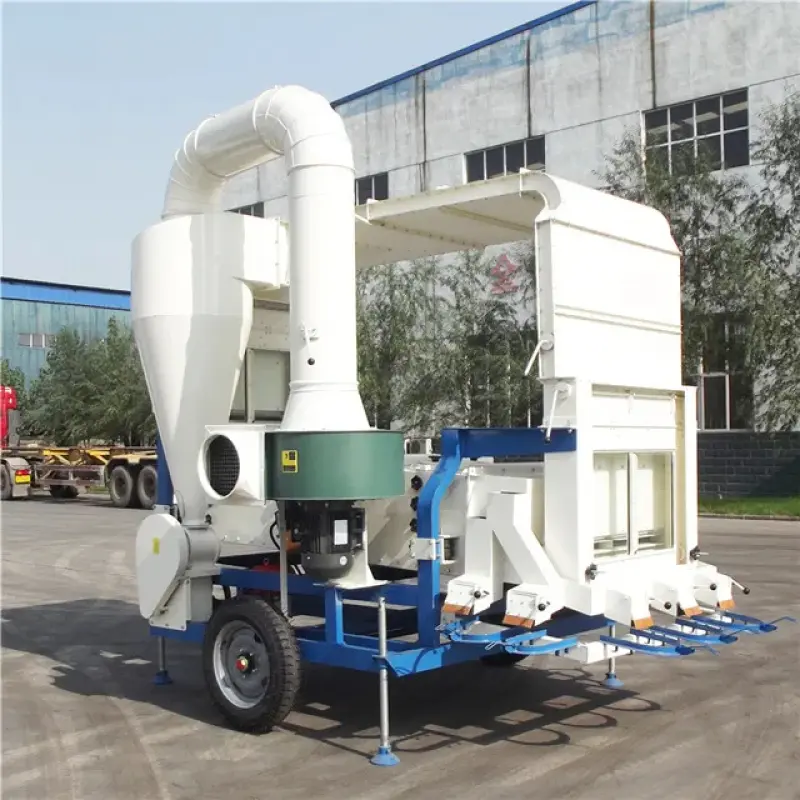
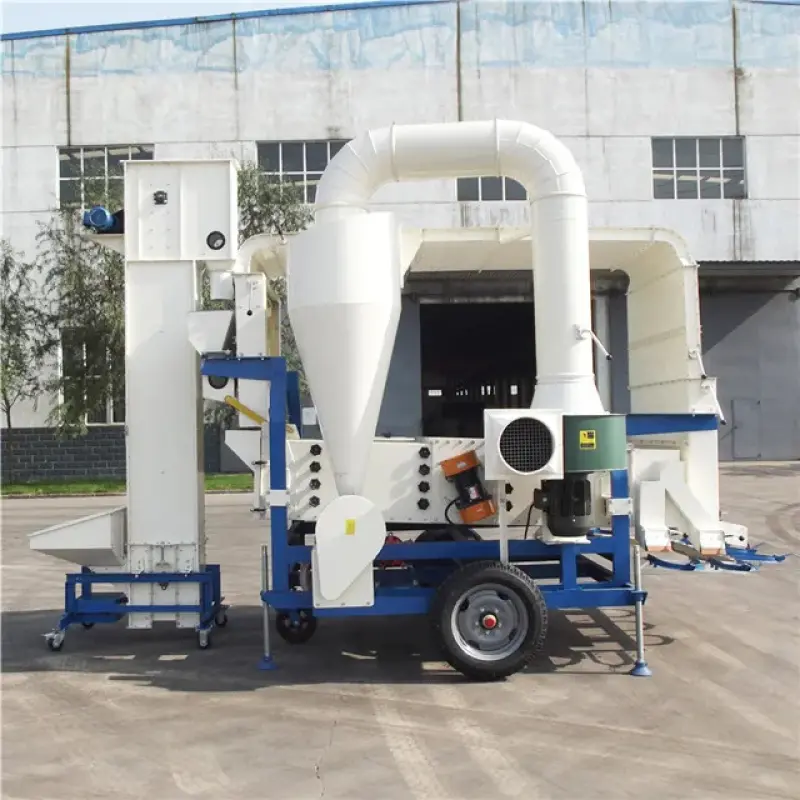
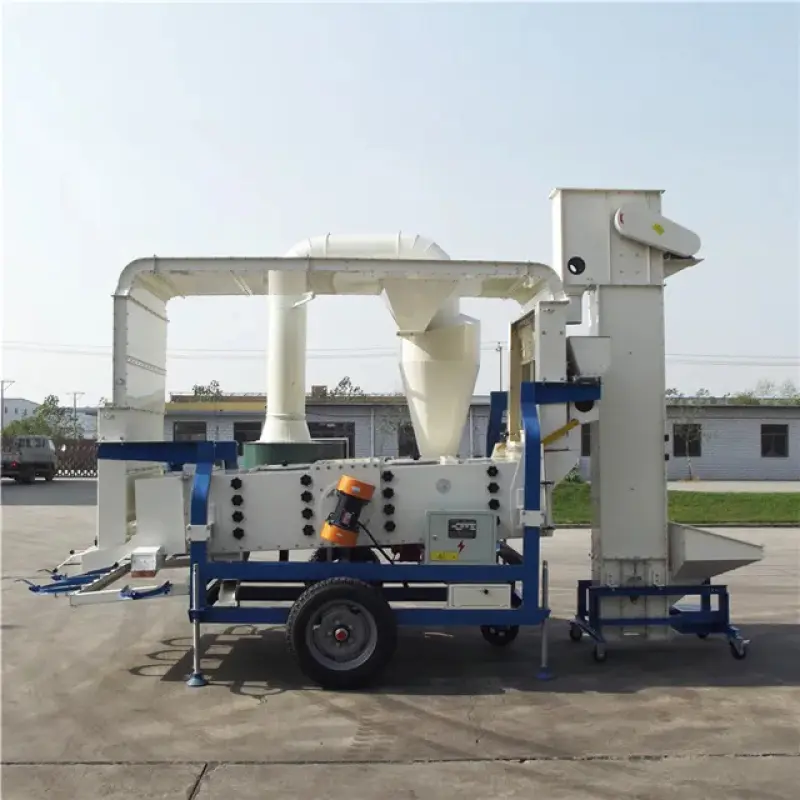
Grain Processing Equipment
This advanced grain processing equipment is designed for efficient cleaning of seeds and grains, ensuring high productivity and quality.
Specifications:
- Type: Grain Processing Equipment
- Use: Clean seed & grain
- Capacity: 7.5 t/h
- Power: 9.9 kW
- Weight: 2300 kg
- Dimensions (LWH): 3920 mm * 2430 mm * 3440 mm
- Material: Steel
- Color: White
- Packing Size: 4500 mm * 2000 mm * 2000 mm
Key Features:
- Double Air Cleaning System: Ensures thorough cleaning of seeds and grains for optimal quality.
- High Productivity: Engineered for efficiency, maximizing output.
- Durable Construction: Made from high-quality steel to withstand heavy use.
- Core Components: Equipped with reliable bearings for enhanced performance.
This equipment is suitable for various grain processing applications, making it an ideal choice for manufacturers looking to improve their grain handling processes.
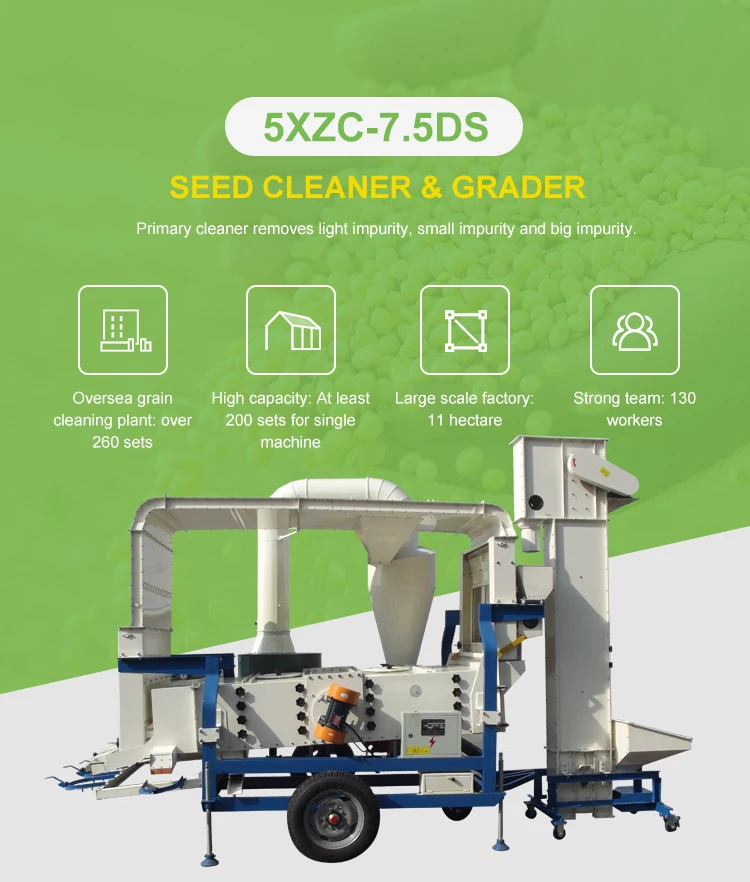
PRODUCT DISPLAY

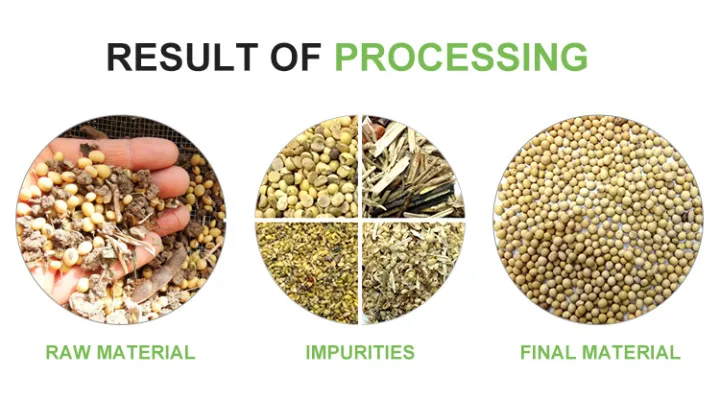
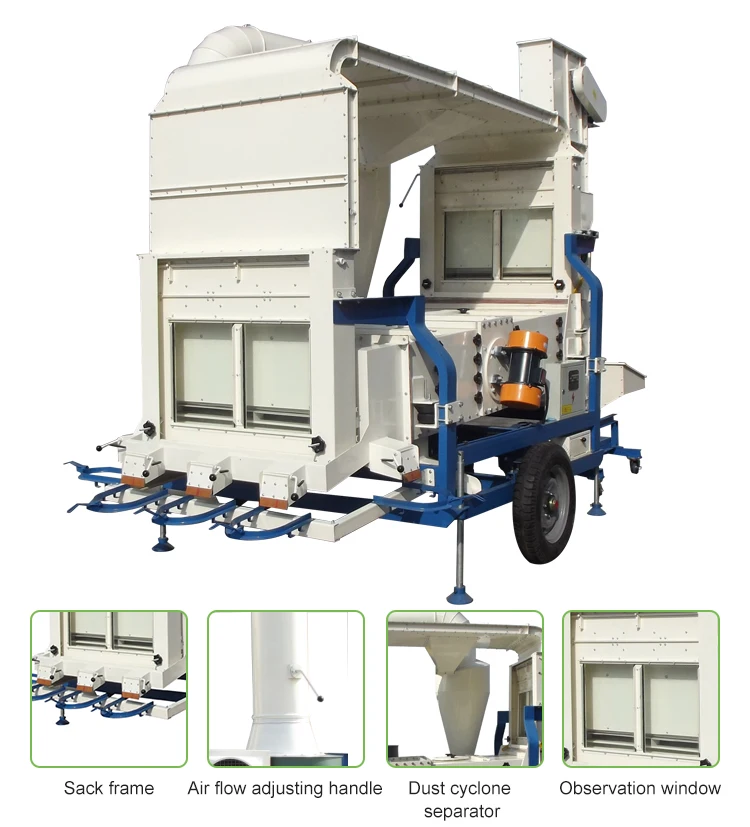
INTRODUCTION Seed cleaner & grader is used for cleaning and grading seeds, grains, cereals, and other granule products. It can be equipped to suit a variety of special jobs and purposes. Dust and light impurity are removed by aspirator fan. Material falls on sieve layers and was separated by sieves according to width and thickness difference. All the oversize and undersize impurities were discharged from different outlets.
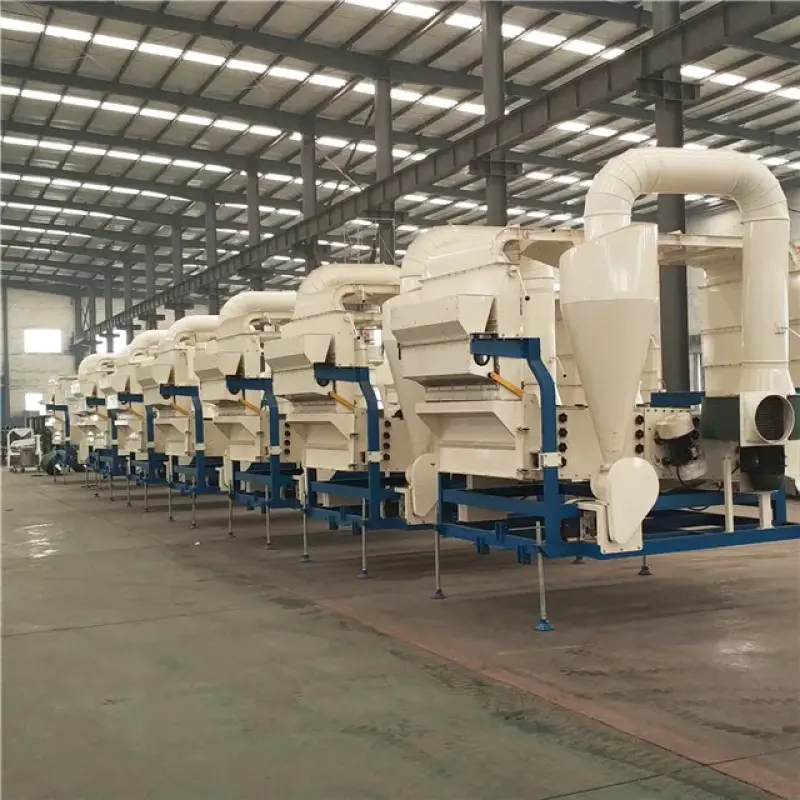
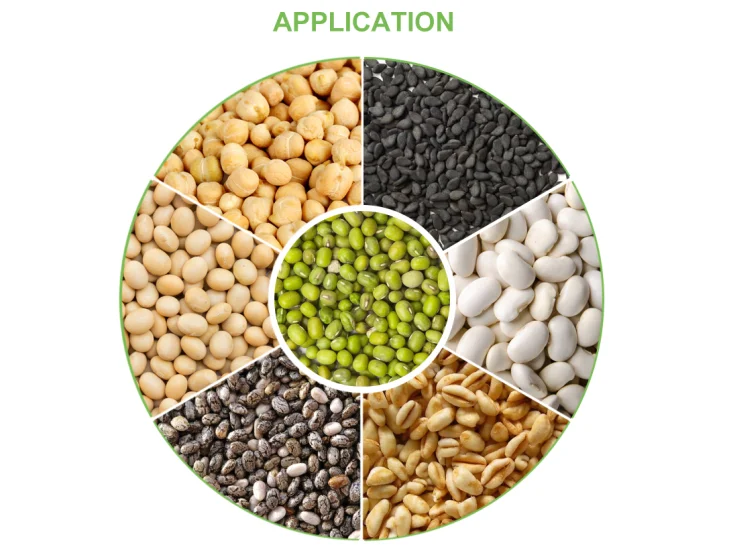
FEATURES Seed cleaner & grader becomes basic and most favourite cleaning machine in seed and grain industry of global market, with high efficiency, excellent performance, wide application. It’s suitable for processing all kind of seeds, cereals, grains species and crops, such as wheat, paddy, rice, barely, maize, millet, cumin, sunflower seed, soybean, coffee bean, cocoa bean, oil seeds, etc. Customized sieve layer amount and various machine combinations allow the seed cleaner & grader to be used for a wide range of applications and increase grading efficiency.
- Shipping Timeframes: All orders are processed within 2-5 business days (excluding weekends and holidays). After your order has been processed, the estimated delivery time is before 13 Aug, 2026, depending on customs, Please note that due to high demand, some items may experience longer shipping times, which will be communicated at order confirmation email.
- Order Processing Time: Please allow 2-5 business days for us to process your order before it is shipped . Orders placed after 16:00 on Fridays, or during weekends and public holidays, will begin processing on the next business day. Processing times may be extended during peak seasons or sales events.
- Manufacturing Time: Some products needs manufacturing time, the manufacturing process will take approximately 10-30 business days depending on the product. This timeframe may vary depending on the complexity of the product and current demand. but this will be communicated with you during order confirmation.
- Returns and Exchanges: We offer a 30-day return policy for most items. If you are not completely satisfied with your purchase, you may return it within 30 days of receipt for a refund or exchange. Items must be unused, in their original packaging, and accompanied by proof of purchase. Return shipping costs are the responsibility of the customer, unless the item was damaged or defective upon arrival.
1. What is the Grain Processing Equipment used for?
It is a seed cleaner and grader designed to clean and grade seeds, grains, cereals and other granular products by removing dust, light impurities, oversize and undersize material for improved quality and handling.
2. What capacity can I expect?
Rated capacity is 7.5 t/h under typical conditions; actual throughput depends on product type, moisture content, feed rate and selected sieve configuration.
3. What are the power requirements?
The machine requires 9.9 kW of power. Final electrical configuration (voltage, phase, starters) should be confirmed with the supplier to match your site supply.
4. What are the machine dimensions and weight?
Machine dimensions are 3920 mm (L) × 2430 mm (W) × 3440 mm (H) and the gross weight is approximately 2300 kg.
5. How is the equipment packed and shipped?
Packing size is 4500 mm × 2000 mm × 2000 mm. It is shipped in protective packing suitable for transport; confirm container or special transport requirements with the vendor.
6. What materials and construction quality does it have?
The unit is constructed from high-quality steel with a white finish and robust structural design for heavy industrial use; critical components use reliable bearings for long service life.
7. How does the cleaning system work?
It uses a double air cleaning system plus an aspirator fan to remove dust and light impurities. Material then passes over multiple sieve layers to separate by width and thickness, with different outlets for oversize and undersize fractions.
8. What types of seeds and grains can it process?
Suitable for a wide range including wheat, paddy/rice, barley, maize, millet, cumin, sunflower seed, soybean, coffee, cocoa, oil seeds and many other granular crops. Sieve configuration can be customized for specific crops.
9. Can the machine be customized or combined with other equipment?
Yes — sieve layer count and types, machine combinations and special attachments can be customized to meet particular cleaning or grading jobs and to integrate into larger processing lines.
10. What site preparation and installation are required?
Requires a level, stable floor, appropriate electrical supply, inlet/outlet conveyor or hoppers as needed, and mechanical anchoring. Professional installation and commissioning are recommended.
11. What routine maintenance is needed?
Regular tasks include cleaning sieves and air channels, checking and lubricating bearings, inspecting fan and belts, tightening fasteners, and periodic electrical inspections to ensure consistent performance.
12. Which spare or wear parts should I keep on hand?
Common wear parts include sieve screens, fan belts, bearings, seals and aspirator components. Keeping a small inventory of these items reduces downtime; spare availability should be confirmed with the supplier.
13. How is dust and noise managed?
The aspirator and double air cleaning reduce airborne dust, but a dust-extraction system or enclosure may be required for strict emission limits. Noise levels vary with installation; use of acoustic enclosures and PPE is recommended where necessary.
14. What safety features are included and are there certifications?
Standard safety features typically include guards on moving parts and emergency stops; specific certifications (CE, ISO, etc.) depend on the manufacturer and should be requested from the supplier before purchase.
15. What after-sales support and warranty are provided?
Warranty terms and after-sales services (installation, training, spare parts supply, service contracts) vary by supplier. Ask the vendor for warranty duration, service response times and available maintenance packages before ordering.
Latest Order Arrivals
Discover our latest orders
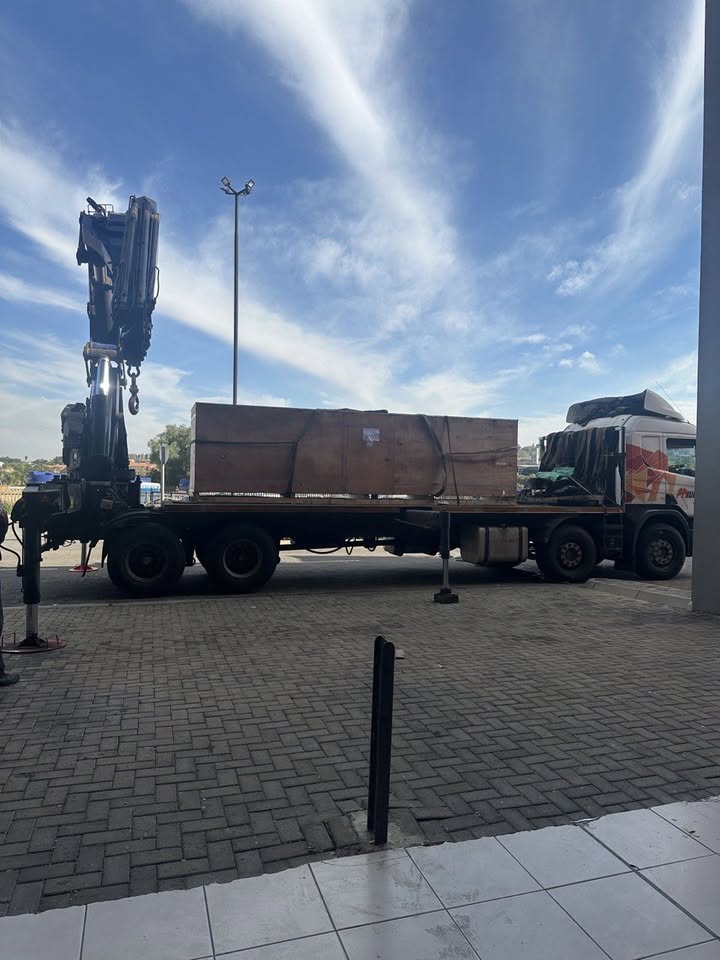
12 Heads Embroidery Machine
Toilet Paper Machine Machine
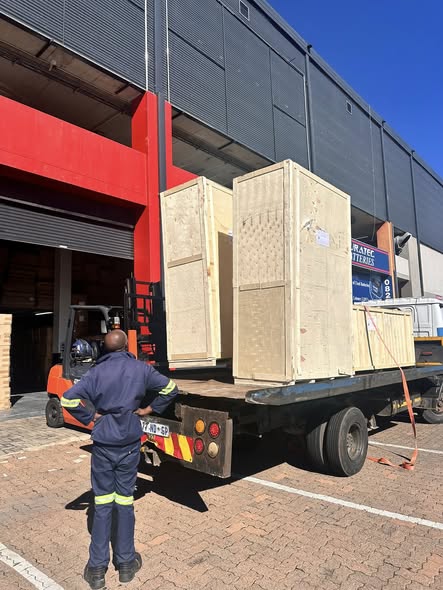
Order Collection
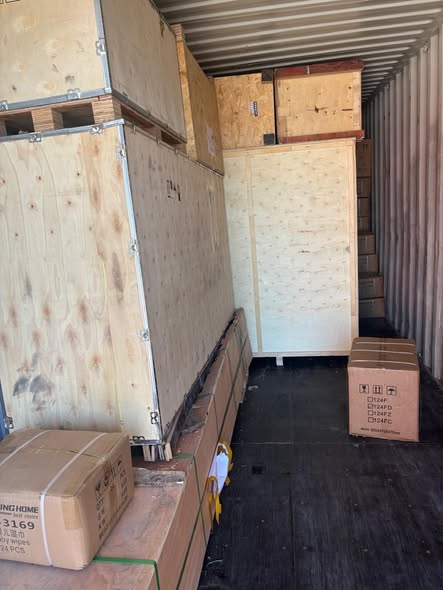
Cross Border Clients
Order cros border countries Collected
Industrial Machine Cllection
Agriculture Processing Machines
Ready for collection
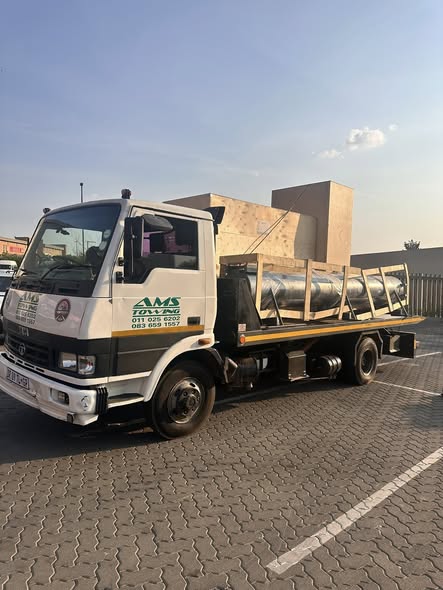
Water Pump Equipment
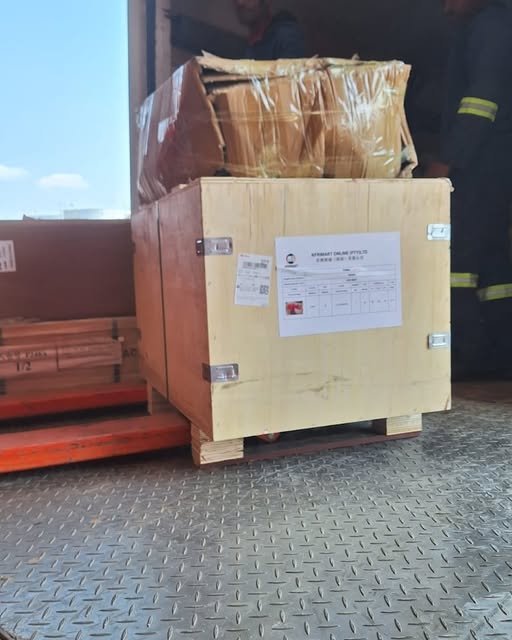
Packaging Machine and accessories
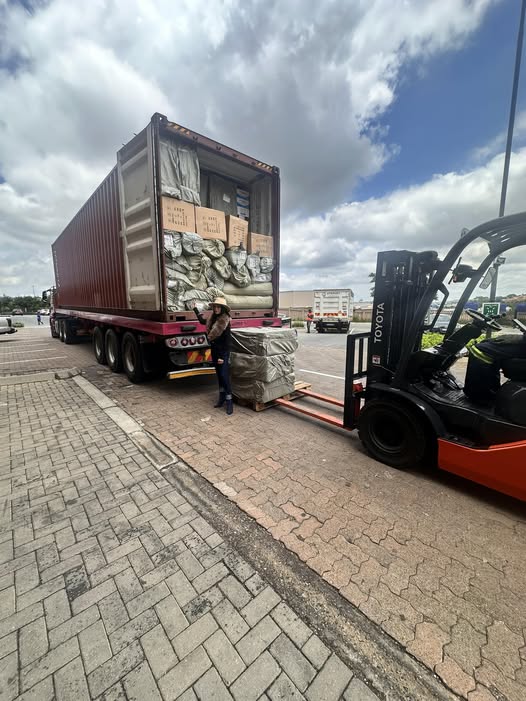
Fabrics Manufacturing Equipment
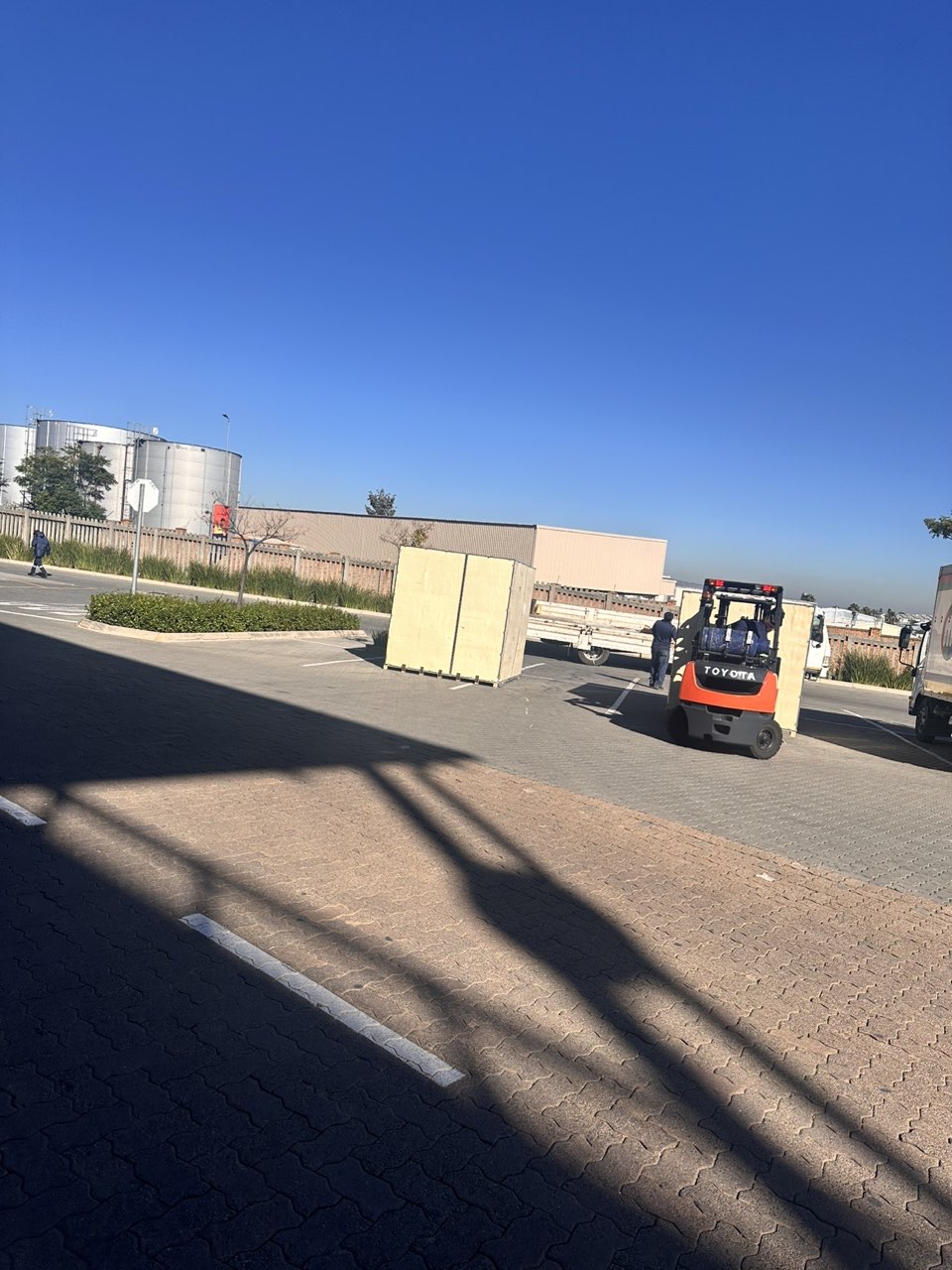
Mining Equipments
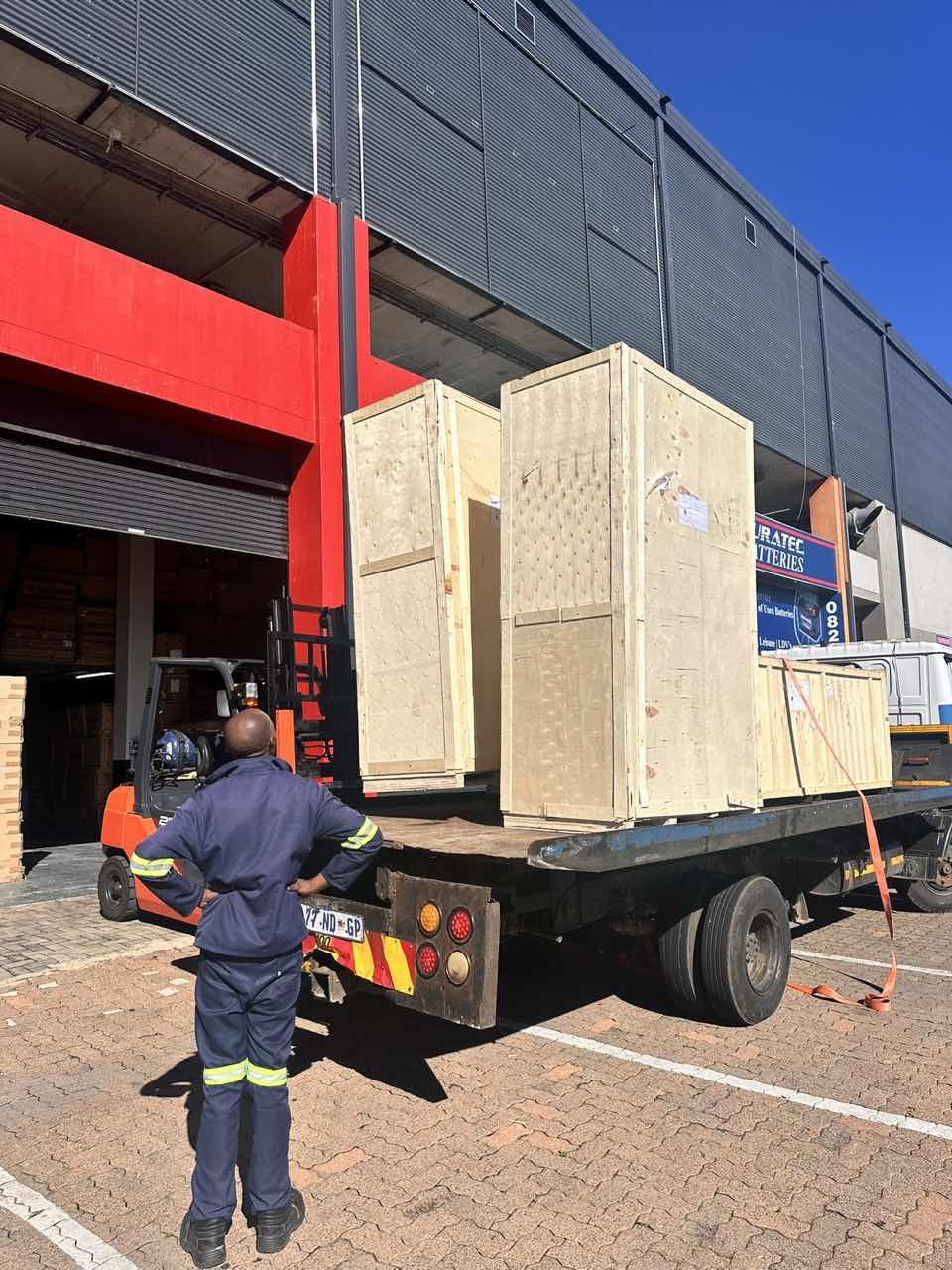
Food Processing Machine
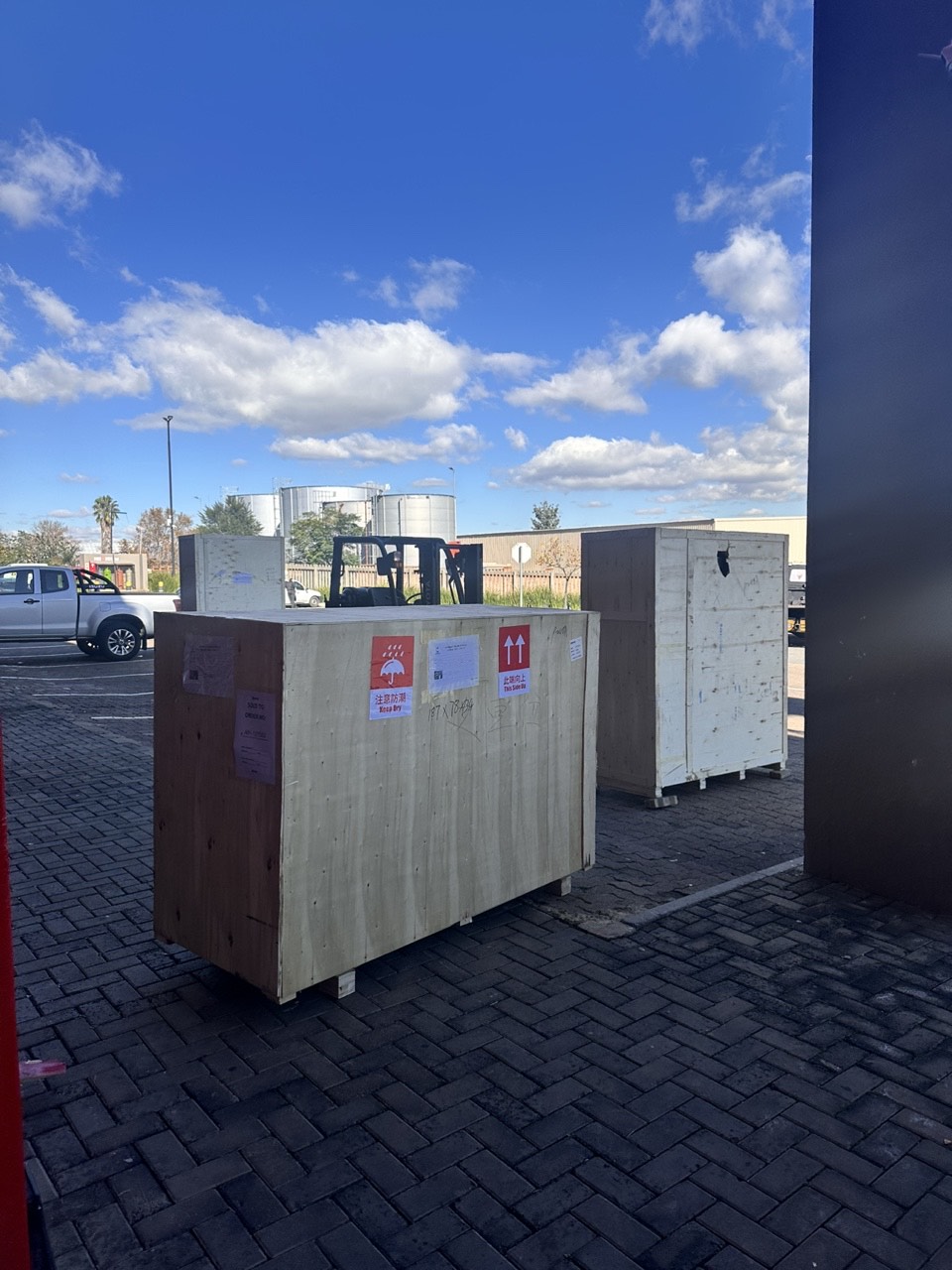
Batch of Orders
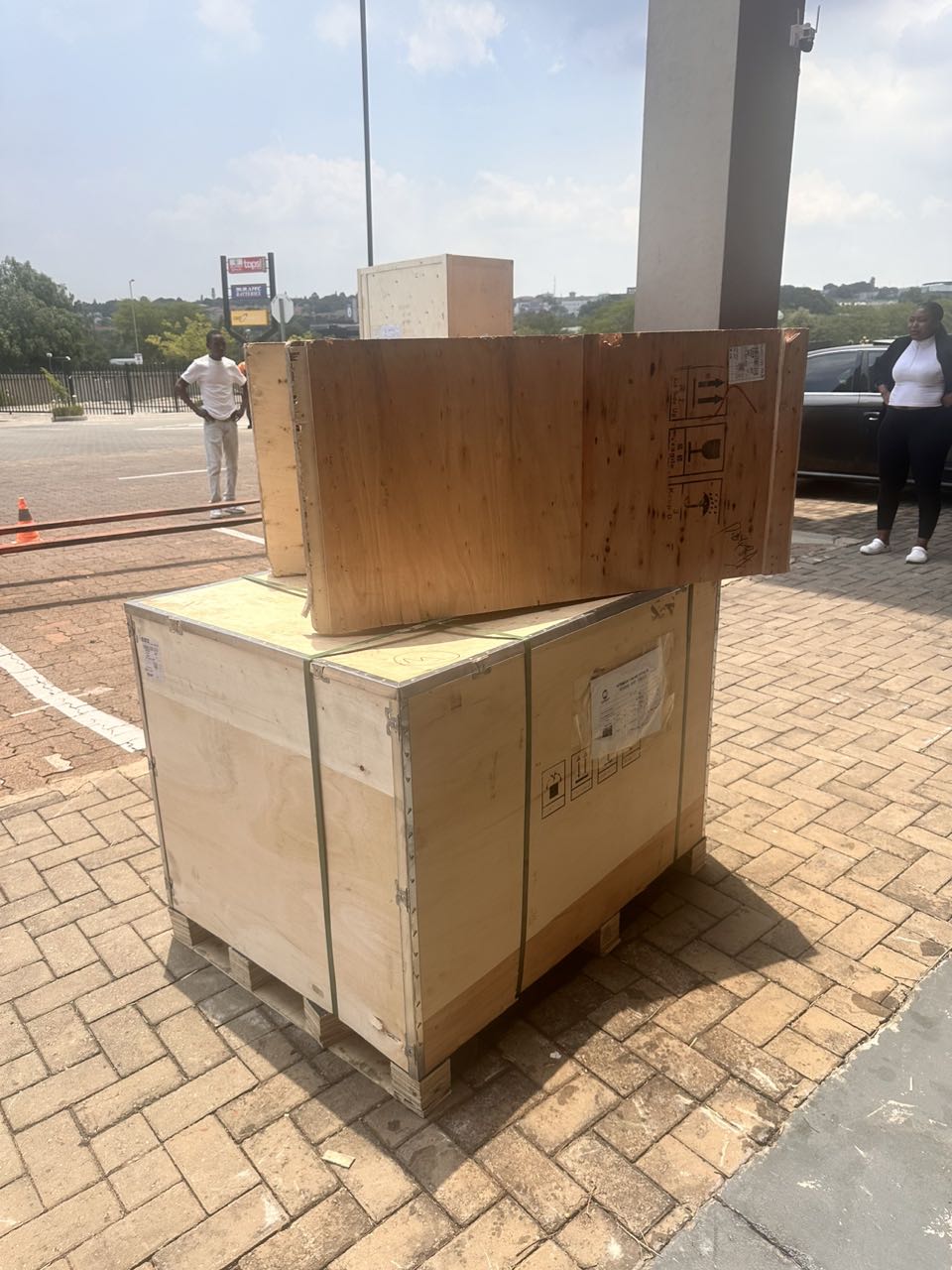
Batch of Orders
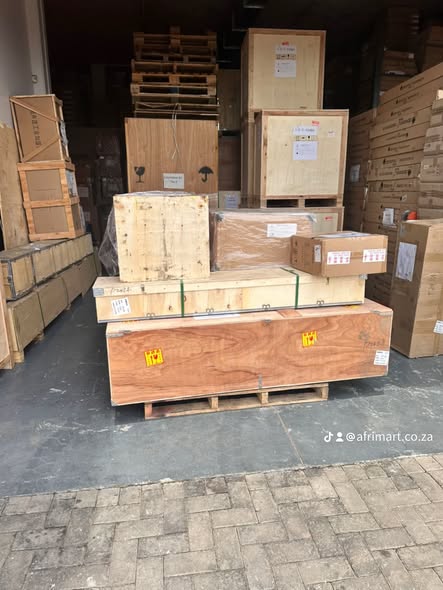
Latest Orders Labelled
wheel alignment machines
new arrivals
Pre Orders Offloading
Latest Arrivals
Latest Arrivals
Latest Arrivals
Loading
Toilet paper making machine
Toilet paper making machine
Toilet paper Rewinding Machine
latest arrivals
offloading
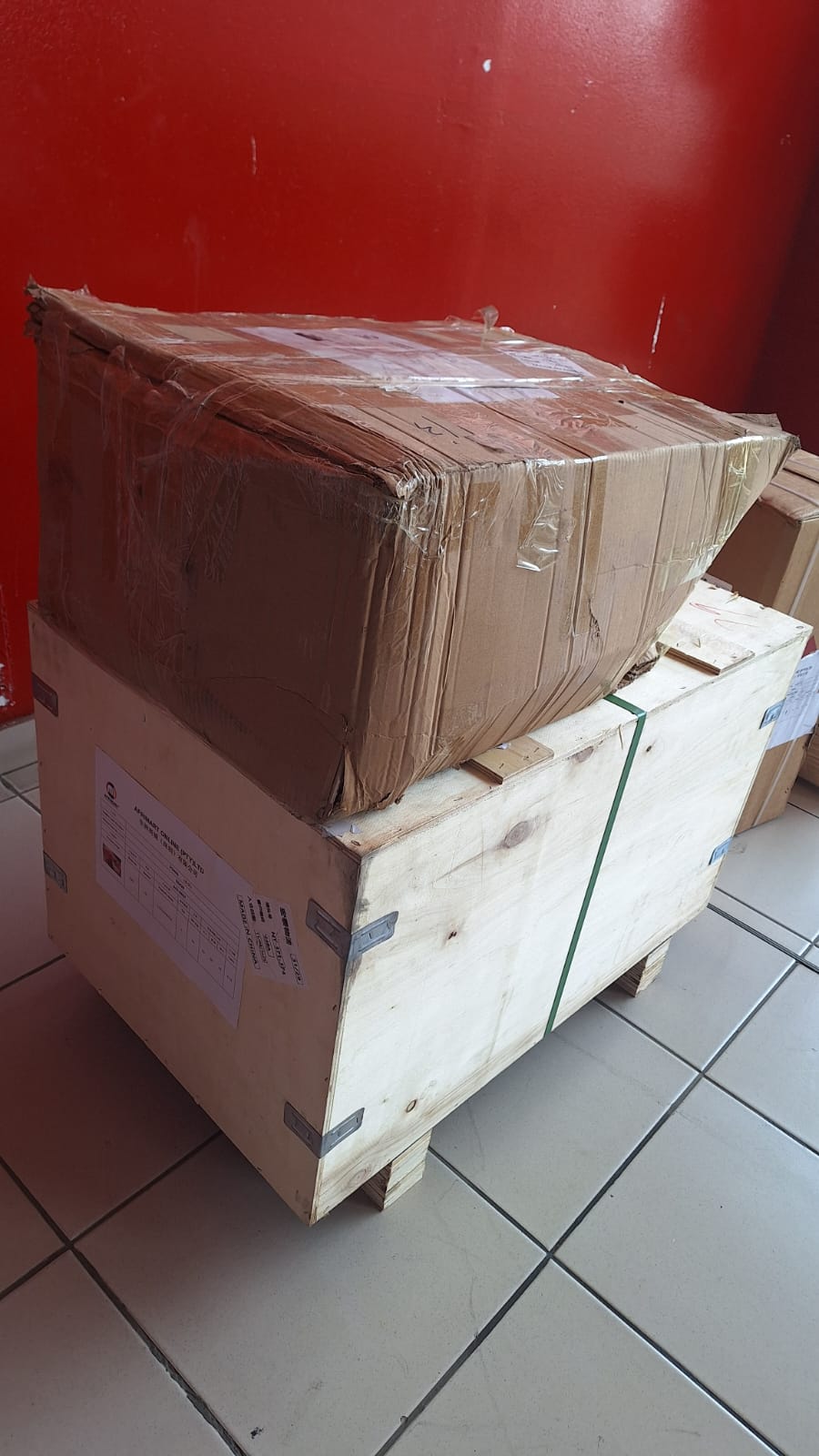
order success
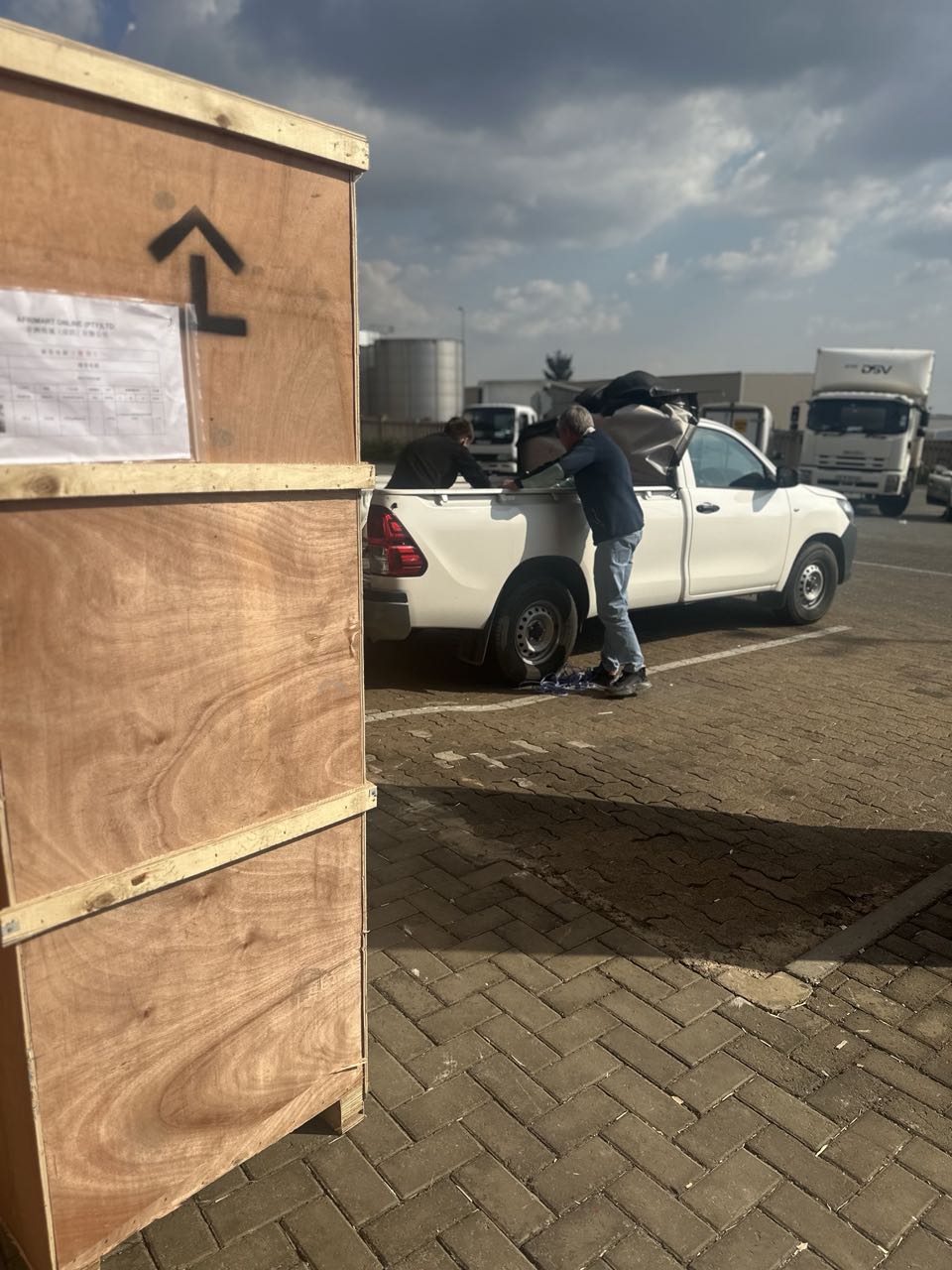
order collection
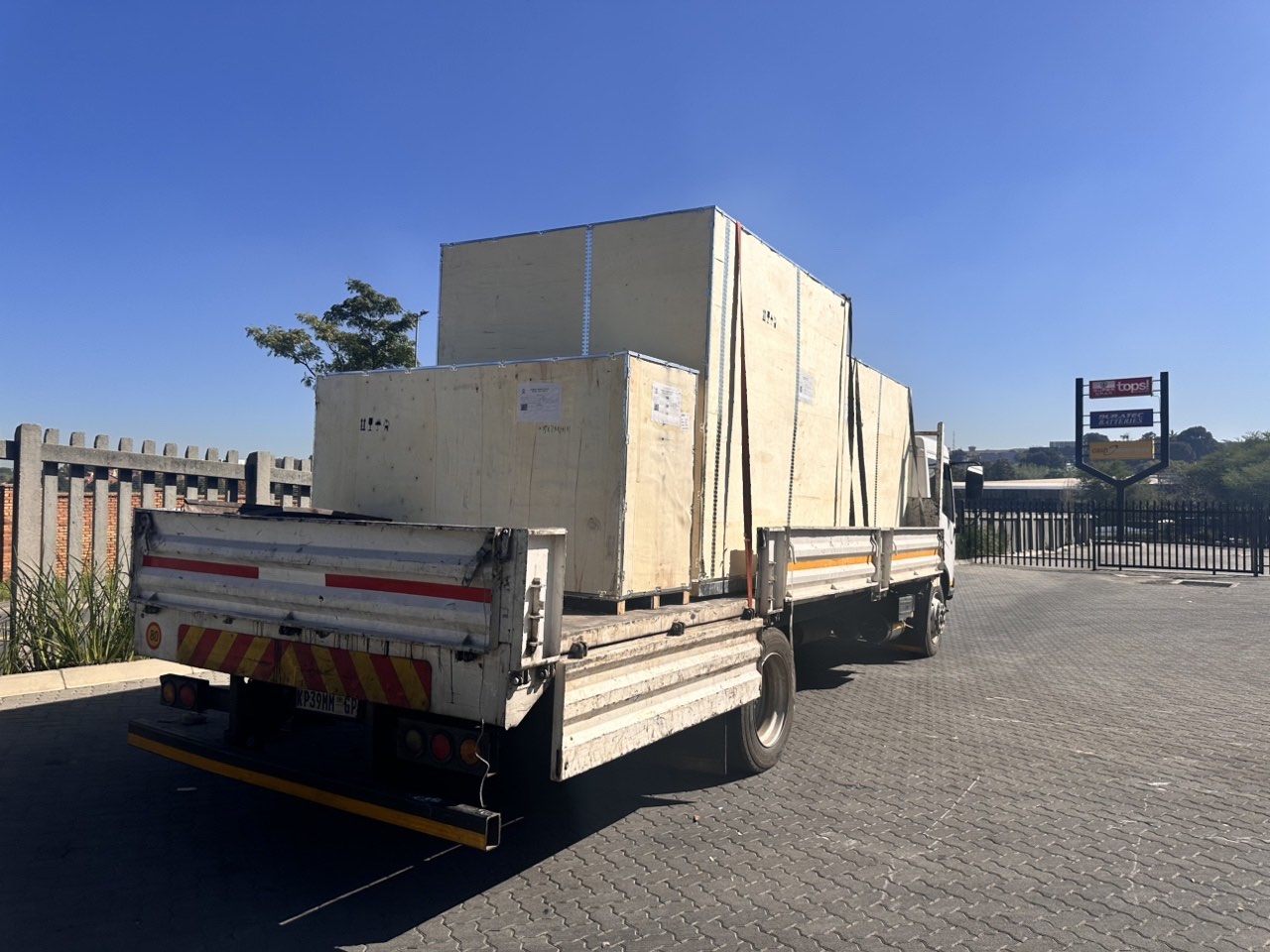
order offloading