B21, China Town Mall, Midrand

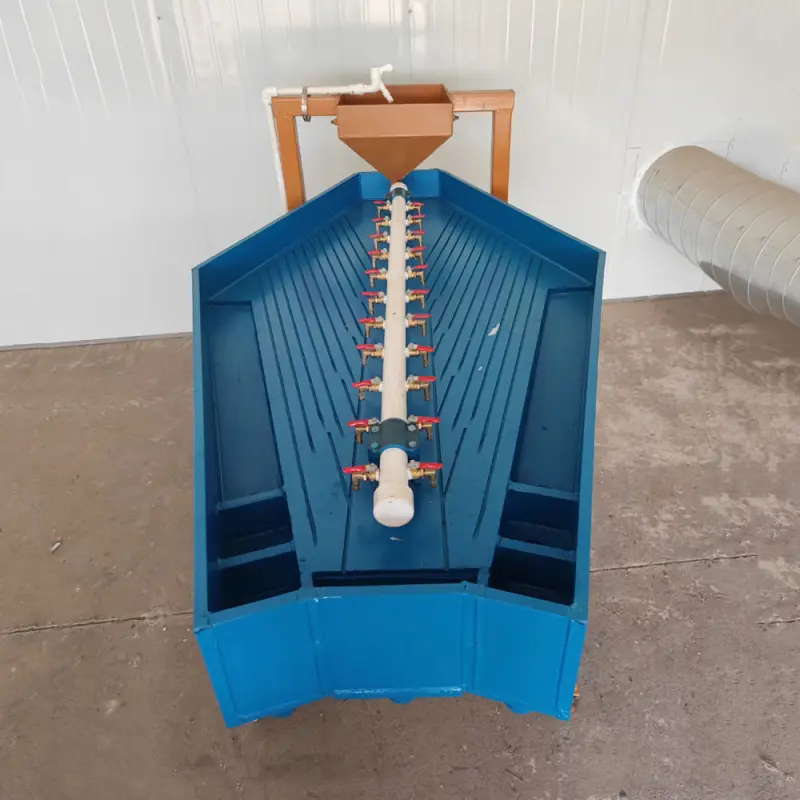
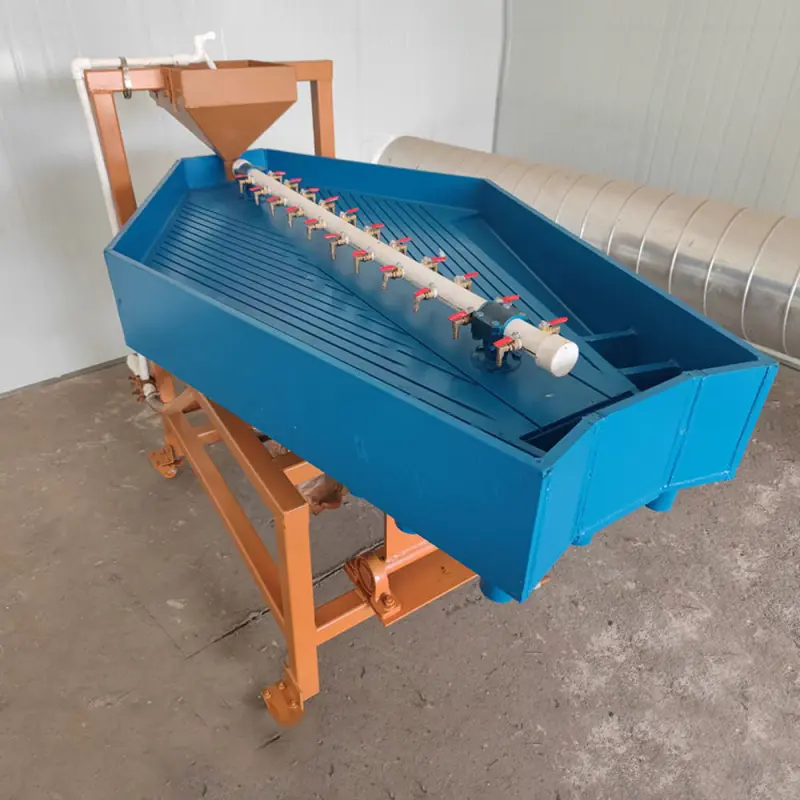
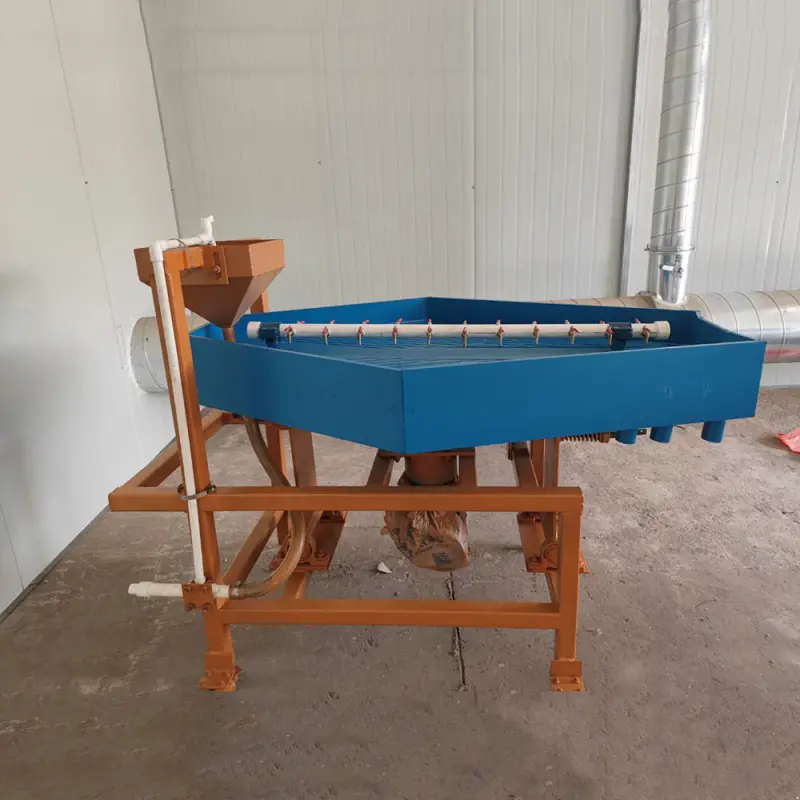
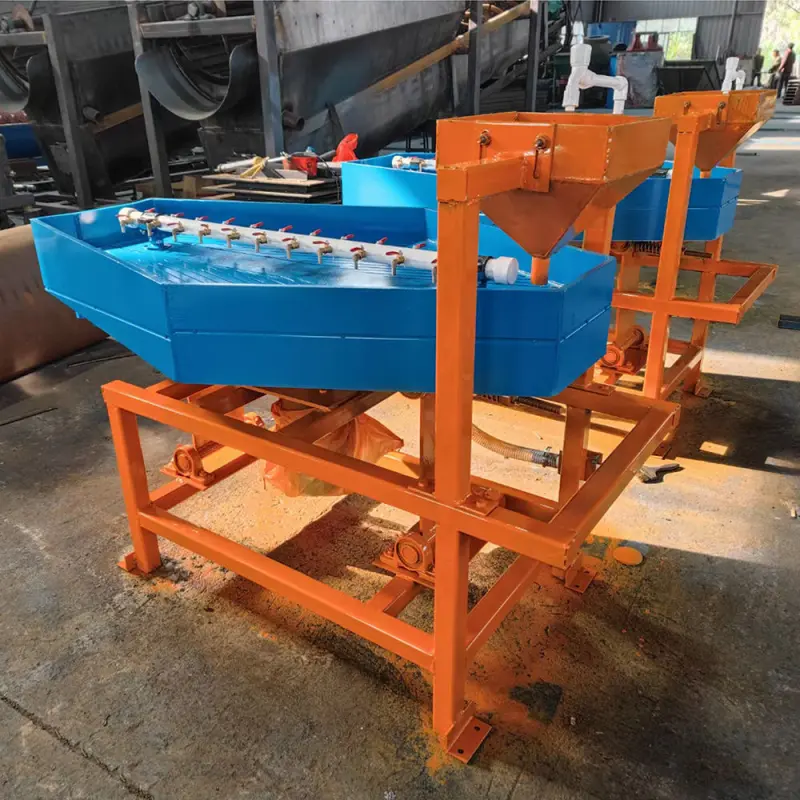
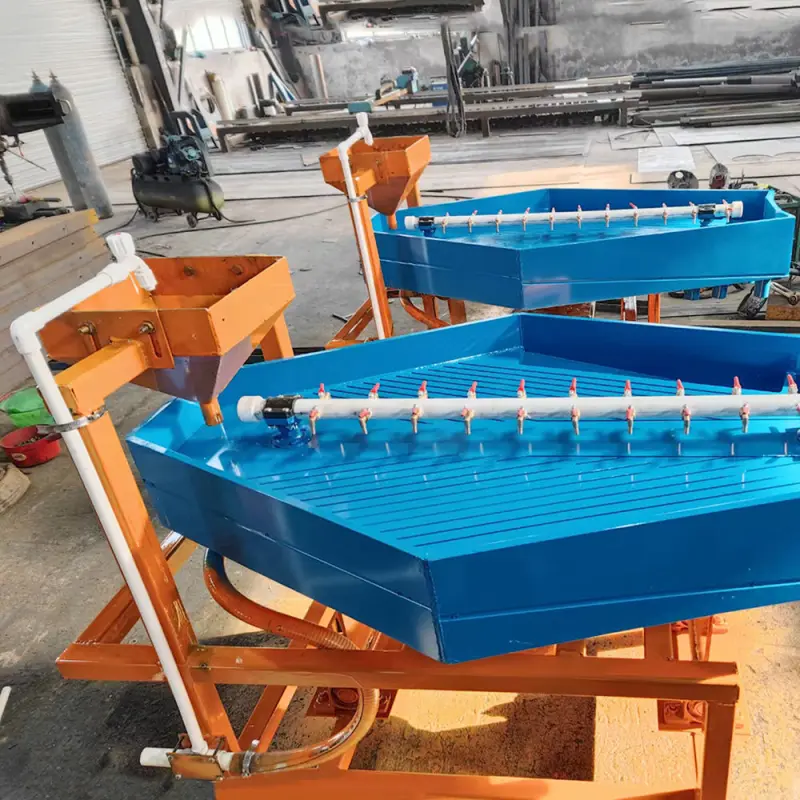
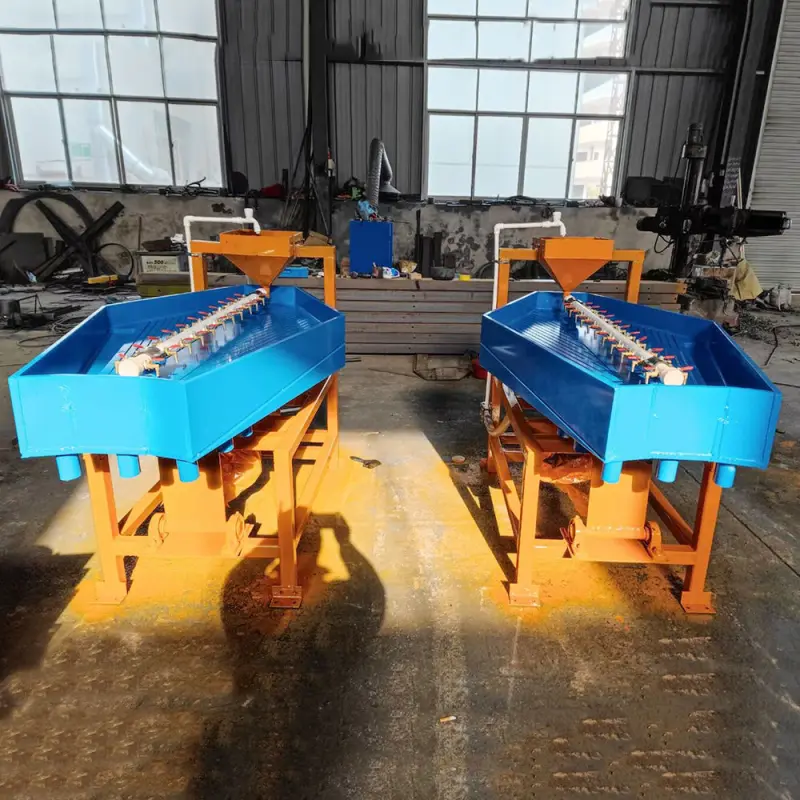
Gold Mining Equipment Gravity Separator Machine Gravimetric Table Gemini Shaker Table
Asset finance available
Do you want funding for this equipment?
Afrimart can connect you with trusted funding partners who specialise in asset finance for businesses like yours. Compare options and apply in minutes — final approval is subject to provider review.
Check funding options
Secure & no obligation

- Section : Machinery
- Category : Separation Equipment
- SKU : 1600442940875

Product Description
● Gemini Table, also known as a precious metal table, works according to the specific gravity prince. Ideal for grain sizes between 30 micron and 2mm.● It is specially designed for precious metals such as Gold, Palladium, tantalum and copper.● It can maximize the concentration rate in the ore with its low energy consumption.● Thanks to the frequently installed mini valves, fine adjustment can be made in the water collector as you wish.● We have two types of production, Gemini Table laboratory type and Industrial type.
Specification:
1.Process Capacity: 450-500Kg/hour
2. Feeding size: ≤2mm
3. Feeding density: 10%-30%
4. Overall dimension: 1490*894*1160mm (length*width*height)
5. Motor power: 0.75Kw
6.Table deck material: High polymer plastic


- Shipping Timeframes: All orders are processed within 2-5 business days (excluding weekends and holidays). After your order has been processed, the estimated delivery time is before 03 Aug, 2026, depending on customs, Please note that due to high demand, some items may experience longer shipping times, which will be communicated at order confirmation email.
- Order Processing Time: Please allow 2-5 business days for us to process your order before it is shipped . Orders placed after 16:00 on Fridays, or during weekends and public holidays, will begin processing on the next business day. Processing times may be extended during peak seasons or sales events.
- Manufacturing Time: Some products needs manufacturing time, the manufacturing process will take approximately 10-30 business days depending on the product. This timeframe may vary depending on the complexity of the product and current demand. but this will be communicated with you during order confirmation.
- Returns and Exchanges: We offer a 30-day return policy for most items. If you are not completely satisfied with your purchase, you may return it within 30 days of receipt for a refund or exchange. Items must be unused, in their original packaging, and accompanied by proof of purchase. Return shipping costs are the responsibility of the customer, unless the item was damaged or defective upon arrival.
1. What is the Gemini Shaker Table and how does it work?
The Gemini Shaker Table (gravity separator/gravimetric table) is a gravity concentration device that separates minerals based on specific gravity differences. Fine material is fed onto a vibrating, inclined table deck while water and table motion stratify and wash particles so heavier precious metal particles (e.g., gold, palladium, tantalum, copper) concentrate and separate from lighter gangue.
2. What feed size range does this table handle?
The table is ideal for grain sizes between 30 microns and 2 mm. The specified maximum feeding size is ≤2 mm, so any oversize material should be crushed or screened prior to feeding.
3. What is the processing capacity of the industrial Gemini Table?
The listed process capacity is 450–500 kg per hour. Actual throughput depends on feed size distribution, feed density, operator settings and ore characteristics.
4. What feed density (slurry concentration) should I use?
Recommended feeding density is 10%–30% solids by weight in the feed slurry. Optimal density within that range depends on particle size and mineralogy and may require testing and adjustment.
5. What are the physical dimensions and motor power requirements?
Overall dimensions are 1490 × 894 × 1160 mm (length × width × height). Motor power is 0.75 kW. Confirm the required voltage and frequency with the supplier to match your local electrical supply.
6. What materials is the table deck made of?
The table deck is made of high polymer plastic, chosen for wear resistance and to provide the correct surface characteristics for efficient separation.
7. Which metals is the Gemini Table suitable for separating?
It is specially designed for precious and heavy metals such as gold, palladium, tantalum and copper. It can also be used for other minerals with a sufficient density contrast to the gangue.
8. What is the difference between the laboratory type and industrial type?
The laboratory type is sized for smaller test runs, pilot work and assay-scale separation, while the industrial type is built for continuous higher throughput (specification above reflects an industrial capacity). Mechanical robustness, frame size and throughput are the main differences.
9. How do the mini valves and water collector work?
Frequently installed mini valves allow fine adjustment of water flow to different zones of the water collector. Operators use these adjustments to control wash water distribution and the flow pattern across the deck, optimizing stratification and separation for different feeds.
10. What is the expected recovery rate and concentrate grade?
Recovery and concentrate grade depend heavily on ore type, particle size distribution, liberation, feed density and operator settings. While the Gemini Table can achieve high concentration rates for well-liberated material, specific recovery figures should be determined by testing on your ore (lab tests or pilot runs).
11. What utilities and site requirements are needed for installation?
You will need a stable, level mounting surface, a reliable electrical supply sized for a 0.75 kW motor (confirm voltage/frequency), and a clean water supply with controllable flow. Space for feed preparation (crushing/screening) and tailings handling is also required.
12. What routine maintenance is required?
Routine maintenance includes keeping the deck clean from buildup, inspecting and servicing the motor and vibration components, checking and adjusting mini valves and water lines, replacing worn deck liners or seals, and ensuring structural fasteners are tight. Follow supplier maintenance intervals for bearings and drive components.
13. Are spare parts and consumables available?
Common consumables include table deck liners (high polymer), valve components, seals and possibly vibration drive parts. Contact the supplier for a recommended spare parts list and availability.
14. Is the Gemini Table portable and suitable for field use?
The unit is relatively compact but not necessarily intended as a handheld field device. It can be relocated with appropriate lifting equipment. For remote or mobile operations, confirm mounting, power source and water supply arrangements; the laboratory type may be easier to move.
15. What safety precautions should operators follow?
Operators should use appropriate PPE (eye protection, gloves, hearing protection as needed), lock out power before maintenance, avoid loose clothing near vibrating parts, ensure safe water and electrical connections, and train staff on proper feed preparation and emergency shutdown procedures.
Latest Order Arrivals
Discover our latest orders
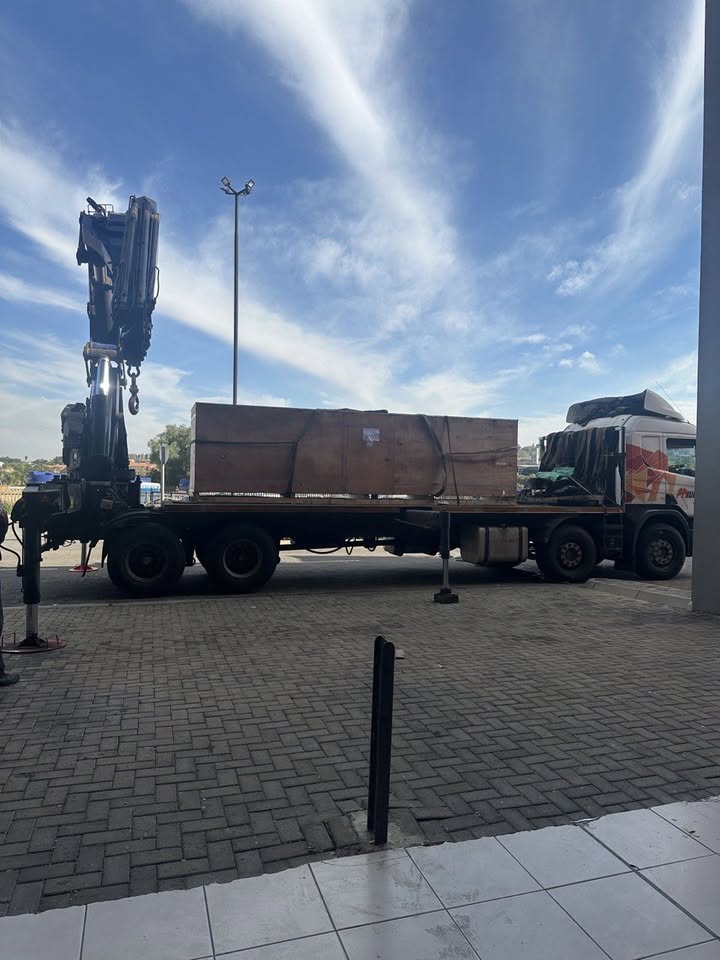
12 Heads Embroidery Machine
Toilet Paper Machine Machine
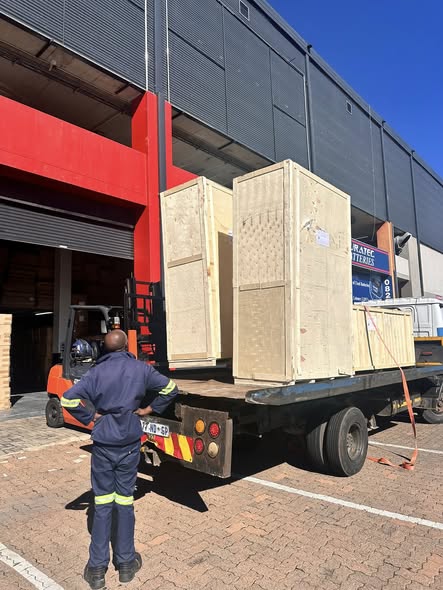
Order Collection
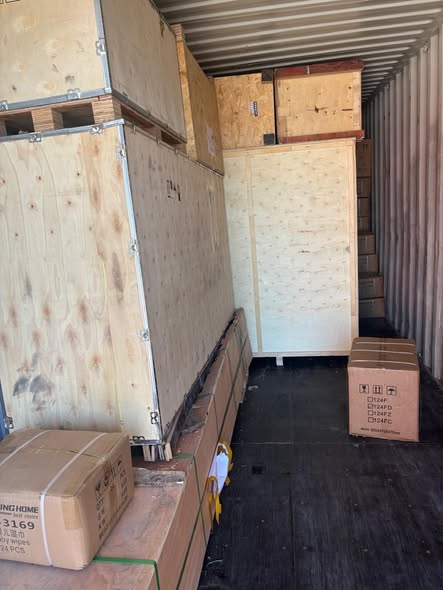
Cross Border Clients
Order cros border countries Collected
Industrial Machine Cllection
Agriculture Processing Machines
Ready for collection
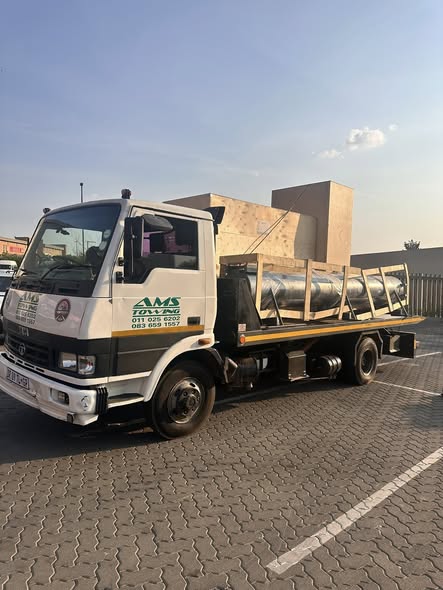
Water Pump Equipment
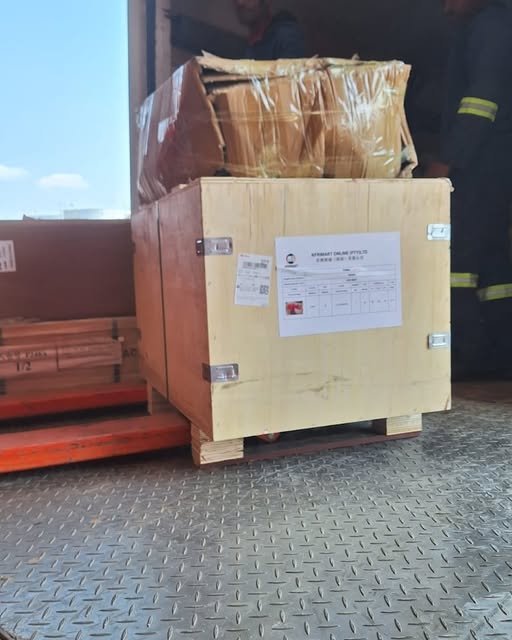
Packaging Machine and accessories
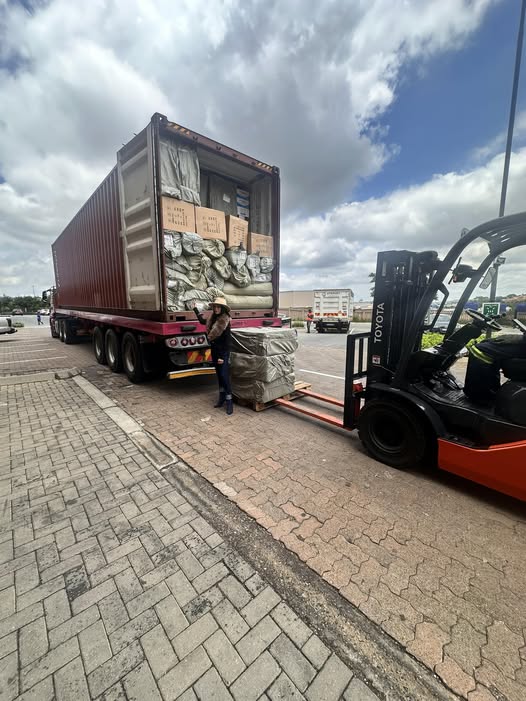
Fabrics Manufacturing Equipment
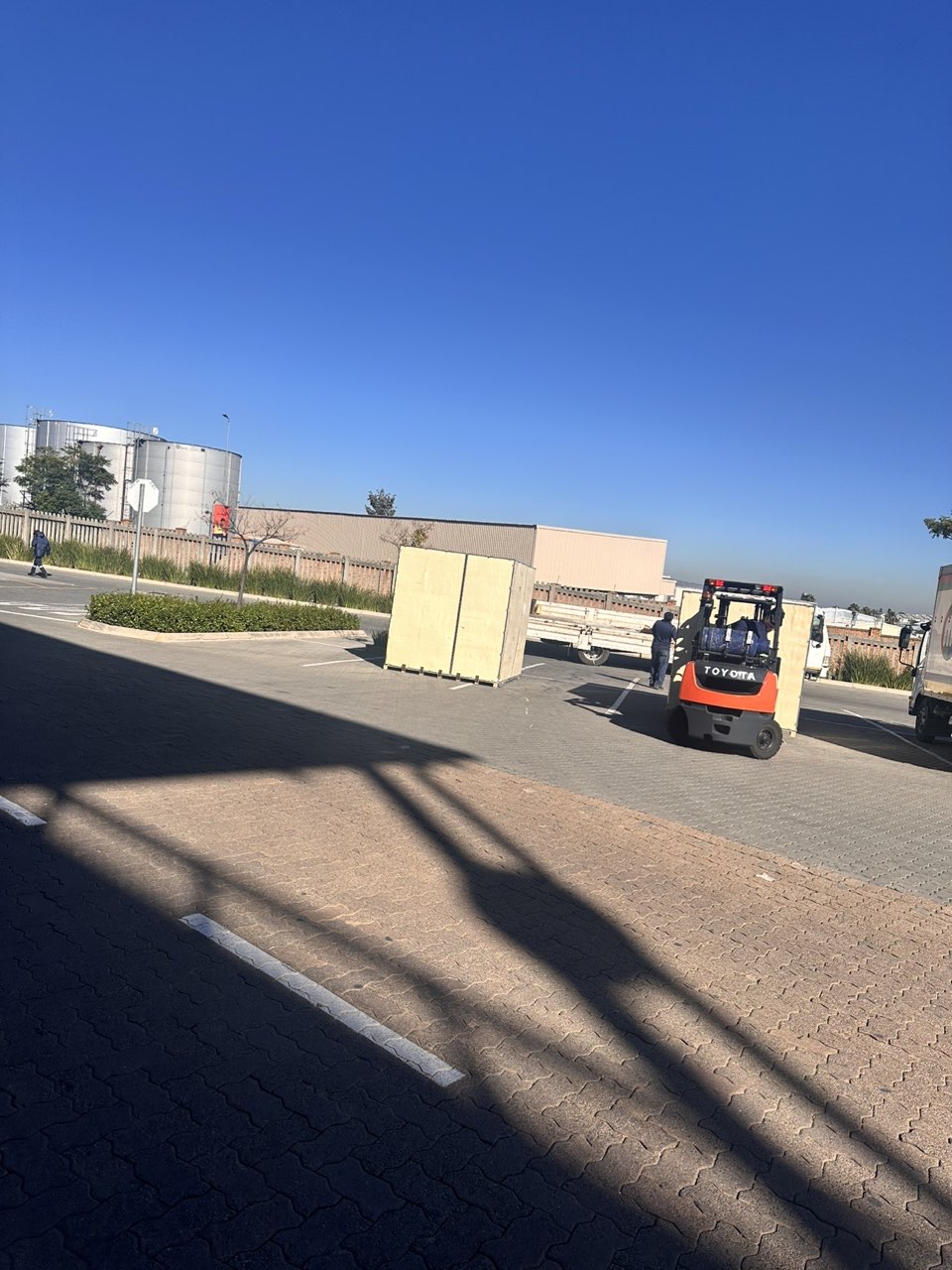
Mining Equipments
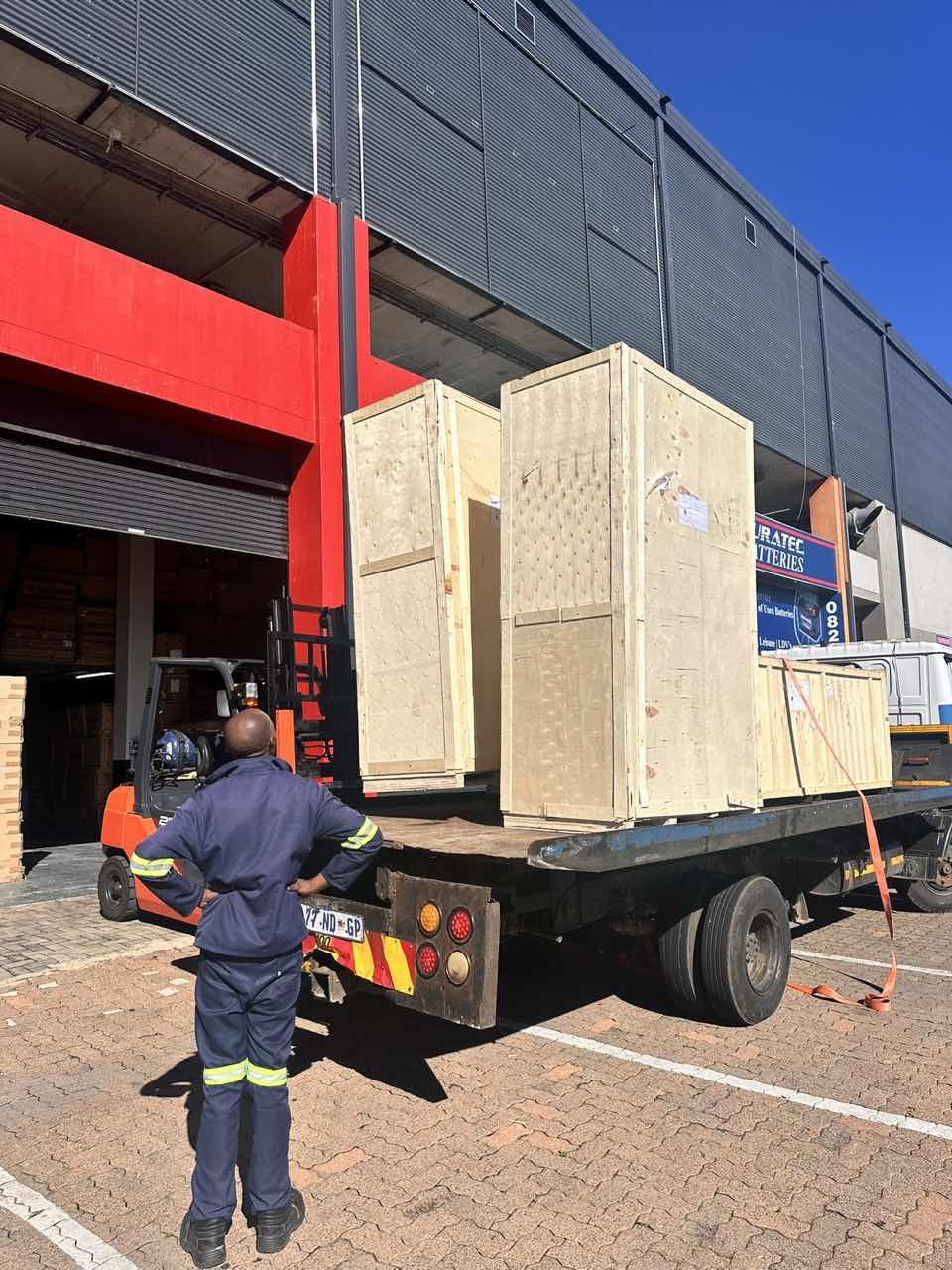
Food Processing Machine
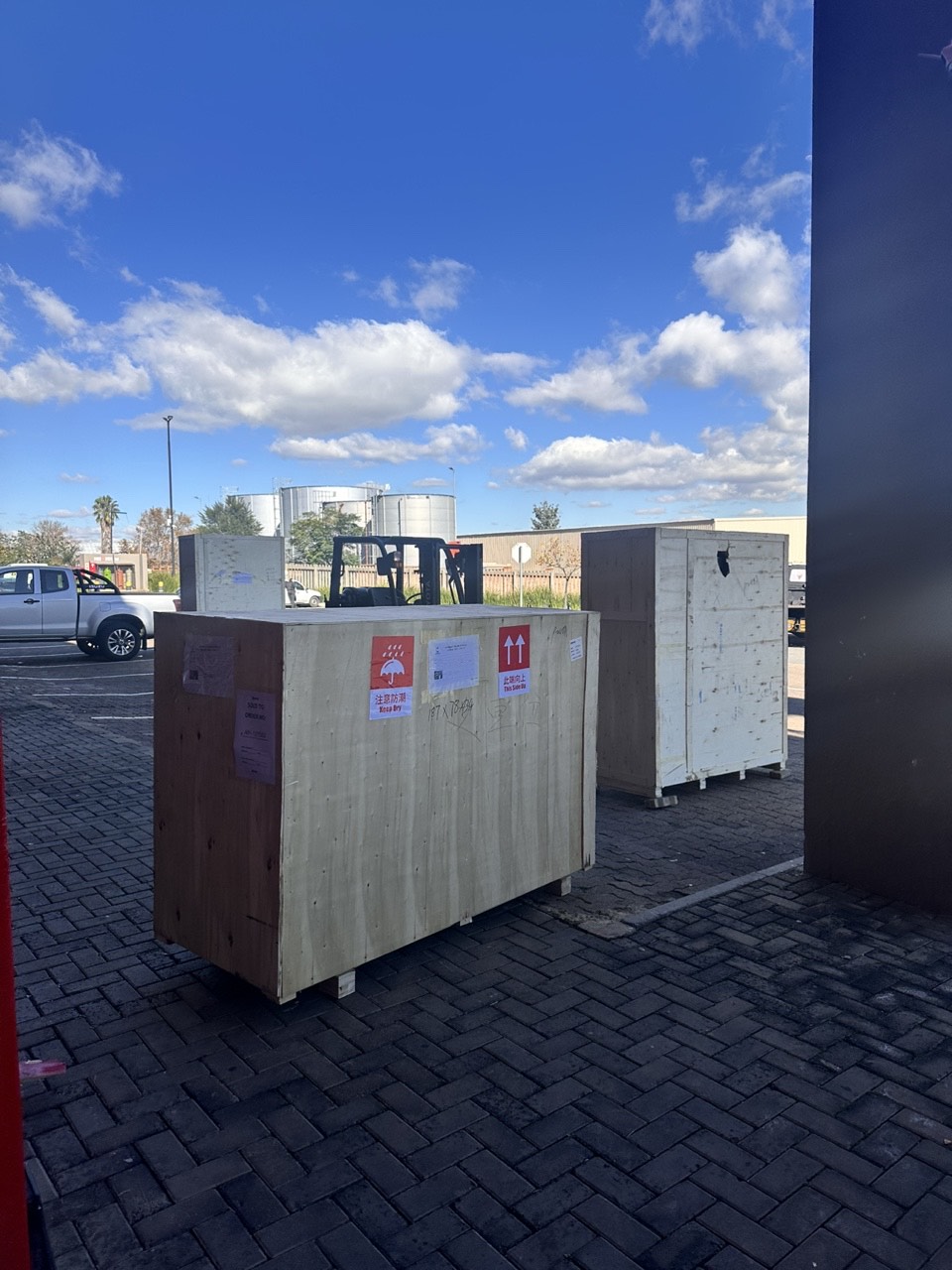
Batch of Orders
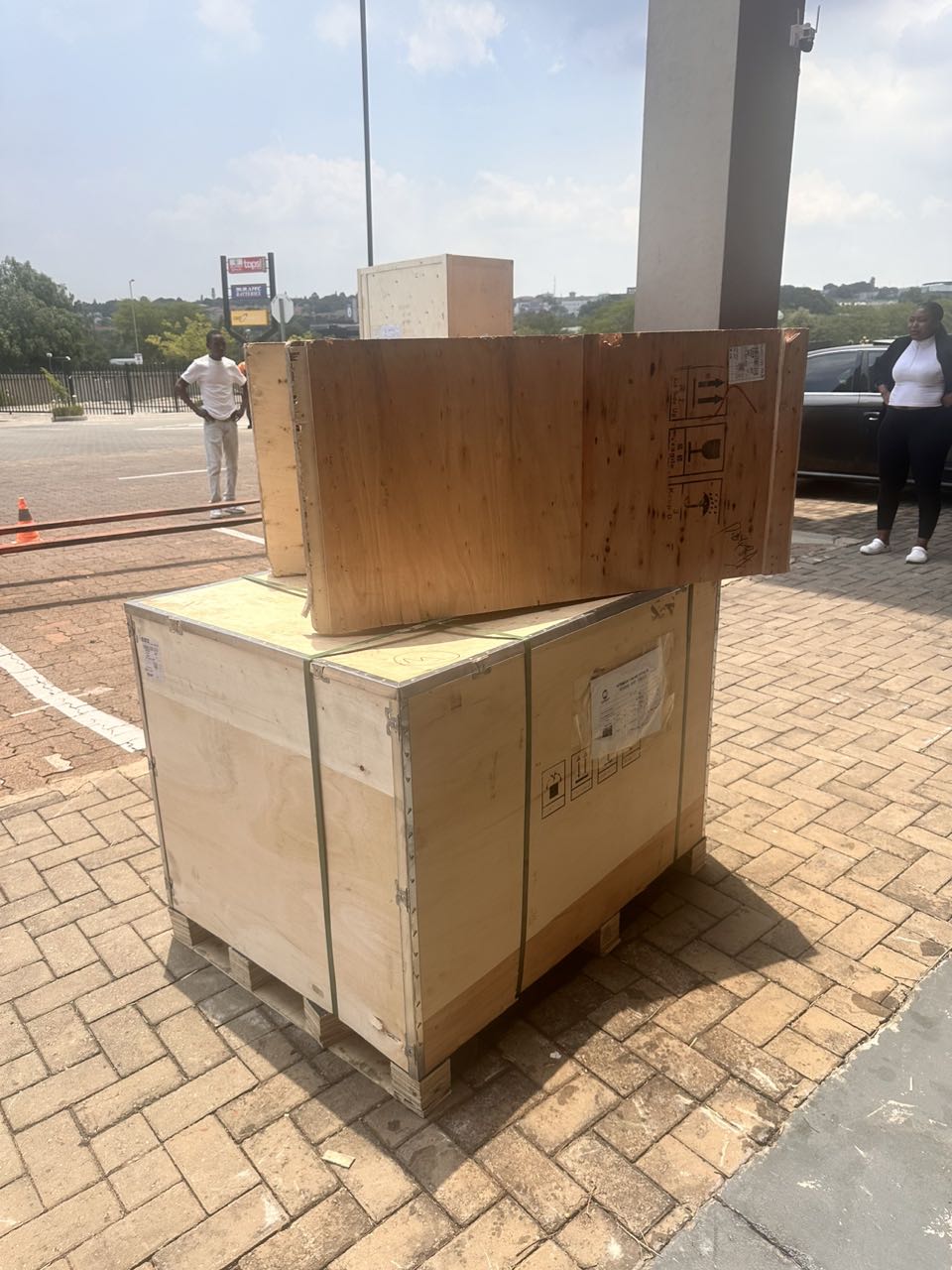
Batch of Orders
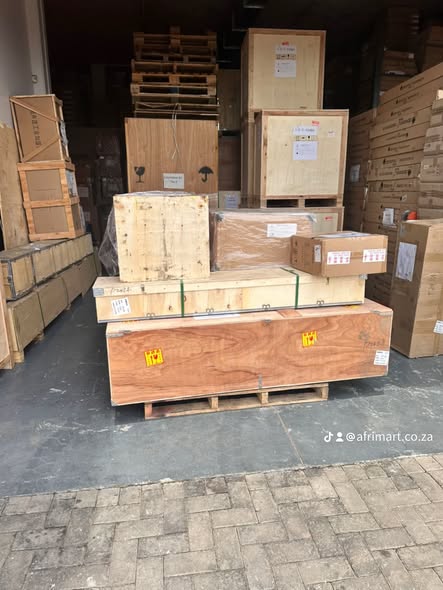
Latest Orders Labelled
wheel alignment machines
new arrivals
Pre Orders Offloading
Latest Arrivals
Latest Arrivals
Latest Arrivals
Loading
Toilet paper making machine
Toilet paper making machine
Toilet paper Rewinding Machine
latest arrivals
offloading
order success
order collection
order offloading