B21, China Town Mall, Midrand

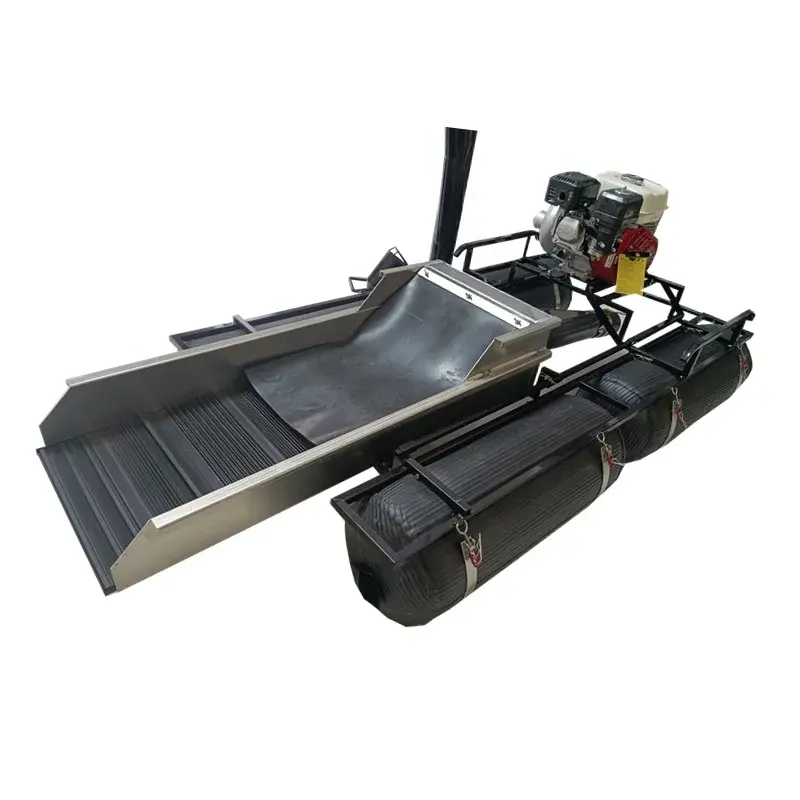
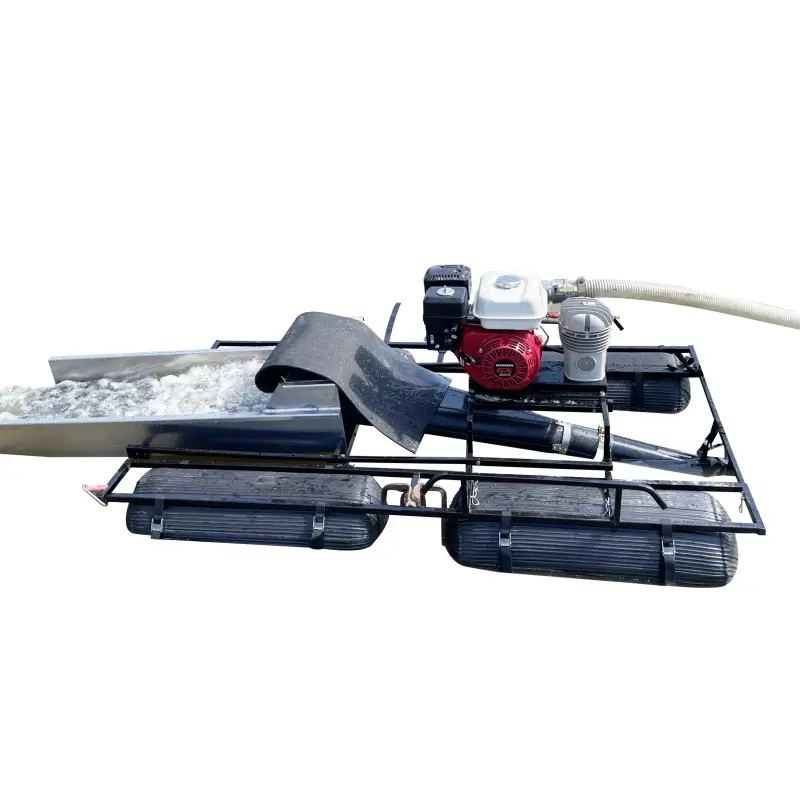
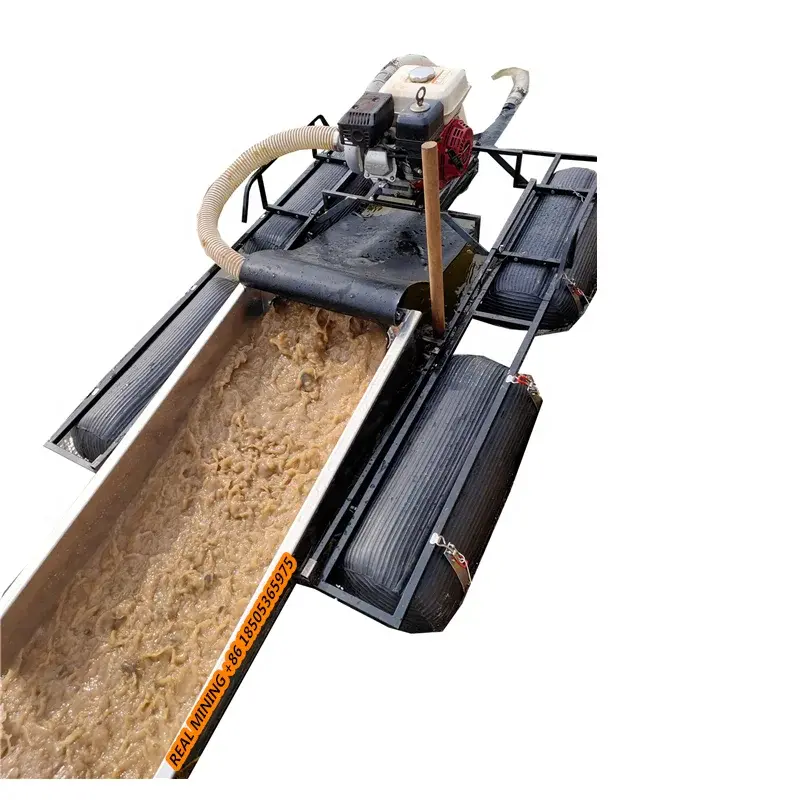
Gold Dredge And Diamond Washing Mining Machine Equipment Plant

- Section : Machinery
- Category : Construction Machinery
- SKU : 1600589880469

Easy-to-Operate Gold Dredge by REAL
Introducing the Easy-to-Operate Gold Dredge, designed for efficient mineral separation and dredging applications.
Key Features:
- Core Components: Built with a reliable pump and engine to ensure high performance.
- Weight: Weighs 96 kg, making it sturdy yet manageable for operation.
- Dimensions: Measures 2.9m in length, 1.2m in width, and 0.8m in height.
- Sand Pumping Hose: Comes with a durable 4" x 6m sand pumping hose for effective material transport.
- Fuel Consumption: Operates efficiently with a fuel consumption rate of just 1.7l/h.
- Dredging Depth: Capable of dredging up to 6m, ideal for various water conditions.
- Sluice Box Specification: Features a sluice box measuring 1.2m x 0.5m for optimal material processing.
- Power Type: Powered by gasoline, providing reliable energy for demanding tasks.
- Additional Equipment: Includes a sluice box, GX200 HP6.5 engine, and an air compressor T-80 for complete functionality.
In conclusion, the Easy-to-Operate Gold Dredge offers an efficient solution for gold dredging and mineral separation, combining reliability with user-friendly features.
Product Info Gallery
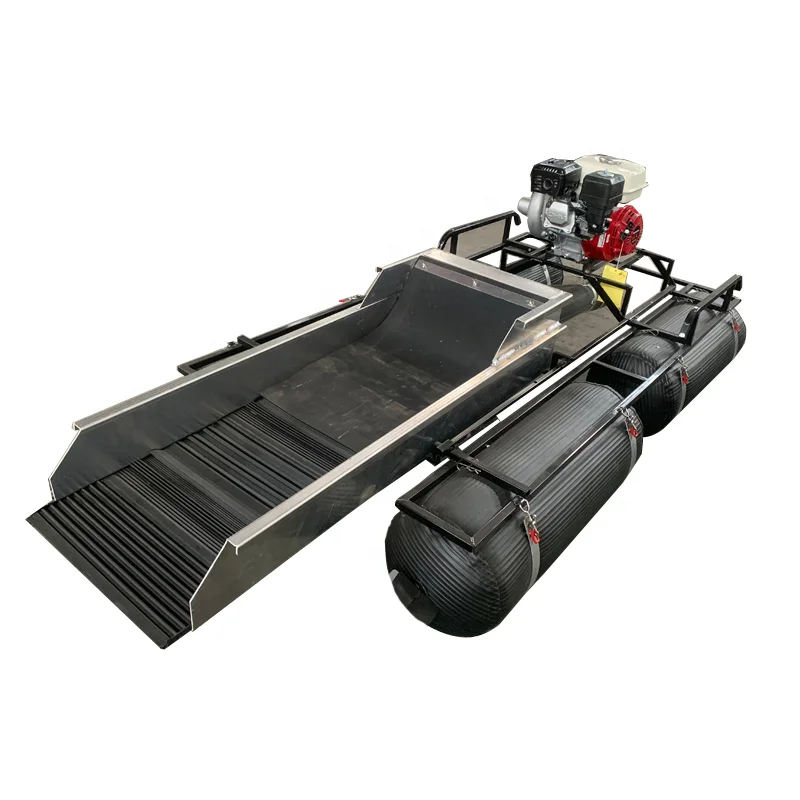
Gold dredge and diamond washing mining machine equipment plant
This series of gold dredge is with a smaller volume. The innovative system with unmatched performance is specifically designed for operating in extremely remote and challenging locations. It can be easily transported and quickly assembled , can be equipped with a variety of engines, pumps and compressors, provides different power options to meet individual needs. It’s with a more widely high performance sluice recovery system, rubber mat is inside. Equipped with a large diving suction nozzle (SN) and deep water suction nozzle (PJ) . The PE horn mouth has greater suction and unclogging function. The dredge is equipped with light PE floating and two- frame component to provide a compact assemble, and the smaller and lighter design is adapt to the small compact truck or SUV trunk.
- Shipping Timeframes: All orders are processed within 2-5 business days (excluding weekends and holidays). After your order has been processed, the estimated delivery time is before 14 Aug, 2026, depending on customs, Please note that due to high demand, some items may experience longer shipping times, which will be communicated at order confirmation email.
- Order Processing Time: Please allow 2-5 business days for us to process your order before it is shipped . Orders placed after 16:00 on Fridays, or during weekends and public holidays, will begin processing on the next business day. Processing times may be extended during peak seasons or sales events.
- Manufacturing Time: Some products needs manufacturing time, the manufacturing process will take approximately 10-30 business days depending on the product. This timeframe may vary depending on the complexity of the product and current demand. but this will be communicated with you during order confirmation.
- Returns and Exchanges: We offer a 30-day return policy for most items. If you are not completely satisfied with your purchase, you may return it within 30 days of receipt for a refund or exchange. Items must be unused, in their original packaging, and accompanied by proof of purchase. Return shipping costs are the responsibility of the customer, unless the item was damaged or defective upon arrival.
1. What are the main components included with the Gold Dredge And Diamond Washing Mining Machine Equipment Plant?
The package includes a GX200 HP6.5 gasoline engine, a reliable pump, an air compressor T-80, a 4" x 6m sand pumping hose, a sluice box (1.2m x 0.5m) with rubber mat, large diving suction nozzle (SN) and deep water suction nozzle (PJ), PE horn mouth and PE floatation components.
2. What are the physical specifications (weight and dimensions) of the dredge?
The dredge weighs 96 kg and measures approximately 2.9 m in length, 1.2 m in width, and 0.8 m in height.
3. What power source does the dredge use and what is its fuel consumption?
This model is powered by gasoline (GX200 HP6.5 engine) and has a fuel consumption rate of about 1.7 L per hour under typical operating conditions.
4. How deep can this dredge operate?
The dredge is capable of dredging to a depth of up to 6 meters, depending on water conditions and suction nozzle selection.
5. How portable is the unit and how easy is assembly in the field?
The unit is designed for remote locations: it is compact and lightweight for its class, can fit into small trucks or SUV trunks, and is built for quick assembly with two-frame components and PE flotation for straightforward field setup.
6. What types of nozzles are provided and what are their uses?
The dredge includes a large diving suction nozzle (SN) for general material recovery and a deep water suction nozzle (PJ) for deeper operations. The PE horn mouth improves suction and helps prevent clogging.
7. What is the sluice box size and how is material recovery optimized?
The sluice box measures 1.2 m x 0.5 m and features a rubber mat recovery system designed to trap fine gold and heavy minerals effectively during processing.
8. Can I choose different engines, pumps or compressors?
Yes. The system is modular and can be equipped with various engines, pumps, and compressors to meet specific power and operational requirements.
9. What routine maintenance is required for the dredge?
Regular maintenance includes engine servicing (oil/filters), pump inspection and seal checks, hose and nozzle inspection for wear, sluice box and mat cleaning, and checking PE floatation for damage. Lubricate moving parts per the engine and pump manufacturers' recommendations.
10. Is training required to operate the dredge safely and effectively?
While the dredge is designed to be easy to operate, basic training is recommended: familiarization with engine controls, pump priming, safe handling of hoses/nozzles, sluice setup and cleanup, and safety protocols around water and fuel.
11. What safety equipment should operators use?
Operators should use personal flotation devices, eye and hearing protection, gloves, and appropriate footwear. Keep a fire extinguisher nearby when operating gasoline engines and observe safe fueling practices.
12. Are there environmental or legal considerations before dredging?
Yes. Dredging and mineral extraction are regulated in many jurisdictions. Obtain all necessary permits and follow environmental best practices to minimize habitat disturbance, turbidity, and pollution.
13. What is the role of the supplied air compressor T-80?
The air compressor can be used for priming pumps, cleaning sluice boxes and hoses, operating pneumatic tools, and assisting with certain dredging or recovery operations where compressed air is required.
14. What spare parts and consumables should I keep on hand?
Recommended spares include pump seals and impellers, extra hoses and clamps, replacement nozzle tips, sluice mats or riffles, engine spare parts (spark plugs, filters), and basic hand tools for field repairs.
15. Is there a warranty or after-sales support available?
Warranty and after-sales support vary by supplier. Check with the seller for specific warranty terms, available service plans, parts availability and technical support contacts.
Latest Order Arrivals
Discover our latest orders
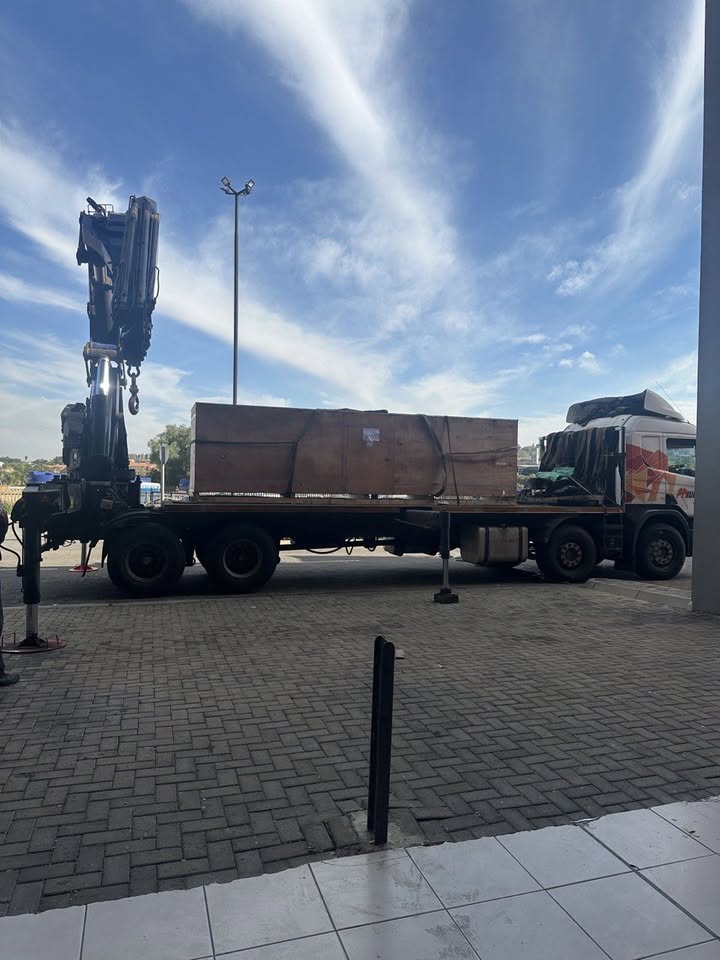
12 Heads Embroidery Machine
Toilet Paper Machine Machine
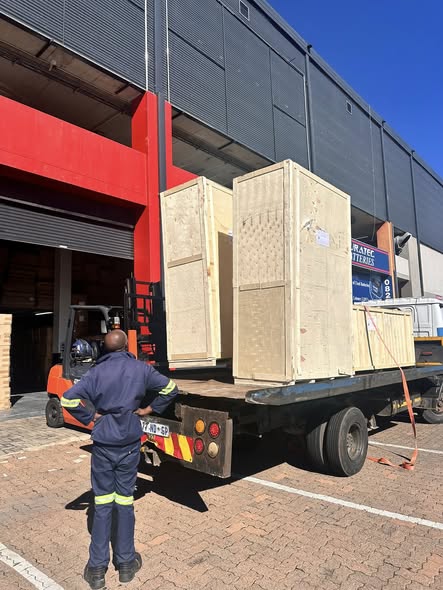
Order Collection
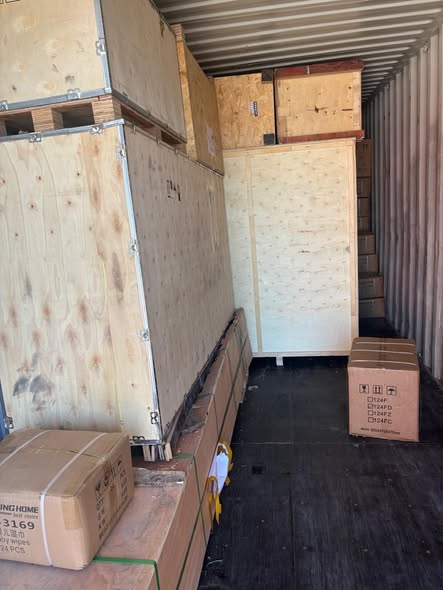
Cross Border Clients
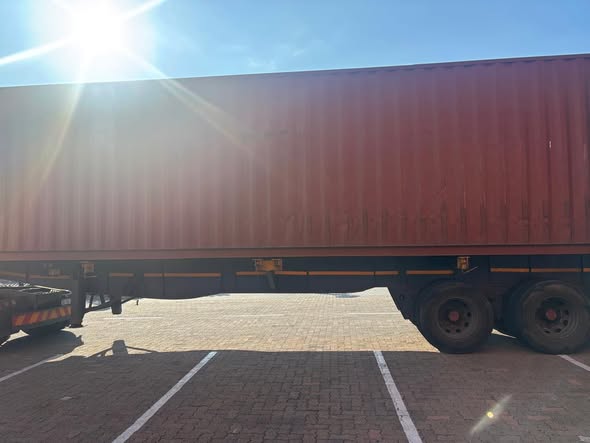
Order cros border countries Collected
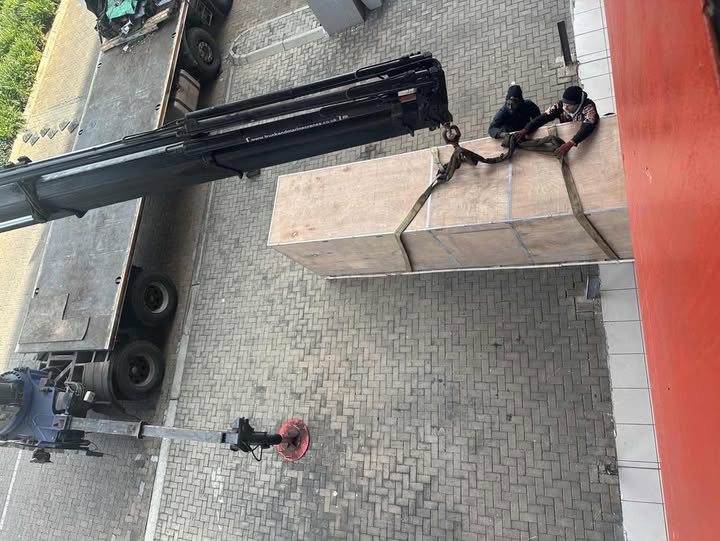
Industrial Machine Cllection
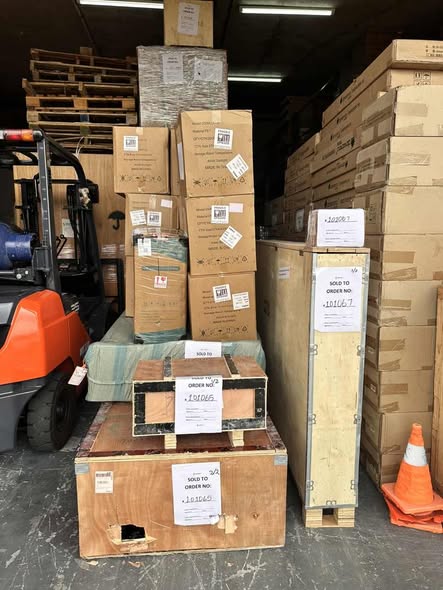
Agriculture Processing Machines
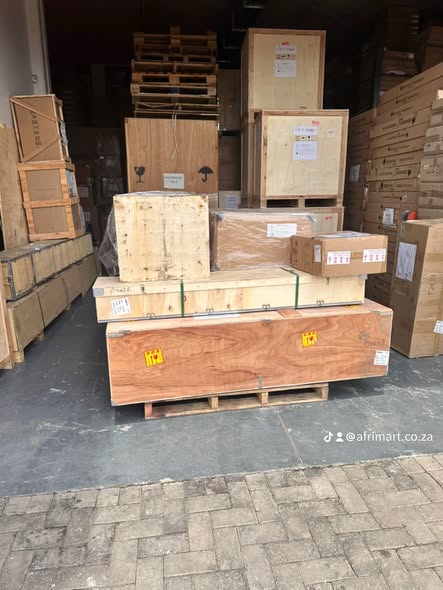
Ready for collection
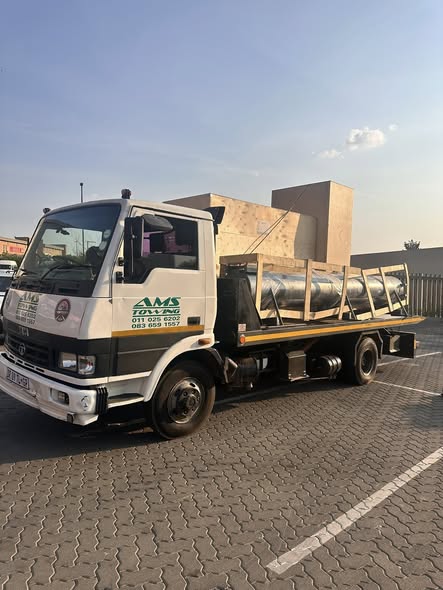
Water Pump Equipment
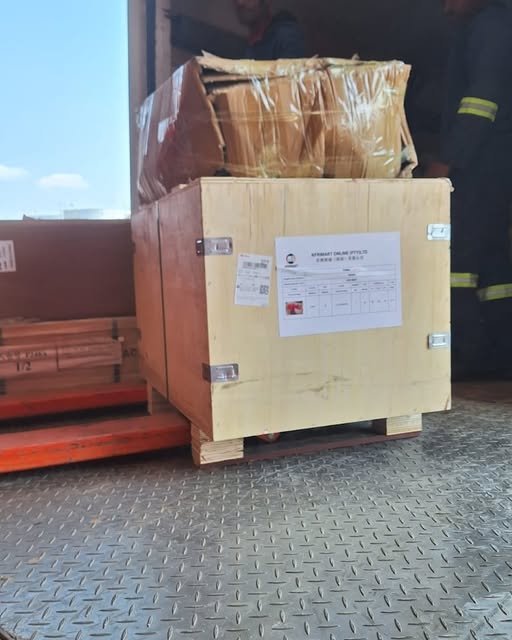
Packaging Machine and accessories
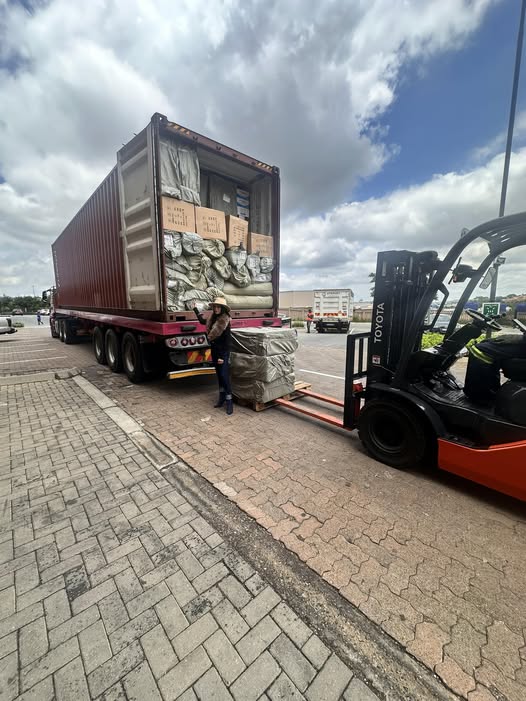
Fabrics Manufacturing Equipment
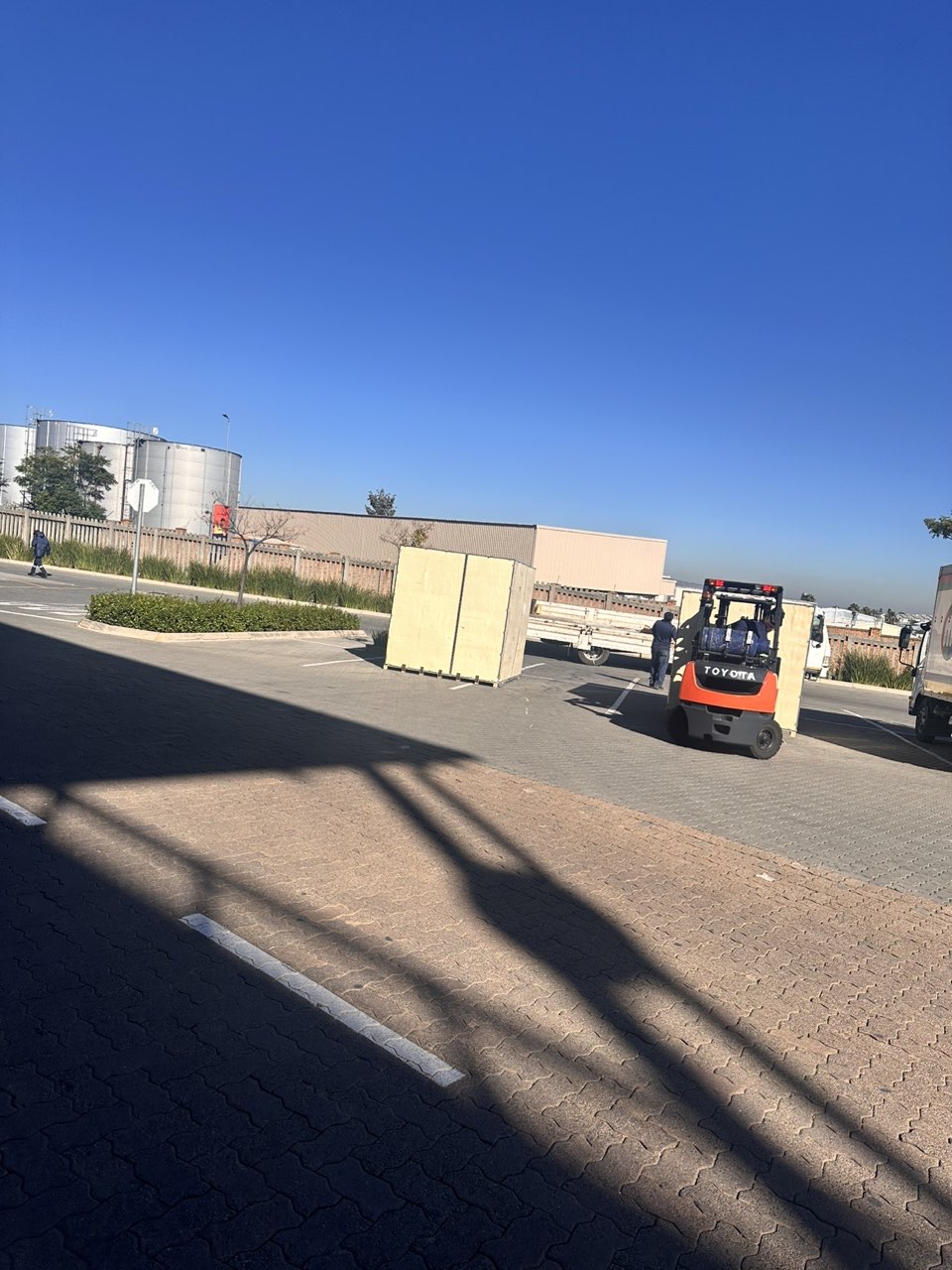
Mining Equipments
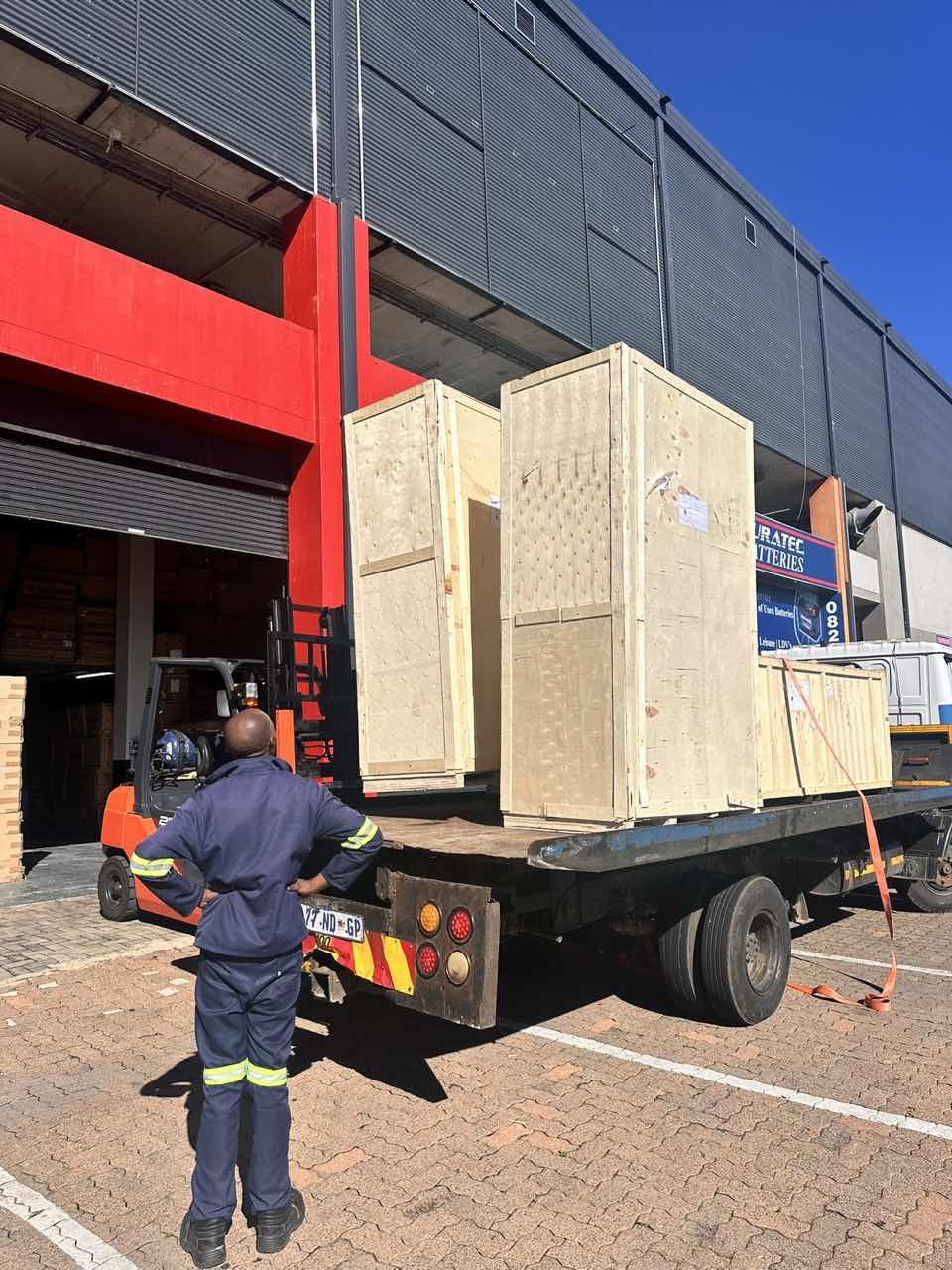
Food Processing Machine
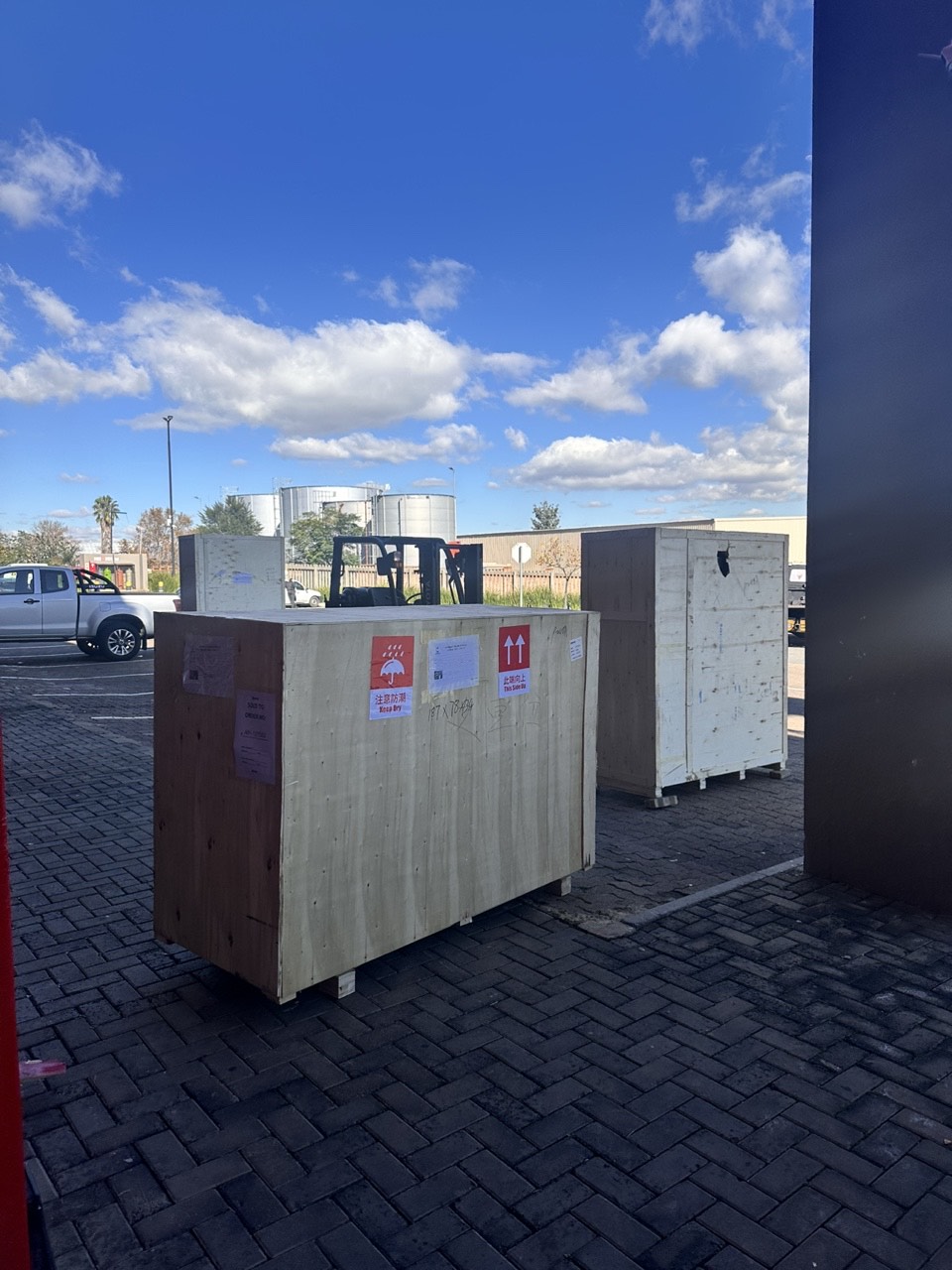
Batch of Orders
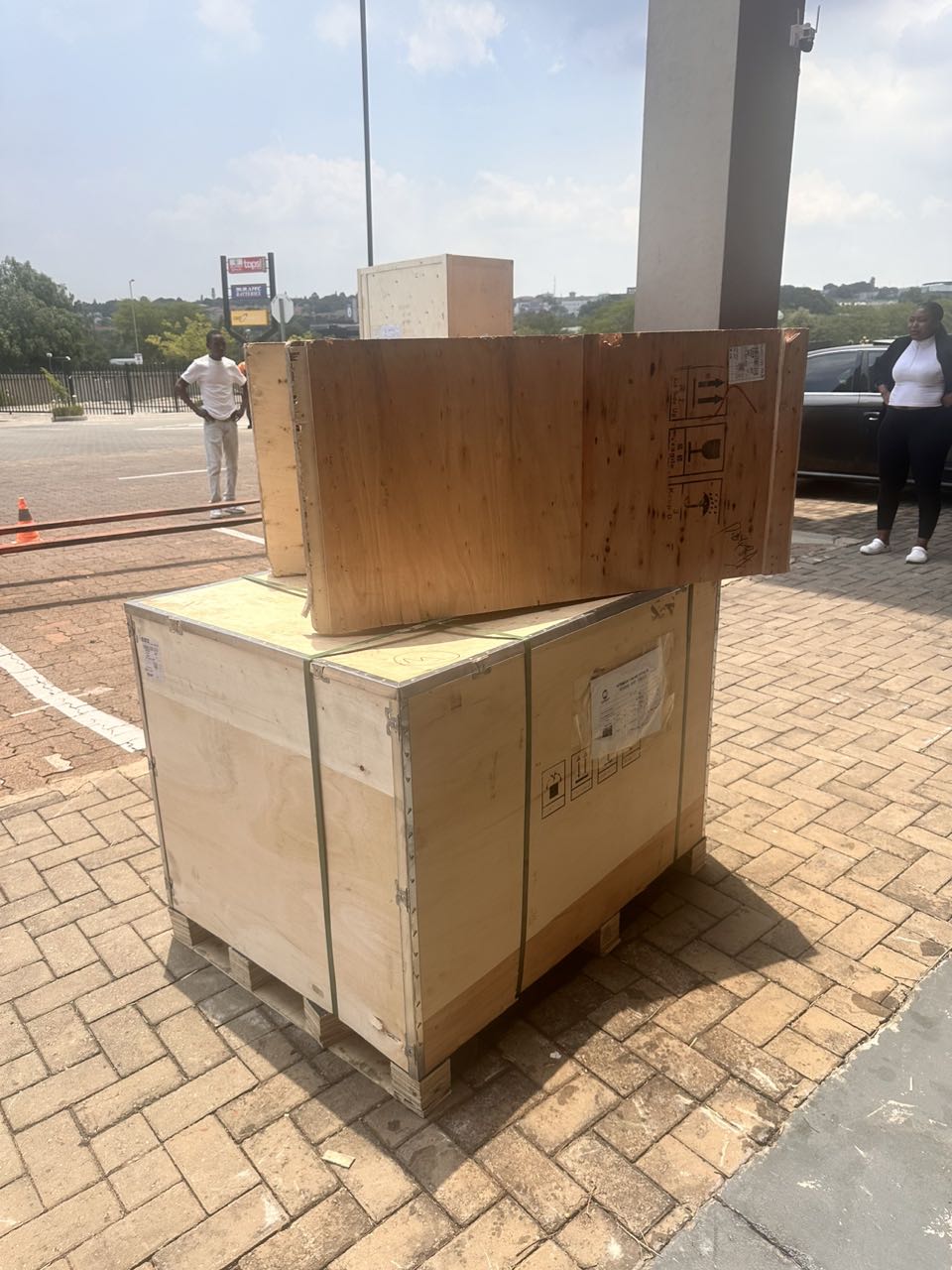
Batch of Orders
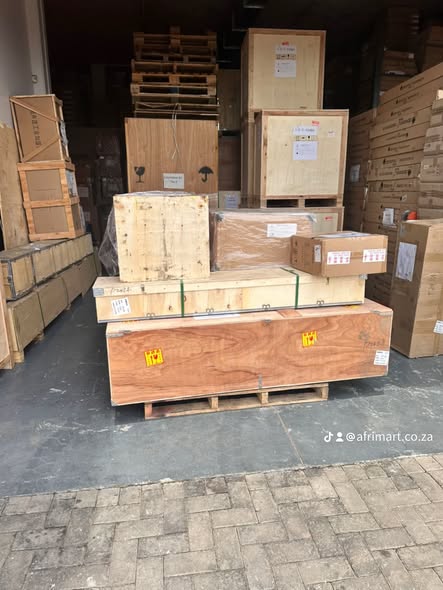
Latest Orders Labelled
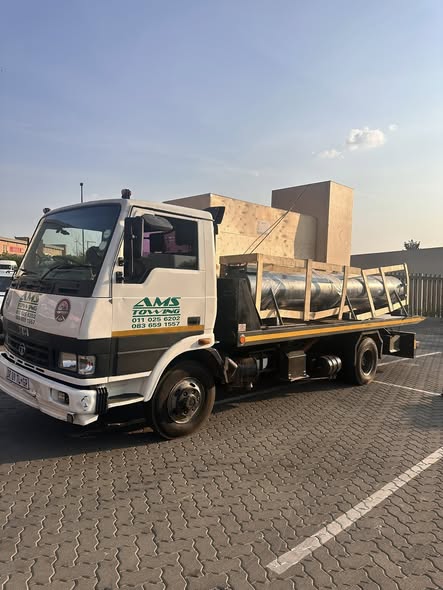
wheel alignment machines
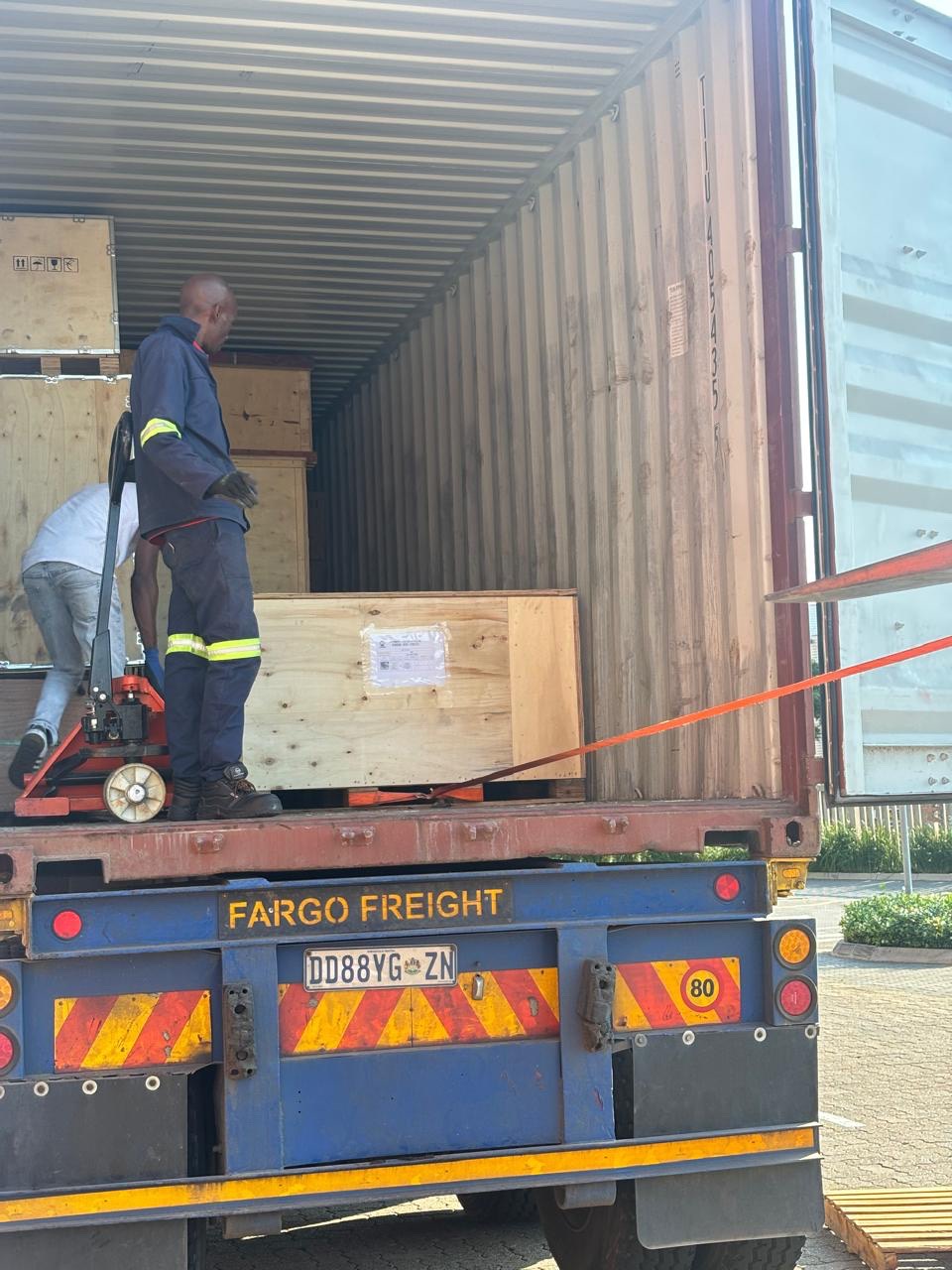
new arrivals
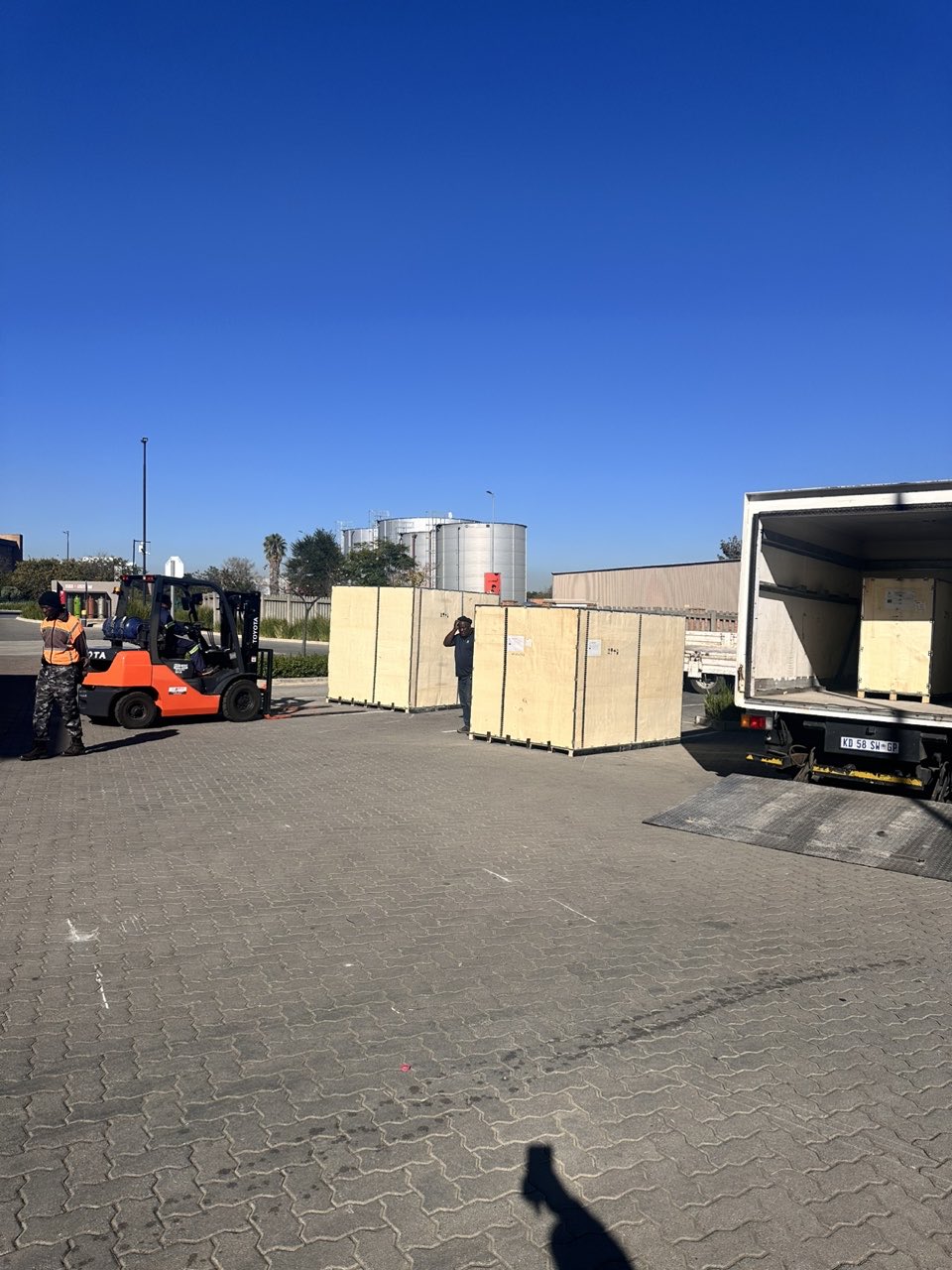
Pre Orders Offloading
Latest Arrivals
Latest Arrivals
Latest Arrivals
Loading
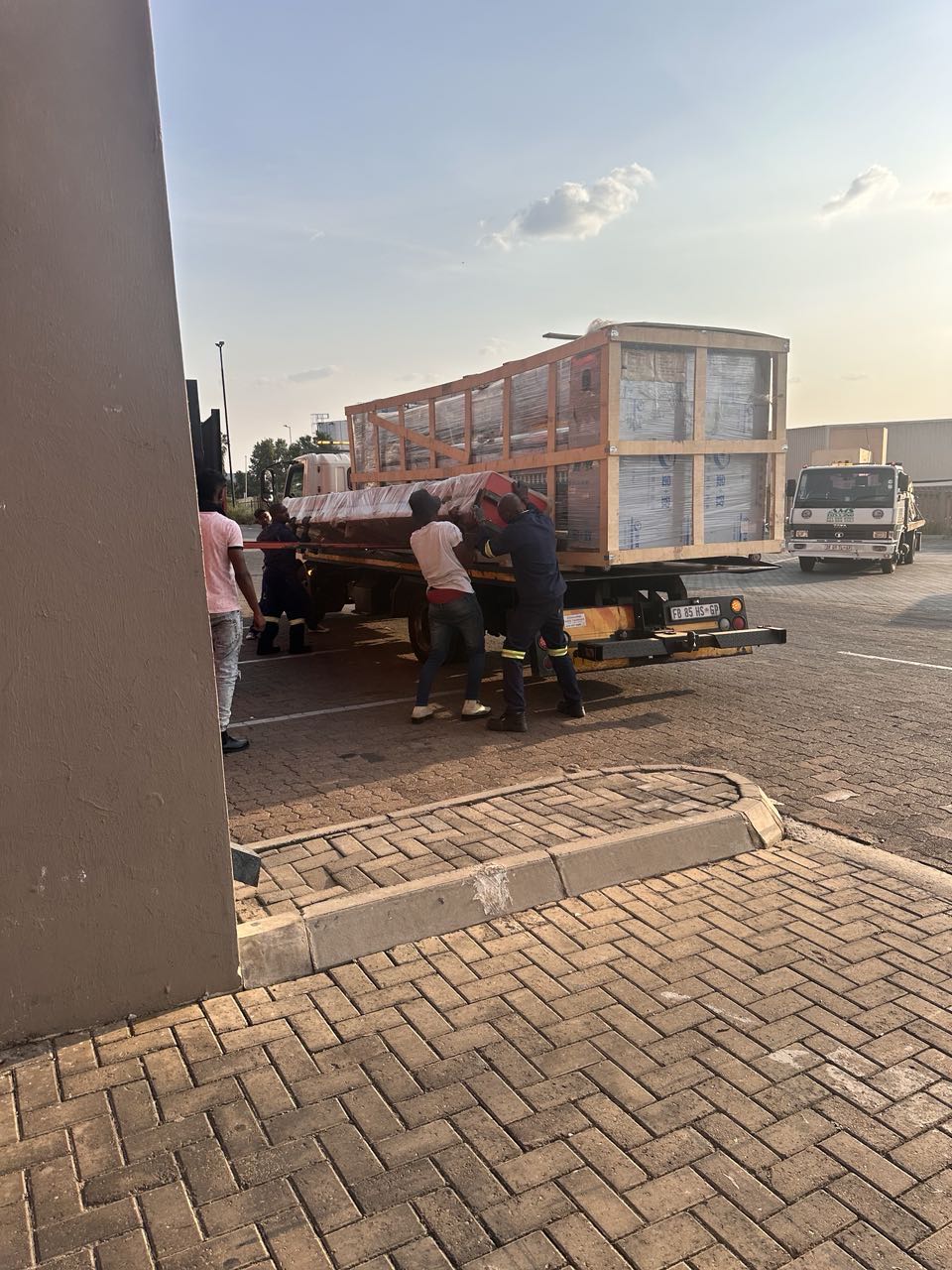
Toilet paper making machine
Toilet paper making machine
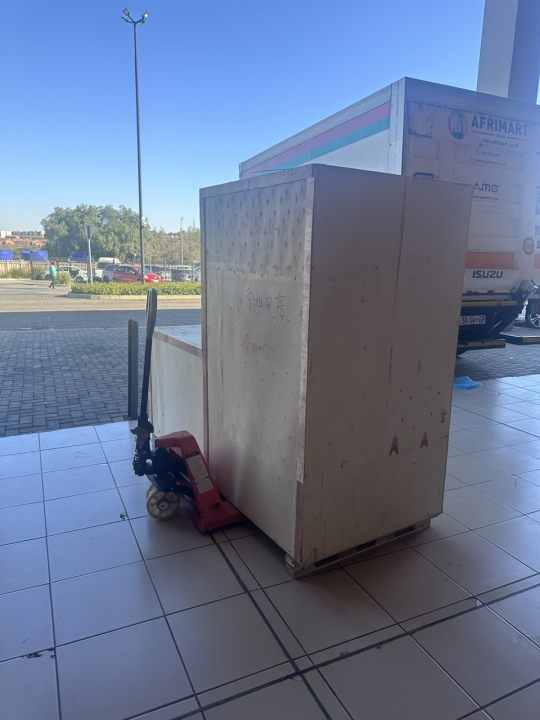
Toilet paper Rewinding Machine
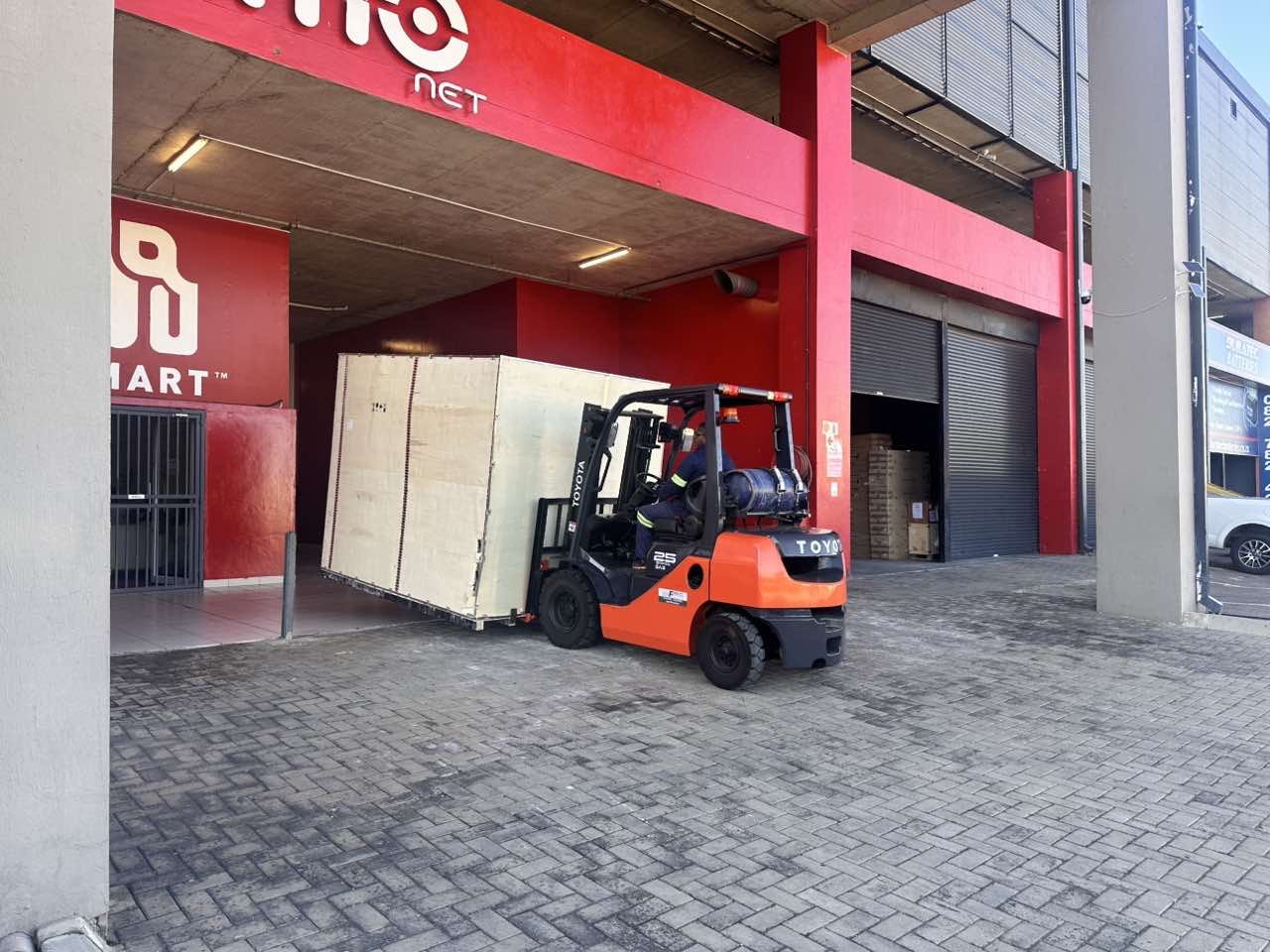
latest arrivals
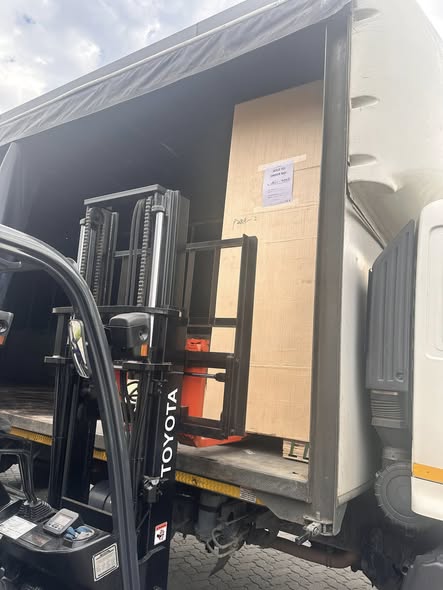
offloading
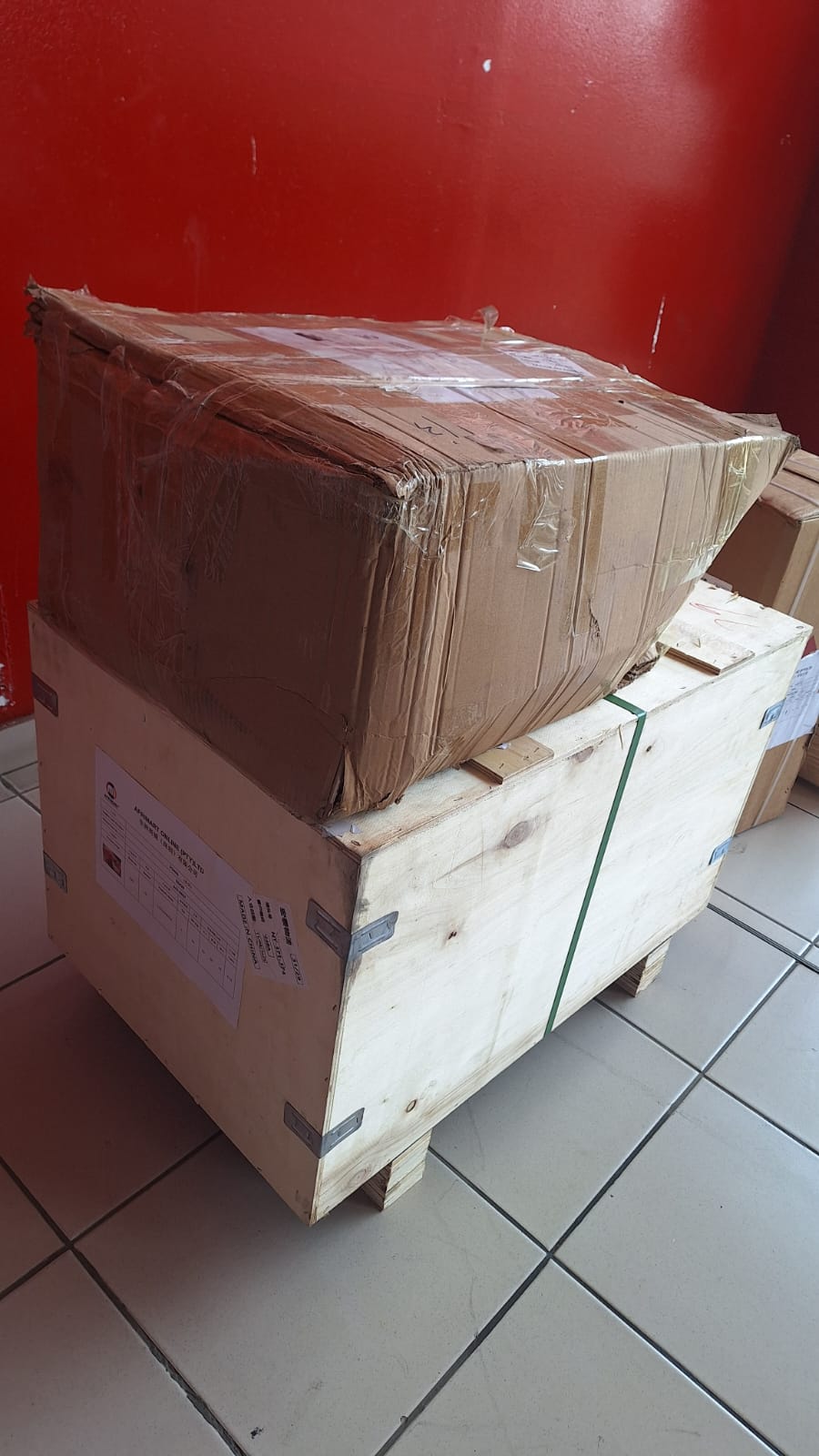
order success
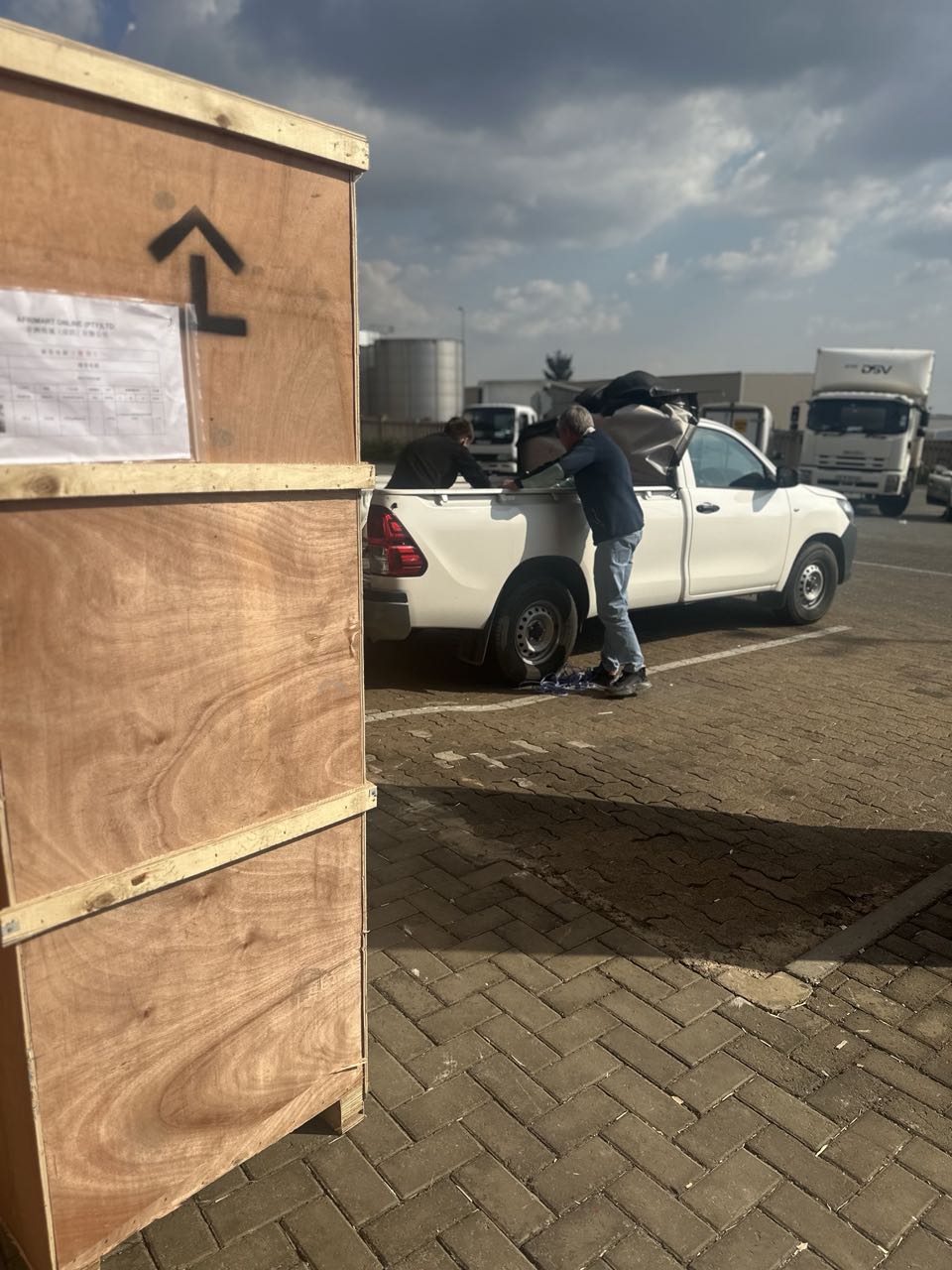
order collection
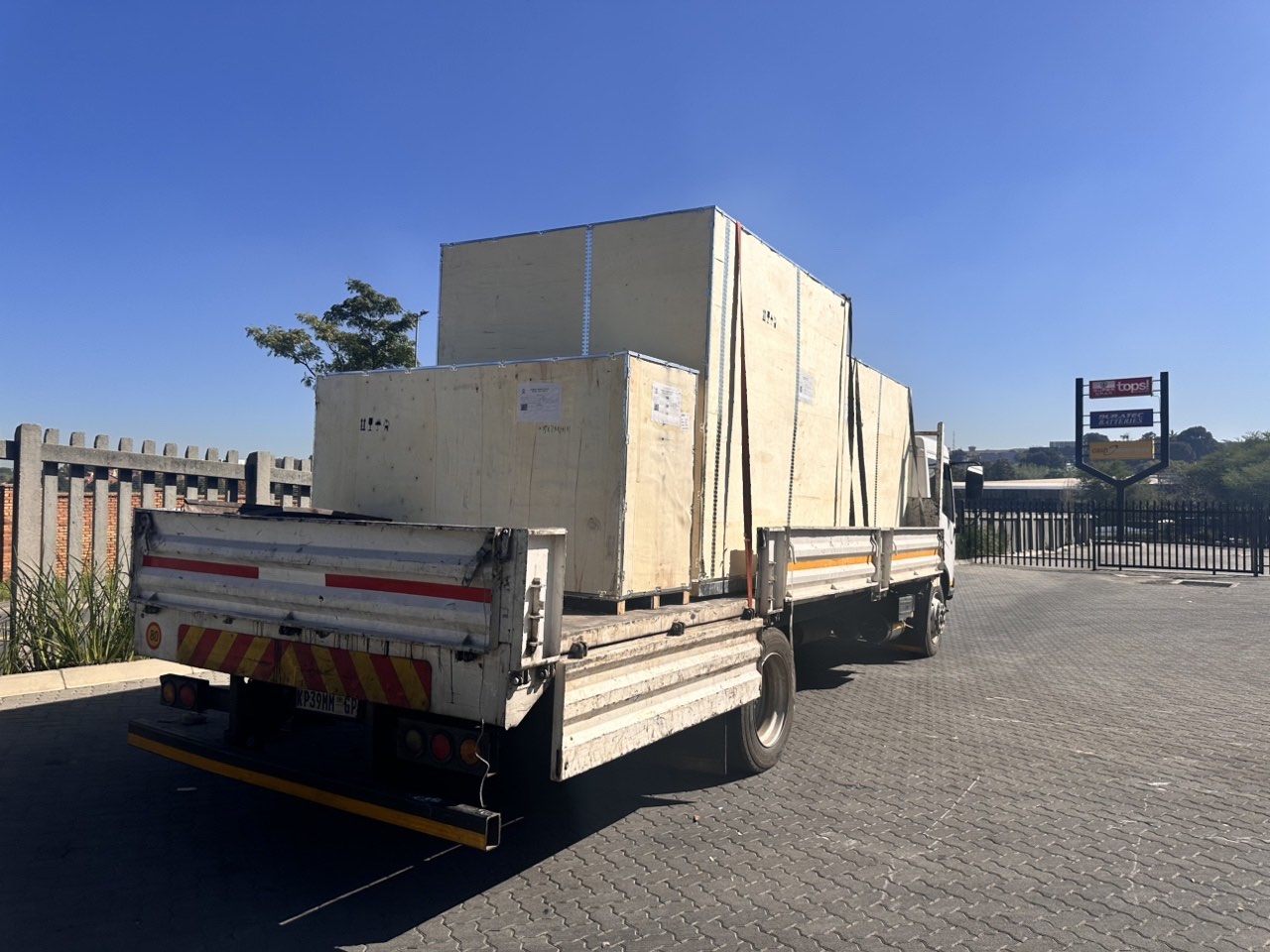
order offloading