B21, China Town Mall, Midrand



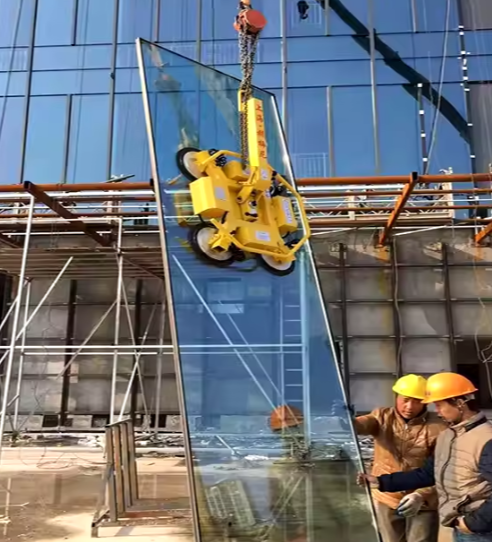
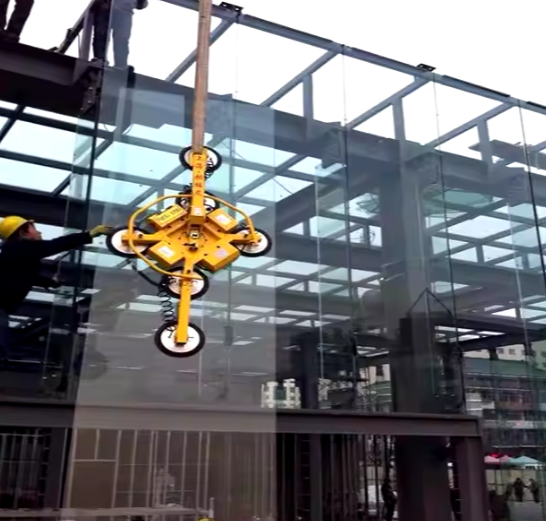


Glass Vacuum Lifter for Curtain Wall Installation
Product Overview
This Glass Vacuum Lifter is designed for the safe, efficient, and precise handling of glass panels, especially for curtain wall installation projects. Compact yet powerful, it offers flexibility in lifting, rotating, and tilting glass, making it an essential tool for glazing contractors and construction teams.
Key Features & Benefits
High Load Capacity Options – Available in 400 kg, 600 kg, and 800 kg versions to suit different project needs.
Versatile Movement – Allows 360° rotation and 90° tilting, ensuring accurate alignment during installation.
Modular Suction Support – Equipped with 4, 6, or 8 suction cups, adjustable for various glass sizes.
Battery-Powered Efficiency – Runs on a 12 V DC rechargeable battery for flexible operation without cables.
Safety-First Design – Features low-vacuum alarms and indicators to ensure secure lifting.
Customizable Setup – Options available for suction cup configuration, control systems, and extension arms.
Specifications (Typical Options)
| Feature | Description |
|---|---|
| Load Capacity | 400 / 600 / 800 kg |
| Suction Cups | 4, 6, or 8 (Ø 300 mm each) |
| Rotation | 360° manual |
| Tilting | 90° manual |
| Power Source | 12 V DC rechargeable battery |
| Controls | Wired or remote control |
| Safety Features | Low-pressure alarms, indicators |
Product Info Gallery


| Mode | HP-GX400-4S | HP-GX600-6S | HP-GX800-8S |
| Safe load capacity | 400KG | 500KG | 600KG |
| Suction Pad Diameter | 300mm | 300mm | 300mm |
| Suction Pad Qty | 4 | 6 | 8 |
| Dimension(L*W*H) | 1800x1190x240(mm) | 1800x1190x240(mm) | 1800x1190x240(mm) |
| Function | flip 90 degrees, rotate 90 degrees (manual) | flip 90 degrees, rotate 90 degrees (manual) | flip 90 degrees, rotate 90 degrees (manual) |
| Battery | 15AH12V | 15AH12V | 15AH12V |


- Shipping Timeframes: All orders are processed within 2-5 business days (excluding weekends and holidays). After your order has been processed, the estimated delivery time is before 20 Aug, 2026, depending on customs, Please note that due to high demand, some items may experience longer shipping times, which will be communicated at order confirmation email.
- Order Processing Time: Please allow 2-5 business days for us to process your order before it is shipped . Orders placed after 16:00 on Fridays, or during weekends and public holidays, will begin processing on the next business day. Processing times may be extended during peak seasons or sales events.
- Manufacturing Time: Some products needs manufacturing time, the manufacturing process will take approximately 10-30 business days depending on the product. This timeframe may vary depending on the complexity of the product and current demand. but this will be communicated with you during order confirmation.
- Returns and Exchanges: We offer a 30-day return policy for most items. If you are not completely satisfied with your purchase, you may return it within 30 days of receipt for a refund or exchange. Items must be unused, in their original packaging, and accompanied by proof of purchase. Return shipping costs are the responsibility of the customer, unless the item was damaged or defective upon arrival.
1. What load capacities does the Glass Vacuum Lifter come in?
The lifter is offered in multiple capacity options to suit different projects: 400 kg, 600 kg and 800 kg models. Choose the model that matches your panel weight and lifting requirements.
2. What are the typical model numbers and how do they differ?
Typical model designations include HP-GX400-4S, HP-GX600-6S and HP-GX800-8S. They differ mainly by safe load capacity and standard suction-cup configuration (4, 6 or 8 pads). Other differences can include control options and optional accessories.
3. How many suction cups and what size are used?
Suction pad options are 4, 6 or 8 cups, each with a diameter of 300 mm. The number of pads is selected based on glass size, weight distribution and the chosen capacity model.
4. Can the lifter rotate and tilt the glass during installation?
Yes. The unit allows 360° rotation (manual) and 90° tilting (manual) to enable accurate alignment for curtain wall and glazing installations.
5. What power source does the lifter use and what about battery specifications?
The lifter is powered by a 12 V DC rechargeable battery (typical pack shown is 15 Ah). Battery runtime depends on usage and configuration; charging time and charger type vary — consult the supplier for charger specifications and recommended spare batteries.
6. What control options are available?
You can choose between wired controls and a remote control option. Controls operate vacuum on/off and any powered features; manual operations (rotation/tilt) are mechanical unless otherwise specified.
7. What safety features are included?
Standard safety features include low-vacuum alarms and visual indicators to alert the operator to loss of vacuum. Additional safety practices include locking handles or mechanical stops, use of safety straps, and following operator procedures.
8. What glass types and thicknesses can I lift with this device?
The lifter is intended for flat, non-porous glazing such as annealed, tempered or laminated glass. Maximum thickness is determined by glass weight relative to the lifter's safe working load — consult the supplier’s load charts to match glass dimensions/thickness to the correct model and suction layout.
9. Are there surface condition requirements for the glass?
Yes. The glass surface must be clean, dry and free of heavy dust, frost, paint splashes or textured/porous coatings. Contaminants or rough surfaces can reduce seal effectiveness; always clean and inspect the surface before lifting.
10. What maintenance and inspection routines are recommended?
Perform a pre-shift inspection of suction pads (for wear and damage), vacuum hoses and fittings, alarm and indicator function, battery state-of-charge and charger. Replace worn pads, remedy leaks, and follow the manufacturer’s periodic service schedule for vacuum pumps and electrical components.
11. What should I do if the vacuum alarm sounds or the lifter loses suction?
Immediately stop movement and lower the load to a safe support. Check for obvious leaks, pad seating, surface contamination and battery voltage. Re-seat pads on a clean surface, recharge or swap batteries if needed, and do not resume lifting until vacuum levels are stable and alarms are clear.
12. Can the lifter be customized or fitted with accessories?
Yes. Common custom options include alternative suction cup configurations, extension arms or frames for larger panels, different control systems (e.g., upgraded remotes) and spare or protective pads. Request available options from your supplier.
13. What are the transport and storage recommendations?
Transport and store the unit upright and secured to prevent shock. Protect suction pads from deformation and contamination (cover them). Remove or secure batteries per local transport regulations if shipping. Store in a dry environment away from extreme temperatures and direct sunlight.
14. Are operator training and certifications required to use the lifter?
Operators should be trained in safe rigging and vacuum lifter operation, including daily checks, emergency procedures and load handling best practices. Many jurisdictions require documented training for lifting equipment — consult local regulations and the supplier for recommended training programs.
15. What warranty, certifications or compliance information is available?
Warranty terms and conformity to standards (e.g., CE, ISO) vary by manufacturer and region. Request the product certificate pack, test reports and warranty details from your supplier before purchase to verify compliance with applicable safety and performance standards.
Latest Order Arrivals
Discover our latest orders
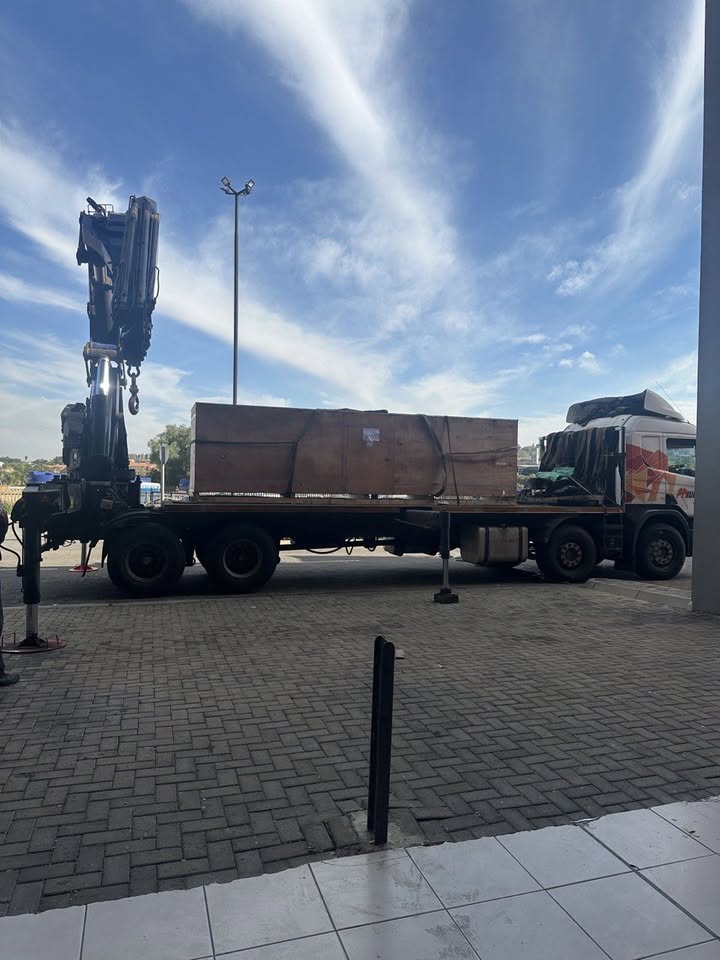
12 Heads Embroidery Machine
Toilet Paper Machine Machine
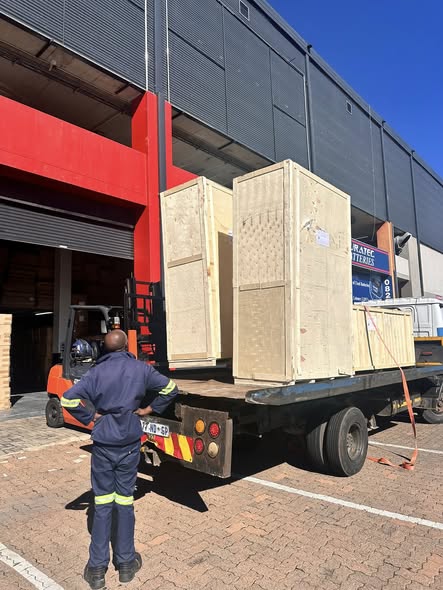
Order Collection
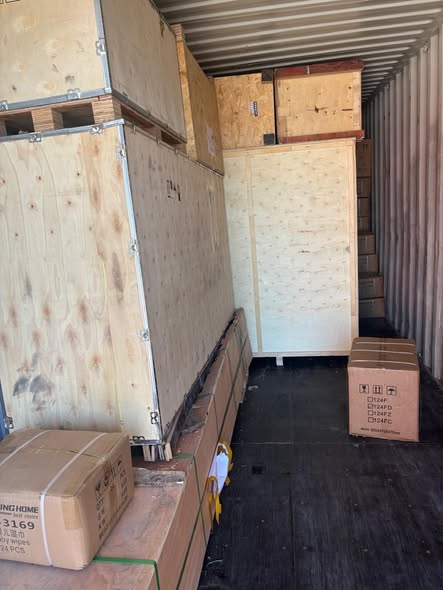
Cross Border Clients
Order cros border countries Collected
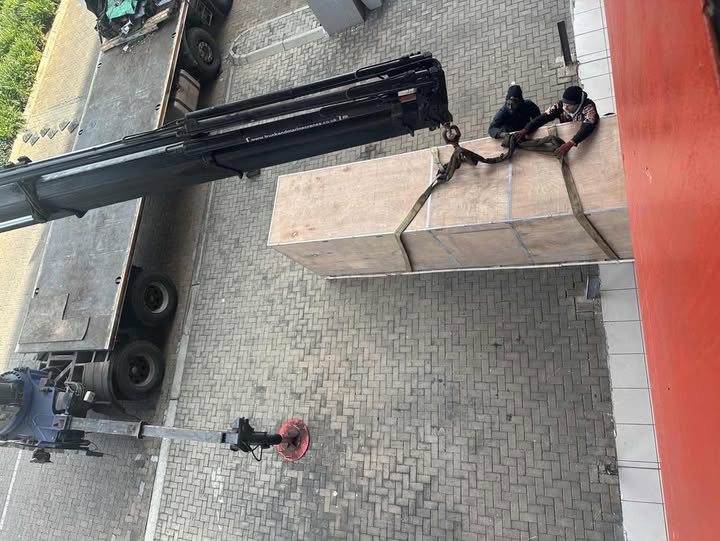
Industrial Machine Cllection
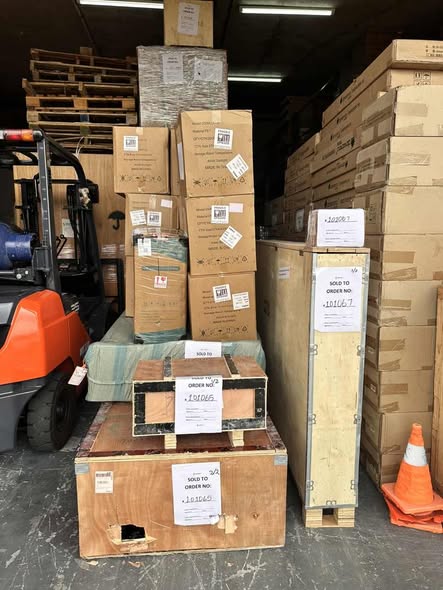
Agriculture Processing Machines
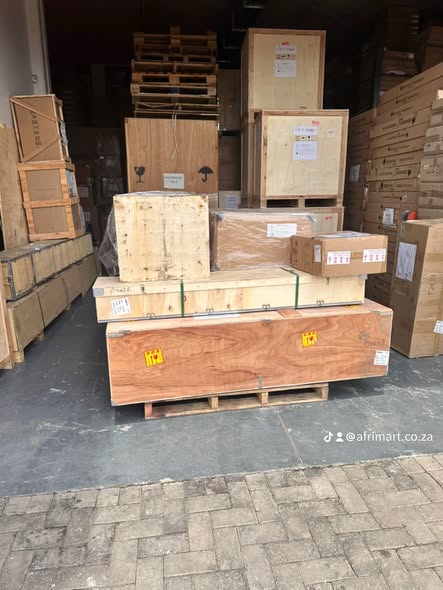
Ready for collection
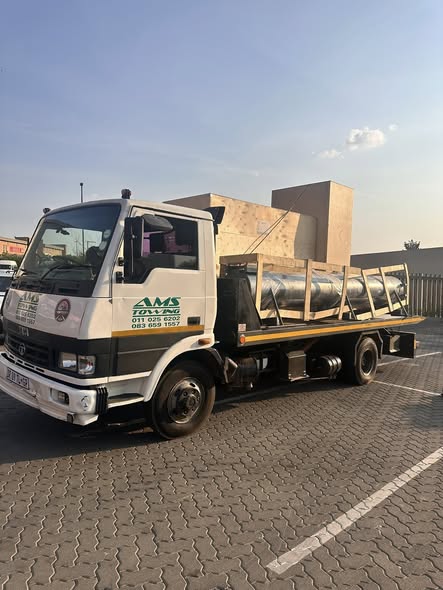
Water Pump Equipment
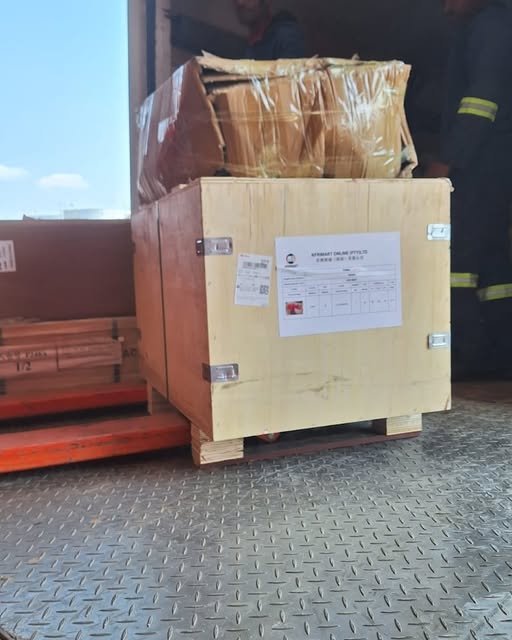
Packaging Machine and accessories
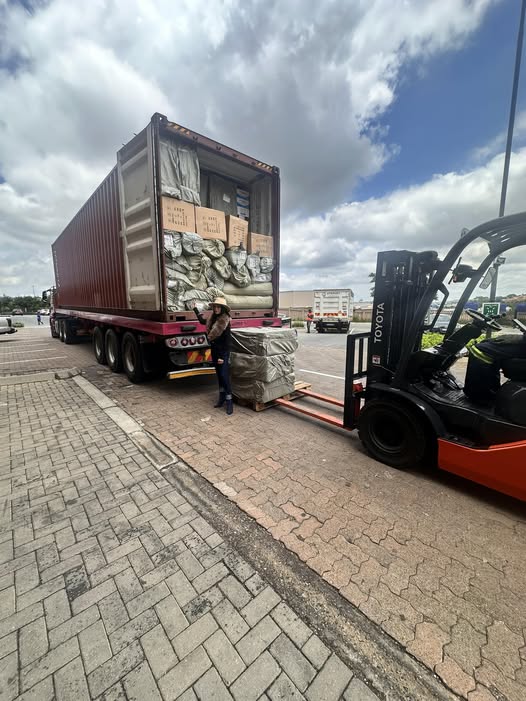
Fabrics Manufacturing Equipment
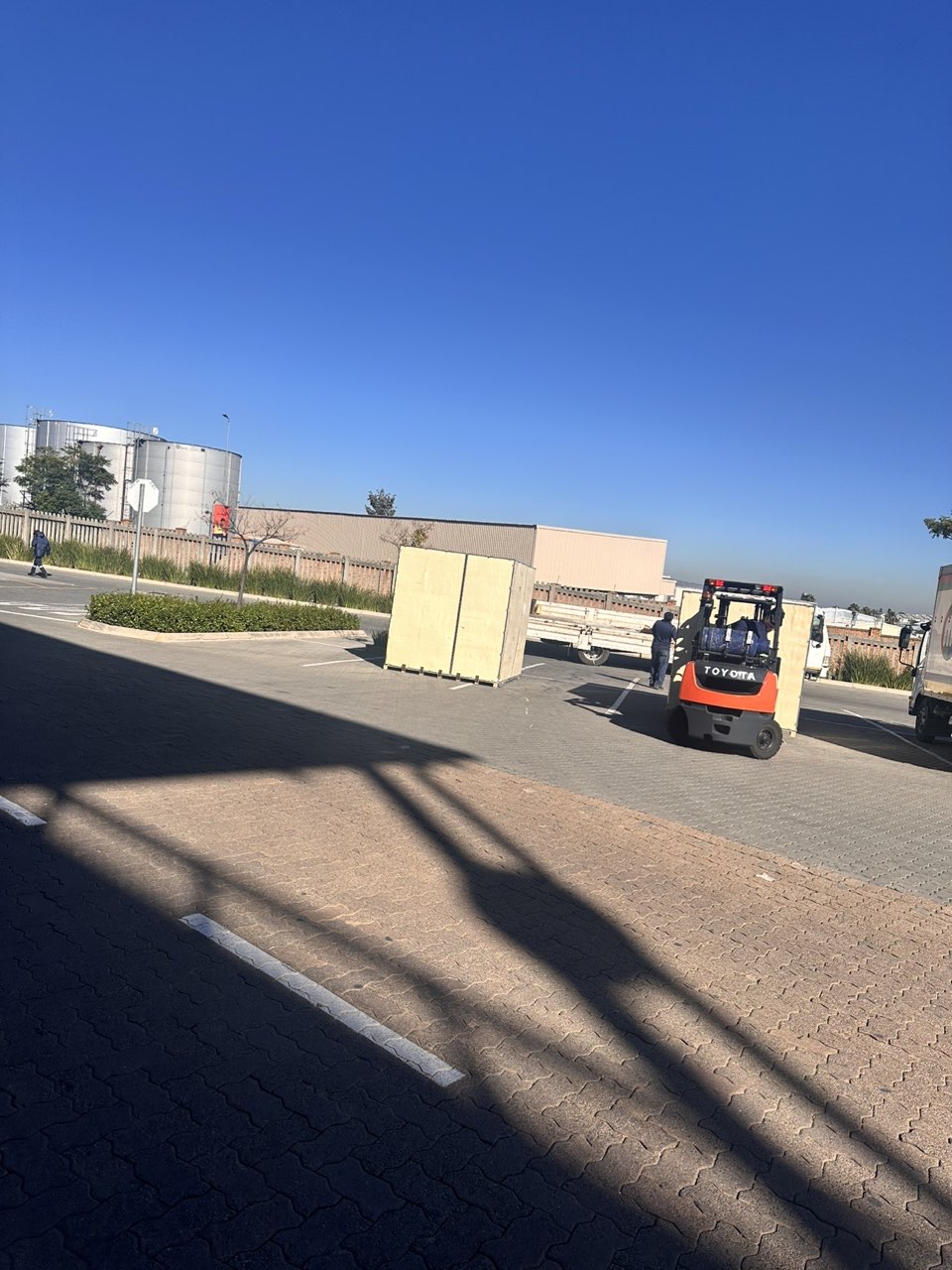
Mining Equipments
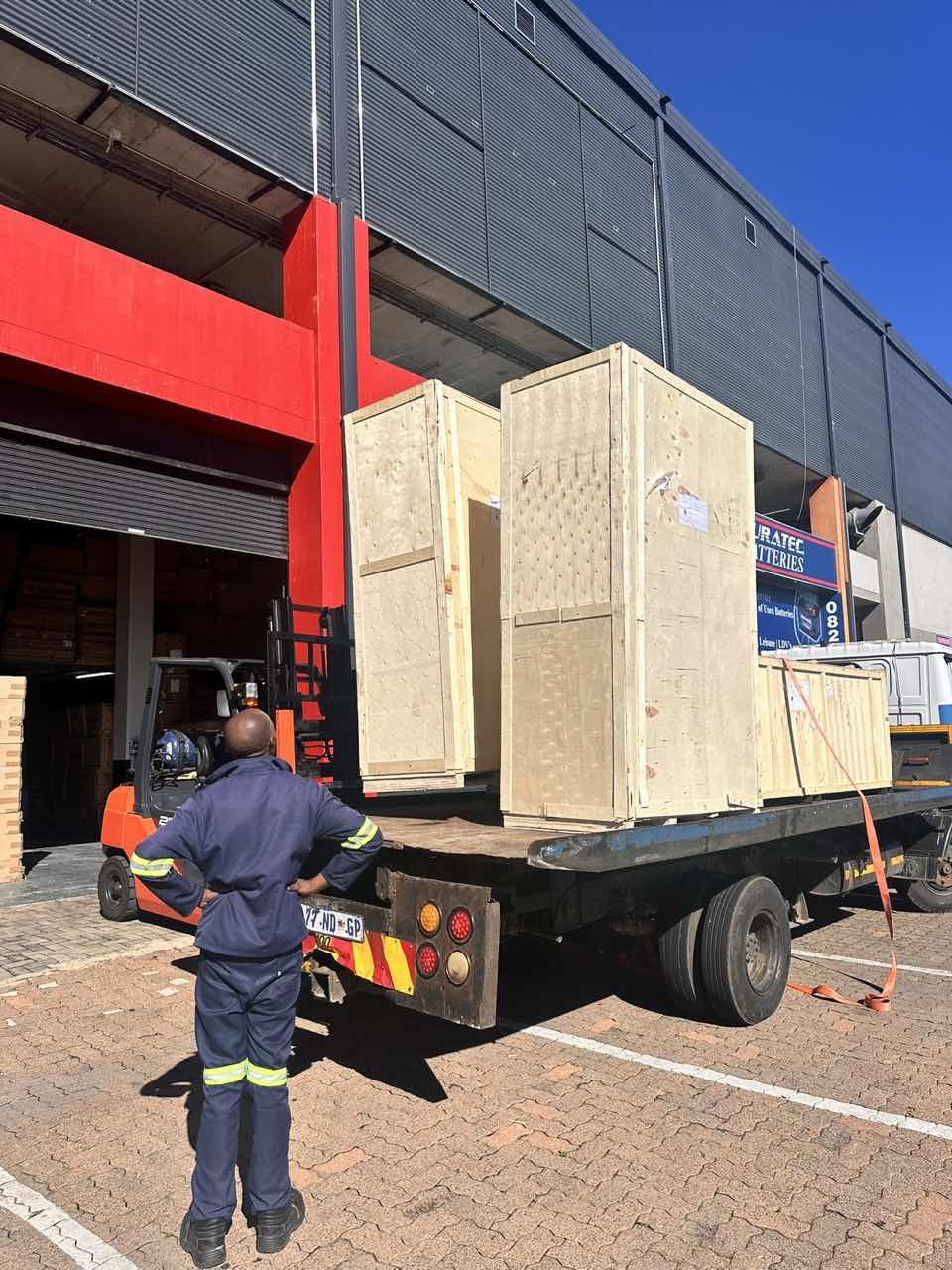
Food Processing Machine
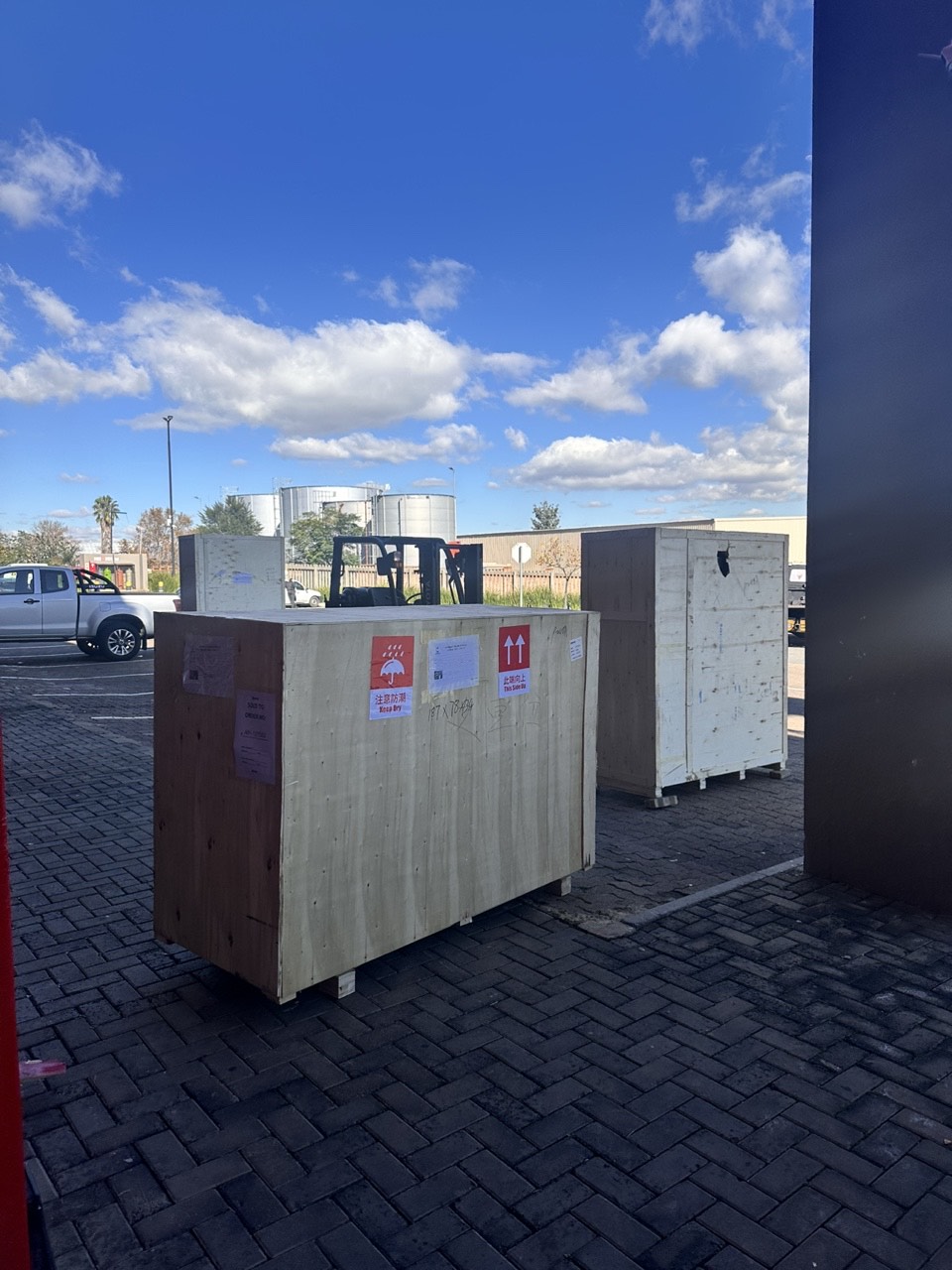
Batch of Orders
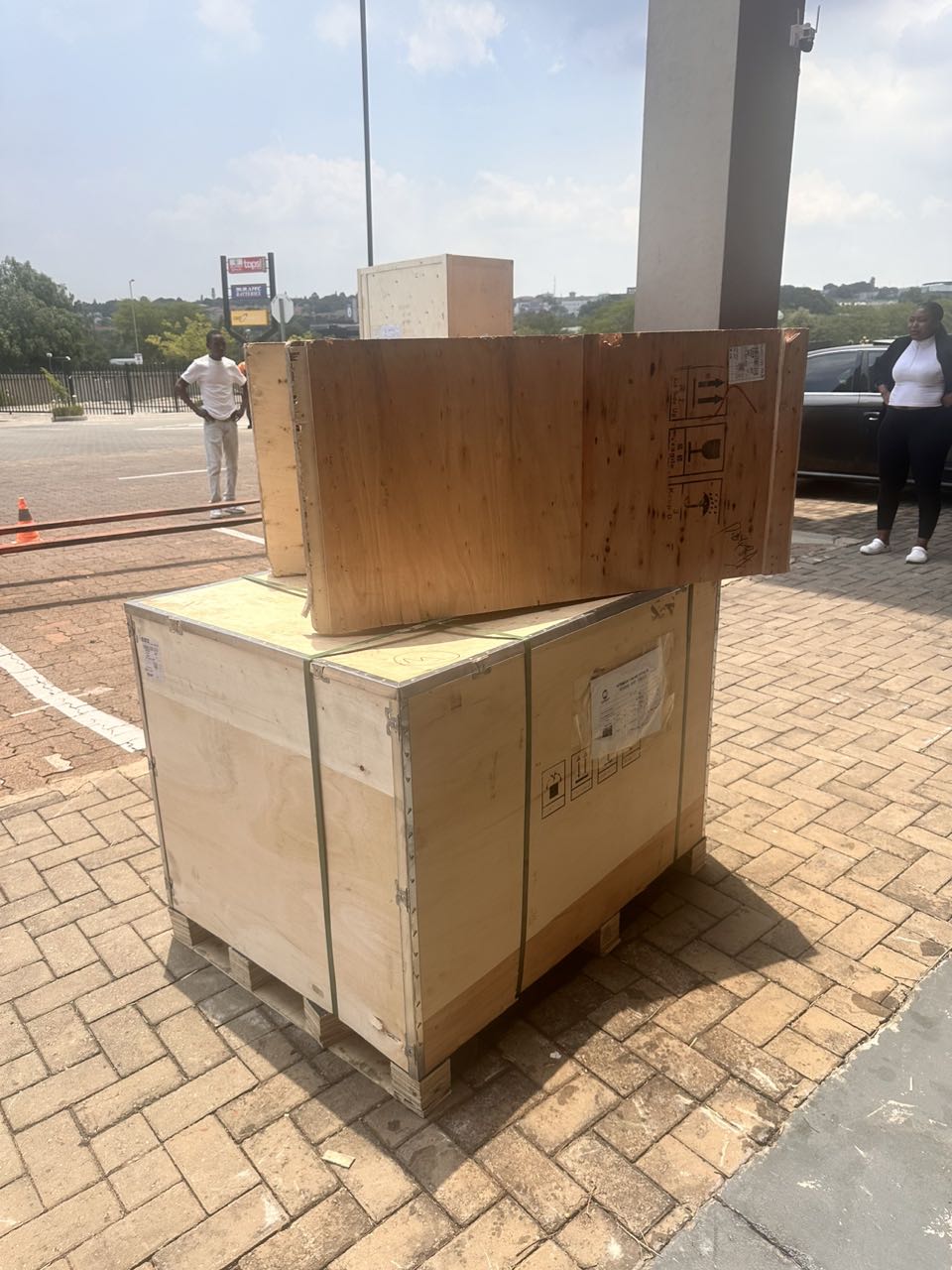
Batch of Orders
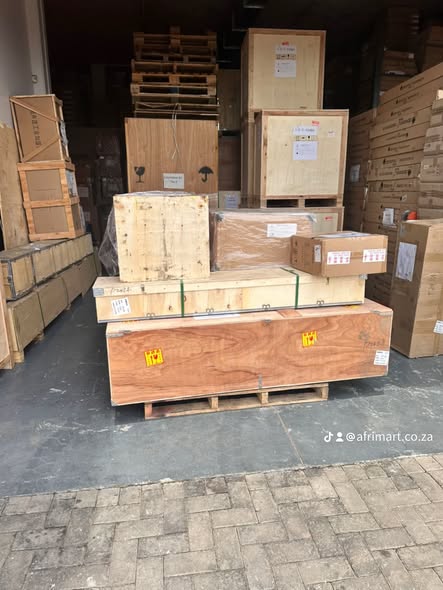
Latest Orders Labelled
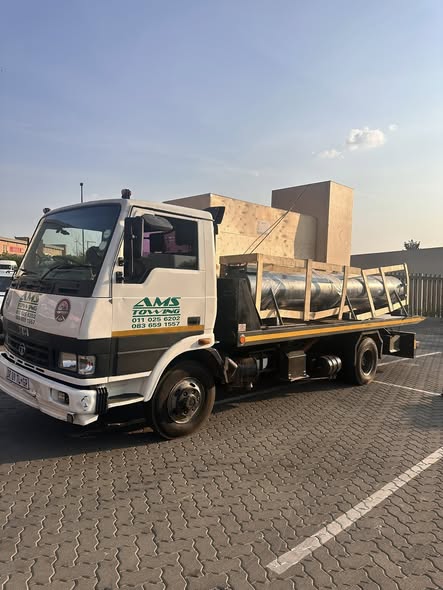
wheel alignment machines
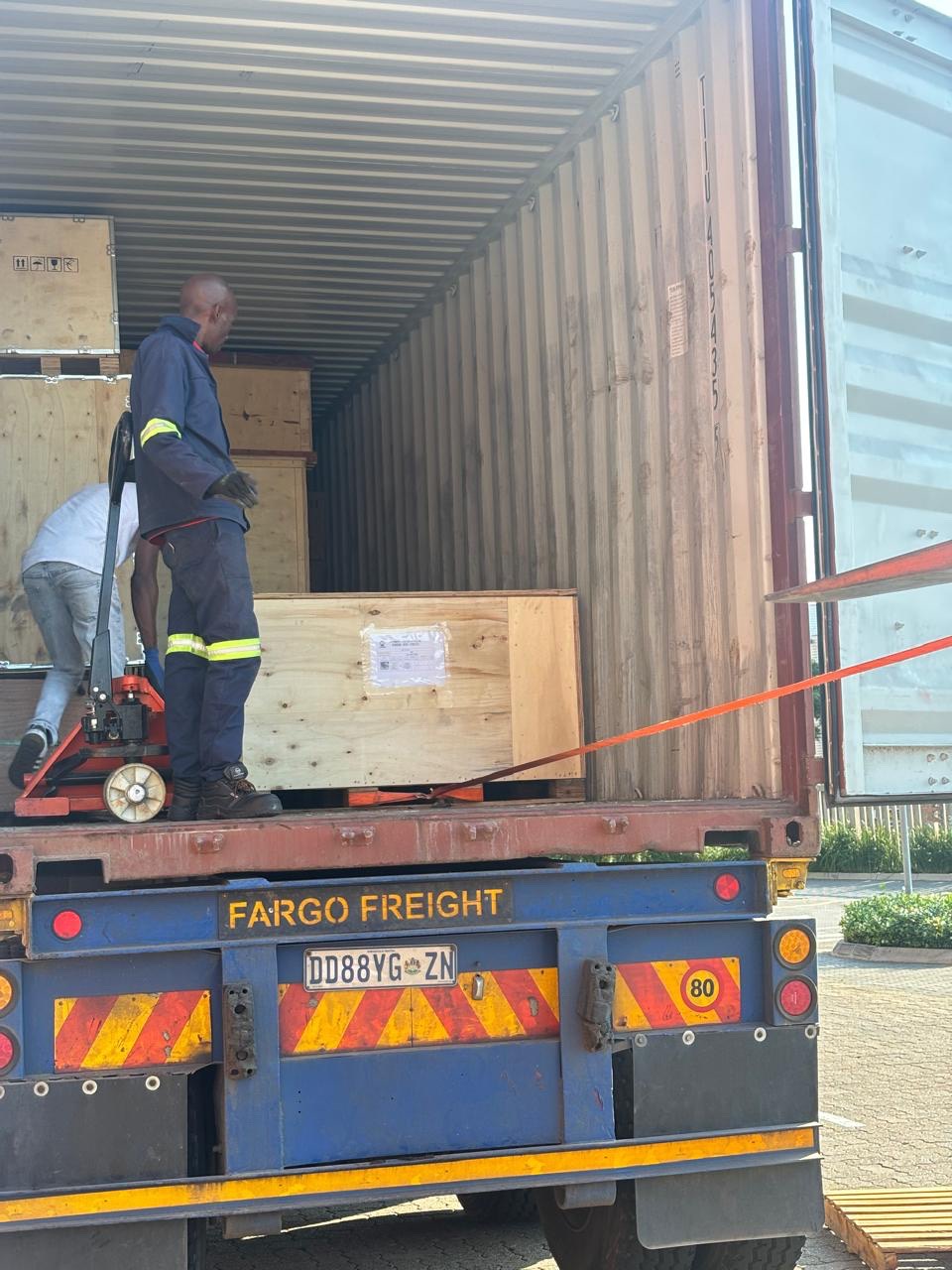
new arrivals
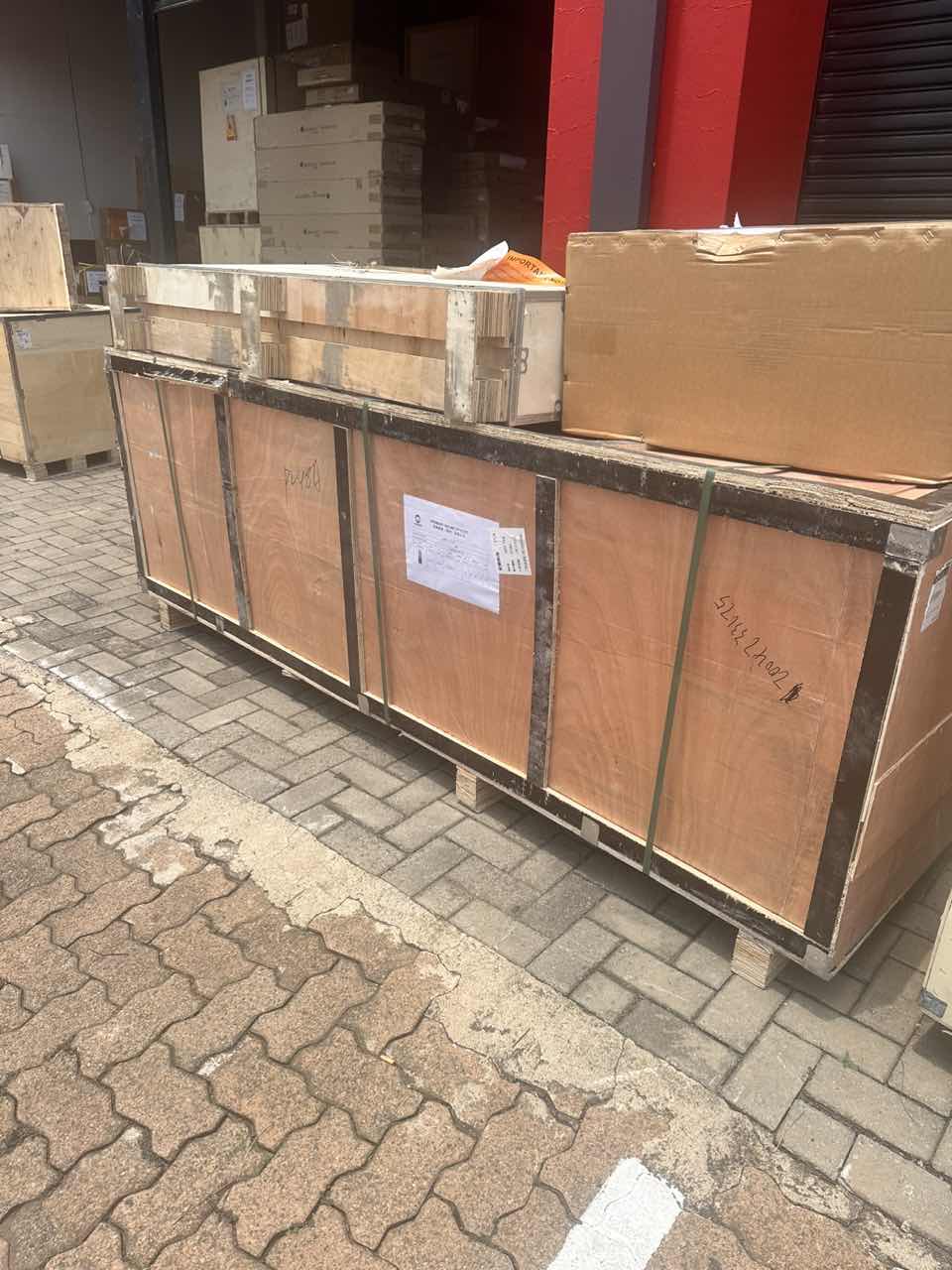
Pre Orders Offloading
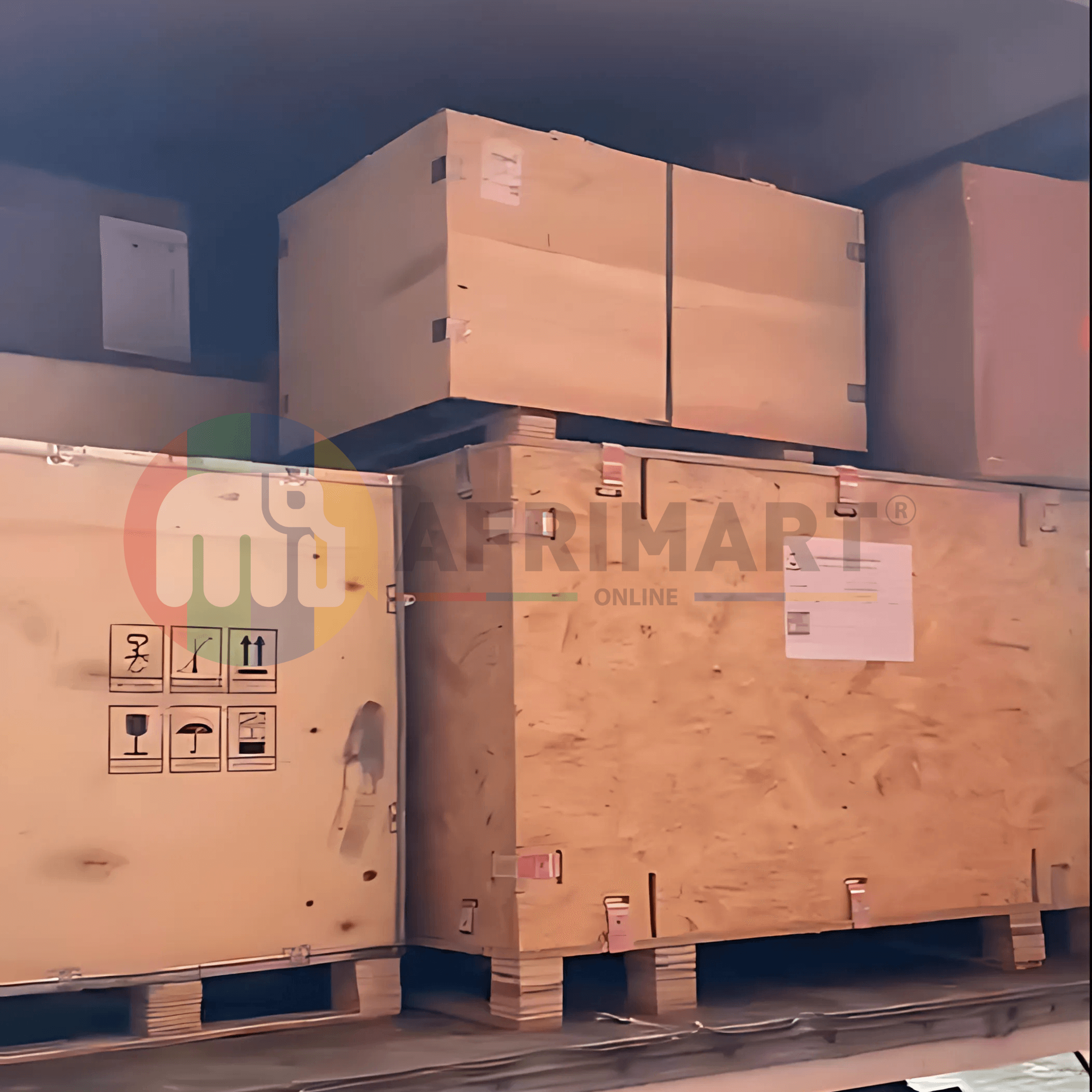
Latest Arrivals
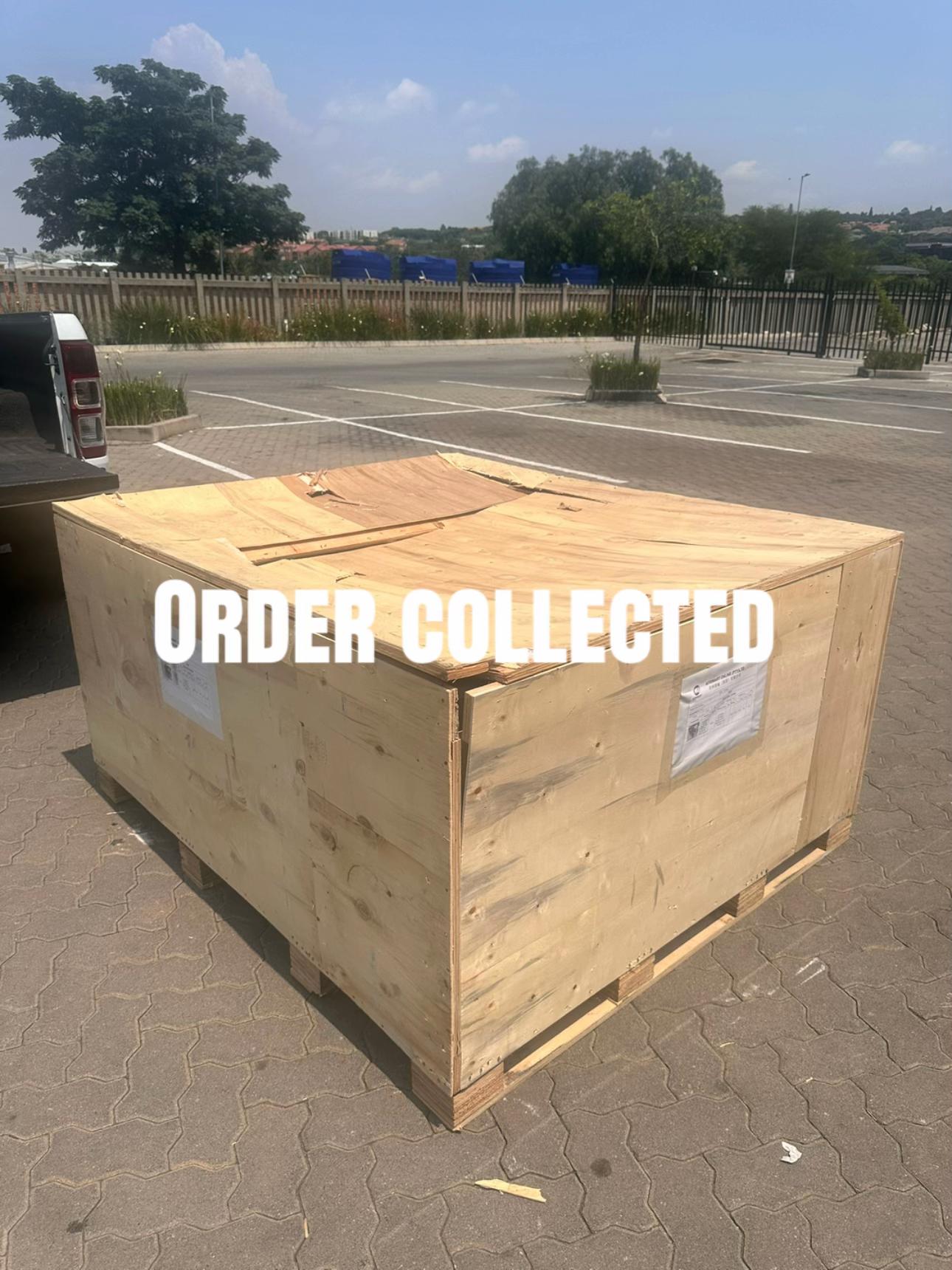
Latest Arrivals
Latest Arrivals
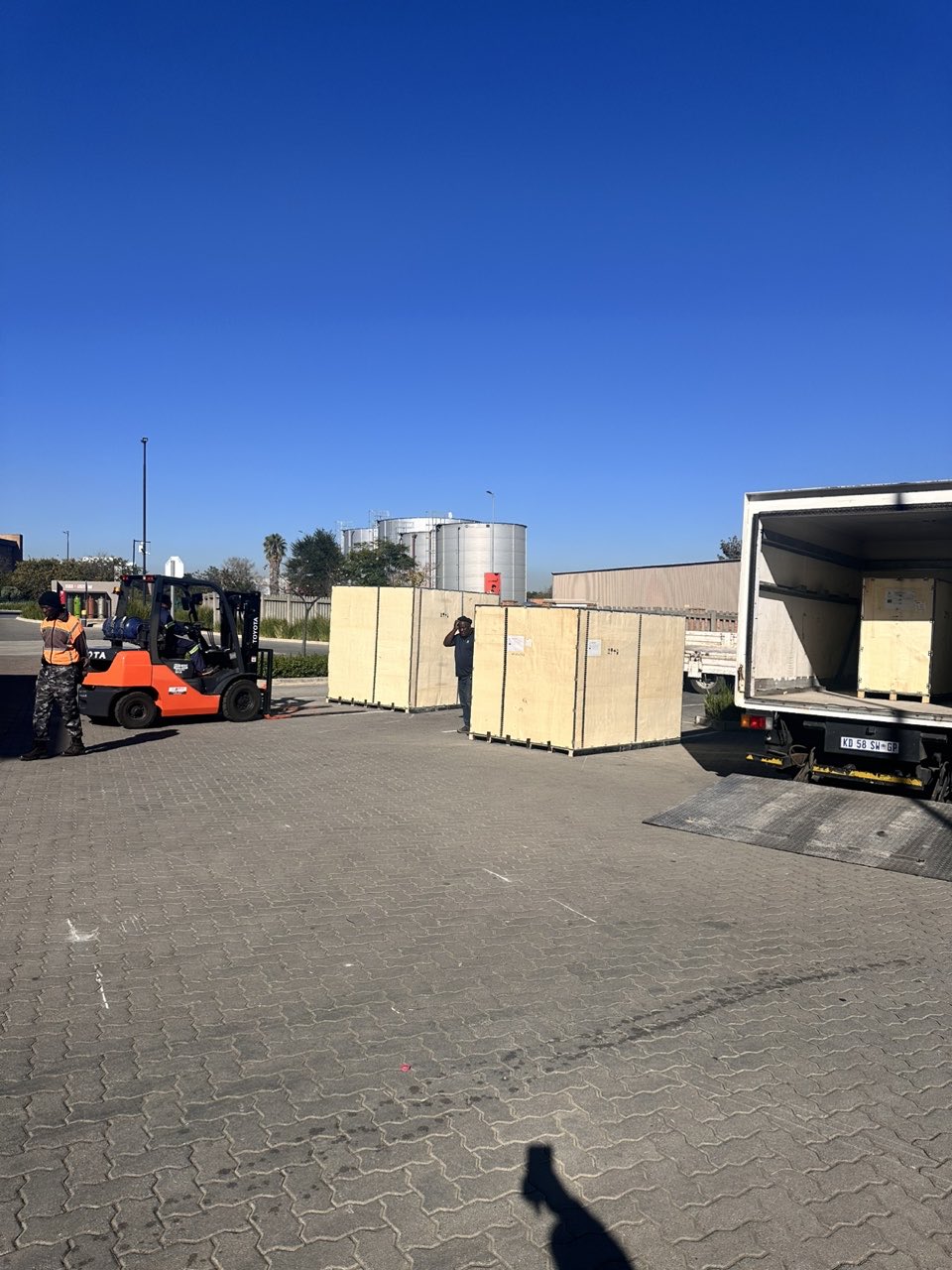
Loading
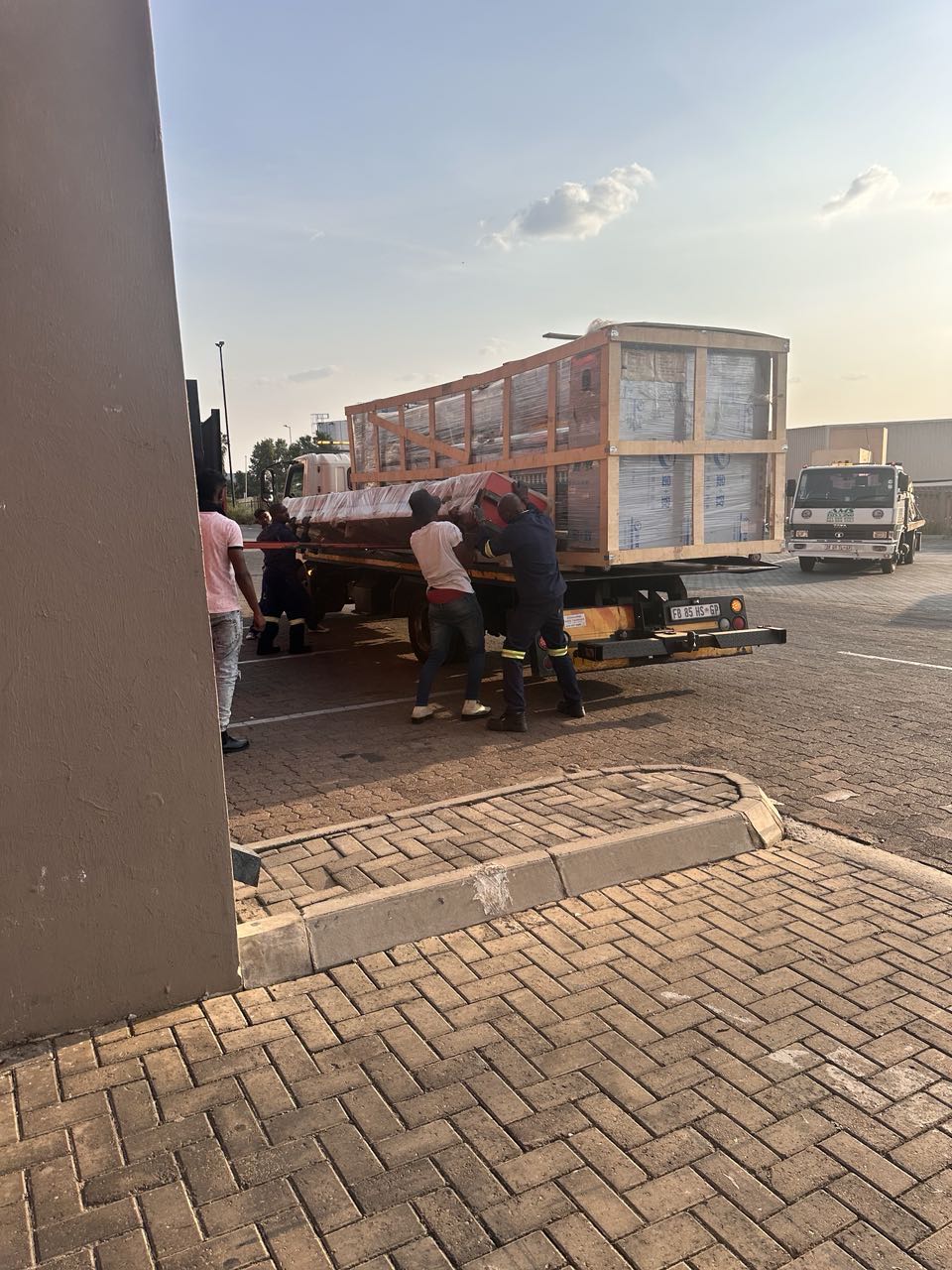
Toilet paper making machine
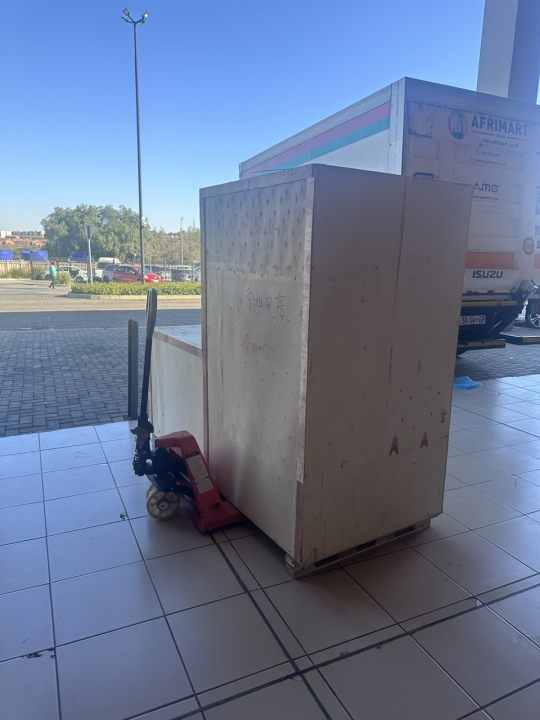
Toilet paper making machine
Toilet paper Rewinding Machine
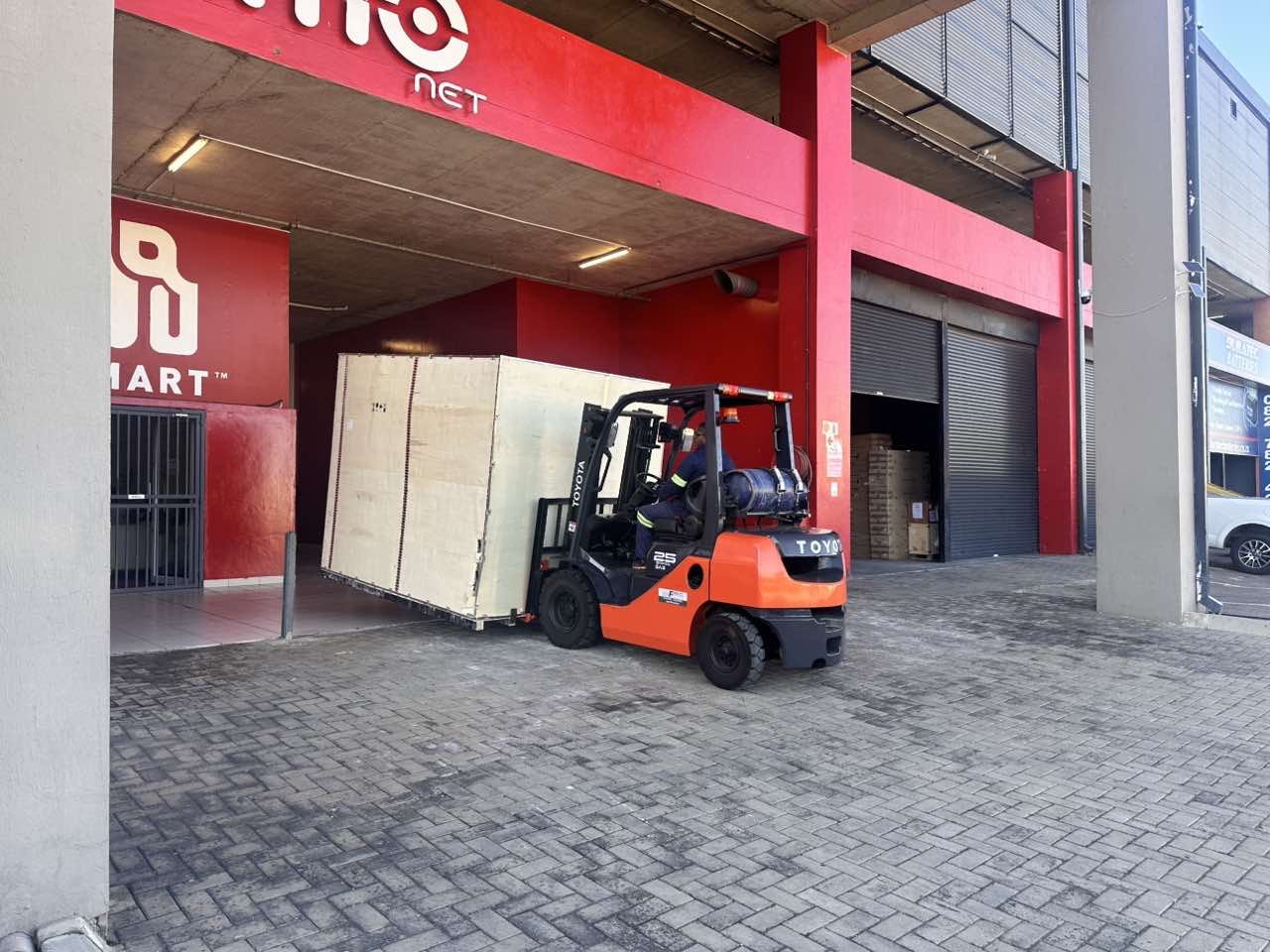
latest arrivals
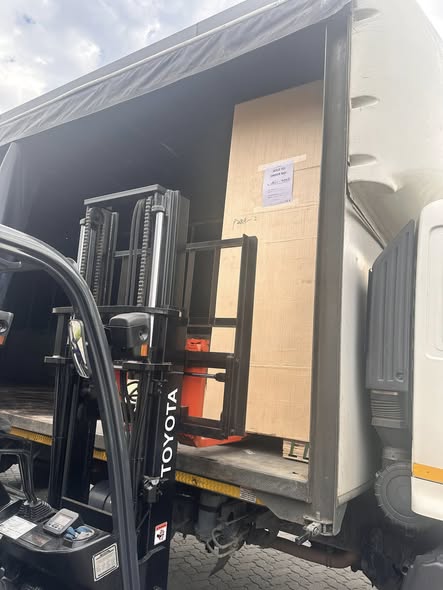
offloading
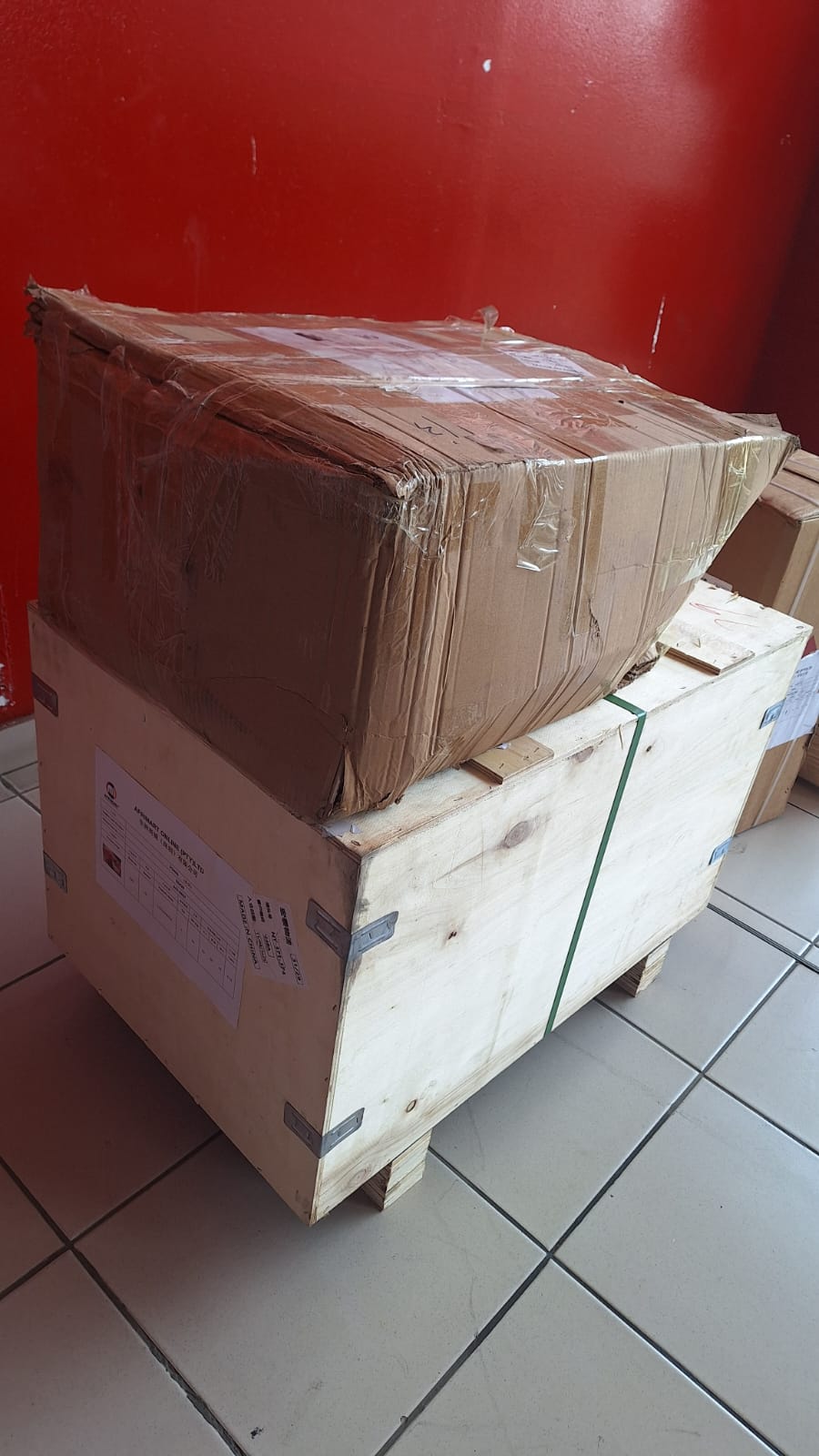
order success
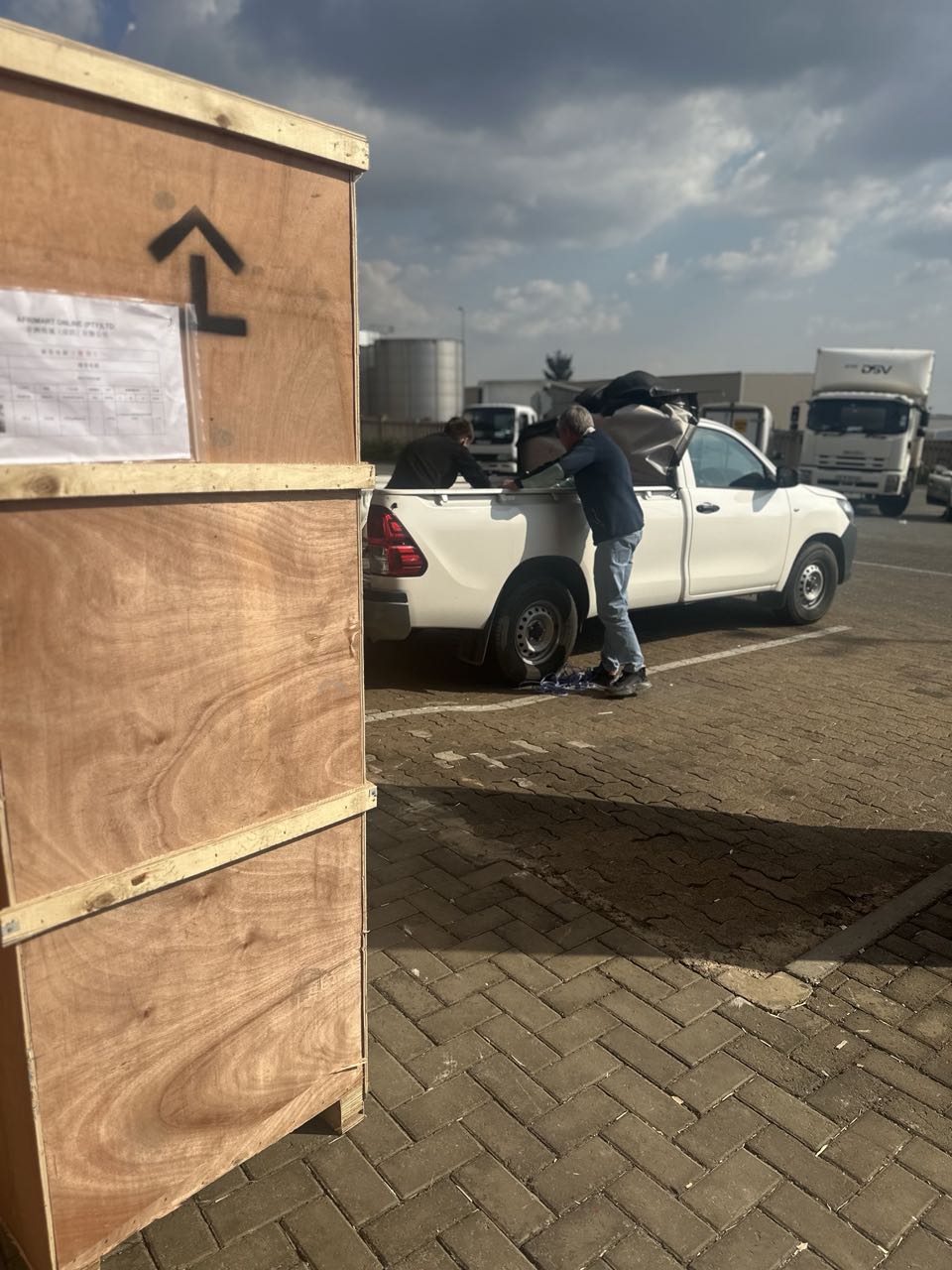
order collection
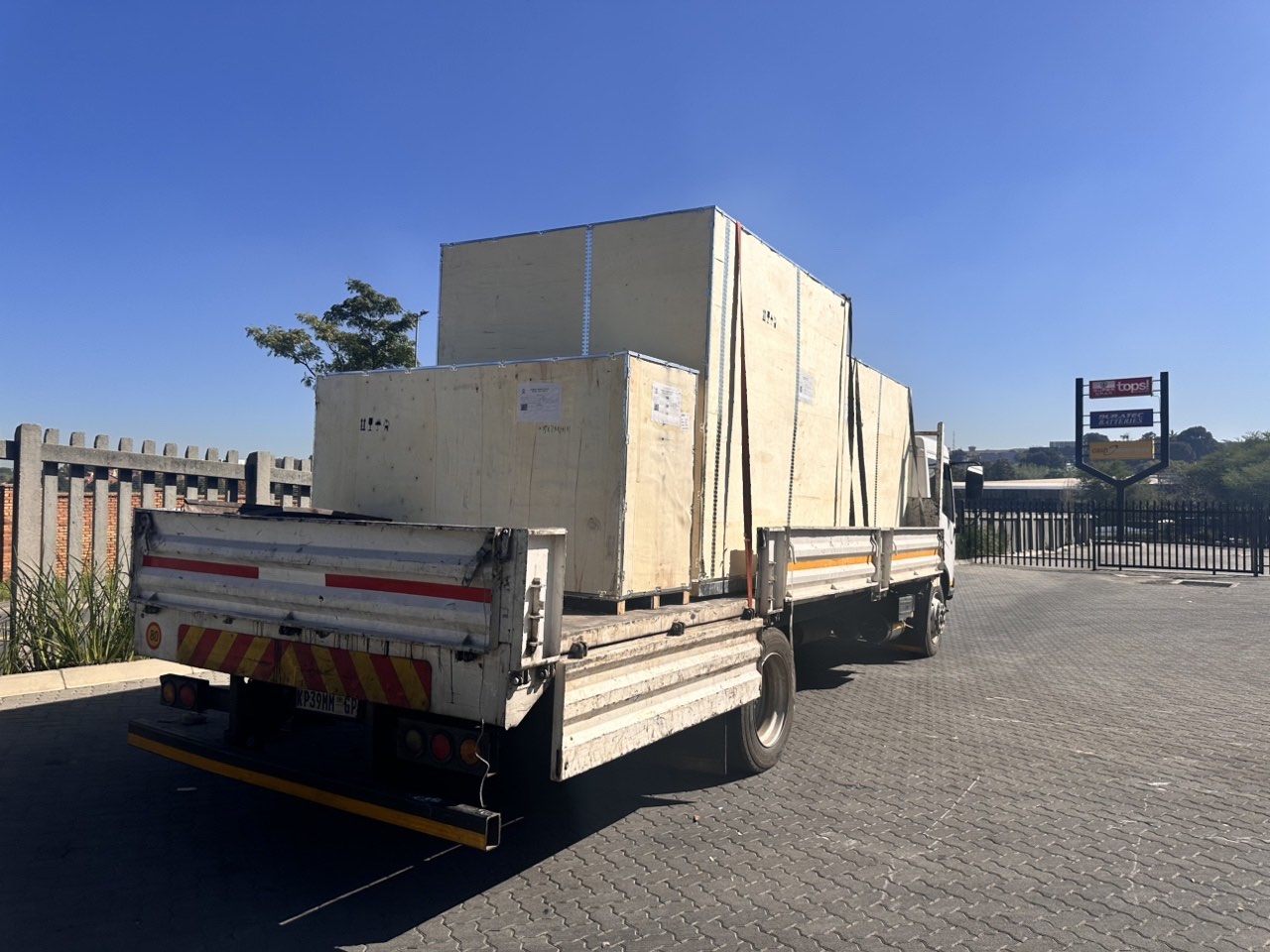
order offloading