B21, China Town Mall, Midrand


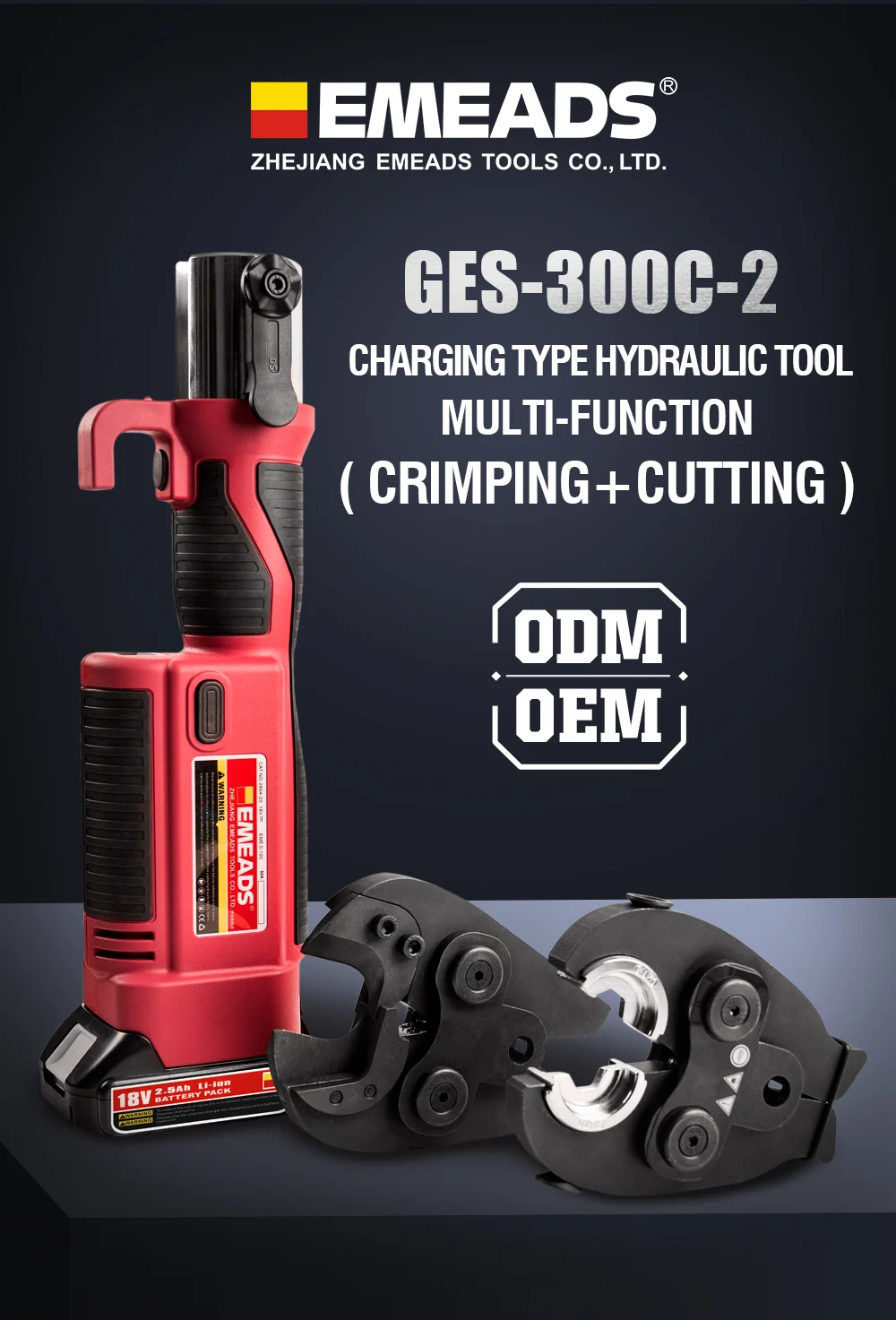
GES-300C-2 Powered Hydraulic Crimping and Cutting Tool Battery Cable Cutter

- Section : Electrical & Tools
- Category : Hydraulic Tools
- SKU : 1600915484728

Product Description

- Shipping Timeframes: All orders are processed within 2-5 business days (excluding weekends and holidays). After your order has been processed, the estimated delivery time is before 04 Aug, 2026, depending on customs, Please note that due to high demand, some items may experience longer shipping times, which will be communicated at order confirmation email.
- Order Processing Time: Please allow 2-5 business days for us to process your order before it is shipped . Orders placed after 16:00 on Fridays, or during weekends and public holidays, will begin processing on the next business day. Processing times may be extended during peak seasons or sales events.
- Manufacturing Time: Some products needs manufacturing time, the manufacturing process will take approximately 10-30 business days depending on the product. This timeframe may vary depending on the complexity of the product and current demand. but this will be communicated with you during order confirmation.
- Returns and Exchanges: We offer a 30-day return policy for most items. If you are not completely satisfied with your purchase, you may return it within 30 days of receipt for a refund or exchange. Items must be unused, in their original packaging, and accompanied by proof of purchase. Return shipping costs are the responsibility of the customer, unless the item was damaged or defective upon arrival.
1. What is the GES-300C-2 Powered Hydraulic Crimping and Cutting Tool?
A battery-powered hydraulic handheld tool designed to cut and crimp battery cables and related conductors. It combines a hydraulic pump, cutting head and interchangeable crimping dies in a portable package for field and shop use.
2. What tasks can this tool perform?
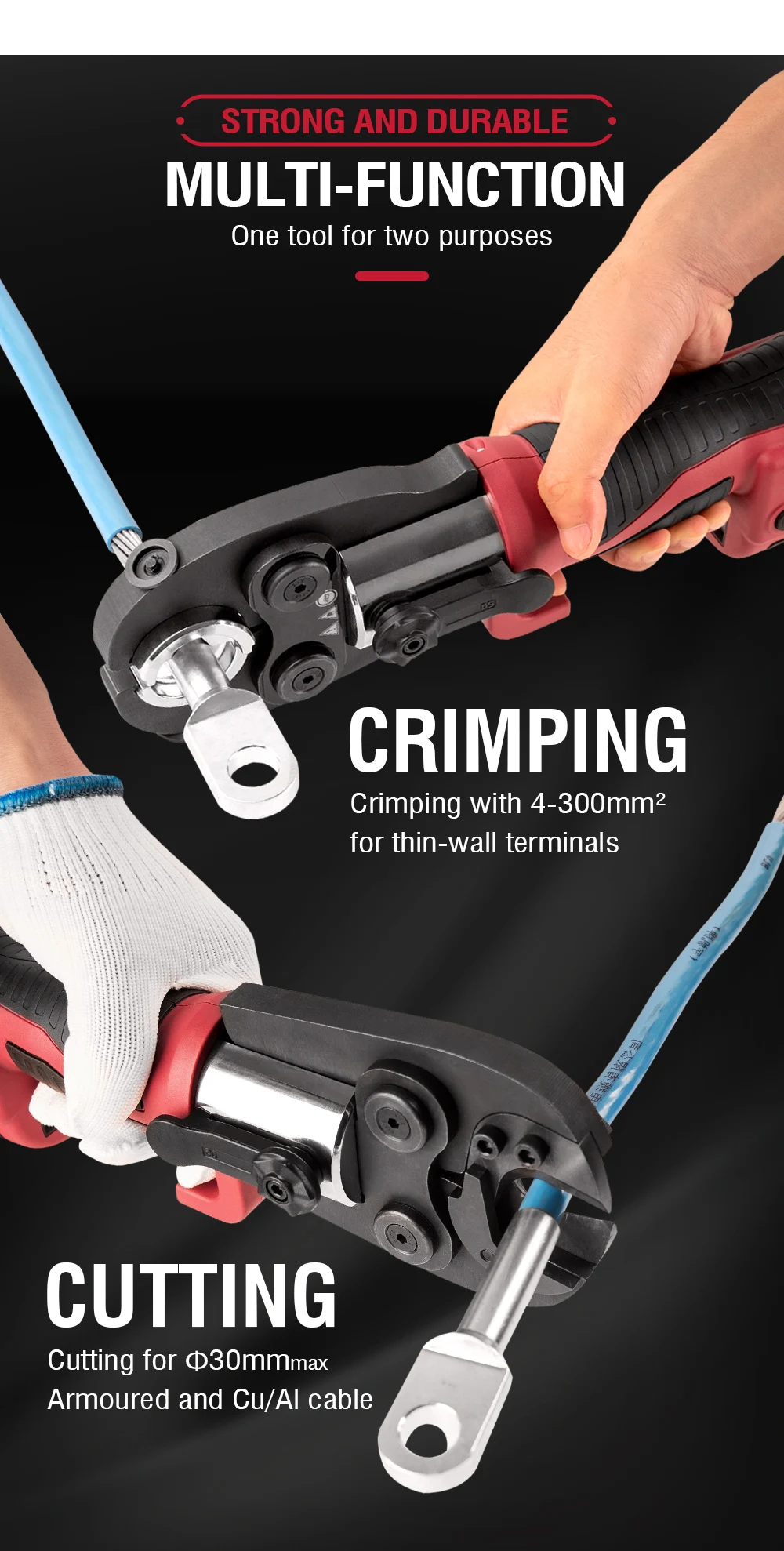
It performs cutting of battery cables and bus bars, and hydraulic crimping of terminals and lugs. It is intended for installation, maintenance and repair of battery systems, switchgear and heavy electrical connections.
3. Which conductor types and sizes does it support?
It typically works on copper and aluminum battery cables and strips. Exact maximum cutting and crimping capacities depend on the supplied dies and blade — consult the product datasheet or user manual for the model's rated cable cross-section and maximum diameter.
4. Are crimping dies and cutting blades included, and are they interchangeable?
Most units ship with a set of common interchangeable crimping dies and a cutting blade. Additional die sizes and replacement blades are usually available as accessories. Verify the package contents or optional accessory list from the seller.
5. What type of battery does the tool use and is the battery included?
This style of tool normally uses a rechargeable lithium-ion battery pack. Whether a battery and charger are included varies by seller — check the product listing or packing list to confirm.
6. How many cuts and crimps can I expect per battery charge?
Runtime depends on battery capacity, cut size and frequency. On a full charge you can typically make multiple dozen operations for light-to-moderate work. For exact performance figures, see the technical specifications provided by the manufacturer.
7. How long does it take to charge the battery?
Charge times depend on battery capacity and charger output; typical lithium-ion packs charge in roughly 30–90 minutes. Use only the manufacturer-specified charger and follow charging guidelines in the manual.
8. How fast are the cutting and crimping cycles?
Hydraulic cycles are fast — cuts and crimps normally complete in seconds. Exact cycle times vary with load, die selection and battery state; refer to the product documentation for measured cycle times.
9. What safety features does the tool have?
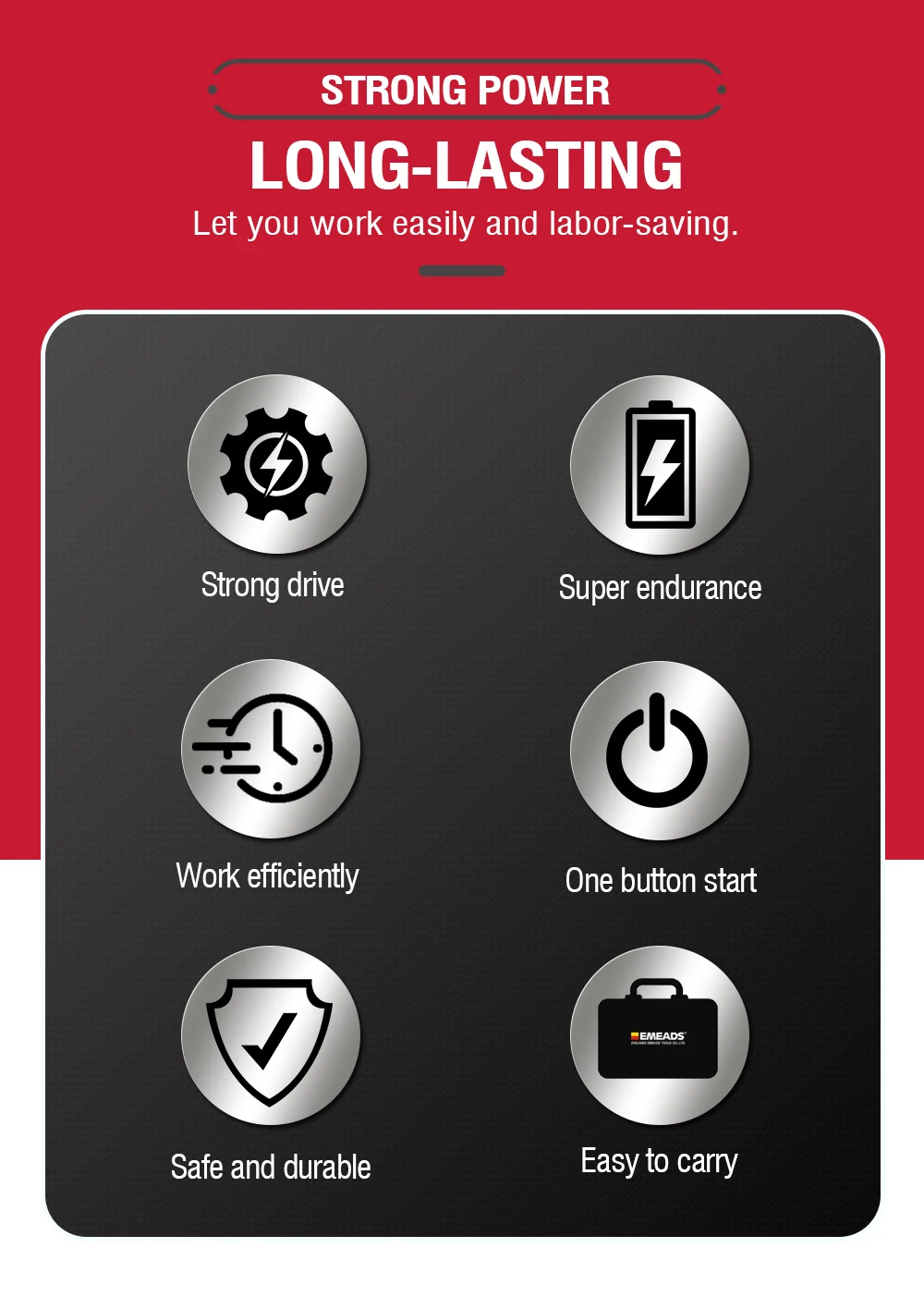
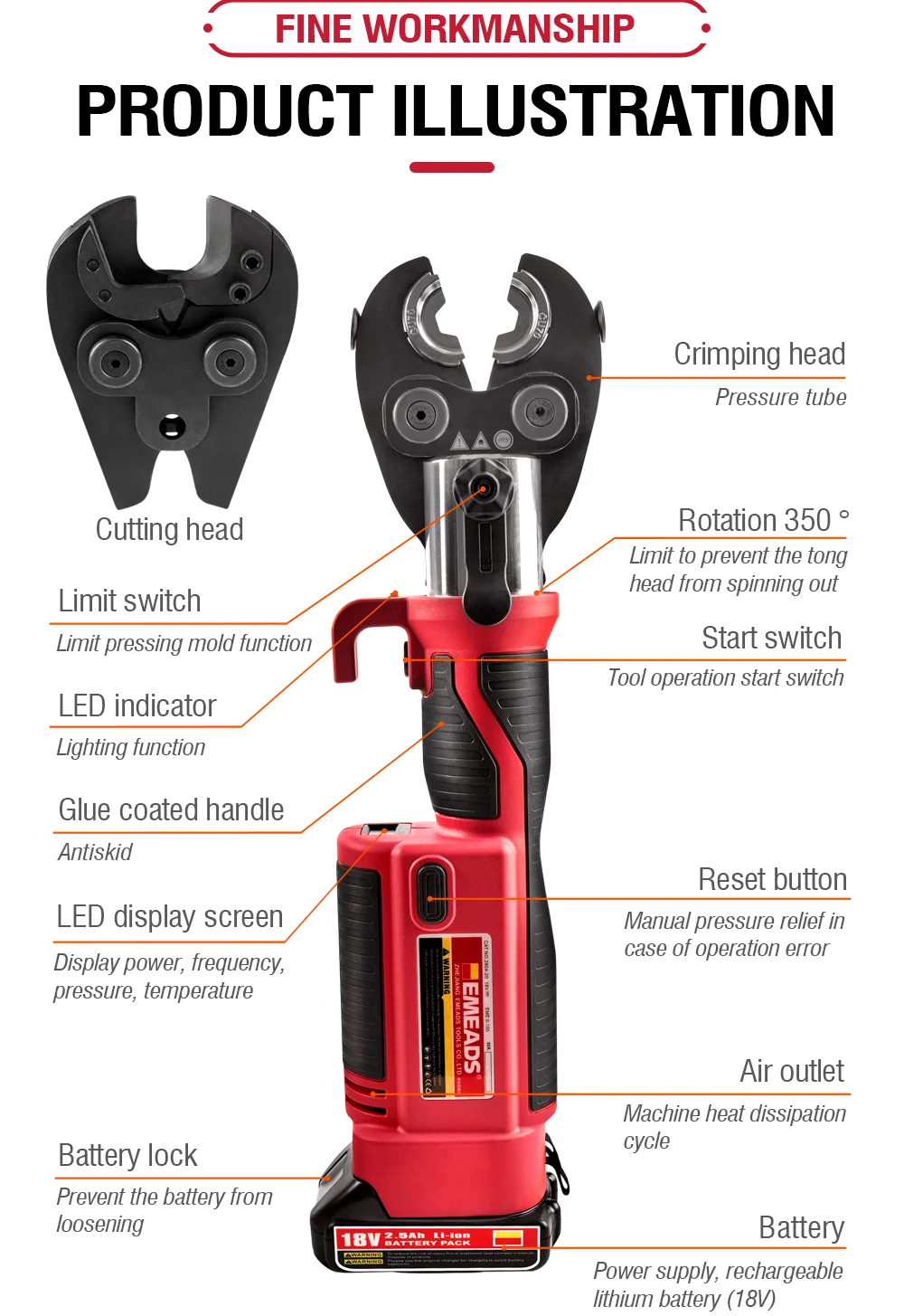
Common safety features include a two-stage or two-handed trigger, pressure relief valve, guarded cutting head, LED status indicators and insulated handles. Always read the safety section of the user manual and wear appropriate PPE when operating.
10. How do I change crimping dies or replace the cutting blade?
Shut down the tool, remove battery, relieve any hydraulic pressure, then follow the manufacturer's instructions to remove retaining pins or screws and swap dies/blade. Always use only compatible parts and follow torque/installation procedures in the manual.
11. What maintenance is required?
Regular maintenance generally includes cleaning the tool after use, keeping moving parts lightly lubricated, inspecting dies and blades for wear, checking hydraulic fittings for leaks, and maintaining battery health. Replace worn blades/dies and service hydraulic seals as recommended.
12. What should I do if the tool is slow, won't cut/crimp fully, or leaks oil?
Common troubleshooting steps: recharge or swap the battery, ensure dies/blade are correctly installed and sharp, verify there is no foreign material in the head, and check hydraulic fluid level and seals. For oil leaks or persistent faults, stop using the tool and contact authorized service.
13. What accessories and spare parts are available?
Typical accessories include additional die sets, replacement cutting blades, spare batteries and chargers, carrying cases, and hydraulic service kits. Check with the supplier or parts catalog for model-specific items.
14. What is the warranty and how is service handled?
Warranty terms vary by manufacturer and seller; common warranties cover workmanship and defects for a limited period (e.g., 12 months). Service and warranty repair are handled by authorized service centers — keep proof of purchase and consult the warranty card or vendor for details.
15. Are there recommended storage and transport guidelines?
Store the tool in a dry, cool place with the battery removed or at recommended storage charge. Use the supplied case or protective packaging for transport. Avoid prolonged exposure to extreme temperatures or moisture and follow battery storage rules in the manual.
Latest Order Arrivals
Discover our latest orders

12 Heads Embroidery Machine

Toilet Paper Machine Machine

Order Collection

Cross Border Clients

Order cros border countries Collected

Industrial Machine Cllection

Agriculture Processing Machines

Ready for collection

Water Pump Equipment

Packaging Machine and accessories

Fabrics Manufacturing Equipment

Mining Equipments

Food Processing Machine

Batch of Orders

Batch of Orders

Latest Orders Labelled

wheel alignment machines

new arrivals

Pre Orders Offloading

Latest Arrivals

Latest Arrivals

Latest Arrivals

Loading

Toilet paper making machine

Toilet paper making machine

Toilet paper Rewinding Machine

latest arrivals

offloading

order success

order collection

order offloading