B21, China Town Mall, Midrand

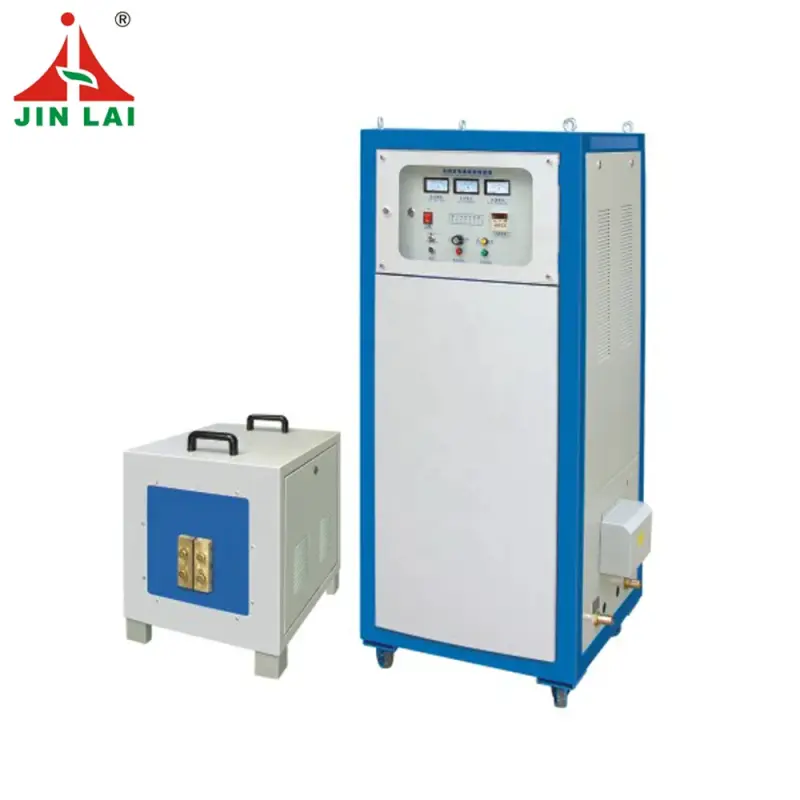
Full Automatic Wheels Steel CNC Induction Quenching Machine Tool
Asset finance available
Do you want funding for this equipment?
Afrimart can connect you with trusted funding partners who specialise in asset finance for businesses like yours. Compare options and apply in minutes — final approval is subject to provider review.
Check funding options
Secure & no obligation

- Section : Machinery
- Category : CNC industrial Machinery
- SKU : 1600712751985

Full Automatic Steel CNC Induction Quenching Machine Tool
Induction Heating Principle

Heating Principle Of Induction
How exactly does induction heating work? It helps to have a basic understanding of the principles of electricity. When an
alternating electrical current is applied to the primary of a transformer, an alternating magnetic field is created. According to Faraday's Law, if the secondary of the transformer is located within the magnetic field, an electric current will be induced.
In a basic induction heating setup shown in, a solid state RF power supply sends an AC current through an inductor (often a copper coil),and the part to be heated (the workpiece) is placed inside the inductor. The inductor serves as the transformer primary and the part to be heated becomes a short circuit secondary. When a metal part is placed within the inductor and enters the magnetic field, circulating eddy currents are induced within the part.
Product Description
| item | value |
| Model | JLC-120KW |
| Power | 120KW |
| Voltage | 3 Phase 380V 50/60HZ |
| Max input current | 195A |
| Oscillate frequency | 10-30kHz |
| Cooling water desire | >0.2MPa >6L/Min ≤40°C |
| Duty cycle | 100% |
| Cable length | 2-6 meters |
Main Feature
* It adopts the most advanced MOS, IGBT frequency conversion control technologies to realize automatic tracking of frequency.
* It has the constant current and power control function, which can significantly optimize metal heating process, realize the high efficiency and fast heating and bring into play the superior performance of the products.
* About ten types fault protection and display of over-current, over-voltage, water shortage and phase missing can provide higher reliability and durability.
* It is safe and reliable, and requires no equipments of ten thousand voltage, and thus can ensure the safe operation.
* It is available for infrared temperature measurement, which can realize the automatic control of temperature, improve the
heating performance and simplify the manual operation.
Application
- Shipping Timeframes: All orders are processed within 2-5 business days (excluding weekends and holidays). After your order has been processed, the estimated delivery time is before 22 Aug, 2026, depending on customs, Please note that due to high demand, some items may experience longer shipping times, which will be communicated at order confirmation email.
- Order Processing Time: Please allow 2-5 business days for us to process your order before it is shipped . Orders placed after 16:00 on Fridays, or during weekends and public holidays, will begin processing on the next business day. Processing times may be extended during peak seasons or sales events.
- Manufacturing Time: Some products needs manufacturing time, the manufacturing process will take approximately 10-30 business days depending on the product. This timeframe may vary depending on the complexity of the product and current demand. but this will be communicated with you during order confirmation.
- Returns and Exchanges: We offer a 30-day return policy for most items. If you are not completely satisfied with your purchase, you may return it within 30 days of receipt for a refund or exchange. Items must be unused, in their original packaging, and accompanied by proof of purchase. Return shipping costs are the responsibility of the customer, unless the item was damaged or defective upon arrival.
1. What is the Full Automatic Wheels Steel CNC Induction Quenching Machine Tool?
It is an automated CNC induction heating and quenching system designed primarily for hardening steel parts such as wheels. It uses high-frequency induction heating with rapid quenching to change surface hardness and improve wear resistance while offering CNC-controlled process repeatability.
2. How does induction heating in this machine work?
A solid-state RF power supply drives an inductor (a copper coil). The workpiece placed inside the coil acts as the transformer's secondary and eddy currents are induced in the metal. These eddy currents produce rapid, localized heating. The system then applies quenching to harden the heated zone.
3. What are the main electrical and performance specifications?
Model: JLC-120KW. Power: 120 kW. Voltage: 3-phase 380 V, 50/60 Hz. Max input current: 195 A. Oscillating frequency: 10–30 kHz. Duty cycle: 100%. Cable length: 2–6 meters. Cooling water: >0.2 MPa and >6 L/min, temperature ≤40°C.
4. What cooling/water requirements does the machine have?
The system requires a stable cooling water supply with pressure greater than 0.2 MPa, flow over 6 L/min, and water temperature at or below 40°C. Adequate filtration and gradual flow control are recommended to prevent cavitation and protect the power electronics.
5. What materials and parts can be processed?
The machine is optimized for ferrous materials (carbon and alloy steels) that respond to induction hardening and quenching. It can process wheels and similar steel components. Nonferrous metals (aluminum, copper) heat differently and are generally not suitable for quench hardening with this system.
6. What does the 10–30 kHz frequency range mean for processing?
Frequency controls the heating penetration depth: higher frequencies (toward 30 kHz) produce shallower, surface-focused heating for thin case depths; lower frequencies (toward 10 kHz) penetrate deeper. The machine's 10–30 kHz range covers many typical wheel and component case-hardening requirements.
7. Is the machine fully automatic and CNC-controlled?
Yes. It uses CNC control for repeatable positioning and process sequencing. The RF generator employs MOS/IGBT frequency-conversion tracking and supports automatic frequency tracking, constant-current and constant-power control, and integration with temperature feedback for closed-loop operation.
8. Does it have temperature monitoring and automatic control?
The system supports infrared temperature measurement (optional/available) for automatic temperature feedback and closed-loop control, improving heating accuracy and reducing the need for manual adjustments.
9. What built-in protections and safety features are provided?
The unit includes multiple fault protections such as over-current, over-voltage, water-shortage, and phase-missing detection. Because it uses solid-state medium-voltage electronics rather than very-high-voltage equipment, it reduces some electrical hazards, but proper grounding and safety measures are still required.
10. What installation requirements should I prepare for?
Prepare a stable 3-phase 380 V power supply sized for the unit (up to the listed max current), a chilled/circulating water system meeting the flow and pressure specs, adequate ventilation, a leveled and load-bearing floor area, and proper grounding. Exact footprint and anchoring depend on the chosen configuration—confirm with the supplier.
11. What routine maintenance does the machine need?
Regular maintenance includes checking and maintaining cooling water quality and flow, inspecting coils and connectors for wear, cleaning filters and vents, verifying cable and grounding integrity, and periodic inspection/testing of power electronics modules (IGBT/MOS). Follow the manufacturer's maintenance schedule for parts replacement and calibration.
12. What are common fault codes and basic troubleshooting steps?
Typical faults include over-current, over-voltage, water shortage, and phase missing. Basic checks: verify cooling water flow/temperature and pressure, confirm all three-phase power present and within spec, inspect coil and bus connections for shorts/loose contacts, and restart the system per manual. If faults persist, consult authorized service.
13. What is the maximum workpiece size or weight this machine can handle?
Maximum part size and weight depend on the chosen coil, chuck/fixture, and CNC handling configuration rather than the generator alone. Contact the supplier with your specific part dimensions and mass so they can recommend or design the appropriate coil, fixtures, and automation package.
14. Can the machine be integrated into an automated production line?
Yes. The CNC and control architecture, along with automatic frequency tracking and temperature feedback, make the system suitable for integration into automated production lines. PLC/communication interfaces and custom fixturing are typically provided to match line control protocols—discuss integration requirements with the manufacturer.
15. What support, training, and warranty options are available?
Service, commissioning, operator training, and warranty terms vary by supplier and region. Contact the manufacturer or authorized dealer for details on warranty coverage, available training programs, spare parts packages, and onsite commissioning/support options.
Latest Order Arrivals
Discover our latest orders
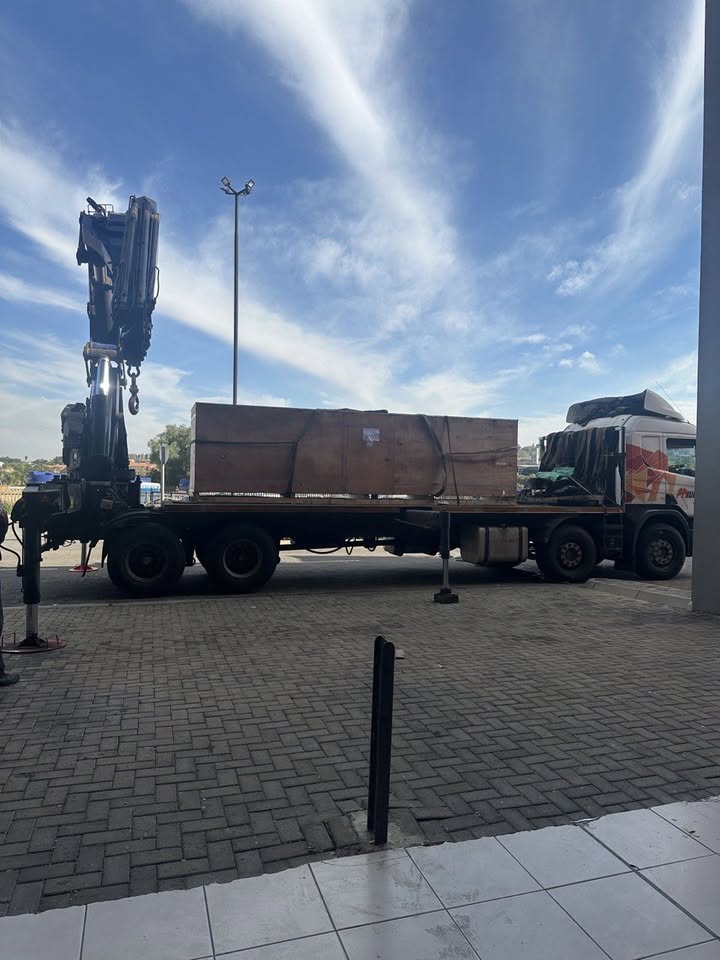
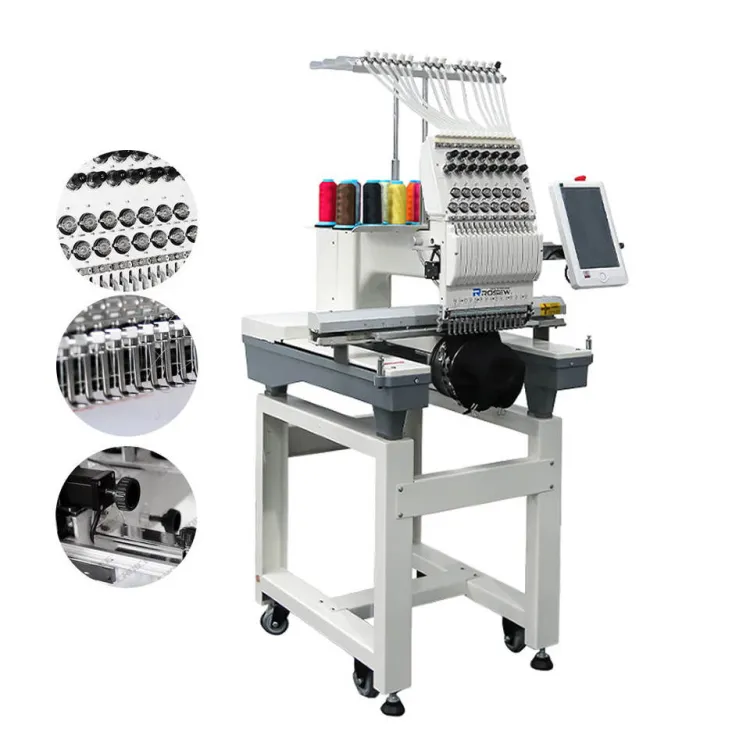
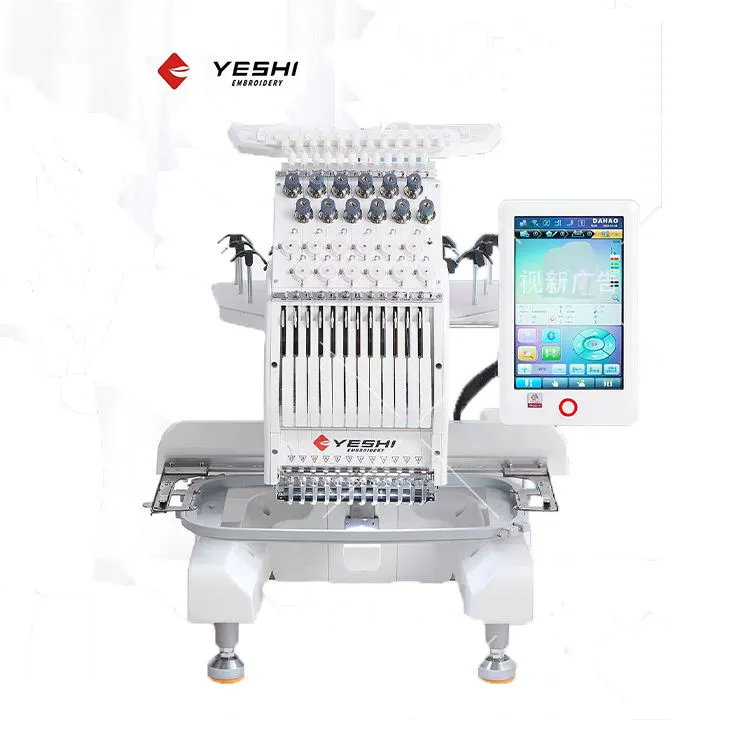
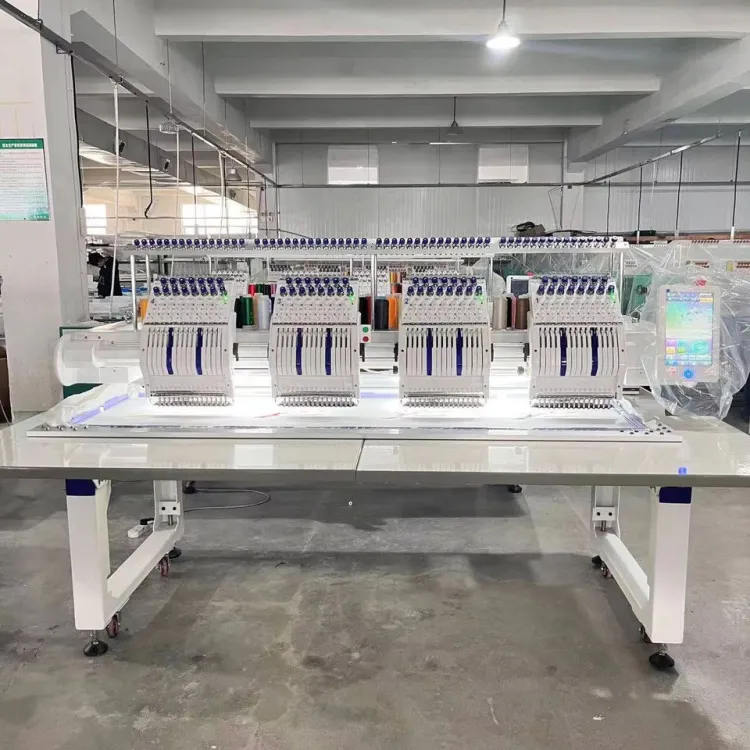
12 Heads Embroidery Machine
Toilet Paper Machine Machine
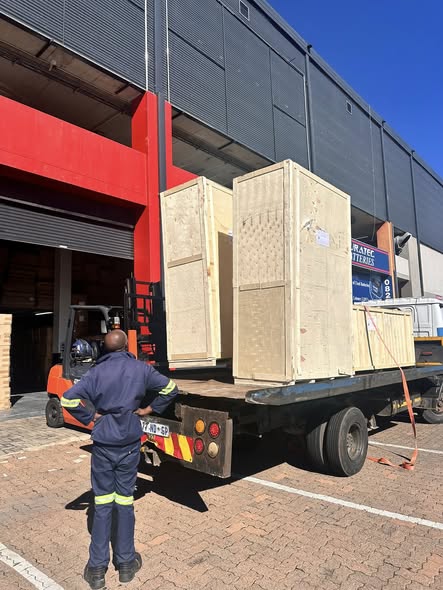
Order Collection
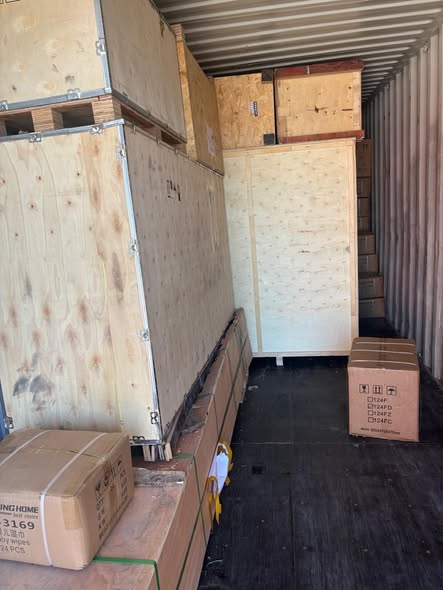
Cross Border Clients
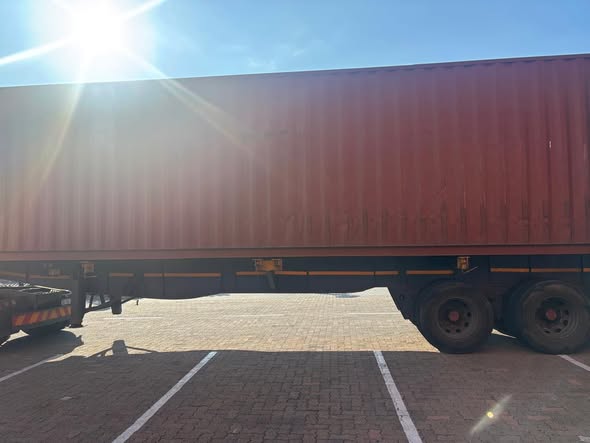
Order cros border countries Collected
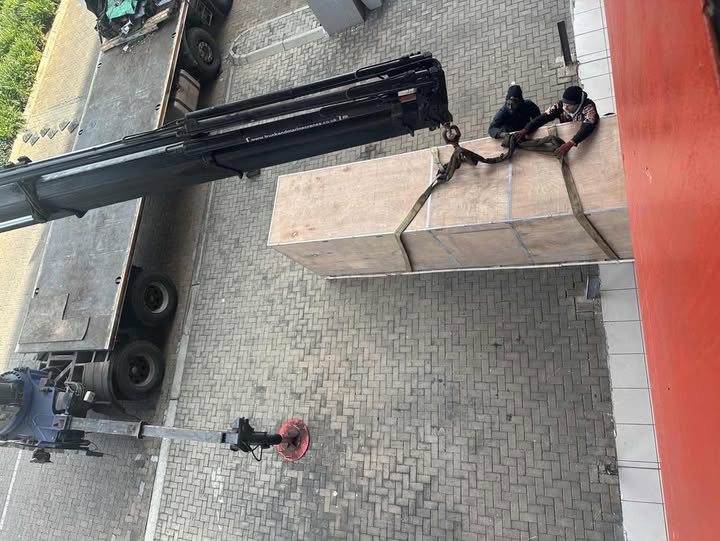
Industrial Machine Cllection
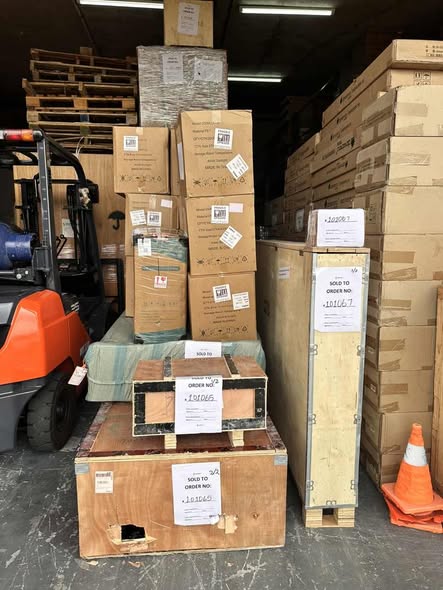
Agriculture Processing Machines
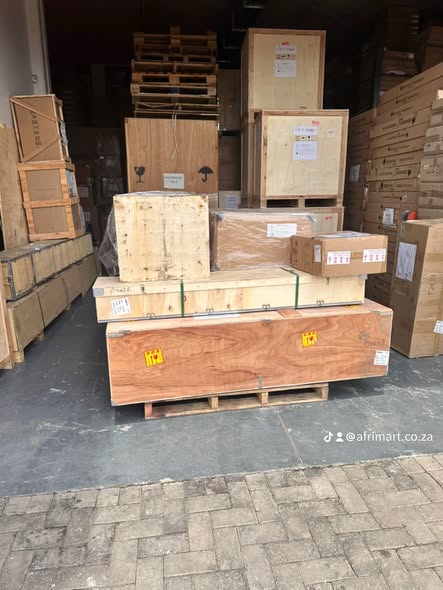
Ready for collection
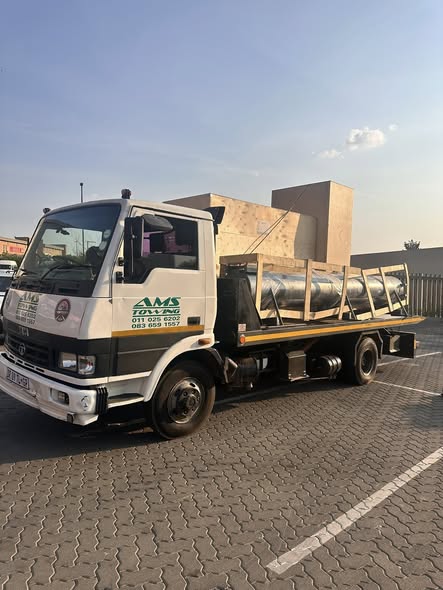
Water Pump Equipment
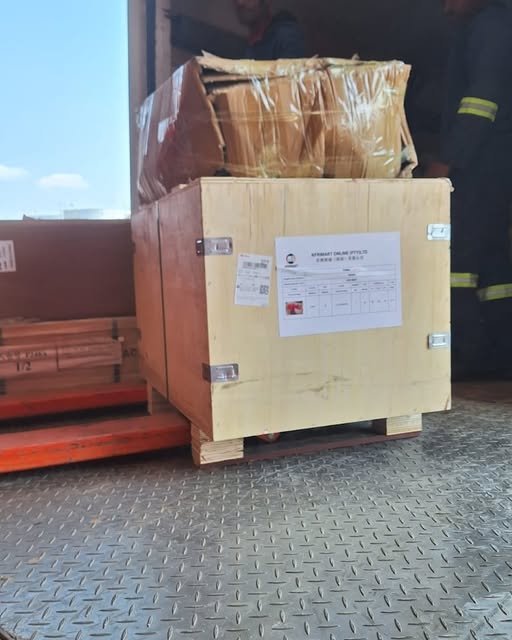
Packaging Machine and accessories
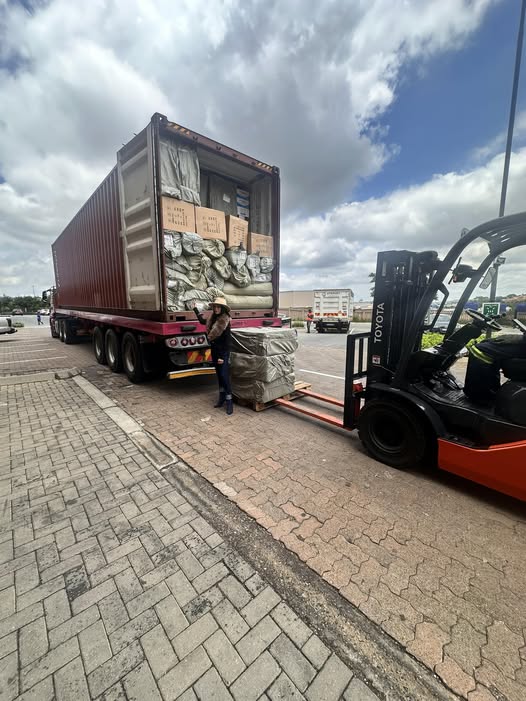
Fabrics Manufacturing Equipment
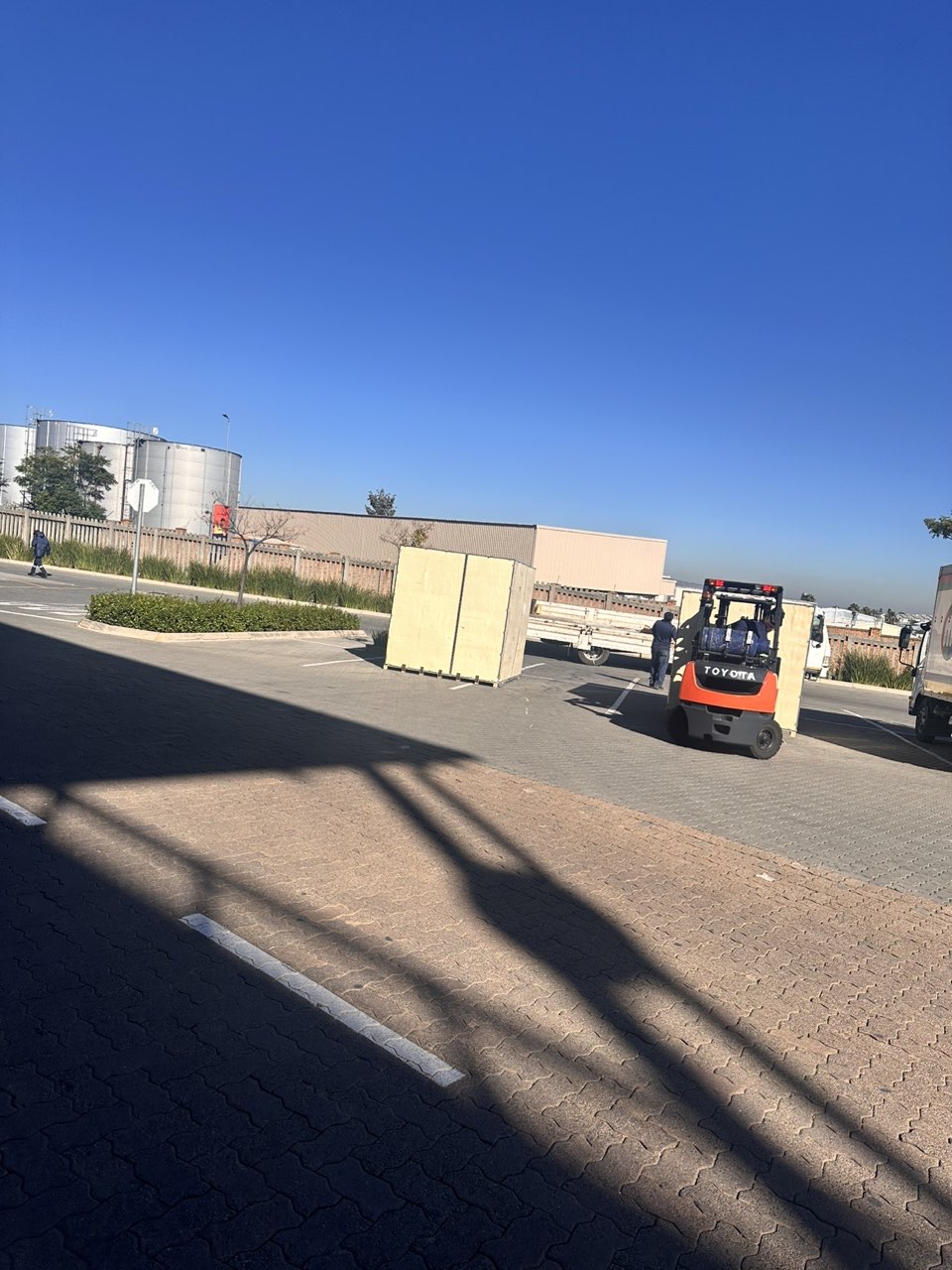
Mining Equipments
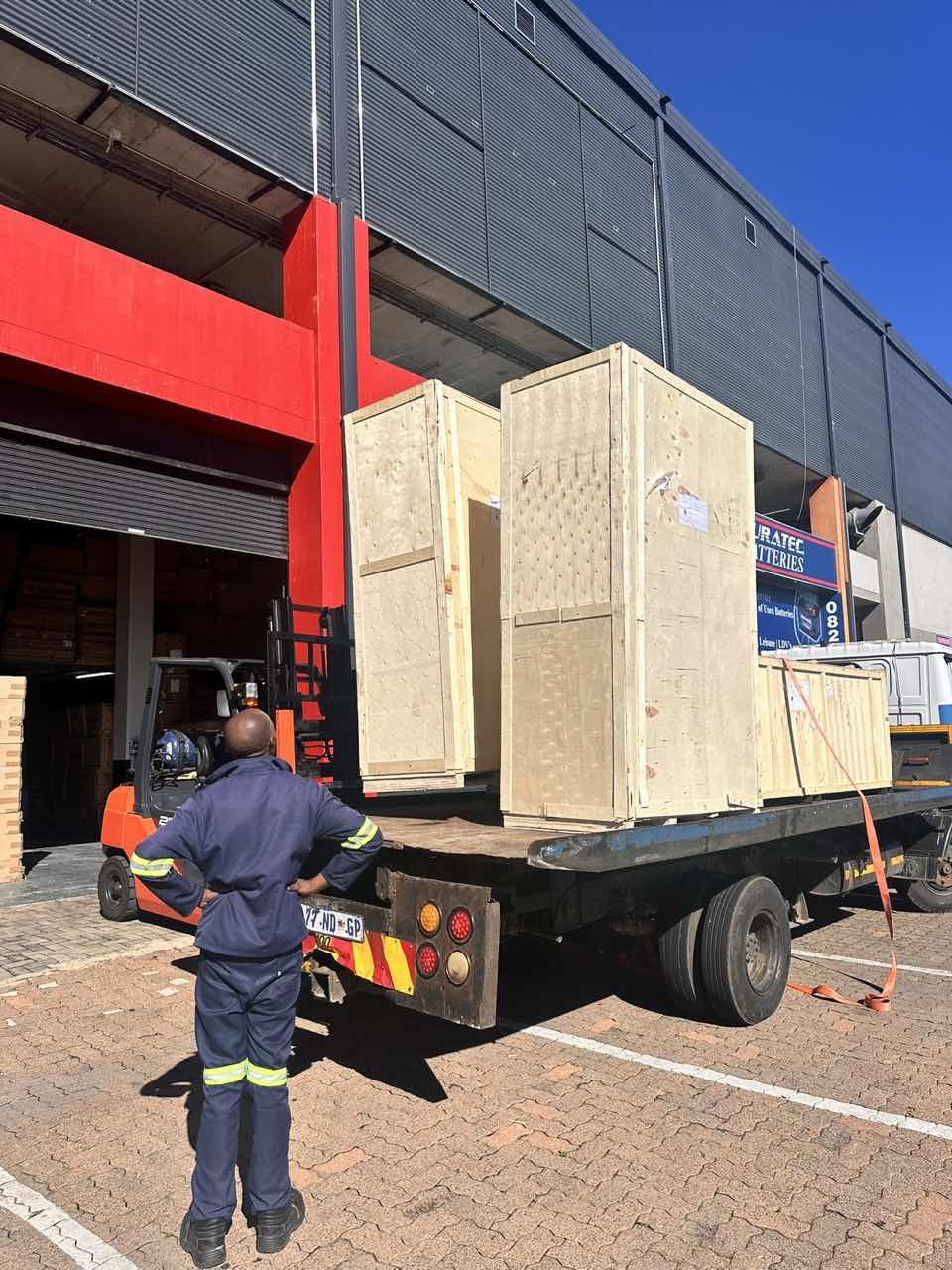
Food Processing Machine
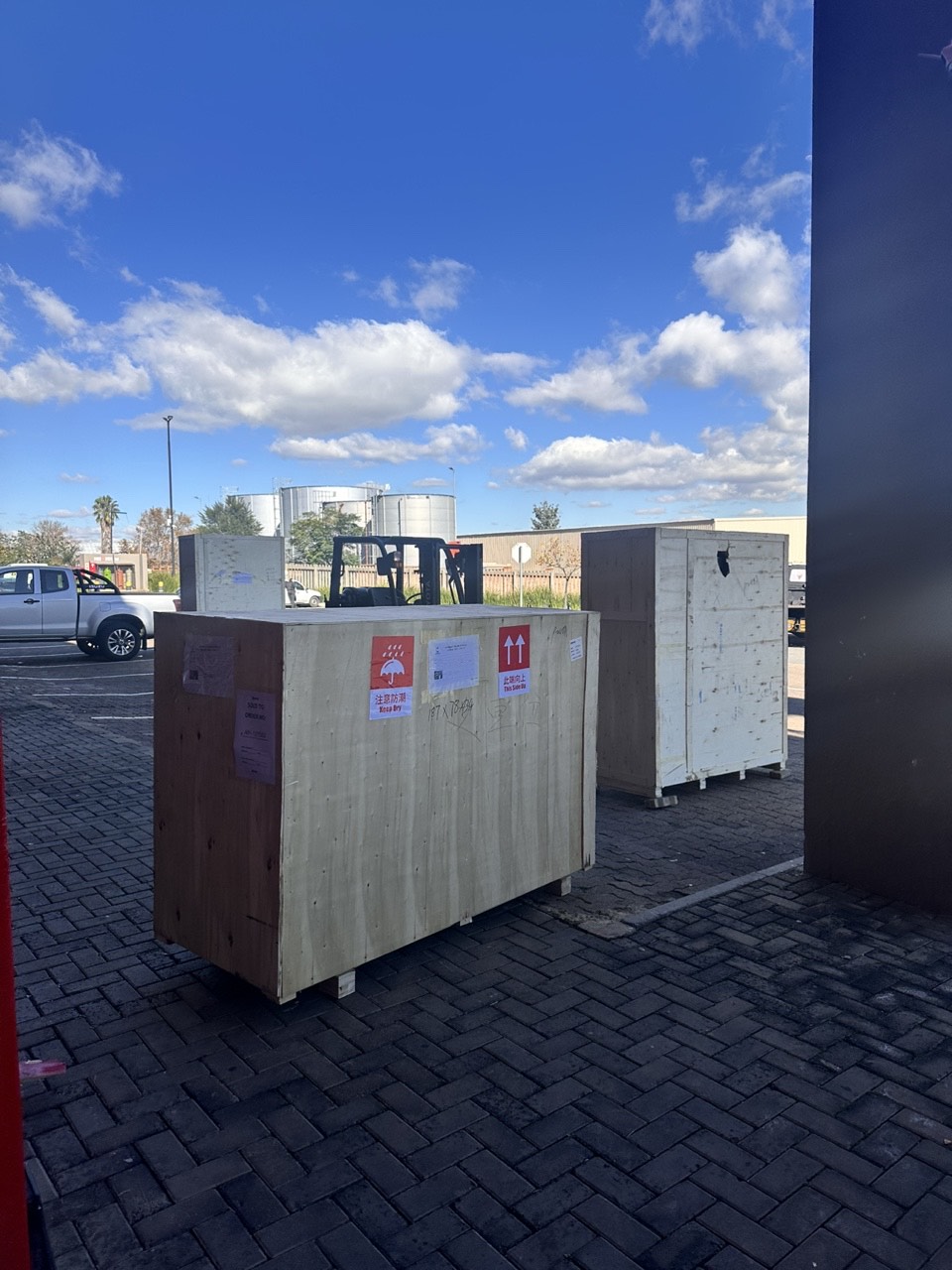
Batch of Orders
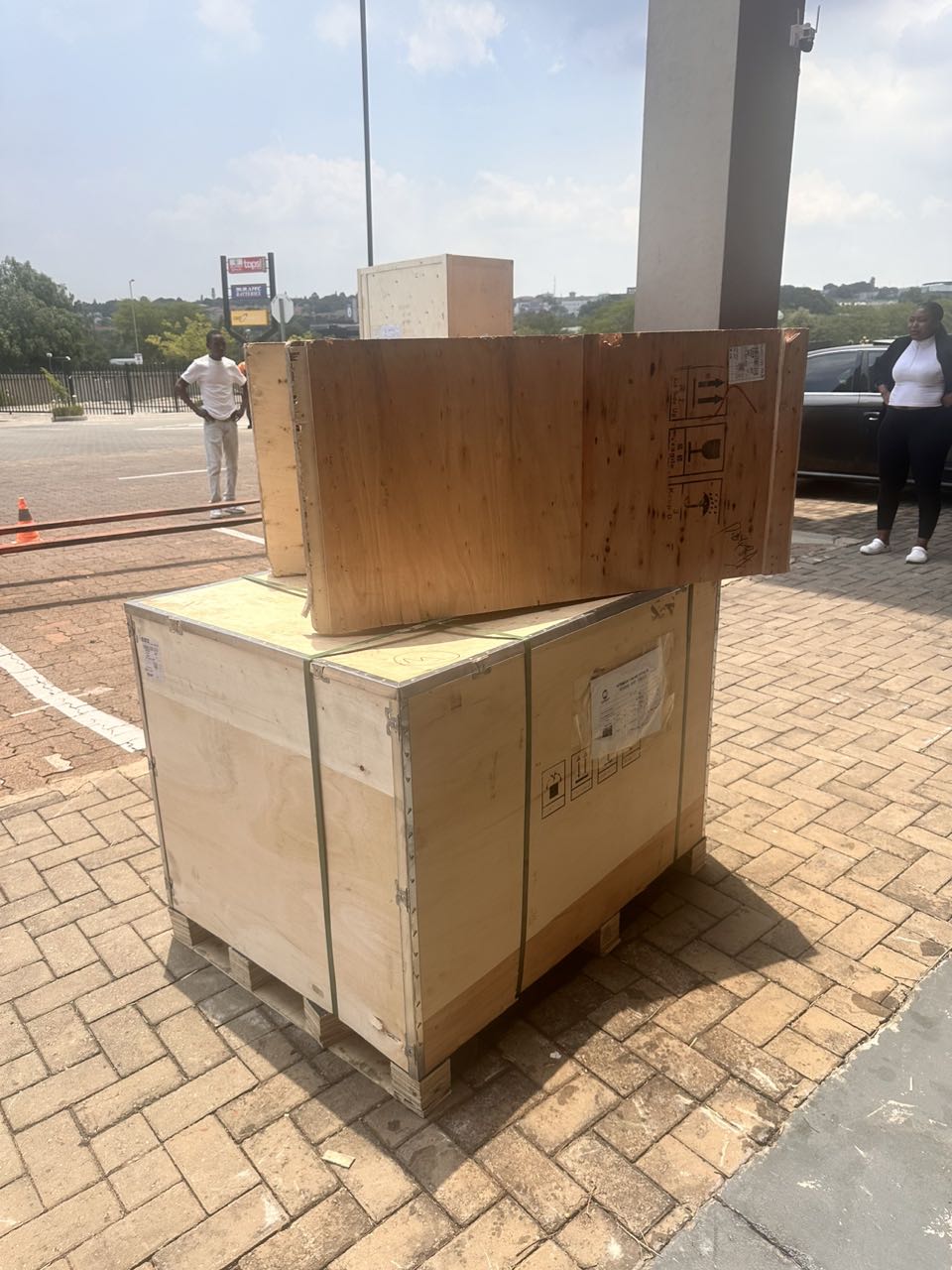
Batch of Orders
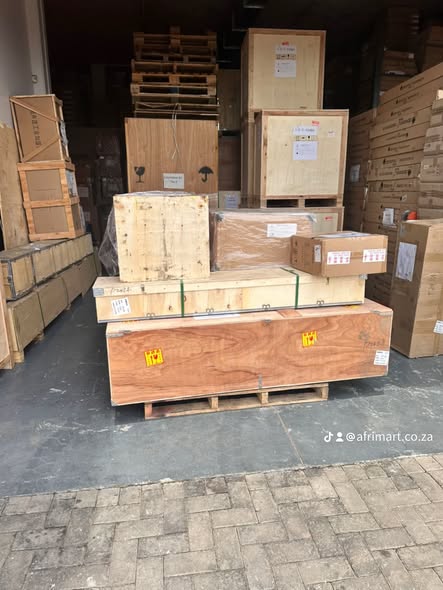
Latest Orders Labelled
wheel alignment machines
new arrivals
Pre Orders Offloading
Latest Arrivals
Latest Arrivals
Latest Arrivals
Loading
Toilet paper making machine
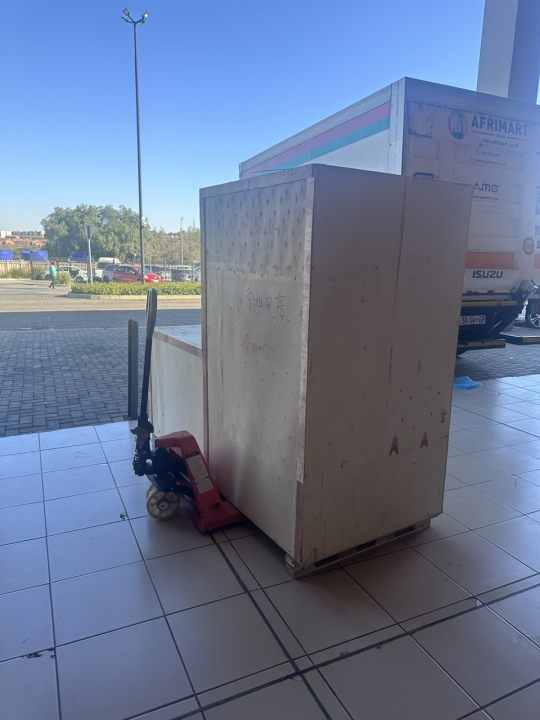
Toilet paper making machine
Toilet paper Rewinding Machine
latest arrivals
offloading
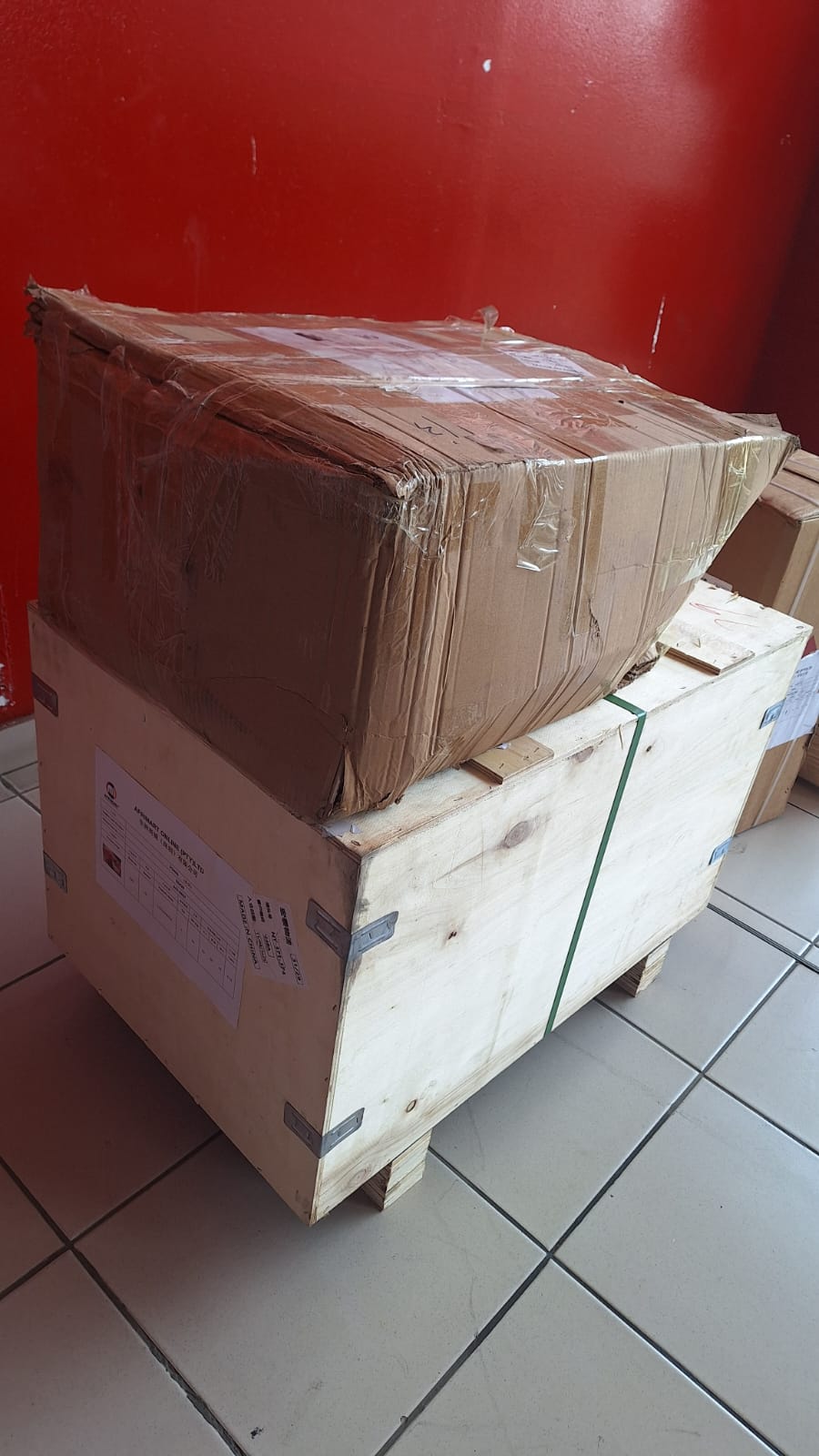
order success
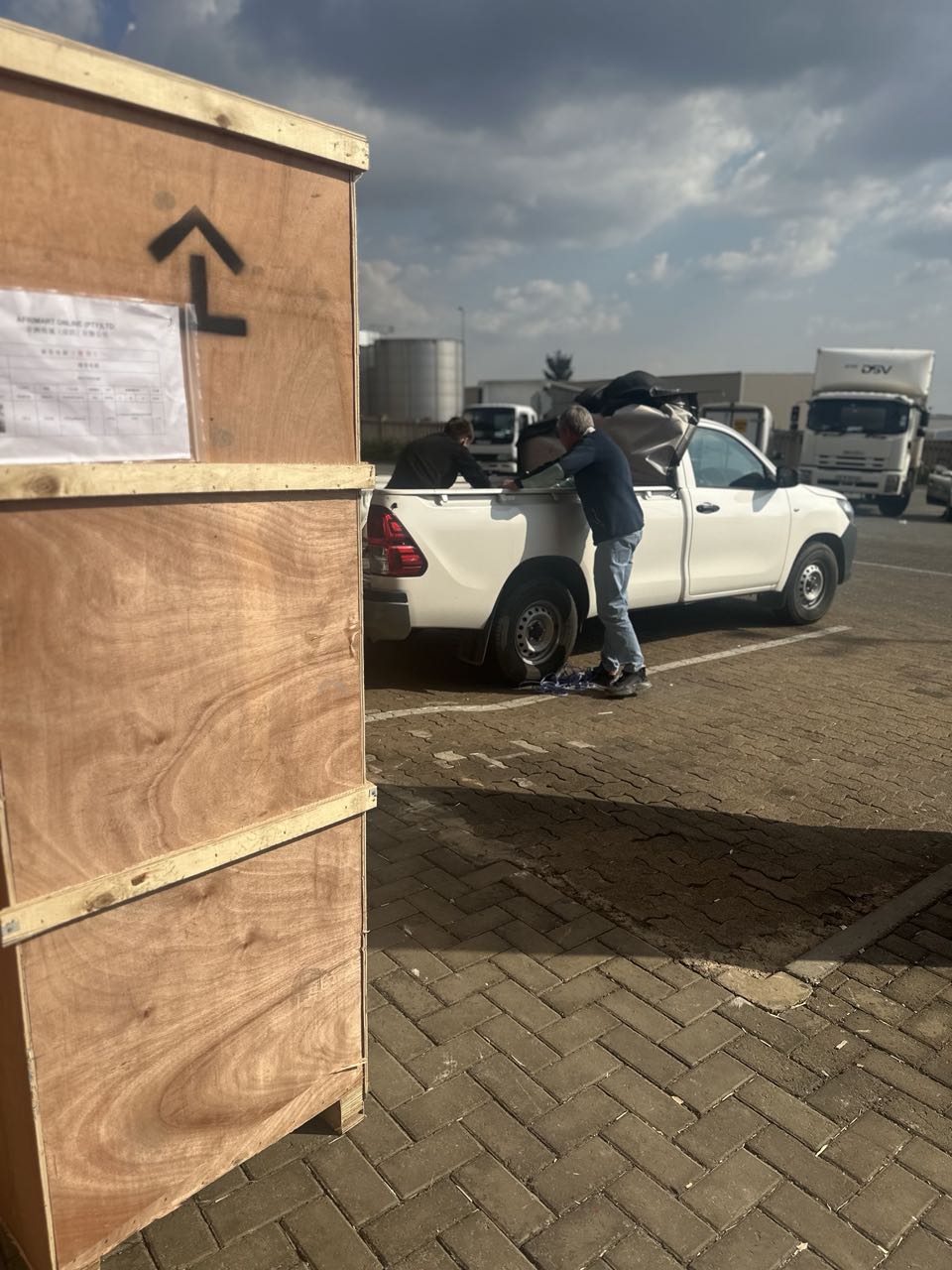
order collection
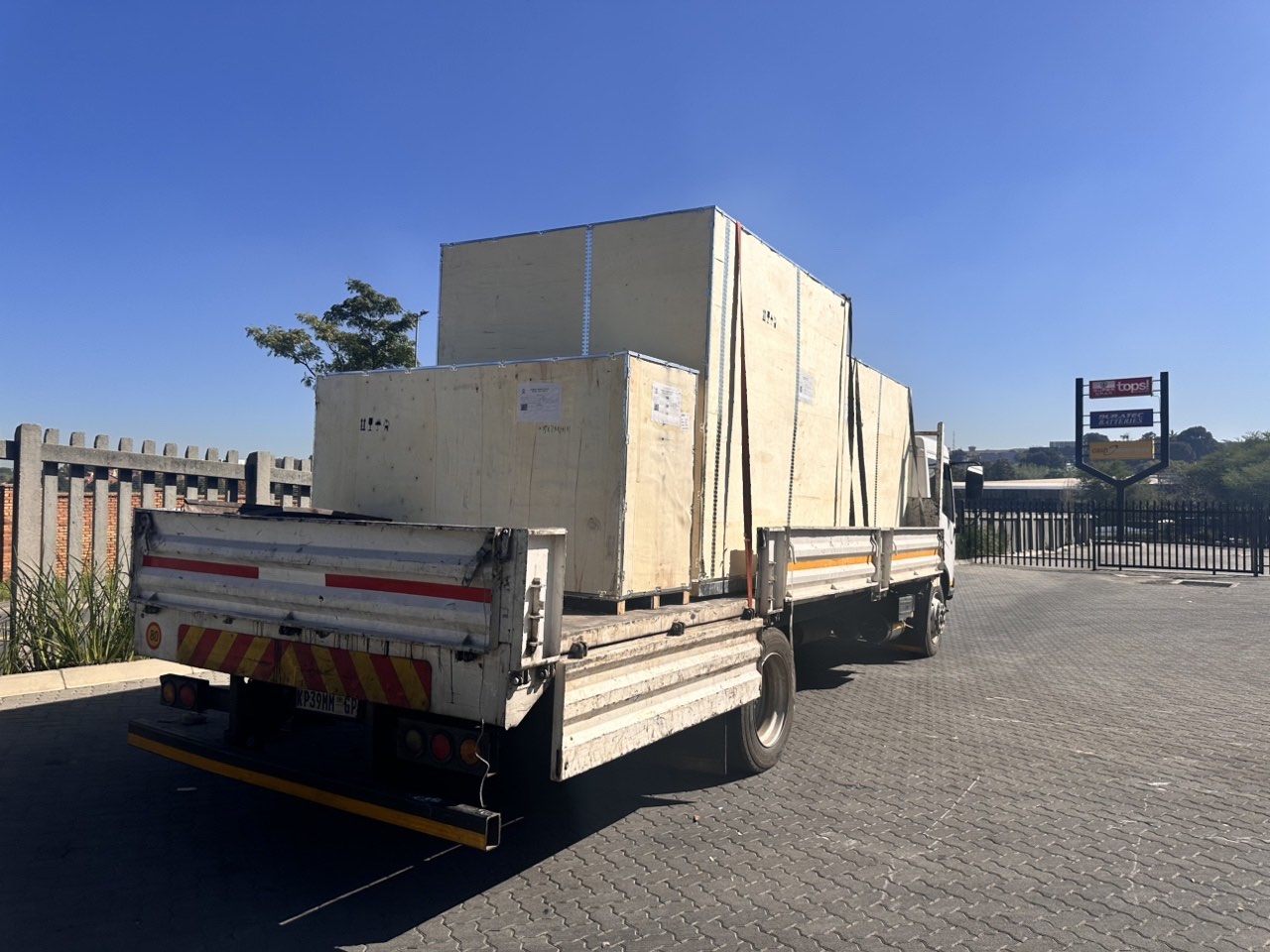
order offloading