B21, China Town Mall, Midrand

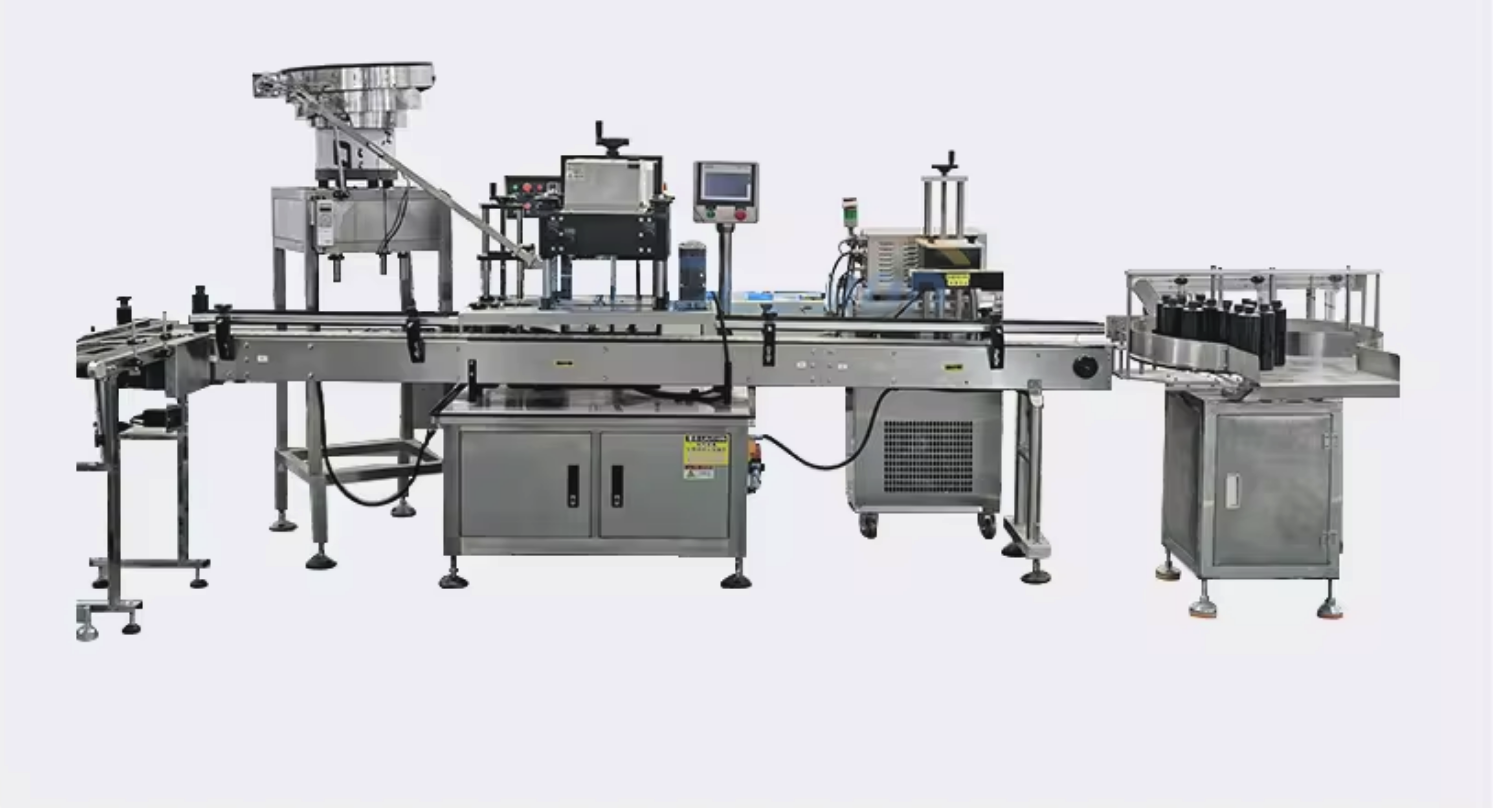
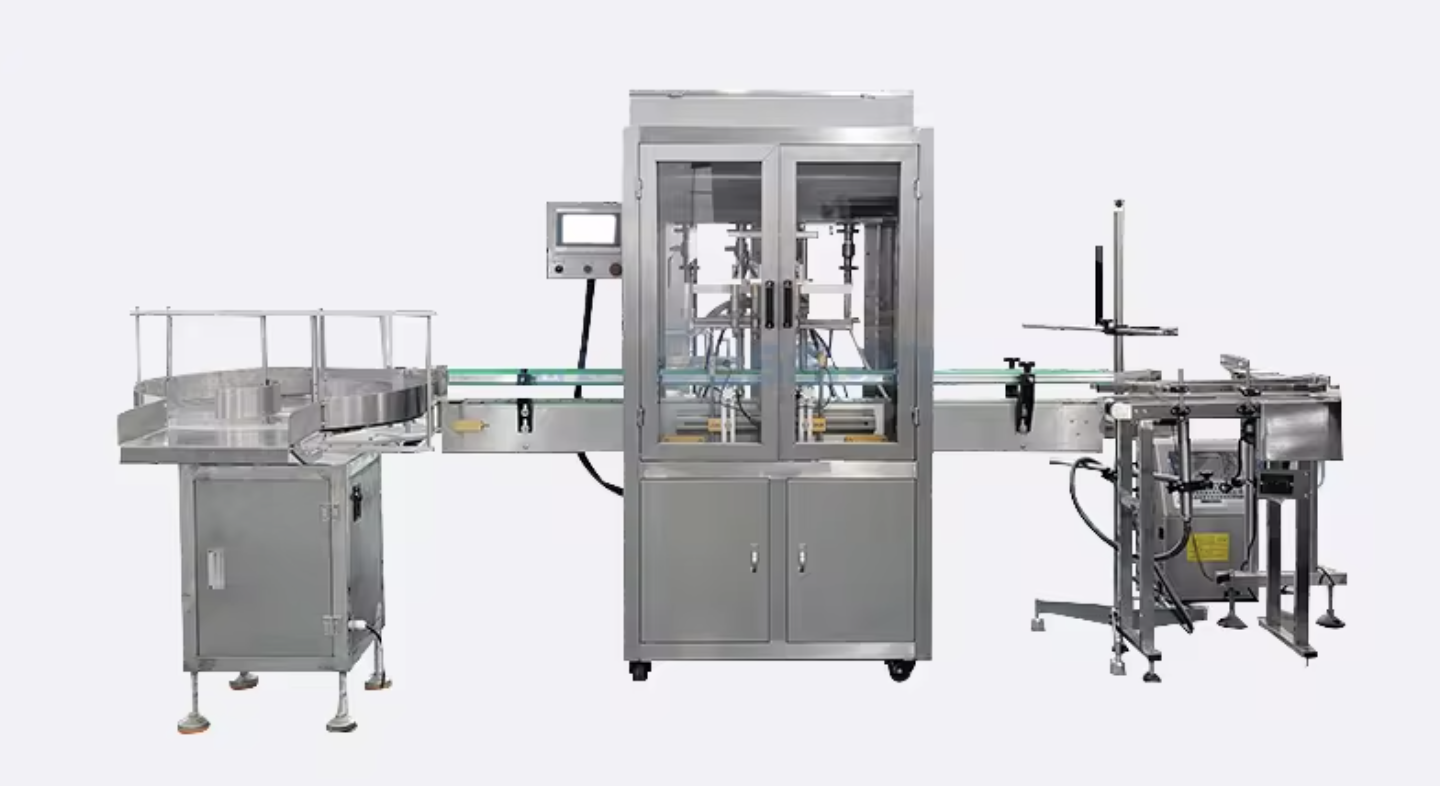
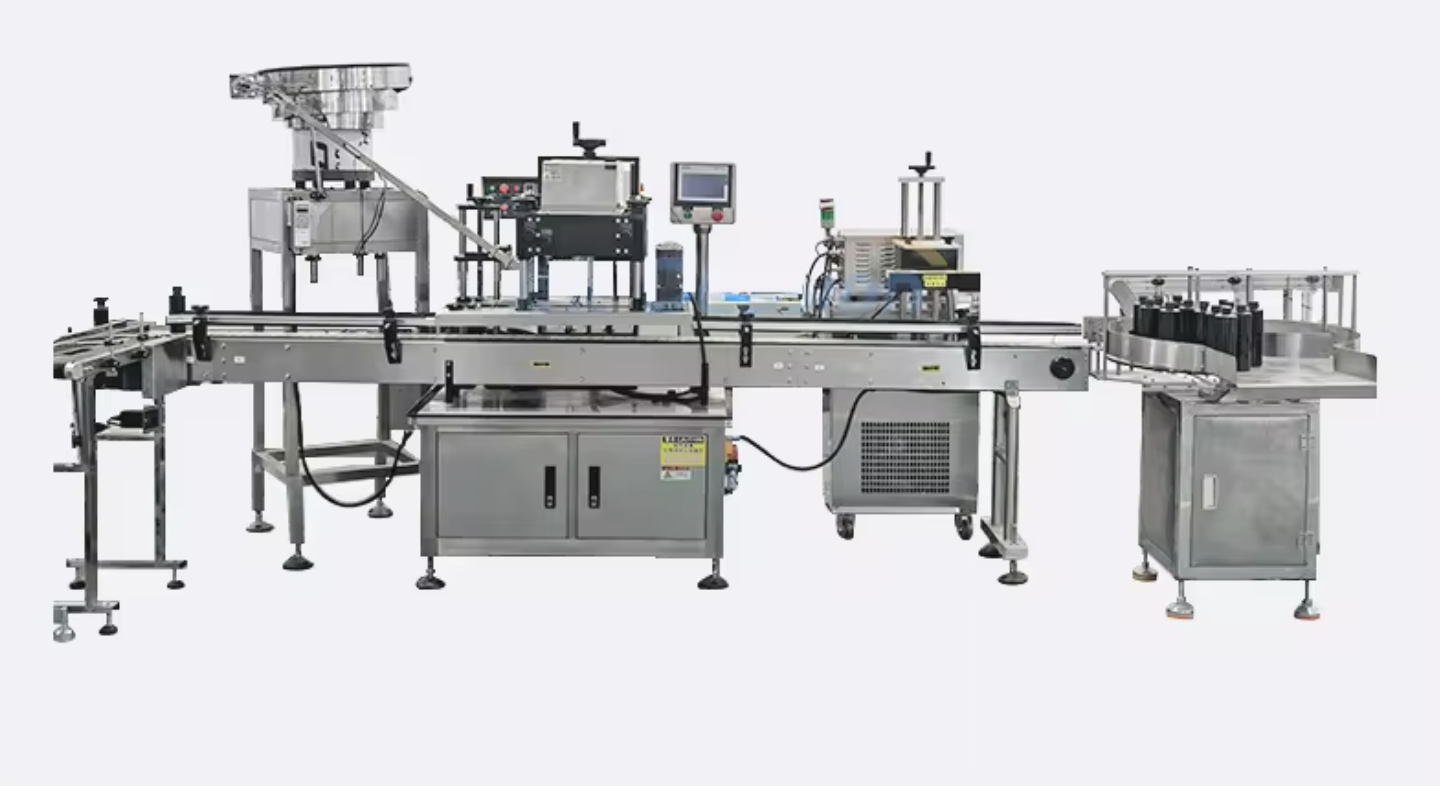
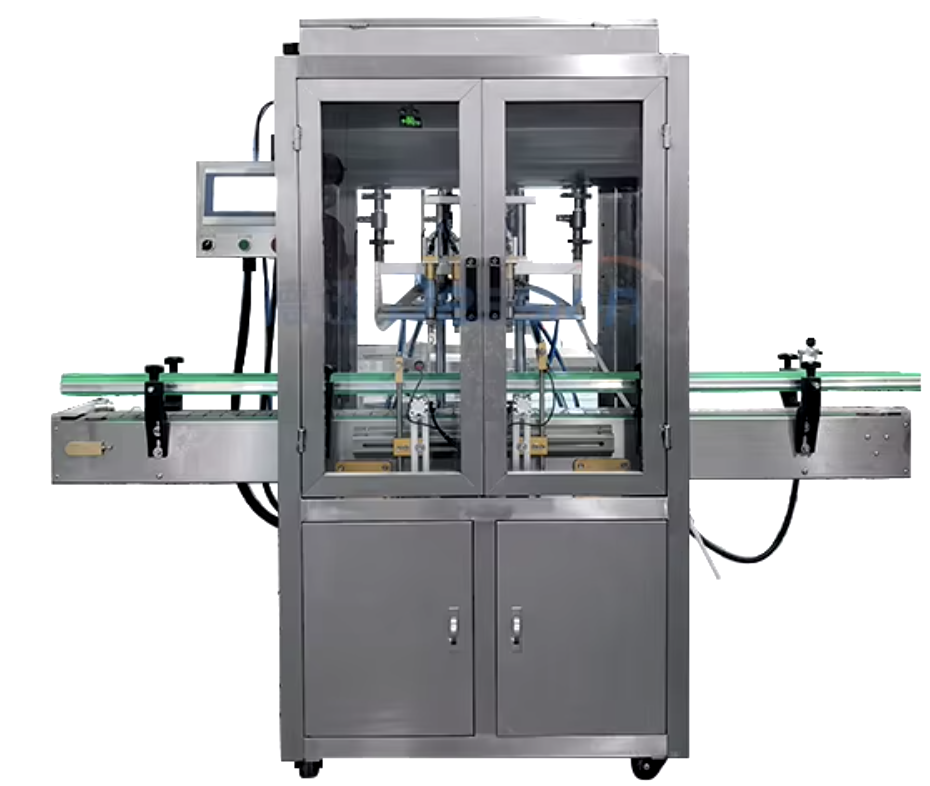
Full Automatic Cooking Oil Bottle Filling Liquid Sauce Jar Filling Capping And Labeling Machine Production Line
- Section : Machinery
- Category : Filling Machines
- SKU : 1601209371328


Dession liquid bottle filling line can automatically arrange bottles,fill liquid, cap bottle and lable bottle, it helps to save production process and improve working efficiency.
We can offer custom service for different kinds of materials,make these machines can match your material better.
It is widely used in food,beverage,cosmetics industries.

Machine Parameters

| Product Name | Bottle Unscrambler |
| Turntable Diameter | Max. 1000mm (Support Customization) |
| Suitable Bottle Diameter | Max. 100mm (Support Customization) |
| Suitable Bottle Height | Max. 320mm (Support Customization) |
| Working Speed | Max.70 bottles/min (Depends On Bottle Size) |
| Machine Power | 220V, 0.2KW, 50/60HZ |
| Machine Weight | 80KG |
| Machine Size | 600*600*900mm |

| Product Name | Automatic Liquid Filling Machine |
| Filling Range | Max. 1000ml (Support Customization) |
| Filling Speed | Max. 4800BPH (Depends On Product Fluidity) |
| Filling Error | ≤ ±1% |
| Machine Power | 220V, 3KW, 50/60HZ |
| Machine Weight | 300KG |
| Machine Size | 2000*1000*1900mm |

| Product Name | Automatic Bottle Capping Machine |
| Suitable Bottle Diameter | Max. 100mm (Support Customization) |
| Suitable Bottle Height | Max. 320mm (Support Customization) |
| Working Speed | Max.70 bottles/min (Depends On Bottle Size) |
| Machine Power | 220V, 1.5KW, 50/60HZ |
| Machine Weight | 200KG |
| Machine Size | 1800*850*1750mm |

| Product Name | Automatic Bottle Labeling Machine |
| Suitable Bottle Diameter | Max. 100mm (Support Customization) |
| Suitable Bottle Height | Max. 320mm (Support Customization) |
| Label Size | L: 15~200mm; H: 15~150mm |
| Working Speed | Max.60 bottles/min (Depends On Bottle Size) |
| Machine Power | 220V, 1.5KW, 50/60HZ |
| Machine Weight | 250KG |
| Machine Size | 1500*800*1200mm |
Machine Details


Filling Line - Filling Device
The high-precision liquid metering and filling device is made of food-grade 304 stainless steel, which is hygienic and anti-corrosion.Up to 20 filling heads can be customized, the fastest speed can reach 4800BPM,

Filling Line - Bottle Capping
Infrared induction positioning, automatic drop cap, independent compaction device and 4-wheel capping. Ensure the tightness of the screw cap.

Filling Line - Bottle Labeling
High-speed labeling for a wide range of applications.
It can be used alone, or it can be perfectly connected with filling equipment to improve production efficiency.
- Shipping Timeframes: All orders are processed within 2-5 business days (excluding weekends and holidays). After your order has been processed, the estimated delivery time is before 21 Jun, 2026, depending on customs, Please note that due to high demand, some items may experience longer shipping times, which will be communicated at order confirmation email.
- Order Processing Time: Please allow 2-5 business days for us to process your order before it is shipped . Orders placed after 16:00 on Fridays, or during weekends and public holidays, will begin processing on the next business day. Processing times may be extended during peak seasons or sales events.
- Manufacturing Time: Some products needs manufacturing time, the manufacturing process will take approximately 10-30 business days depending on the product. This timeframe may vary depending on the complexity of the product and current demand. but this will be communicated with you during order confirmation.
- Returns and Exchanges: We offer a 30-day return policy for most items. If you are not completely satisfied with your purchase, you may return it within 30 days of receipt for a refund or exchange. Items must be unused, in their original packaging, and accompanied by proof of purchase. Return shipping costs are the responsibility of the customer, unless the item was damaged or defective upon arrival.
1. What types of liquids can the filling machine handle?
The filling machine is designed to handle various types of liquids, including oils, sauces, beverages, and cosmetic liquids.
2. Can the machine be customized for different bottle sizes?
Yes, the machine can be customized to accommodate different bottle diameters and heights, with maximum specifications available upon request.
3. What is the maximum filling speed of the machine?
The maximum filling speed can reach up to 4800 bottles per hour, depending on the fluidity of the product being filled.
4. What is the power requirement for the machine?
The machine operates on 220V power with varying wattage depending on the specific component: 0.2KW for the bottle unscrambler, 3KW for the filling machine, 1.5KW for the capping machine, and 1.5KW for the labeling machine.
5. How does the bottle capping process work?
The bottle capping process utilizes infrared induction positioning for accurate cap placement, along with an independent compaction device and a 4-wheel capping system to ensure the screw caps are securely tightened.
6. Is the machine suitable for food-grade applications?
Yes, the filling line is made from food-grade 304 stainless steel, making it hygienic and suitable for food and beverage applications.
7. What is the weight of the complete production line?
The total weight varies by component: the bottle unscrambler weighs 80KG, the filling machine is 300KG, the capping machine is 200KG, and the labeling machine weighs 250KG.
8. Can the machine handle different label sizes?
Yes, the labeling machine can handle label sizes ranging from 15mm to 200mm in length and 15mm to 150mm in height.
9. What industries can benefit from this machine?
This production line is widely used in the food, beverage, and cosmetics industries, making it versatile for various applications.
10. How is the filling accuracy maintained?
The filling accuracy is maintained with a filling error of less than or equal to ±1%, ensuring precise liquid dispensing.
11. What are the dimensions of the machines?
The dimensions vary: the bottle unscrambler is 600x600x900mm, the filling machine is 2000x1000x1900mm, the capping machine is 1800x850x1750mm, and the labeling machine is 1500x800x1200mm.
12. Is operator training available for the machine?
Yes, operator training and support are typically offered to ensure smooth operation and maintenance of the machine.
13. What is the maximum bottle height the machine can accommodate?
The machine can accommodate bottles with heights up to 320mm, with customization options available.
14. How does the machine improve production efficiency?
The automatic nature of the machine reduces manual labor, speeds up the filling and labeling processes, and minimizes errors, leading to improved production efficiency.
15. What maintenance is required for the machines?
Regular maintenance includes cleaning the components, checking for wear and tear, and ensuring that all mechanical parts are lubricated and functioning properly.
Latest Order Arrivals
Discover our latest orders
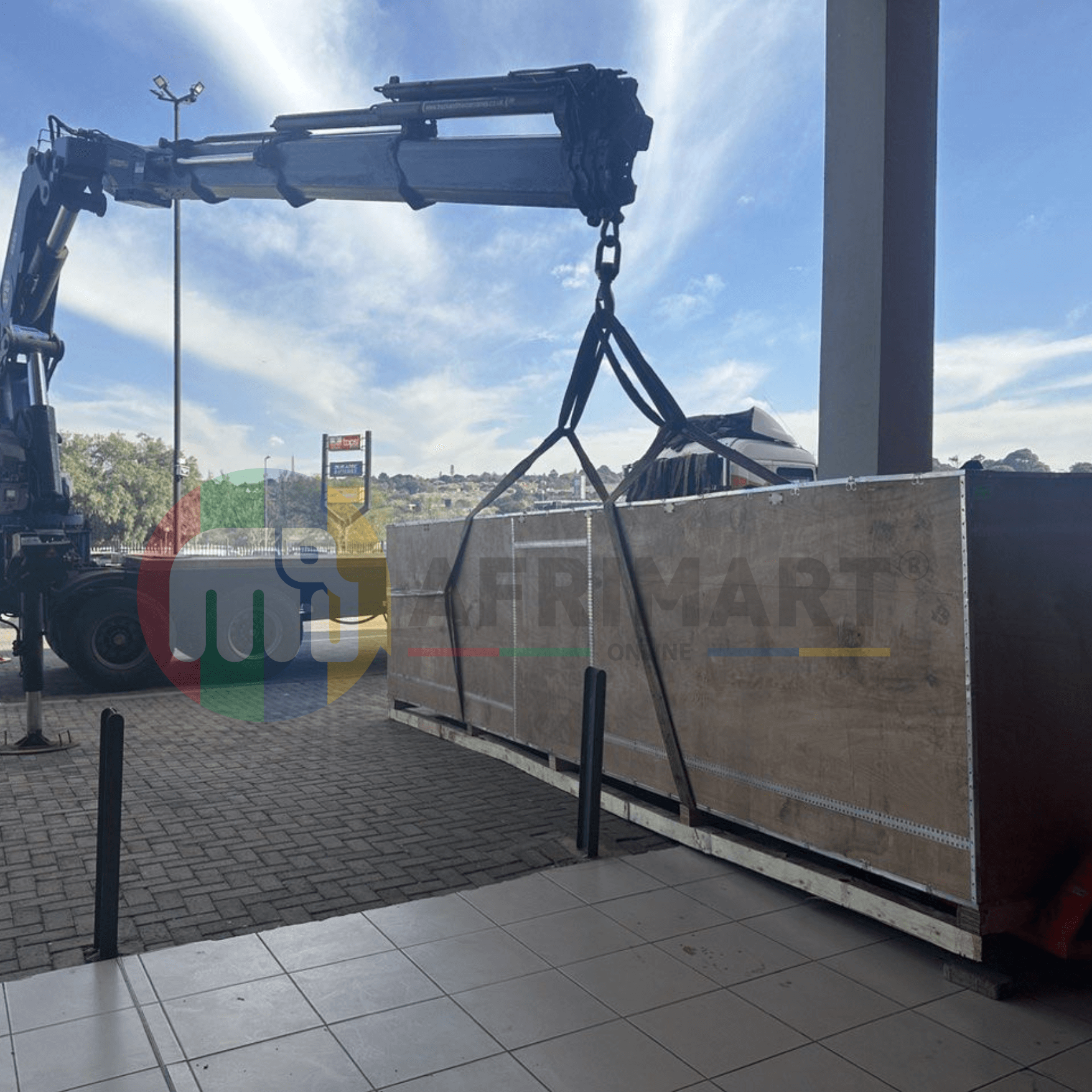
12 Heads Embroidery Machine
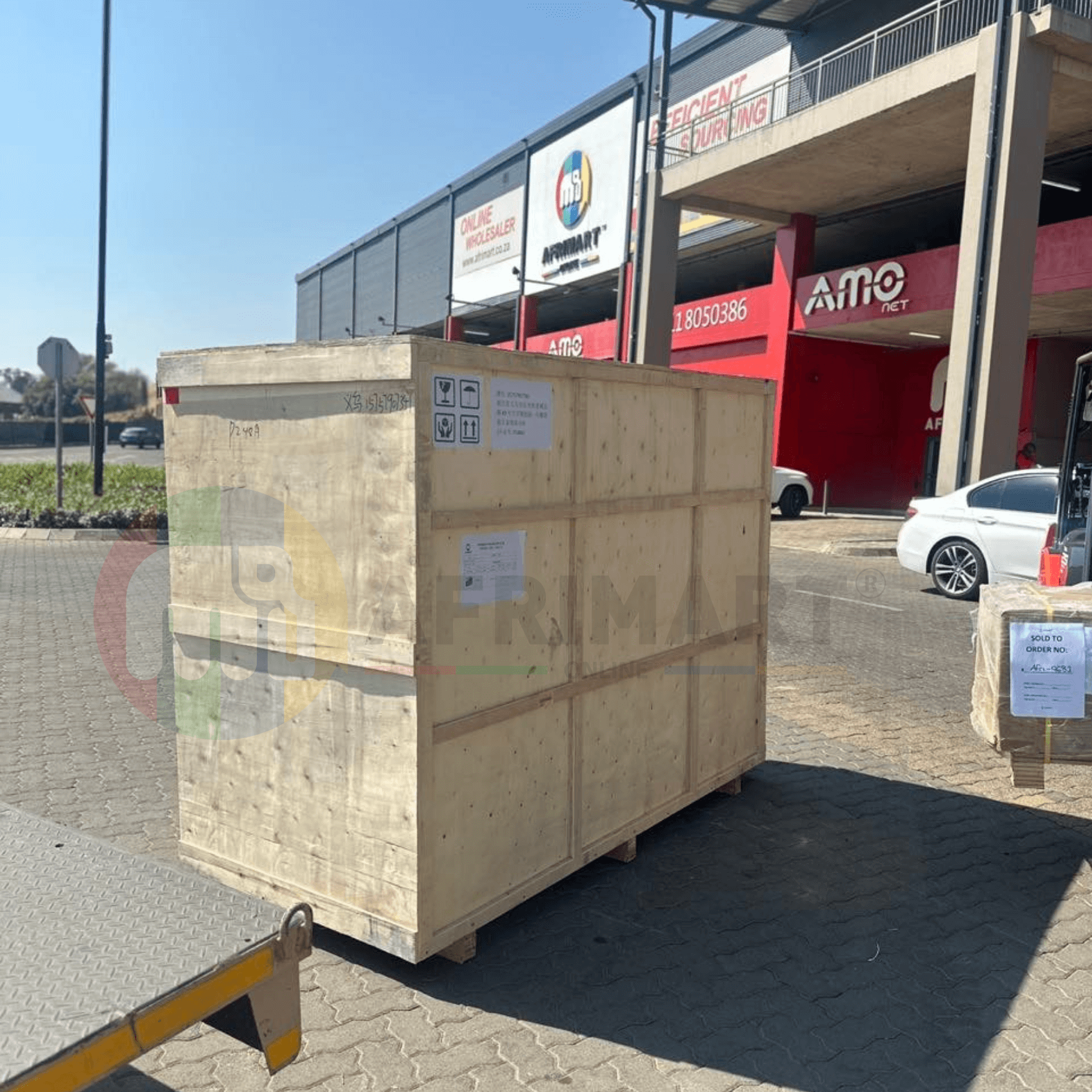
Dewatering Pump Machine
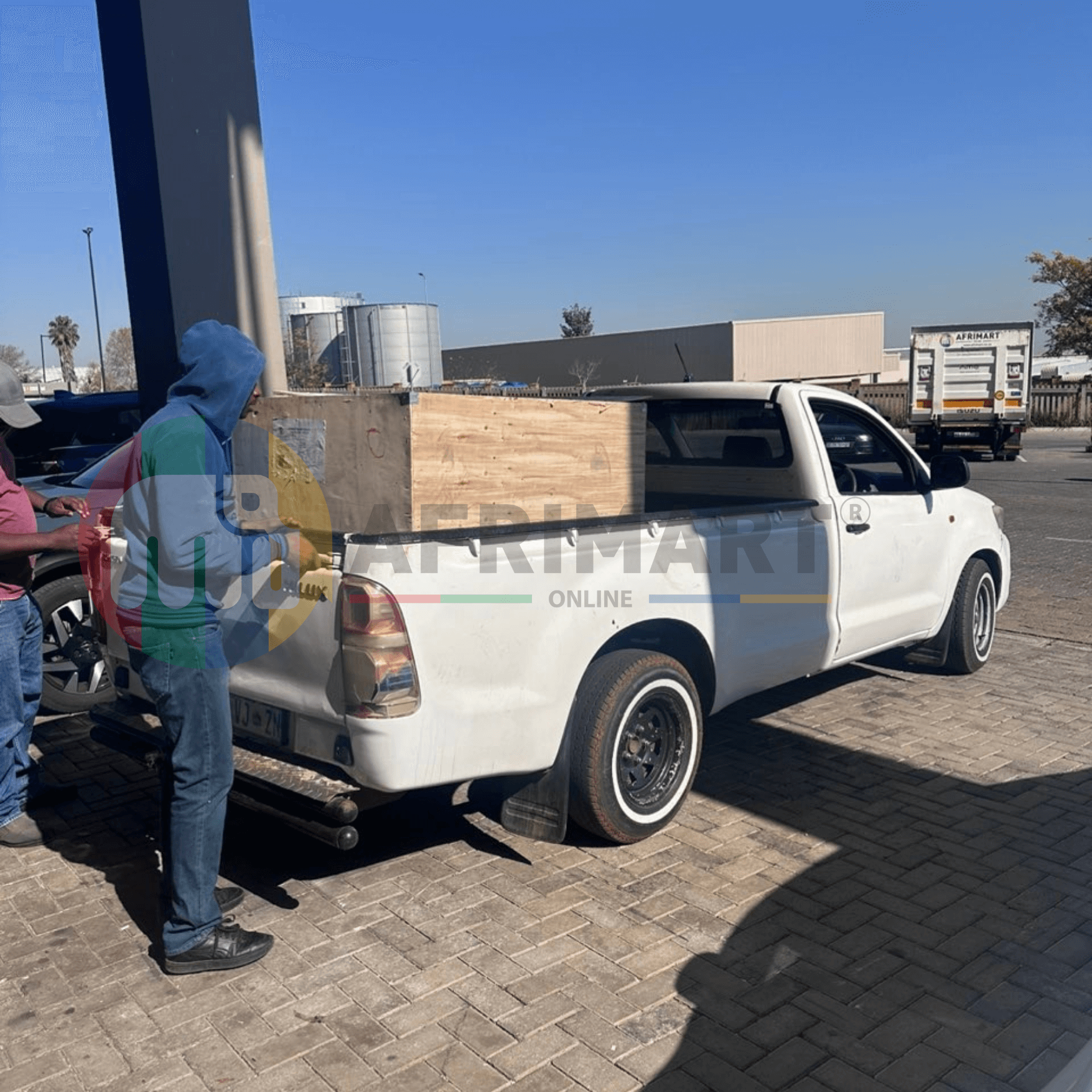
Order Collection
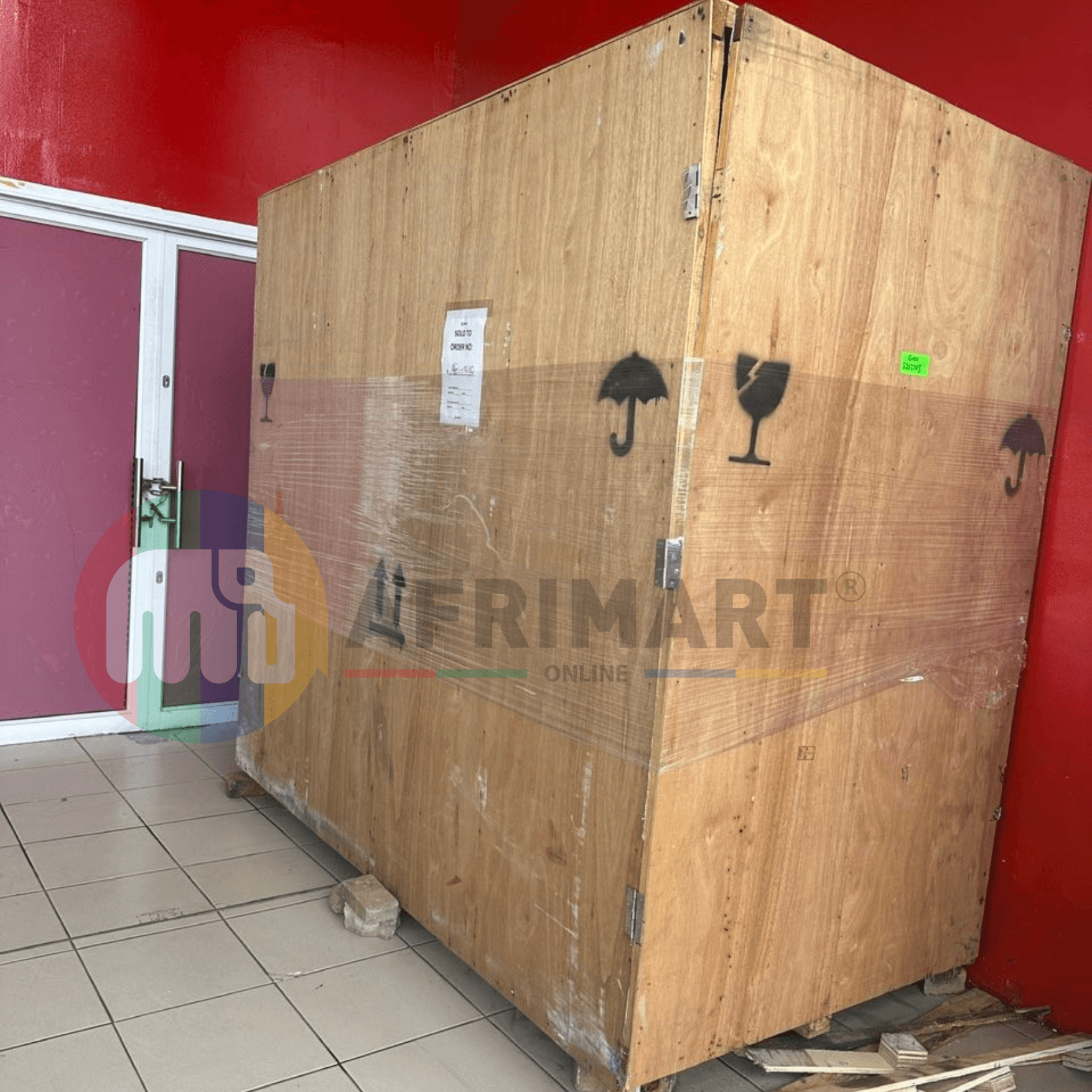
Portable Water Drilling Rig
Order Usefully Collected
Batch of Orders
Agriculture Processing Machines
Meat Grinder Machine
Water Pump Equipment
Packaging Machine and accessories
Fabrics Manufacturing Equipment
Mining Equipments
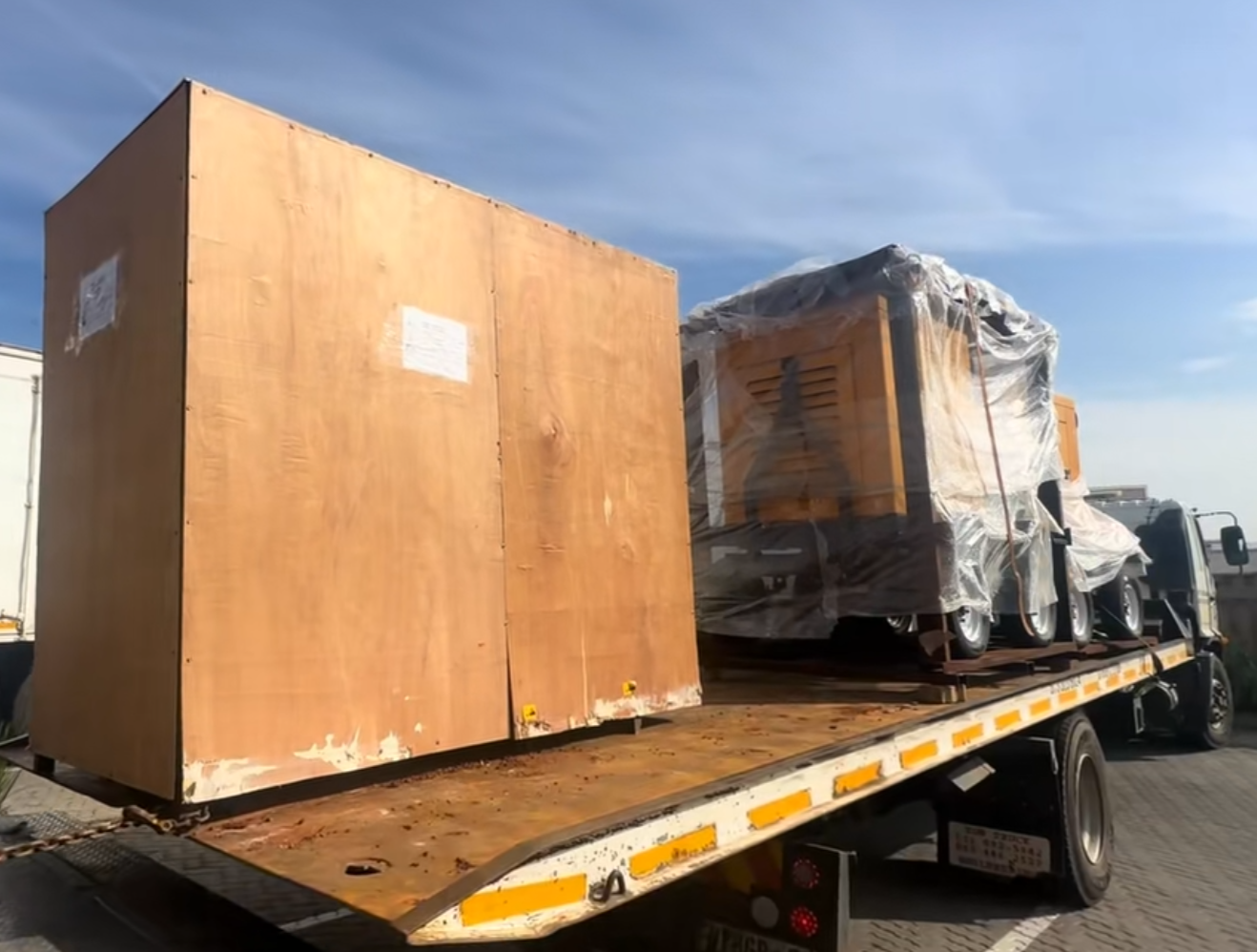
Food Processing Machine
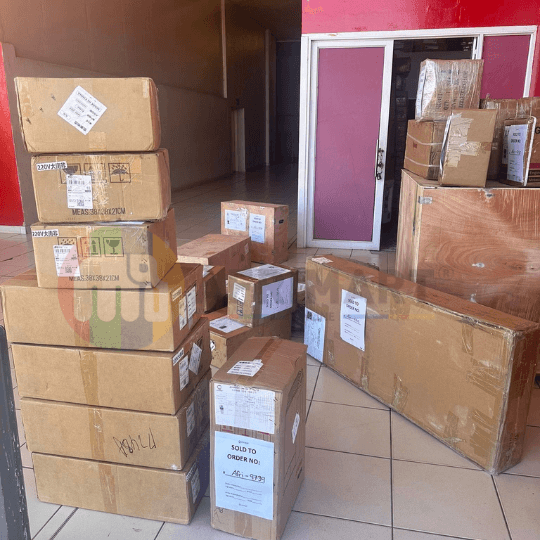
Batch of Orders
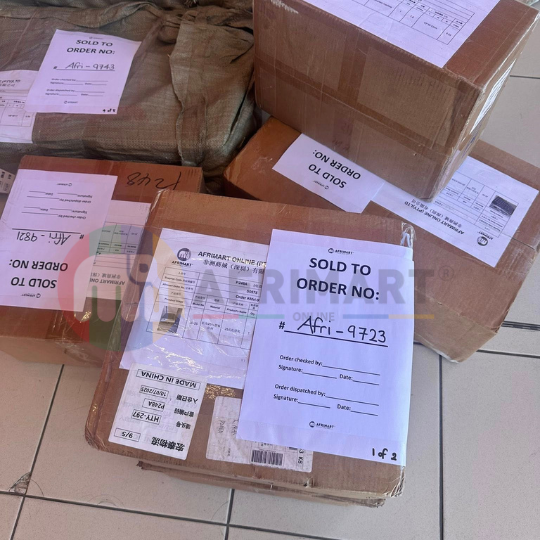
Batch of Orders
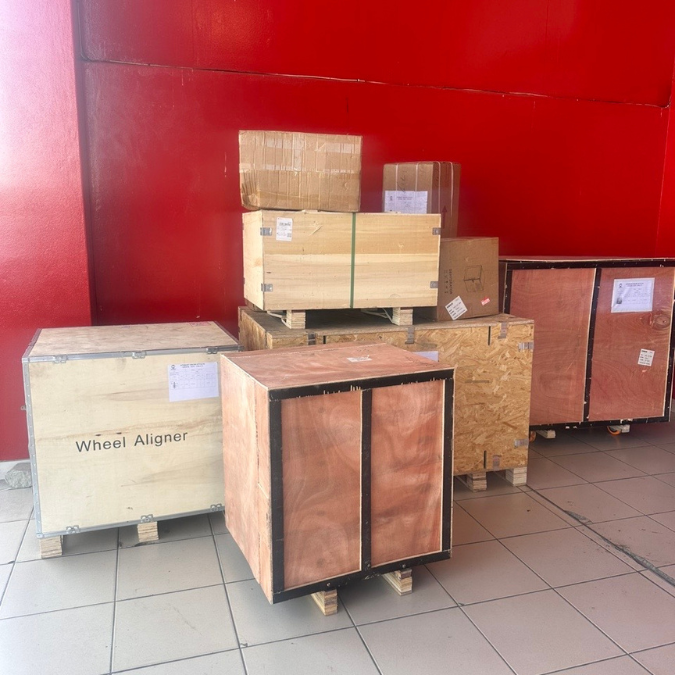
Latest Orders Labelled
wheel alignment machines
new arrivals
Pre Orders Offloading
Latest Arrivals
Latest Arrivals
Latest Arrivals
26 January 2026
Toilet paper making machine
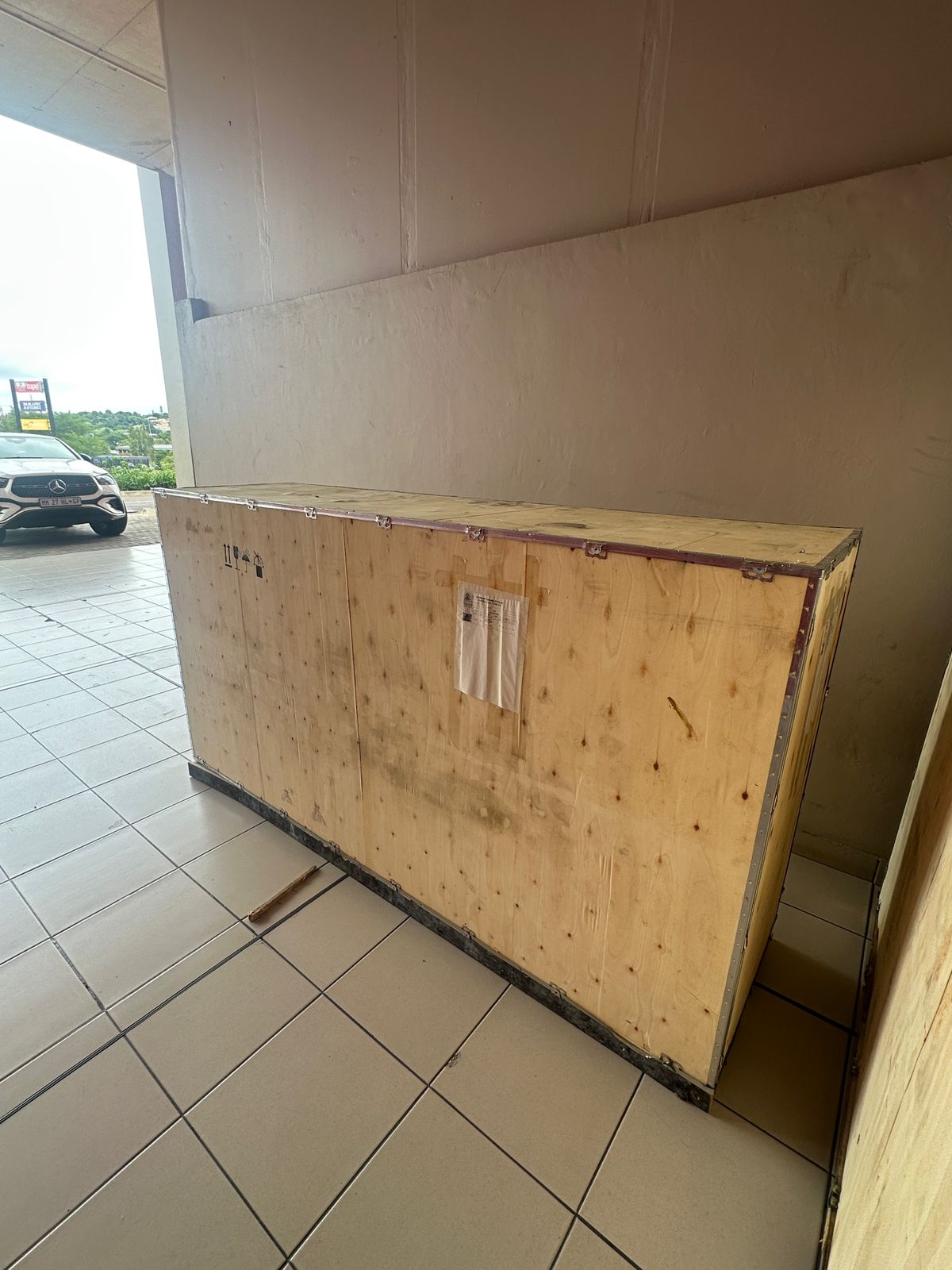
Toilet paper making machine
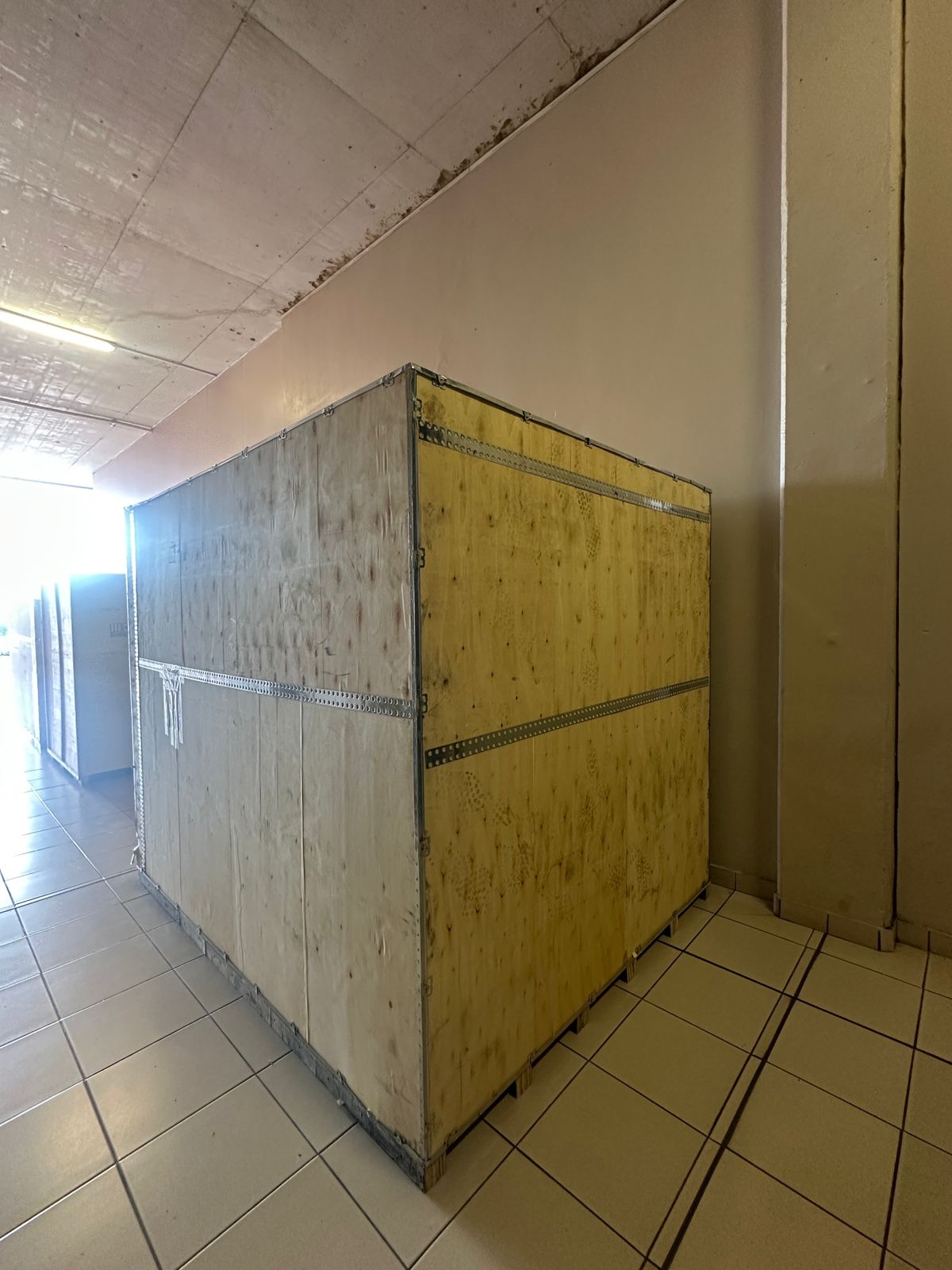
Toilet paper Rewinding Machine
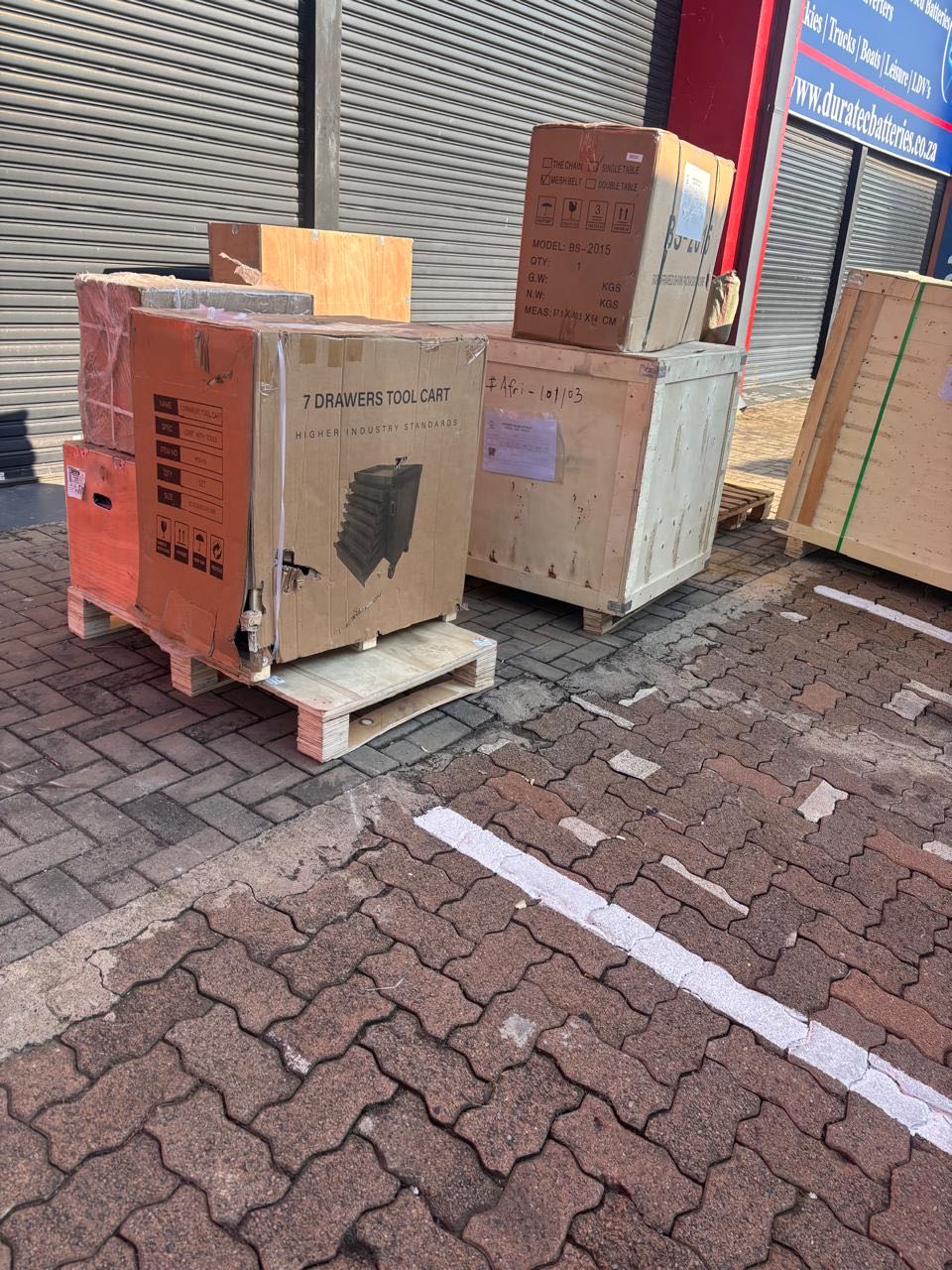
latest arrivals
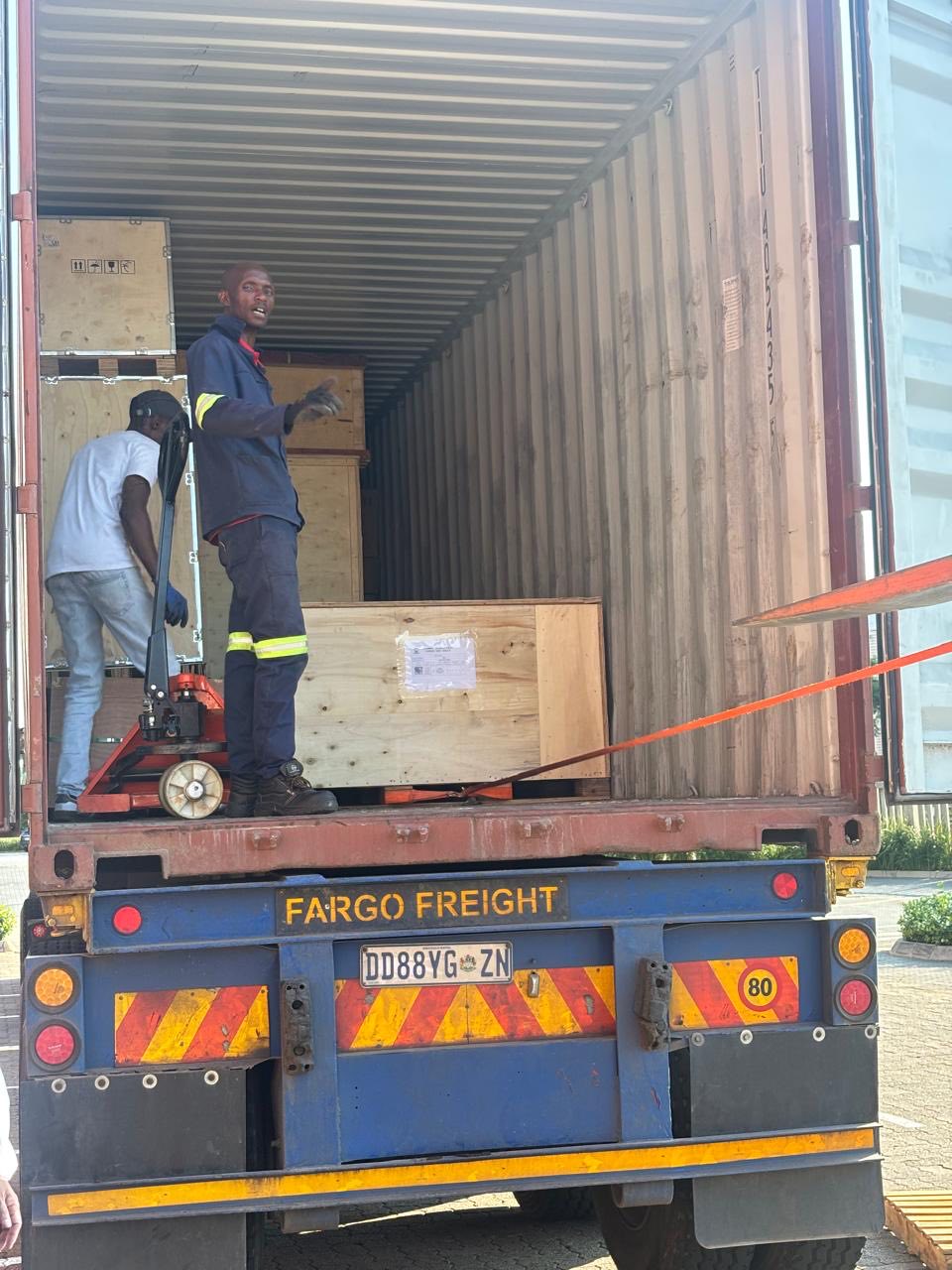
offloading
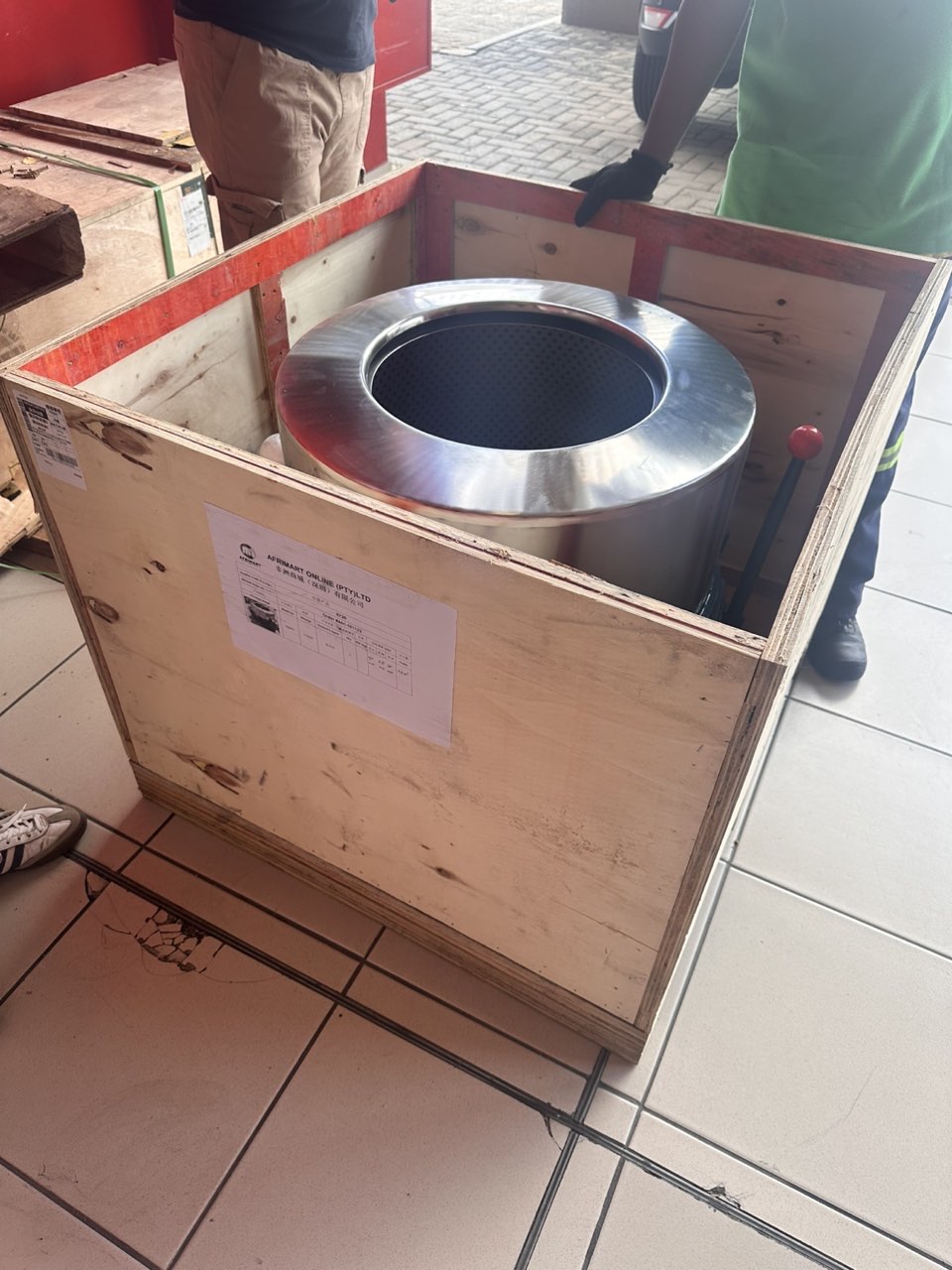
order success
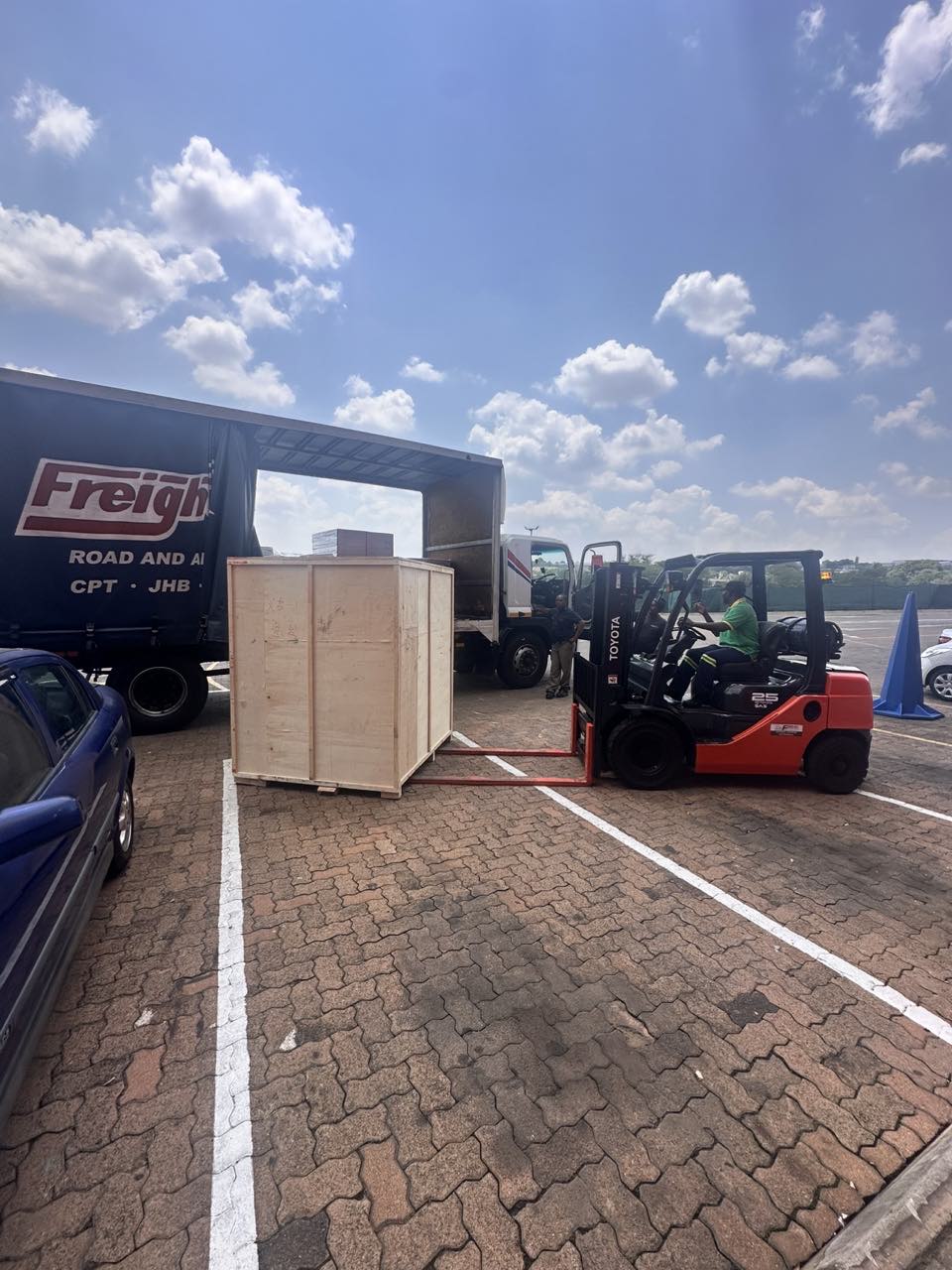
order collection
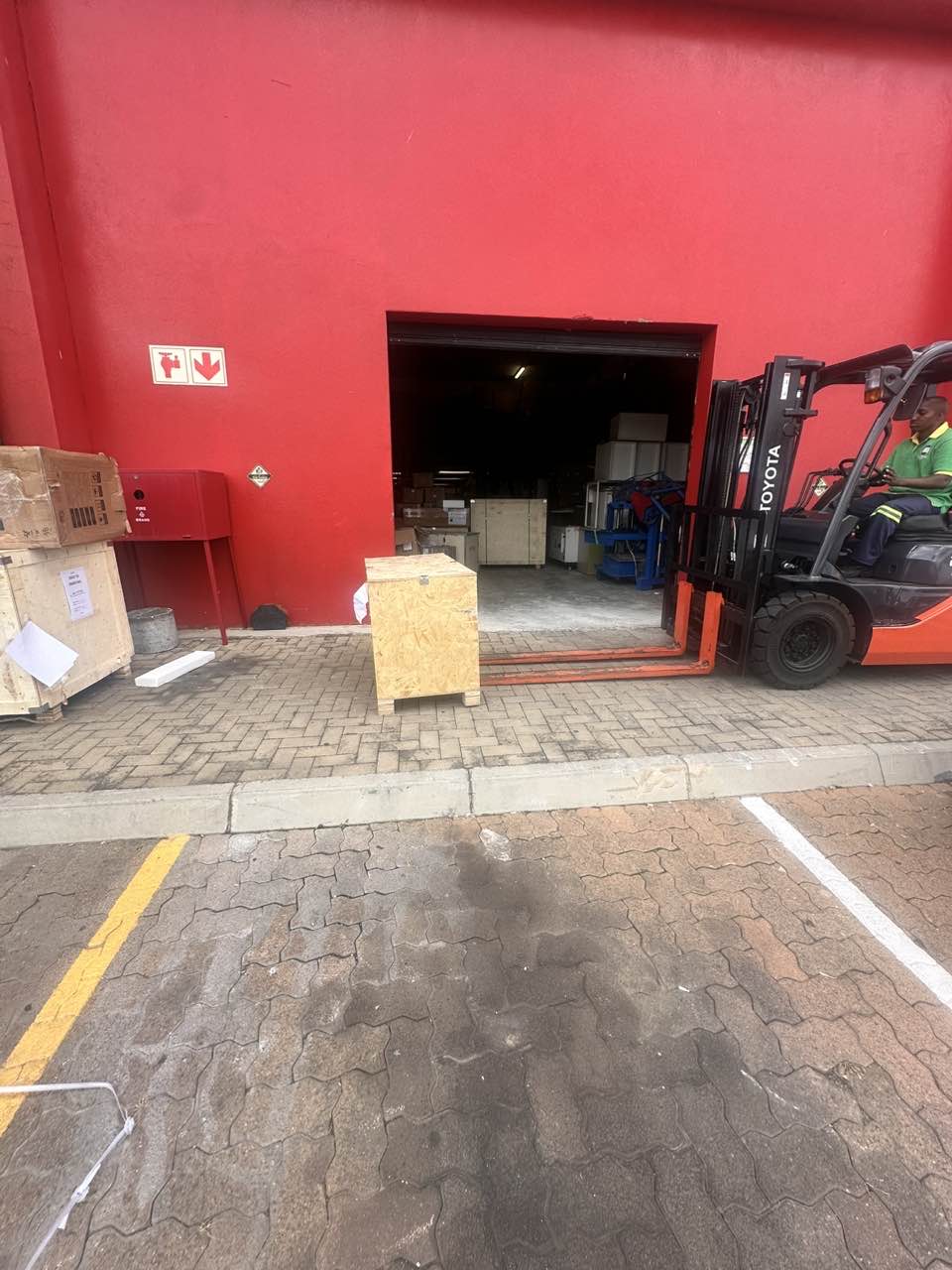
order offloading