B21, China Town Mall, Midrand

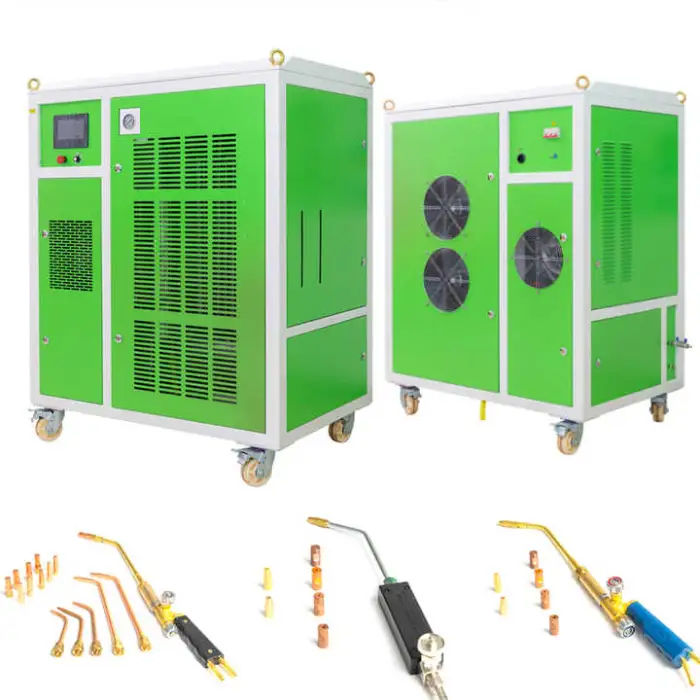
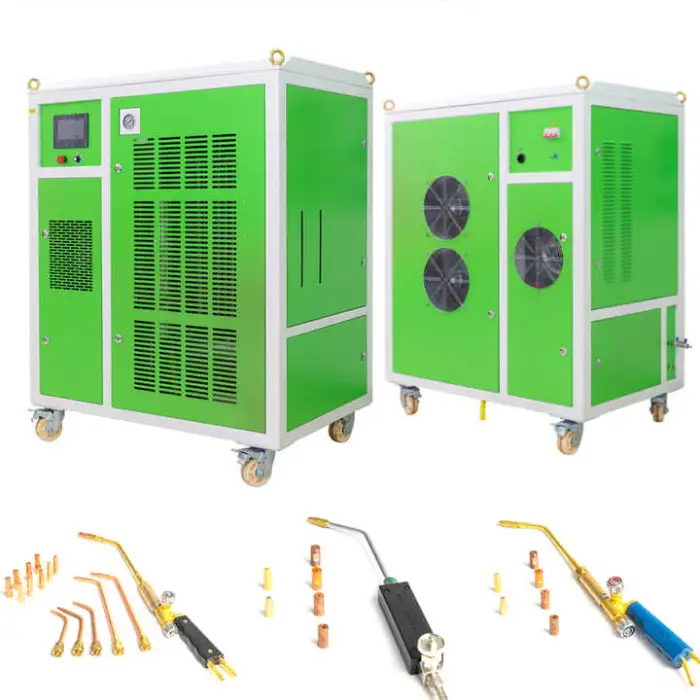
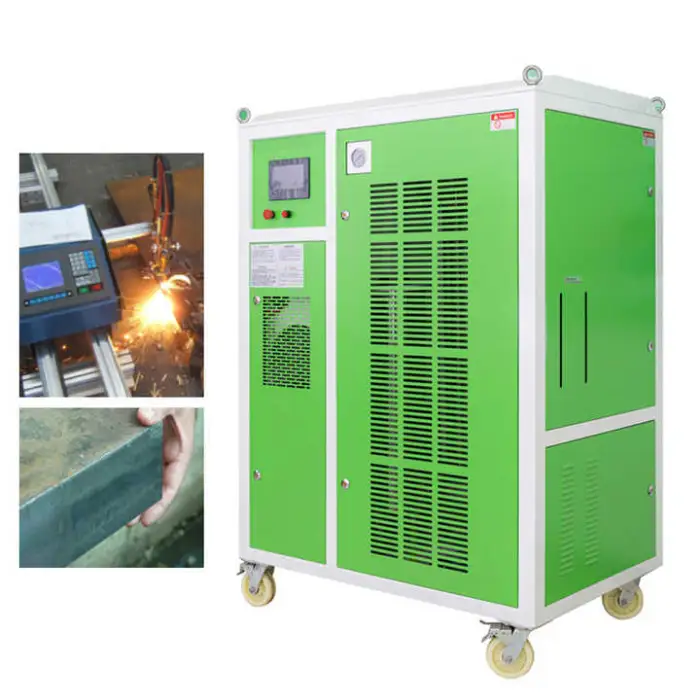
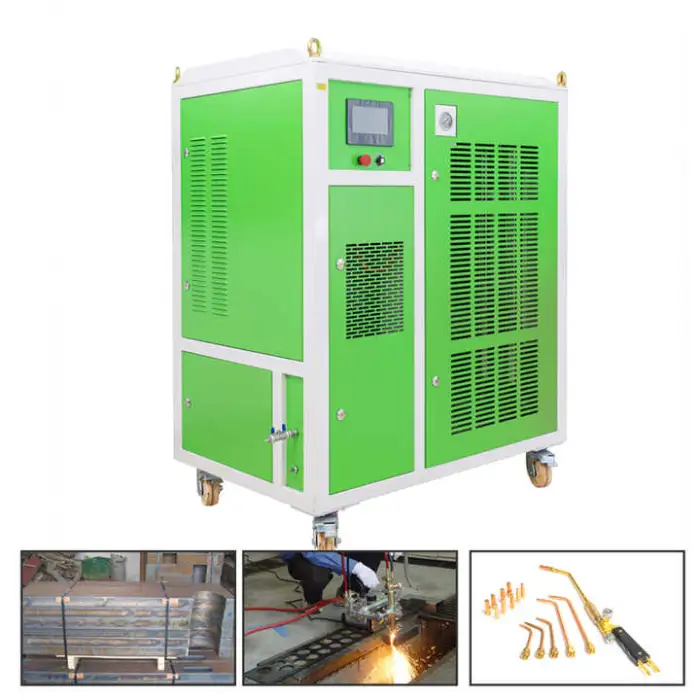
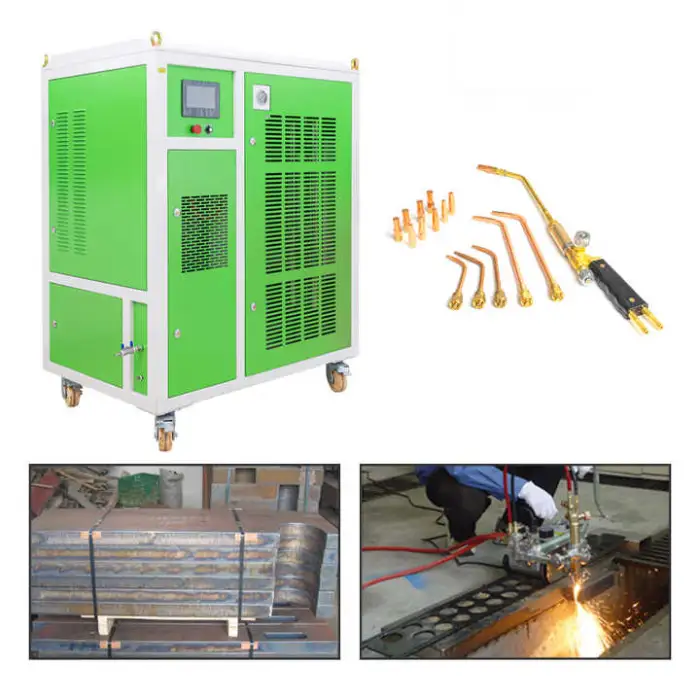
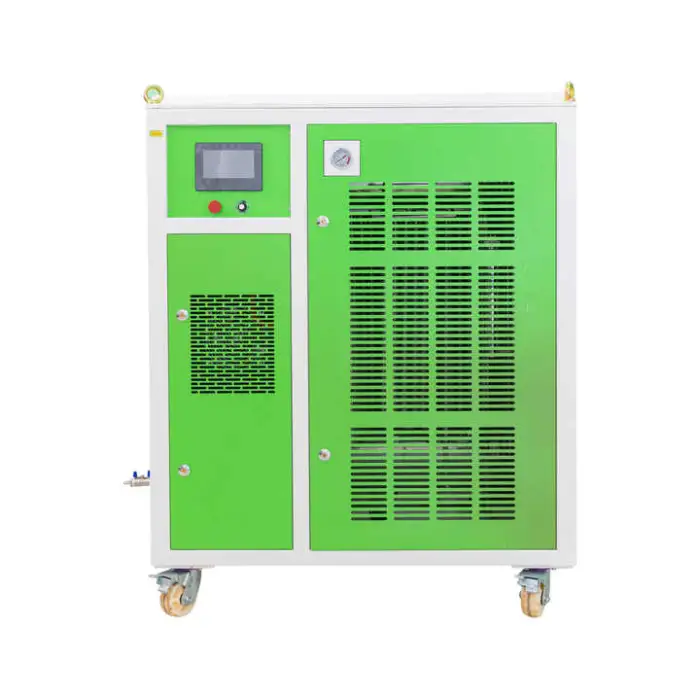
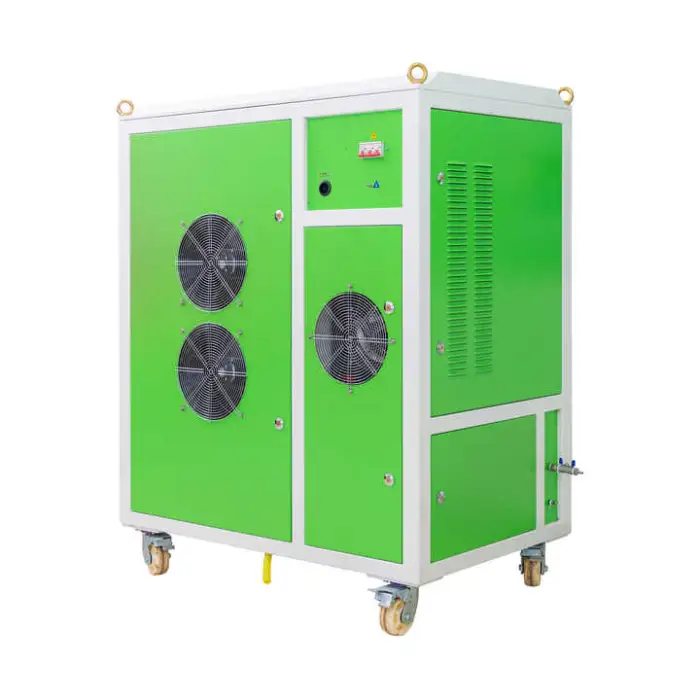
Flame Cutting Service Oxyhydrogen Hho Flame Welding Cutting Machine
Asset finance available
Do you want funding for this equipment?
Afrimart can connect you with trusted funding partners who specialise in asset finance for businesses like yours. Compare options and apply in minutes — final approval is subject to provider review.
Check funding options
Secure & no obligation

- Section : Machinery
- Category : Machine Tool Equipment
- SKU : 60727034025

Flame Cutting Service Oxyhydrogen Hho Flame Welding Cutting Machine
The Flame Cutting Service Oxyhydrogen Hho Flame Welding Cutting Machine is a powerful tool designed for precise and efficient cutting. It uses advanced technology to cut through metal with accuracy and ease. This machine is perfect for a range of applications, making it a great choice for businesses in need of reliable cutting solutions.
Specifications
| Attribute | Details |
|---|---|
| Cutting Thickness (mm) | 10 - 150 |
| Cutting Precision (mm) | 5 |
| Core Components | Electrolytic Cell |
| Weight (kg) | 396 KG |
| Voltage | 380V, three phase |
| Rated Power | 17KW |
| Dimension (L*W*H) | 1200*670*1700mm |
| Water Consumption | 2.8L/H |
| Max. Working Pressure | 2kg/cm² |
| Hydrogen Volume | 3666L/h |
| Oxygen Volume | 1834L/h |
| Color | Green |
| Machine Type | Other |
| Water Feed | Automatic |
| Packaging Details | Standard export carton with pallet, 1 set/case |
| Supply Ability | 200 sets per Month |
Key Features
- High-accuracy cutting for precise results.
- Environmentally friendly and energy-saving design.
- Low operating costs for a more efficient budget.
- Automatic water feed for ease of use.
- Robust construction with a weight of 396 KG.
Applications
- Sheet metal cutting.
- Plate metal cutting.
- Industrial manufacturing processes.
- Repair and maintenance work.
- Custom metal fabrication projects.
Product Info Gallery
- Shipping Timeframes: All orders are processed within 2-5 business days (excluding weekends and holidays). After your order has been processed, the estimated delivery time is before 01 Sep, 2026, depending on customs, Please note that due to high demand, some items may experience longer shipping times, which will be communicated at order confirmation email.
- Order Processing Time: Please allow 2-5 business days for us to process your order before it is shipped . Orders placed after 16:00 on Fridays, or during weekends and public holidays, will begin processing on the next business day. Processing times may be extended during peak seasons or sales events.
- Manufacturing Time: Some products needs manufacturing time, the manufacturing process will take approximately 10-30 business days depending on the product. This timeframe may vary depending on the complexity of the product and current demand. but this will be communicated with you during order confirmation.
- Returns and Exchanges: We offer a 30-day return policy for most items. If you are not completely satisfied with your purchase, you may return it within 30 days of receipt for a refund or exchange. Items must be unused, in their original packaging, and accompanied by proof of purchase. Return shipping costs are the responsibility of the customer, unless the item was damaged or defective upon arrival.
1. What materials and thicknesses can this machine cut?
The machine is designed for sheet and plate metal cutting. It can cut metal thicknesses from approximately 10 mm up to 150 mm. Performance and cut quality will depend on the specific material and cutting parameters.
2. What level of cutting precision can I expect?
Typical cutting precision is about 5 mm as specified. Actual precision depends on material, fixturing, torch setup, and operator technique.
3. How does the oxyhydrogen (HHO) cutting system work?
The system generates a HHO (oxyhydrogen) gas mixture in an electrolytic cell, which is fed to a torch to produce a high-temperature flame used for preheating and cutting metal. The machine lists an electrolytic cell as the core component.
4. What are the machine's electrical and power requirements?
Rated power is 17 kW and the machine requires a 380 V three-phase electrical supply. Proper industrial three-phase power with correct grounding is required for safe operation.
5. What are the hydrogen and oxygen generation rates and working pressure?
Gas generation rates are specified at 3666 L/h for hydrogen and 1834 L/h for oxygen. Maximum working pressure is 2 kg/cm² (approximately 1.96 bar).
6. How much water does the machine use and how is water supplied?
Water consumption is about 2.8 L/h. The machine has an automatic water feed system; use clean, deionized or distilled water as recommended by the supplier to protect the electrolytic cell.
7. What are the machine's physical dimensions and weight?
Overall dimensions are 1200 mm (L) × 670 mm (W) × 1700 mm (H) and the machine weight is 396 kg.
8. What safety precautions are required when using an oxyhydrogen cutting machine?
Follow standard gas-flame safety: operate in a well-ventilated area, use flashback arrestors, check hoses and fittings for leaks, avoid ignition sources, wear appropriate PPE (welding helmet, gloves, protective clothing), and ensure operators are trained. Hydrogen/oxygen mixtures are explosive—follow local codes and supplier safety instructions.
9. Is this machine environmentally friendly and energy efficient?
The product description highlights an environmentally friendly and energy-saving design. Oxyhydrogen cutting can reduce some emissions compared with fuel-based cutting, and the electrolytic generation system is designed for efficiency, but overall environmental impact depends on electricity source.
10. What maintenance is required for the electrolytic cell and the machine?
Regular maintenance typically includes keeping the electrolytic cell and water clean, using recommended water quality, inspecting and replacing hoses and seals as needed, checking gas fittings, and periodic inspection of the torch and electrical systems. Follow the supplier's maintenance schedule for replacement parts and service intervals.
11. How fast does it cut (cutting speed)?
Cutting speed depends on material type, thickness, and process setup. The specification sheet gives thickness and gas volumes but does not list exact cutting speeds—contact the supplier with your material and thickness for application-specific estimates.
12. What accessories or consumables are needed?
Typical consumables include torch tips/nozzles, hoses rated for the operating pressure, seals/gaskets, and consumable parts for the electrolytic cell. Keep recommended spare parts on hand for uninterrupted operation.
13. What installation and site requirements are needed?
You need a stable, level surface capable of supporting ~396 kg, a 380 V three-phase power connection with correct protection and grounding, a water supply for the automatic feed, adequate ventilation, and sufficient clearance for operator access and material handling.
14. What is the lead time and production capacity?
The specification lists a supply ability of 200 sets per month. Exact lead time depends on current orders, customization, and shipping—contact the vendor for an estimated delivery schedule for your order.
15. Are training, installation support, or warranty offered?
Warranty, training, and installation support policies vary by supplier. Ask the vendor for details on warranty coverage, available operator training, on-site commissioning, and after-sales service plans before purchase.
Latest Order Arrivals
Discover our latest orders
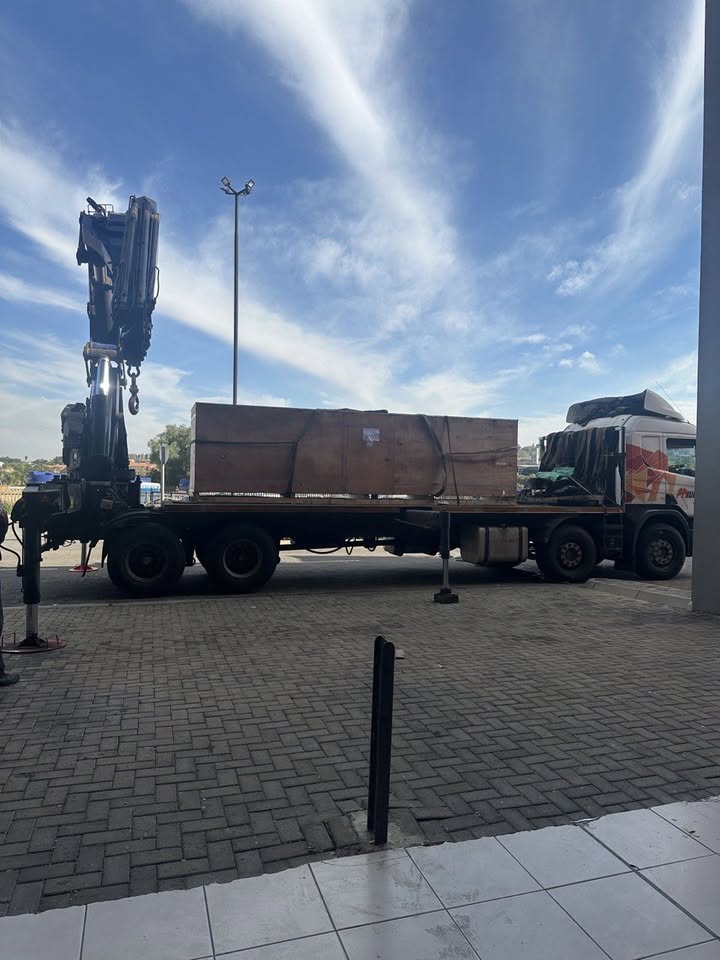
12 Heads Embroidery Machine
Toilet Paper Machine Machine
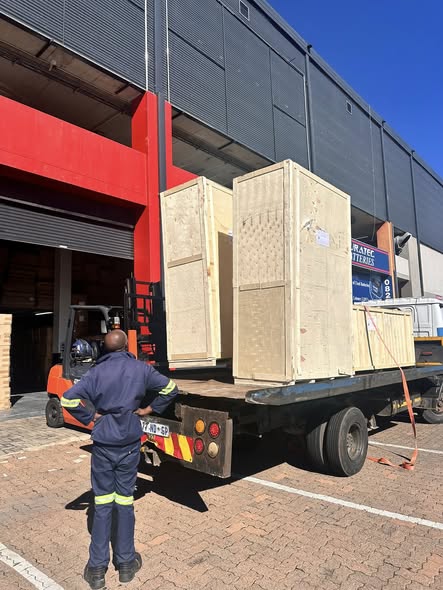
Order Collection
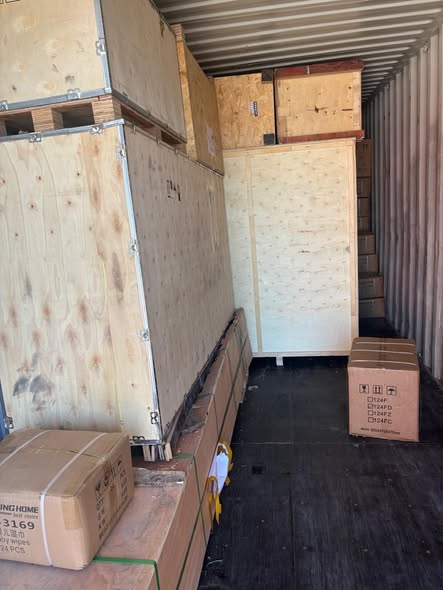
Cross Border Clients
Order cros border countries Collected
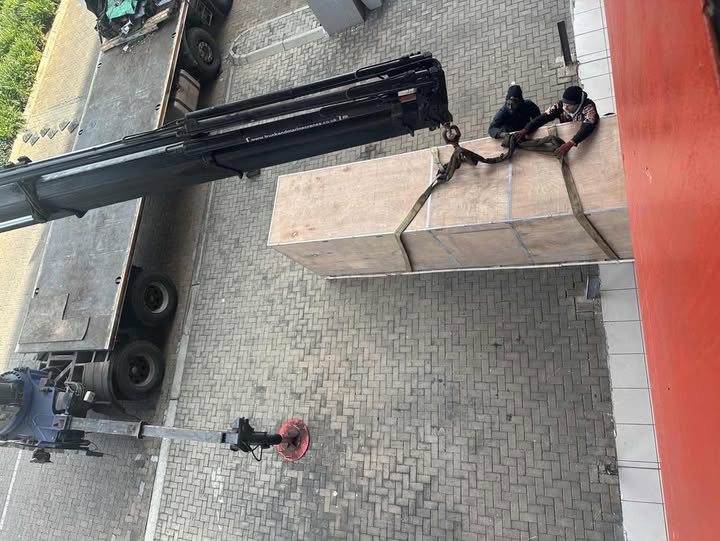
Industrial Machine Cllection
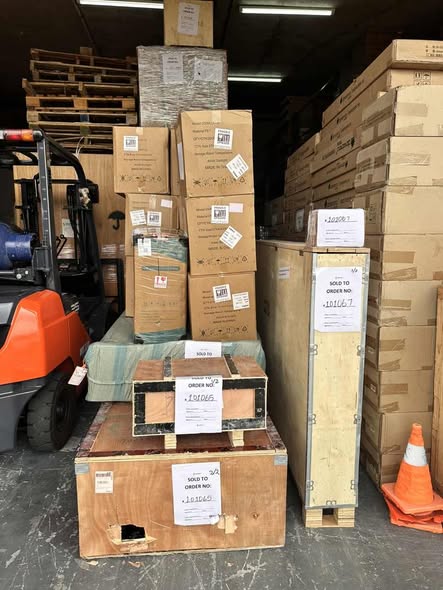
Agriculture Processing Machines
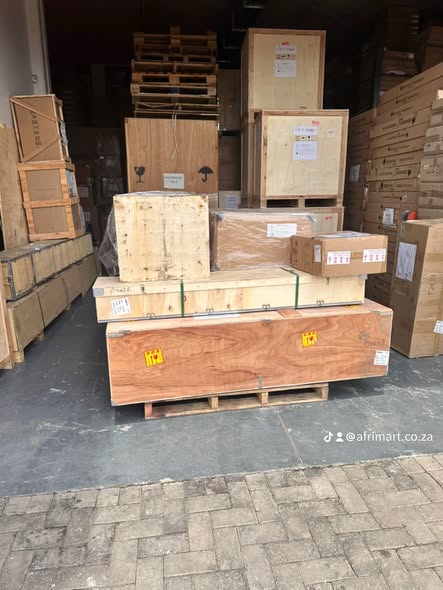
Ready for collection
Water Pump Equipment
Packaging Machine and accessories
Fabrics Manufacturing Equipment
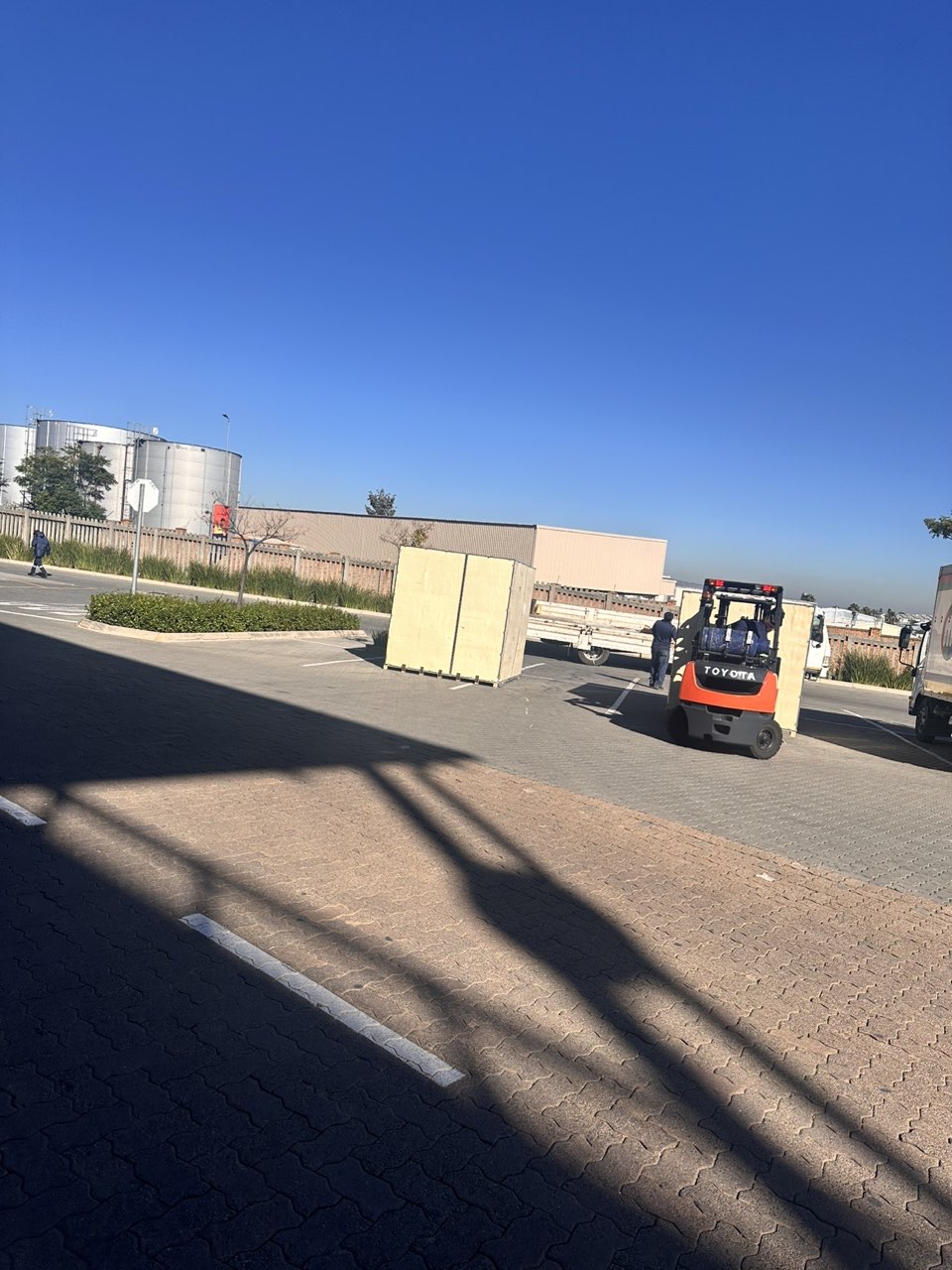
Mining Equipments
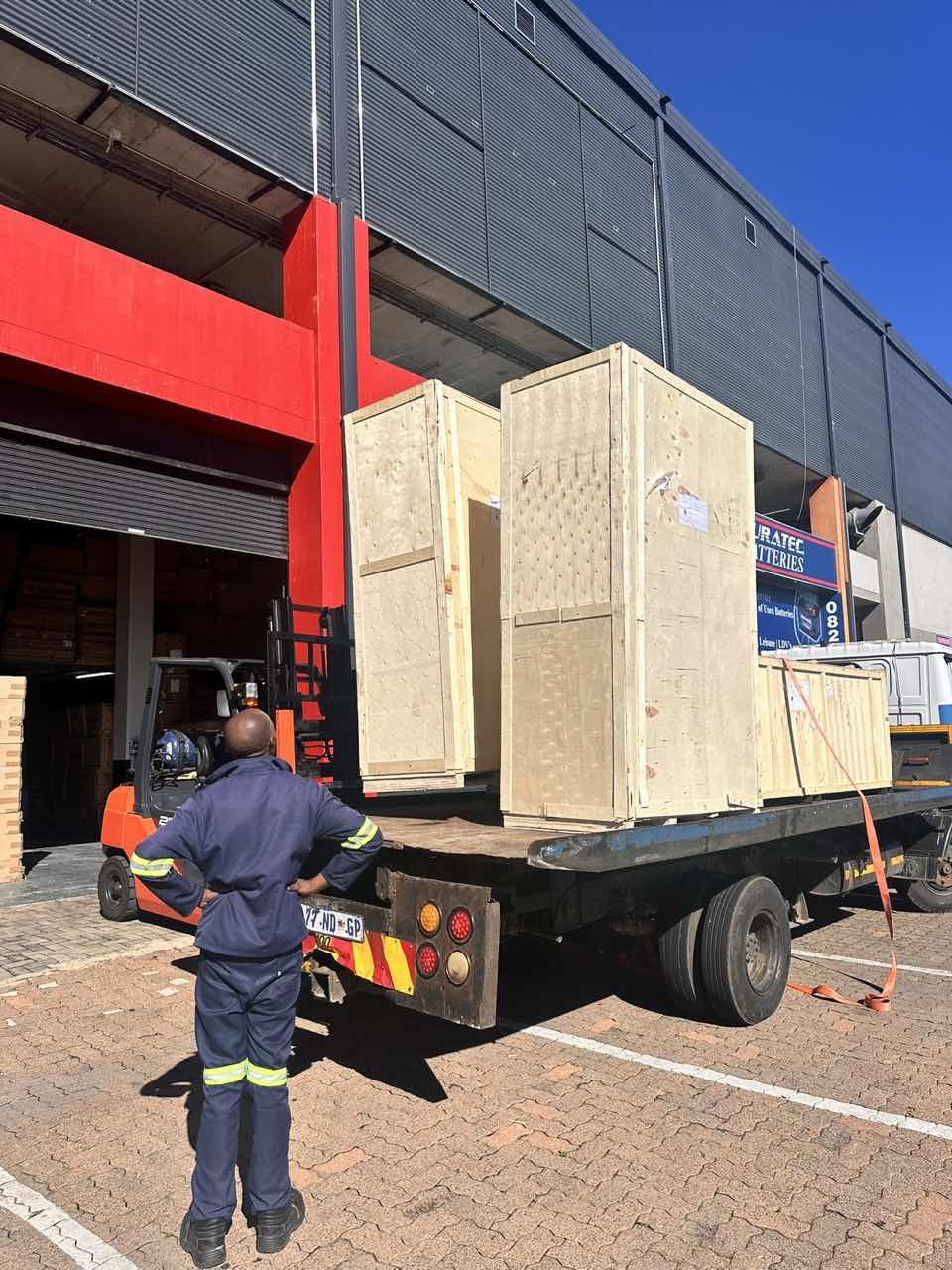
Food Processing Machine
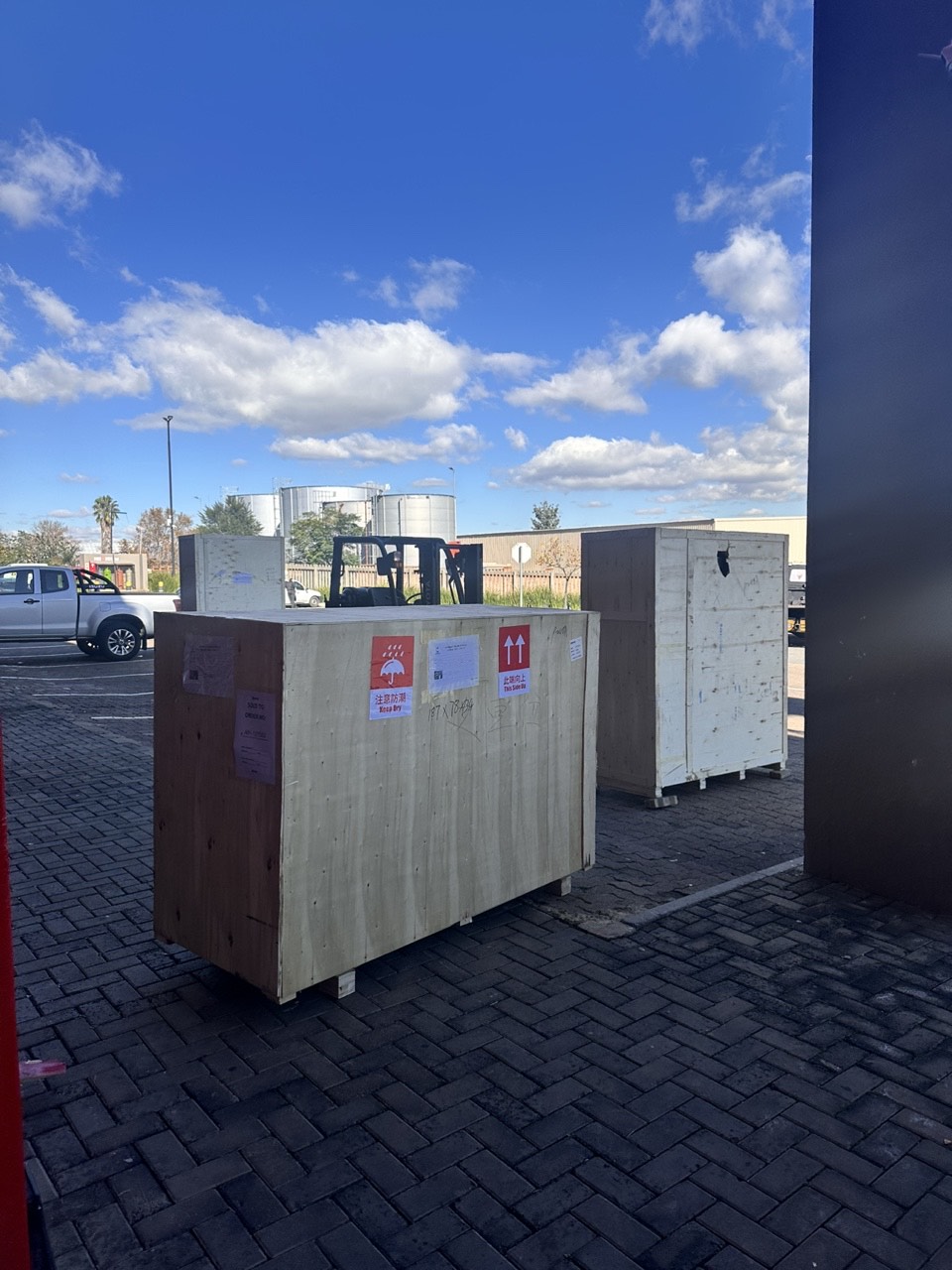
Batch of Orders
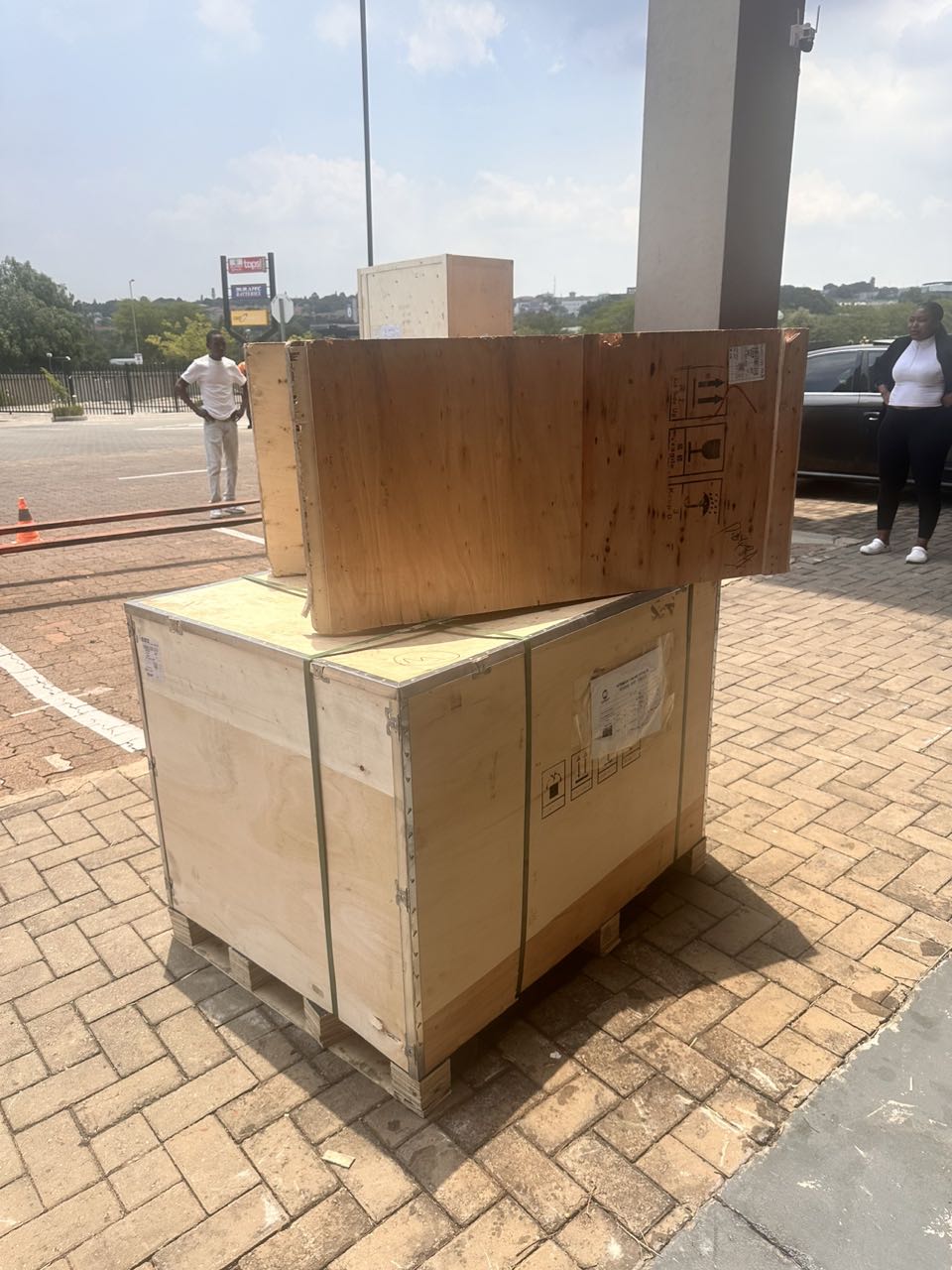
Batch of Orders
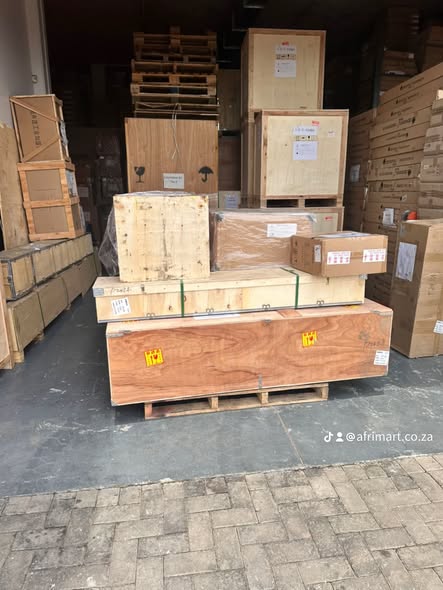
Latest Orders Labelled
wheel alignment machines
new arrivals
Pre Orders Offloading
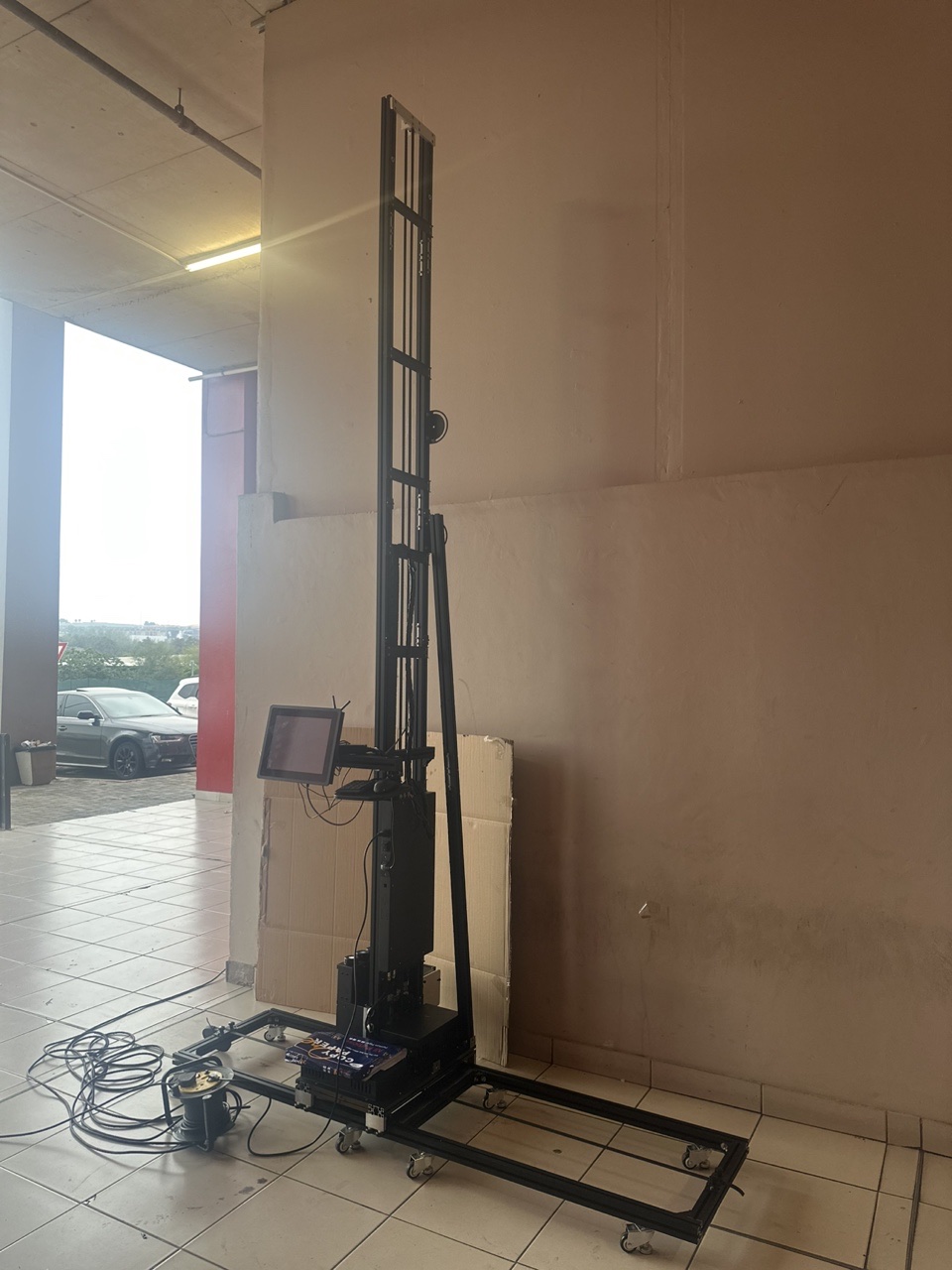
Latest Arrivals
Latest Arrivals
Latest Arrivals
Loading
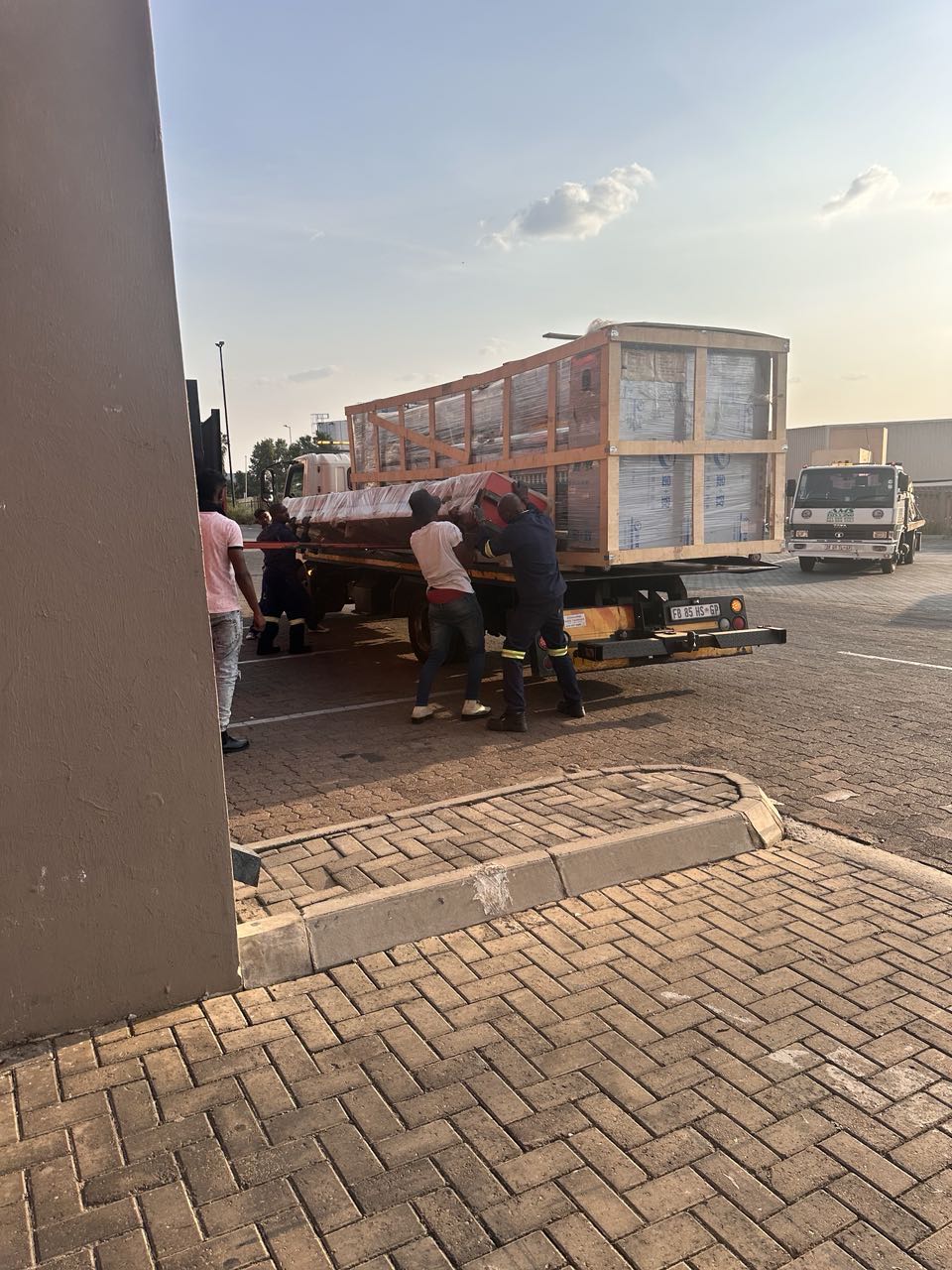
Toilet paper making machine
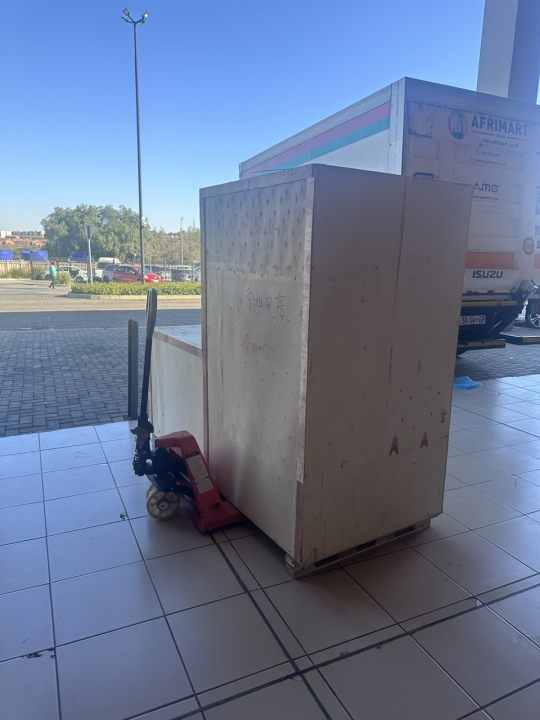
Toilet paper making machine
Toilet paper Rewinding Machine
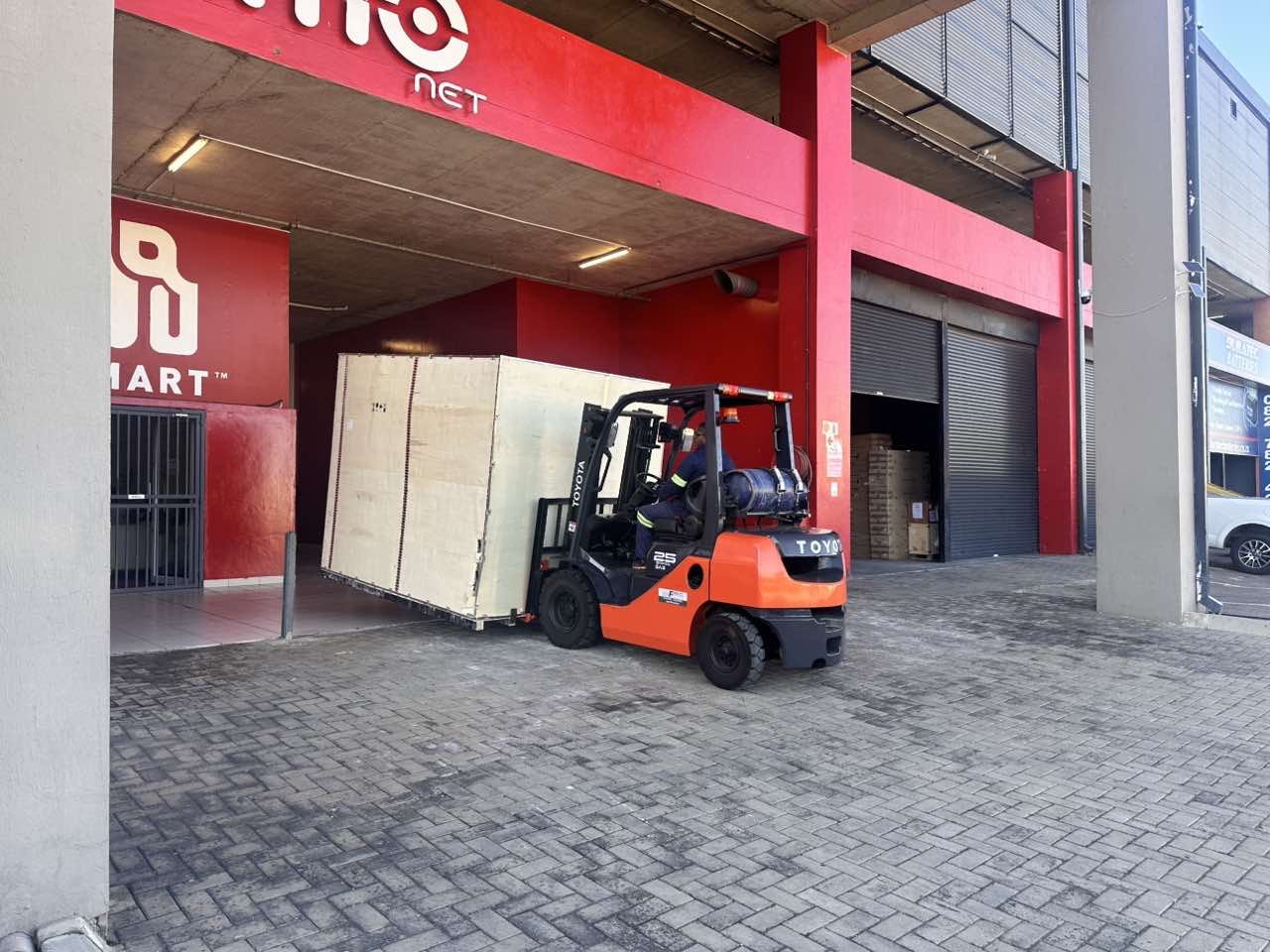
latest arrivals
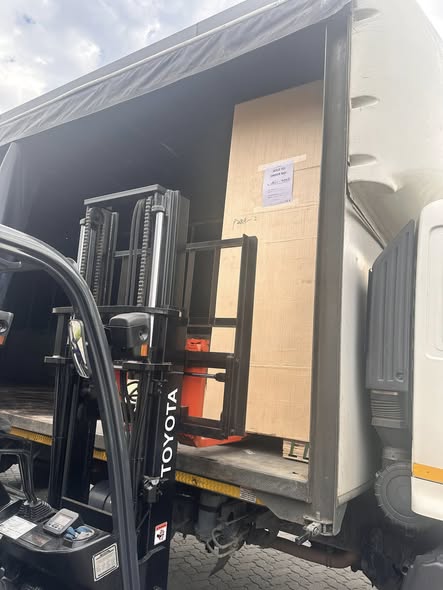
offloading
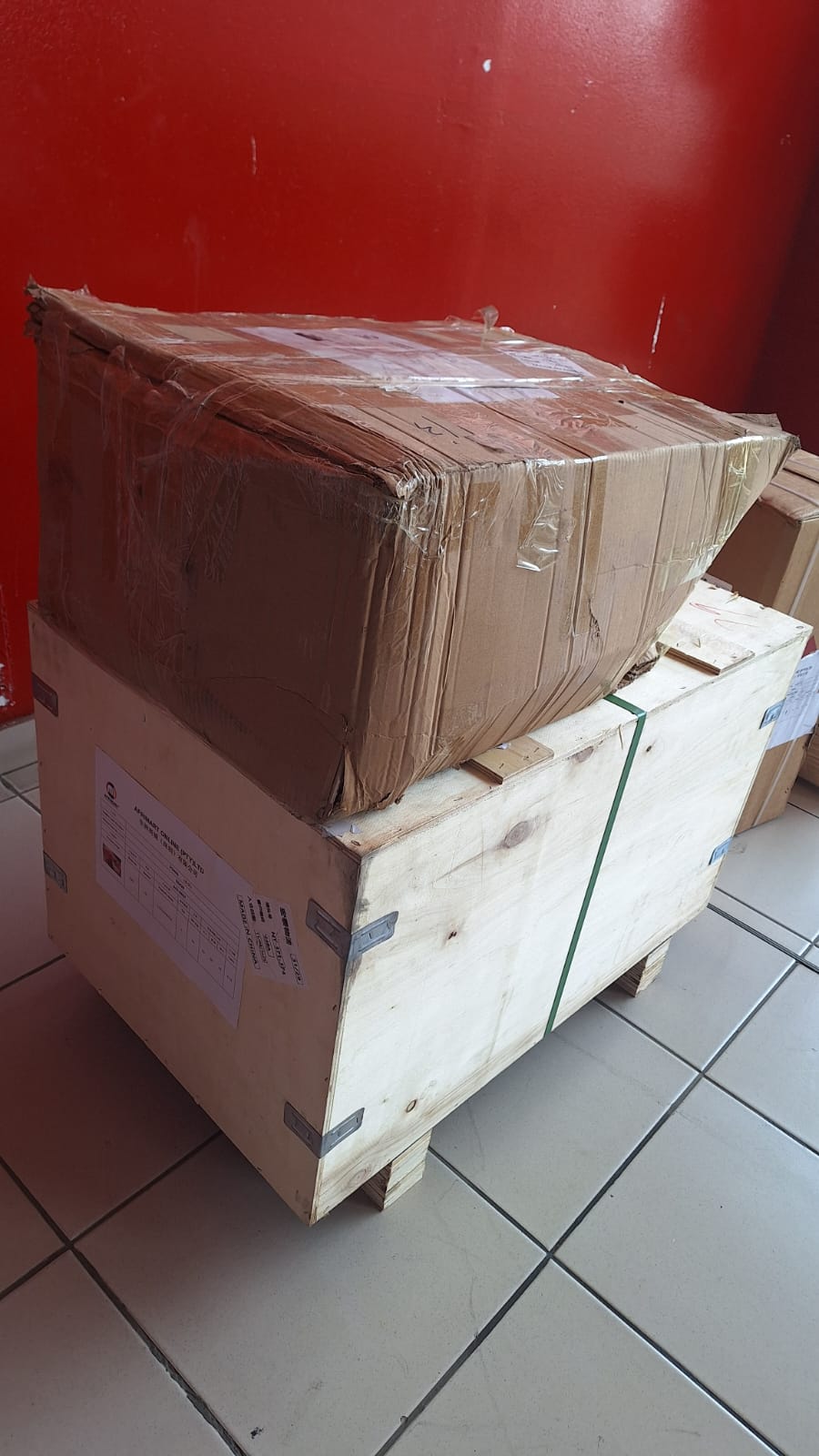
order success
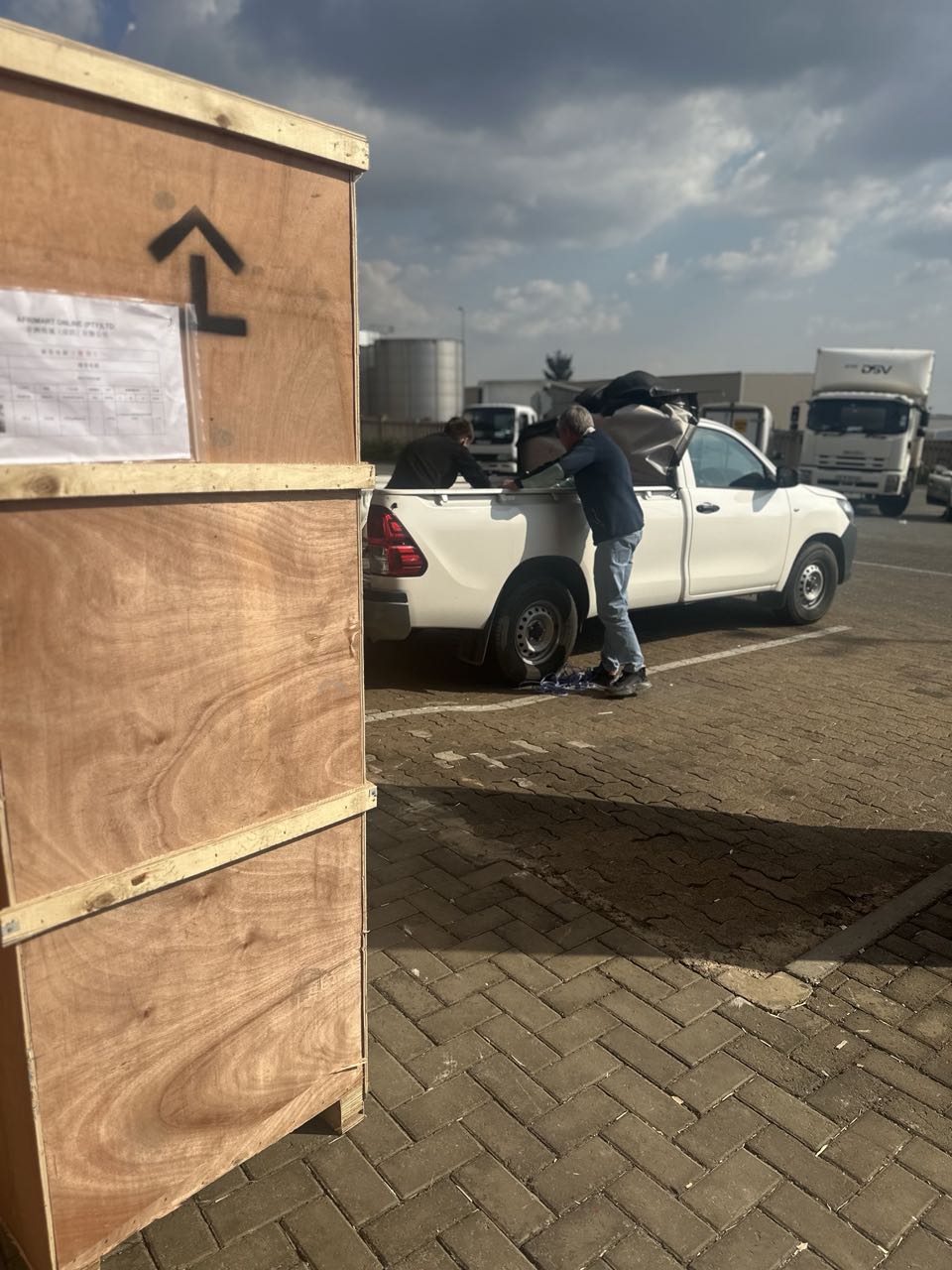
order collection
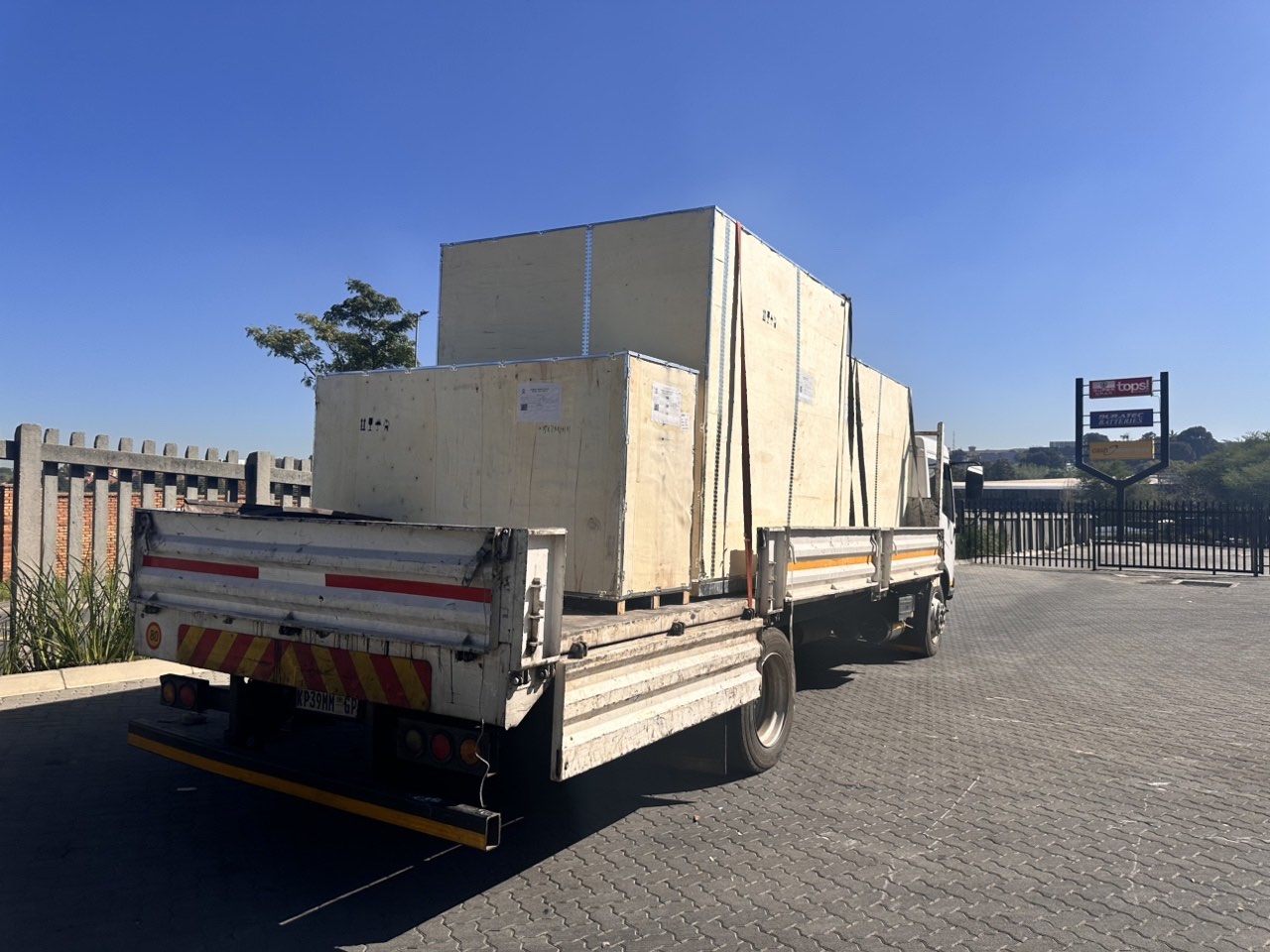
order offloading