B21, China Town Mall, Midrand

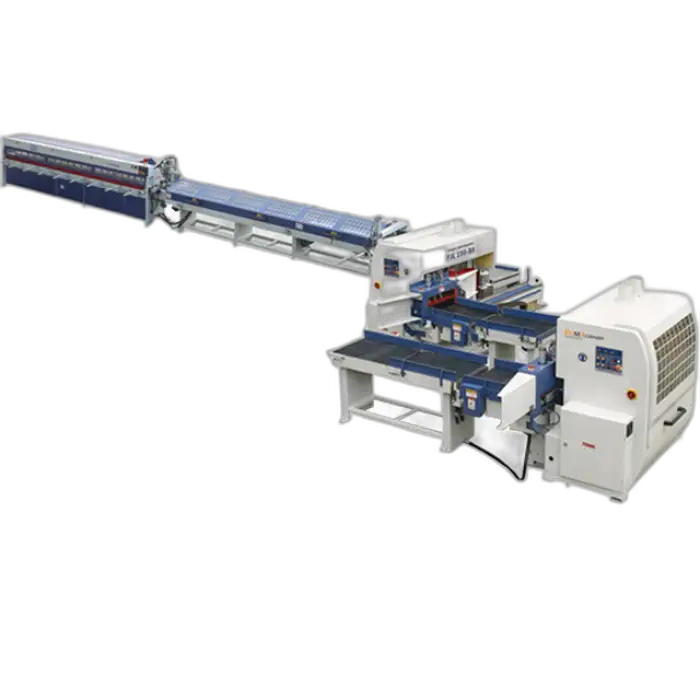
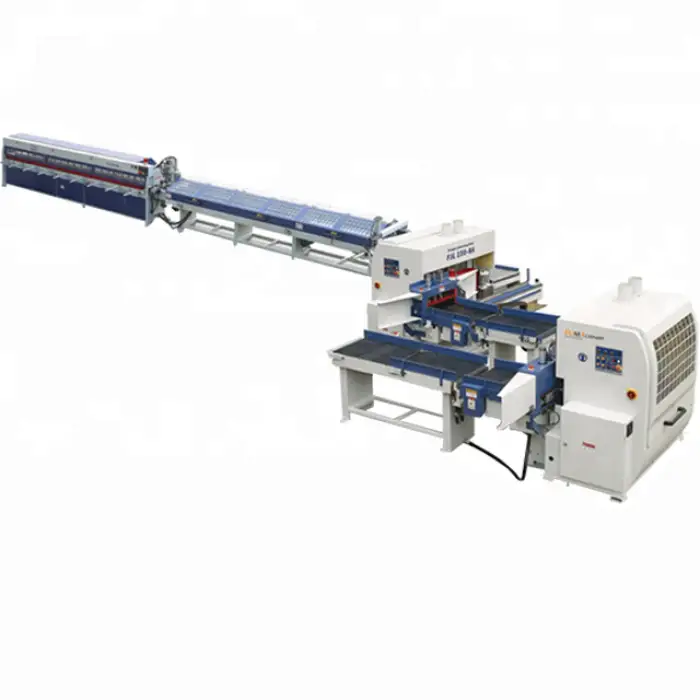
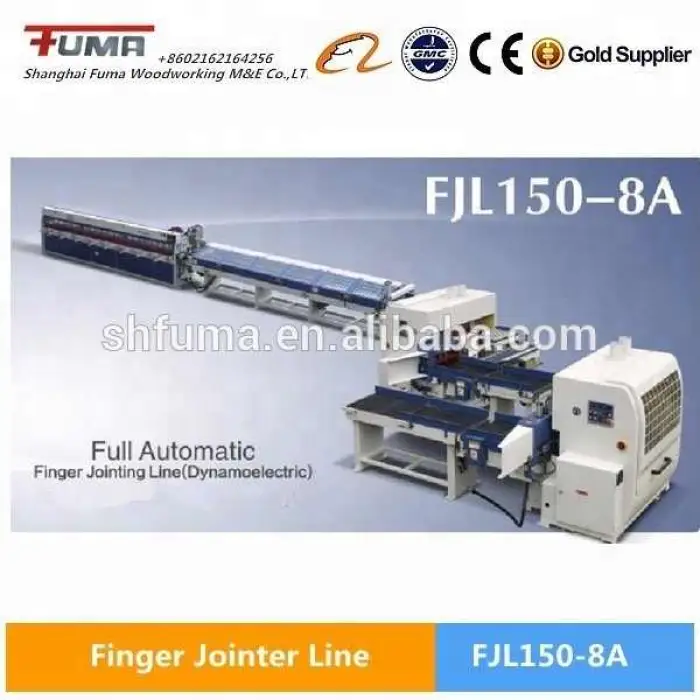
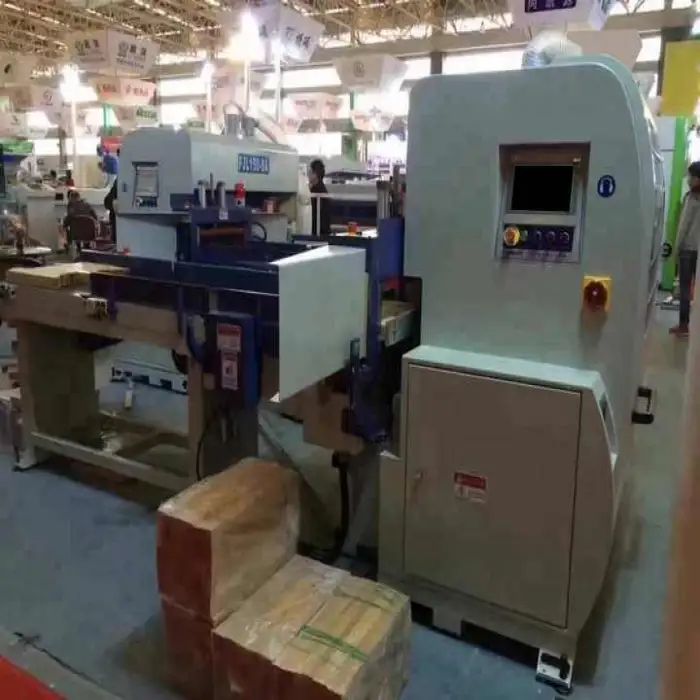
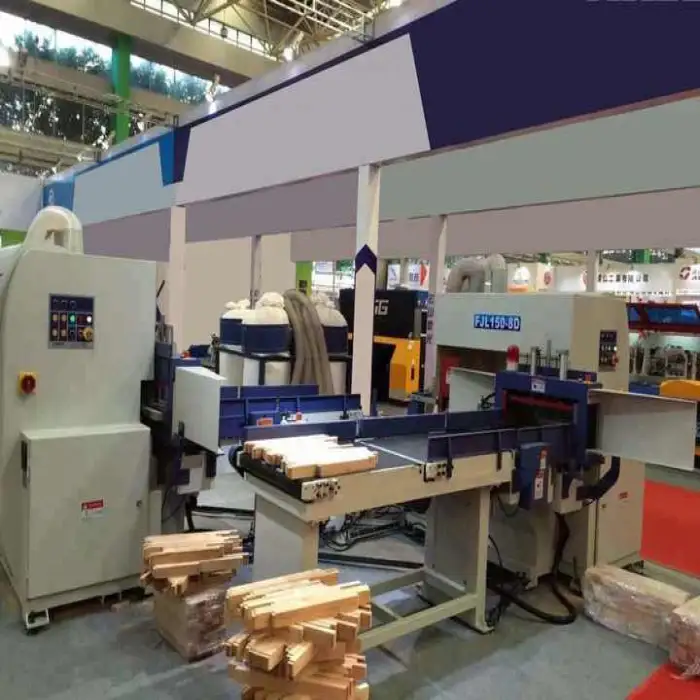
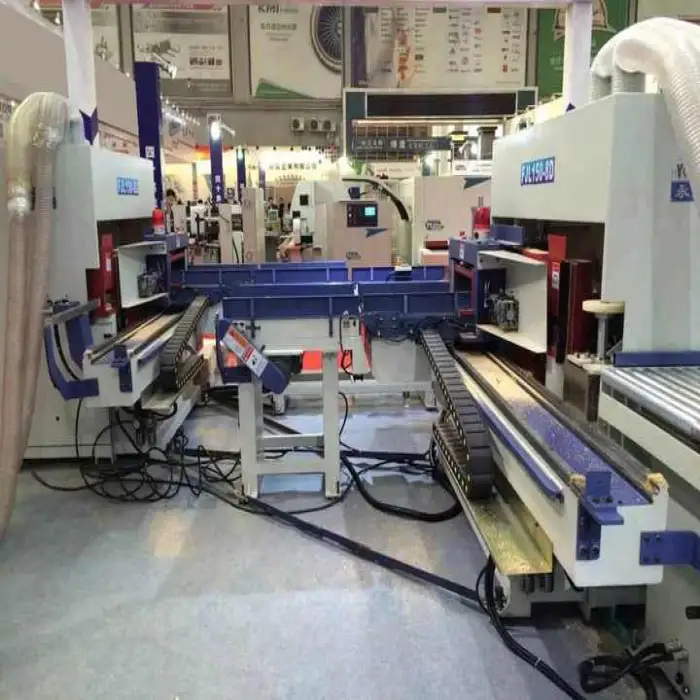
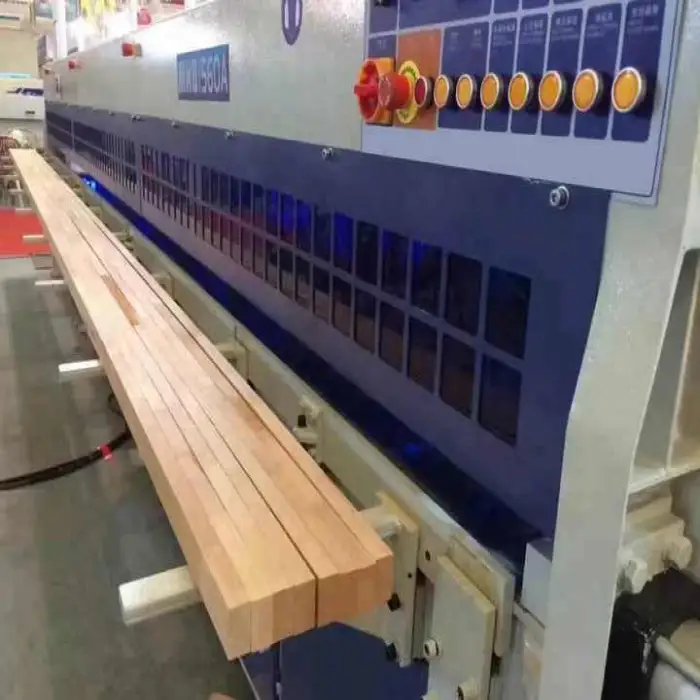
FJL150-8A (Motor-Driven) 6m Full Automatic Finger Jointing Line Joint Board Automatic Finger Jointer Line
Asset finance available
Do you want funding for this equipment?
Afrimart can connect you with trusted funding partners who specialise in asset finance for businesses like yours. Compare options and apply in minutes — final approval is subject to provider review.
Check funding options
Secure & no obligation

- Section : Machinery
- Category : Woodworking Machinery
- SKU : 60207709247

FJL150-8A (Motor-Driven) 6m Full Automatic Finger Jointing Line Joint Board Automatic Finger Jointer Line
The FJL150-8A is a powerful and efficient automatic finger jointing line designed for high-quality woodworking. This machine is perfect for creating strong joints in wood boards, making it ideal for furniture and construction applications. With its advanced technology and easy-to-use features, the FJL150-8A ensures precision and reliability in every joint.
Specifications
| Attribute | Details |
|---|---|
| Power Source | Electrical |
| Core Components | PLC, Engine, Bearing, Gearbox, Motor, Pressure Vessel, Gear, Pump |
| Voltage | 380V |
| Weight | 7500 kg |
| Power | 58.75 kW |
| Air Pressure | 6-8 bar |
| Dimensions (l*w*h) | 18000 x 6000 mm |
| Infeed Length | 150-900 mm |
| Shaping Thickness | 14-150 mm |
| Pressing Thickness | 14-80 mm |
| Pressing Width | 30-150 mm |
| Shaper Spindle Diameter | 50 mm |
| Hogger Spindle Diameter | 30 mm |
| Hogger Spindle Speed | 2840 rpm |
| Max. Pressing Length | 2500 mm |
| Wind Measure of Dust Collector | 9000 m³/h |
Key Features
- Low Noise Level
- Automatic operation for higher productivity
- Durable and reliable components
- Precision engineering for quality joints
- Easy maintenance and operation
Applications
- Furniture manufacturing
- Cabinet making
- Construction woodwork
- Wooden flooring production
- Any project requiring strong wood joints
Product Info Gallery
- Shipping Timeframes: All orders are processed within 2-5 business days (excluding weekends and holidays). After your order has been processed, the estimated delivery time is before 08 Aug, 2026, depending on customs, Please note that due to high demand, some items may experience longer shipping times, which will be communicated at order confirmation email.
- Order Processing Time: Please allow 2-5 business days for us to process your order before it is shipped . Orders placed after 16:00 on Fridays, or during weekends and public holidays, will begin processing on the next business day. Processing times may be extended during peak seasons or sales events.
- Manufacturing Time: Some products needs manufacturing time, the manufacturing process will take approximately 10-30 business days depending on the product. This timeframe may vary depending on the complexity of the product and current demand. but this will be communicated with you during order confirmation.
- Returns and Exchanges: We offer a 30-day return policy for most items. If you are not completely satisfied with your purchase, you may return it within 30 days of receipt for a refund or exchange. Items must be unused, in their original packaging, and accompanied by proof of purchase. Return shipping costs are the responsibility of the customer, unless the item was damaged or defective upon arrival.
1. What is the FJL150-8A (Motor-Driven) finger jointing line used for?
The FJL150-8A is a full-automatic finger jointing line for producing long, strong finger-jointed boards from shorter wood pieces. It's suitable for furniture, cabinets, flooring and general construction woodwork where high-quality joints are required.
2. What are the key technical specifications of the FJL150-8A?
Key specs: Power 58.75 kW; Voltage 380V; Weight 7,500 kg; Dimensions 18,000 x 6,000 mm (L x W); Infeed length 150–900 mm; Shaping thickness 14–150 mm; Pressing thickness 14–80 mm; Pressing width 30–150 mm; Shaper spindle Ø 50 mm; Hogger spindle Ø 30 mm at 2,840 rpm; Max pressing length 2,500 mm; Compressed air 6–8 bar; Dust collector capacity 9,000 m³/h. Core components include PLC, motor, gearbox, bearings, pump and pressure vessel.
3. What power and electrical supply are required?
The machine requires a 380V (three-phase) electrical supply and total installed power of approximately 58.75 kW. A qualified electrician should install suitable breakers, wiring and grounding according to local electrical codes.
4. What compressed air is required?
A compressed air supply of 6–8 bar is required. Ensure the air system is clean, dry and sized to meet machine demand with appropriate filters and regulators.
5. What board sizes and thicknesses can the machine process?
Infeed length: 150–900 mm. Shaping (board) thickness: 14–150 mm. Pressing thickness: 14–80 mm. Pressing width: 30–150 mm. Confirm the specific job setup and tooling for edge cases near the limits.
6. Does the FJL150-8A include a glue application system?
Glue application is commonly part of a finger jointing line, but the product description does not explicitly state the glue system provided. Confirm with the supplier whether a glue applicator (and which type) is included or offered as an option.
7. Which adhesives are compatible with this line?
Common adhesives for finger jointing include PVAc (white glue) and PUR (polyurethane) systems. Adhesive choice depends on wood species, production speed and environmental exposure. Always follow the adhesive manufacturer's recommendations and verify compatibility with the machine or supplier.
8. How automated is the operation and what control interface does it use?
The line is full-automatic and uses a PLC-based control system for programmable operation. Typical operation is automatic feed, shaping, gluing (if equipped), pressing and outfeed. An operator is normally required for loading, supervision, quality checks and occasional intervention.
9. What safety features should I expect and what PPE is recommended?
Expect standard safeguards such as emergency stop buttons, guards and interlocks on moving parts (confirm exact features with the supplier). Recommended PPE includes hearing protection, safety glasses, dust masks/respirators and safety footwear. Follow local safety regulations and the machine safety manual.
10. What are the installation and site requirements?
Required: a leveled, solid floor able to support ~7,500 kg machine weight, adequate workshop space for the 18,000 x 6,000 mm footprint plus service access, proper 380V power supply, a 6–8 bar compressed air line, and connection to a dust extraction system (9,000 m³/h capacity recommended). Lifting equipment (crane/forklift) is usually needed for installation. Check with the supplier for foundation or anchoring recommendations.
11. How should I maintain the FJL150-8A and how often?
Routine maintenance typically includes daily cleaning and dust removal, weekly inspection and lubrication of bearings and moving parts, regular sharpening or replacement of cutting tools and periodic checking of belts, hydraulic/pneumatic lines and electrical connections. Follow the manufacturer's maintenance schedule in the user manual for exact intervals and procedures.
12. What spare parts and consumables should I keep on hand?
Common spares/consumables: cutter knives/shaper knives, hogger cutters, bearings, belts, filters, glue application nozzles, seals, and recommended adhesives. Keeping critical spares on hand reduces downtime—ask the supplier for a recommended spare parts list.
13. How is dust managed and what is the machine's noise level?
The line lists a dust collector capacity of 9,000 m³/h; connect an appropriate dust extraction system to maintain air quality and machine performance. The product advertises low noise levels, but actual noise will vary with load and setup. Use hearing protection and ensure compliance with local workplace noise regulations.
14. What after-sales support, training and warranty are available?
After-sales support, commissioning, operator training and warranty terms vary by supplier. Ask your vendor about on-site installation, startup assistance, operator training packages, service contracts and the specific warranty period and coverage before purchase.
Latest Order Arrivals
Discover our latest orders

12 Heads Embroidery Machine

Toilet Paper Machine Machine

Order Collection

Cross Border Clients

Order cros border countries Collected

Industrial Machine Cllection

Agriculture Processing Machines

Ready for collection

Water Pump Equipment

Packaging Machine and accessories

Fabrics Manufacturing Equipment

Mining Equipments

Food Processing Machine

Batch of Orders

Batch of Orders

Latest Orders Labelled

wheel alignment machines

new arrivals

Pre Orders Offloading

Latest Arrivals

Latest Arrivals

Latest Arrivals

Loading

Toilet paper making machine

Toilet paper making machine

Toilet paper Rewinding Machine

latest arrivals

offloading

order success

order collection

order offloading