B21, China Town Mall, Midrand

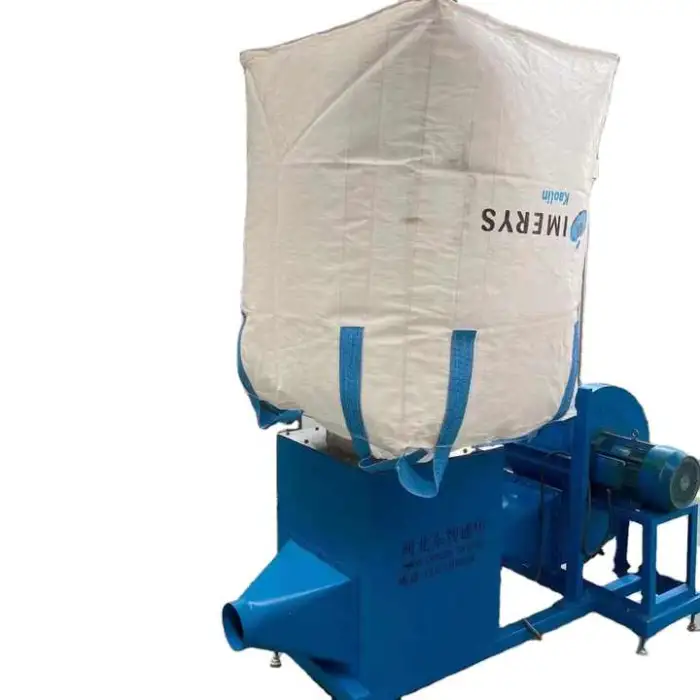
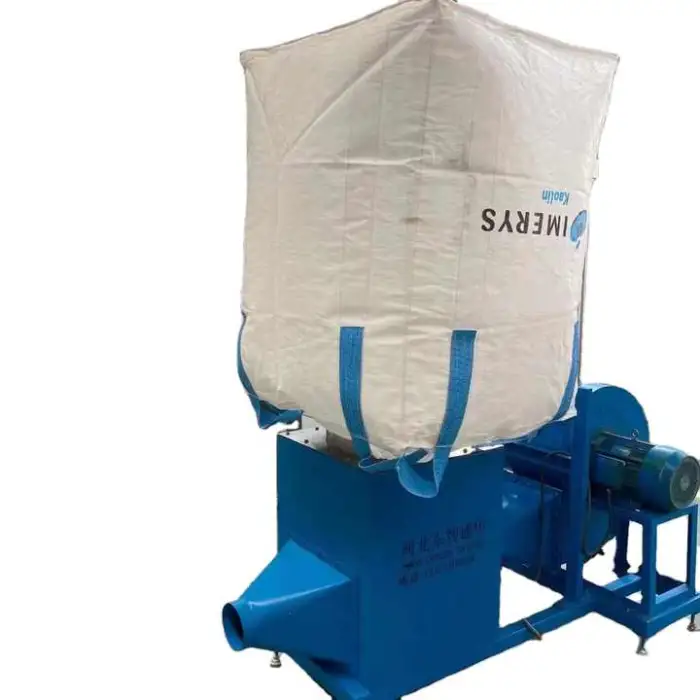
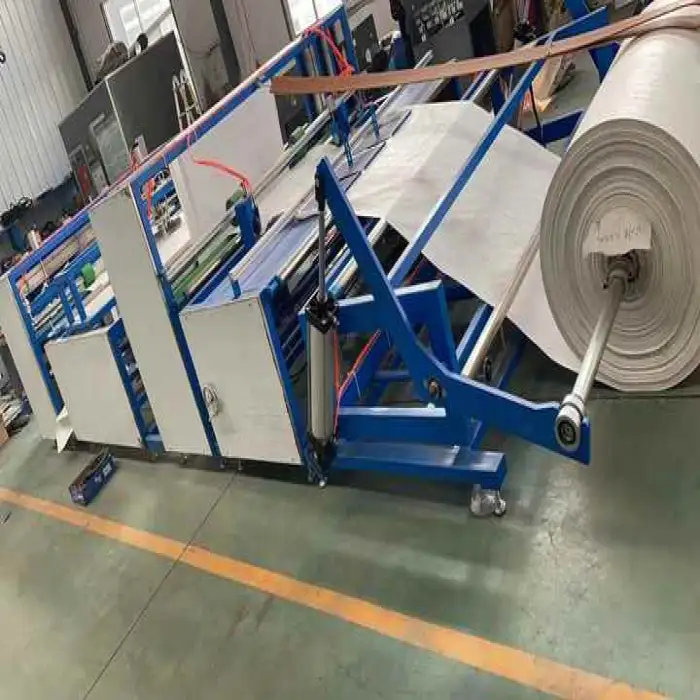
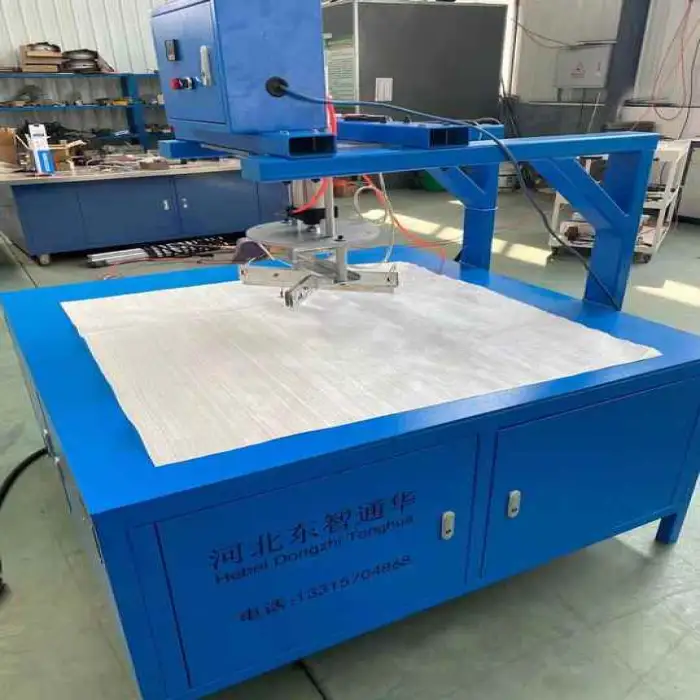
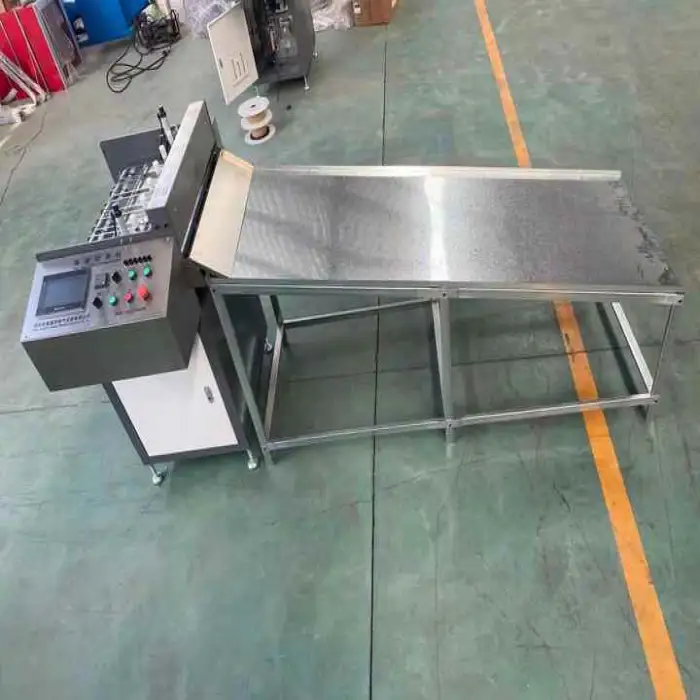
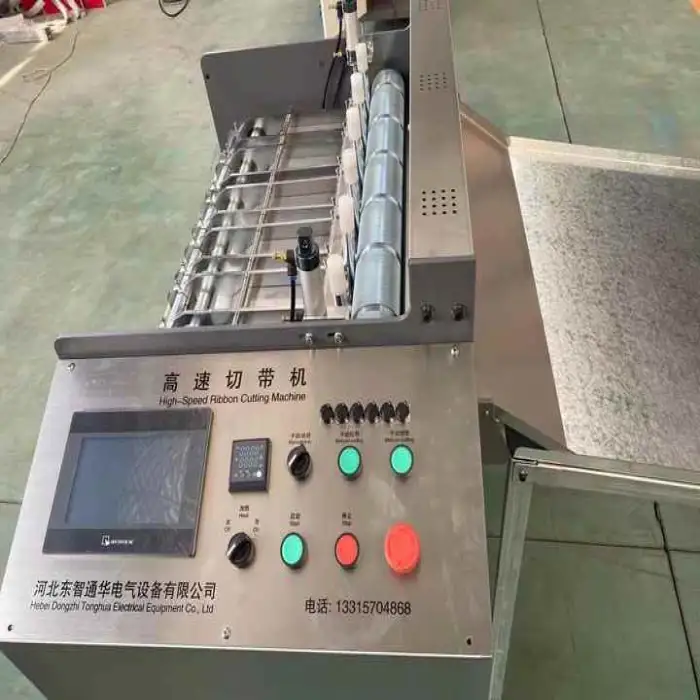
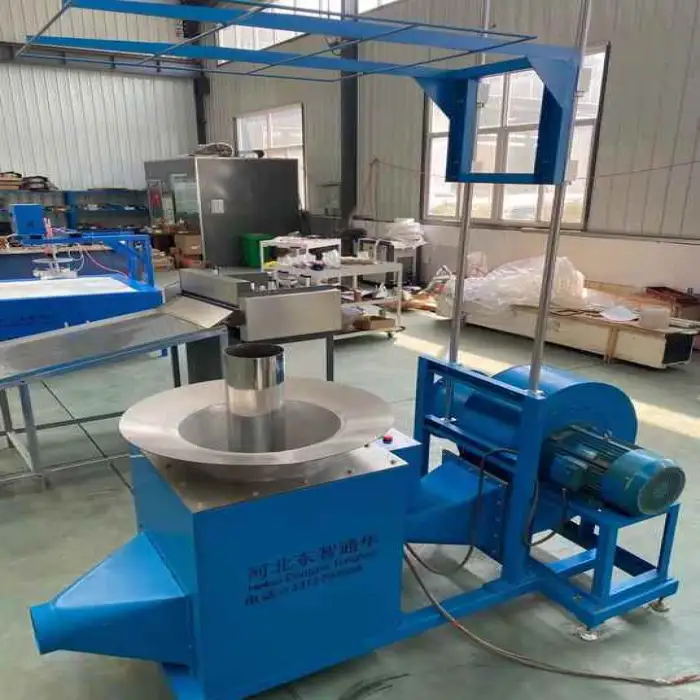
FIBC Bag Full-automatic Making Machine
Asset finance available
Do you want funding for this equipment?
Afrimart can connect you with trusted funding partners who specialise in asset finance for businesses like yours. Compare options and apply in minutes — final approval is subject to provider review.
Check funding options
Secure & no obligation
- Section : Machinery
- Category : Packaging Machines
- SKU : 1600259982116

FIBC Bag Full-Automatic Making Machine
The FIBC Bag Full-Automatic Making Machine is designed for high-speed production of jumbo bags. This advanced machine operates on 380V and produces up to 100 bags per minute. With its automatic features, it ensures efficient cutting and sealing of plastic bags, specifically for cement and other materials. This machine is perfect for businesses looking to enhance their bag-making process with speed and reliability.
Specifications
| Attribute | Details |
|---|---|
| Voltage | 380V |
| Bag Type | Cement Bag |
| Max Speed | 100 pcs/min |
| Material | Plastic |
| Core Components | Motor, Pump |
| Dimension (L*W*H) | 5000*2600*2200 mm |
| Bag Width | 80-220 mm |
| Power Supply | 220V 50Hz |
| Function | Cutting Roll |
| Speed | 100-300 pcs/min |
| Processing Type | Heat Sealing Hot Cutting |
| After Service | Field maintenance and repair service |
| Certification | ISO CE |
Key Features
- Full-automatic operation for maximum efficiency
- High-speed production of up to 100 bags per minute
- Advanced technology for precise cutting and sealing
- Capable of handling various plastic materials
- Compact design for easy integration into production lines
Applications
- Production of cement bags
- Manufacturing of jumbo bags for bulk materials
- Creating bags for agricultural use
- Packaging solutions for construction and industrial purposes
- Versatile use in various plastic bag applications
Product Info Gallery
- Shipping Timeframes: All orders are processed within 2-5 business days (excluding weekends and holidays). After your order has been processed, the estimated delivery time is before 14 Aug, 2026, depending on customs, Please note that due to high demand, some items may experience longer shipping times, which will be communicated at order confirmation email.
- Order Processing Time: Please allow 2-5 business days for us to process your order before it is shipped . Orders placed after 16:00 on Fridays, or during weekends and public holidays, will begin processing on the next business day. Processing times may be extended during peak seasons or sales events.
- Manufacturing Time: Some products needs manufacturing time, the manufacturing process will take approximately 10-30 business days depending on the product. This timeframe may vary depending on the complexity of the product and current demand. but this will be communicated with you during order confirmation.
- Returns and Exchanges: We offer a 30-day return policy for most items. If you are not completely satisfied with your purchase, you may return it within 30 days of receipt for a refund or exchange. Items must be unused, in their original packaging, and accompanied by proof of purchase. Return shipping costs are the responsibility of the customer, unless the item was damaged or defective upon arrival.
1. What is the FIBC Bag Full-Automatic Making Machine used for?
It's a high-speed, full-automatic machine for producing jumbo/FIBC and cement-style plastic bags with automatic cutting and heat-seal (hot-cut) processing—suitable for cement, bulk materials, agricultural and industrial packaging.
2. What is the machine's production speed?
The standard specification lists a nominal output of up to 100 bags per minute. Actual speed depends on bag size, material thickness and configuration; some configurations/specifications indicate an adjustable speed range (100–300 pcs/min), so please confirm the exact model and settings with the supplier.
3. What are the voltage and power requirements?
The machine's main drive typically operates on 380V (three-phase). Control circuits and auxiliary systems commonly use 220V 50Hz. A stable three-phase supply with proper grounding and correct local wiring is required—confirm final electrical specifications before installation.
4. What bag sizes and materials can it handle?
According to the specs the bag width range is 80–220 mm and the machine is designed for various plastic materials used for cement and jumbo bags. For non-standard sizes, weights or special materials, discuss customization options with the manufacturer.
5. What cutting and sealing method does the machine use?
It uses heat sealing with hot-cut technology (heat sealing hot cutting), which simultaneously seals and trims edges to produce a clean, sealed bag.
6. What are the machine's physical dimensions and footprint?
Overall machine dimensions are 5000 mm (L) × 2600 mm (W) × 2200 mm (H). Allow additional space for material handling, maintenance access and safety clearances when planning factory layout.
7. What are the core components and routine maintenance needs?
Core components include motor(s) and pump(s), heating elements for hot cutting, cutting blades, and the control system. Routine maintenance includes cleaning, lubrication, periodic inspection and replacement of hot-cut blades and heating elements, motor/pump checks and electrical connection inspections.
8. What after-sales service is provided?
The specification lists field maintenance and repair service. For detailed warranty, response times, spare-parts support and training offerings, confirm terms with the supplier prior to purchase.
9. Is the machine certified for quality and safety?
The product specifications list ISO and CE certification. For copies of certificates or compliance with specific local regulations, request documentation from the manufacturer.
10. Can this machine be integrated into an existing production line?
Yes. It has a compact design intended for easy integration, but conveyor interfaces, material feed and downstream handling may require custom linking. Provide layout and upstream/downstream equipment details so the supplier can advise integration requirements.
11. What operator skills or training are required?
Operators should be trained in machine operation, safety procedures, basic troubleshooting and routine maintenance. Many suppliers provide onsite operator training—confirm availability and scope with the vendor.
12. What consumables and spare parts should we keep on hand?
Common consumables include hot-cut blades/heating elements, fuses, belts and routine wear parts for motors and pumps. Keep a small stock of critical wear parts to minimize downtime; request a recommended spare-parts list from the supplier.
13. What safety features should be expected and what additional safeguards are recommended?
Expect emergency-stop functionality and guarded moving parts; exact features depend on model. Recommended safeguards include machine guarding, lockout/tagout procedures, operator PPE, proper electrical protection and regular safety inspections.
14. What are common troubleshooting steps for production issues?
Common checks: verify material type and thickness match machine settings, confirm temperature and hot-cut elements are at correct setpoint, inspect blades and sealing surfaces for wear, check tension and alignment of webs, and verify motor/pump electrical supply. For persistent faults, contact technical support.
15. How long does delivery and installation take, and how is the machine shipped?
Lead time and shipping depend on order volume, customization and your location. Machines are typically crated for export and shipped by sea or land. Installation and commissioning times vary—contact the supplier for current lead times, shipping options and installation schedules.
Latest Order Arrivals
Discover our latest orders
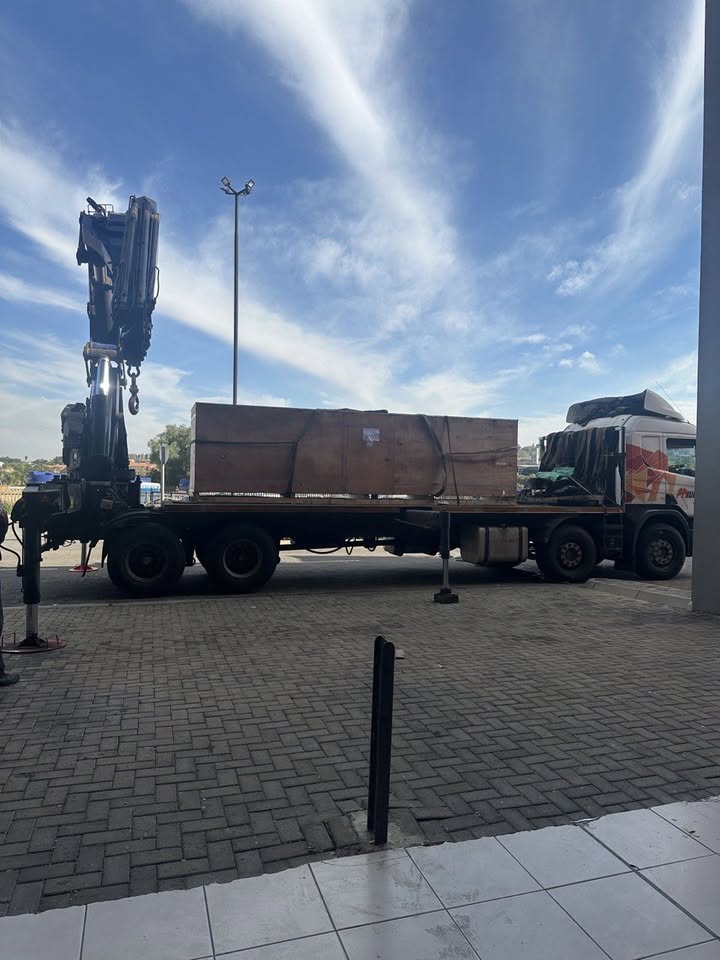
12 Heads Embroidery Machine
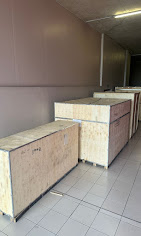
Toilet Paper Machine Machine
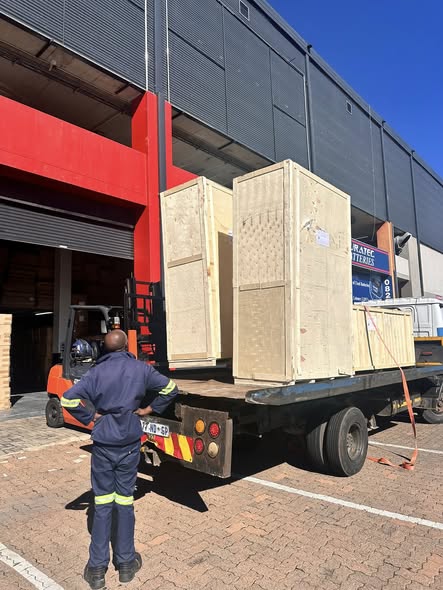
Order Collection
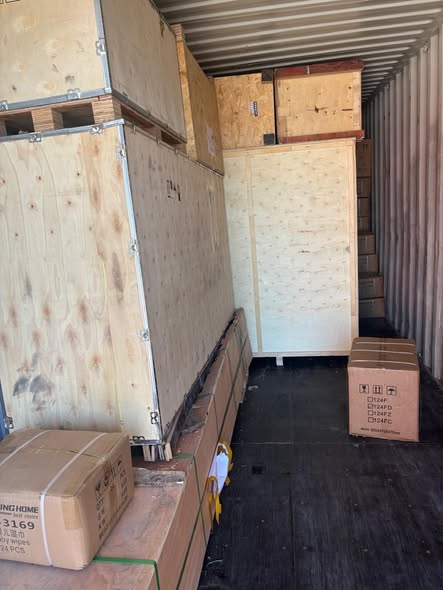
Cross Border Clients
Order cros border countries Collected
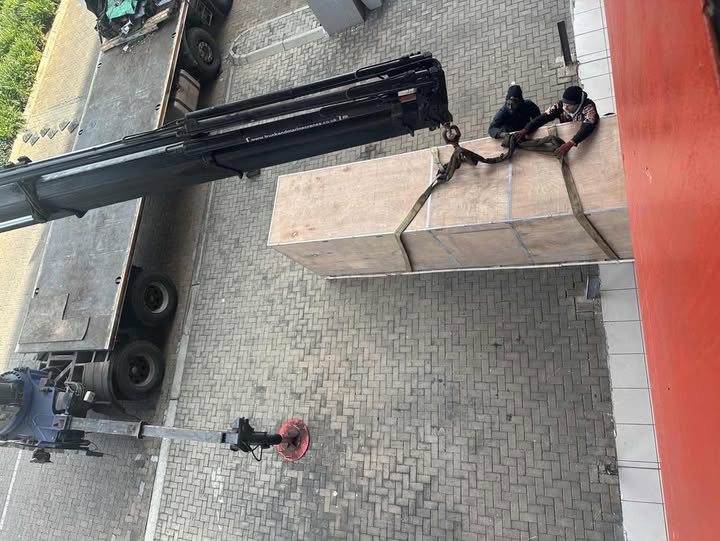
Industrial Machine Cllection
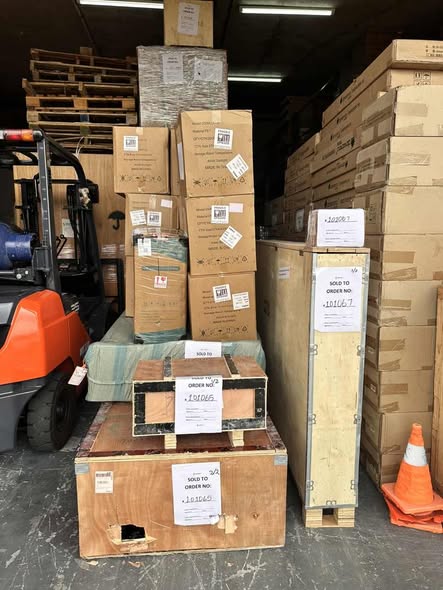
Agriculture Processing Machines
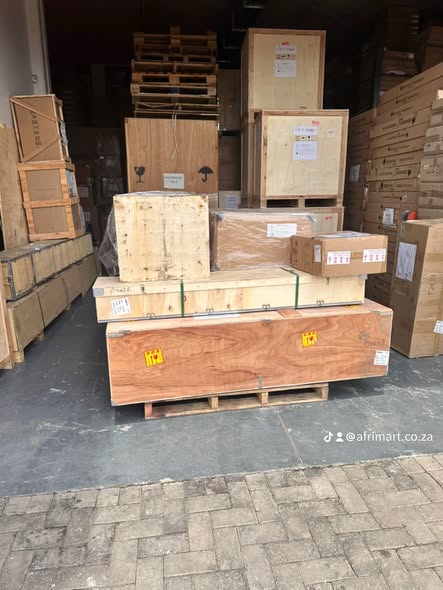
Ready for collection
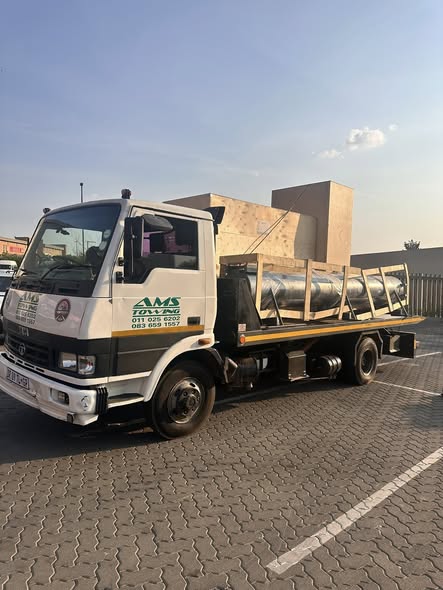
Water Pump Equipment
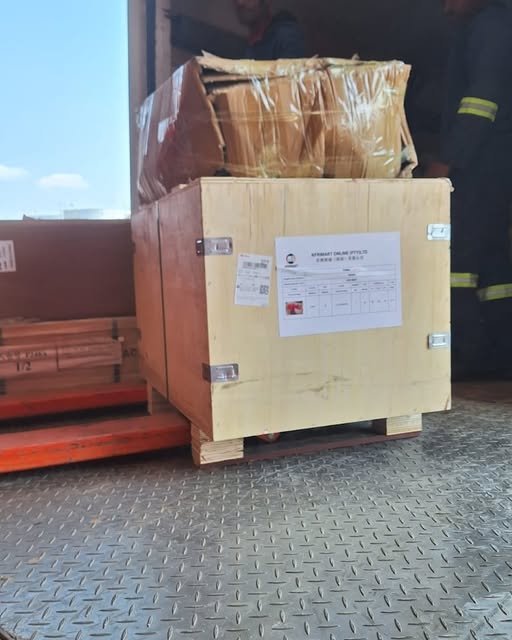
Packaging Machine and accessories
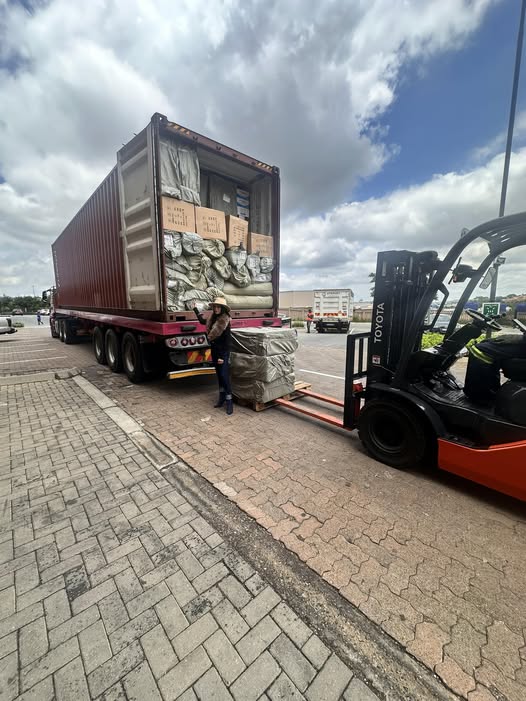
Fabrics Manufacturing Equipment
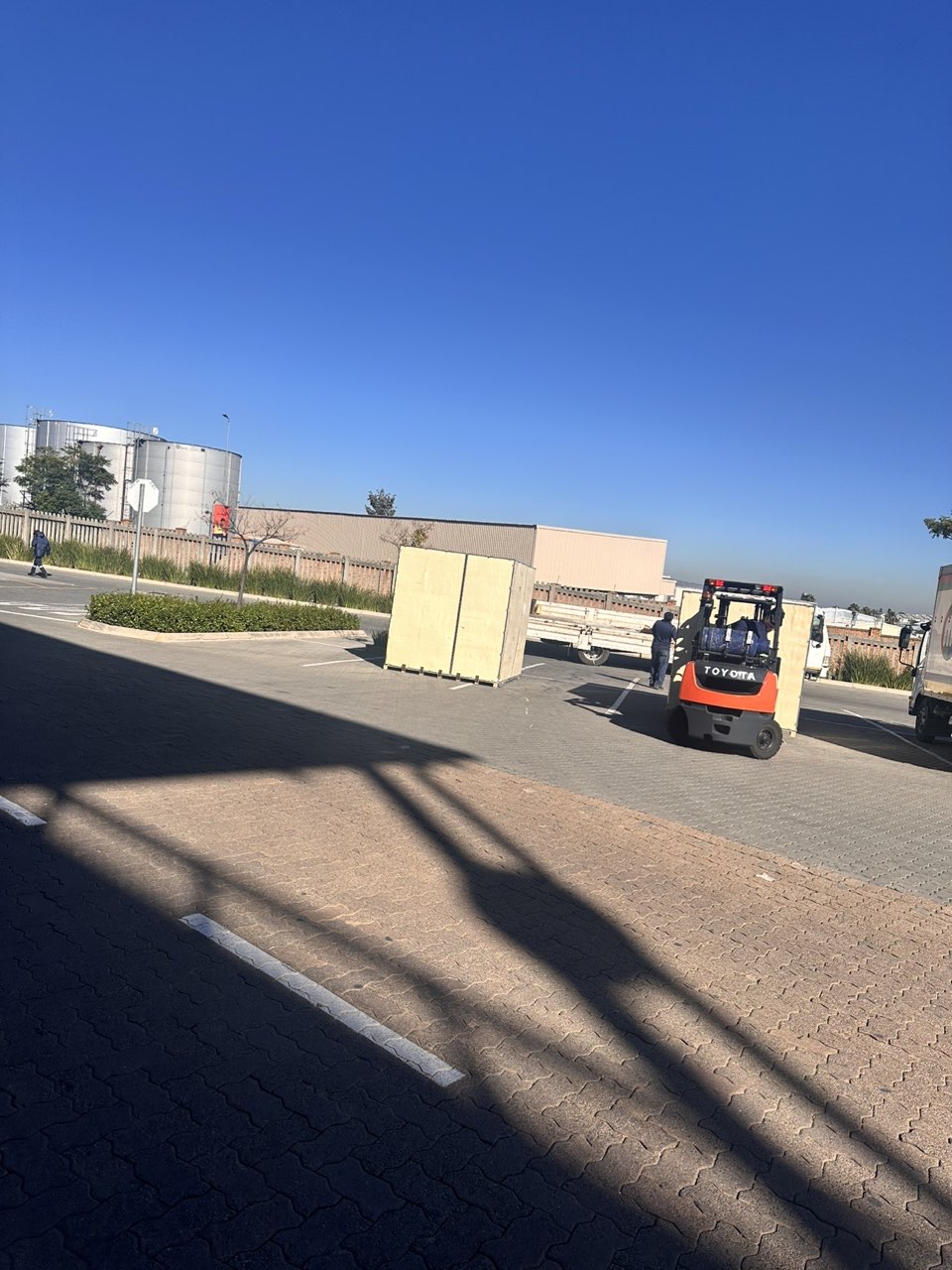
Mining Equipments
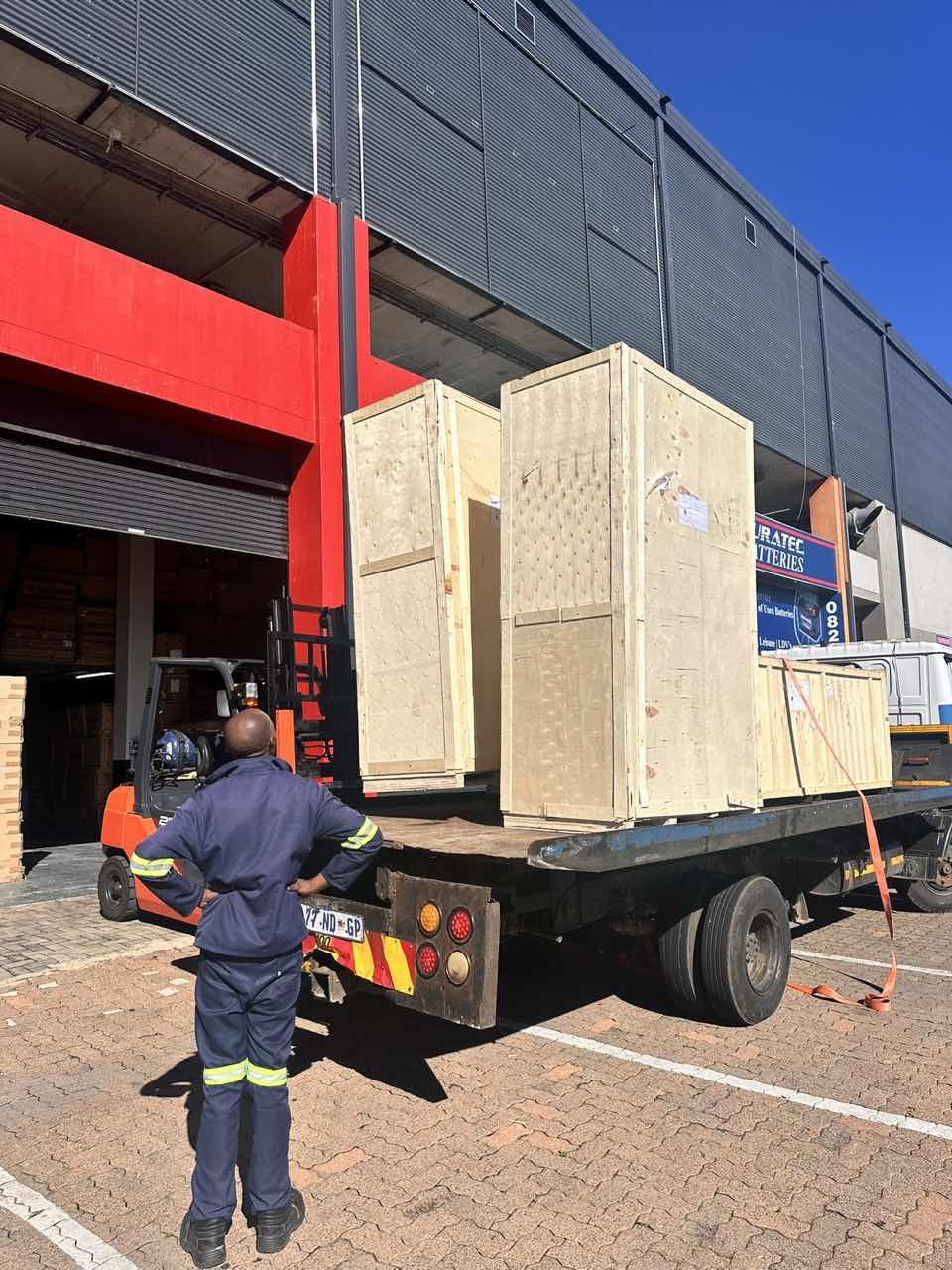
Food Processing Machine
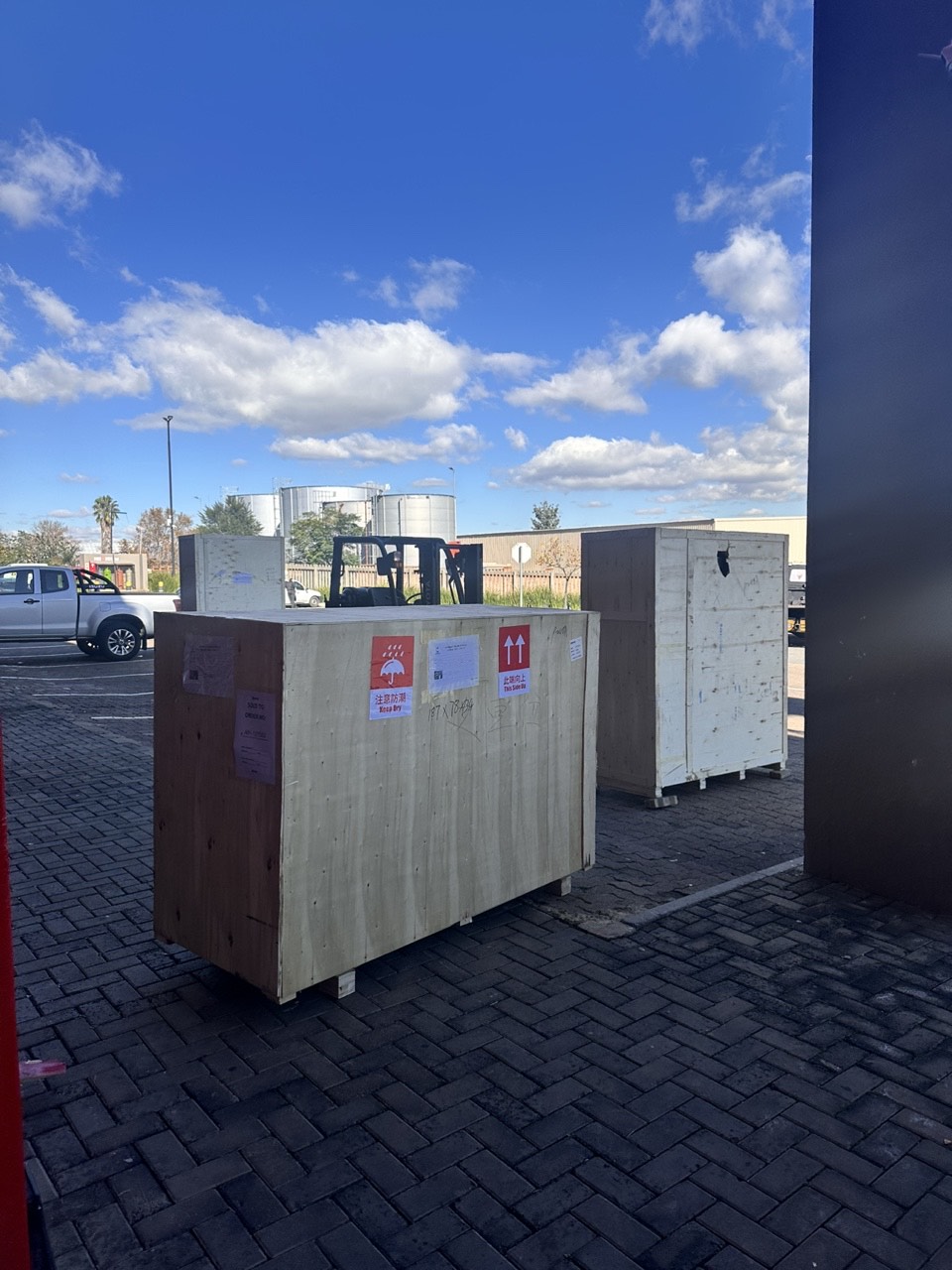
Batch of Orders
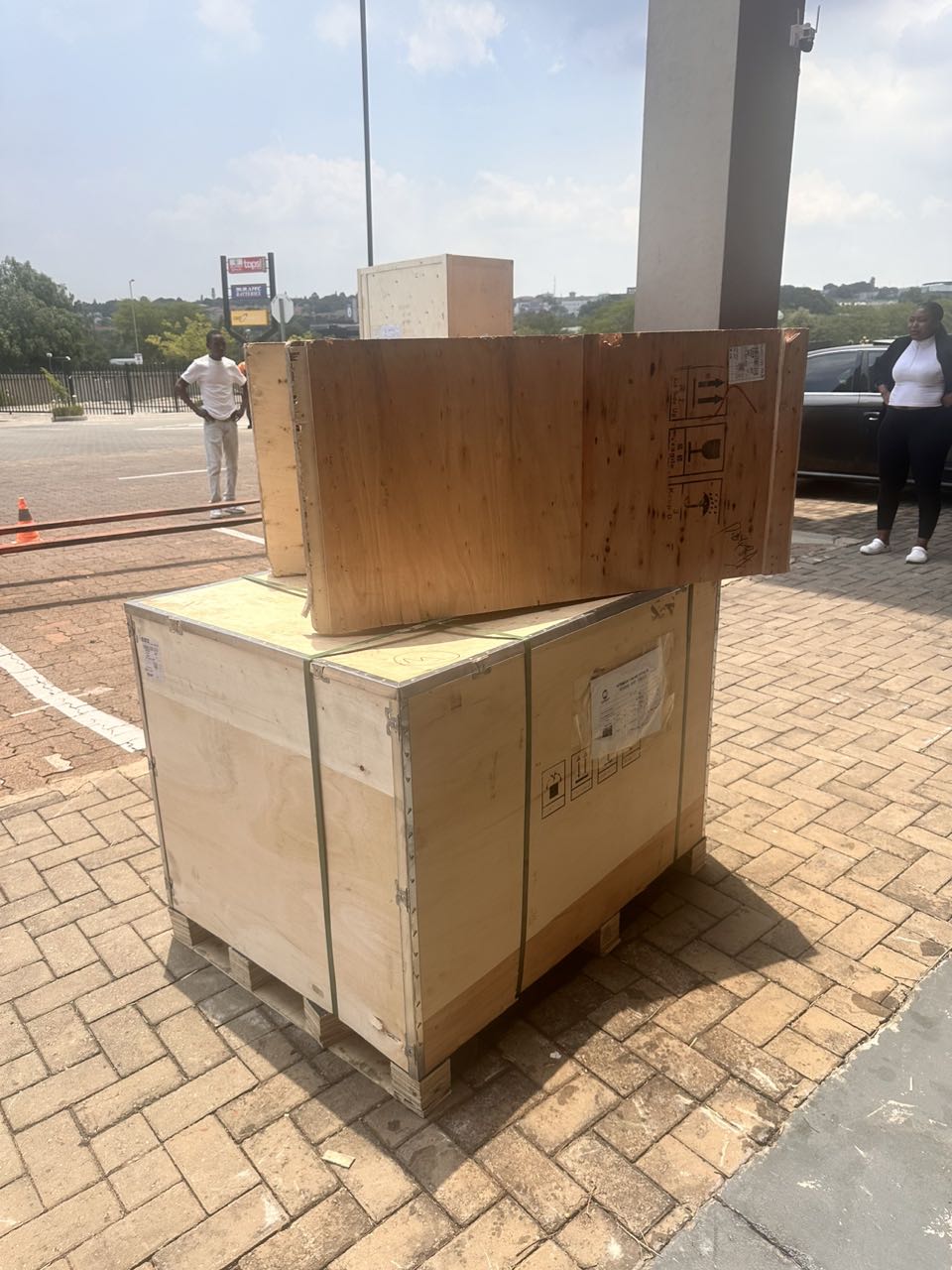
Batch of Orders
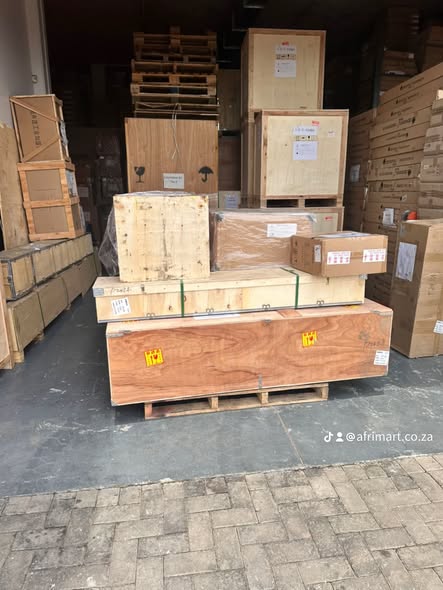
Latest Orders Labelled
wheel alignment machines
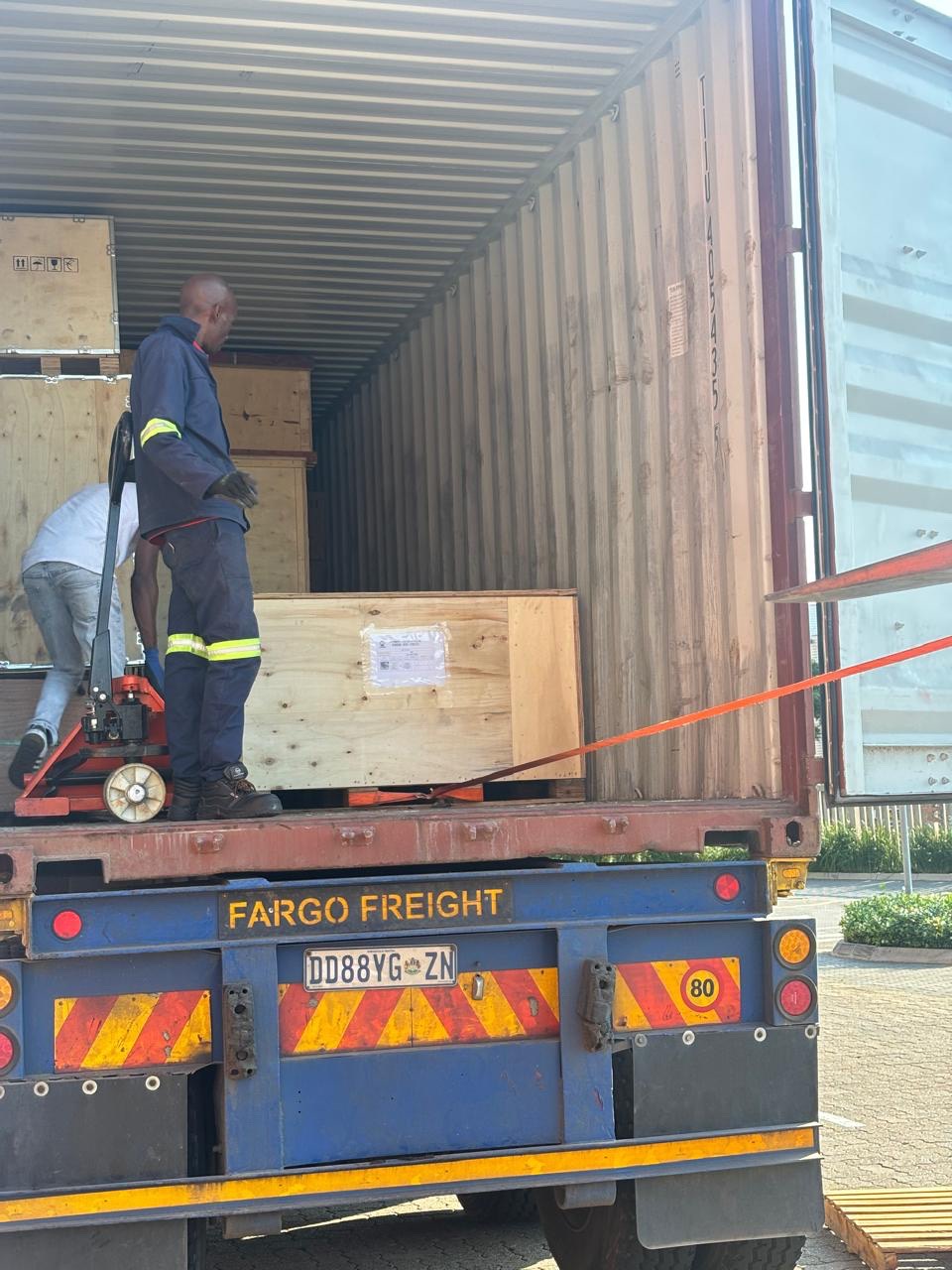
new arrivals
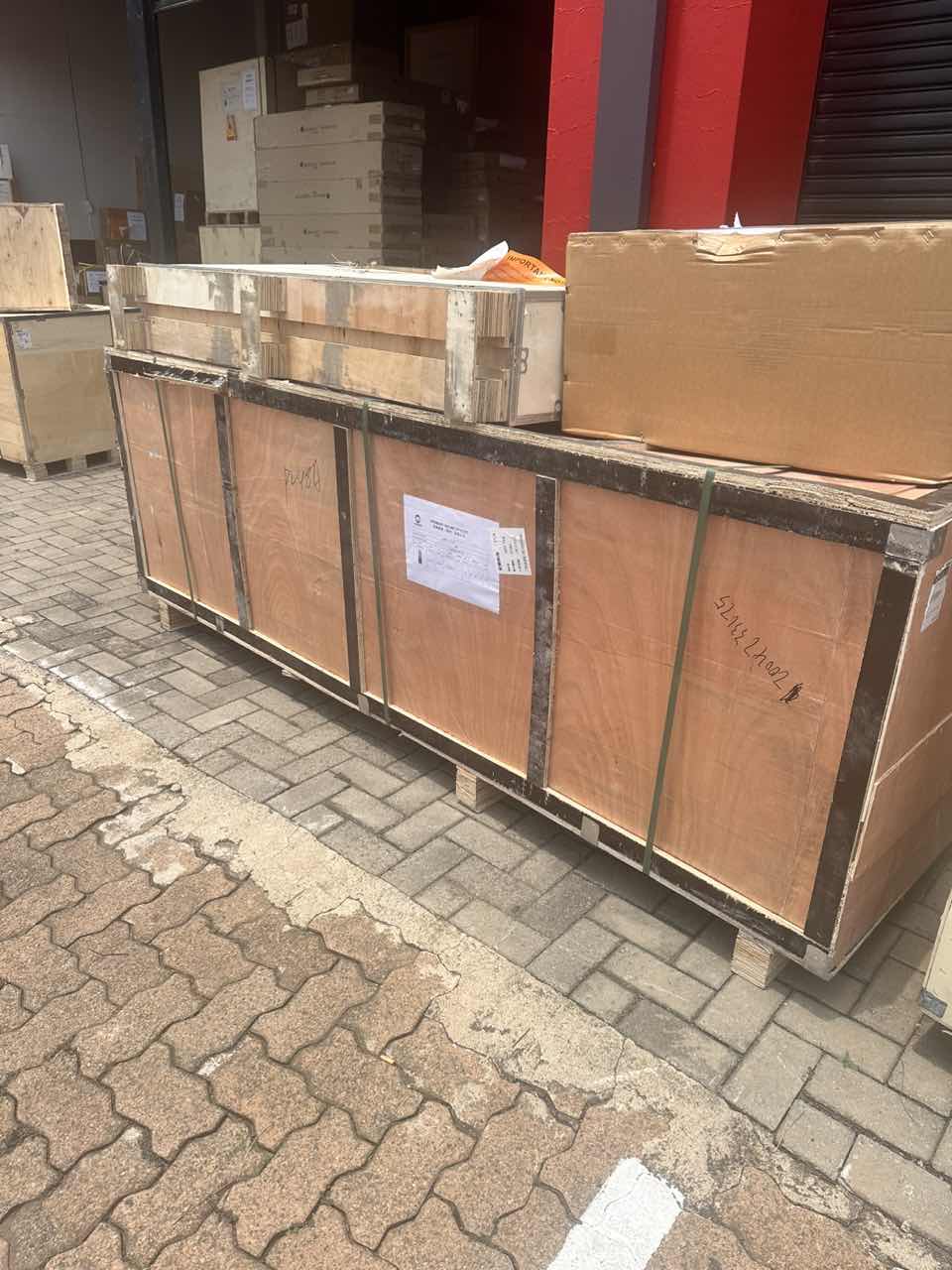
Pre Orders Offloading
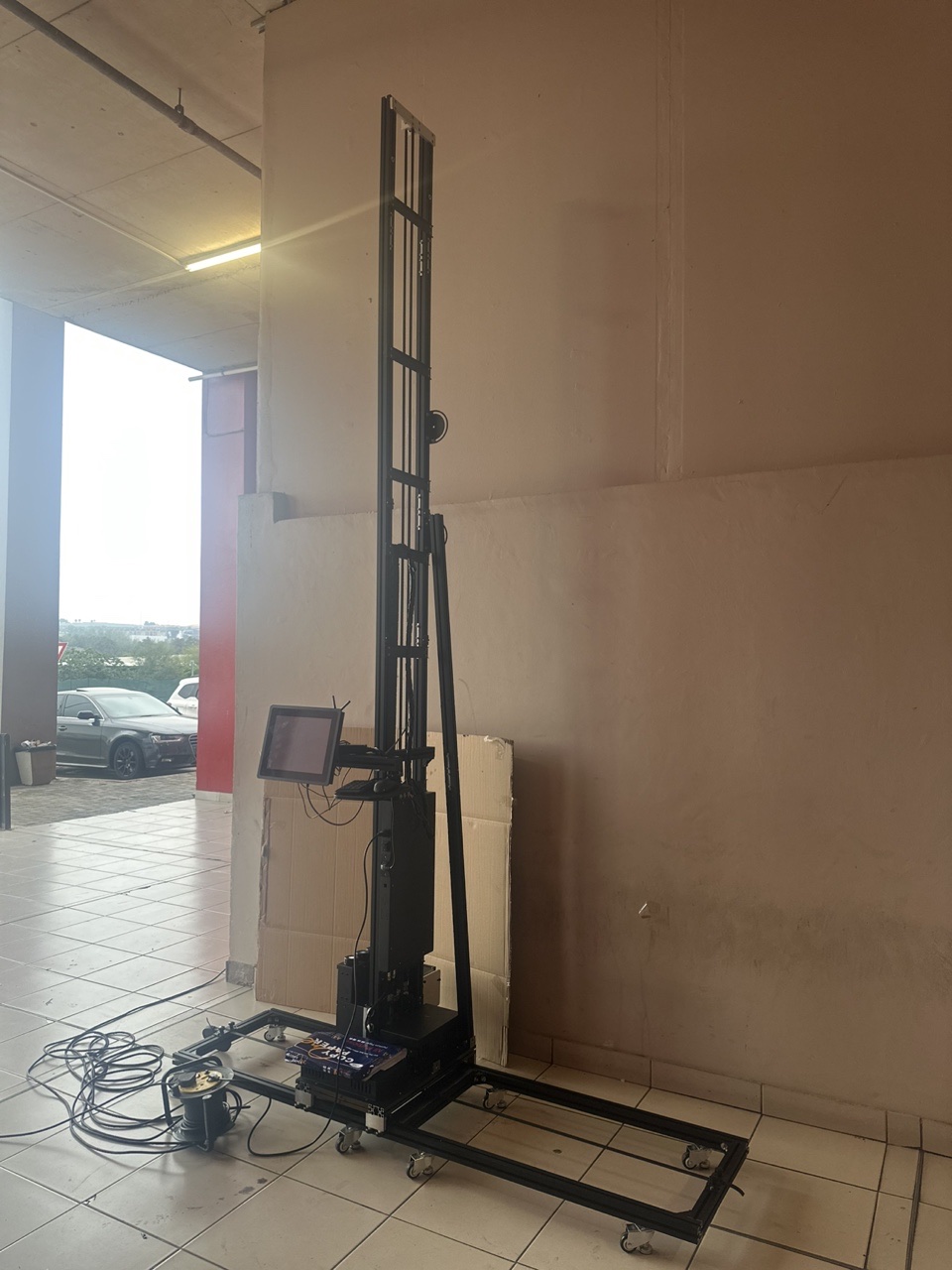
Latest Arrivals
Latest Arrivals
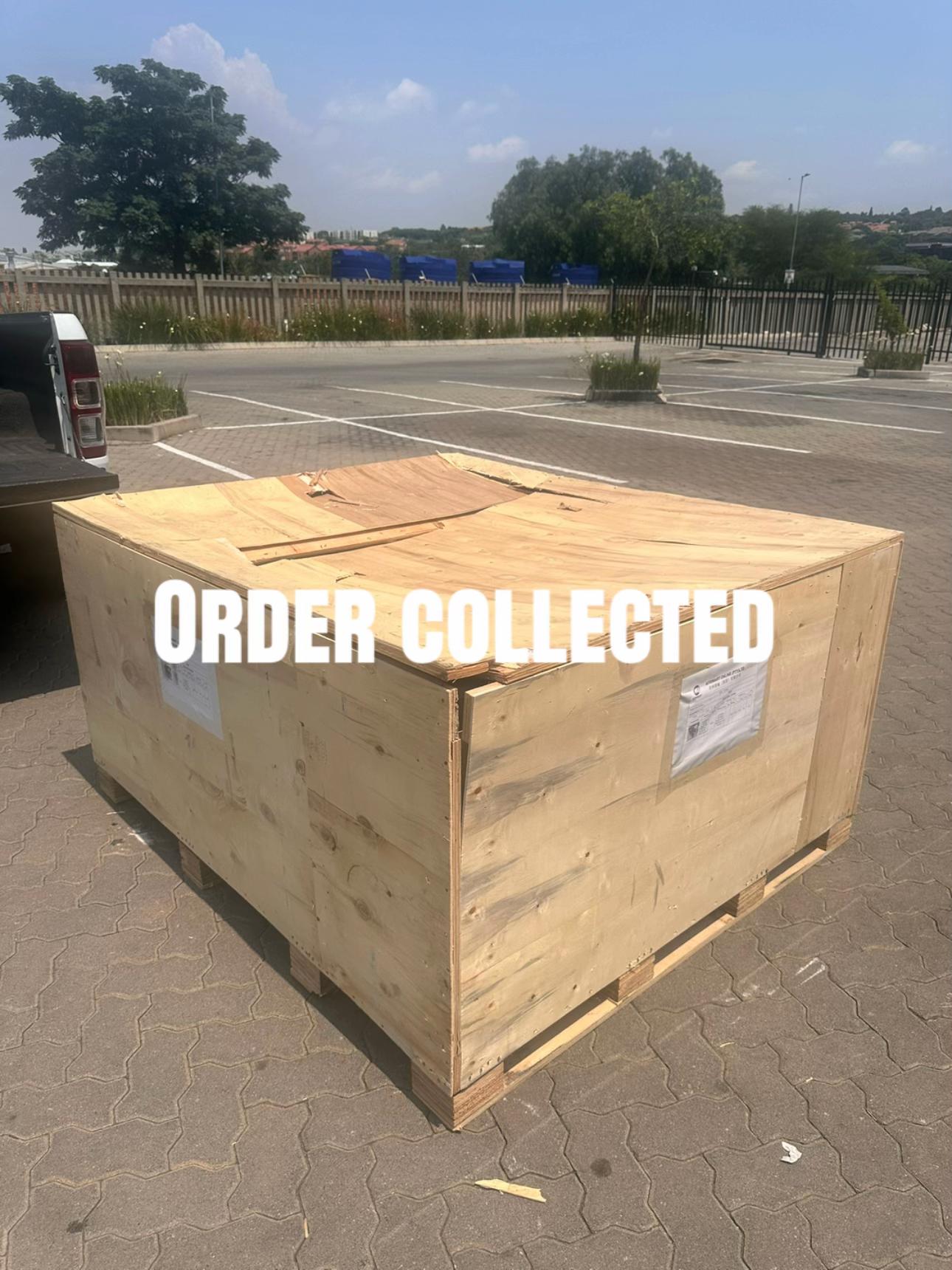
Latest Arrivals
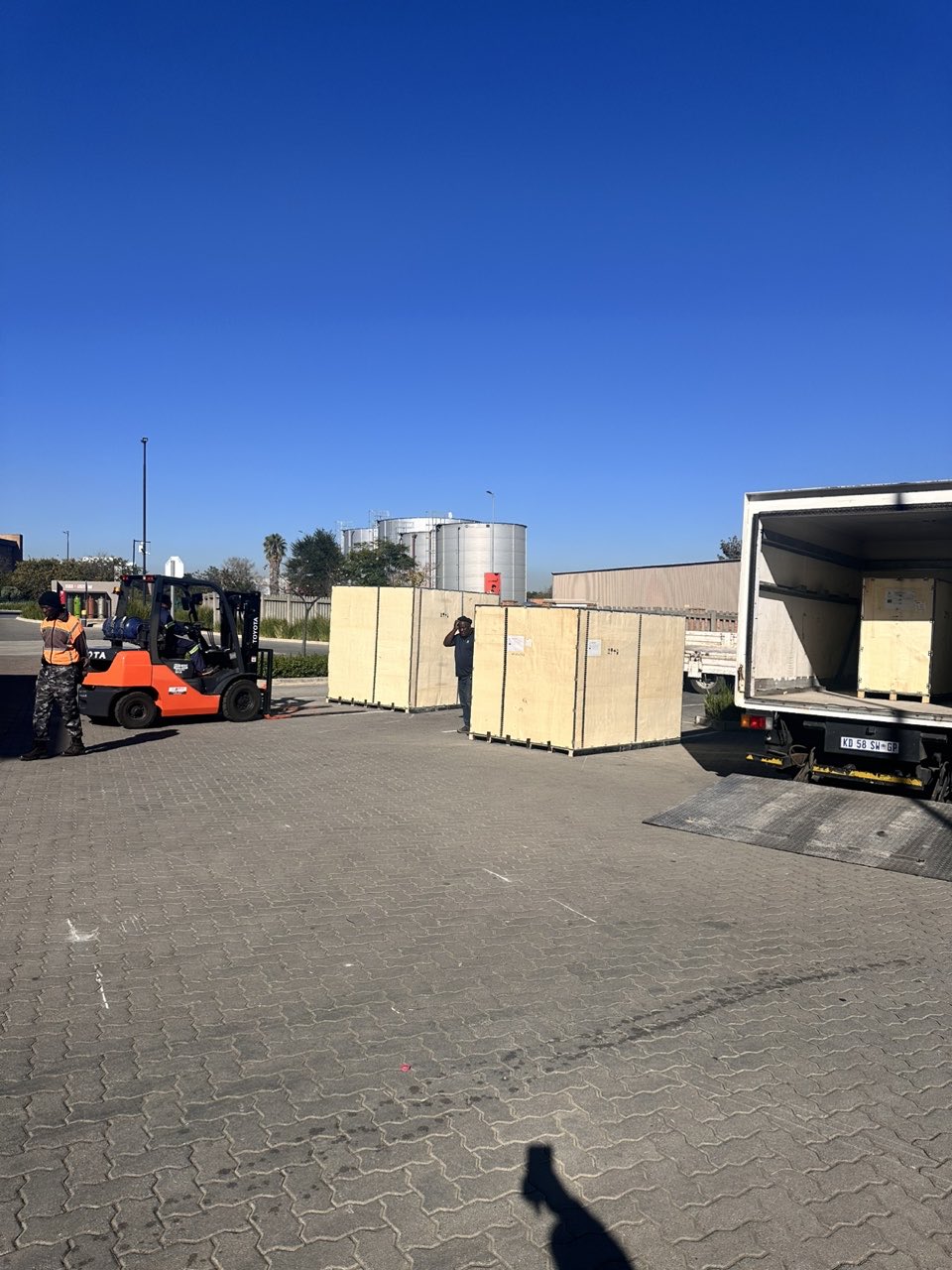
Loading
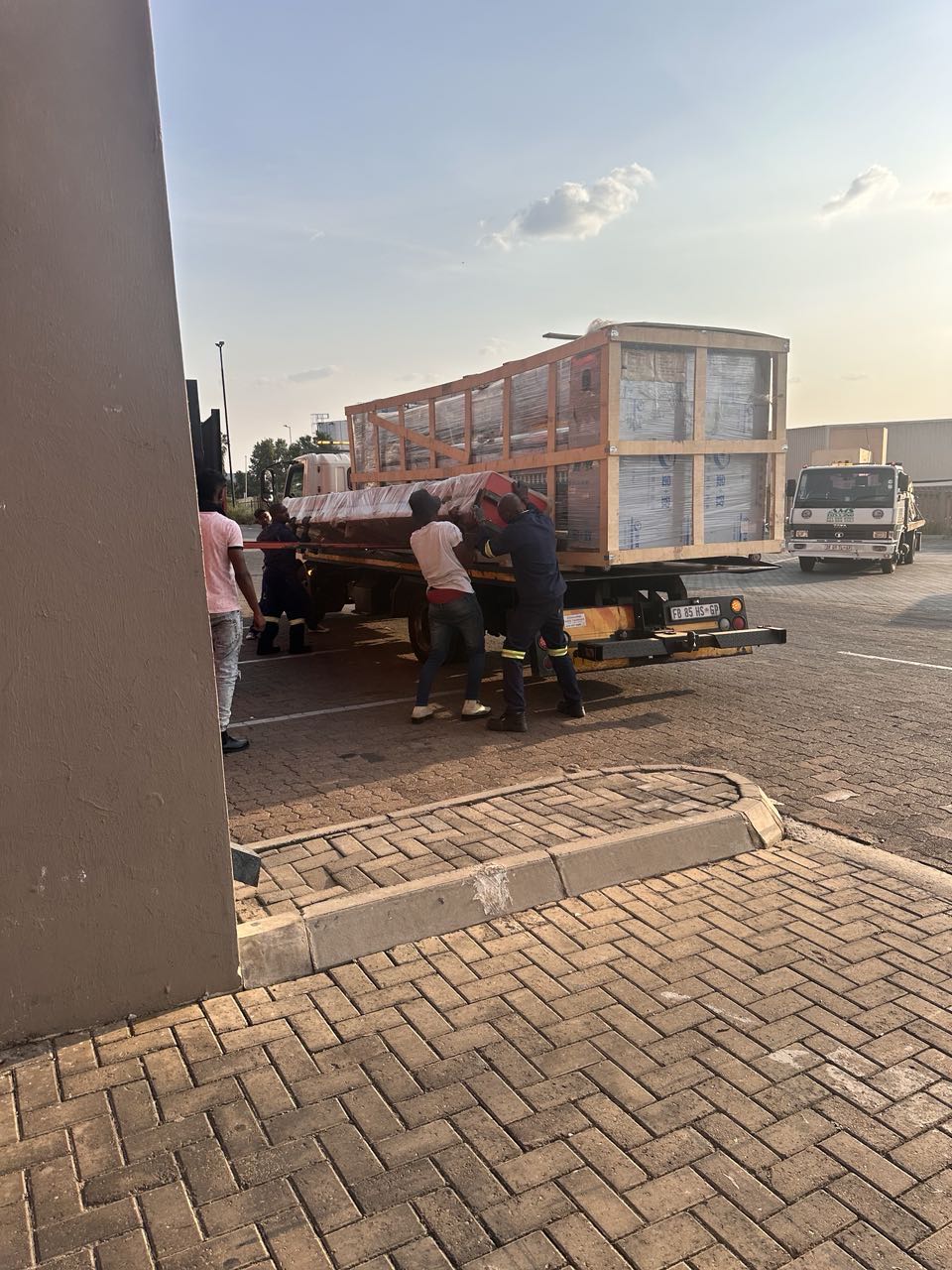
Toilet paper making machine
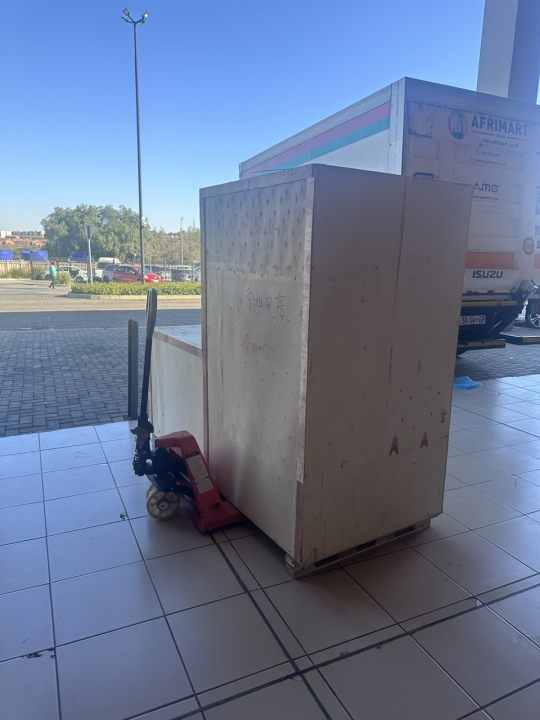
Toilet paper making machine
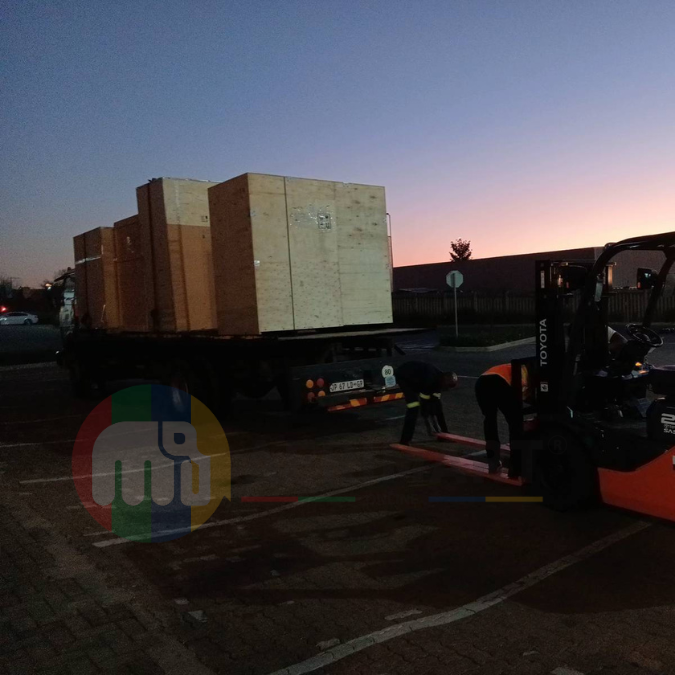
Toilet paper Rewinding Machine
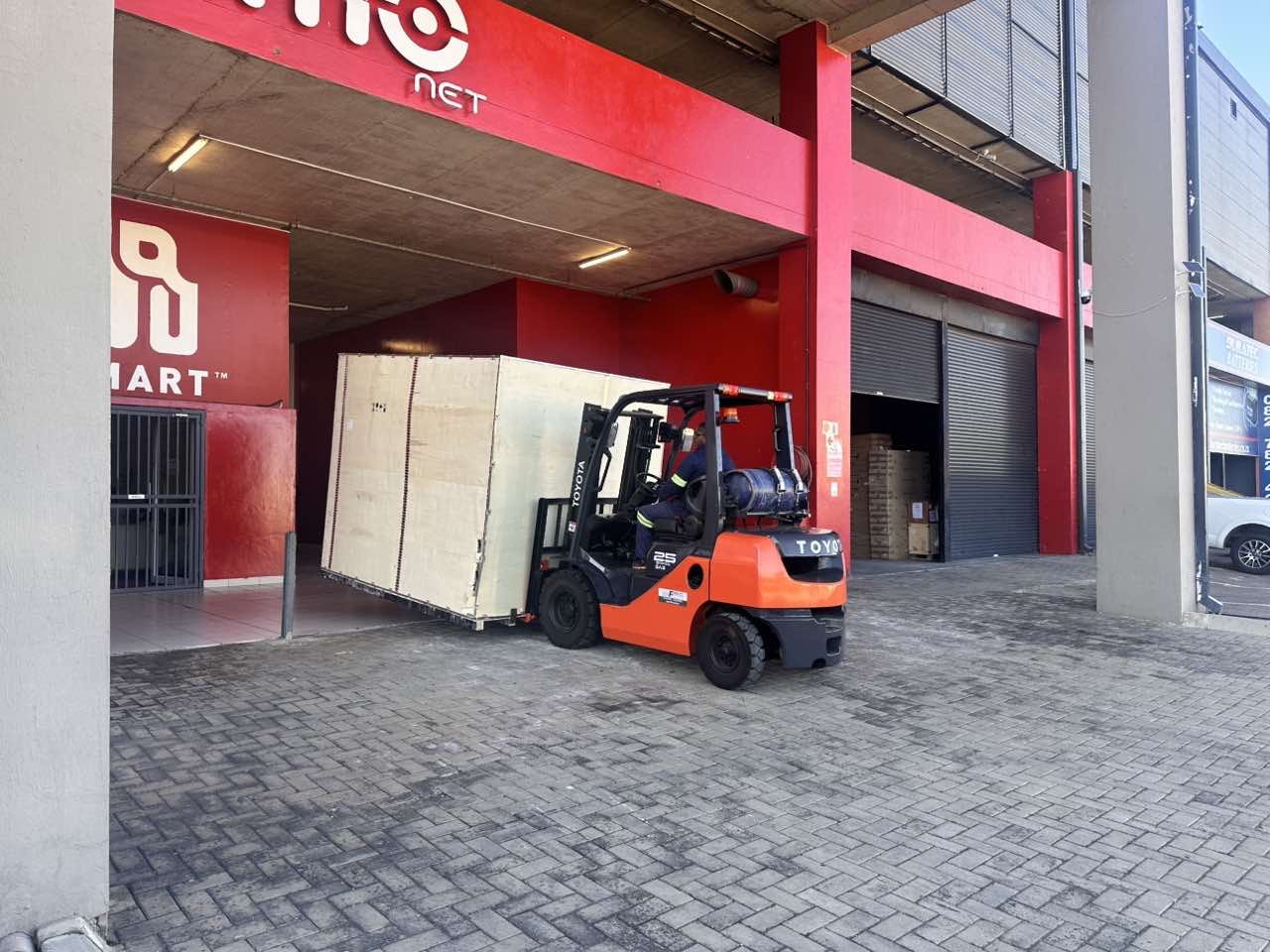
latest arrivals
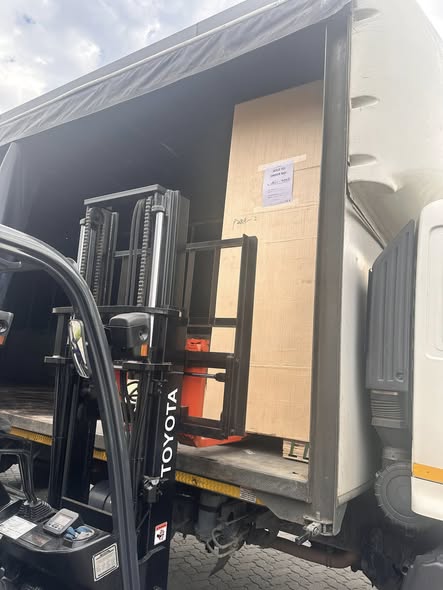
offloading
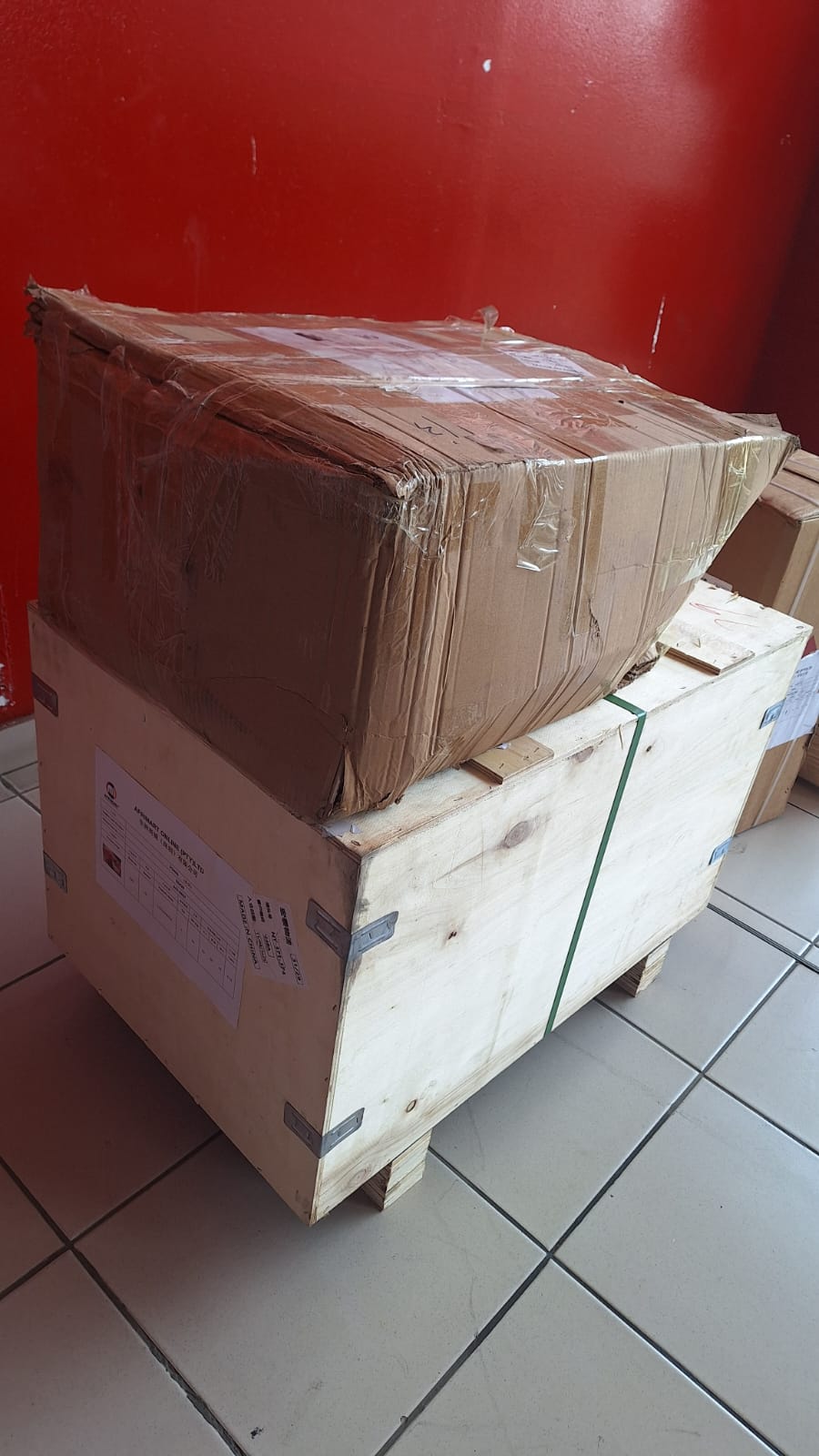
order success
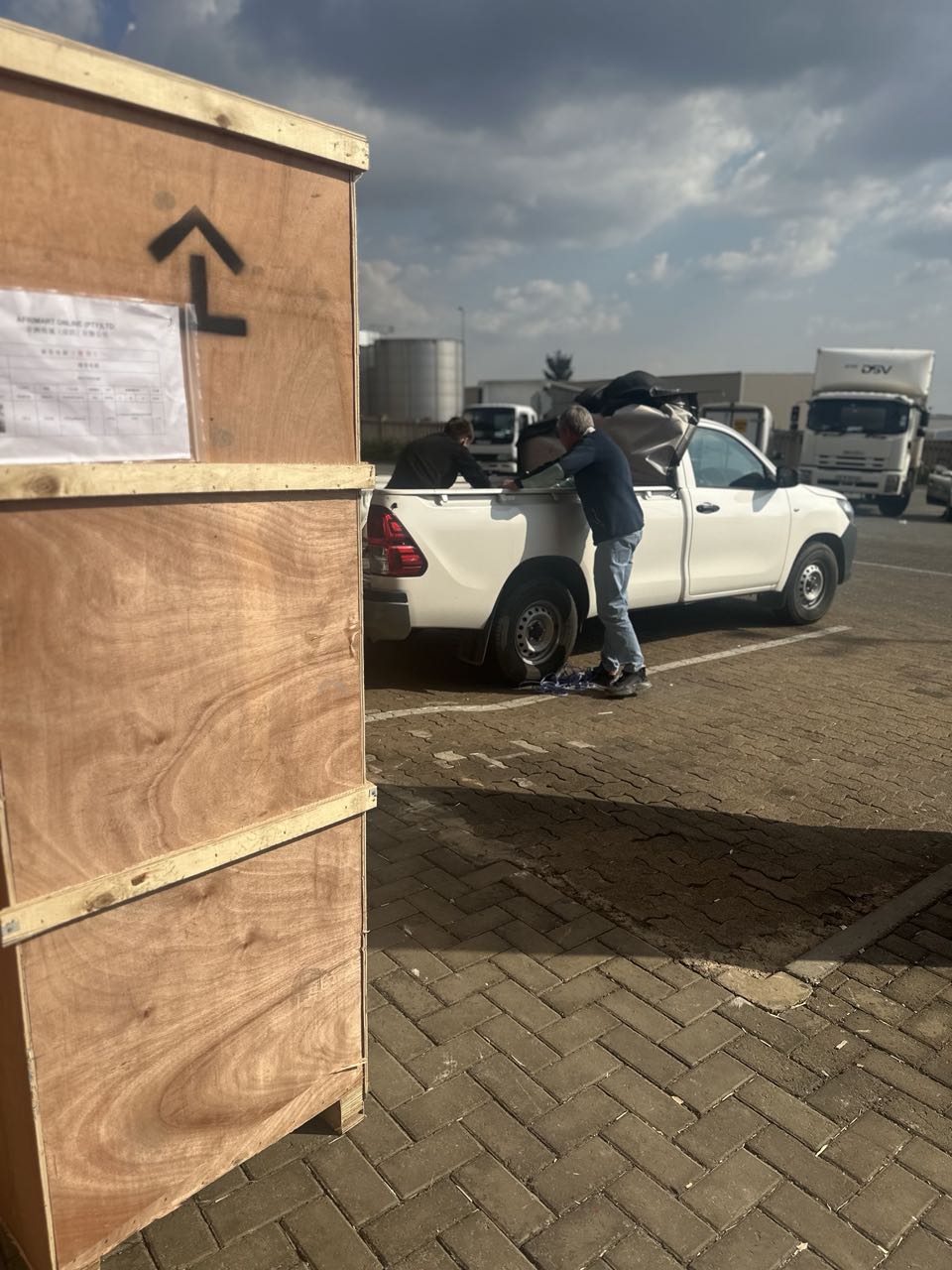
order collection
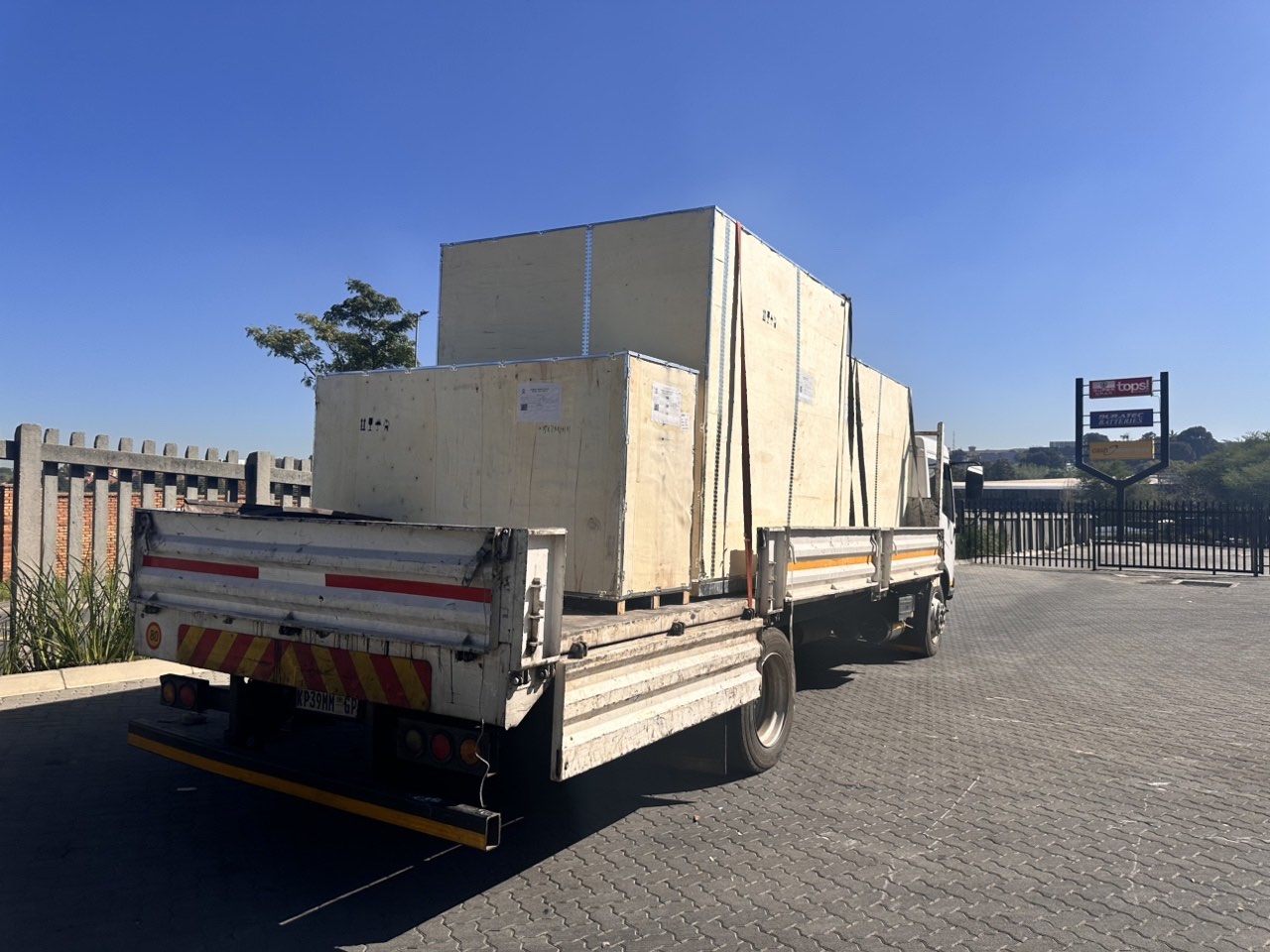
order offloading