B21, China Town Mall, Midrand

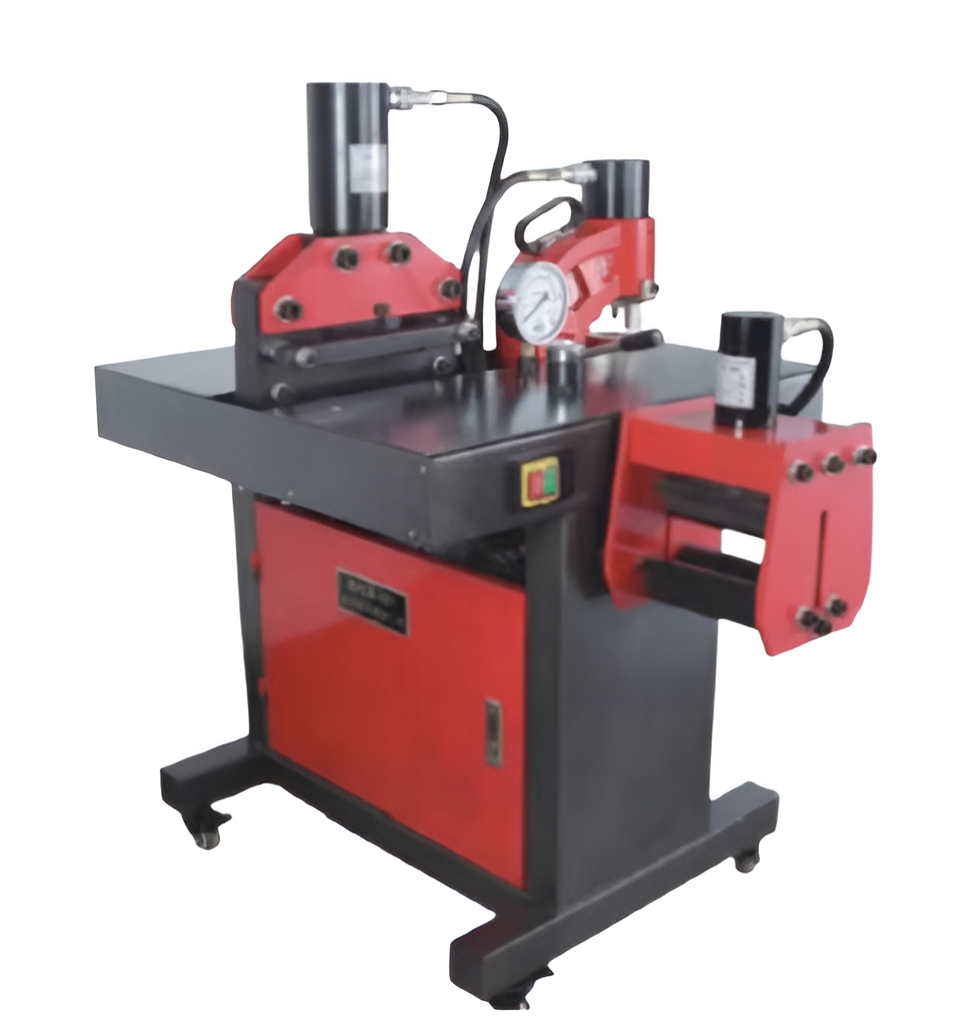
EPCP-301 Industrial Bus Bar Cutting, Punching and Bending Machine

- Section : Machinery
- Category : Manufacturing Machinery
- SKU : 62327686150-1

Product Description
- Shipping Timeframes: All orders are processed within 2-5 business days (excluding weekends and holidays). After your order has been processed, the estimated delivery time is before 05 Aug, 2026, depending on customs, Please note that due to high demand, some items may experience longer shipping times, which will be communicated at order confirmation email.
- Order Processing Time: Please allow 2-5 business days for us to process your order before it is shipped . Orders placed after 16:00 on Fridays, or during weekends and public holidays, will begin processing on the next business day. Processing times may be extended during peak seasons or sales events.
- Manufacturing Time: Some products needs manufacturing time, the manufacturing process will take approximately 10-30 business days depending on the product. This timeframe may vary depending on the complexity of the product and current demand. but this will be communicated with you during order confirmation.
- Returns and Exchanges: We offer a 30-day return policy for most items. If you are not completely satisfied with your purchase, you may return it within 30 days of receipt for a refund or exchange. Items must be unused, in their original packaging, and accompanied by proof of purchase. Return shipping costs are the responsibility of the customer, unless the item was damaged or defective upon arrival.
1. What is the EPCP-301 Industrial Bus Bar Cutting, Punching and Bending Machine?
The EPCP-301 is an integrated production machine designed to cut, punch, and bend conductive bus bars in a single automated workflow. It combines precision cutting, hydraulic/pneumatic punching, and servo-controlled bending to reduce handling, increase throughput, and improve repeatability for electrical distribution component manufacturing.
2. Which materials and conductors can the EPCP-301 process?
The machine is typically configured to process common bus bar materials such as copper, tinned copper, aluminum and brass. Material thickness and width ranges depend on tooling and configuration; typical standard capacity covers thin strips up to heavy bars (for example, thicknesses in the approximate range 0.5–20 mm and widths up to ~200 mm). Exact material limits are confirmed at order and can be customized.
3. What cutting, punching and bending accuracies can I expect?
Accuracy depends on material, tooling and selected options. Typical positioning and cutting/punching repeatability is within ±0.1–0.3 mm. Bending angle repeatability is typically within ±0.5° to 1°. Higher-precision tolerances are achievable with specialized tooling and calibration.
4. What are the punching capabilities (hole size, shape, and frequency)?
Standard punching tooling supports common hole diameters (round, slotted and shaped holes) up to about 25 mm in diameter; larger holes or special shapes can be accommodated with custom dies. Punch cycle time depends on material and hole size but is typically in the 1–4 second range per operation. Multiple punch stations or progressive tooling options are available for high-mix production.
5. What are the bending capabilities (angles and minimum radius)?
The EPCP-301 provides servo- and/or mechanical bending control with angle capability up to 180°. Minimum achievable bending radius depends on material thickness and tooling; for thinner materials tight radii are possible, while thicker bars require larger radii. Tool kits are available for common radii and to meet specific application requirements.
6. How fast is the machine / what is the typical cycle time or throughput?
Throughput varies with part complexity and operations required. Simple cut-only pieces can be processed in under a second per piece; combined cut-punch-bend parts typically range from 2–10 seconds per part. Production rates increase with automation options such as automatic feeding, multi-station punching, and optimized program nesting.
7. What control system and software does the EPCP-301 use?
The machine uses an industrial PLC controller with a touchscreen HMI for programming and monitoring. CNC-style programming, manual entry and import of part programs are supported. Many units accept common file formats (CSV, DXF or proprietary program files) for profile and hole patterns. Offline programming and nesting software options are available.
8. Can it import drawings or program batches automatically?
Yes. The EPCP-301 supports importing part data for batch production—commonly via CSV or DXF depending on the configuration. Program libraries, presets and parameterized parts allow rapid setup for repeated jobs. Advanced options include barcode/QR scanning for automatic job selection.
9. What tooling options and changeover features are available?
Standard tooling includes cutters, punches, dies and bending tools. Quick-change tooling systems are available to minimize downtime. Custom tooling can be supplied for special hole shapes, large holes, stepped bends or complex profiles. Tooling kits are often provided for common bus bar sizes.
10. What safety features are included?
Safety features typically include guarded enclosures, physical interlocks, light curtains or safety fencing, emergency stop buttons, and safety-rated PLC I/O. Machines are designed to meet relevant international safety standards (CE marking is commonly available) and can be adapted to local regulatory requirements.
11. What are the power and utility requirements?
Typical industrial configurations require a three-phase mains supply (commonly 380–415 V AC, 50/60 Hz) and a compressed air source for pneumatic/hydraulic elements. Exact electrical and pneumatic requirements depend on the chosen options and will be specified in the machine datasheet and installation documentation. Custom voltages and frequencies can be supported on request.
12. What are the machine footprint and installation needs?
Footprint varies by configuration (feeders, stackers and automation add length). A typical base unit may occupy a few square meters; precise dimensions, weight and required clearances are provided in the technical drawings. Installation usually requires level concrete floor mounting, access for power and air, and space for operator access and maintenance.
13. What maintenance is required and what is the recommended schedule?
Routine maintenance includes cleaning, lubrication of moving parts, inspection of tooling for wear, checking hydraulic/pneumatic systems, and verifying electrical connections. Recommended intervals are daily (cleaning and safety checks), weekly (lubrication and visual inspections) and monthly/quarterly (detailed checks, tool regrinds/replacements). A full maintenance manual and recommended parts list are provided with the machine.
14. Do you provide installation, commissioning and operator training?
Yes. Installation and commissioning services are typically offered by the manufacturer or authorized distributor. On-site or remote operator and maintenance training is available to cover programming, tooling changeover, safety procedures and routine maintenance. Training packages can be tailored to customer needs.
15. What warranty and spare parts support are offered?
Standard warranties commonly cover 12 months from commissioning for manufacturing defects and key components. Extended warranties and service contracts are usually available. Spare parts kits and consumables (punches, dies, blades, filters, seals) can be supplied, and local distributor networks or direct factory support are available for parts and technical assistance.
Latest Order Arrivals
Discover our latest orders
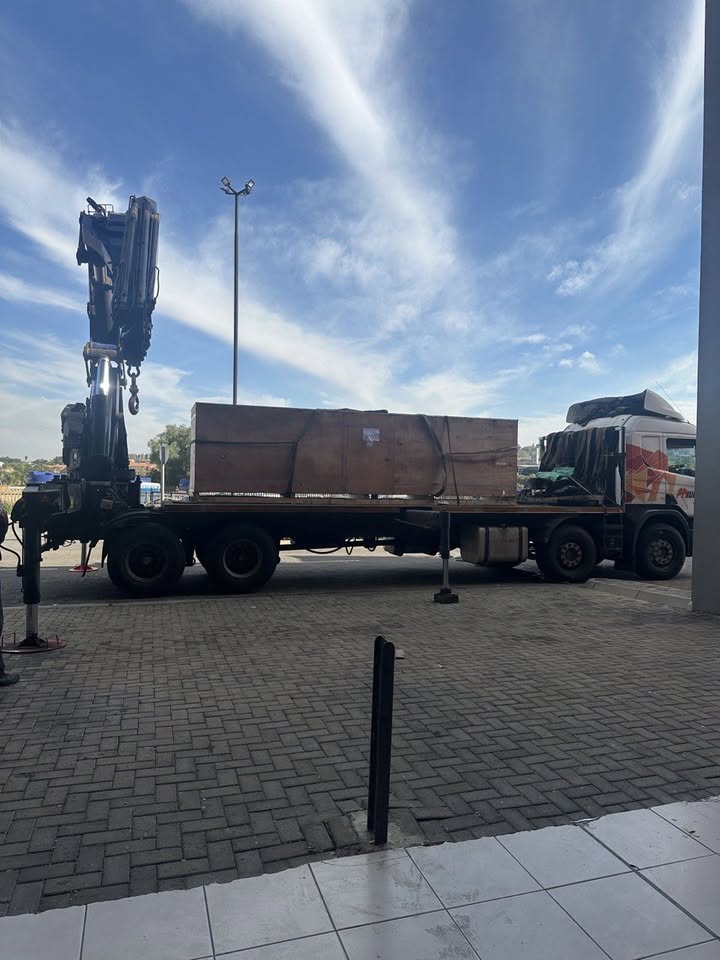
12 Heads Embroidery Machine
Toilet Paper Machine Machine
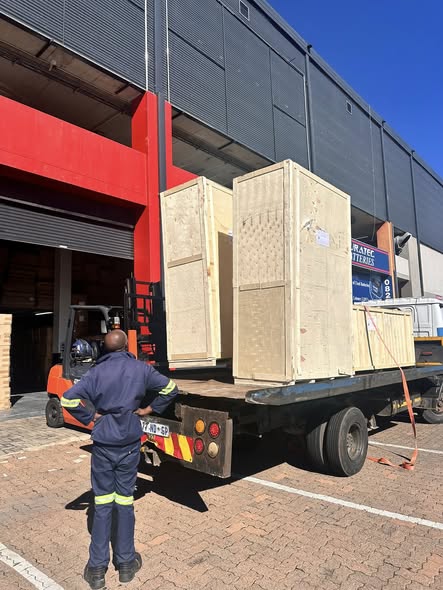
Order Collection
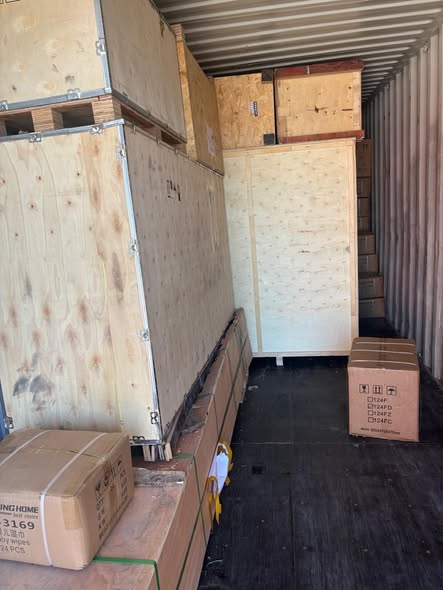
Cross Border Clients
Order cros border countries Collected
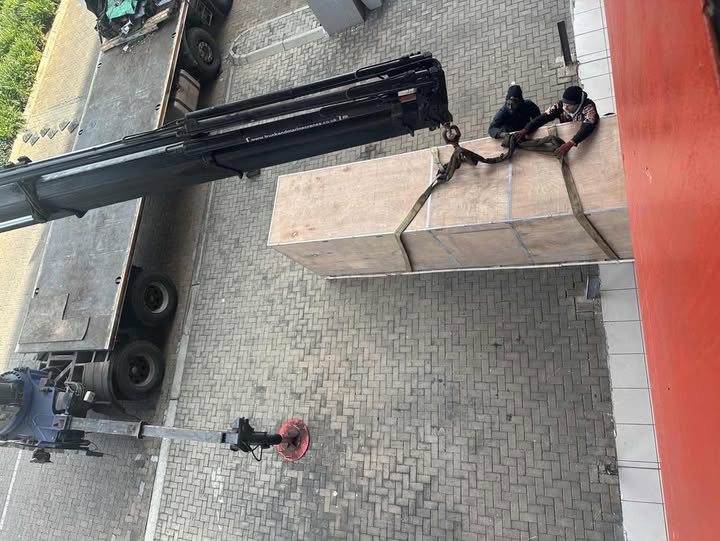
Industrial Machine Cllection
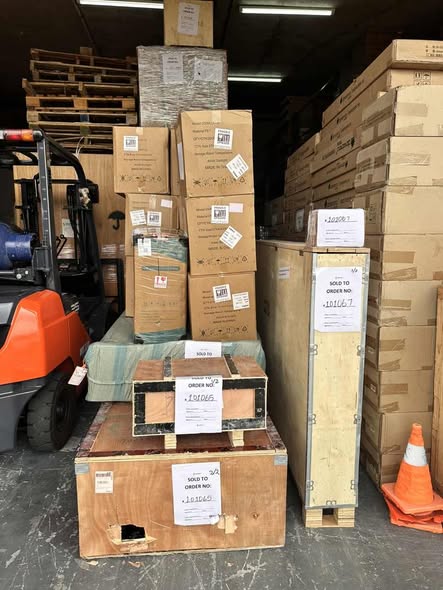
Agriculture Processing Machines
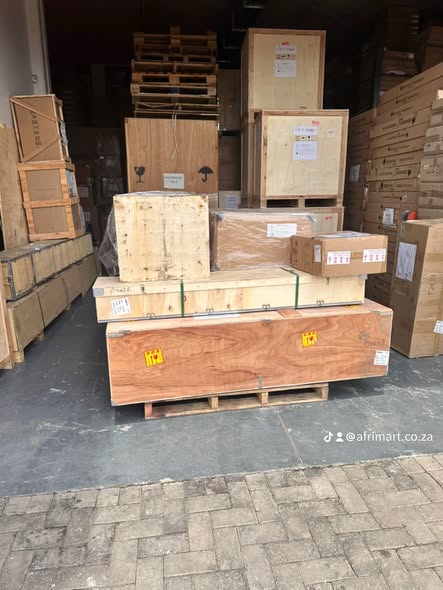
Ready for collection
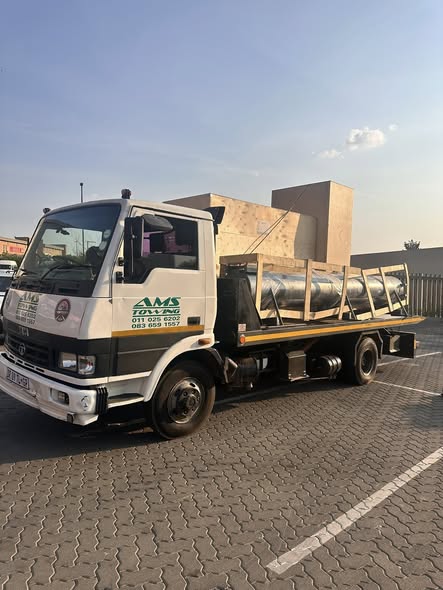
Water Pump Equipment
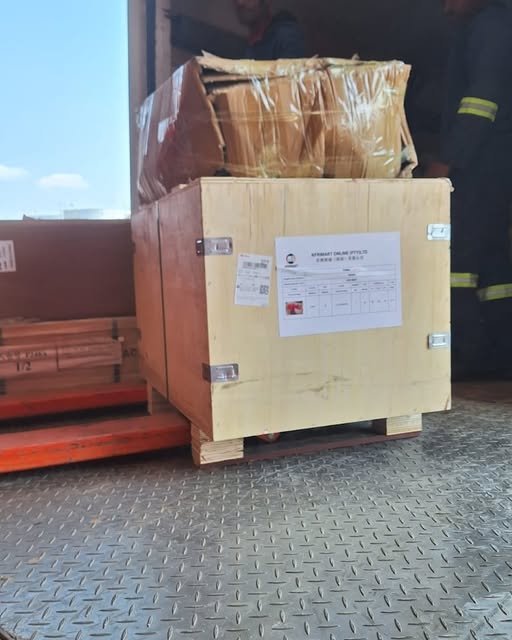
Packaging Machine and accessories
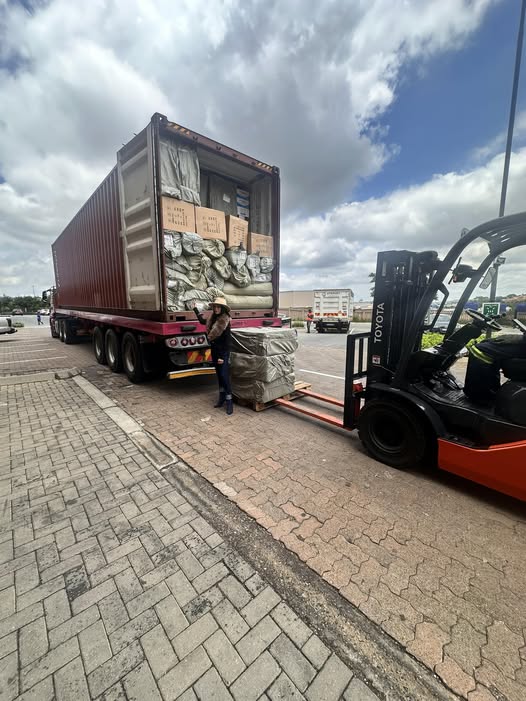
Fabrics Manufacturing Equipment
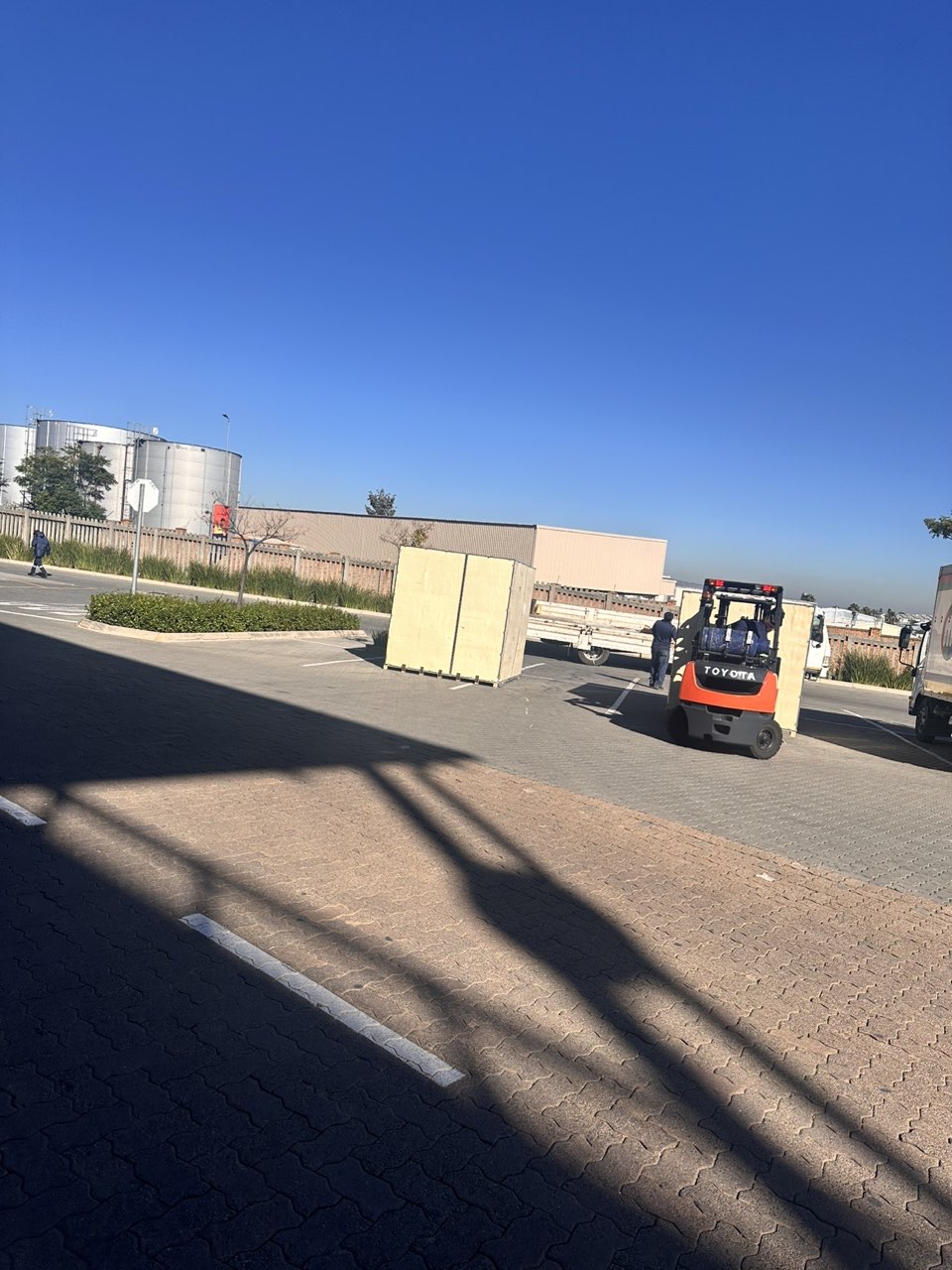
Mining Equipments
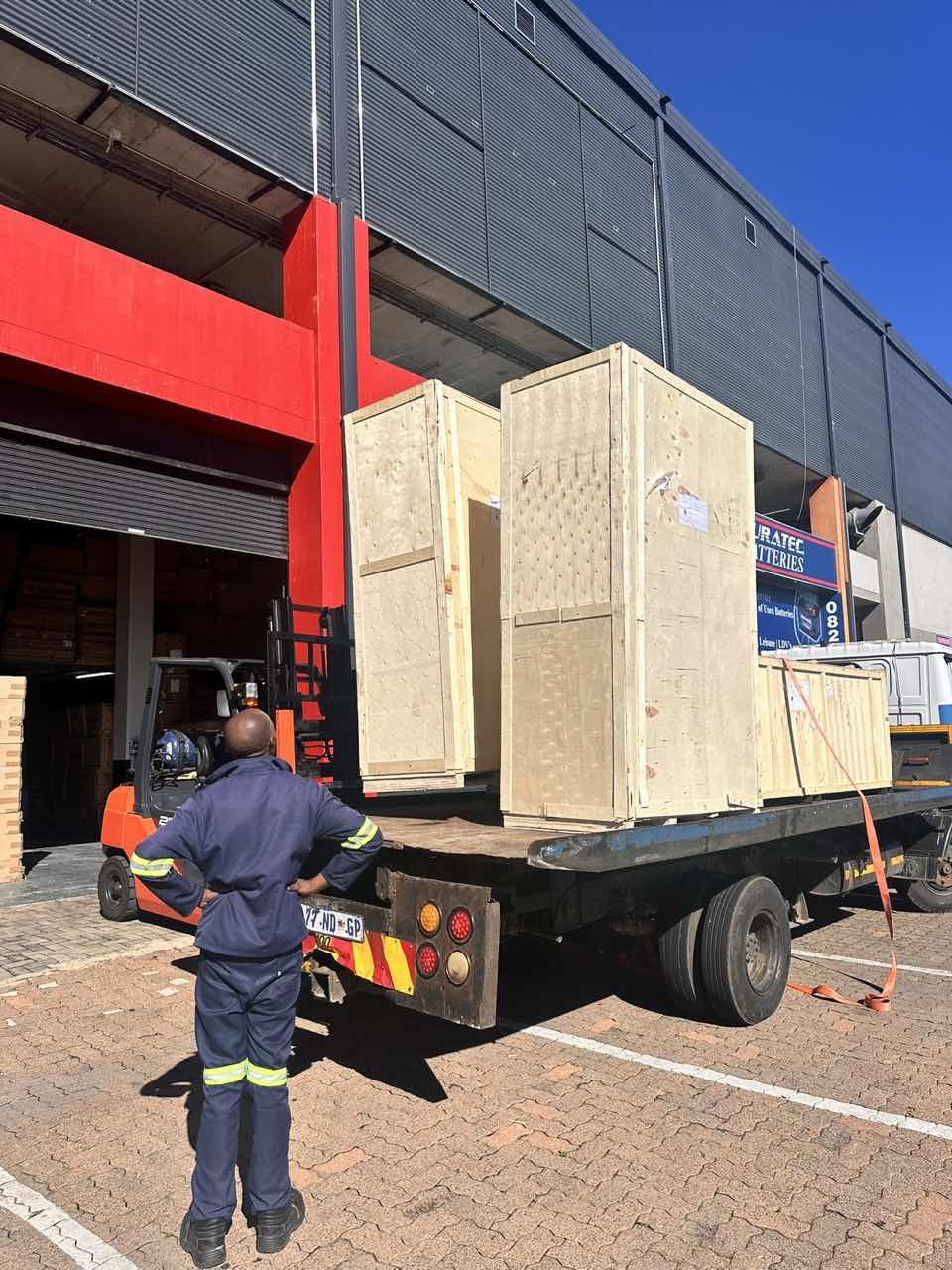
Food Processing Machine
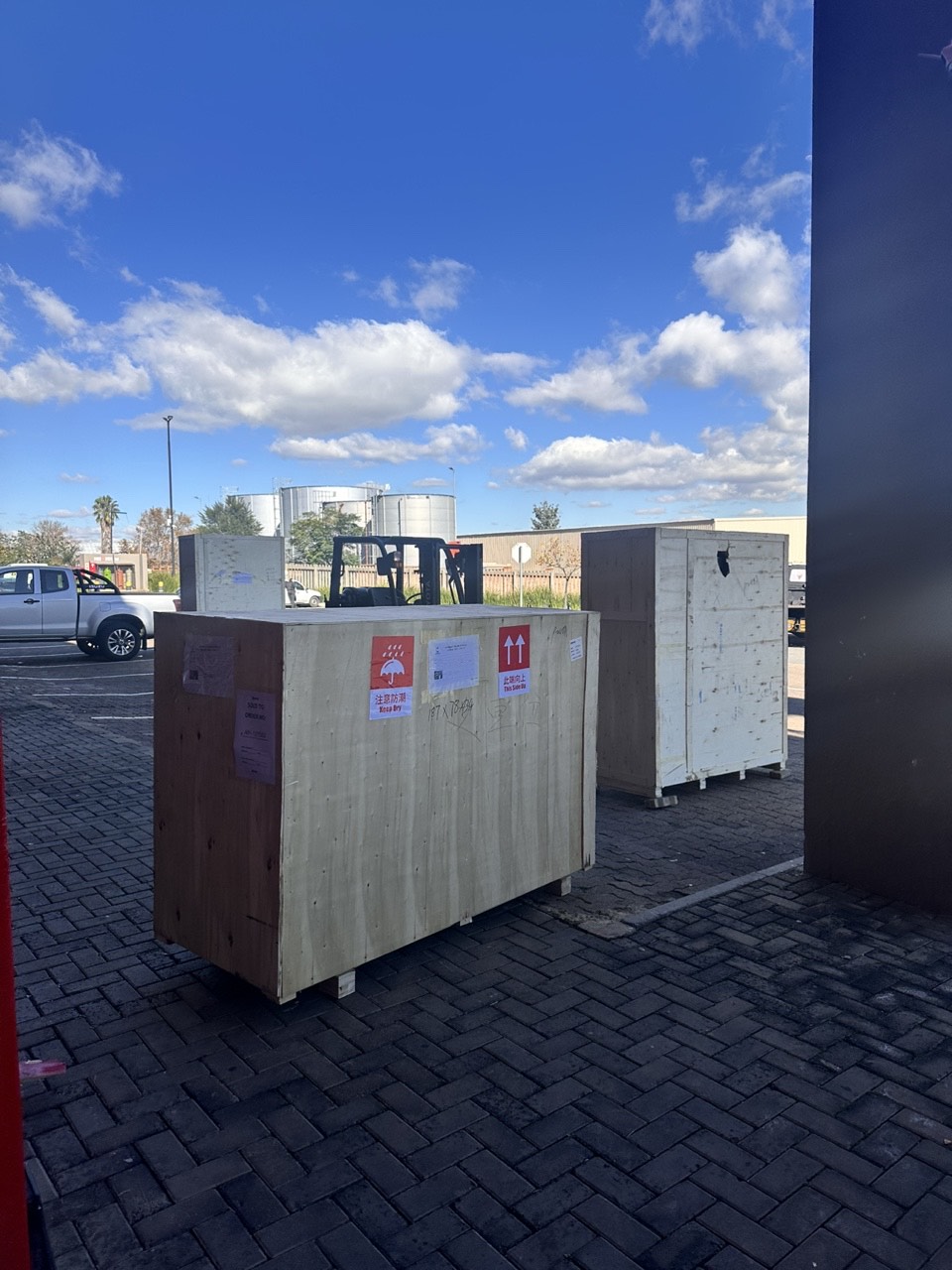
Batch of Orders
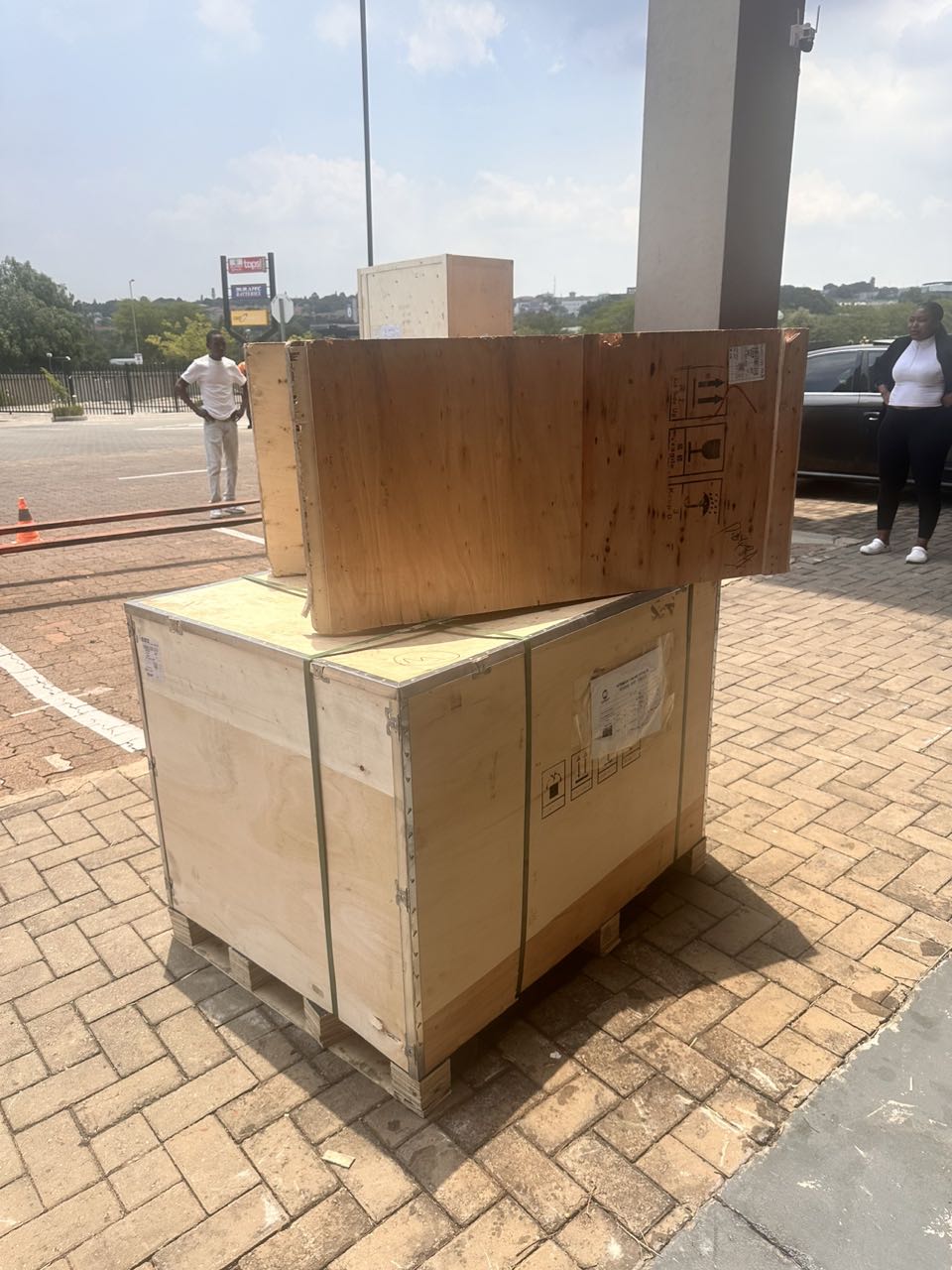
Batch of Orders
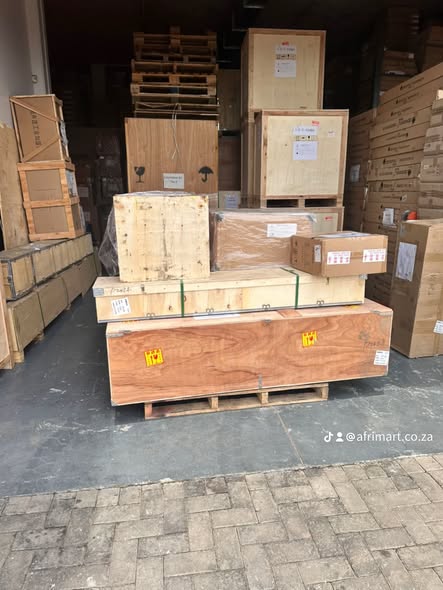
Latest Orders Labelled
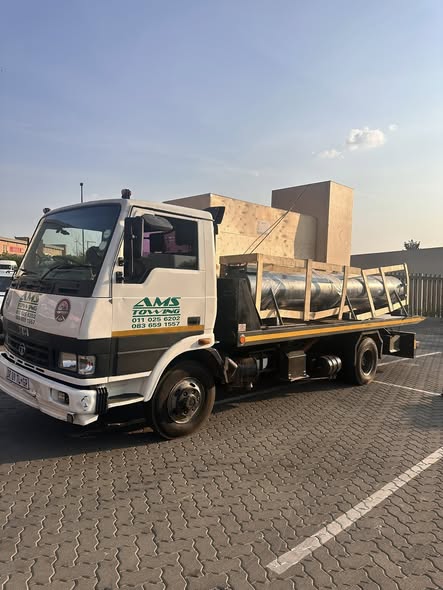
wheel alignment machines
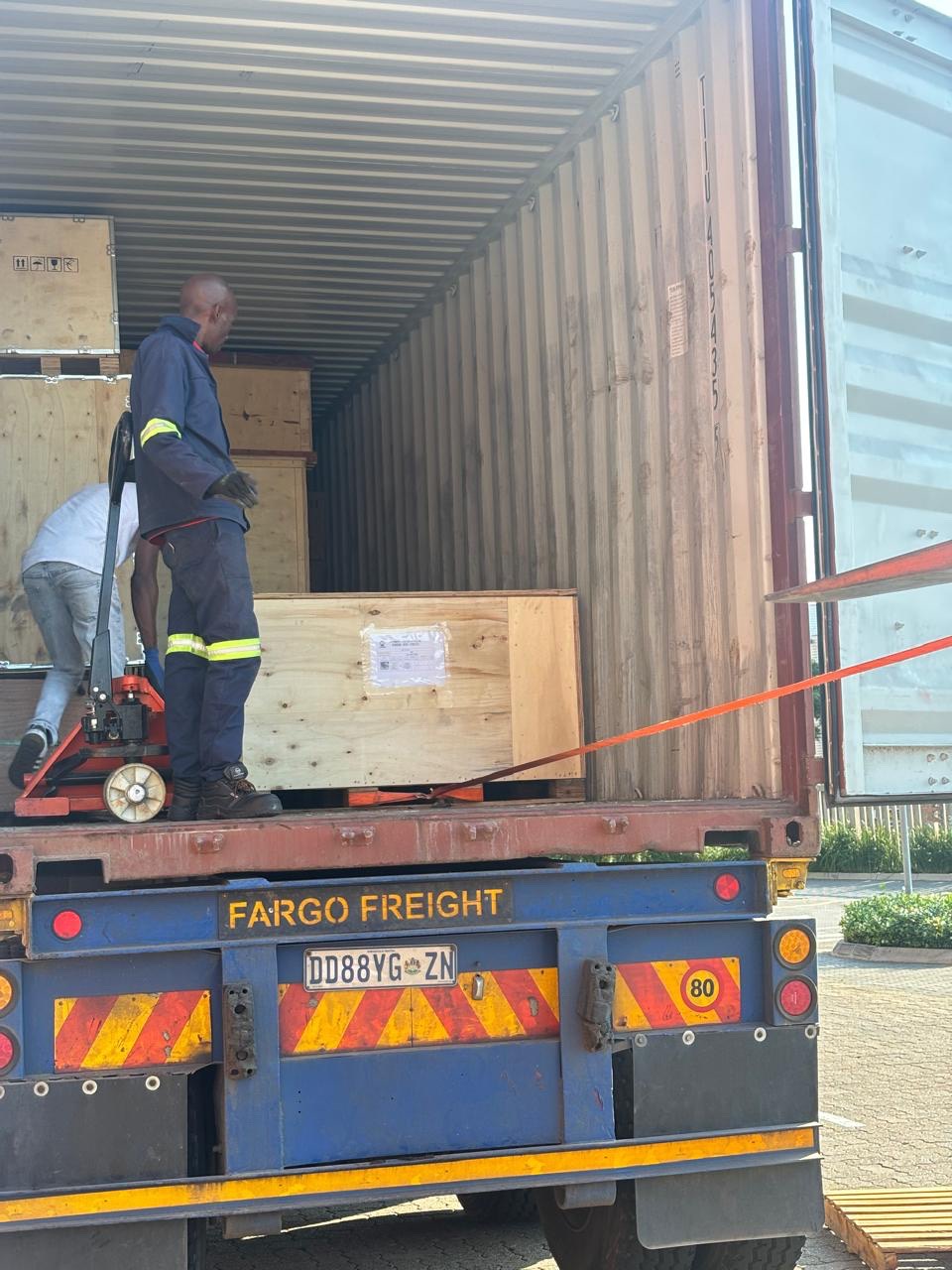
new arrivals
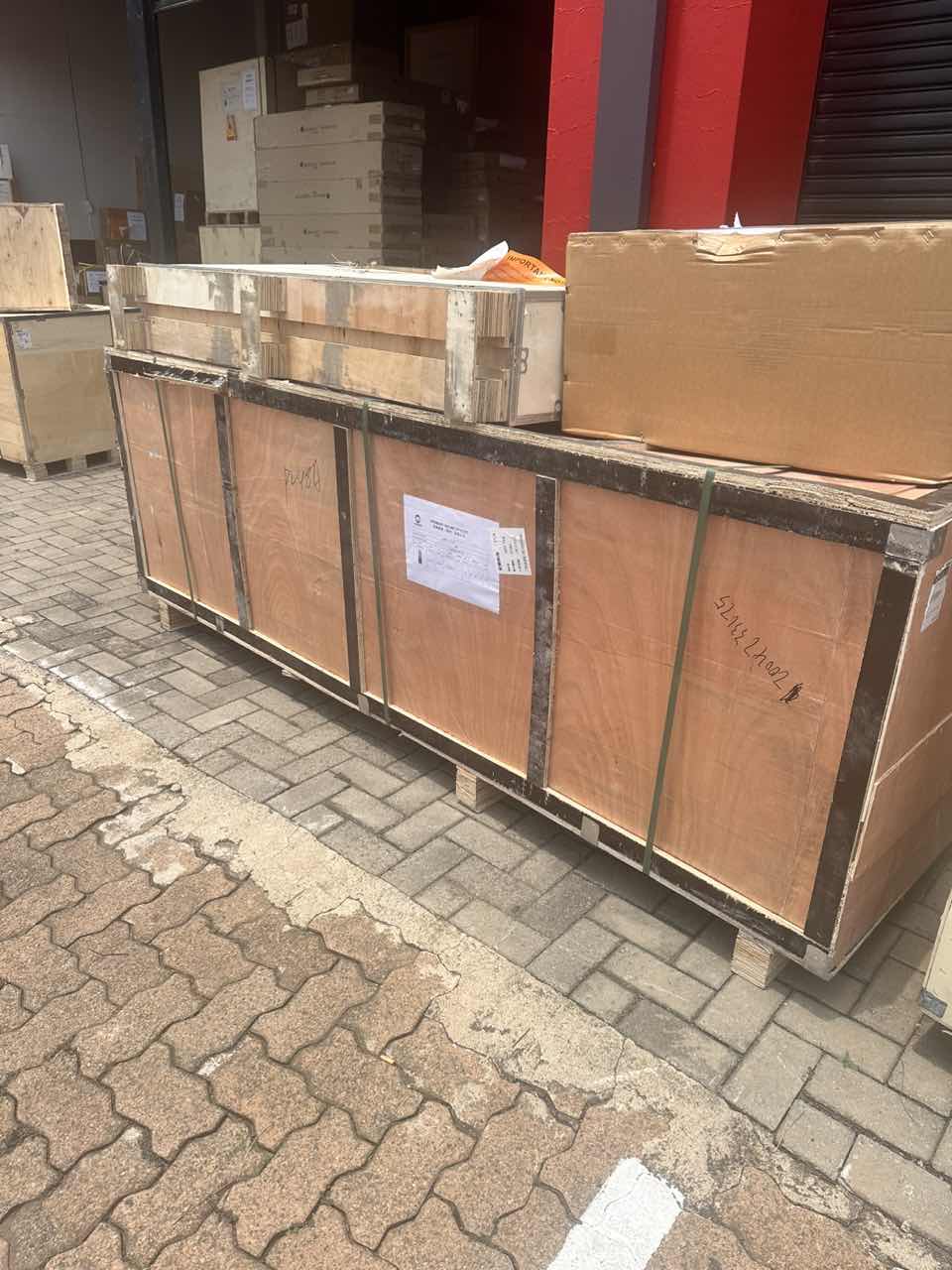
Pre Orders Offloading
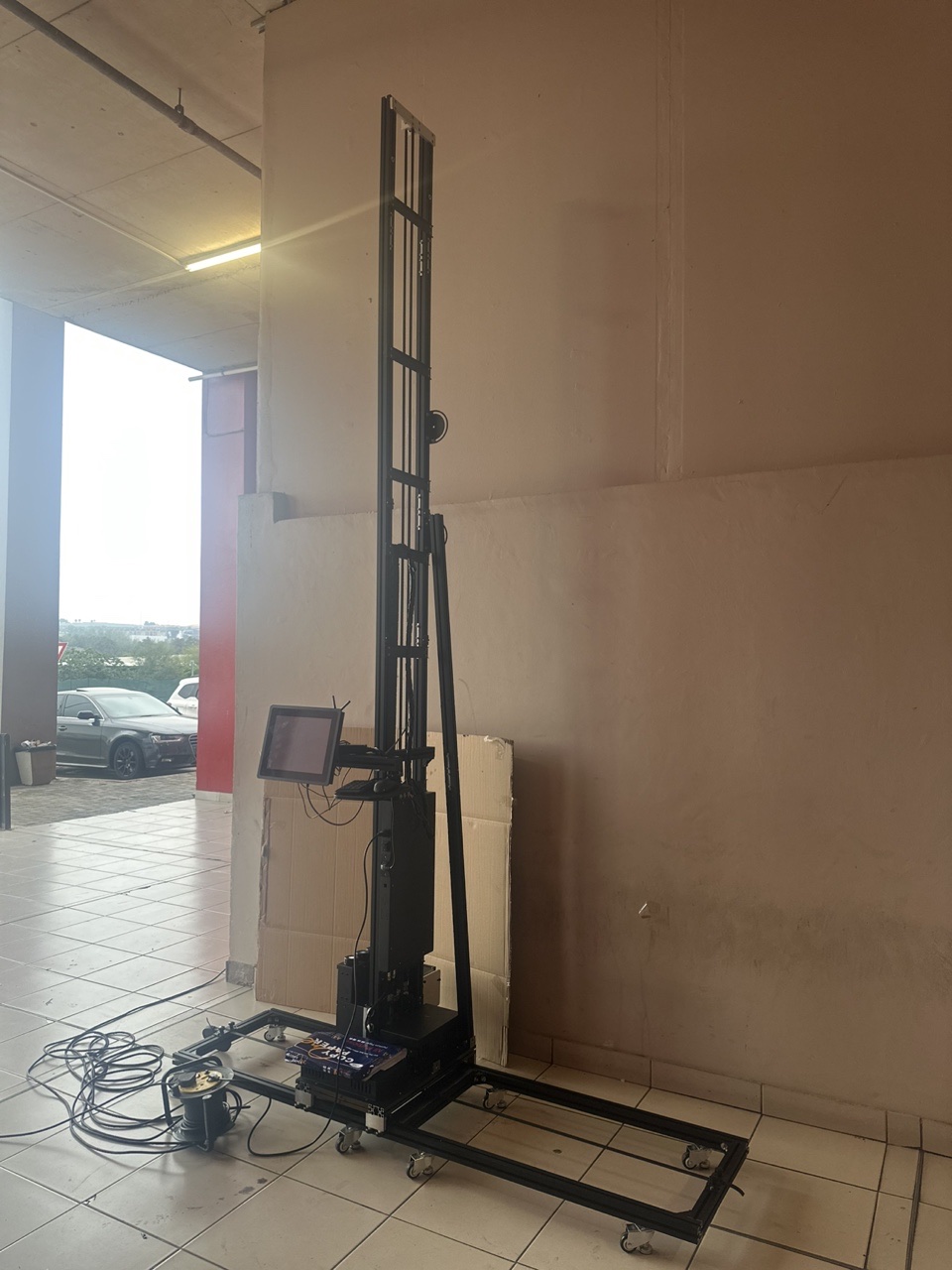
Latest Arrivals
Latest Arrivals
Latest Arrivals
Loading
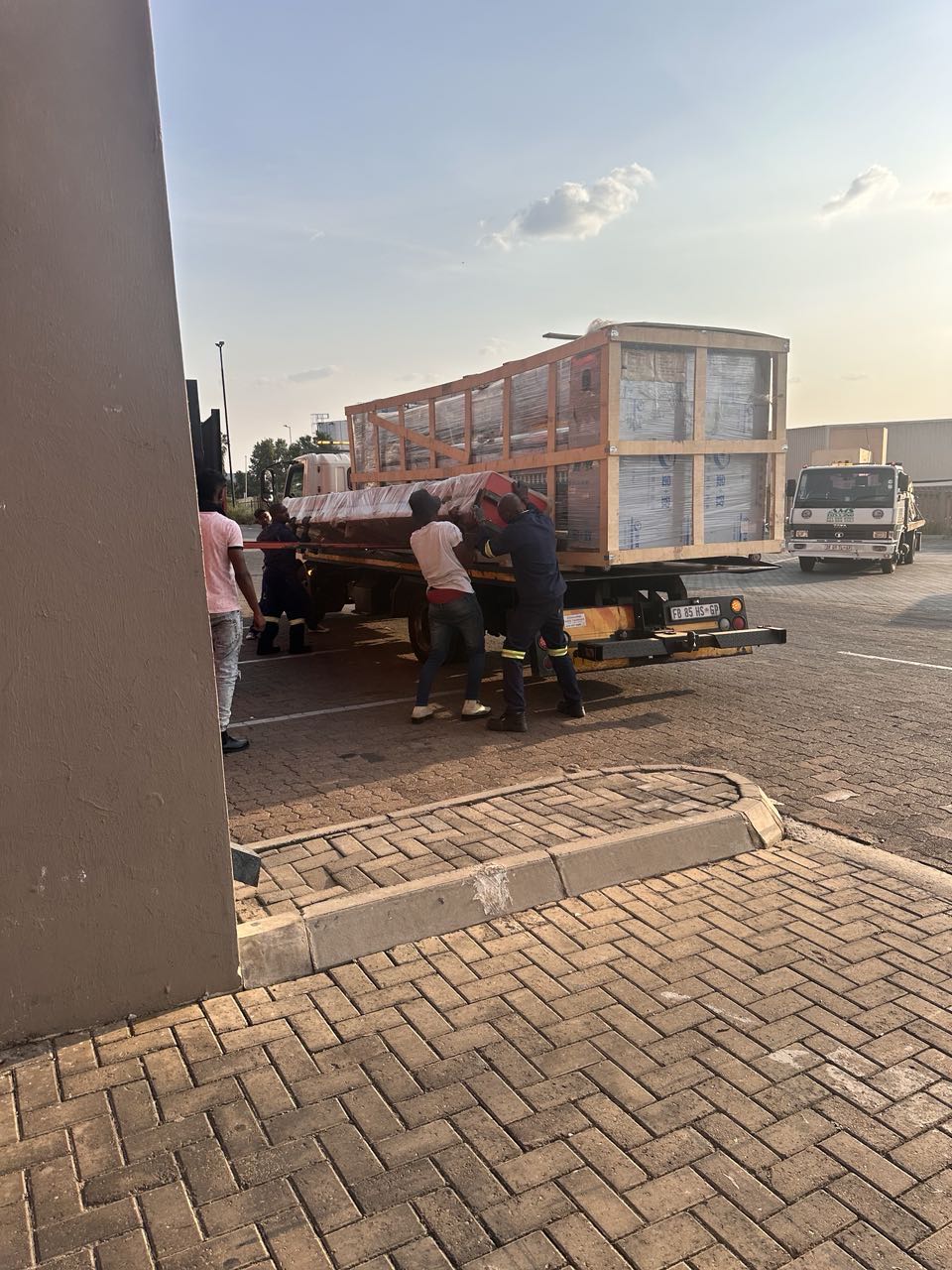
Toilet paper making machine
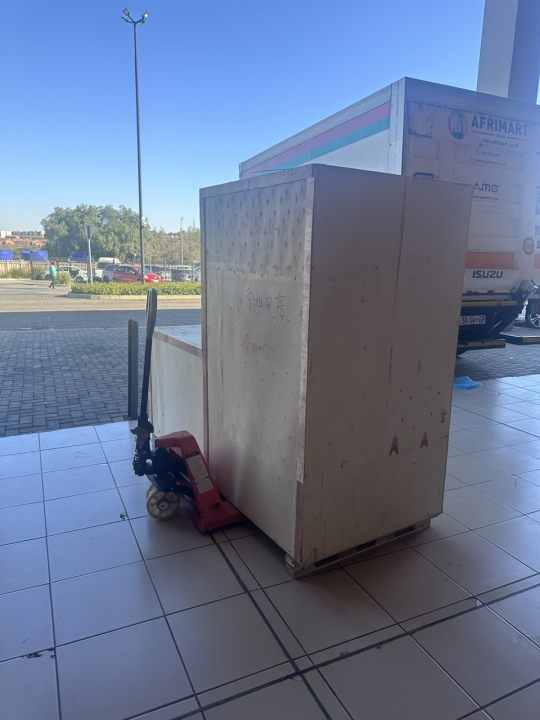
Toilet paper making machine
Toilet paper Rewinding Machine
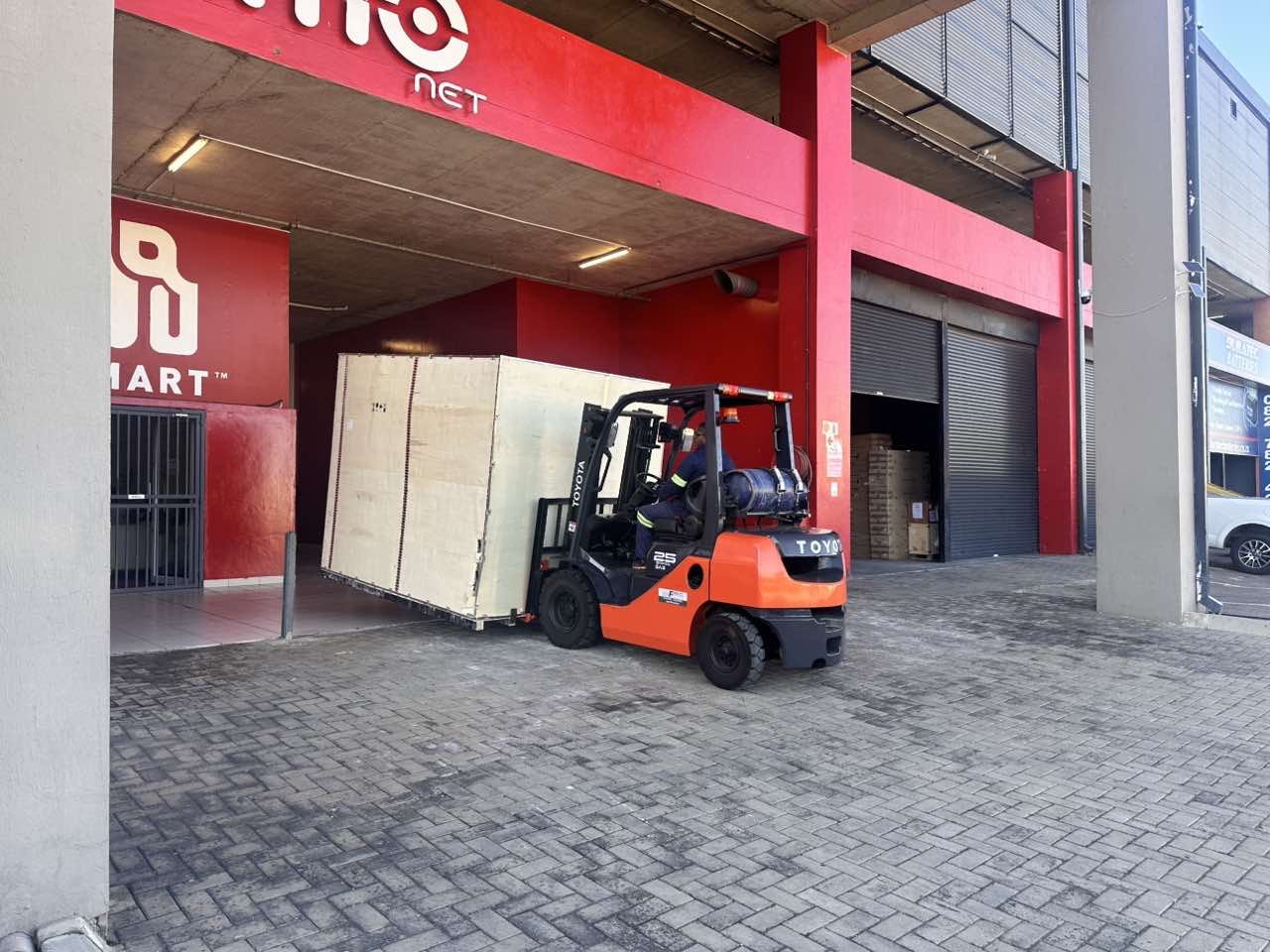
latest arrivals
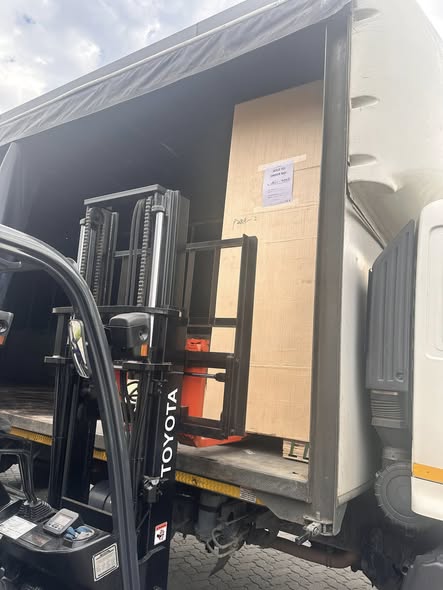
offloading
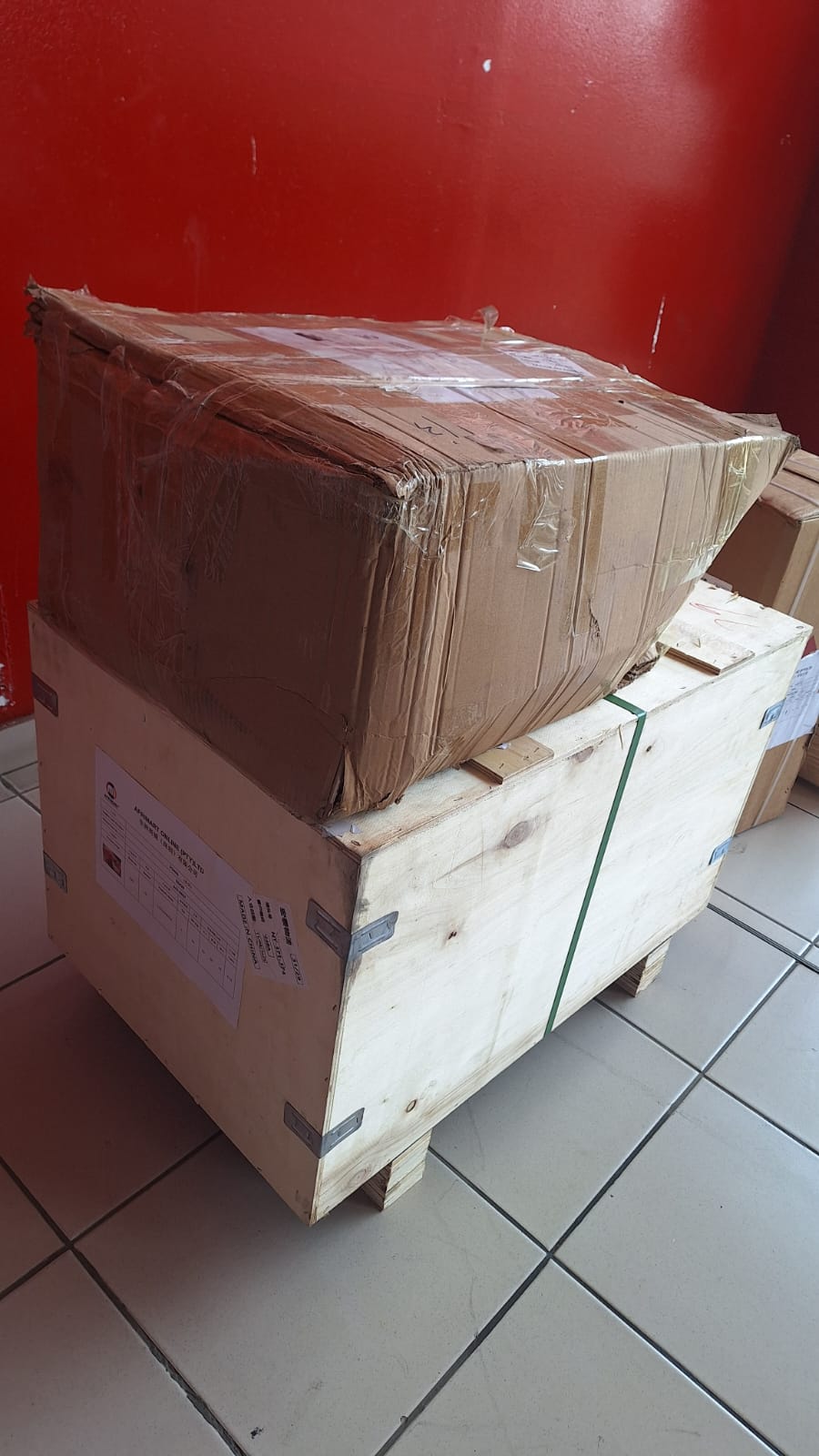
order success
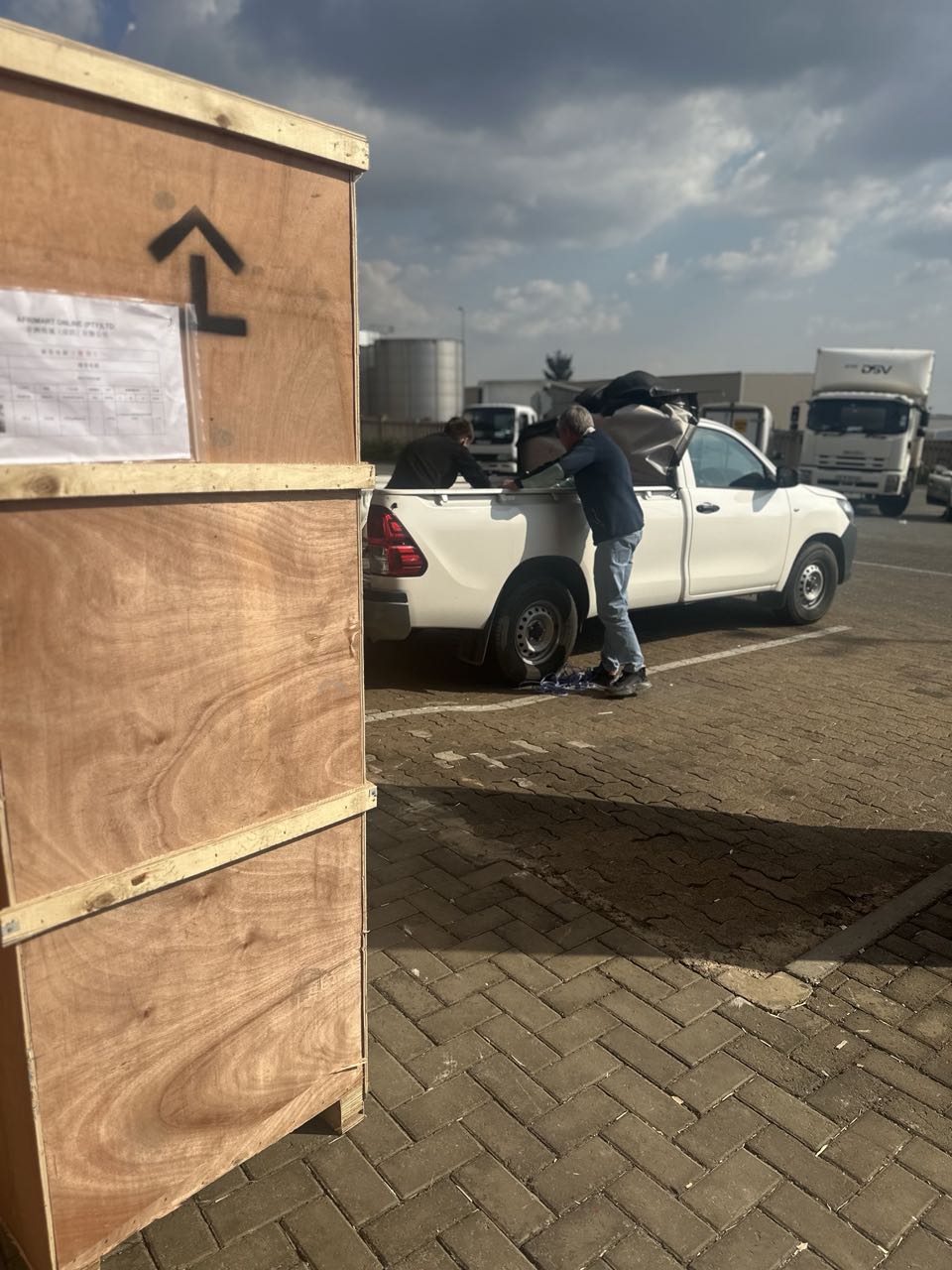
order collection
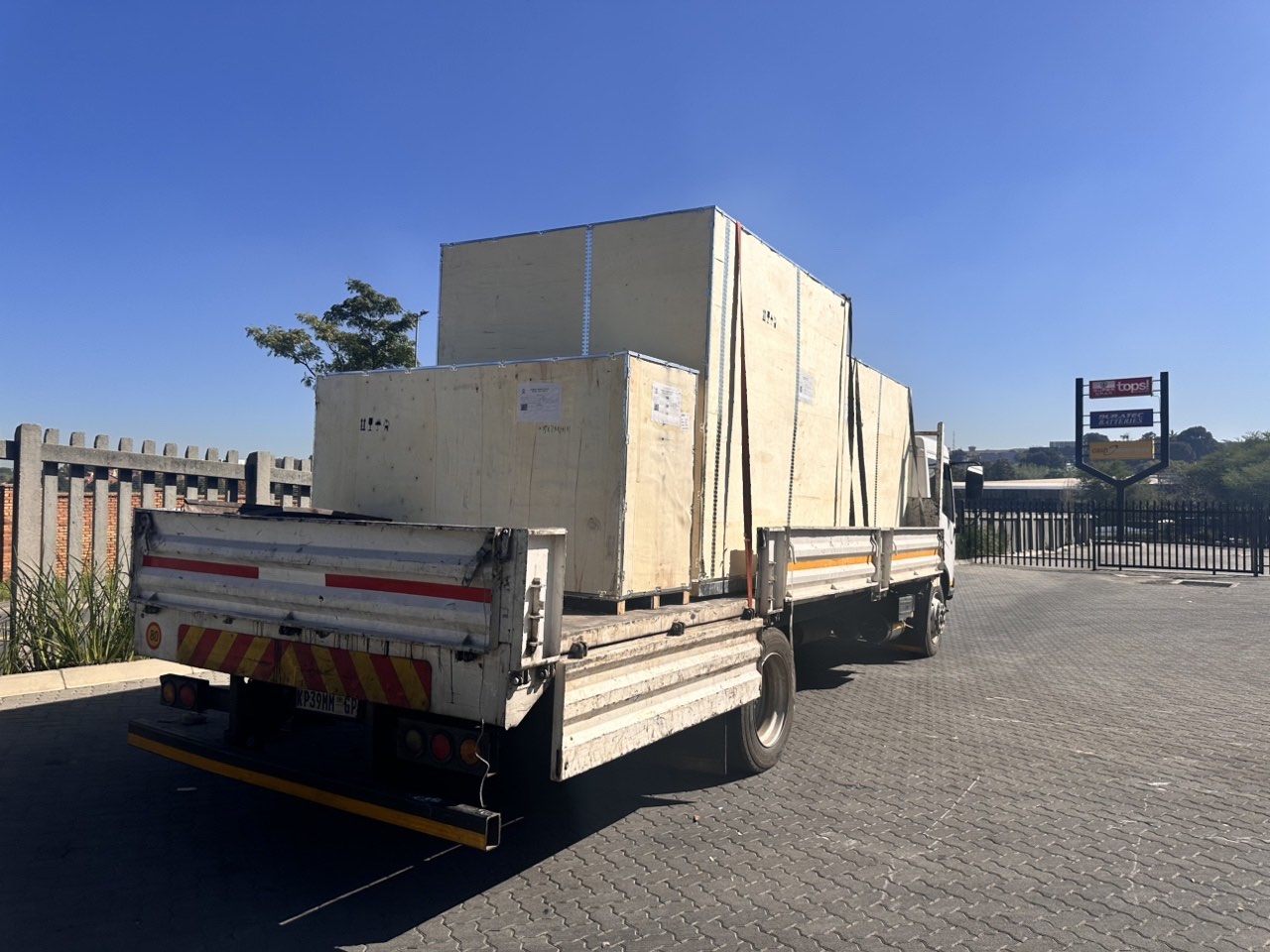
order offloading