B21, China Town Mall, Midrand

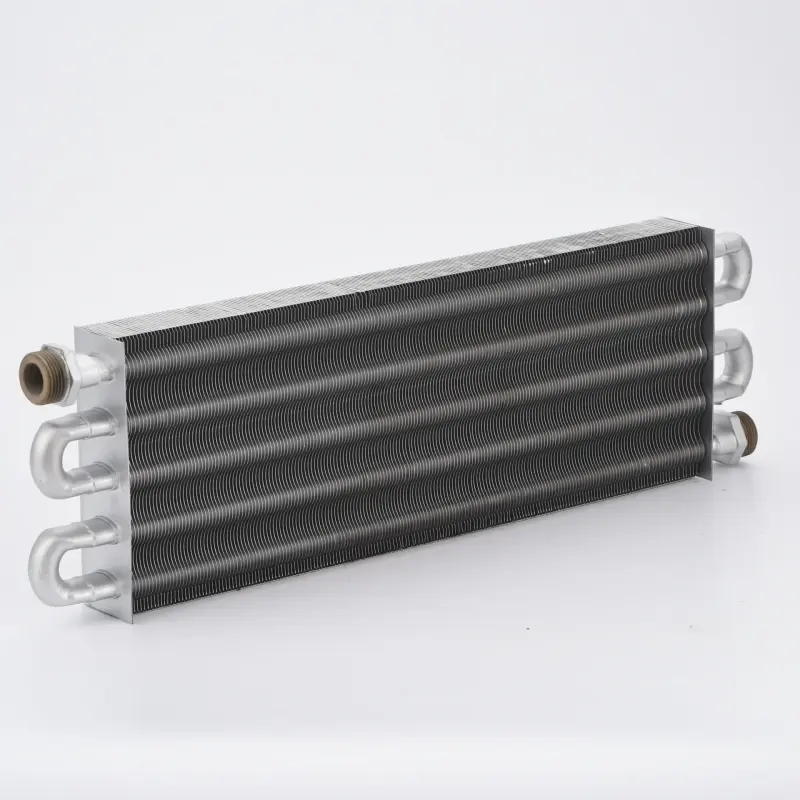
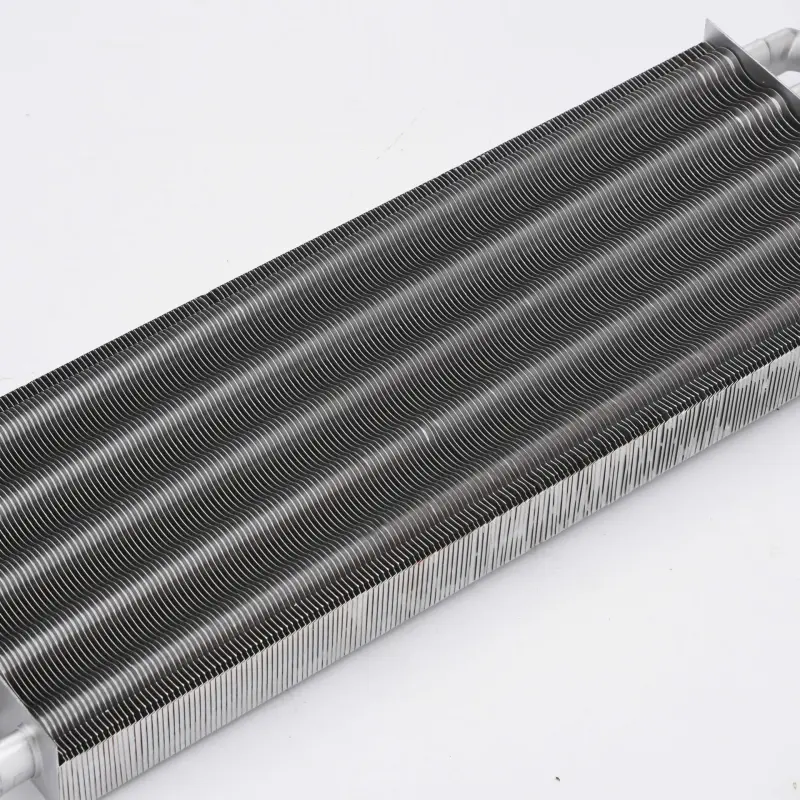
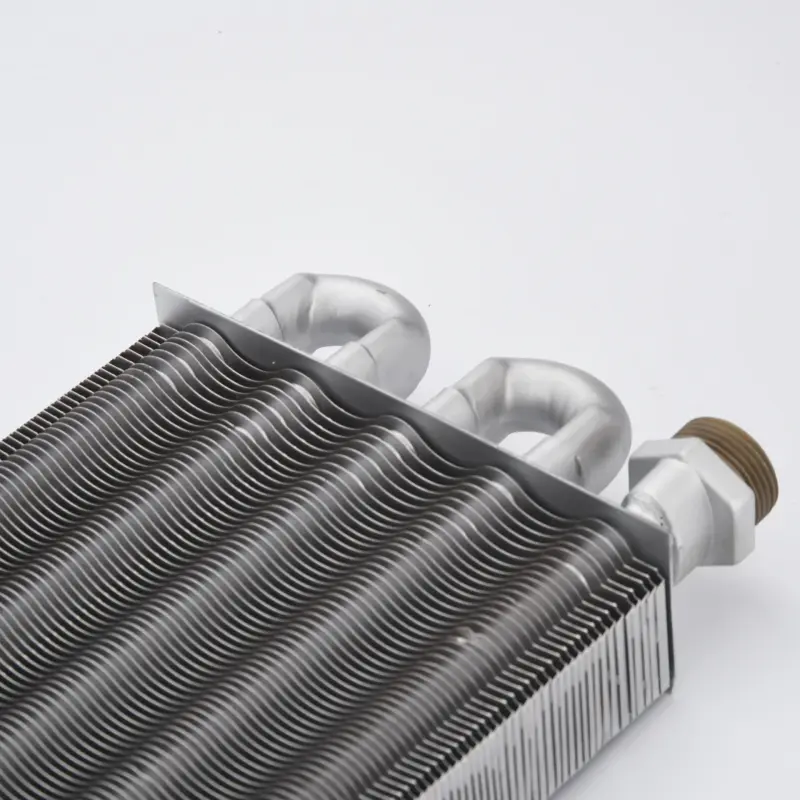
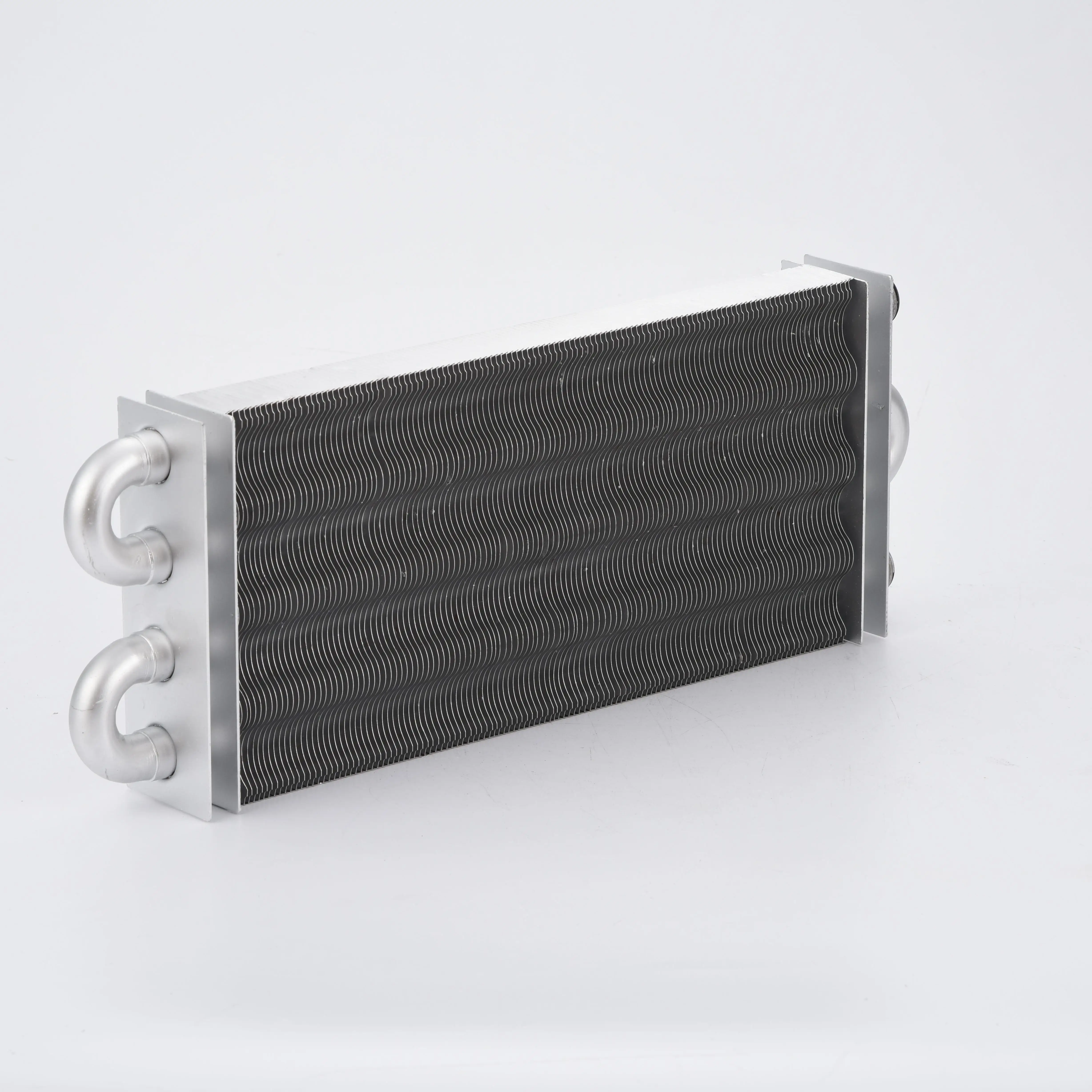
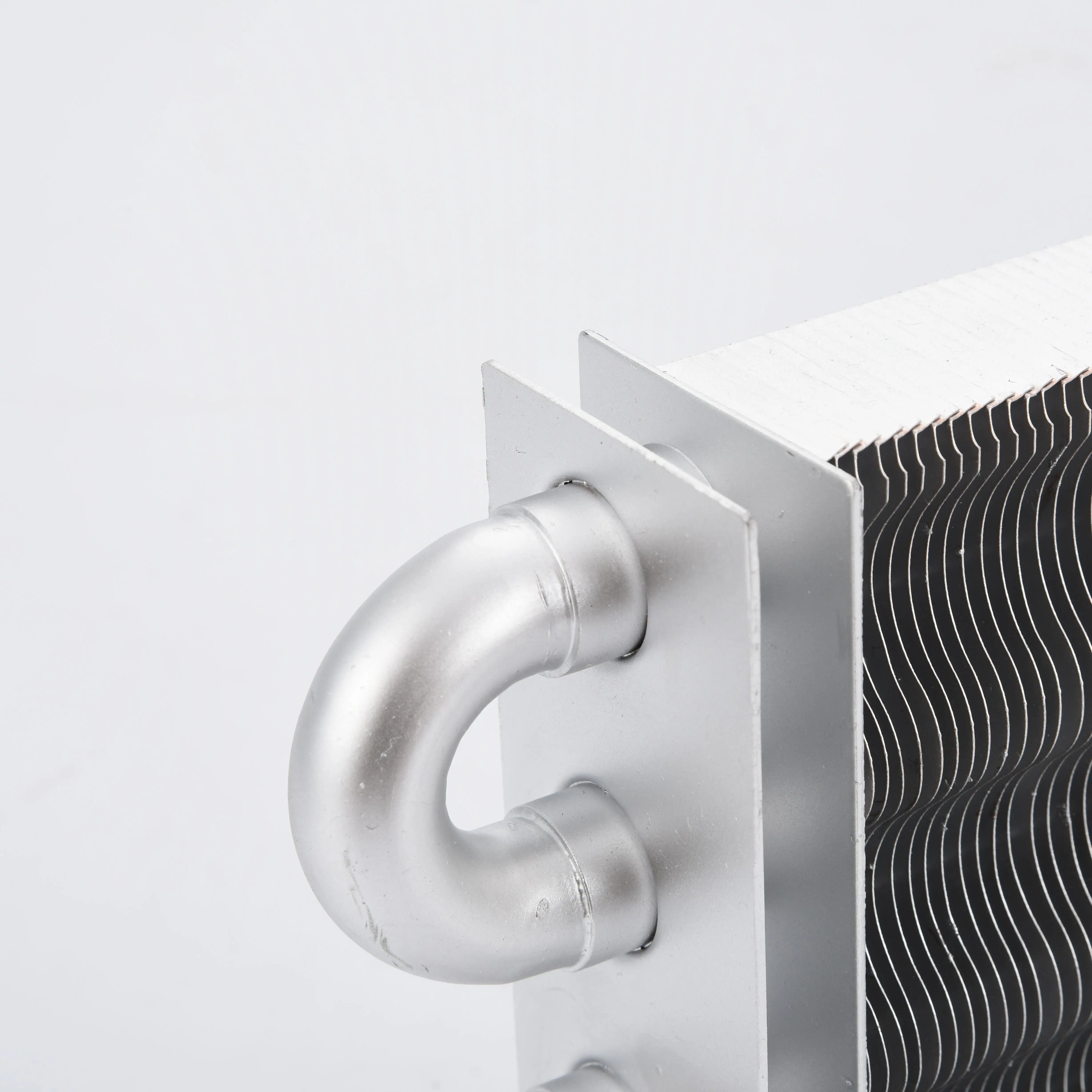
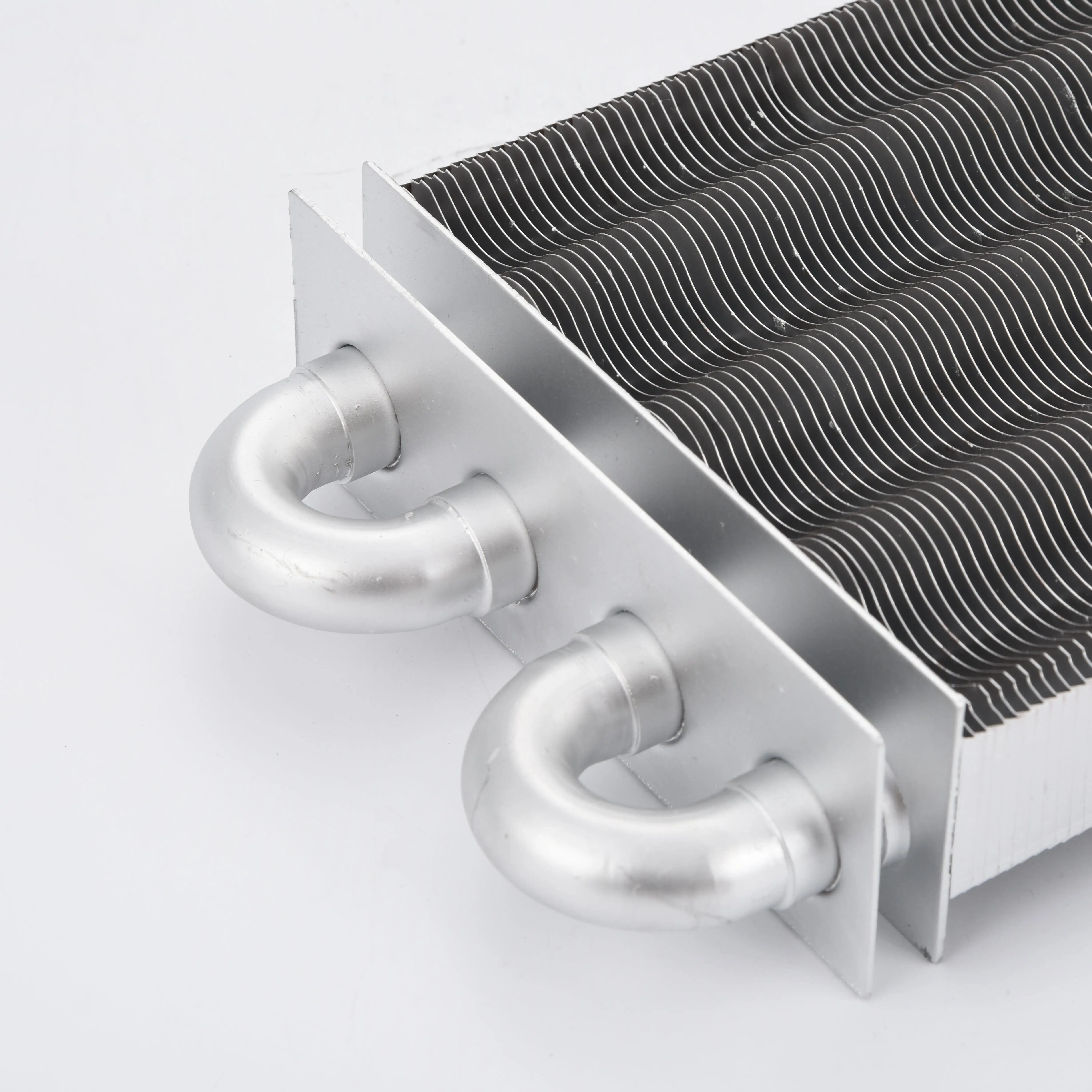
Environmental Protection Portable Gas Water Heater instant tankless indoor spare parts

- Section : Appliances
- Category : Electric Water Heaters
- SKU : 1600883523288

Products Description
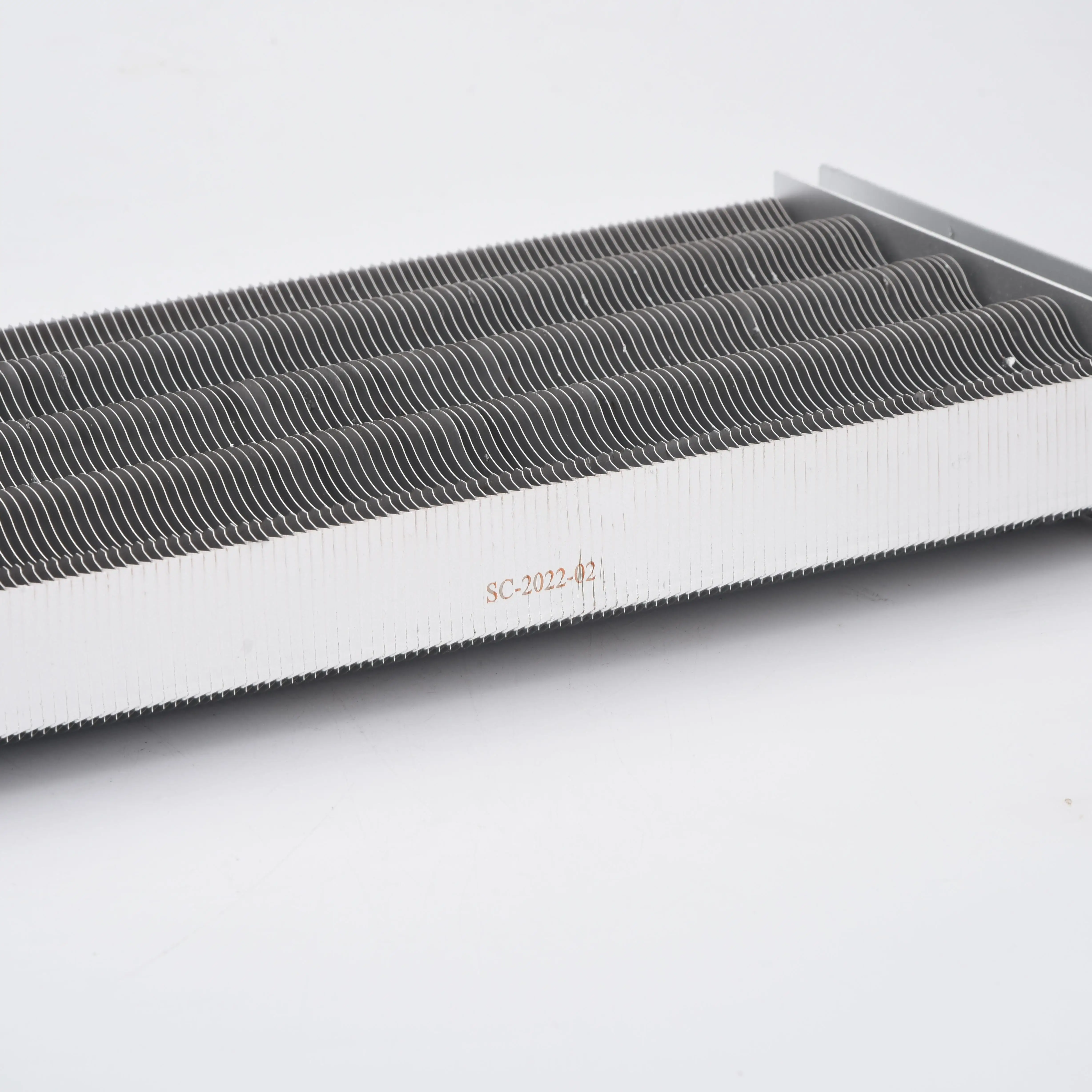
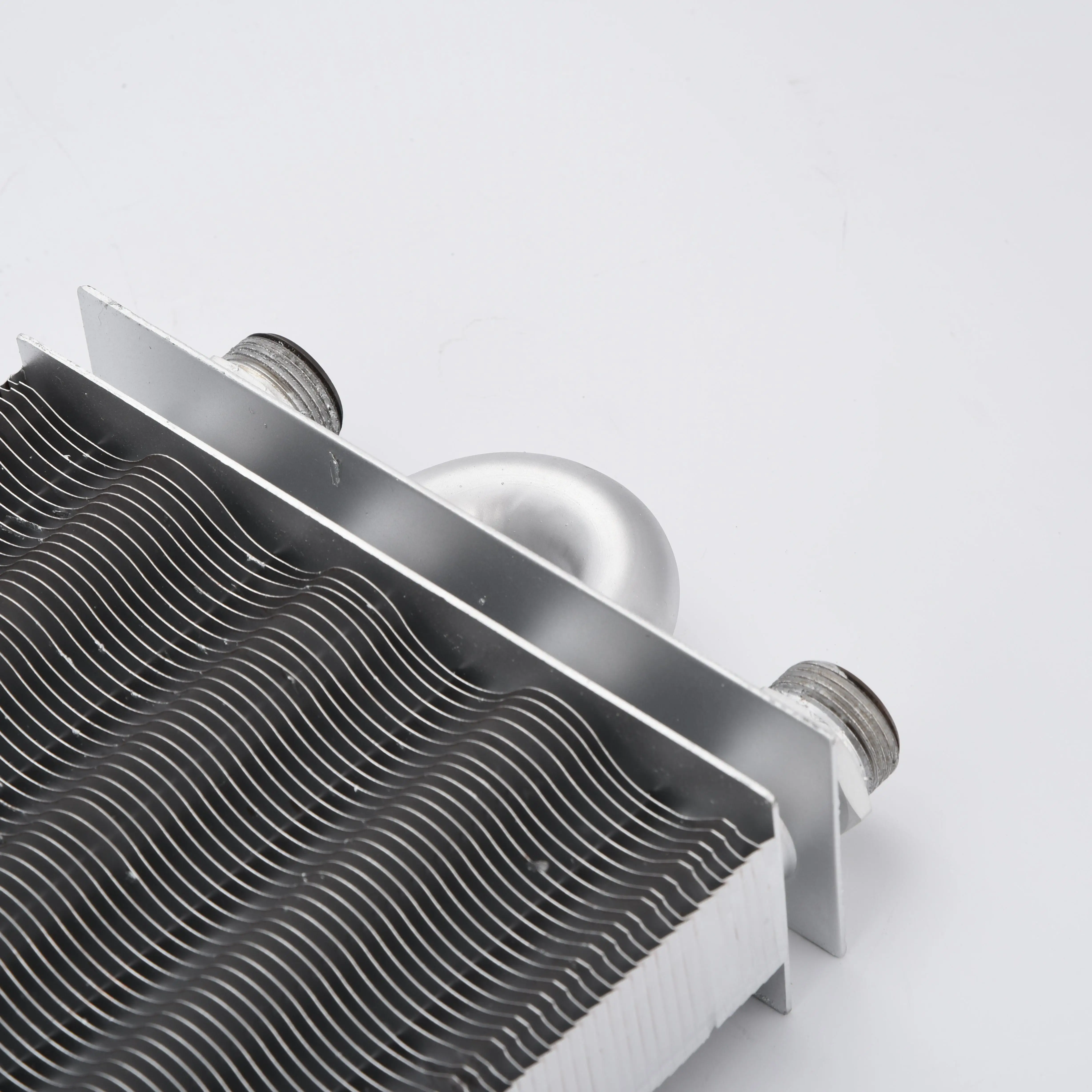
Specification
| Installation | Wall Mounted |
| Housing Material | Copper |
| Power Source | Gas |
| Storage / Tankless | Instant / Tankless |
| Application | Hotel, Commercial, Household |
- Shipping Timeframes: All orders are processed within 2-5 business days (excluding weekends and holidays). After your order has been processed, the estimated delivery time is before 03 Feb, 2026, depending on customs, Please note that due to high demand, some items may experience longer shipping times, which will be communicated at order confirmation email.
- Order Processing Time: Please allow 2-5 business days for us to process your order before it is shipped . Orders placed after 16:00 on Fridays, or during weekends and public holidays, will begin processing on the next business day. Processing times may be extended during peak seasons or sales events.
- Manufacturing Time: Some products needs manufacturing time, the manufacturing process will take approximately 10-30 business days depending on the product. This timeframe may vary depending on the complexity of the product and current demand. but this will be communicated with you during order confirmation.
- Returns and Exchanges: We offer a 30-day return policy for most items. If you are not completely satisfied with your purchase, you may return it within 30 days of receipt for a refund or exchange. Items must be unused, in their original packaging, and accompanied by proof of purchase. Return shipping costs are the responsibility of the customer, unless the item was damaged or defective upon arrival.
1. What is an environmental protection portable gas water heater?
An environmental protection portable gas water heater is a tankless heating system that provides instant hot water while being designed with eco-friendly materials and technologies to minimize environmental impact.
2. How does a tankless water heater work?
A tankless water heater heats water directly as it flows through the unit, eliminating the need for a storage tank. This allows for continuous hot water supply without the wait.
3. What are the benefits of using a gas water heater?
Gas water heaters typically heat water faster than electric models, are more energy-efficient, and can save you money on energy bills in the long run.
4. Is this water heater suitable for indoor use?
Yes, the environmental protection portable gas water heater is designed for indoor use, making it ideal for hotels, commercial buildings, and households.
5. What type of installation is required for this water heater?
The unit is wall-mounted, which requires proper installation to ensure safety and efficiency. It is recommended to have a qualified technician perform the installation.
6. What materials are used in the construction of this water heater?
The housing material of this water heater is made from durable copper, which enhances its longevity and resistance to corrosion.
7. Can this water heater be used in a commercial setting?
Yes, this water heater is suitable for commercial applications, providing instant hot water for restaurants, hotels, and other businesses.
8. What is the power source for this water heater?
The water heater operates on gas, providing efficient and effective heating for your water needs.
9. Are spare parts available for this water heater?
Yes, spare parts for the environmental protection portable gas water heater can be purchased separately to ensure maintenance and longevity of the unit.
10. How energy-efficient is this water heater?
This portable gas water heater is designed to be energy-efficient, which can lead to lower energy costs compared to traditional tank systems.
11. What size of gas connection is needed for installation?
The specific gas connection requirements may vary, so please refer to the installation manual or consult with a professional for exact specifications.
12. Can I use this water heater for multiple outlets?
Yes, the tankless design allows for multiple outlets to receive hot water simultaneously, depending on the unit's capacity and flow rate.
13. What maintenance does this water heater require?
Regular maintenance includes checking for gas leaks, flushing the system periodically to remove scale buildup, and ensuring the filters are clean.
14. Is there a warranty for the water heater?
Yes, the product typically comes with a warranty. Please check the specific warranty details provided by the manufacturer.
15. How can I troubleshoot issues with my water heater?
Common troubleshooting steps include checking the gas supply, ensuring proper ventilation, and consulting the user manual for specific error codes or problems.
Latest Order Arrivals
Discover our latest orders
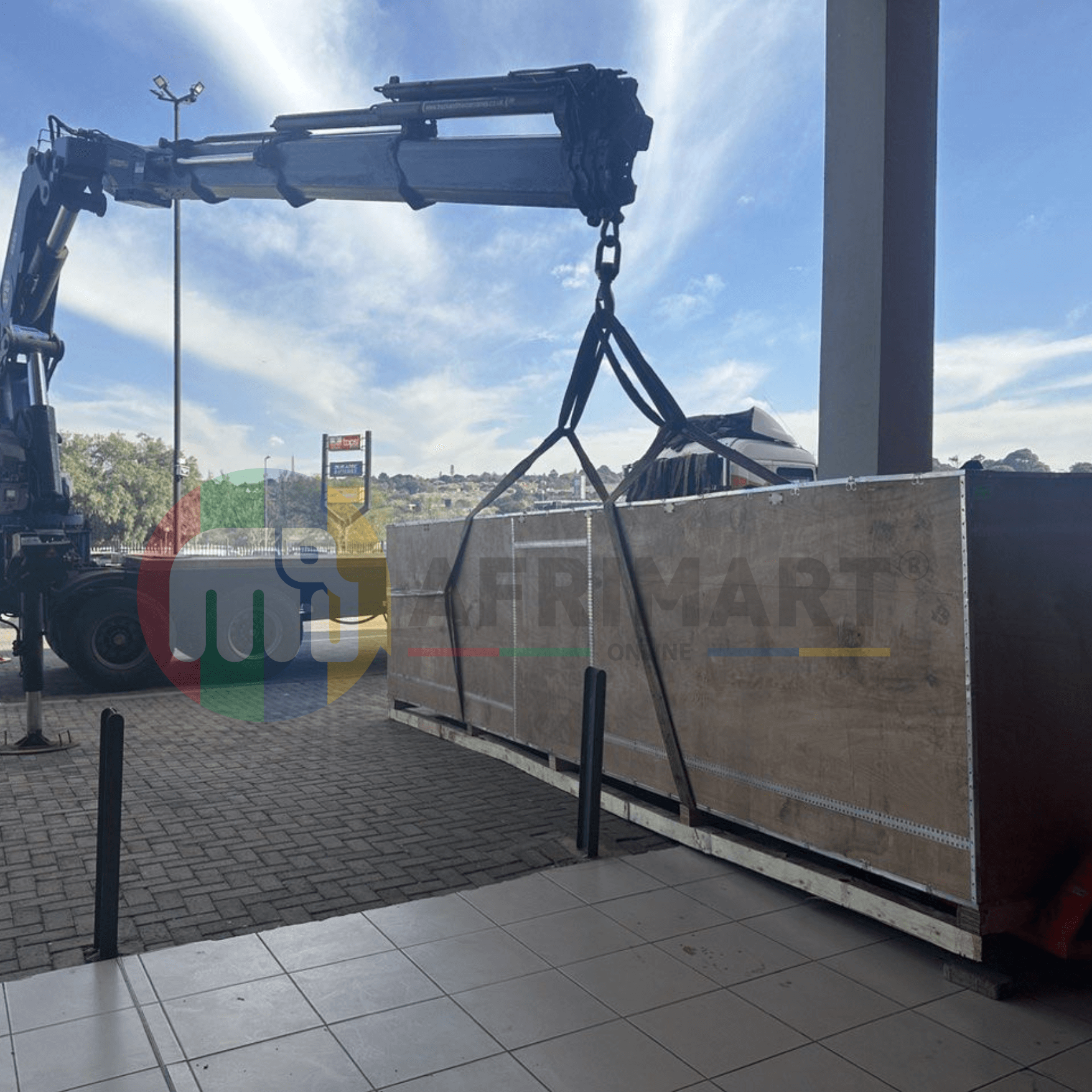
12 Heads Embroidery Machine
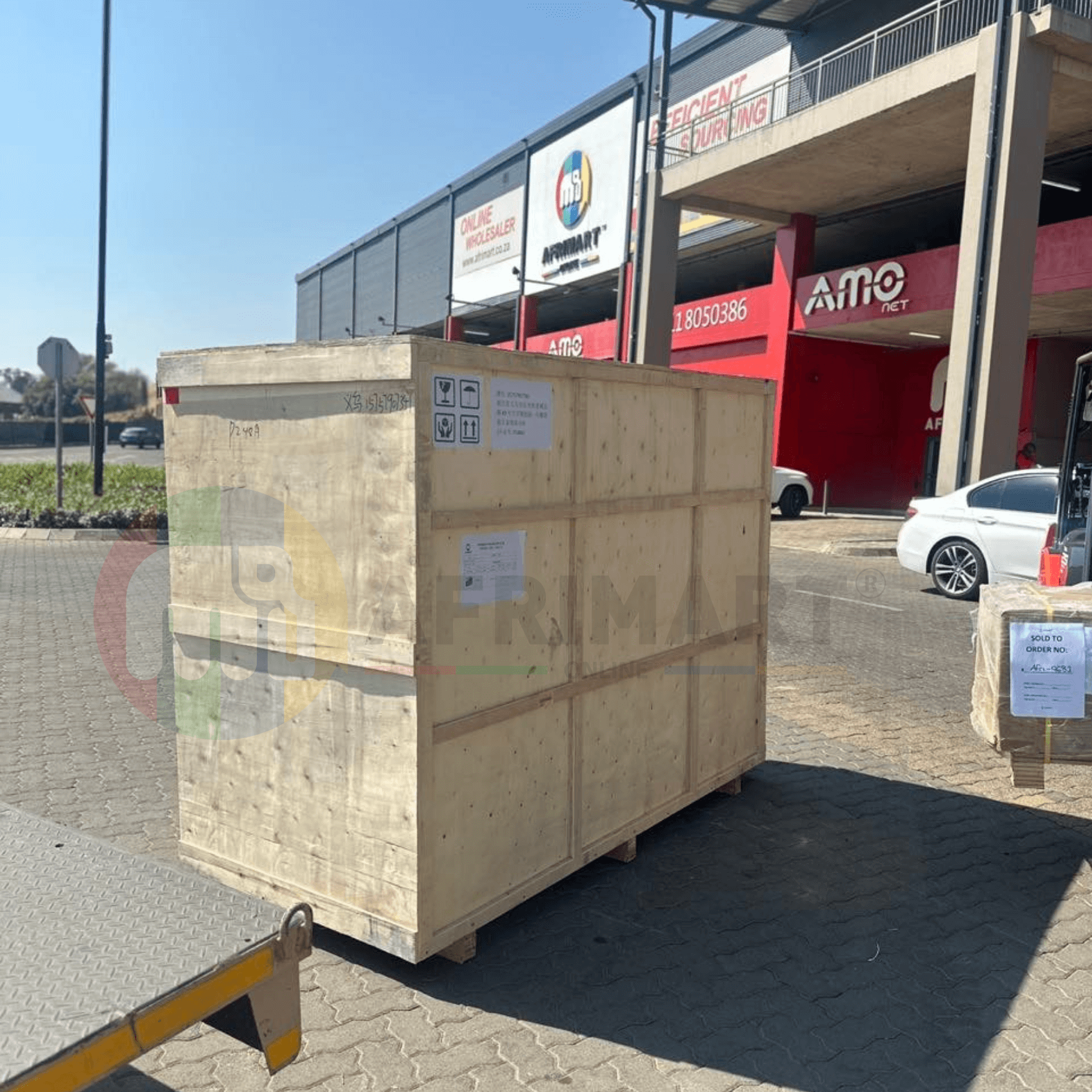
Dewatering Pump Machine
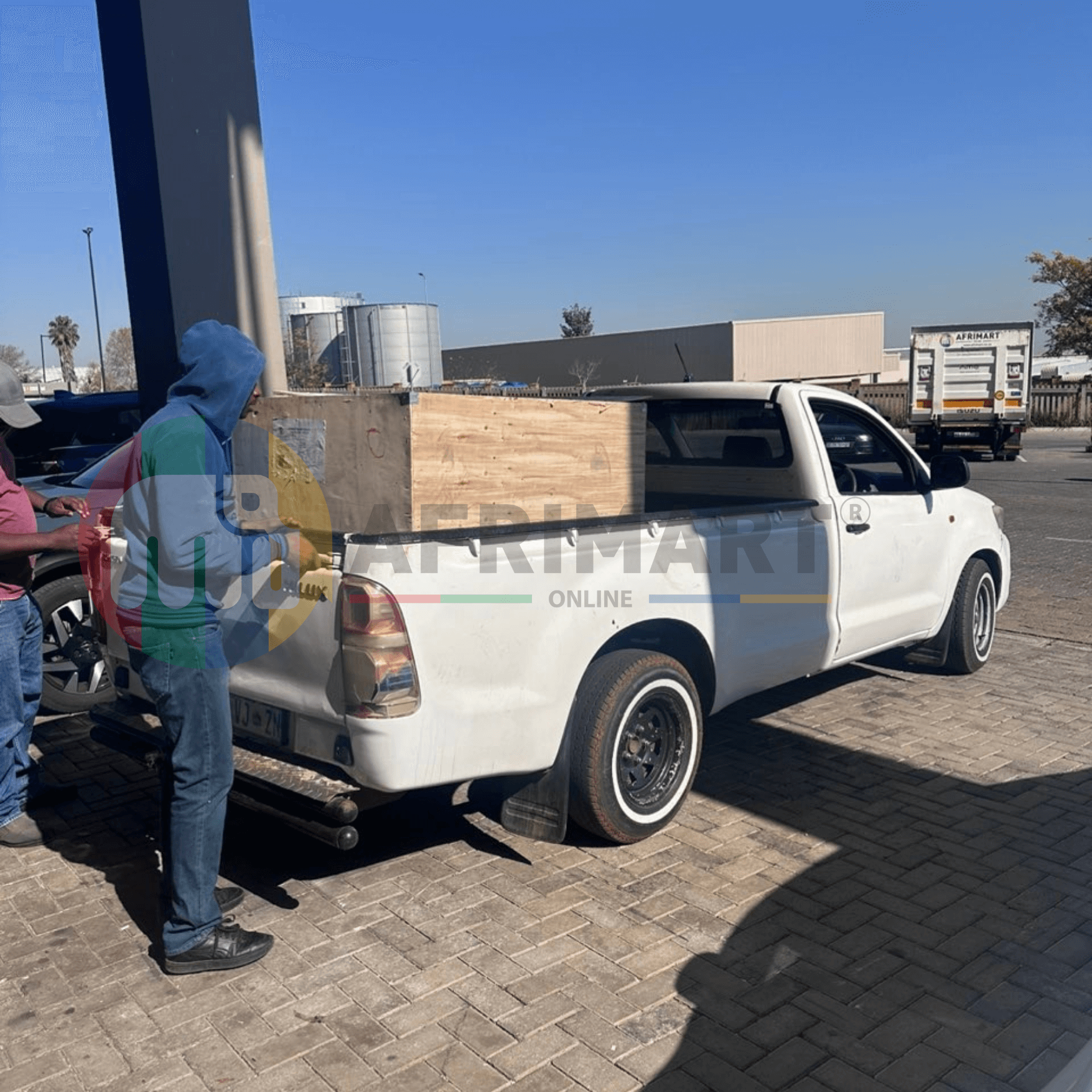
Order Collection
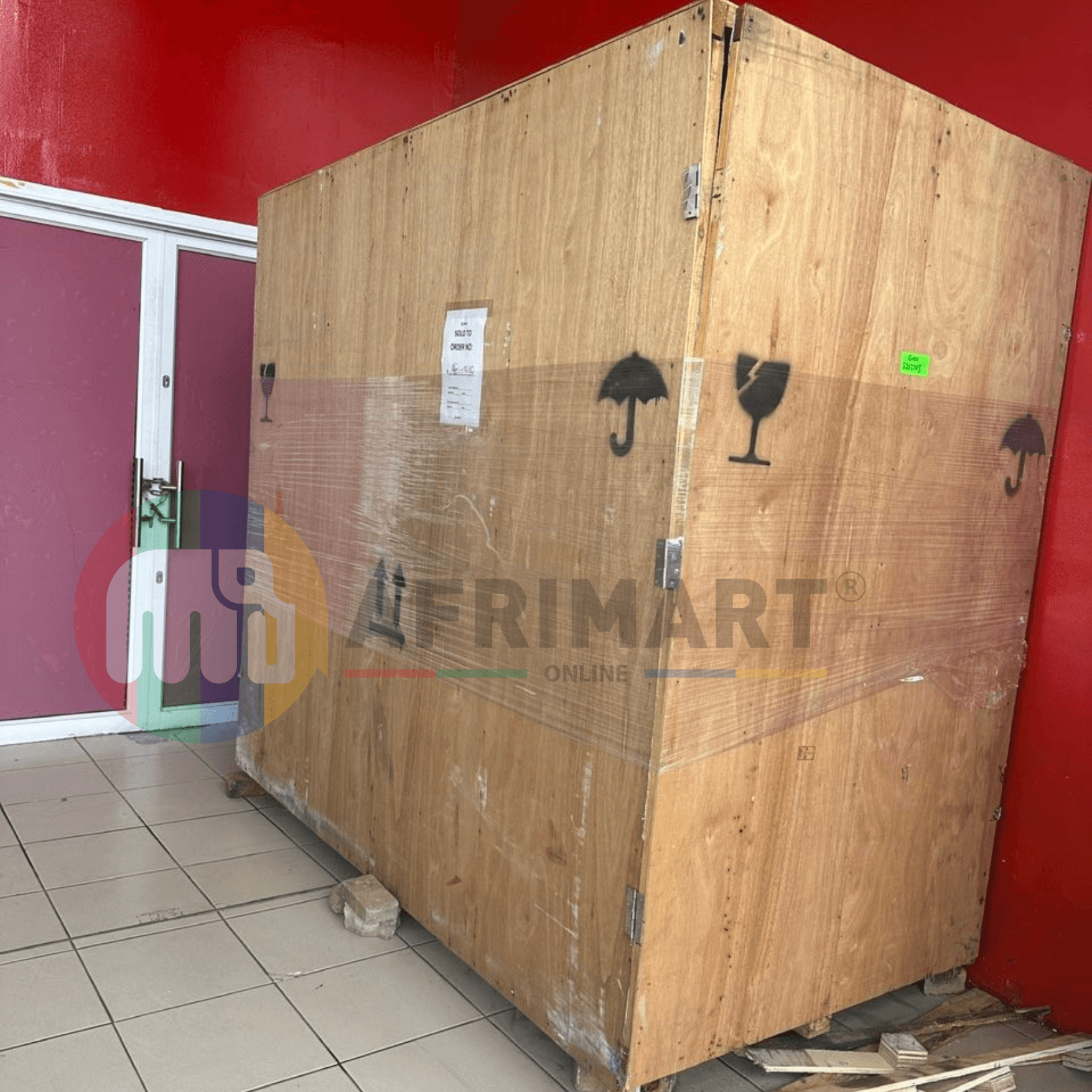
Portable Water Drilling Rig
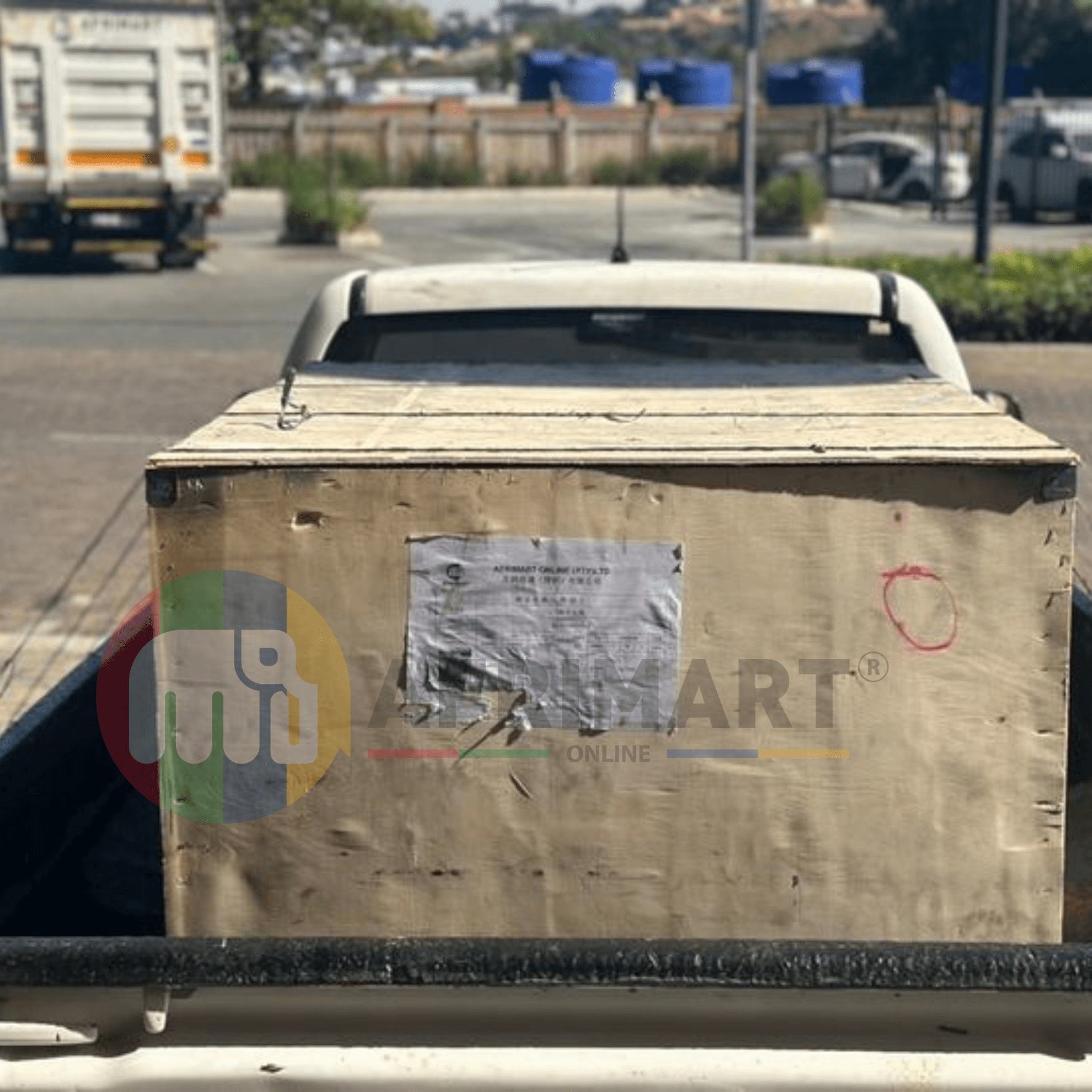
Order Usefully Collected
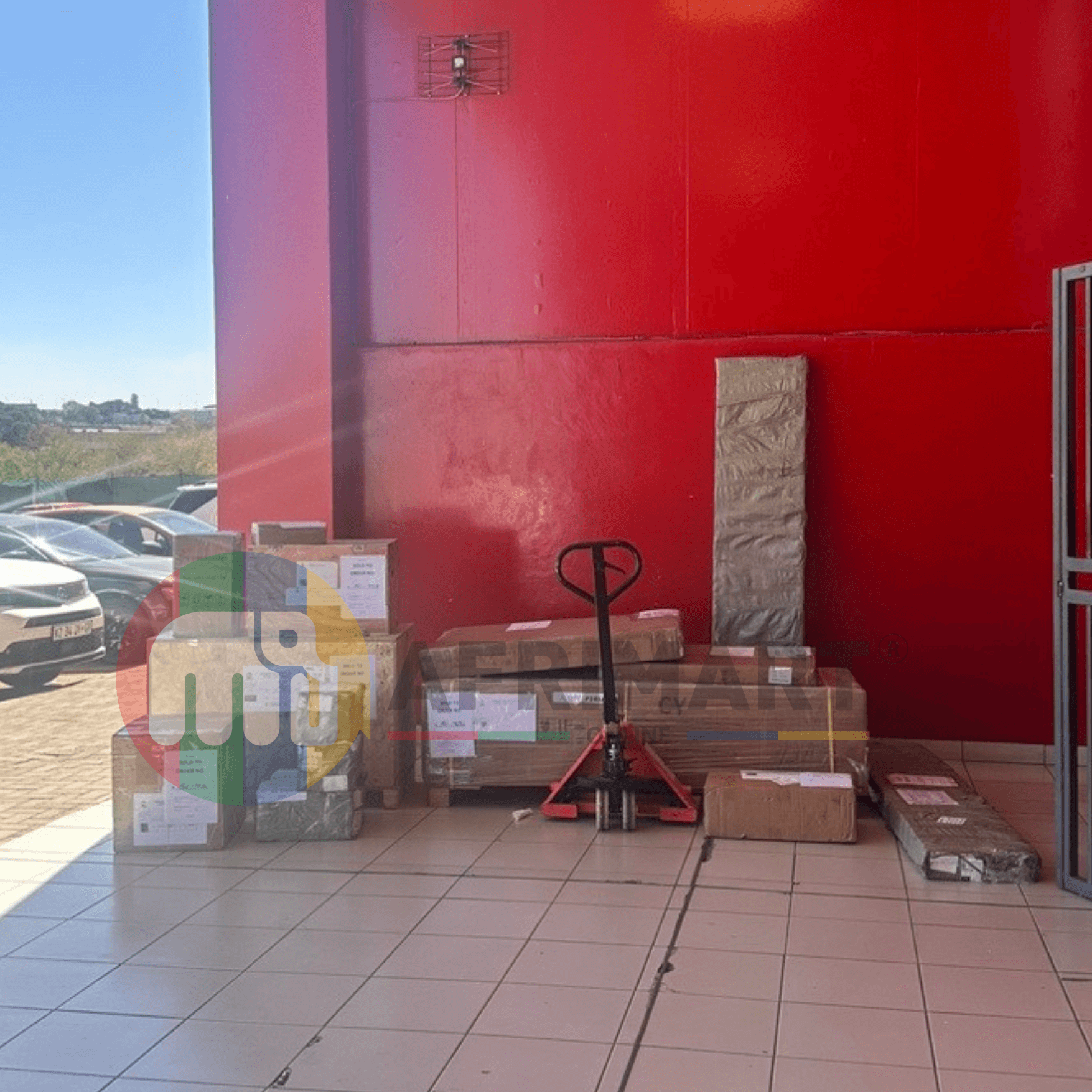
Batch of Orders
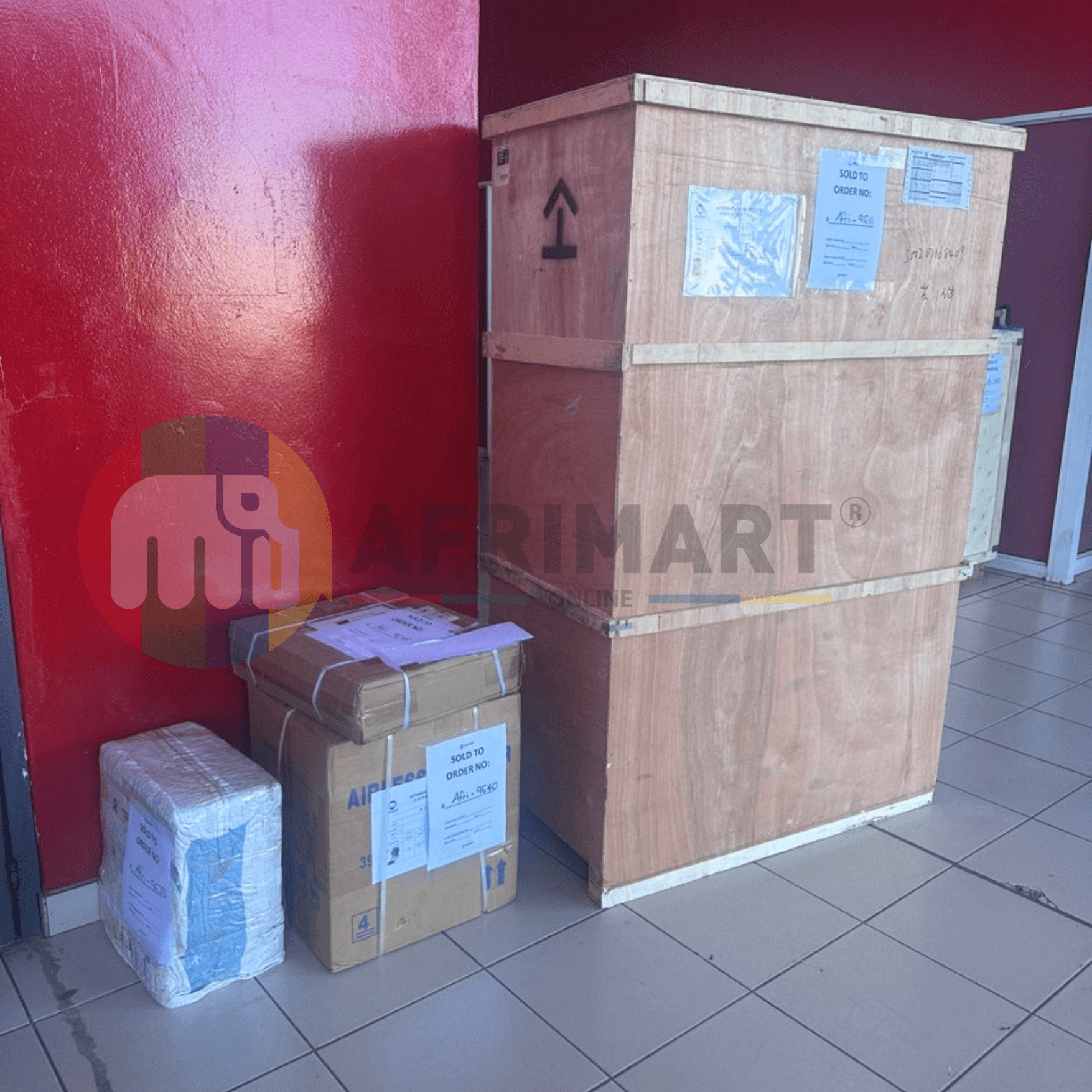
Agriculture Processing Machines
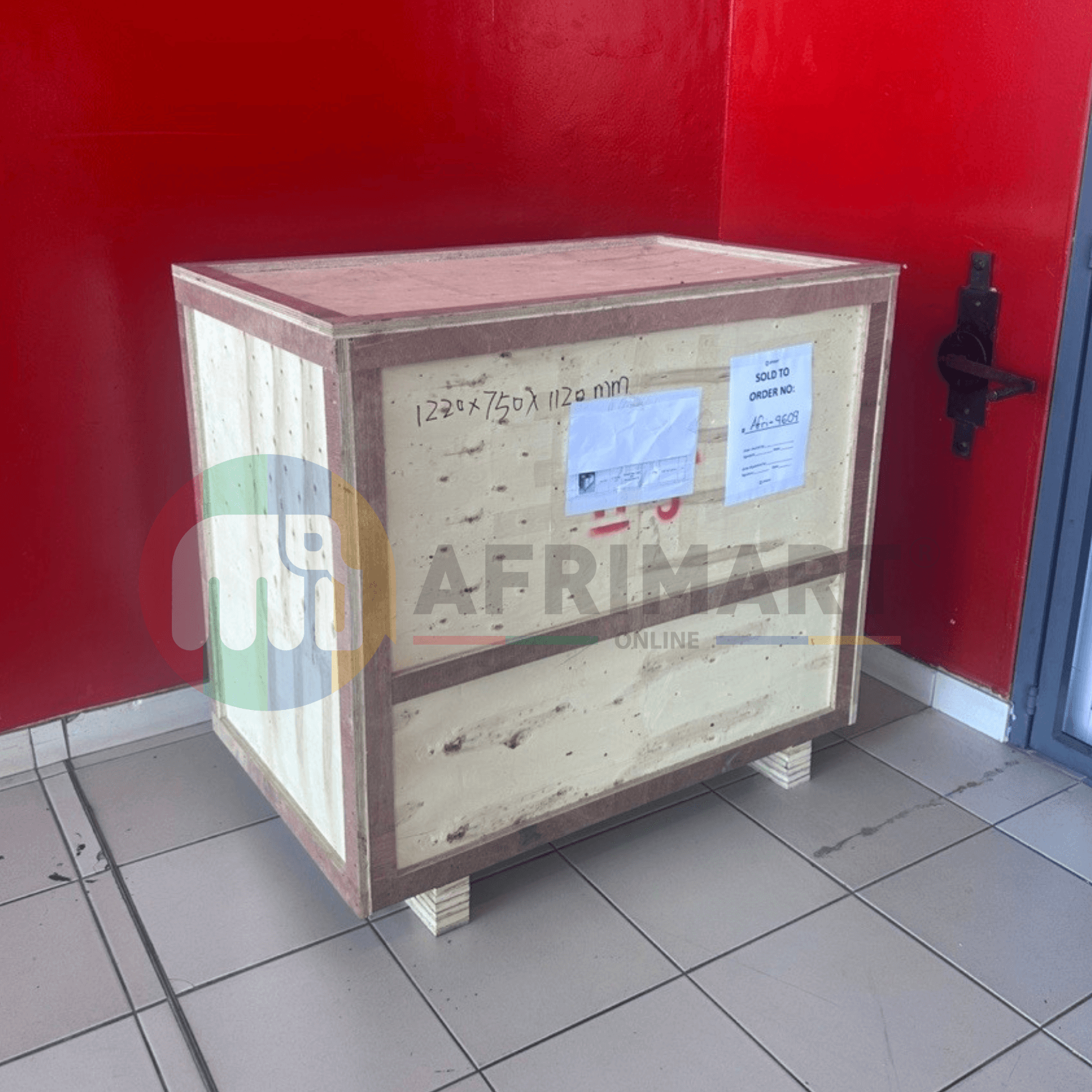
Meat Grinder Machine
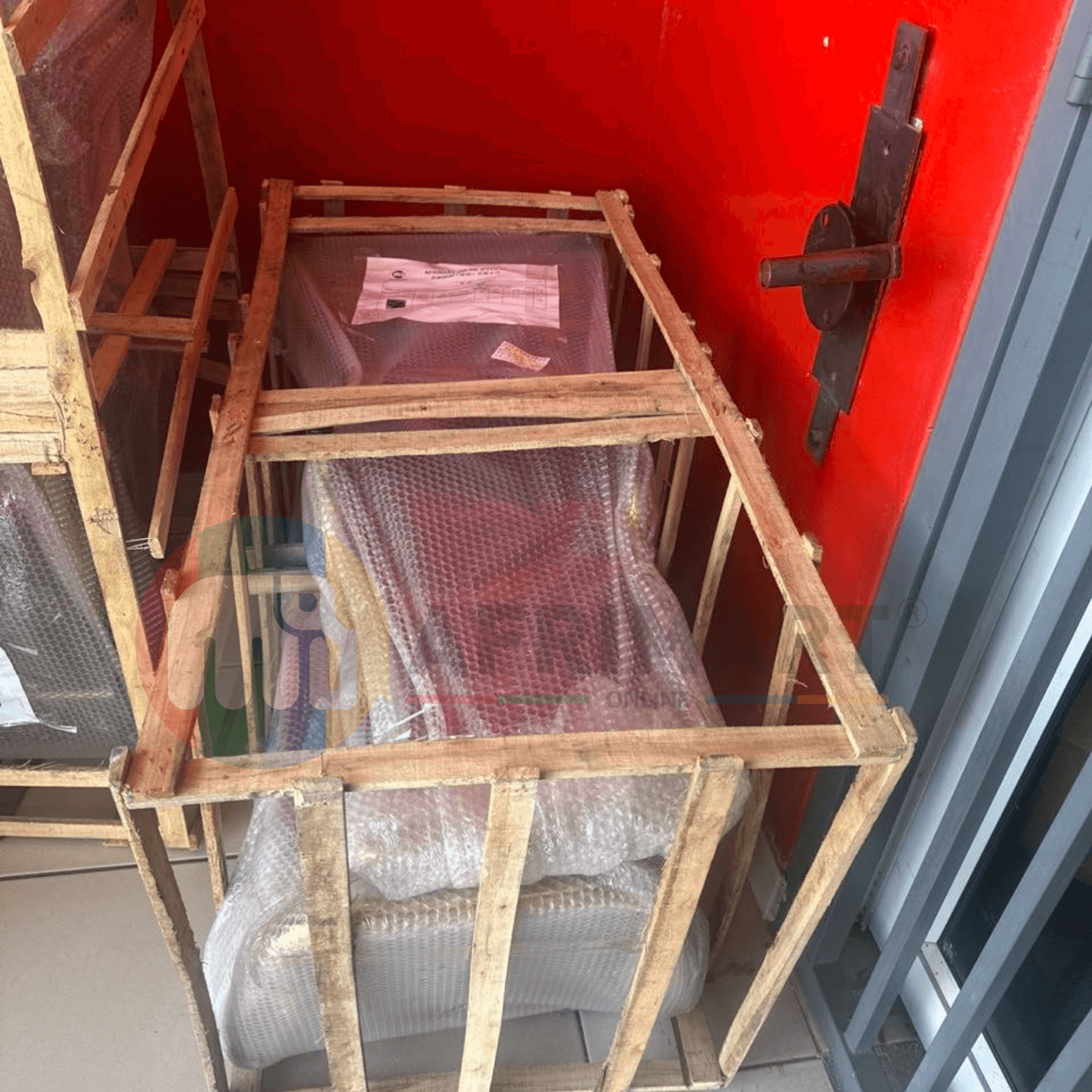
Water Pump Equipment
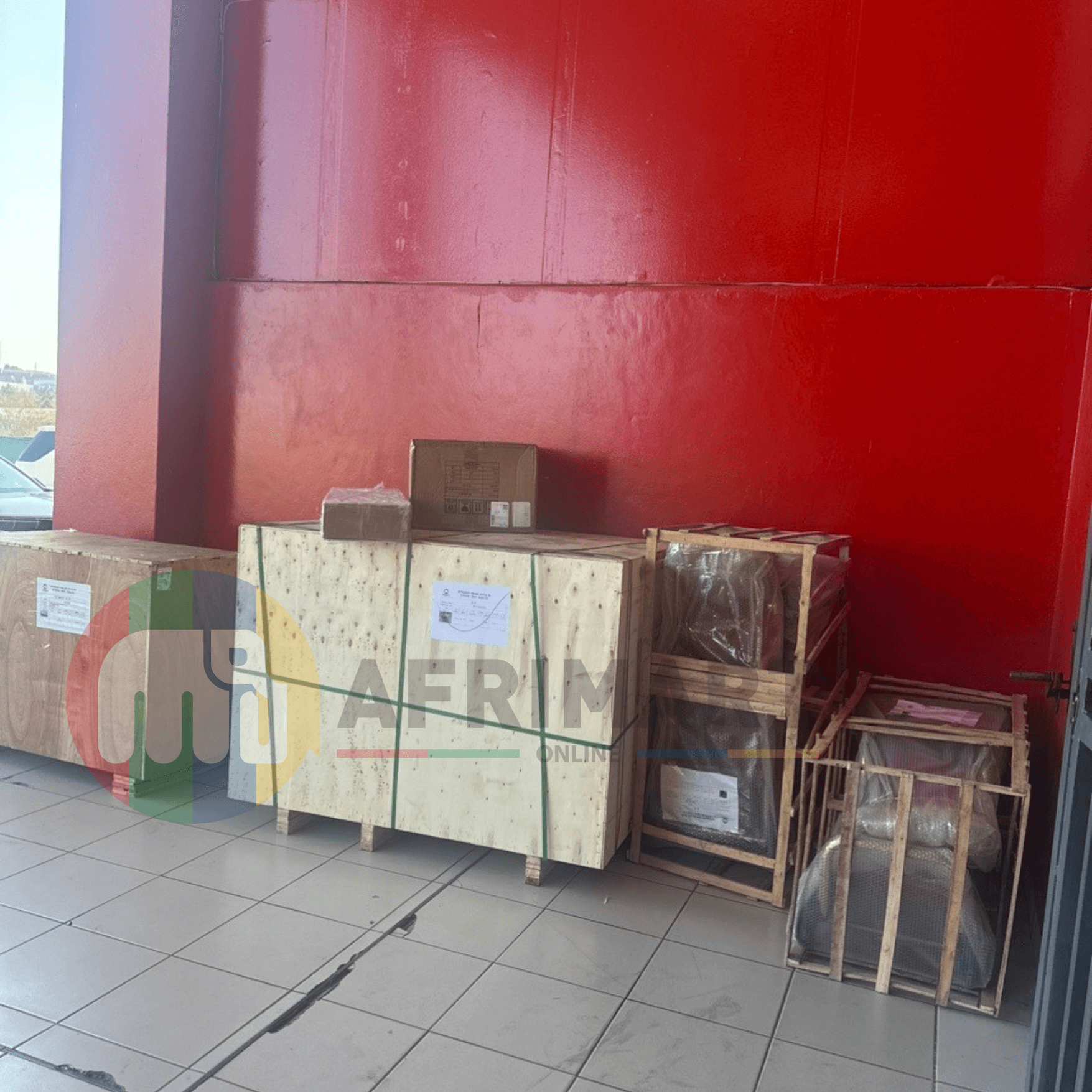
Packaging Machine and accessories
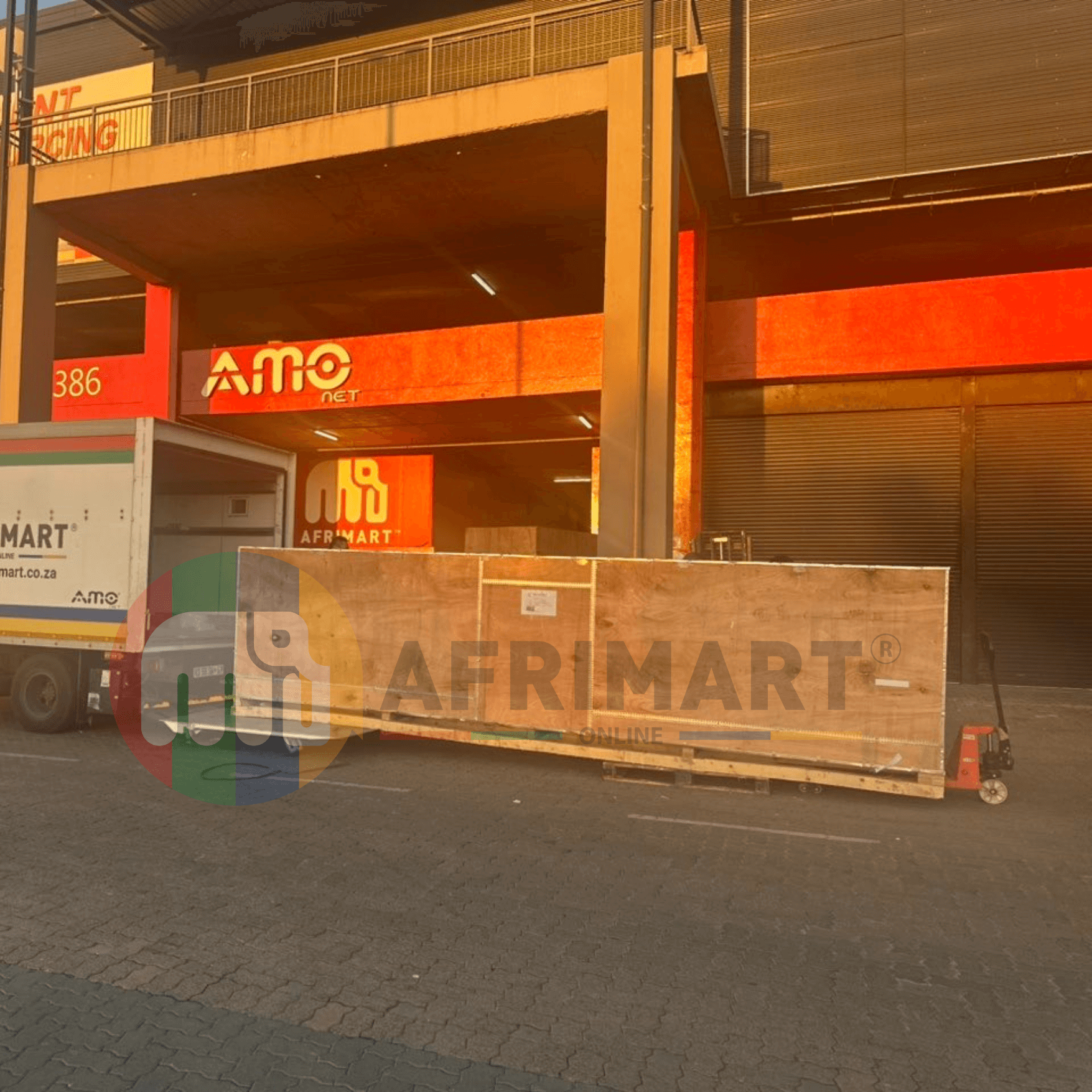
Fabrics Manufacturing Equipment
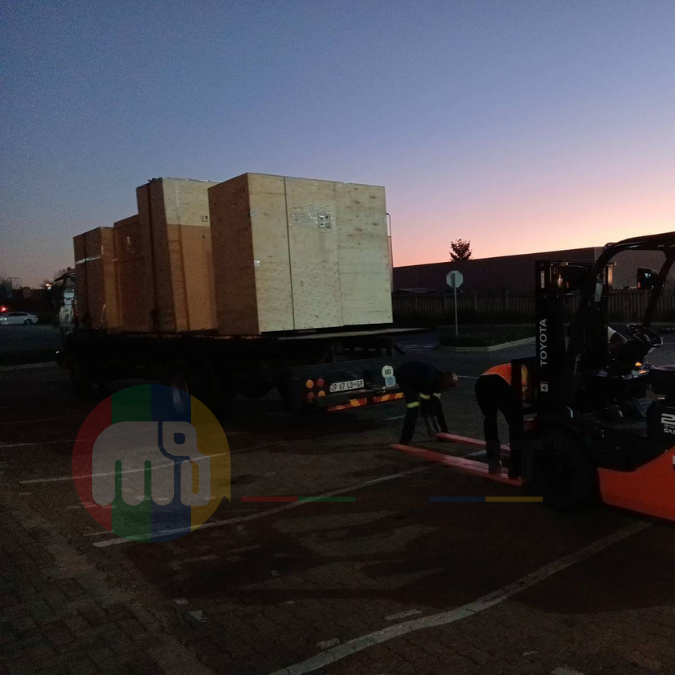
Mining Equipments
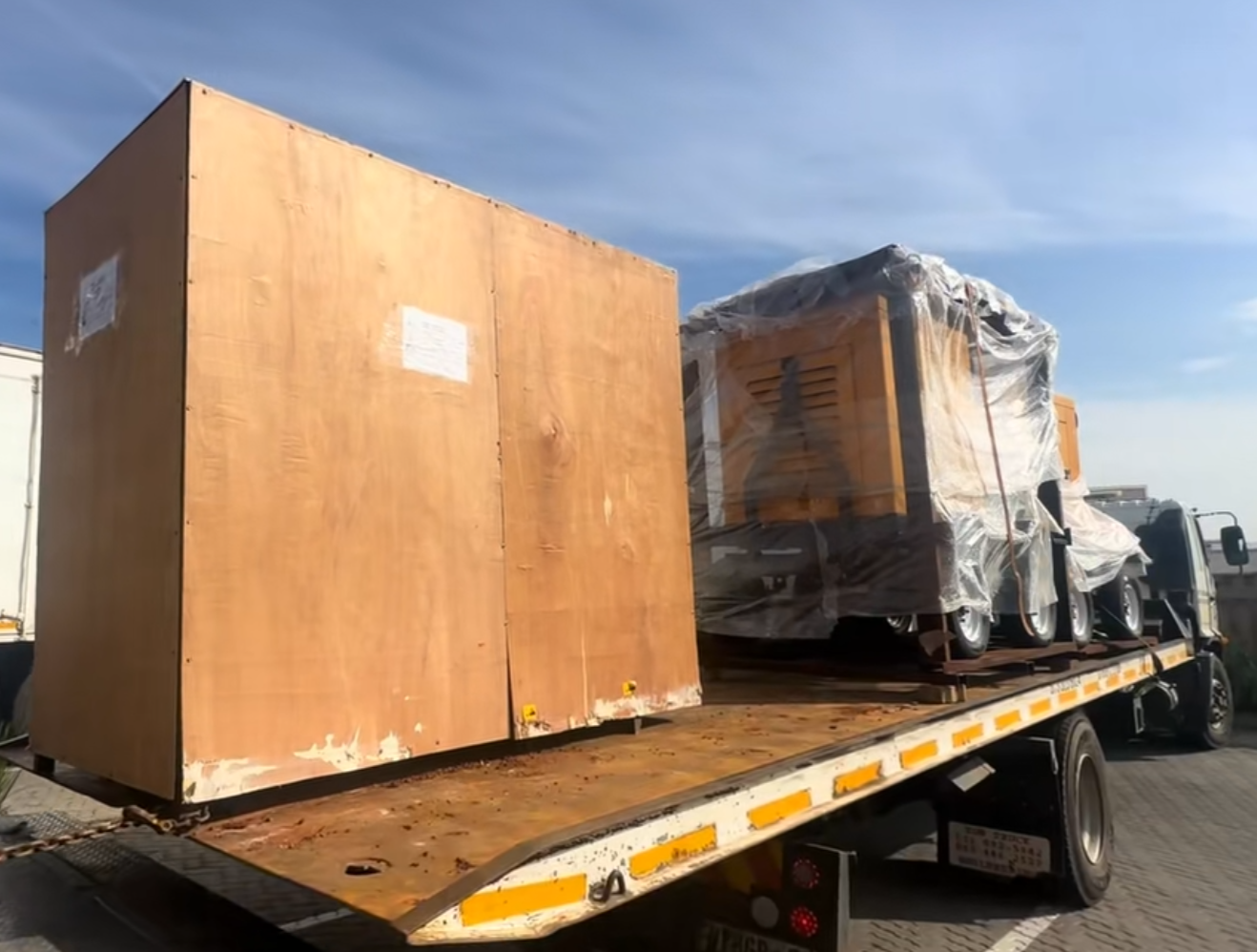
Food Processing Machine
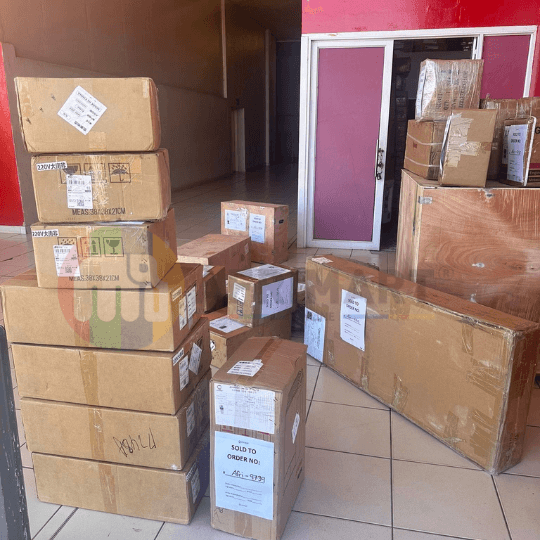
Batch of Orders
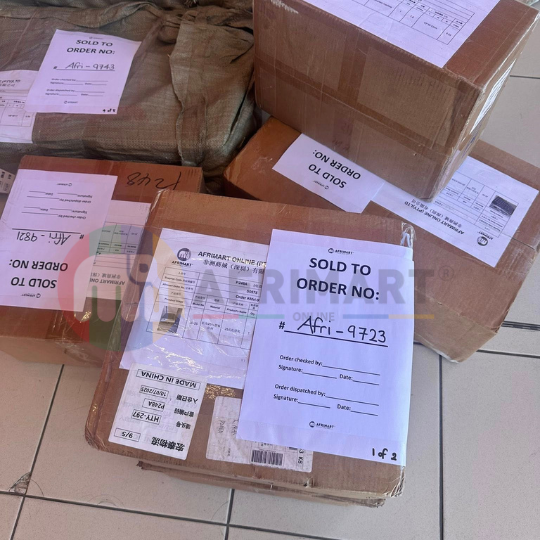
Batch of Orders
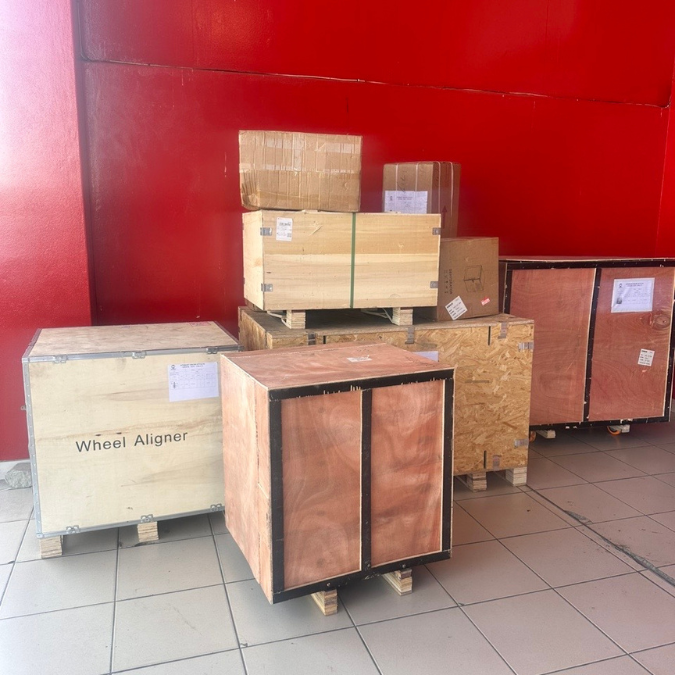
Latest Orders Labelled
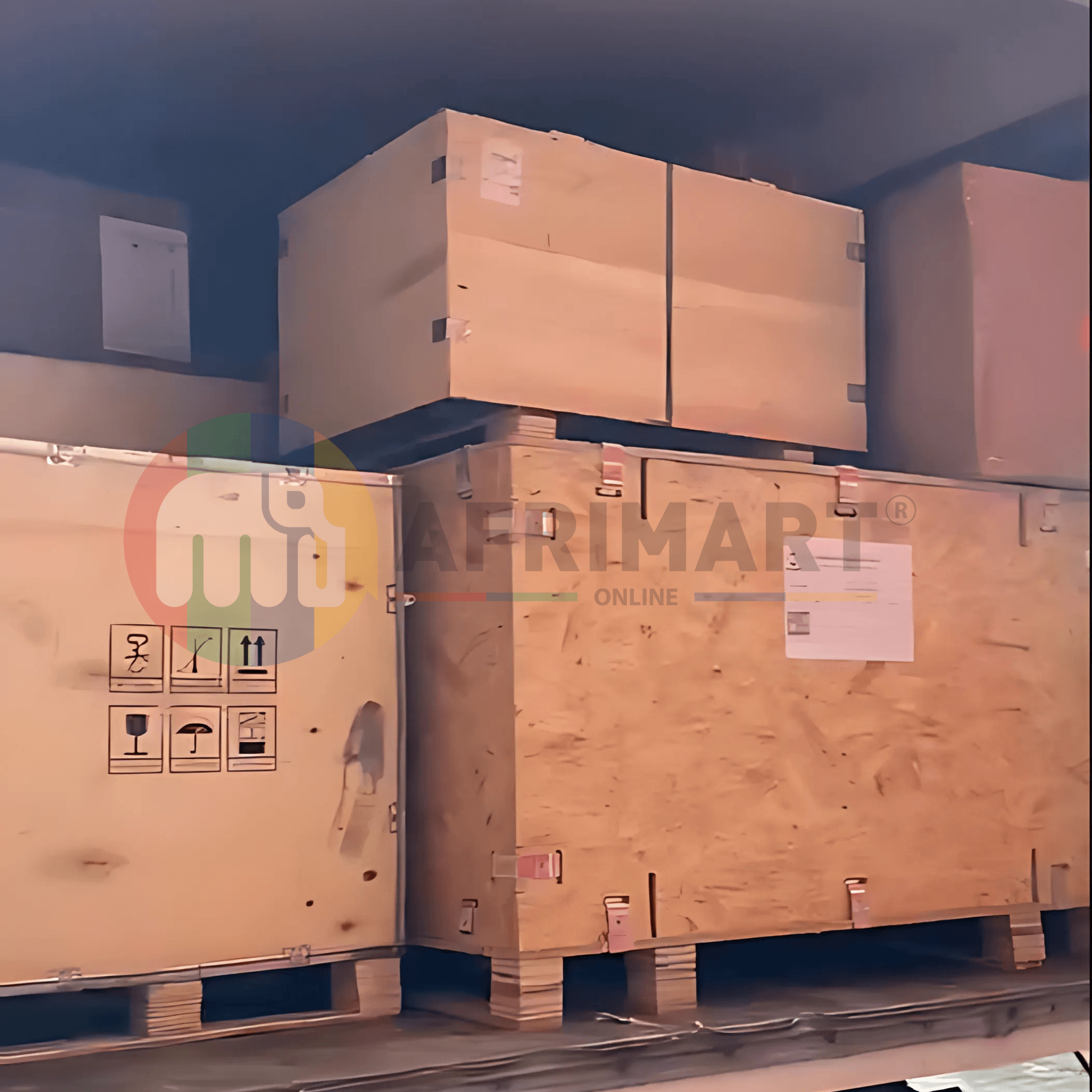
wheel alignment machines
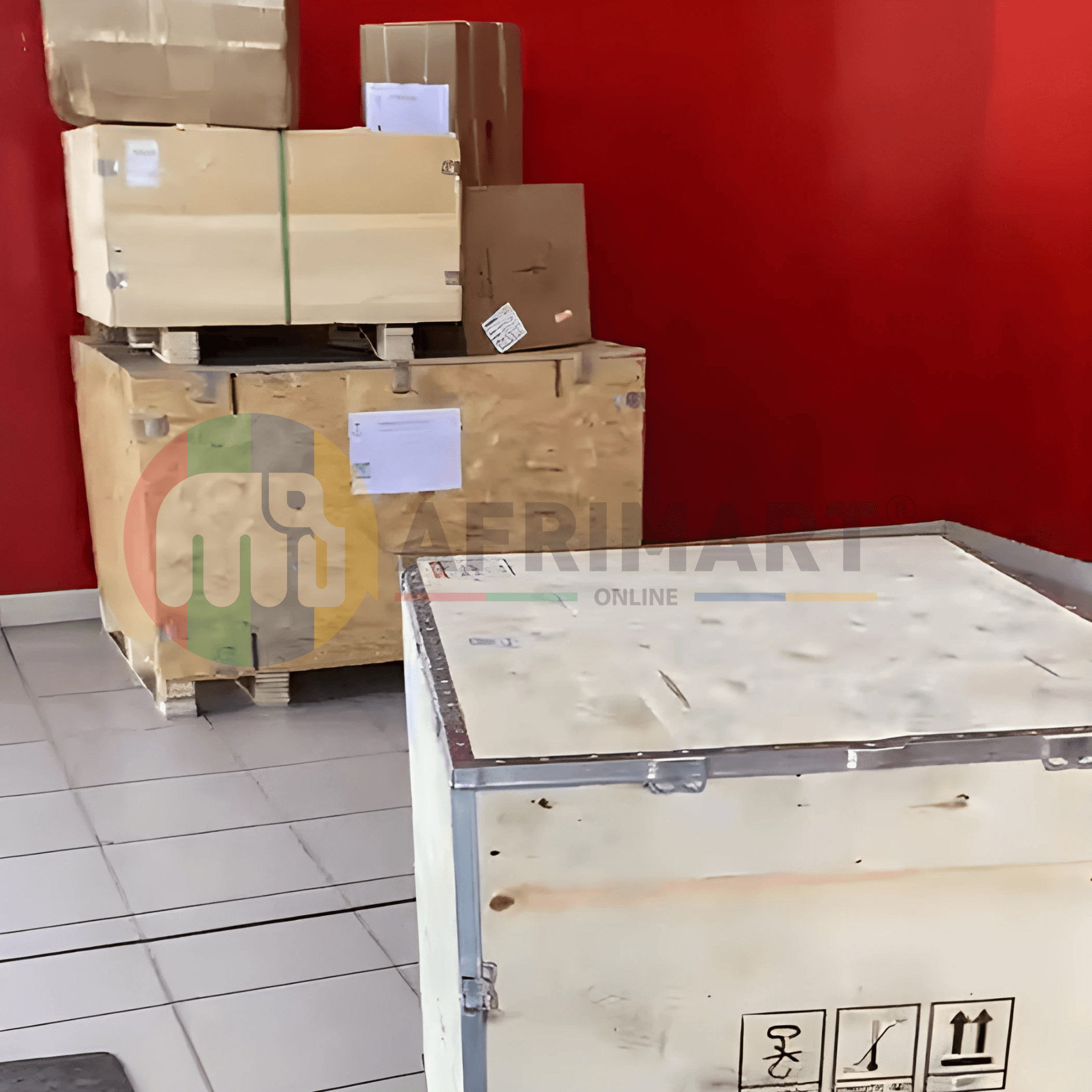
new arrivals
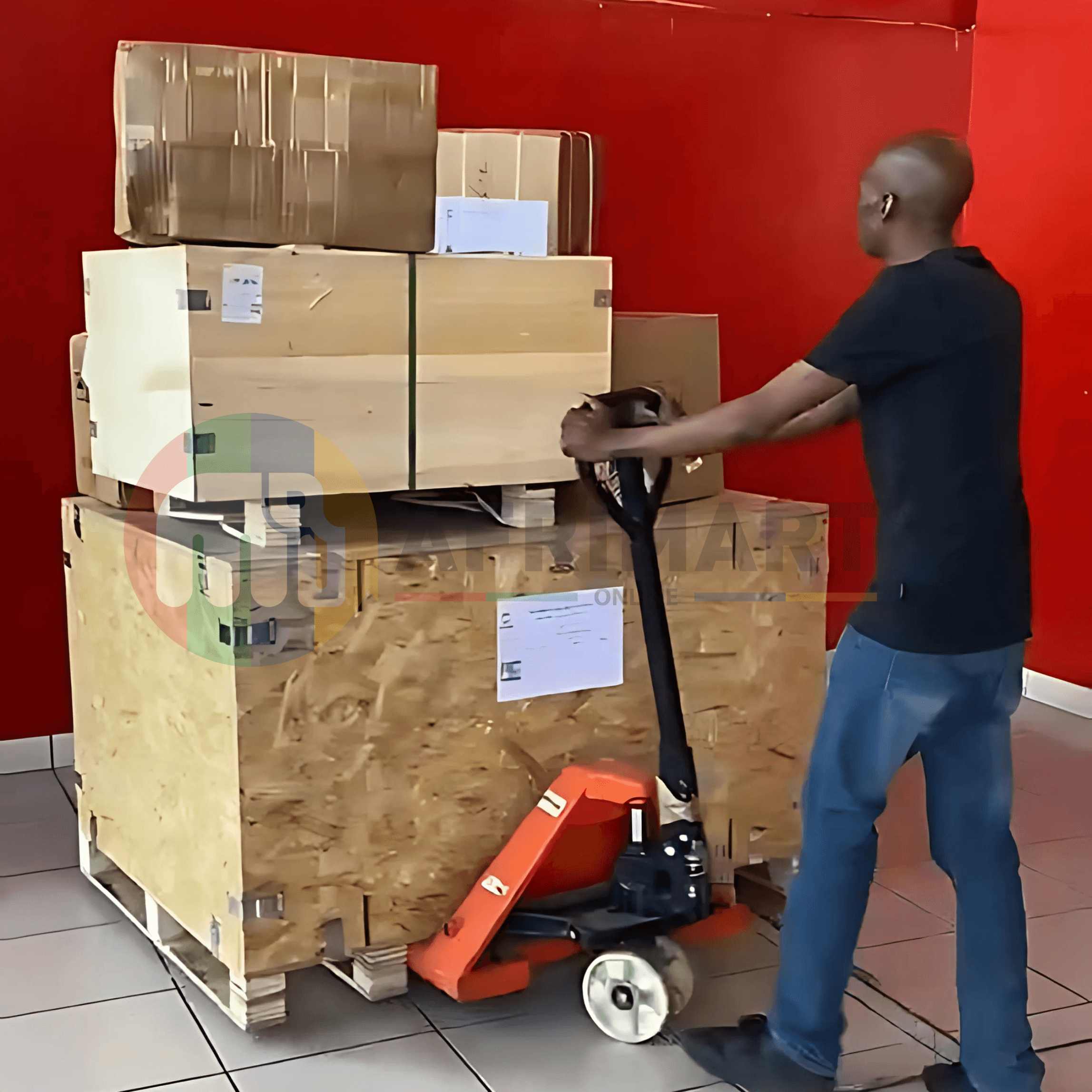
Pre Orders Offloading
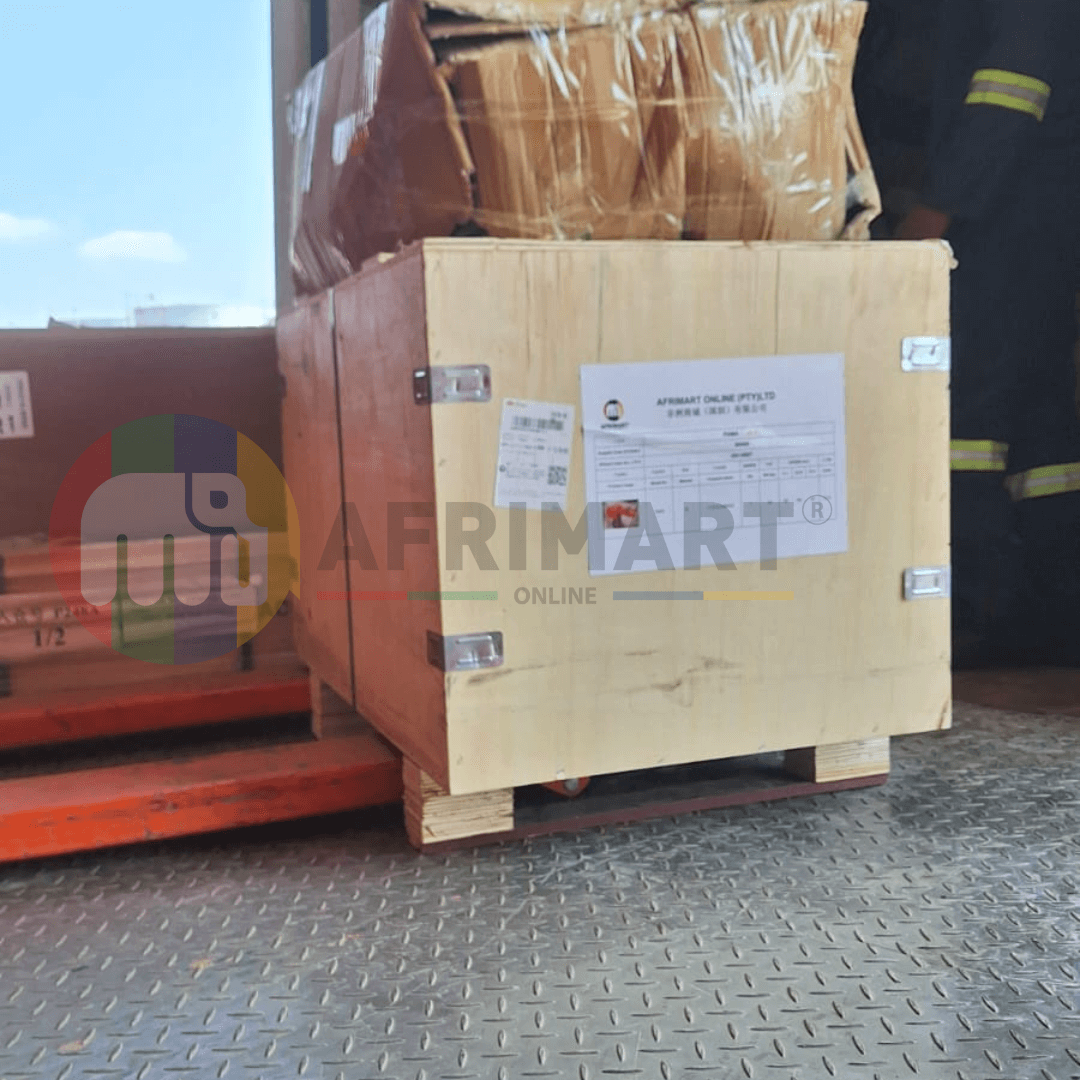
Latest Arrivals
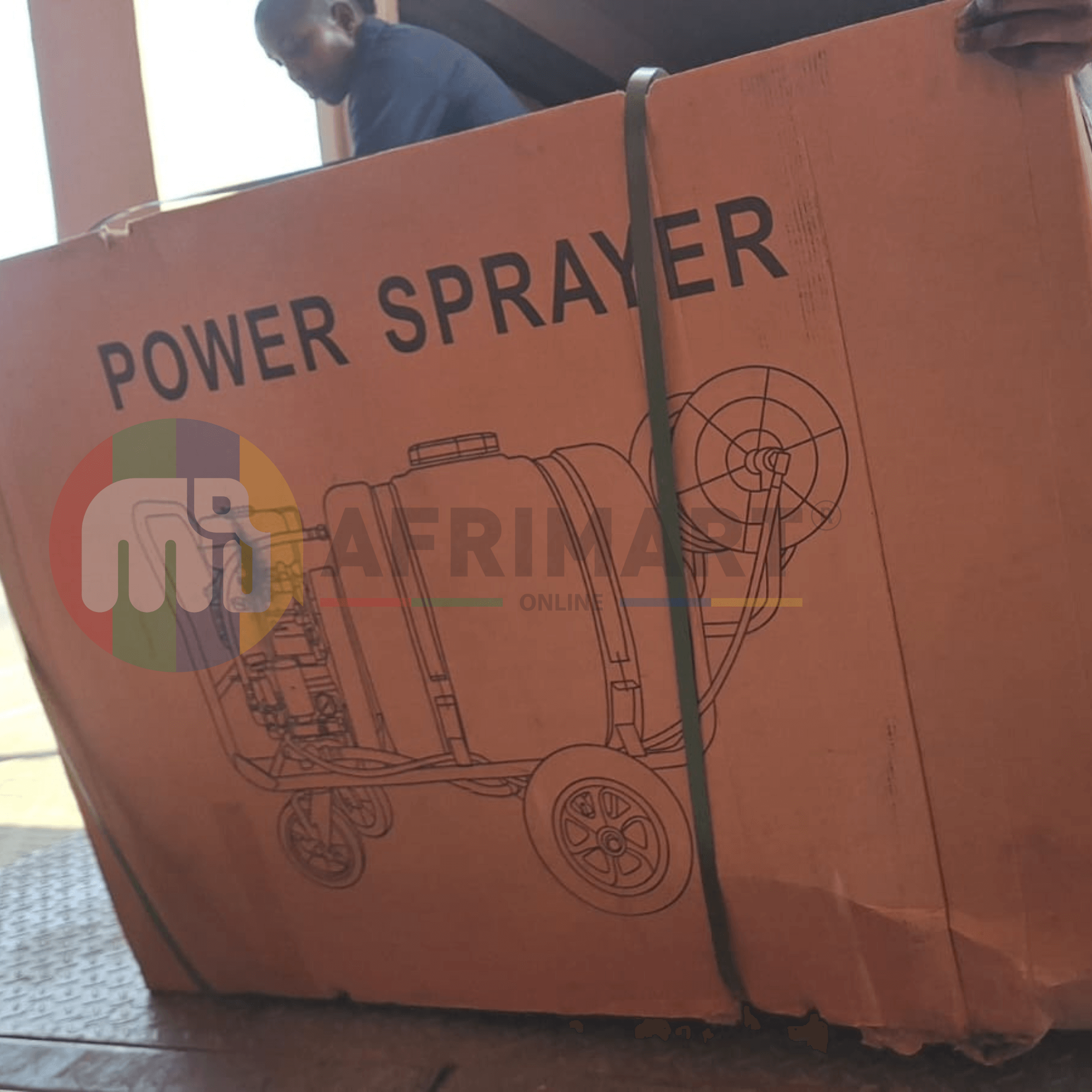
Latest Arrivals