B21, China Town Mall, Midrand

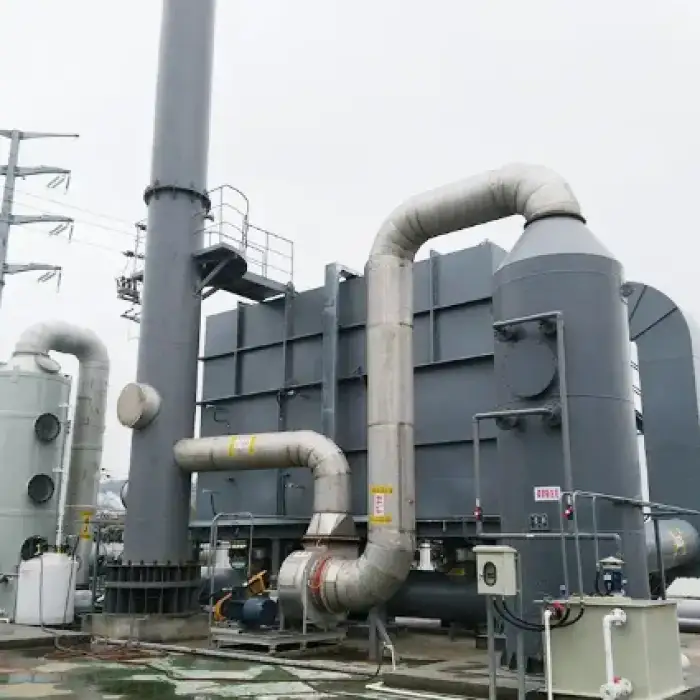
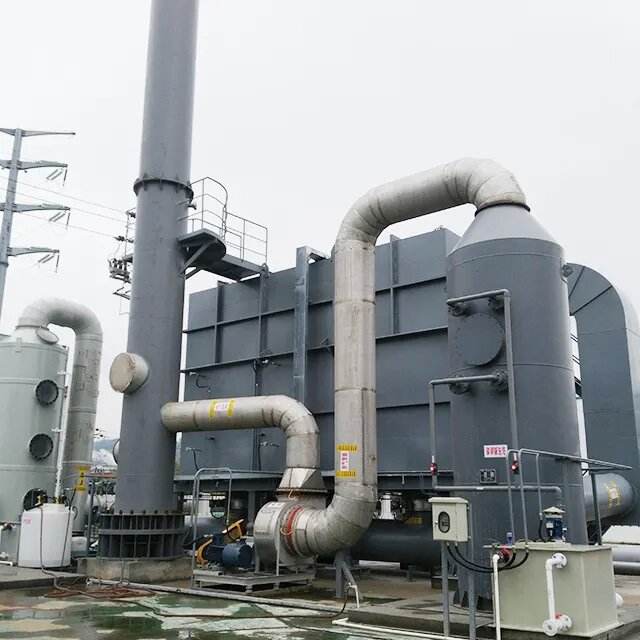
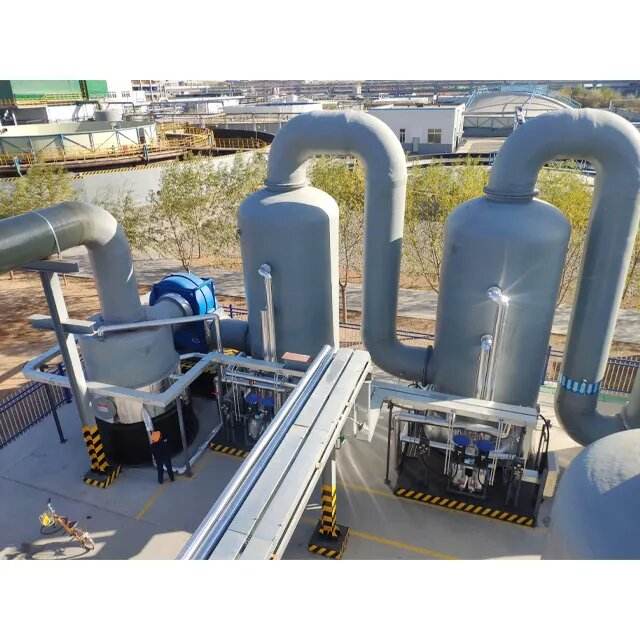
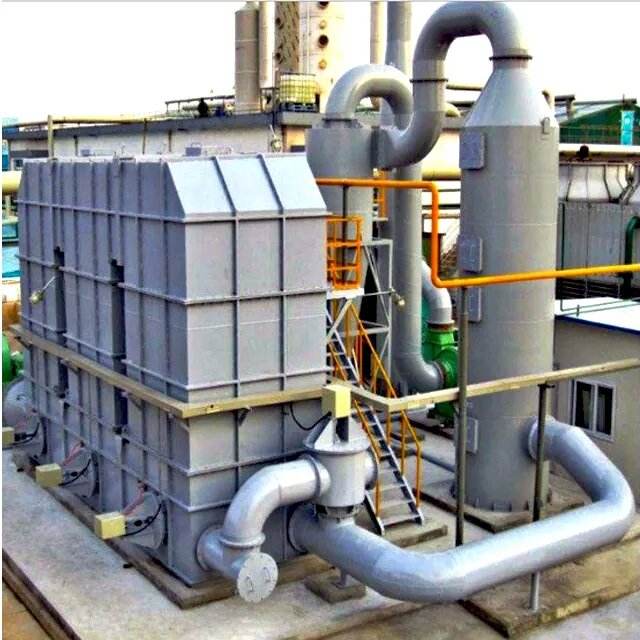
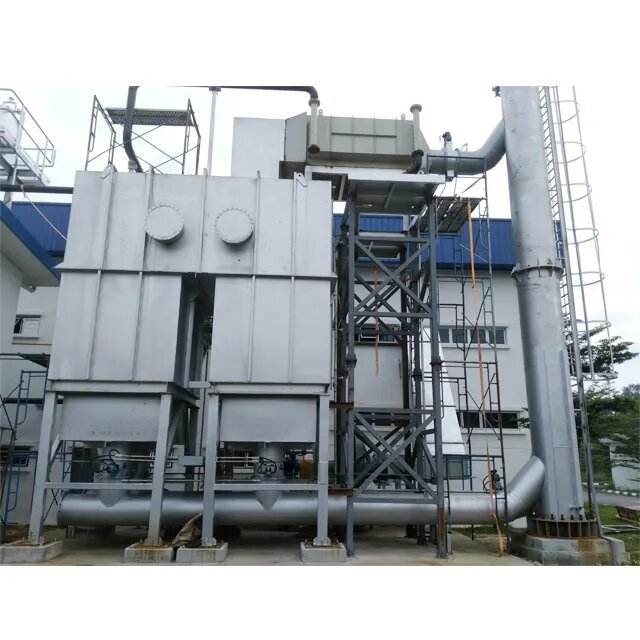
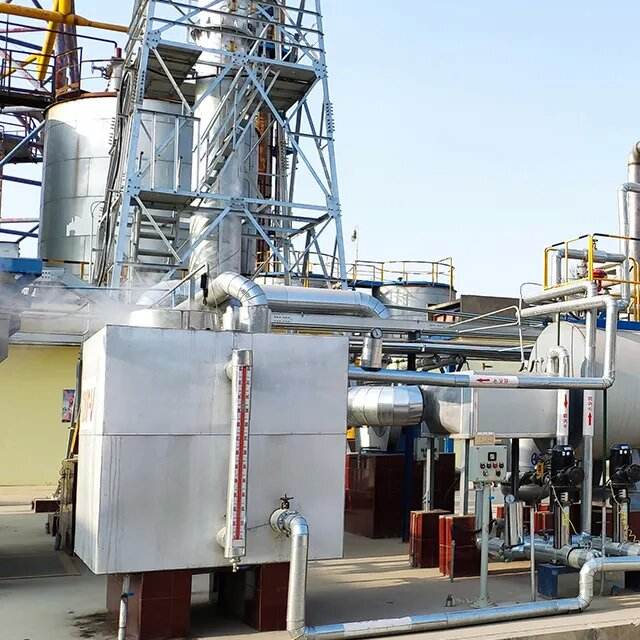
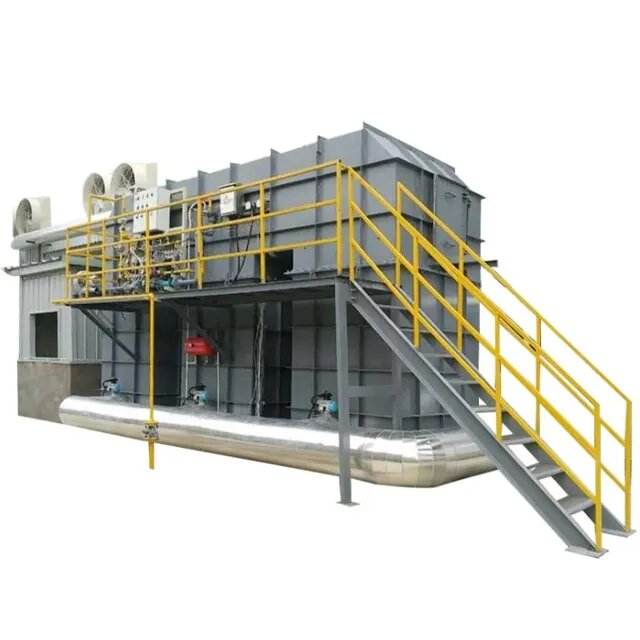
Environmental Protection Energy Saving Gas Disposal Machinery Equipment Regenerative Thermal Oxidizer
Asset finance available
Do you want funding for this equipment?
Afrimart can connect you with trusted funding partners who specialise in asset finance for businesses like yours. Compare options and apply in minutes — final approval is subject to provider review.
Check funding options
Secure & no obligation

- Section : Machinery
- Category : Gas Disposal Machinery
- SKU : 1600832611755

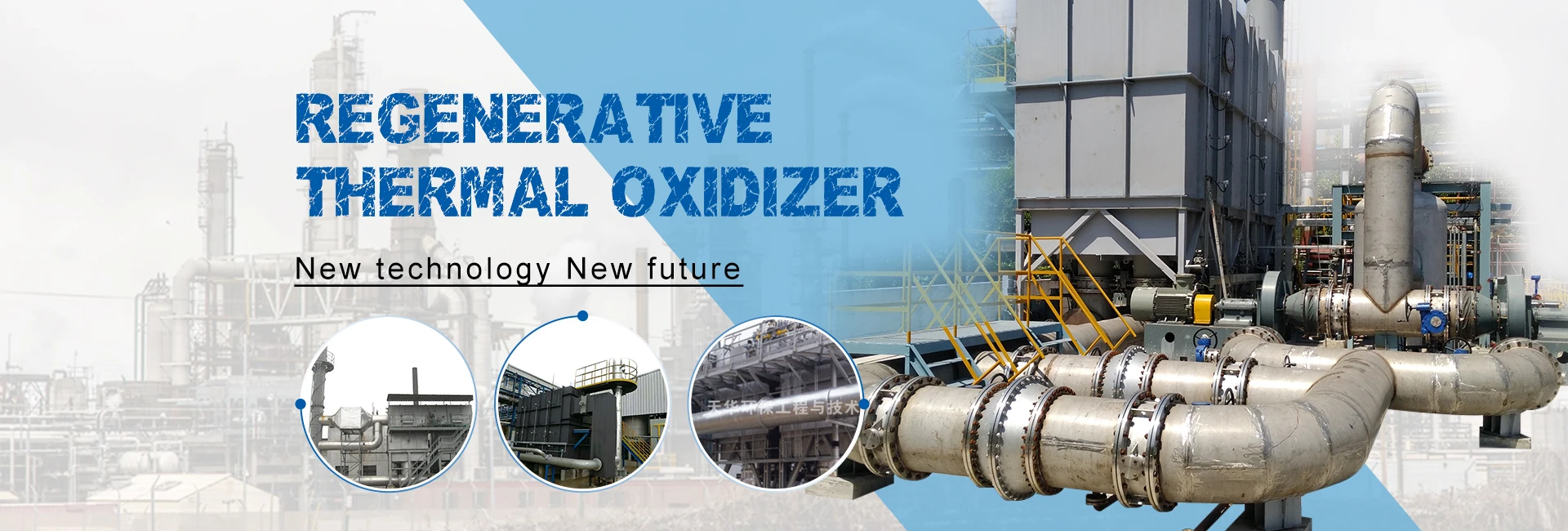
Regenerative Thermal Oxidizer (RTO)
The Regenerative Thermal Oxidizer (RTO) is an advanced waste gas treatment system designed to efficiently handle organic compounds (VOCs) in exhaust gases. It works by oxidizing VOCs at high temperatures into carbon dioxide (CO₂) and water (H₂O), ensuring the purification of exhaust gases while recovering the heat released during the decomposition process. With an impressive thermal efficiency of 95% or higher, the RTO significantly reduces energy costs and the overall expense of waste gas treatment, making it an ideal solution for industries handling large volumes of low-concentration gases.
This energy-saving, environmentally friendly equipment has been successfully adopted across various sectors, including maleic anhydride, coating, petrochemical, electronics, and more, due to its high purification rate, low maintenance costs, and reliable operation.
Key Features
High Thermal Efficiency (≥95%): Achieves remarkable energy savings by utilizing the heat released during the oxidation process, allowing for self-heating operation under suitable exhaust gas concentrations (e.g., toluene at 1.5g/Nm³).
High Purification Rate:
Two beds type RTO: Purification rate above 98%.
Three beds type RTO: Purification rate above 99%.
Full Automatic Control: Ensures easy operation, reliable performance, and minimal manual intervention.
Safety Features: Equipped with multilevel security protections for safe operation.
Catalytic Oxidation Option: Can integrate with a Regenerative Catalytic Oxidation Furnace (RCO) for enhanced efficiency.
No Secondary Pollution: Operates without creating additional pollutants.
Long Service Life: Durable design with low operating costs and simple maintenance.
Specifications
| Feature | Specification |
|---|---|
| Product Name | Regenerative Thermal Oxidizer |
| Usage | Waste Gas Treatment Equipment |
| Air Volume | 5000 ~ 100,000 Nm³/h |
| Application Field | Coating, Pharmaceutical, Printing, Semiconductor, Petrochemical |
| Concentration | 1000 mg/Nm³ < concentration < 25% LEL |
| Gas Component | Complex (no recycling value, difficult to use again) |
| Work Principle | Converts VOCs to CO₂ and H₂O |
| Thermal Efficiency | ≥95% |
Applications
Industries: Ideal for industries such as painting, coating, pharmaceuticals, printing, semiconductors, and petrochemical industries where volatile organic compounds (VOCs) are present.
Gas Composition: Suitable for exhaust gases with complex components, low to medium concentrations of VOCs that are difficult to recycle or reuse.
Treatment Capacity: Effective for handling air volumes ranging from 5000 Nm³/h to 100,000 Nm³/h.
The Regenerative Thermal Oxidizer (RTO) is an energy-efficient, reliable solution for industries dealing with organic waste gases. It offers excellent purification rates, high thermal efficiency, and low maintenance, making it an essential component for meeting environmental regulations and reducing operating costs in VOCs-intensive industries.


- Shipping Timeframes: All orders are processed within 2-5 business days (excluding weekends and holidays). After your order has been processed, the estimated delivery time is before 03 Aug, 2026, depending on customs, Please note that due to high demand, some items may experience longer shipping times, which will be communicated at order confirmation email.
- Order Processing Time: Please allow 2-5 business days for us to process your order before it is shipped . Orders placed after 16:00 on Fridays, or during weekends and public holidays, will begin processing on the next business day. Processing times may be extended during peak seasons or sales events.
- Manufacturing Time: Some products needs manufacturing time, the manufacturing process will take approximately 10-30 business days depending on the product. This timeframe may vary depending on the complexity of the product and current demand. but this will be communicated with you during order confirmation.
- Returns and Exchanges: We offer a 30-day return policy for most items. If you are not completely satisfied with your purchase, you may return it within 30 days of receipt for a refund or exchange. Items must be unused, in their original packaging, and accompanied by proof of purchase. Return shipping costs are the responsibility of the customer, unless the item was damaged or defective upon arrival.
1. What is a Regenerative Thermal Oxidizer (RTO)?
A Regenerative Thermal Oxidizer (RTO) is an advanced waste gas treatment system that oxidizes volatile organic compounds (VOCs) in exhaust gases at high temperatures, converting them into carbon dioxide (CO₂) and water (H₂O).
2. How does the RTO improve energy efficiency?
The RTO achieves high thermal efficiency of 95% or higher by recovering and utilizing the heat released during the oxidation process, allowing for self-heating operation under suitable exhaust gas concentrations.
3. What industries can benefit from using an RTO?
Industries such as painting, coating, pharmaceuticals, printing, semiconductors, and petrochemicals can benefit from using an RTO due to their need to manage large volumes of VOCs.
4. What is the purification rate of the RTO?
The RTO can achieve a purification rate of over 98% for two beds type and over 99% for three beds type systems.
5. Is the RTO easy to operate?
Yes, the RTO features full automatic control, ensuring easy operation, reliable performance, and minimal manual intervention.
6. What safety features are included in the RTO?
The RTO is equipped with multilevel security protections to ensure safe operation.
7. Can the RTO handle complex gas compositions?
Yes, the RTO is designed to treat exhaust gases with complex components and low to medium concentrations of VOCs that are challenging to recycle or reuse.
8. What is the treatment capacity of the RTO?
The RTO is effective for handling air volumes ranging from 5,000 Nm³/h to 100,000 Nm³/h.
9. Does the RTO create secondary pollution?
No, the RTO operates without creating additional pollutants, making it an environmentally friendly solution.
10. What are the maintenance requirements for the RTO?
The RTO is designed for low operating costs and simple maintenance, contributing to its long service life.
11. How does the RTO help in meeting environmental regulations?
The RTO provides high purification rates and energy efficiency, which helps industries comply with environmental regulations related to VOC emissions.
12. What are VOCs and why are they important in waste gas treatment?
Volatile Organic Compounds (VOCs) are organic chemicals that can evaporate into the air and contribute to air pollution. Managing VOC emissions is crucial for environmental protection and compliance with regulations.
13. Can the RTO be integrated with other systems?
Yes, the RTO can be integrated with a Regenerative Catalytic Oxidation Furnace (RCO) for enhanced efficiency.
14. What is the energy-saving capability of the RTO?
The RTO's capability to recover heat during the oxidation process leads to significant energy savings and lower overall costs in waste gas treatment.
15. Are there any specific gas concentration requirements for the RTO?
The RTO can handle gas concentrations ranging from 1,000 mg/Nm³ to below 25% Lower Explosive Limit (LEL).
Latest Order Arrivals
Discover our latest orders
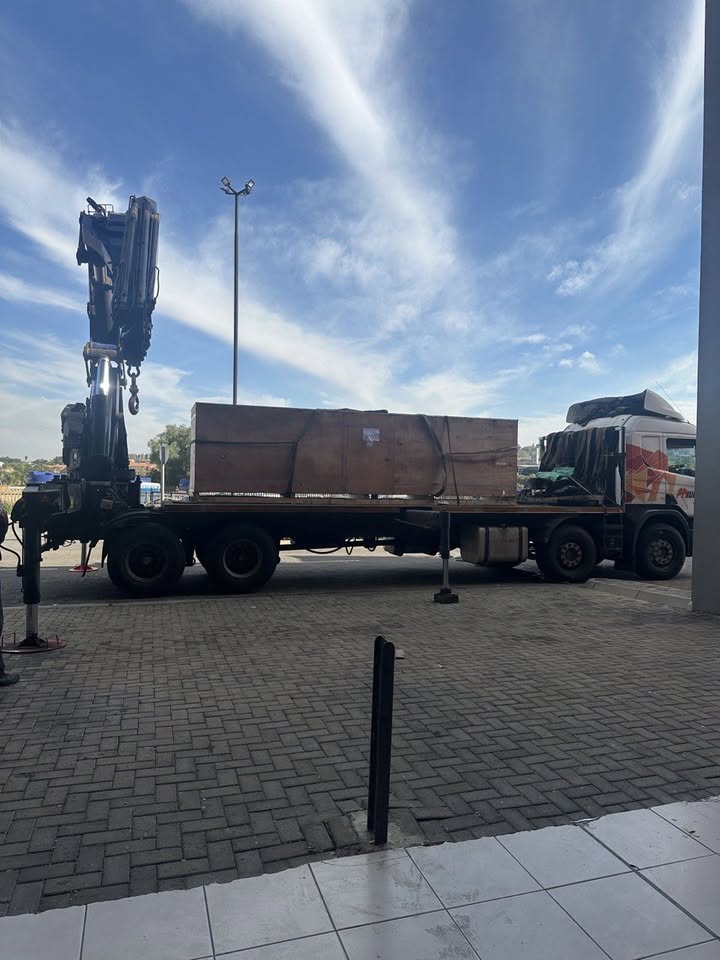
12 Heads Embroidery Machine
Toilet Paper Machine Machine
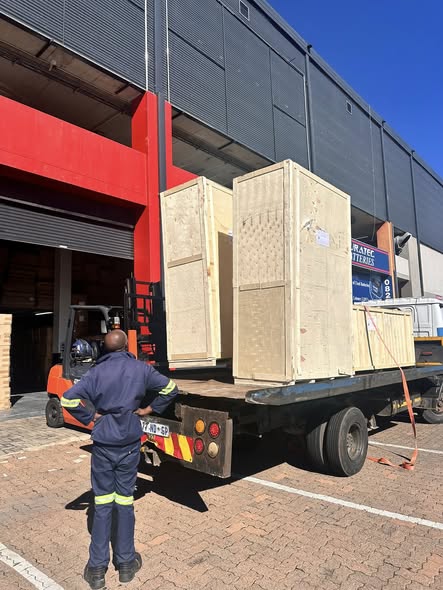
Order Collection
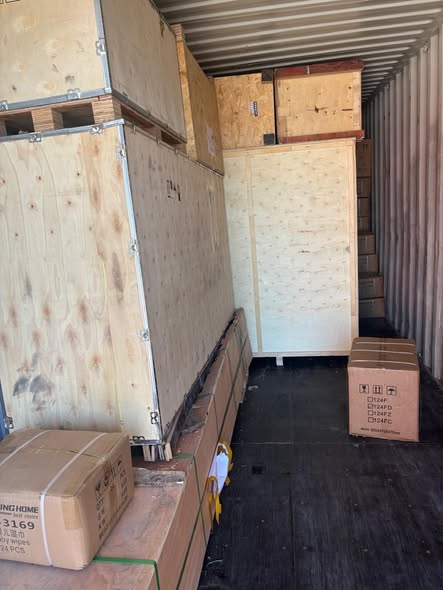
Cross Border Clients
Order cros border countries Collected
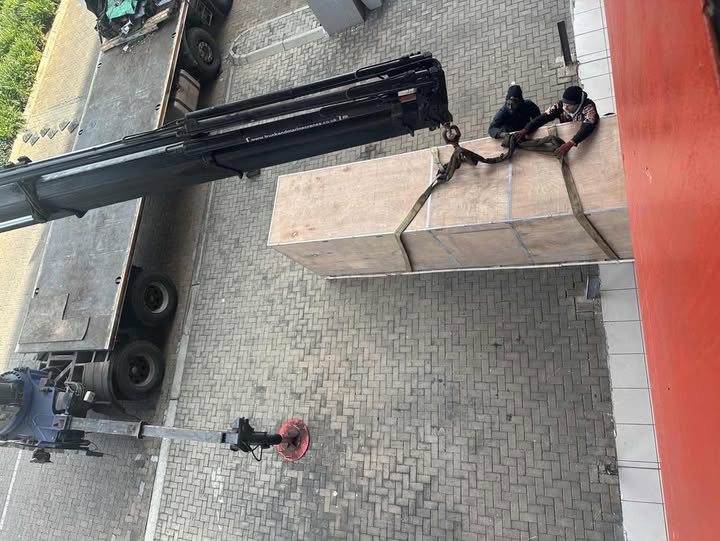
Industrial Machine Cllection
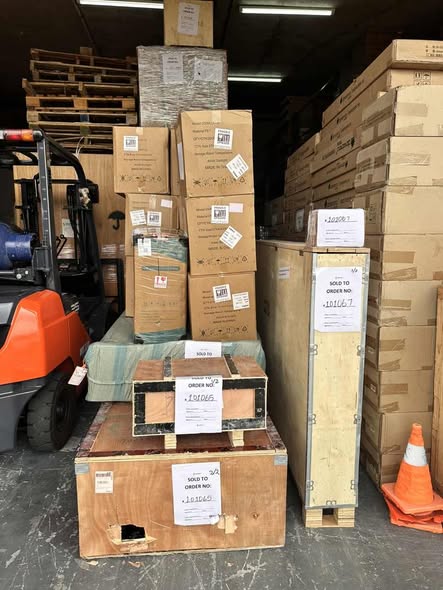
Agriculture Processing Machines
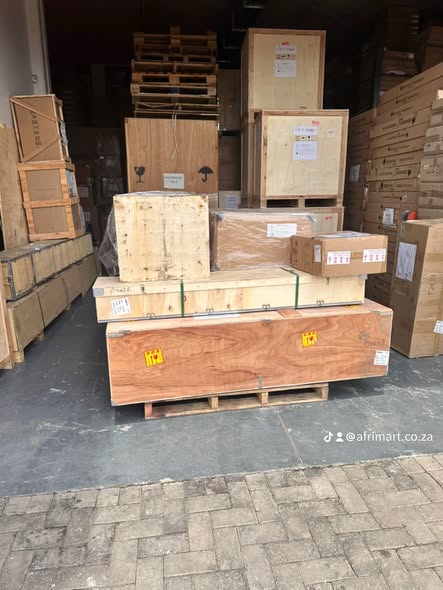
Ready for collection
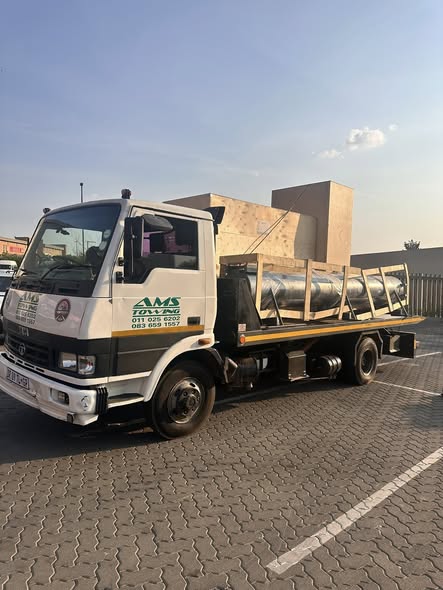
Water Pump Equipment
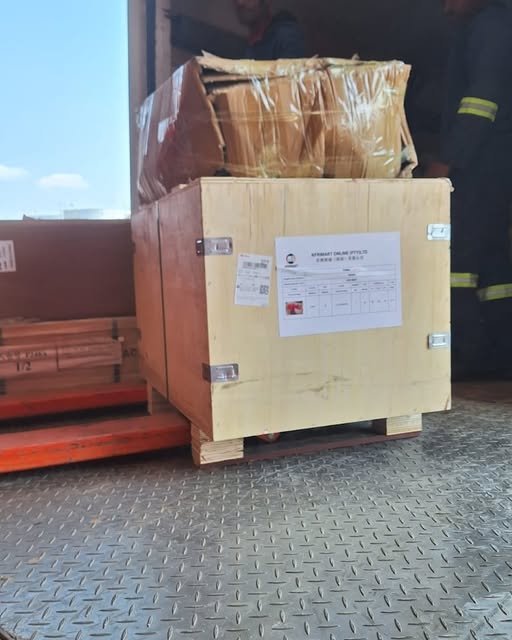
Packaging Machine and accessories
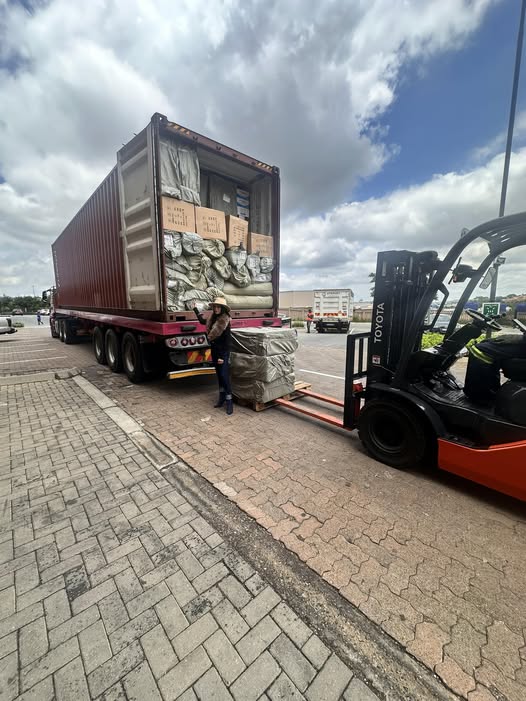
Fabrics Manufacturing Equipment
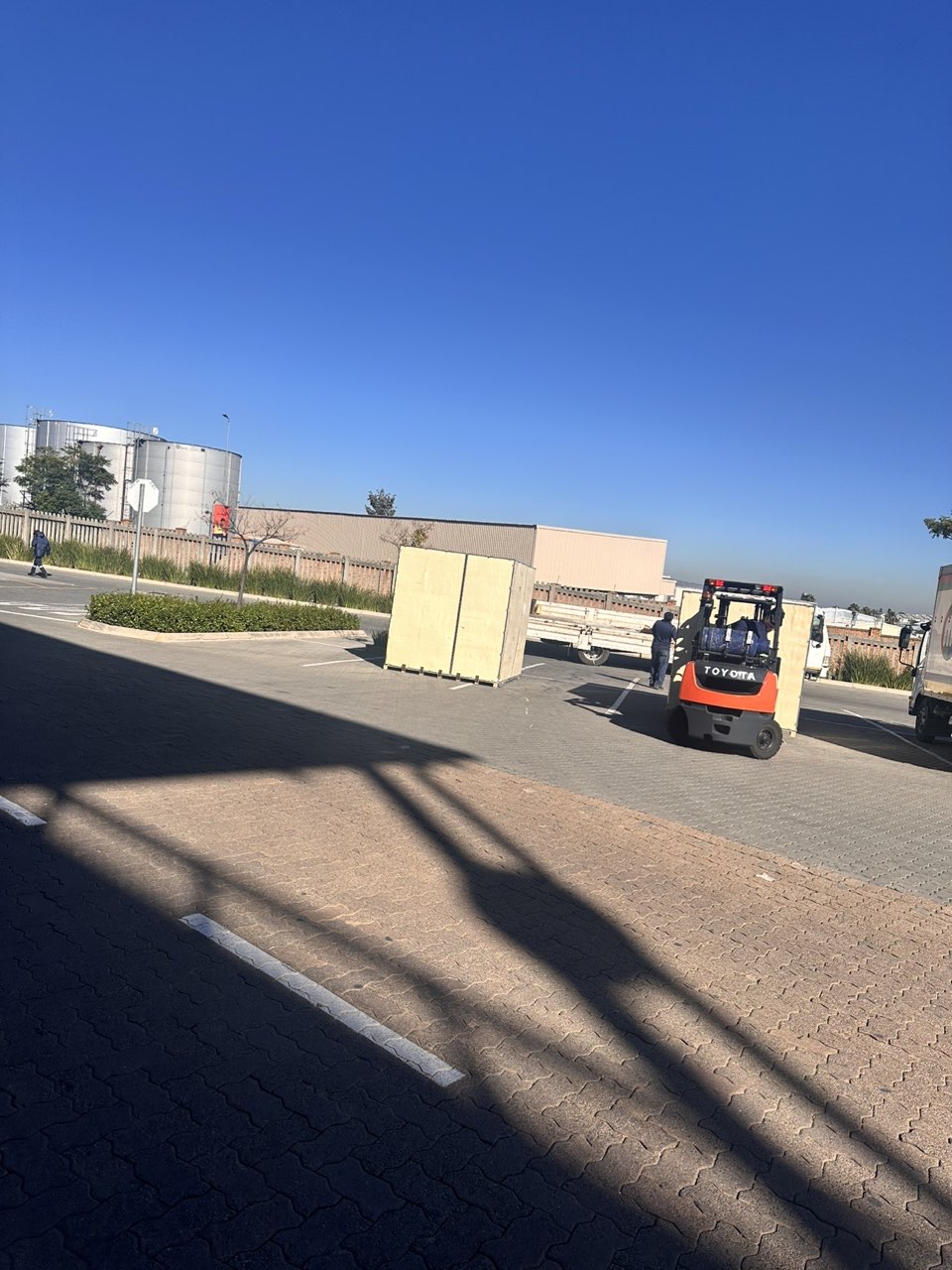
Mining Equipments
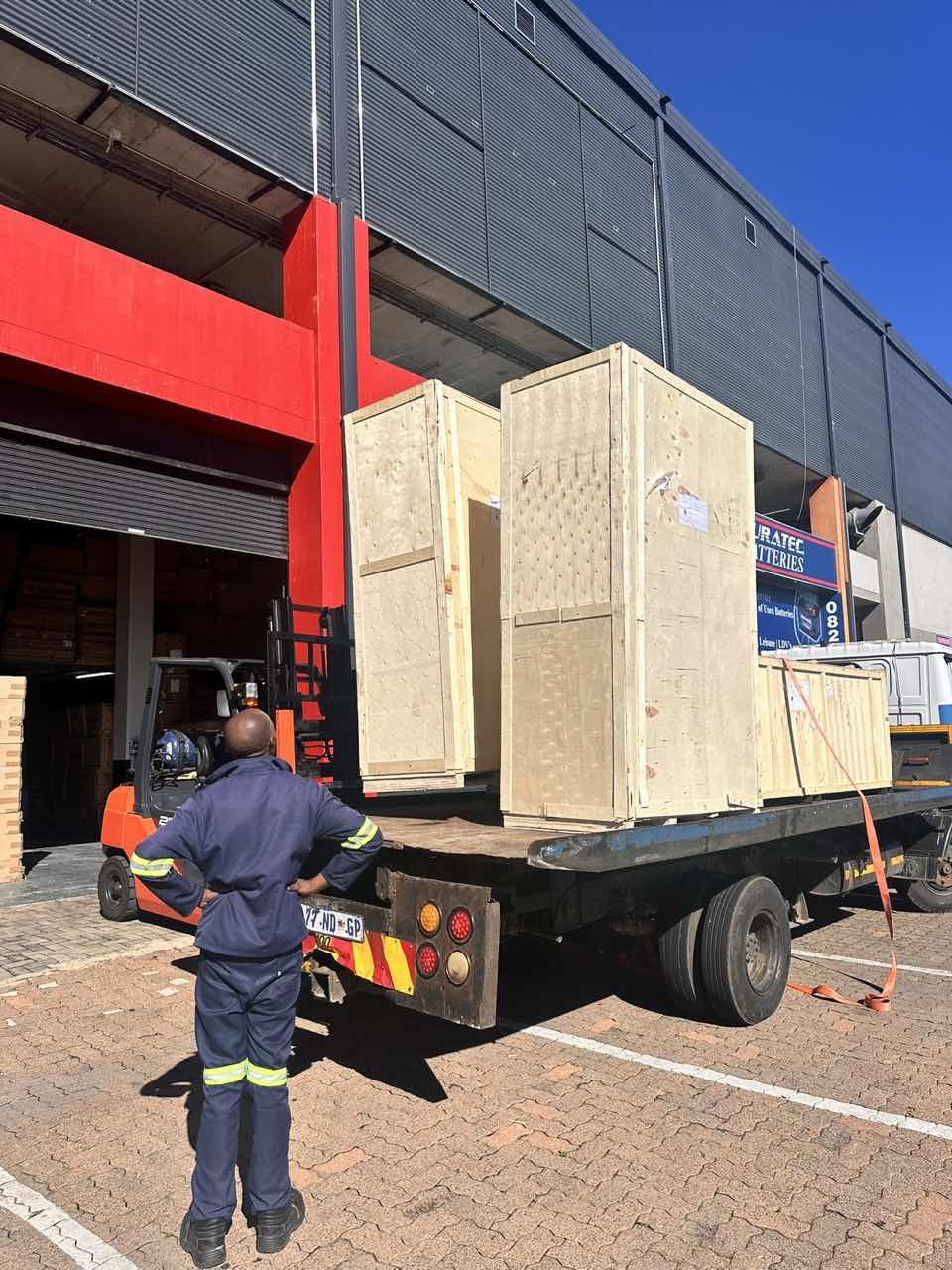
Food Processing Machine
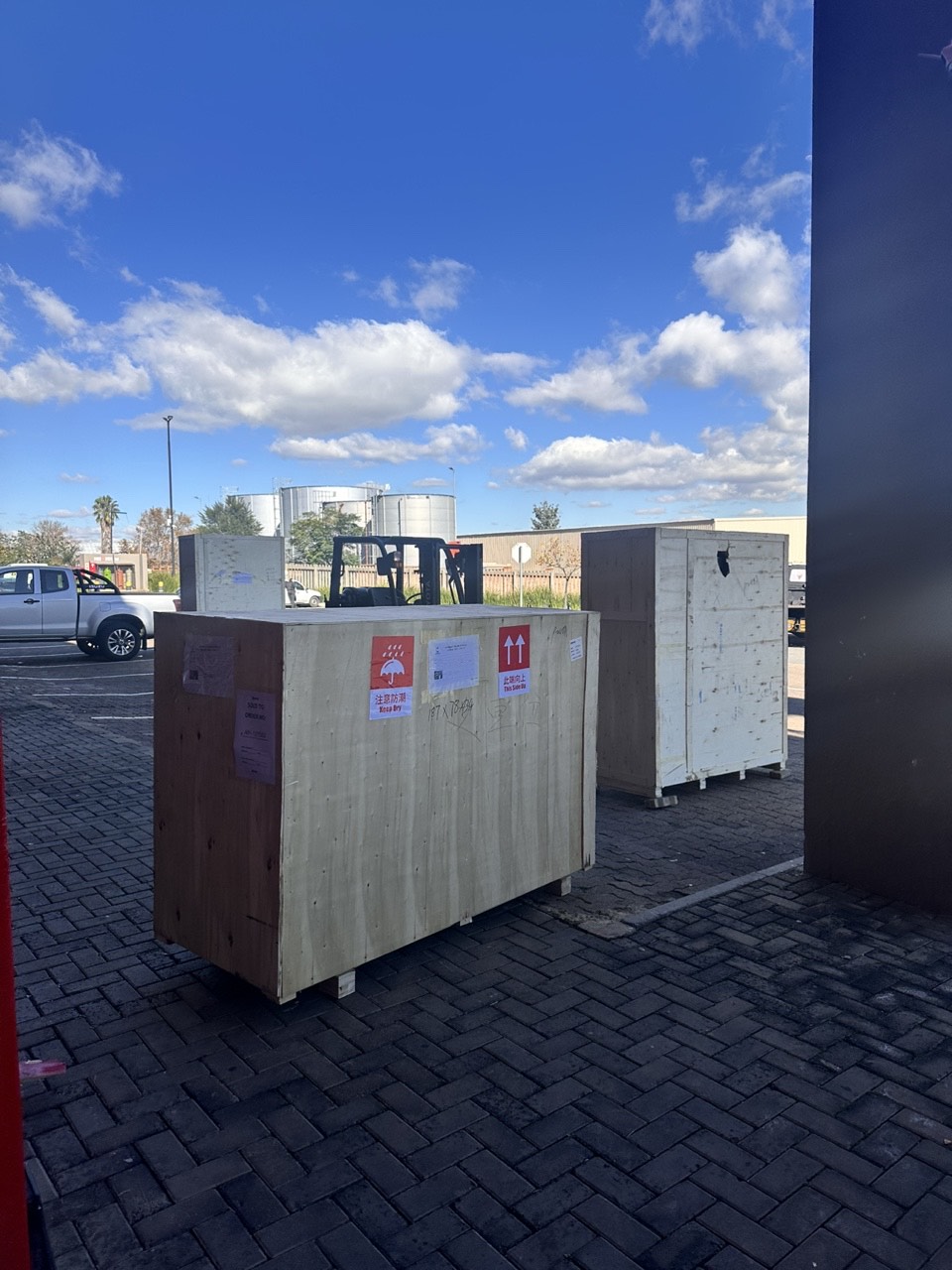
Batch of Orders
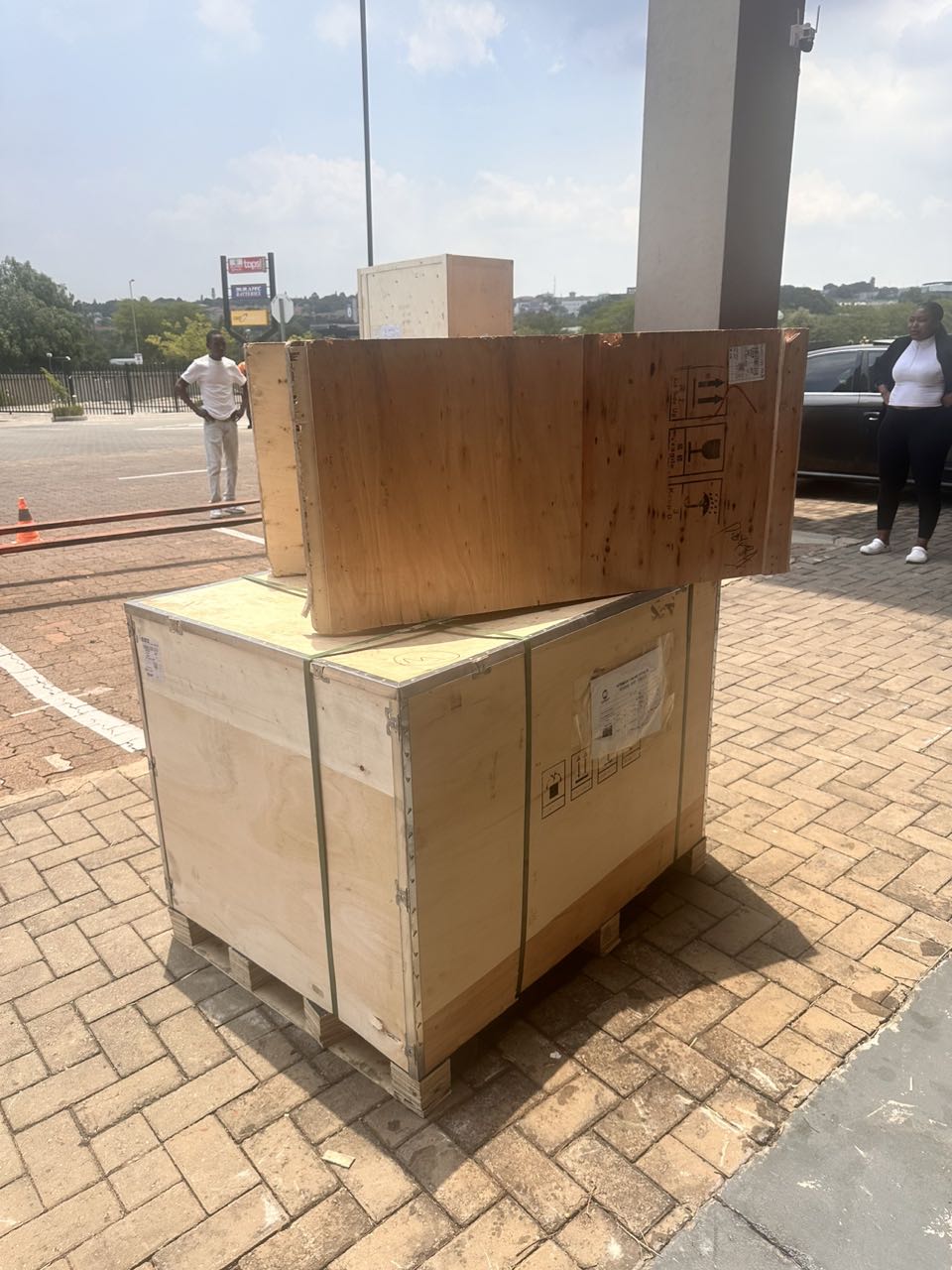
Batch of Orders
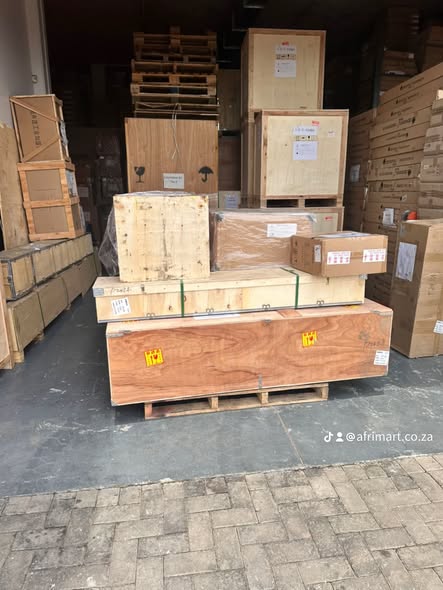
Latest Orders Labelled
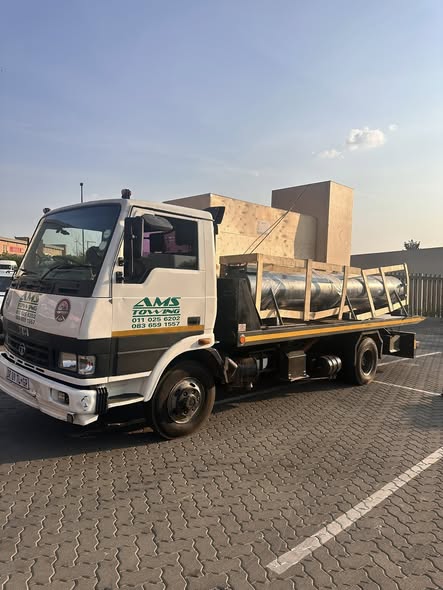
wheel alignment machines
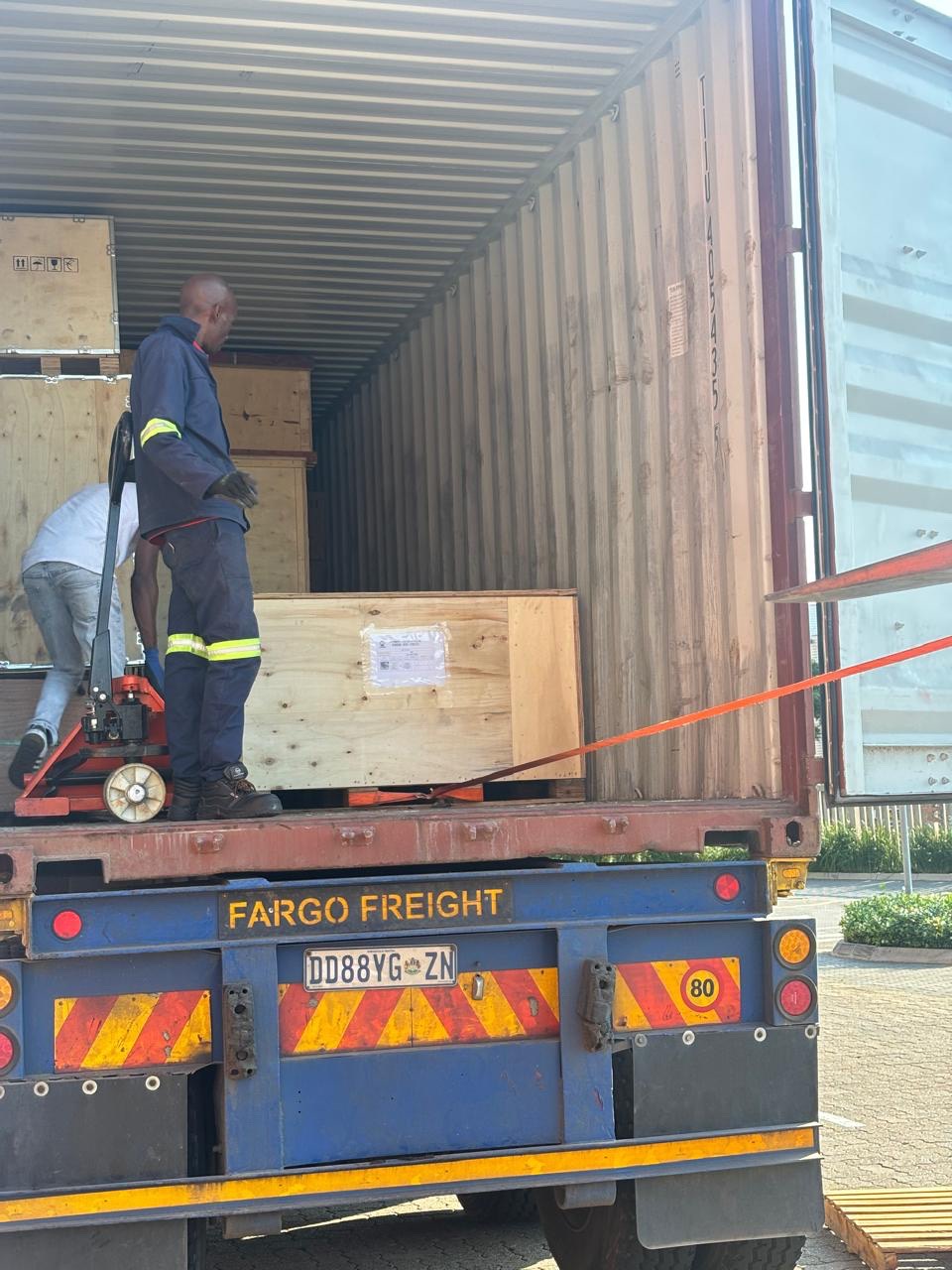
new arrivals
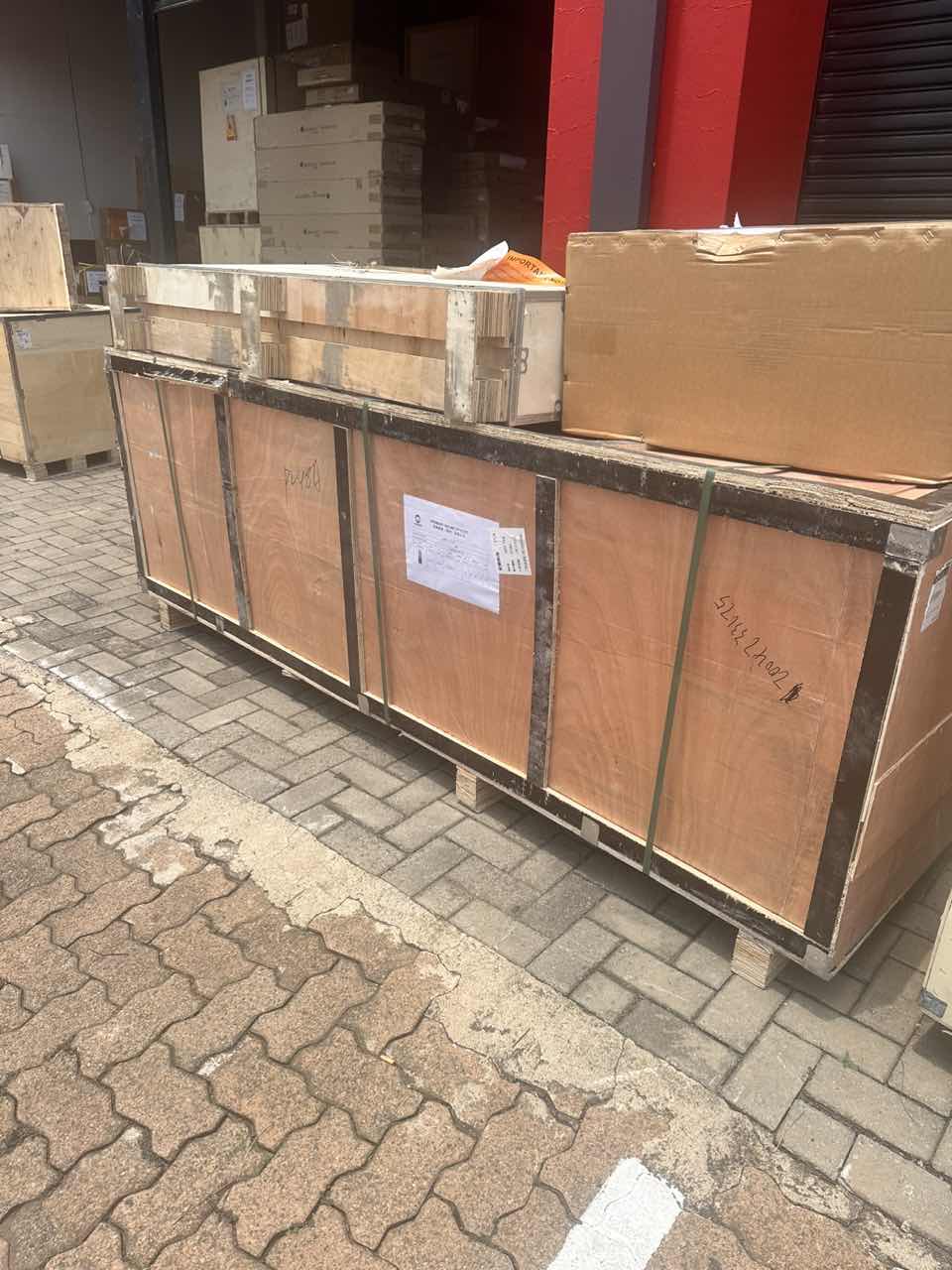
Pre Orders Offloading
Latest Arrivals
Latest Arrivals
Latest Arrivals
Loading
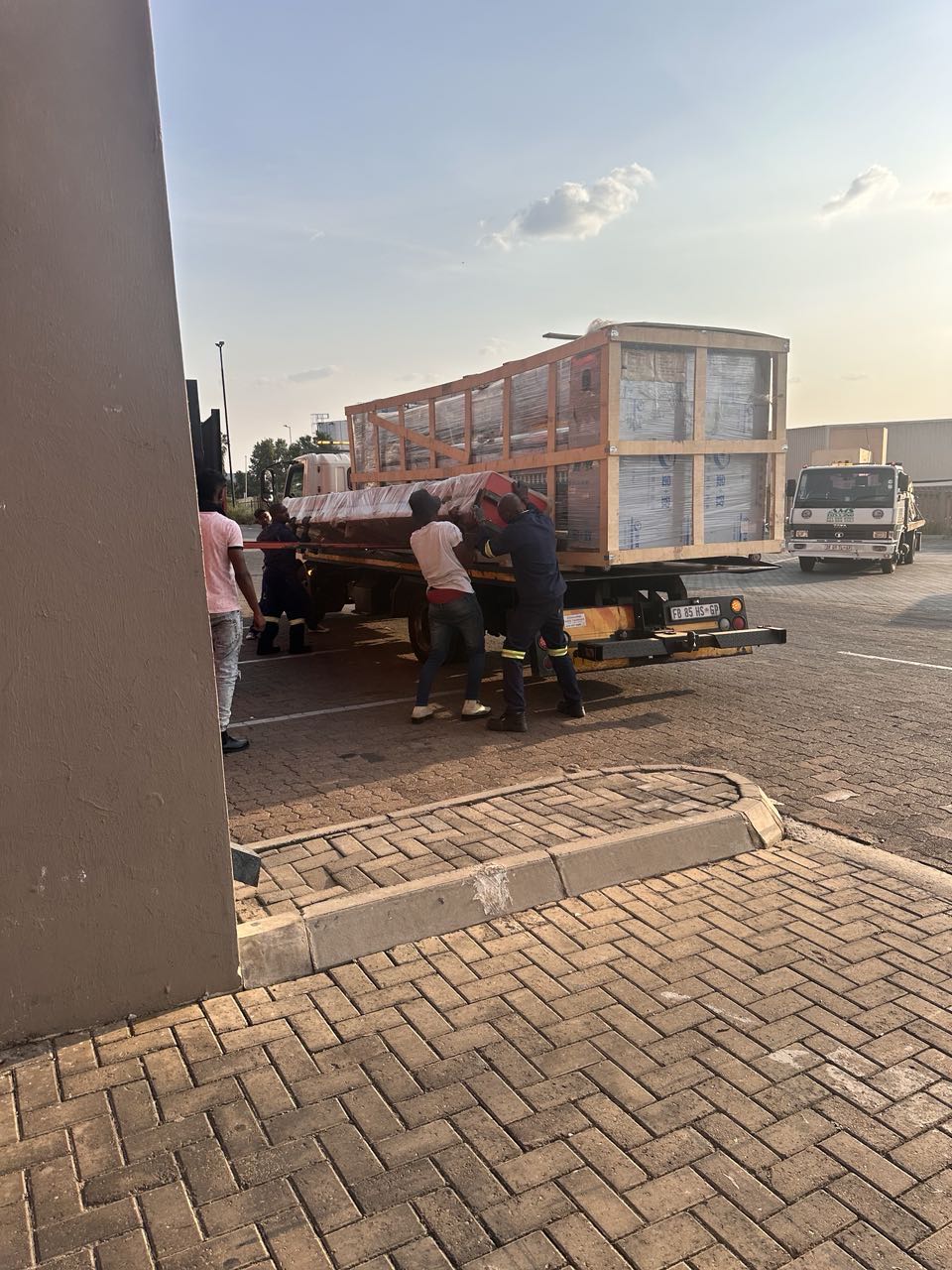
Toilet paper making machine
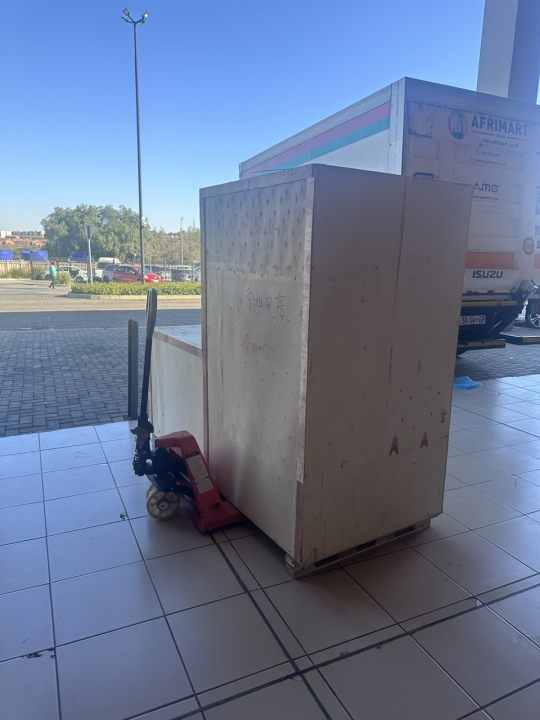
Toilet paper making machine
Toilet paper Rewinding Machine
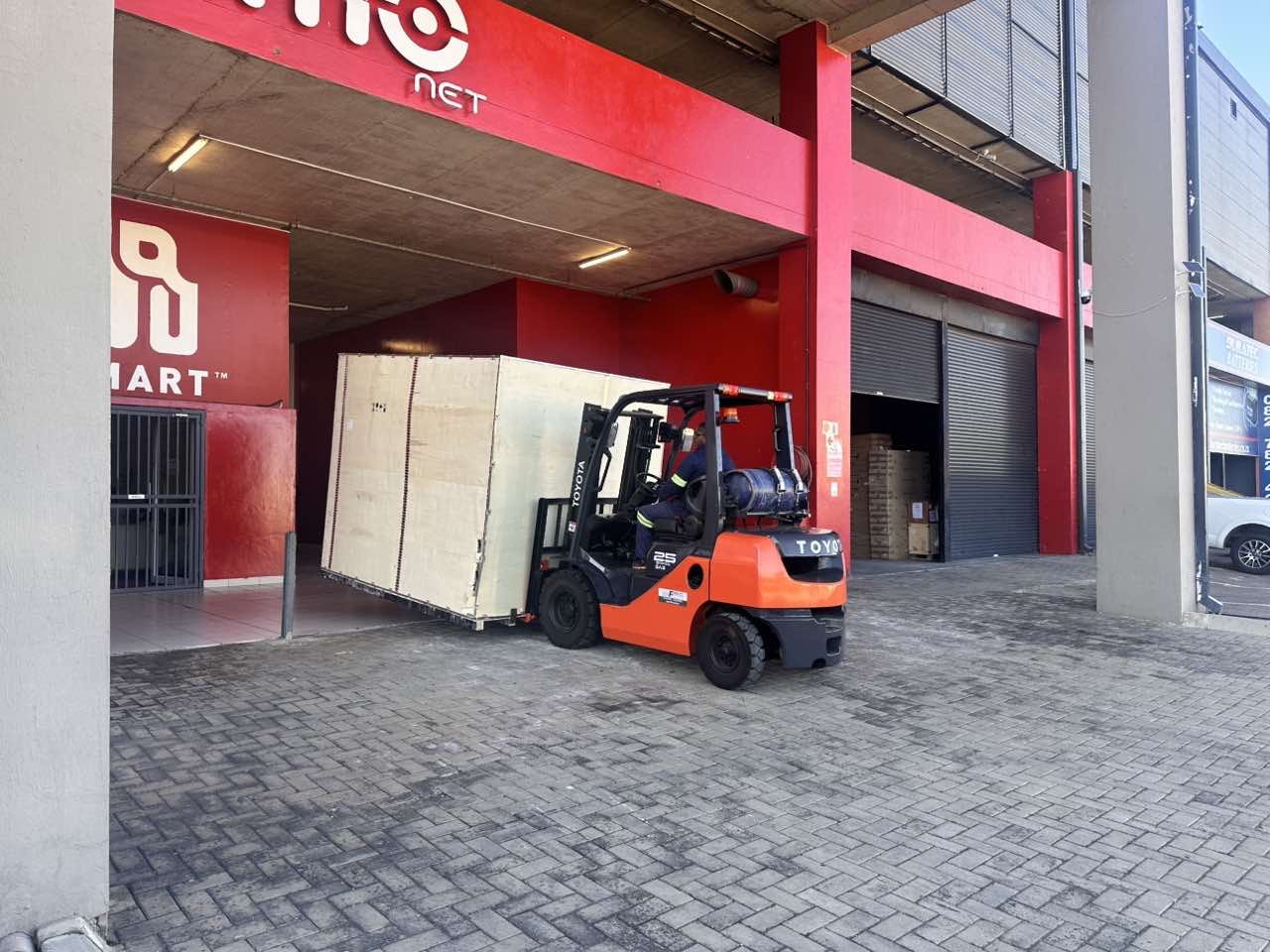
latest arrivals
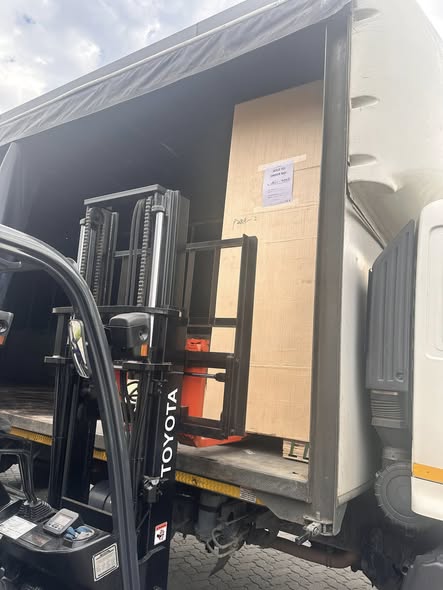
offloading
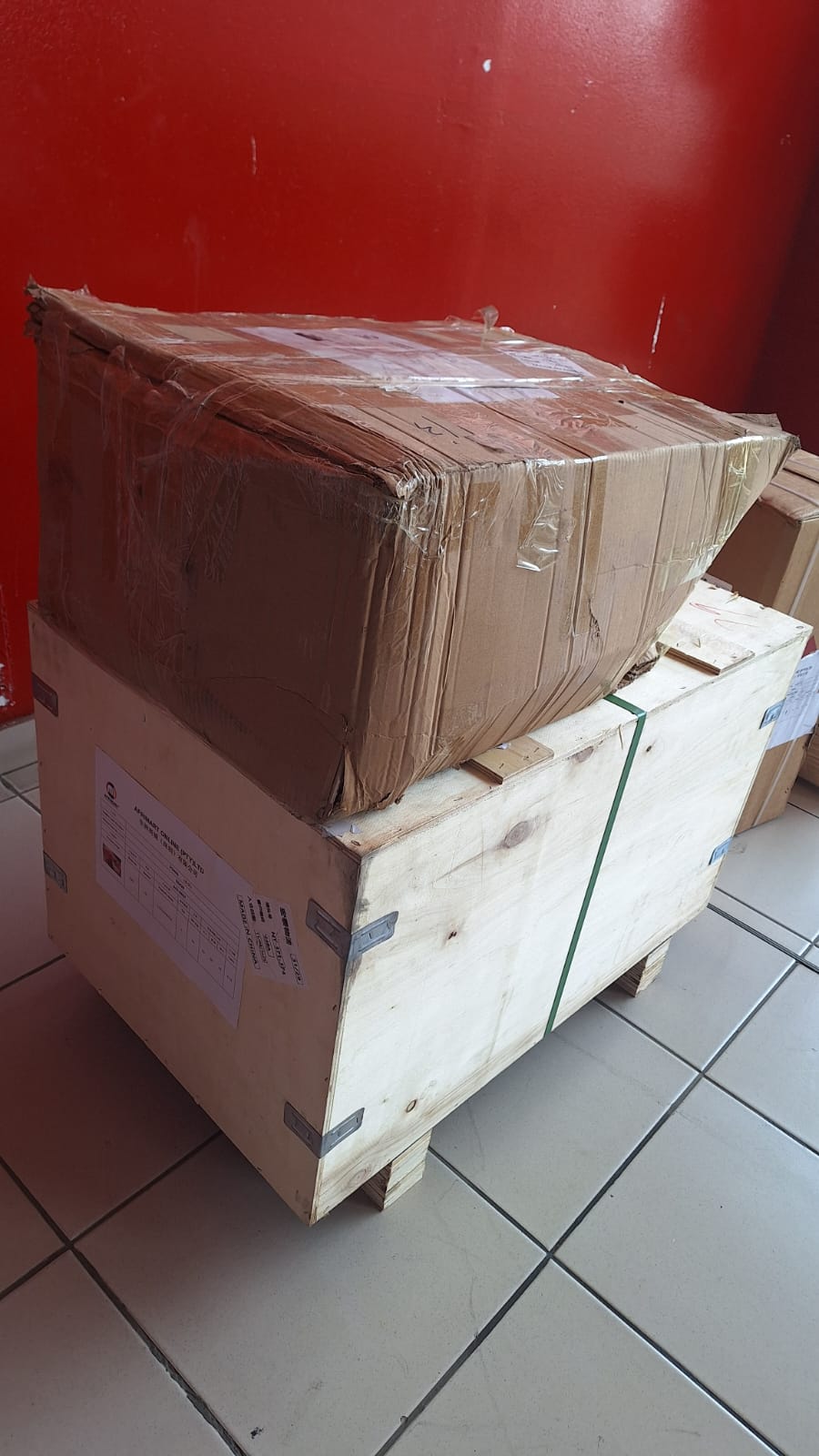
order success
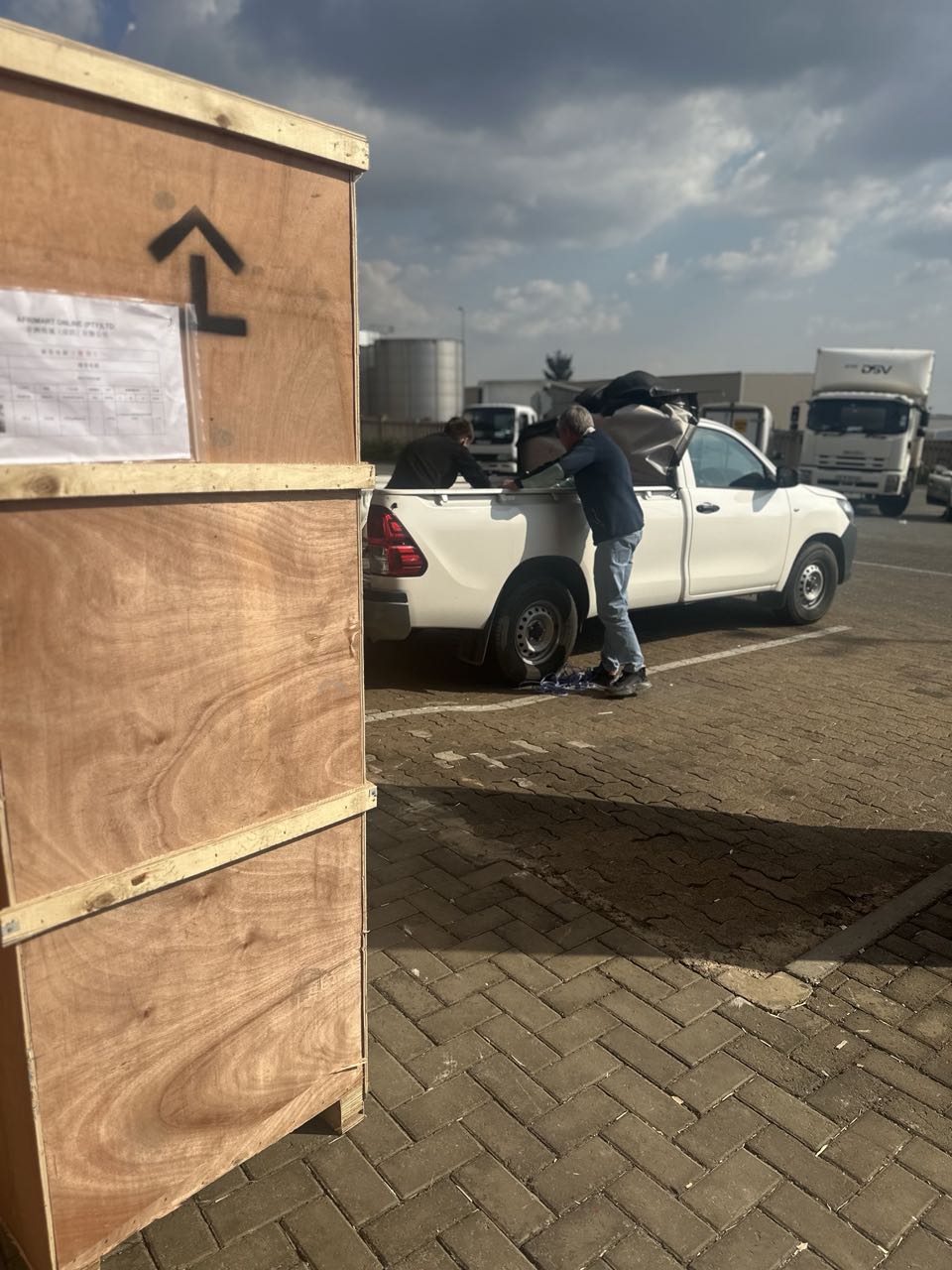
order collection
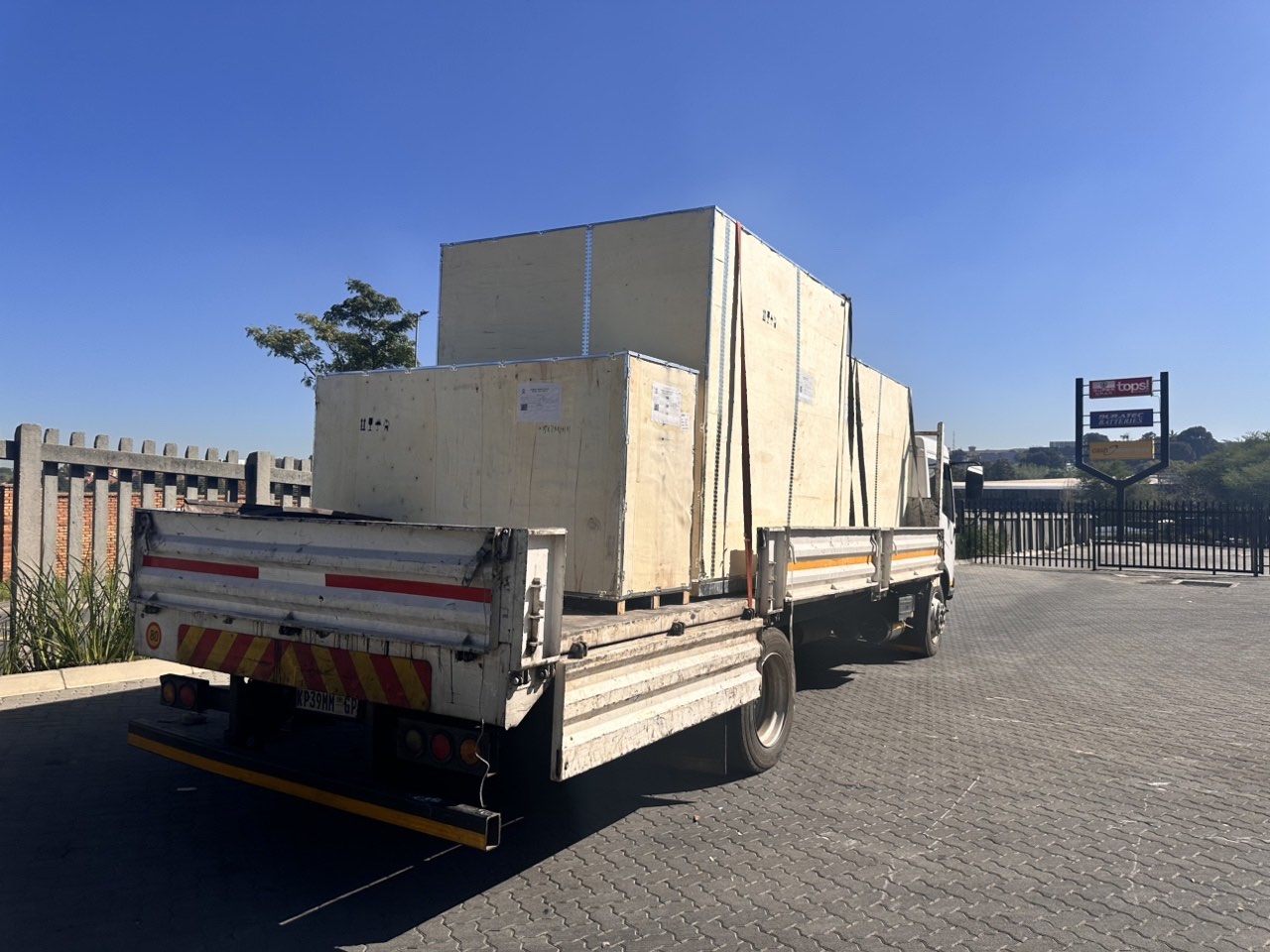
order offloading