B21, China Town Mall, Midrand

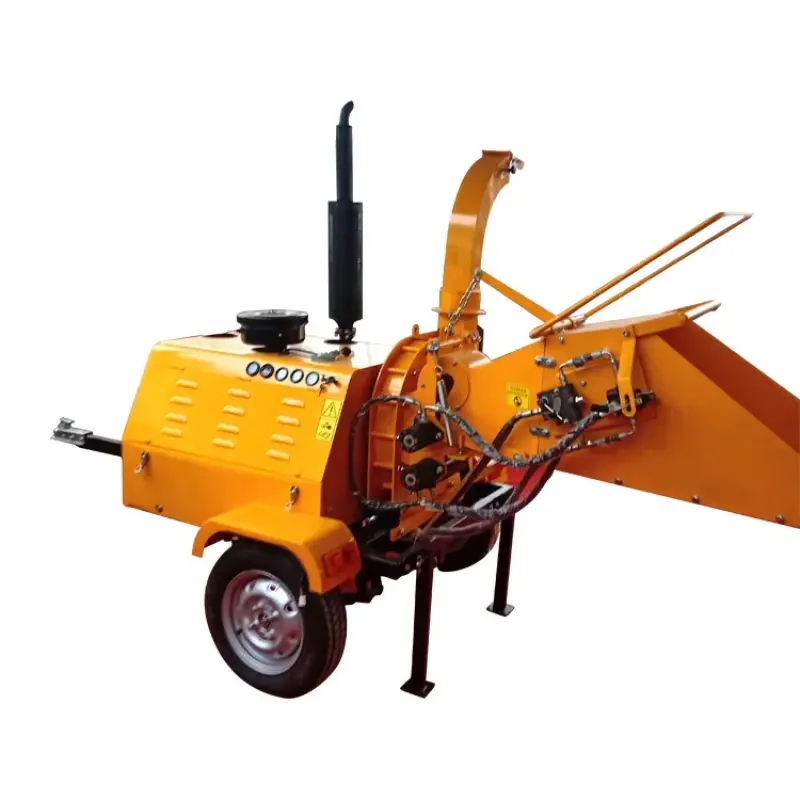
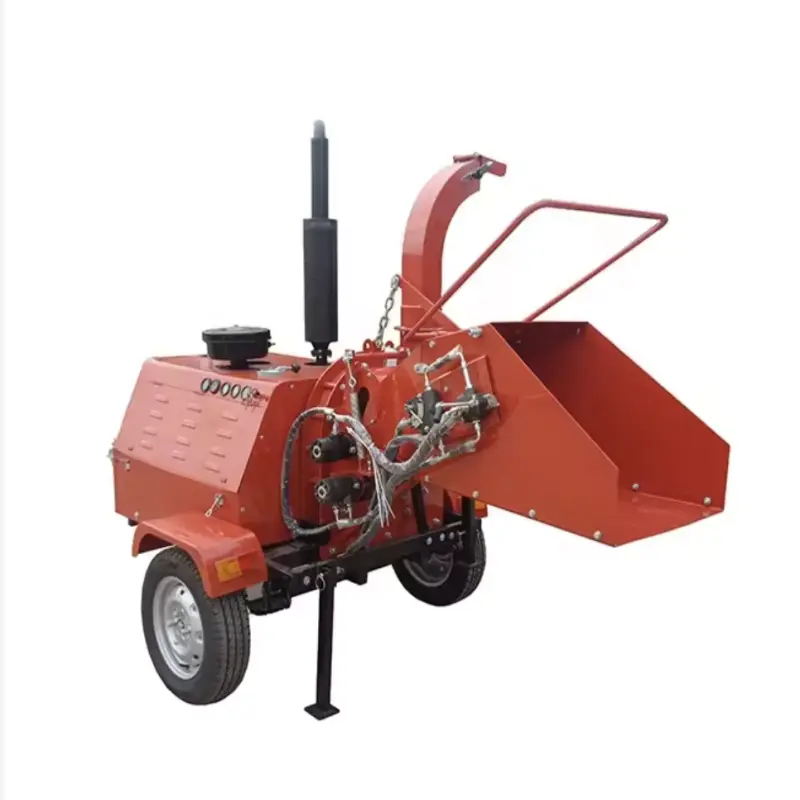
Easy Transport 18hp 22hp 40hp 50hp Diesel Wood Chipper
Asset finance available
Do you want funding for this equipment?
Afrimart can connect you with trusted funding partners who specialise in asset finance for businesses like yours. Compare options and apply in minutes — final approval is subject to provider review.
Check funding options
Secure & no obligation

- Section : Machinery
- Category : Forestry Machinery
- SKU : 62455879415

- Shipping Timeframes: All orders are processed within 2-5 business days (excluding weekends and holidays). After your order has been processed, the estimated delivery time is before 22 Aug, 2026, depending on customs, Please note that due to high demand, some items may experience longer shipping times, which will be communicated at order confirmation email.
- Order Processing Time: Please allow 2-5 business days for us to process your order before it is shipped . Orders placed after 16:00 on Fridays, or during weekends and public holidays, will begin processing on the next business day. Processing times may be extended during peak seasons or sales events.
- Manufacturing Time: Some products needs manufacturing time, the manufacturing process will take approximately 10-30 business days depending on the product. This timeframe may vary depending on the complexity of the product and current demand. but this will be communicated with you during order confirmation.
- Returns and Exchanges: We offer a 30-day return policy for most items. If you are not completely satisfied with your purchase, you may return it within 30 days of receipt for a refund or exchange. Items must be unused, in their original packaging, and accompanied by proof of purchase. Return shipping costs are the responsibility of the customer, unless the item was damaged or defective upon arrival.
1. What engine options are available for the Easy Transport Diesel Wood Chipper?
The chipper is offered with diesel engine options: 18 hp, 22 hp, 40 hp, or 50 hp. Specific engine models (e.g., Changchai variants) depend on the selected model—confirm with your supplier for the exact engine fitted.
2. What is the maximum chipping diameter and processing capacity?
Maximum chipping diameter is approximately 20 cm (8 inches). Working efficiency depends on the model and material, typically in the 8–12 cubic meters per hour range (model-specific figures are 8–11, 9–12, and 10–12 cbm/h in the product table).
3. What are the main differences between DH18/22, DH40 and DH50 models?
Differences include engine displacement and rated power, overall footprint (some models have longer dimensions to hopper discharge), total weight (roughly 550–800 kg depending on model), and the specific rated throughput. All models share a full-hydraulic feeding system and similar rotor/knife arrangements, but consult the spec table or your supplier for exact comparisons.
4. How does the hydraulic feeding system work and what are its benefits?
The machine uses a full-hydraulic feeding system with forward, stop and adjustable reverse. This ensures consistent feed rate, improves throughput, reduces jams, and allows controlled feeding of larger or irregular wood pieces.
5. What are the chipper's dimensions and weight?
Dimensions vary by model. Typical dimensions to hopper discharge are about 1400L x 1450W x 1400H mm (some models 1700L x 1450W x 1400H mm). The product description also references compact dimensions (approx. 54" x 52" x 88"). Total weight ranges from roughly 550 kg to 800 kg depending on model. Confirm exact dimensions/weight for the specific model before transport.
6. How is the machine started?
All listed models use electric start for the diesel engine.
7. What blade/rotor configuration does the chipper use and how many knives are fitted?
The chipper uses a rotor plate approximately 60 cm in diameter and rotor weight ~85 kg. The standard cutting arrangement is one stationary knife and two rotor knives. Knife replacement and sharpening should follow manufacturer instructions.
8. What types of wood and materials can the chipper handle?
It is designed for branches, limbs and small trunks up to the maximum diameter (about 20 cm / 8 in). Hard and soft woods can be processed, but extremely dirty, frozen, or rock-contaminated material will damage knives and should be avoided.
9. What routine maintenance is required?
Daily checks: inspect knives and rotor, clear hopper and discharge, check hydraulic fluid and engine oil levels, and inspect belts/hoses. Periodic maintenance: sharpen or replace knives as needed, change engine oil and filters per engine manual, service hydraulic system and pump at recommended intervals. Always follow the engine and machine service manuals for specific schedules.
10. What safety features and precautions should operators follow?
The hydraulic feed has forward/stop/reverse control to reduce jams. Operators should wear PPE (hearing protection, eye protection, gloves), keep bystanders away from the feed hopper and discharge, follow lockout/tagout and engine-shutdown procedures before maintenance, and receive proper training. Consult the operator manual for full safety guidelines.
11. What is the fuel consumption?
Fuel consumption depends on engine size, load and operating conditions. The product listing does not provide a fixed consumption rate—contact the supplier for estimated consumption figures for the specific engine/model or refer to the engine manufacturer's documentation.
12. Can the machine color or other features be customized?
Yes, color customization is available. Additional customizations or optional accessories may be possible—discuss your requirements with the supplier or manufacturer.
13. How is the machine transported and installed?
Due to its weight (550–800 kg) and size, transport typically requires a suitable trailer or flatbed and appropriate lifting equipment (forklift or crane) for loading and unloading. Confirm exact lifting points and weights in the machine documentation and follow safe lifting procedures.
14. Are spare parts and after-sales service available?
The machine is built with reliable core components (engine, pump, motor). Spare parts and after-sales support availability vary by dealer—contact your supplier for spare parts lists, lead times, and service options.
15. Is there a warranty and where can I get technical support?
Warranty terms and technical support depend on the seller or regional distributor. Ask your supplier for warranty details, service agreements, and the recommended local service centers before purchase.
Latest Order Arrivals
Discover our latest orders
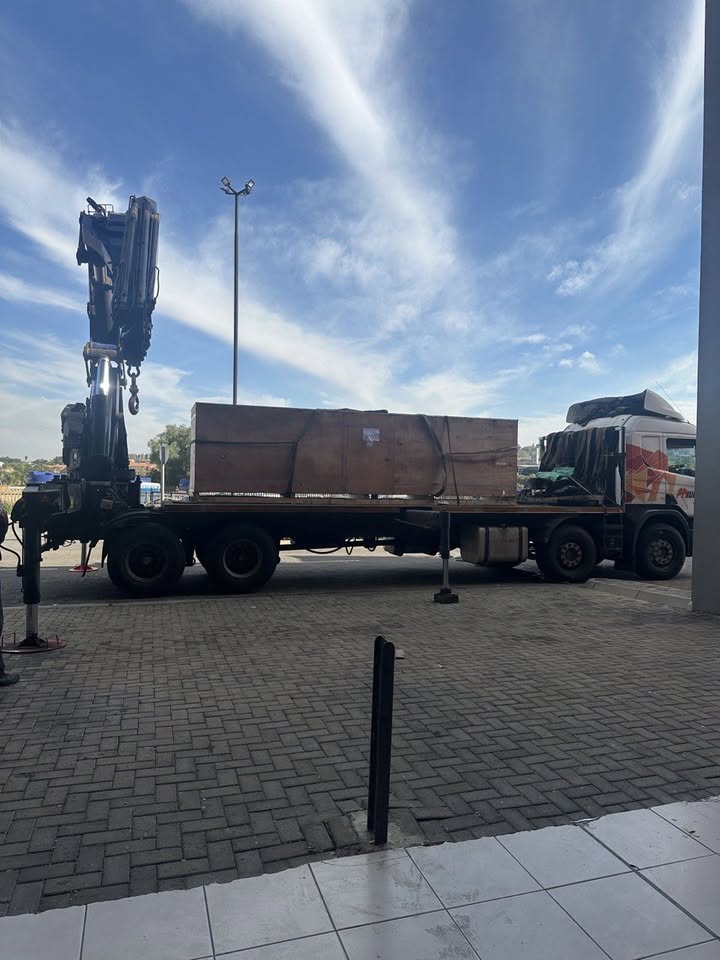
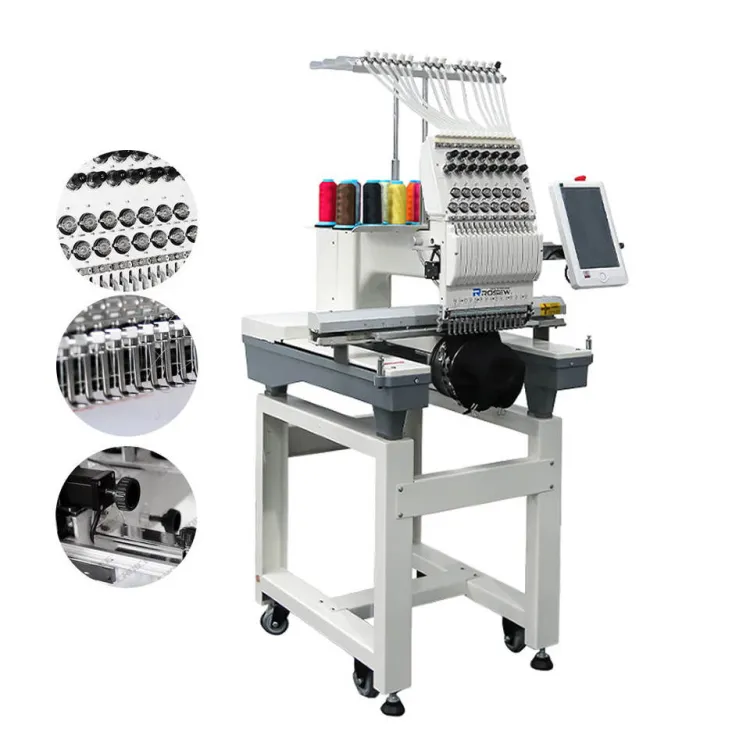
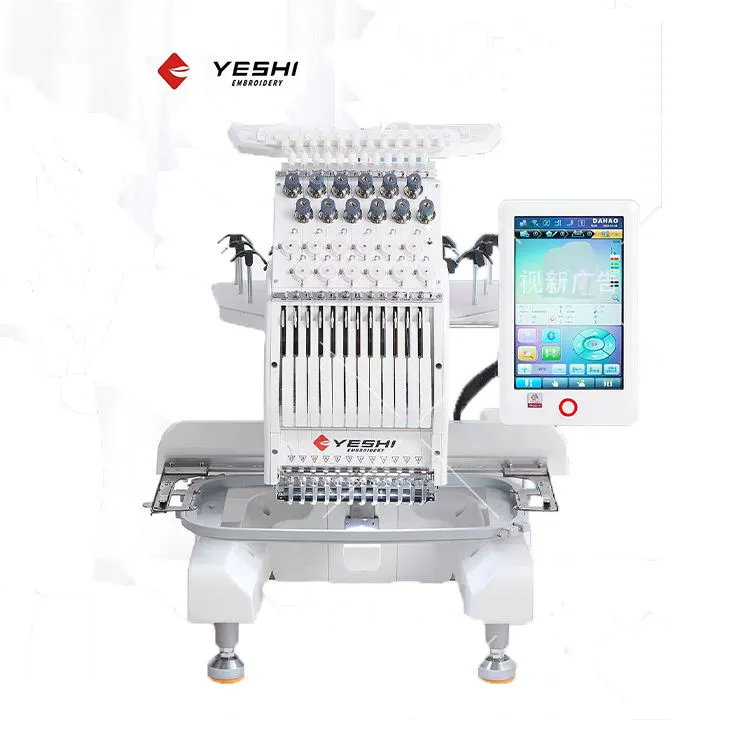
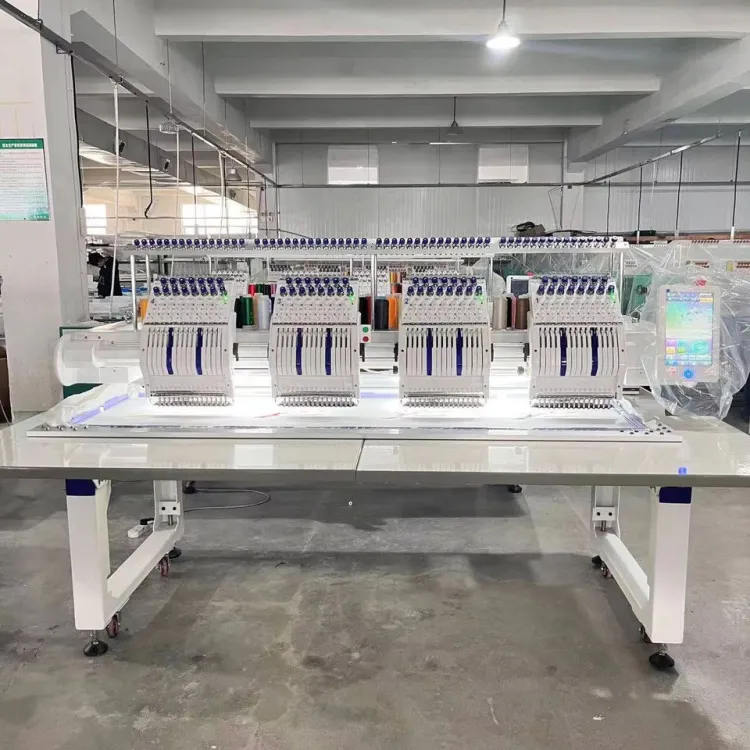
12 Heads Embroidery Machine
Toilet Paper Machine Machine
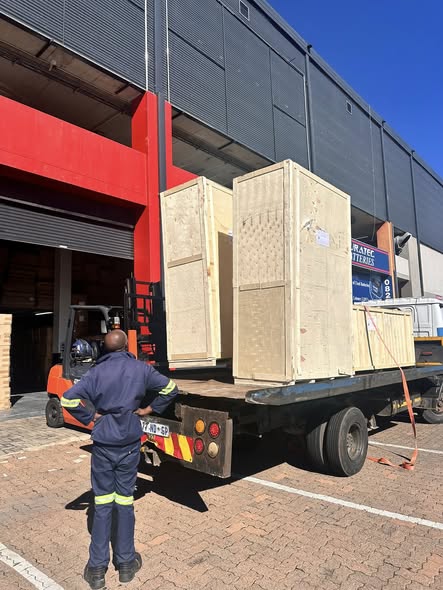
Order Collection
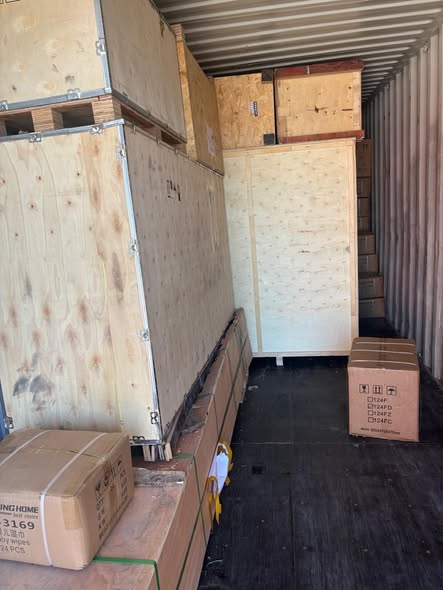
Cross Border Clients
Order cros border countries Collected
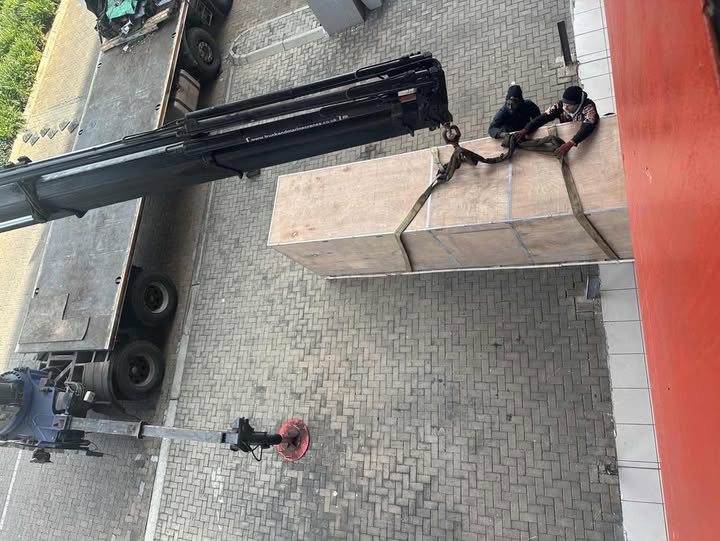
Industrial Machine Cllection
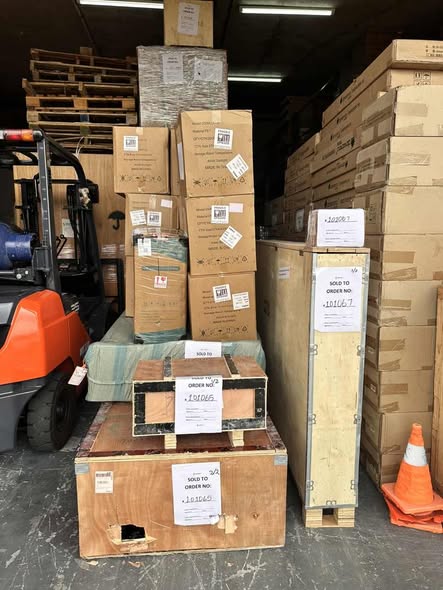
Agriculture Processing Machines
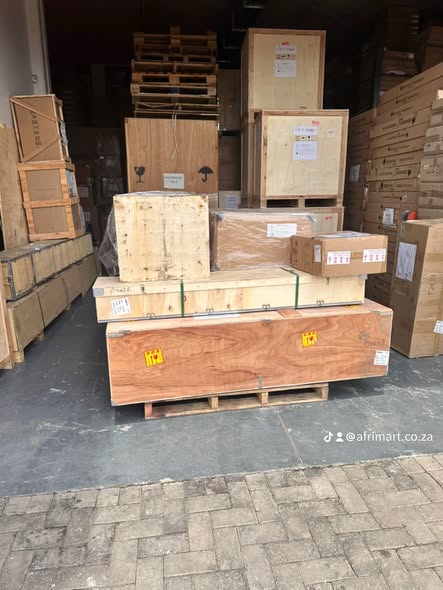
Ready for collection
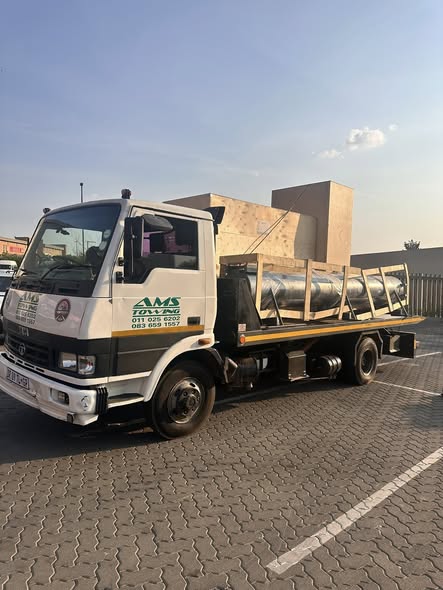
Water Pump Equipment
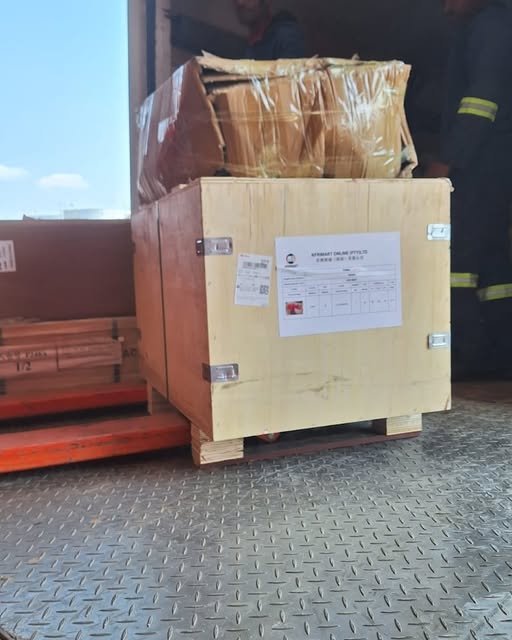
Packaging Machine and accessories
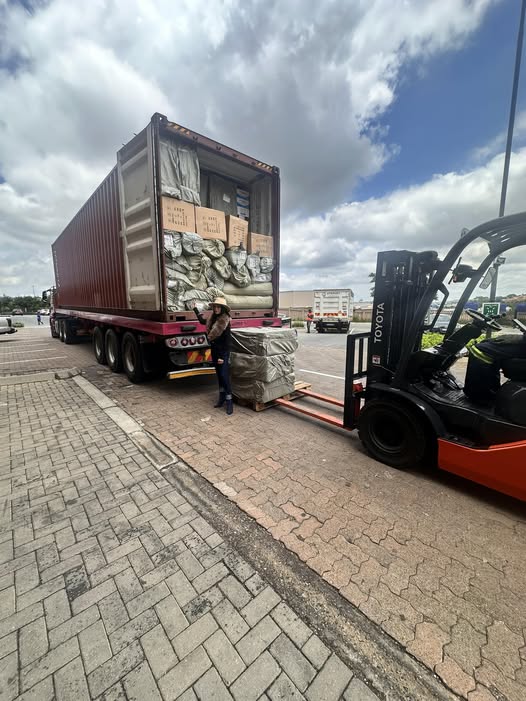
Fabrics Manufacturing Equipment
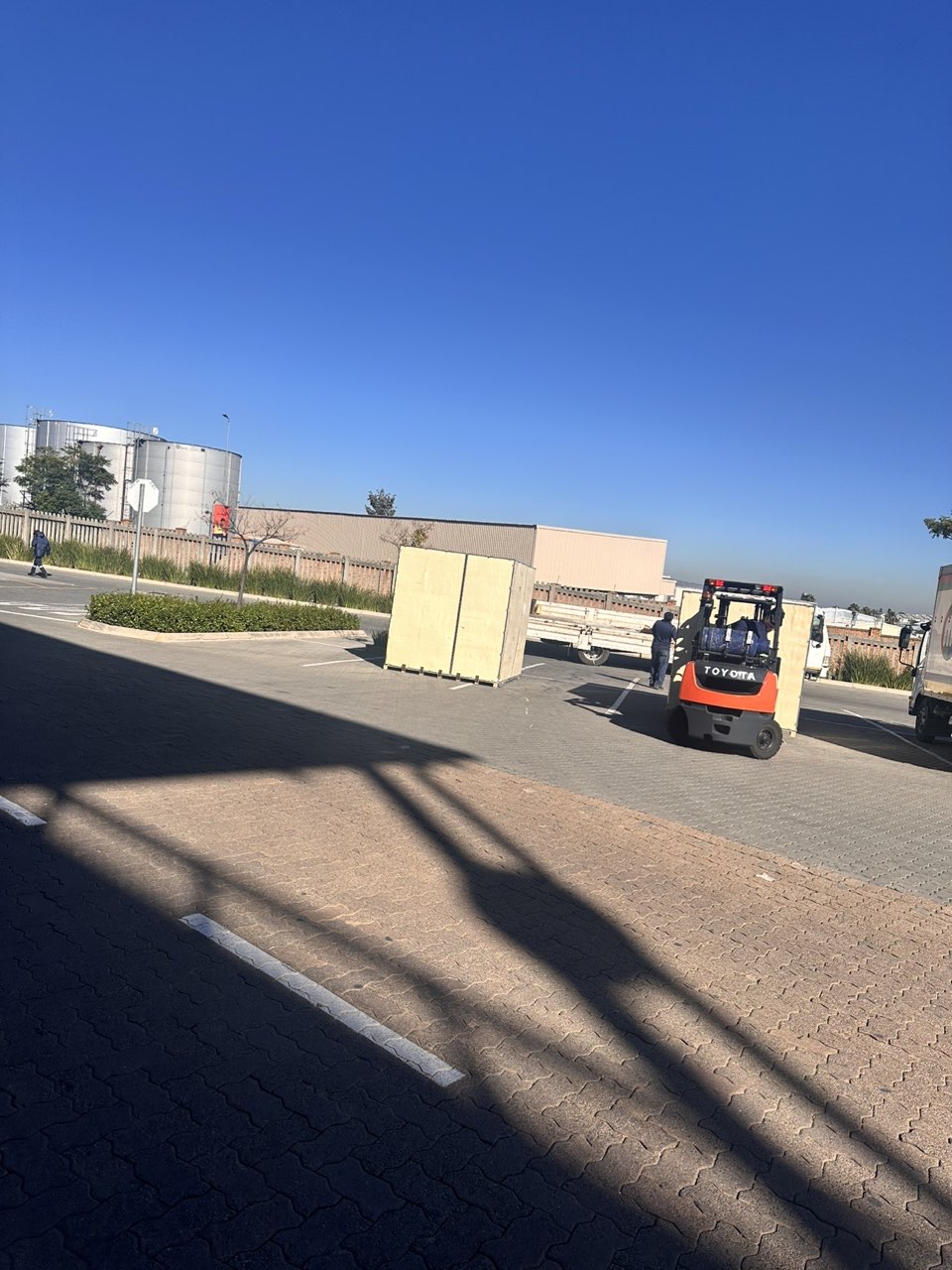
Mining Equipments
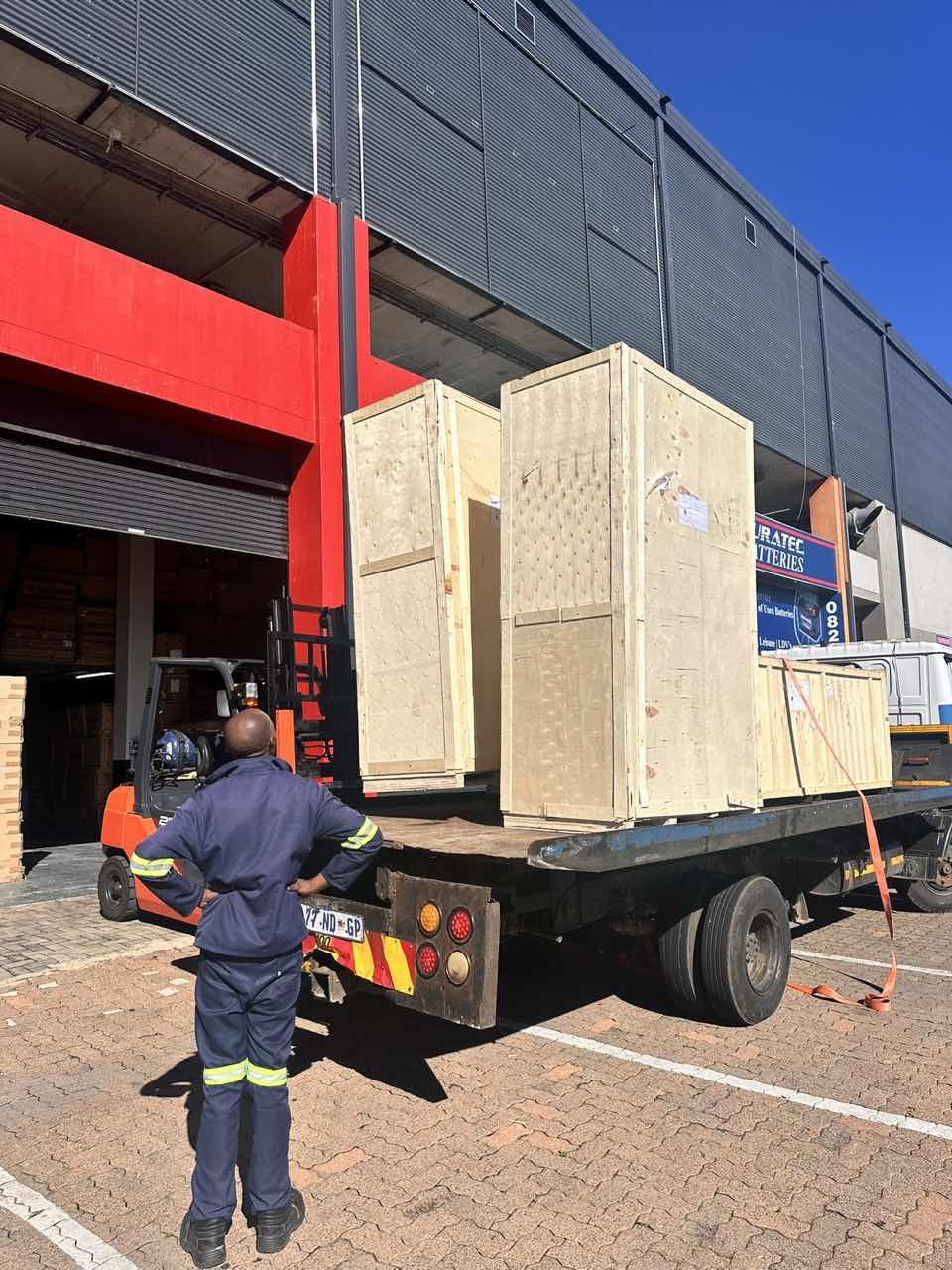
Food Processing Machine
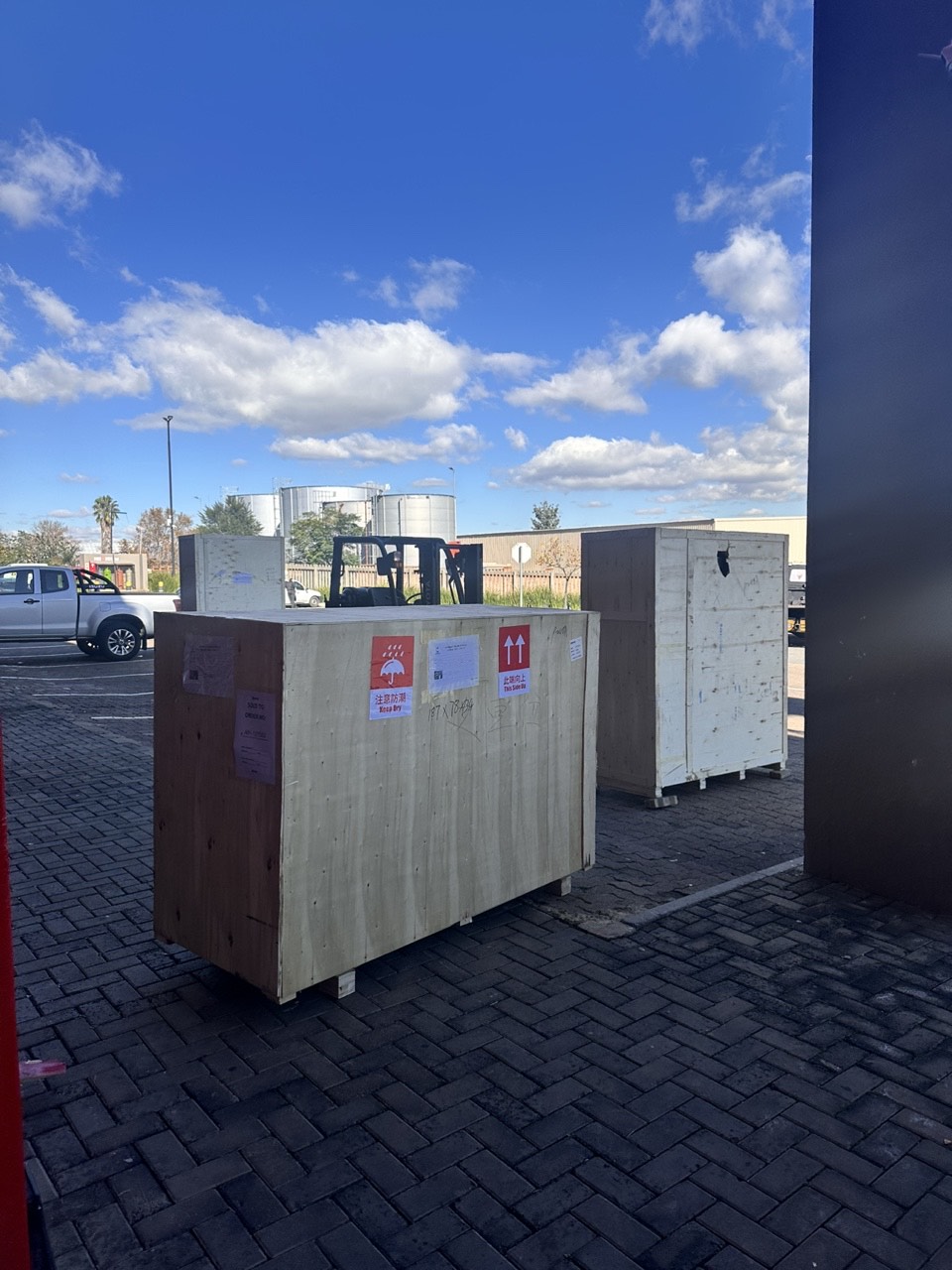
Batch of Orders
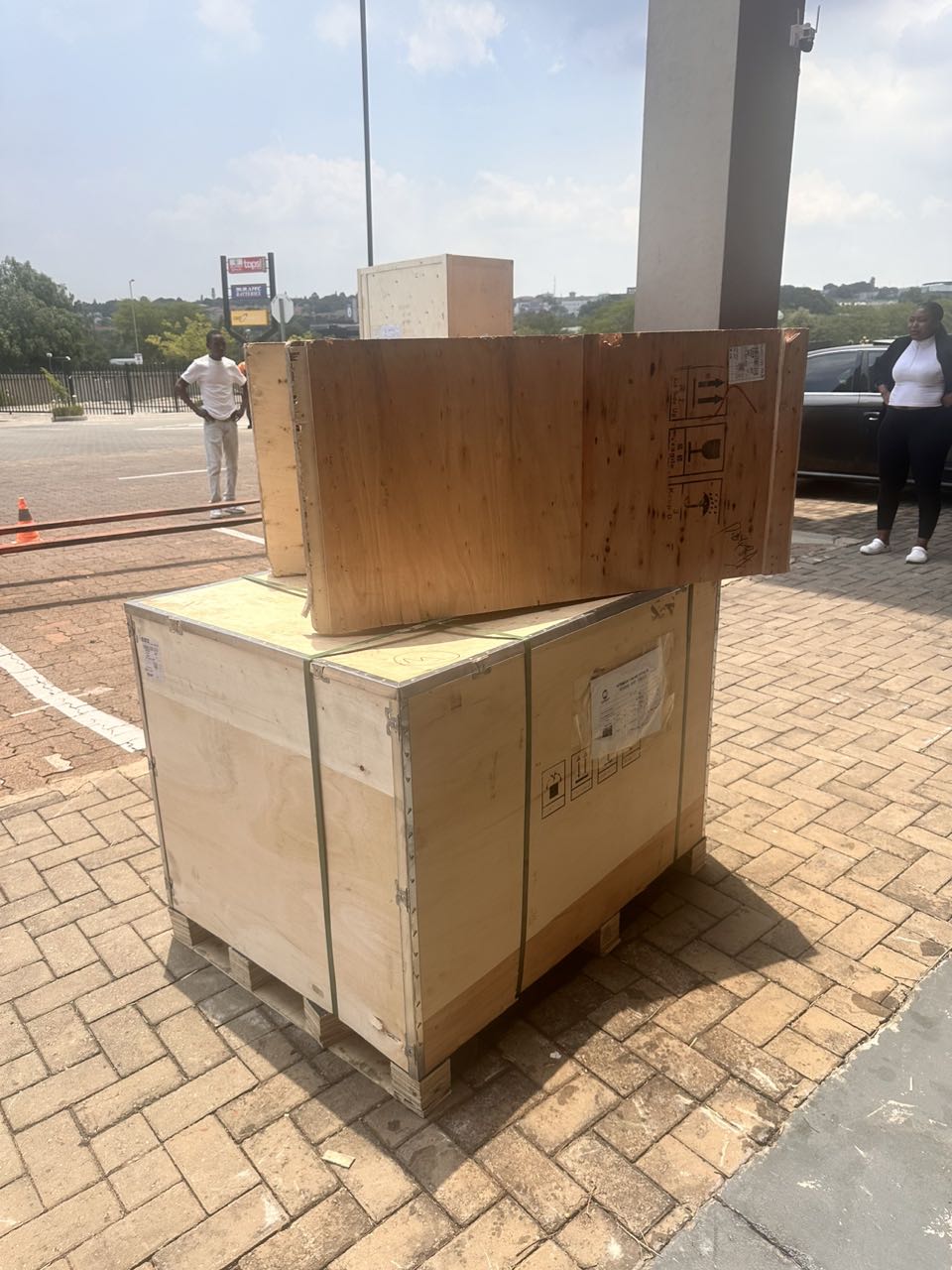
Batch of Orders
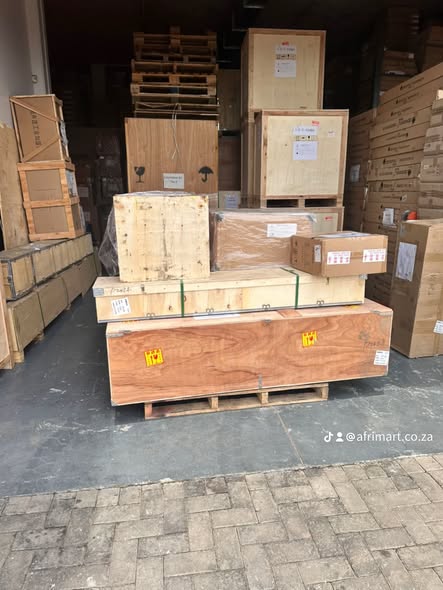
Latest Orders Labelled
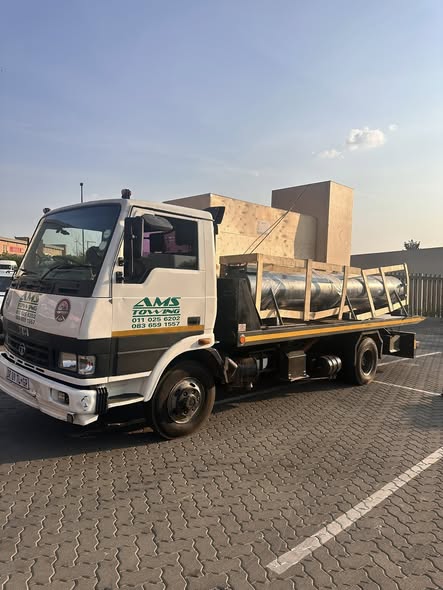
wheel alignment machines
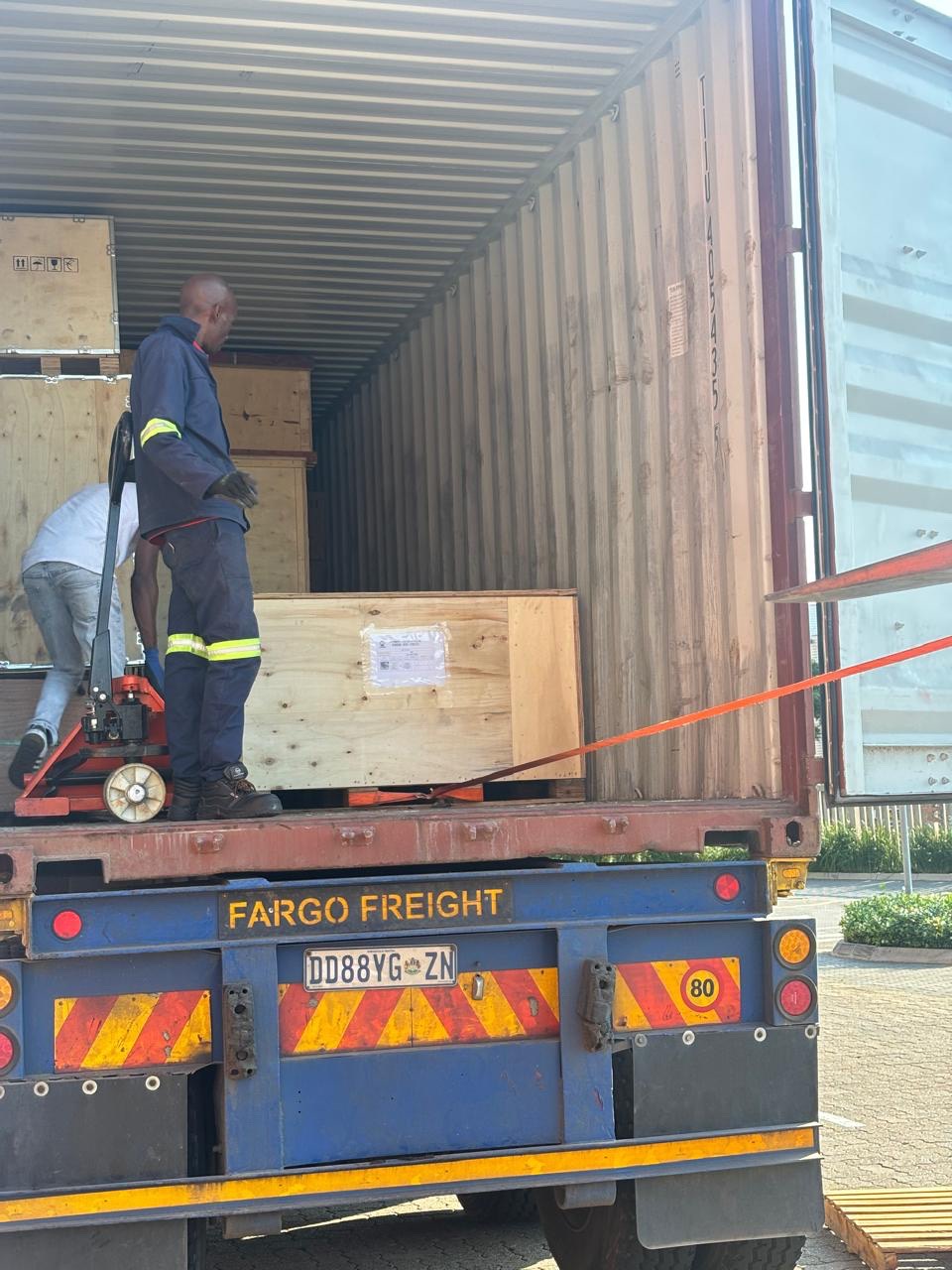
new arrivals
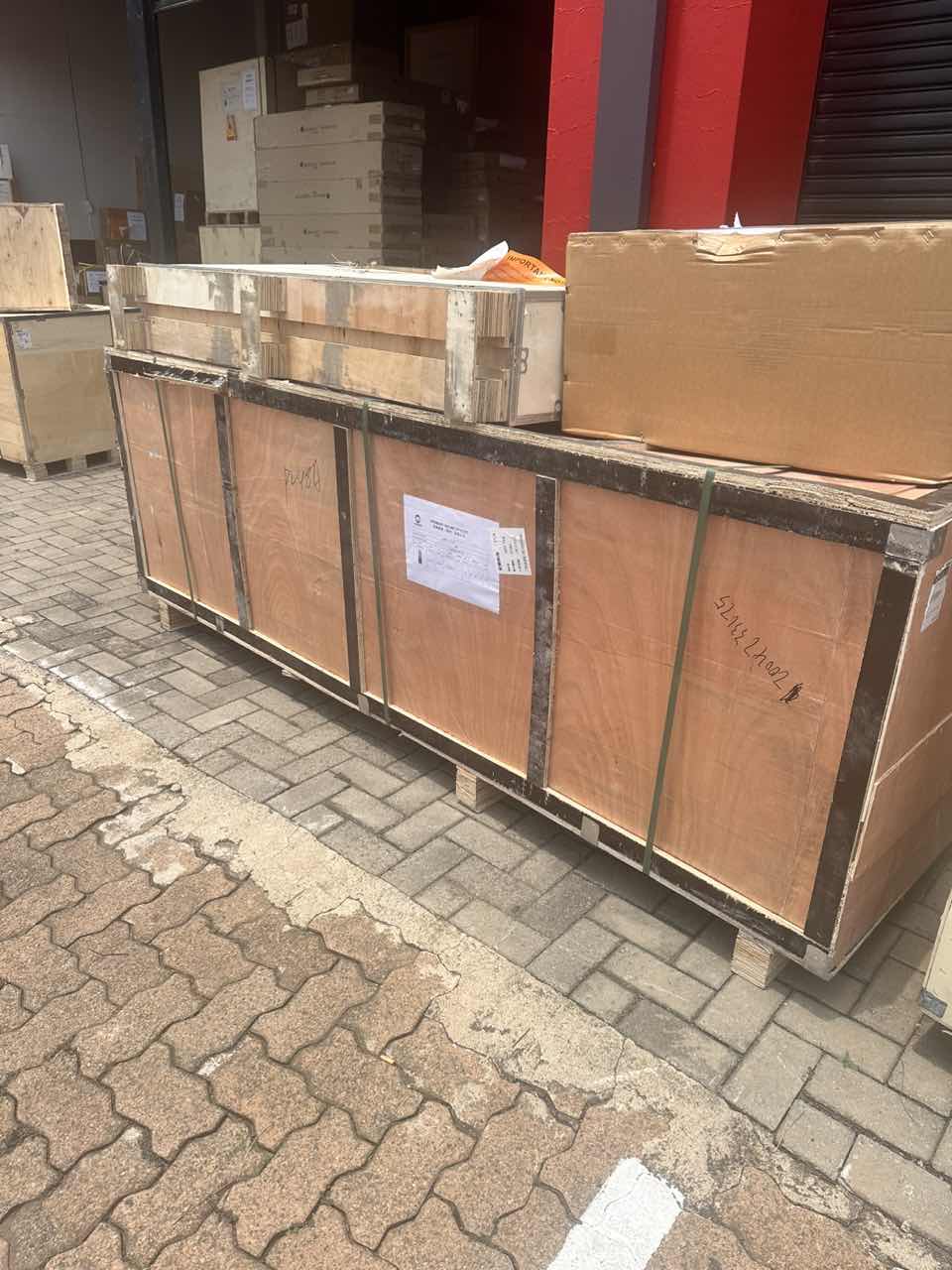
Pre Orders Offloading
Latest Arrivals
Latest Arrivals
Latest Arrivals
Loading
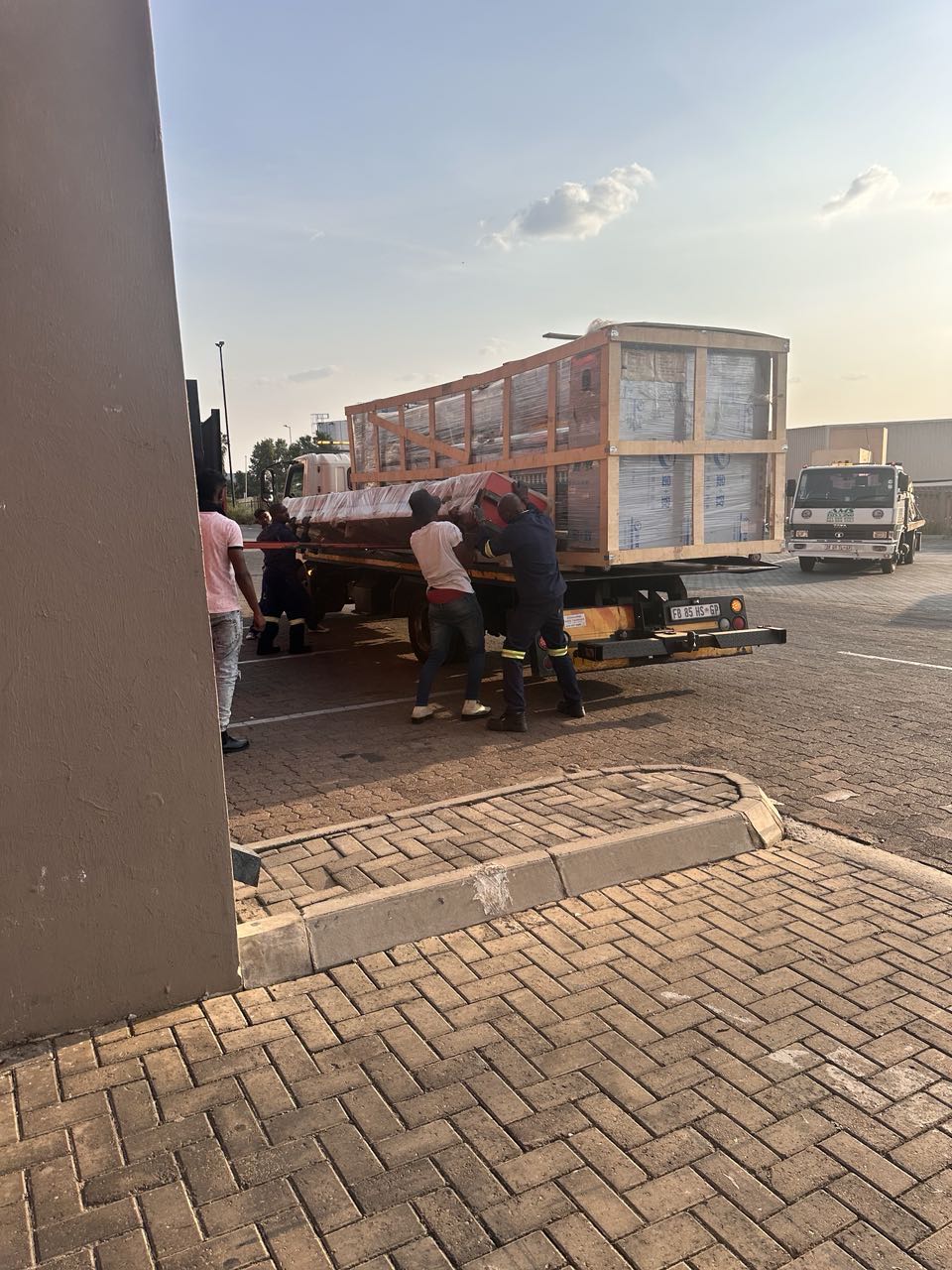
Toilet paper making machine
Toilet paper making machine
Toilet paper Rewinding Machine
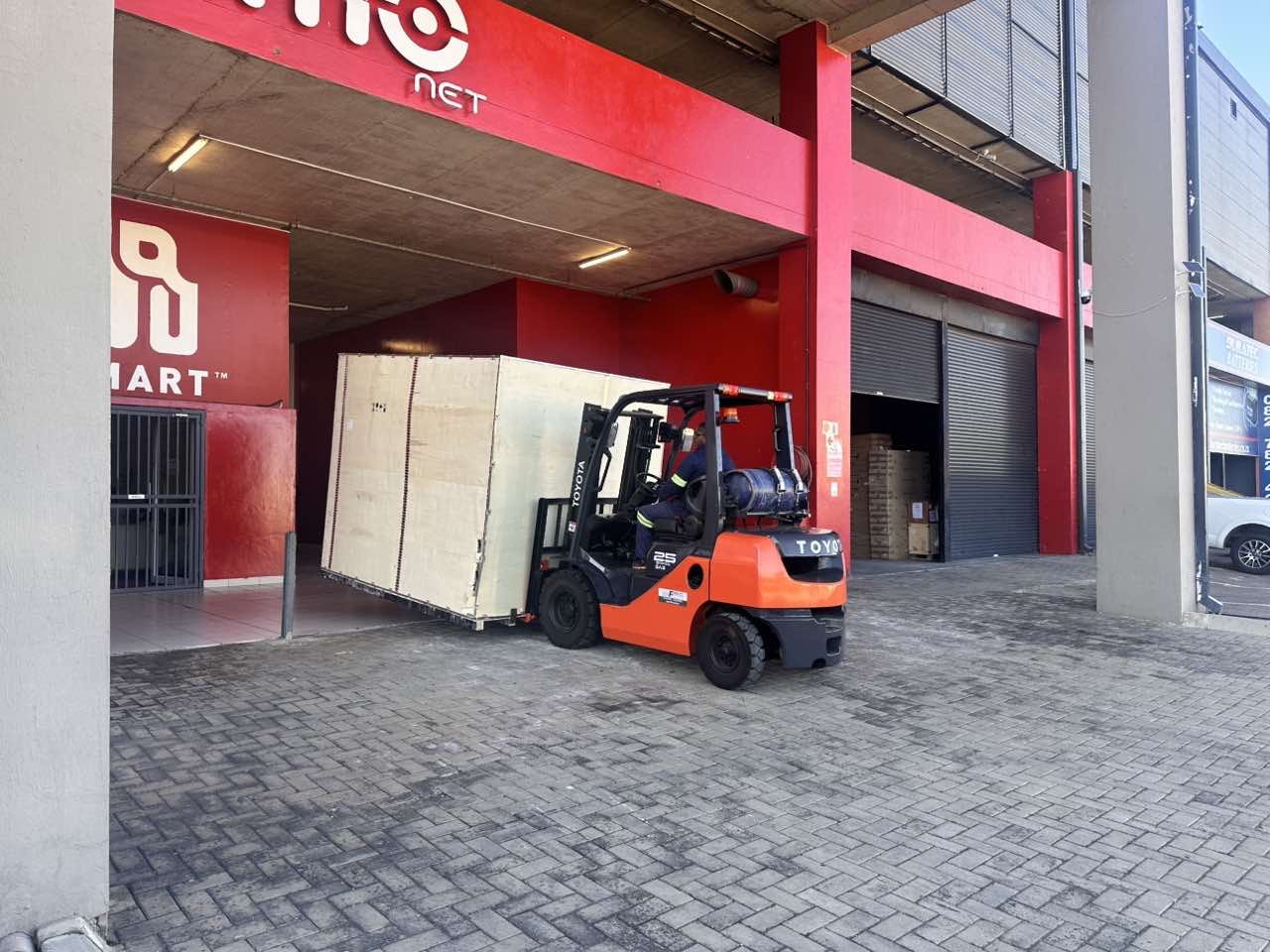
latest arrivals
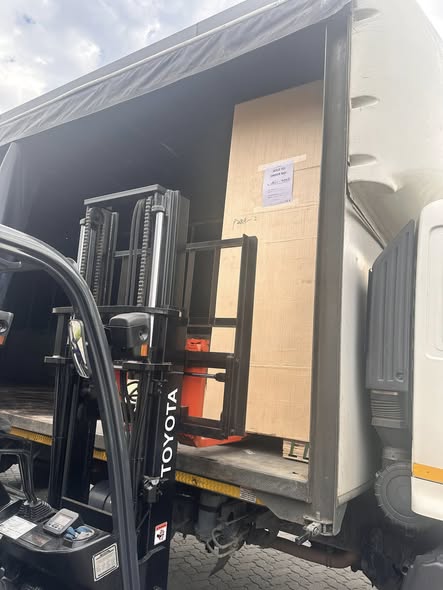
offloading
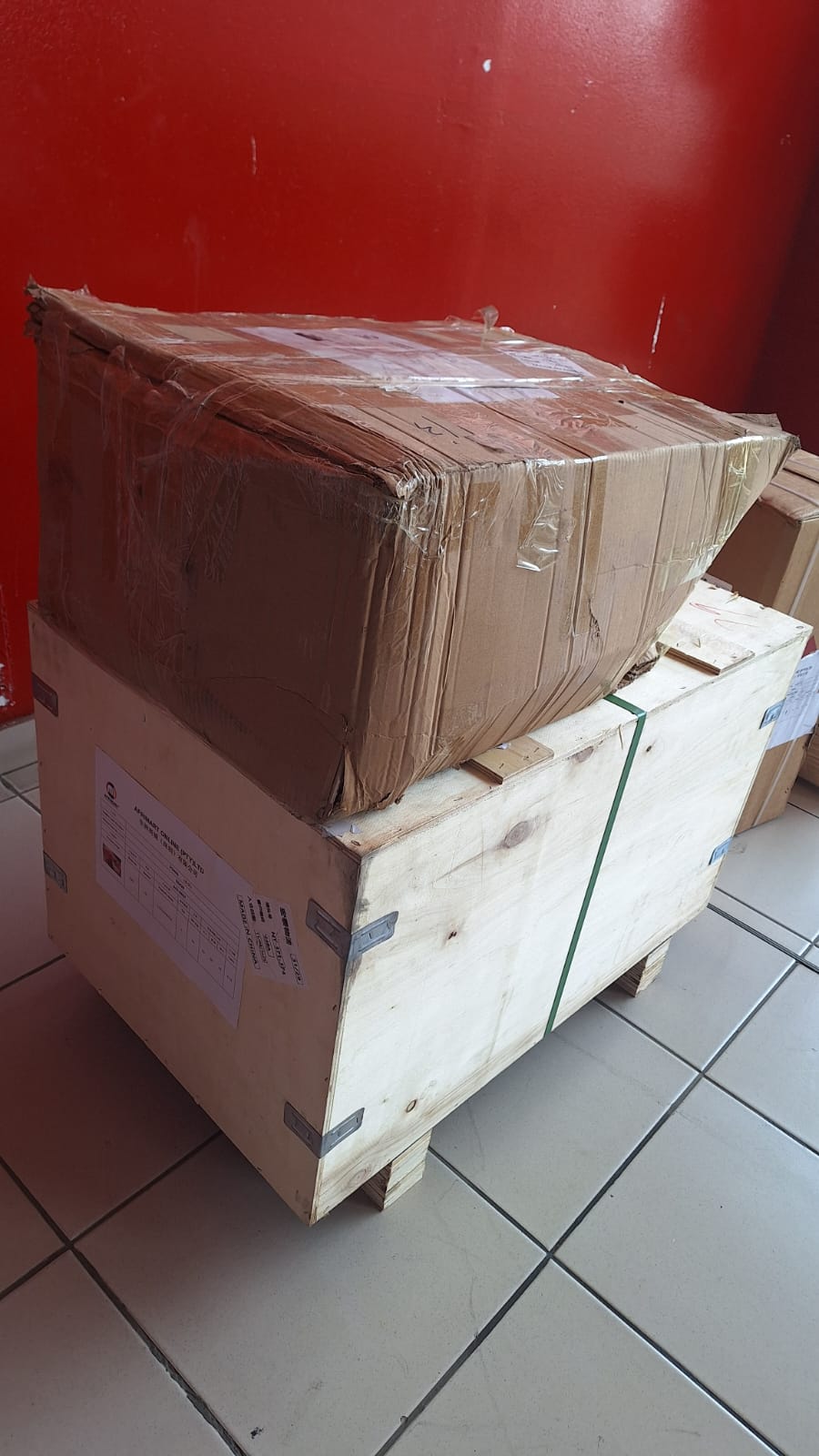
order success
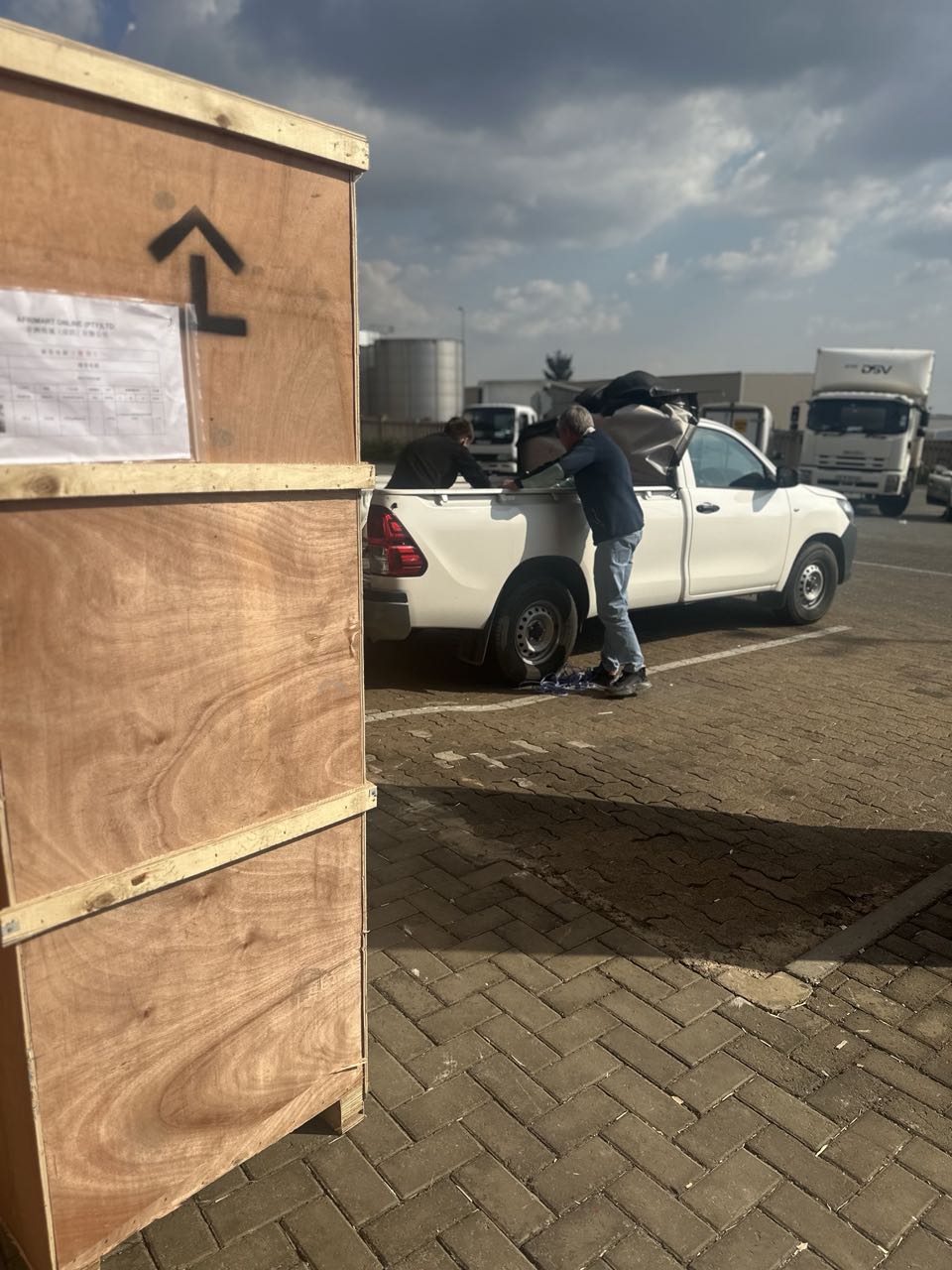
order collection
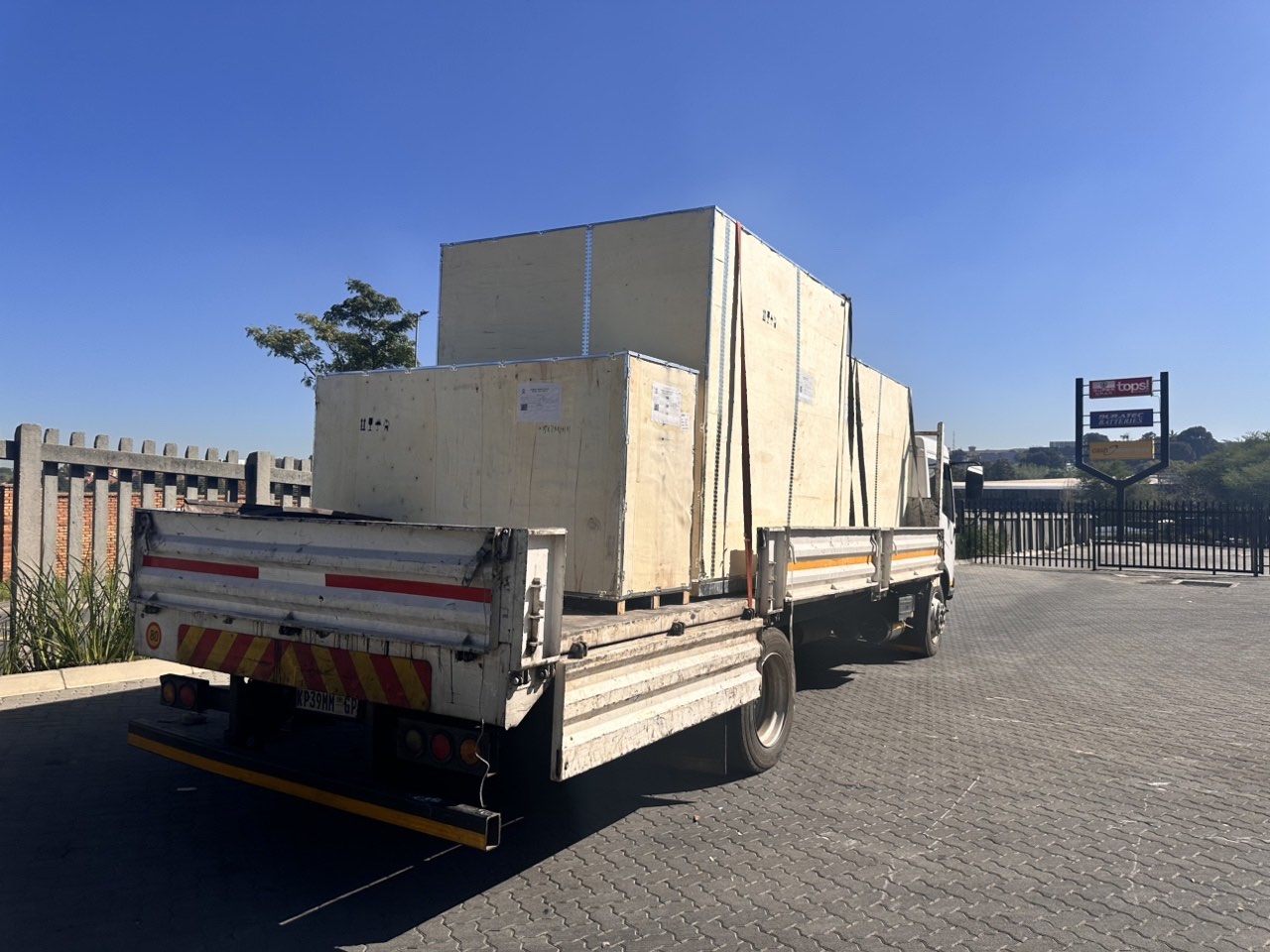
order offloading