B21, China Town Mall, Midrand

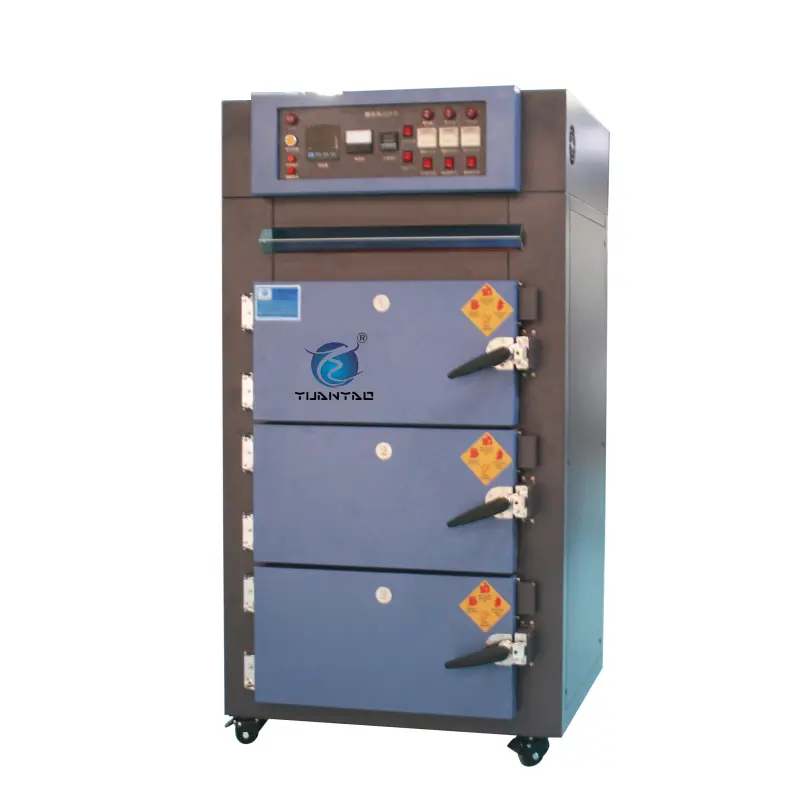
Drying Oven
Asset finance available
Do you want funding for this equipment?
Afrimart can connect you with trusted funding partners who specialise in asset finance for businesses like yours. Compare options and apply in minutes — final approval is subject to provider review.
Check funding options
Secure & no obligation

- Section : Consumer Electronics
- Category : Test Instruments
- SKU : 1601033964193

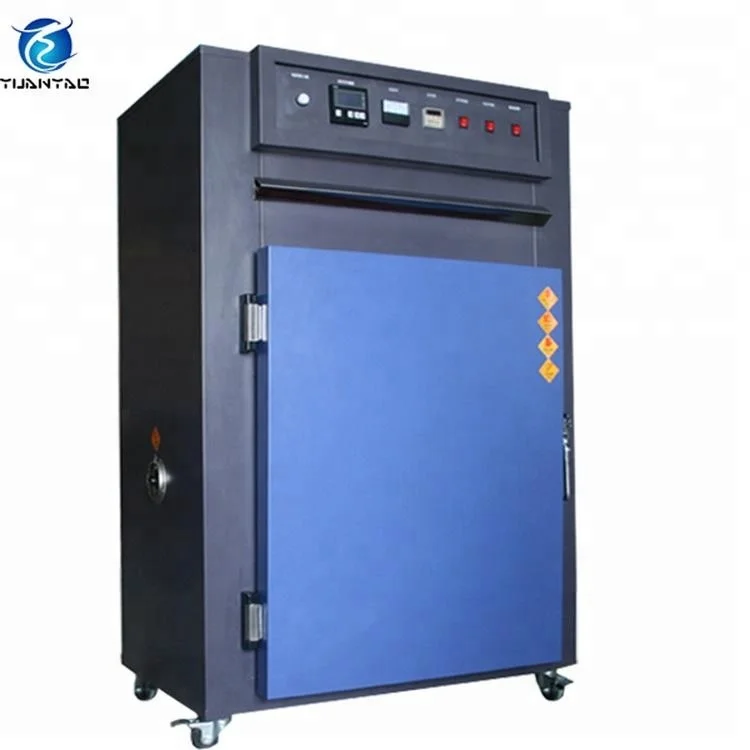
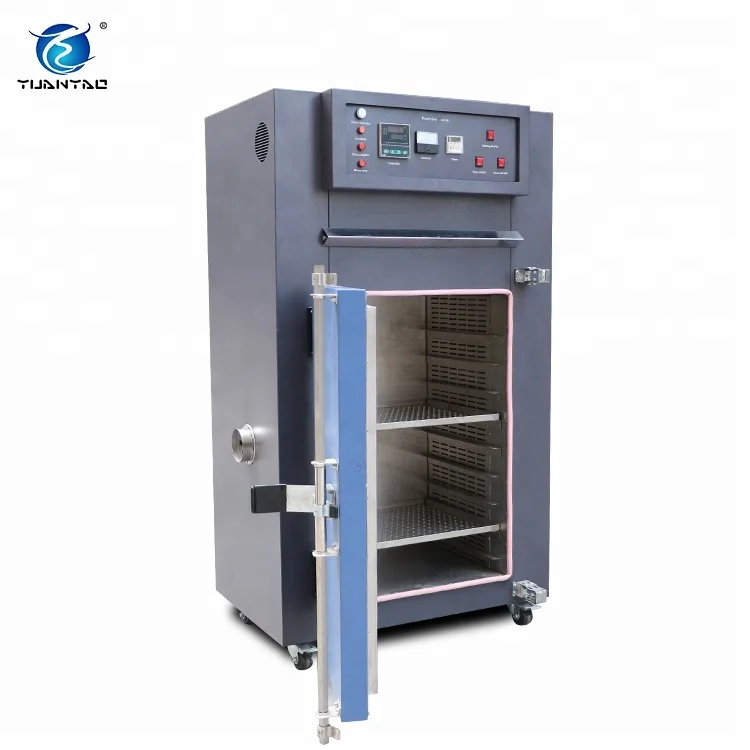
School Laboratory Drying Oven: Reliable Equipment for Educational Use
The School Laboratory Drying Oven is an essential piece of equipment designed for educational and teaching purposes in physics and general science laboratories. Built with precision and durability, this drying oven is perfect for experiments and practical lessons that require controlled heating. Its versatile features make it an excellent choice for schools and other educational institutions.
Key Features:
Wide Temperature Range: The drying oven supports a temperature range from room temperature (RT) up to 200°C, 300°C, 400°C, or 500°C. This flexibility accommodates various heating and drying needs for different experiments.
Durable Stainless Steel Construction: Made from high-grade stainless steel 304, the oven is resistant to corrosion and wear, ensuring long-lasting performance even in rigorous use.
Electric Heating Source: The electric-powered heating system delivers consistent and efficient performance, making it suitable for classroom demonstrations and experiments.
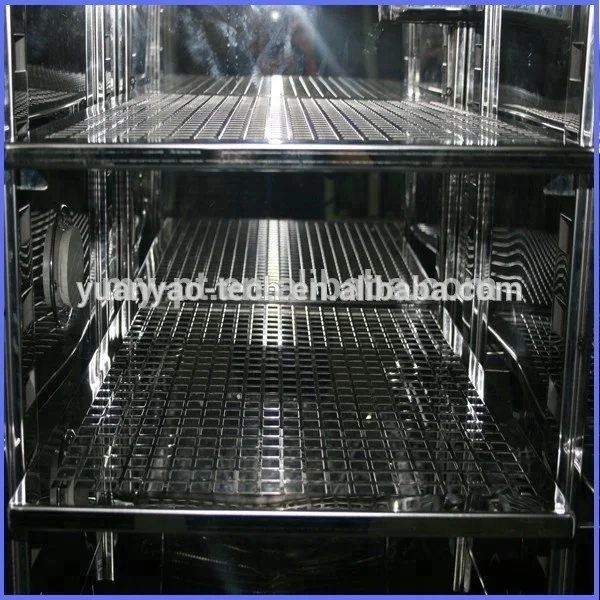
Hot Air Circulation System: The oven features a hot air circulation system that ensures even temperature distribution, improving drying efficiency and preventing uneven heating.
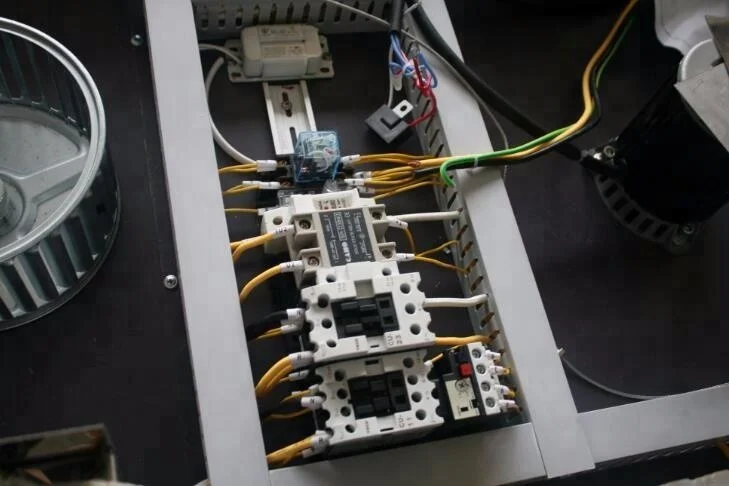
User-Friendly Controller: Equipped with an LCD or touch-screen controller, the oven allows precise temperature setting and monitoring, making it simple for students and teachers to operate.
Customizable Design: The drying oven is available in different volumes, including 72L and 270L, to suit the specific requirements of various laboratories.
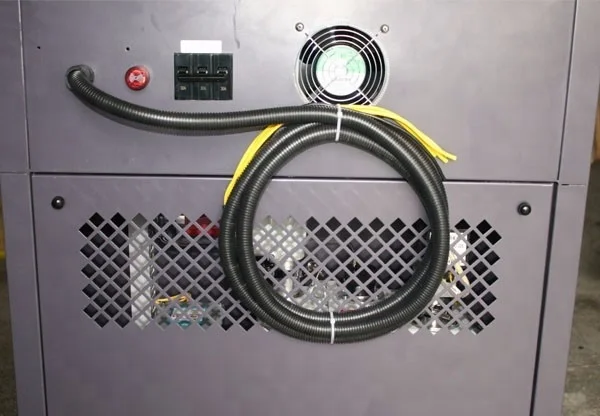
Safety Features: Designed with safety in mind, the oven operates on an AC 3 Phase 380V/415V power supply, ensuring stable performance. It also includes features to protect against overheating.
Versatile Applications: In addition to educational purposes, the drying oven is suitable for tasks like motor and painting drying, making it a multifunctional tool for laboratories.
Custom Support: The manufacturer offers customization options to meet the unique needs of different schools and laboratories.
Conclusion:
The School Laboratory Drying Oven is an excellent choice for educational institutions looking for reliable, efficient, and user-friendly laboratory equipment. Its wide temperature range, robust construction, and intuitive controls make it ideal for teaching physics and conducting various scientific experiments. With customizable options and superior functionality, this drying oven ensures a safe and effective learning environment for students.
Product Info Gallery
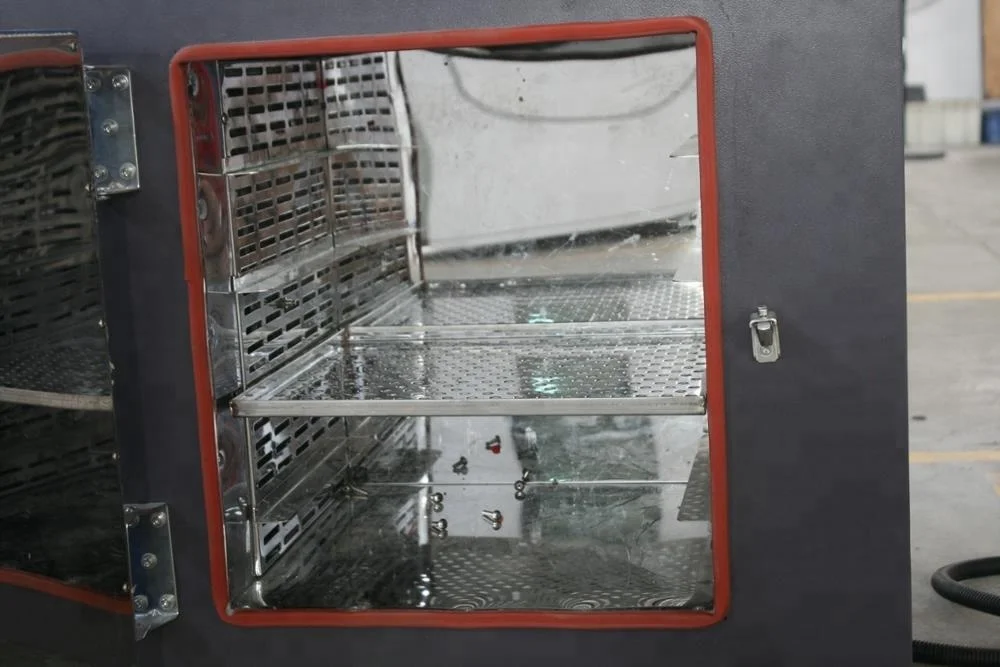
Interior chamber
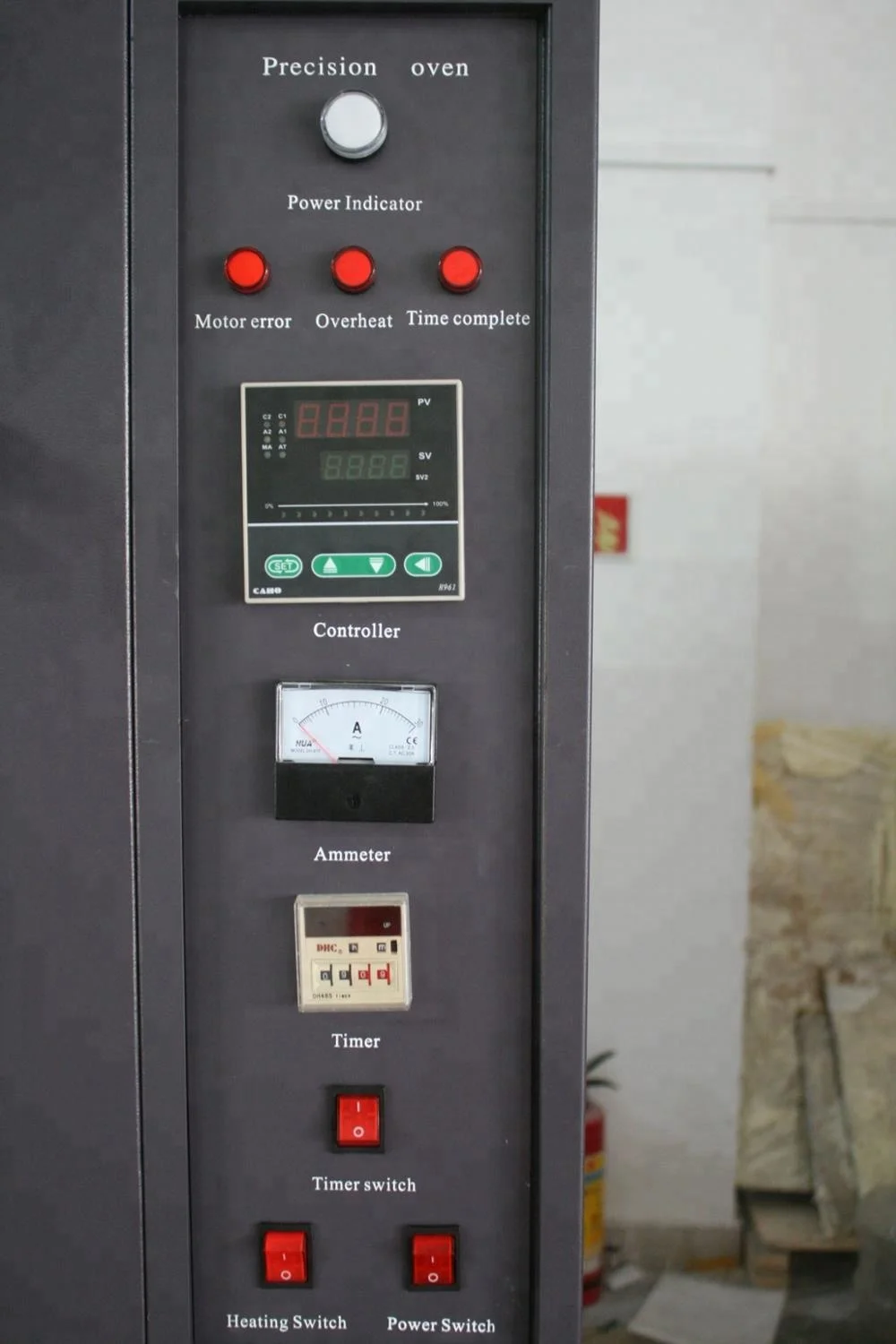
Controller
- Shipping Timeframes: All orders are processed within 2-5 business days (excluding weekends and holidays). After your order has been processed, the estimated delivery time is before 04 Aug, 2026, depending on customs, Please note that due to high demand, some items may experience longer shipping times, which will be communicated at order confirmation email.
- Order Processing Time: Please allow 2-5 business days for us to process your order before it is shipped . Orders placed after 16:00 on Fridays, or during weekends and public holidays, will begin processing on the next business day. Processing times may be extended during peak seasons or sales events.
- Manufacturing Time: Some products needs manufacturing time, the manufacturing process will take approximately 10-30 business days depending on the product. This timeframe may vary depending on the complexity of the product and current demand. but this will be communicated with you during order confirmation.
- Returns and Exchanges: We offer a 30-day return policy for most items. If you are not completely satisfied with your purchase, you may return it within 30 days of receipt for a refund or exchange. Items must be unused, in their original packaging, and accompanied by proof of purchase. Return shipping costs are the responsibility of the customer, unless the item was damaged or defective upon arrival.
1. What temperature ranges are available for the School Laboratory Drying Oven?
The oven supports a range from room temperature (RT) up to selectable maximums of 200°C, 300°C, 400°C, or 500°C depending on the model you choose.
2. What are the available chamber volumes?
Standard chamber volumes include 72 liters and 270 liters. Additional sizes may be available via customization—contact the manufacturer for specific requirements.
3. What is the construction material and why is it suitable for labs?
The interior (and primary structure) is made from high-grade stainless steel 304, which is corrosion-resistant, durable, and easy to clean—making it well suited for repeated educational use.
4. What heating method does the oven use?
The oven uses electric heating elements combined with a hot air circulation system to provide consistent, efficient heating and improved drying uniformity.
5. How is temperature controlled and monitored?
Models are equipped with a user-friendly controller featuring either an LCD or touch-screen interface that allows precise temperature setting and real-time monitoring.
6. What safety features does the oven include?
Safety design elements include stable operation on AC three-phase 380V/415V power, over-temperature protection, and construction that minimizes risk. Standard safe-use practices (supervision, PPE, and proper ventilation) should still be followed in classrooms.
7. Can the oven be used for purposes other than classroom experiments?
Yes. In addition to educational applications, the oven is suitable for light industrial or maintenance tasks such as motor drying and paint curing, provided the load and process are compatible with the selected model and temperature limits.
8. Is customization available for special laboratory needs?
Yes. The manufacturer offers customization options for temperature range, chamber size, controller type, internal fittings, and other features to meet specific school or laboratory requirements. Contact the supplier to discuss options.
9. What electrical supply is required?
The oven is designed for AC three-phase 380V/415V supply. Ensure your facility wiring and circuit protection meet the oven's electrical specifications and local regulations.
10. How do I choose the right model for my school?
Consider the maximum temperature required by your experiments, the usable chamber volume you need (72L vs 270L or custom), available electrical supply, and whether features like touchscreen control or faster heating are important. Contact the supplier with your use cases for a recommendation.
11. What routine maintenance is required?
Regularly clean the chamber with non-abrasive, mild detergent; remove debris and spills promptly; inspect door seals and heating elements periodically; and ensure ventilation openings are unobstructed. Always disconnect power before performing maintenance.
12. Are there recommendations for safe operation in a school setting?
Yes. Always operate under teacher supervision, train students on safe handling procedures, use heat-resistant gloves or tongs when loading/unloading, avoid placing flammable materials in the oven, and ensure the oven is on a stable, level surface with adequate ventilation.
13. Does the oven come with shelves or other accessories?
Standard configurations typically include adjustable shelves or racks. Additional accessories or special shelving arrangements may be available through customization—confirm accessory lists with your supplier.
14. What kind of technical support and warranty is offered?
The manufacturer provides customer support and customization assistance. Warranty terms and after-sales support vary by seller and region—please contact the supplier or your local distributor for specific warranty coverage and service details.
Latest Order Arrivals
Discover our latest orders
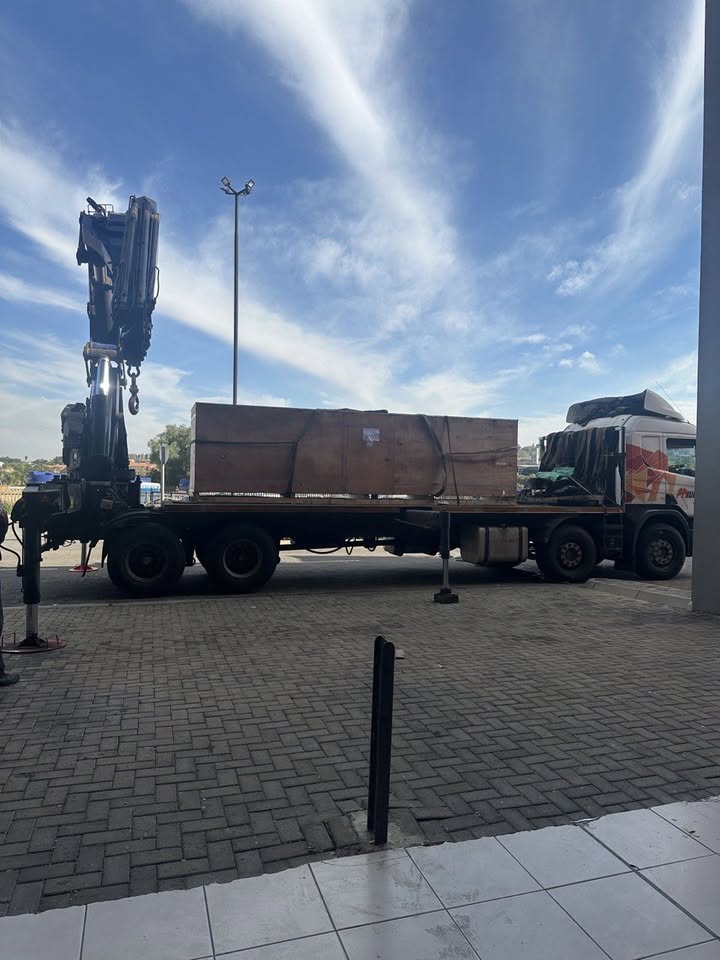
12 Heads Embroidery Machine
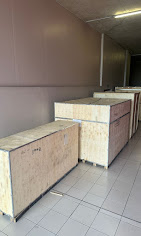
Toilet Paper Machine Machine
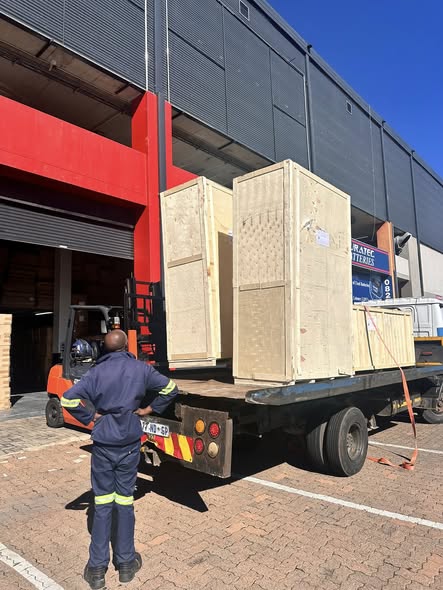
Order Collection
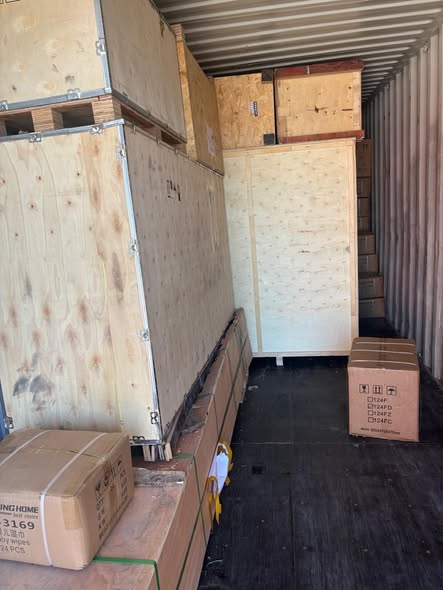
Cross Border Clients
Order cros border countries Collected
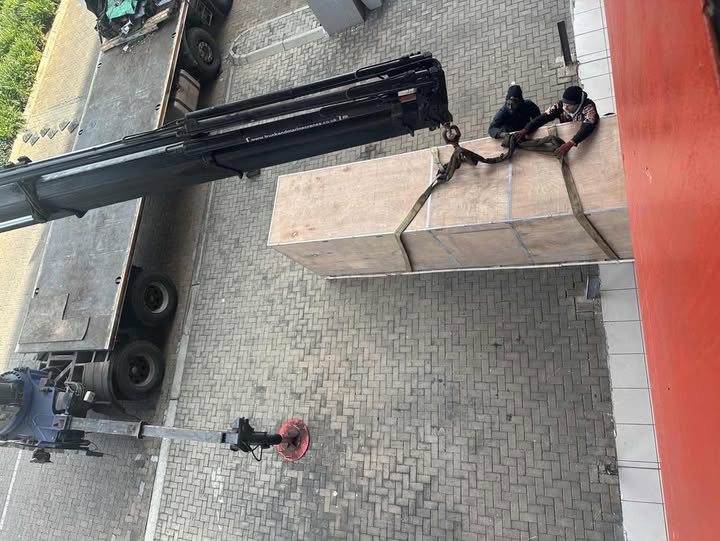
Industrial Machine Cllection
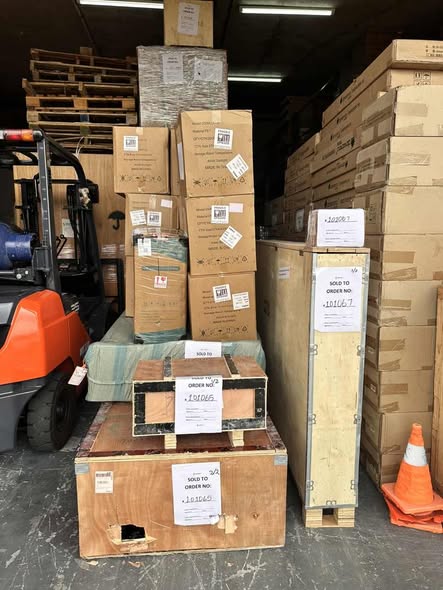
Agriculture Processing Machines
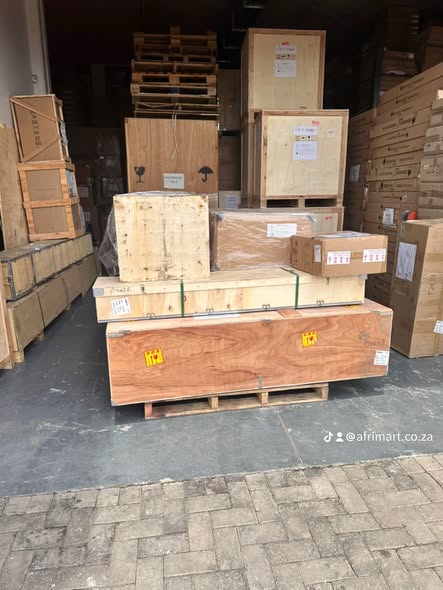
Ready for collection
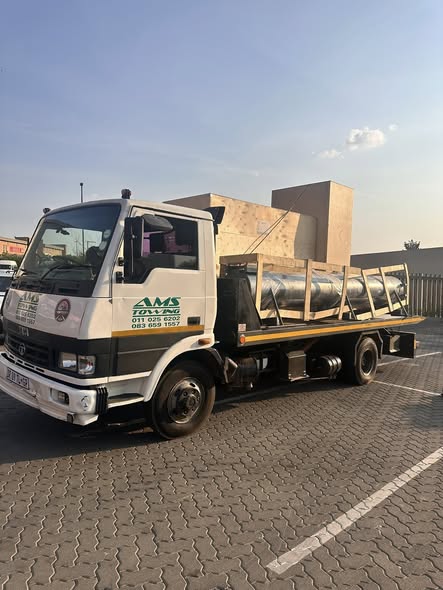
Water Pump Equipment
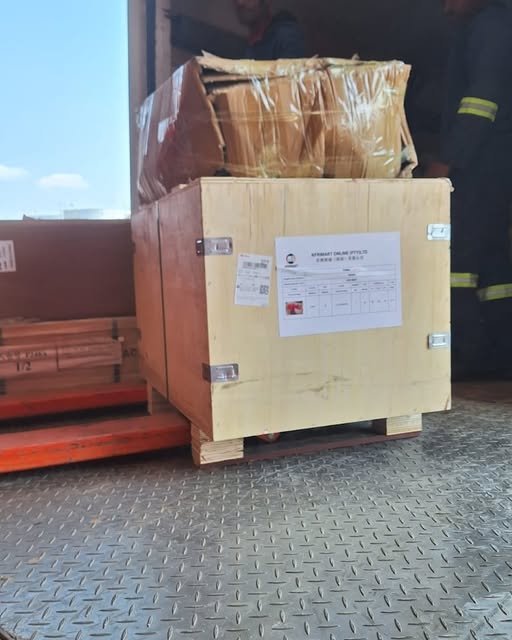
Packaging Machine and accessories
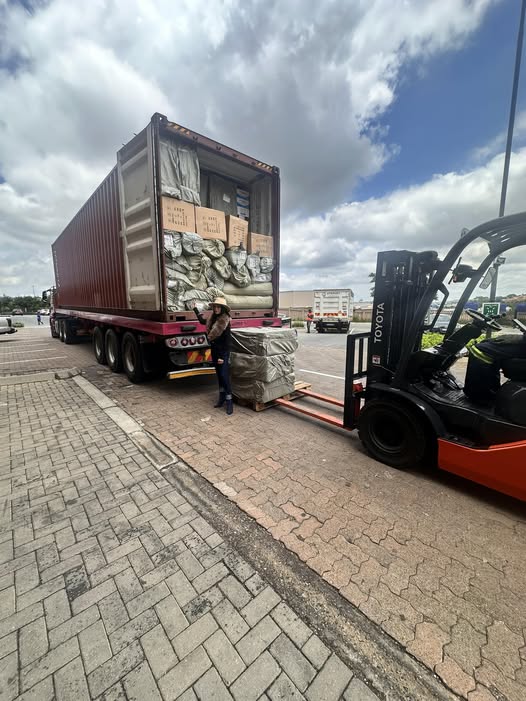
Fabrics Manufacturing Equipment
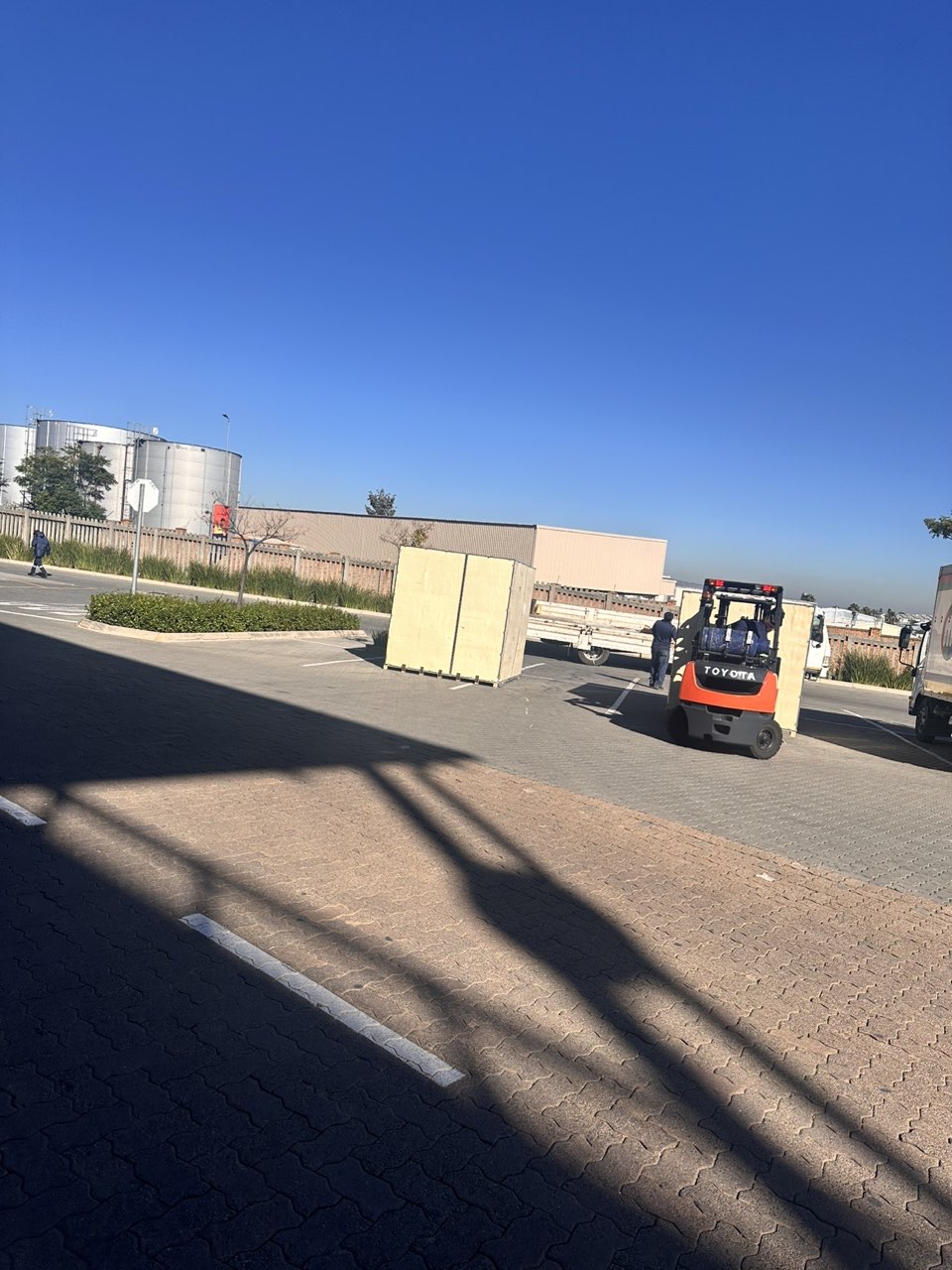
Mining Equipments
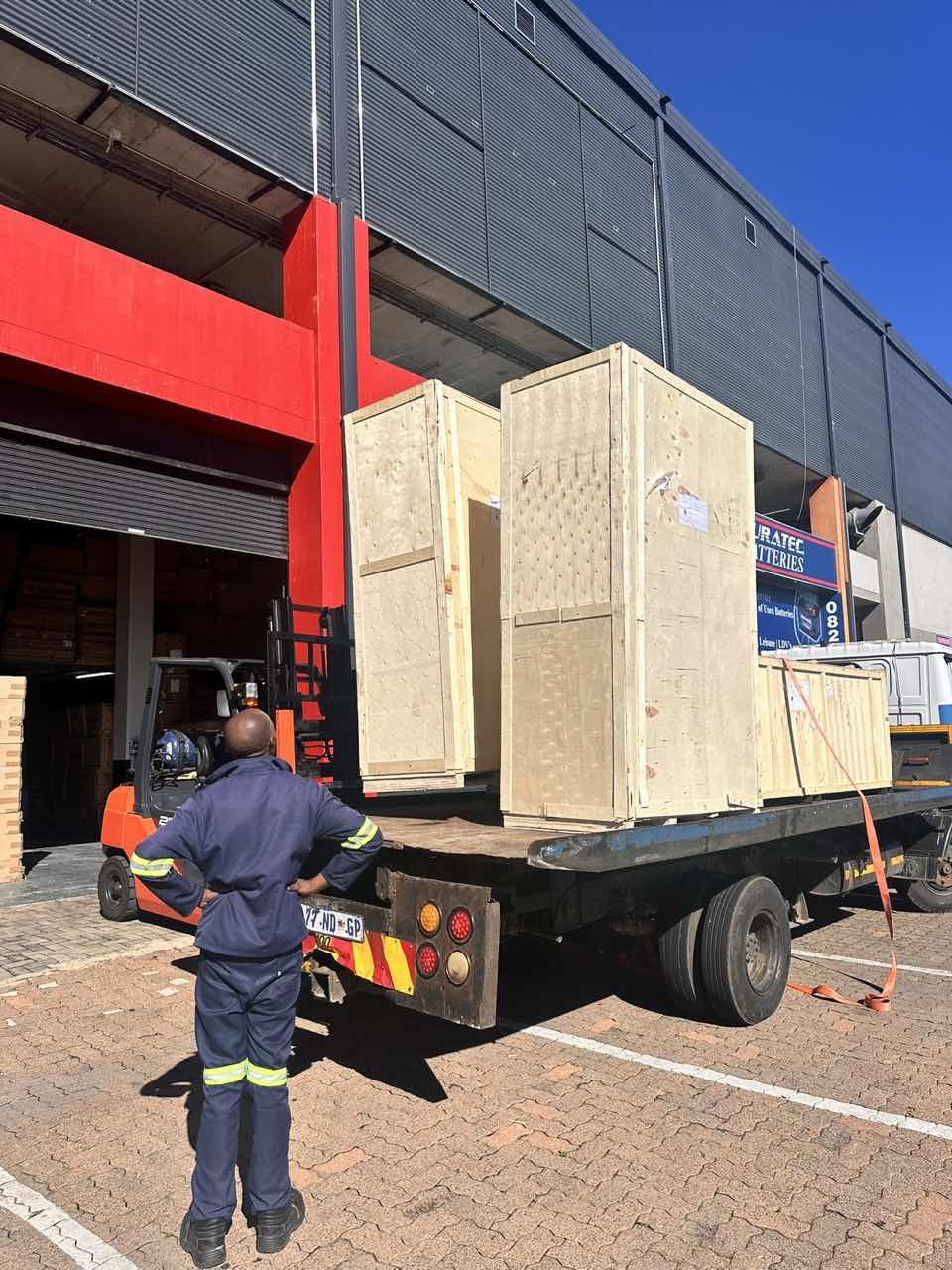
Food Processing Machine
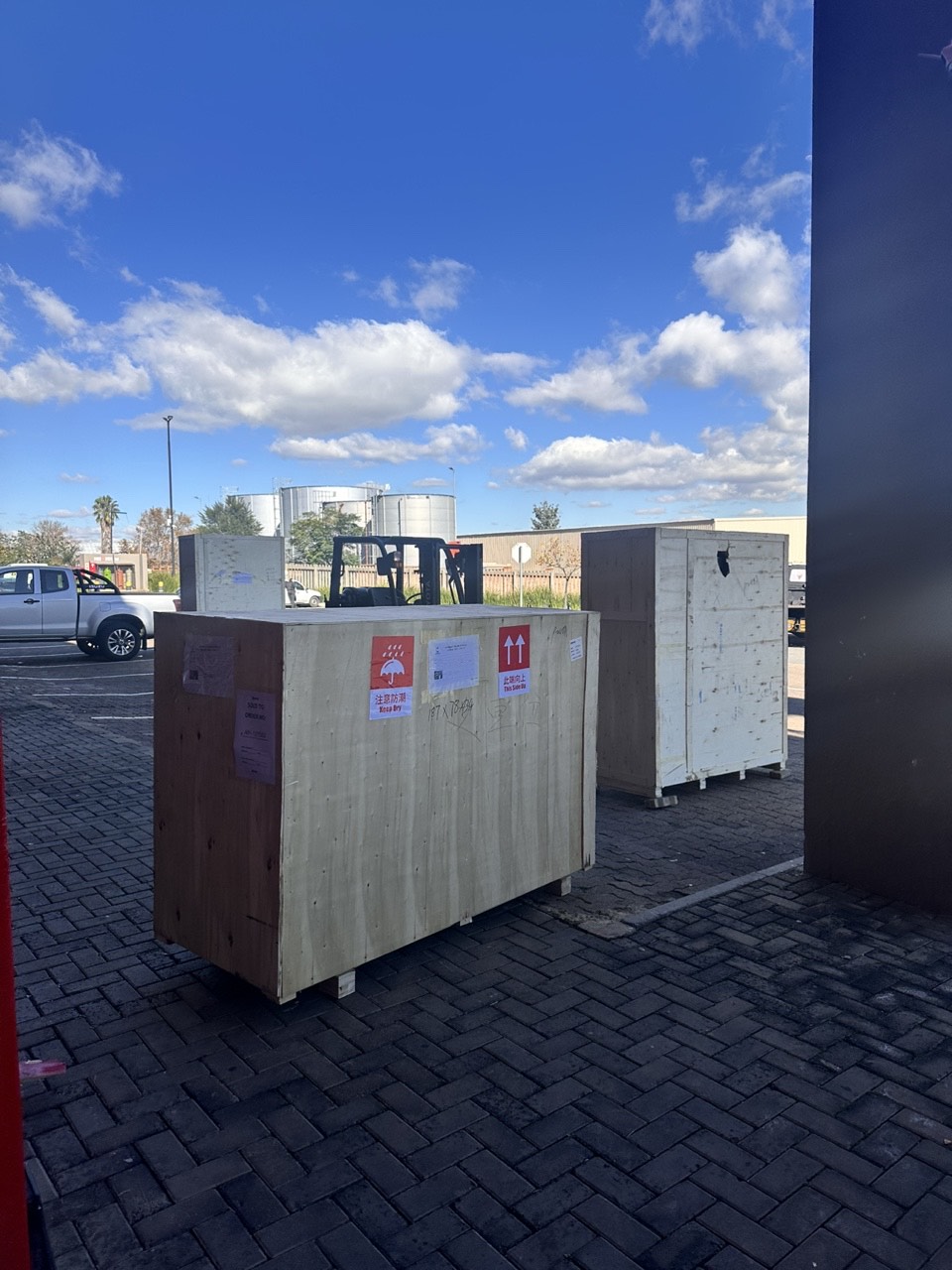
Batch of Orders
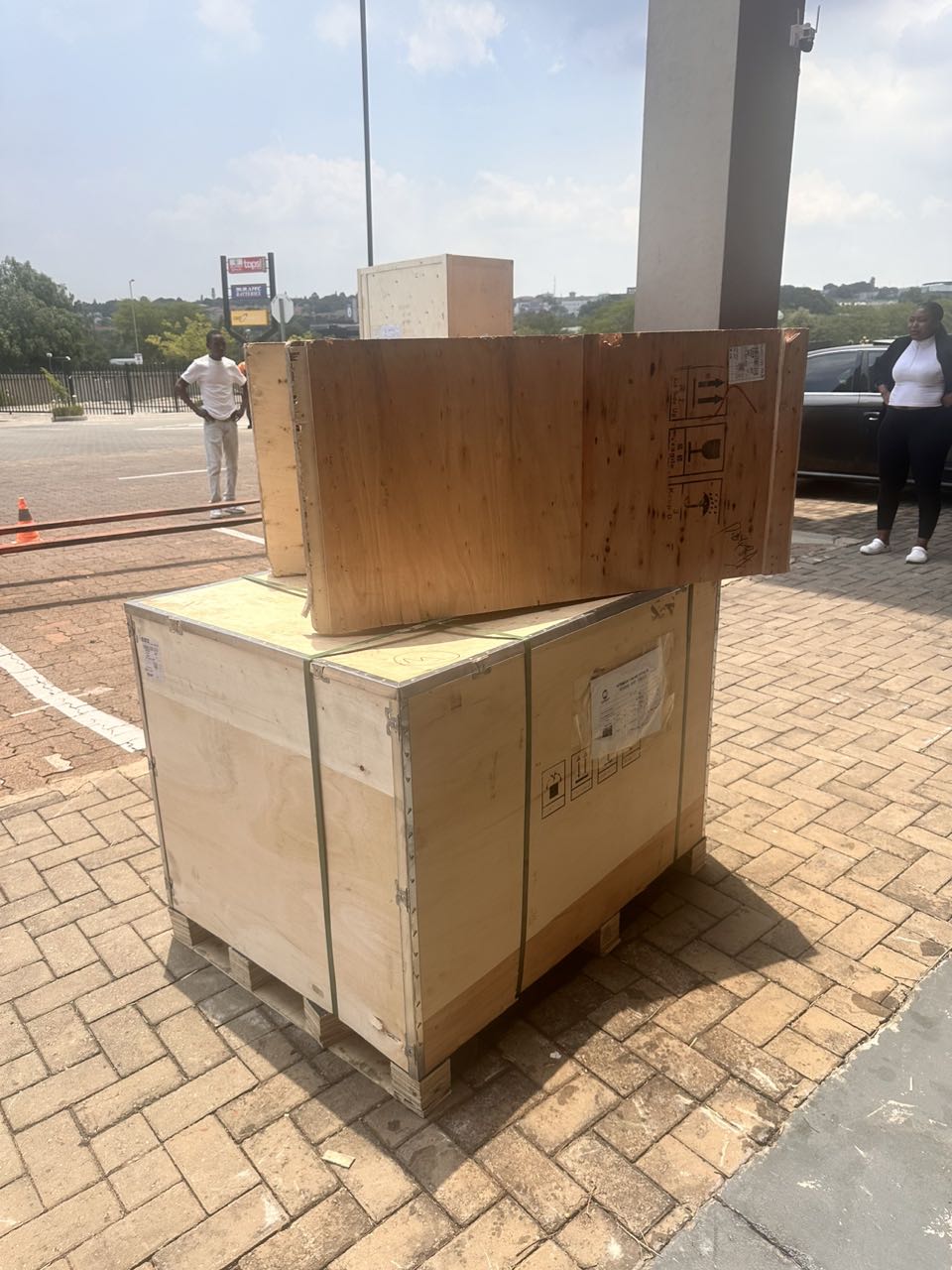
Batch of Orders
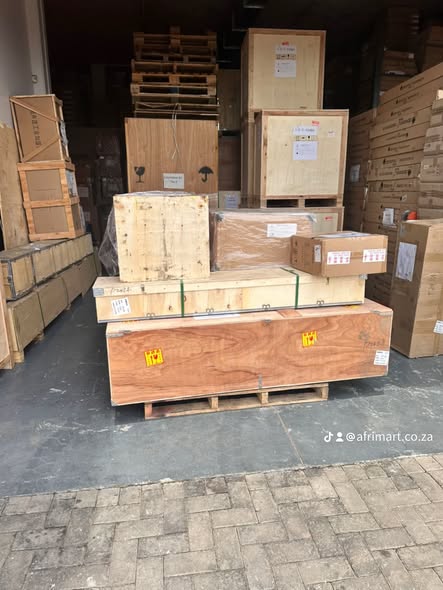
Latest Orders Labelled
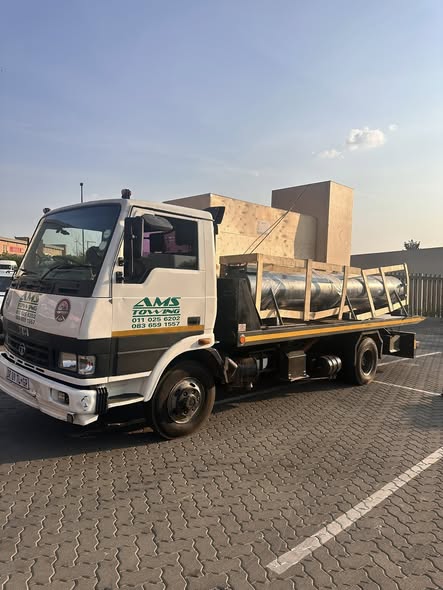
wheel alignment machines
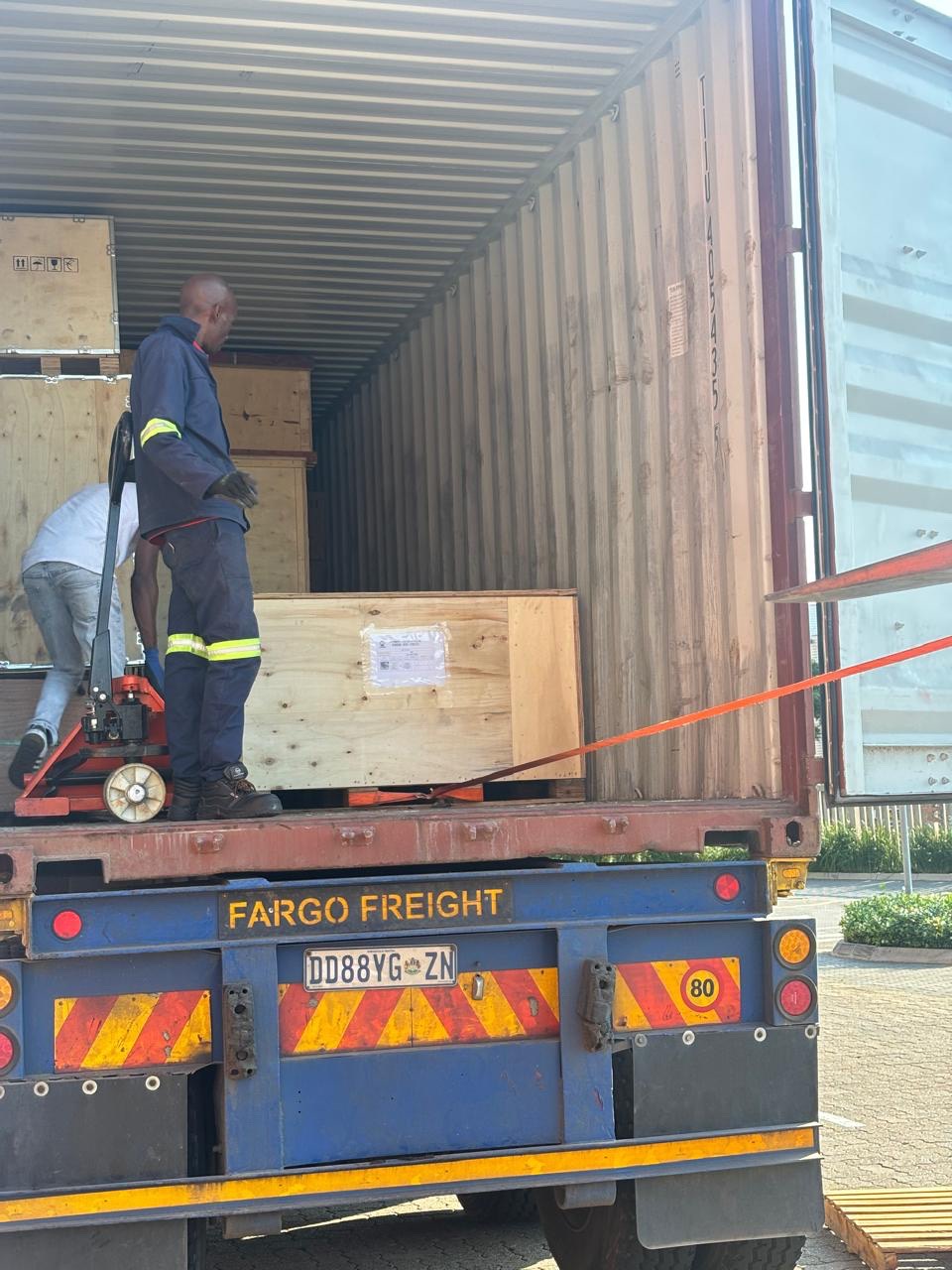
new arrivals
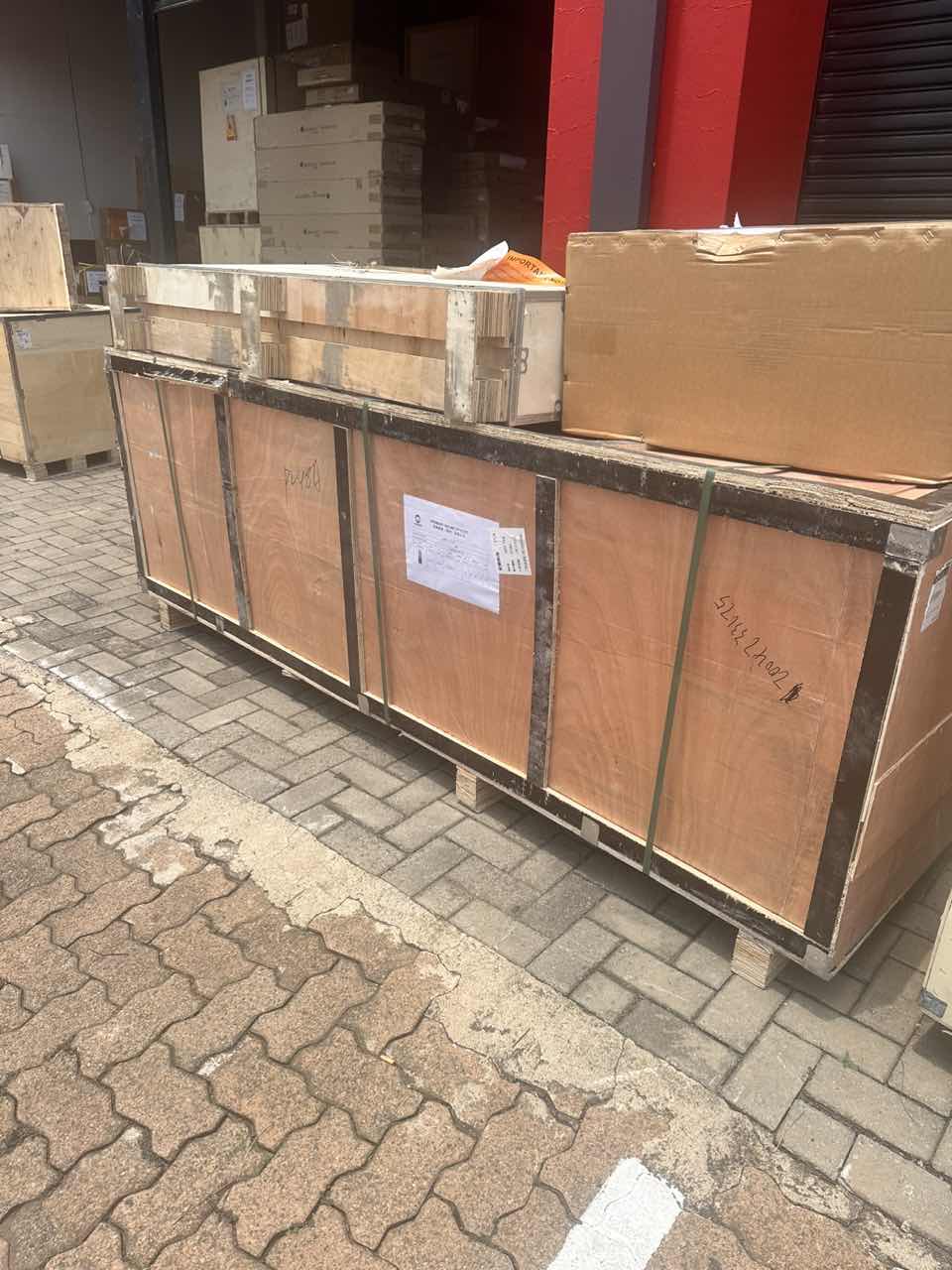
Pre Orders Offloading
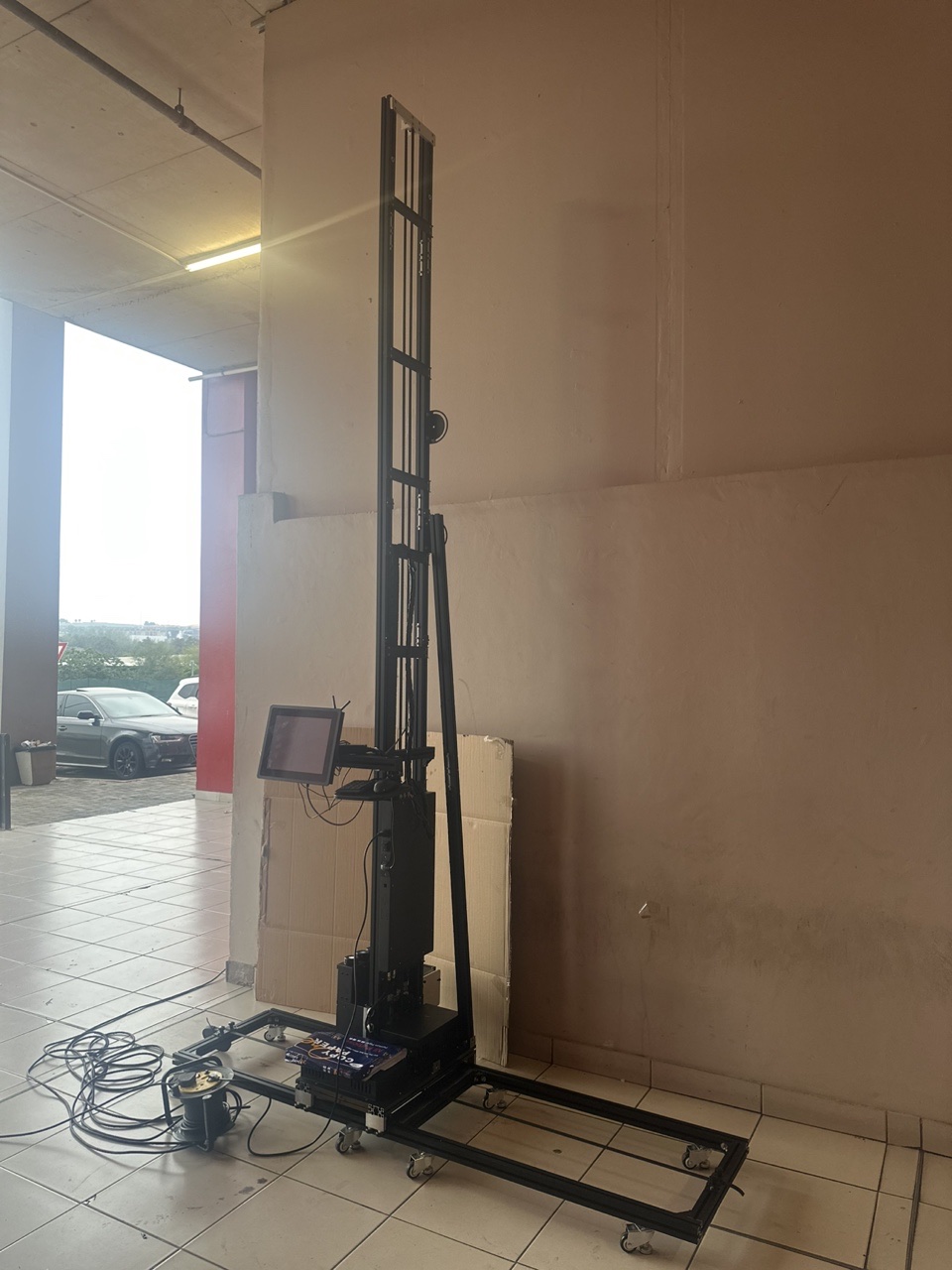
Latest Arrivals
Latest Arrivals
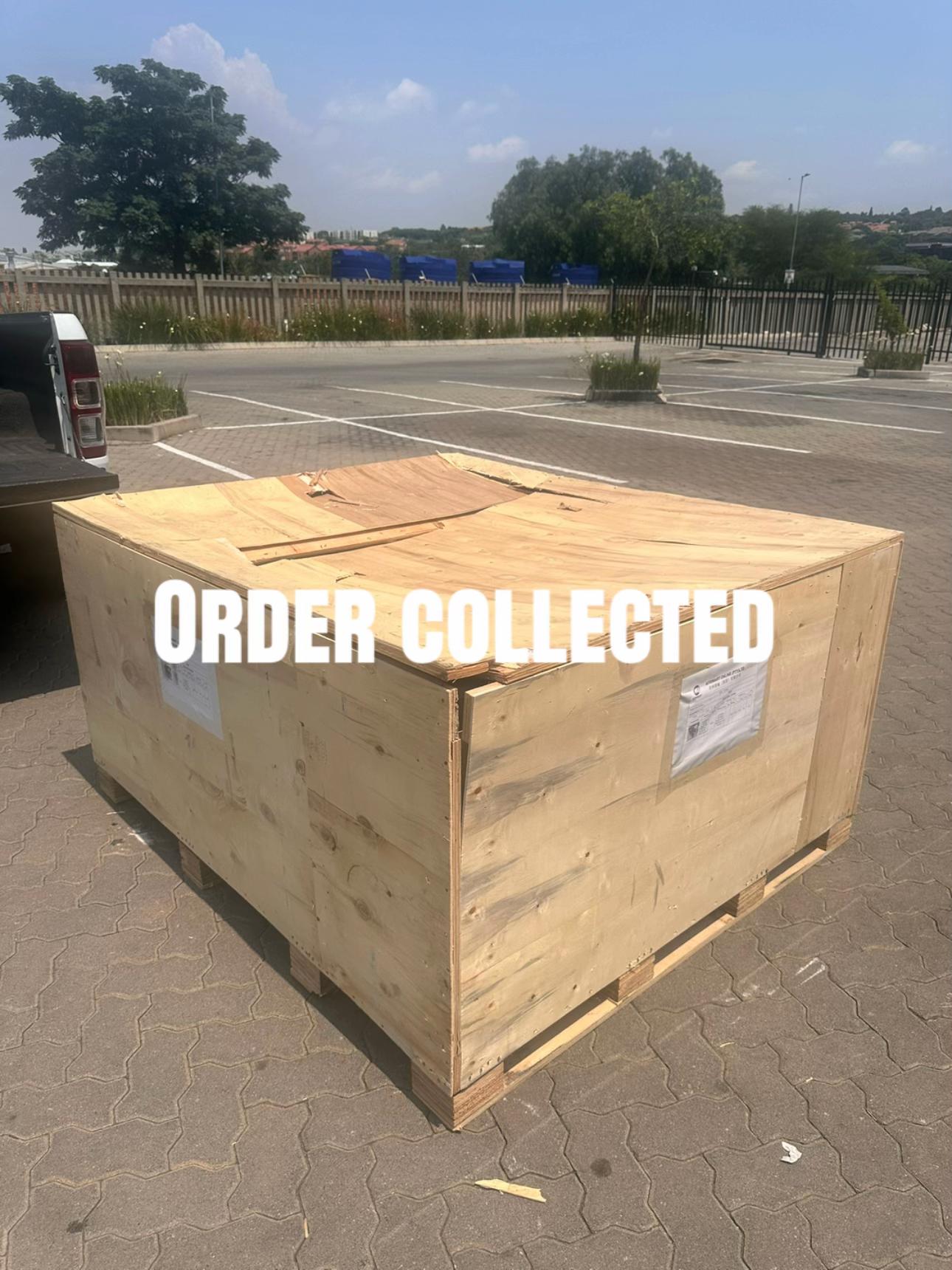
Latest Arrivals
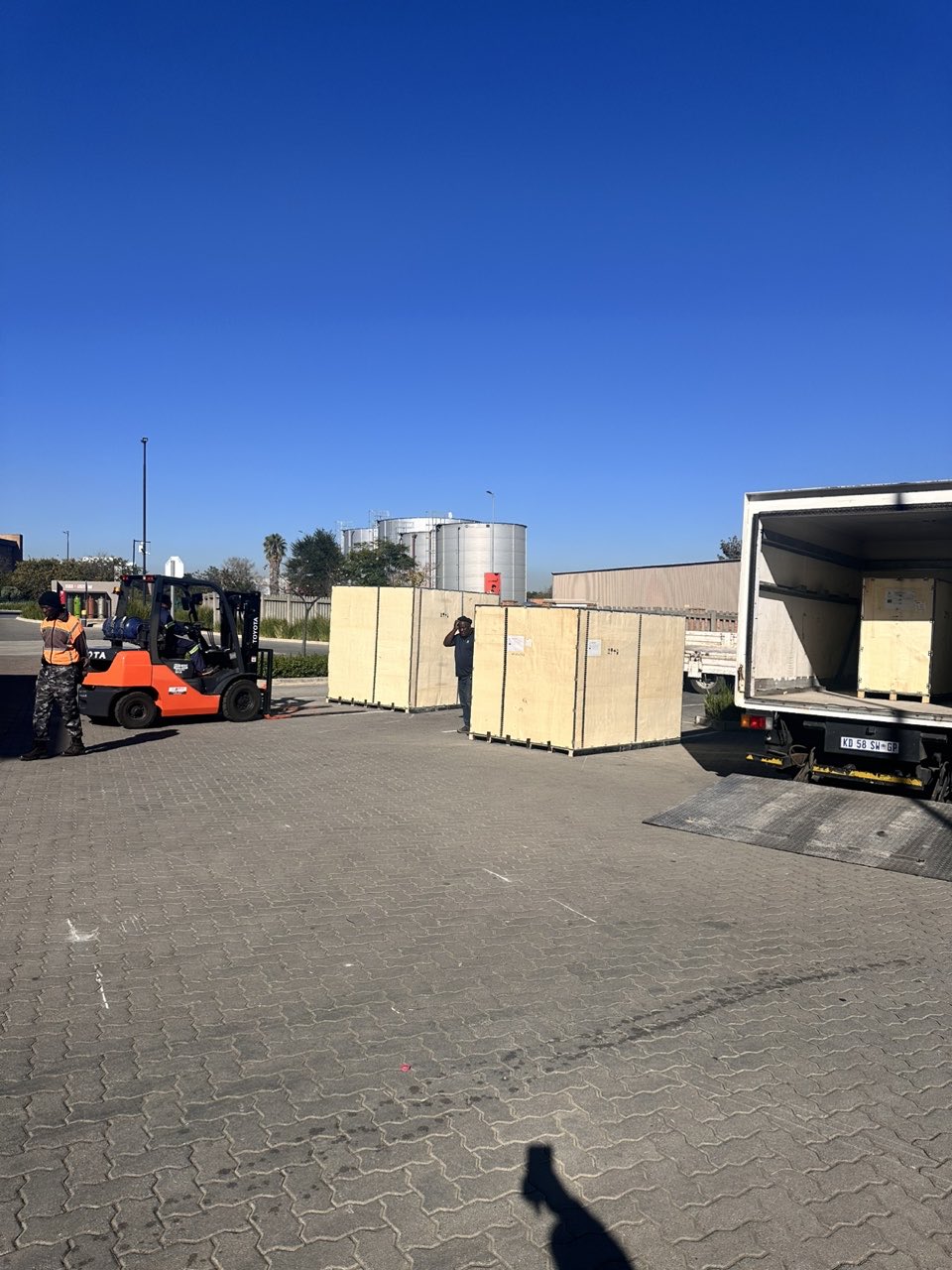
Loading
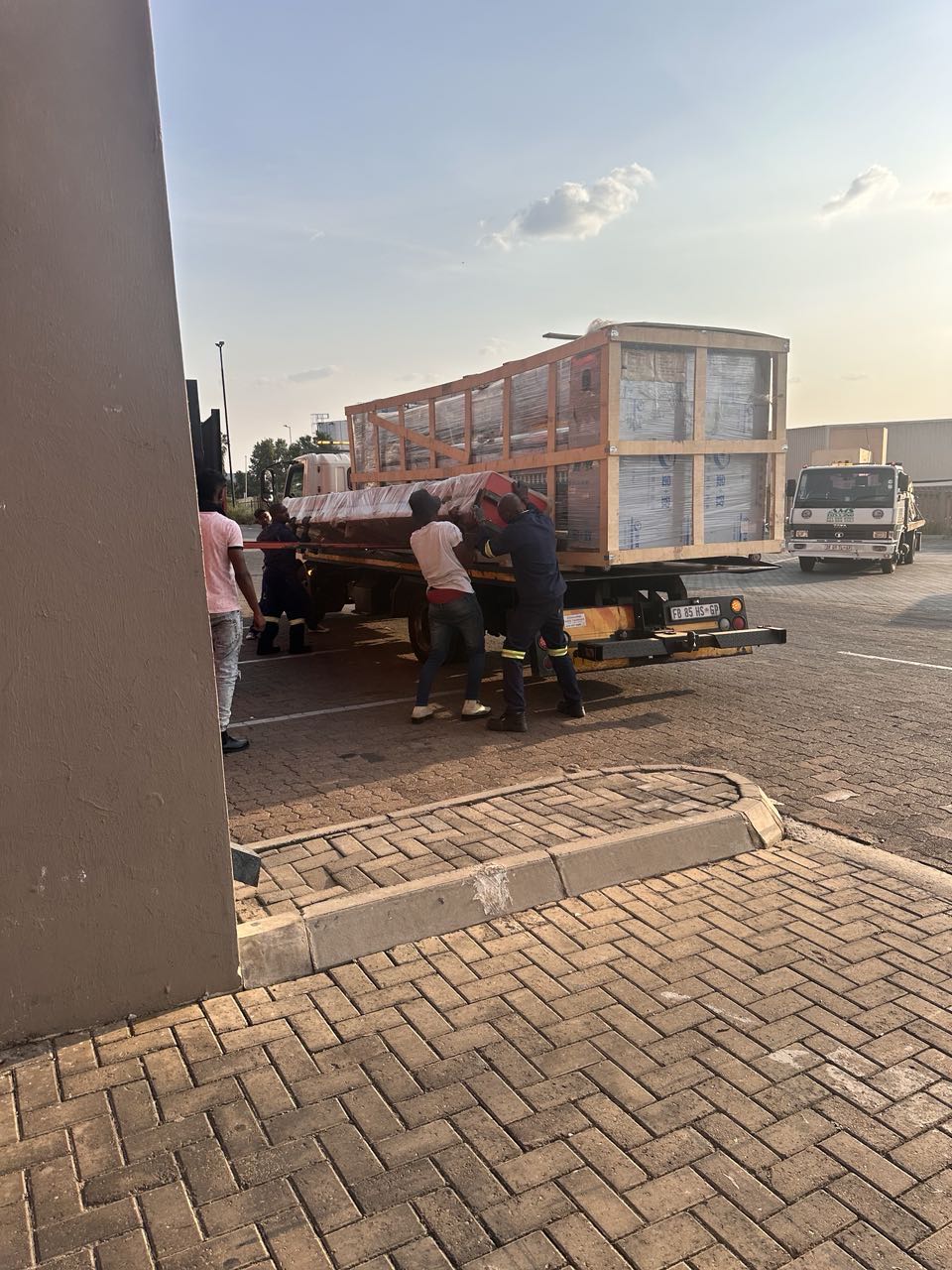
Toilet paper making machine
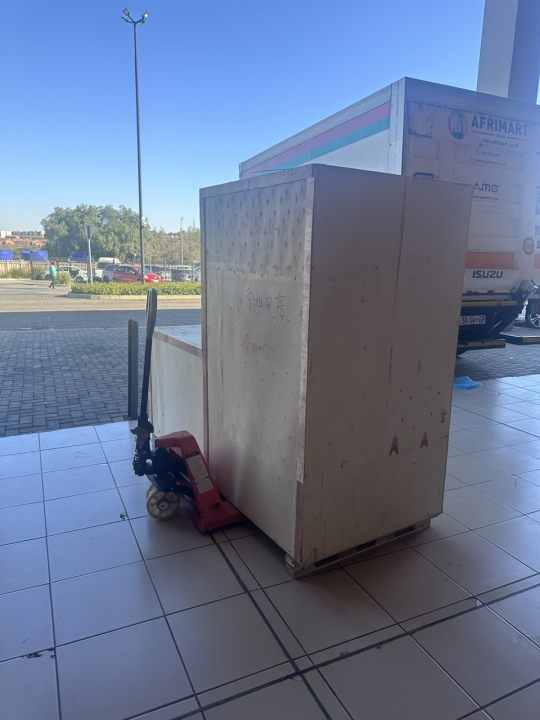
Toilet paper making machine
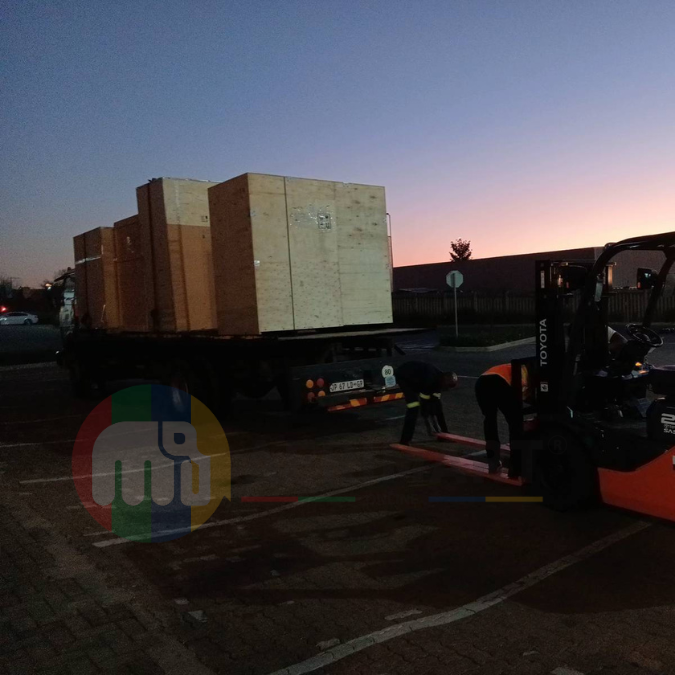
Toilet paper Rewinding Machine
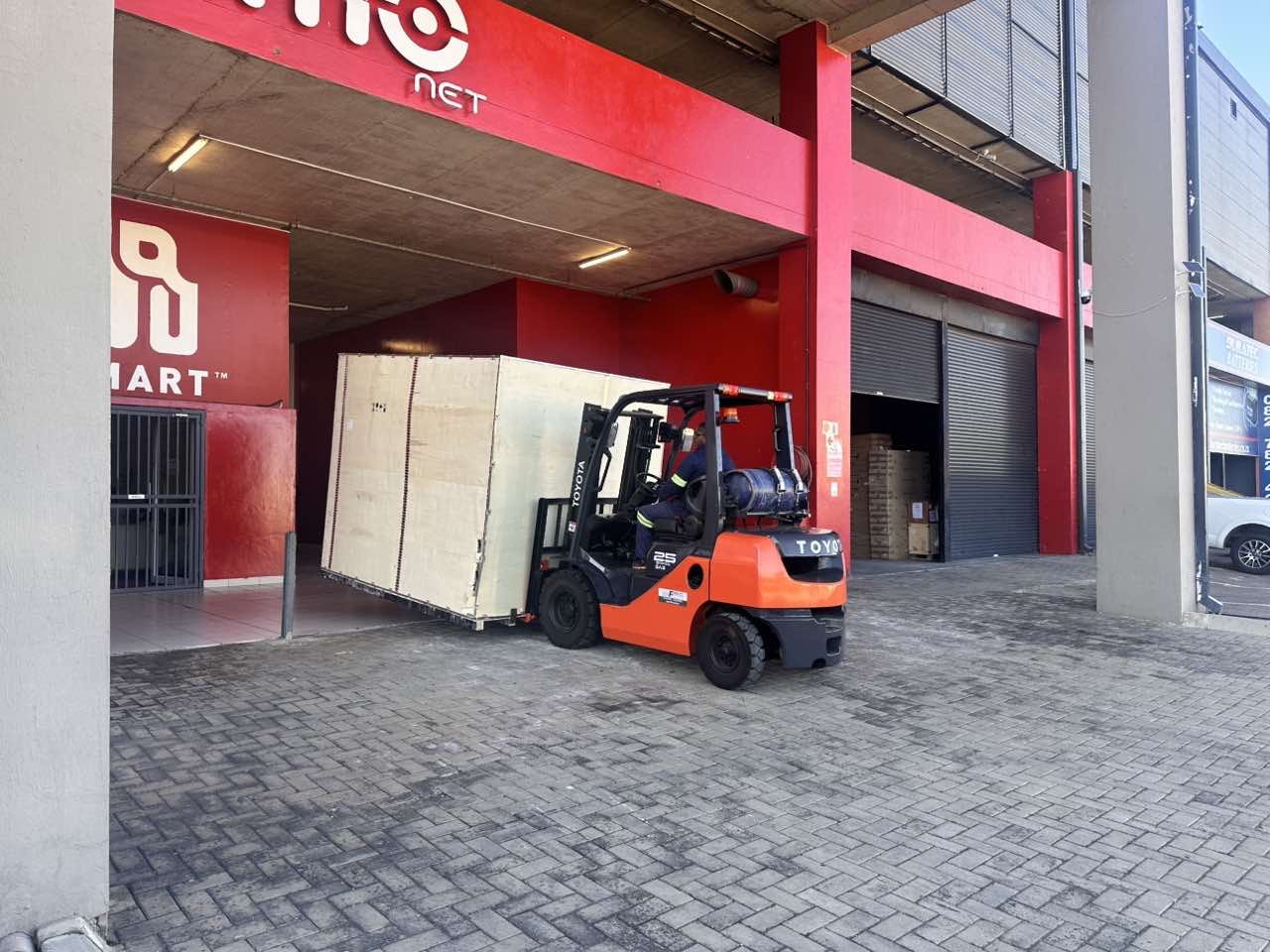
latest arrivals
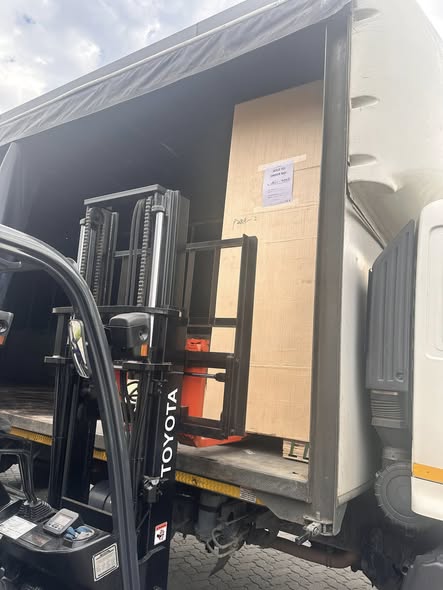
offloading
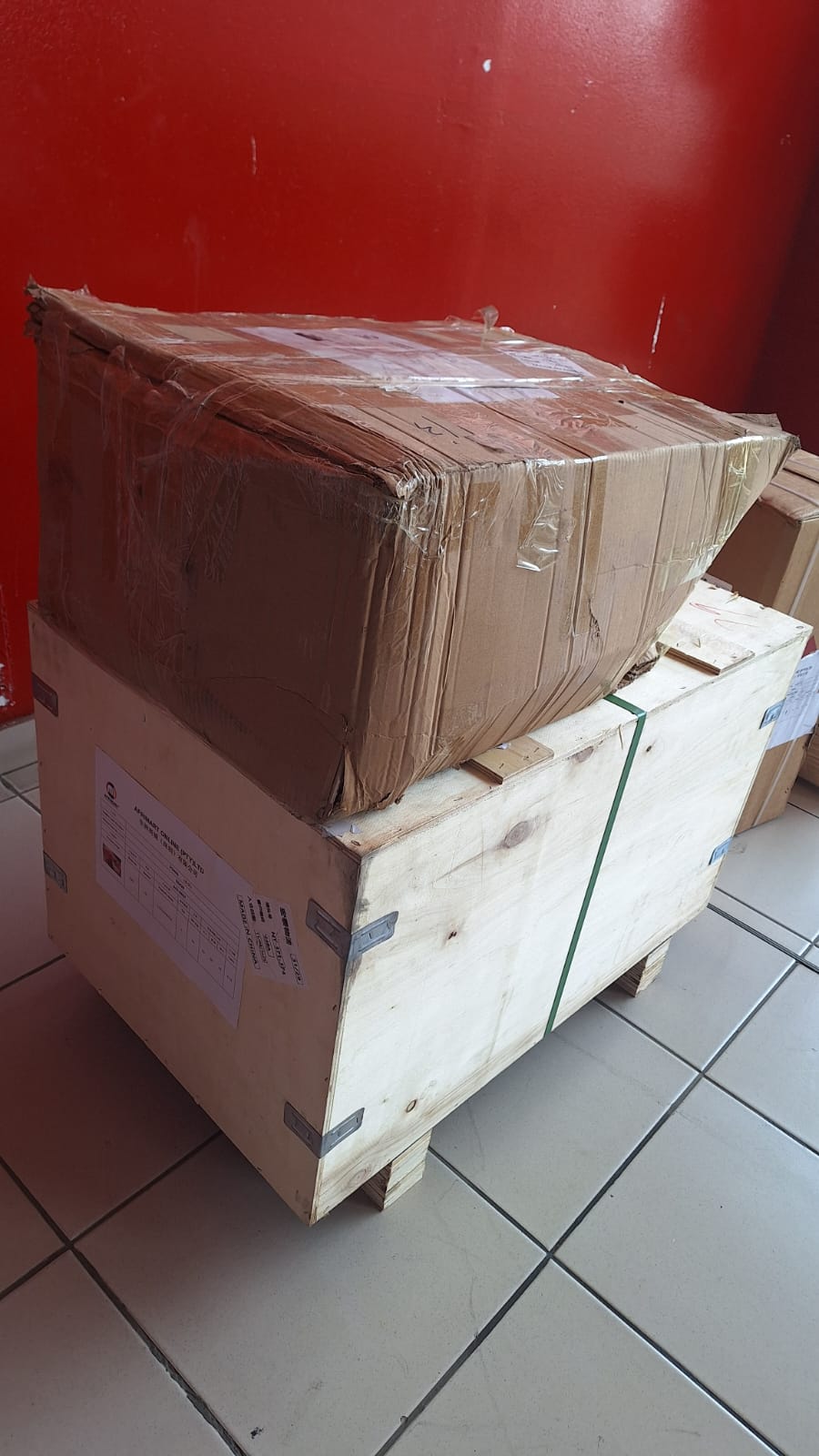
order success
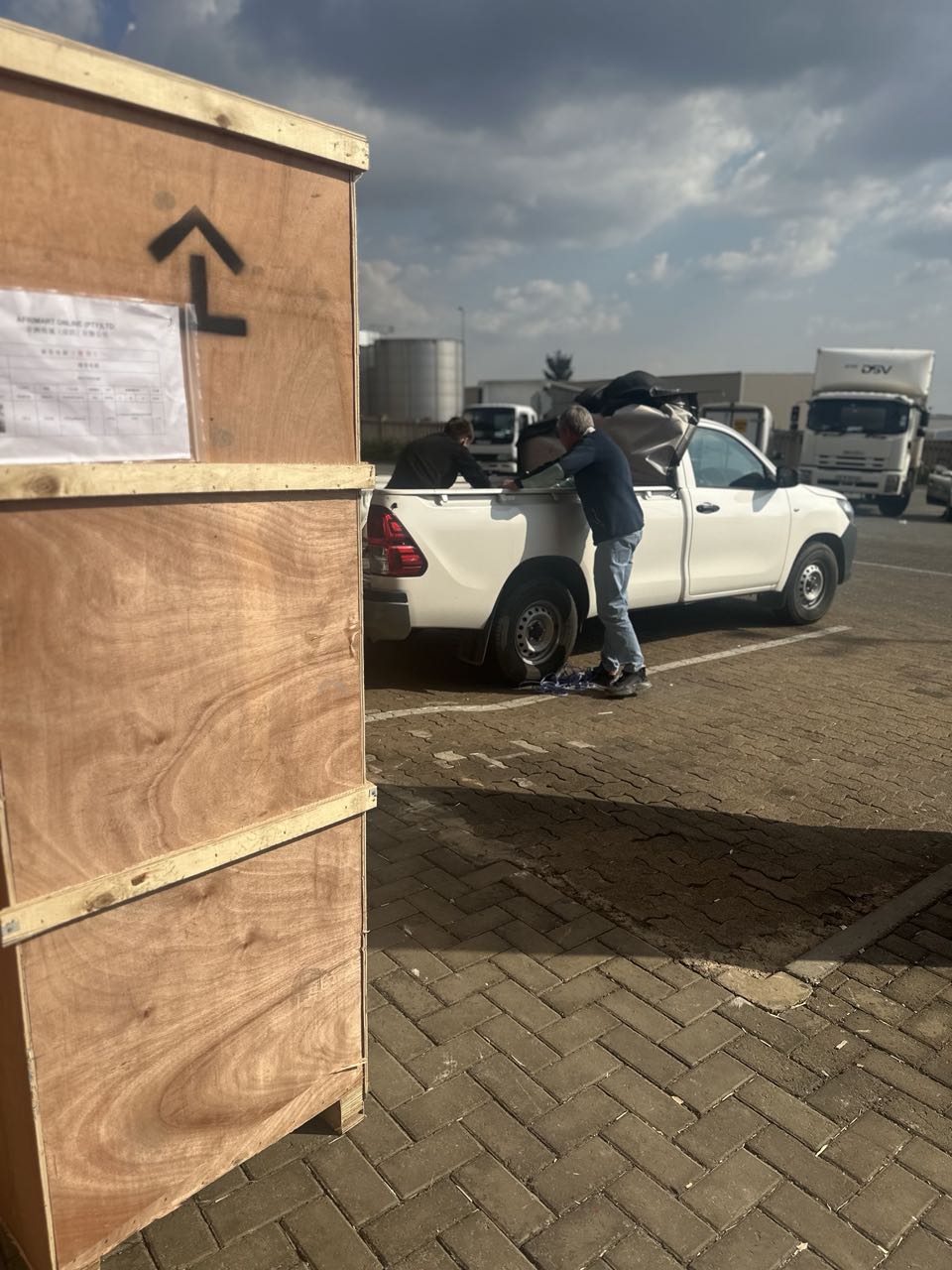
order collection
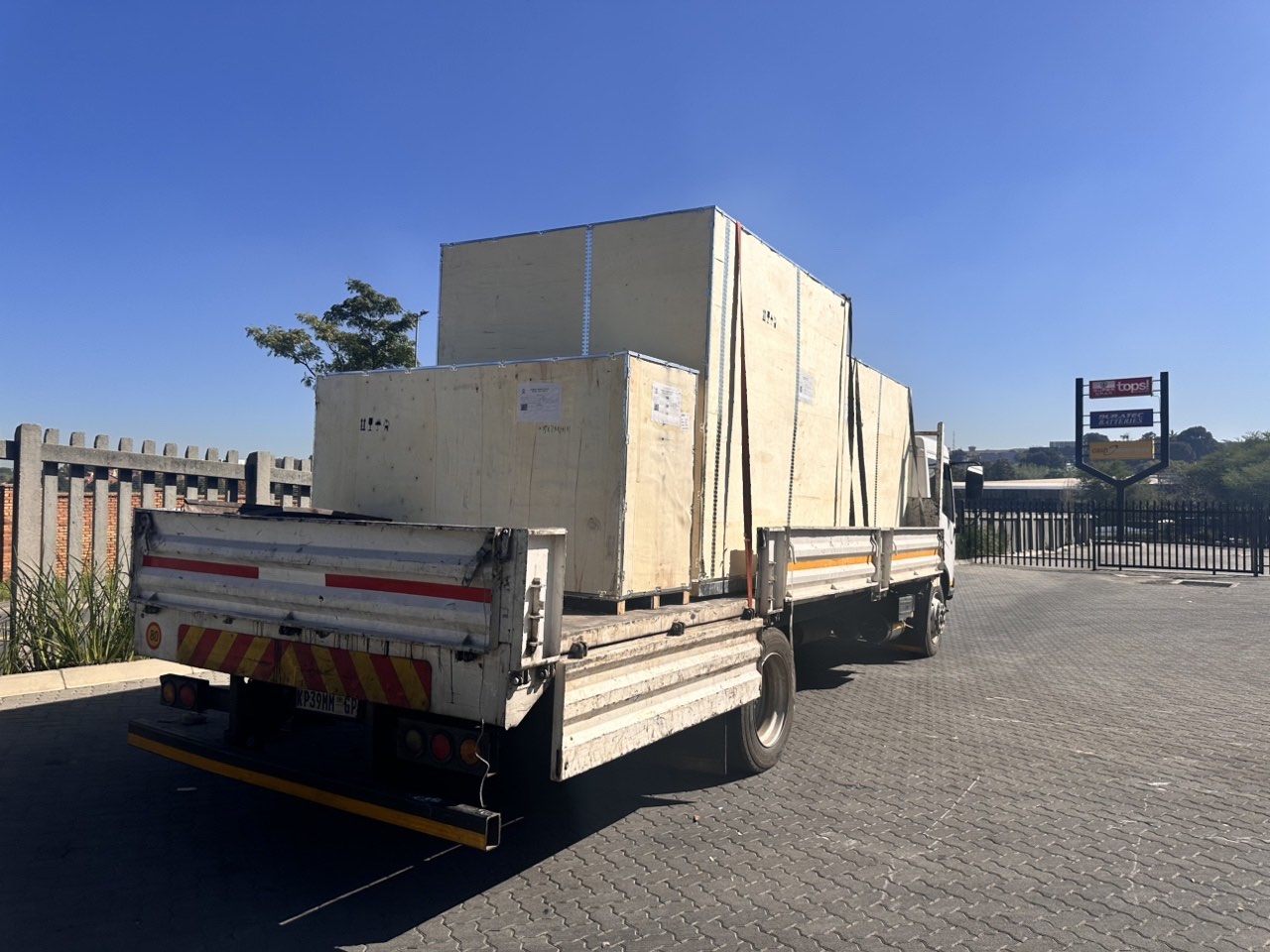
order offloading