B21, China Town Mall, Midrand


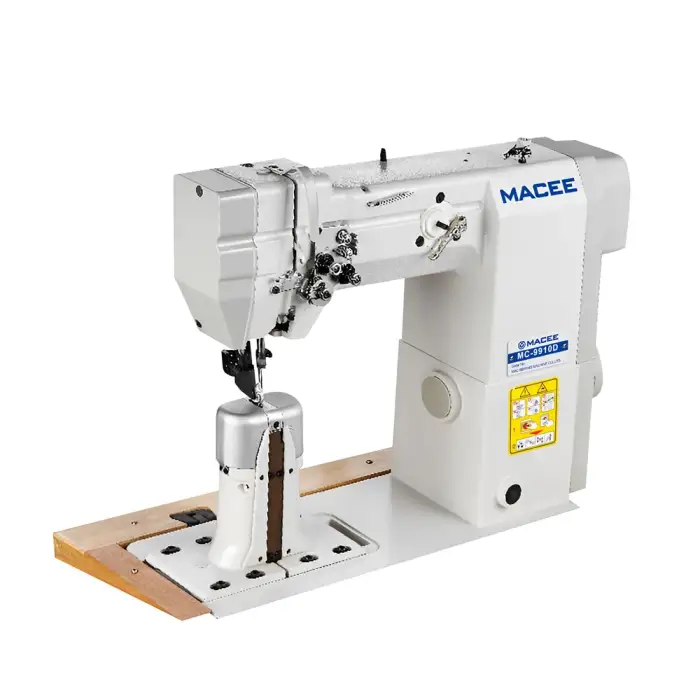
Double Needle Post Bed Walking Foot Heavy Duty Roller Feed Sewing Machine Model: MC9920

- Section : Machinery
- Category : Sewing Machines
- SKU : 16010400826355

Double Needle Post Bed Walking Foot Heavy Duty Roller Feed Sewing Machine Model: MC9920.
The Double Needle Post Bed Walking Foot Heavy Duty Roller Feed Sewing Machine Model: MC9920 is the perfect tool for your sewing needs. It is designed to handle tough materials with ease. Whether you're working on leather, canvas, or heavy fabrics, this machine delivers exceptional performance. Its double needle feature allows for unique stitching options, making your projects even more creative.
Specifications
| Attribute | Details |
|---|---|
| Model | MC9920 |
| Type | Post Bed Walking Foot |
| Feeding Mechanism | Heavy Duty Roller Feed |
| Needle Type | Double Needle |
| Max Stitch Length | 5 mm |
| Weight | Approx. 100 lbs |
Key Features
- Heavy-duty design for tough materials
- Double needle capability for creative stitching
- Post bed design for easy handling of bulky items
- Walking foot mechanism for even feeding
- Adjustable stitch length for versatility
Applications
- Sewing leather goods, such as bags and jackets
- Creating upholstery for furniture
- Working with canvas for tents and outdoor gear
- Making crafts and heavy fabric projects
- Producing custom apparel with unique stitching
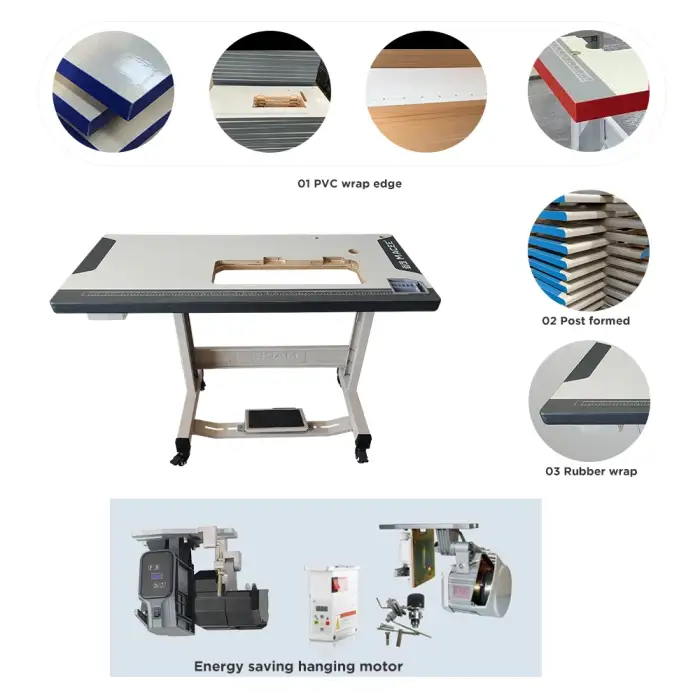
Product Info Gallery
- Shipping Timeframes: All orders are processed within 2-5 business days (excluding weekends and holidays). After your order has been processed, the estimated delivery time is before 03 Aug, 2026, depending on customs, Please note that due to high demand, some items may experience longer shipping times, which will be communicated at order confirmation email.
- Order Processing Time: Please allow 2-5 business days for us to process your order before it is shipped . Orders placed after 16:00 on Fridays, or during weekends and public holidays, will begin processing on the next business day. Processing times may be extended during peak seasons or sales events.
- Manufacturing Time: Some products needs manufacturing time, the manufacturing process will take approximately 10-30 business days depending on the product. This timeframe may vary depending on the complexity of the product and current demand. but this will be communicated with you during order confirmation.
- Returns and Exchanges: We offer a 30-day return policy for most items. If you are not completely satisfied with your purchase, you may return it within 30 days of receipt for a refund or exchange. Items must be unused, in their original packaging, and accompanied by proof of purchase. Return shipping costs are the responsibility of the customer, unless the item was damaged or defective upon arrival.
1. What is the Double Needle Post Bed Walking Foot Heavy Duty Roller Feed Sewing Machine Model MC9920 best used for?
The MC9920 is designed for heavy materials and bulky items — leather goods (bags, jackets), upholstery, canvas (tents, awnings), heavy fabric crafts, and custom apparel that require robust stitching and even feeding.
2. What are the key specifications of the MC9920?
Model: MC9920; Type: Post bed walking foot; Feeding mechanism: heavy-duty roller feed; Needle type: double needle; Maximum stitch length: 5 mm; Weight: approximately 100 lbs.
3. What does "double needle" mean and what stitching options does it provide?
Double needle means the machine can accommodate two needles side-by-side for parallel stitching. This allows for double top-stitching, decorative twin seams, and stronger parallel seams commonly used in upholstery, leatherwork, and baggage construction.
4. How does the walking foot and roller feed help with heavy materials?
The walking foot advances the top fabric layers in sync with the lower feed, while the roller feed provides positive traction underneath. Together they give even, controlled feeding of multiple layers and slippery or thick materials, preventing shifting and puckering.
5. What is the advantage of the post bed design?
The post bed raises the machine head above the work surface and provides clearance around the needle area, making it easier to sew cylindrical, irregular or three-dimensional items like boots, sleeves, bags, and other bulky components.
6. What needles and threads are recommended for sewing heavy materials on the MC9920?
Use heavy-duty/industrial needles designed for leather, denim or heavy fabrics. Common sizes for heavy work are in the higher range (e.g., leather/denim sizes 16–23), but always match needle size to material and thread. Use strong threads such as bonded nylon, polyester, or upholstery thread for best results.
7. What is the maximum stitch length and how do I adjust it?
Maximum stitch length is 5 mm. Stitch length is adjustable — consult the machine's manual for the exact lever or dial location and step-by-step instructions on setting stitch length safely while the machine is stopped.
8. Does the MC9920 use standard industrial bobbins and what type should I use?
Heavy-duty machines commonly use industrial-size bobbins and appropriate bobbin cases. For model-specific bobbin type, capacity and part numbers, refer to the MC9920 manual or contact the supplier to ensure compatibility.
9. What kind of work surface or table do I need for a 100 lb machine?
Because the machine weighs approximately 100 lbs, mount it on a sturdy industrial sewing table or heavy-duty cabinet designed for industrial heads. A stable table reduces vibration and provides a secure workspace for bulky projects.
10. What regular maintenance does the MC9920 require?
Regular maintenance includes cleaning lint and debris from the feed area and bobbin case, checking and changing needles as needed, lubricating moving parts per the manual, inspecting the walking foot/roller feed, and periodic professional service for timing or major adjustments.
11. How often should I oil the machine and which oil should I use?
Follow the lubrication schedule in the user manual. Use sewing machine/industrial machine oil recommended by the manufacturer. Frequency depends on usage: heavy daily use may require daily or weekly oiling of designated points; light use requires less frequent oiling.
12. What common problems might I encounter and how can I troubleshoot them?
Common issues include skipped stitches (check needle type/condition and installation), uneven feeding (inspect roller feed and walking foot for wear or debris), thread breakage (check thread path, tension, and thread quality), and tension problems (re-adjust upper and bobbin tension). If problems persist, consult a qualified technician or the manual.
13. Are attachments or special presser feet included or available?
Walking foot and roller feed are built into the design. Additional presser feet and specialized attachments (edge guides, binder feet, hemmers, and various industrial accessories) are often available — check the parts/accessories list in the MC9920 manual or contact the supplier for compatible items.
14. What are the power and speed specifications for the MC9920?
Power and maximum sewing speed depend on the specific motor and electrical configuration supplied with the machine. Refer to the machine nameplate or the user manual for voltage, motor horsepower, and recommended speed limits. For production settings, follow manufacturer recommendations to avoid overloading.
15. Where can I get replacement parts, servicing, or warranty support?
For genuine replacement parts, servicing, and warranty information, contact the seller, authorized distributors, or the manufacturer's service network. Keep your model number (MC9920) and purchase details available when requesting support.
Latest Order Arrivals
Discover our latest orders
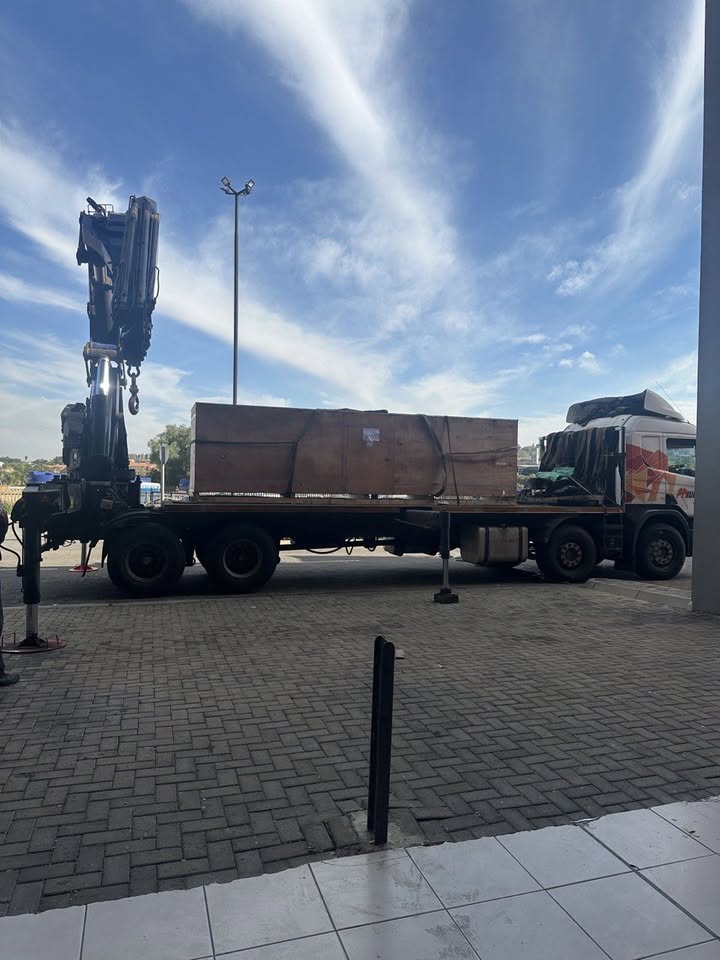
12 Heads Embroidery Machine
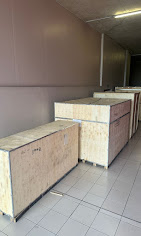
Toilet Paper Machine Machine
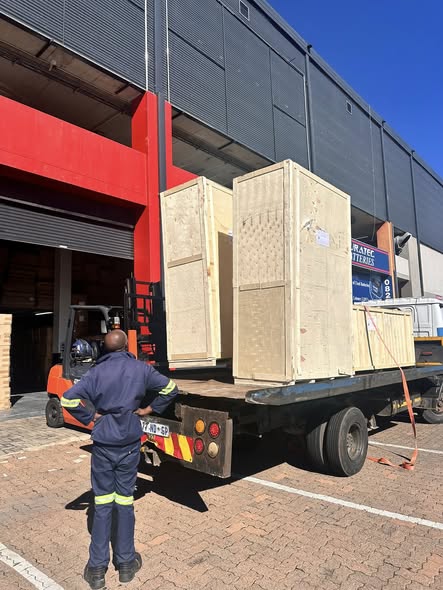
Order Collection
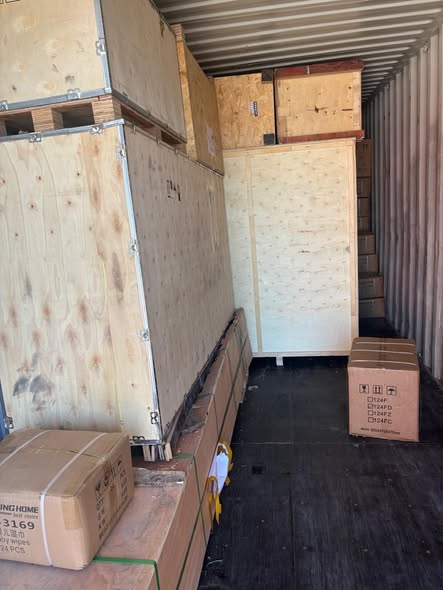
Cross Border Clients
Order cros border countries Collected
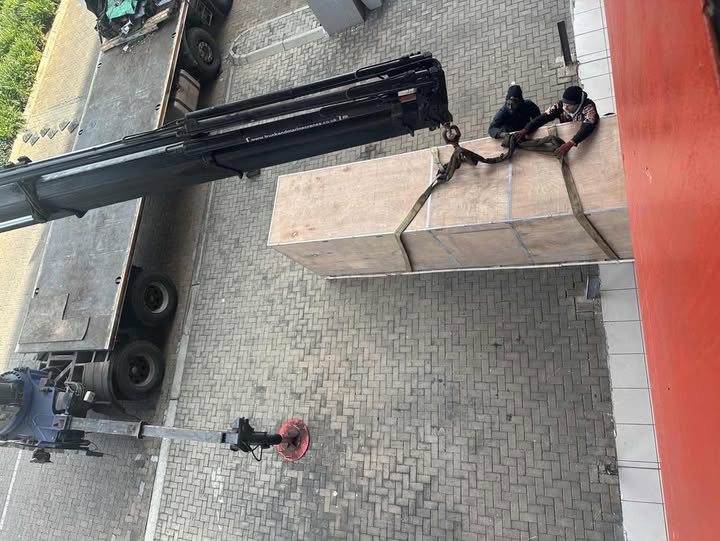
Industrial Machine Cllection
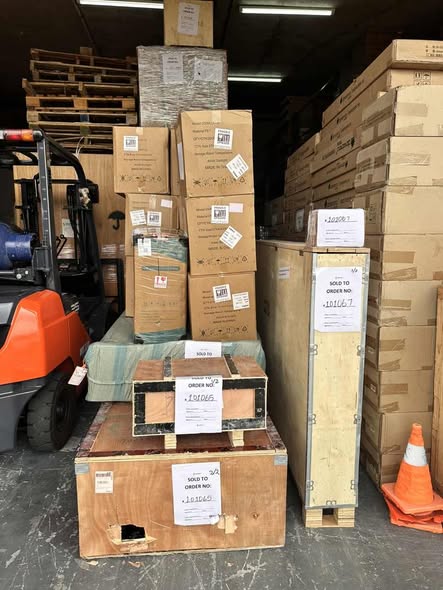
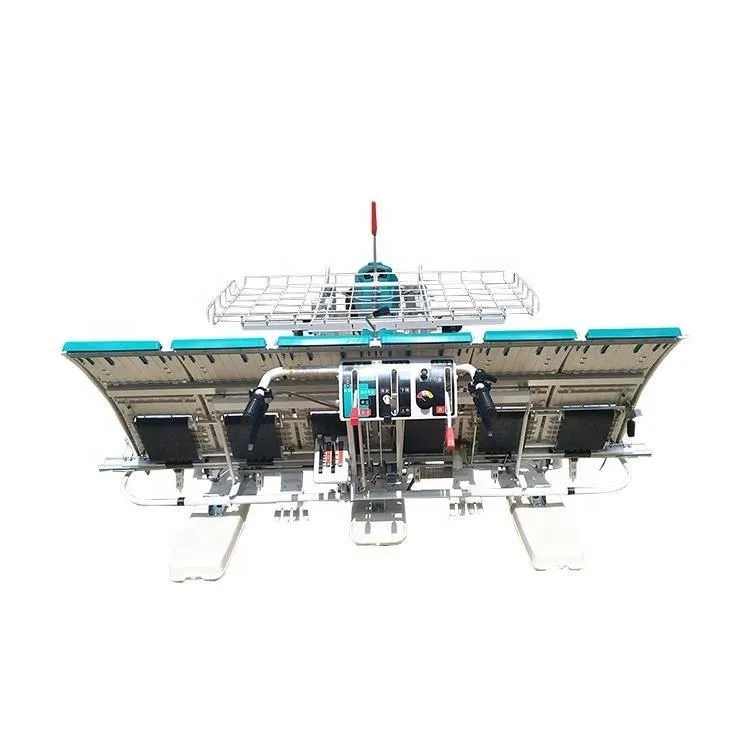
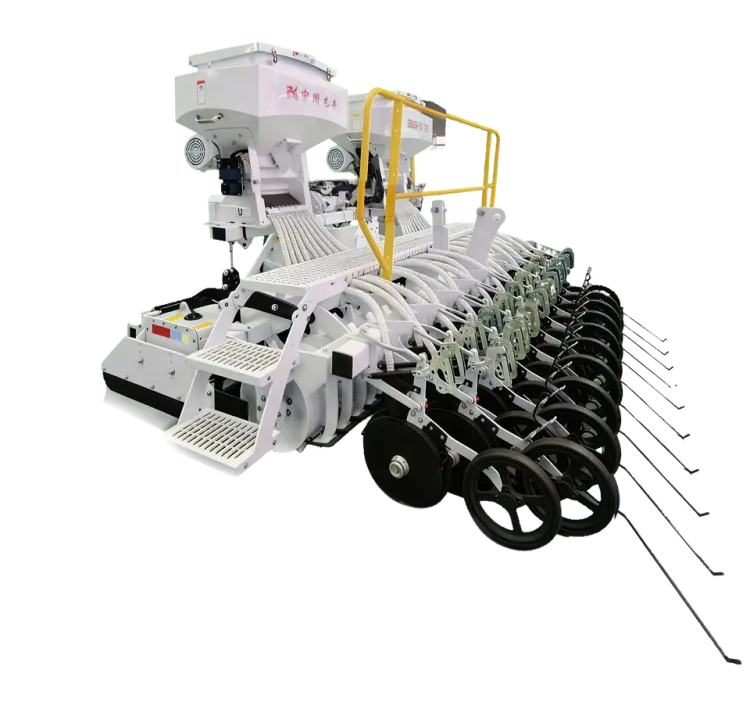
Agriculture Processing Machines
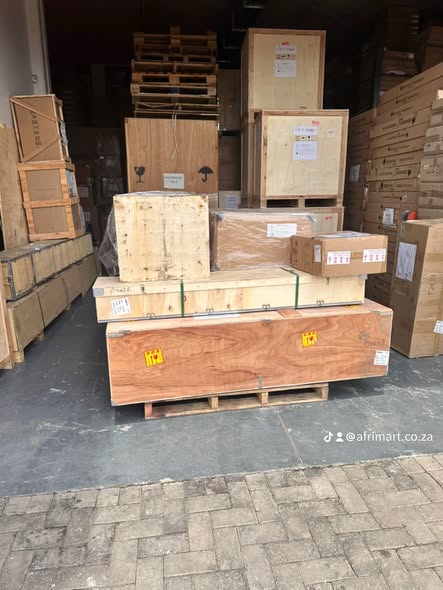
Ready for collection
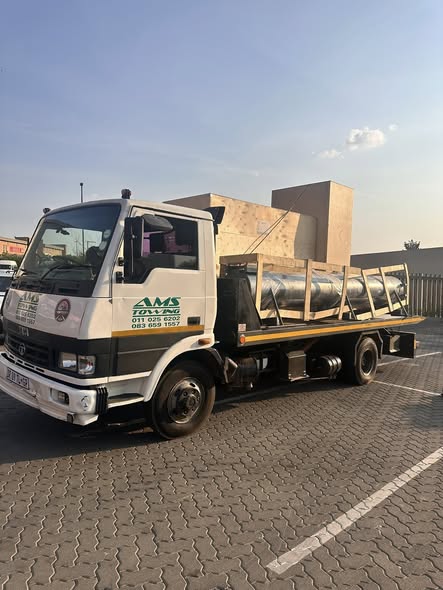
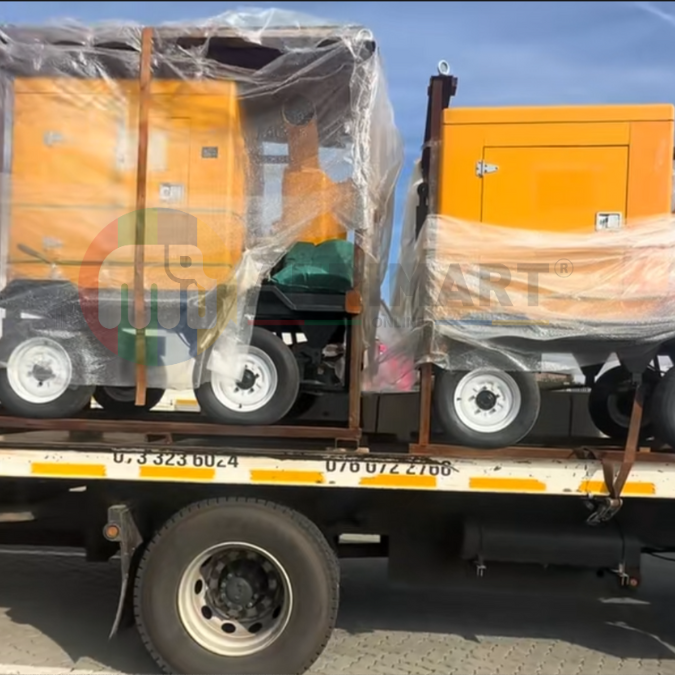
Water Pump Equipment
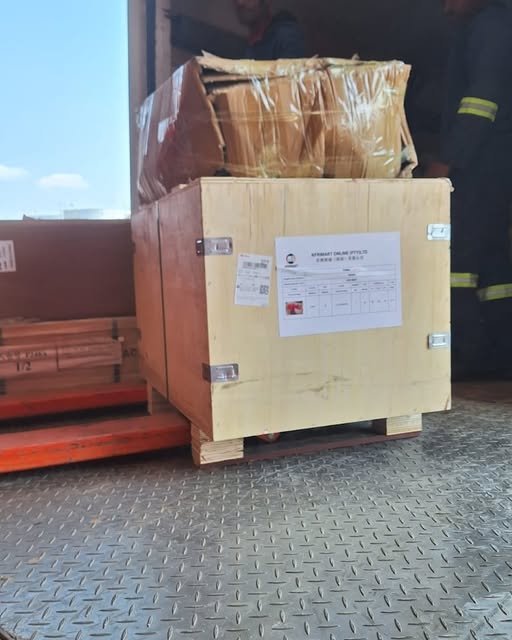
Packaging Machine and accessories
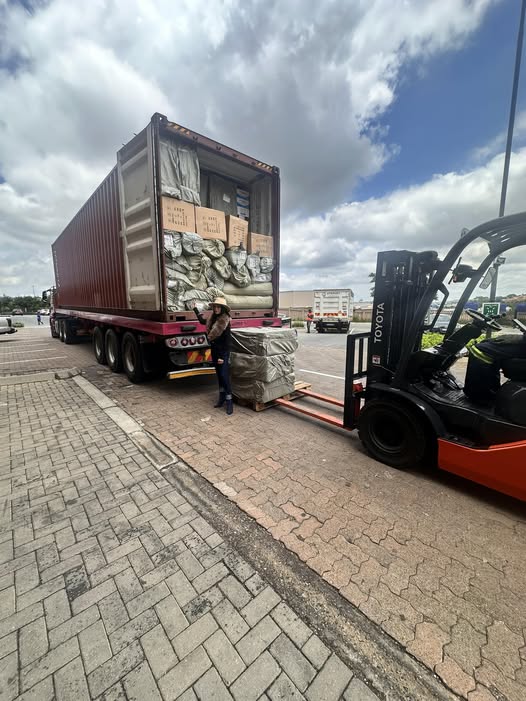
Fabrics Manufacturing Equipment
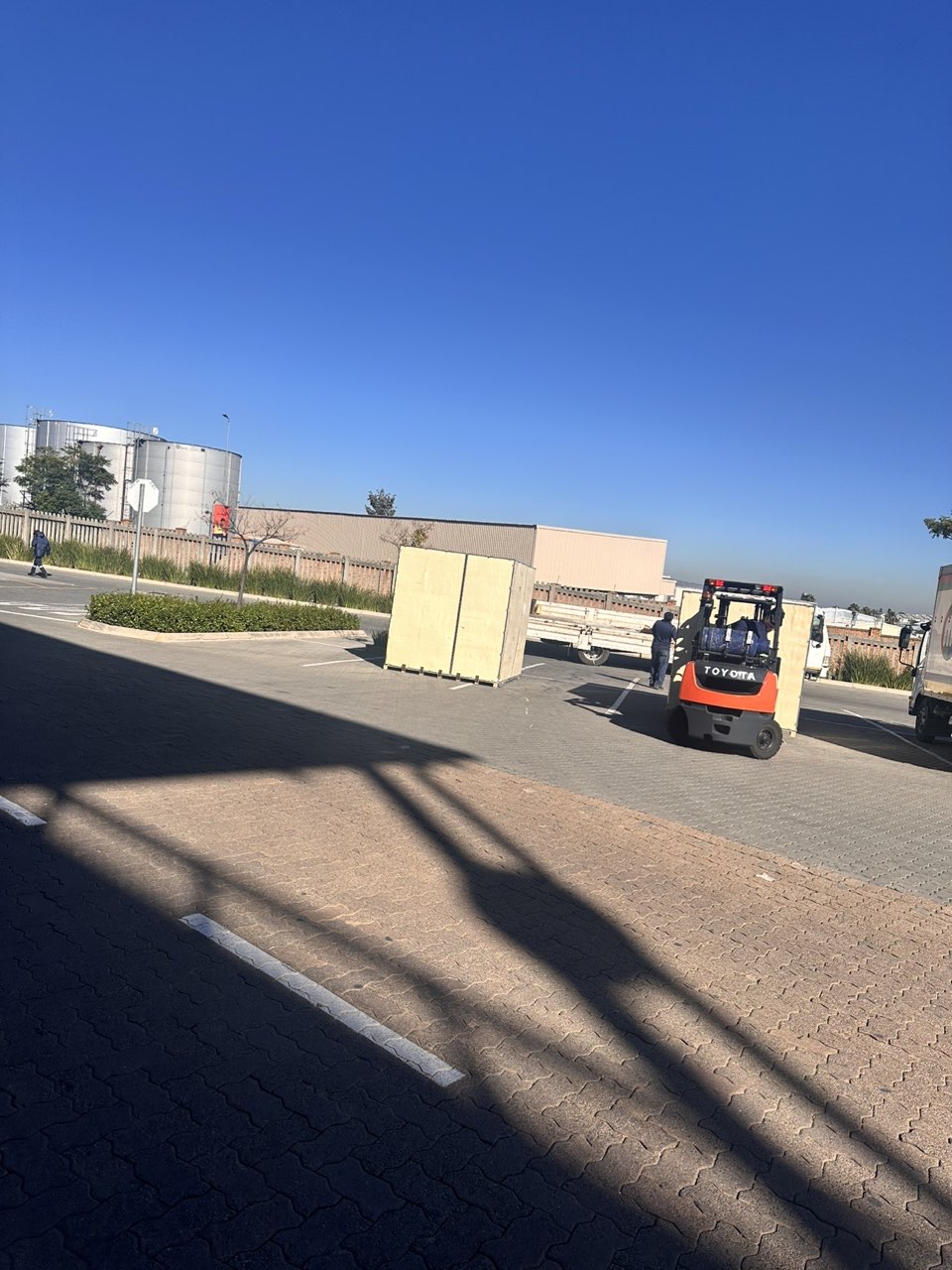
Mining Equipments
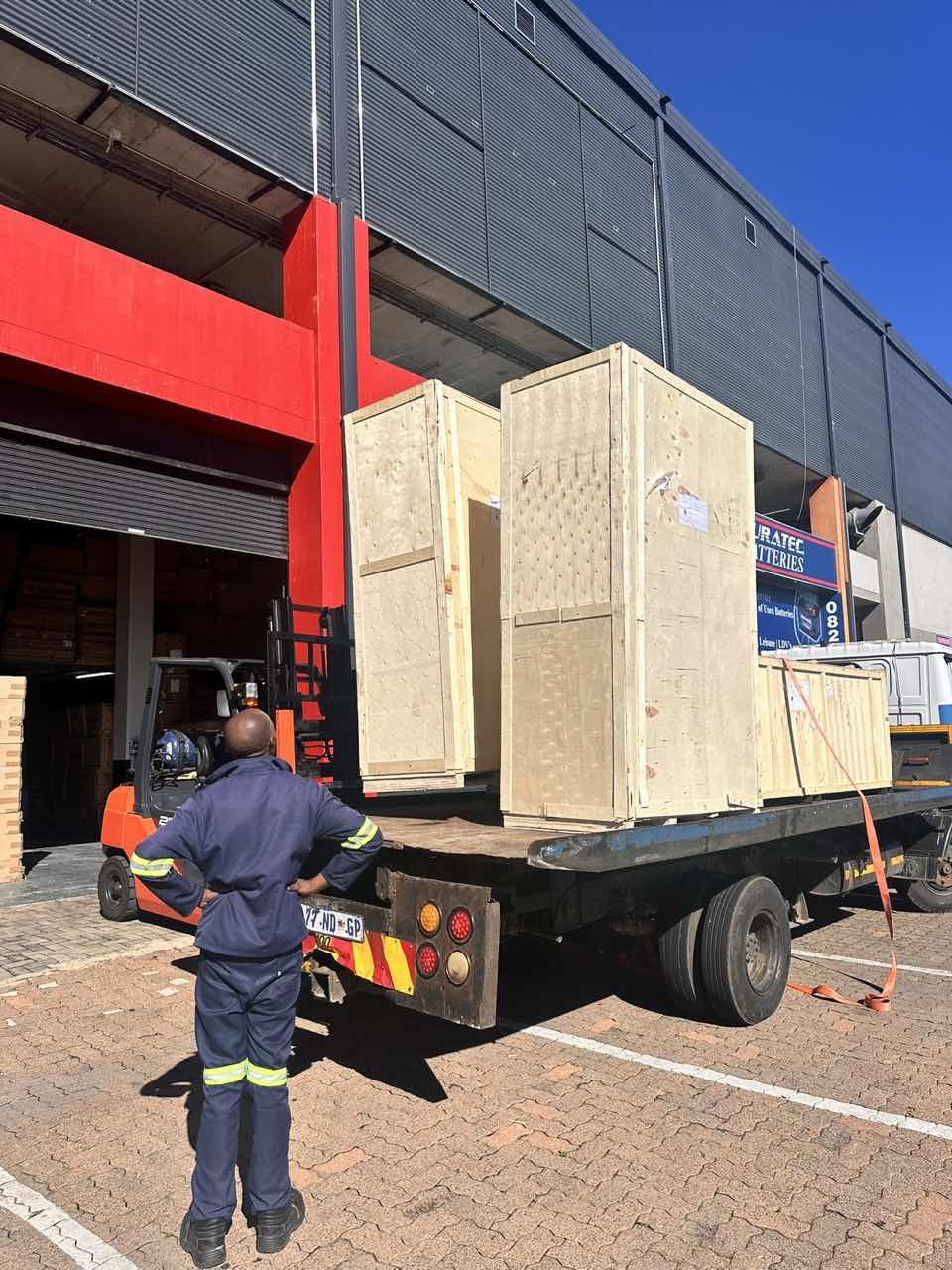
Food Processing Machine
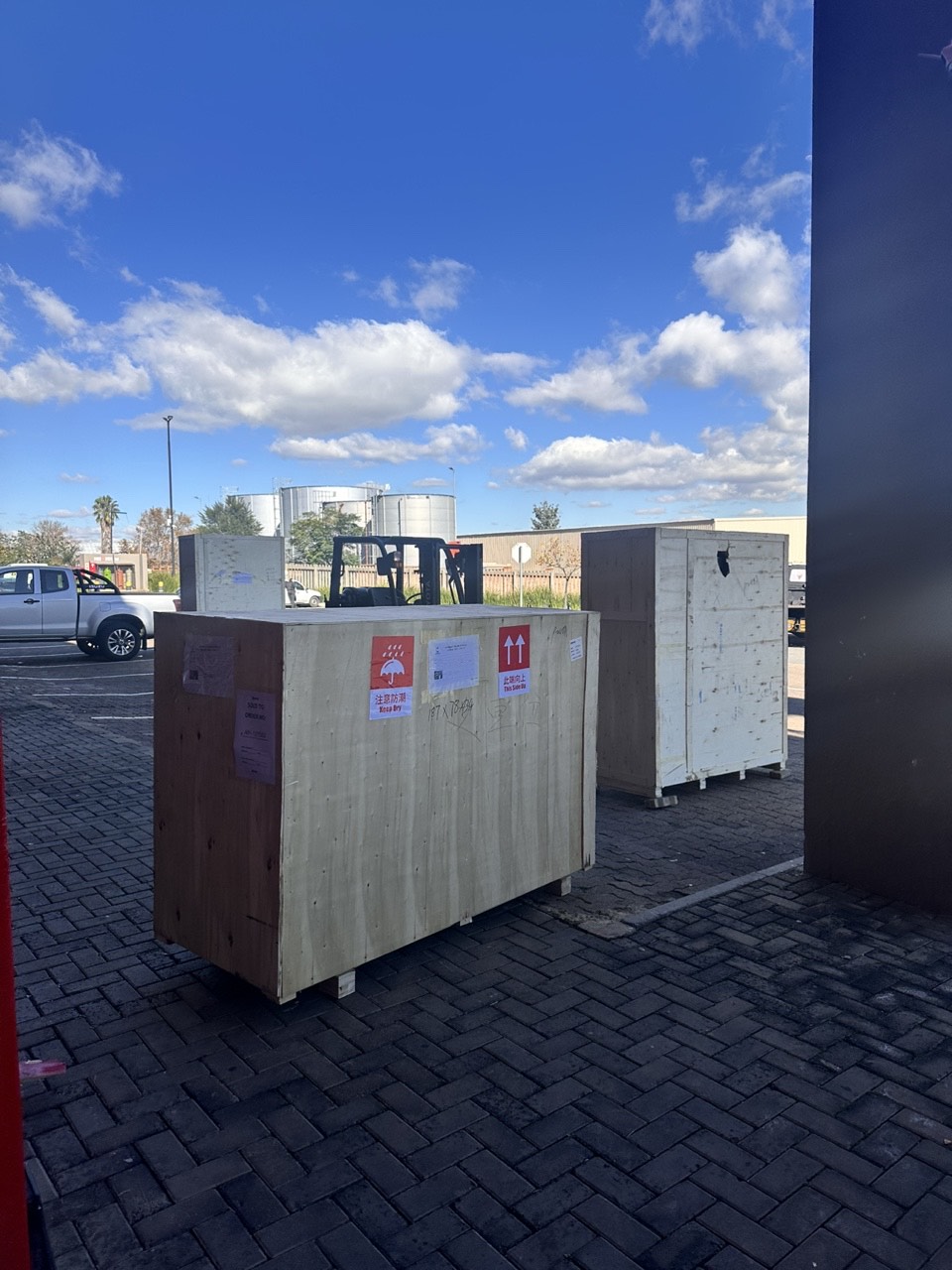
Batch of Orders
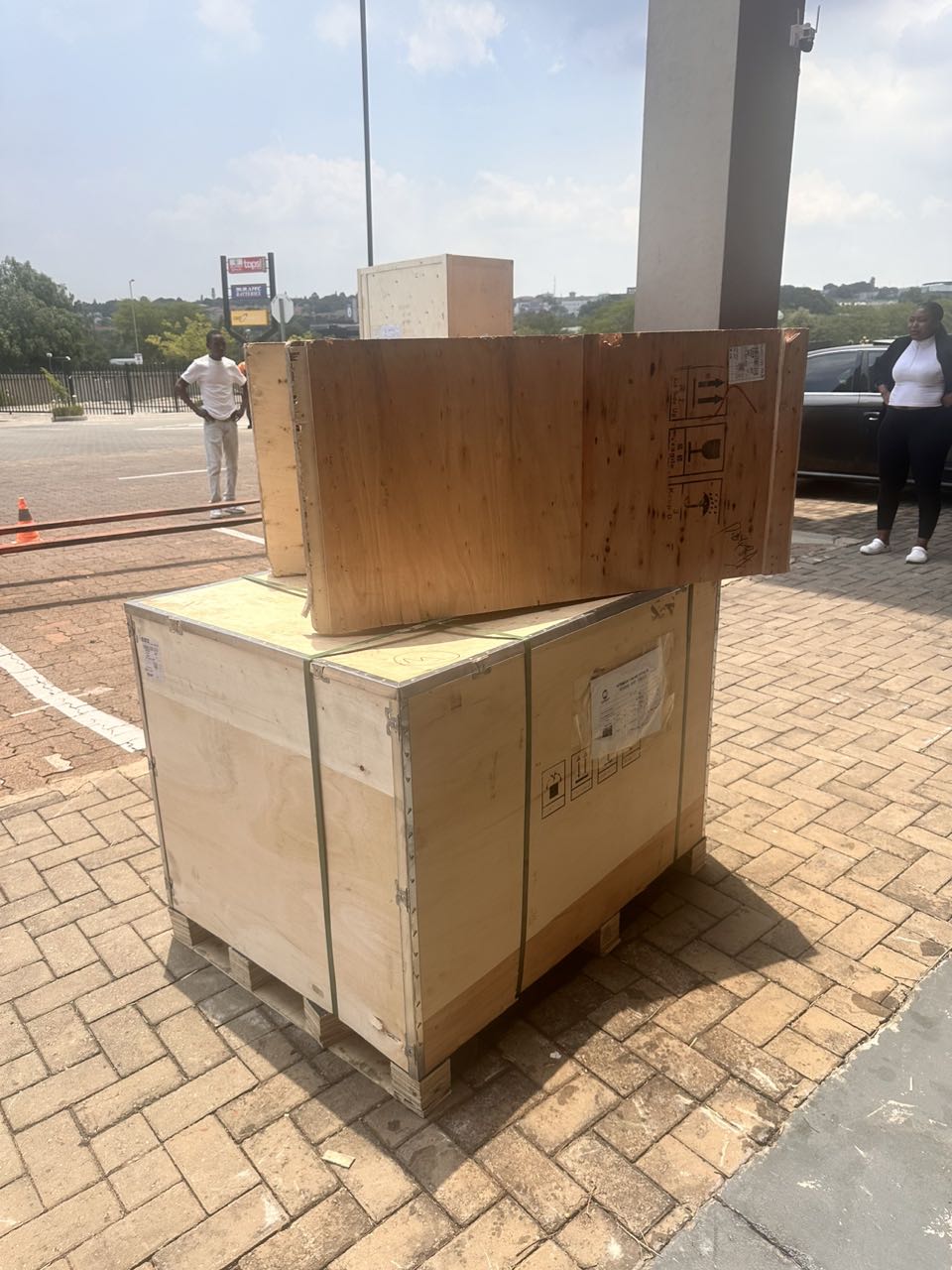
Batch of Orders
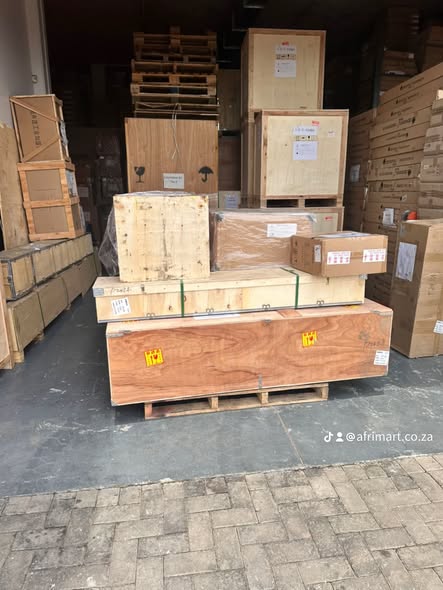
Latest Orders Labelled
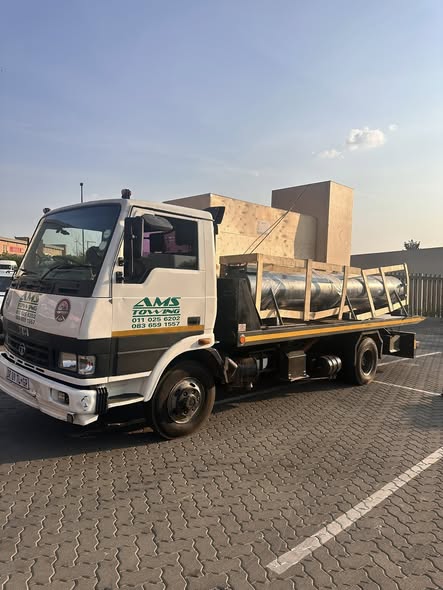
wheel alignment machines
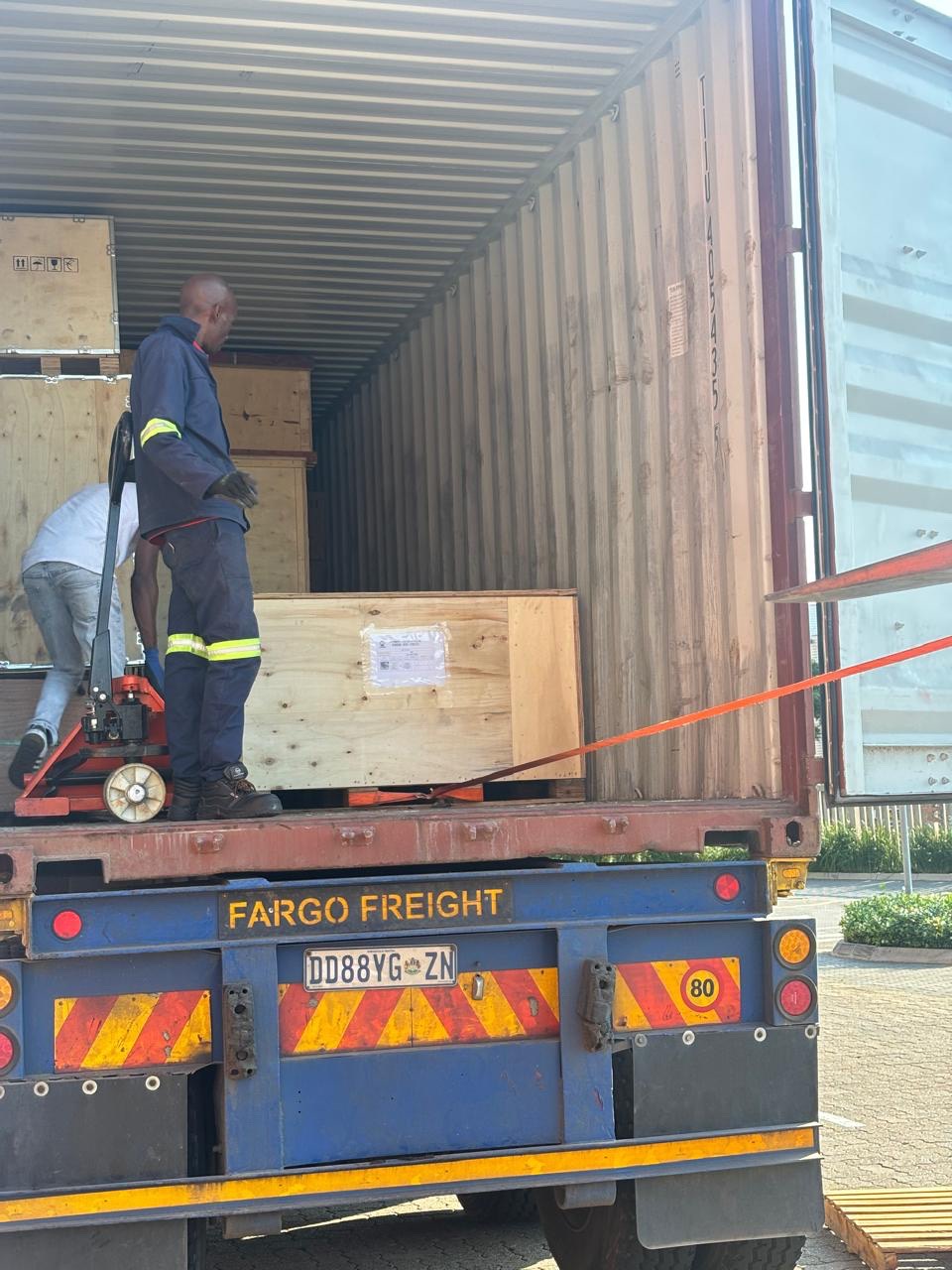
new arrivals
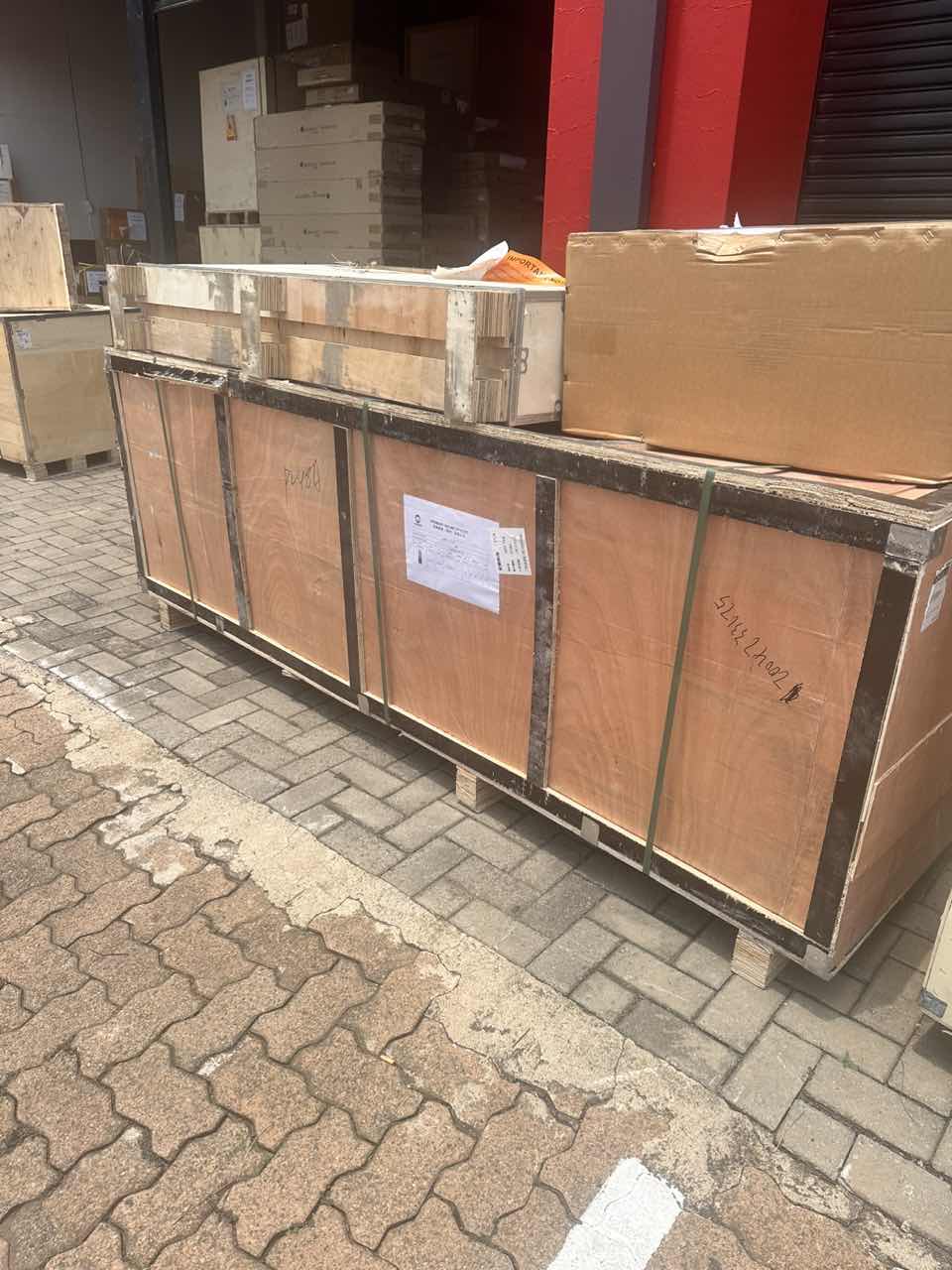
Pre Orders Offloading
Latest Arrivals
Latest Arrivals
Latest Arrivals
Loading
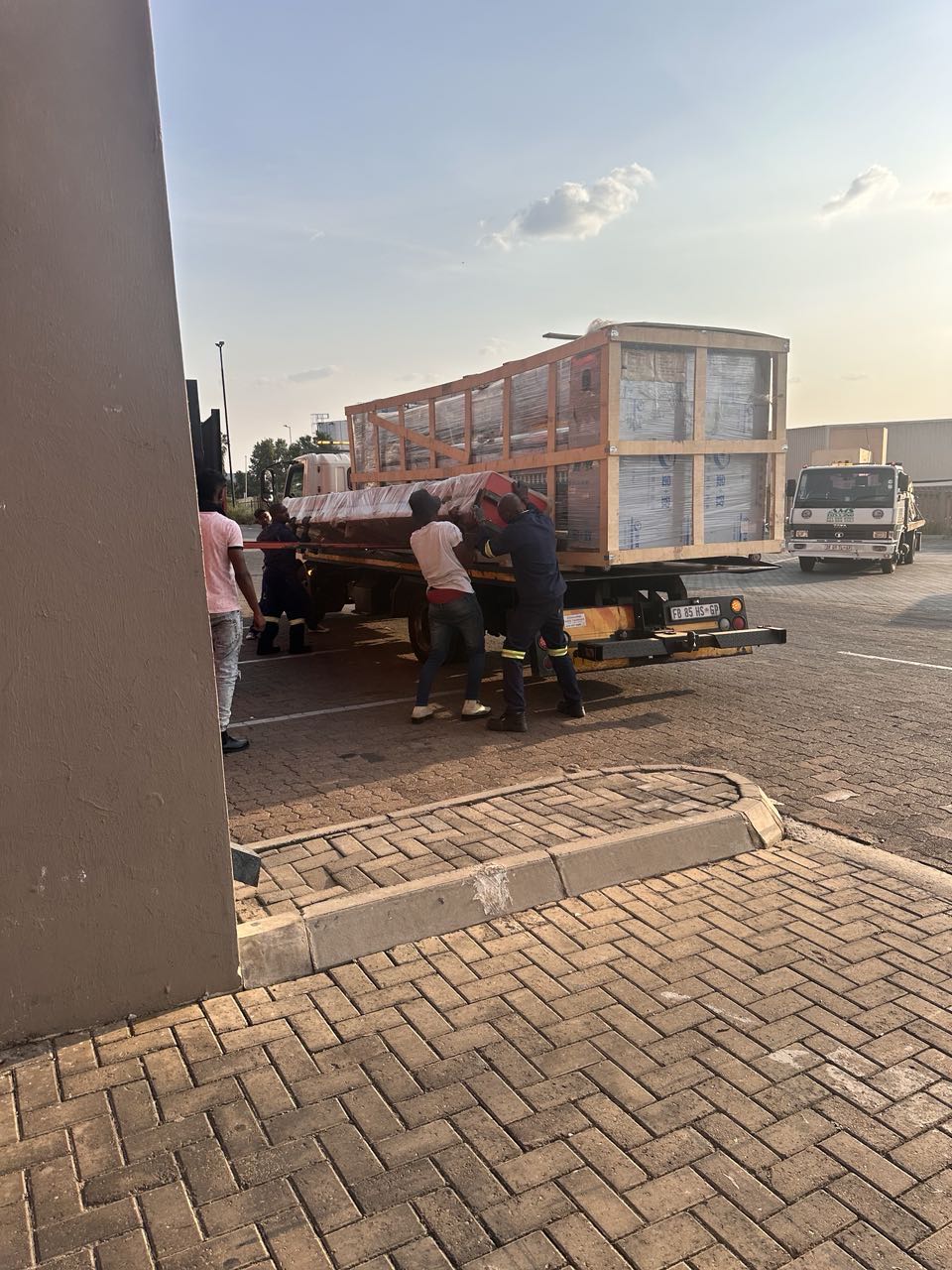
Toilet paper making machine
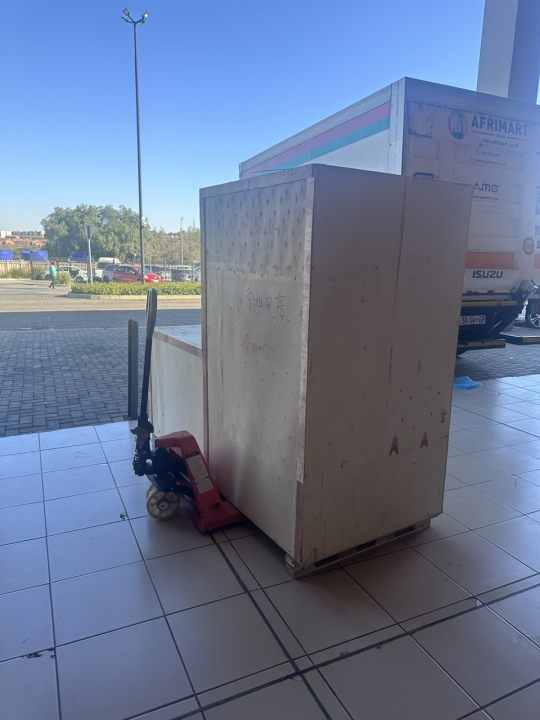
Toilet paper making machine
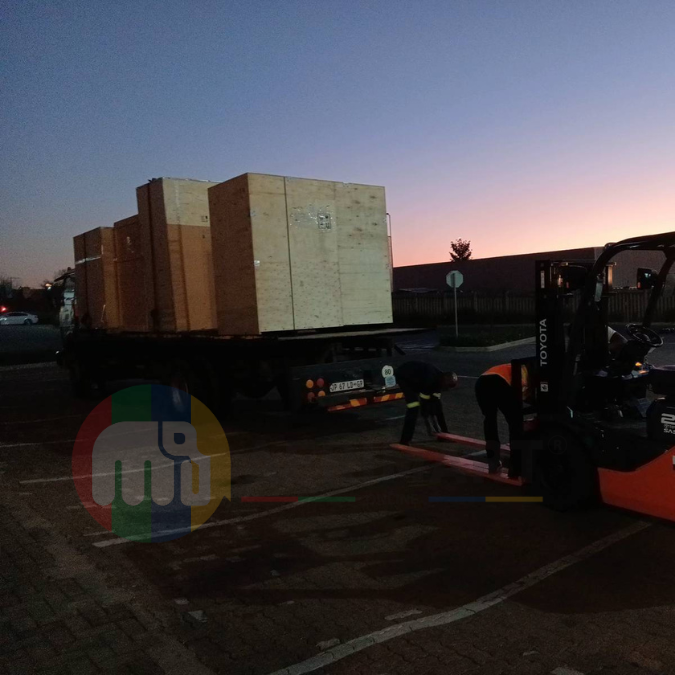
Toilet paper Rewinding Machine
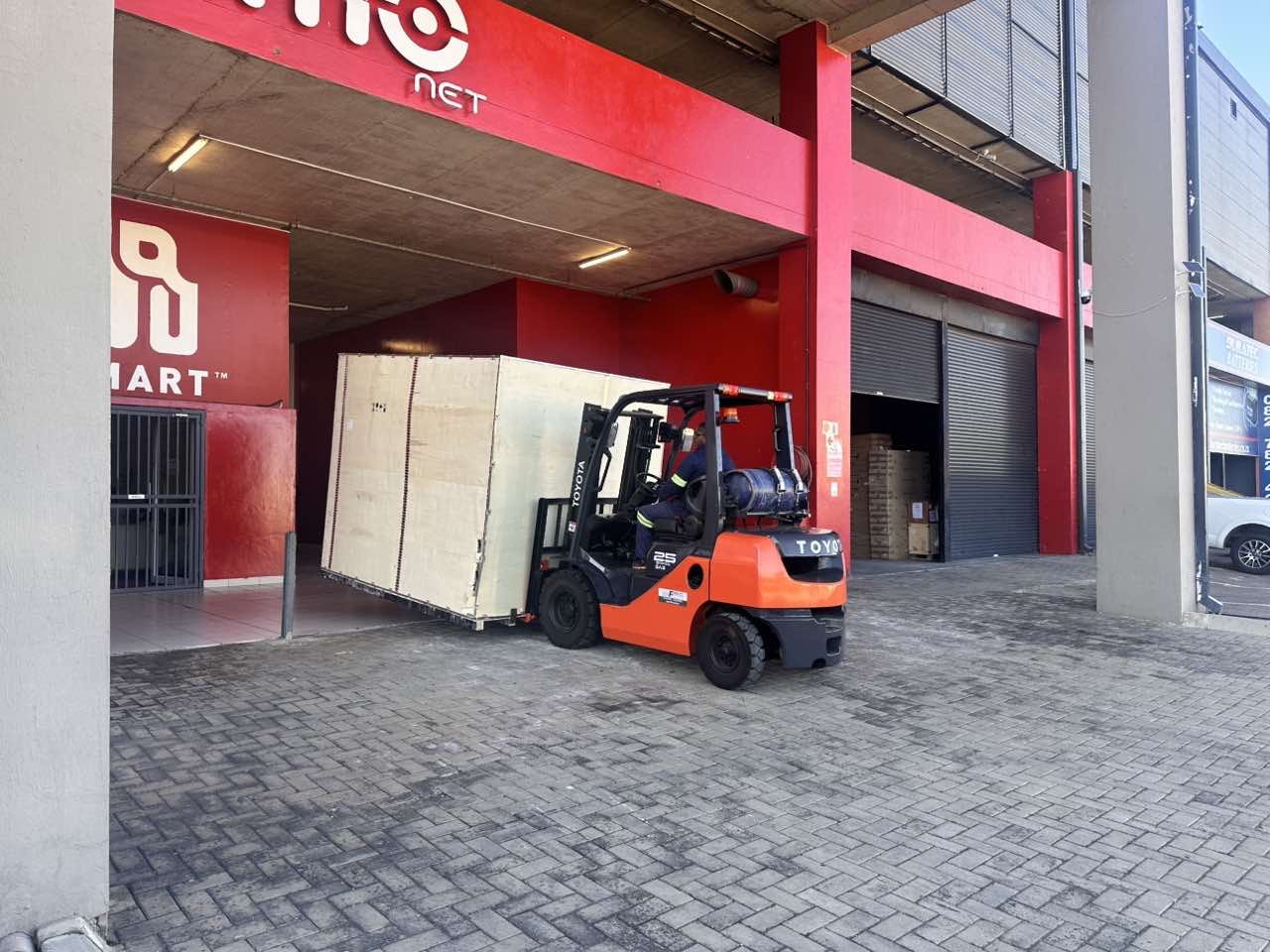
latest arrivals
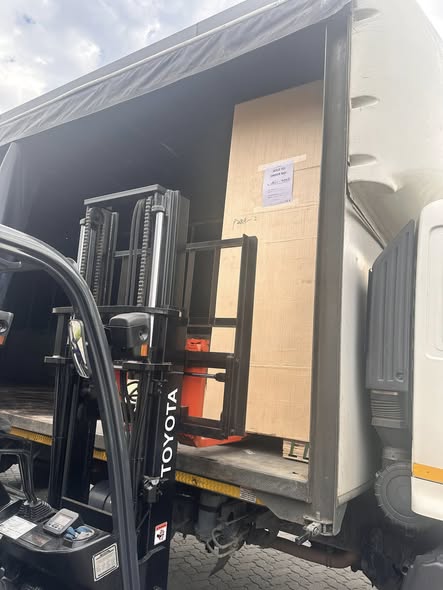
offloading
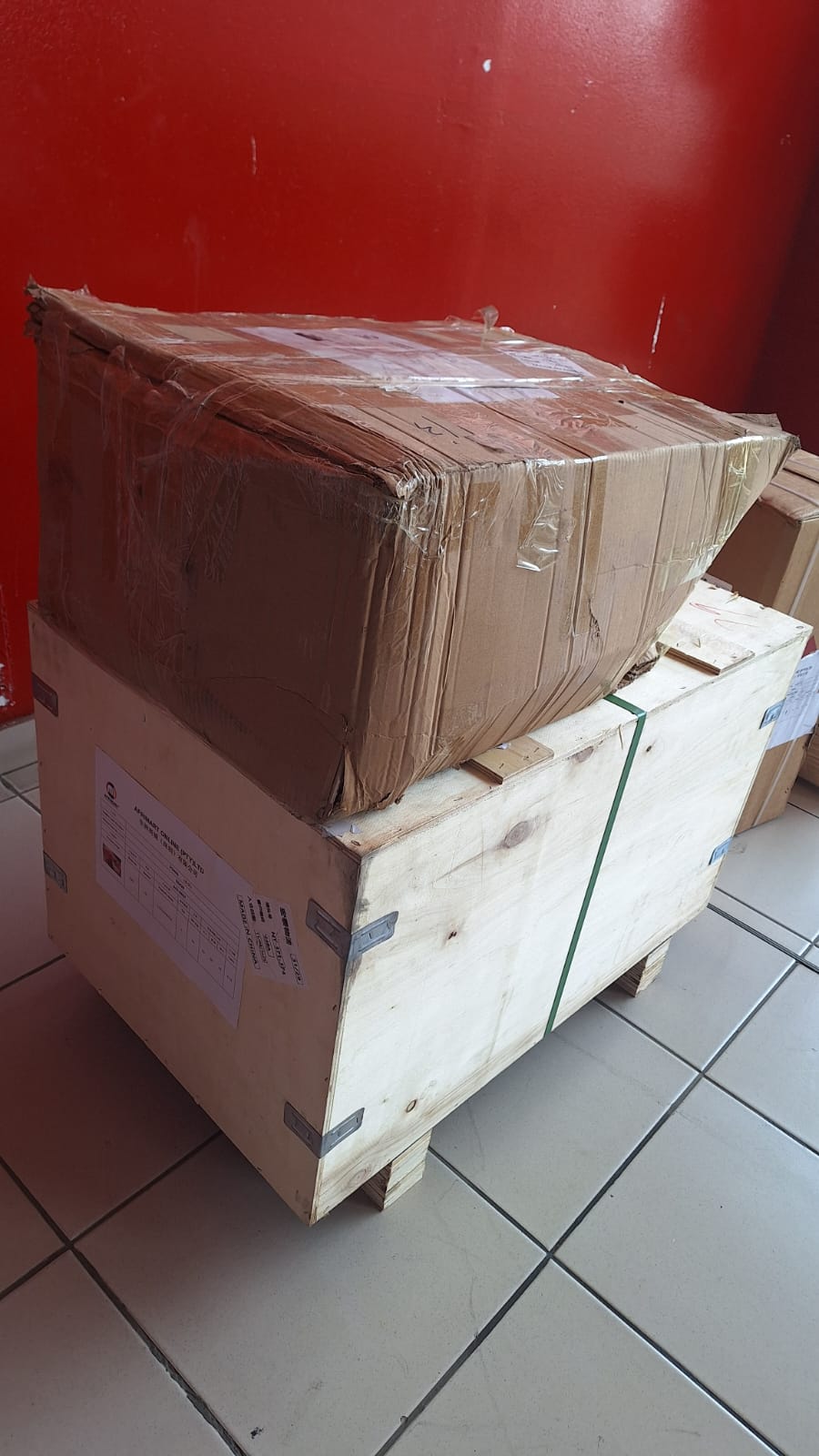
order success
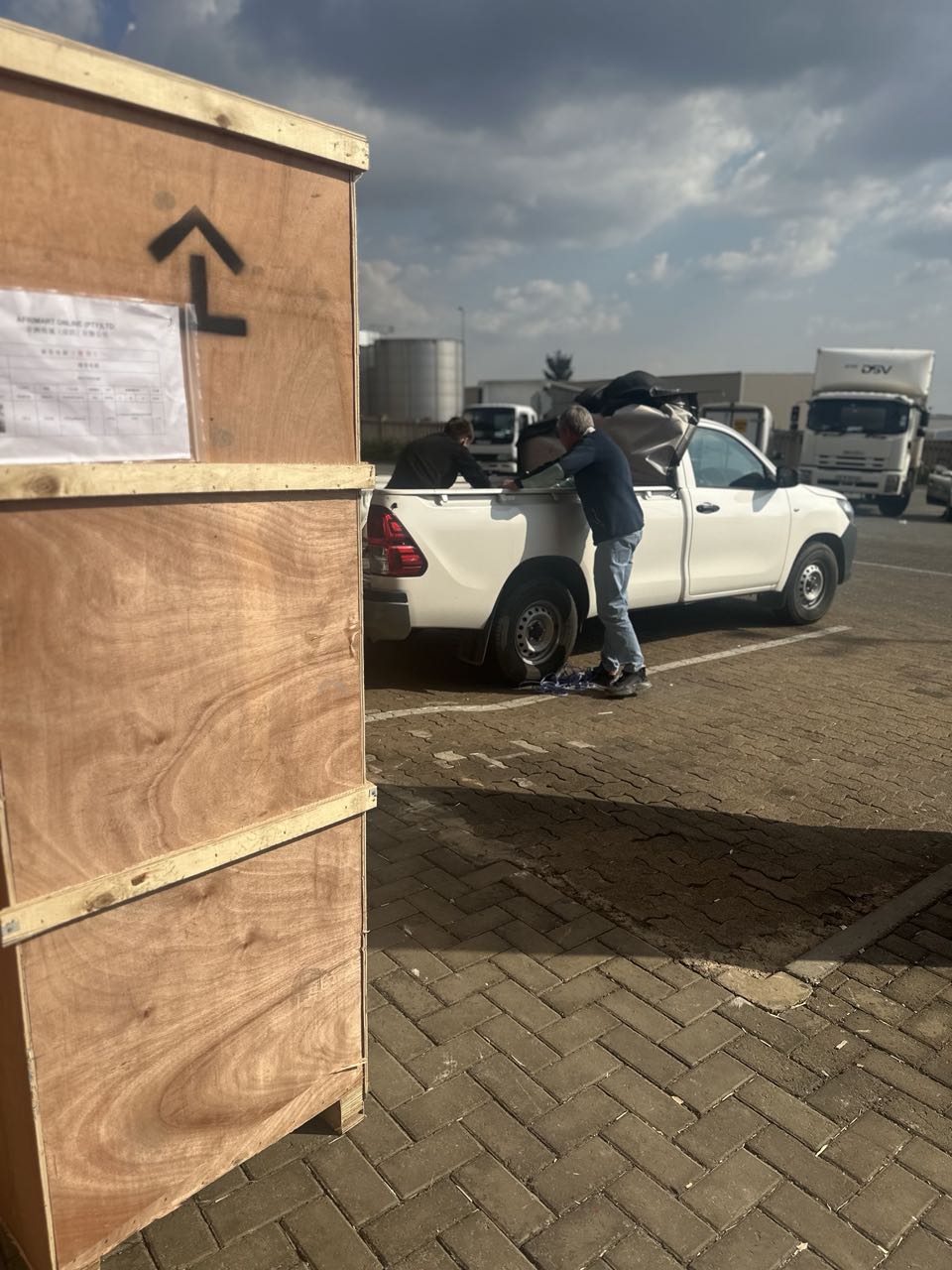
order collection
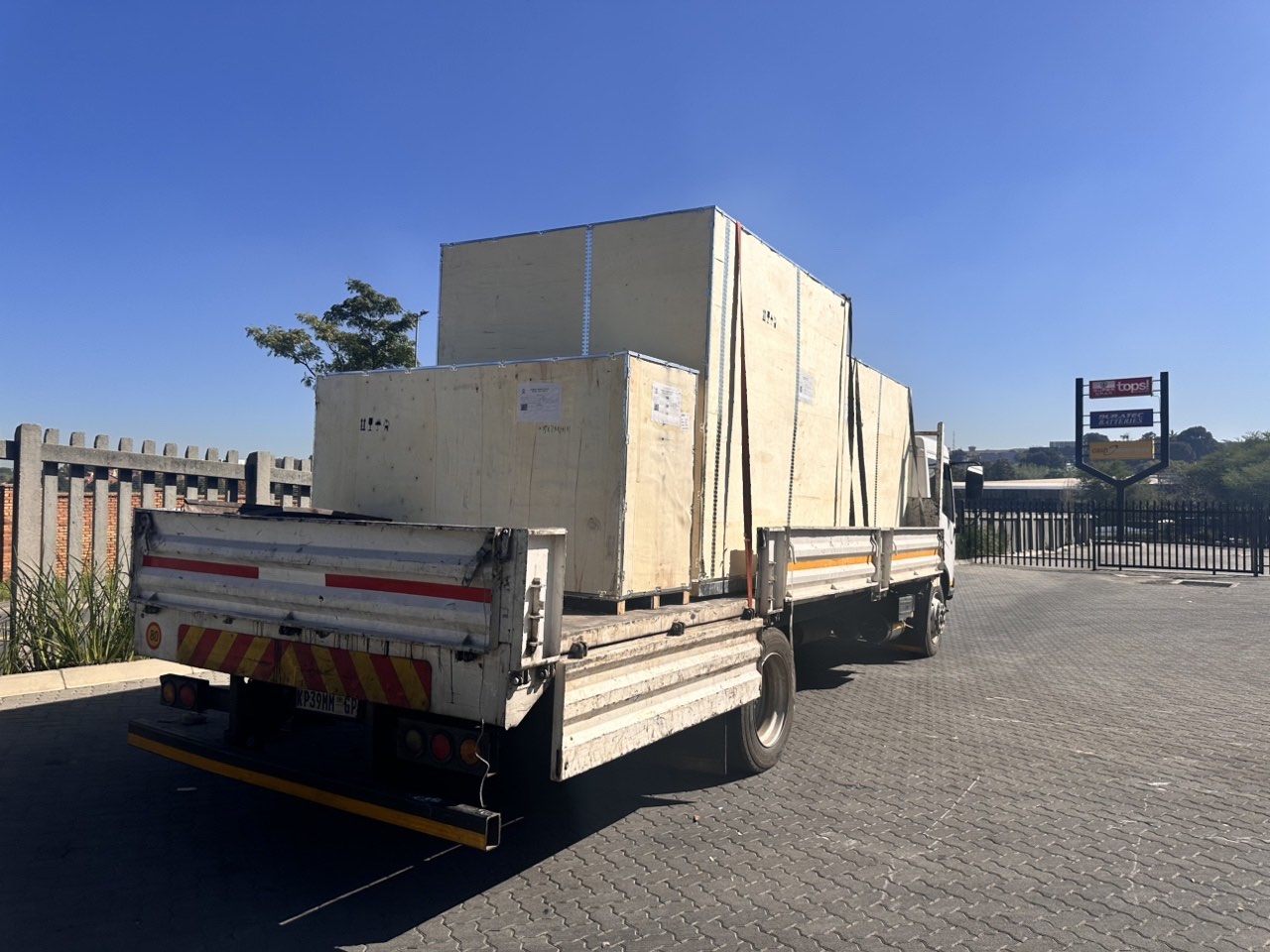
order offloading