B21, China Town Mall, Midrand


Direct-to-Garment (DTG) Printer for Textile Printing:
Asset finance available
Do you want funding for this equipment?
Afrimart can connect you with trusted funding partners who specialise in asset finance for businesses like yours. Compare options and apply in minutes — final approval is subject to provider review.
Check funding options
Secure & no obligation

- Section : Consumer Electronics
- Category : DTG Printers
- SKU : 62474429097

Direct to garment printer textile dtg printer cotton small t-shirt printing machine digital a3 polo sweater t shirt printer


- Shipping Timeframes: All orders are processed within 2-5 business days (excluding weekends and holidays). After your order has been processed, the estimated delivery time is before 03 Aug, 2026, depending on customs, Please note that due to high demand, some items may experience longer shipping times, which will be communicated at order confirmation email.
- Order Processing Time: Please allow 2-5 business days for us to process your order before it is shipped . Orders placed after 16:00 on Fridays, or during weekends and public holidays, will begin processing on the next business day. Processing times may be extended during peak seasons or sales events.
- Manufacturing Time: Some products needs manufacturing time, the manufacturing process will take approximately 10-30 business days depending on the product. This timeframe may vary depending on the complexity of the product and current demand. but this will be communicated with you during order confirmation.
- Returns and Exchanges: We offer a 30-day return policy for most items. If you are not completely satisfied with your purchase, you may return it within 30 days of receipt for a refund or exchange. Items must be unused, in their original packaging, and accompanied by proof of purchase. Return shipping costs are the responsibility of the customer, unless the item was damaged or defective upon arrival.
1. What is a Direct-to-Garment (DTG) printer?
A Direct-to-Garment (DTG) printer is a digital printing technology that allows you to print designs directly onto textiles, such as t-shirts, polos, and sweaters, using specialized inkjet technology.
2. What types of fabric can be printed on with a DTG printer?
DTG printers are best suited for cotton fabrics, but they can also print on blends that contain a significant percentage of cotton for optimal results.
3. What is the maximum print size for this DTG printer?
This DTG printer supports A3 printing size, which typically allows for designs up to 11.7 x 16.5 inches.
4. Can I print on dark-colored garments?
Yes, most DTG printers can print on dark-colored garments, but it requires the use of special white ink to provide a base layer for vibrant colors.
5. What is the maintenance required for a DTG printer?
Regular maintenance includes cleaning the print heads, ensuring the ink is not clogged, and performing routine checks on the printer's components to ensure optimal performance.
6. How long does it take to print a t-shirt with this DTG printer?
Printing a standard t-shirt typically takes between 2 to 10 minutes, depending on the complexity of the design and the settings used.
7. What type of ink does this DTG printer use?
This DTG printer uses water-based inks that are eco-friendly and provide vibrant colors with a soft feel on the fabric.
8. Is a DTG printer suitable for small businesses?
Yes, a DTG printer is ideal for small businesses as it allows for on-demand printing, customization, and lower inventory costs.
9. Do I need any special software to operate the DTG printer?
Yes, you will need compatible design software to create or modify designs, as well as RIP (Raster Image Processor) software to prepare the designs for printing.
10. Can I print multiple colors on a t-shirt?
Yes, DTG printers can print complex, full-color designs, allowing you to create vibrant multi-colored graphics on your garments.
11. What is the lifespan of prints made with a DTG printer?
When properly printed and cared for, DTG prints can last several years without fading, especially if washed according to care instructions.
12. Is training required to use the DTG printer?
While it's beneficial to have some training, most DTG printers come with user-friendly interfaces and guides that make them accessible for beginners.
13. What are the power requirements for the DTG printer?
The power requirements vary by model, but typically DTG printers operate on standard electrical outlets; check the specifications for your specific printer.
14. Can I print on other items besides t-shirts?
Yes, in addition to t-shirts, you can print on various textiles such as hoodies, tote bags, and other garments that are suitable for DTG printing.
15. What is the cost of ink for the DTG printer?
Ink costs can vary based on the brand and type, but it's important to budget for both initial and ongoing ink expenses, as high-quality ink is essential for the best results.
Latest Order Arrivals
Discover our latest orders
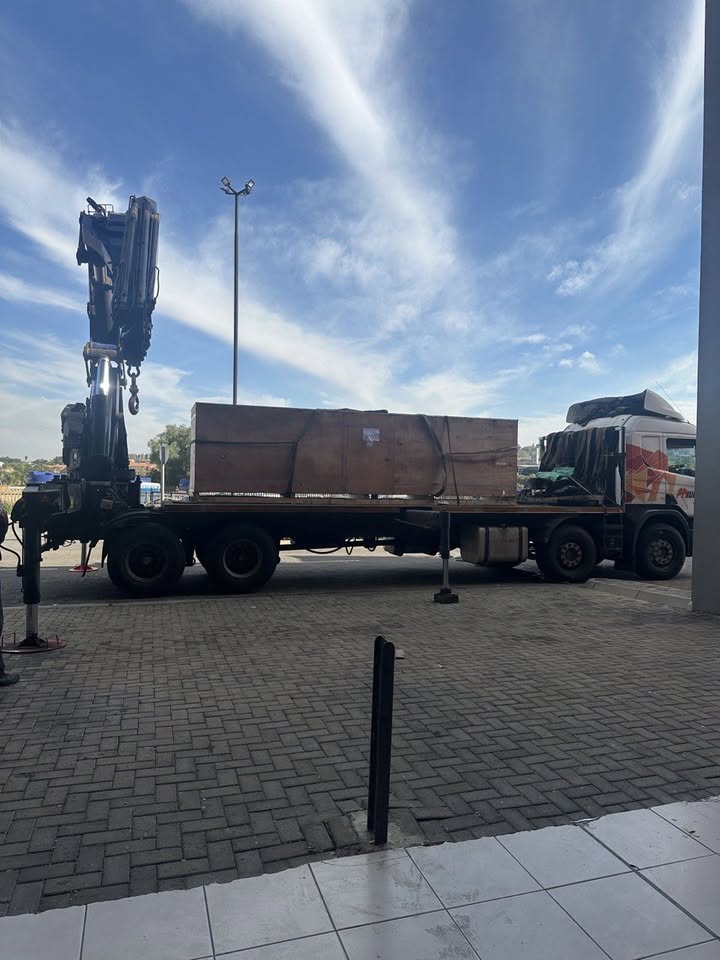
12 Heads Embroidery Machine
Toilet Paper Machine Machine
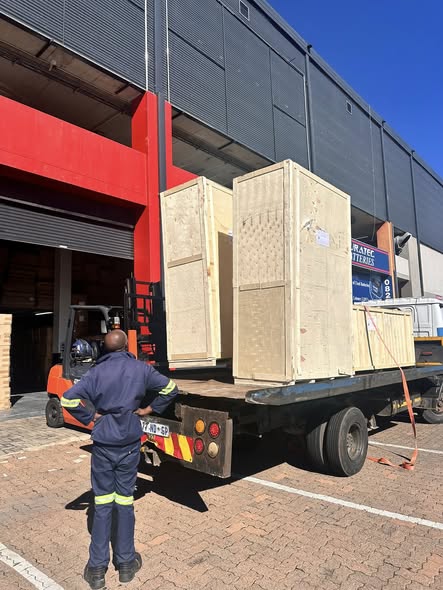
Order Collection
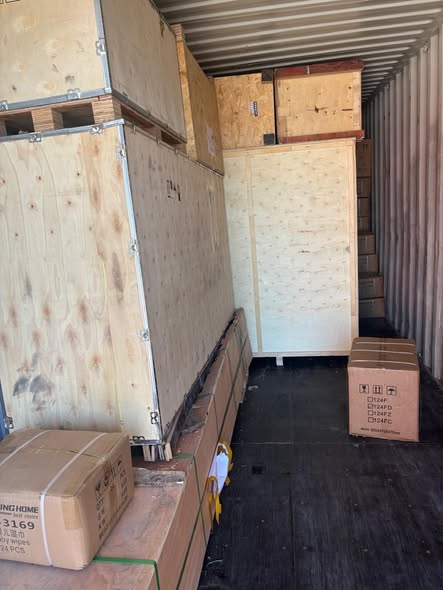
Cross Border Clients
Order cros border countries Collected
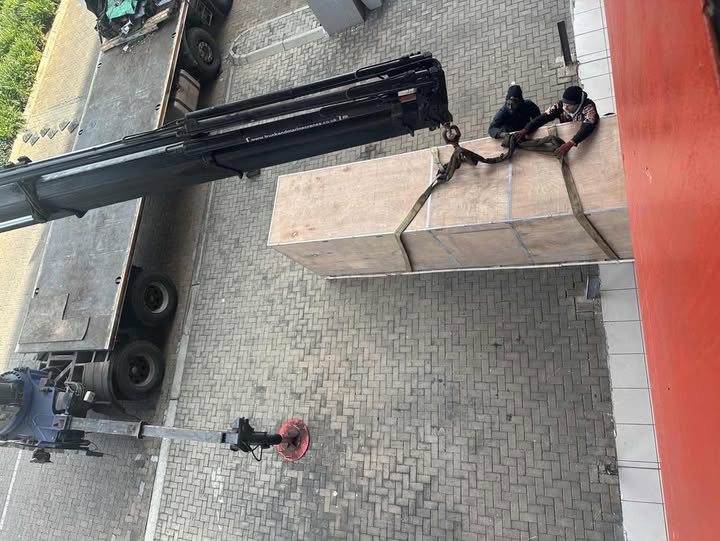
Industrial Machine Cllection
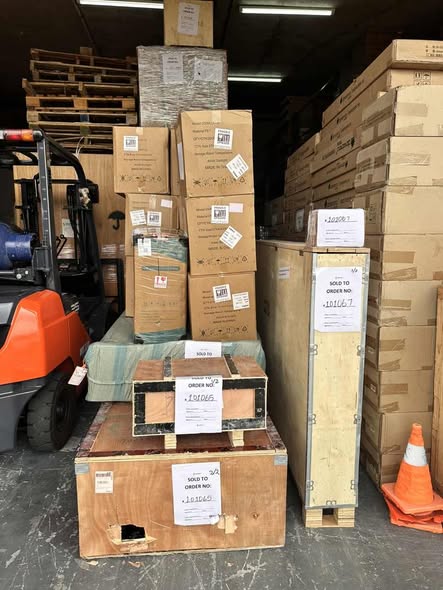
Agriculture Processing Machines
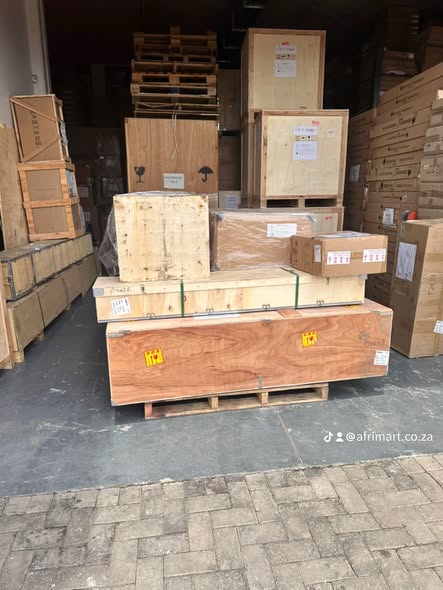
Ready for collection
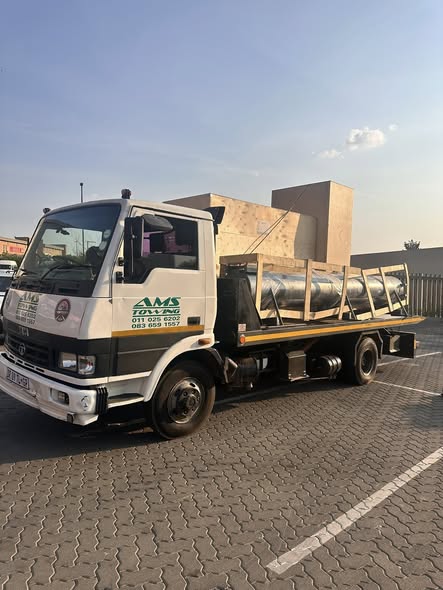
Water Pump Equipment
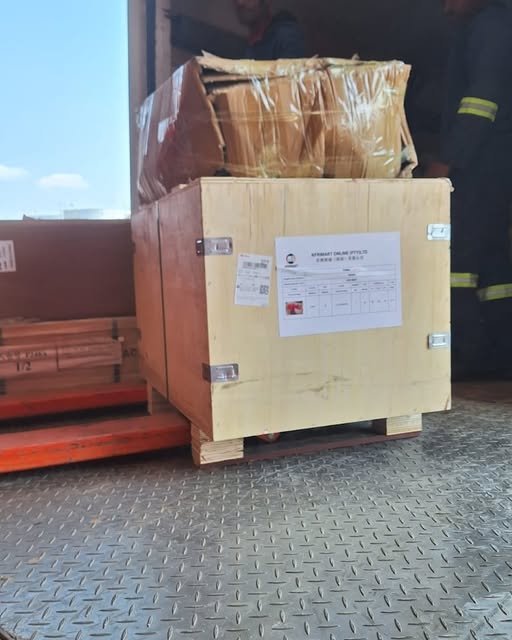
Packaging Machine and accessories
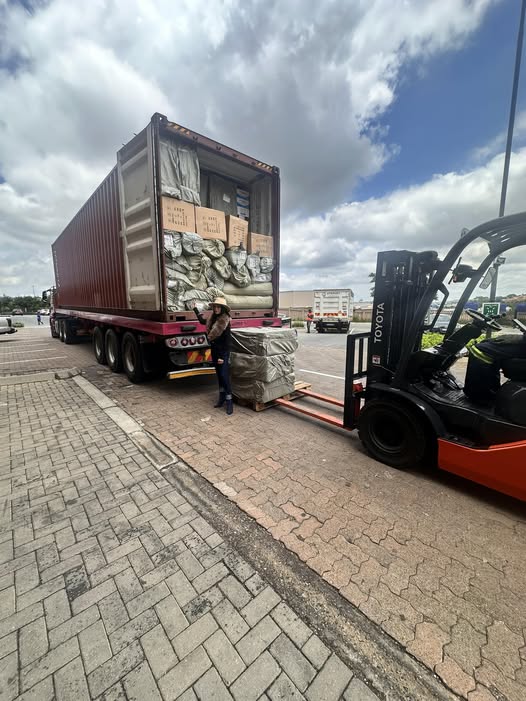
Fabrics Manufacturing Equipment
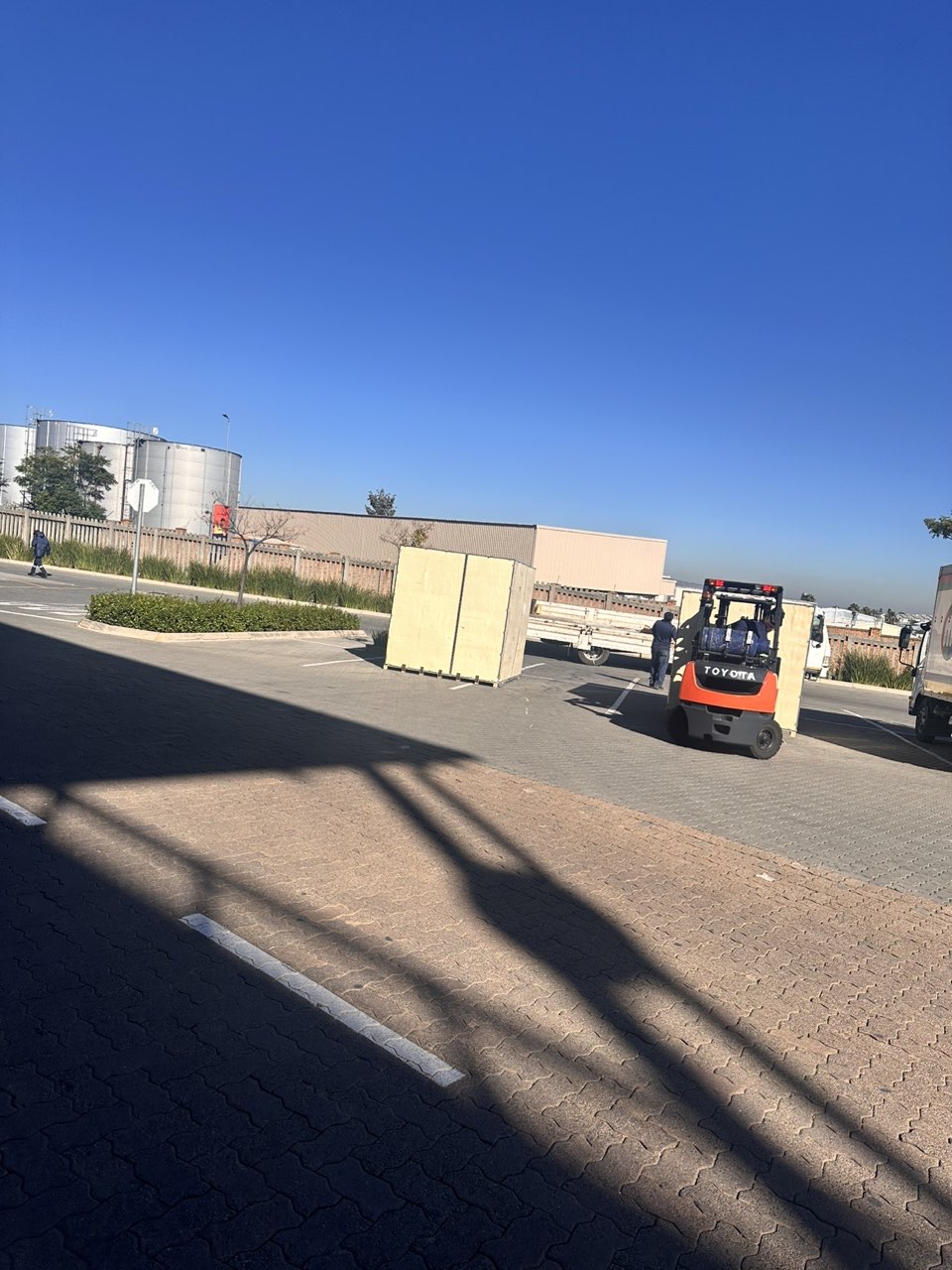
Mining Equipments
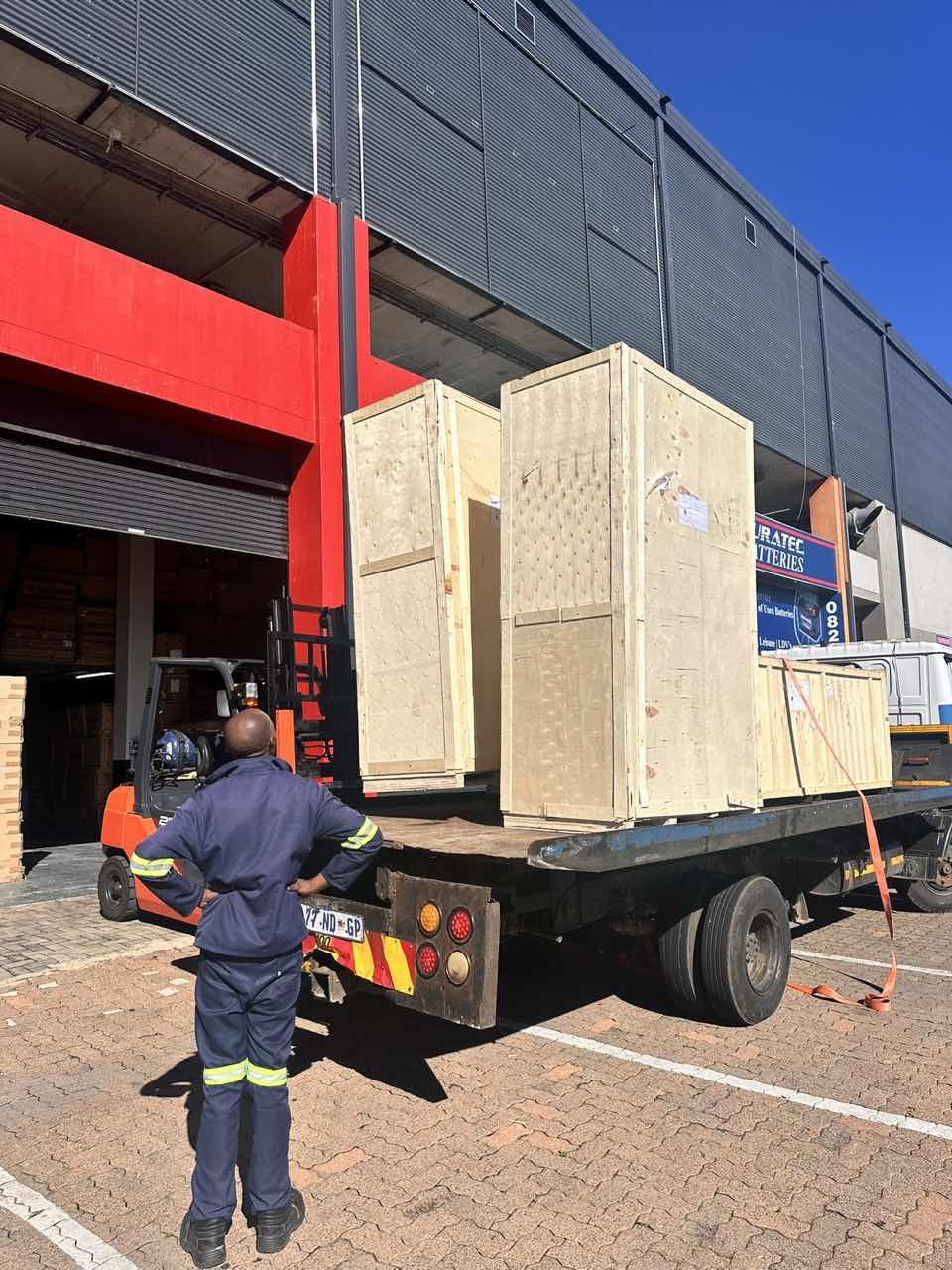
Food Processing Machine
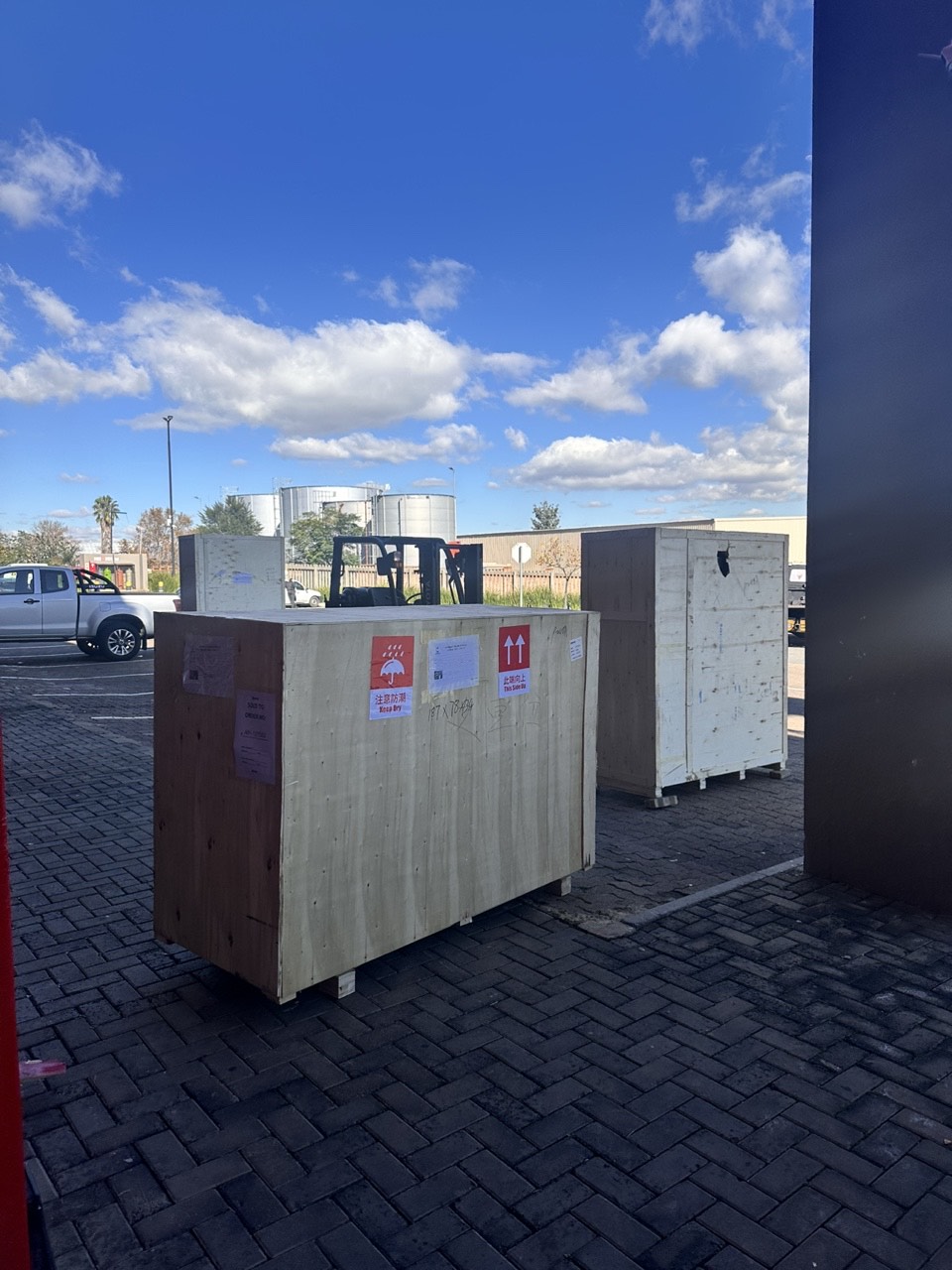
Batch of Orders
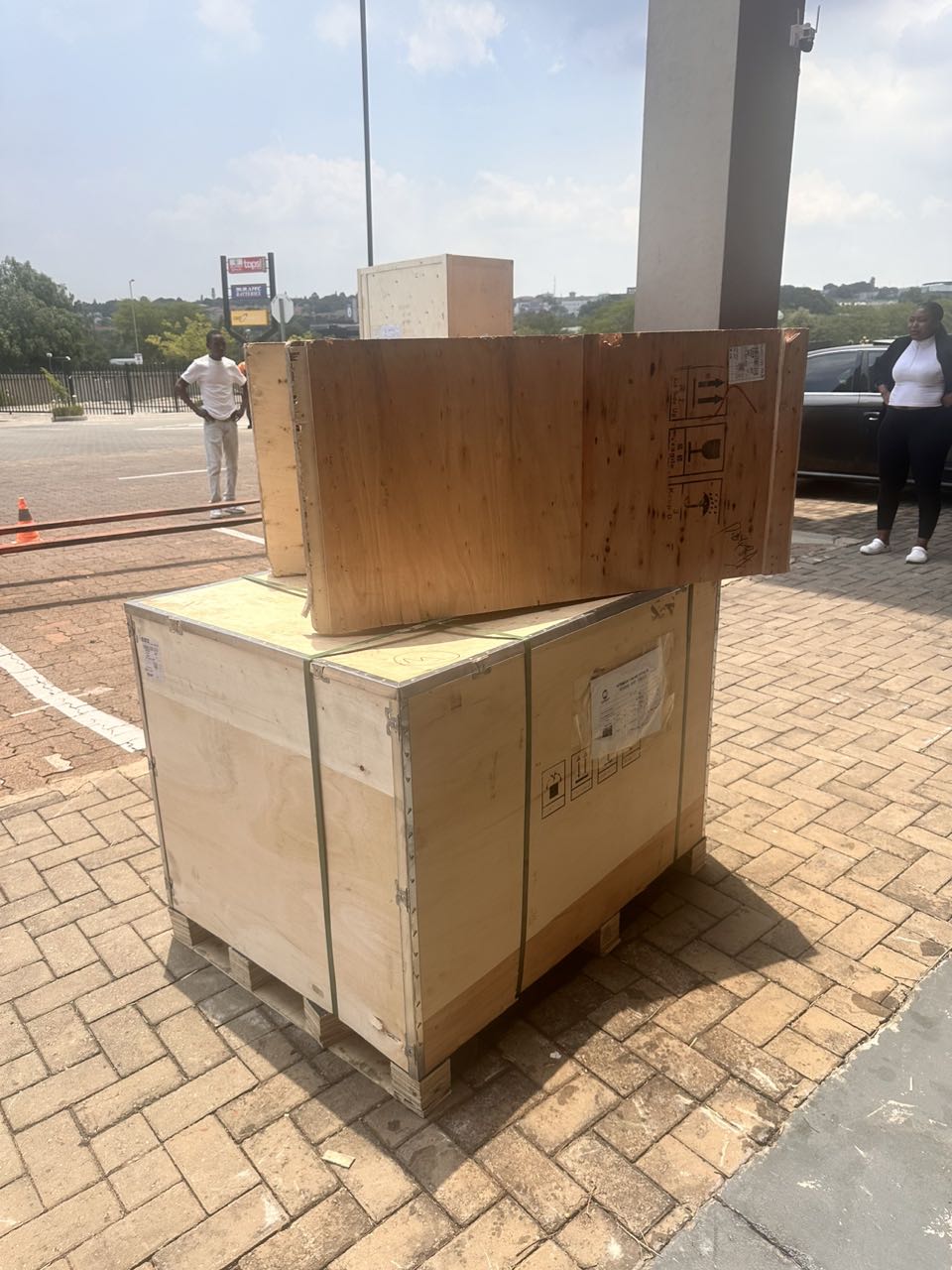
Batch of Orders
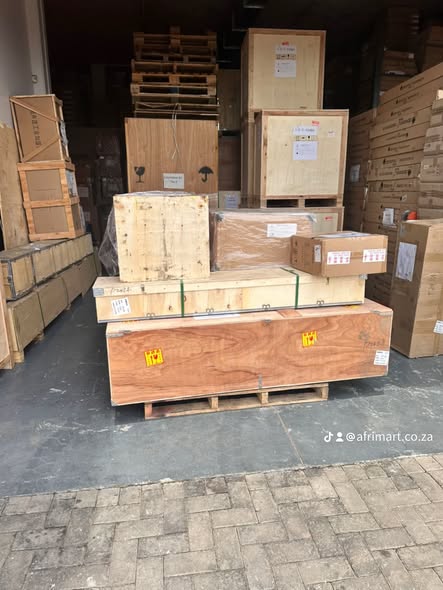
Latest Orders Labelled
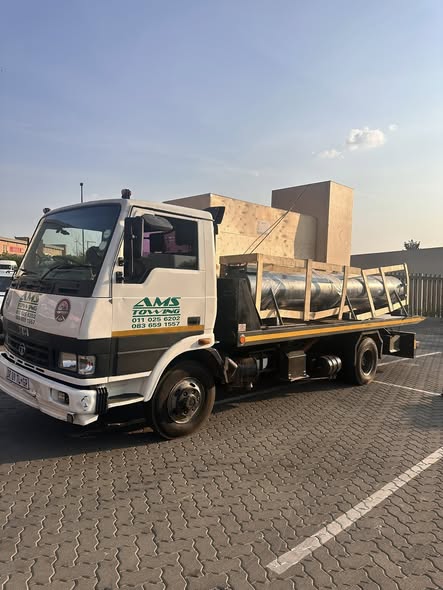
wheel alignment machines
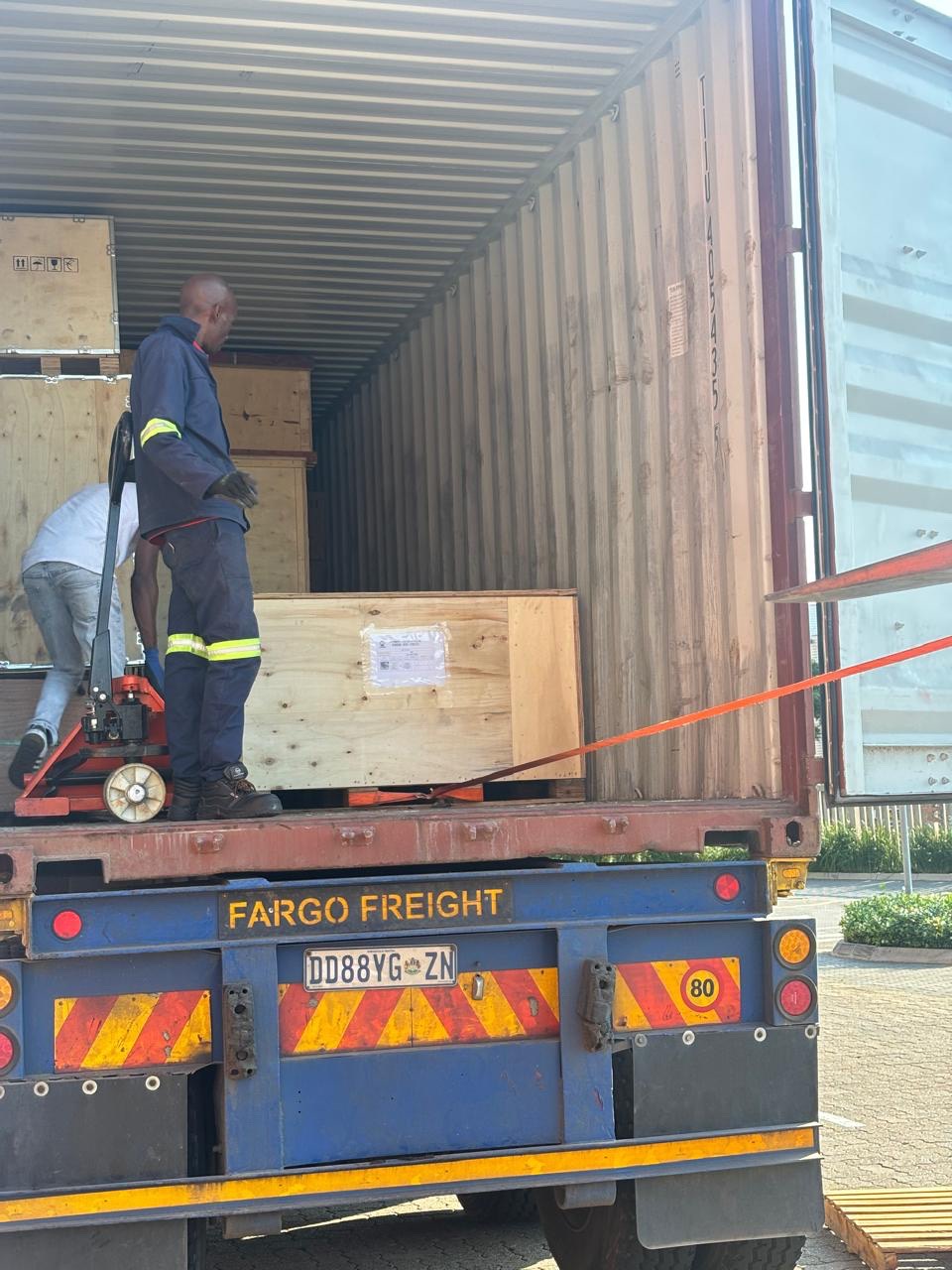
new arrivals
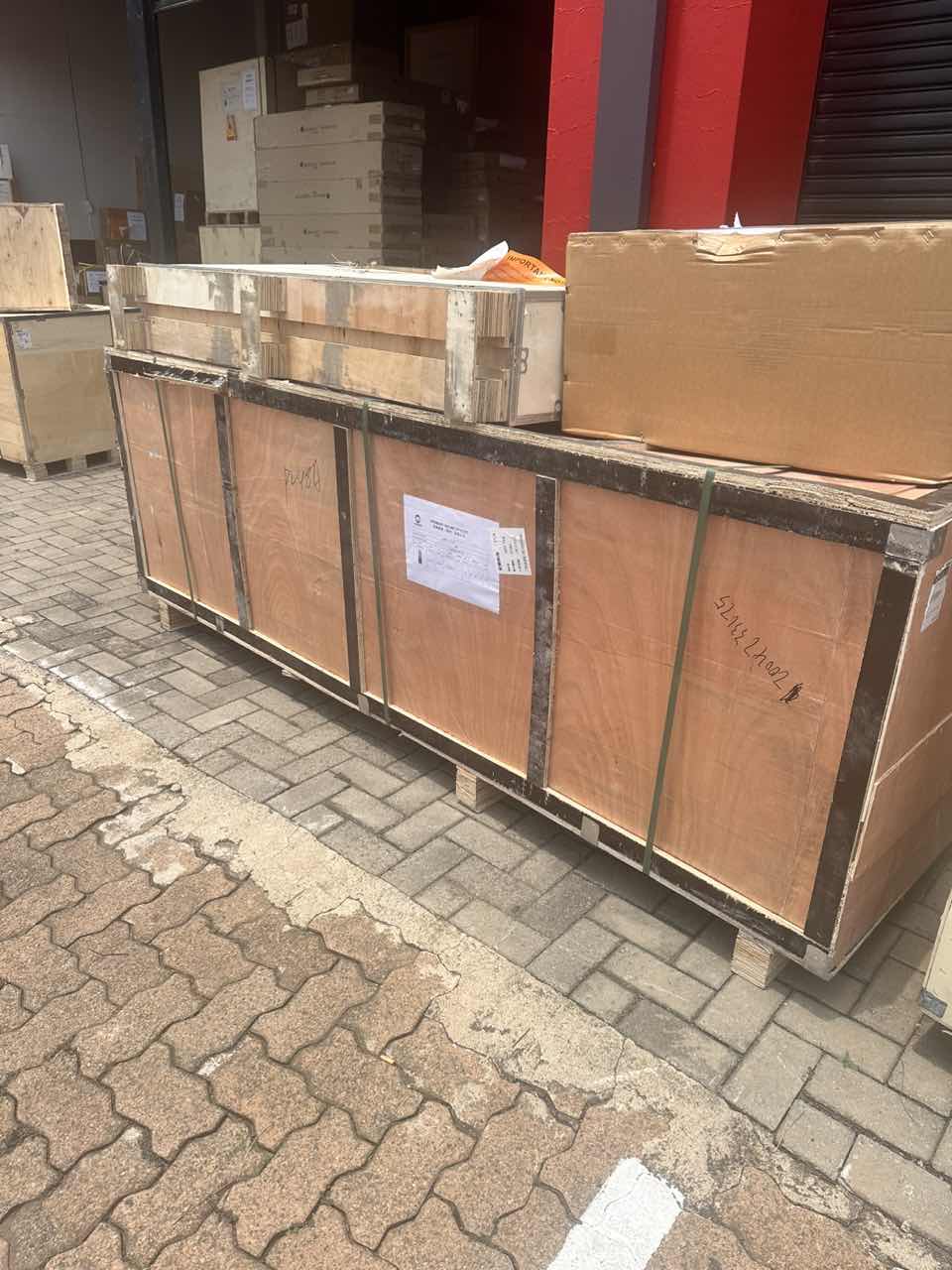
Pre Orders Offloading
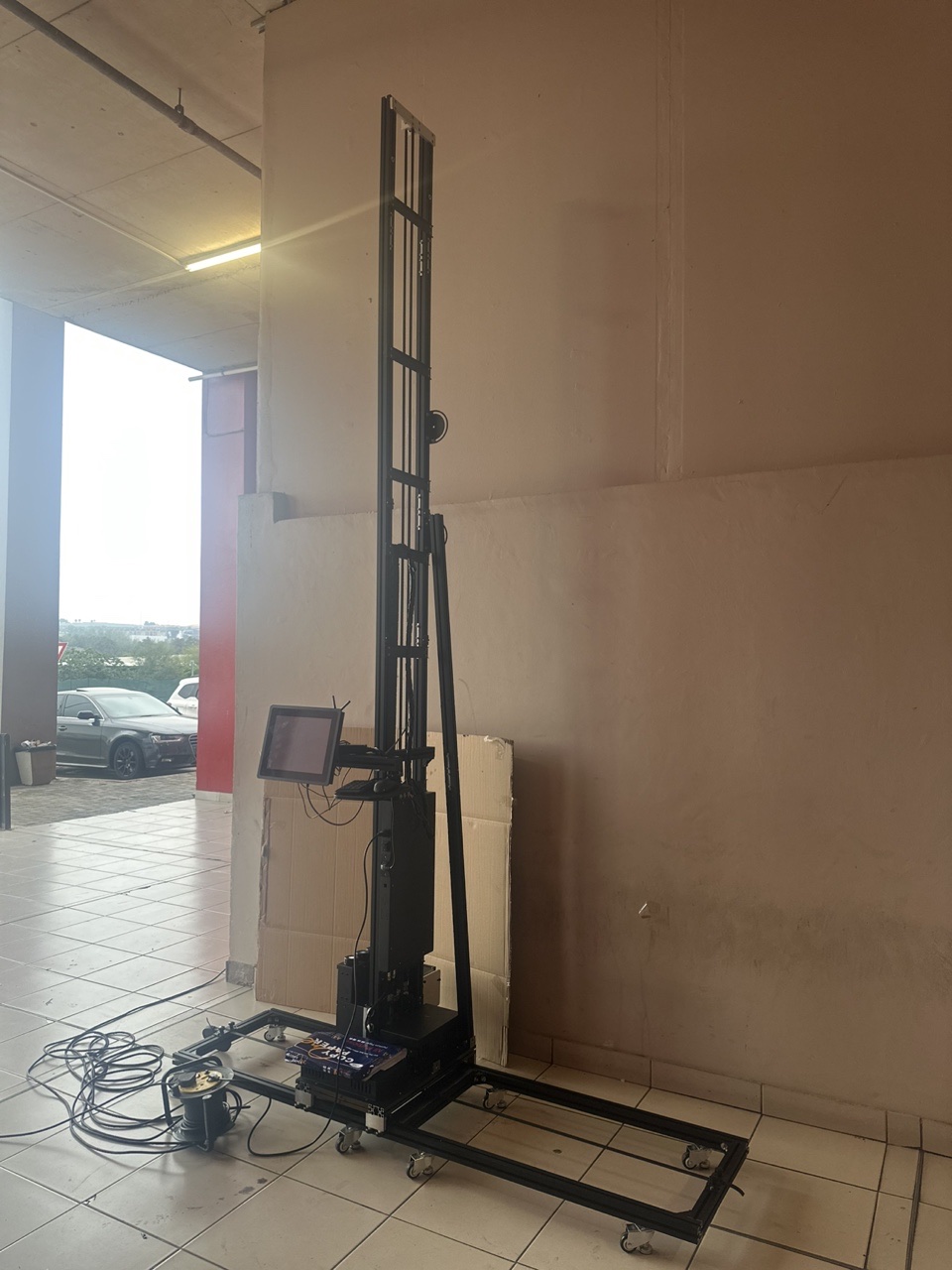
Latest Arrivals
Latest Arrivals
Latest Arrivals
Loading
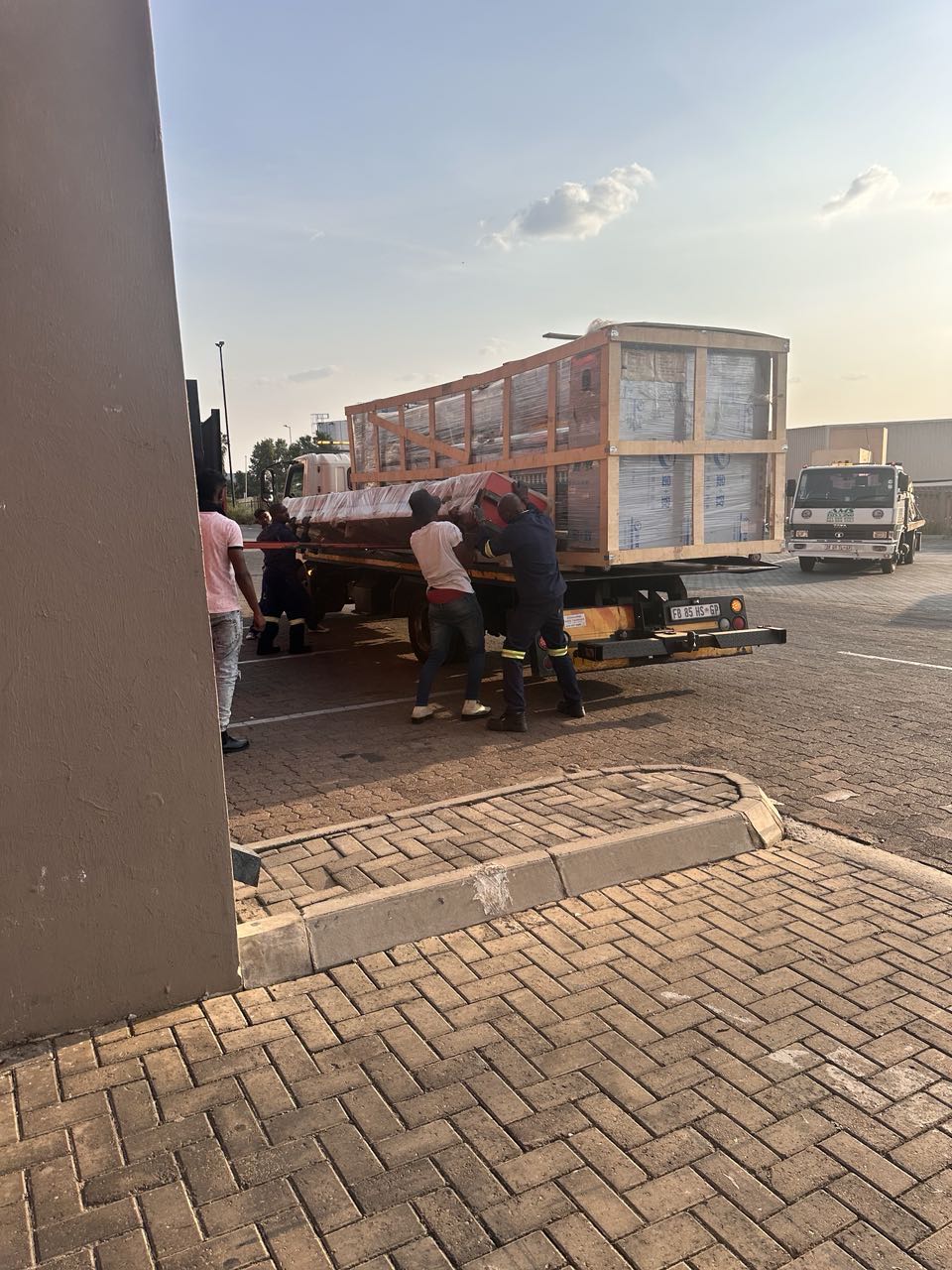
Toilet paper making machine
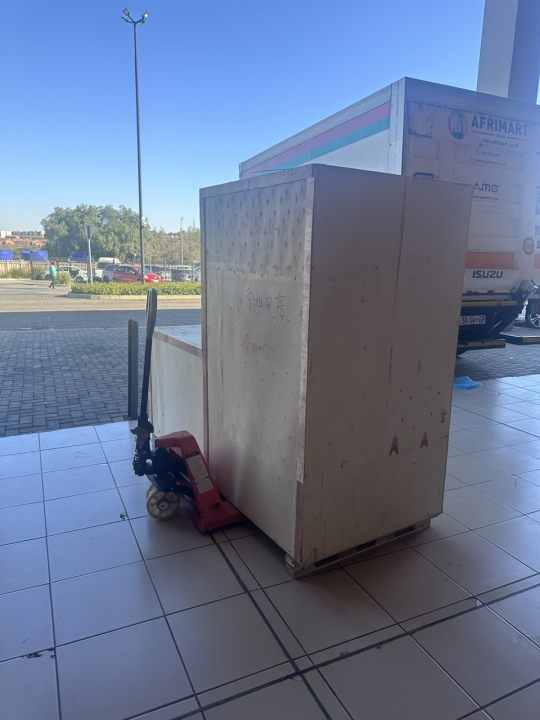
Toilet paper making machine
Toilet paper Rewinding Machine
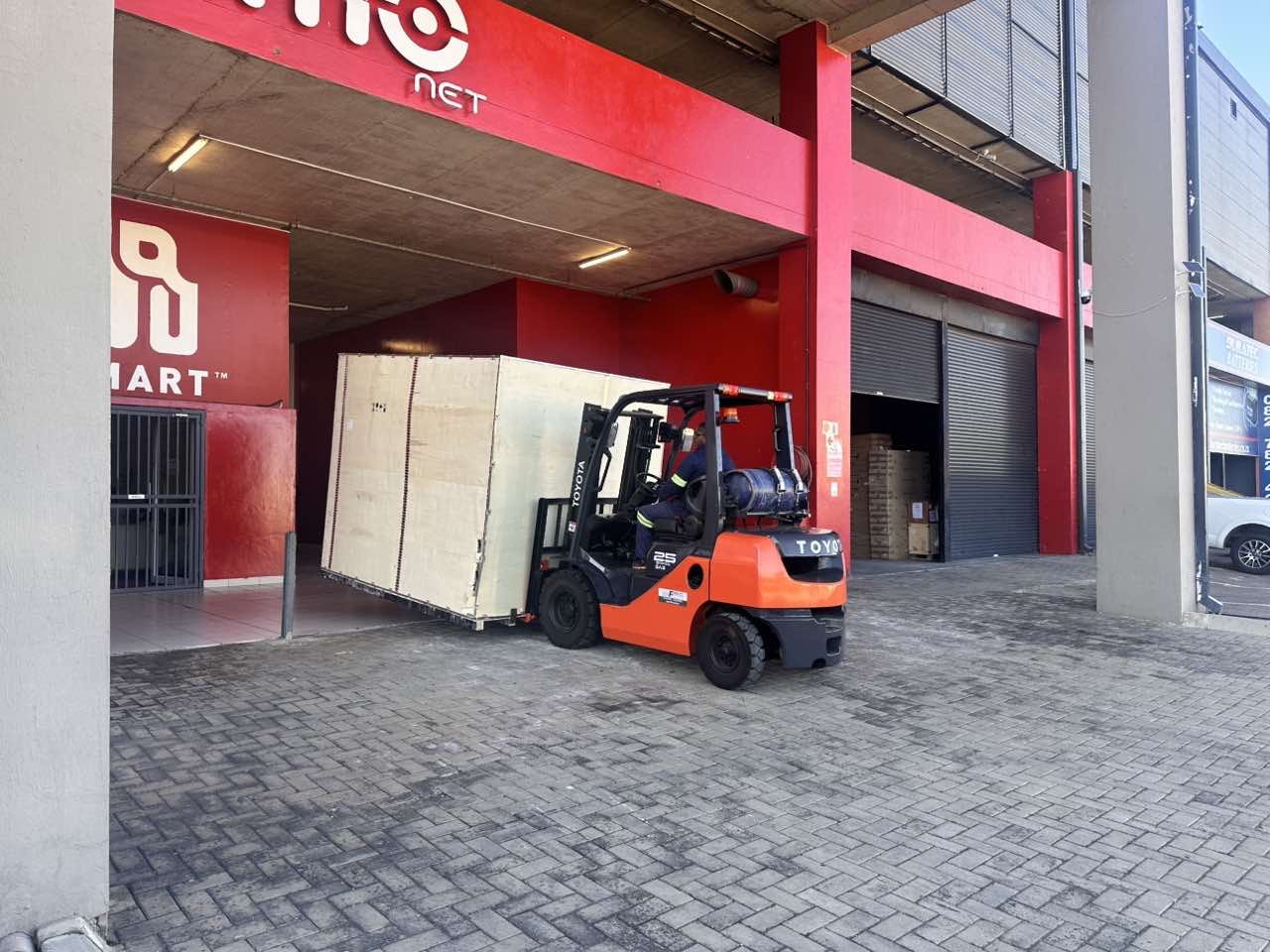
latest arrivals
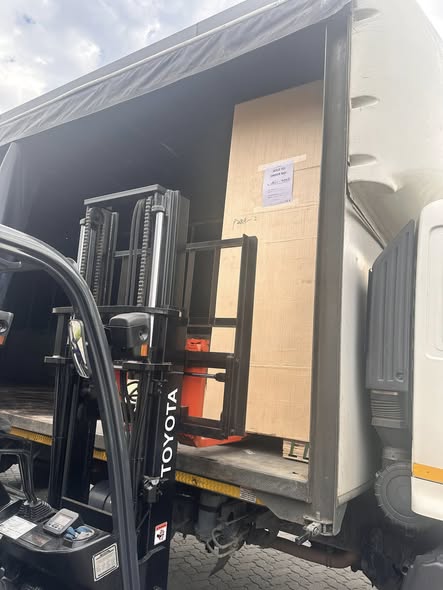
offloading
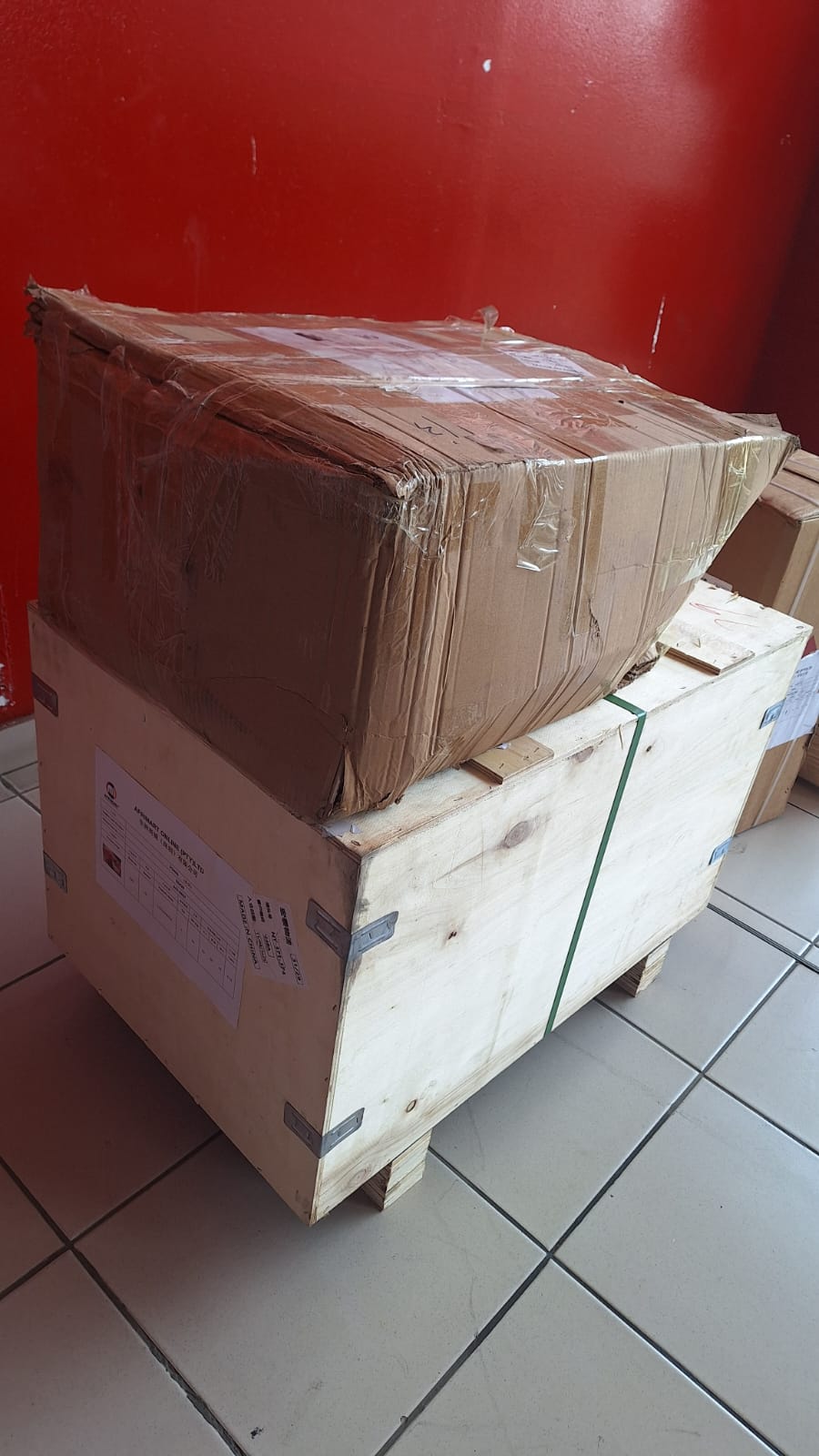
order success
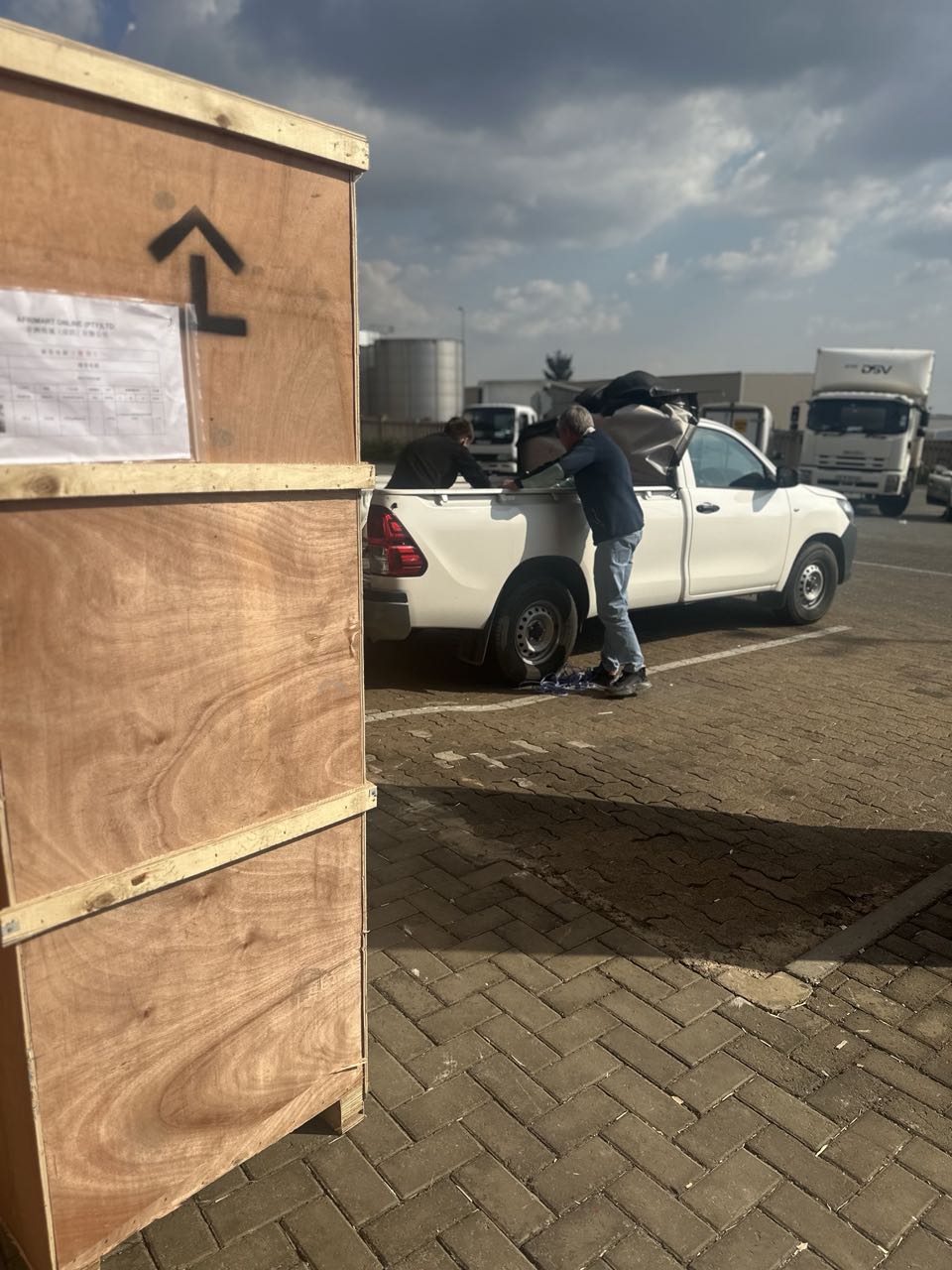
order collection
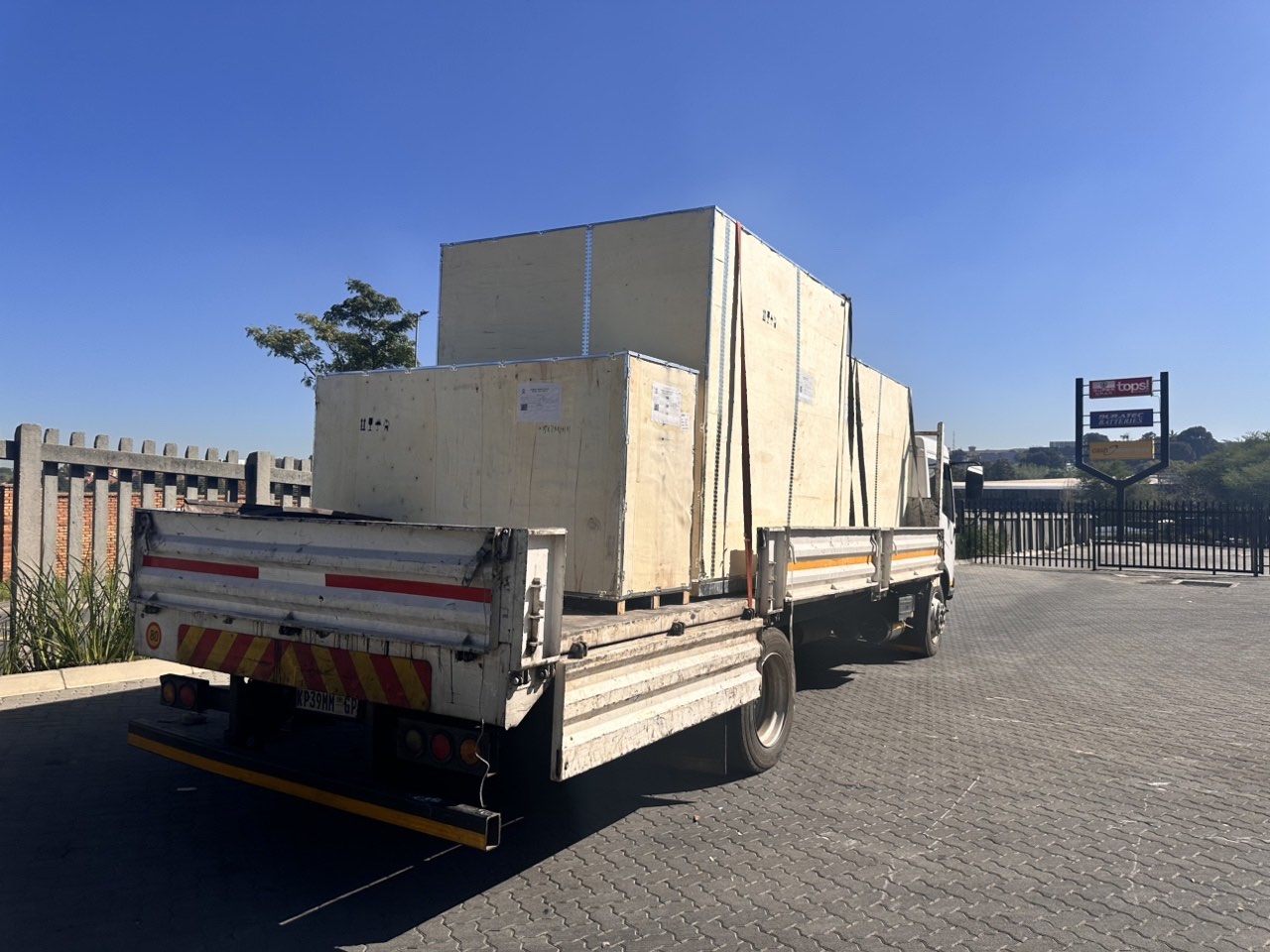
order offloading