B21, China Town Mall, Midrand

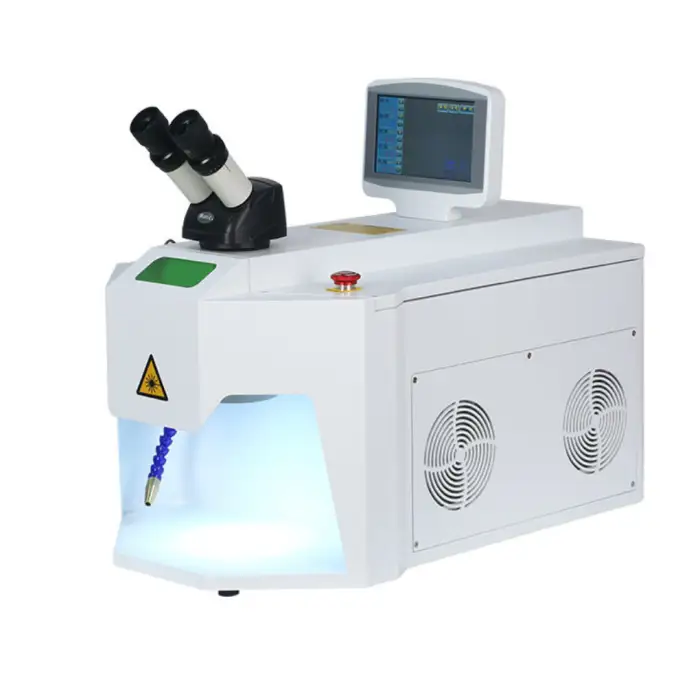
Desktop Portable Jewelry Steel Gold Silver Repairing Melting Welding Machine Laser Spot Machine with CCD Camera
Asset finance available
Do you want funding for this equipment?
Afrimart can connect you with trusted funding partners who specialise in asset finance for businesses like yours. Compare options and apply in minutes — final approval is subject to provider review.
Check funding options
Secure & no obligation

- Section : Machinery
- Category : Metal & Metallurgy Machinery
- SKU : 1601303103191

Desktop Portable Jewelry Steel Gold Silver Repairing Melting Welding Machine Laser Spot Machine with CCD Camera
The Desktop Portable Jewelry Steel Gold Silver Repairing Melting Welding Machine Laser Spot Machine with CCD Camera is an essential tool for jewelers and metalworkers. This compact and powerful machine makes it easy to repair and weld various metals, including gold and silver. With its user-friendly design and advanced features, you can achieve high-quality results with minimal effort.
Specifications
| Attribute | Details |
|---|---|
| Machine Type | Laser Welding Machine |
| Core Components | Motor, Engine |
| Weight (kg) | 45 |
| Brand Name | TOP |
| Graphic Format Supported | AI, PLT, DXF, BMP, Dst, Dwg, DXP |
Key Features
- Easy to operate for all skill levels
- High precision welding with laser technology
- Built-in CCD camera for accurate alignment
- Lightweight and portable design for convenience
- Comprehensive machinery test report included
Applications
- Jewelry repair and crafting
- Metalworking and fabrication
- Welding delicate pieces with precision
- Creating custom designs and modifications
- Repairing electronics with metal components
The Desktop Portable Jewelry Steel Gold Silver Repairing Melting Welding Machine Laser Spot Machine with CCD Camera is versatile and efficient, making it a must-have for your workshop. Experience the convenience and quality it brings to your metalworking projects!
Product Info Gallery
- Shipping Timeframes: All orders are processed within 2-5 business days (excluding weekends and holidays). After your order has been processed, the estimated delivery time is before 05 Aug, 2026, depending on customs, Please note that due to high demand, some items may experience longer shipping times, which will be communicated at order confirmation email.
- Order Processing Time: Please allow 2-5 business days for us to process your order before it is shipped . Orders placed after 16:00 on Fridays, or during weekends and public holidays, will begin processing on the next business day. Processing times may be extended during peak seasons or sales events.
- Manufacturing Time: Some products needs manufacturing time, the manufacturing process will take approximately 10-30 business days depending on the product. This timeframe may vary depending on the complexity of the product and current demand. but this will be communicated with you during order confirmation.
- Returns and Exchanges: We offer a 30-day return policy for most items. If you are not completely satisfied with your purchase, you may return it within 30 days of receipt for a refund or exchange. Items must be unused, in their original packaging, and accompanied by proof of purchase. Return shipping costs are the responsibility of the customer, unless the item was damaged or defective upon arrival.
1. What metals can this laser spot welding machine work with?
The machine is designed for jewelry and small metalwork, including gold, silver and many steels. It excels at delicate repairs and precision welding. For very thick or heavy structural steel you may need a higher‑power welding system or multiple passes.
2. What is the laser type and welding power of the unit?
The product listing describes it as a laser spot welding machine but does not specify laser type or exact power. These parameters vary by model. Check the detailed specification sheet or contact the seller/manufacturer for wavelength, peak/pulse energy and duty cycle information.
3. What role does the built‑in CCD camera play?
The built‑in CCD camera provides a live magnified view for accurate alignment of parts before welding, allows precise placement of the laser spot, and helps inspect welds. It is especially useful for small jewelry components and intricate repairs.
4. What software or file formats are supported for patterning or marking?
The machine supports multiple graphic formats including AI, PLT, DXF, BMP, Dst, DWG and DXP. These can be used for importing patterns or templates; confirm with the supplier which software package and version is supplied or recommended.
5. Is the machine portable and how heavy is it?
The unit is described as desktop and portable for workshop use. It weighs approximately 45 kg, so it’s portable in the sense of tabletop mobility but may require two people to move safely.
6. Does the machine require shielding gas (argon) for welding jewelry?
Many jewelry laser welders use an inert gas such as argon to prevent oxidation and improve weld quality, especially on precious metals. The product description does not specify an integrated gas supply—check your model’s accessories and requirements and whether a separate gas setup is needed.
7. What safety precautions should I follow when using this laser welder?
Always wear appropriate laser‑rated eye protection, keep flammable materials away, ensure good ventilation, have a fire extinguisher nearby, and follow the manufacturer’s operating manual. Only trained personnel should operate the laser and perform maintenance.
8. What are the power and electrical requirements?
The description does not list electrical ratings. Power requirements vary by model and region (e.g., 110V/220V, single or three phase). Refer to the product manual or contact the supplier for the exact power, fuse ratings and installation requirements.
9. What maintenance is required to keep the machine working well?
Regular maintenance typically includes cleaning optics and lenses, keeping the CCD camera and work area free of debris, checking and replacing consumables (e.g., protective lenses or fuses), inspecting cables and connectors, and periodic calibration per the manual.
10. Does the machine come with a warranty or test report?
The listing notes that a comprehensive machinery test report is included. Warranty terms are not specified and usually depend on the seller—confirm warranty length, coverage and how to obtain service or replacement parts before purchase.
11. Can I use this machine to repair electronics or small metal components?
Yes — the machine’s precision makes it suitable for repairing small metal components in electronics where controlled, low‑heat welding is required. Exercise care to avoid heat damage to nearby sensitive components and consider shielding or disassembly as needed.
12. What accessories are typically included or recommended?
Accessories often include foot pedal control, protective eyewear, spare protective lenses, alignment fixtures, an operator manual and sometimes software. Argon gas kits and spare consumables may be sold separately—confirm the included accessories with the vendor.
13. How do I achieve the best weld quality on fine jewelry?
Use clean and well‑aligned parts, appropriate laser settings (power, pulse duration and frequency), employ inert gas shielding if recommended, and perform test welds on sample material to fine‑tune parameters. Use the CCD camera for precise positioning and steady clamp fixtures to avoid movement.
14. What troubleshooting steps should I try if the laser won’t fire or welds are weak?
Check power and emergency stop status, verify connections and fuses, ensure optics and protective windows are clean and undamaged, confirm correct software/settings and that pulses are being generated. If issues persist, consult the manual and contact technical support.
15. How can I get technical support, replacement parts or training?
Contact the seller or manufacturer (brand listed as TOP) for technical support, spare parts and training options. Ask for user manuals, service contacts and any available training materials or videos prior to purchase to ensure adequate after‑sales support.
Latest Order Arrivals
Discover our latest orders
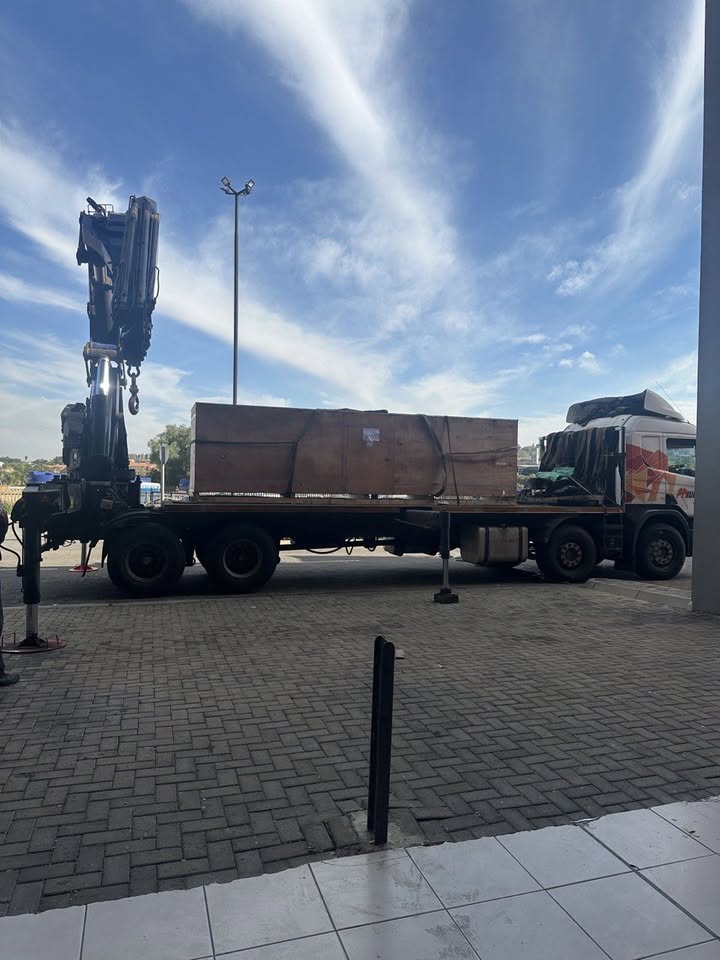
12 Heads Embroidery Machine
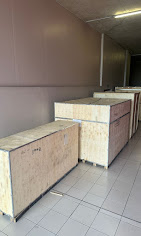
Toilet Paper Machine Machine
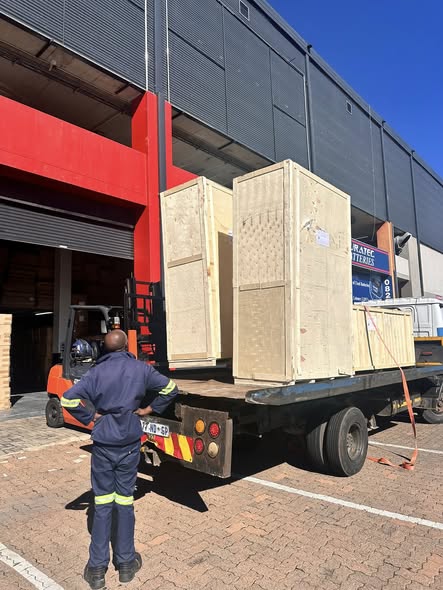
Order Collection
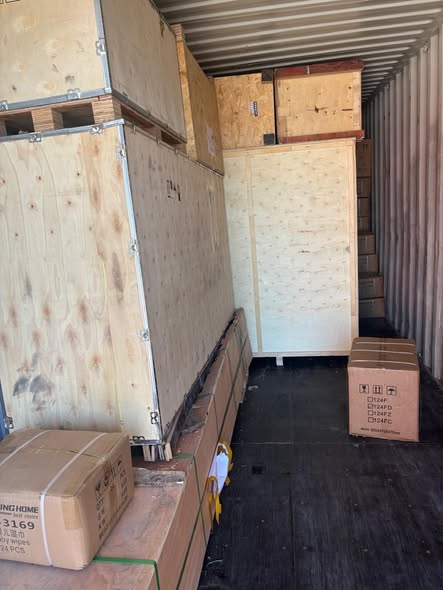
Cross Border Clients
Order cros border countries Collected
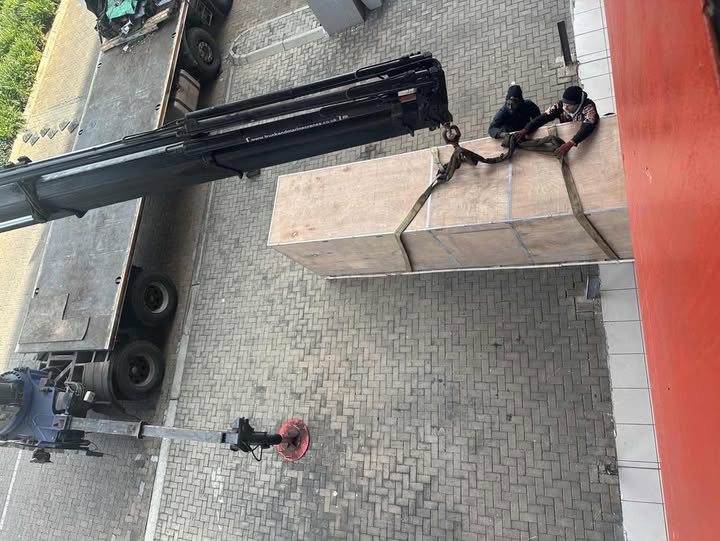
Industrial Machine Cllection
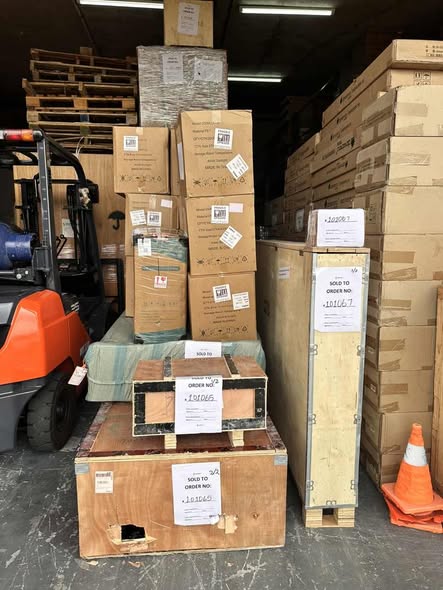
Agriculture Processing Machines
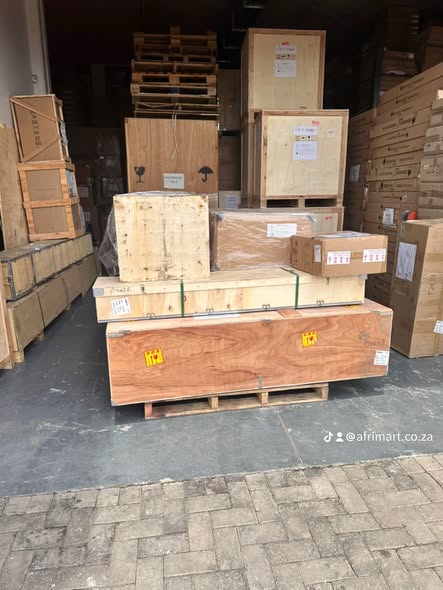
Ready for collection
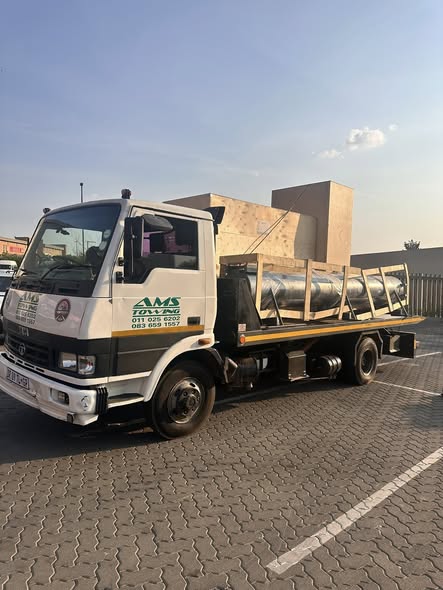
Water Pump Equipment
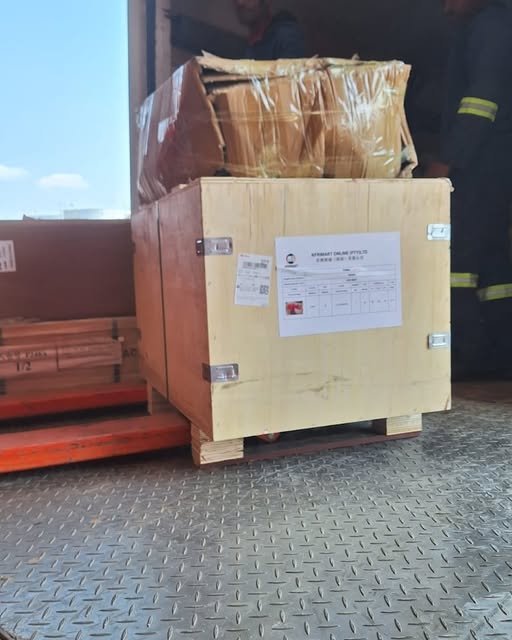
Packaging Machine and accessories
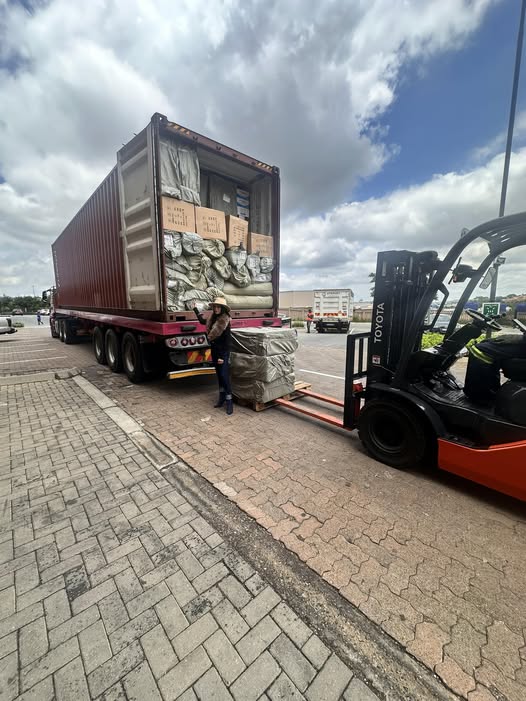
Fabrics Manufacturing Equipment
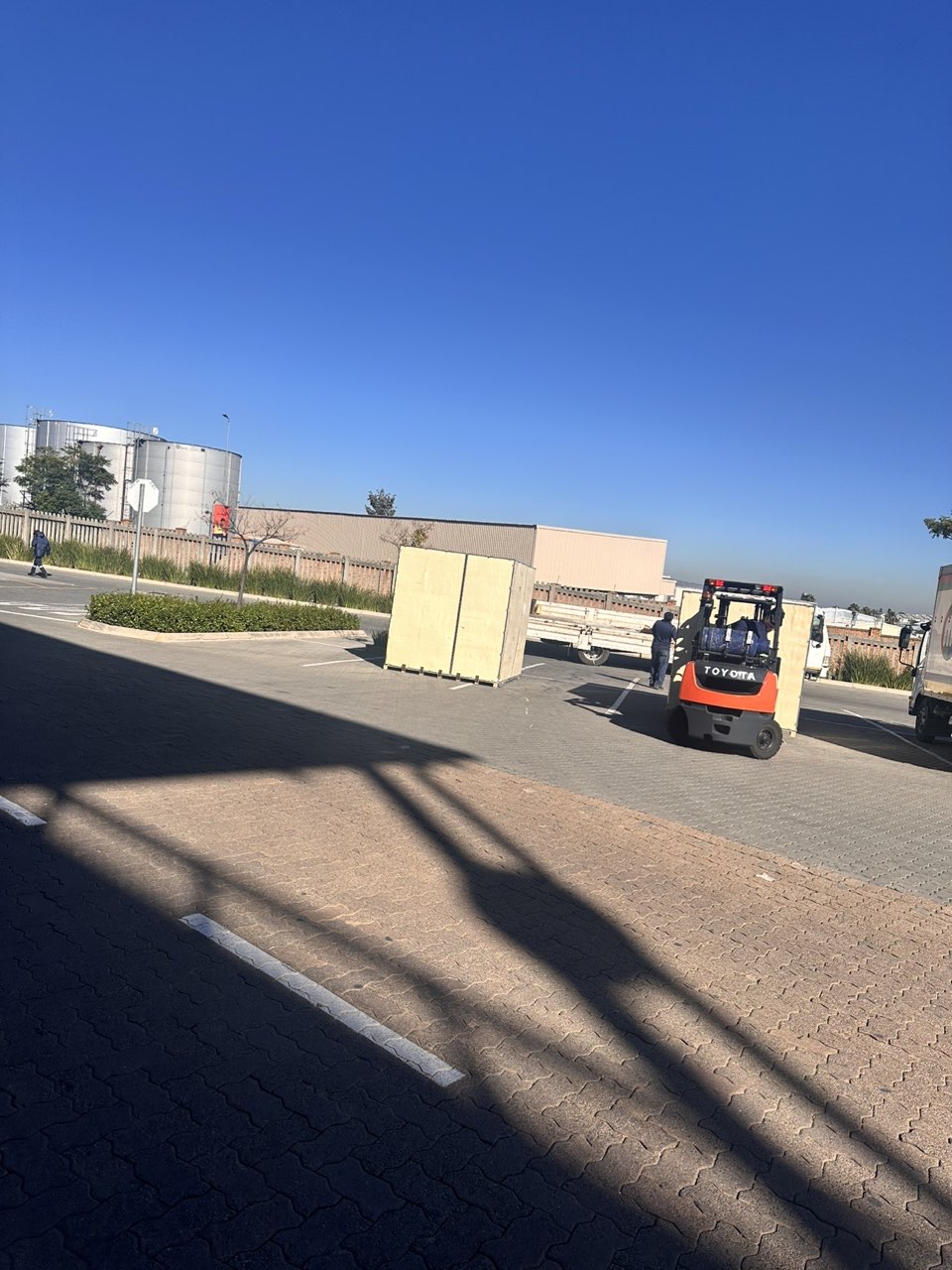
Mining Equipments
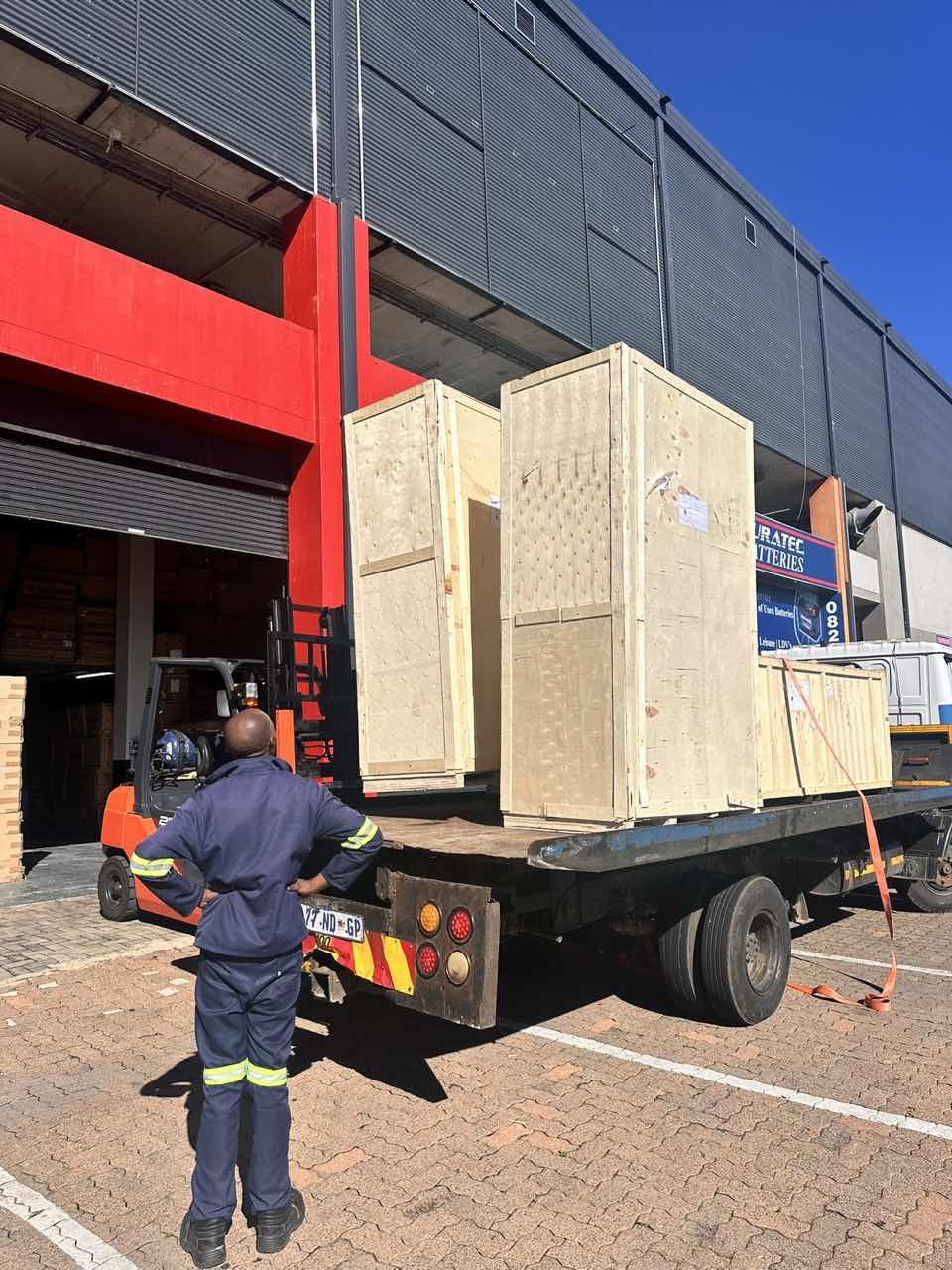
Food Processing Machine
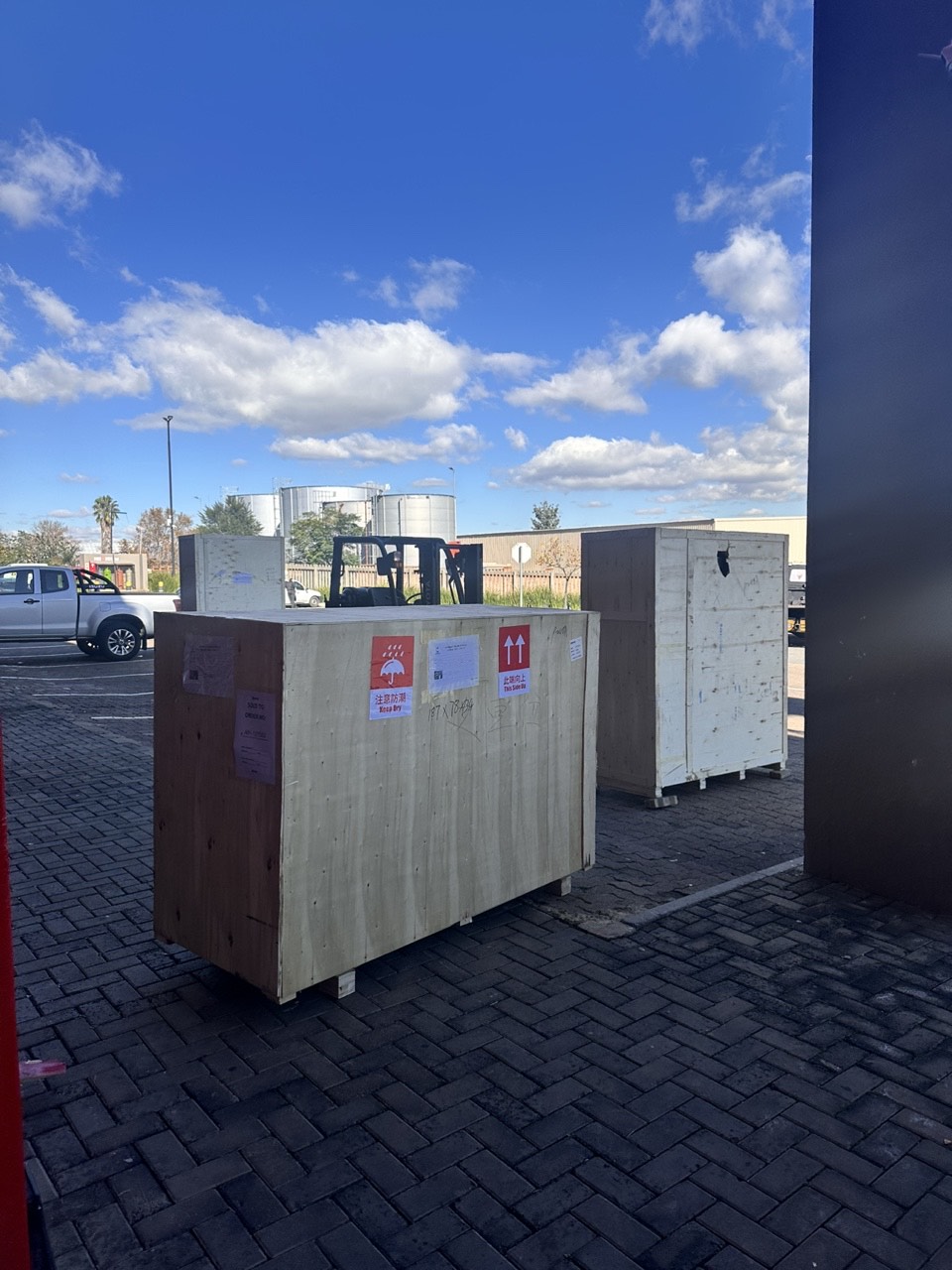
Batch of Orders
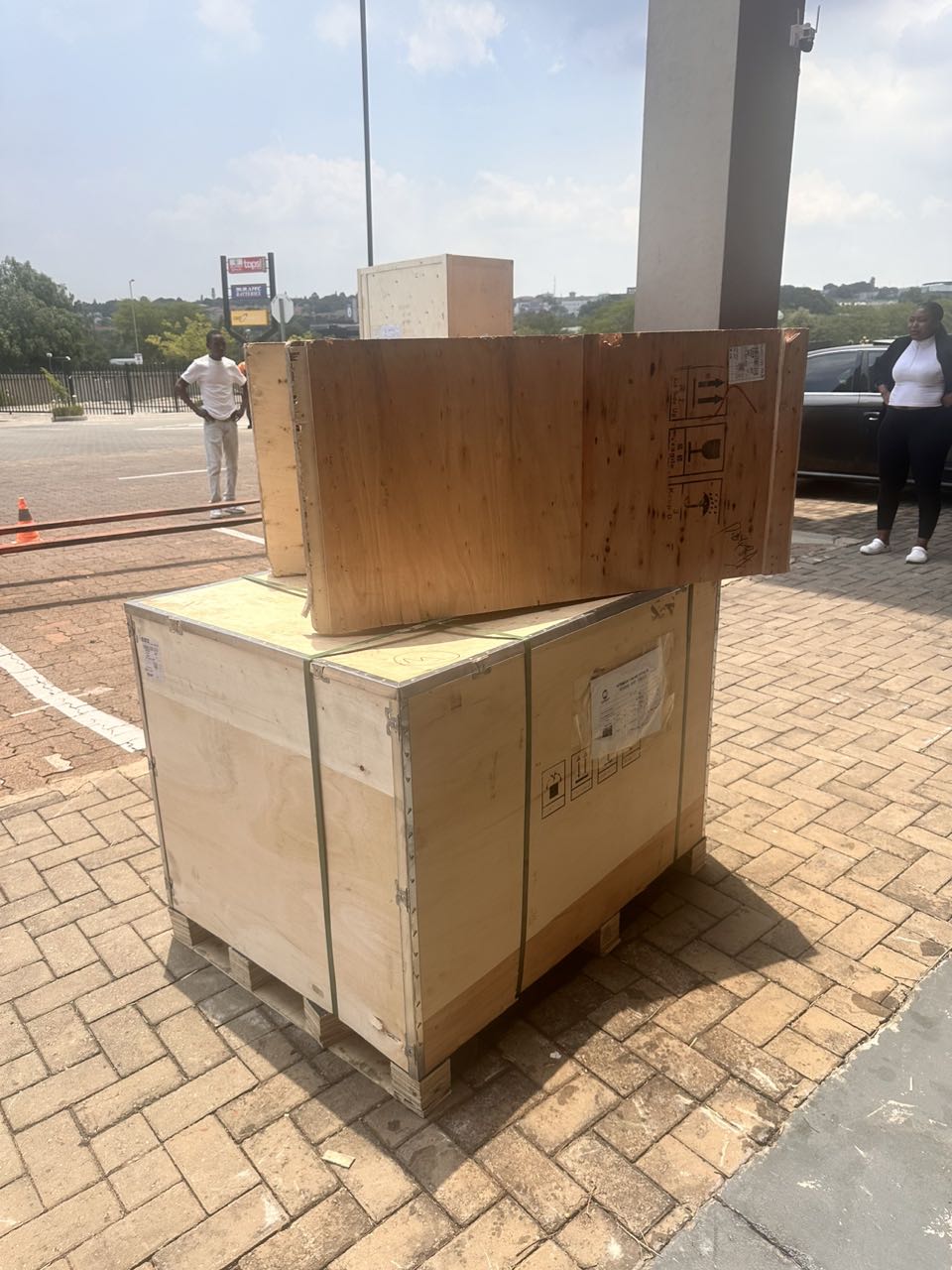
Batch of Orders
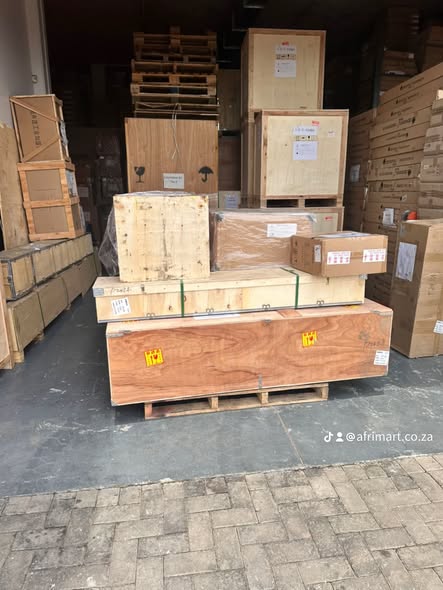
Latest Orders Labelled
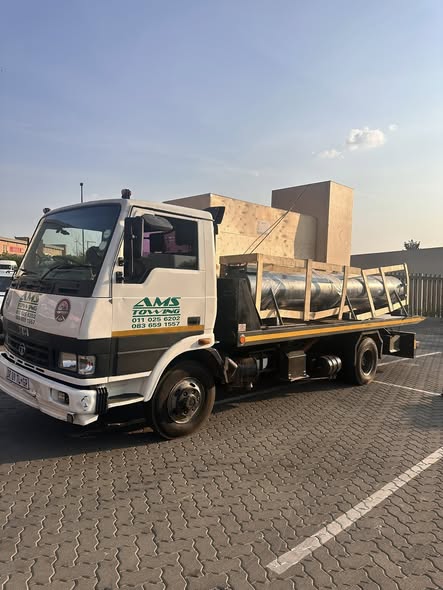
wheel alignment machines
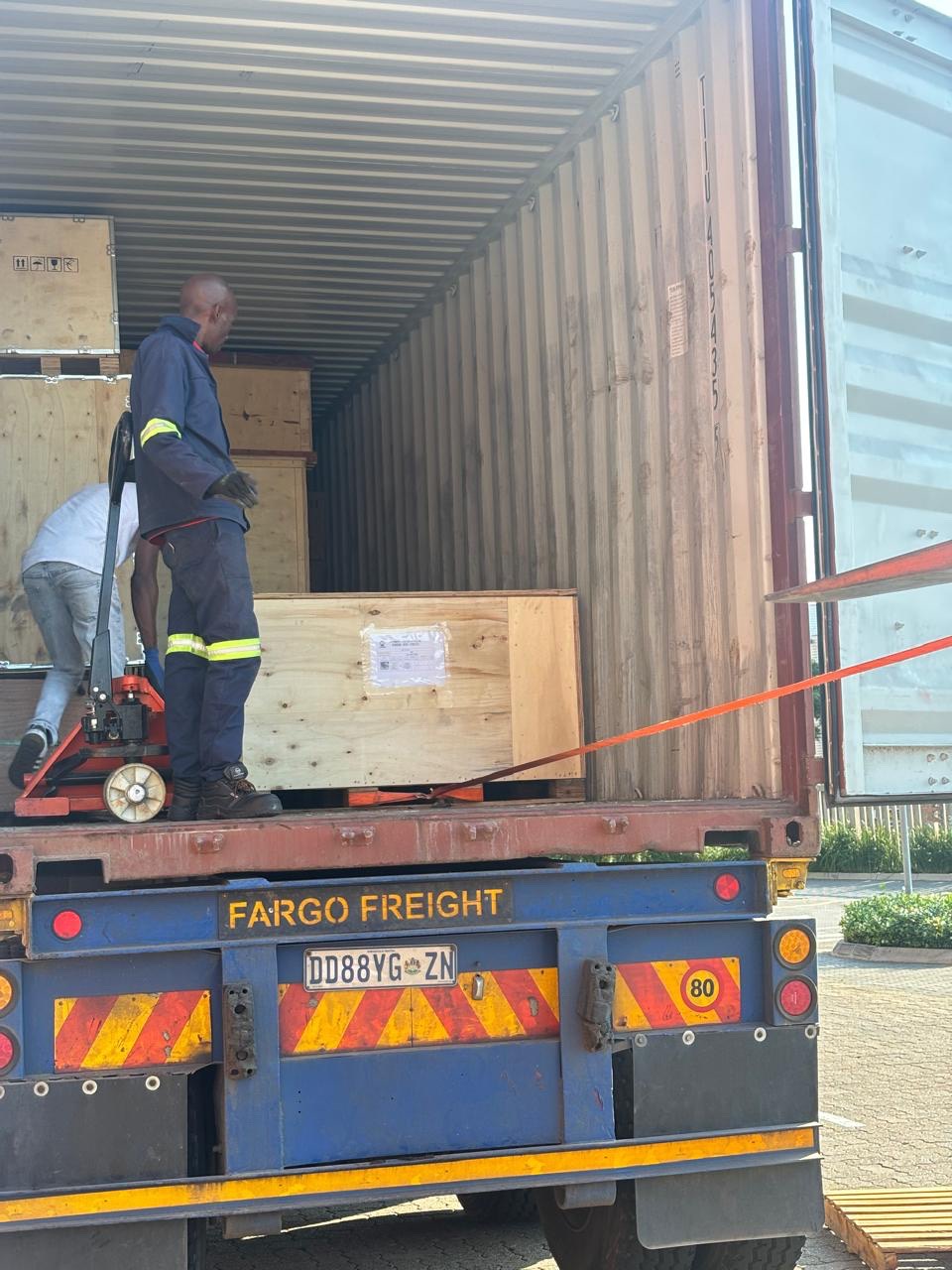
new arrivals
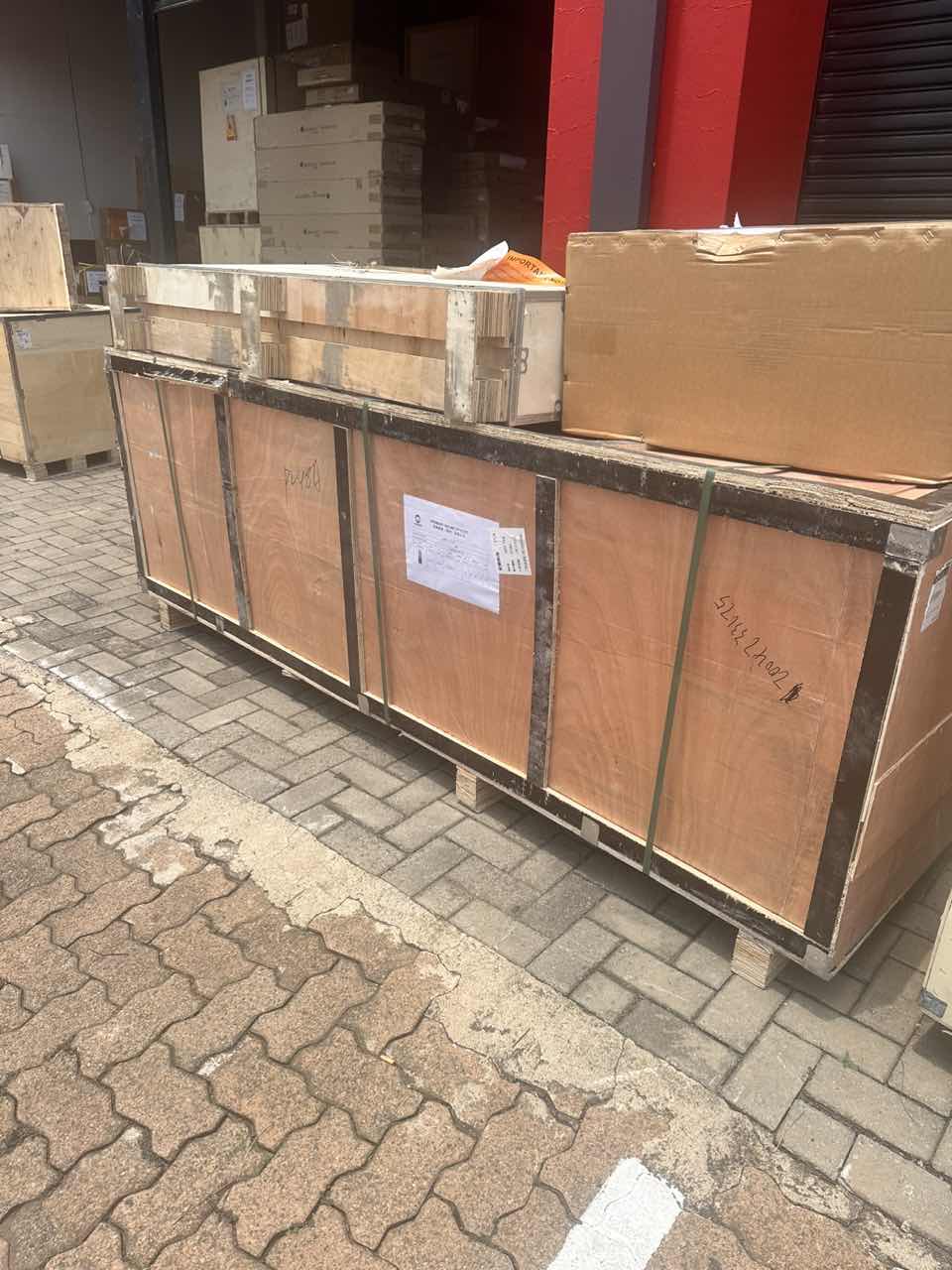
Pre Orders Offloading
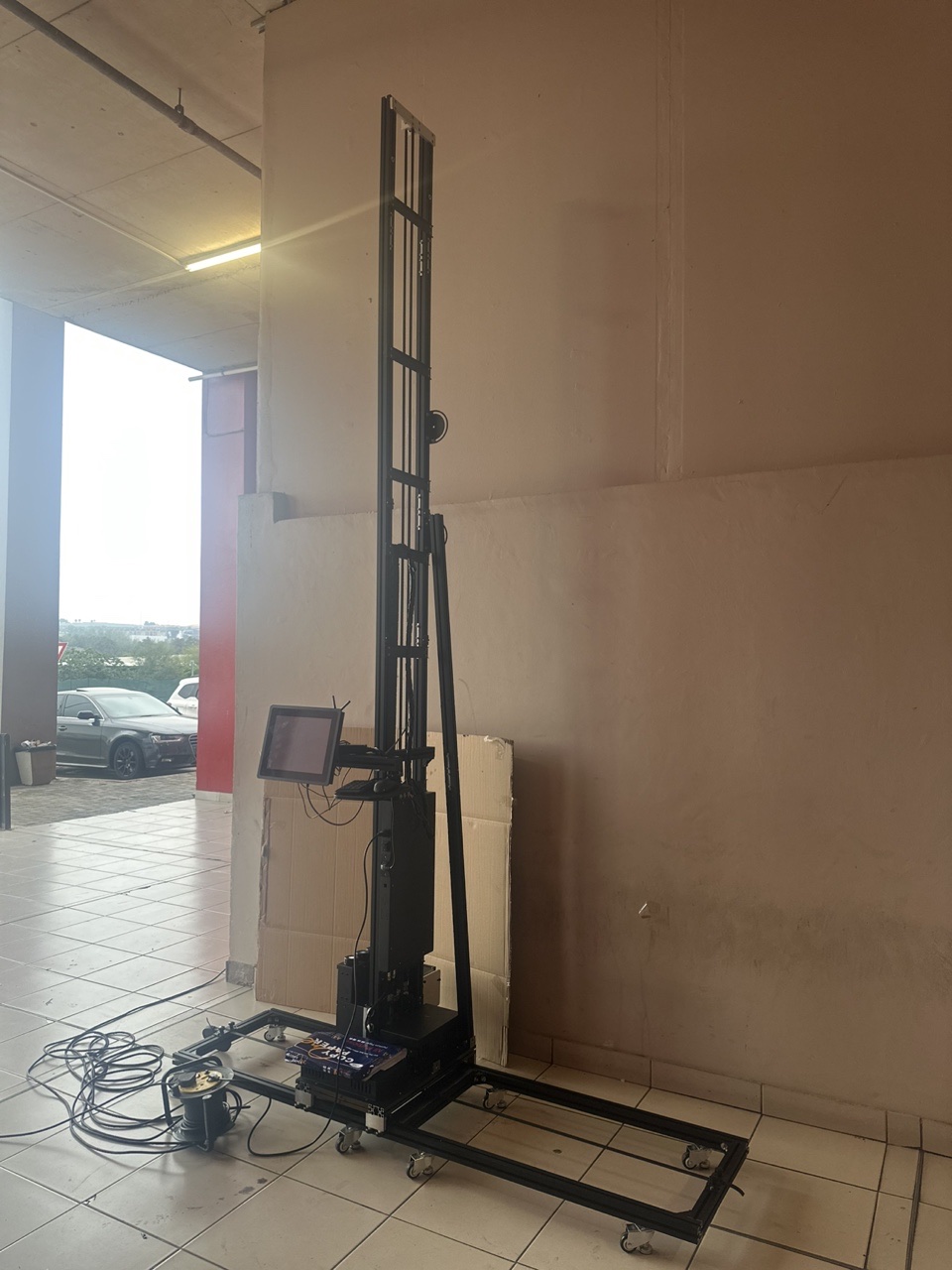
Latest Arrivals
Latest Arrivals
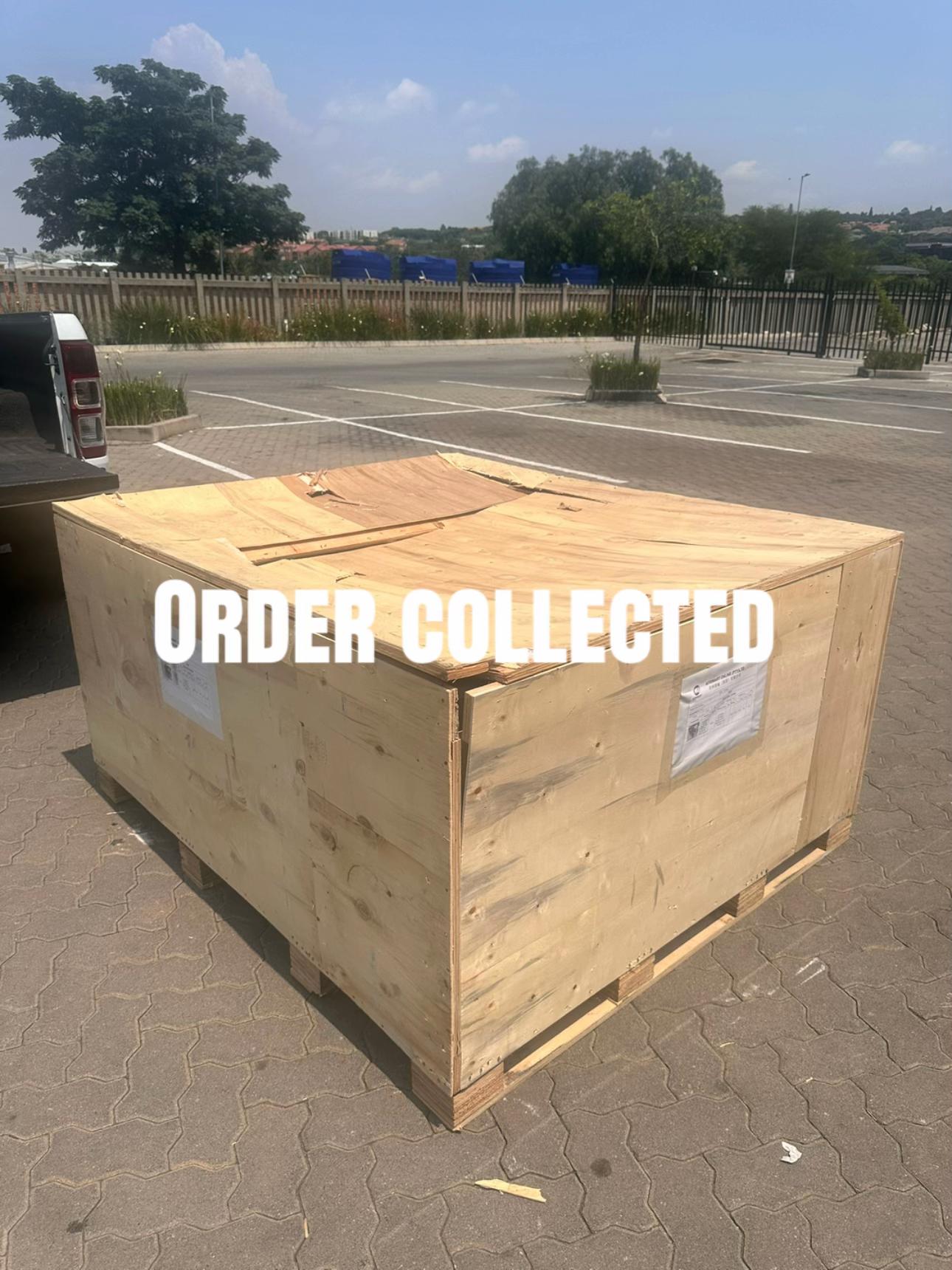
Latest Arrivals
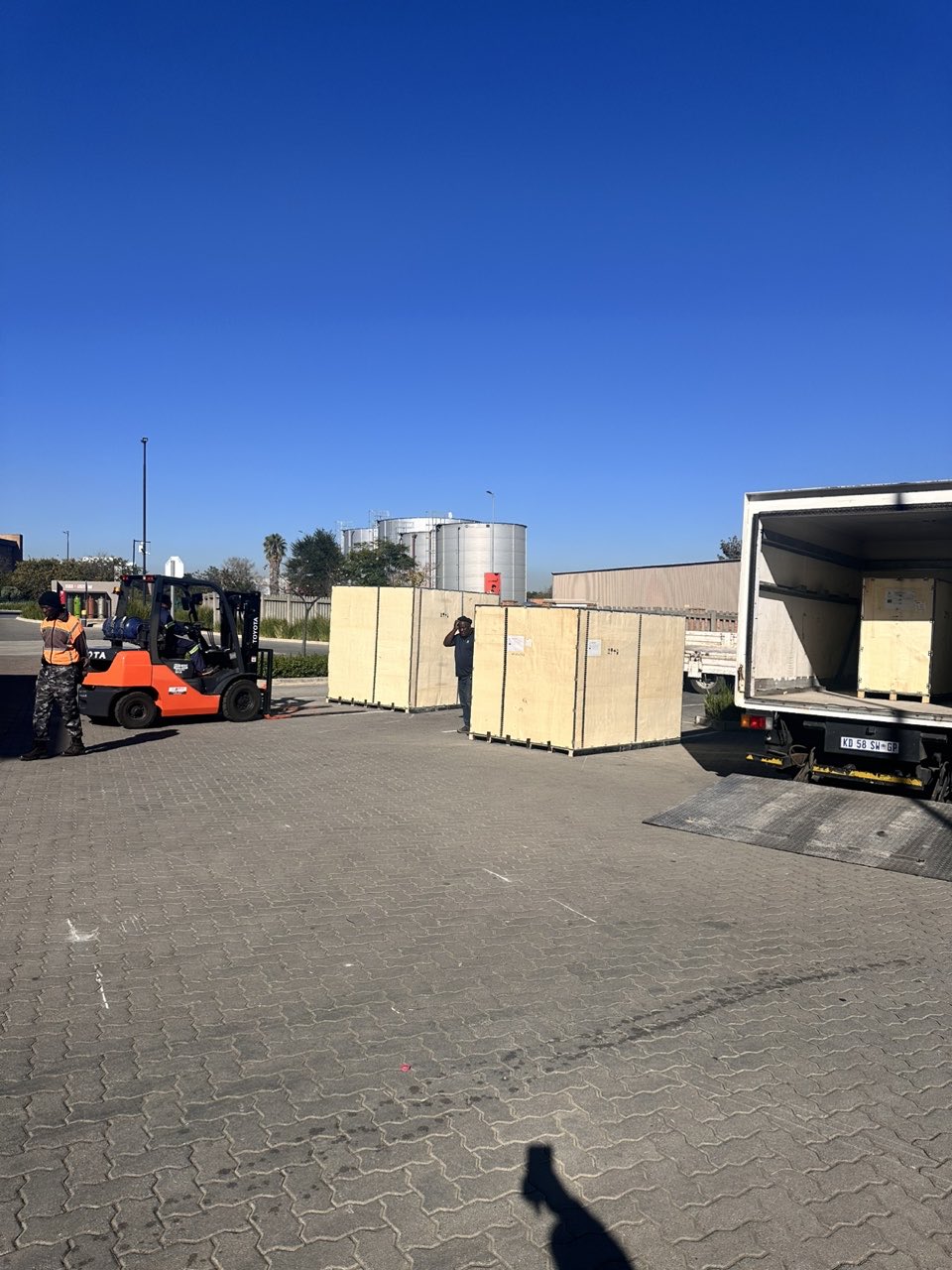
Loading
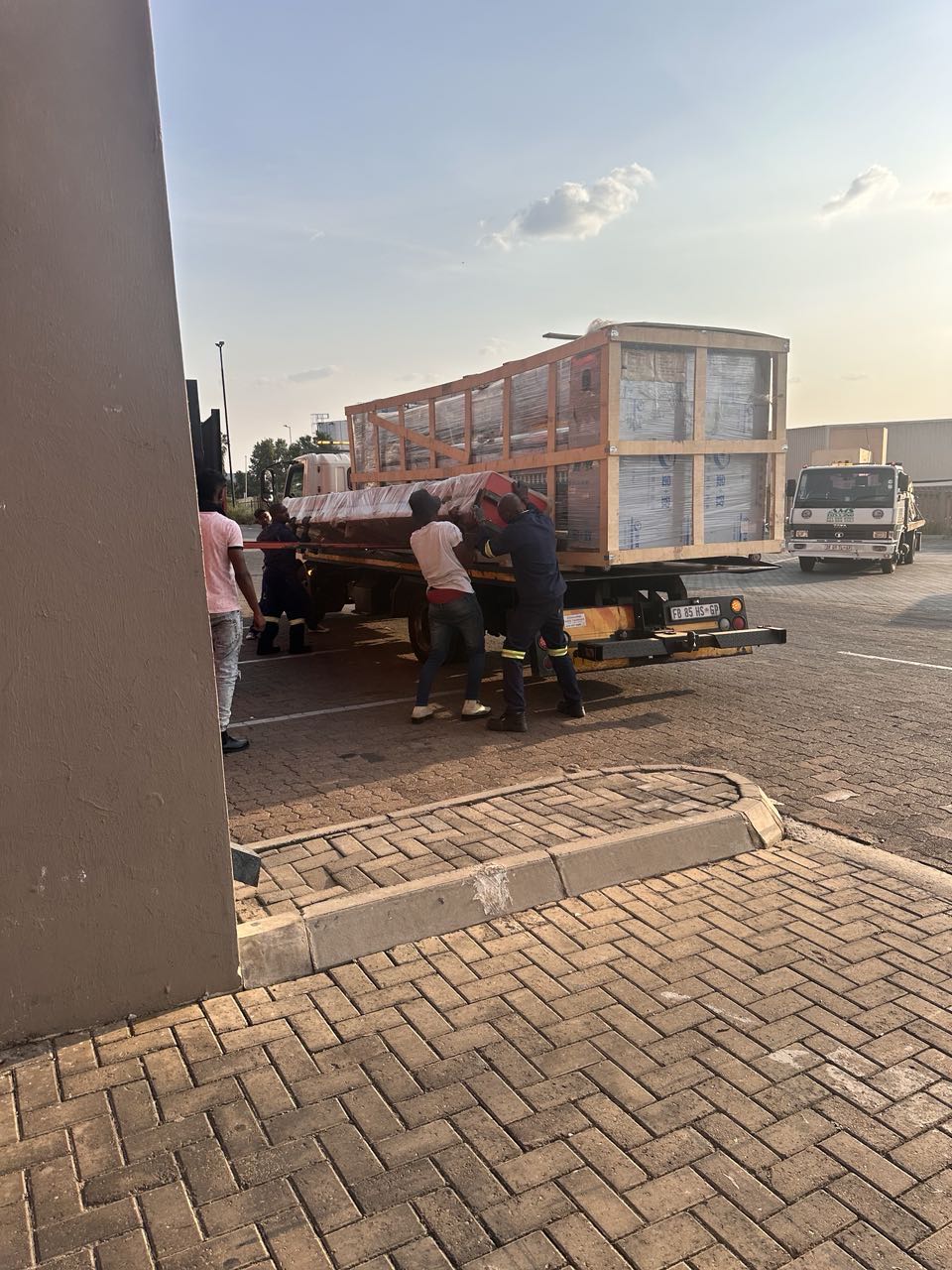
Toilet paper making machine
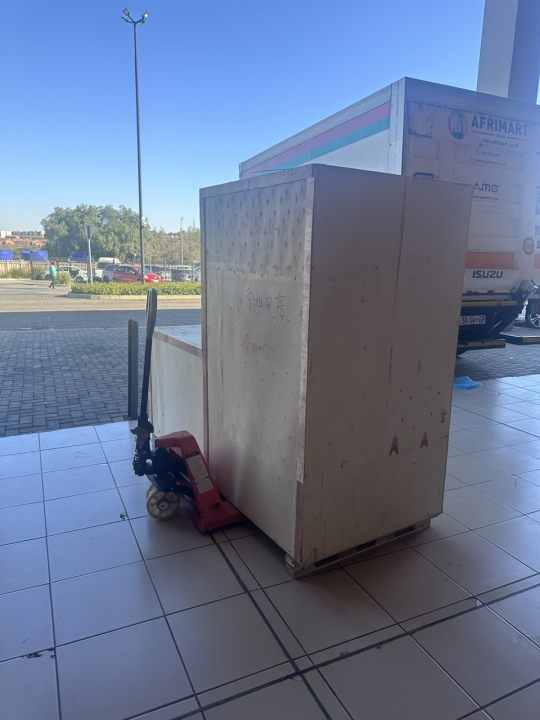
Toilet paper making machine
Toilet paper Rewinding Machine
latest arrivals
offloading
order success
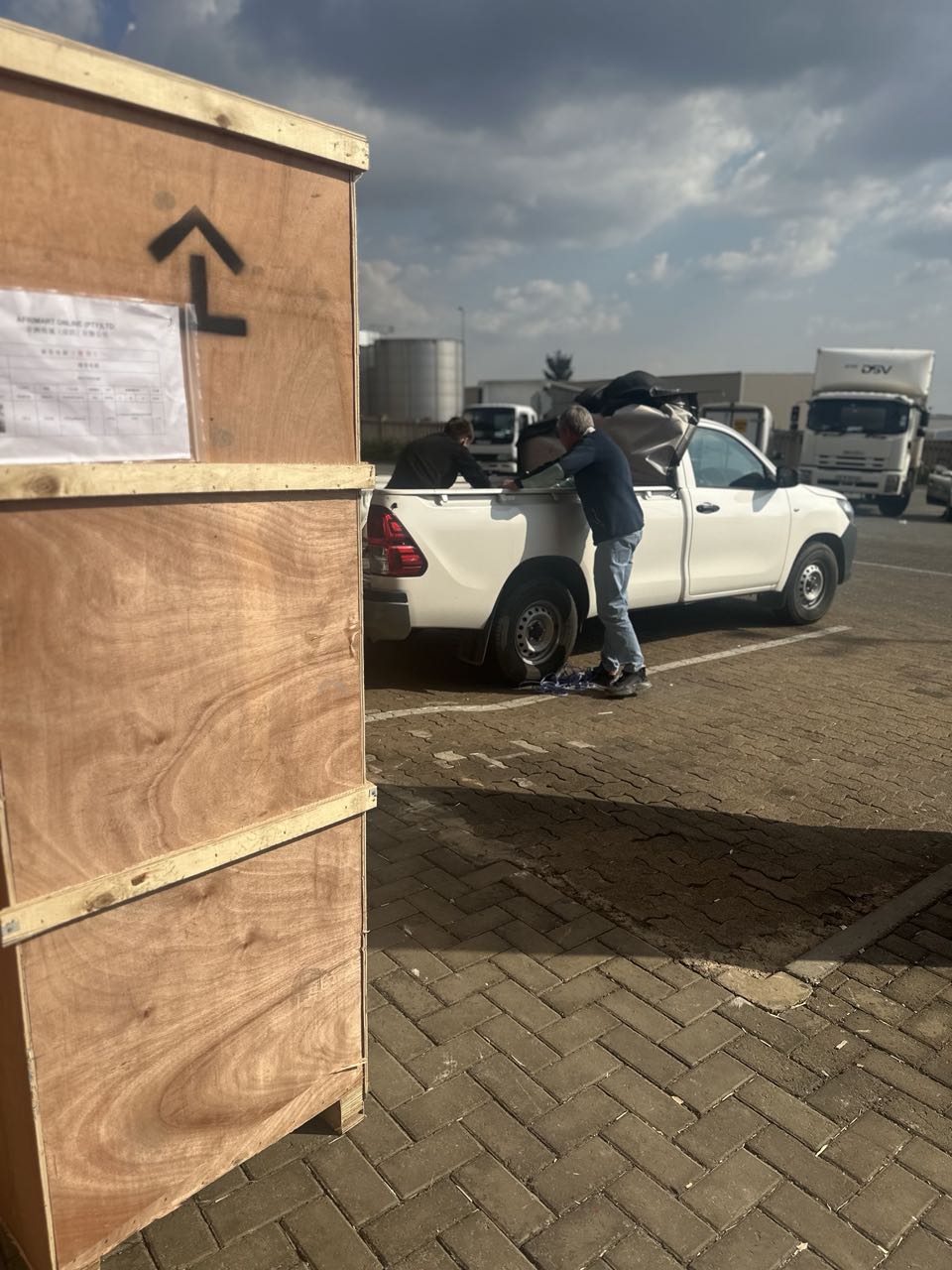
order collection
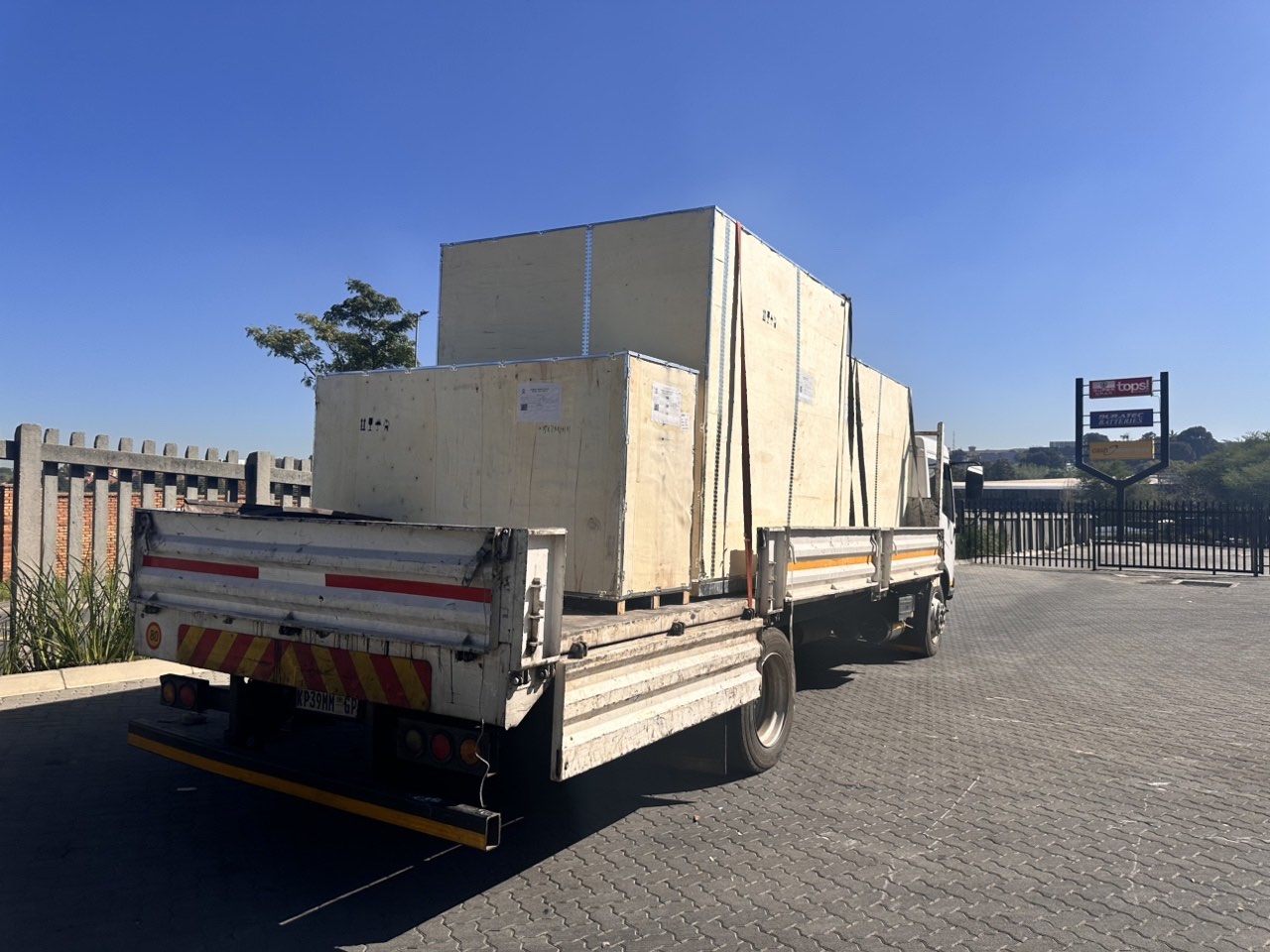
order offloading