B21, China Town Mall, Midrand

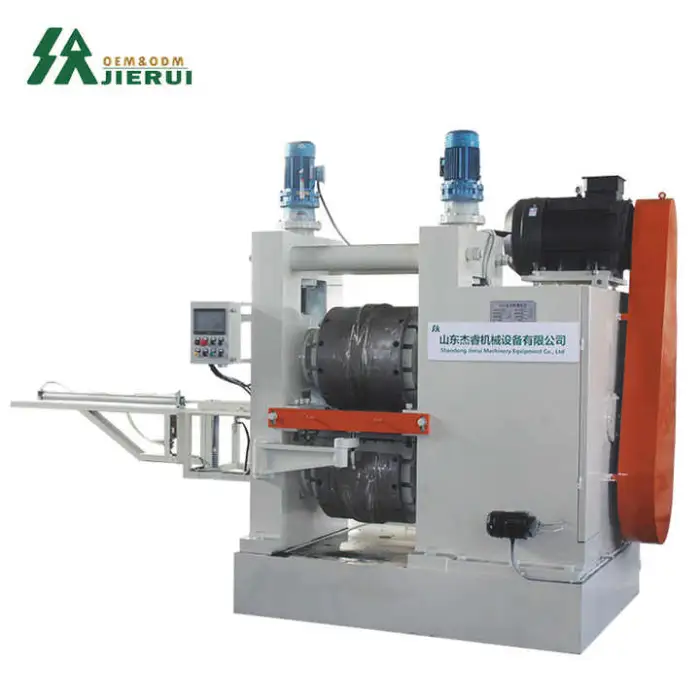
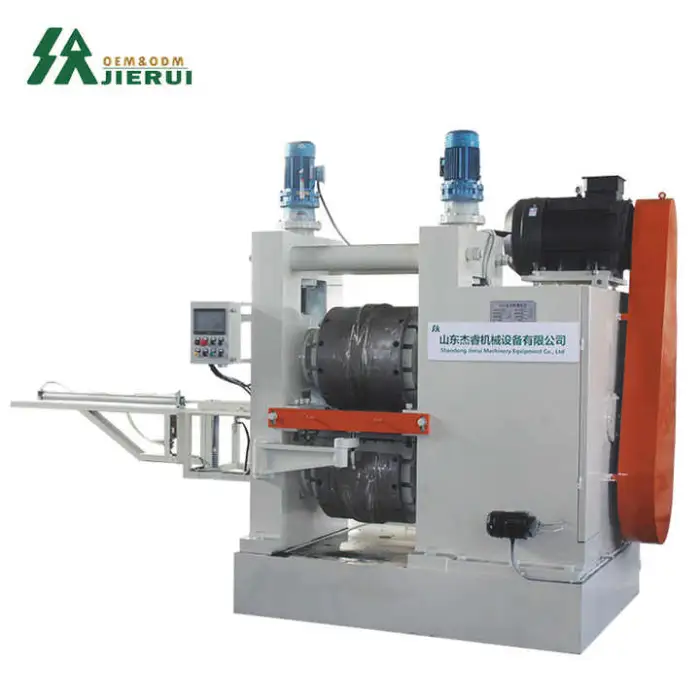
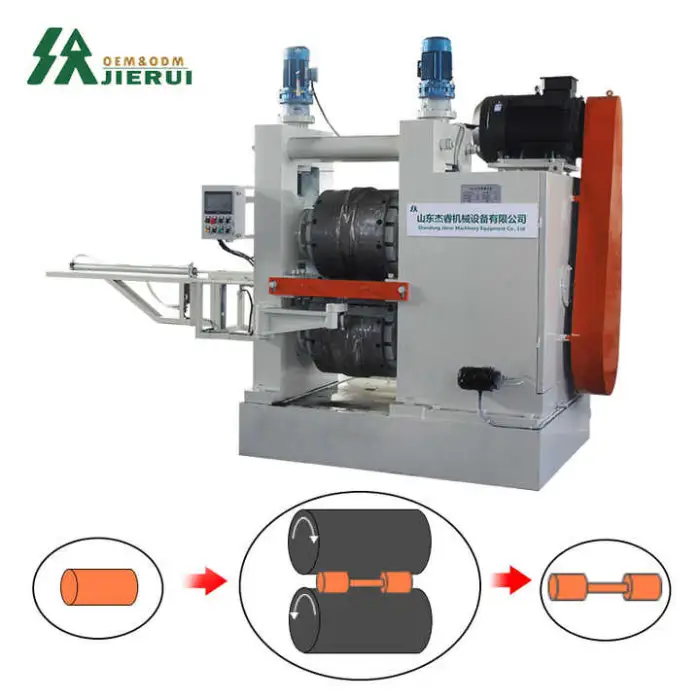
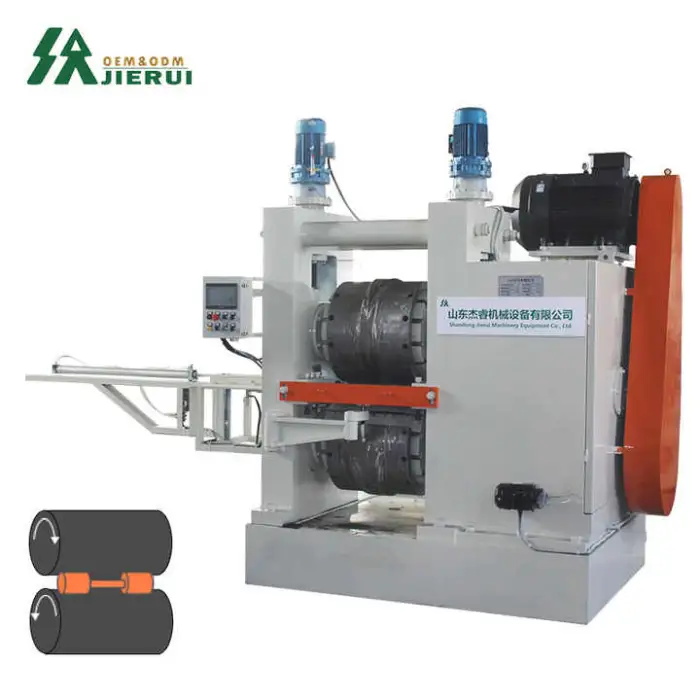
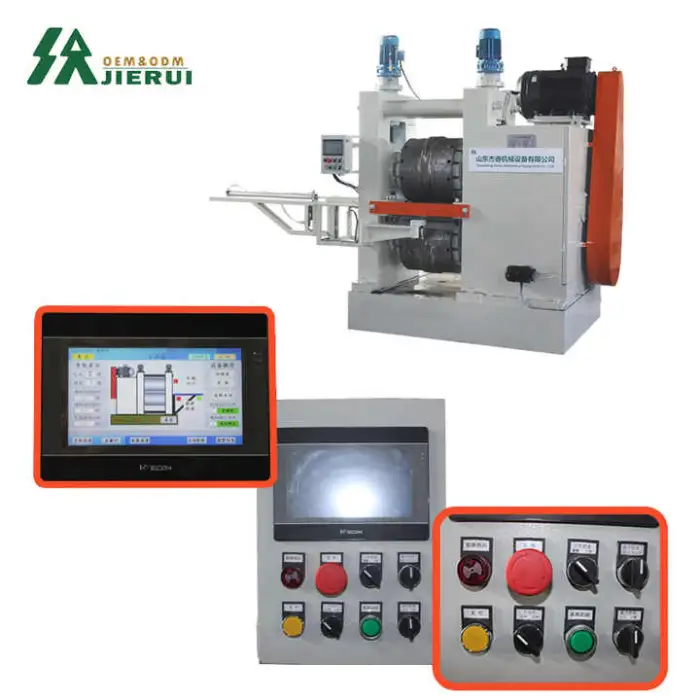
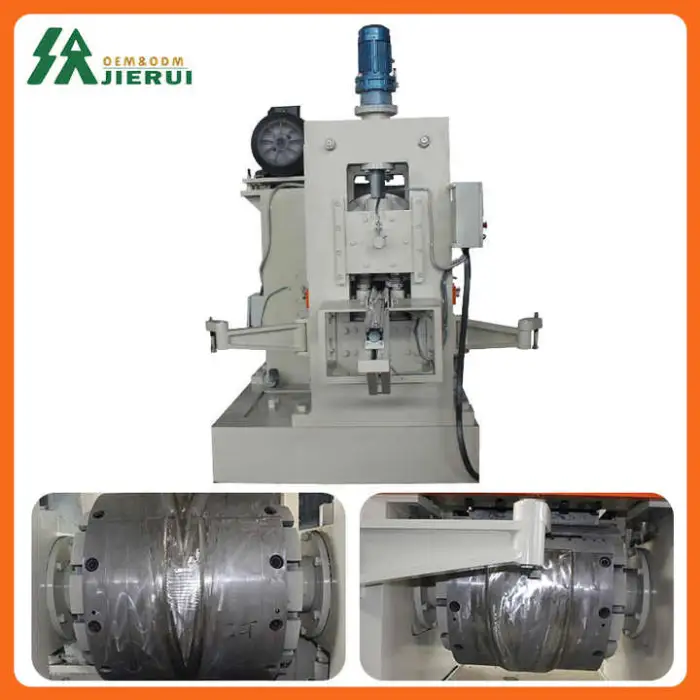
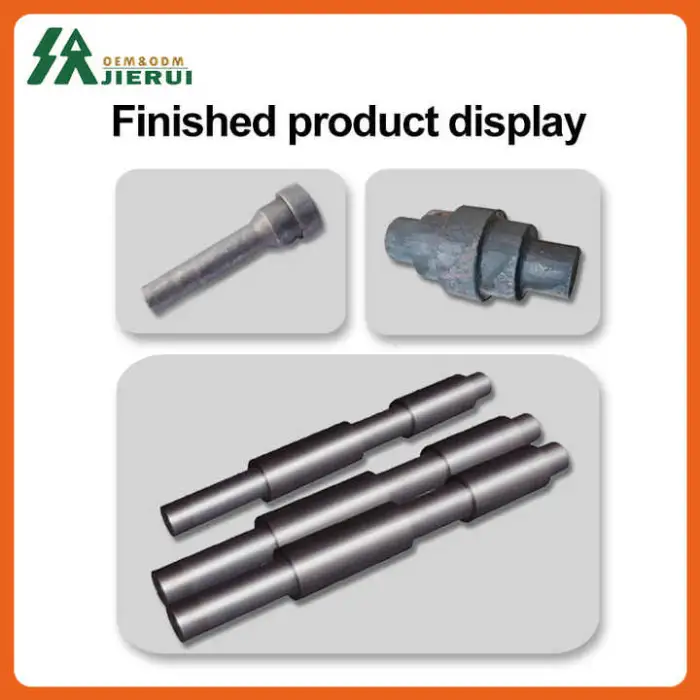
Cross Wedge Rolling Mill(CWR) Rolling Mill Mini Plant Rolling`machine Steel Deformed bar Production Line Forging Parts

- Section : Machinery
- Category : Metal & Metallurgy Machinery
- SKU : 1601154188454

Cross Wedge Rolling Mill (CWR) - Rolling Mill Mini Plant
The Cross Wedge Rolling Mill (CWR) is a top-notch rolling machine designed for producing steel deformed bars and forging parts. This mini plant offers high efficiency and reliable performance. It is equipped with advanced features and built to meet demanding production needs. Get ready to enhance your steel production line with this powerful machine.
Specifications
| Attribute | Details |
|---|---|
| Product Name | Hot Rolling Mills |
| Voltage | 380/220 V |
| Power (W) | 35 |
| Weight (kg) | 10000 |
| Dimension (L*W*H) | 2m * 2m * 2m |
| Final Product | Steel Casting Production Line |
| Service Provided | Online Support |
| Selling Units | Single item |
| Single Package Size | 200X200X200 cm |
| Single Gross Weight | 10000.000 KG |
Key Features
- High Efficiency: Designed for optimal performance.
- Famous Brand PLC: Reliable control system.
- Comprehensive Inspection: Video outgoing inspection and machinery test report included.
- Robust Construction: Durable components like PLC, engine, bearing, and gearbox.
Applications
- Production of steel deformed bars.
- Forging parts for various industries.
- Steel casting production lines.
- High-demand manufacturing environments.
Invest in the Cross Wedge Rolling Mill (CWR) to boost your production capabilities and ensure quality output in your steel manufacturing operations.
Product Info Gallery
- Shipping Timeframes: All orders are processed within 2-5 business days (excluding weekends and holidays). After your order has been processed, the estimated delivery time is before 20 Jun, 2026, depending on customs, Please note that due to high demand, some items may experience longer shipping times, which will be communicated at order confirmation email.
- Order Processing Time: Please allow 2-5 business days for us to process your order before it is shipped . Orders placed after 16:00 on Fridays, or during weekends and public holidays, will begin processing on the next business day. Processing times may be extended during peak seasons or sales events.
- Manufacturing Time: Some products needs manufacturing time, the manufacturing process will take approximately 10-30 business days depending on the product. This timeframe may vary depending on the complexity of the product and current demand. but this will be communicated with you during order confirmation.
- Returns and Exchanges: We offer a 30-day return policy for most items. If you are not completely satisfied with your purchase, you may return it within 30 days of receipt for a refund or exchange. Items must be unused, in their original packaging, and accompanied by proof of purchase. Return shipping costs are the responsibility of the customer, unless the item was damaged or defective upon arrival.
1. What is the Cross Wedge Rolling Mill (CWR) – Rolling Mill Mini Plant?
The CWR is a compact hot rolling mill designed for producing steel deformed bars and forging parts. It uses cross-wedge rolling technology to reshape billets into bars, shafts or preforms with high efficiency and consistent quality, suitable for small-to-medium production lines or as a modular mini plant.
2. What final products can this machine produce?
Typical outputs include deformed steel bars, shafts, preforms for forging, and components for steel casting production lines. Final geometry depends on tooling (wedge dies) and process parameters.
3. What are the key technical specifications?
Specification highlights: electrical supply 380/220 V, listed power 35 (see note below), overall machine footprint approximately 2 m × 2 m × 2 m, gross weight about 10,000 kg, packaged dimensions 200 × 200 × 200 cm. A famous brand PLC is used for control and the machine ships with video outgoing inspection and a machinery test report.
4. The specification lists Power as 35 W — is that correct?
The datasheet shows "35" under Power (W); this may be a typographical or unit-error on the listing. Actual drive and heater power depend on configuration, motor sizing and whether a heating furnace is included. Please confirm the correct power rating (often expressed in kW) with the supplier before order.
5. What materials and steel grades can the CWR process?
The CWR is intended primarily for ferrous materials: carbon steels and many alloy steels used for deformed bars and forging preforms. Processing of stainless or exotic alloys is possible but depends on tooling, billet heating capability and process parameters—confirm suitability for specific grades with the manufacturer.
6. Does the machine include a billet heating (furnace) system for hot rolling?
The product is a hot rolling Rolling Mill mini plant; however, a heating furnace is not explicitly listed in the basic spec. Billet preheating is required for hot cross-wedge rolling—furnace options (induction or box furnace) are commonly supplied as add-ons or as part of a complete line. Check with the vendor whether a furnace is included or available as an option.
7. What are typical production rates or capacity?
Production rate depends strongly on billet diameter, final section, reduction per pass, material, heating method and wedge tooling. Because these vary by application, the supplier will provide expected throughput (kg/h or pieces/h) for your target dimensions after reviewing your product specifications.
8. What kind of control system does the mill use?
The machine is equipped with a famous brand PLC and an operator HMI for process control. The PLC provides reliable control over rolling parameters, sequencing and safety interlocks. Specific PLC brand and software features should be confirmed with the supplier.
9. What inspection and quality documentation is provided?
The machine includes comprehensive outgoing inspection: video inspection of operation and a machinery test report. Additional factory acceptance testing (FAT) documentation can normally be arranged upon request.
10. What after-sales support and warranty are offered?
Standard offering includes online support. Many suppliers also offer optional on-site commissioning, operator training and spare-parts agreements. Warranty terms vary—confirm the length and coverage (components, labor, travel) with the vendor.
11. What are the installation and foundation requirements?
Although the unit has a compact footprint (approx. 2 m cube), due to its weight (~10,000 kg) a proper reinforced concrete foundation or mounting frame is usually required, along with appropriate lifting equipment for delivery and installation. Exact foundation drawings and civil requirements should be provided by the manufacturer.
12. Are spare parts and wear parts available?
Yes. Wear items such as wedge dies, bearings and gearbox components are consumables. The supplier typically stocks or can manufacture spare and wear parts; discuss lead times and spare-parts kits to minimize downtime.
13. Can the CWR be customized to my product dimensions?
Yes. Cross wedge rolling mills are commonly customized for billet diameters, final section profiles, wedge die geometry and automation level. Provide your target input/out dimensions and production targets to get a tailored configuration and quotation.
14. What safety features are included?
Standard safety provisions typically include emergency stop buttons, guarding around moving parts, safety interlocks on access panels and PLC-based fault monitoring. Final safety scope should comply with your local regulations and may be extended per customer request.
15. How is the equipment packaged and shipped?
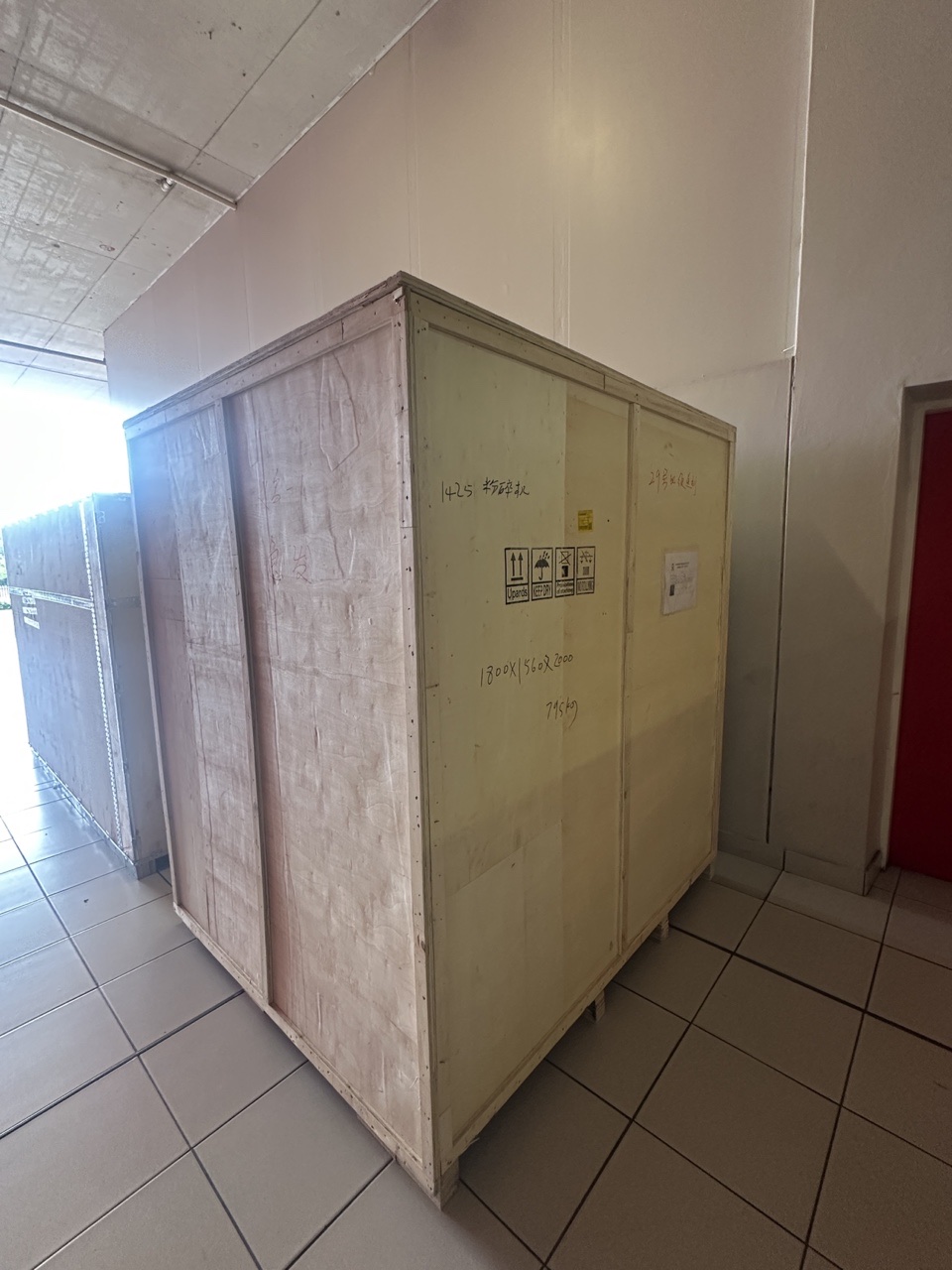
The machine is sold as a single item and the listed single package size is 200 × 200 × 200 cm with a gross weight around 10,000 kg. Shipping method, crating, and export documentation are coordinated with the buyer; ask the supplier for lift plans and recommended handling procedures.
Latest Order Arrivals
Discover our latest orders
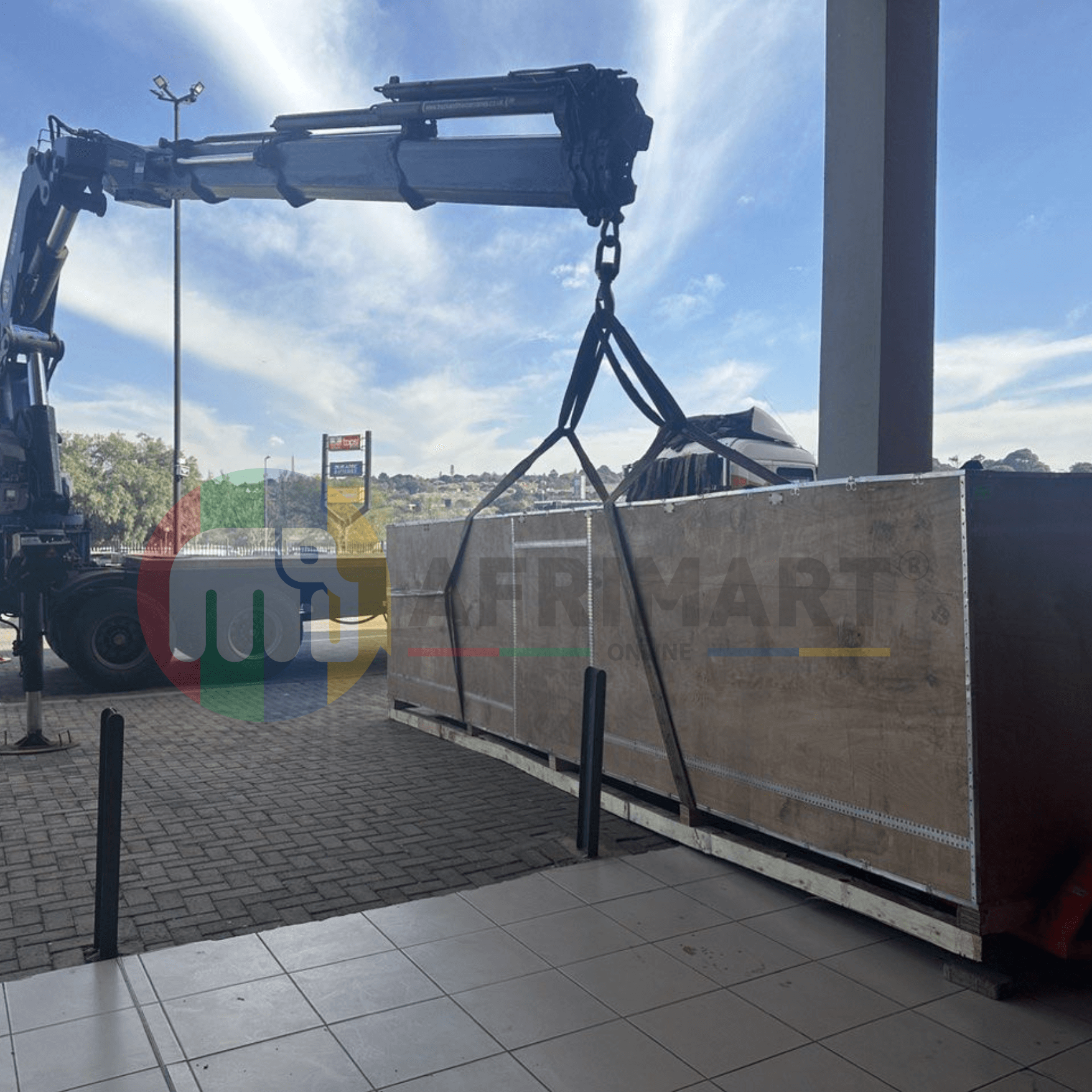
12 Heads Embroidery Machine
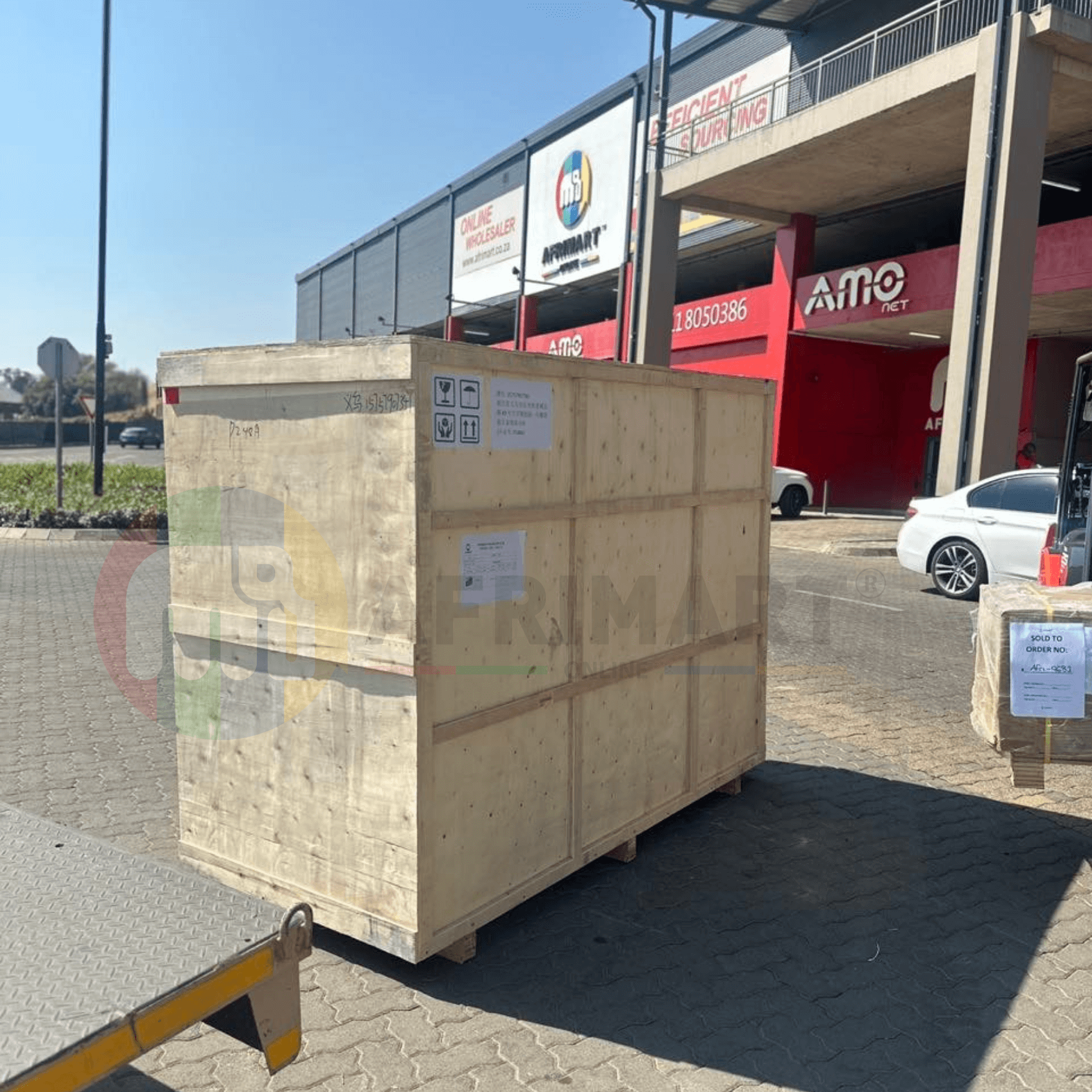
Dewatering Pump Machine
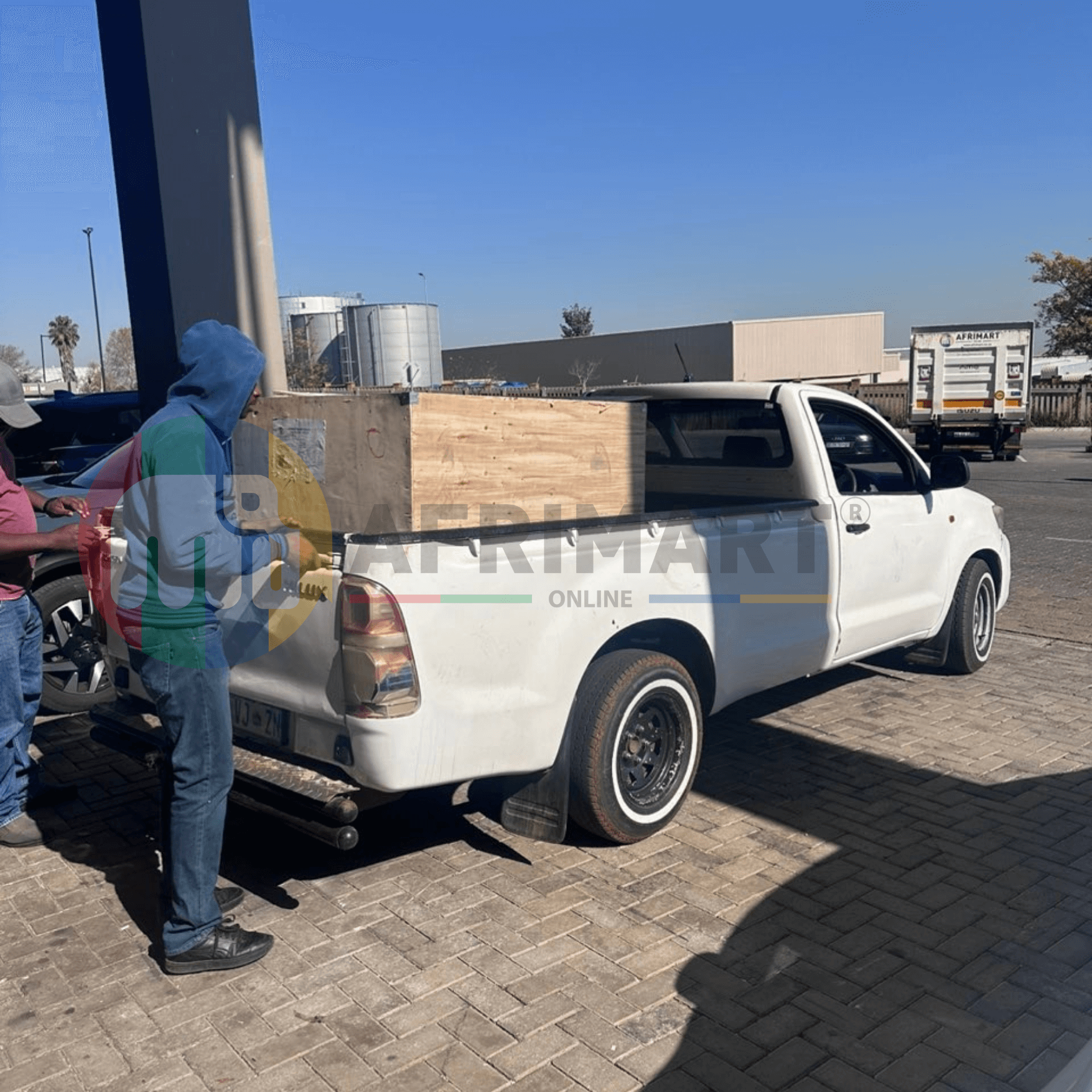
Order Collection
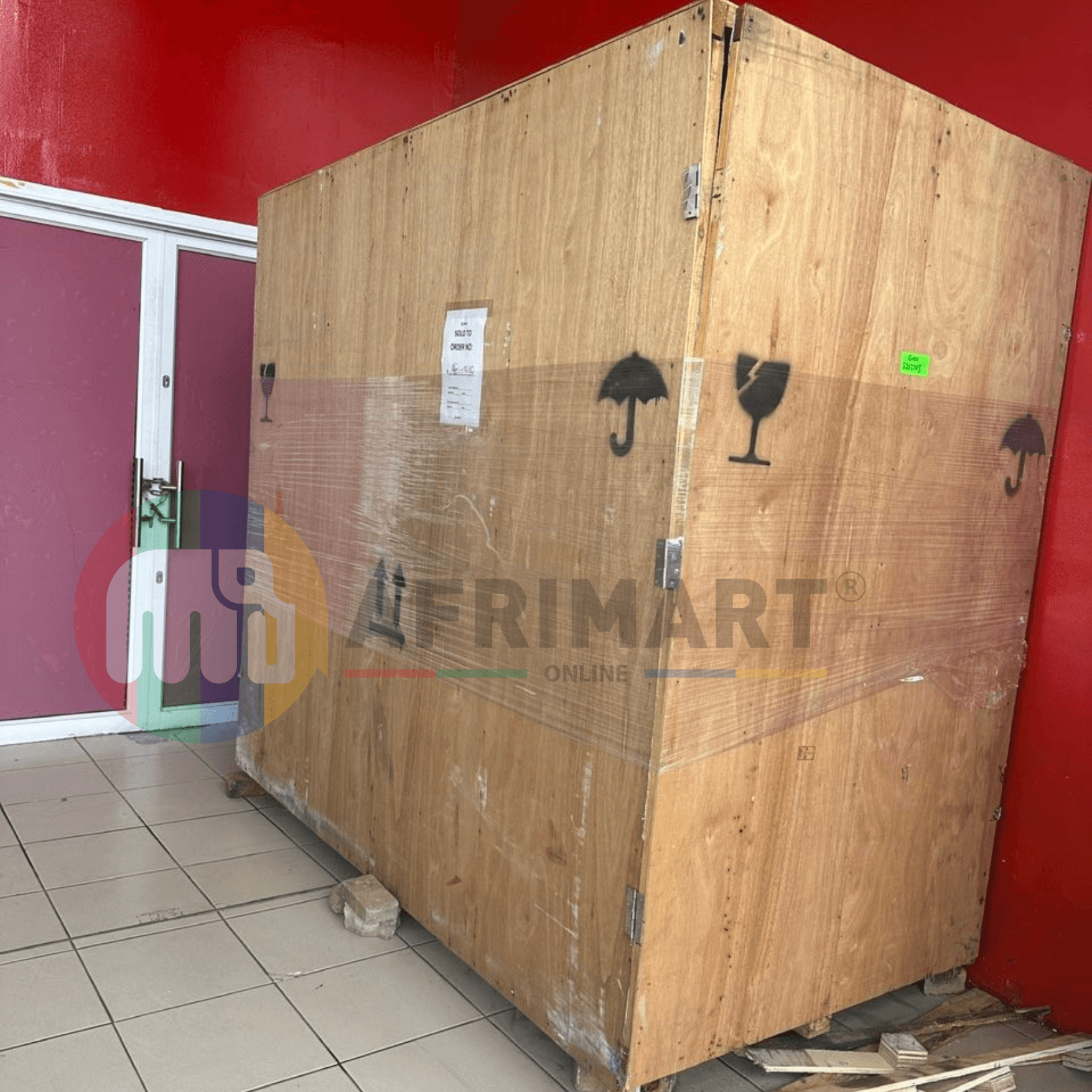
Portable Water Drilling Rig
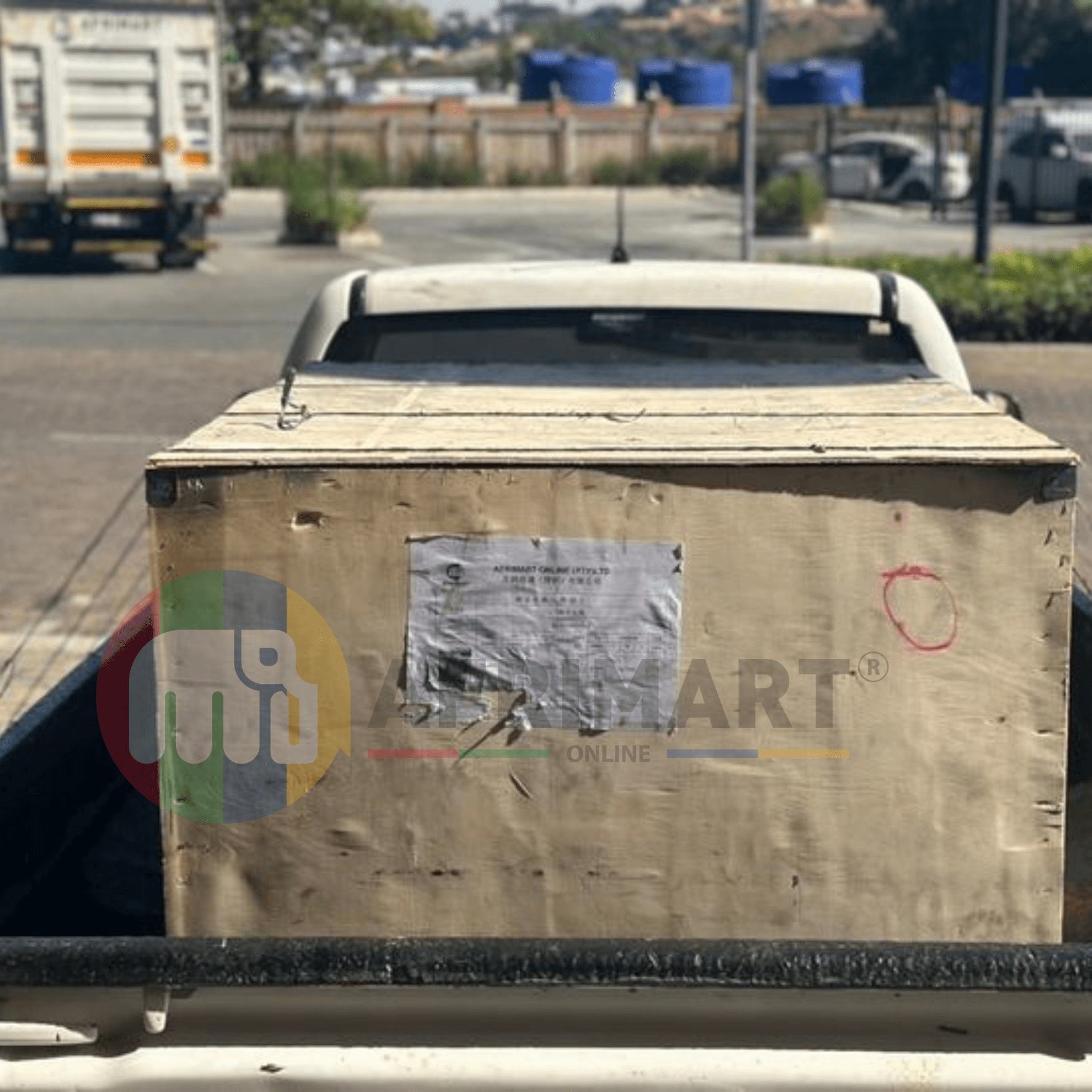
Order Usefully Collected
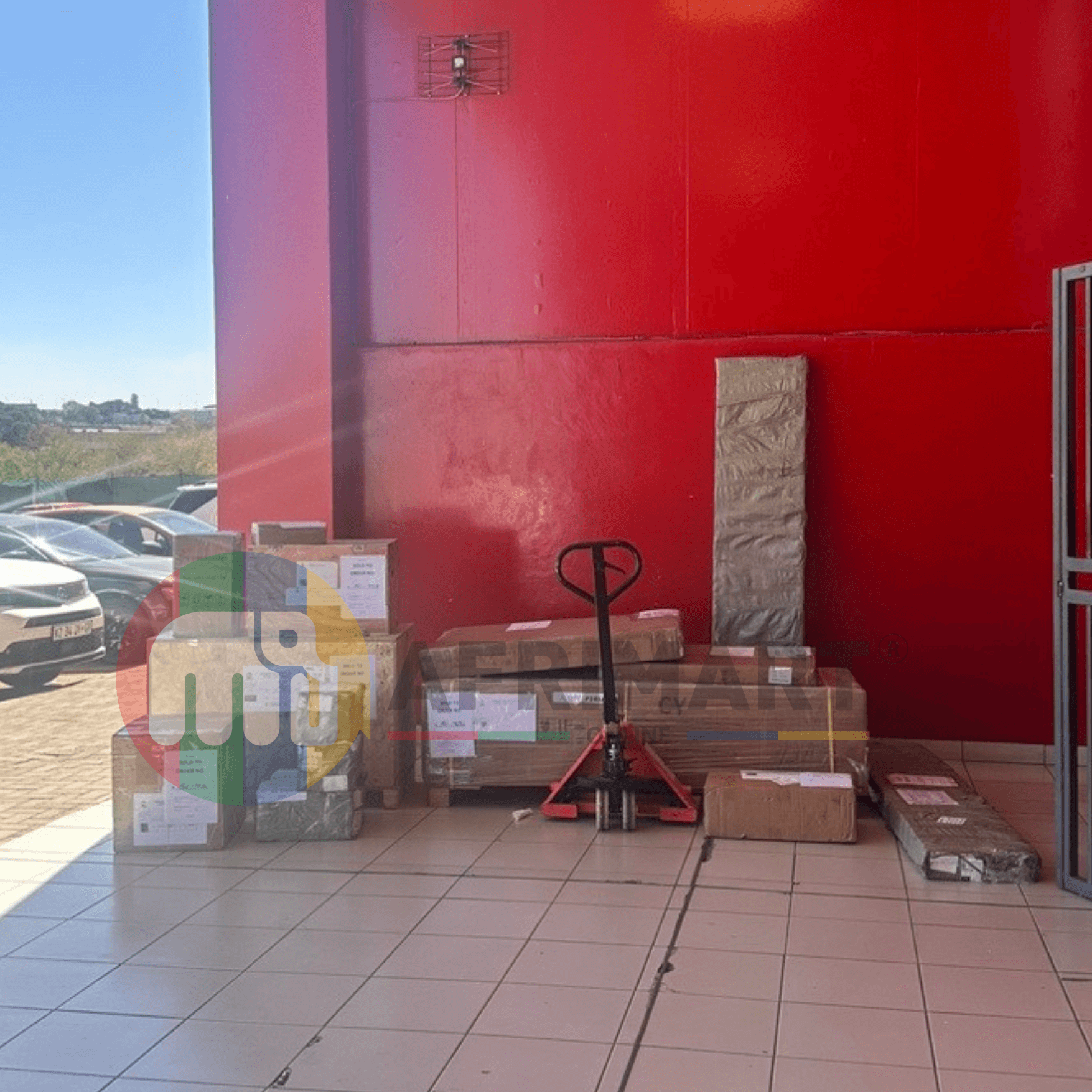
Batch of Orders
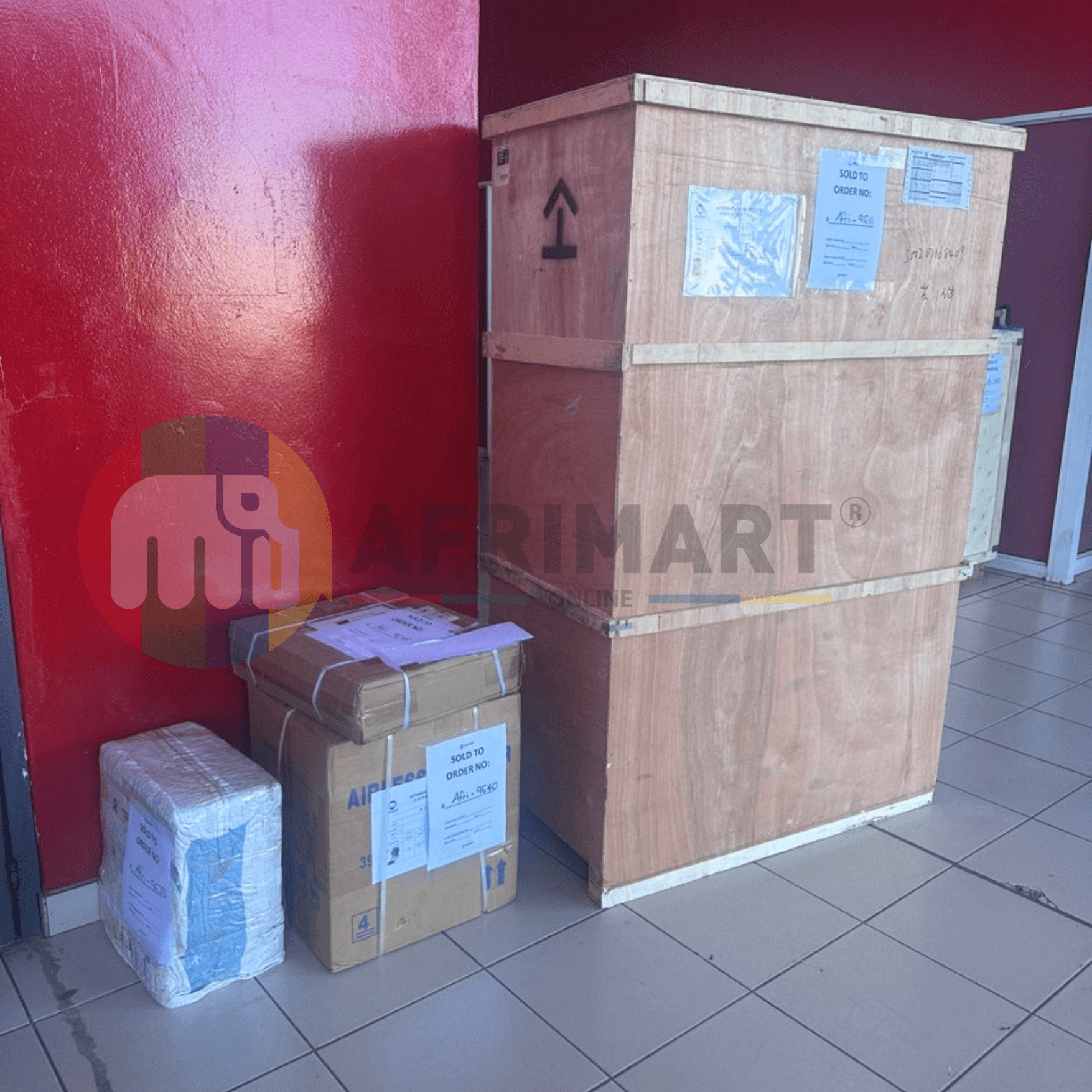
Agriculture Processing Machines
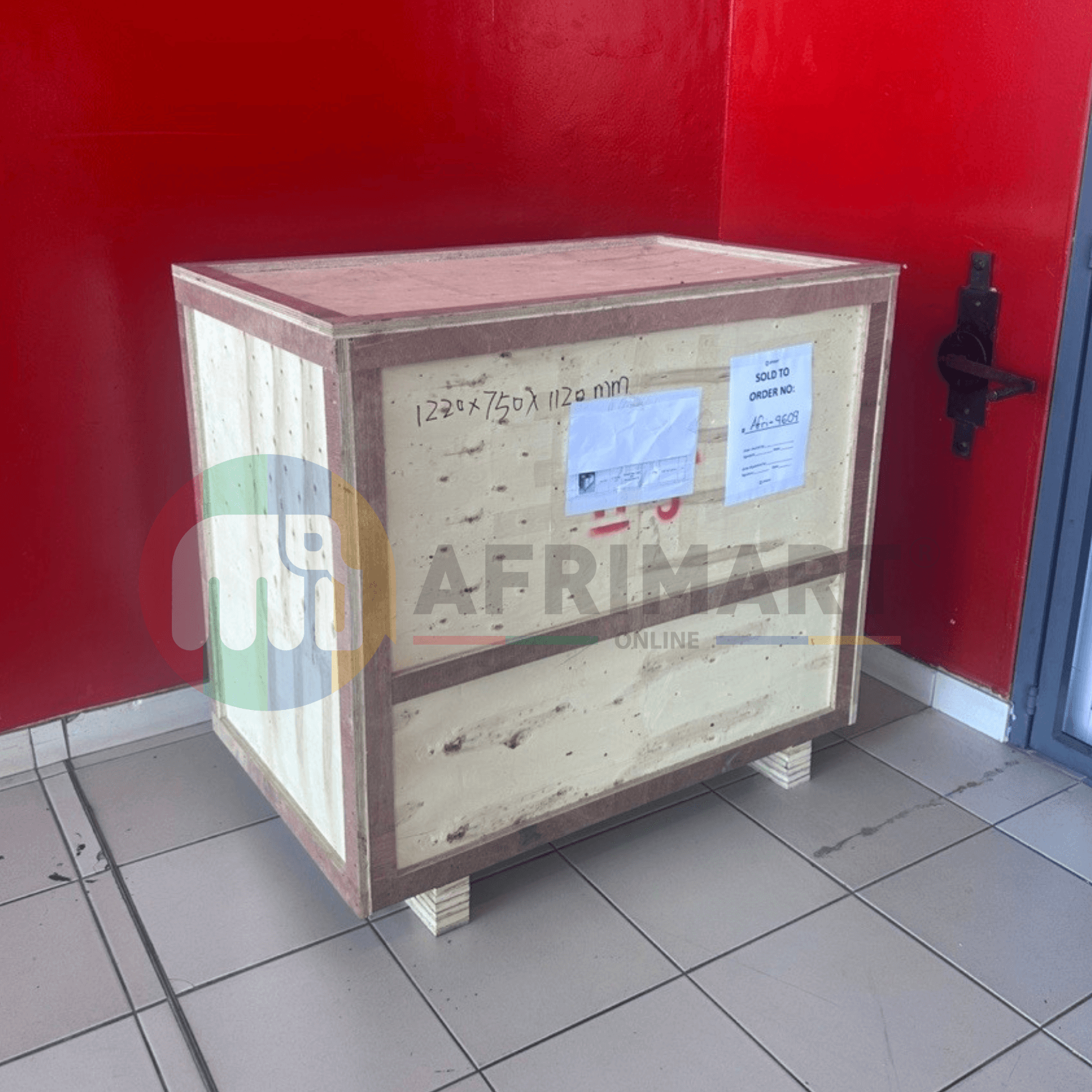
Meat Grinder Machine
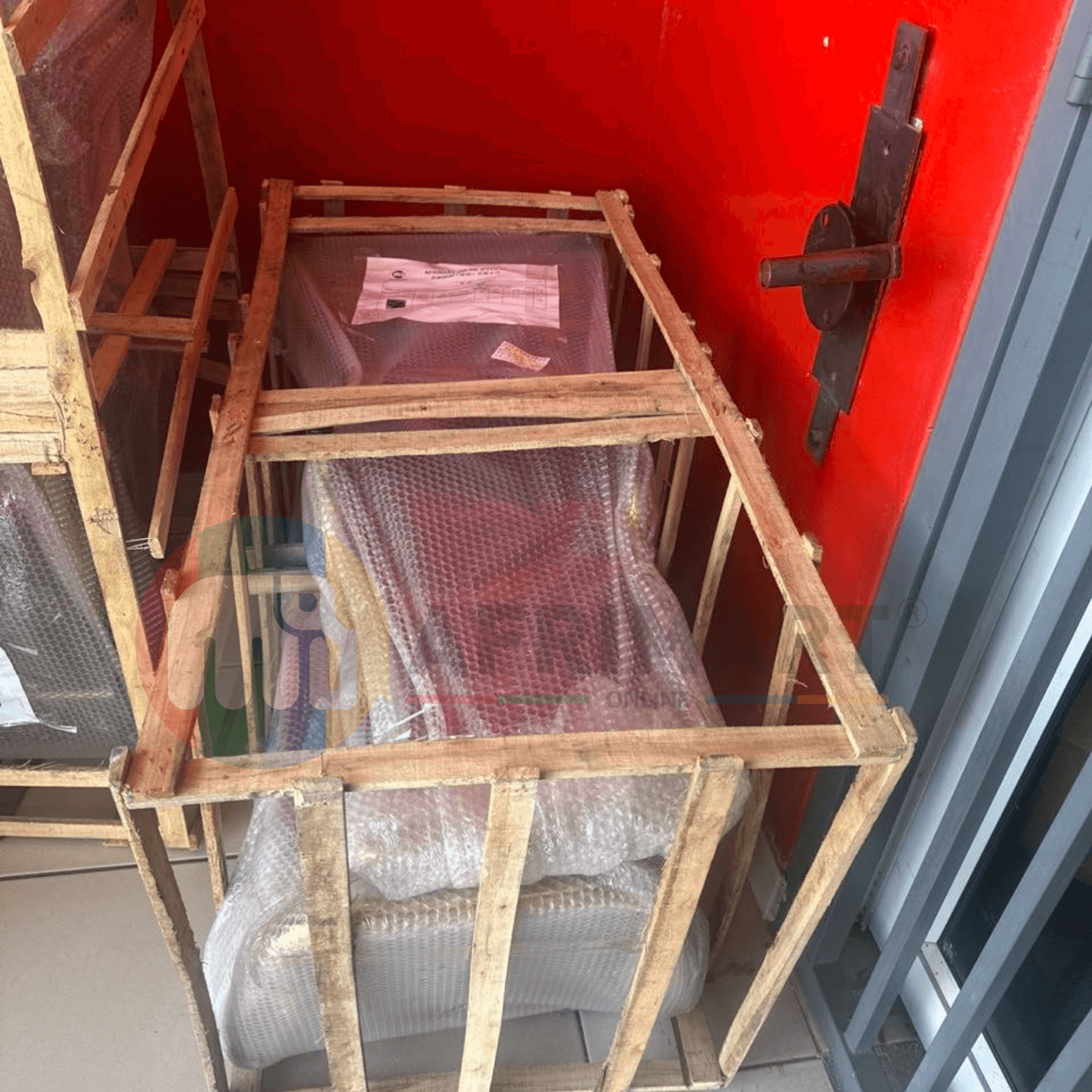
Water Pump Equipment
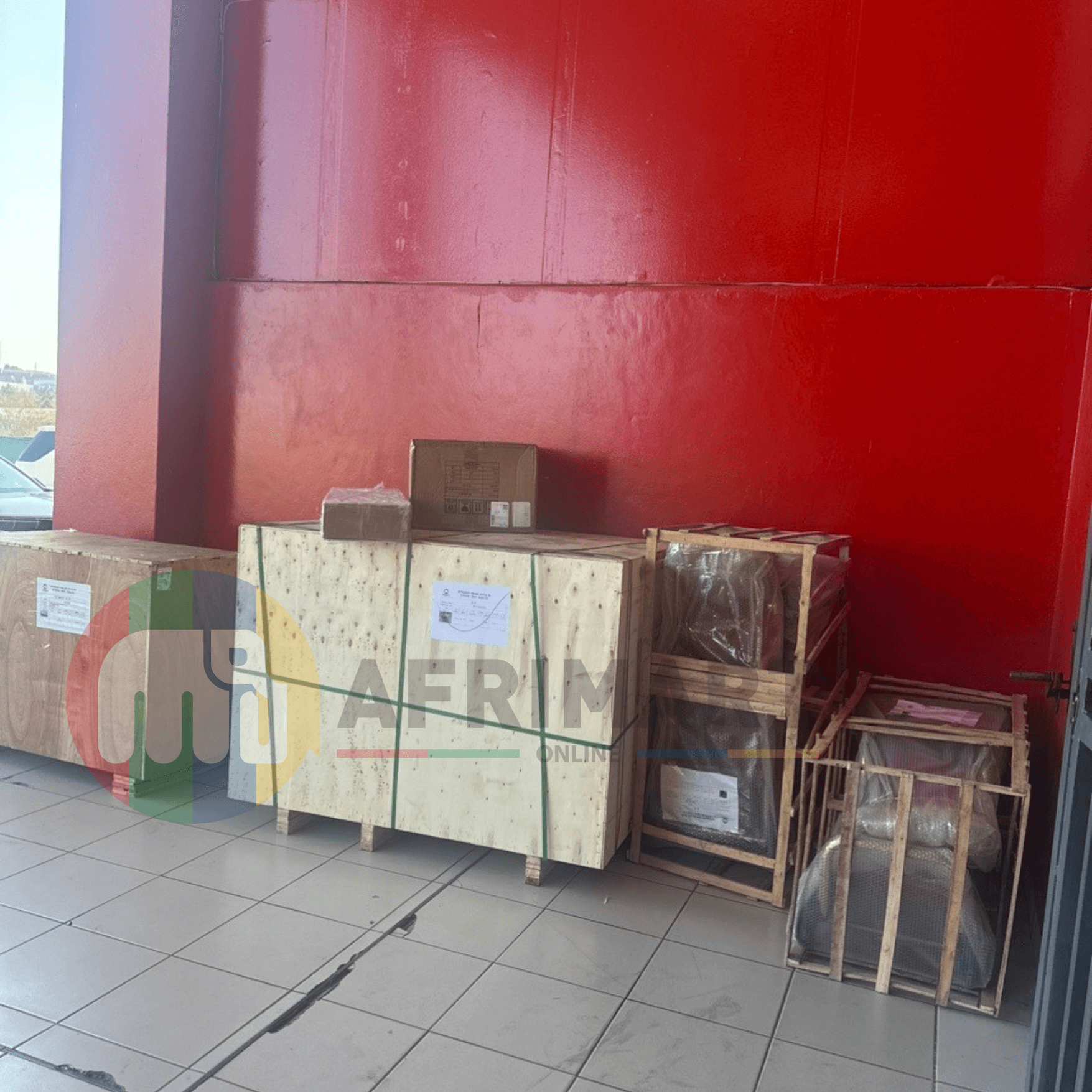
Packaging Machine and accessories
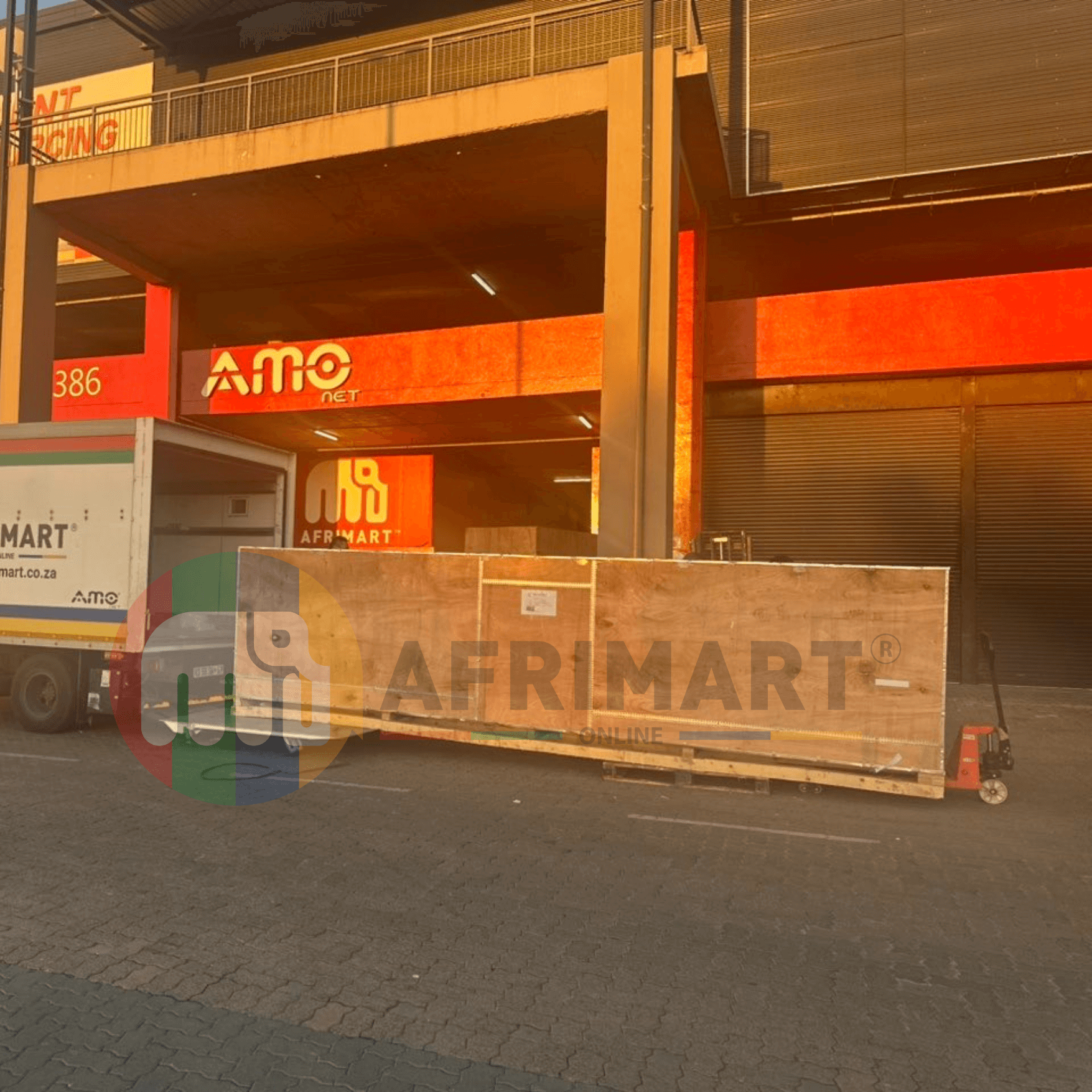
Fabrics Manufacturing Equipment
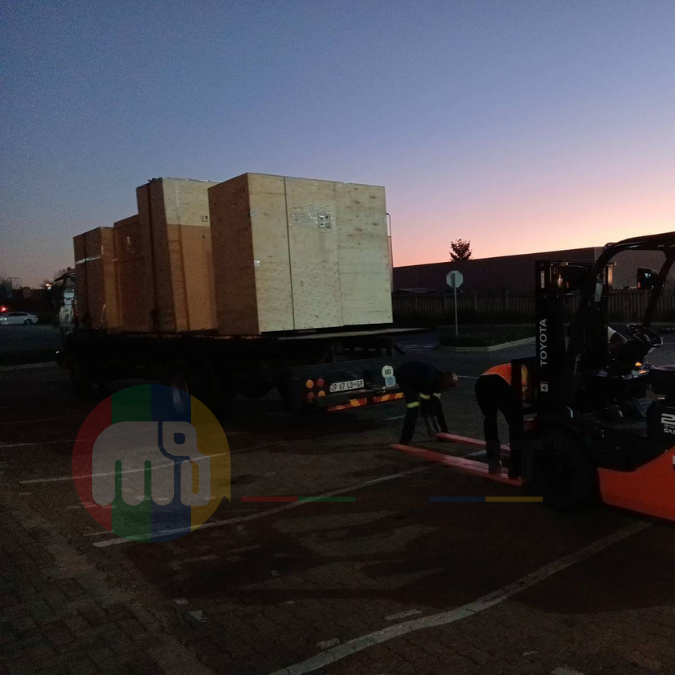
Mining Equipments
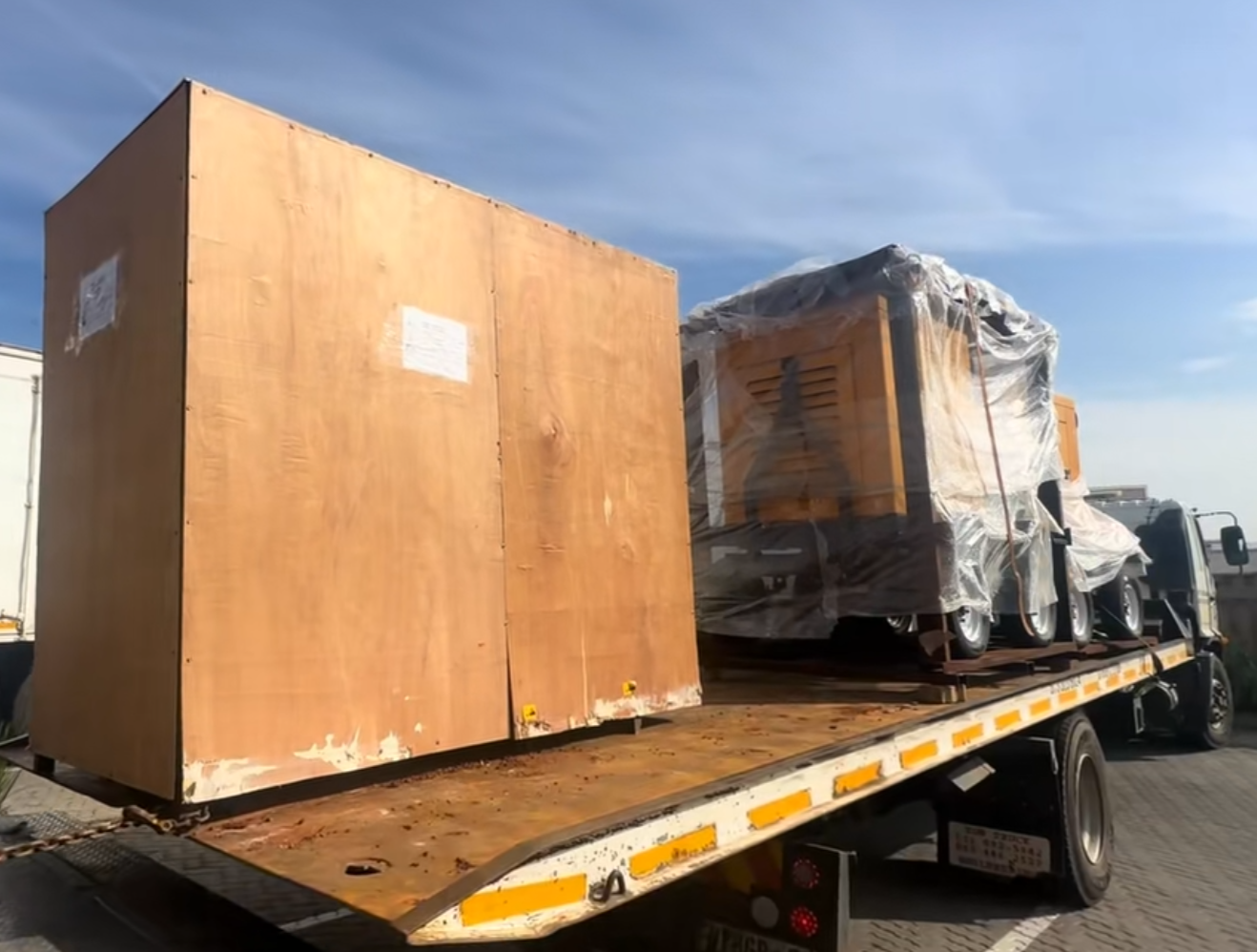
Food Processing Machine
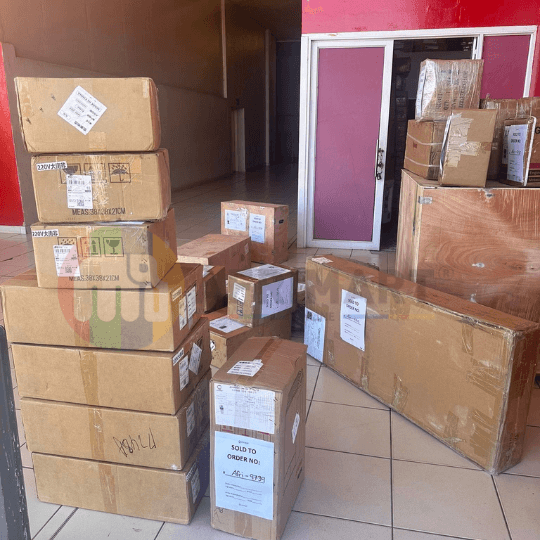
Batch of Orders
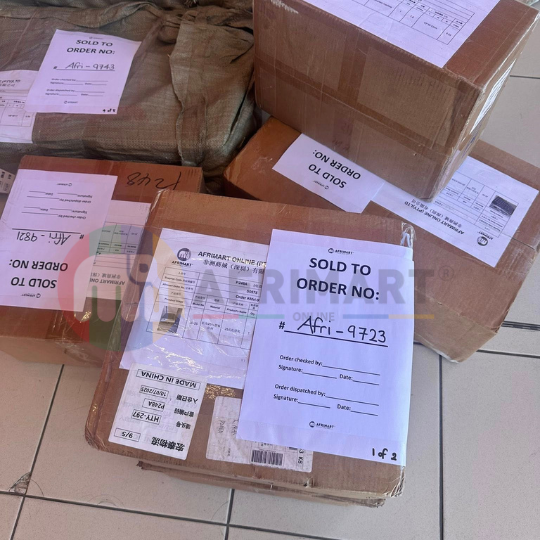
Batch of Orders
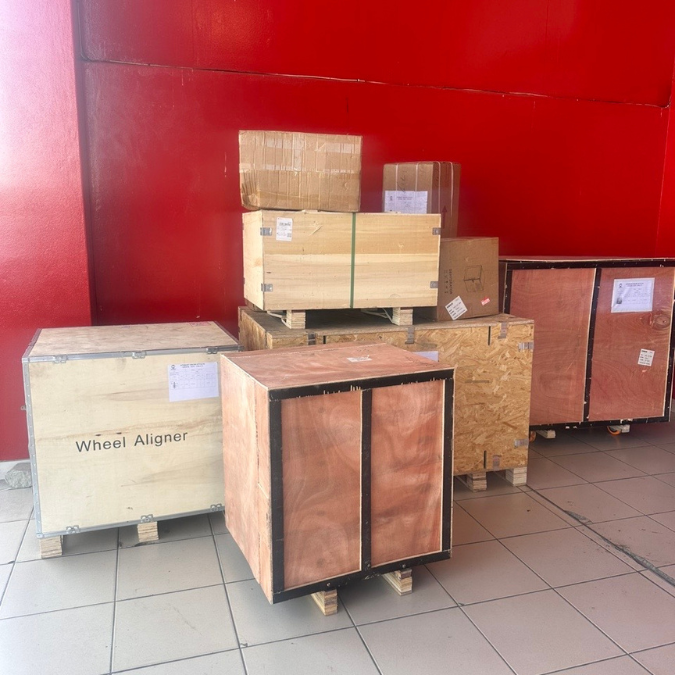
Latest Orders Labelled
wheel alignment machines
new arrivals
Pre Orders Offloading
Latest Arrivals
Latest Arrivals
Latest Arrivals
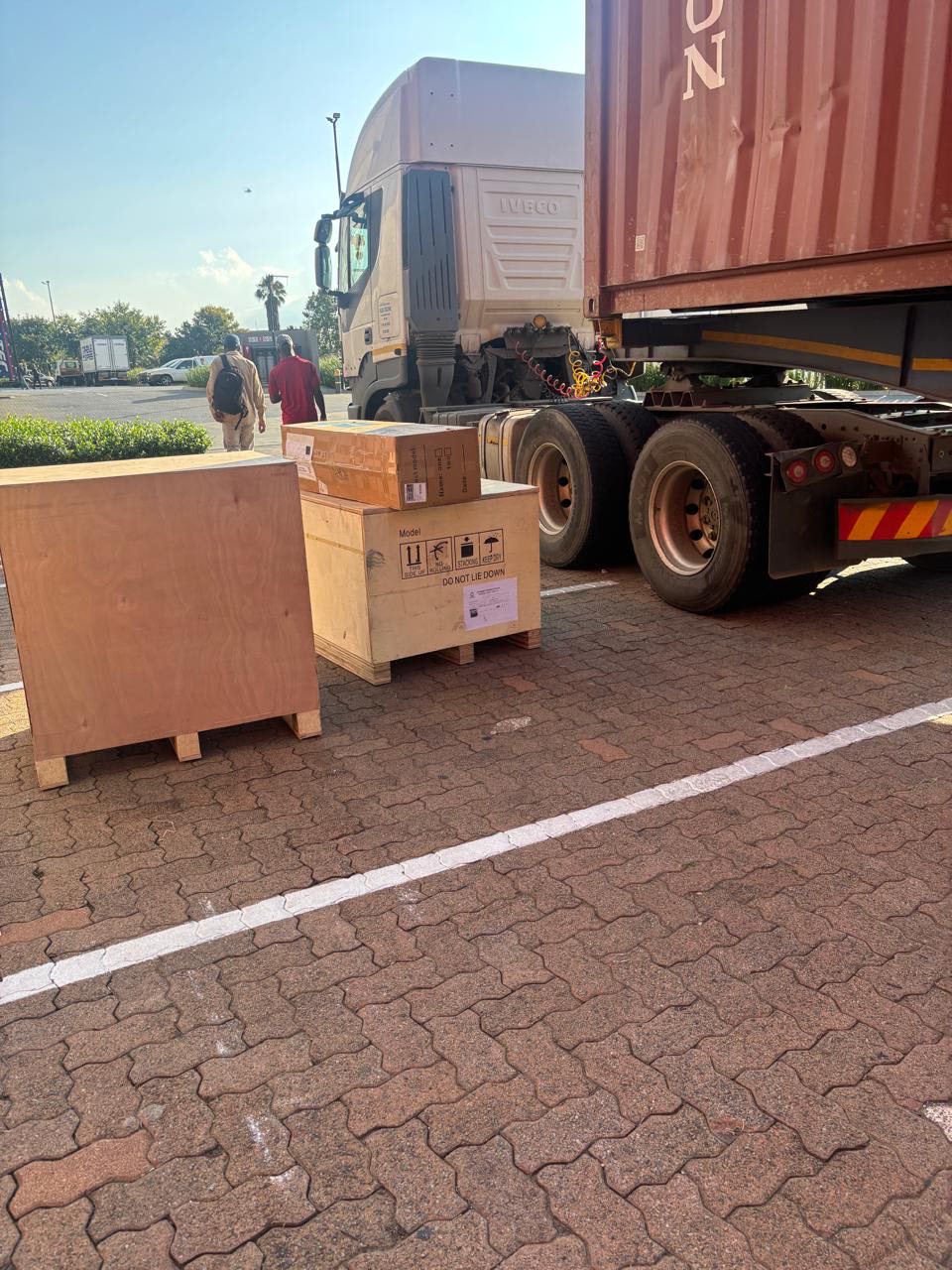
26 January 2026
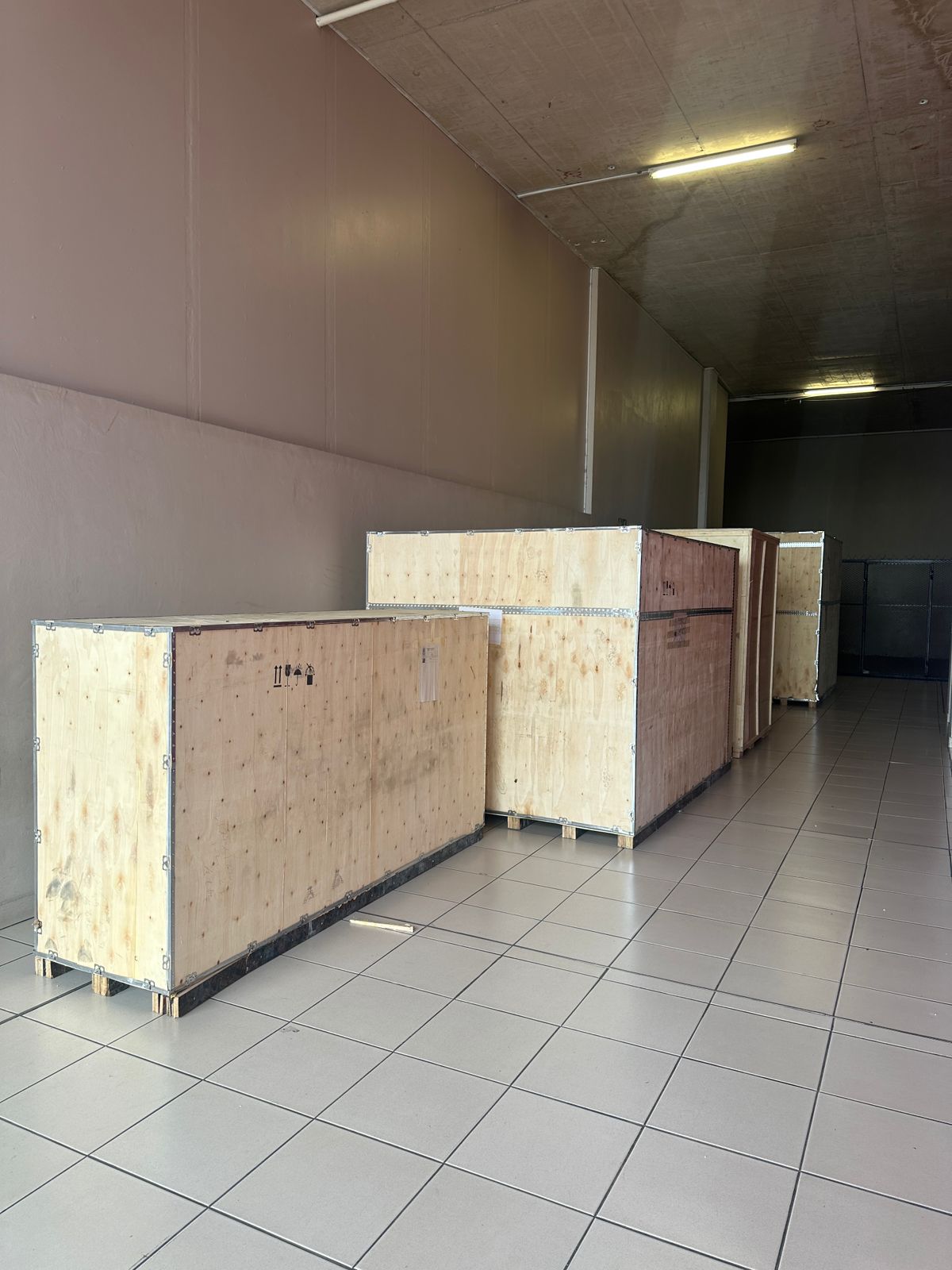
Toilet paper making machine
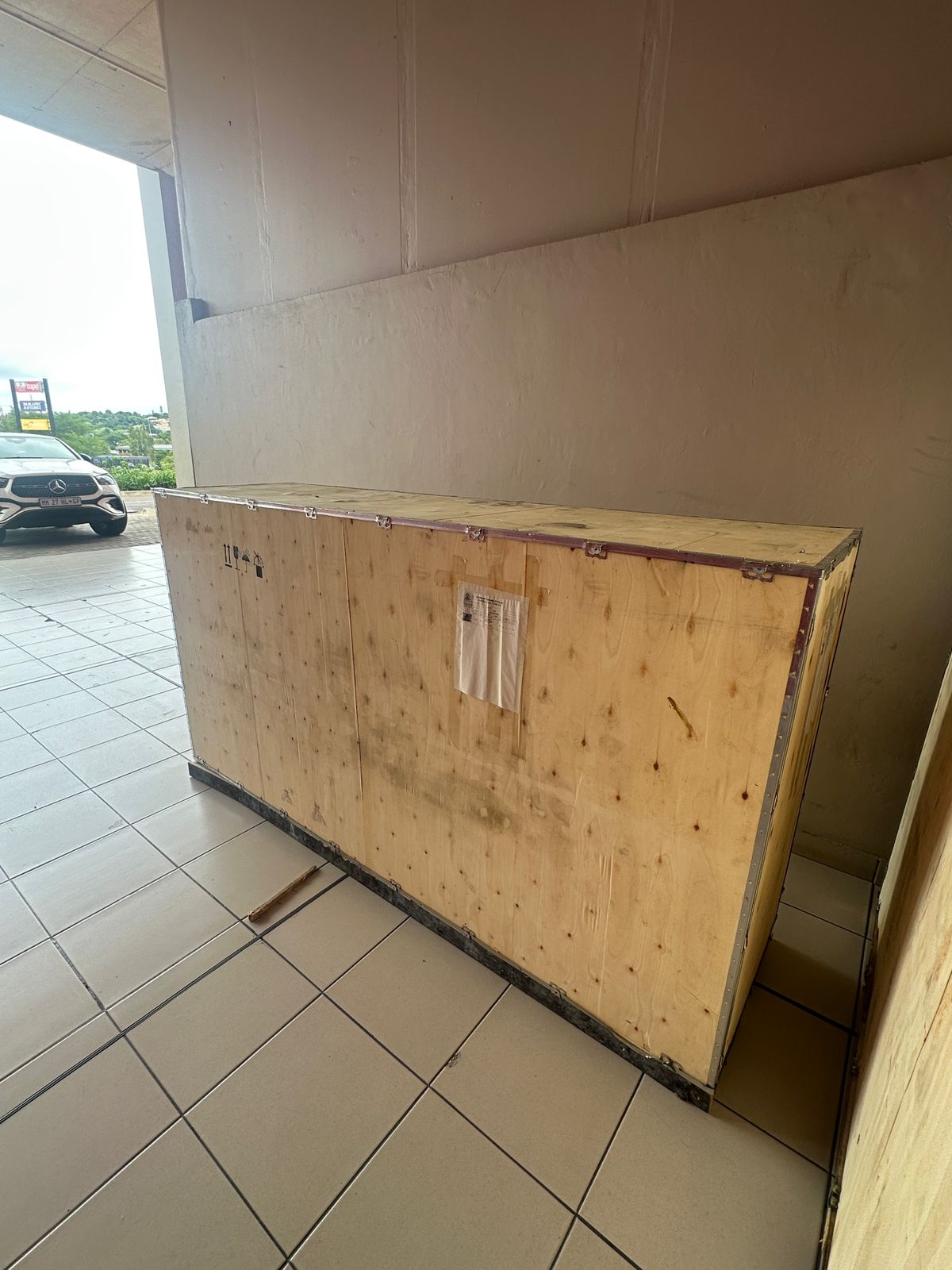
Toilet paper making machine
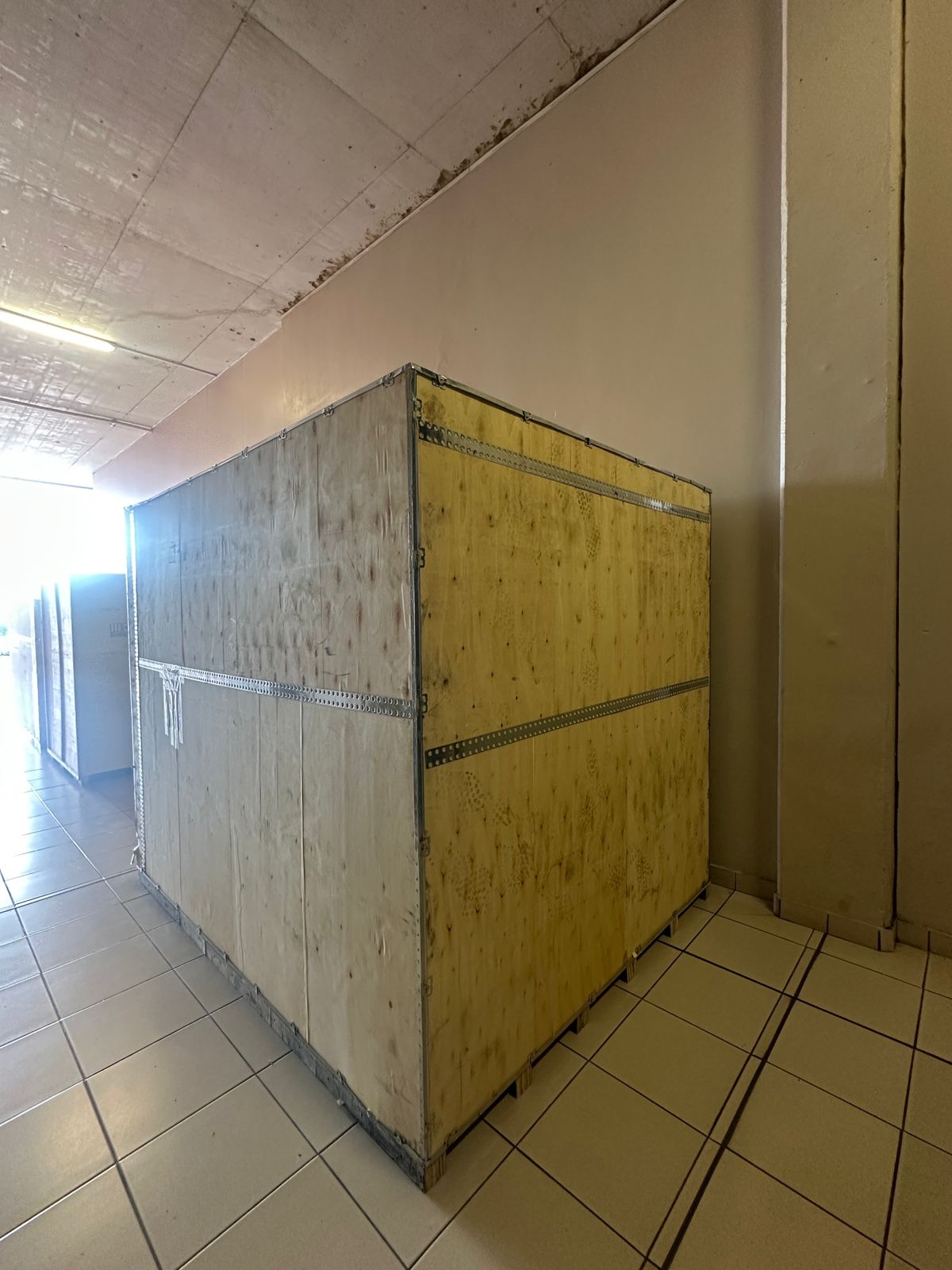
Toilet paper Rewinding Machine
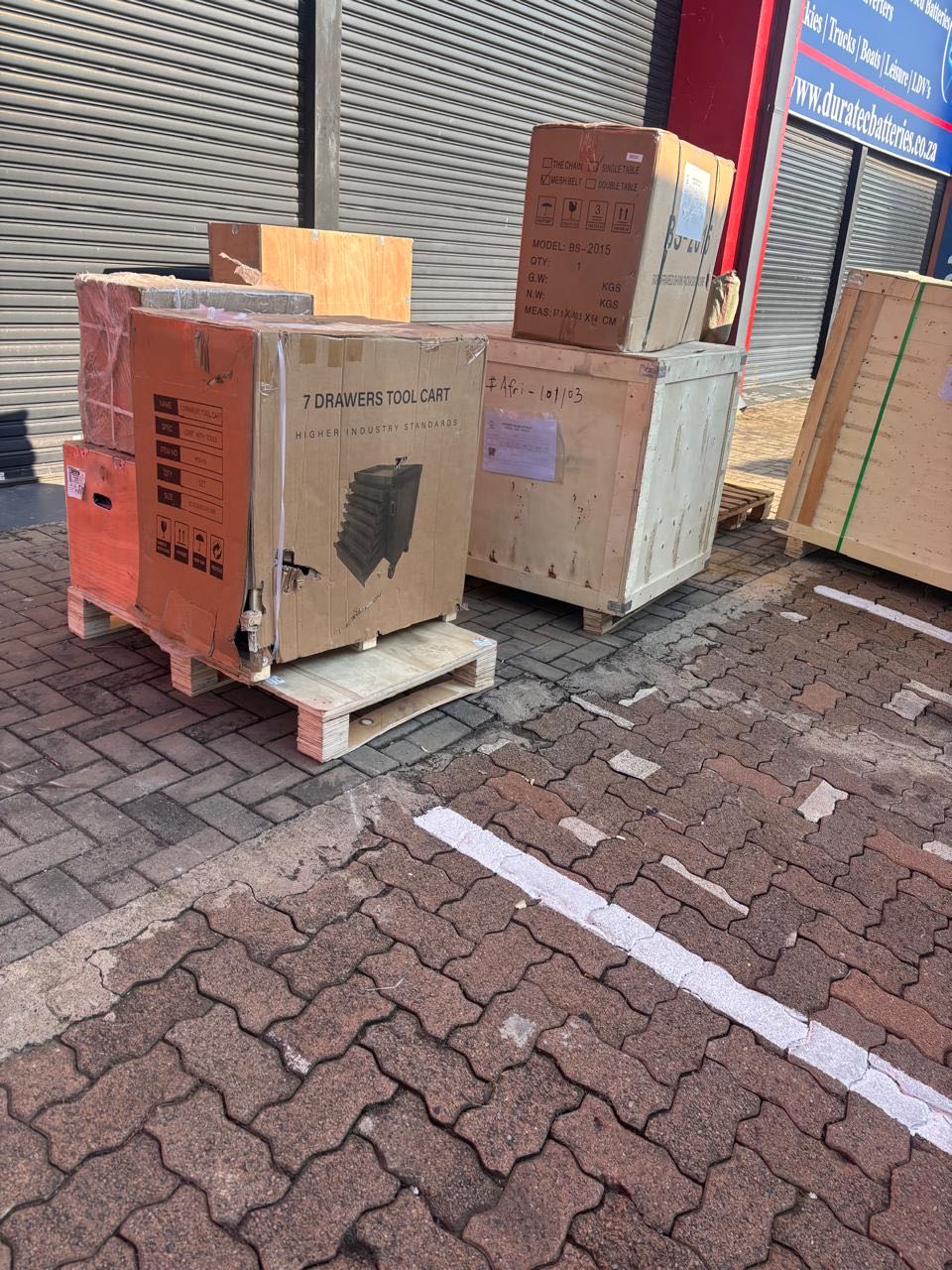
latest arrivals
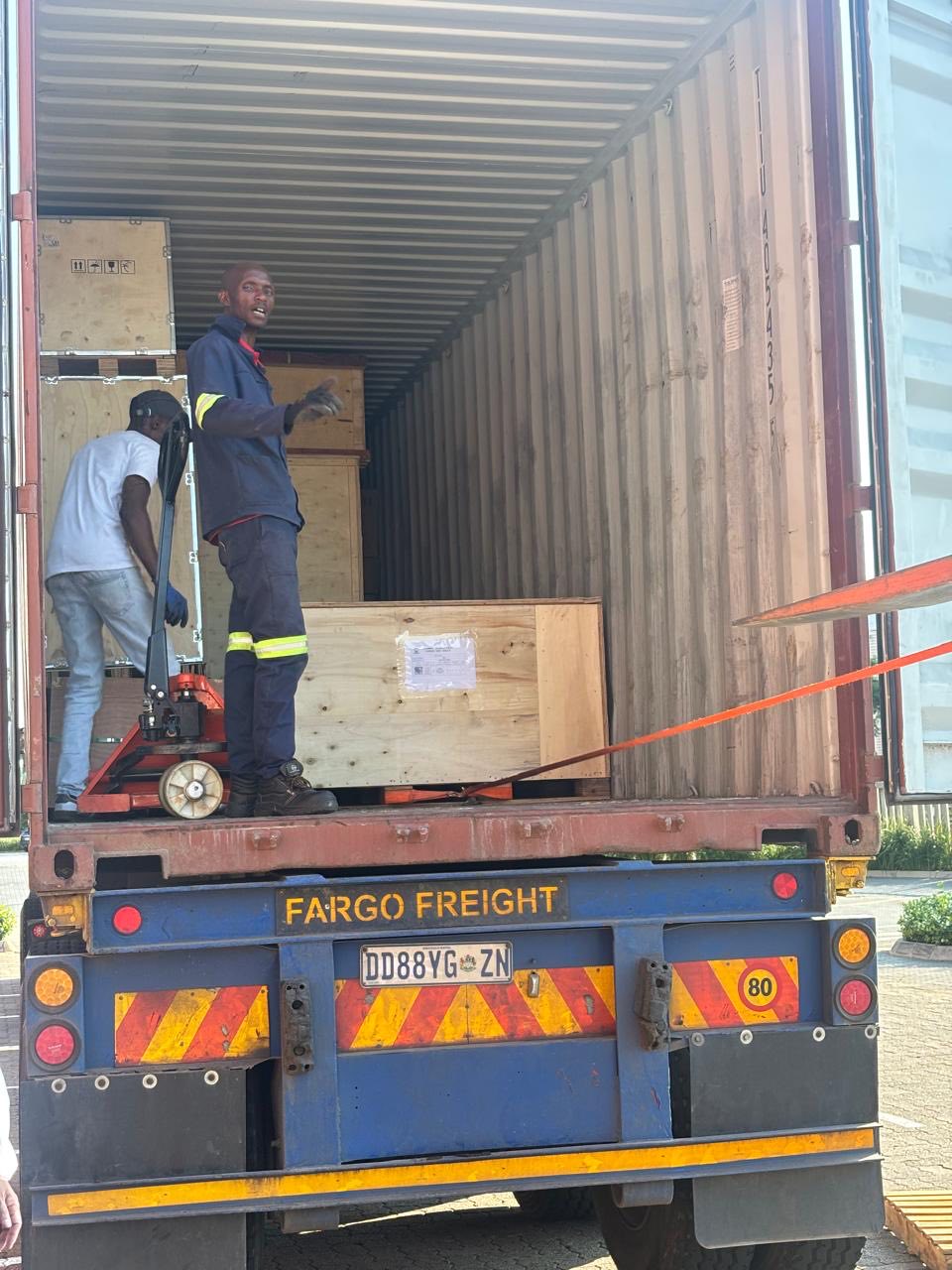
offloading
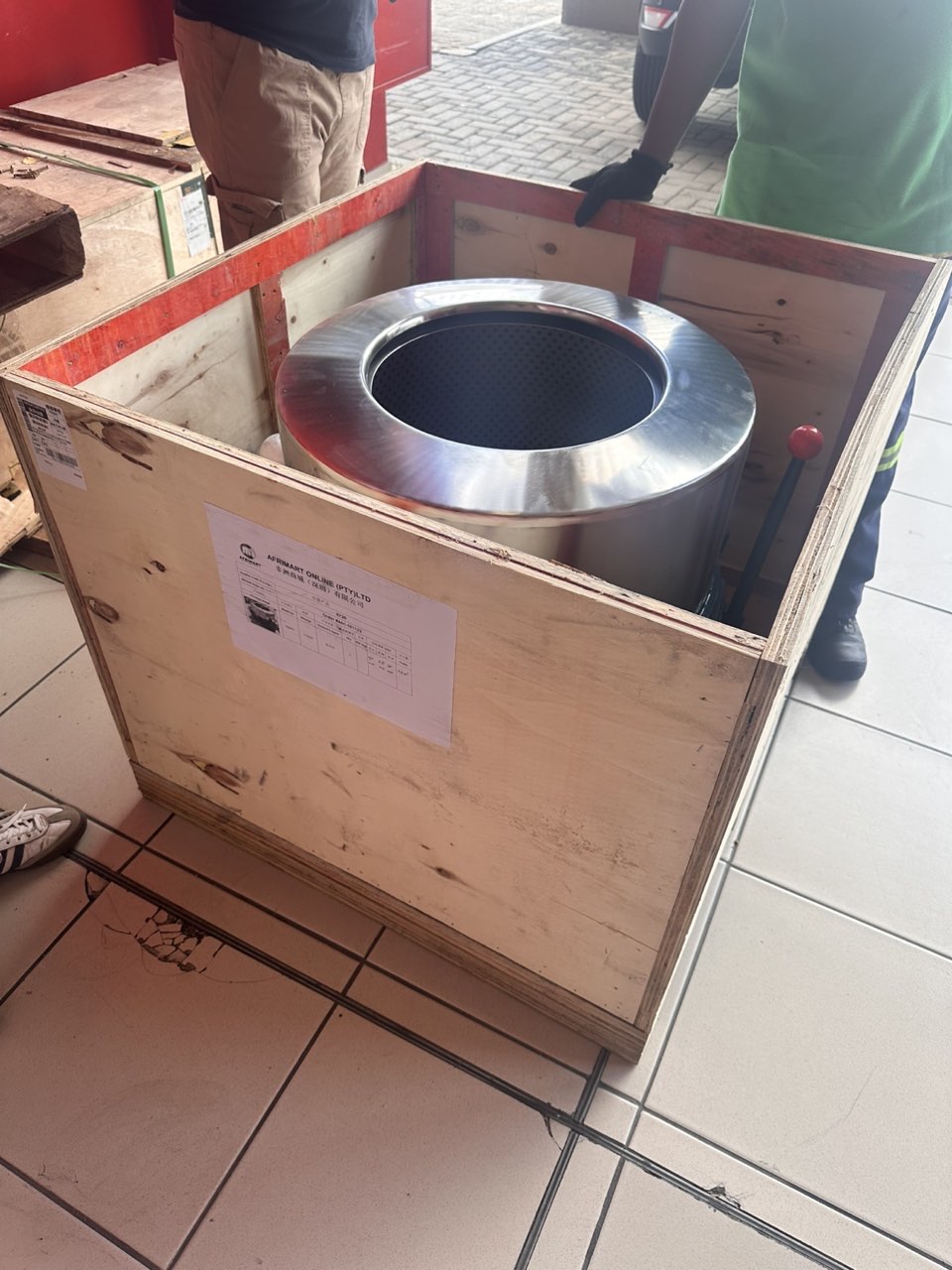
order success
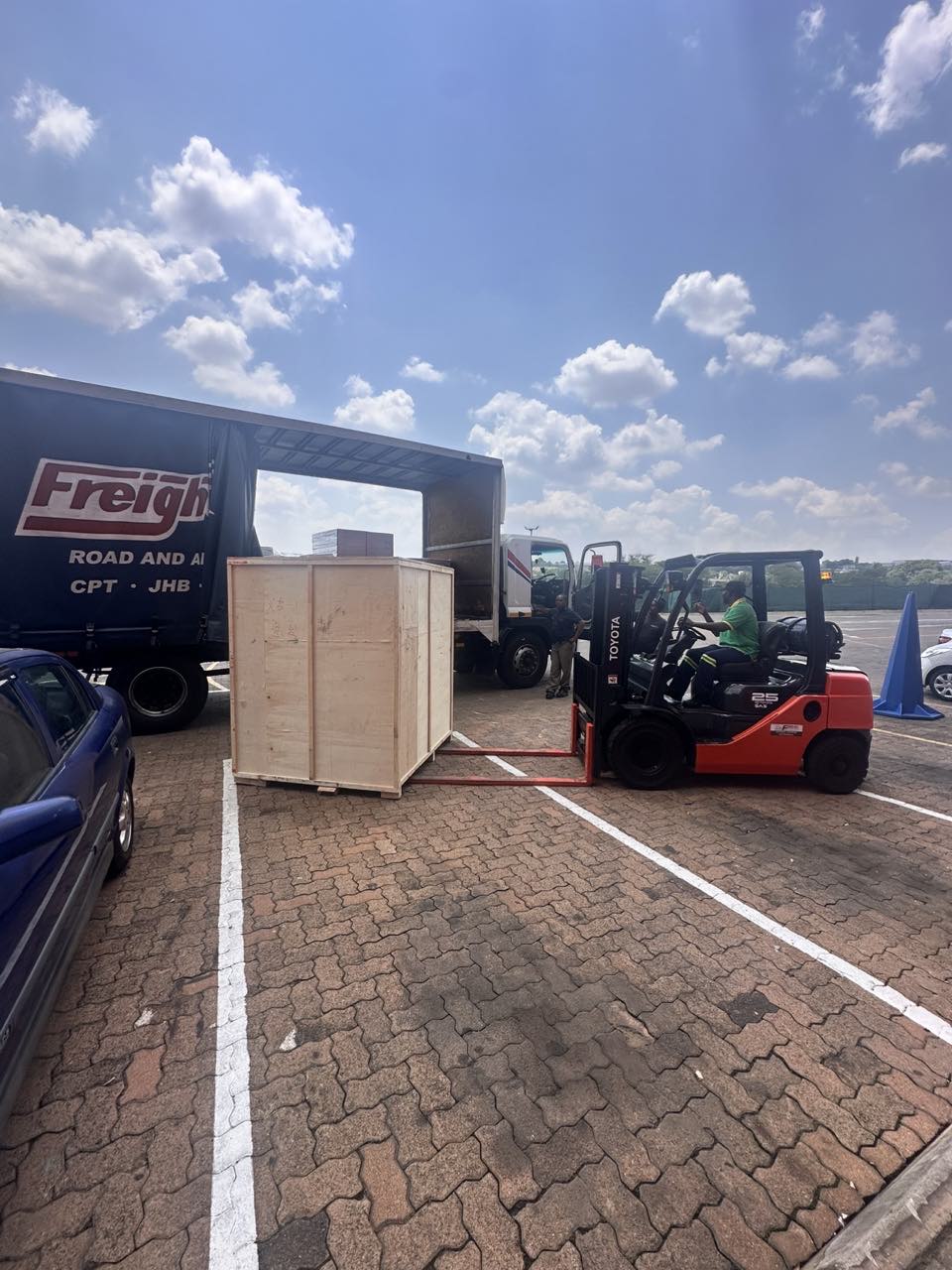
order collection
order offloading