B21, China Town Mall, Midrand

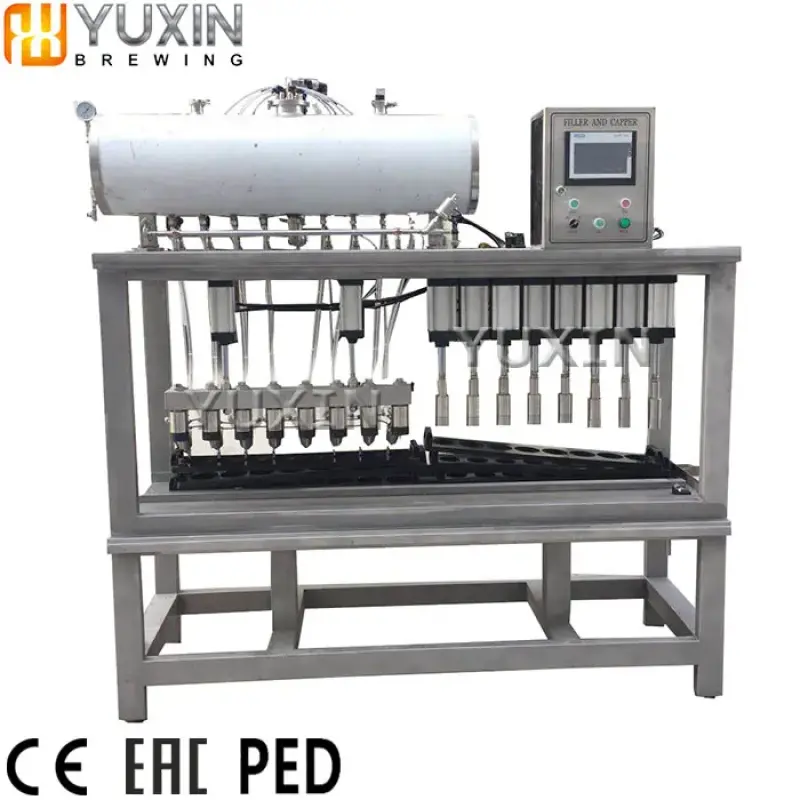
counter pressure craft beer bottler filler and capper semi automatic
Asset finance available
Do you want funding for this equipment?
Afrimart can connect you with trusted funding partners who specialise in asset finance for businesses like yours. Compare options and apply in minutes — final approval is subject to provider review.
Check funding options
Secure & no obligation
- Section : Machinery
- Category : Food & Beverage Machinery
- SKU : 62531724759

Product Description

Beer Bottle Filler and Capper
Capacity: 300~800 bottles/hour
Suitable for: brewpub/microbrewery/beer plant
Bottle volume: 330ml/500ml/750ml, etc
Filling heads: 4/6/8/10
Sealing heads: 4/6/8/10
Electricity supply: Single-phase
Filling Method:Isobaric filling
Advantage:
-Filling & capping can be finished with one machine
-PLC auto filling/sealing control
Capacity options: Intelligent control: Neat pipe&valves:
4/6/8/10 heads PLC touch screen Long service life


All views of the beer bottle filling machine
Beer Bottle Rinser
Bottle rinsing machine
Beer Bottle Labeling machine
Semi-auto, auto bottle labeling machine

Beer Filter
Diatomite Beer Filter
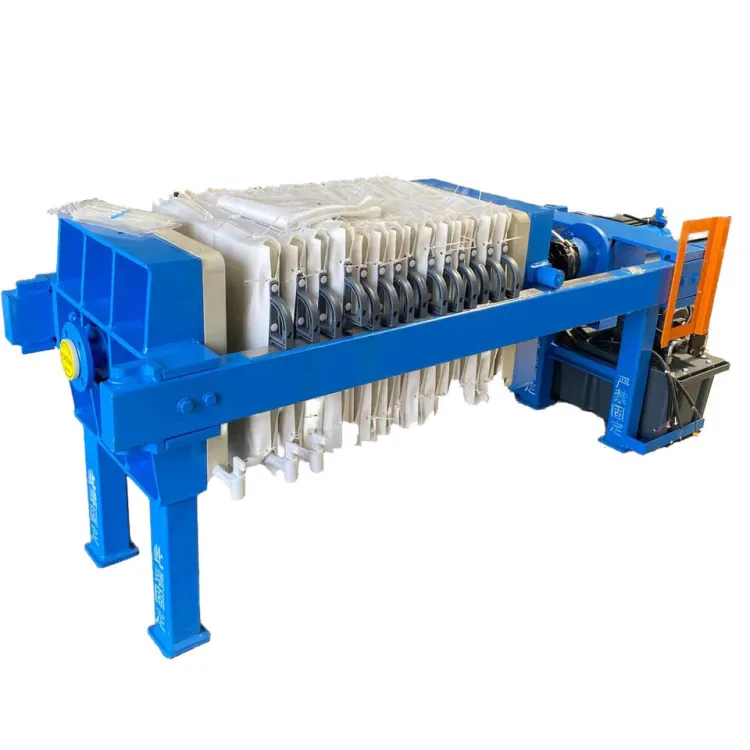
Candle, plate and frame type
200L/H, 300L/H, 500L/H, 1000L/H, 2000L/H...
Efficient & stable filtering, easy cleaning
Beer Pasteurizer
Flash Beer Pasteurizer
Achieve optium technological effect
500L/H, 1000L/H, 2000L/H, 5000L/H...
Main components adopt famous brand, durable service
- Shipping Timeframes: All orders are processed within 2-5 business days (excluding weekends and holidays). After your order has been processed, the estimated delivery time is before 22 Aug, 2026, depending on customs, Please note that due to high demand, some items may experience longer shipping times, which will be communicated at order confirmation email.
- Order Processing Time: Please allow 2-5 business days for us to process your order before it is shipped . Orders placed after 16:00 on Fridays, or during weekends and public holidays, will begin processing on the next business day. Processing times may be extended during peak seasons or sales events.
- Manufacturing Time: Some products needs manufacturing time, the manufacturing process will take approximately 10-30 business days depending on the product. This timeframe may vary depending on the complexity of the product and current demand. but this will be communicated with you during order confirmation.
- Returns and Exchanges: We offer a 30-day return policy for most items. If you are not completely satisfied with your purchase, you may return it within 30 days of receipt for a refund or exchange. Items must be unused, in their original packaging, and accompanied by proof of purchase. Return shipping costs are the responsibility of the customer, unless the item was damaged or defective upon arrival.
1. What is the production capacity of this semi-automatic counter-pressure bottler?
Standard capacity ranges from about 300 to 800 bottles per hour; actual output depends on the chosen number of heads (4/6/8/10), bottle size and operator speed.
2. Which bottle volumes does the machine support?
It supports common craft beer bottle sizes such as 330 ml, 500 ml and 750 ml, and can be adjusted for other similar volumes—please confirm required sizes when ordering.
3. How many filling and capping heads are available?
The machine is available with 4, 6, 8 or 10 filling heads and matching 4/6/8/10 sealing (capping) heads to suit your capacity needs.
4. What filling method does the machine use and what are the benefits?
It uses isobaric (counter-pressure) filling, which minimizes foaming and oxygen pickup during filling, preserving beer quality and carbonation.
5. Is the machine fully automatic or semi-automatic? What does semi-automatic mean here?
This is a semi-automatic machine: filling and capping cycles are controlled automatically (PLC with touch screen), while an operator typically loads and unloads bottles and oversees operation.
6. What are the electrical requirements?
The standard power supply is single-phase. Exact voltage and frequency depend on the market—please confirm the required electrical specification (e.g., 110/230 V, 50/60 Hz) with the supplier prior to purchase.
7. Does the machine require CO2 or inert gas?
Counter-pressure filling normally uses a CO2 (or other inert gas) supply to pressurize the tank and purge headspace. Verify specific gas connections and pressure requirements with the manufacturer or installer.
8. How sanitary and easy to clean is the machine?
The machine is designed with neat sanitary piping and valves for easy cleaning and long service life. Options for CIP or supplementary rinsing equipment are commonly available—discuss cleaning options when ordering.
9. Can this unit be integrated with other brewery equipment?
Yes. While this model combines filling and capping, it can be paired or integrated with complementary equipment such as bottle rinsers, labelers, diatomite or candle filters, and pasteurizers to create a complete packaging line.
10. How simple is changeover between different bottle sizes?
The machine allows adjustment for different bottle volumes; some changeover parts or adjustments may be required (e.g., guides, grippers). Your supplier can provide details about changeover time and any optional quick-change kits.
11. What controls and automation features are included?
The machine uses PLC automatic control with a touch screen interface for set-up and operation, offering intelligent control of filling and capping cycles and easy parameter adjustments.
12. What are typical maintenance and service requirements?
Routine maintenance includes sanitation of contact parts, inspection and replacement of wear parts (seals, valves) as needed, and periodic PLC/electrical checks. Suppliers typically offer spare parts and service agreements—ask about recommended maintenance intervals.
13. What certifications or quality standards does the machine meet?
Many machines are built to applicable food-contact and industrial standards; specific certifications (e.g., CE, ISO) vary by manufacturer—request certification documents from the supplier for confirmation.
14. What is the physical footprint and installation requirement?
Footprint varies by model (number of heads and options). The machine requires a flat, level surface, access to the appropriate power and gas supplies and sufficient space for operator movement. Ask the supplier for layout drawings and installation requirements.
15. Can the machine be customized and what is the lead time?
Yes, capacity, number of heads and optional features (CIP, integration, special fittings) can be customized. Lead time depends on configuration and current production schedules—contact the manufacturer for a quote and estimated delivery time.
Latest Order Arrivals
Discover our latest orders
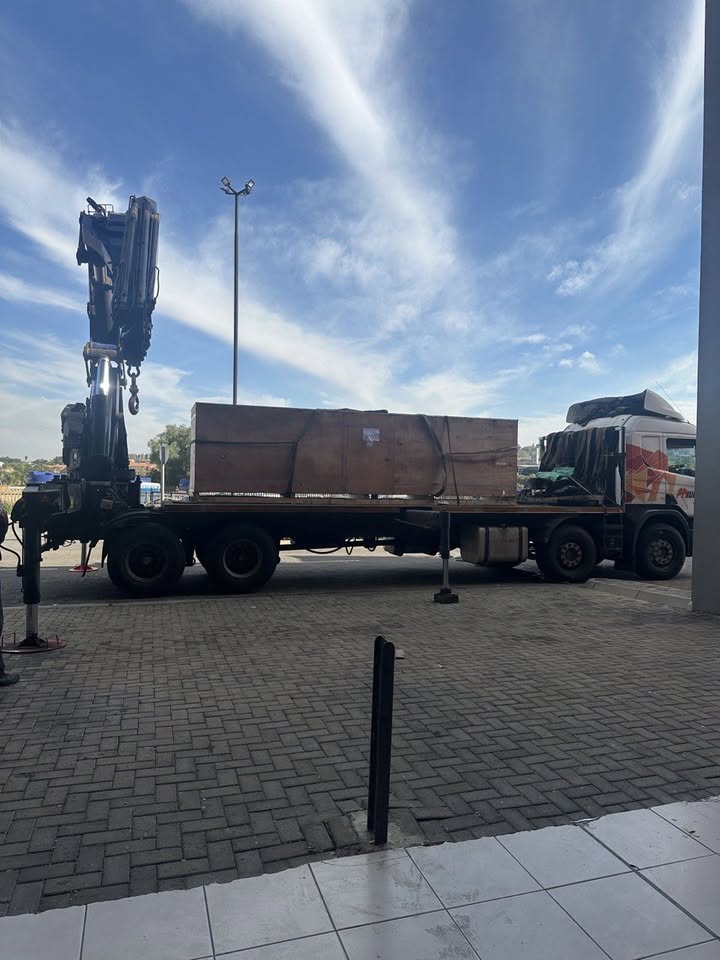
12 Heads Embroidery Machine
Toilet Paper Machine Machine
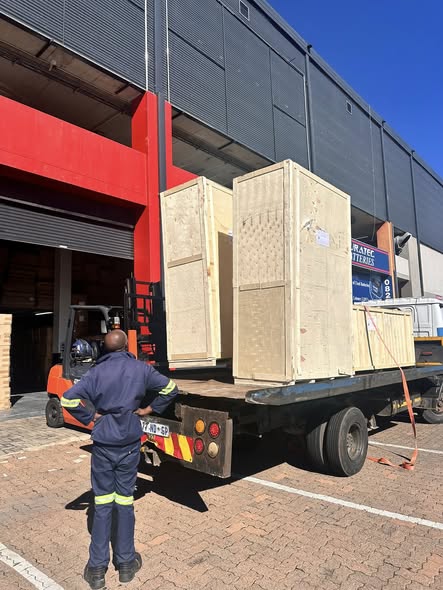
Order Collection
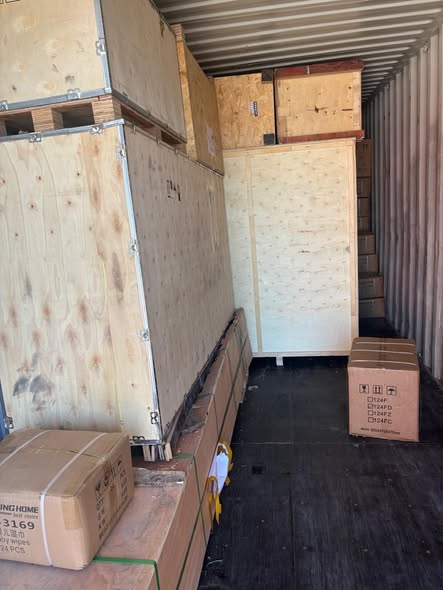
Cross Border Clients
Order cros border countries Collected
Industrial Machine Cllection
Agriculture Processing Machines
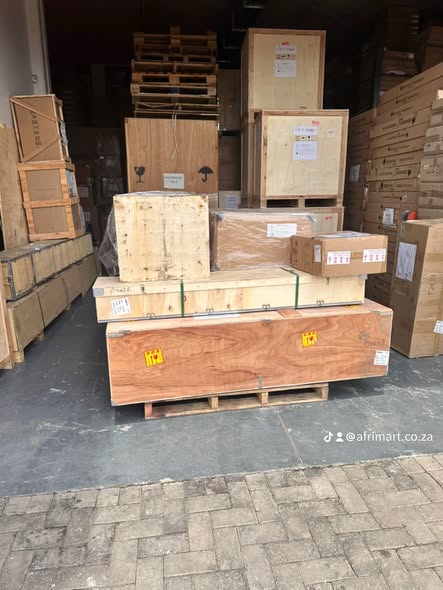
Ready for collection
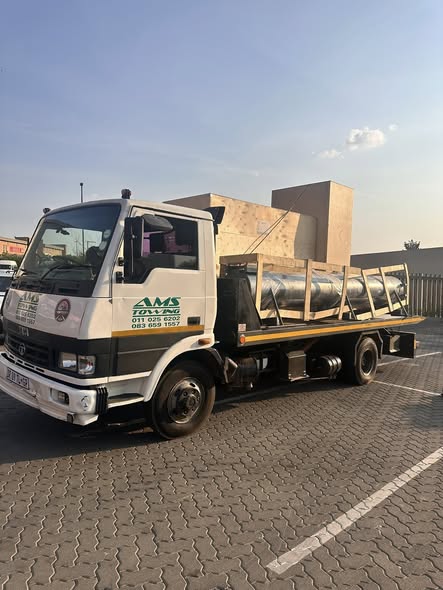
Water Pump Equipment
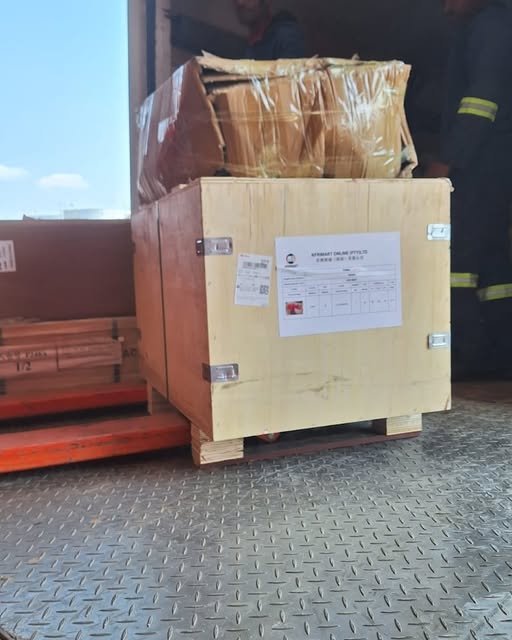
Packaging Machine and accessories
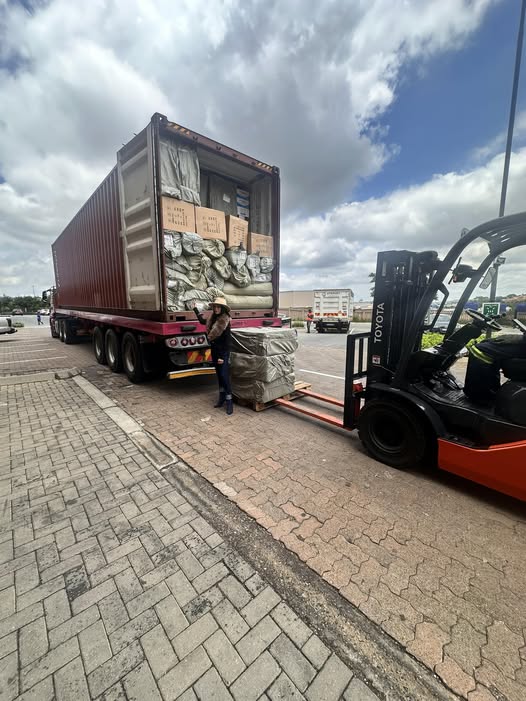
Fabrics Manufacturing Equipment
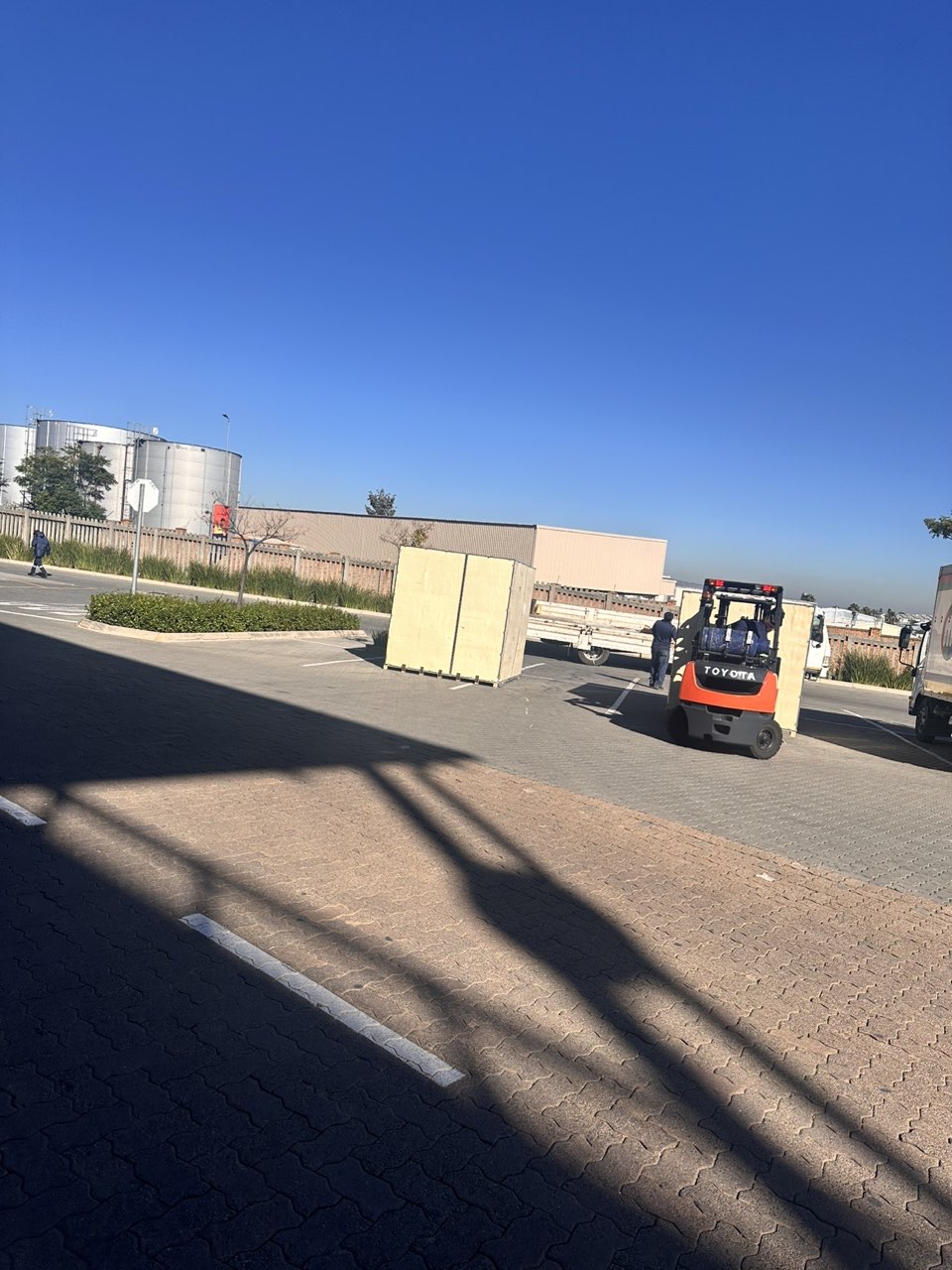
Mining Equipments
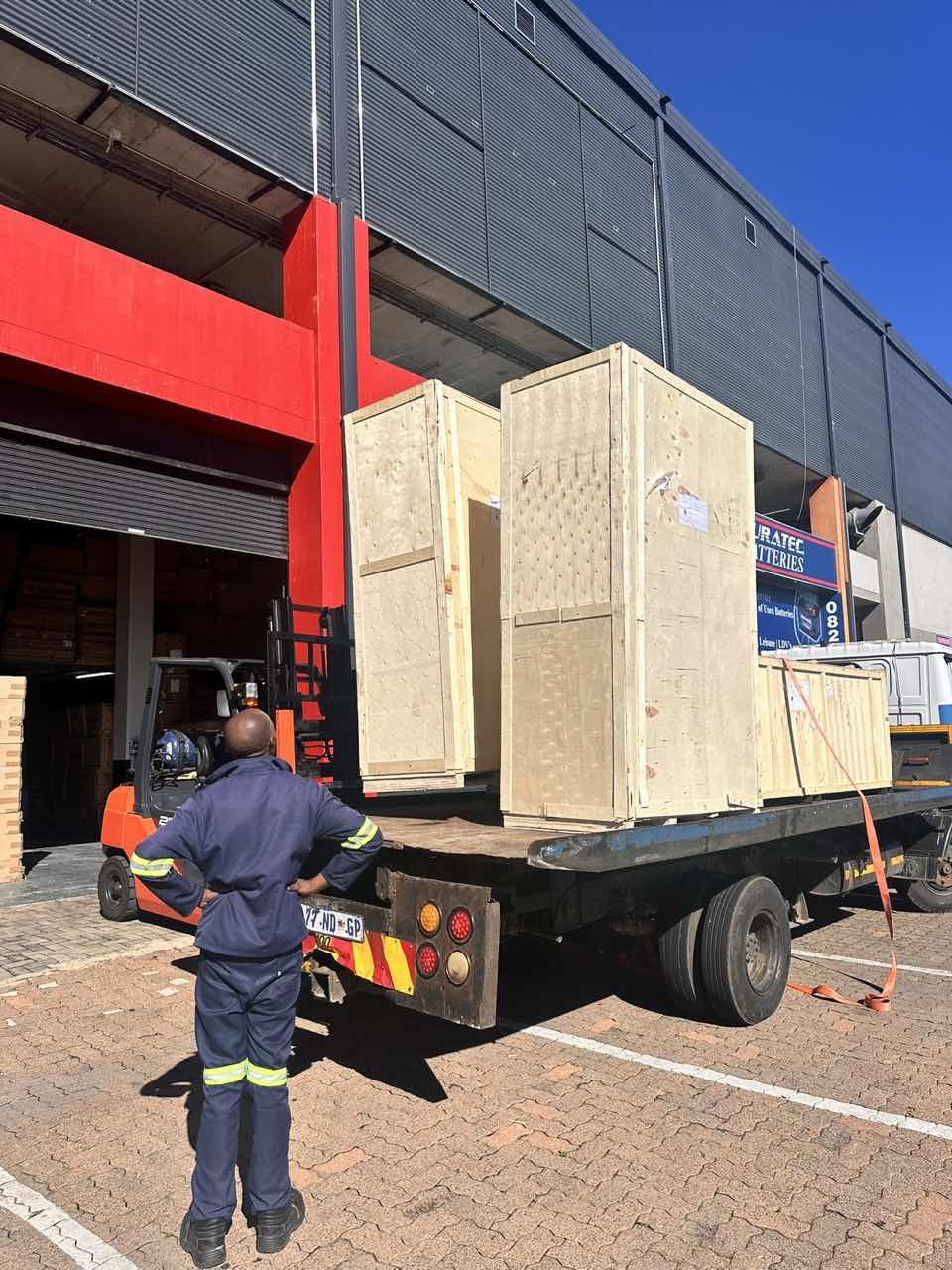
Food Processing Machine
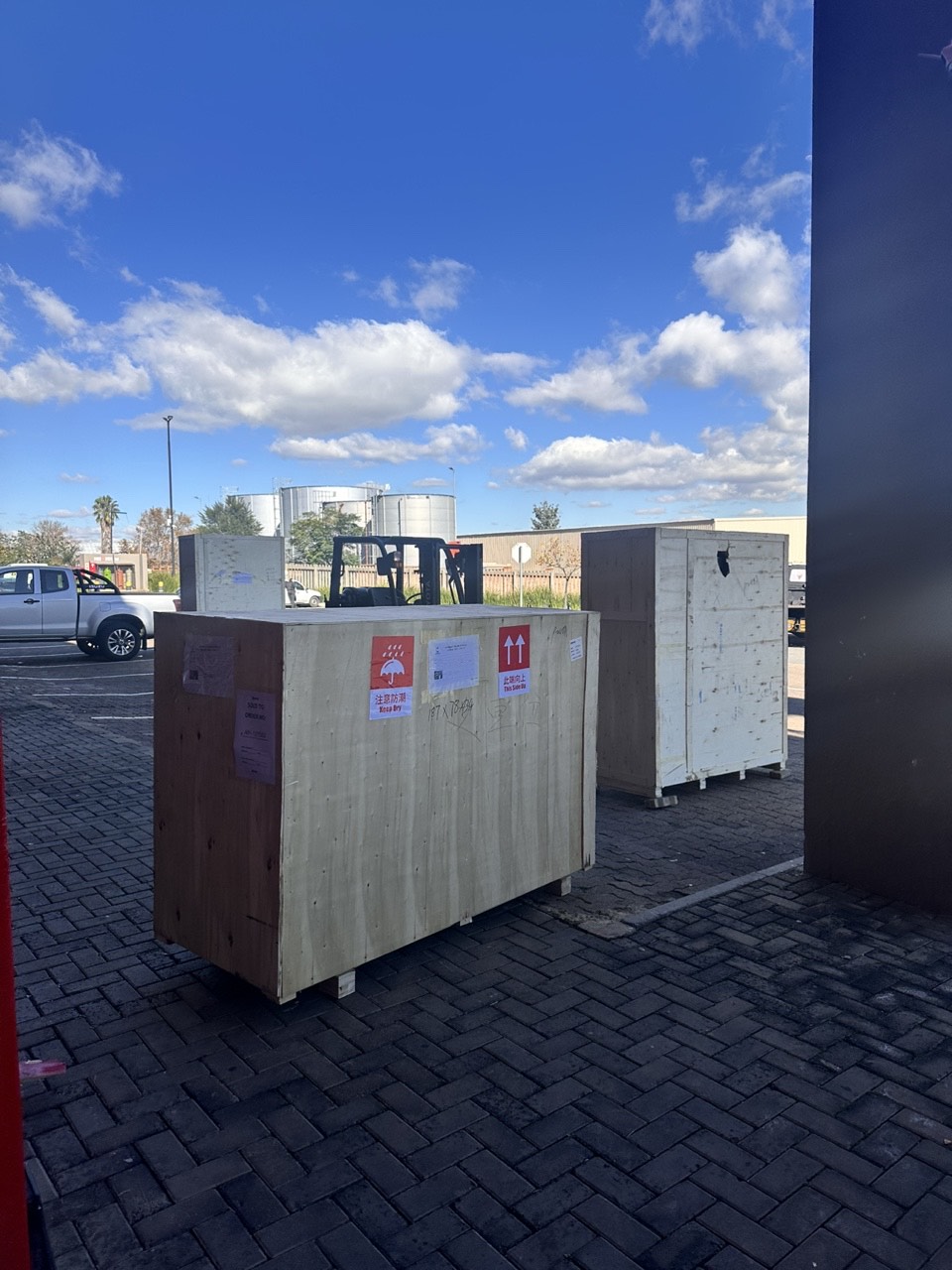
Batch of Orders
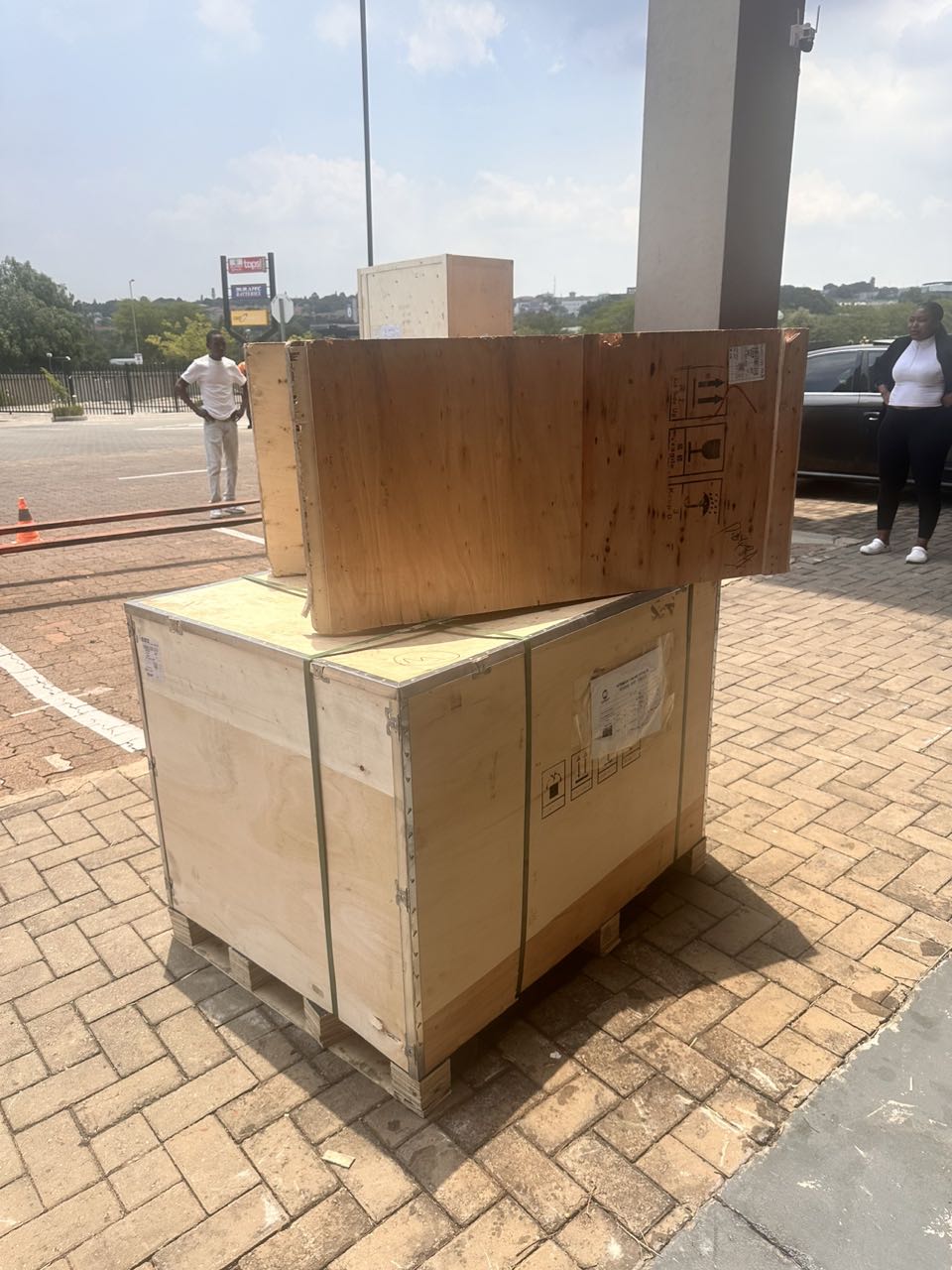
Batch of Orders
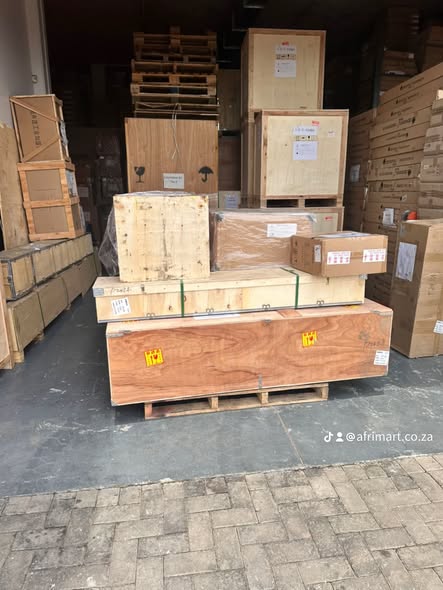
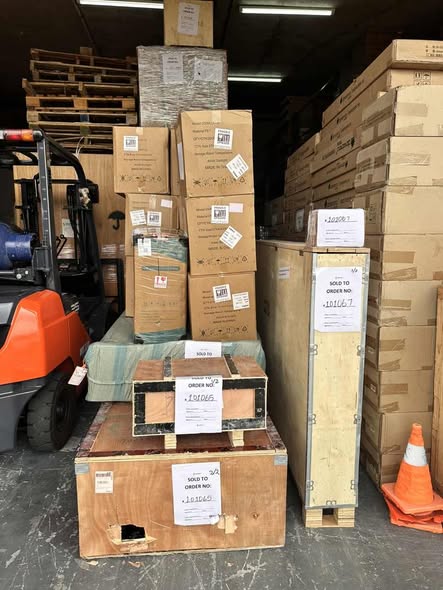
Latest Orders Labelled
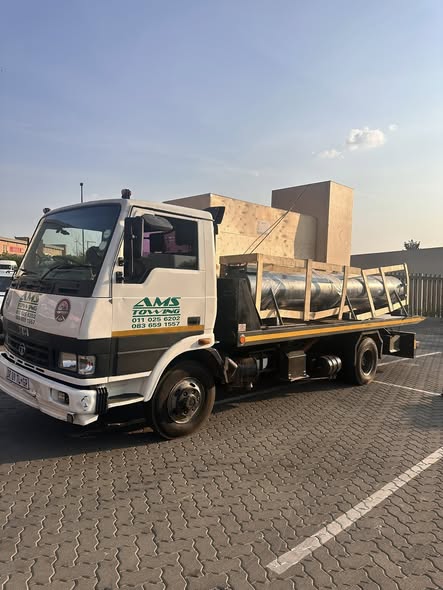
wheel alignment machines
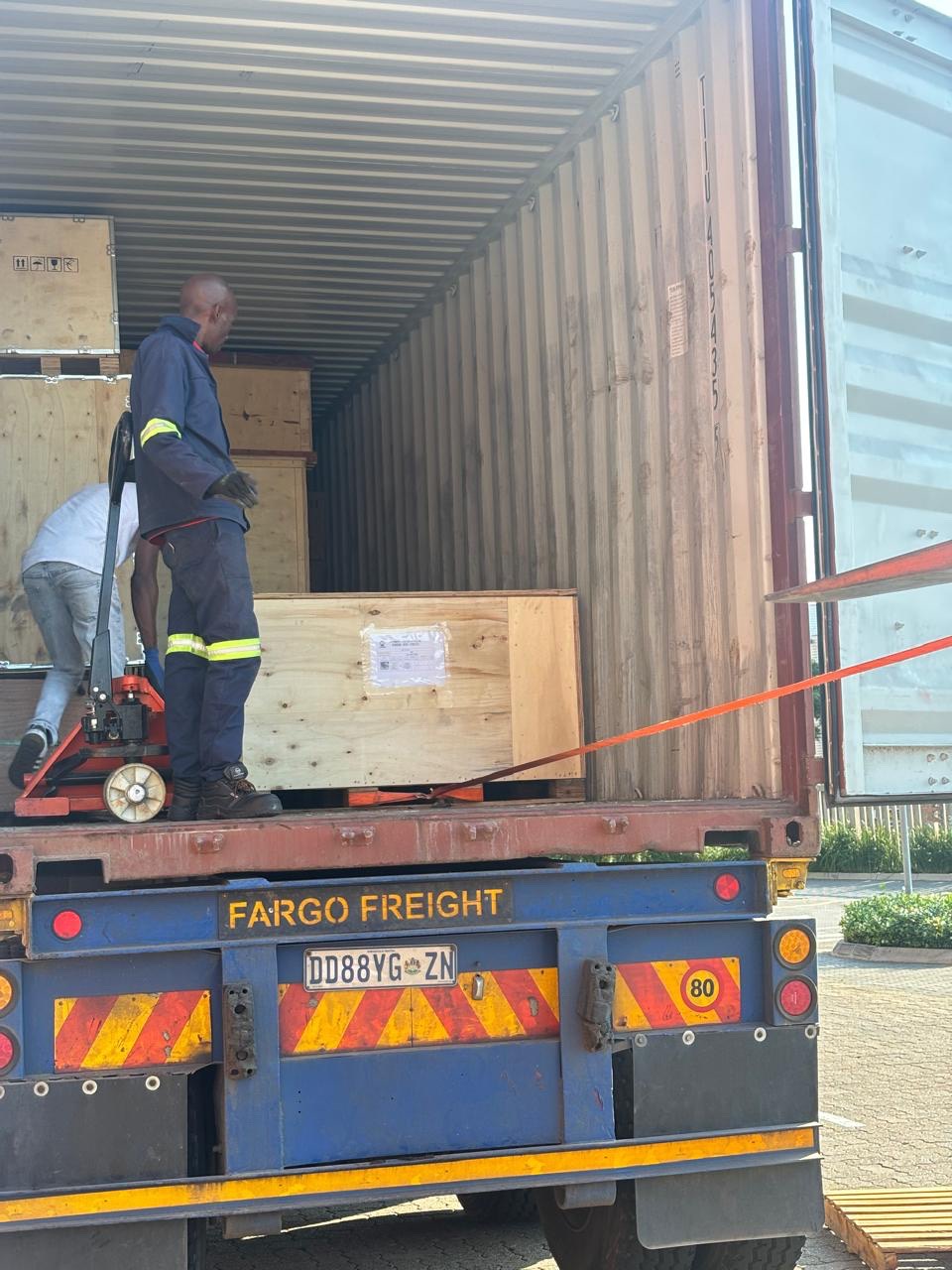
new arrivals
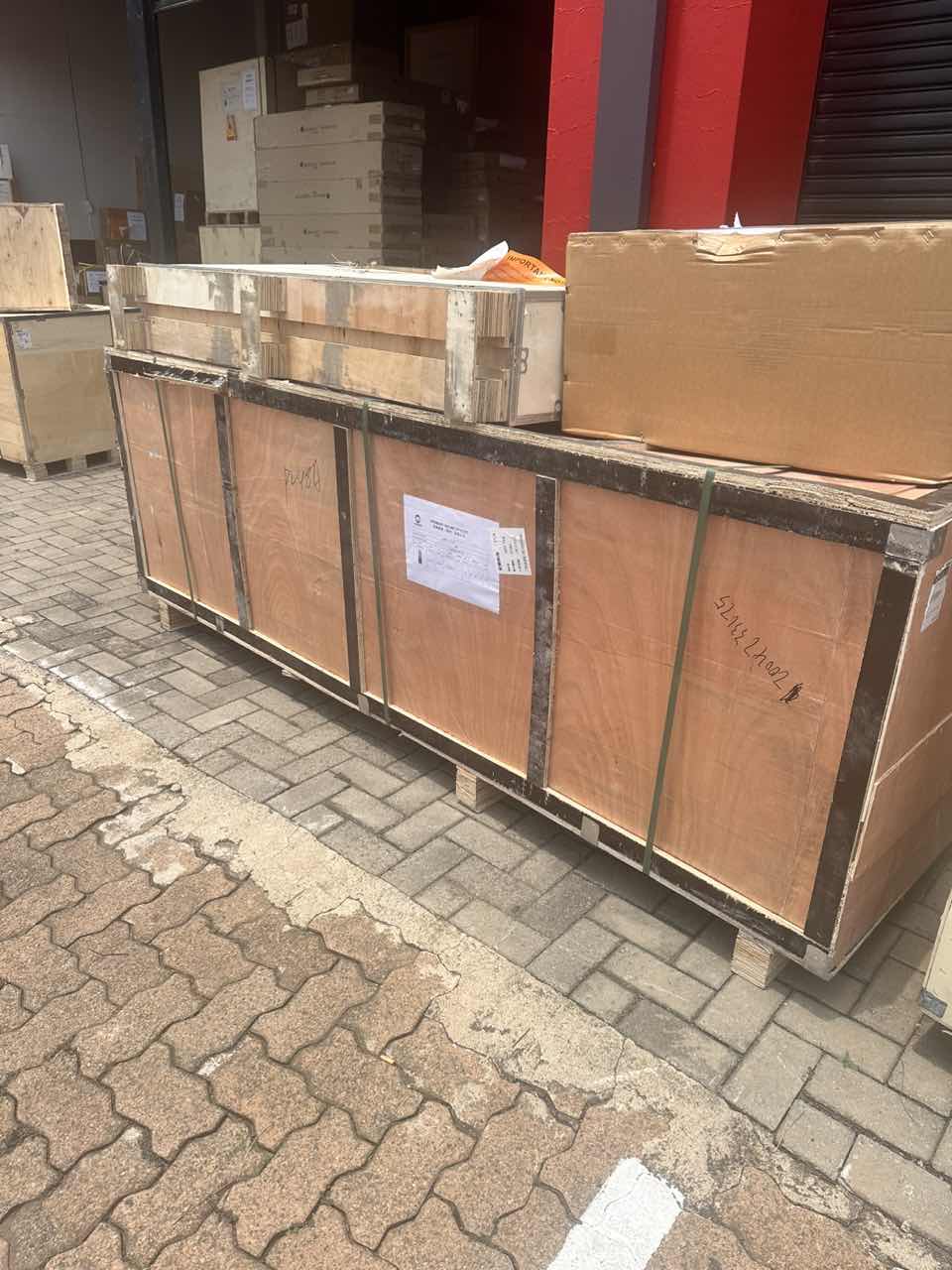
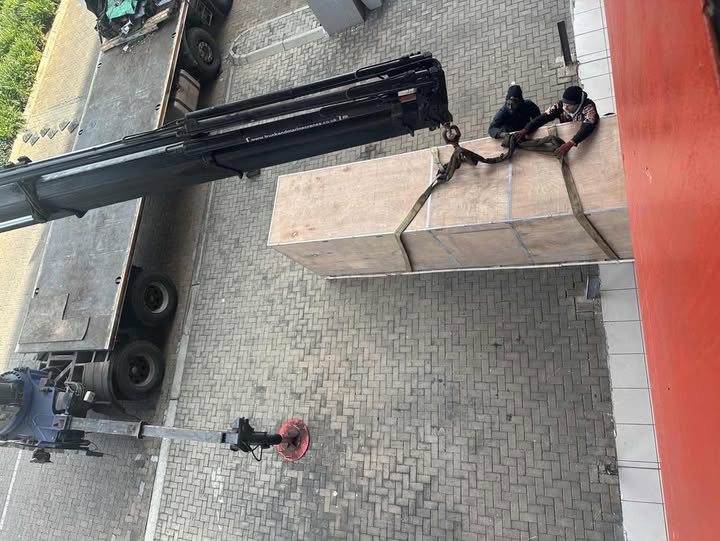
Pre Orders Offloading
Latest Arrivals
Latest Arrivals
Latest Arrivals
Loading
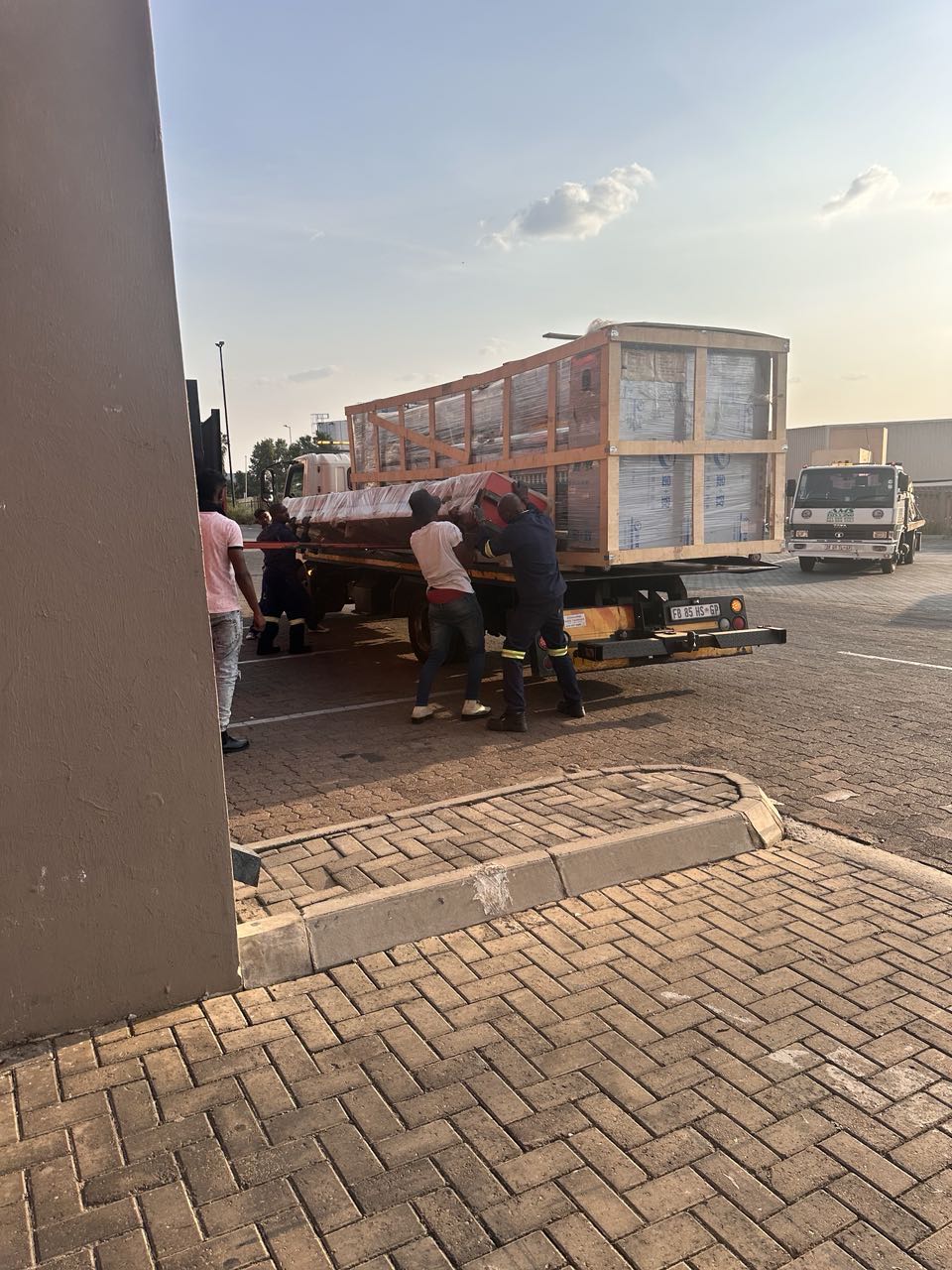
Toilet paper making machine
Toilet paper making machine
Toilet paper Rewinding Machine
latest arrivals
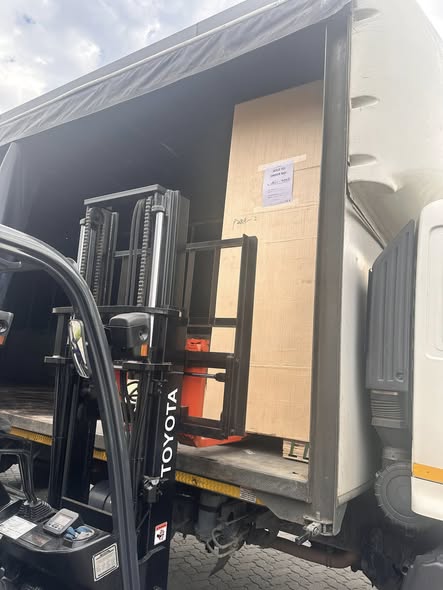
offloading
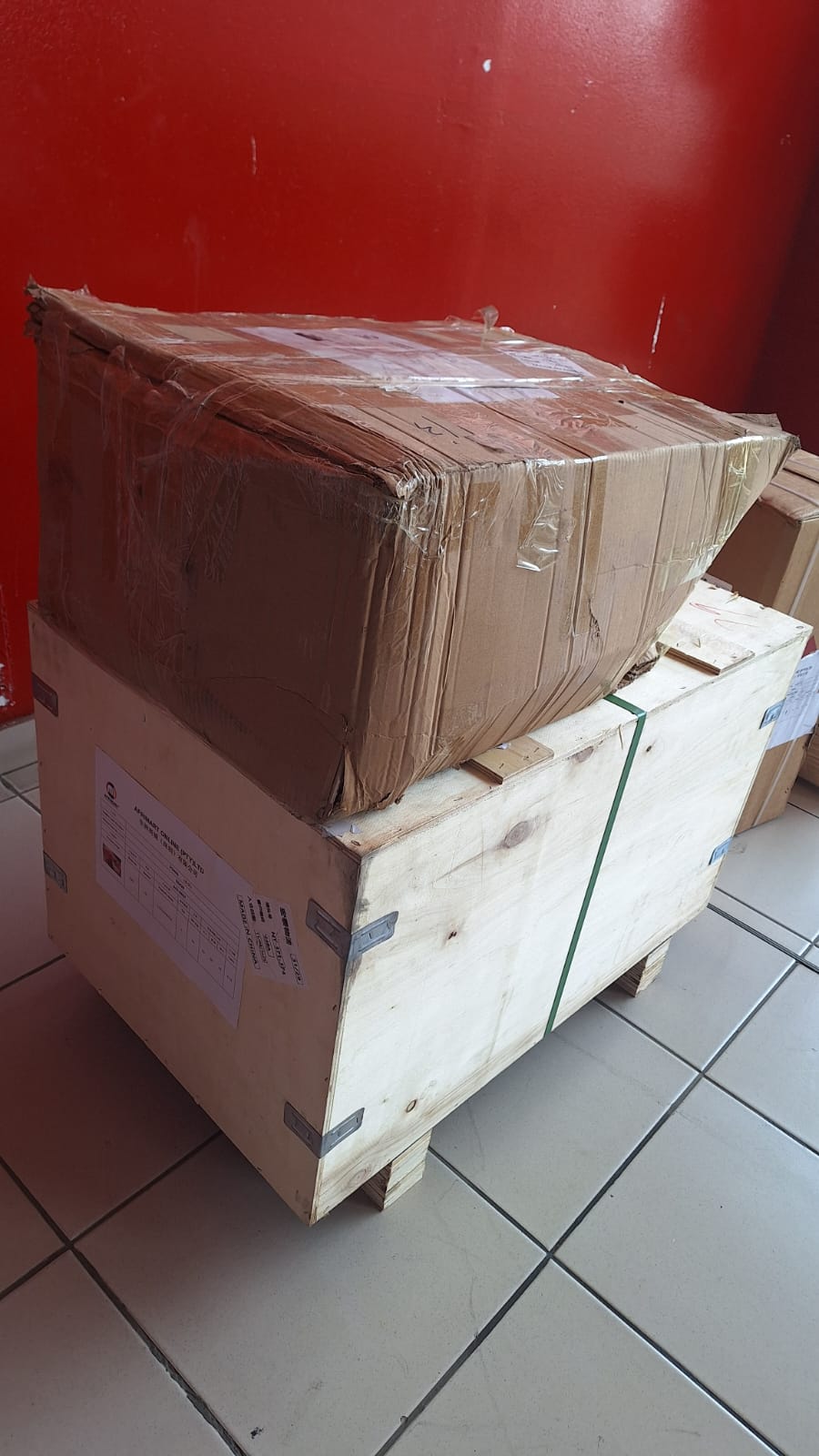
order success
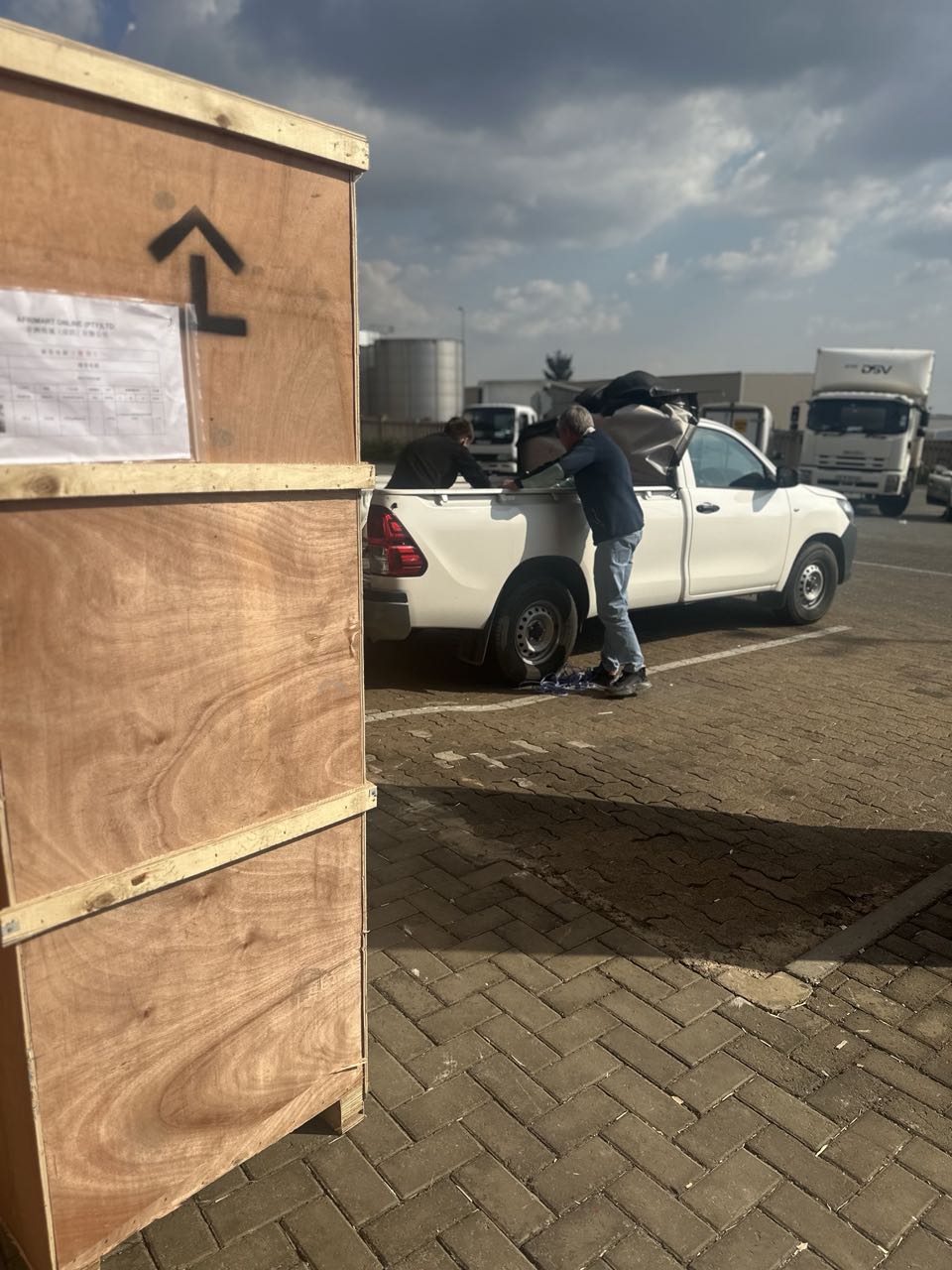
order collection
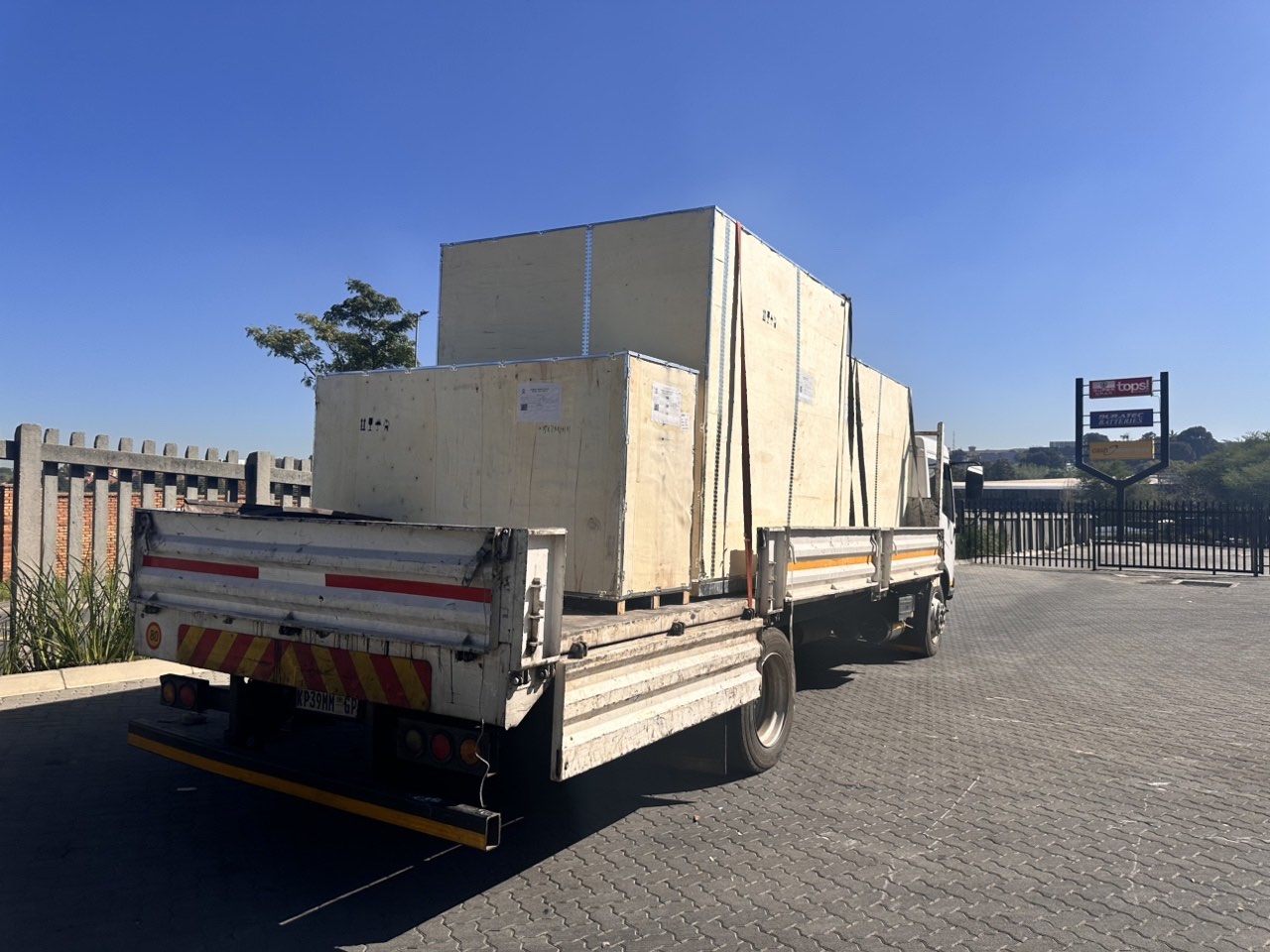
order offloading