B21, China Town Mall, Midrand

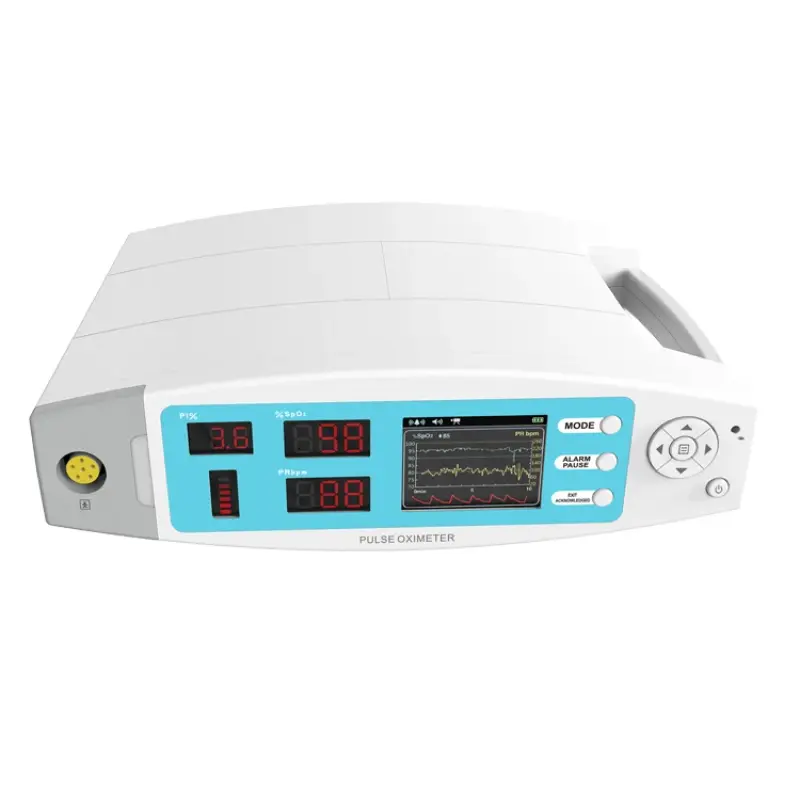
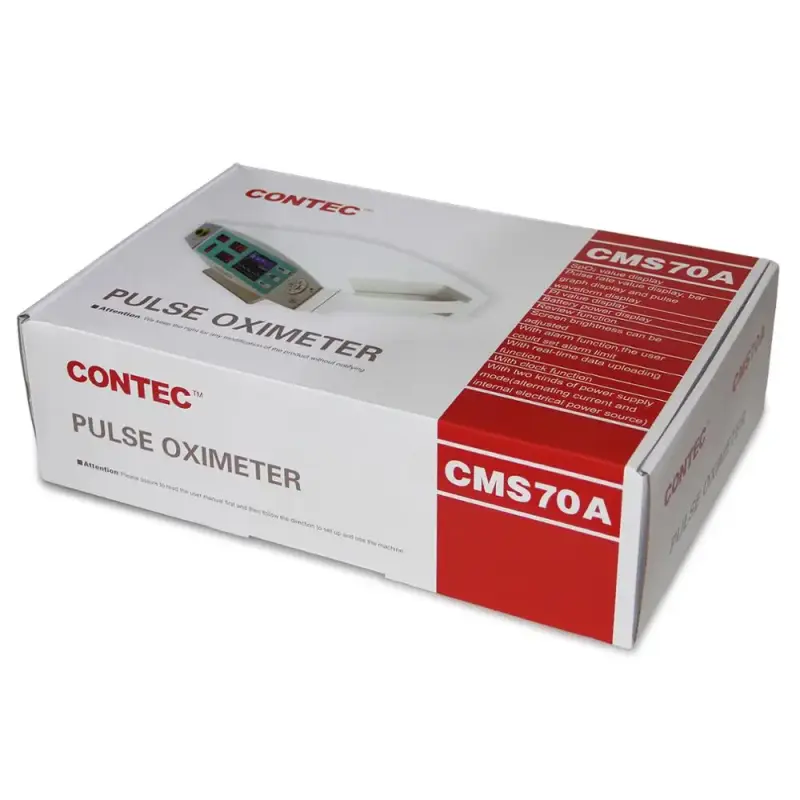
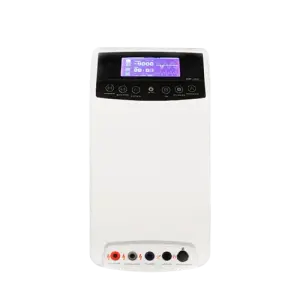
CONTEC CMS70A Table Top CE Approved Portable Adult Pediatric neonatal Patient Pulse Oximeter

- Section : Medical Supplies
- Category : Pulse Oximeters
- SKU : 60546422535

Table Top Portable Adult Pediatric Neonatal Patient Pulse Oximeter
Model: CMS70A
The CONTEC CMS70A Table Top Pulse Oximeter is a CE-approved, high-performance device designed for precise measurement of SpO₂ (oxygen saturation) and pulse rate in adults, pediatric, and neonatal patients. Ideal for use in family, hospital, and clinical settings, it offers advanced features for monitoring vital signs efficiently.
Key Features
- Simple Operation: Easy-to-use interface with low power consumption.
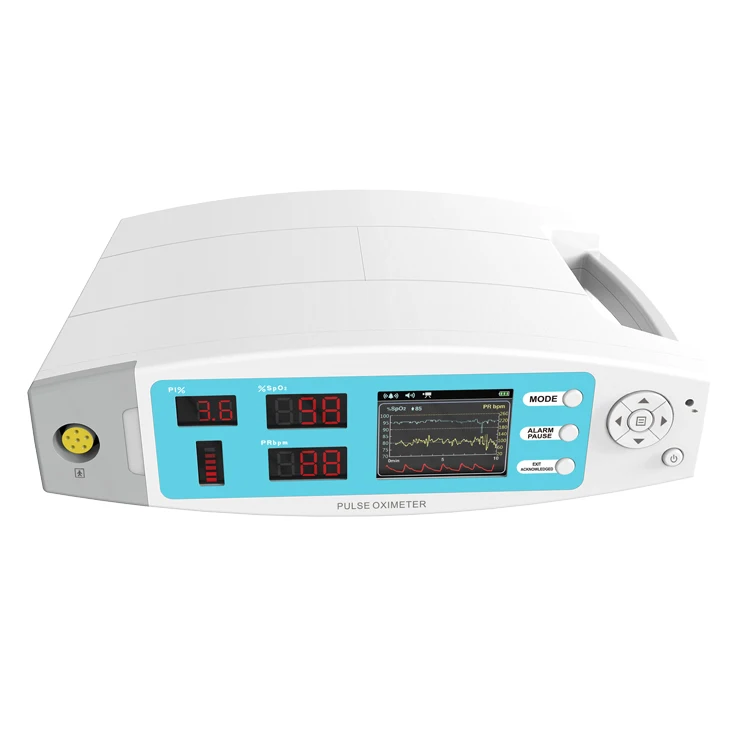
- SpO₂ and PR Display: Includes value, bar graph, and waveform displays.
- Perfusion Index (PI) Display: Provides insights into blood flow quality.
- Customizable Display: Adjustable screen brightness and multiple display modes.
- Pulse Rate Sound Indication: Audio feedback for pulse rate, which can be toggled on or off.
- Alarm Function: Adjustable upper and lower limits for SpO₂ and PR, with audible alerts for overrun or low voltage.
- Data Management: Stores measured data and allows uploading to a computer for analysis.
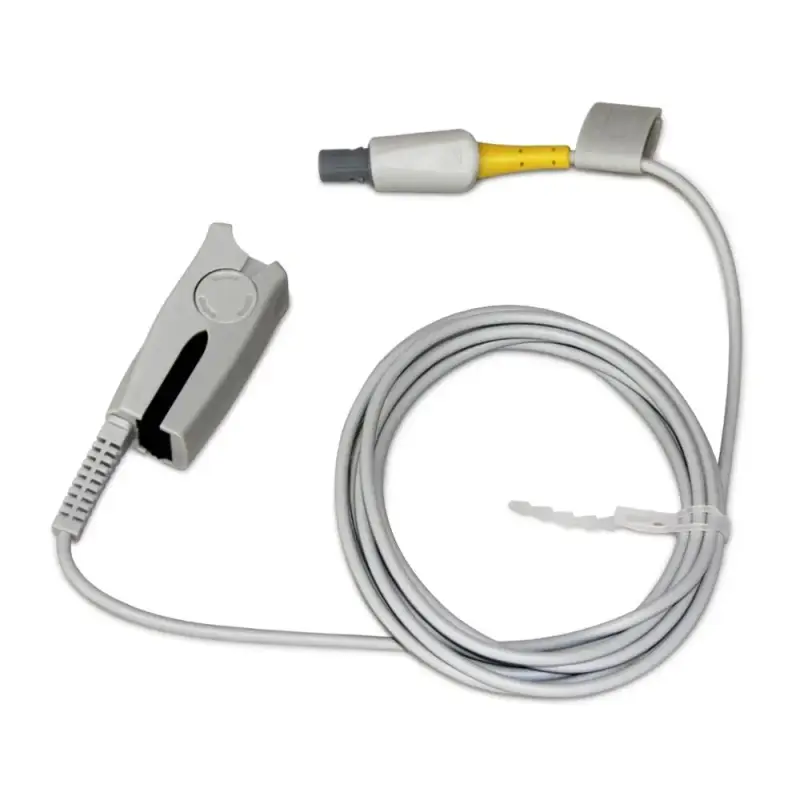
- External Probes: Compatible with additional oximeter probes for diverse needs.
- Real-Time Transmission: Transmits data to computers in real-time.
- Portable and Durable: Compact design with a rechargeable Li-Polymer battery, providing at least one hour of continuous use.
Main Specifications
- Display: TFT screen with LED; resolution 320 × 240.
- SpO₂ Measuring Range: 0%–100% (±2% accuracy for 70%–100%; below 70% unspecified).
- PR Measuring Range: 30–250 bpm (±2 bpm or ±2%, whichever is greater).
- Weak Filling Performance: Accurate readings with a pulse-filling ratio of 0.4%.
- Light Resistance: Minimal deviation under varying light conditions (< ±1%).
- Power Supply: Built-in rechargeable Li-Polymer battery; AC 100–240V, 50/60Hz input.
- Battery Life: Continuous operation for ≥1 hour after full charge.
Included Accessories
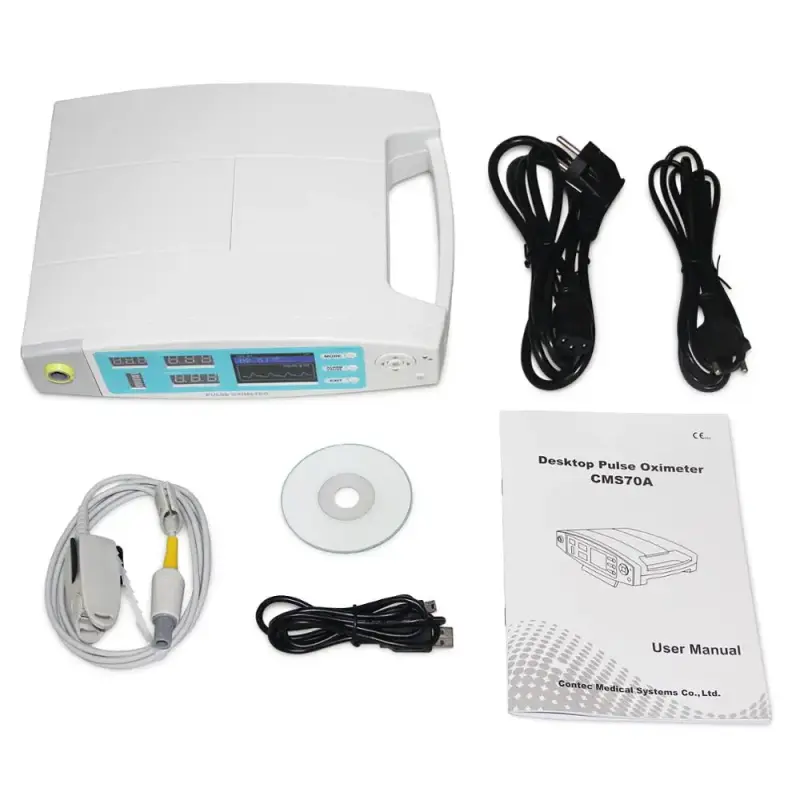
Standard Package:
- User manual
- Power wire
- Data line
- Oximeter probe
- PC software disk
Optional Accessories:
- Additional oximeter probes (refer to product configuration BOM).
The CMS70A Table Top Pulse Oximeter combines precision, portability, and advanced functionality, making it an excellent choice for professional and personal healthcare monitoring.
- Shipping Timeframes: All orders are processed within 2-5 business days (excluding weekends and holidays). After your order has been processed, the estimated delivery time is before 03 Feb, 2026, depending on customs, Please note that due to high demand, some items may experience longer shipping times, which will be communicated at order confirmation email.
- Order Processing Time: Please allow 2-5 business days for us to process your order before it is shipped . Orders placed after 16:00 on Fridays, or during weekends and public holidays, will begin processing on the next business day. Processing times may be extended during peak seasons or sales events.
- Manufacturing Time: Some products needs manufacturing time, the manufacturing process will take approximately 10-30 business days depending on the product. This timeframe may vary depending on the complexity of the product and current demand. but this will be communicated with you during order confirmation.
- Returns and Exchanges: We offer a 30-day return policy for most items. If you are not completely satisfied with your purchase, you may return it within 30 days of receipt for a refund or exchange. Items must be unused, in their original packaging, and accompanied by proof of purchase. Return shipping costs are the responsibility of the customer, unless the item was damaged or defective upon arrival.
1. What is the CONTEC CMS70A Table Top Pulse Oximeter?
The CMS70A is a CE‑approved table‑top pulse oximeter for monitoring SpO2 and pulse rate in adult, pediatric and neonatal patients. It features a TFT display with waveform/graph, perfusion index (PI), alarm functions, data storage and real‑time transmission to a PC, and is designed for clinical, hospital and home use.
2. Which patient groups can it monitor?
The device is designed and configured for adult, pediatric and neonatal use. Use appropriate-sized probes and sensor placement for neonates and pediatrics as described in the user manual.
3. What is the SpO2 measuring range and accuracy?
SpO2 range is 0%–100%. Accuracy is ±2% for values in the 70%–100% range. Accuracy below 70% is not specified in the product specification and may be less reliable.
4. What is the pulse rate (PR) measuring range and accuracy?
Pulse rate range is 30–250 beats per minute. Accuracy is ±2 bpm or ±2%, whichever is greater.
5. How long does the battery last and how is it powered?
The unit contains a rechargeable Li‑Polymer battery and provides at least 1 hour of continuous operation after a full charge. It charges from AC 100–240V, 50/60Hz input. For exact charging time and charging procedure refer to the user manual.
6. Can the CMS70A transmit data to a computer and what software is provided?
Yes — the CMS70A supports real‑time data transmission to a computer via the included data cable. A PC software disk is provided in the standard package. See the software user guide for OS compatibility and data export procedures.
7. What accessories are included and are additional probes available?
Standard package includes user manual, power cord, data cable, oximeter probe and PC software disk. Additional/optional oximeter probes are available (refer to the product configuration BOM or contact your supplier for probe model options).
8. Does the device have alarm and audio features?
Yes. The CMS70A has adjustable upper and lower alarm limits for SpO2 and pulse rate, with audible alerts for alarms and low voltage. Pulse rate audio indication (beep) can be toggled on or off.
9. What display options does the CMS70A offer?
It uses a TFT screen (320 × 240 resolution) with numeric SpO2 and PR values, a bar graph and a waveform. Screen brightness and display modes are adjustable to suit different viewing conditions.
10. How does the oximeter perform with weak perfusion or ambient light?
Weak‑filling performance is specified down to a pulse‑filling ratio of 0.4%, enabling readings in low perfusion states. Light resistance is strong, with minimal deviation (specified < ±1%) under varying light conditions.
11. What should I do if readings are unstable or inaccurate?
Common causes of unstable readings include motion, poor probe placement, cold or vasoconstricted extremities, nail polish/artificial nails, ambient light interference or a loose probe. Reposition the probe, warm the patient’s extremity, remove nail polish if applicable, minimize motion and ensure the probe is fully seated. If problems persist, consult the user manual or contact technical support.
12. How should I clean and disinfect the device and probes?
Follow the cleaning and disinfection procedures in the user manual. Generally, wipe the main unit with a soft cloth dampened with a mild disinfectant; do not immerse the unit in liquid. Clean reusable probes per the manufacturer's instructions and avoid harsh chemicals or high‑temperature sterilization unless specified.
13. Does the device require calibration or regular maintenance?
Routine user calibration is not required. Regular maintenance may include inspection of probes and cables, battery performance checks and cleaning. For service intervals, calibration, or repairs, follow the manual and contact authorized service personnel or your supplier.
14. Is the CMS70A suitable for continuous monitoring?
Yes — it supports continuous monitoring and includes alarm functions for ongoing observation. Note battery life: on internal battery it operates for at least one hour; for extended continuous monitoring use AC power or ensure the unit is connected to mains power.
15. Are there any limitations or safety considerations?
Pulse oximeters provide useful trend and monitoring information but are not a substitute for clinical assessment. Readings may be affected by motion, poor perfusion, dyes, nail polish, ambient light and abnormal hemoglobins. Always use the device in accordance with the user manual, observe alarms promptly and consult clinical staff for medical decisions.
Latest Order Arrivals
Discover our latest orders

12 Heads Embroidery Machine
Dewatering Pump Machine

Order Collection
Portable Water Drilling Rig

Order Usefully Collected
Batch of Orders
Agriculture Processing Machines
Meat Grinder Machine
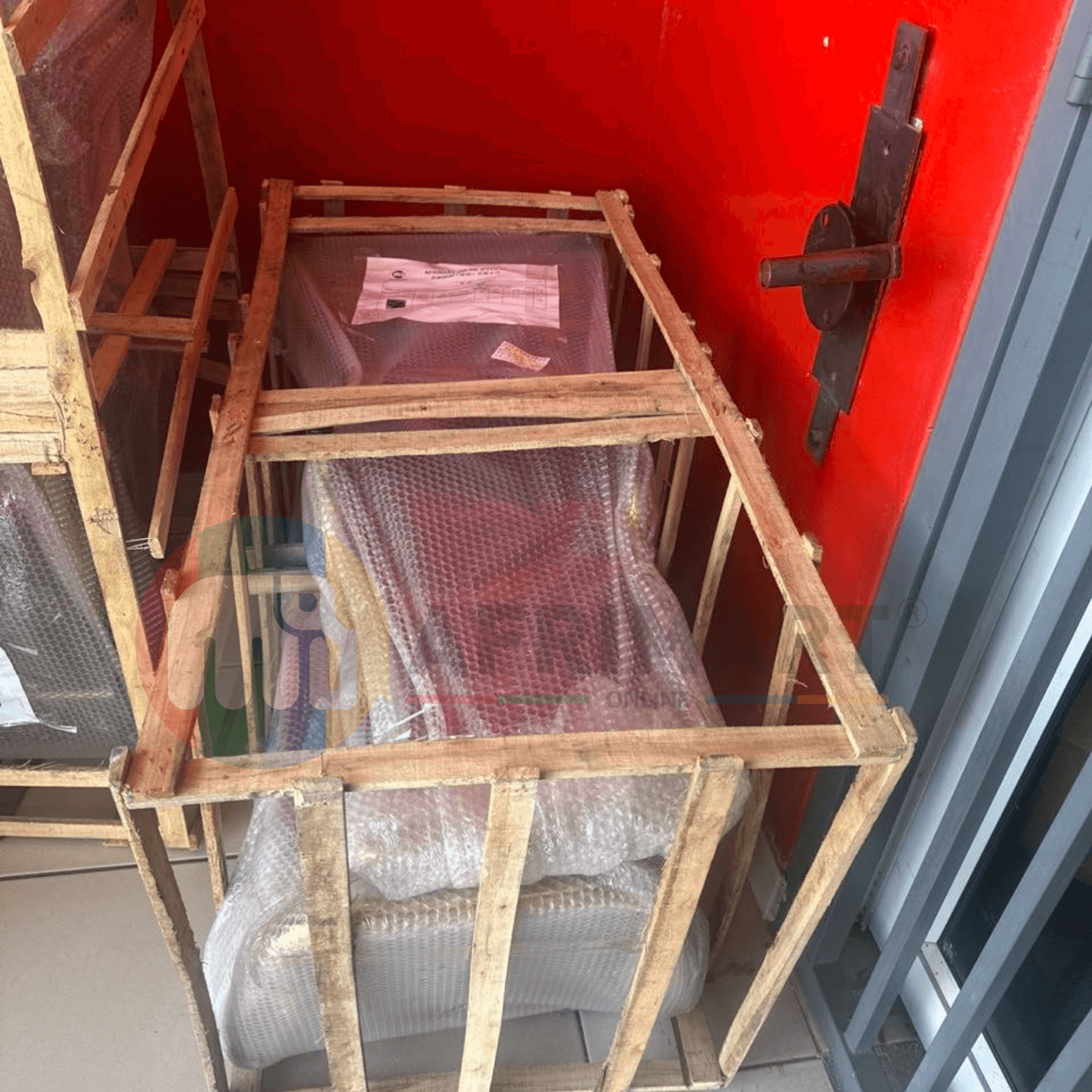
Water Pump Equipment
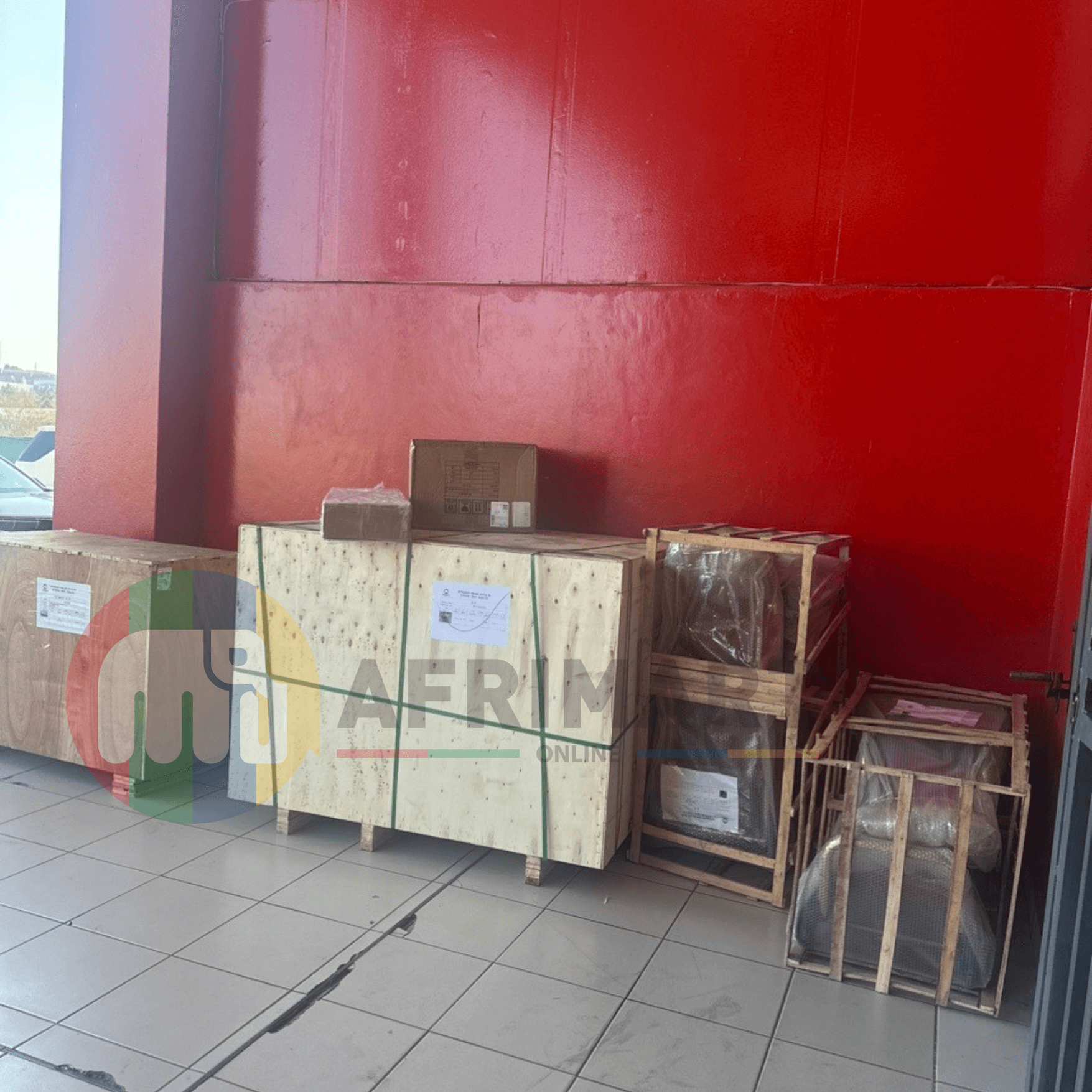
Packaging Machine and accessories

Fabrics Manufacturing Equipment
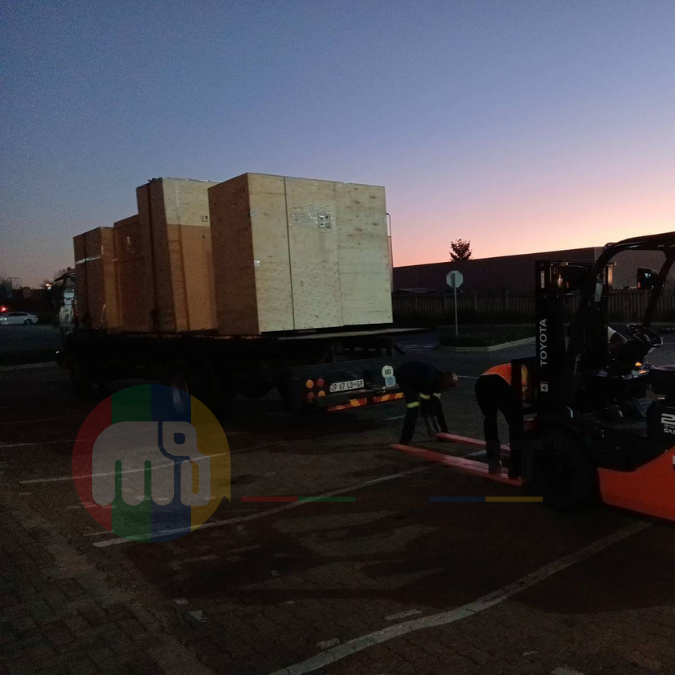
Mining Equipments
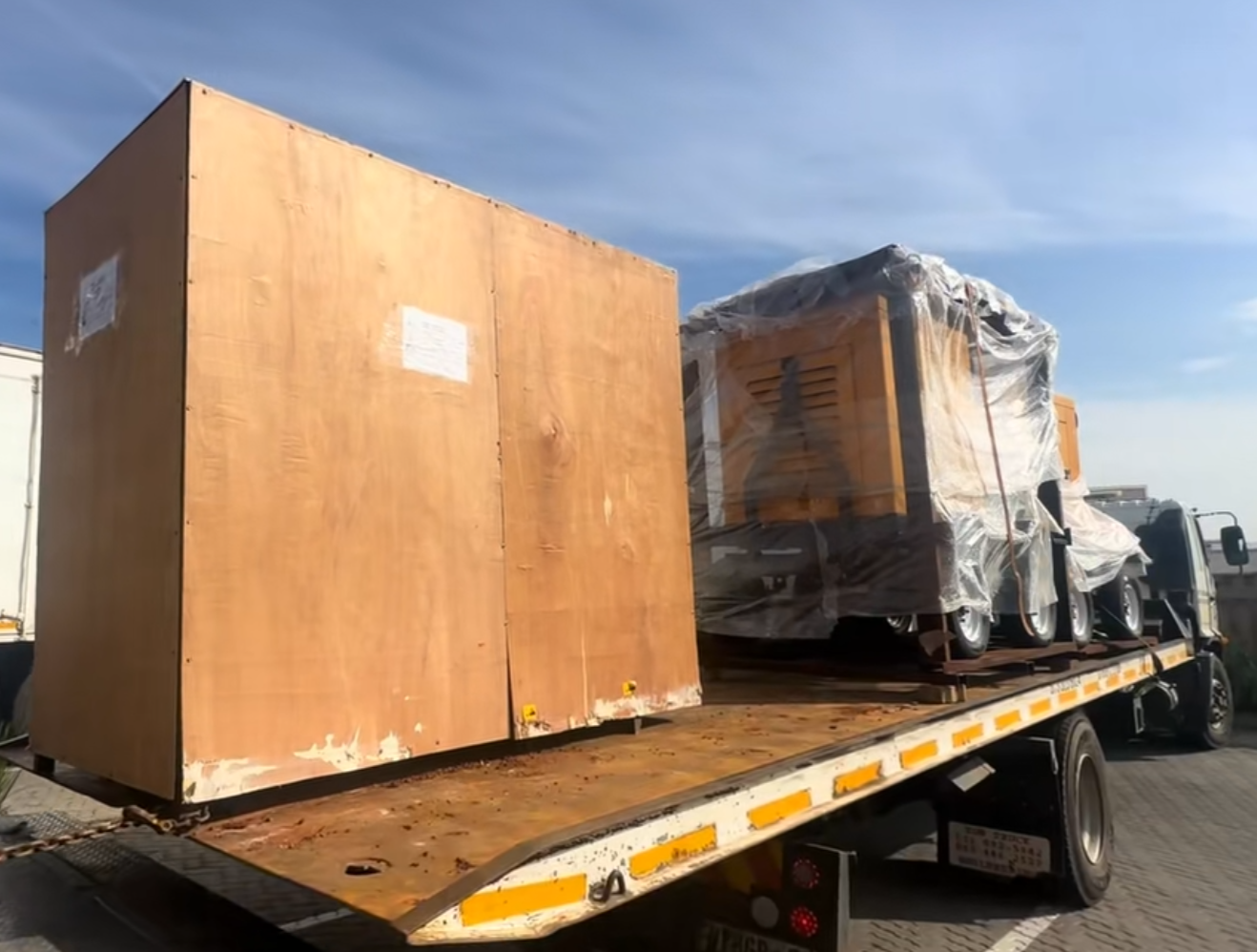
Food Processing Machine
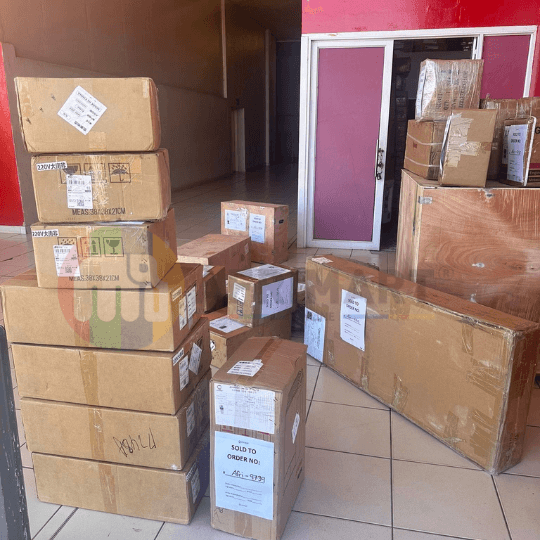
Batch of Orders
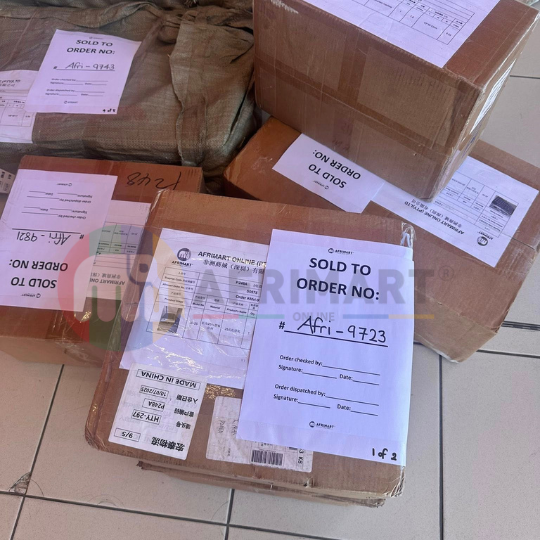
Batch of Orders
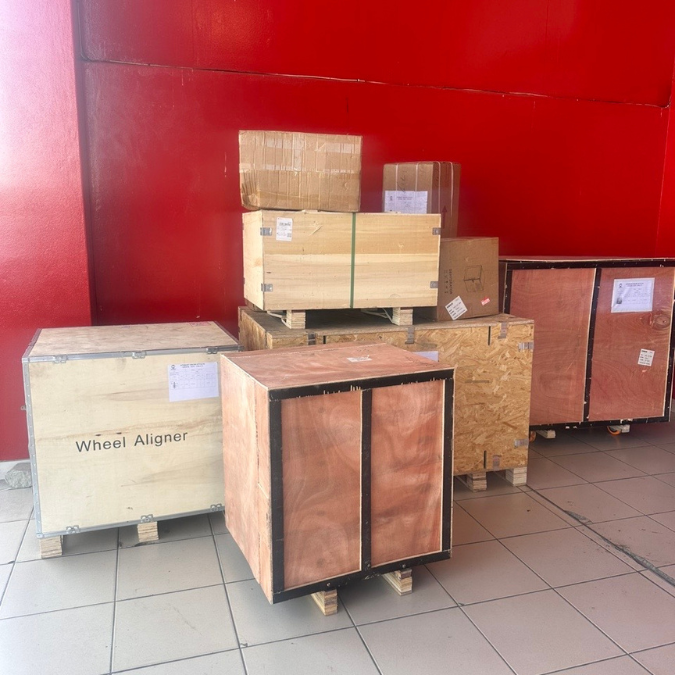
Latest Orders Labelled
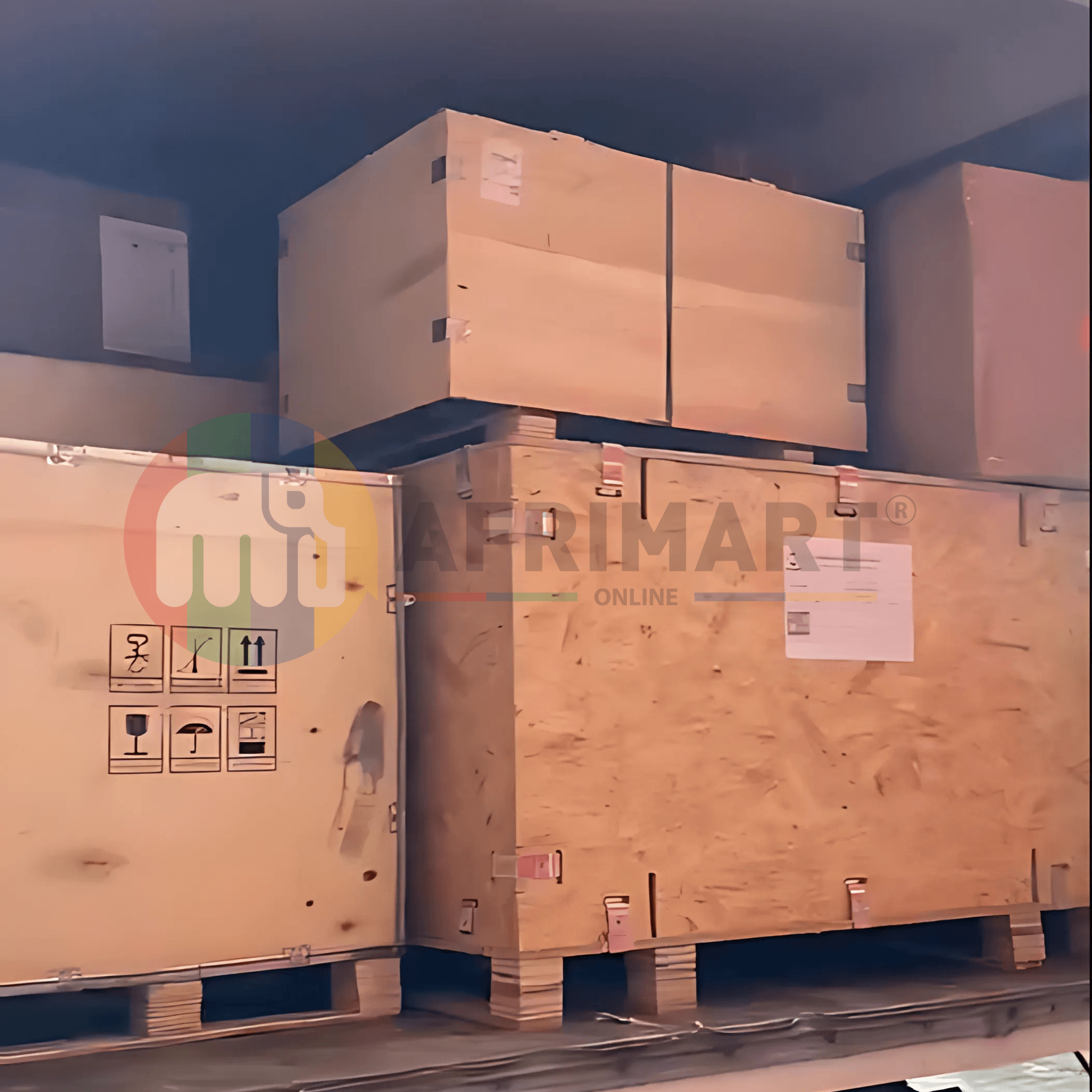
wheel alignment machines
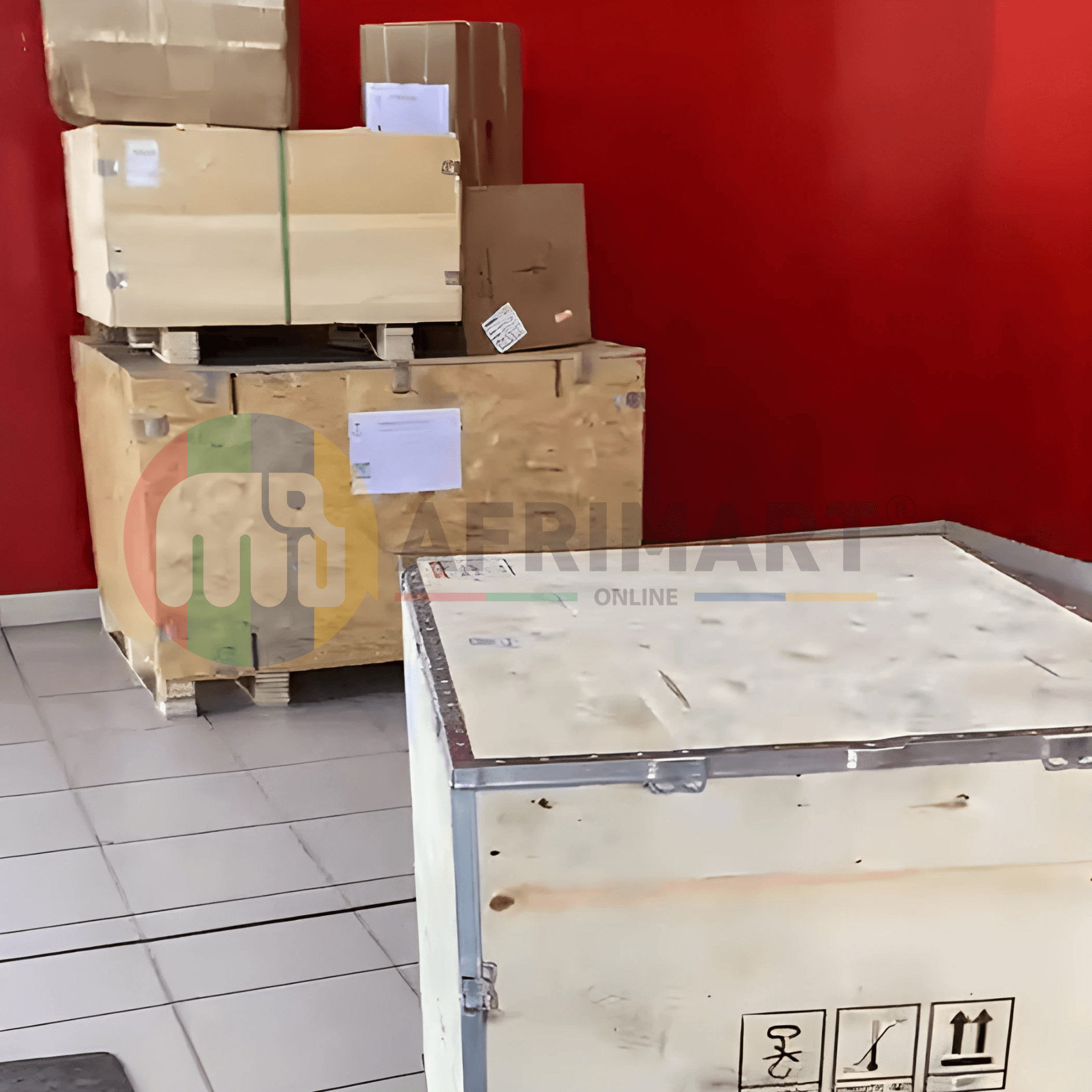
new arrivals
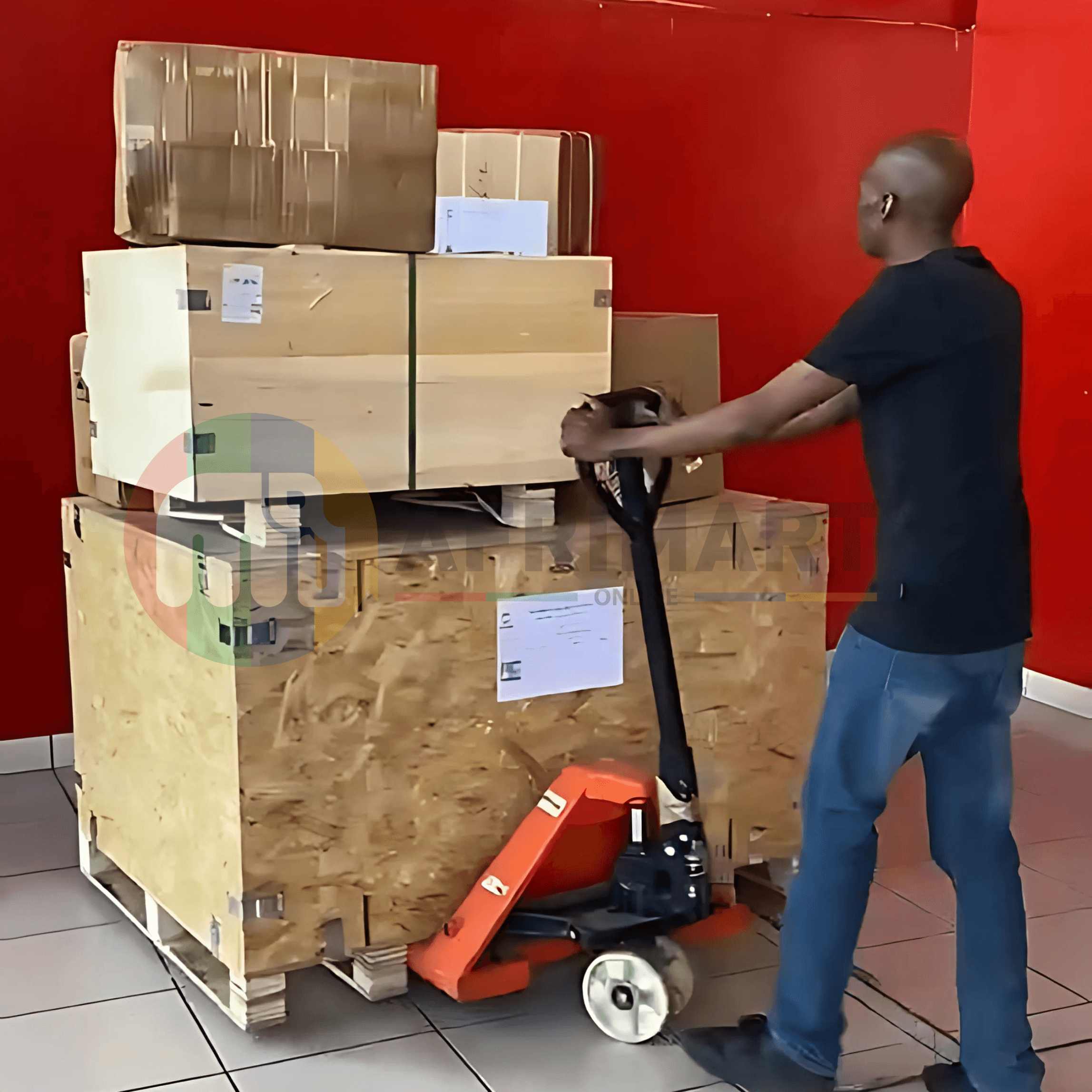
Pre Orders Offloading
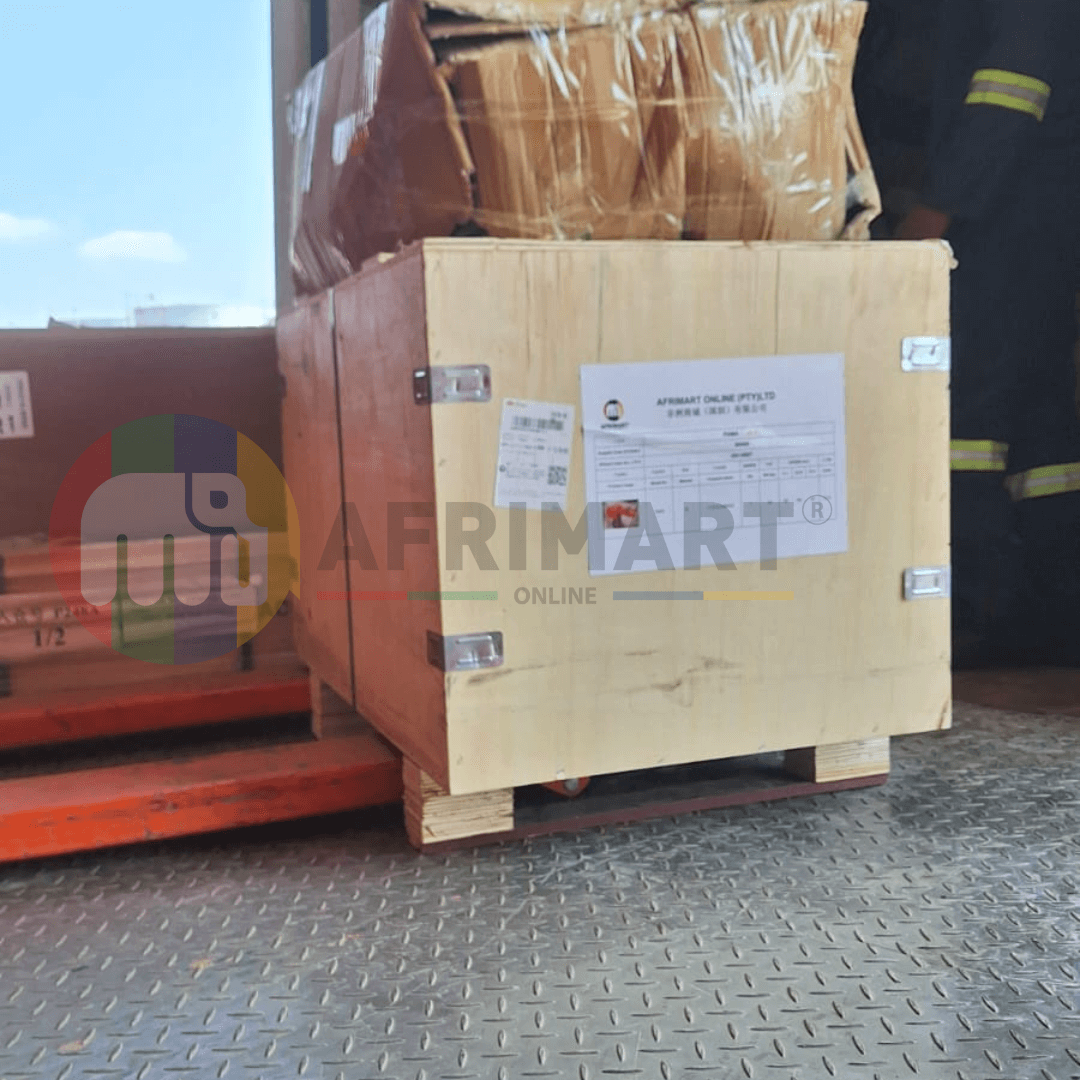
Latest Arrivals
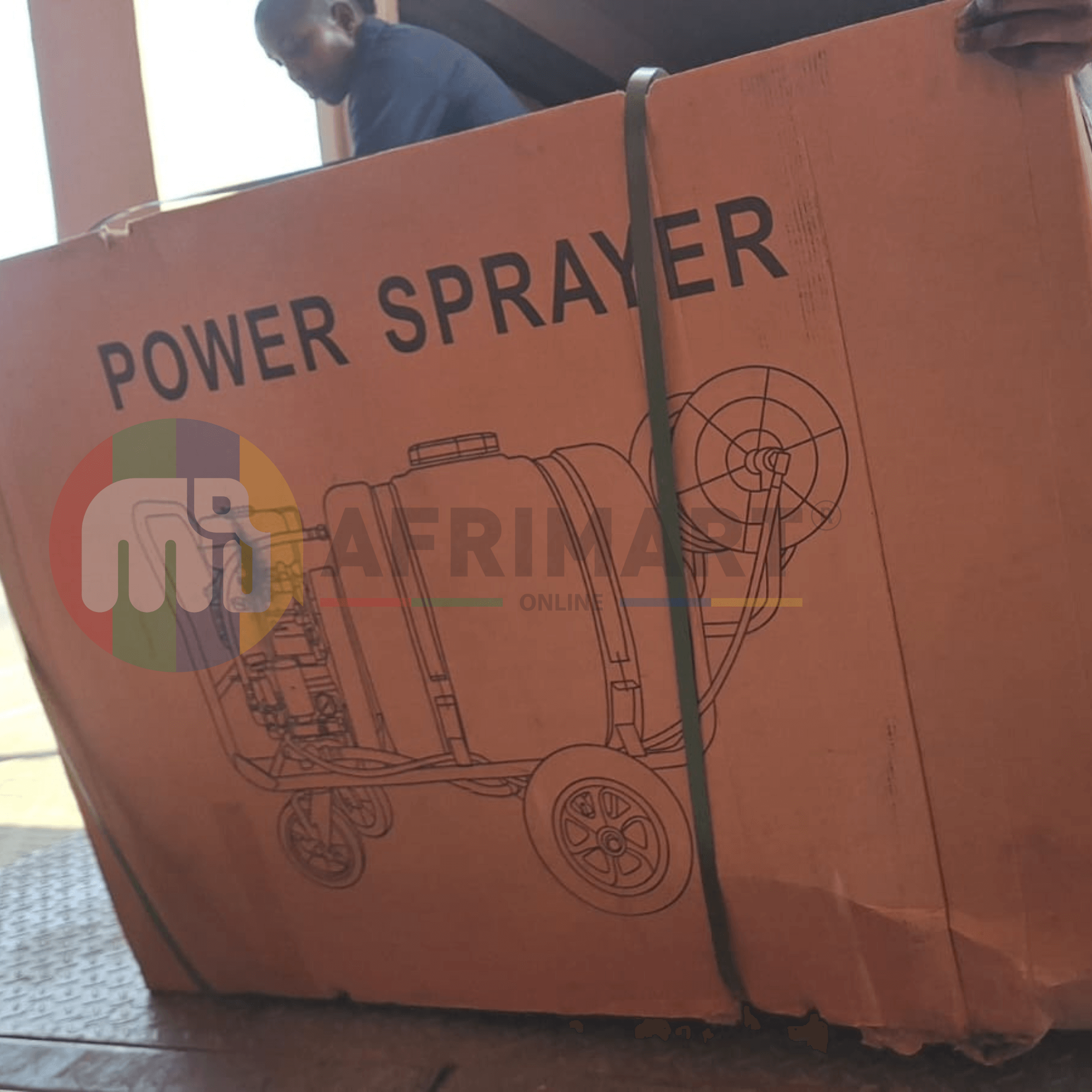
Latest Arrivals