B21, China Town Mall, Midrand

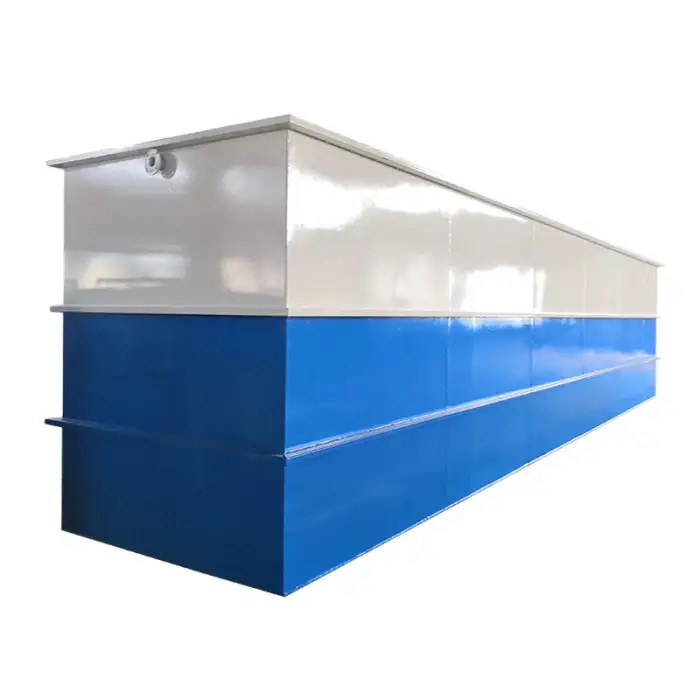
Compact Sewage Treatment Plant industrial waste water treatment plant chemical miniature mbbr system industrial
Asset finance available
Do you want funding for this equipment?
Afrimart can connect you with trusted funding partners who specialise in asset finance for businesses like yours. Compare options and apply in minutes — final approval is subject to provider review.
Check funding options
Secure & no obligation
- Section : Machinery
- Category : Waste Treatment Machinery
- SKU : 1600370598531


Products Description

industrial waste water treatment plants for industry wastewater treatment is an underground plant which adopts the advanced Biological technology and the company’s scientific research and engineering practice result, it can effectively remove BOD5,COD and NH3-N. The device is characterized by the stable performance, effective treatment, economical investment, automatic operation, convenience of maintenance and small occupying space. There is no need for construction, neither heating and heat preservation.The surface can be used as green land or square land.It also can be placed on ground based on client's requirement.
Influent and effluent water quality
| Item | Influent water quality | Effluent water quality |
| BOD5 (mg/L) | 350 | <=10 |
| CODcr (mg/L) | 800 | <=40 |
| SS (mg/L) | 300 | <=15 |
| PH | 7-8 | 6-9 |
| Ammpnia nitrogen | 50 mg/L | 20 mg/L |
| Oil grease | 30-40 mg/L | no |


We have many clients in the Philippines, we have a lot of experience for wastewater treatment in the Philippines.
Work Principle


1.Grease trap
Remove parts of oil and grease
2.Screen channel
Main used to intercept big block floater in sewage, to guarantee follow-up processing structures normal operation and effective
reduce load, supply guarantee for system long term normal operation,
3. Equalize tank
Due to each time water quality.volume is different, the peak flow rate of average flow rate 2~8 times, thus sewage treatment
system steady operation, equalize water volume and homogenize water quality, build-in sewage pump and backflow measure, equip with
aeration system to proceed pre-aeration, to guarantee certain rated flow rate lifting to integrated sewage treatment equipments
and follow-up treatment steady, sewage lifting pump 2pcs .
4.Anoxic tank
In order to control the dissolved oxygen in oxic biochemical tank about 0.5mg/l, adopting interval aeration. the padding in
anoxic tank adopting new type elastic padding, height is 2.0m. such padding with the advantage of no easy blocking.light weight.
big specific surface area, treatment effect steady etc, easy to maintenance and change , retention time >>3.5hours.
5.Oxic tank(two grade)
In oxic tank equip with columnar biology carrier padding, this padding specific surface area is big, is 16-20 times comparing with
common biological padding, keep higher biomass, to reach the purpose of removing organic pollutant, aeration device adopting air
blower and micropore aerator, the oxygen utilization rate is above 30, effective save operation cost. Retention time >>7 hours,
air water ratio about 12:1.
6.Secondary Settling tank
The sewage still contain large number of suspended solid after treated by oxic biochemical, in order to make the effluent water SS
meet up discharge standard, adopting vertical settling tank to make solid liquid separation, the sludge will pump to sludge tank,
at the same time, according to actual condition to make part of sludge backflow to anoxic tank to proceed sludge backflow,
increase the sludge concentration in oxic tank, improve removal efficiency.
7.Cleaning water tank
To storage cleaning water.
8.Sludge tank
The supernatant backflow to oxic tank to further treatment, few sludge after digestion. clearing manner can sucking and transport
out from sludge tank bottom using dung-cart.
9.Control room
Control room set in the air blower,uv sterilizer,filters,electric control carbinet


Application
Industrial Applications:
Car washing water,Poultry processing, Meat processing ,Laundries and textiles ,Egg processing ,Byproduct rendering, Pulp and paper, Plastics recycling, Dairy and milk products, Metal plating and finishing, Bakeries ,Confectionaries, Food processing,Fish processing,Dyeing factory,Snack food processing, Beverage, Petroleum and petrochemical refining ,Natural gas and petroleum,fracking ,Biochemical ,Personal care products and etc.
Municipal Applications :
Domestic sewage,hotel sewage and ect.
- Shipping Timeframes: All orders are processed within 2-5 business days (excluding weekends and holidays). After your order has been processed, the estimated delivery time is before 24 Aug, 2026, depending on customs, Please note that due to high demand, some items may experience longer shipping times, which will be communicated at order confirmation email.
- Order Processing Time: Please allow 2-5 business days for us to process your order before it is shipped . Orders placed after 16:00 on Fridays, or during weekends and public holidays, will begin processing on the next business day. Processing times may be extended during peak seasons or sales events.
- Manufacturing Time: Some products needs manufacturing time, the manufacturing process will take approximately 10-30 business days depending on the product. This timeframe may vary depending on the complexity of the product and current demand. but this will be communicated with you during order confirmation.
- Returns and Exchanges: We offer a 30-day return policy for most items. If you are not completely satisfied with your purchase, you may return it within 30 days of receipt for a refund or exchange. Items must be unused, in their original packaging, and accompanied by proof of purchase. Return shipping costs are the responsibility of the customer, unless the item was damaged or defective upon arrival.
1. What is a Compact Sewage Treatment Plant?
A Compact Sewage Treatment Plant is an underground facility designed to treat industrial wastewater using advanced biological technology. It effectively removes contaminants such as BOD5, COD, and ammonia nitrogen.
2. How does the treatment process work?
The treatment process involves several stages including grease trapping, screening, equalization, anoxic and oxic treatment, secondary settling, and sludge management to ensure effective removal of pollutants from wastewater.
3. What types of wastewater can this system treat?
This system is suitable for various industrial applications including car washing water, poultry processing, meat processing, and more, as well as municipal sewage such as domestic and hotel wastewater.
4. What are the performance characteristics of this plant?
The plant features stable performance, effective treatment capabilities, economical investment, automatic operation, convenience of maintenance, and a small footprint.
5. Is construction required for installation?
No construction is needed for installation. The plant can be installed underground or above ground based on client requirements.
6. What is the maintenance like for this treatment plant?
Maintenance is convenient and requires minimal effort. Regular checks on the system's components and sludge removal are the primary maintenance tasks.
7. What are the influent and effluent water quality standards?
The influent water quality can have BOD5 of up to 350 mg/L, COD of 800 mg/L, and ammonia nitrogen of 50 mg/L, while the effluent quality meets strict standards with BOD5 <= 10 mg/L and COD <= 40 mg/L.
8. Can the treated area be used for other purposes?
Yes, the surface of the treatment plant can be utilized as green land or square land after installation.
9. How much space does the plant occupy?
The plant is designed to occupy a small space, making it suitable for various installation sites without extensive land requirements.
10. What are the energy requirements for operation?
The plant operates efficiently with an aeration device that has a high oxygen utilization rate, which helps to save on operational costs.
11. What is the expected lifespan of the Compact Sewage Treatment Plant?
With proper maintenance and operation, the plant can have a long lifespan, typically lasting several years depending on usage and environmental conditions.
12. Is the system suitable for use in tropical climates like the Philippines?
Yes, the system has been successfully used in various applications in the Philippines, demonstrating its effectiveness in tropical climates.
13. What is the role of the control room in this plant?
The control room houses essential components like air blowers, UV sterilizers, filters, and the electric control cabinet, allowing for efficient monitoring and management of the treatment process.
14. How is sludge managed in the treatment process?
After treatment, sludge is collected in a sludge tank, where it can be removed for transport and disposal or returned to the treatment system for further processing.
15. What are the benefits of using this treatment system?
Benefits include effective pollutant removal, minimal land use, automatic operation, low maintenance requirements, and the ability to repurpose the surface area after installation.
Latest Order Arrivals
Discover our latest orders
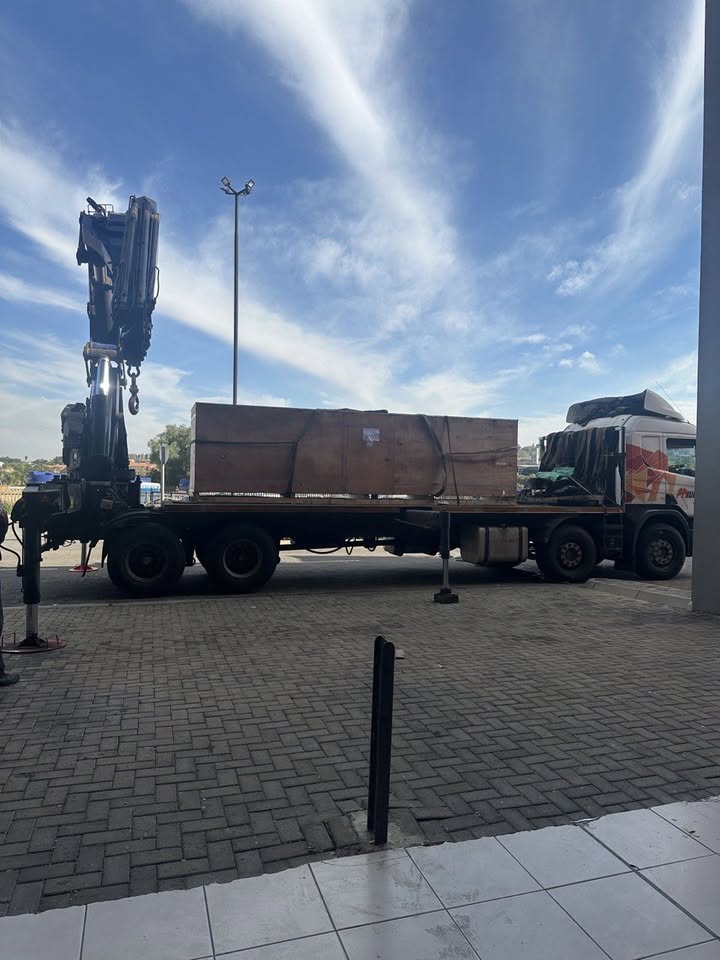
12 Heads Embroidery Machine
Toilet Paper Machine Machine
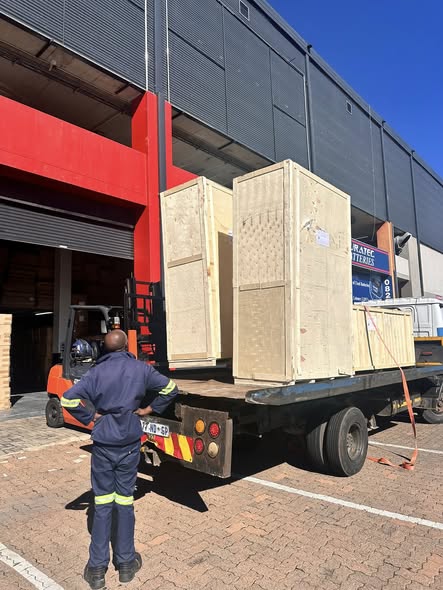
Order Collection
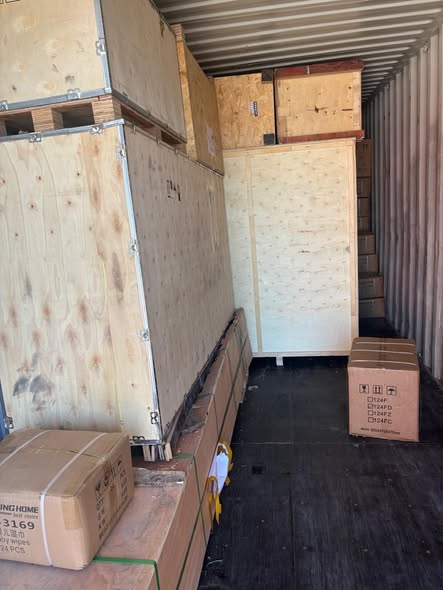
Cross Border Clients
Order cros border countries Collected
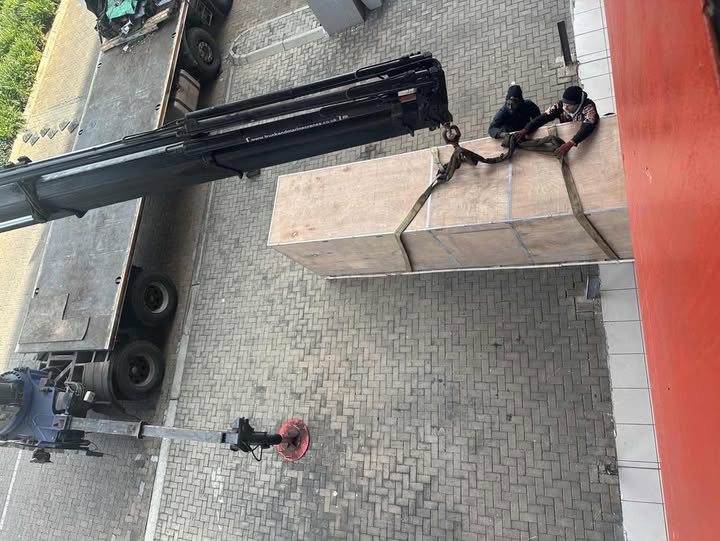
Industrial Machine Cllection
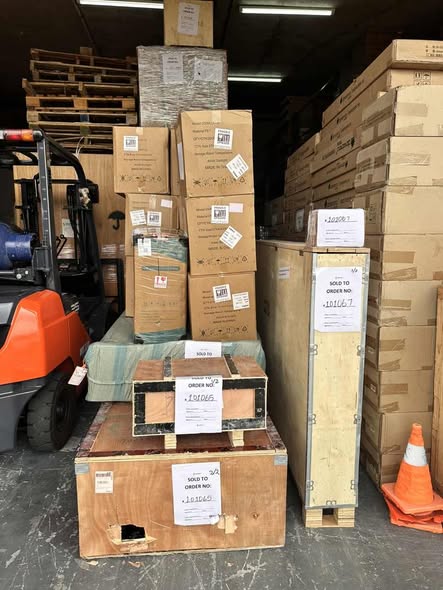
Agriculture Processing Machines
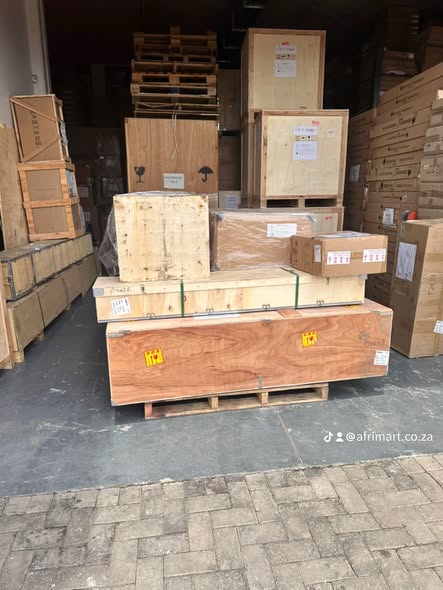
Ready for collection
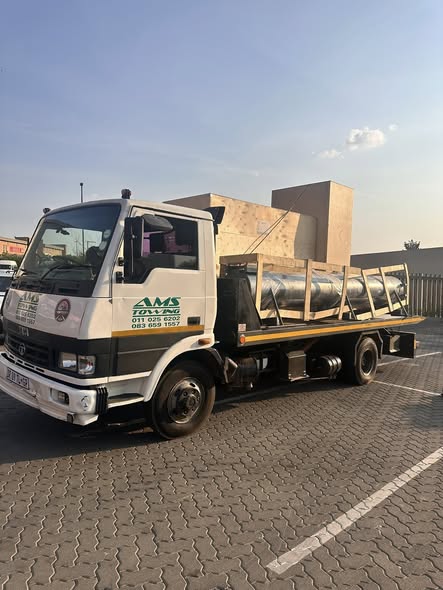
Water Pump Equipment
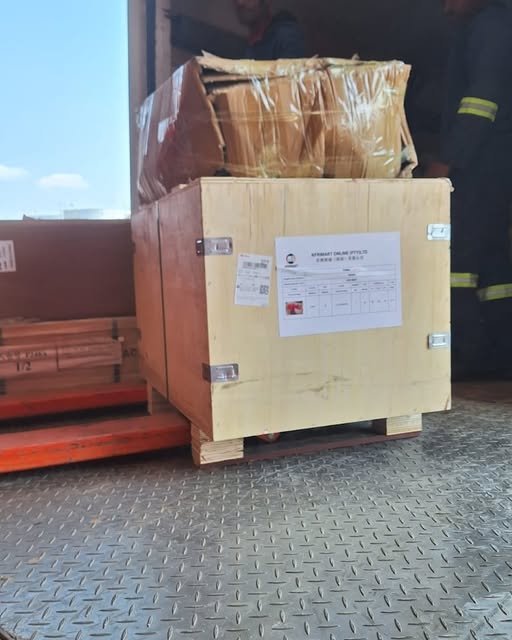
Packaging Machine and accessories
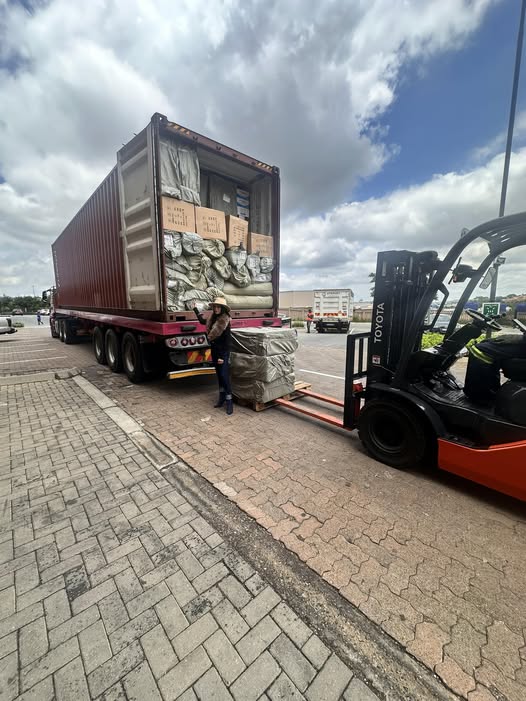
Fabrics Manufacturing Equipment
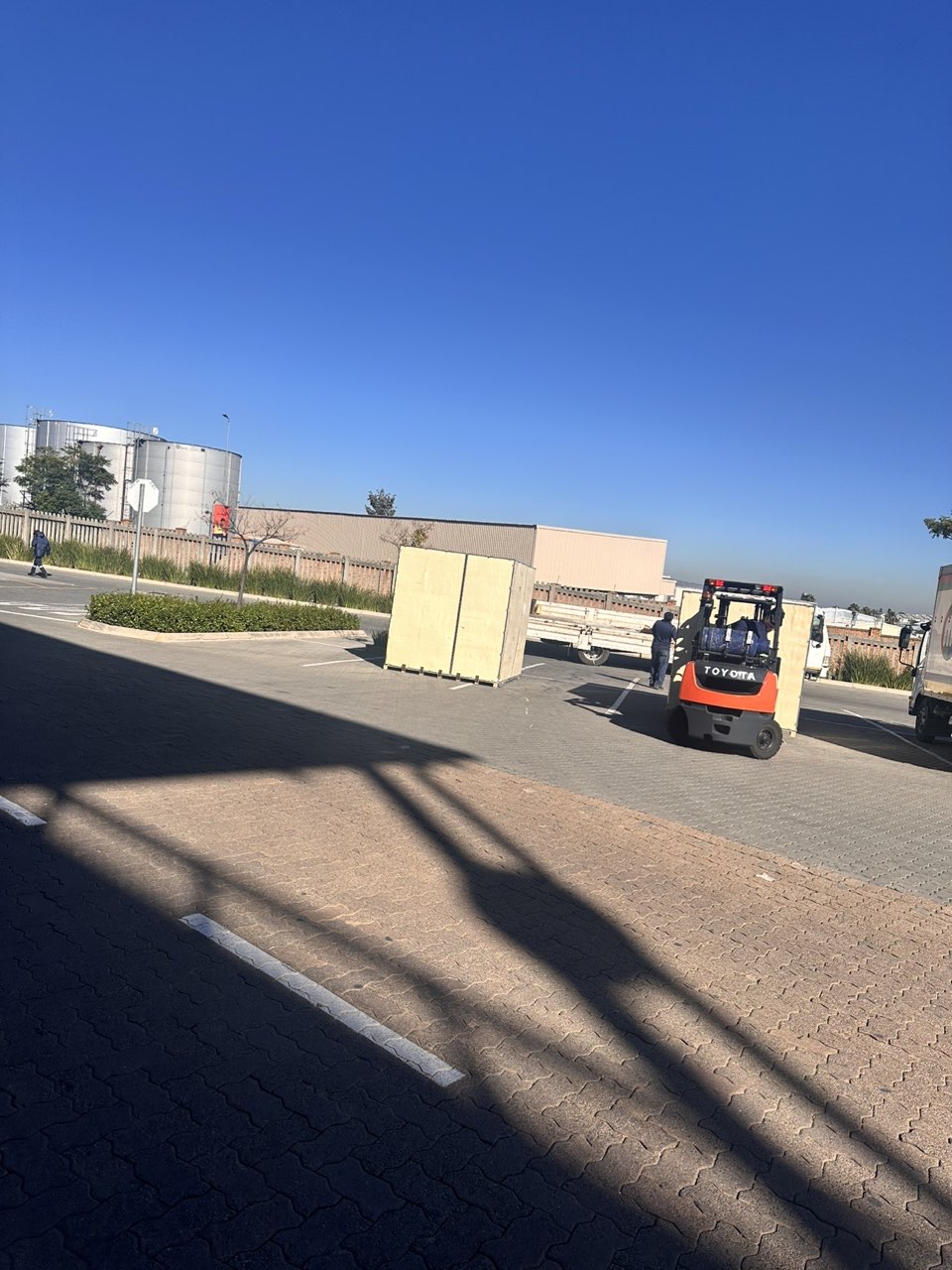
Mining Equipments
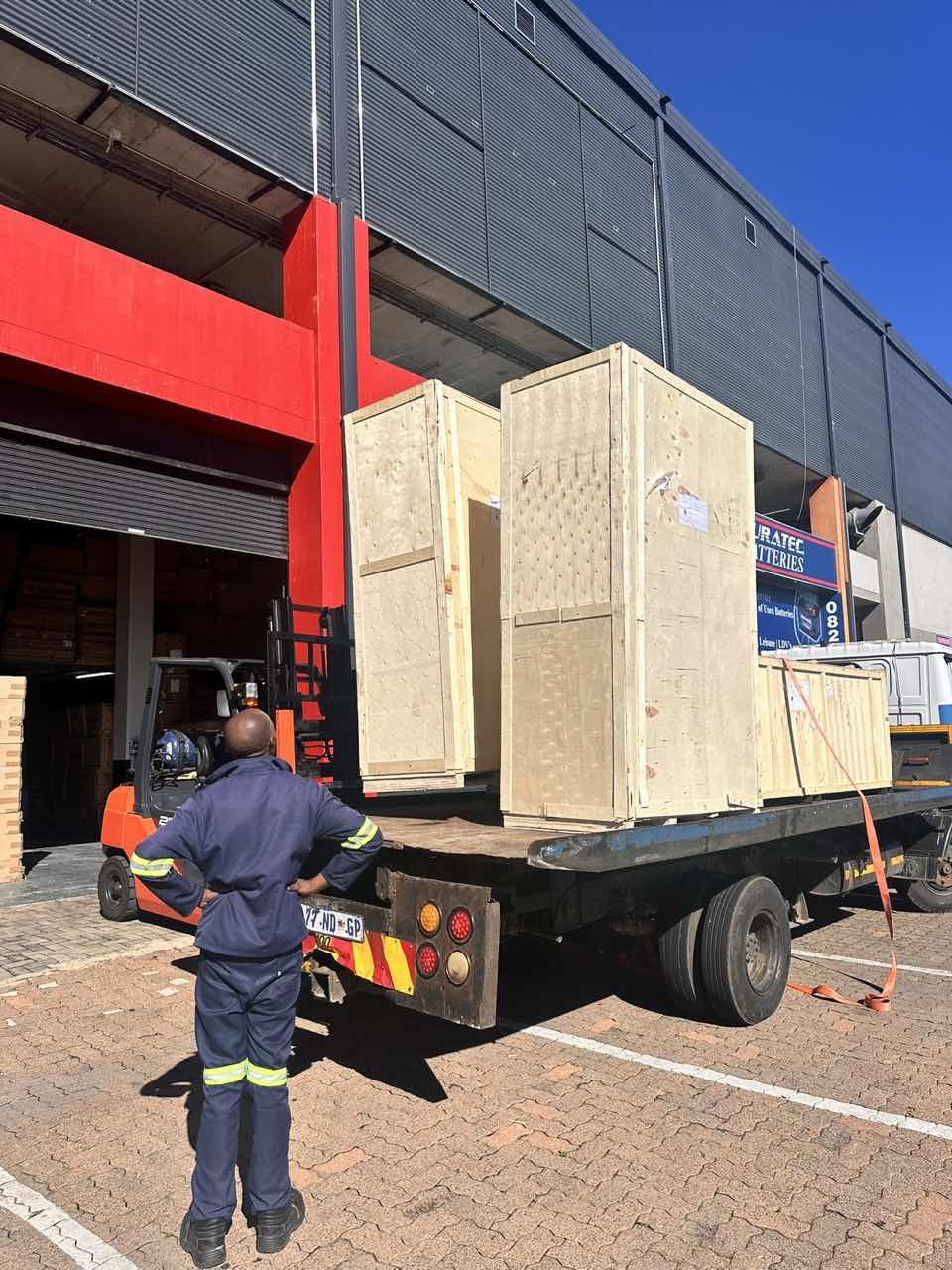
Food Processing Machine
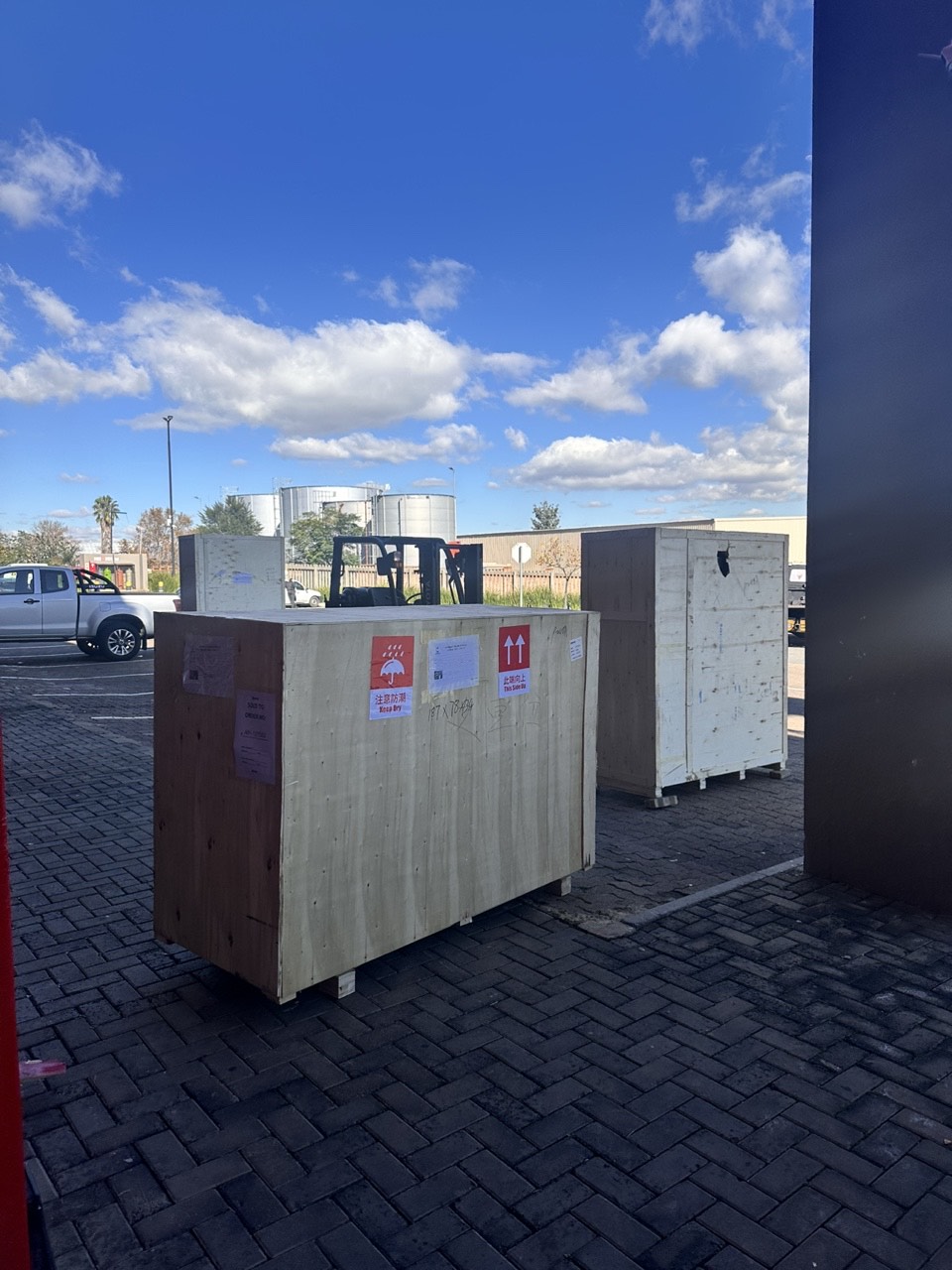
Batch of Orders
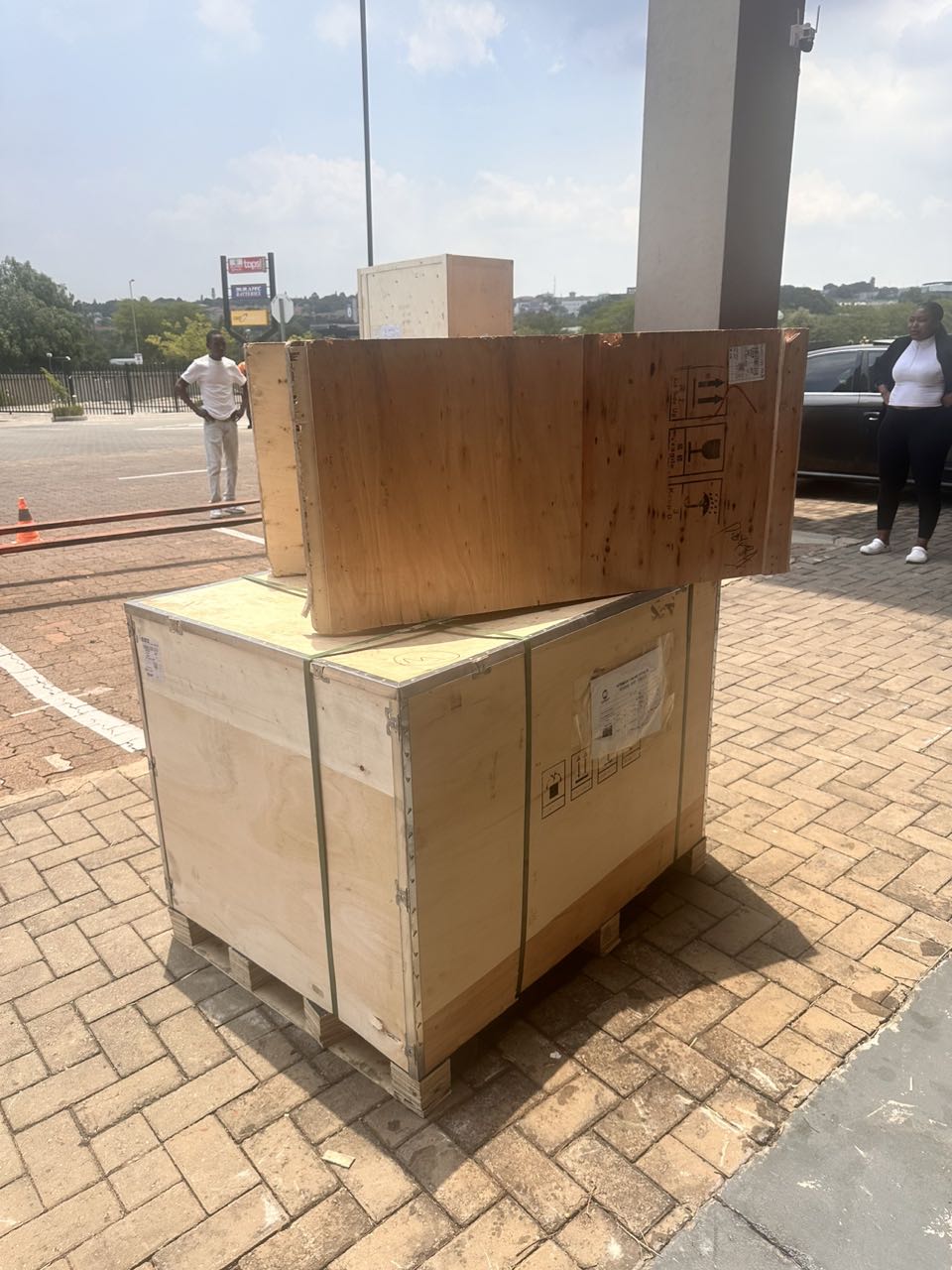
Batch of Orders
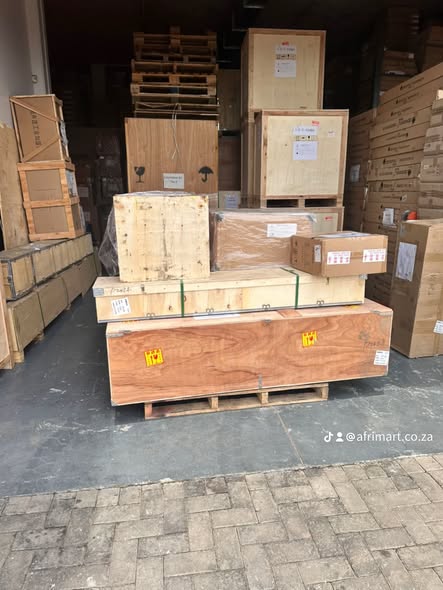
Latest Orders Labelled
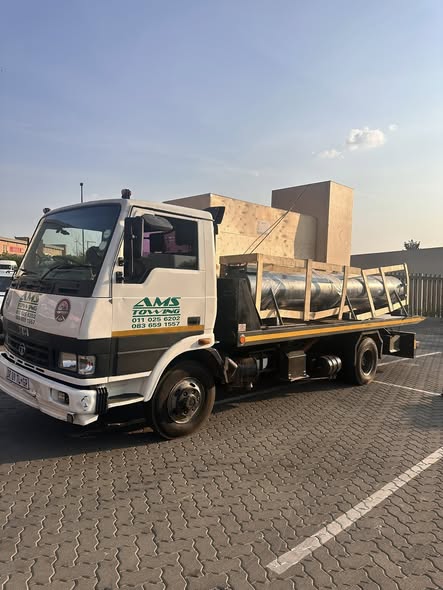
wheel alignment machines
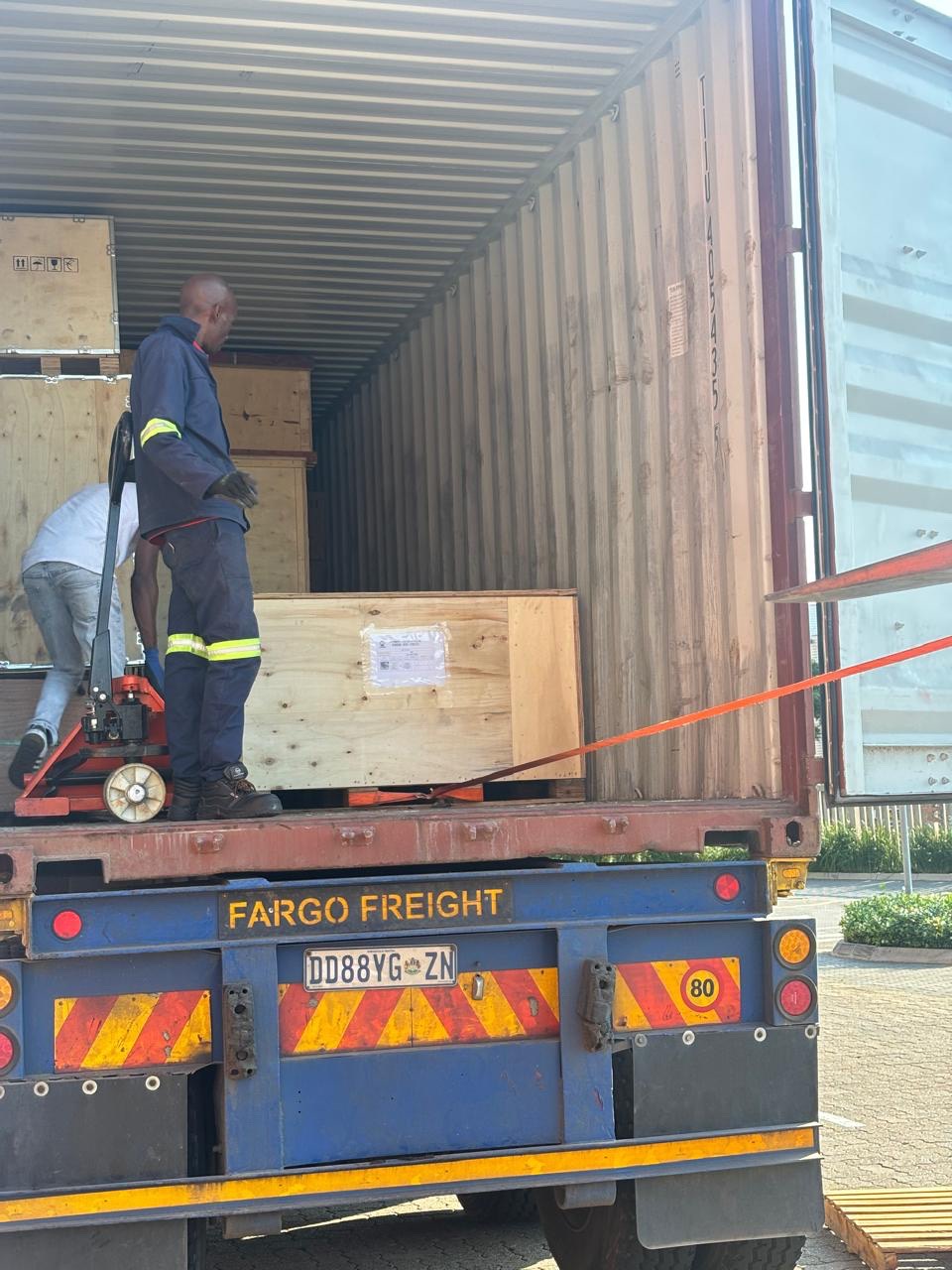
new arrivals
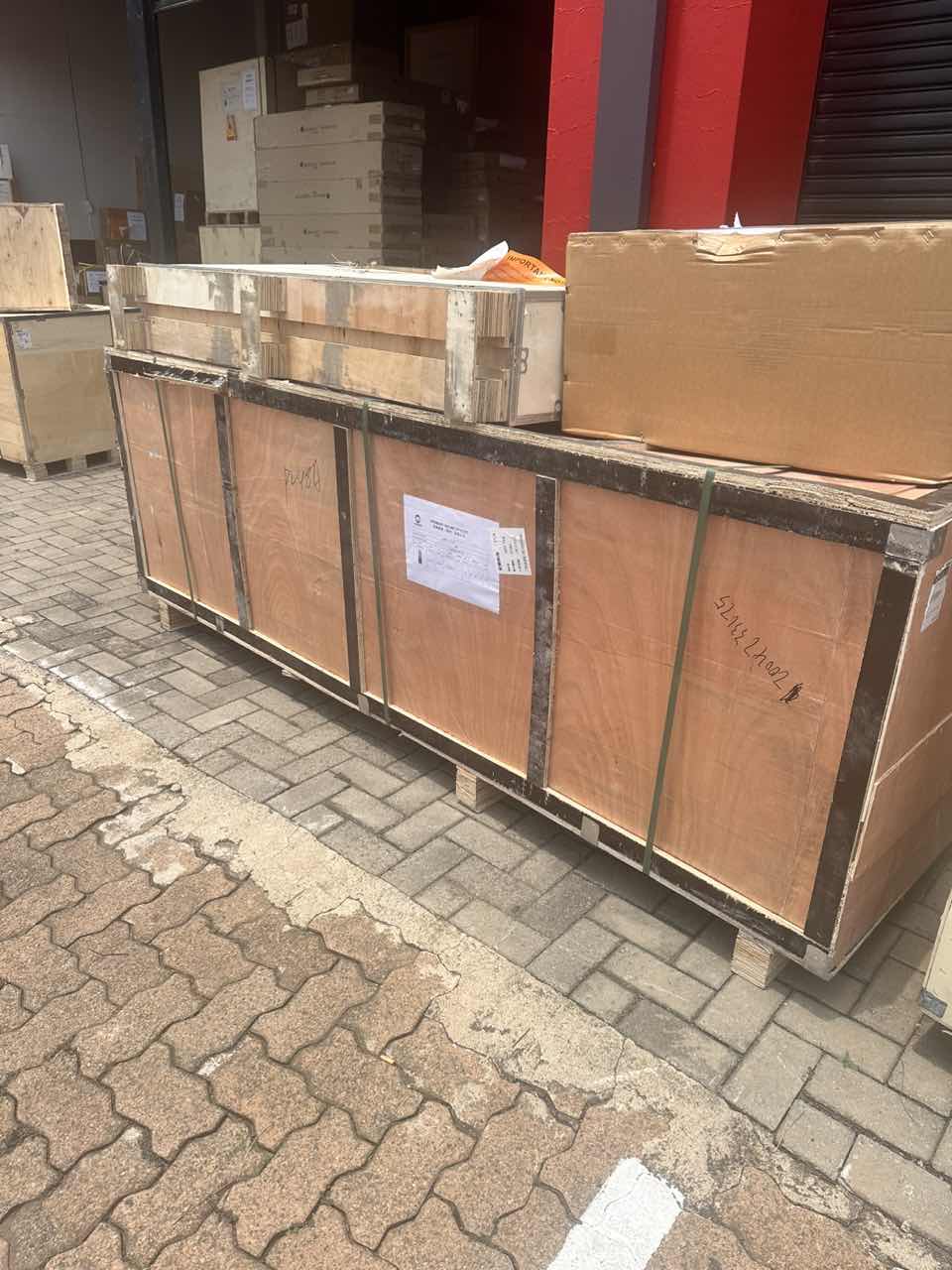
Pre Orders Offloading
Latest Arrivals
Latest Arrivals
Latest Arrivals
Loading
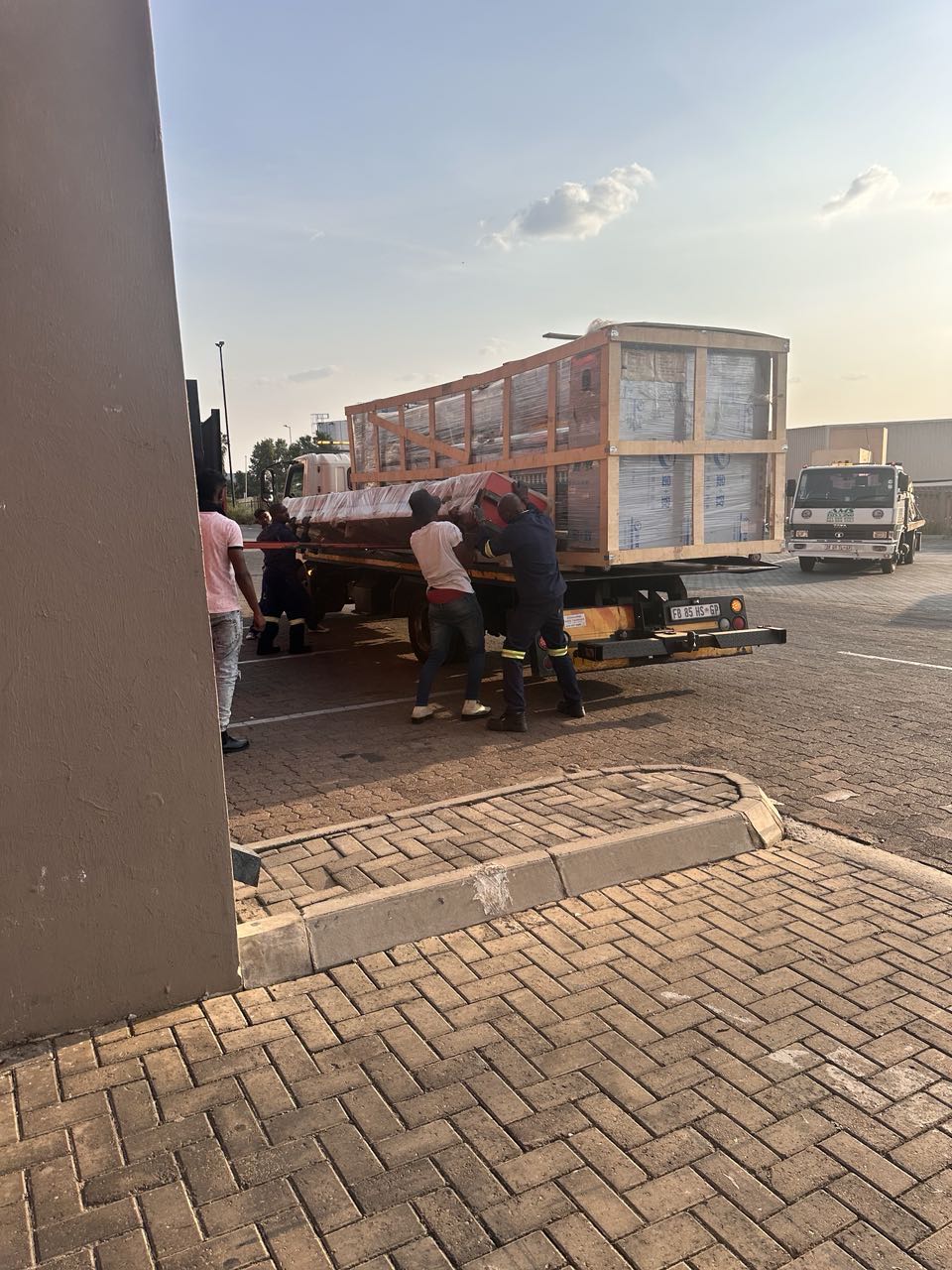
Toilet paper making machine
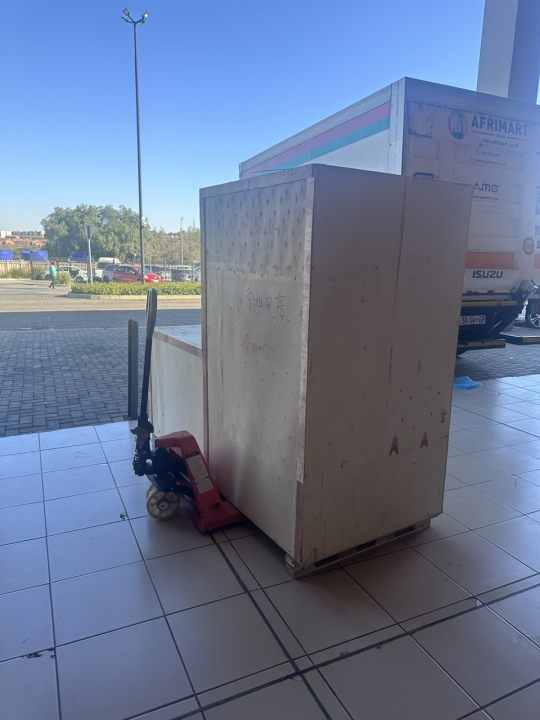
Toilet paper making machine
Toilet paper Rewinding Machine
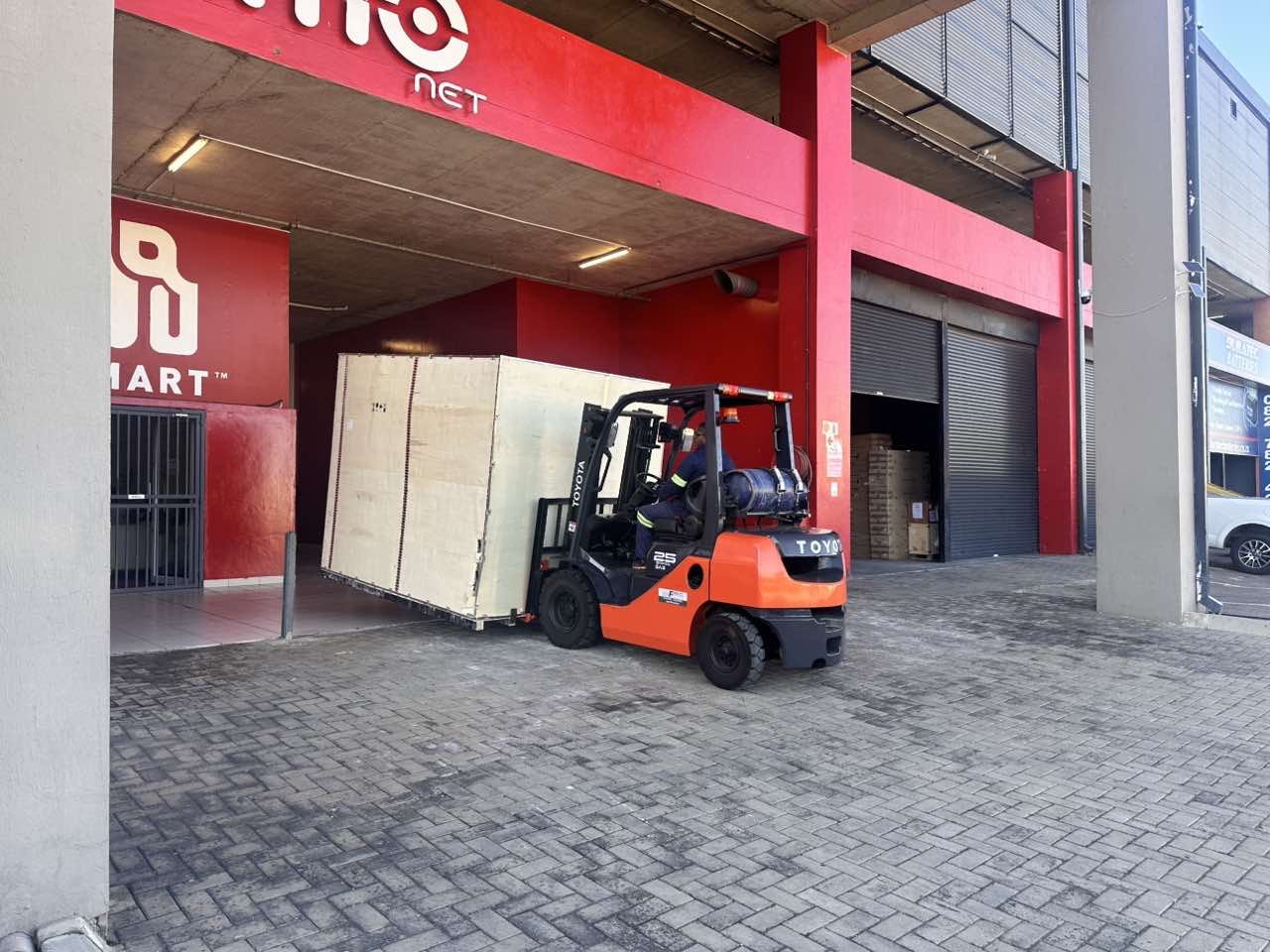
latest arrivals
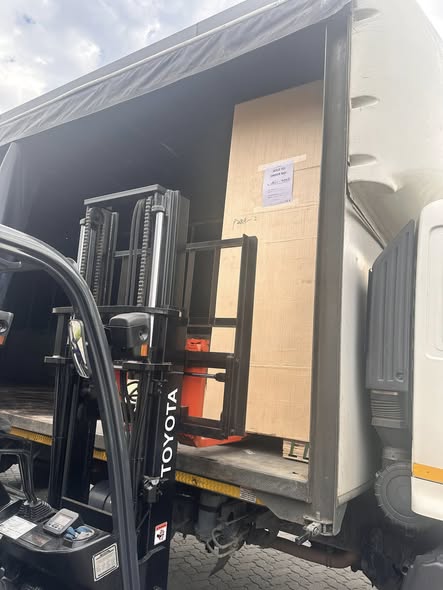
offloading
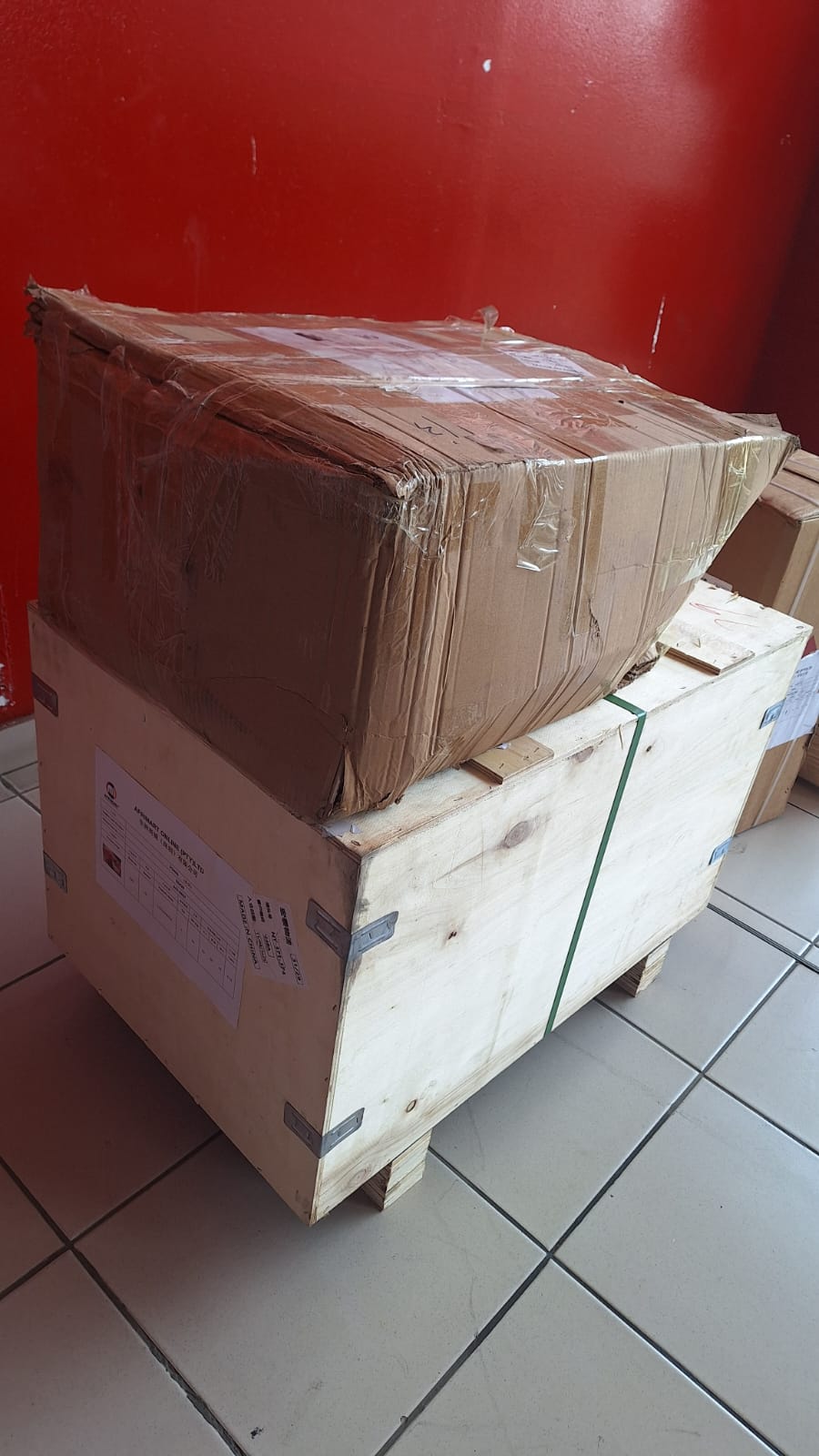
order success
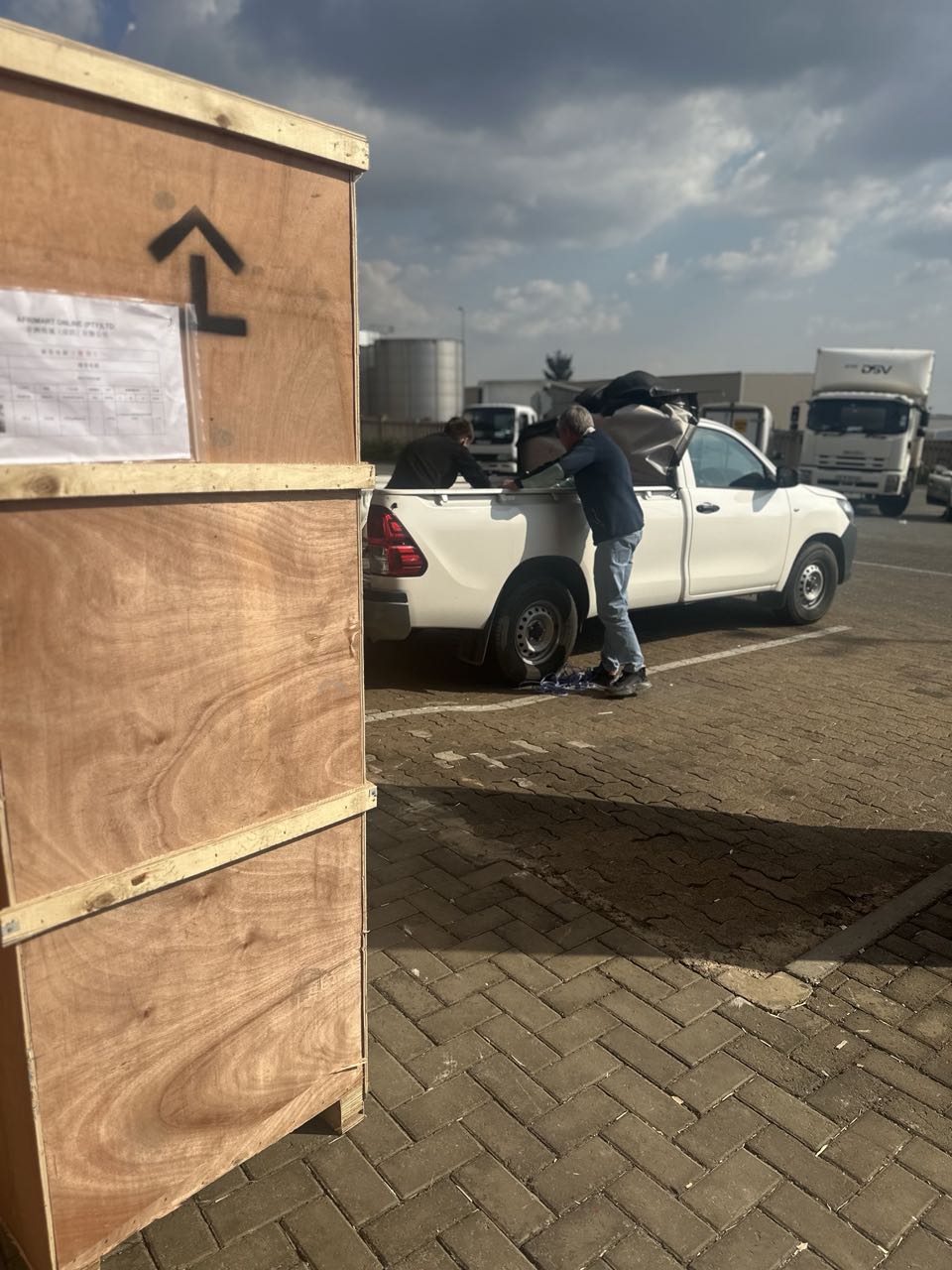
order collection
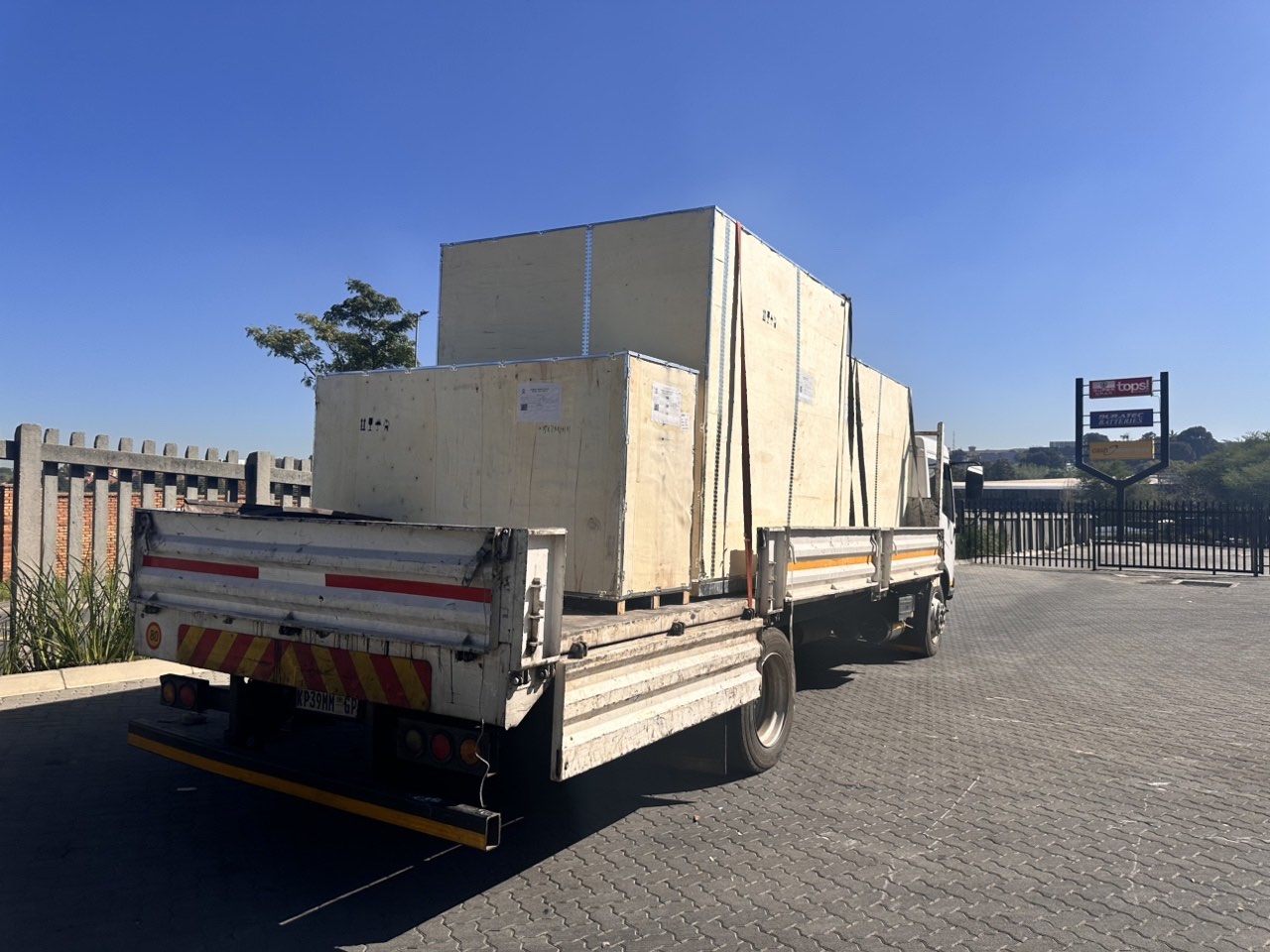
order offloading