B21, China Town Mall, Midrand

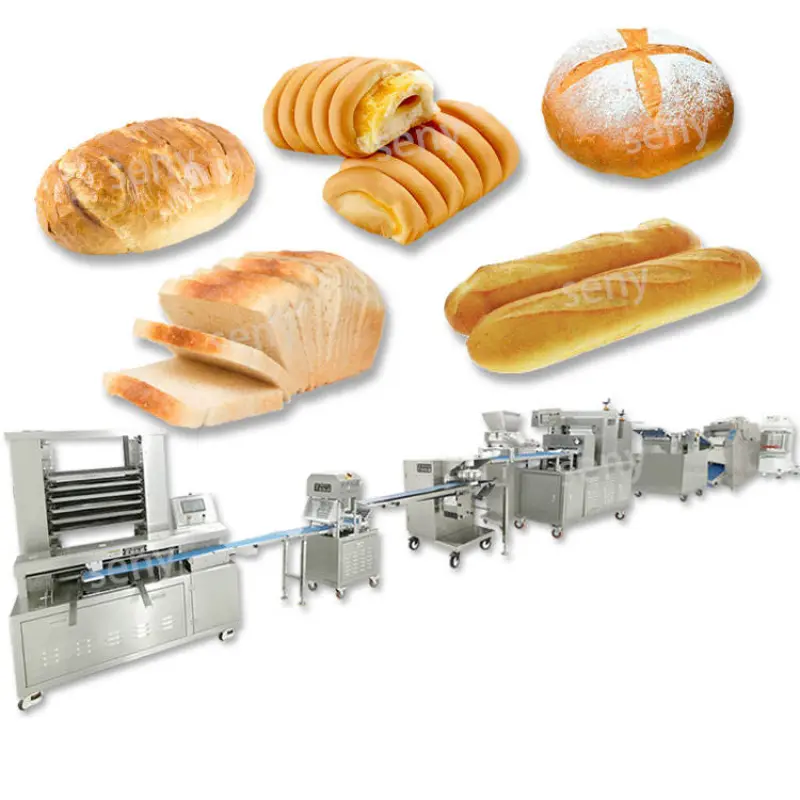
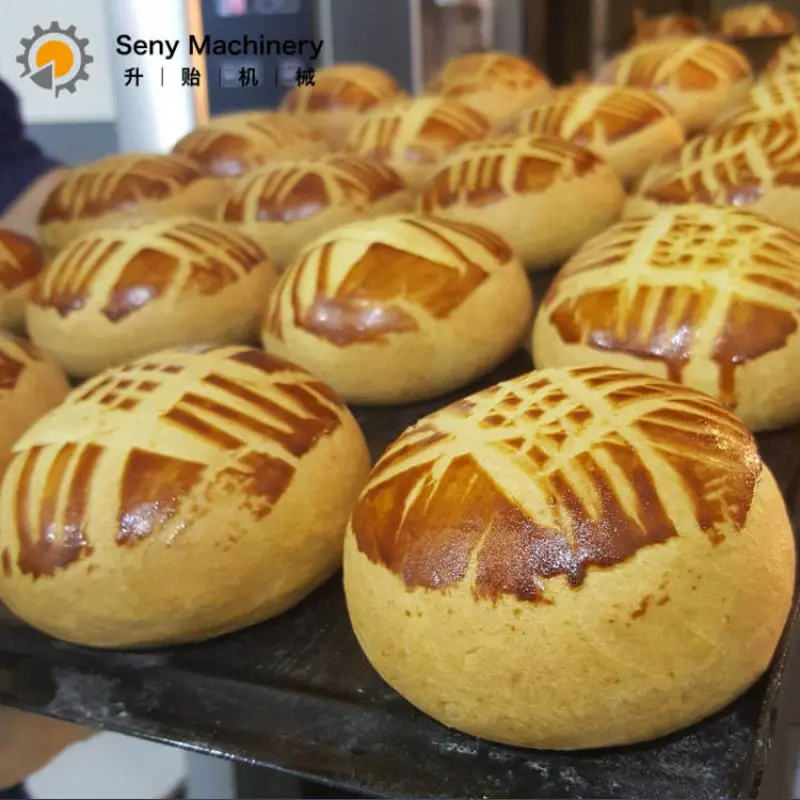
Commercial Bread Making Machine Bakery Snack Food Processing Equipment Bread Production Line with 32 tray oven
Asset finance available
Do you want funding for this equipment?
Afrimart can connect you with trusted funding partners who specialise in asset finance for businesses like yours. Compare options and apply in minutes — final approval is subject to provider review.
Check funding options
Secure & no obligation
- Section : Production Lines
- Category : Production Lines
- SKU : 1600149062425

Product Description


SY-301 Auto Dough Mixer
| Model | SY-301 | Output capacity | 75kg/time |
| Voltage | 380V | Power | 11.5kw |
| Machine weight | 860kg | Dimension | 90*150*150cm |
SY-302 Dough Pressing Machine
| Model | SY-302 | ||
| Voltage | 380V | Power | 2.5kw |
| Machine weight | 240kg | Dimension | 92*164*142cm |
SY-303 Dough Dividing Machine
| Model | SY-303 | Output capacity | 15kg/time |
| Voltage | 380V | Power | 1.5kw |
| Machine weight | 260kg | Dimension | 250*65*120cm |
SY-860 Bread Forming Machine
| Model | SY-860 | Output capacity | 20-120pcs/min |
| Power | 5.5KW | Motor | 380V 1.5KW Taiwan Liming |
| Voltage | 380V | Conveyor motor | 220V 0.4KW Taiwan Liming |
| Product weight | 10-650g | Frequency converter | 220V 0.75KW Japan Panasonic |
| Machine weight | 650kg | Dimension | 440*70*171cm |
SY-305 Round Cutter
| Model | SY-305 | Output capacity | 20-120pcs/min |
| Voltage | 220V | Motor | 220V 0.4KW Taiwan Liming |
| Machine weight | 160kg | Dimension | 140*85*93cm |
SY-101B Auto Table Cutter
| Model | SY-101B | Output capacity | 20-120pcs/min |
| Voltage | 380V | Frequency Converter | 0.4KW Japan Panasonic |
| Machine weight | 130kg | Dimension | 140*46*122cm |
SY-102 Auto Tray-arranging Machine
| Model | SY-102 | Output capacity | 20-120pcs/min |
| Voltage | 220V | Product weight | 10-250g |
| Machine weight | 450kg | Dimension | 186*150*164cm |
Machine Details


Why Choose Us

- Shipping Timeframes: All orders are processed within 2-5 business days (excluding weekends and holidays). After your order has been processed, the estimated delivery time is before 09 Aug, 2026, depending on customs, Please note that due to high demand, some items may experience longer shipping times, which will be communicated at order confirmation email.
- Order Processing Time: Please allow 2-5 business days for us to process your order before it is shipped . Orders placed after 16:00 on Fridays, or during weekends and public holidays, will begin processing on the next business day. Processing times may be extended during peak seasons or sales events.
- Manufacturing Time: Some products needs manufacturing time, the manufacturing process will take approximately 10-30 business days depending on the product. This timeframe may vary depending on the complexity of the product and current demand. but this will be communicated with you during order confirmation.
- Returns and Exchanges: We offer a 30-day return policy for most items. If you are not completely satisfied with your purchase, you may return it within 30 days of receipt for a refund or exchange. Items must be unused, in their original packaging, and accompanied by proof of purchase. Return shipping costs are the responsibility of the customer, unless the item was damaged or defective upon arrival.
1. What does the 'Bread Production Line with 32 tray oven' include?
The production line includes multiple machines for automated bread production: SY-301 Auto Dough Mixer, SY-302 Dough Pressing Machine, SY-303 Dough Dividing Machine, SY-860 Bread Forming Machine, SY-305 Round Cutter, SY-101B Auto Table Cutter and SY-102 Auto Tray-arranging Machine. The line is supplied with a 32-tray oven (specifications and heating type configurable—confirm with the supplier).
2. What are the main electrical requirements for this production line?
Most machines operate on three-phase 380V (SY-301, SY-302, SY-303, SY-860, SY-101B). Some components such as certain motors and the SY-305 operate on 220V. Power ratings for individual units are provided in the product description (for example SY-301: 11.5 kW, SY-860: 5.5 kW). Final electrical configuration and distribution should be planned with an electrician and confirmed with the supplier.
3. What is the production capacity of the line?
Capacity depends on product size and line configuration. The SY-860 forming machine and related cutters list an output up to 20–120 pcs/min; at the maximum that equates to up to 7,200 pcs/hour. Mixer output is listed as 75 kg per batch and the divider at 15 kg per cycle — actual throughput depends on batch cycle time and product weight (line supports product weights from about 10 g to 650 g).
4. What are the key dimensions and space requirements?
Individual machine dimensions are in the product description (for example SY-301: 90 × 150 × 150 cm; SY-860: 440 × 70 × 171 cm). Total factory floor space required depends on the layout and conveyors; allow additional clearance for operator access, maintenance and oven space. We recommend planning a dedicated installation area and consulting with the supplier for a recommended floor plan.
5. Can this line handle different bread and snack sizes?
Yes. The line supports a broad product weight range (approximately 10–650 g) and includes adjustable dividers, cutters and a forming machine. Different molds, tooling and settings can be used to produce varied shapes and sizes; please specify target products so the supplier can advise on tooling and optimum settings.
6. Is the 32-tray oven electric or gas heated?
The product listing names a 32-tray oven but does not fix the heating method. Both electric and gas-fired ovens are commonly offered as options. Confirm the oven type (electric, gas, steam system, or hybrid) and heating specifications with the supplier when ordering.
7. What routine maintenance is required?
Routine maintenance includes daily cleaning of dough-contact surfaces and trays, regular inspection and lubrication of bearings and chains, checking belt tensions and conveyor rollers, and periodic electrical inspections. Follow the supplier's operation and maintenance manual for recommended schedules and approved lubricants/cleaning agents.
8. Are spare parts and consumables available?
Yes. Replacement parts (belts, cutters, blades, heaters, motors, bearings, electronic components and trays) are typically available. Provide machine model numbers and part details when ordering spares. The supplier can advise on commonly stocked parts and lead times.
9. What installation and commissioning services are offered?
Suppliers commonly offer on-site installation, electrical hookup guidance, commissioning, and operator training as part of a service package or for an additional fee. Confirm availability, scope (mechanical, electrical, calibration), and travel costs with the supplier prior to purchase.
10. Is operator training provided?
Yes. Most suppliers provide operator training covering machine operation, safety procedures, basic maintenance, cleaning and troubleshooting. Training can be conducted on-site during commissioning or at the factory; confirm format and duration with the supplier.
11. What safety features are included?
Standard safety features typically include emergency stop buttons, safety guards around moving parts, interlocks on access panels and electrical protection. Compliance with local machine-safety regulations should be verified with the supplier and integrated into the installation.
12. How long is the lead time and what are the shipping options?
Lead time depends on current production capacity, model options and any required customization — typically several weeks to a few months. Shipping options include containerized sea freight, air freight for small parts, and land transport for installations. Confirm exact lead times and shipping terms (FOB/CIF/DDP) with the supplier.
13. Can the production line be customized or scaled?
Yes. The line can often be customised—different mixers, dividers, cutters, forming modules, oven sizes or automation levels—to match product type and capacity needs. Additional modules or higher-capacity models can be offered to scale output. Discuss your production targets and product specs with the supplier for tailored solutions.
14. What after-sales support and warranty are available?
After-sales support generally includes technical support, spare parts supply and optional maintenance contracts. Warranty terms vary by supplier and region — ask the supplier for the specific warranty period (commonly 12 months) and what it covers, plus service response times and any extended-support options.
Latest Order Arrivals
Discover our latest orders
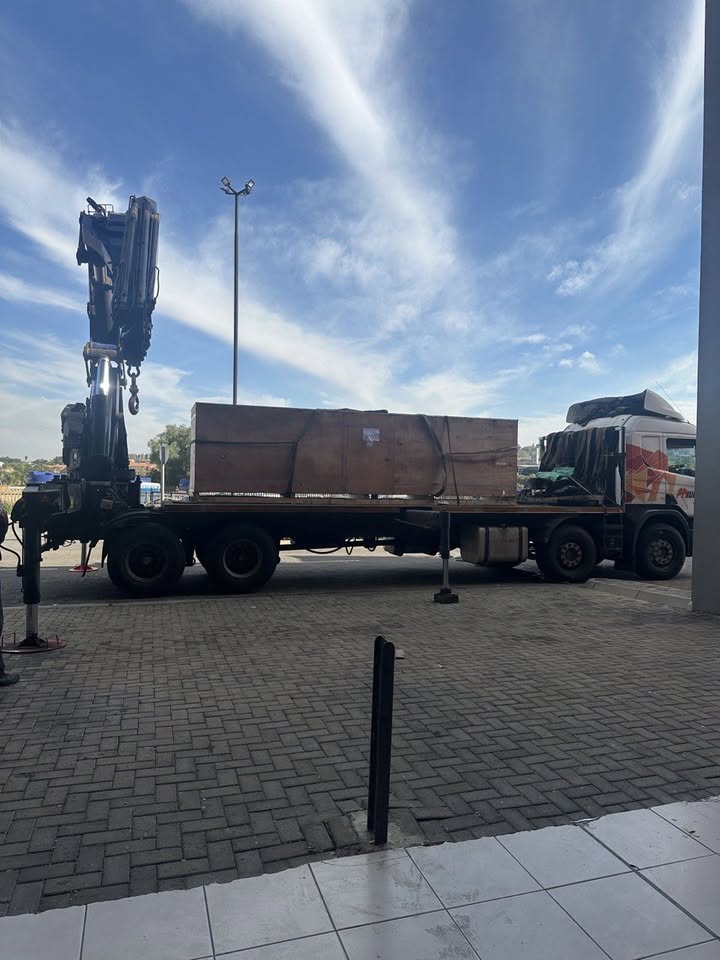
12 Heads Embroidery Machine
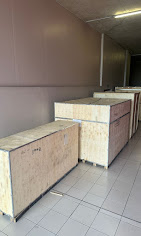
Toilet Paper Machine Machine
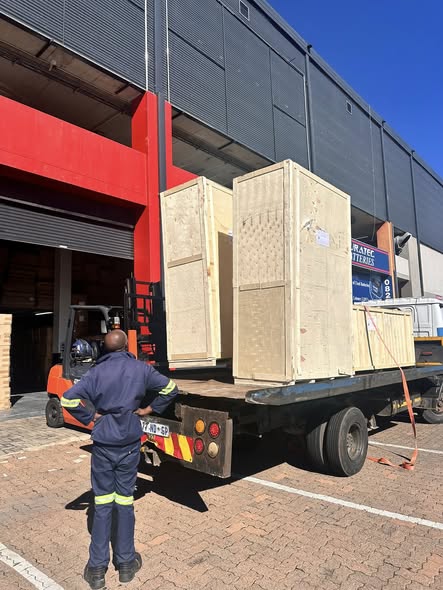
Order Collection
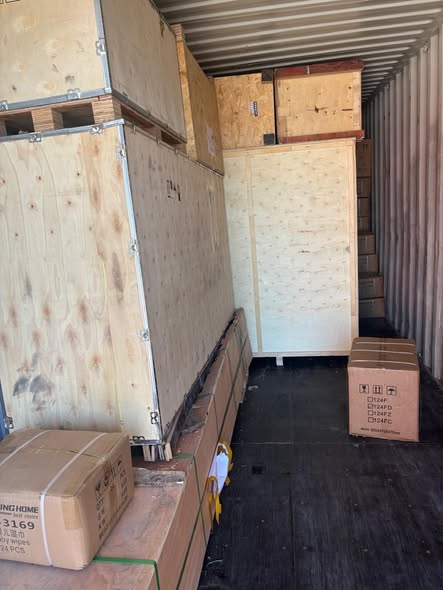
Cross Border Clients
Order cros border countries Collected
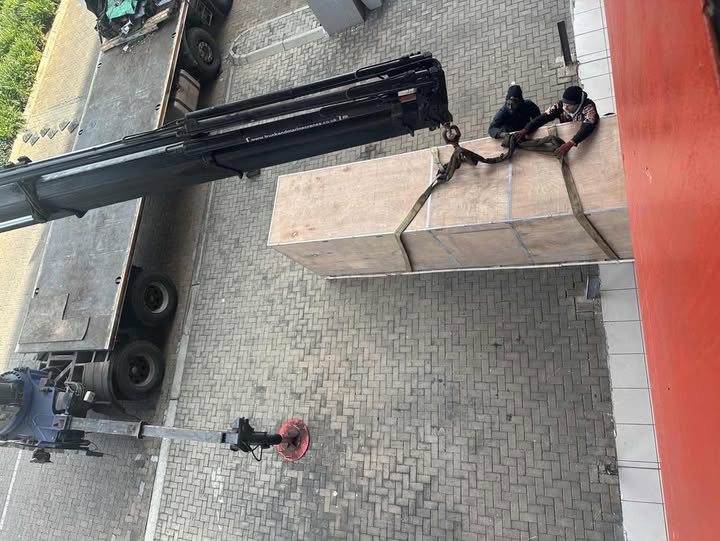
Industrial Machine Cllection
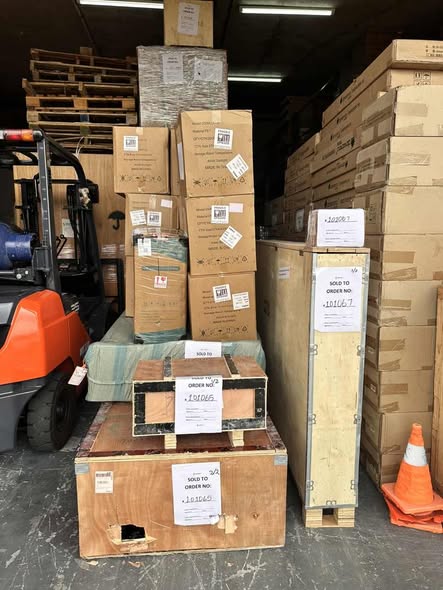
Agriculture Processing Machines
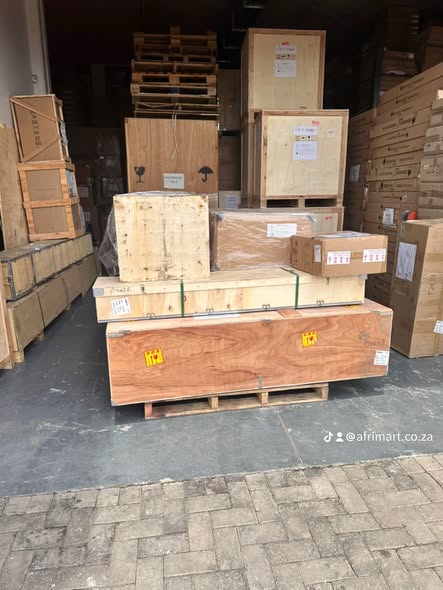
Ready for collection
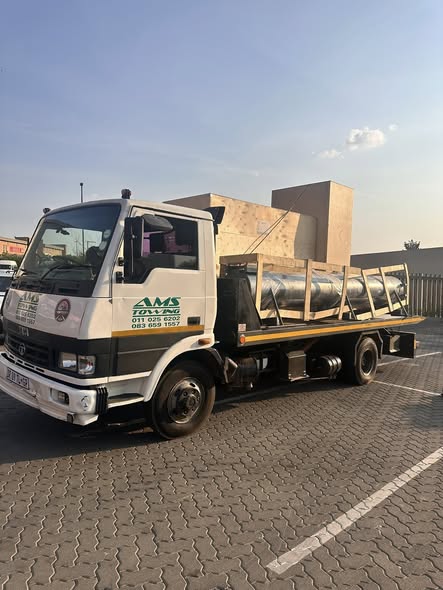
Water Pump Equipment
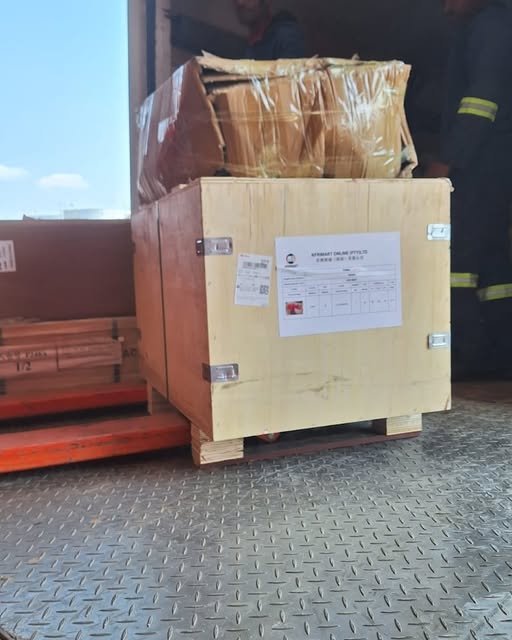
Packaging Machine and accessories
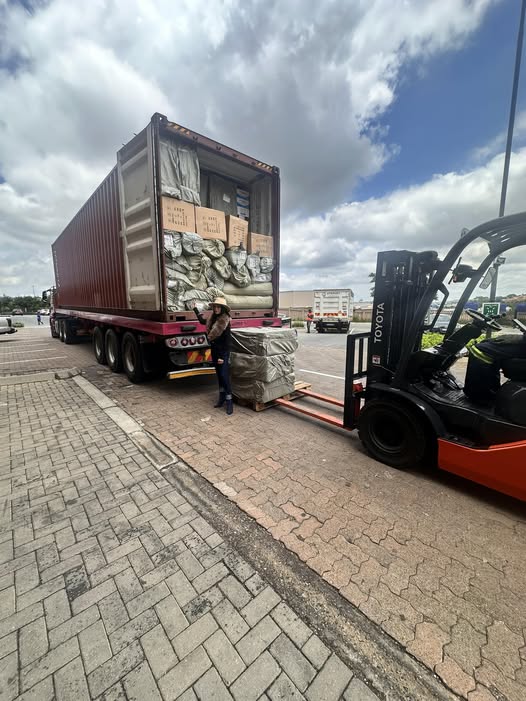
Fabrics Manufacturing Equipment
Mining Equipments
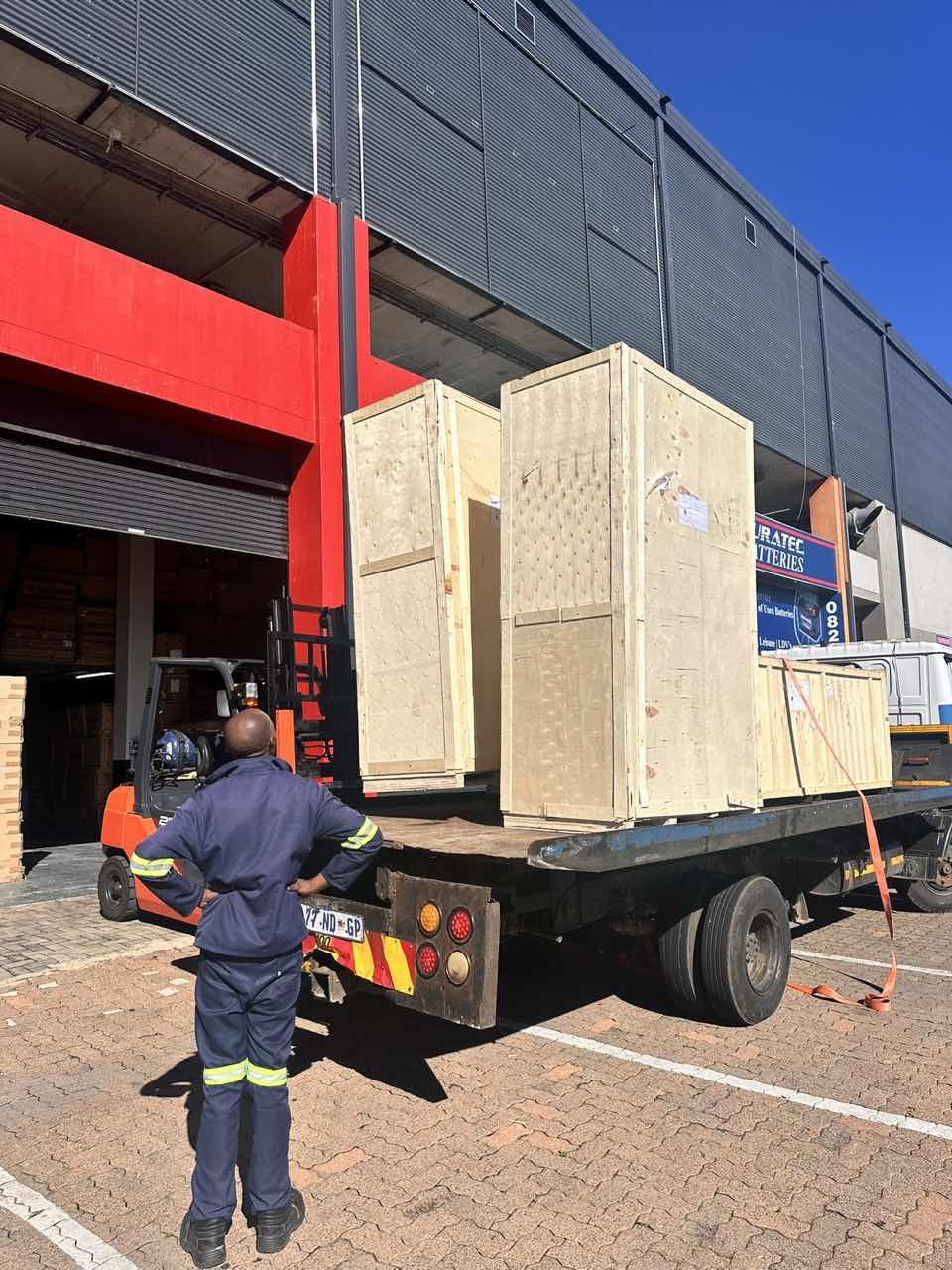
Food Processing Machine
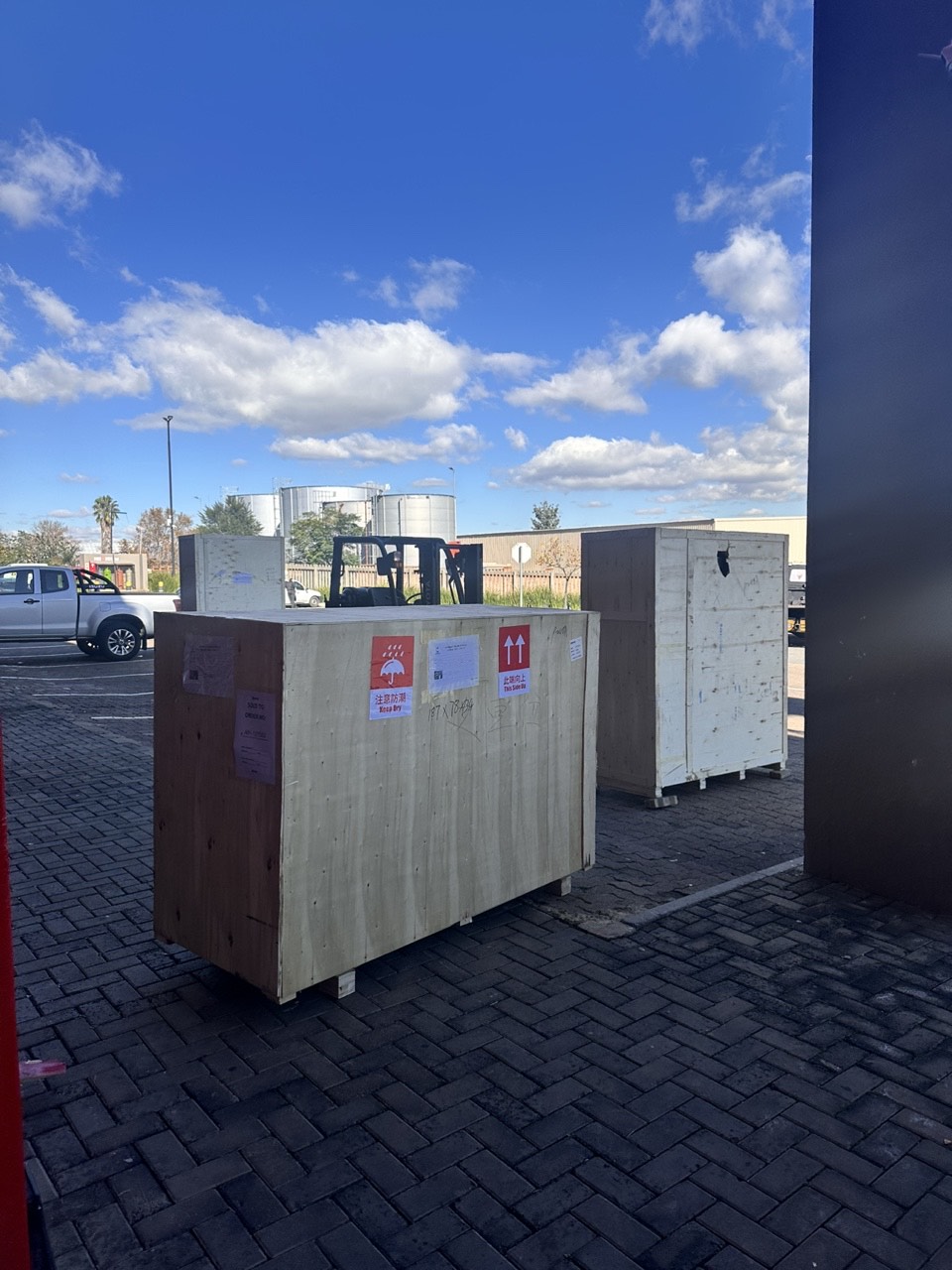
Batch of Orders
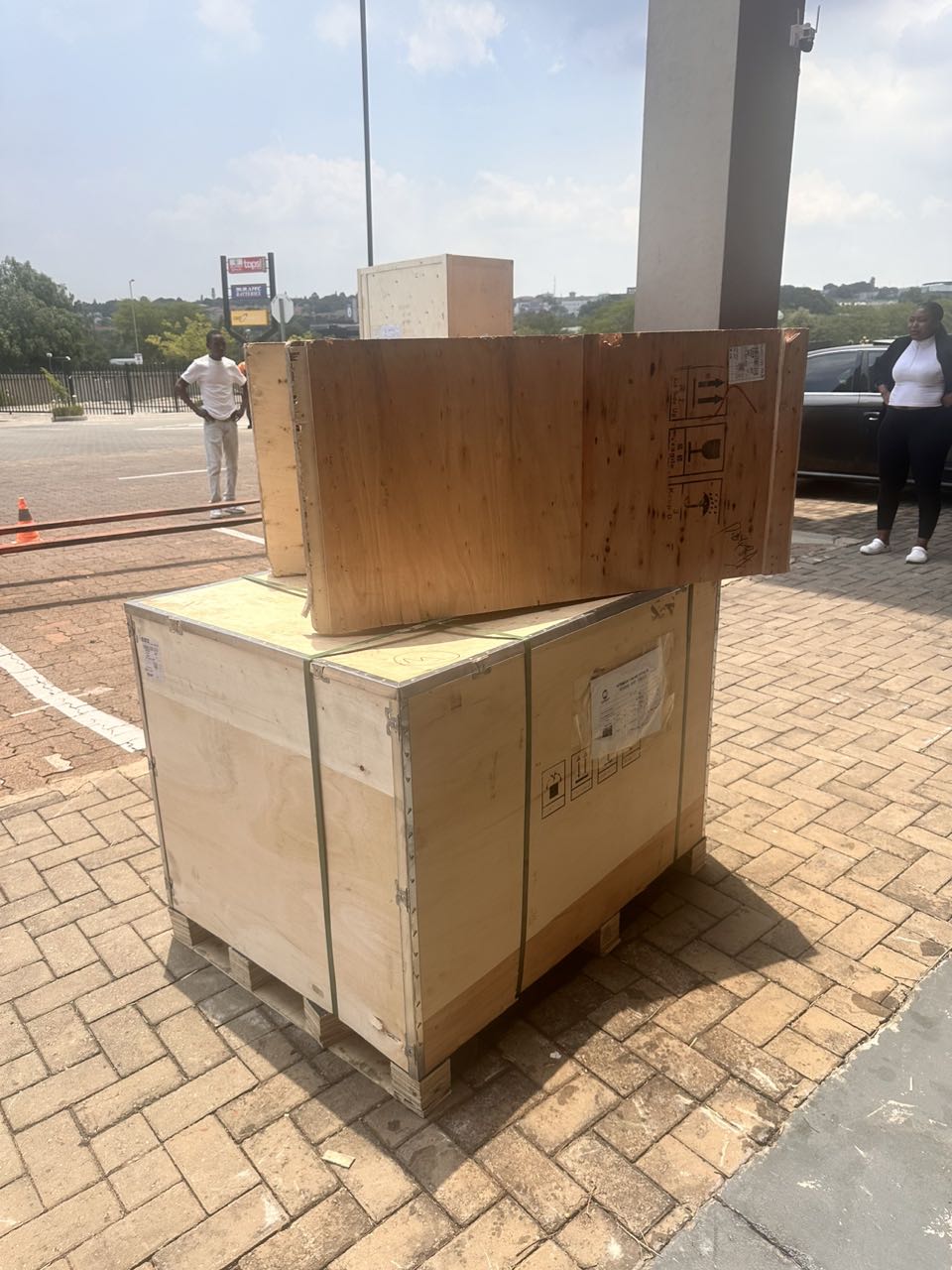
Batch of Orders
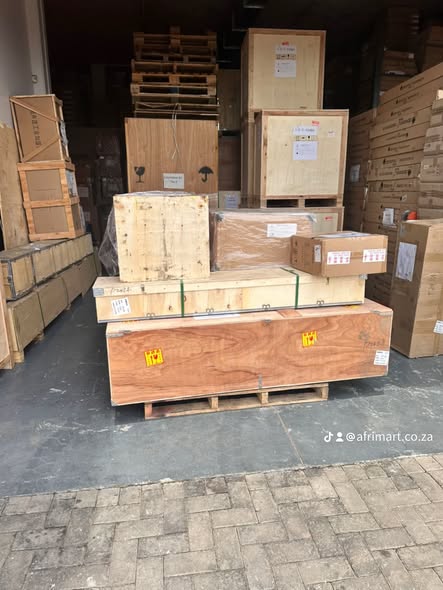
Latest Orders Labelled
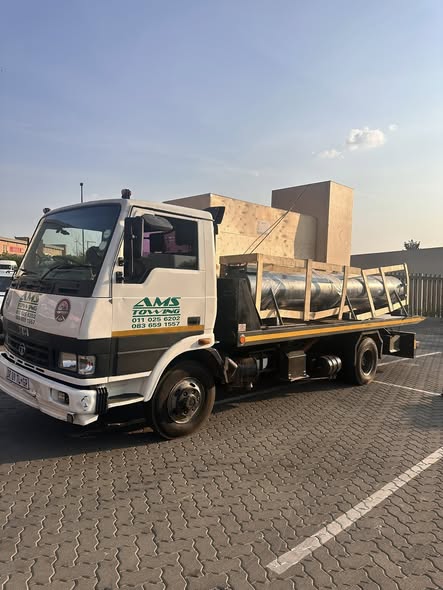
wheel alignment machines
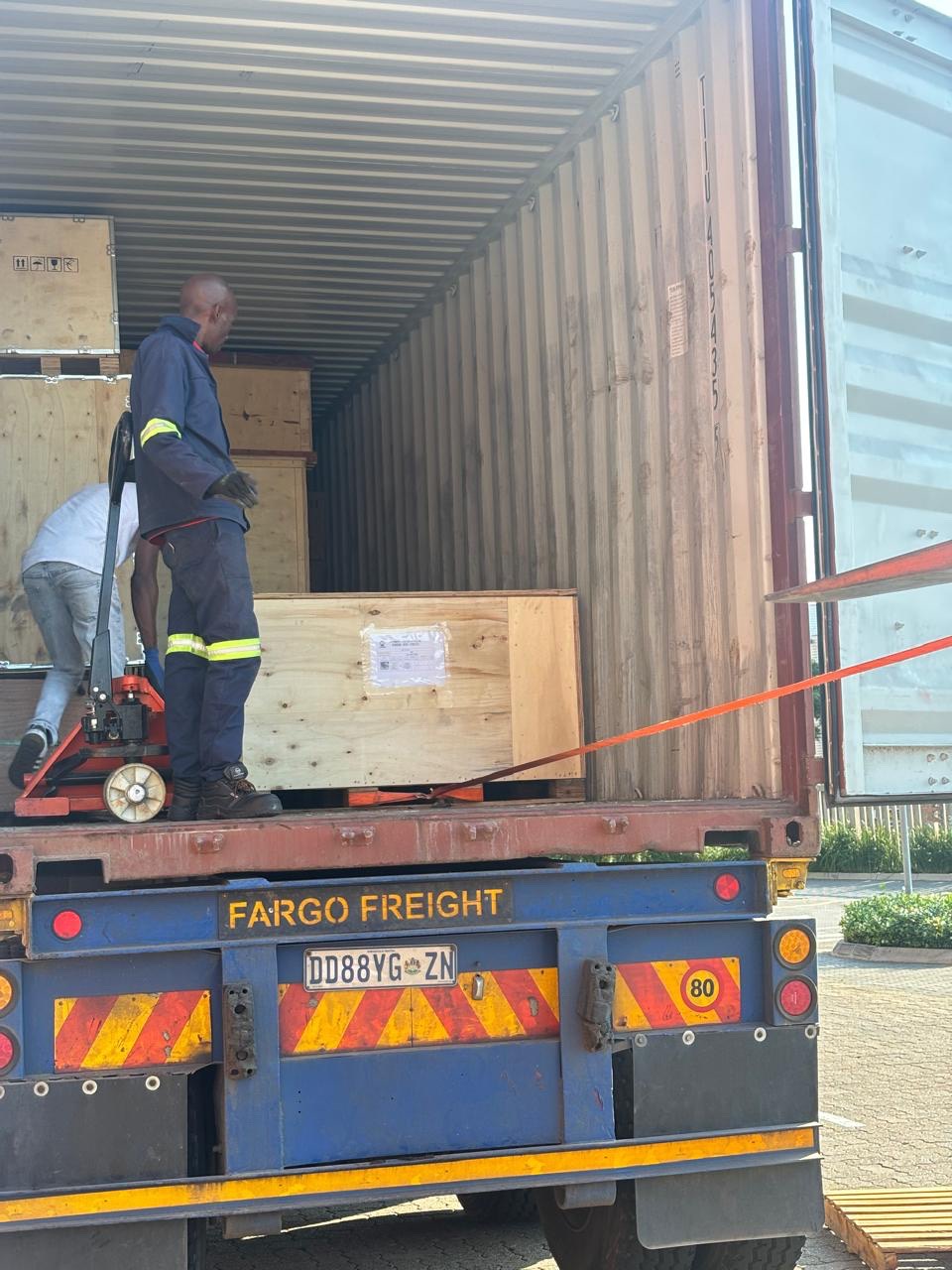
new arrivals
Pre Orders Offloading
Latest Arrivals
Latest Arrivals
Latest Arrivals
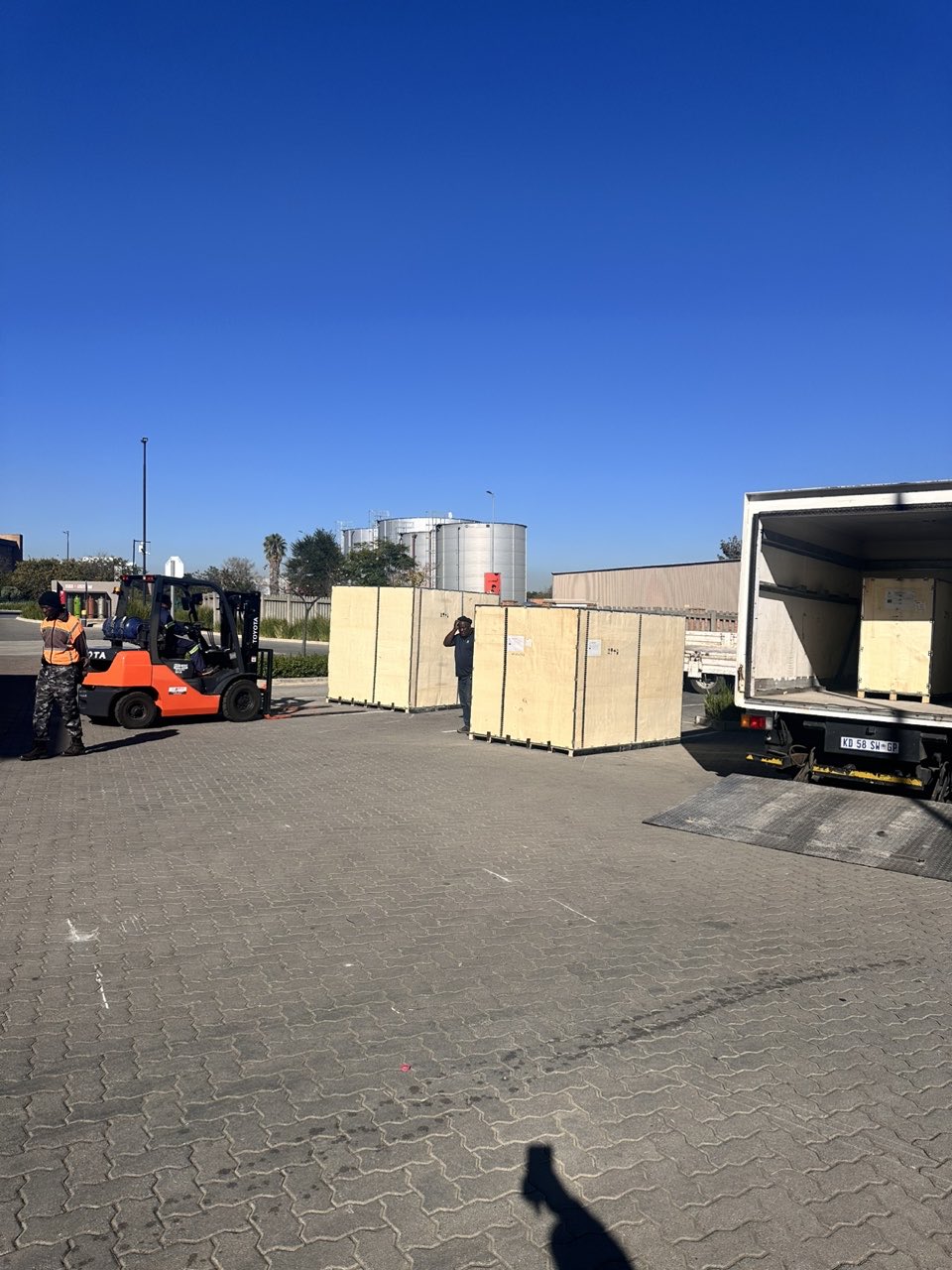
Loading
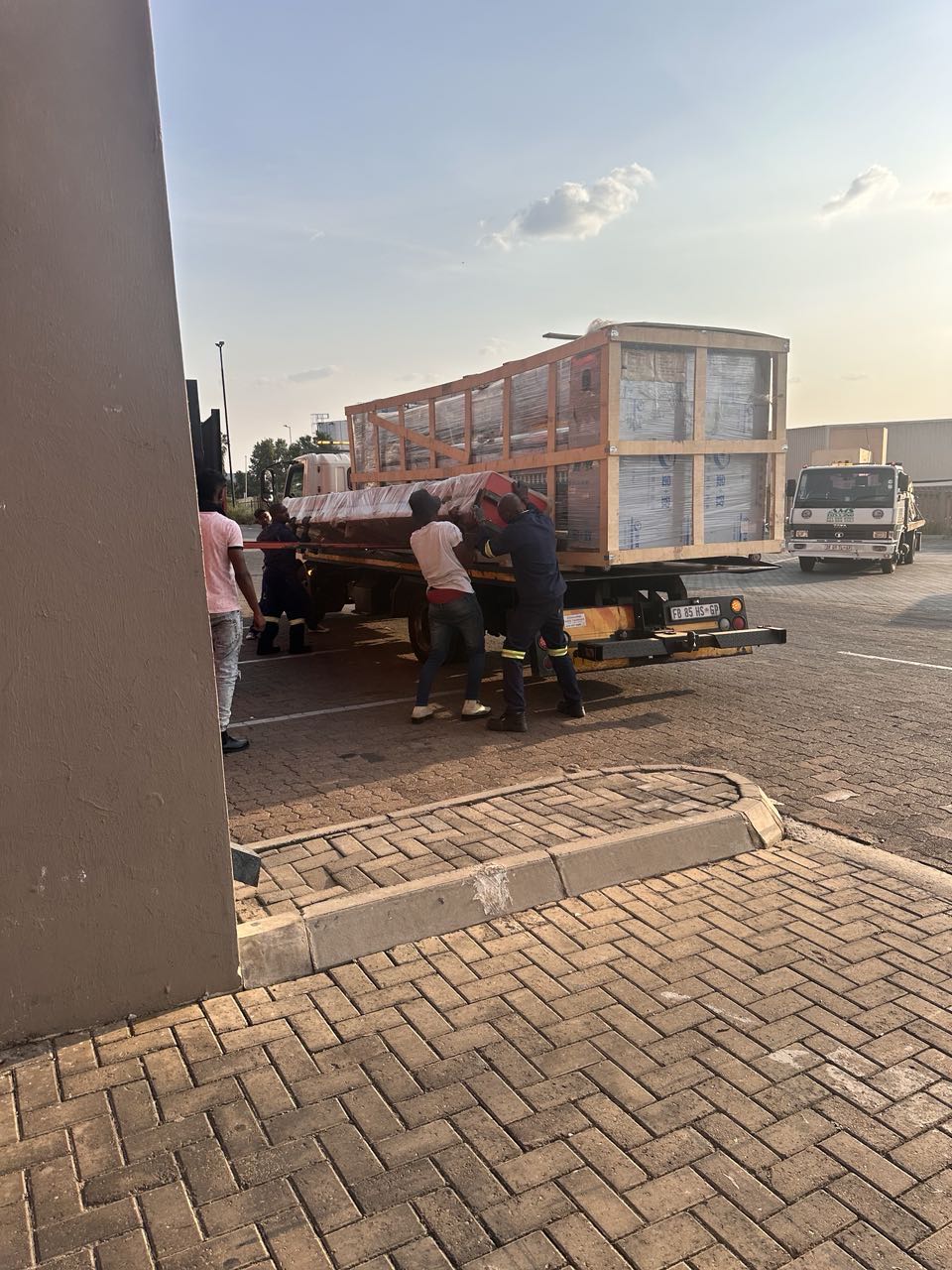
Toilet paper making machine
Toilet paper making machine
Toilet paper Rewinding Machine
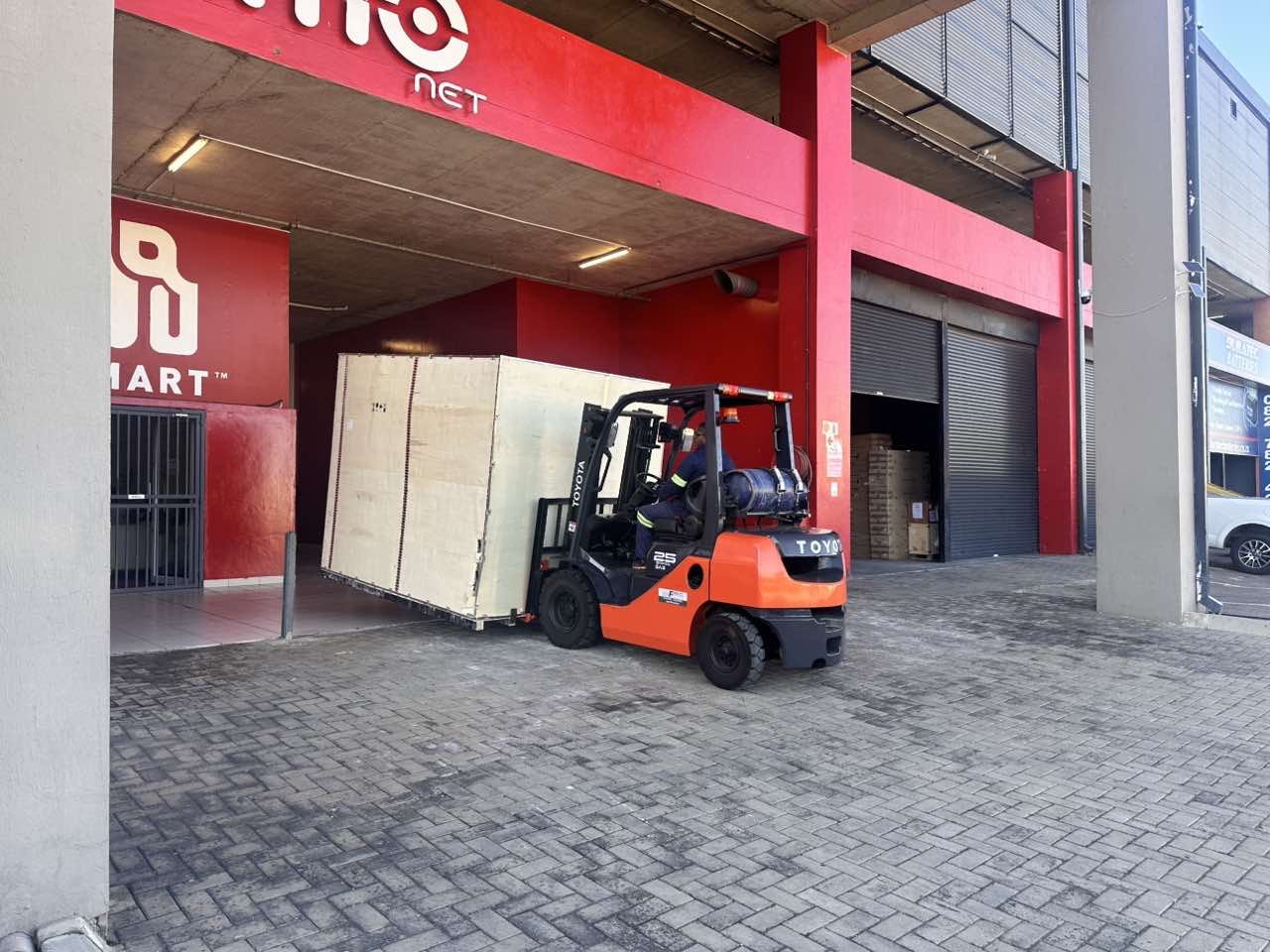
latest arrivals
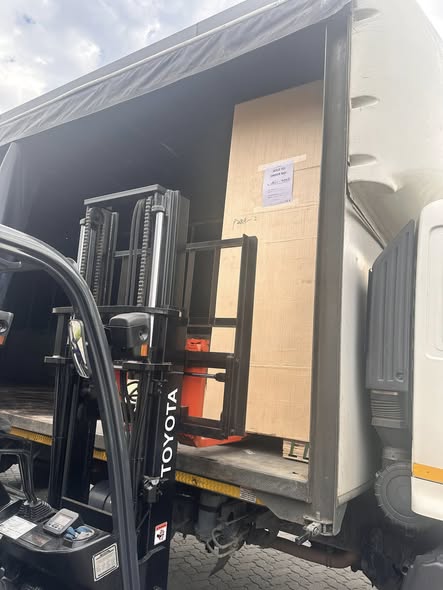
offloading
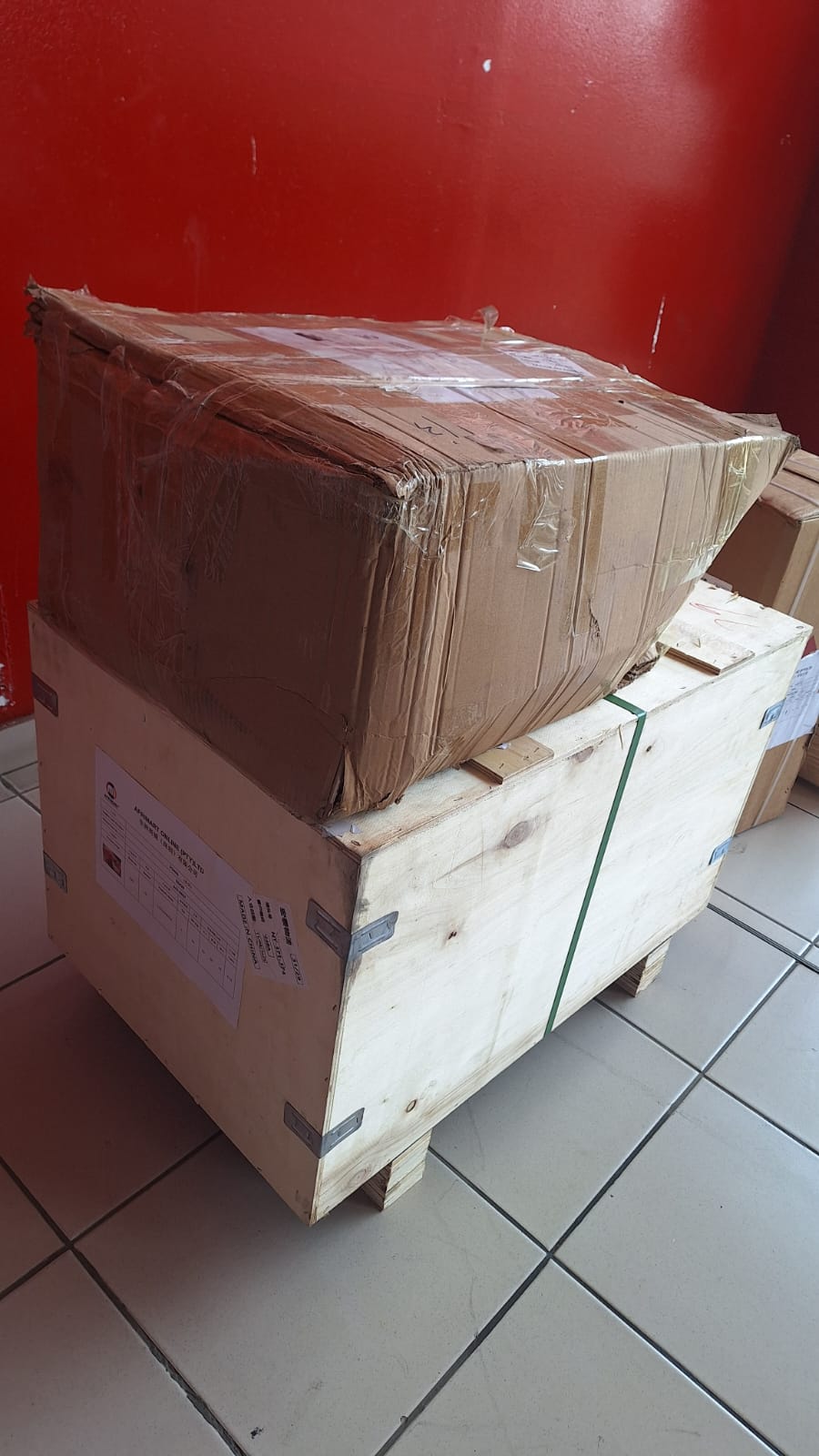
order success
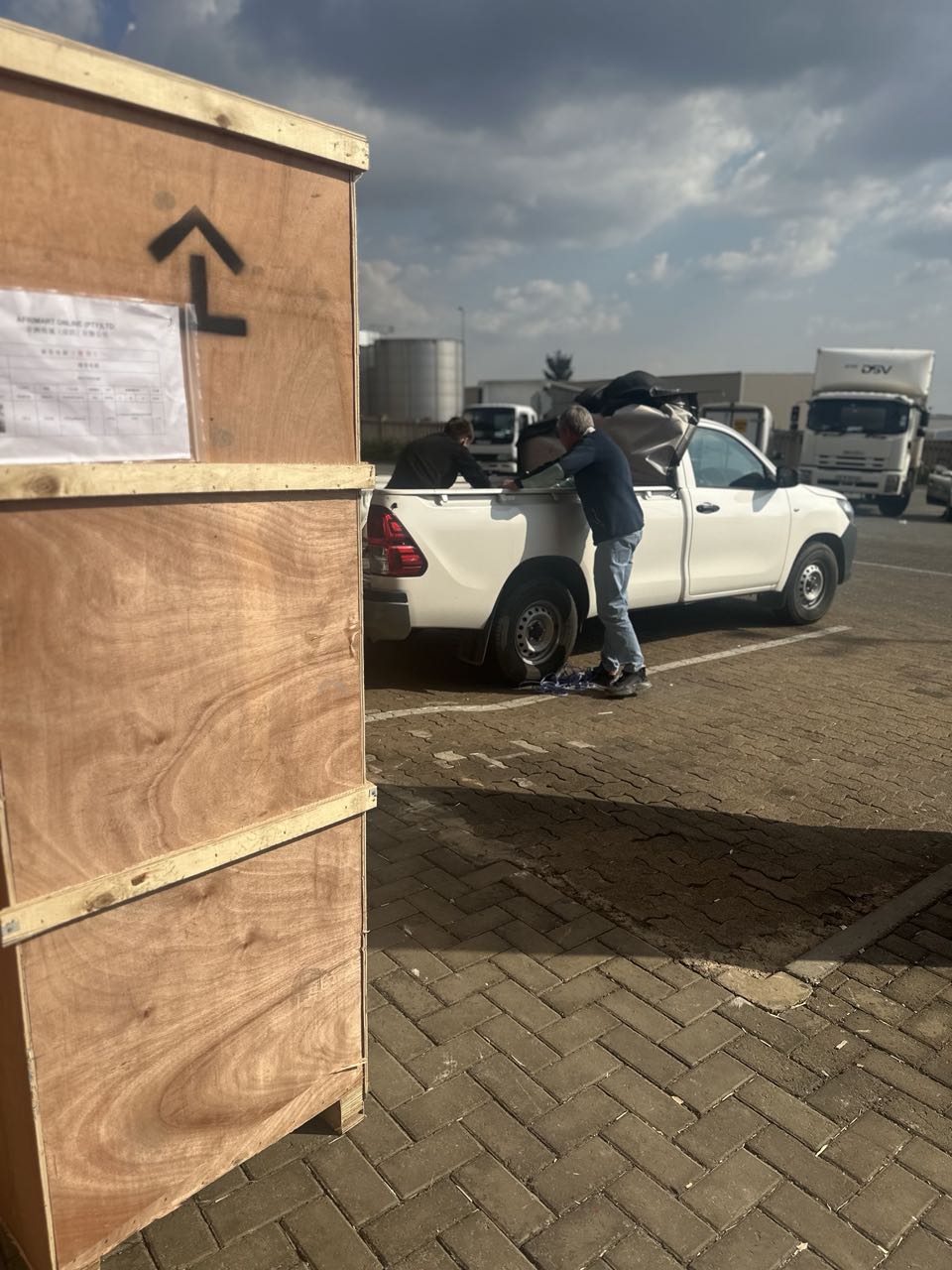
order collection
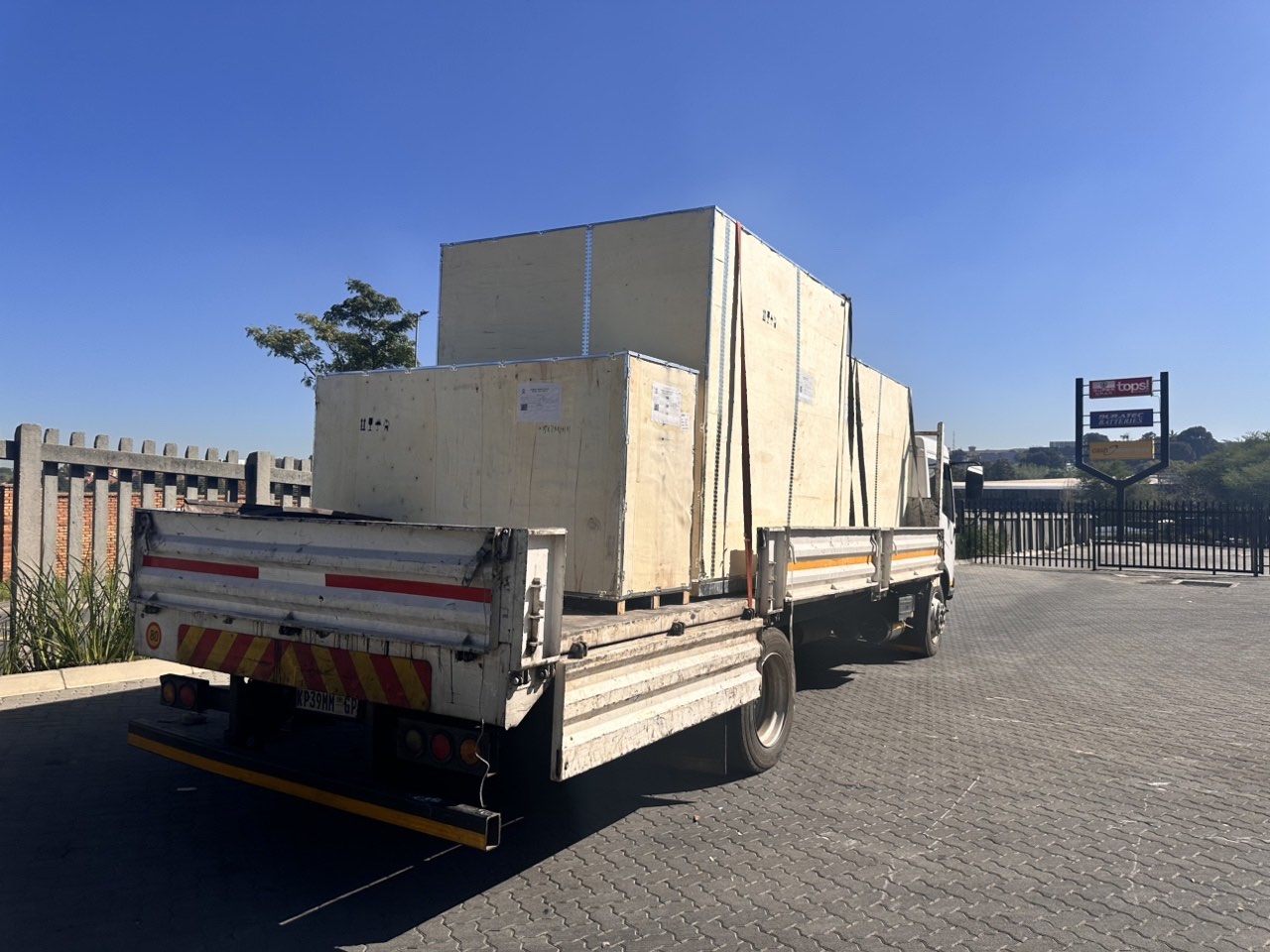
order offloading