B21, China Town Mall, Midrand

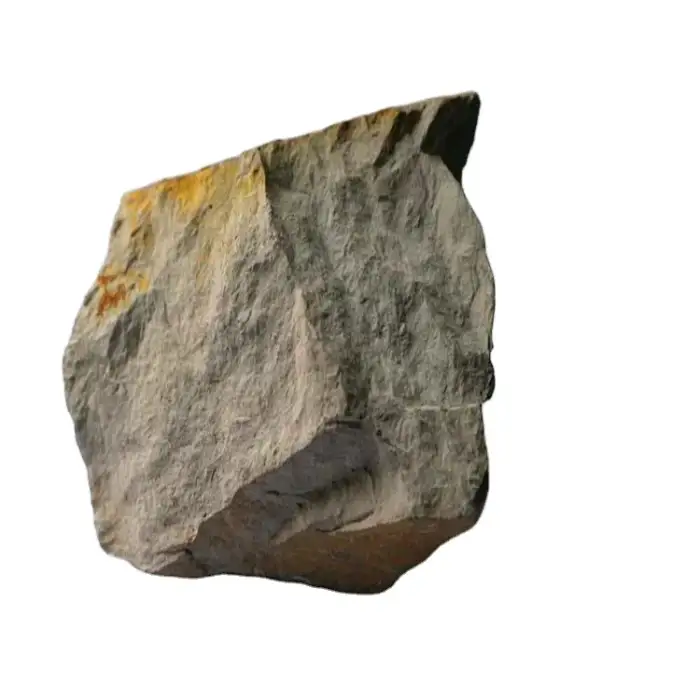
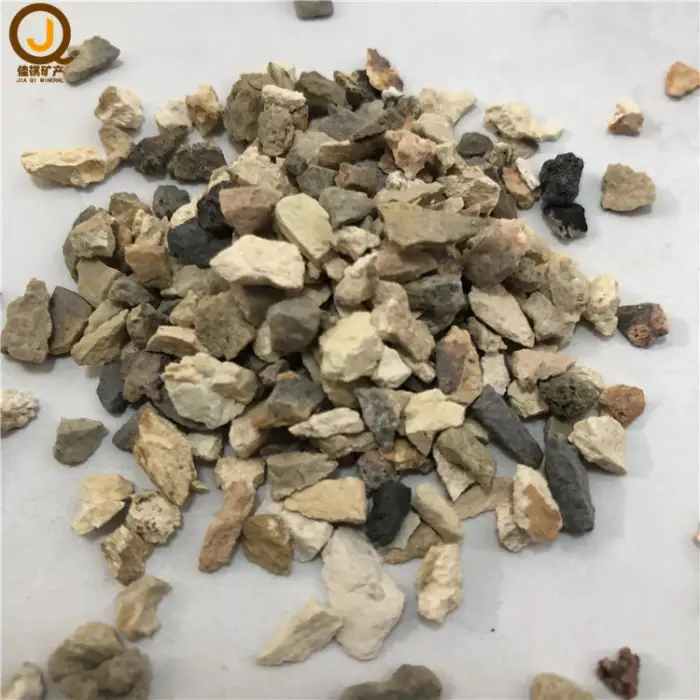
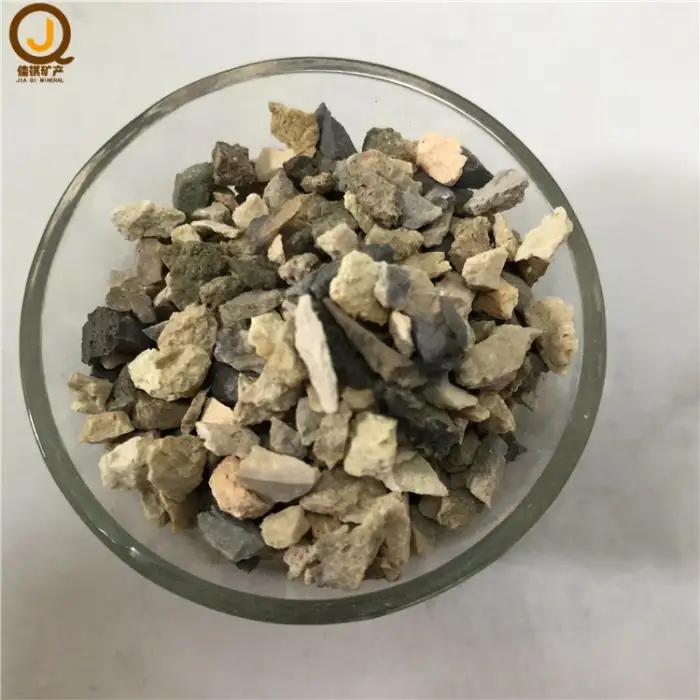
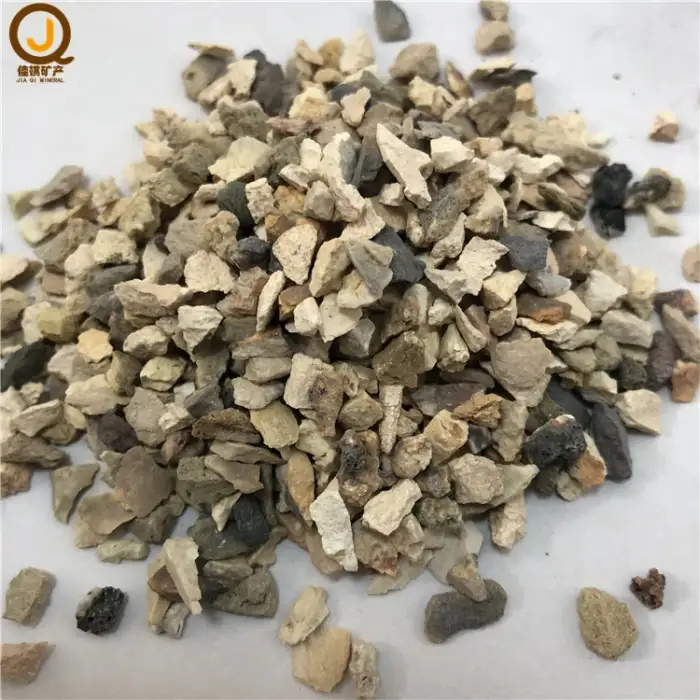
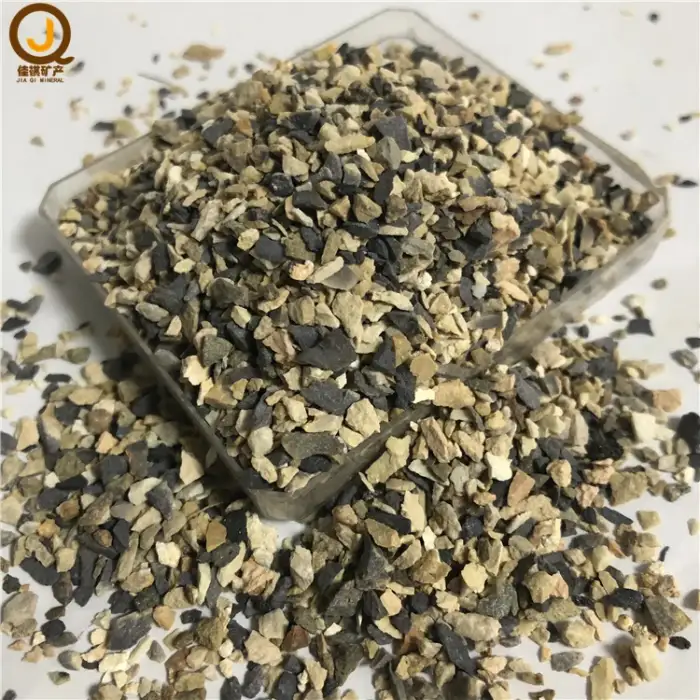
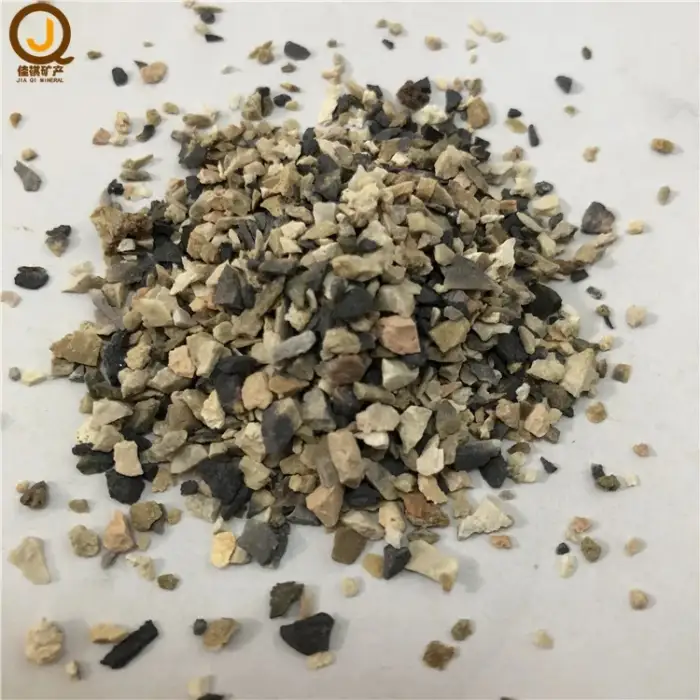
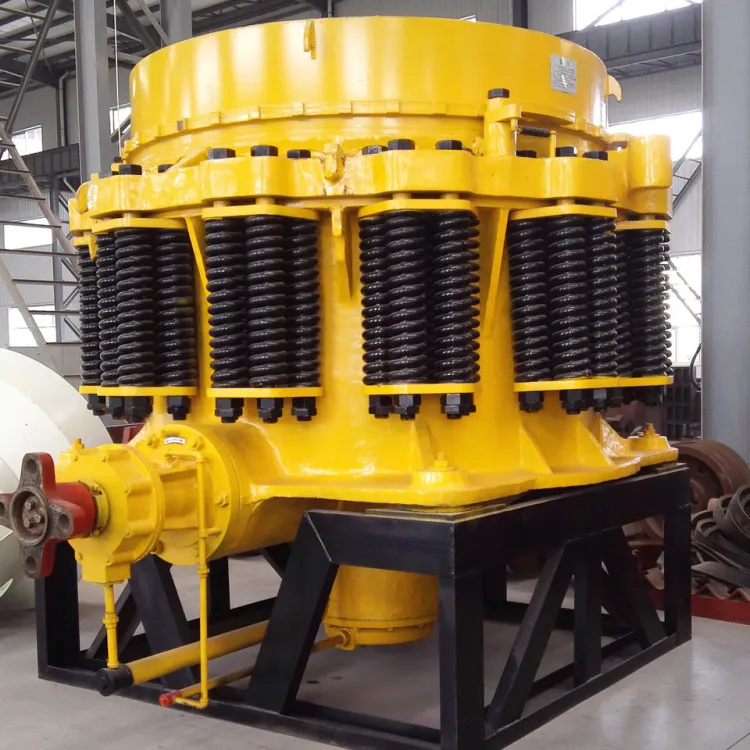
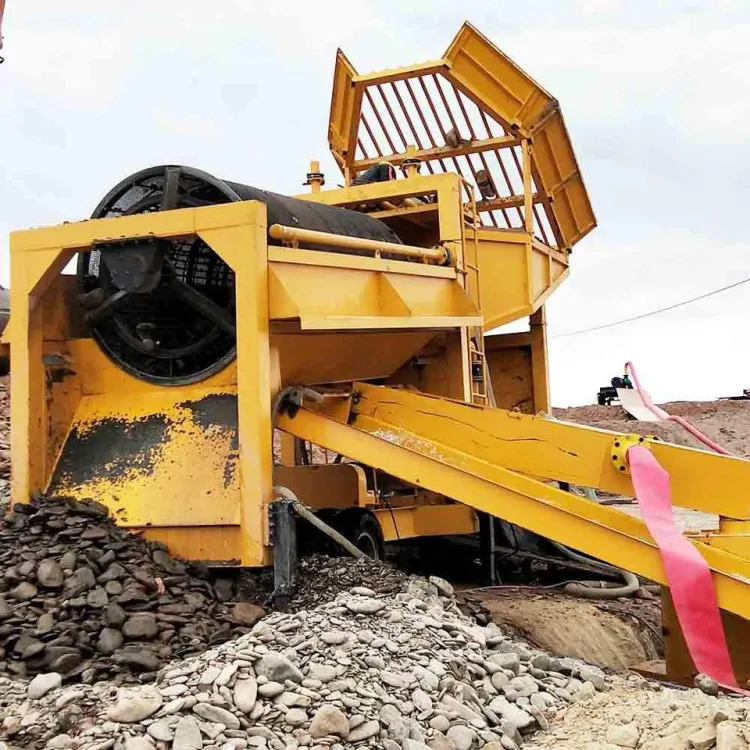
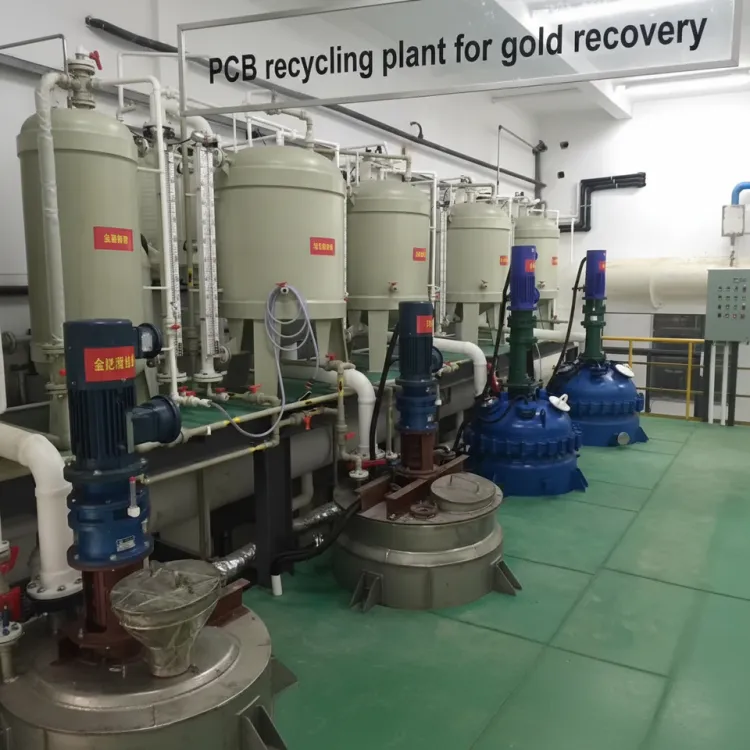
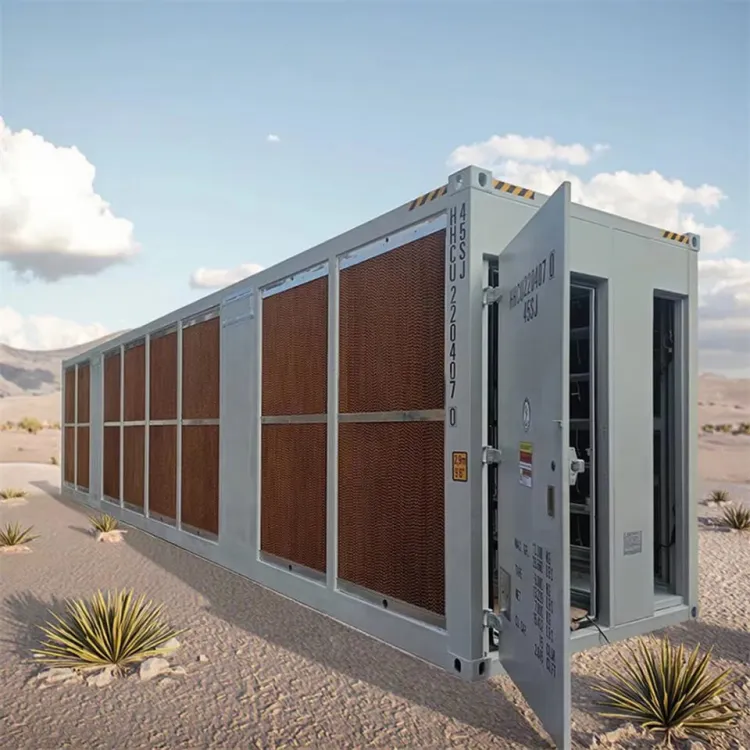
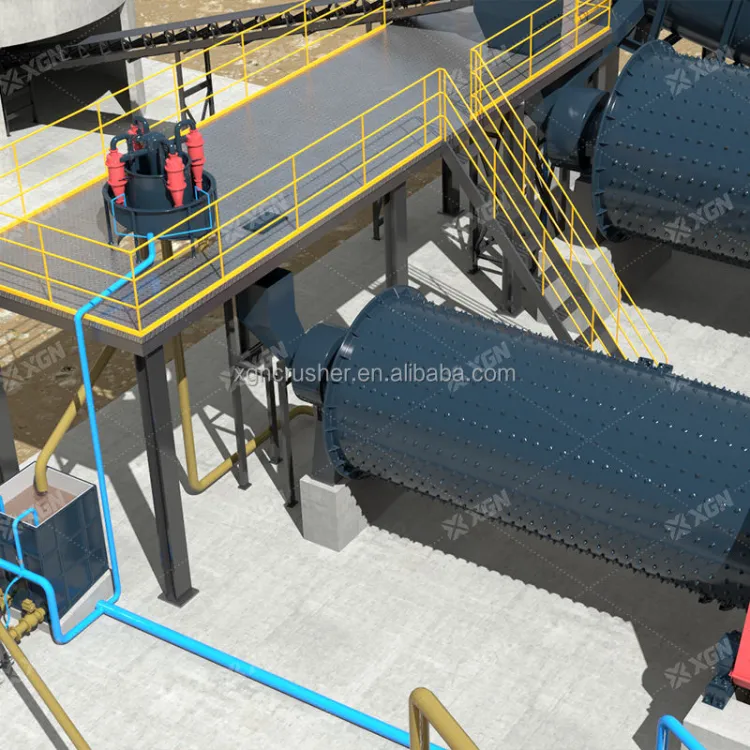
Commercial Bauxite Processing Plant
Asset finance available
Do you want funding for this equipment?
Afrimart can connect you with trusted funding partners who specialise in asset finance for businesses like yours. Compare options and apply in minutes — final approval is subject to provider review.
Check funding options
Secure & no obligation

- Section : Machinery
- Category : Mining Machinery
- SKU : 1695506315

bauxite processing plant
Calcined bauxite is one of the principal ore of aluminum. Calcined bauxite contains hydrous aluminum oxides and aluminum hydroxides, formed through the laterization of aluminous rocks in tropical and subtropical areas .calcined bauxite is obtained by calcining (heating)superior grade bauxite at high temperature (from 85OC to 1600C) .this removes moisture thereby increasing the alumina content. compared to an alumina content of about 57%to 58%in raw bauxite, calcined bauxite has an alumina content of 84%to88%.the heating is carried out in rotary kilns.
Applications
calcined bauxite is typically calssified according to its intended commercial application,such as abrasive ,cement ,chemical, metallurgical, and refractory .as raw material for use in high alumina and super duty refratory bricks and shapes ,plastics ,castable refratory, motors, gun mixes, ramming mixes, abrasive grains and other products.
CHEMICAL ANALYSIS
ROTARY KILN BAUXITE
| Al2O3 | Fe2O3 | SiO2 | TiO2 | K2O+Na2O | CaO+MgO | B.D (g/ccm) |
| min | max | max | max | max | max | min |
| 88% | 1.8% | 6.5% | 4% | 0.25% | 0.5% | 3.25 |
| 87% | 2.0% | 7.0% | 4% | 0.25% | 0.5% | 3.15 |
| 86% | 2.0% | 7.0% | 4% | 0.25% | 0.5% | 3.15/3.10 |
| 85-80% | 2.0% | 10.0% | 4% | 0.30% | 0.5% | 3.10 |
ROUND KILN BAUXITE
| Al2O3 | Fe2O3 | SiO2 | TiO2 | K2O+Na2O | CaO+MgO | B.D (g/ccm) |
| min | max | max | max | max | max | min |
| 88% | 2.0% | 6.5% | 4% | 0.25% | 0.5% | 3.30 |
| 87% | 2.0% | 6.5% | 4% | 0.25% | 0.5% | 3.25 |
| 86% | 2.0% | 7.0% | 4% | 0.25% | 0.5% | 3.20 |
| 85% | 2.5% | 8.0% | 4% | 0.25% | 0.5% | 3.10/3.15 |


- Shipping Timeframes: All orders are processed within 2-5 business days (excluding weekends and holidays). After your order has been processed, the estimated delivery time is before 06 Aug, 2026, depending on customs, Please note that due to high demand, some items may experience longer shipping times, which will be communicated at order confirmation email.
- Order Processing Time: Please allow 2-5 business days for us to process your order before it is shipped . Orders placed after 16:00 on Fridays, or during weekends and public holidays, will begin processing on the next business day. Processing times may be extended during peak seasons or sales events.
- Manufacturing Time: Some products needs manufacturing time, the manufacturing process will take approximately 10-30 business days depending on the product. This timeframe may vary depending on the complexity of the product and current demand. but this will be communicated with you during order confirmation.
- Returns and Exchanges: We offer a 30-day return policy for most items. If you are not completely satisfied with your purchase, you may return it within 30 days of receipt for a refund or exchange. Items must be unused, in their original packaging, and accompanied by proof of purchase. Return shipping costs are the responsibility of the customer, unless the item was damaged or defective upon arrival.
1. What is a Commercial Bauxite Processing Plant?
A Commercial Bauxite Processing Plant is a facility that processes bauxite ore to produce calcined bauxite, which is primarily used in aluminum production and various industrial applications.
2. What is calcined bauxite?
Calcined bauxite is bauxite that has been heated to remove moisture, increasing its alumina content from about 57-58% in raw bauxite to 84-88%.
3. How is calcined bauxite produced?
Calcined bauxite is produced by heating superior grade bauxite in rotary kilns at temperatures ranging from 850°C to 1600°C.
4. What are the applications of calcined bauxite?
Calcined bauxite is used in various applications including abrasives, cement production, chemicals, metallurgy, and as a raw material for high alumina and super duty refractory bricks.
5. What is the chemical composition of calcined bauxite?
The chemical composition of calcined bauxite typically includes Al2O3 (min 85-88%), Fe2O3 (max 2.0-2.5%), SiO2 (max 10.0%), TiO2 (max 4%), and trace amounts of K2O, Na2O, CaO, and MgO.
6. What is the difference between rotary kiln bauxite and round kiln bauxite?
Rotary kiln bauxite and round kiln bauxite differ in their heating methods, which can affect their physical properties and chemical composition. Rotary kilns generally provide more uniform heating.
7. What is the density of calcined bauxite?
The density of calcined bauxite varies but typically ranges from 3.10 to 3.30 g/ccm depending on the processing method and the specific grades.
8. Can calcined bauxite be used in refractory applications?
Yes, calcined bauxite is commonly used in refractory applications, including the production of refractory bricks and shapes, due to its high alumina content and thermal stability.
9. Is calcined bauxite environmentally friendly?
Calcined bauxite is generally considered safe for industrial use, but like all industrial materials, its environmental impact depends on the processing methods and adherence to regulations.
10. What industries benefit from calcined bauxite?
Industries that benefit from calcined bauxite include the aluminum production industry, construction, abrasives manufacturing, and chemical processing.
11. How does calcining improve bauxite quality?
Calcining improves bauxite quality by removing moisture, which increases the alumina content and enhances its suitability for various industrial applications.
12. What safety measures should be taken when handling calcined bauxite?
When handling calcined bauxite, it is important to use appropriate personal protective equipment (PPE), such as gloves and masks, to minimize exposure to dust.
13. How does temperature affect the properties of calcined bauxite?
The temperature during the calcination process significantly affects the alumina content and physical properties of calcined bauxite; higher temperatures typically yield a higher alumina content.
14. Where are Commercial Bauxite Processing Plants located?
Commercial Bauxite Processing Plants are typically located near bauxite mines or in industrial areas where raw materials can be easily transported and processed.
15. What is the lifespan of a Commercial Bauxite Processing Plant?
The lifespan of a Commercial Bauxite Processing Plant can vary based on maintenance, technology, and operational efficiency, but many plants are designed to operate for several decades.
Latest Order Arrivals
Discover our latest orders
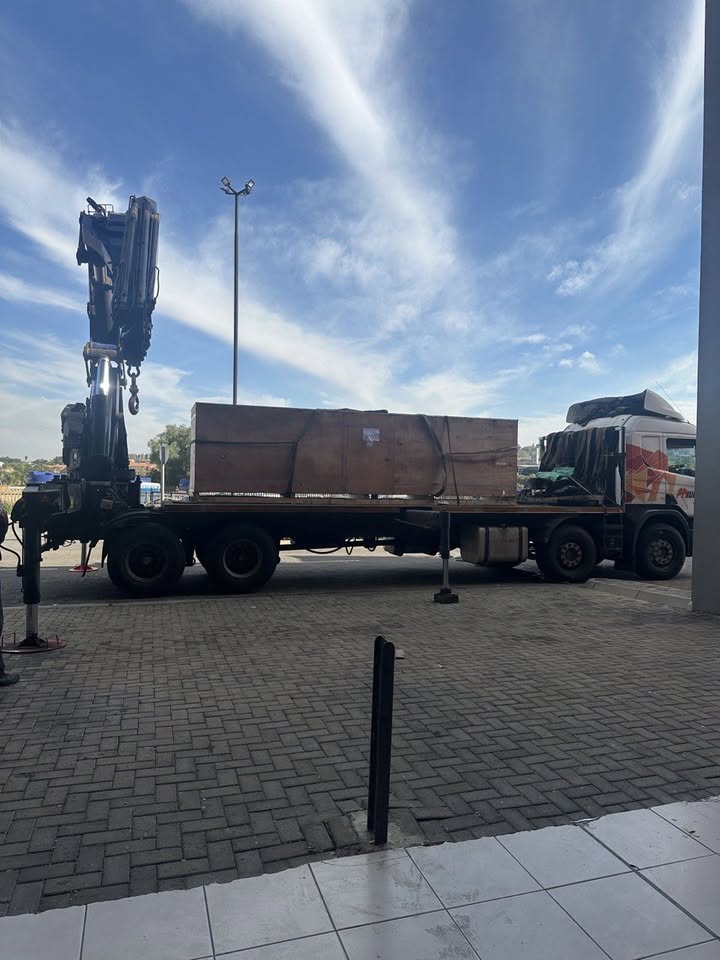
12 Heads Embroidery Machine
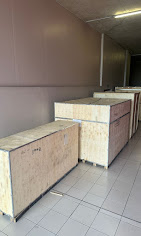
Toilet Paper Machine Machine
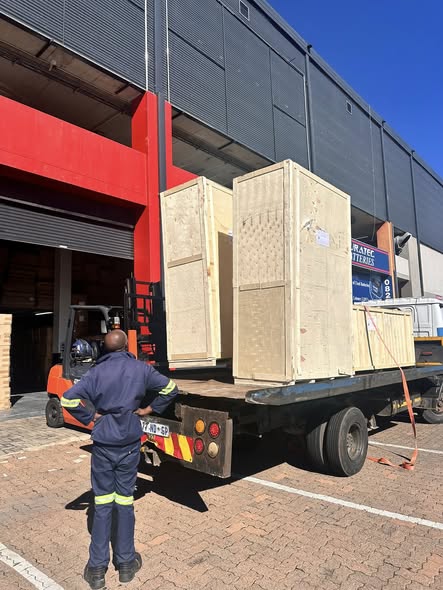
Order Collection
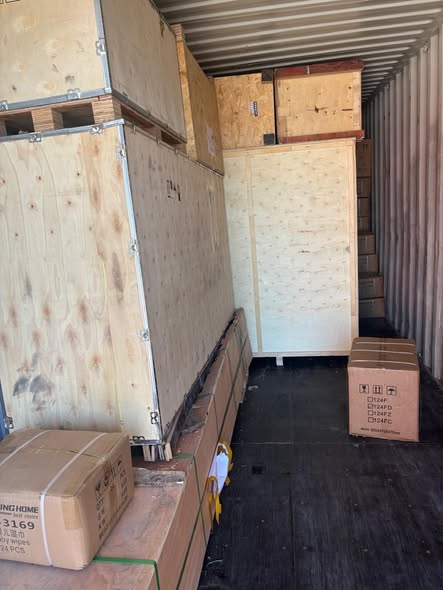
Cross Border Clients
Order cros border countries Collected
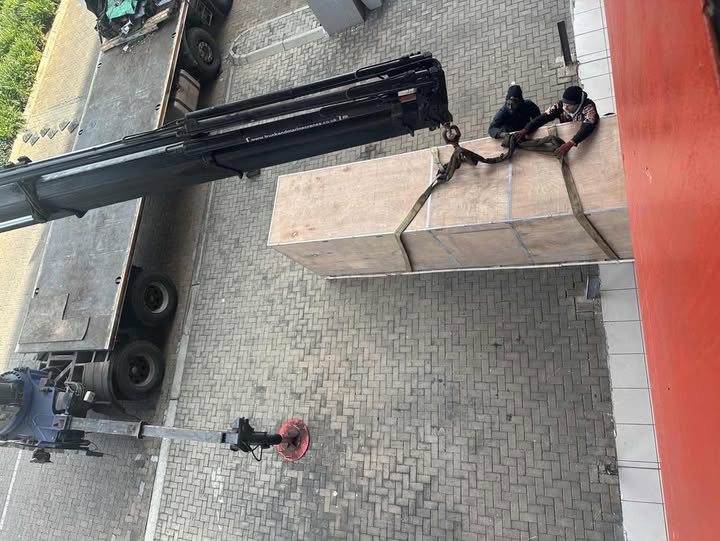
Industrial Machine Cllection
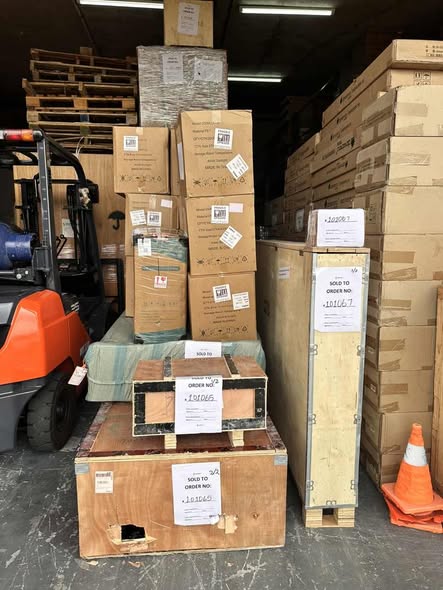
Agriculture Processing Machines
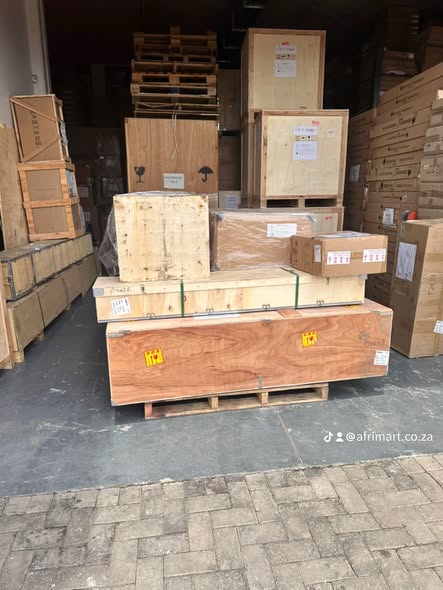
Ready for collection
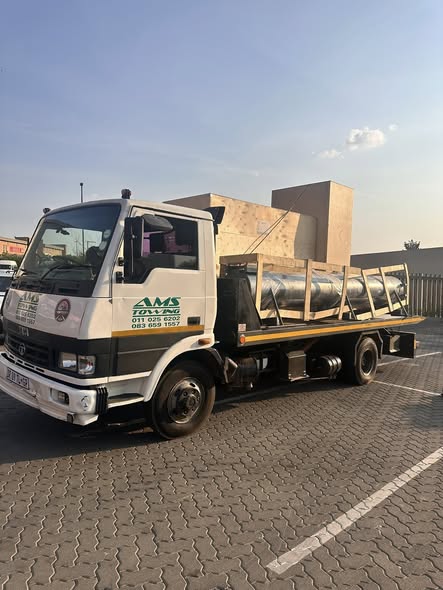
Water Pump Equipment
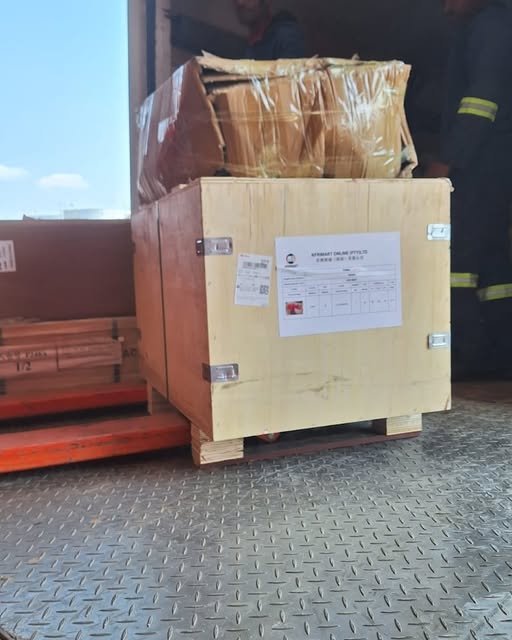
Packaging Machine and accessories
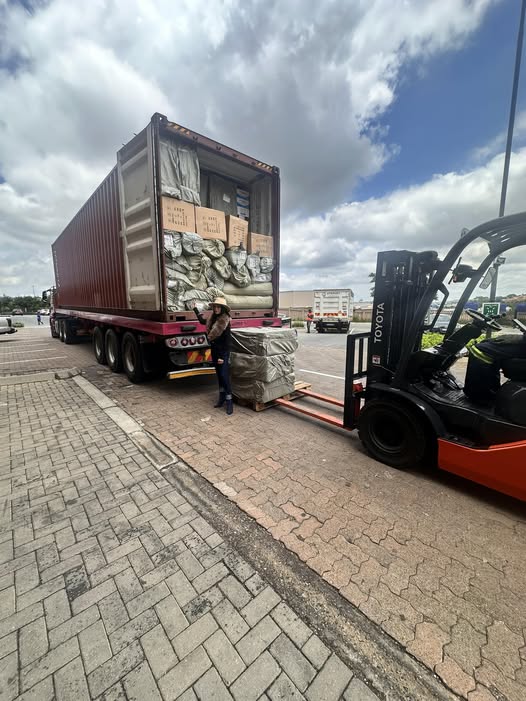
Fabrics Manufacturing Equipment
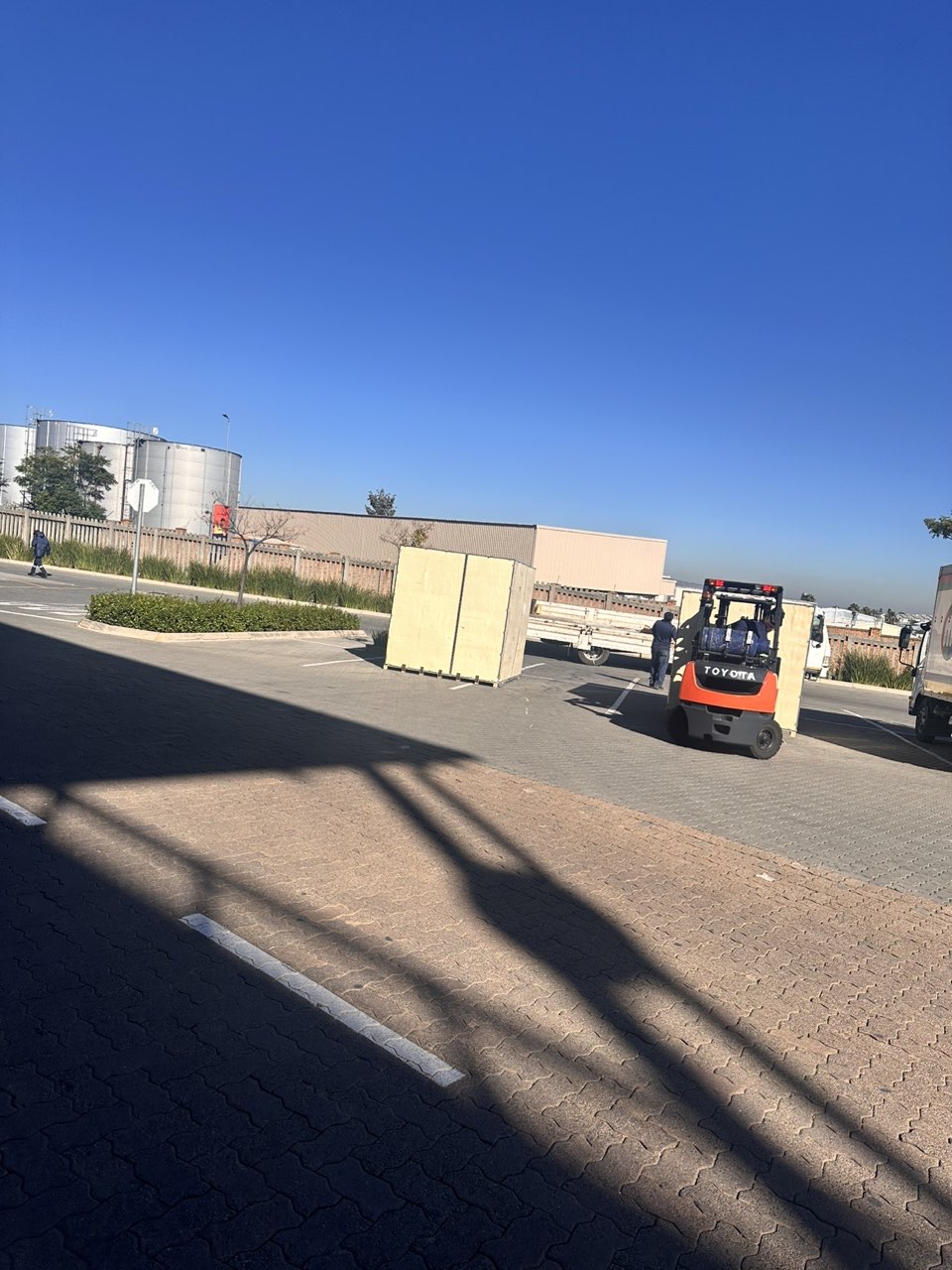
Mining Equipments
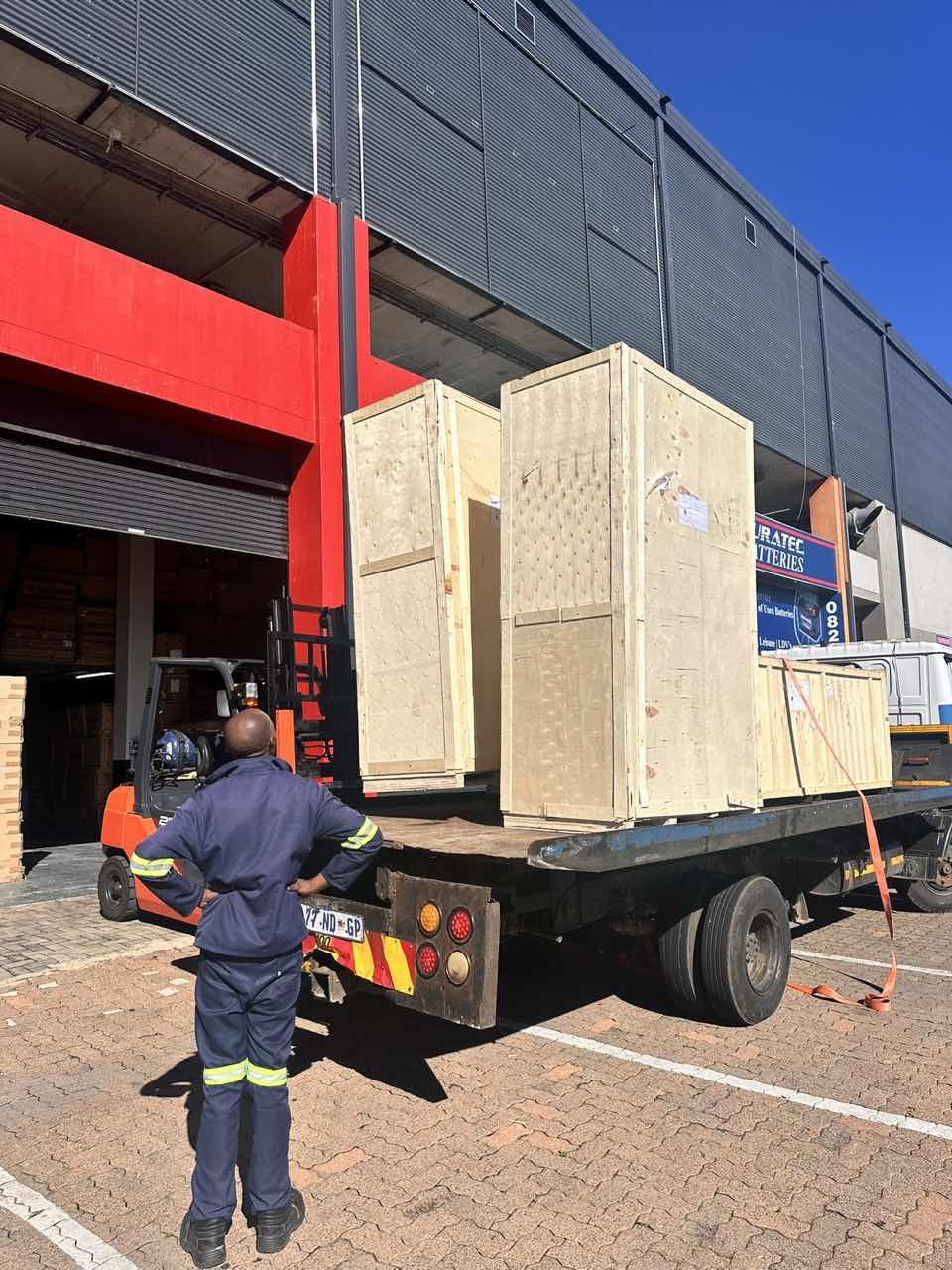
Food Processing Machine
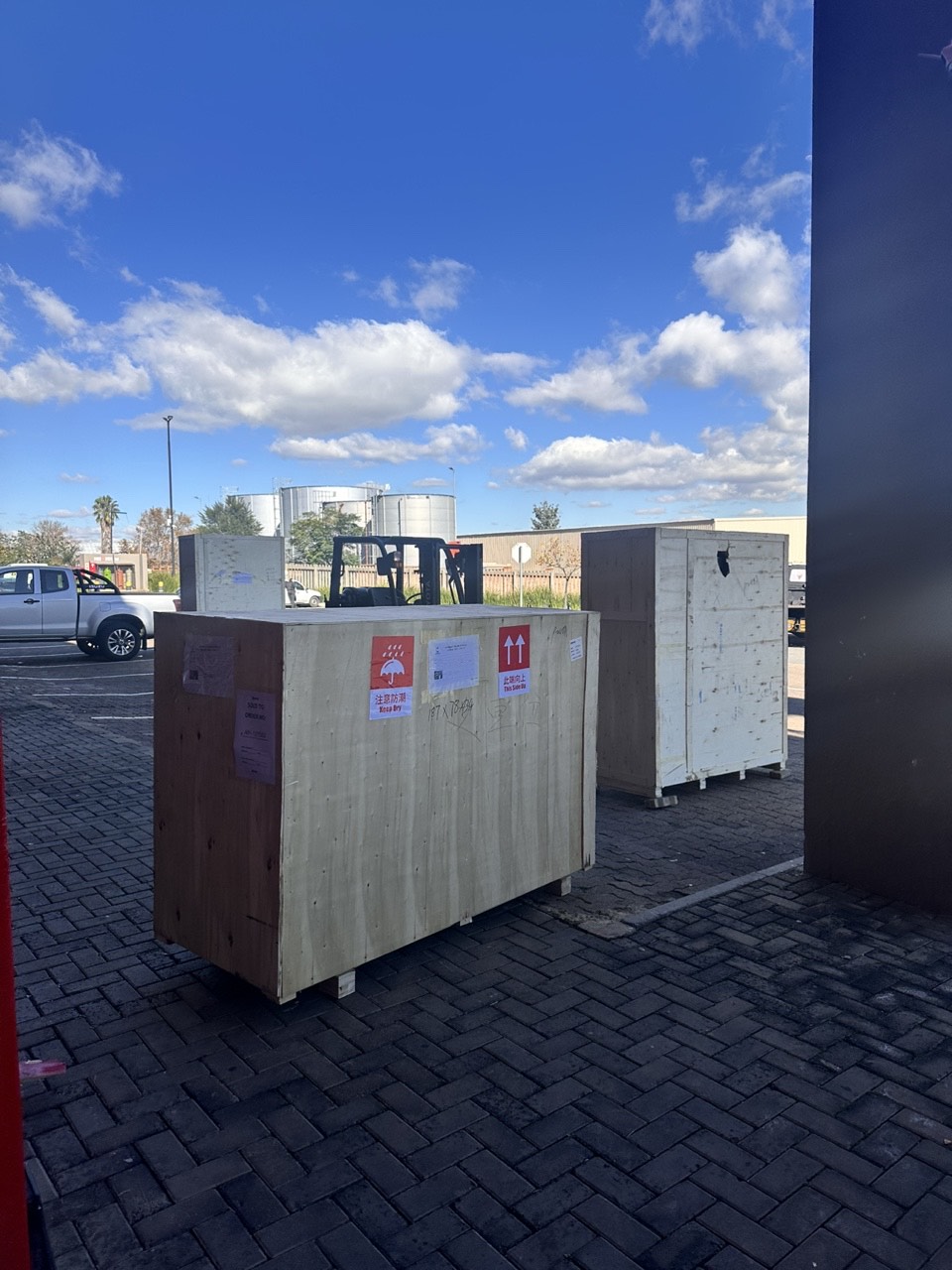
Batch of Orders
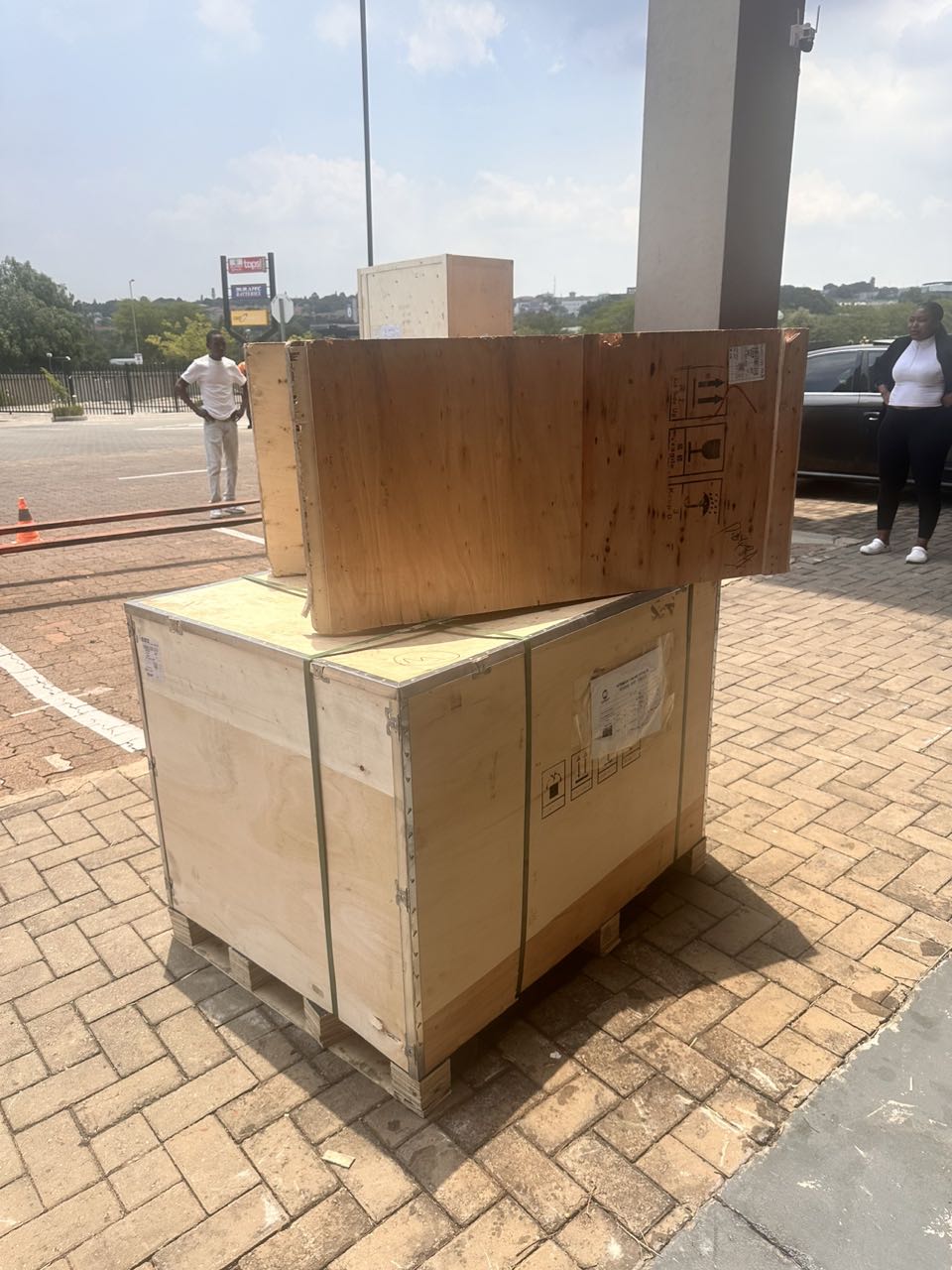
Batch of Orders
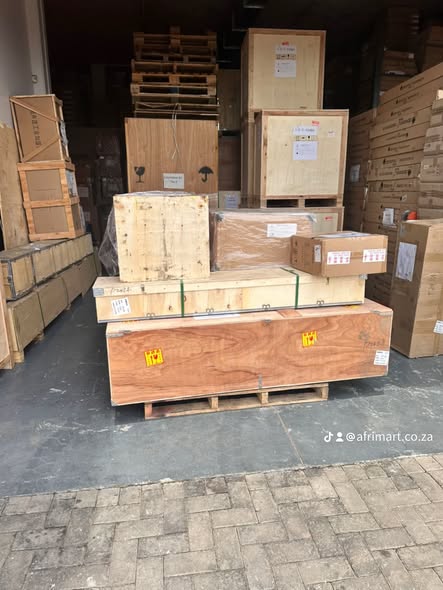
Latest Orders Labelled
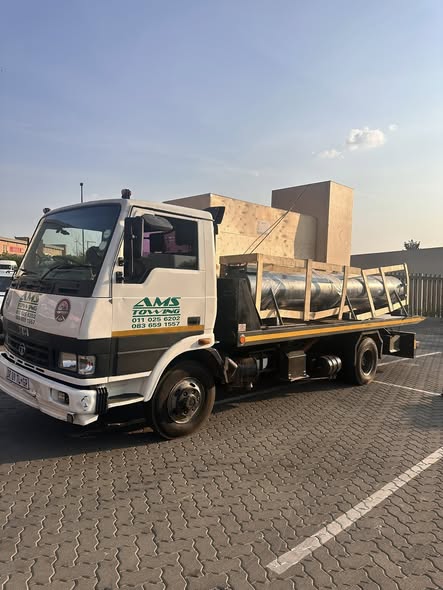
wheel alignment machines
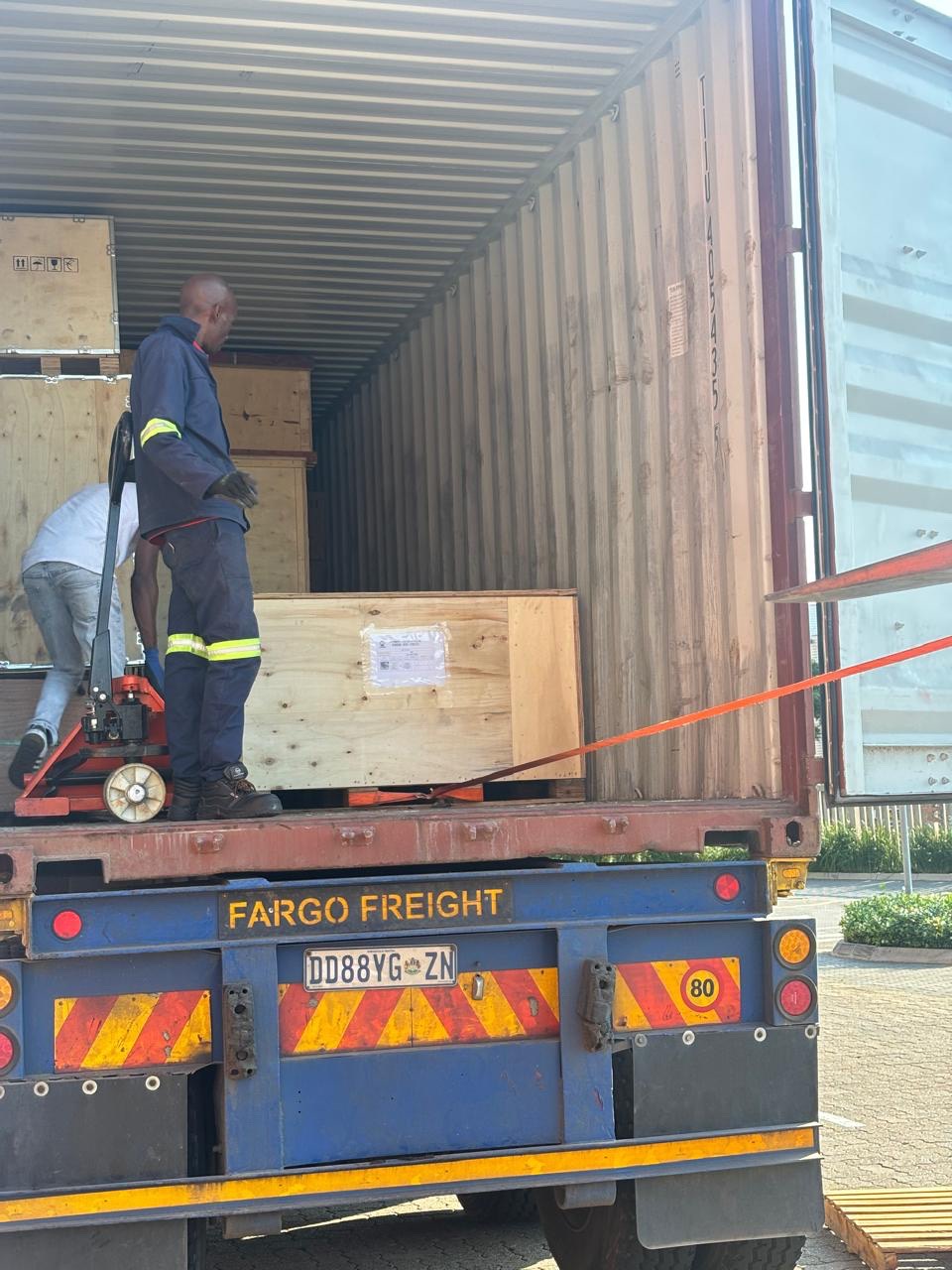
new arrivals
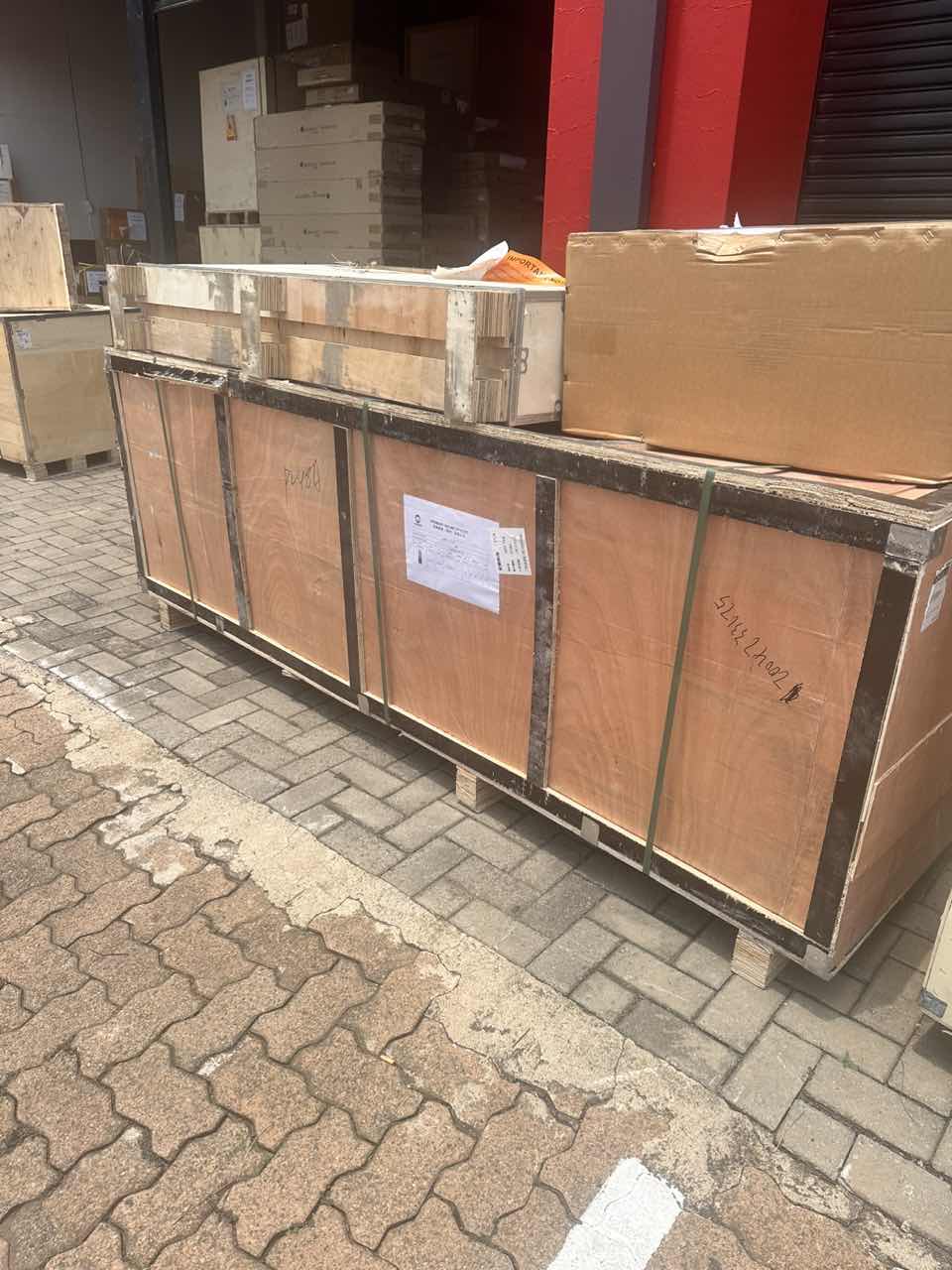
Pre Orders Offloading
Latest Arrivals
Latest Arrivals
Latest Arrivals
Loading
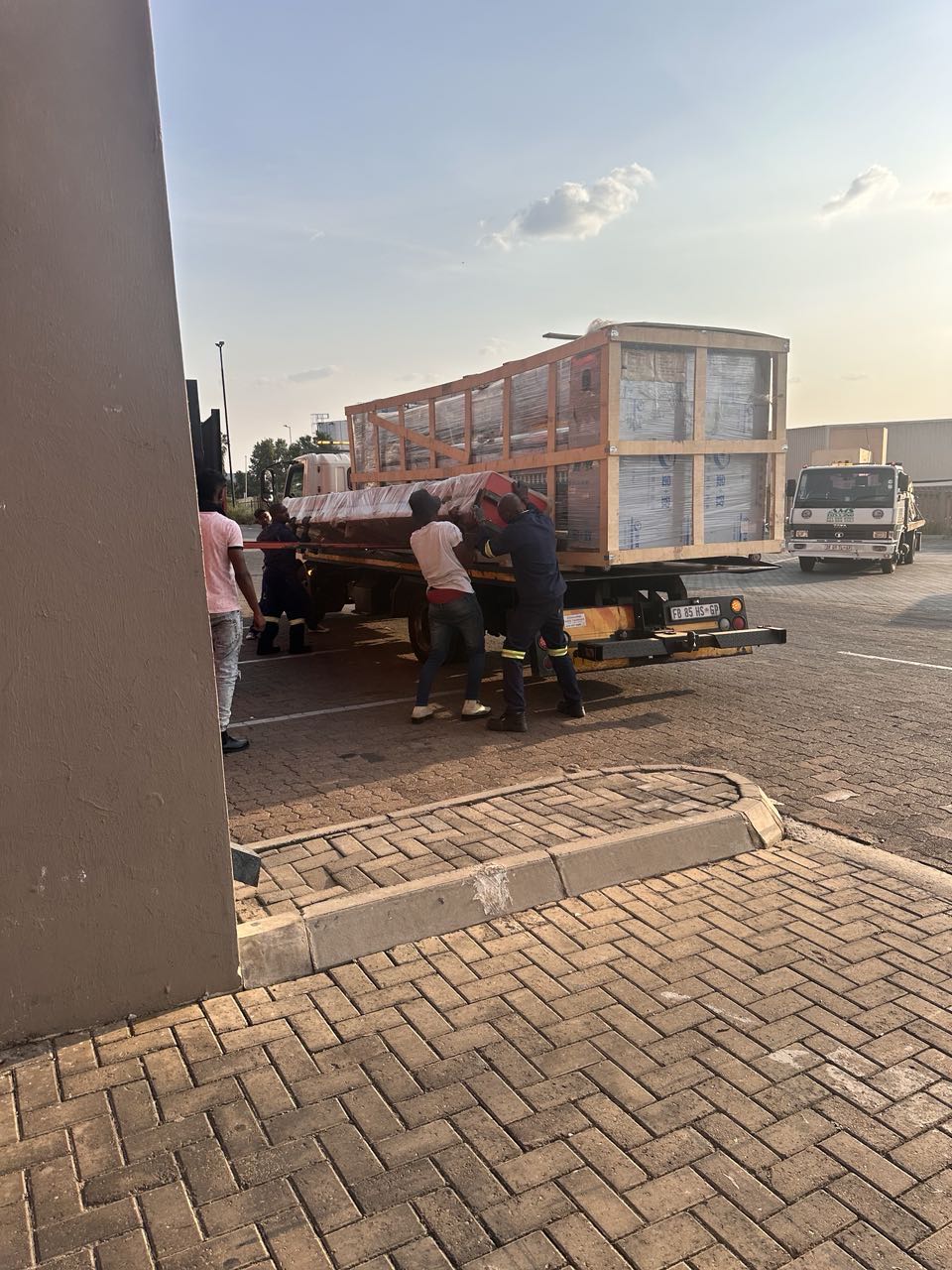
Toilet paper making machine
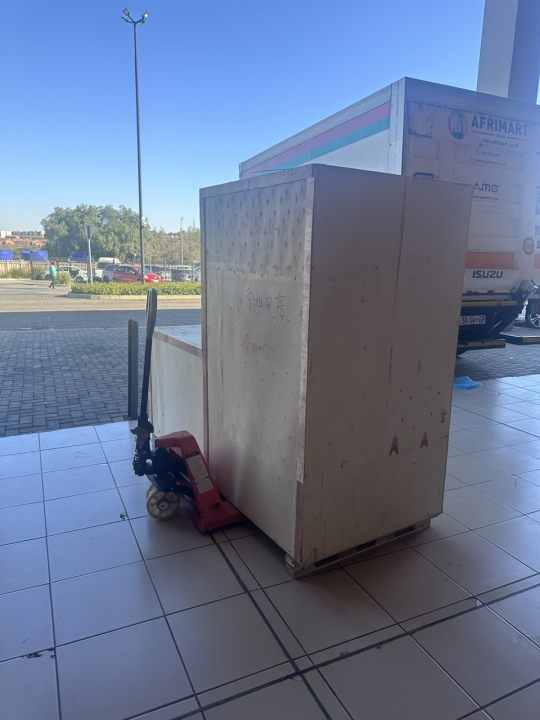
Toilet paper making machine
Toilet paper Rewinding Machine
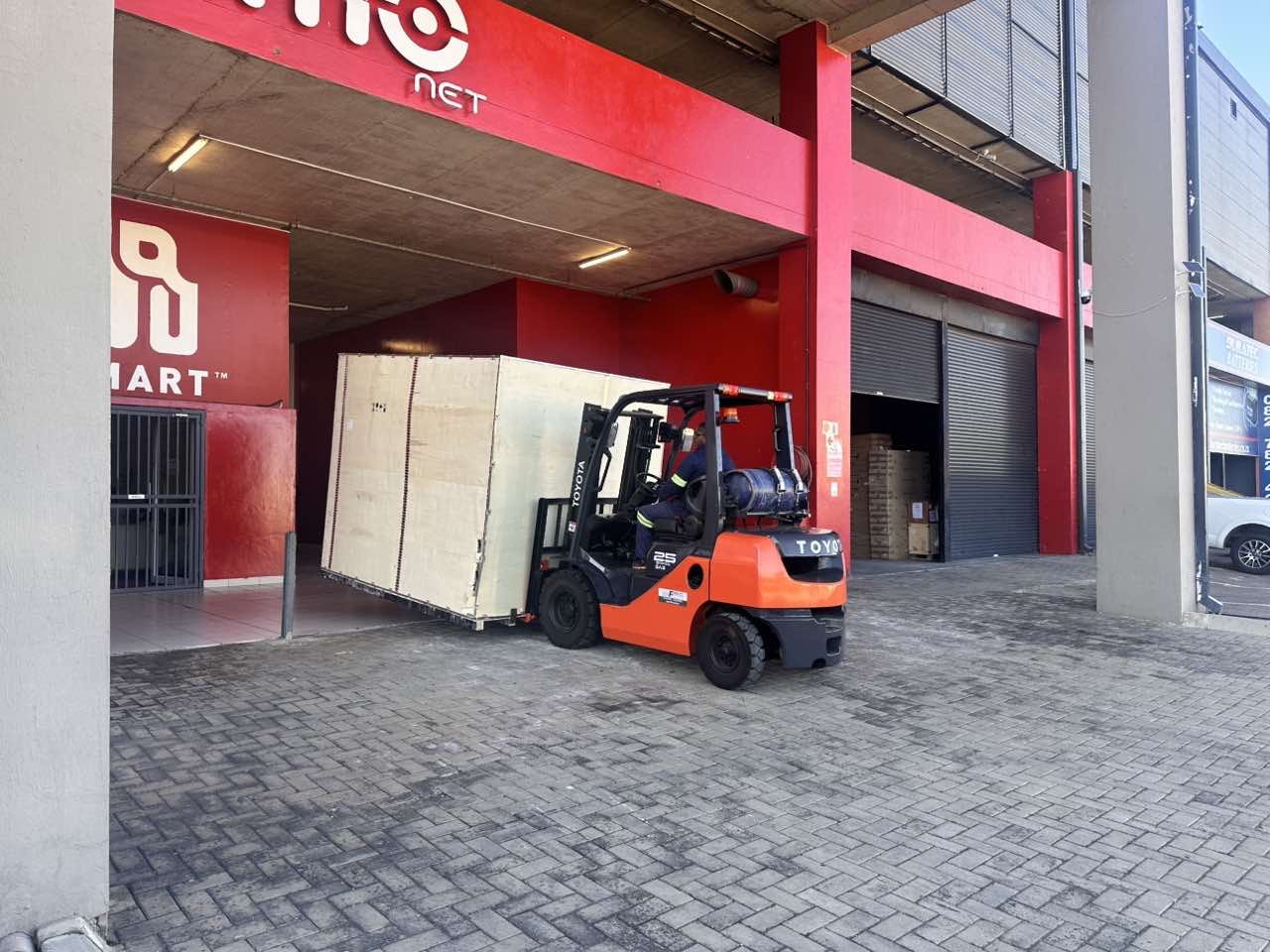
latest arrivals
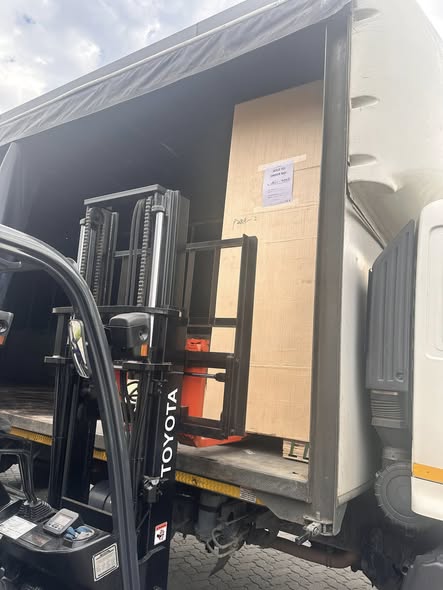
offloading
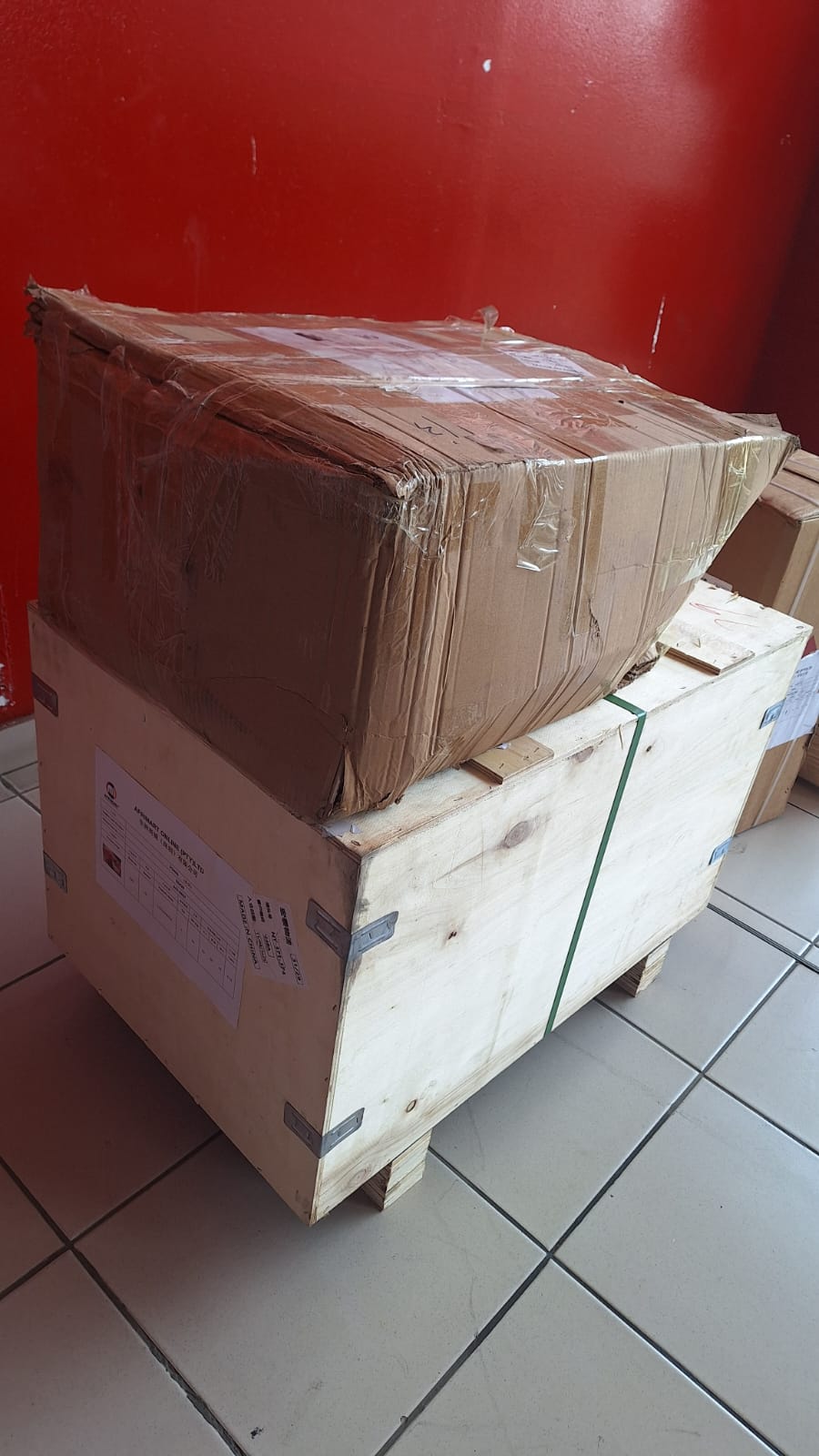
order success
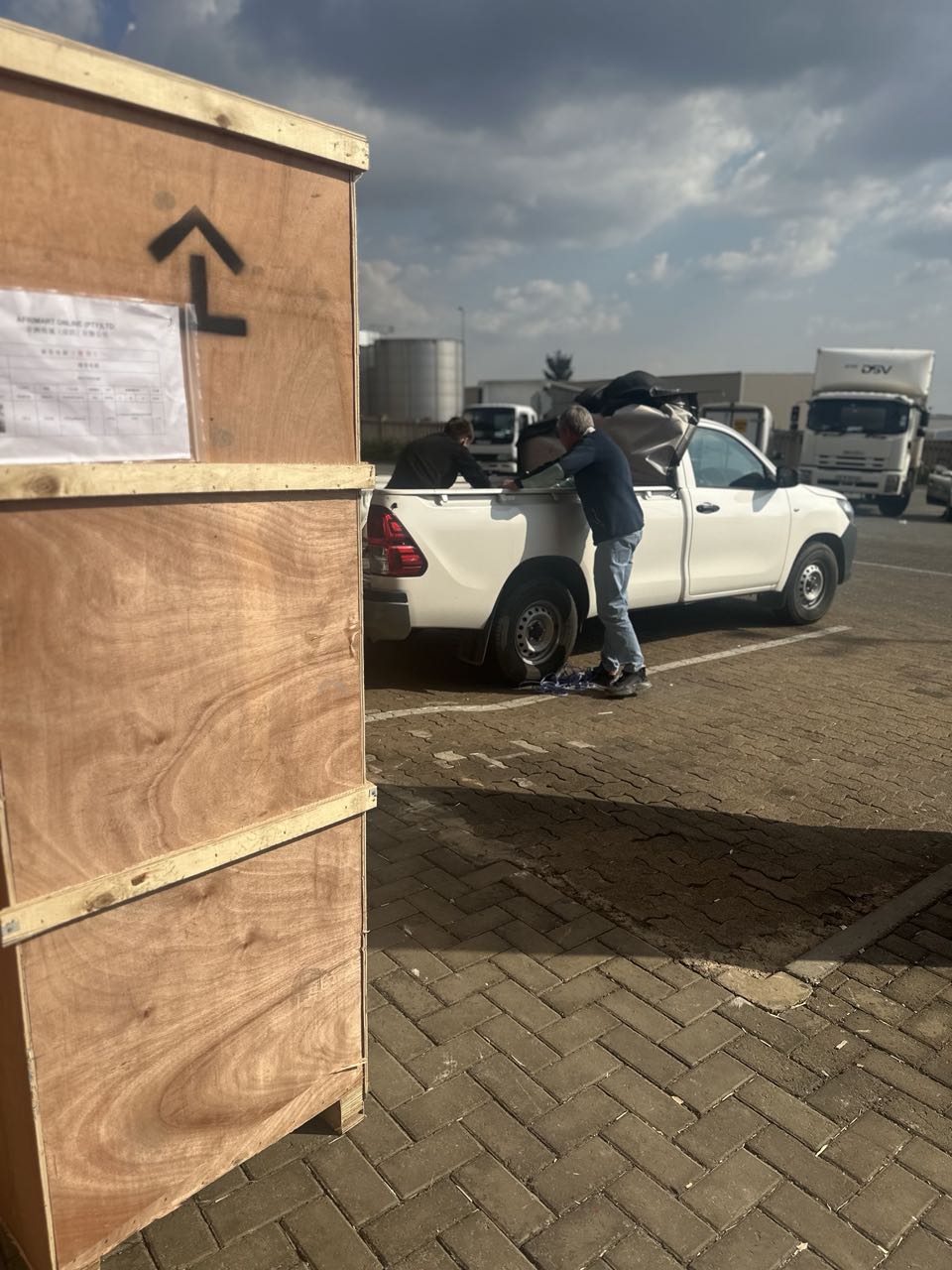
order collection
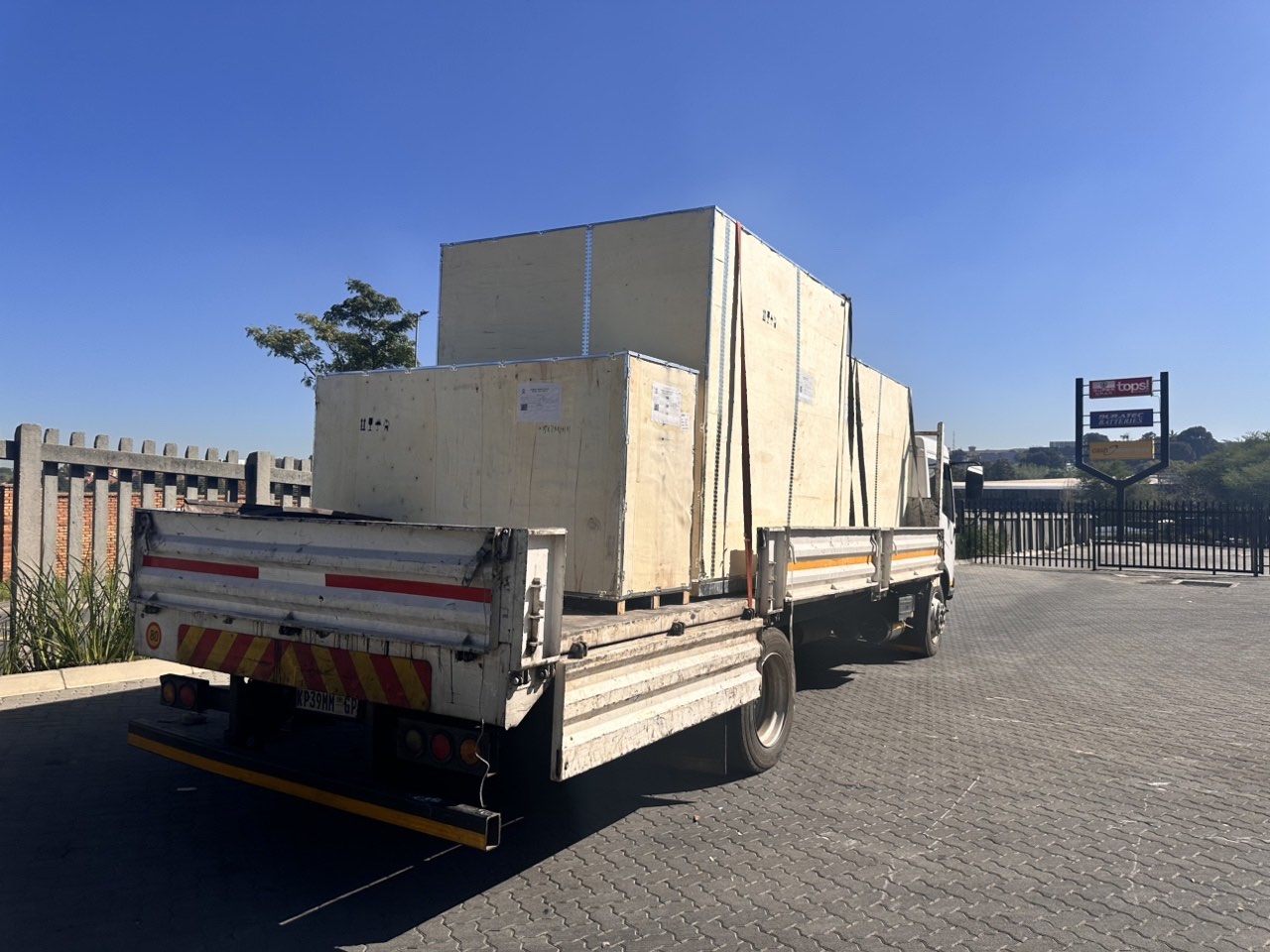
order offloading