B21, China Town Mall, Midrand


Class B Autoclave Steam Sterilizer Medical Devices Full Certificate Dentistry Ophthalmology Oral Therapy Equipments Accessories

- Section : Medical Supplies
- Category : Dental Equipments
- SKU : 1601206113146

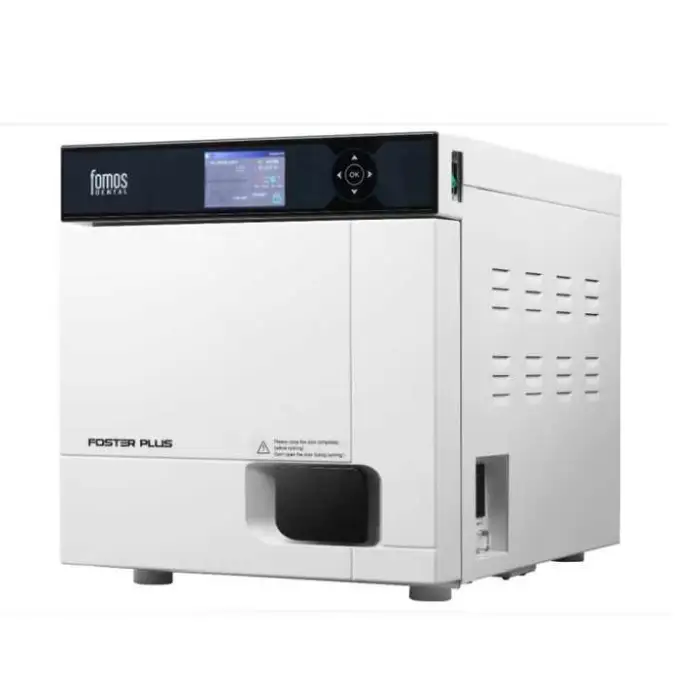
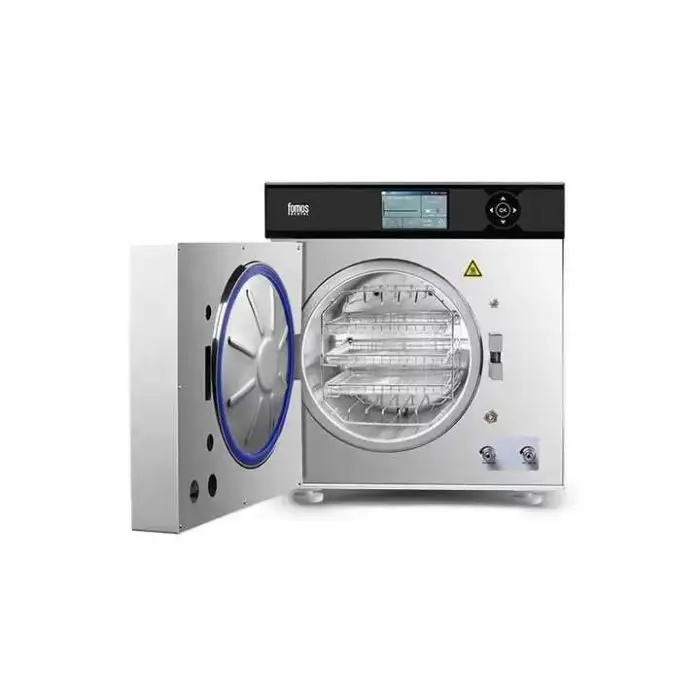
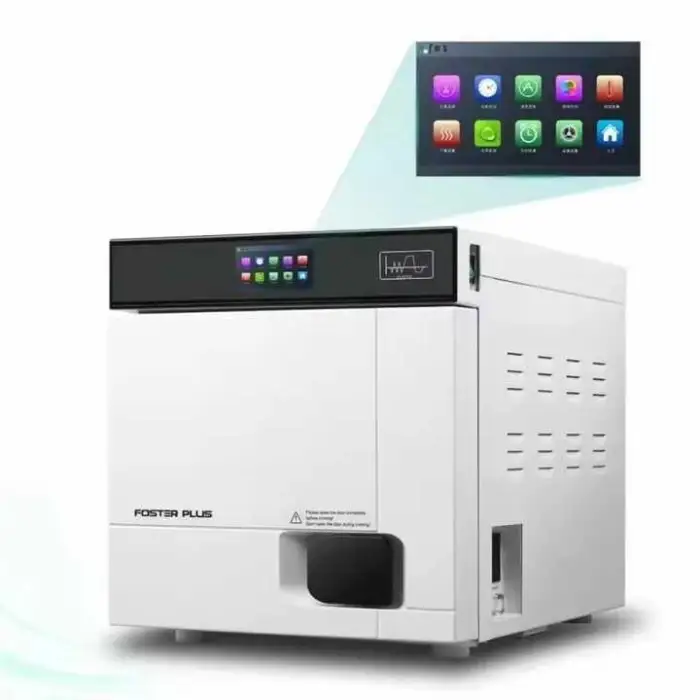
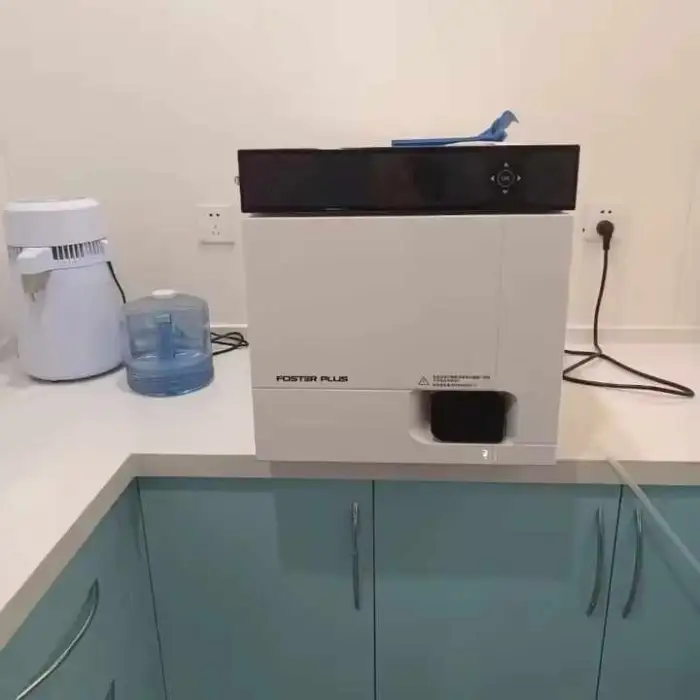
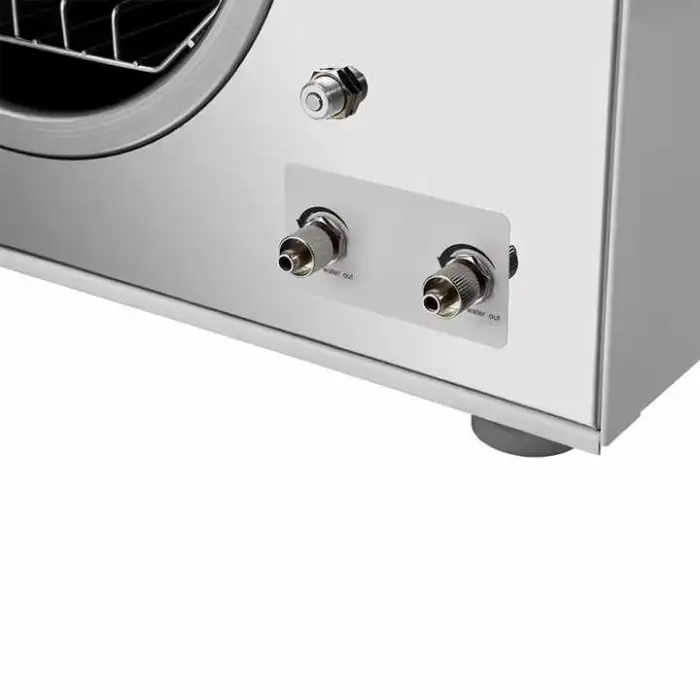
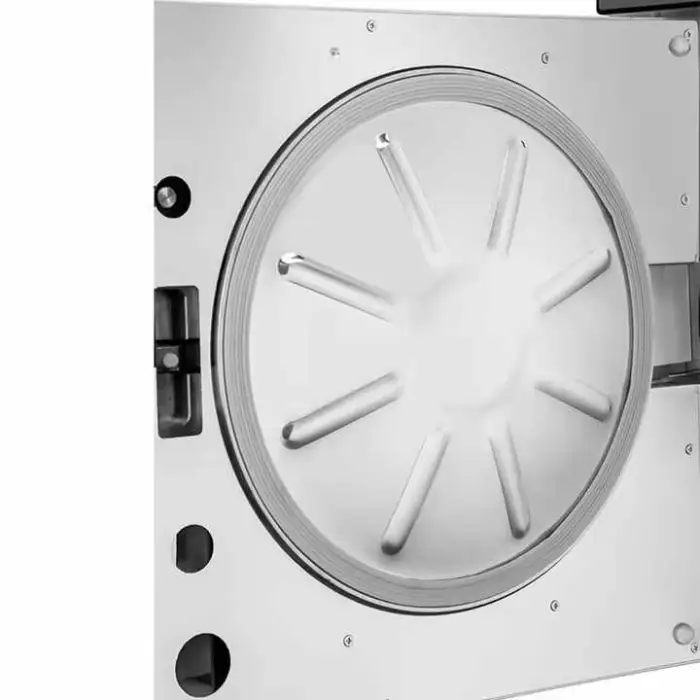
Class B Autoclave Steam Sterilizer for Medical Devices
The Class B Autoclave Steam Sterilizer is designed for medical and dental professionals. It ensures the complete sterilization of dental, ophthalmology, and oral therapy equipment. With its robust design and proven technology, this sterilizer guarantees safety and reliability in your practice.
Specifications
| Attribute | Details |
|---|---|
| Service | Online technical support |
| Material | Metal, Plastic |
| Instrument Classification | Class II |
| Safety Standard | GB/T18830-2009 |
| Brand Name | FZX |
| Model Number | FRRomus |
| Power Source | Electricity |
| Shelf Life | 1 year |
| Quality Certification | CE |
| Physical Space | 18L / 23L |
| Selling Units | Single item |
Key Features
- Efficient steam sterilization process.
- Durable metal and plastic construction.
- Online technical support available.
- Compact design with 18L and 23L options.
- CE certified for quality assurance.
Applications
- Dental clinics for sterilizing instruments.
- Ophthalmology practices for eye care equipment.
- Oral therapy sessions requiring clean tools.
- Medical facilities needing reliable sterilization.
- Laboratories for safe equipment handling.
Product Info Gallery
- Shipping Timeframes: All orders are processed within 2-5 business days (excluding weekends and holidays). After your order has been processed, the estimated delivery time is before 03 Aug, 2026, depending on customs, Please note that due to high demand, some items may experience longer shipping times, which will be communicated at order confirmation email.
- Order Processing Time: Please allow 2-5 business days for us to process your order before it is shipped . Orders placed after 16:00 on Fridays, or during weekends and public holidays, will begin processing on the next business day. Processing times may be extended during peak seasons or sales events.
- Manufacturing Time: Some products needs manufacturing time, the manufacturing process will take approximately 10-30 business days depending on the product. This timeframe may vary depending on the complexity of the product and current demand. but this will be communicated with you during order confirmation.
- Returns and Exchanges: We offer a 30-day return policy for most items. If you are not completely satisfied with your purchase, you may return it within 30 days of receipt for a refund or exchange. Items must be unused, in their original packaging, and accompanied by proof of purchase. Return shipping costs are the responsibility of the customer, unless the item was damaged or defective upon arrival.
1. What is a Class B autoclave and what makes it different from other classes?
A Class B autoclave uses a vacuum-assisted steam sterilization process and is capable of sterilizing porous loads, packed instruments, and hollow items. Compared with Class N or Class S units, Class B offers more complete steam penetration and validated cycles for a wider range of medical/dental devices.
2. Which instruments and settings is this autoclave suitable for?
This autoclave is designed for dental, ophthalmology and oral therapy instruments, as well as other small medical devices and laboratory tools that require steam sterilization. It supports packaged and unwrapped solid, porous and hollow instruments when used according to validated cycles.
3. What capacities are available and how many instruments can each hold?
Two physical capacity options are offered: 18L and 23L. The number of instruments depends on their size and packaging; use appropriate trays and do not overload the chamber to ensure proper steam penetration.
4. What certifications and safety standards does this product meet?
The product is CE certified and listed with safety standard GB/T18830-2009. It is classified as a Class II instrument. Always verify local regulatory requirements and retain certification documents for inspection.
5. What power source is required?
The autoclave is electrically powered. Specific voltage, current and frequency requirements are model-dependent; contact online technical support or refer to the user manual for the exact electrical specifications for your region.
6. Are sterilization cycle types and temperatures available?
Class B autoclaves typically provide vacuum-assisted cycles at validated temperatures (commonly 121°C and 134°C) with drying phases. Exact cycle selections and times are described in the product manual—consult it or technical support for cycle parameters for your model.
7. Is online technical support available and how do I access it?
Yes. Online technical support is provided by the manufacturer/brand (FZX). For assistance, have your model number (FRRomus), serial number and purchase details ready and contact the supplier’s support channel listed in your documentation or on the product listing.
8. What routine maintenance is required?
Regular maintenance includes cleaning the chamber and door gasket, draining and descaling according to water hardness, checking and replacing seals as needed, and following the manufacturer’s preventive maintenance schedule. Keep records of maintenance and service actions.
9. How should I validate and monitor sterilization effectiveness?
Use biological indicators (spore tests) and chemical indicators according to local regulations and facility protocol. Run routine Bowie-Dick or equivalent vacuum integrity tests for porous load cycles and document results to ensure ongoing sterilization efficacy.
10. What accessories are included and are additional trays or pouches available?
Included accessories vary by seller. Typical items may include removable trays and basic instrument racks. Sterilization pouches and specialized trays are usually sold separately—confirm the included items with the supplier before purchase.
11. What is the stated shelf life and what does it mean for this device?
The listed shelf life in the specification is 1 year. For medical equipment this often refers to recommended storage/use conditions or warranty/consumable guidance—confirm with the supplier whether this relates to warranty, consumable parts or storage recommendations.
12. Are there specific installation or space requirements?
The unit is compact (available in 18L and 23L sizes) but requires a stable, level surface, proper ventilation and access to a suitable electrical supply. Follow the installation instructions in the manual and consult technical support for site-specific requirements.
13. What safety precautions should users follow when operating the autoclave?
Do not open the door until pressure and temperature have returned to safe levels. Wear appropriate PPE when loading/unloading. Use only recommended water types (demineralized if specified), follow cycle instructions, and ensure instruments are arranged to allow steam penetration.
14. Does this autoclave meet regulatory requirements for my clinic or lab?
The unit carries CE certification and meets GB/T18830-2009, but local regulatory acceptance varies. Check with your national/regional health authority or infection control department to confirm that the autoclave meets all applicable regulatory and accreditation requirements for your facility.
Latest Order Arrivals
Discover our latest orders
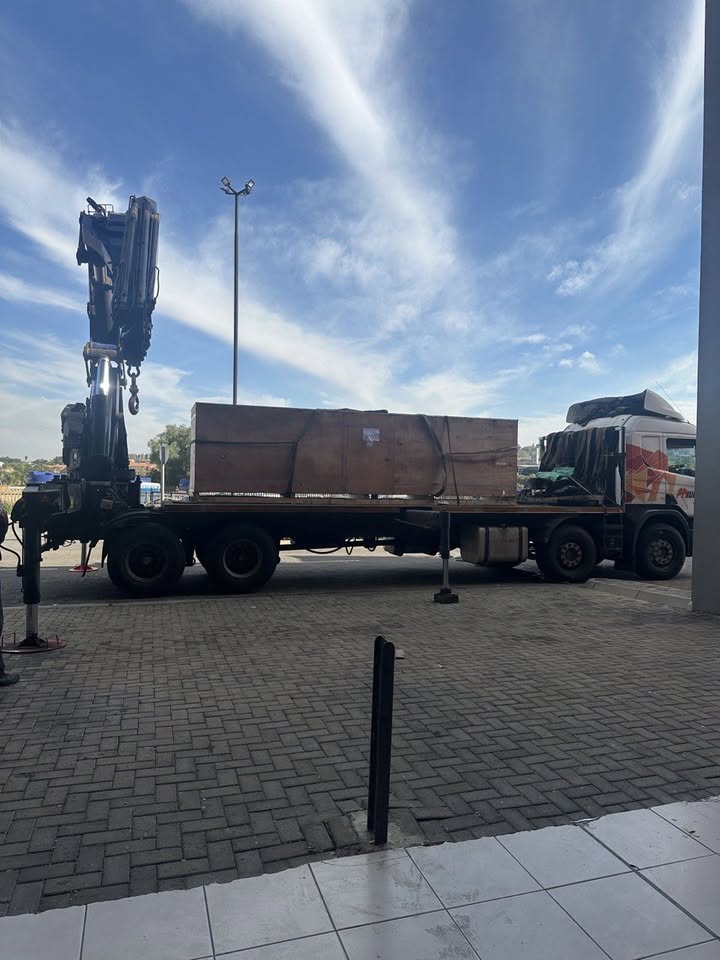
12 Heads Embroidery Machine
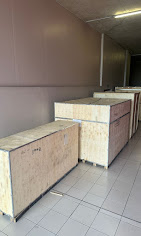
Toilet Paper Machine Machine
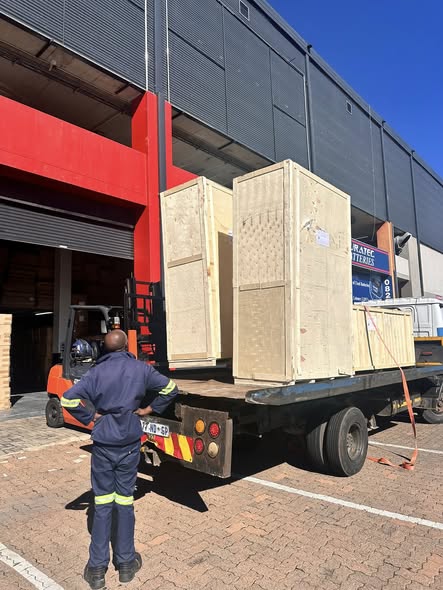
Order Collection
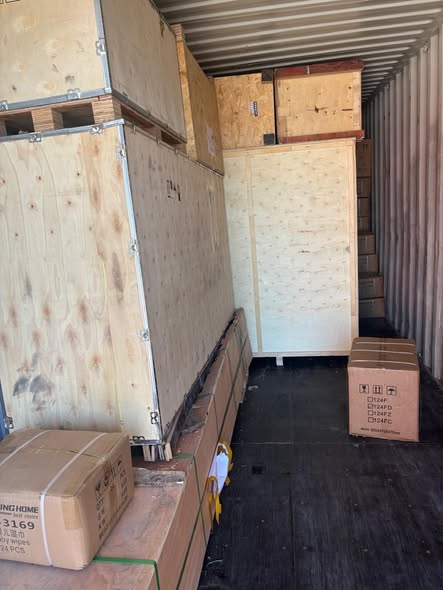
Cross Border Clients
Order cros border countries Collected
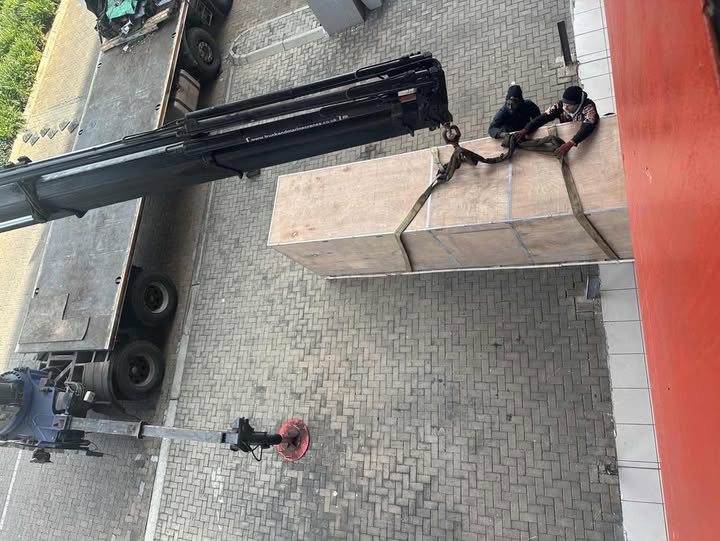
Industrial Machine Cllection
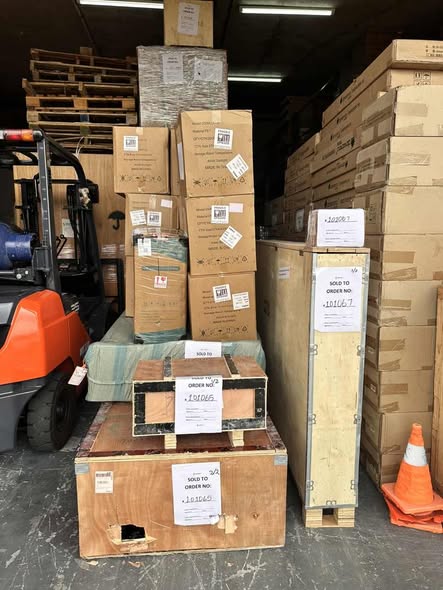
Agriculture Processing Machines
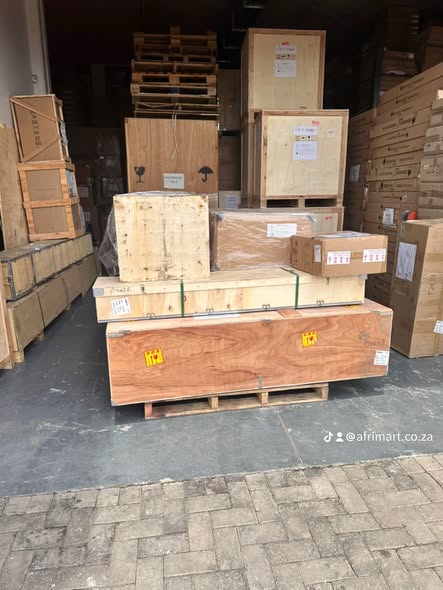
Ready for collection
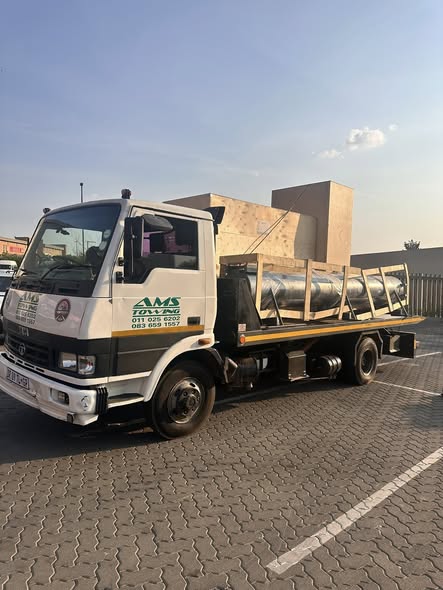
Water Pump Equipment
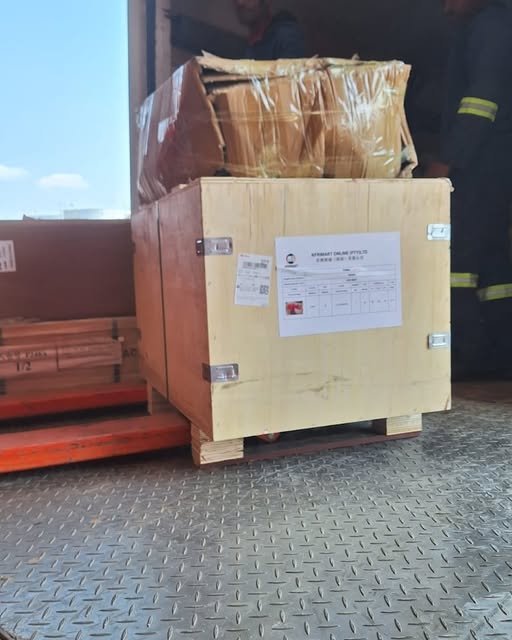
Packaging Machine and accessories
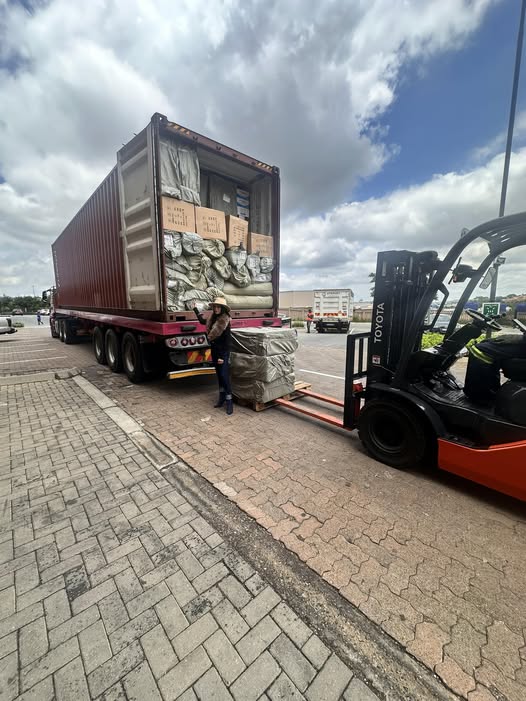
Fabrics Manufacturing Equipment
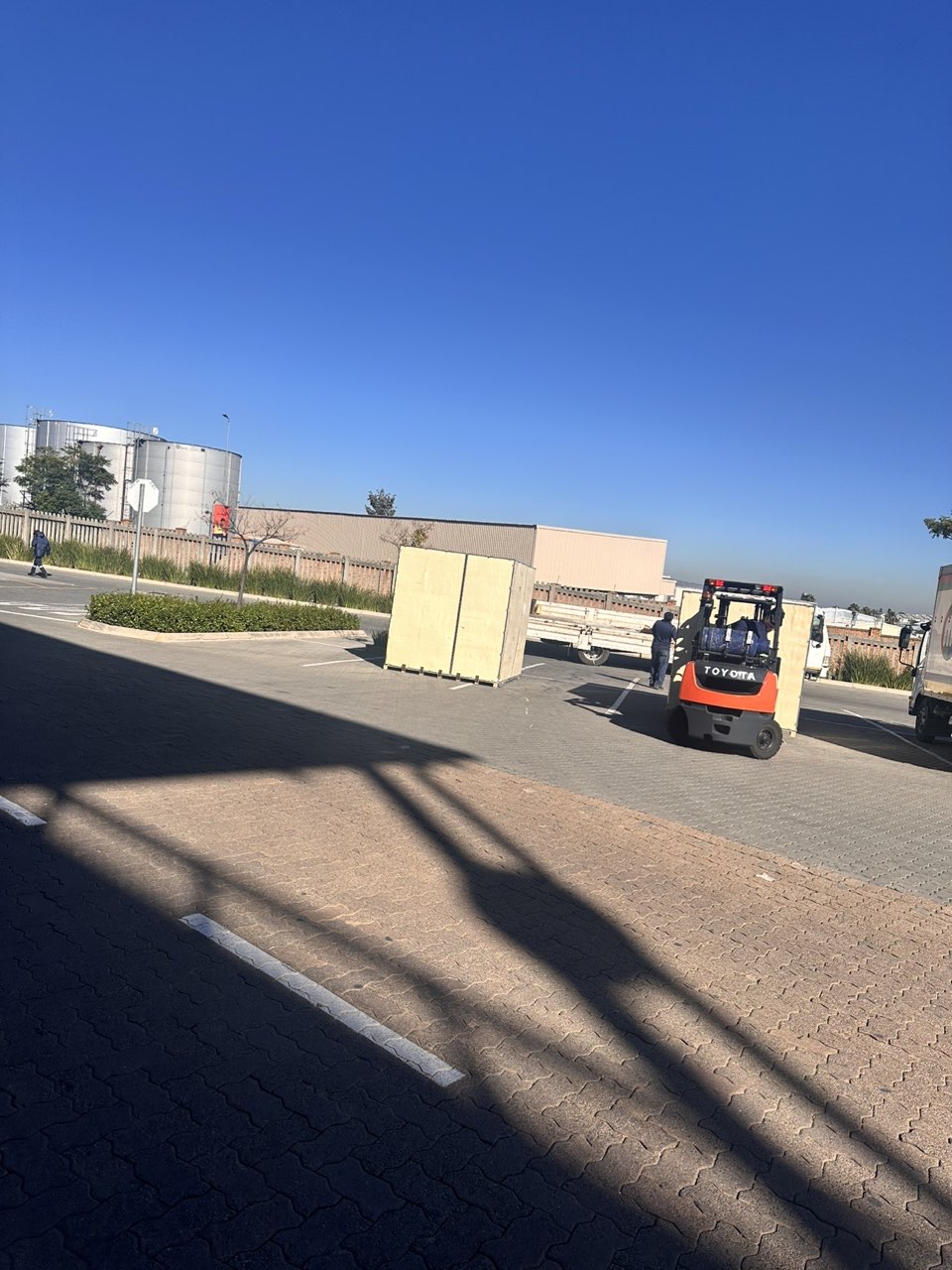
Mining Equipments
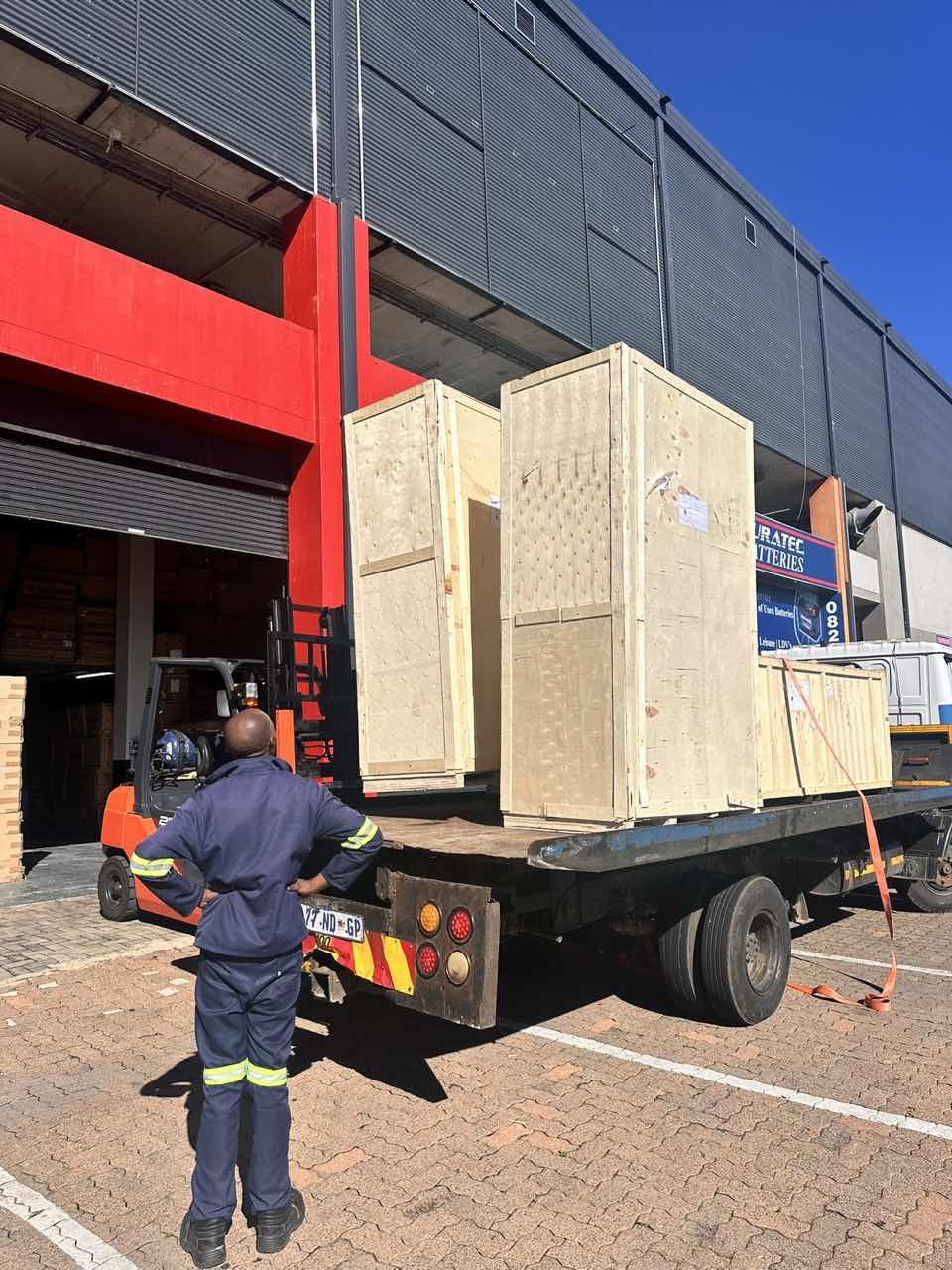
Food Processing Machine
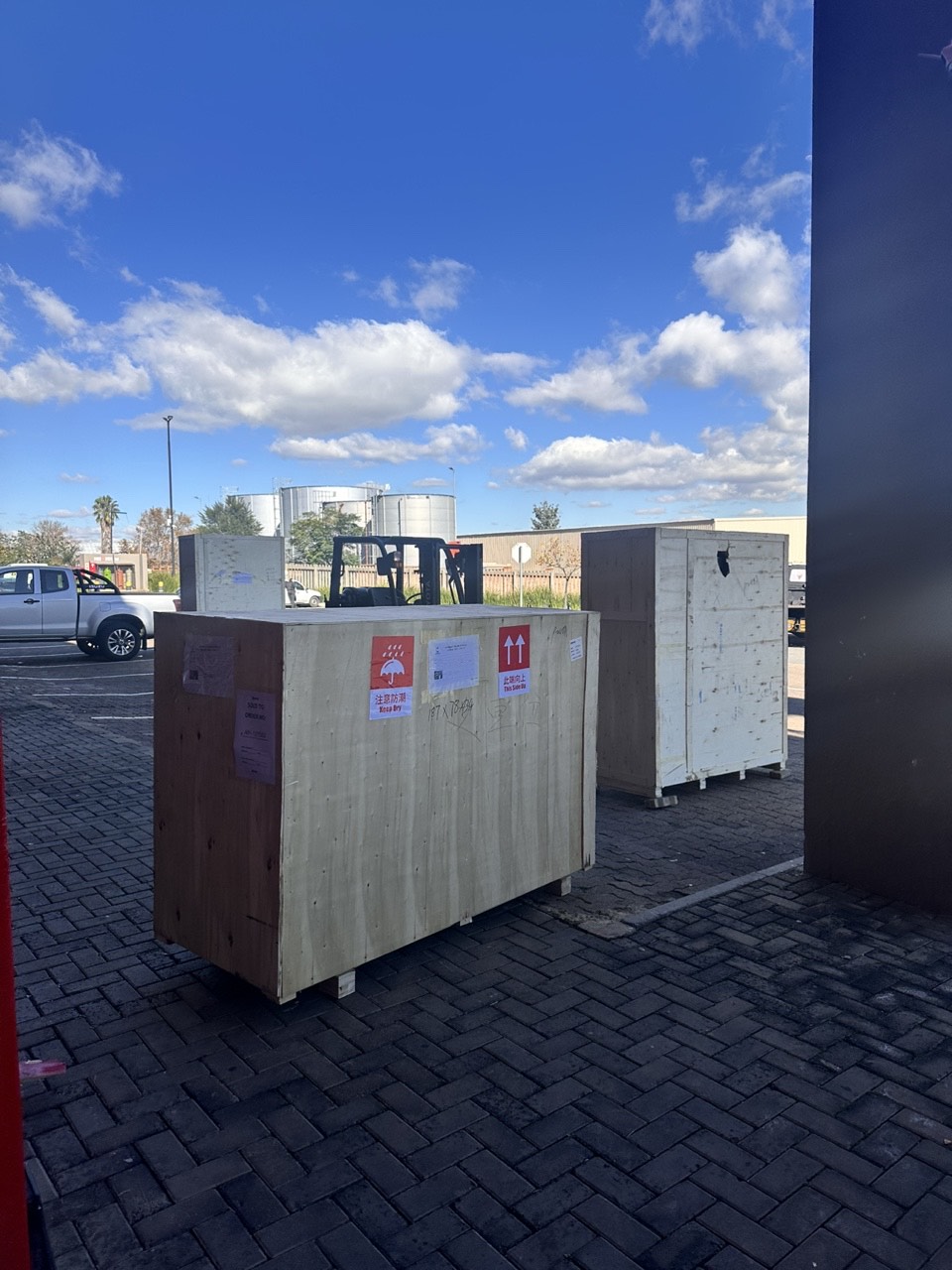
Batch of Orders
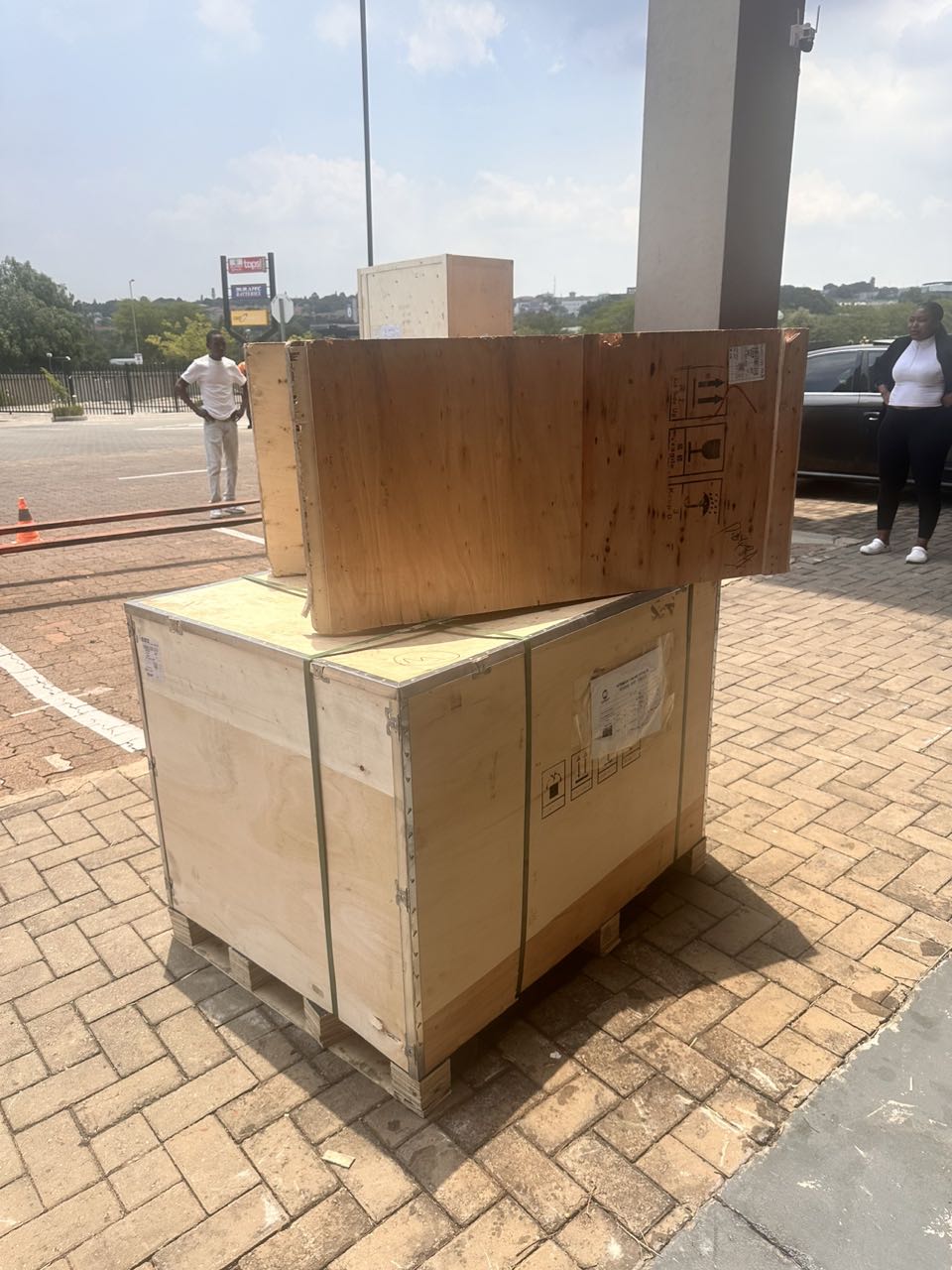
Batch of Orders
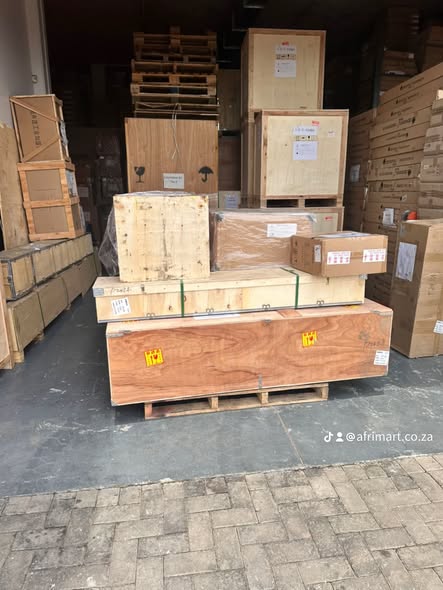
Latest Orders Labelled
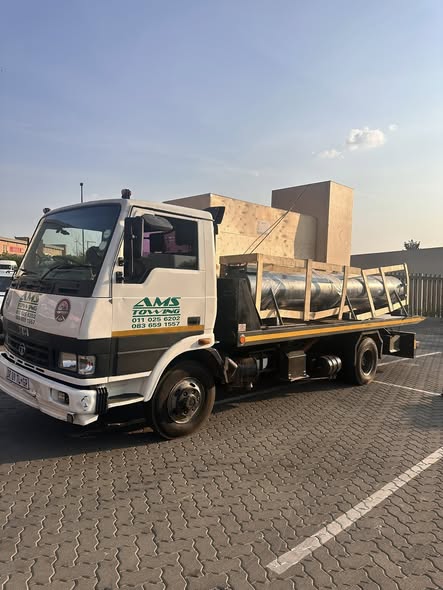
wheel alignment machines
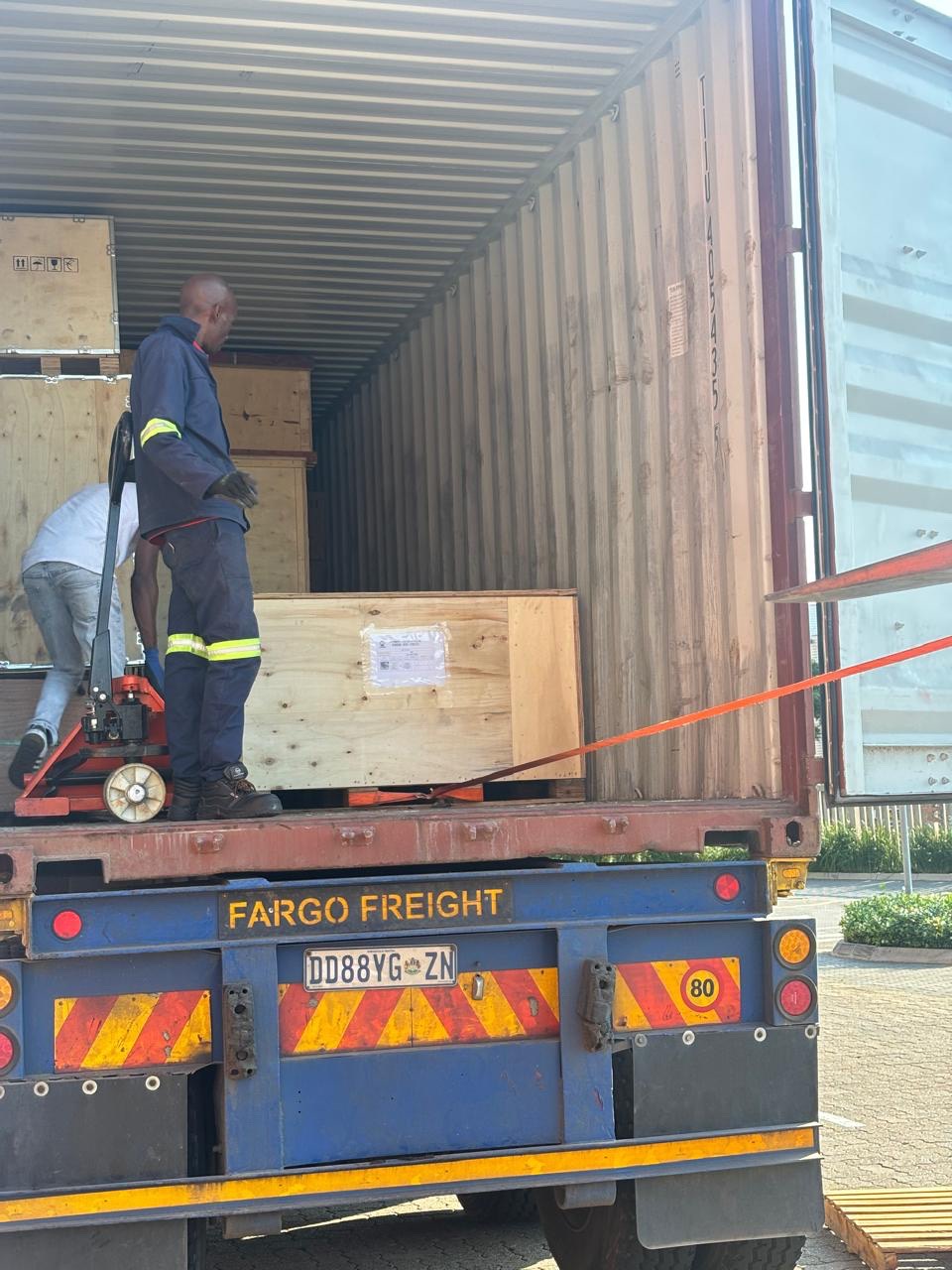
new arrivals
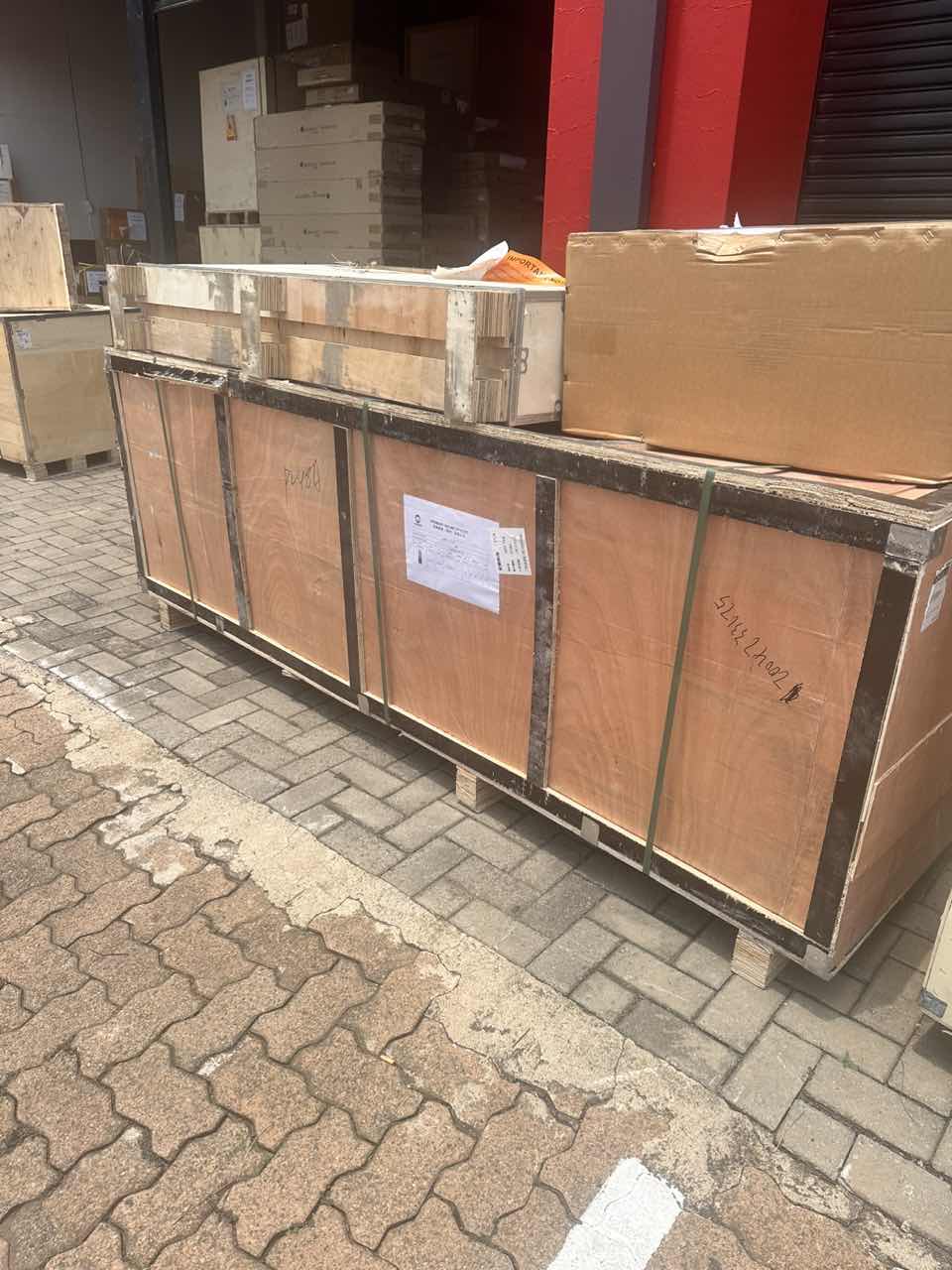
Pre Orders Offloading
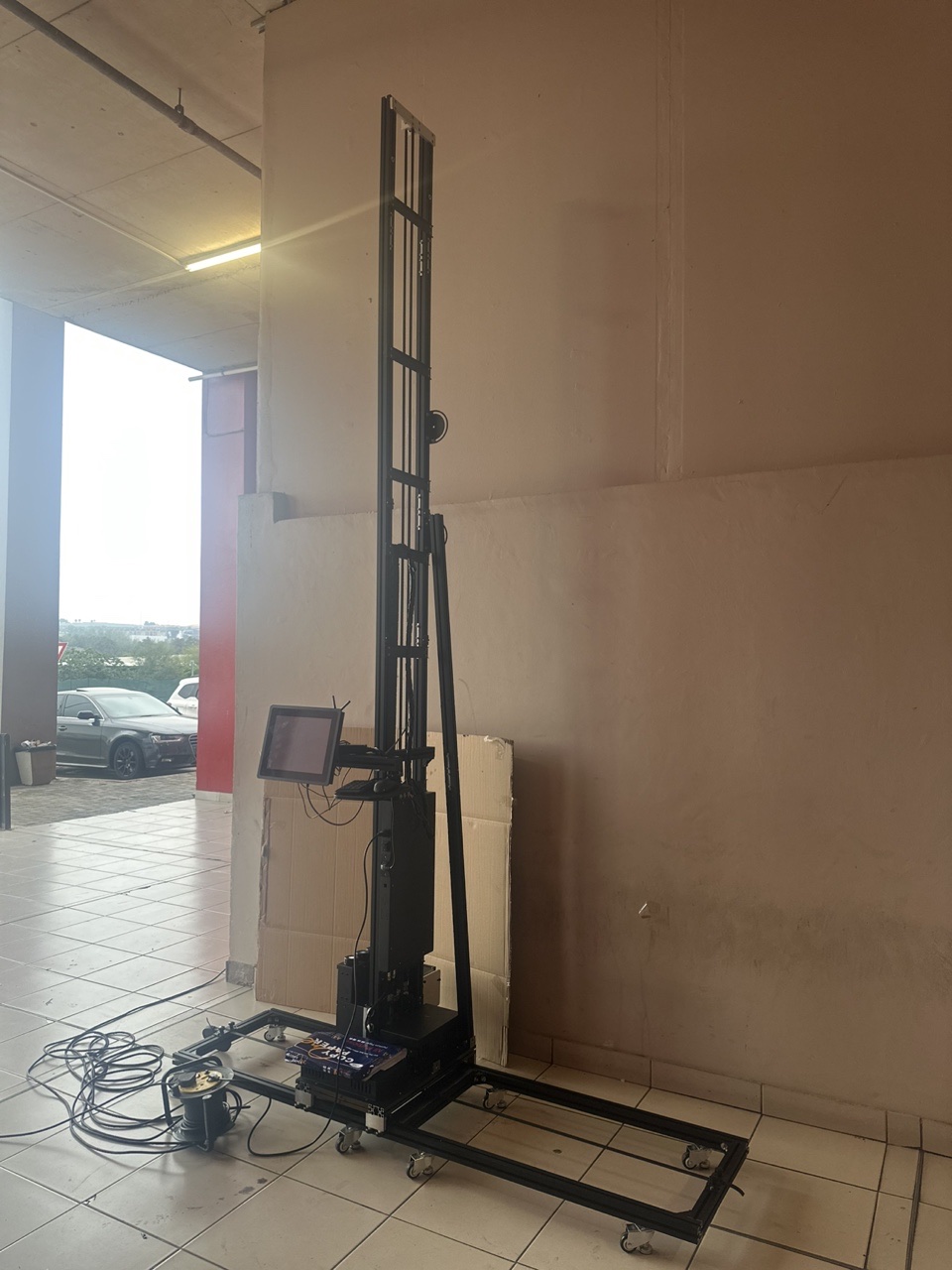
Latest Arrivals
Latest Arrivals
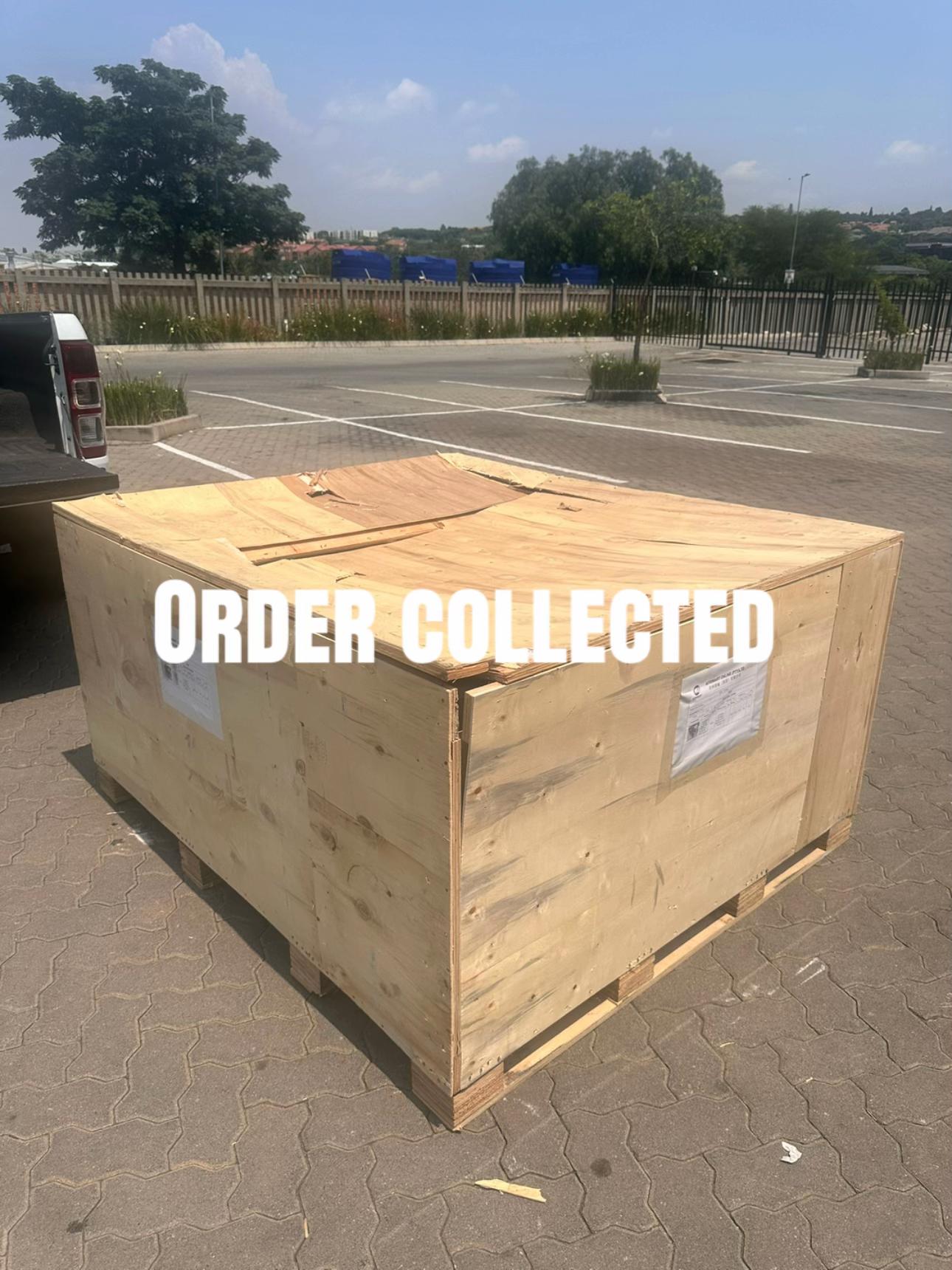
Latest Arrivals
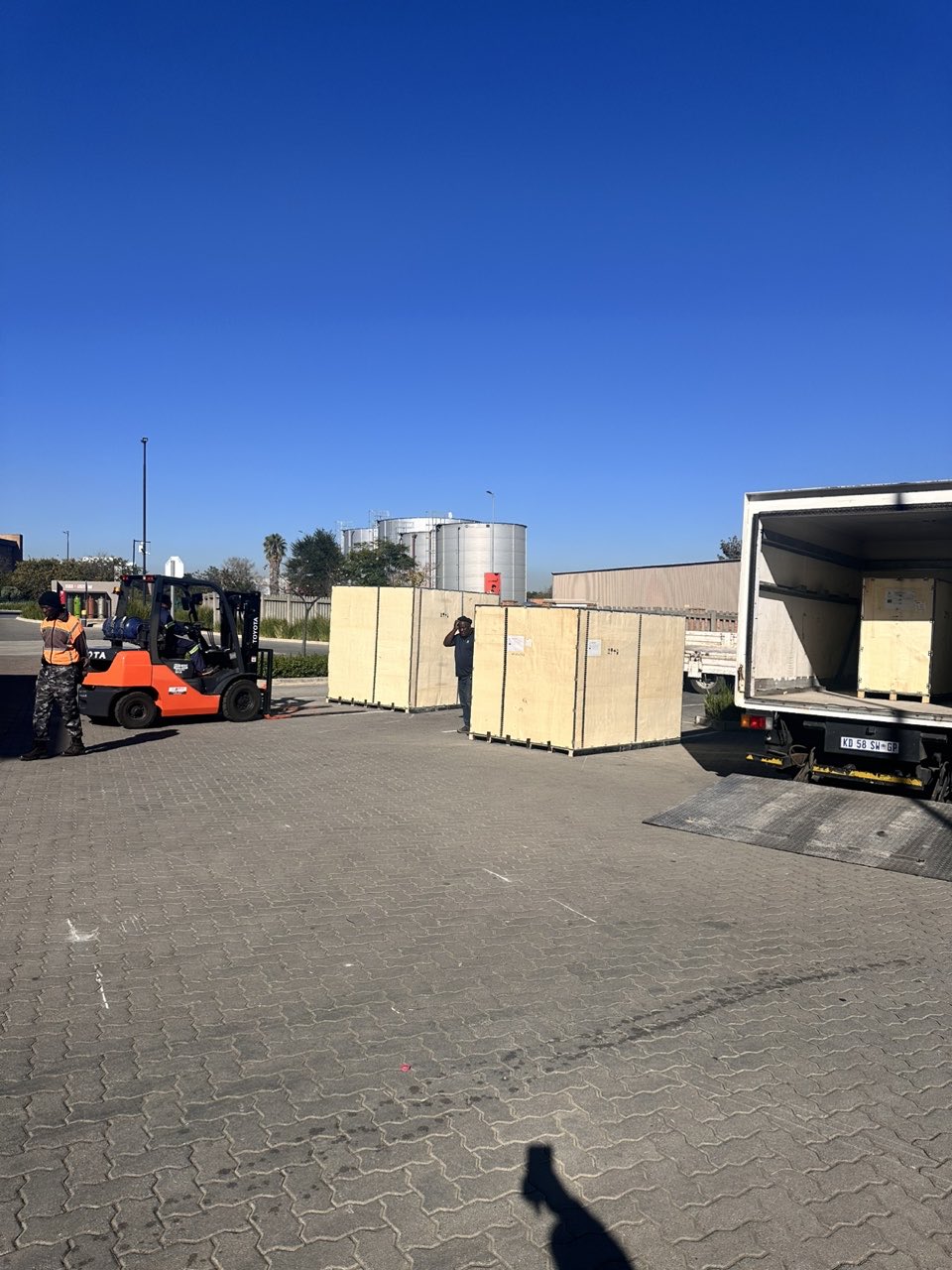
Loading
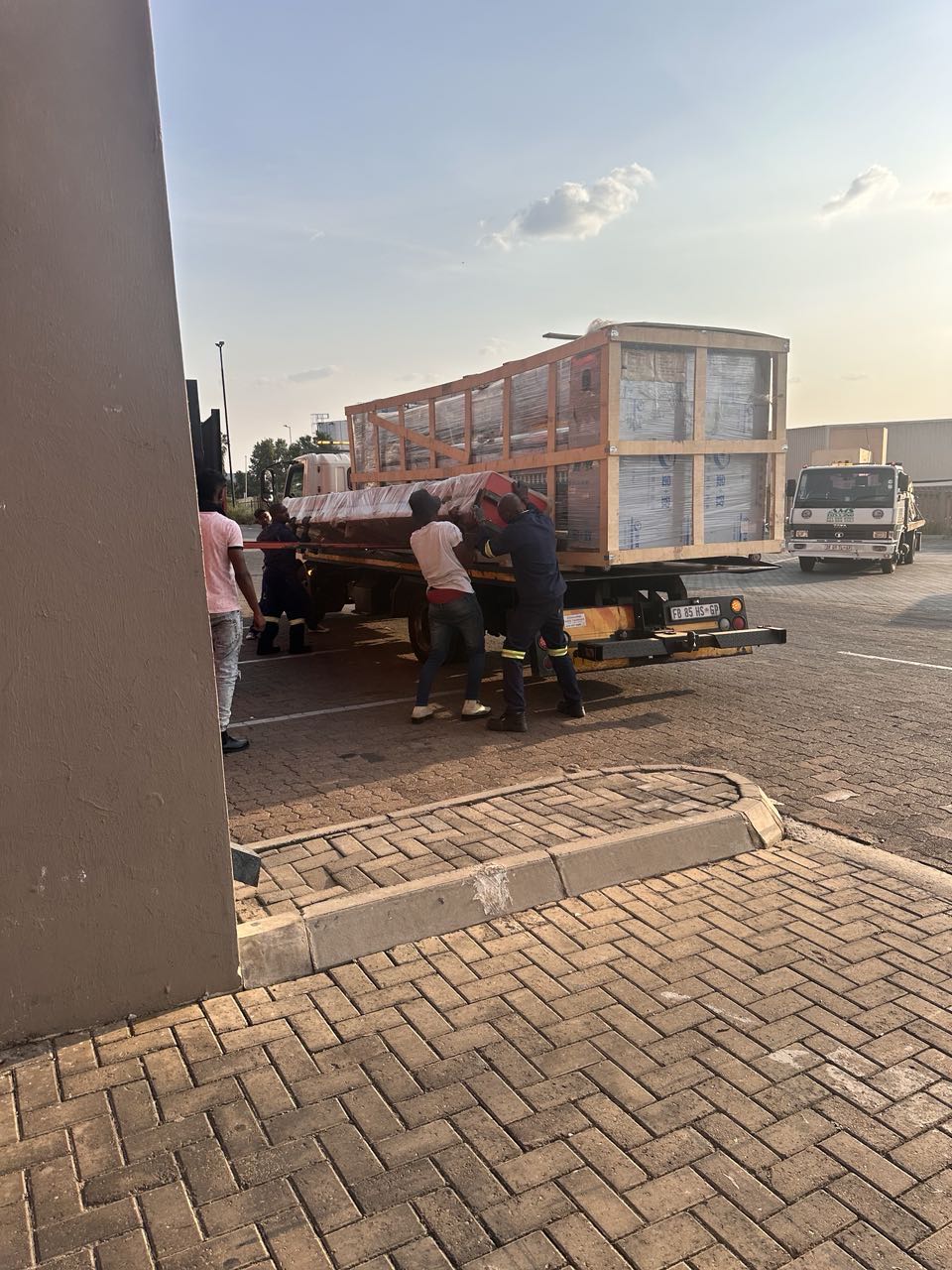
Toilet paper making machine
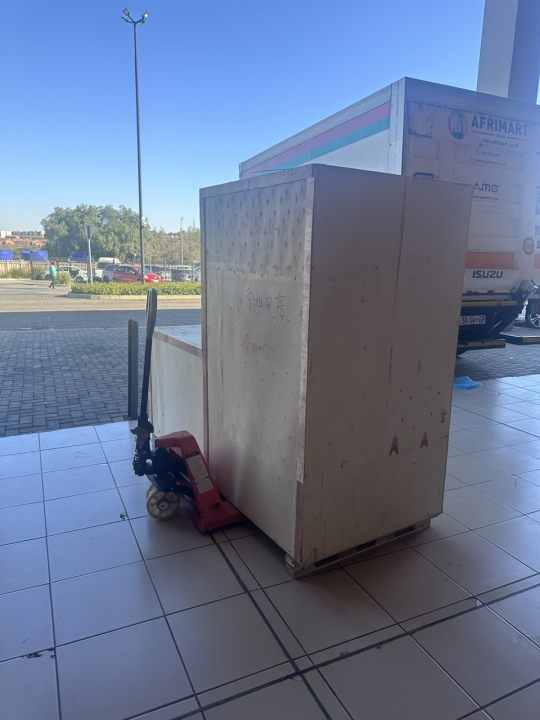
Toilet paper making machine
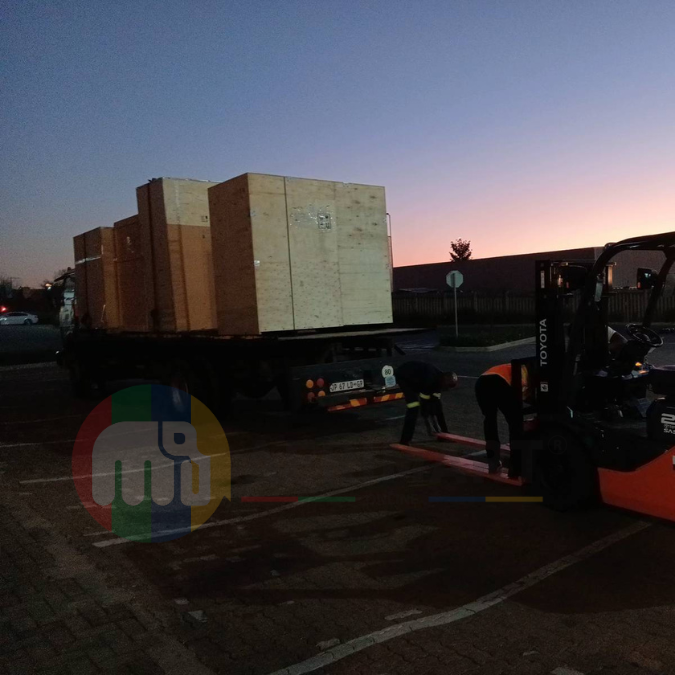
Toilet paper Rewinding Machine
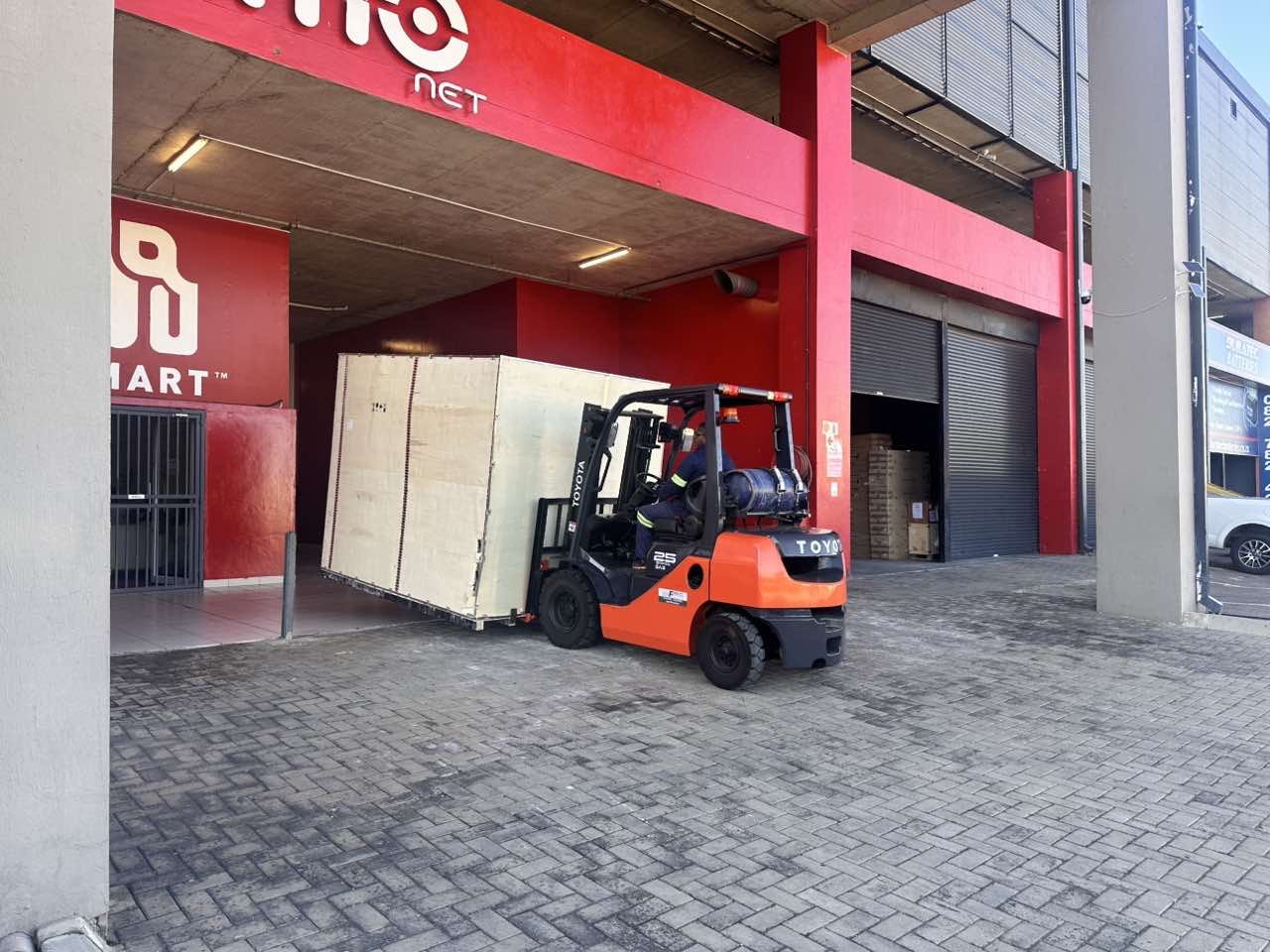
latest arrivals
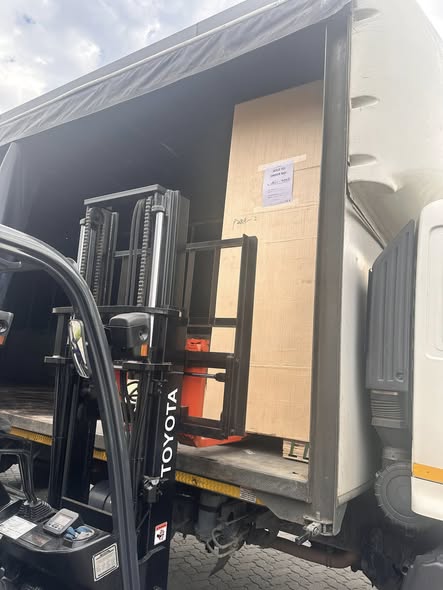
offloading
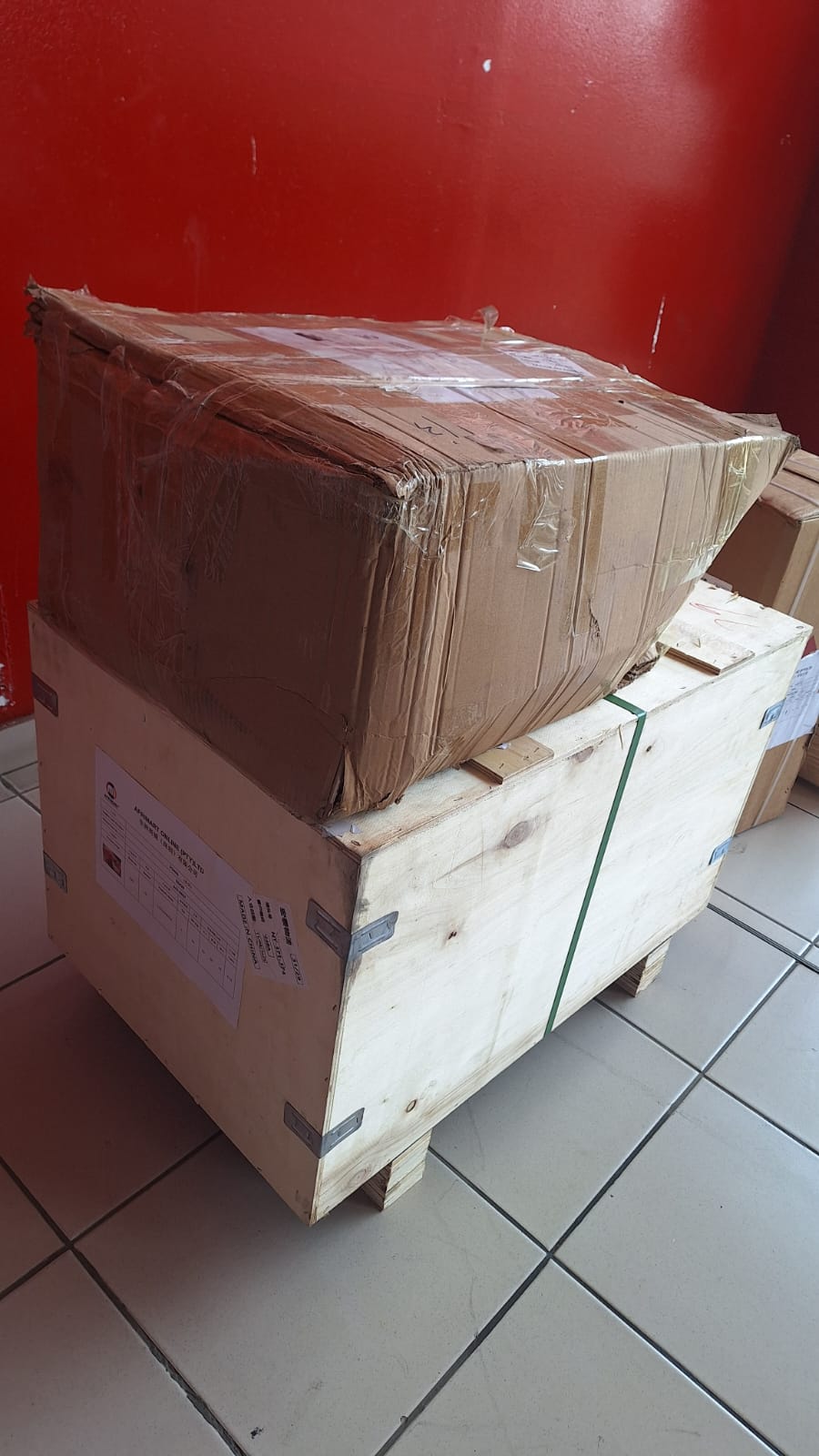
order success
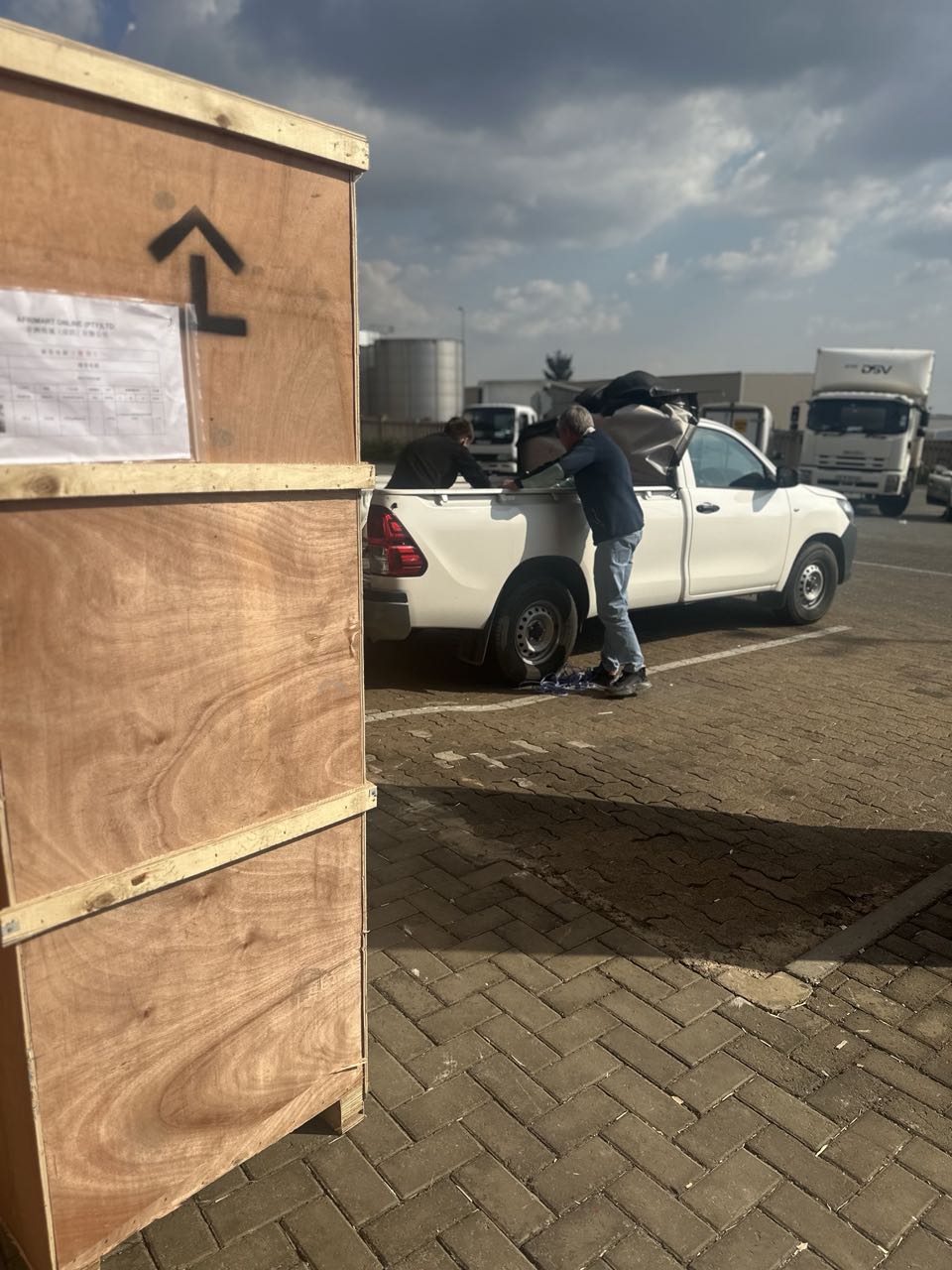
order collection
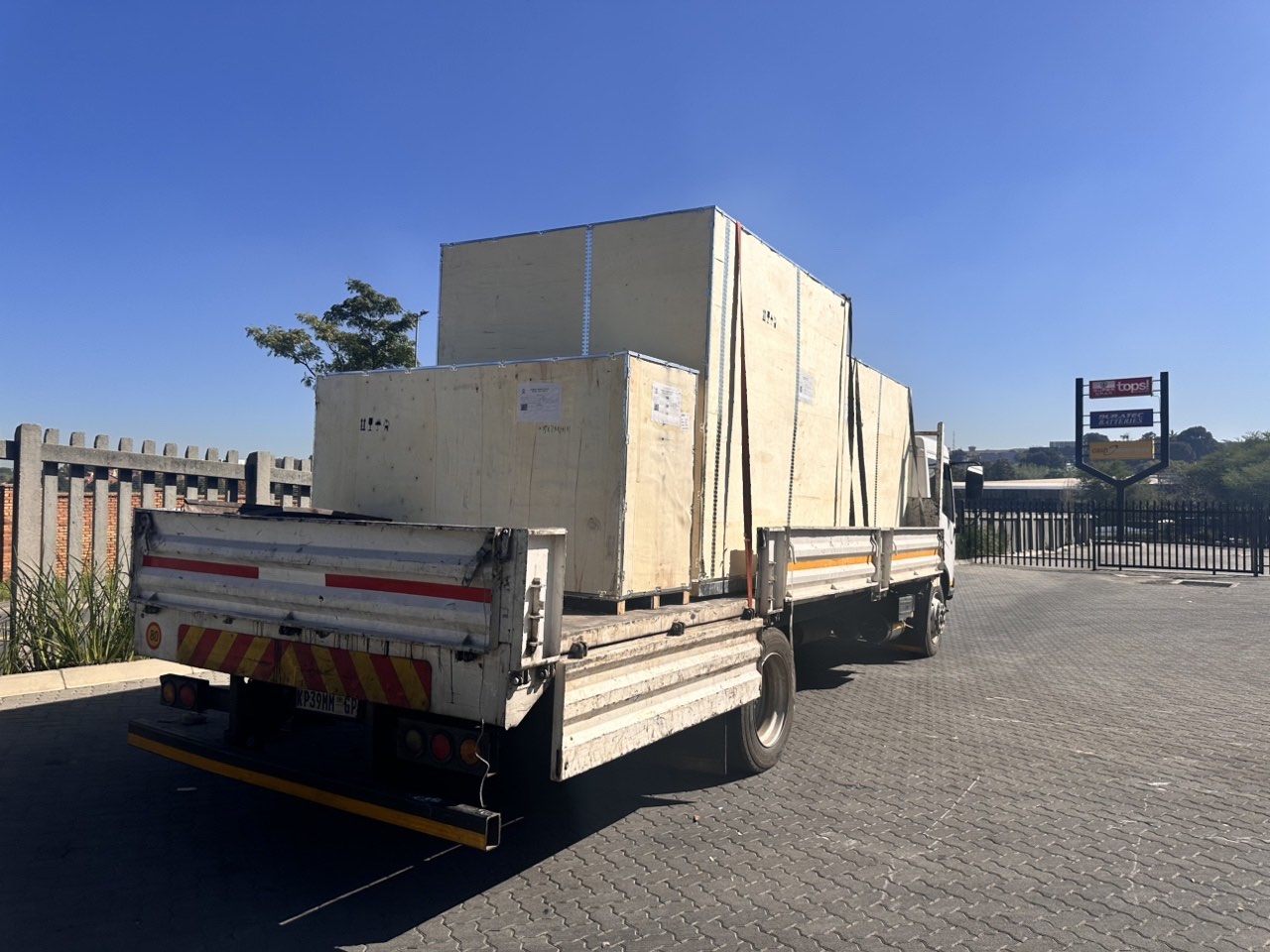
order offloading