B21, China Town Mall, Midrand

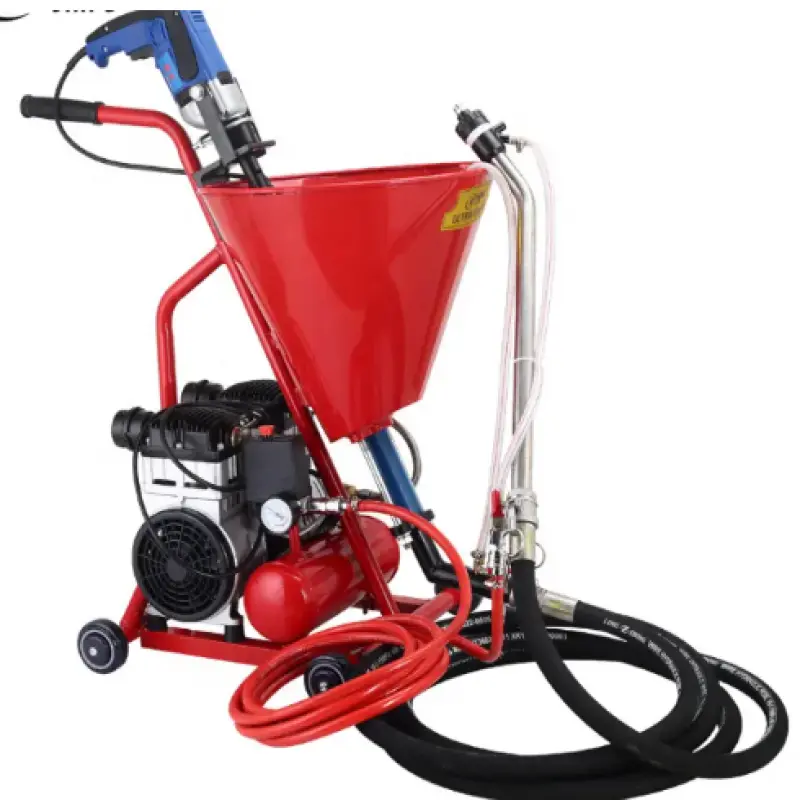
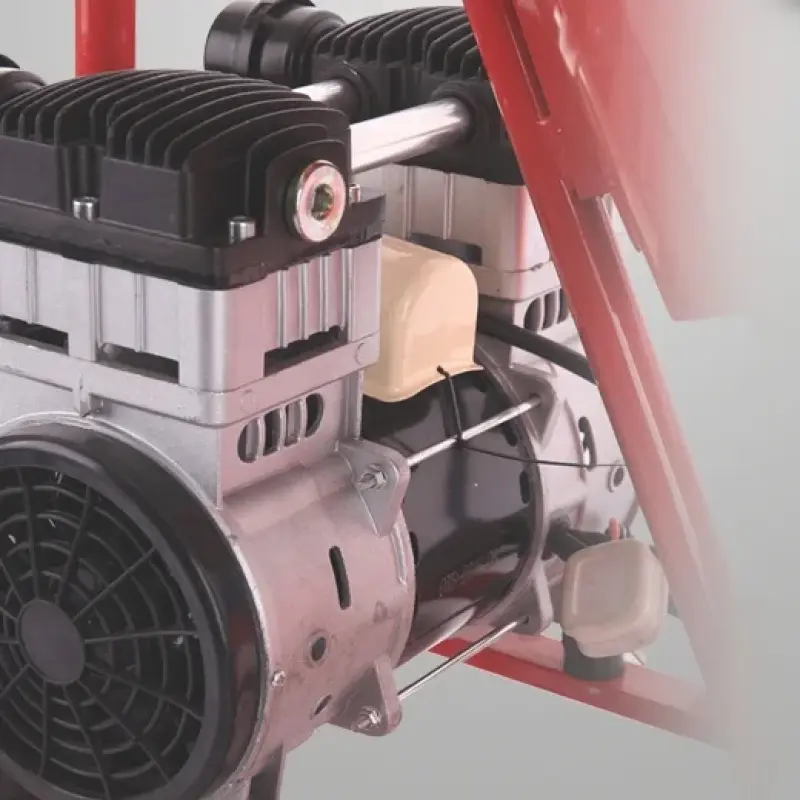
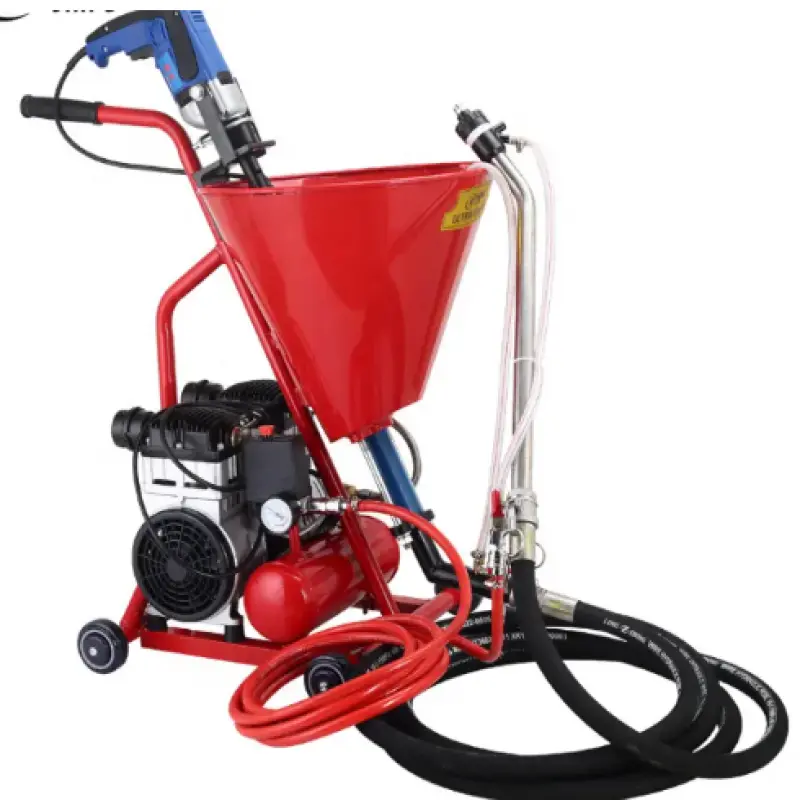
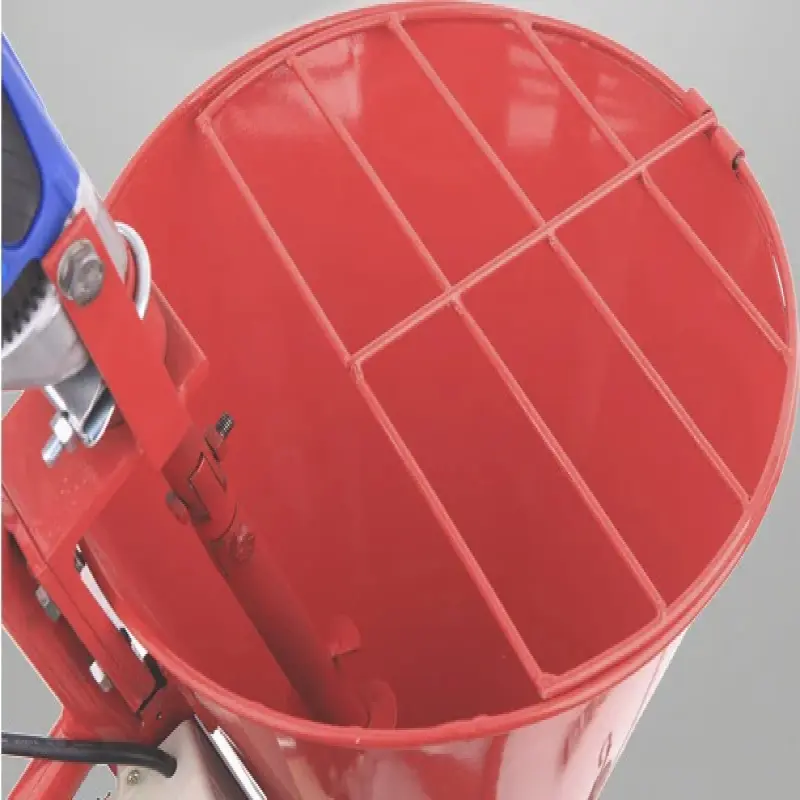
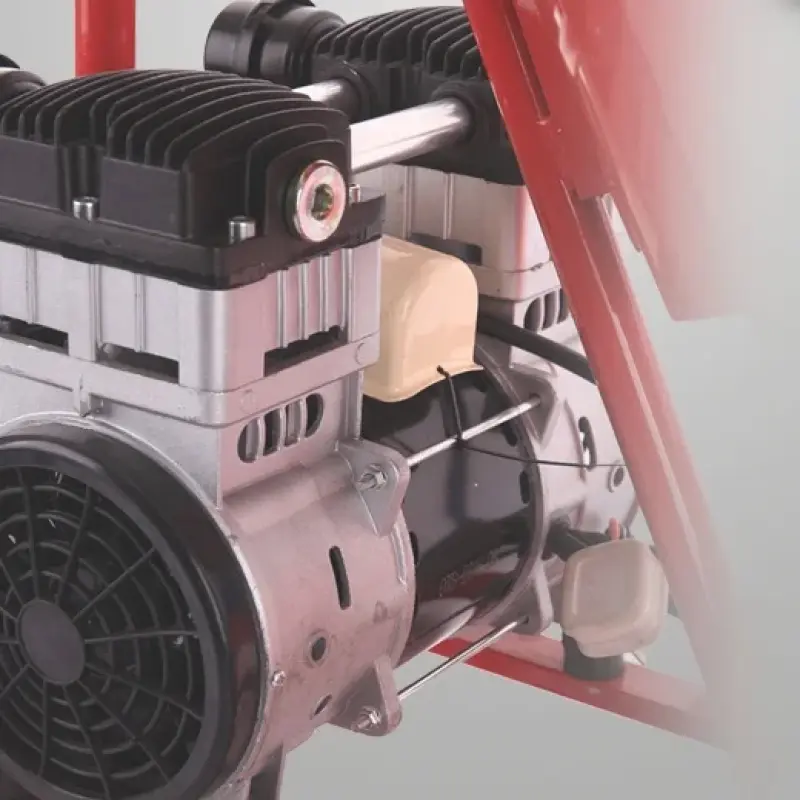
Cement Mortar Spray Machine For Cement Plastering And Waterproof Coating

- Section : Machinery
- Category : Construction Machinery
- SKU : 1600316449530

- Shipping Timeframes: All orders are processed within 2-5 business days (excluding weekends and holidays). After your order has been processed, the estimated delivery time is before 14 Aug, 2026, depending on customs, Please note that due to high demand, some items may experience longer shipping times, which will be communicated at order confirmation email.
- Order Processing Time: Please allow 2-5 business days for us to process your order before it is shipped . Orders placed after 16:00 on Fridays, or during weekends and public holidays, will begin processing on the next business day. Processing times may be extended during peak seasons or sales events.
- Manufacturing Time: Some products needs manufacturing time, the manufacturing process will take approximately 10-30 business days depending on the product. This timeframe may vary depending on the complexity of the product and current demand. but this will be communicated with you during order confirmation.
- Returns and Exchanges: We offer a 30-day return policy for most items. If you are not completely satisfied with your purchase, you may return it within 30 days of receipt for a refund or exchange. Items must be unused, in their original packaging, and accompanied by proof of purchase. Return shipping costs are the responsibility of the customer, unless the item was damaged or defective upon arrival.
1. What is the Cement Mortar Spray Machine used for?
It is designed for spraying cement plaster, waterproof coatings, putty powders, grouting and general mortar projection work — e.g., plugging leaks in tunnels/dams, crack and structure reinforcement, indoor/outdoor waterproof spraying, garden and craft spraying.
2. What materials can this machine spray?
Cement mortar/plaster, waterproof mortars and grouts, putty powder coatings, latex paint (when properly thinned), grout mixes and other pumpable cement-based or low-viscosity coatings — provided particle size and consistency meet the machine limits.
3. What are the key technical specifications?
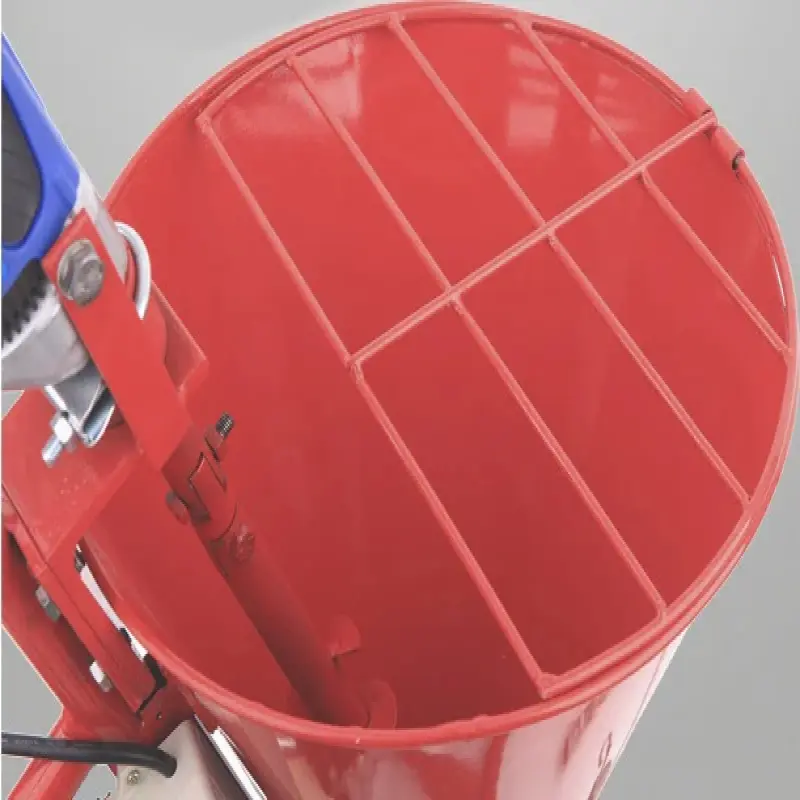
Rated voltage: 220V; rated power: 800–1100 (check product label/manual for unit, typically W); flow: 0–6 L/min; hopper capacity: 15 L; vertical pumping distance: up to 15 m; horizontal distance: up to 15 m; maximum aggregate size: 0–1 mm; net weight: 20 kg; dimensions: 700 × 400 × 850 mm.
4. What is the maximum aggregate or sand size the machine can handle?
Maximum aggregate (sand) size is 0–1 mm. Do not use coarser aggregates to avoid clogging and pump damage.
5. How far can the machine pump material (spray distance)?
The specified maximum vertical distance is about 15 m and the horizontal distance is about 15 m. Actual performance depends on material viscosity and mix consistency.
6. How should I prepare cement mortar or waterproof mix for spraying?
Prepare a smooth, lump-free, pumpable consistency within the machine's limits: use fine sand (≤1 mm), proper cement-to-sand ratio and add water or plasticizer/admixture as needed. Strain the mix through a mesh to remove lumps and test on a small trial to adjust viscosity before full application.
7. What are the basic operation steps?
1) Place machine on stable surface and connect to 220V supply. 2) Prepare and strain the mix. 3) Fill hopper (15 L) and secure hoses/nozzle. 4) Set spray/pressure adjustments per manual. 5) Start machine, test spray, adjust mixture or nozzle, then proceed with consistent spraying motion. Always follow the user manual for detailed startup procedures.
8. How do I clean and maintain the machine?
Flush the hopper, pump and hose immediately after use with plenty of water (or appropriate cleaner for non-waterborne materials). Disassemble and clean nozzle and seals regularly, inspect hoses and wear parts, and lubricate moving parts as recommended in the manual. Prompt cleaning prevents blockages and prolongs life.
9. Can I spray latex or architectural paints with this machine?
Yes — low-viscosity or properly thinned latex paints can be sprayed, but you must confirm paint compatibility, dilute to pumpable viscosity, and thoroughly clean the machine after use. Do not spray highly solvent-based coatings unless the machine and seals are rated for them.
10. Is the machine suitable for indoor use?
Yes, it can be used indoors for plastering and coatings, but ensure adequate ventilation, use appropriate PPE (respirator, goggles), and protect nearby surfaces. Take electrical safety precautions when operating in enclosed or wet areas.
11. What safety precautions should I follow?
Wear PPE (respirator, eye protection, gloves, protective clothing). Ensure equipment is properly grounded and power supply is safe. Do not spray flammable solvents. Release built-up pressure before servicing. Keep hands and body parts away from nozzle under pressure and follow lockout procedures before maintenance.
12. What are common problems and quick troubleshooting tips?
Clogging: check mix consistency and strain mix; clean nozzle/hose. Low or no pressure: verify power supply, inspect pump seals and hoses for leaks. Uneven spray: adjust mix viscosity and nozzle settings, check for blocked or worn nozzle parts. Persistent faults: consult service manual or supplier.
13. Which parts wear out and should be kept as spares?
Nozzles, seals/gaskets, hoses, pump pistons or diaphragms and O-rings are common wear parts. Keep these spares on hand to minimize downtime.
14. How portable is the machine and how much does it weigh?
The machine is relatively portable for job-site use — net weight is about 20 kg and dimensions are 700 × 400 × 850 mm. It requires a 220V power source, so portability depends on availability of power or a generator.
15. What about warranty, service and technical support?
Warranty terms and service options vary by supplier. Check the product documentation or contact the seller/manufacturer for warranty length, authorized service centers and spare parts availability. Keep purchase and maintenance records to assist with claims.
Latest Order Arrivals
Discover our latest orders

12 Heads Embroidery Machine

Toilet Paper Machine Machine

Order Collection

Cross Border Clients

Order cros border countries Collected

Industrial Machine Cllection

Agriculture Processing Machines

Ready for collection

Water Pump Equipment

Packaging Machine and accessories

Fabrics Manufacturing Equipment

Mining Equipments

Food Processing Machine

Batch of Orders

Batch of Orders

Latest Orders Labelled

wheel alignment machines

new arrivals

Pre Orders Offloading

Latest Arrivals

Latest Arrivals

Latest Arrivals

Loading

Toilet paper making machine

Toilet paper making machine

Toilet paper Rewinding Machine

latest arrivals

offloading

order success

order collection

order offloading