B21, China Town Mall, Midrand

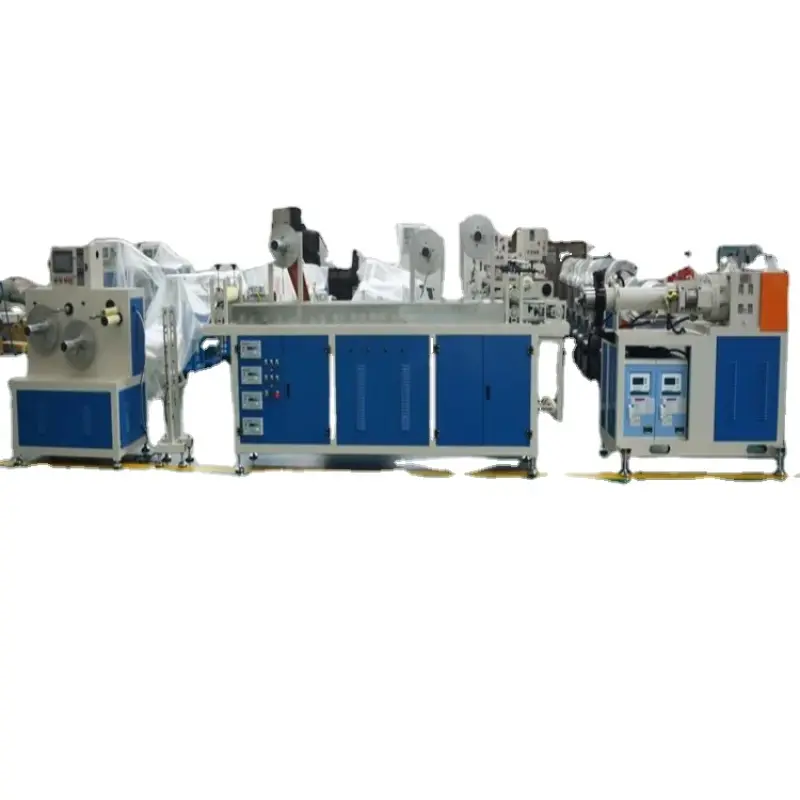
Butyl Rubber Extruder Machine
Asset finance available
Do you want funding for this equipment?
Afrimart can connect you with trusted funding partners who specialise in asset finance for businesses like yours. Compare options and apply in minutes — final approval is subject to provider review.
Check funding options
Secure & no obligation
- Section : Machinery
- Category : Industrial Machinery
- SKU : 1601061701230

Product Overview
Butyl Rubber tape production line:
The Butyl rubber extruder is a specialized machine used in various industries for the production of a wide range of products. Here's an overview of its applications, usage, and features:
**Applications**:
1. **Adhesive Tapes**: Used in the manufacturing of adhesive tapes for various purposes such as sealing, bonding, and insulation.
2. **Sound Insulation Materials**: Utilized in soundproofing applications to reduce noise transmission and improve acoustics.
3. **Damping Materials**: Employed in damping applications to absorb vibrations and reduce noise.
4. **Automobile Components**: Used for manufacturing automobile door seals, window seals, chassis seals, and other automotive components.
5. **Hollow Glass Butyl Adhesive Tapes**: Used in the construction of windows and doors to provide sealing and insulation.
6. **Non-Woven Fabric Butyl Adhesive Tapes**: Used in various industries for bonding non-woven fabric materials.
7. **Release Paper Butyl Adhesive Tapes**: Utilized in adhesive tape manufacturing where easy release properties are required.
8. **Aluminum Foil Butyl Adhesive Tapes**: Used for sealing and insulation applications requiring a combination of butyl rubber and aluminum foil.
9. **Waterproof Coiled Materials**: Used in waterproofing applications such as roofing, pipelines, and construction joints.
10. **Chewing Gum Base Material**: Utilized in the food industry for manufacturing chewing gum.
**Usage**:
- The Butyl rubber extruder is commonly used to produce water swelling strips for highways and for sealing and waterproofing treatment in construction joints of underground tunnel structures.
**Features**:
- **Water-Swellable**: The butyl rubber strips produced by the extruder have the ability to swell when exposed to water, enhancing their sealing and waterproofing properties.
- **Versatile Applications**: The extruder can be used to produce a wide range of products for various industries, making it a versatile manufacturing solution.
- **Durable and Reliable**: Designed to withstand the rigors of industrial production, ensuring durability and reliability in operation.
- **Customizable**: The extruder can be customized to meet specific requirements and production needs, offering flexibility in manufacturing processes.


FEATURES AT A GLANCE
Butyl Tape making machine:
Rubber Extrusion Vulcanization Production Machine Line :Term Quantity (set) 1. cold feed vacuum extruder 2. 3 M high-temperature forming machine 3. Winding machine 4. PLC control


PRODUCT SPECIFICATIONS
| Model | Xj-45 | Xj-65 | Xj-80 | Xj-110 |
| Screw diameter | 45 | 65 | 80 | 110 |
| Length-diameter ration | 12:1 | 12:1 | 12:1 | 12:1 |
| Motor power | 7.5 | 11 | 15 | 30 |
| Screw speed | 10-70 | 10-70 | 10-70 | 10-70 |
| Output kg/h | 20-30 | 40-60 | 120-150 | 200-280 |
- Shipping Timeframes: All orders are processed within 2-5 business days (excluding weekends and holidays). After your order has been processed, the estimated delivery time is before 15 Aug, 2026, depending on customs, Please note that due to high demand, some items may experience longer shipping times, which will be communicated at order confirmation email.
- Order Processing Time: Please allow 2-5 business days for us to process your order before it is shipped . Orders placed after 16:00 on Fridays, or during weekends and public holidays, will begin processing on the next business day. Processing times may be extended during peak seasons or sales events.
- Manufacturing Time: Some products needs manufacturing time, the manufacturing process will take approximately 10-30 business days depending on the product. This timeframe may vary depending on the complexity of the product and current demand. but this will be communicated with you during order confirmation.
- Returns and Exchanges: We offer a 30-day return policy for most items. If you are not completely satisfied with your purchase, you may return it within 30 days of receipt for a refund or exchange. Items must be unused, in their original packaging, and accompanied by proof of purchase. Return shipping costs are the responsibility of the customer, unless the item was damaged or defective upon arrival.
1. What is the Butyl Rubber Extruder Machine used for?
The Butyl Rubber Extruder Machine is used to produce butyl rubber tapes, water-swelling strips and related products for sealing, waterproofing, damping, sound insulation and automotive seals. It can also produce specialty tapes (aluminum-foil, release-paper, non-woven) and certain industrial bases such as chewing gum base material.
2. What are the main components of the production line?
A typical butyl tape production line includes a cold-feed vacuum extruder, a high-temperature forming (vulcanization) unit (3 m length in the supplied line), a winding machine, and PLC-based control systems for process automation.
3. What models and capacities are available?
Models include XJ-45, XJ-65, XJ-80 and XJ-110. Screw diameters are 45, 65, 80 and 110 mm respectively, with L/D ratio 12:1. Typical outputs are: XJ-45 (20–30 kg/h), XJ-65 (40–60 kg/h), XJ-80 (120–150 kg/h) and XJ-110 (200–280 kg/h).
4. What are the power and screw speed specifications?
Motor power varies by model (approximately 7.5 kW for XJ-45, 11 kW for XJ-65, 15 kW for XJ-80 and 30 kW for XJ-110). Screw speed range is 10–70 (adjustable) to control throughput and product quality.
5. Can the machine produce water-swellable butyl strips for tunnel and highway applications?
Yes. The extruder line is designed to produce water-swellable butyl rubber strips used for joint sealing and waterproofing in tunnels, highways and other infrastructure where swelling upon exposure to water improves sealing performance.
6. Is the line customizable for different tape constructions?
Yes. The extruder can be customized to accommodate different tape widths, thicknesses, backing materials (foil, release paper, non-woven), formulation changes and winding requirements to meet specific production needs.
7. What raw materials are required?
Typical inputs are butyl rubber compounds blended with fillers, tackifiers, plasticizers, and any additives needed for water-swellable behavior. For laminated products, backing materials such as aluminum foil, non-woven substrates or release liner are also required.
8. How is the product vulcanized and formed?
After extrusion, the extrudate passes through a high-temperature forming and vulcanization section (the 3 m heated forming machine) to shape, crosslink and set the tape before cooling and winding. Temperature and dwell time are controlled via the PLC.
9. What control and safety features are provided?
Standard features include PLC process control for temperature, screw speed and line speed, emergency stop buttons, safety guards, interlocks, and sensors for temperature and pressure monitoring. Additional safety options can be added upon request.
10. How do I choose the right model for my production needs?
Choose based on required hourly throughput, tape width/thickness, and downstream processing. For pilot or low-volume production select XJ-45/XJ-65; for medium to high volume choose XJ-80 or XJ-110. Consult technical sales with target capacity and product specs for a recommendation.
11. What routine maintenance is required?
Regular maintenance includes cleaning the extruder barrel and screw, inspecting and replacing worn screw and barrel components, checking heater bands and thermocouples, lubricating bearings and gearboxes, and verifying vacuum and winding systems. Follow the supplier's maintenance schedule for intervals.
12. What quality tests are typically performed on finished tape?
Common quality checks include dimensional tolerance (width/thickness), adhesion/tack tests, tensile and elongation, water-swelling performance (for swellable strips), vulcanization/crosslink density checks and visual inspection for surface defects.
13. What are typical installation and site requirements?
Requirements include a stable foundation, appropriate electrical supply matching motor ratings, adequate ventilation and exhaust for heating zones, compressed air or vacuum systems if specified, and sufficient floor space for the extruder, vulcanization line and winding unit. Exact requirements are provided with purchase documentation.
14. What after-sales support, training and spare parts are available?
Manufacturers typically provide operator training, commissioning assistance, spare parts packages and technical support. Ask your supplier about available training (on-site or remote), recommended spare parts, service contracts and typical lead times for parts.
15. What is the lead time and warranty information?
Lead time depends on configuration and order volume; typical manufacturing lead times are several weeks to a few months. Warranty and service terms vary by supplier—confirm standard warranty duration, coverage and available extended service agreements with your sales representative.
Latest Order Arrivals
Discover our latest orders
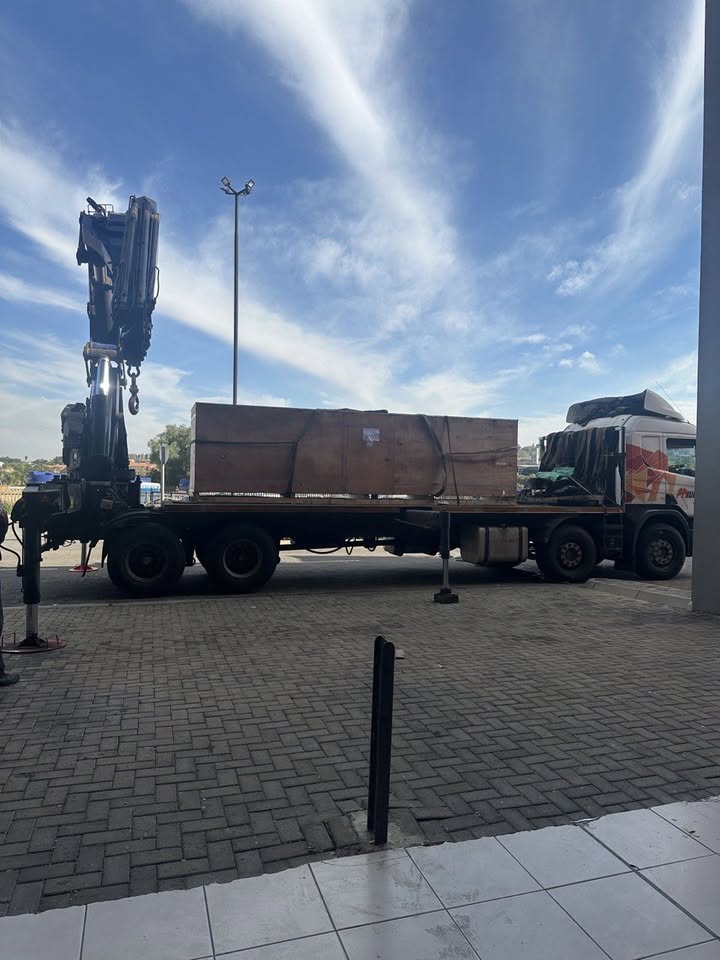
12 Heads Embroidery Machine
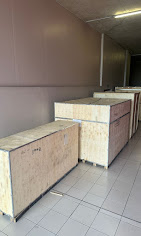
Toilet Paper Machine Machine
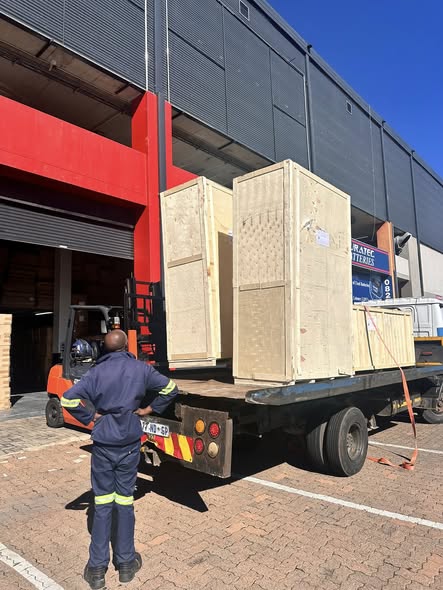
Order Collection
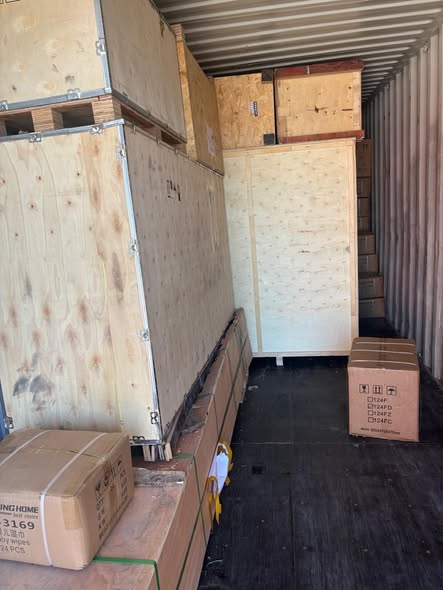
Cross Border Clients
Order cros border countries Collected
Industrial Machine Cllection
Agriculture Processing Machines
Ready for collection
Water Pump Equipment
Packaging Machine and accessories
Fabrics Manufacturing Equipment
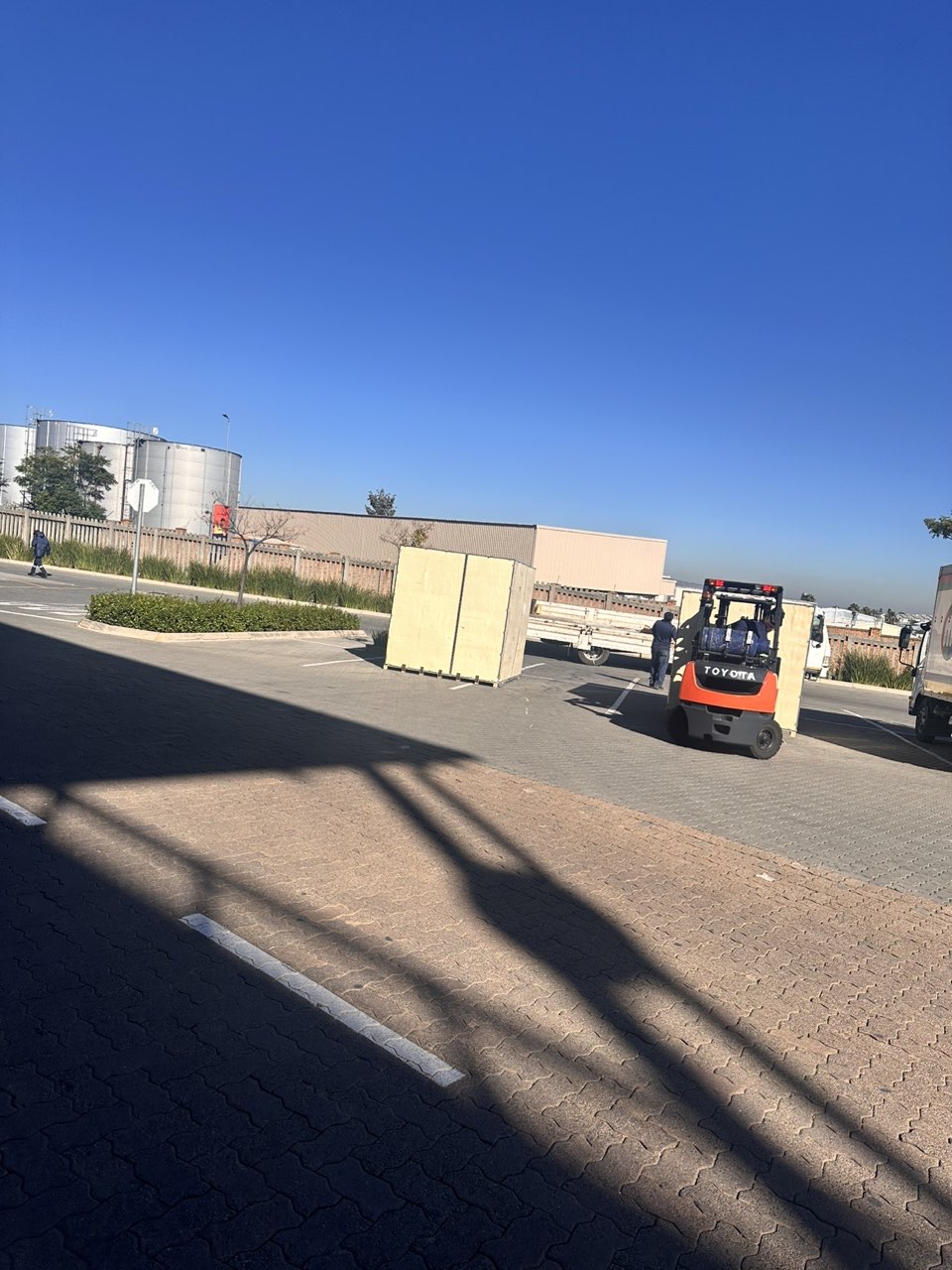
Mining Equipments
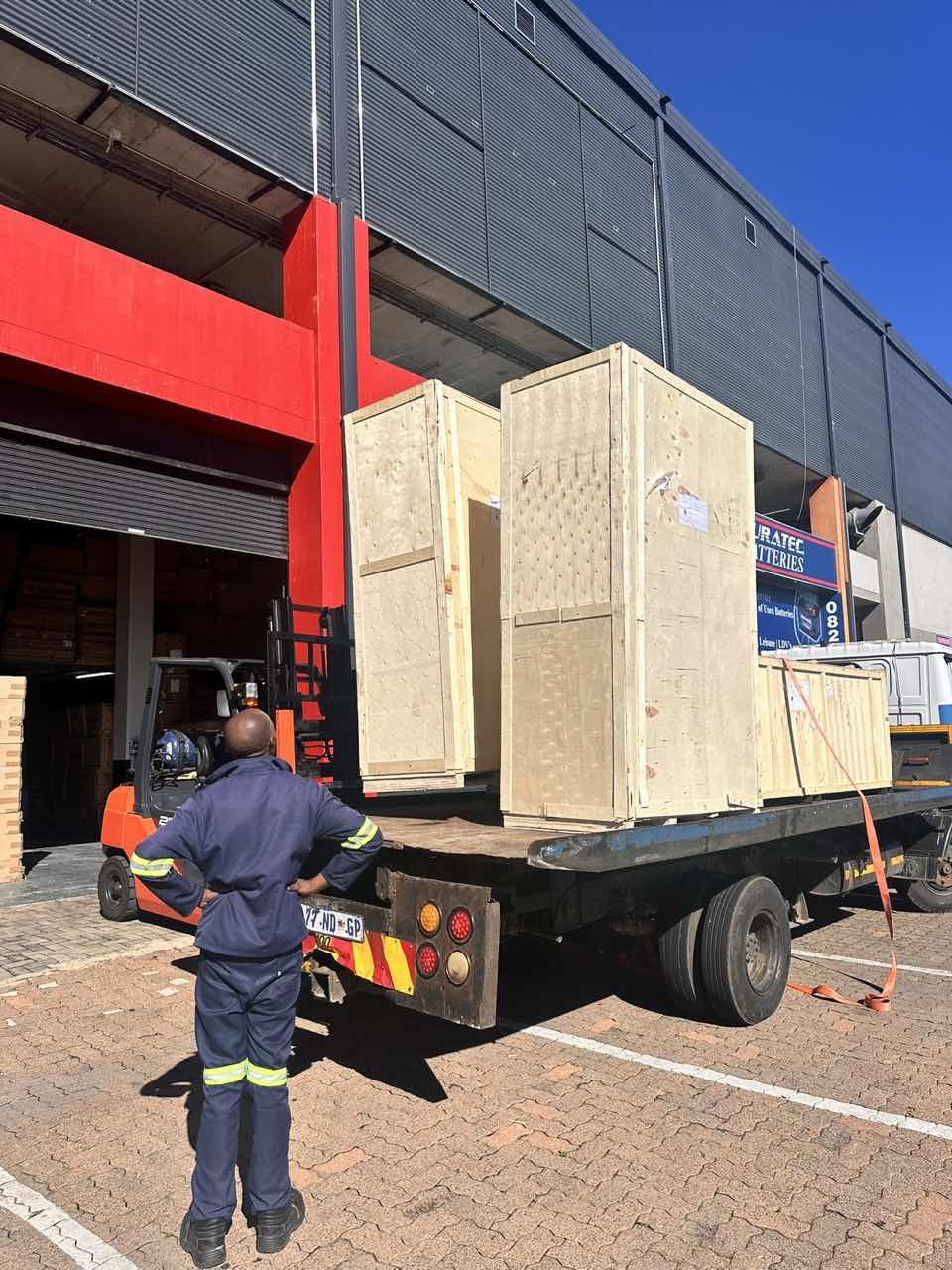
Food Processing Machine
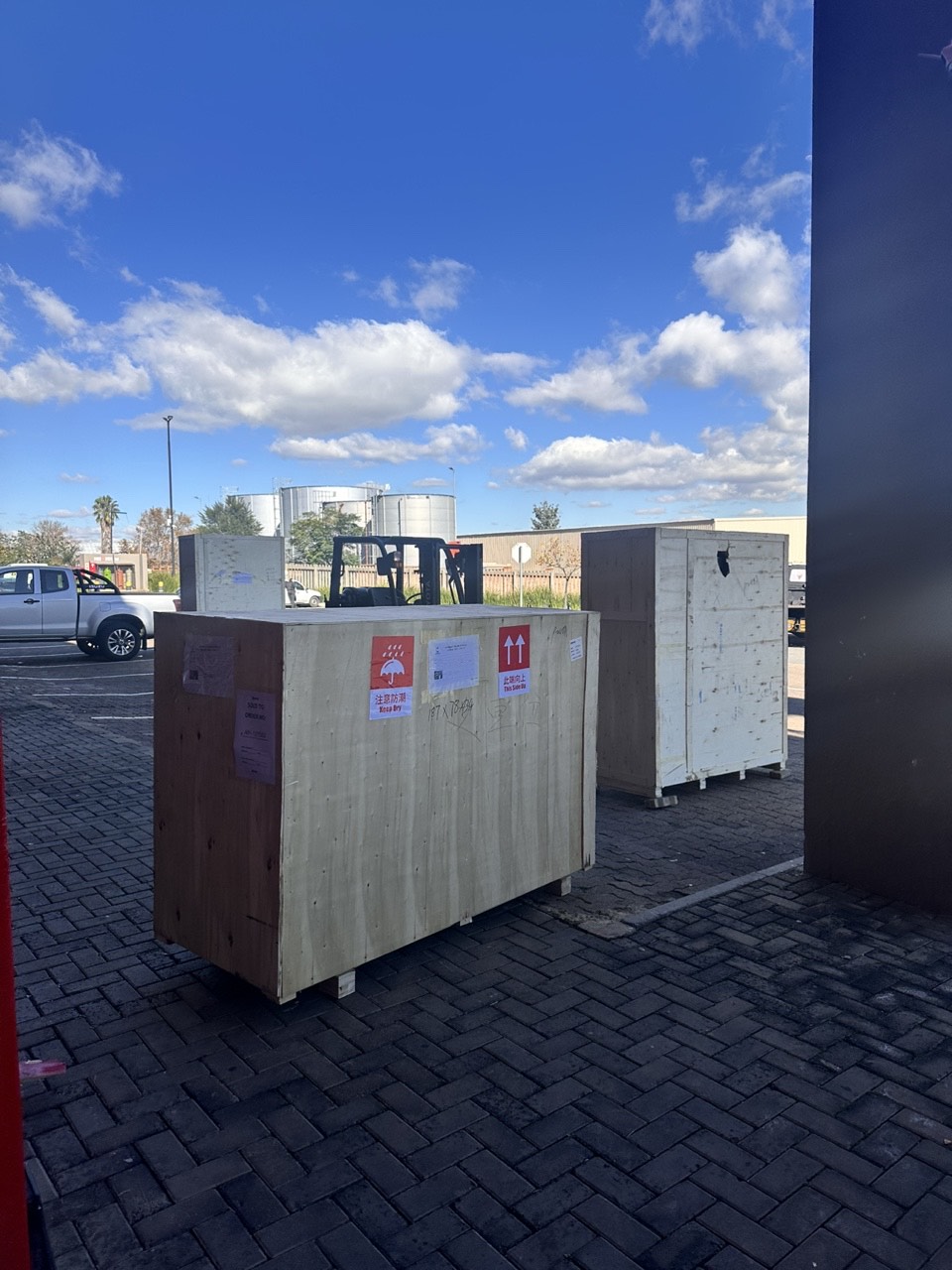
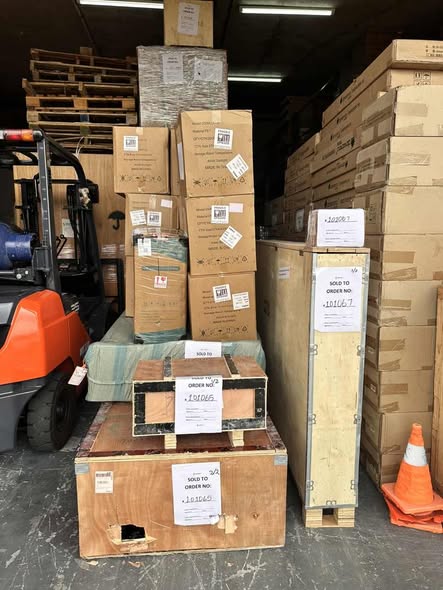
Batch of Orders
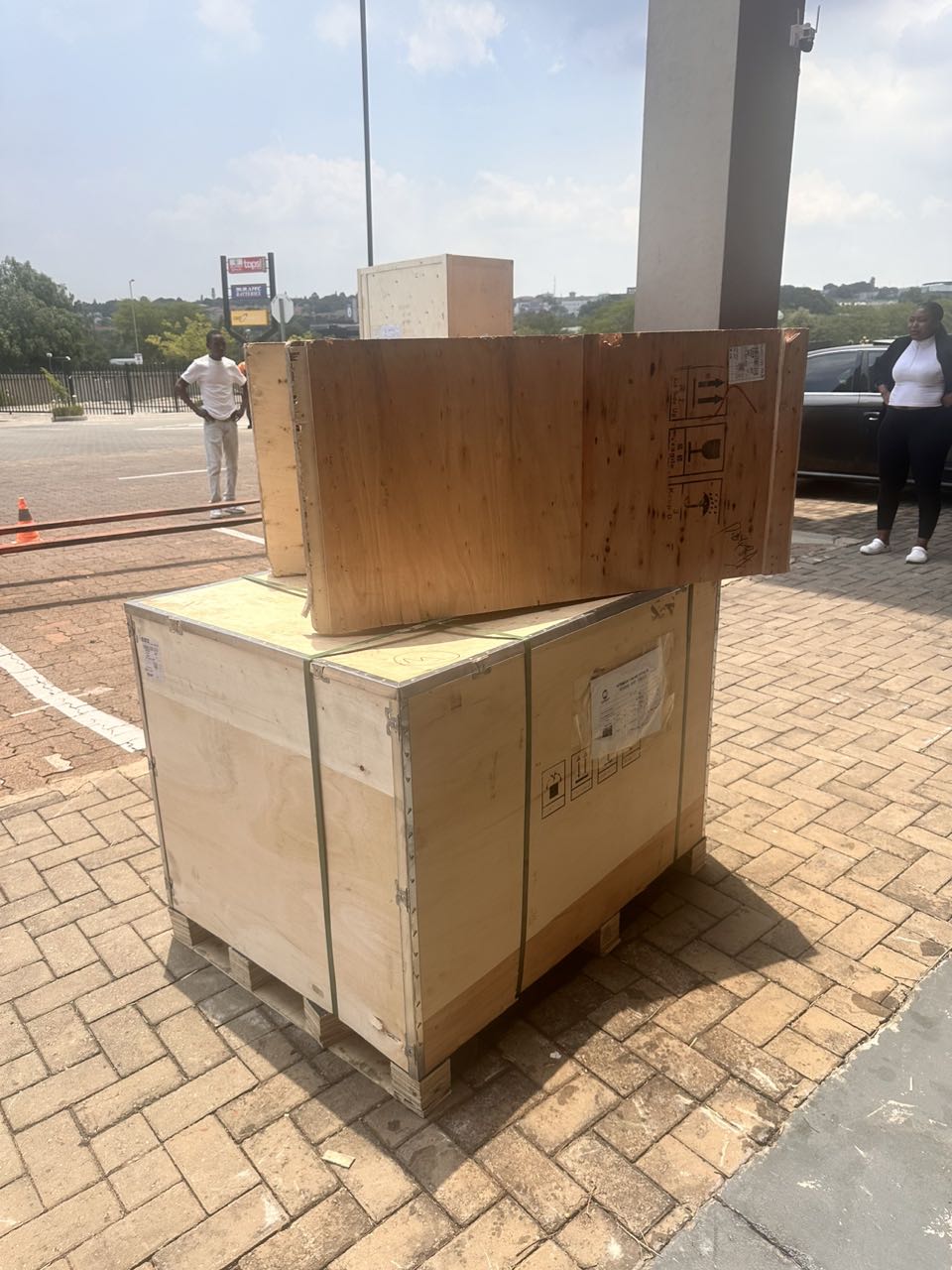
Batch of Orders
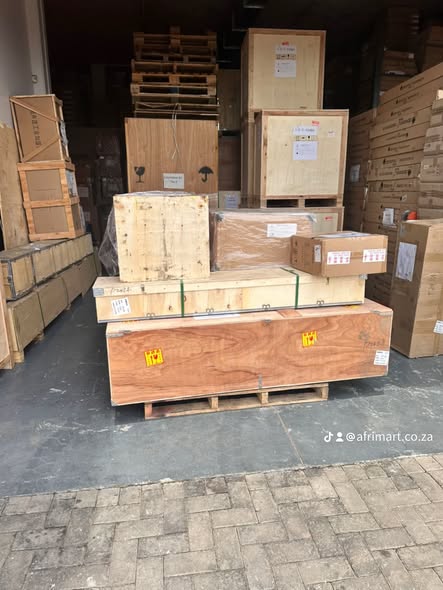
Latest Orders Labelled
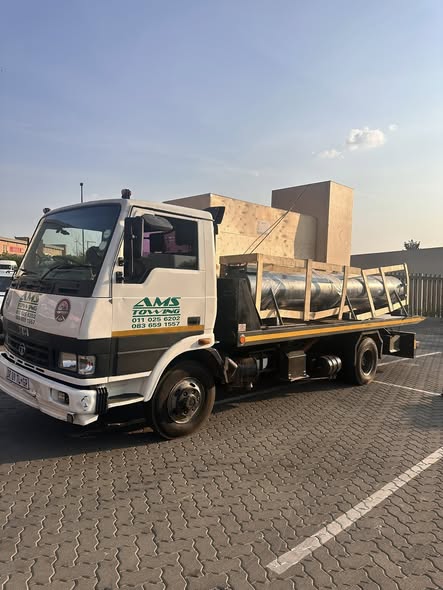
wheel alignment machines
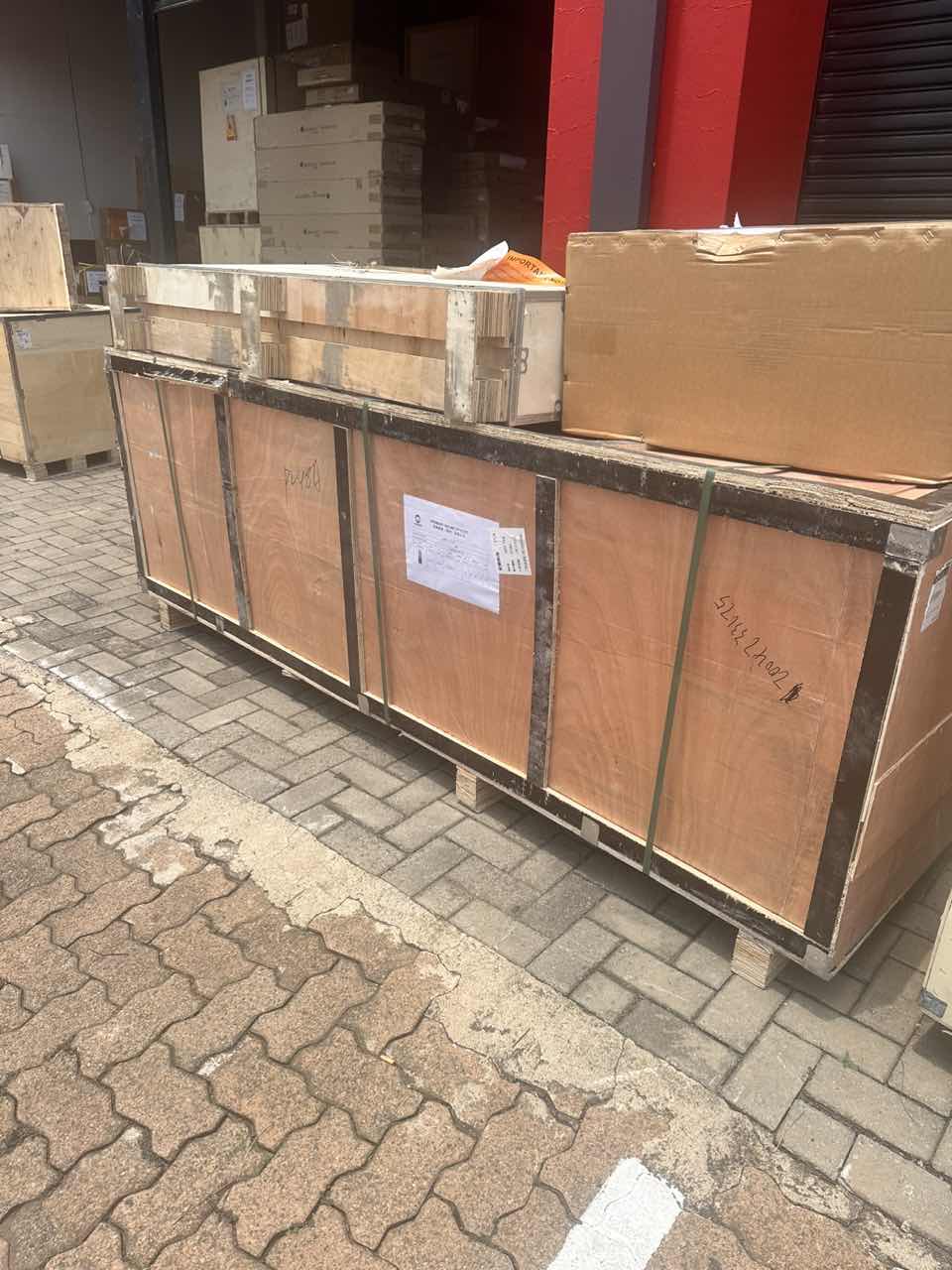
new arrivals
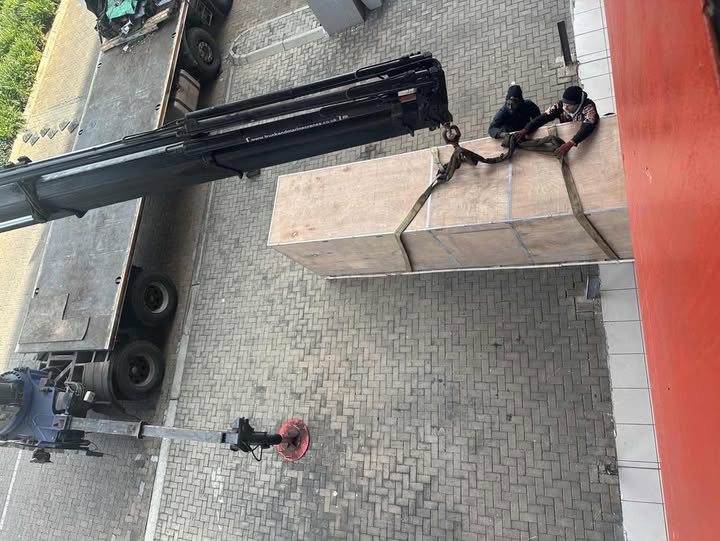
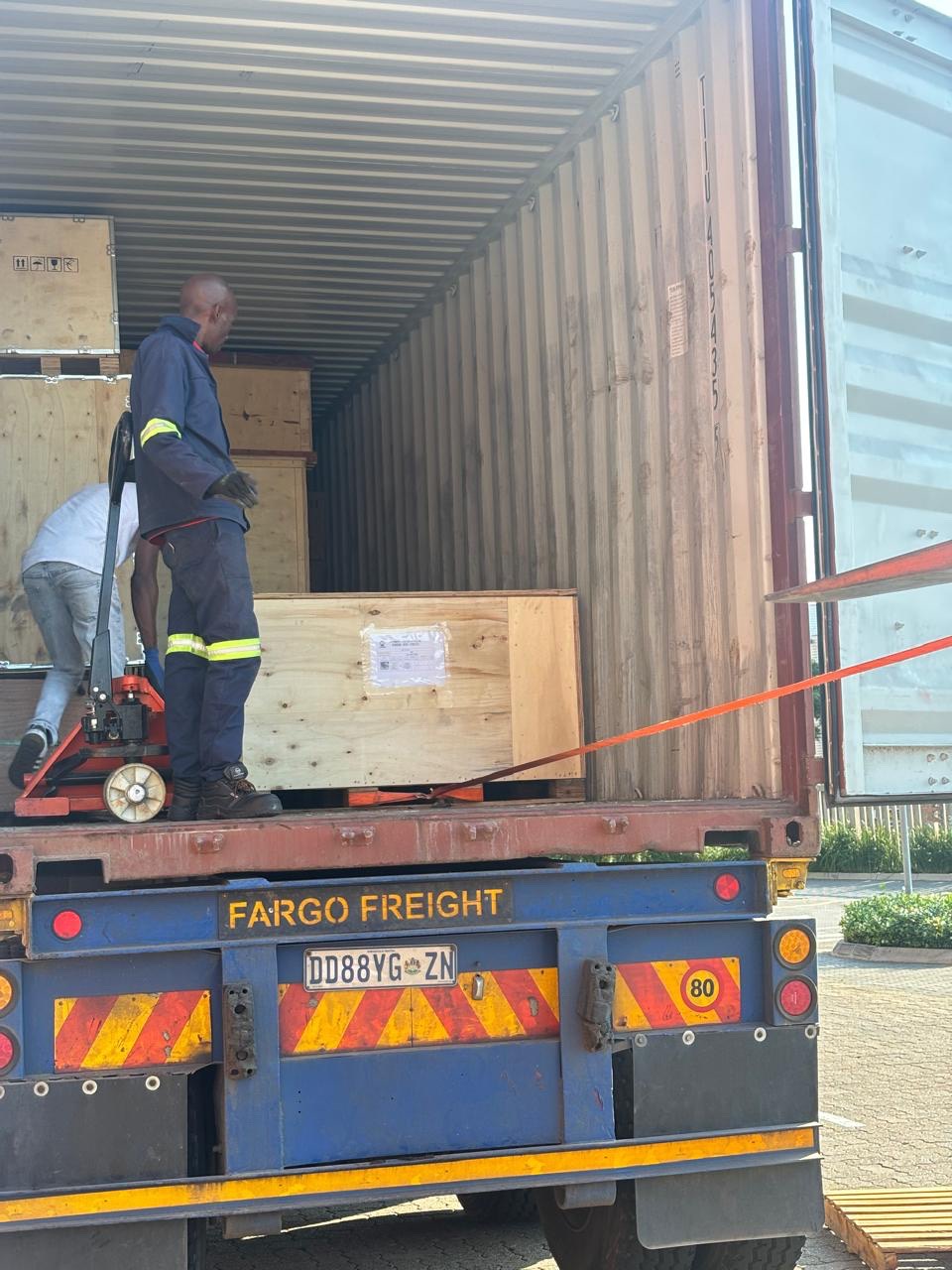
Pre Orders Offloading
Latest Arrivals
Latest Arrivals
Latest Arrivals
Loading
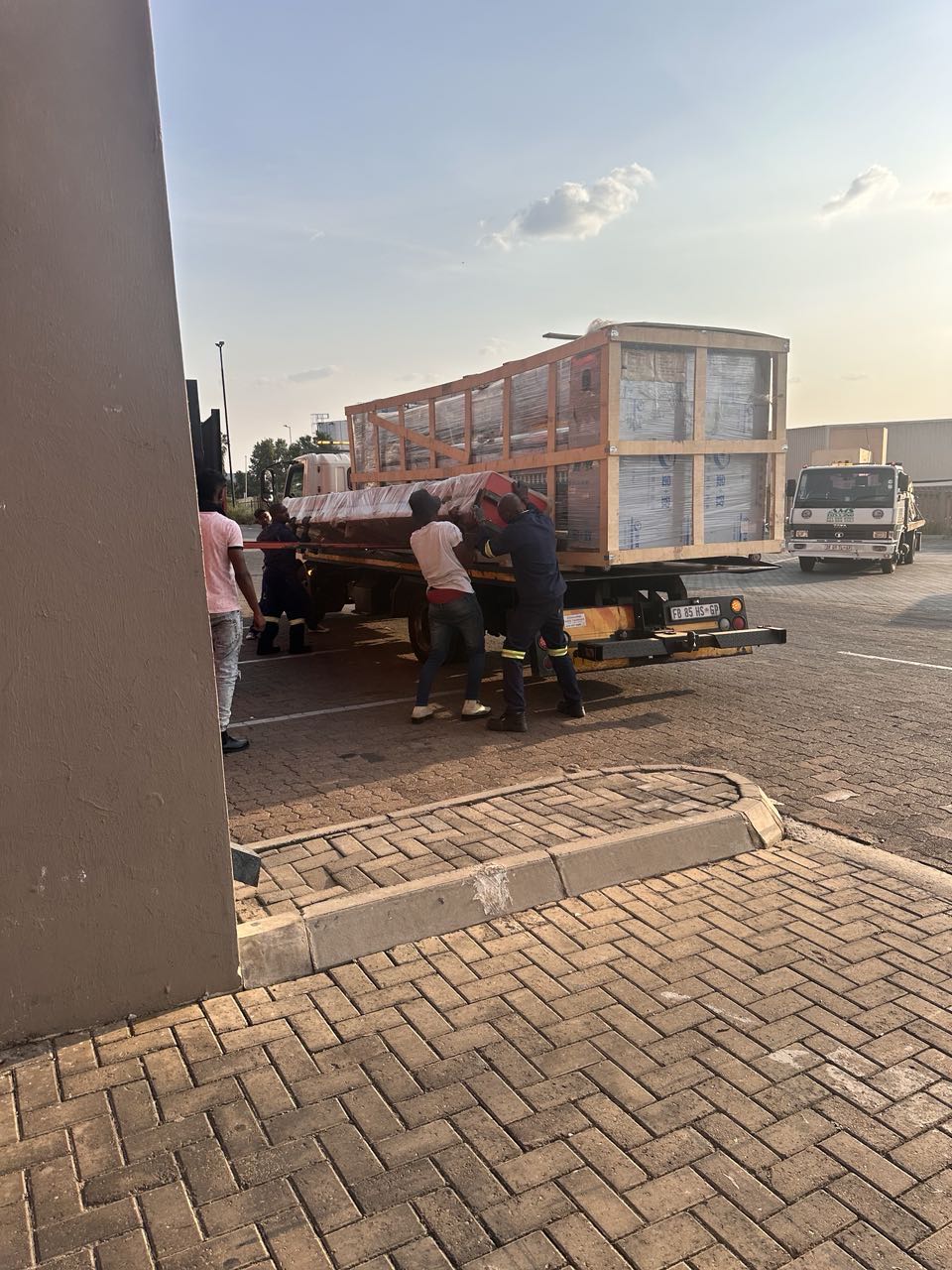
Toilet paper making machine
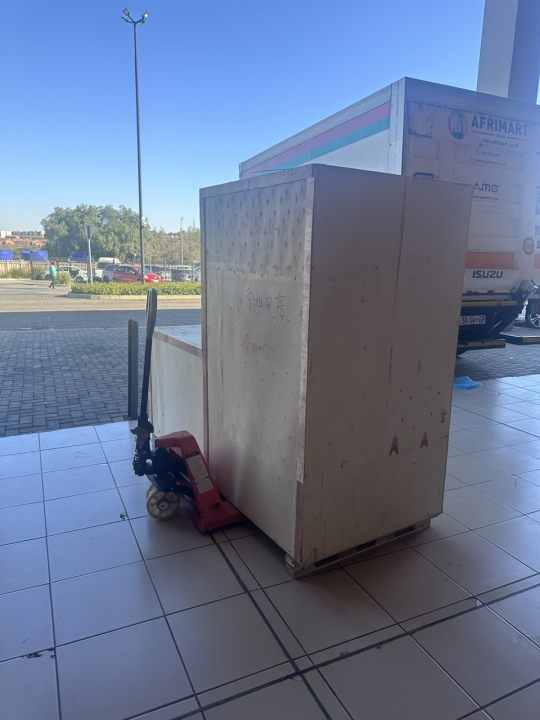
Toilet paper making machine
Toilet paper Rewinding Machine
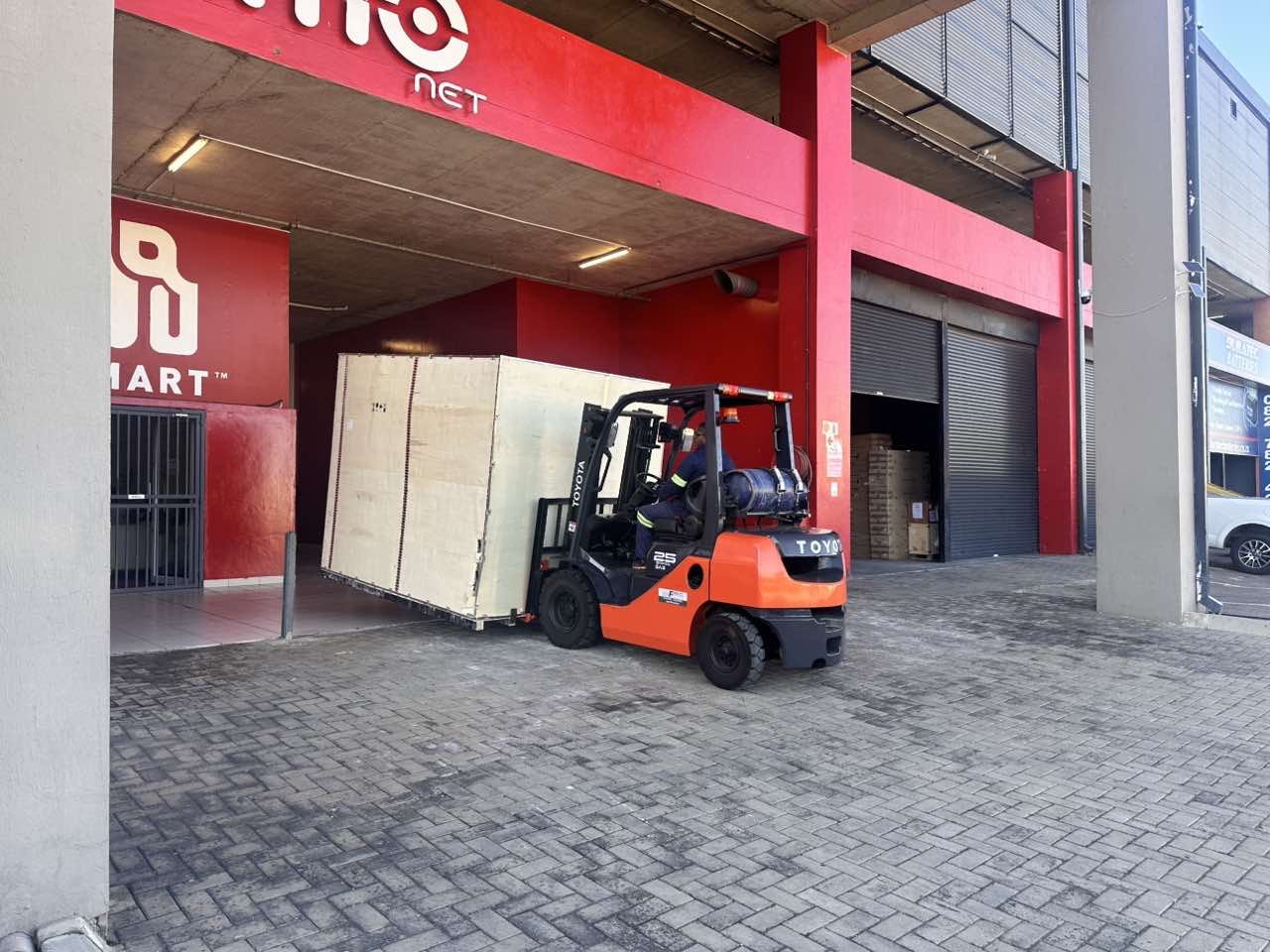
latest arrivals
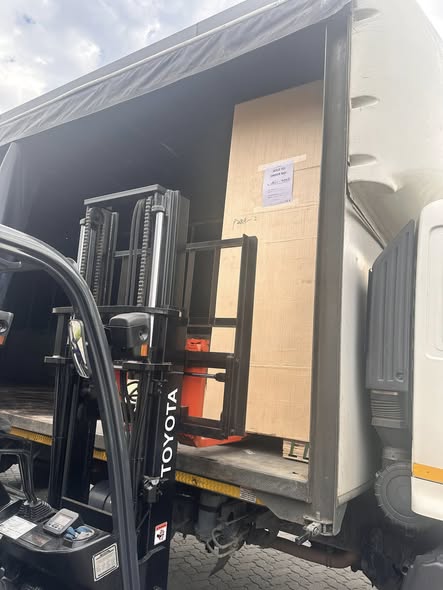
offloading
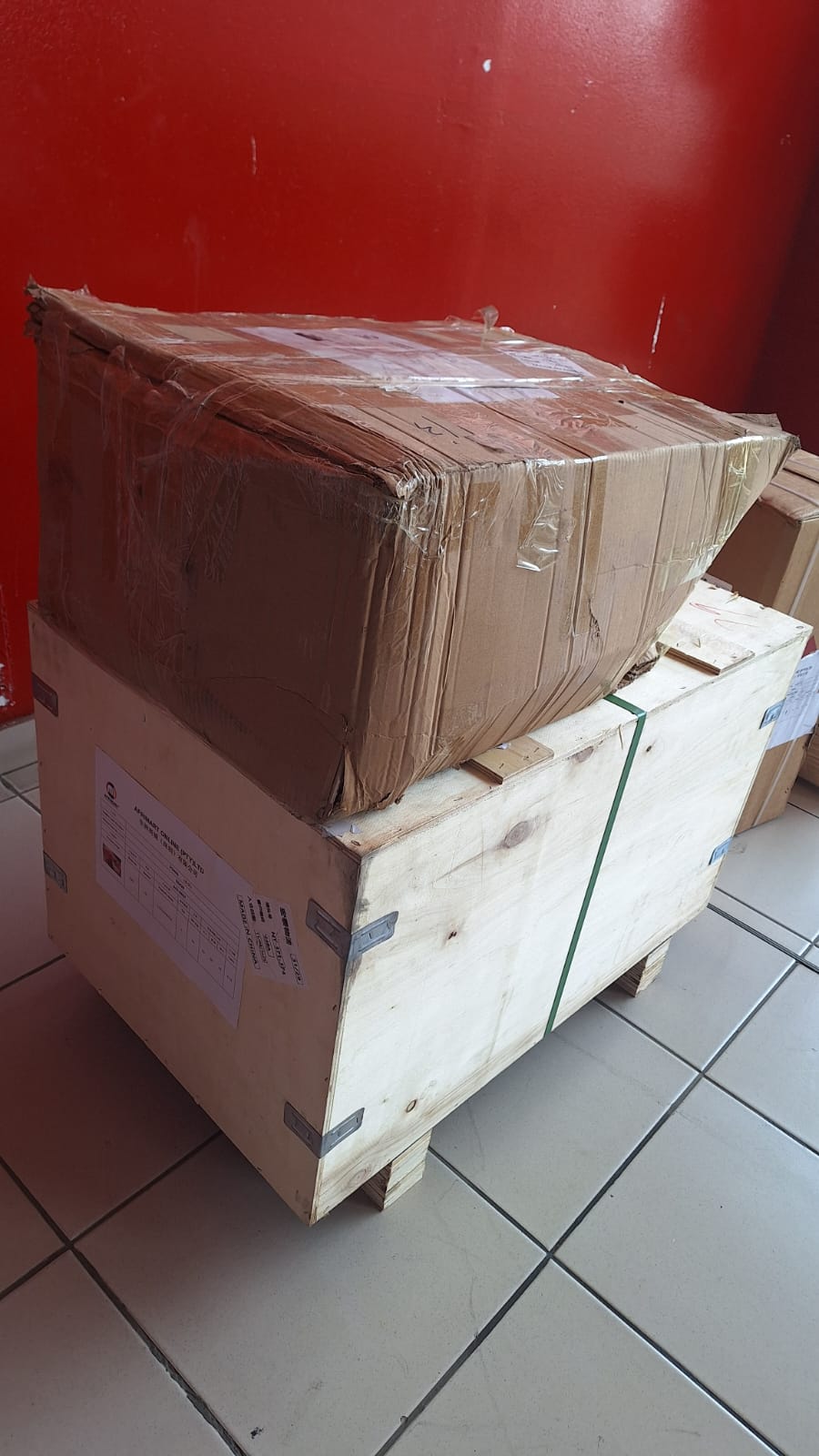
order success
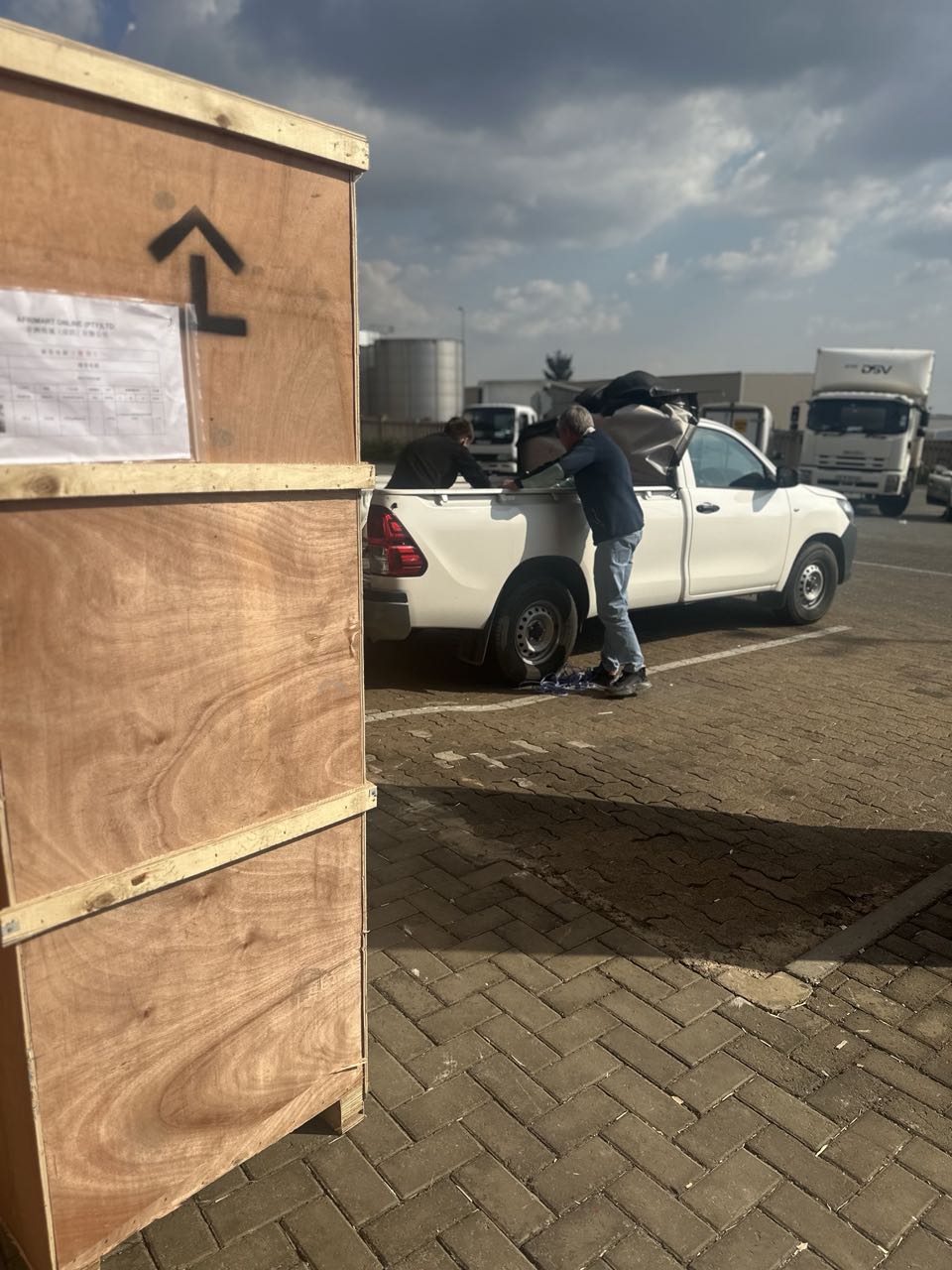
order collection
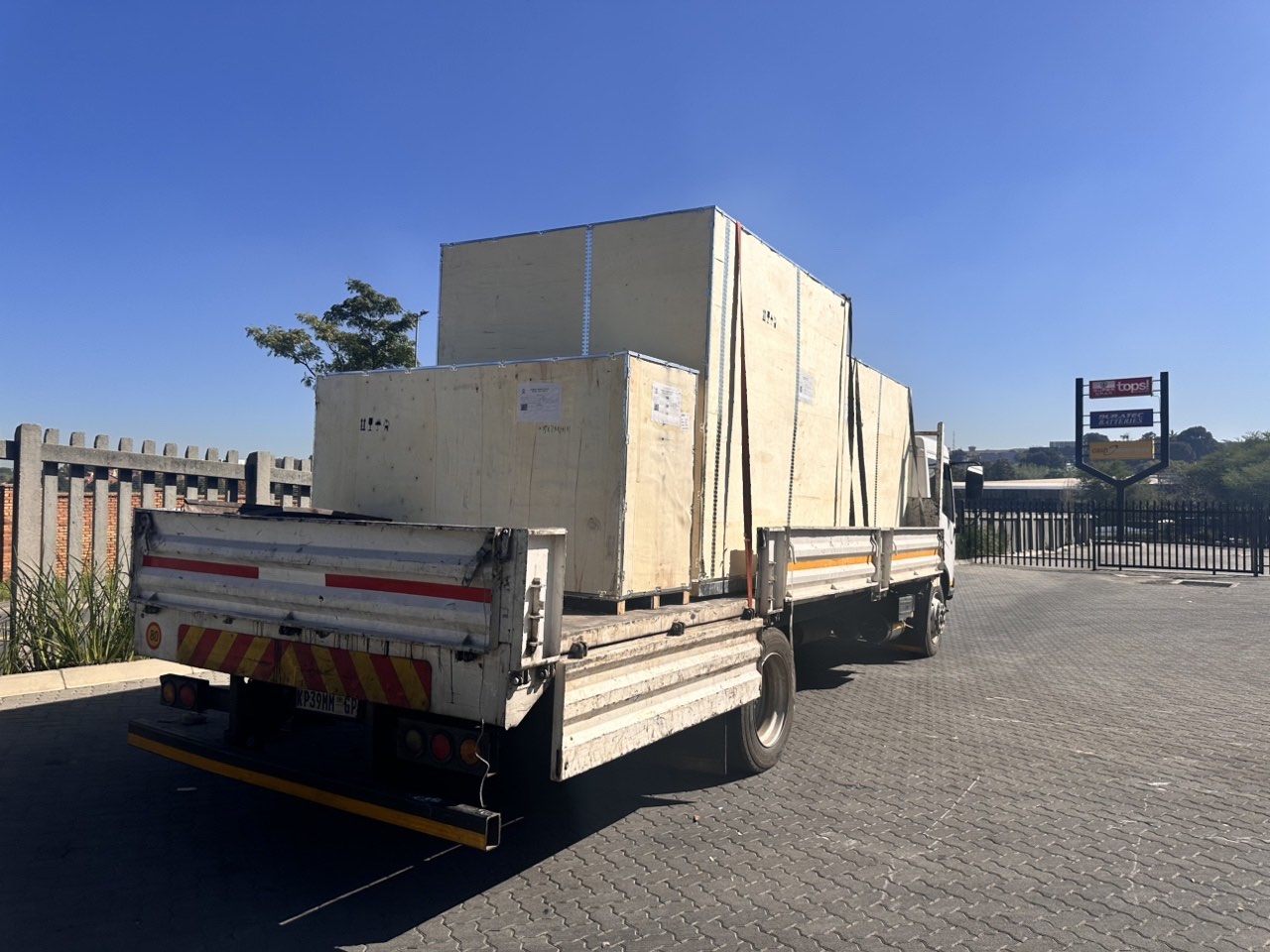
order offloading