B21, China Town Mall, Midrand

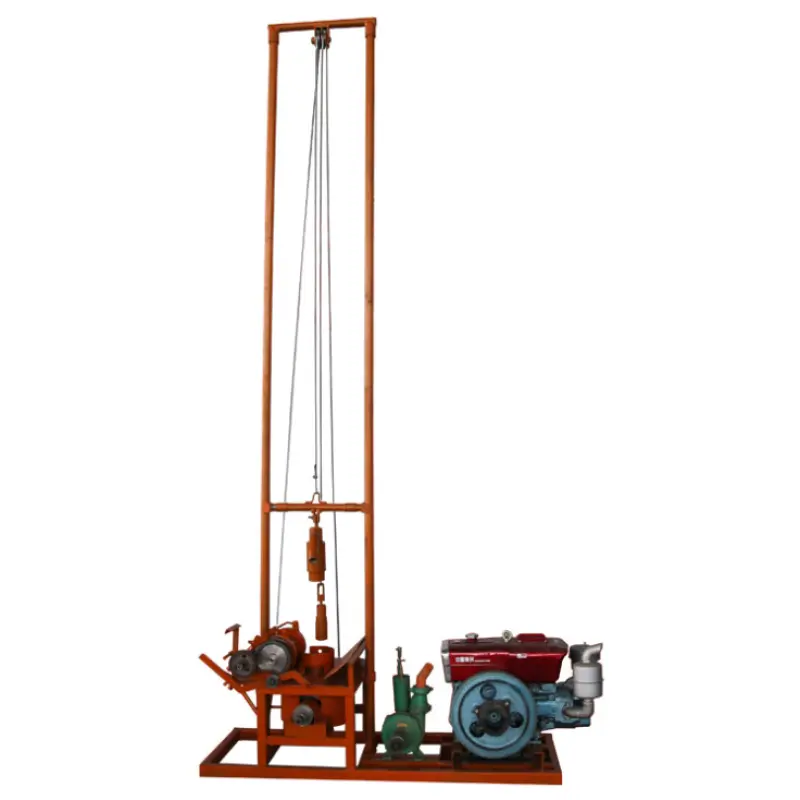
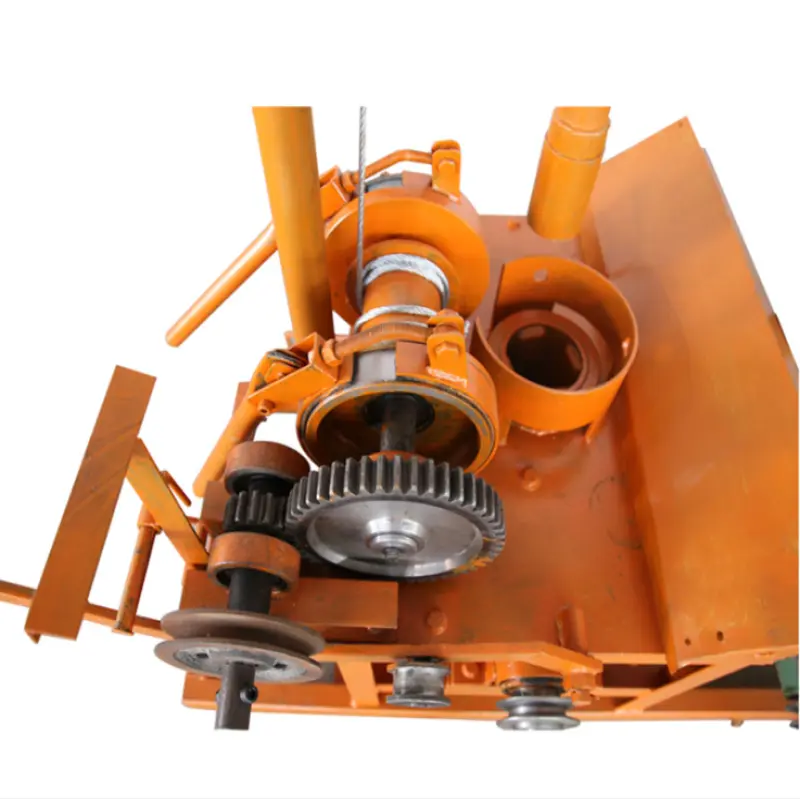
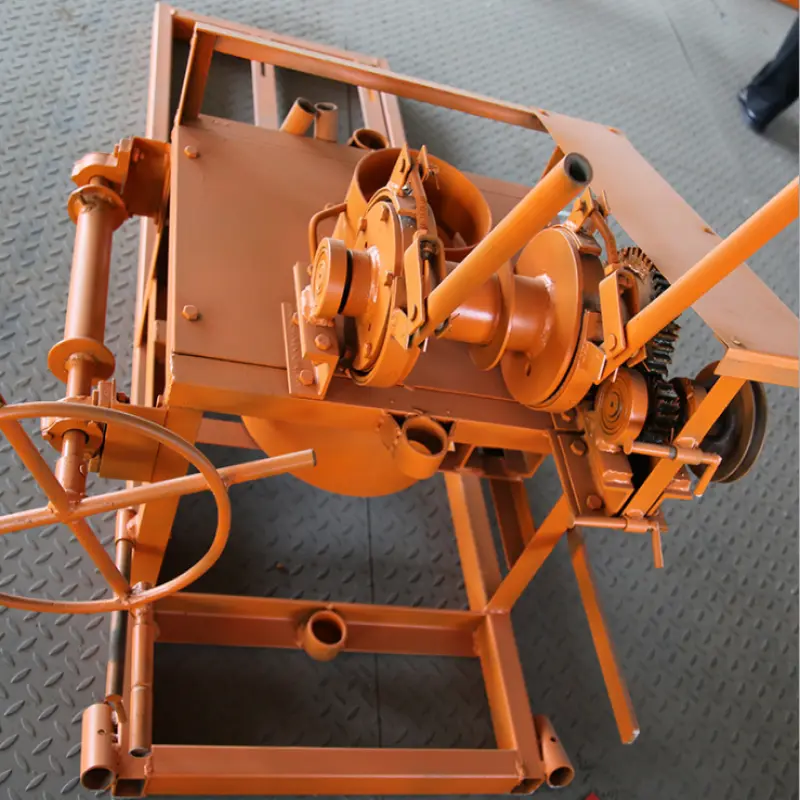
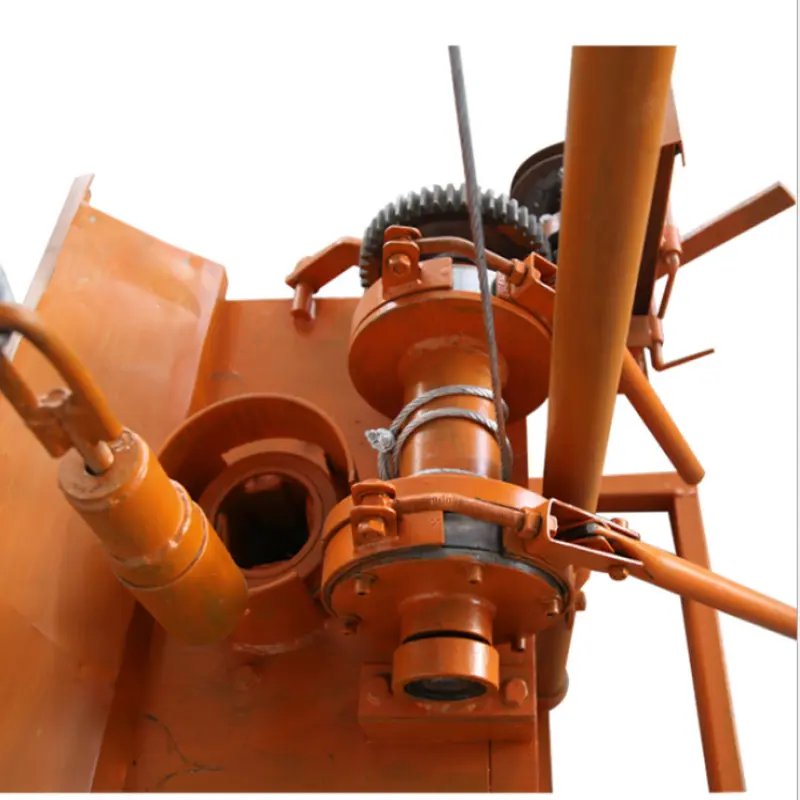
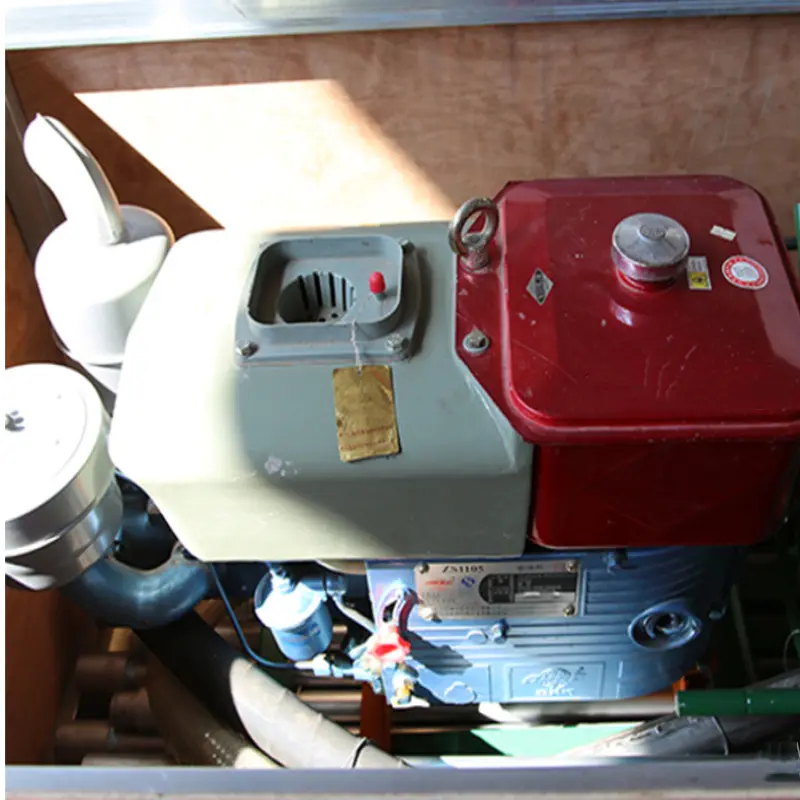
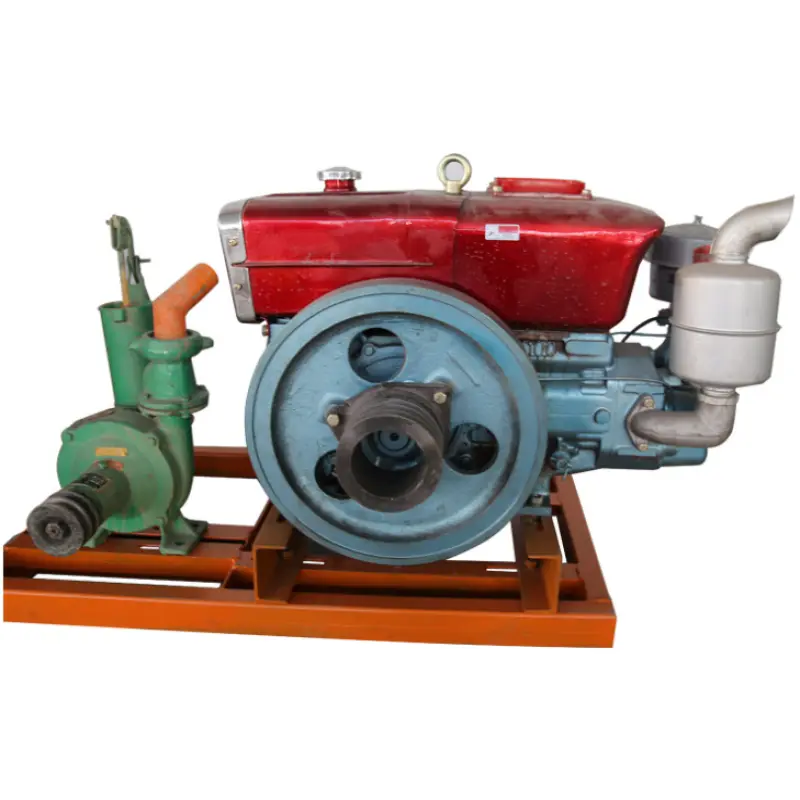
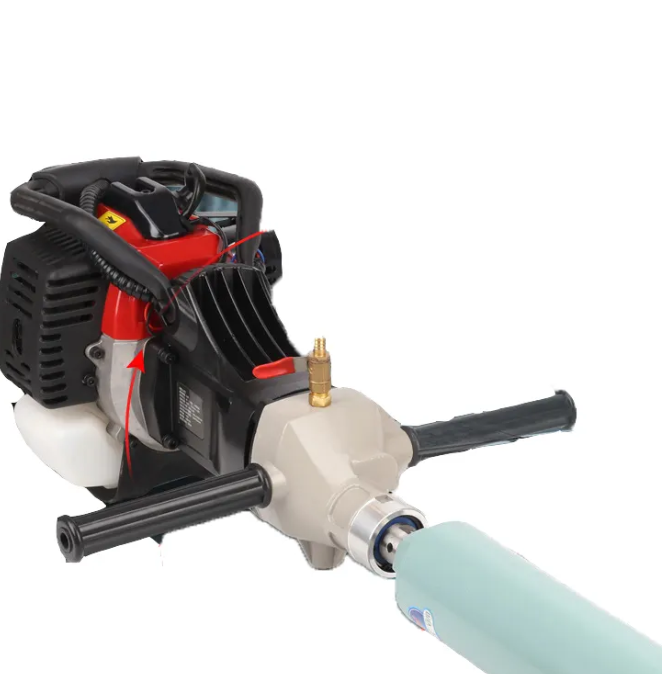
Borehole DTH Drilling Rig
Asset finance available
Do you want funding for this equipment?
Afrimart can connect you with trusted funding partners who specialise in asset finance for businesses like yours. Compare options and apply in minutes — final approval is subject to provider review.
Check funding options
Secure & no obligation

- Section : Machinery
- Category : Drilling Rigs
- SKU : 1600144872217

Borehole DTH Drilling Rig
The Borehole DTH Drilling Rig is a portable and efficient solution designed for construction and drilling applications. With its compact design and advanced features, this rig is perfect for achieving high drilling depths with ease.
Key Features
Lightweight Design: Weighing only 27 kg, this drilling machine is portable and easy to transport, making it ideal for various job sites.
Durable Construction: Equipped with core components such as a motor, pressure vessel, gear, and bearing, ensuring long-lasting performance.
High Efficiency: The rig offers high drilling efficiency, reaching depths of up to 150 meters, suitable for a range of construction needs.
Adjustable Working Pressure: Operating within a pressure range of 1.45 to 2.5 MPa, allowing for flexibility in different drilling conditions.
Versatile Spindle Speed: With a spindle speed of 32 to 1057 r/min, it adapts to various drilling tasks effectively.
Air Consumption: Designed for optimal performance with an air consumption rate of 16 to 30 m³/min.
Drill Rod Compatibility: Suitable for drill rod diameters of 89 mm and 102 mm, enhancing versatility in operations.
The Borehole DTH Drilling Rig is an energy-saving solution that meets the demands of construction professionals, offering reliability and efficiency in every operation.
Product Info Gallery

| Name | Well Drilling Machine |
| Voltage | 220V |
| Motor Power | 3KW |
| Water Pump Power | 2.2KW |
| Depth | 100m |
| Product Size | 2.45*0.83*0.9m |
| Drilling Diameter | 80-200mm |
| Drilling Crush | Impact Rotary |


- Shipping Timeframes: All orders are processed within 2-5 business days (excluding weekends and holidays). After your order has been processed, the estimated delivery time is before 05 Aug, 2026, depending on customs, Please note that due to high demand, some items may experience longer shipping times, which will be communicated at order confirmation email.
- Order Processing Time: Please allow 2-5 business days for us to process your order before it is shipped . Orders placed after 16:00 on Fridays, or during weekends and public holidays, will begin processing on the next business day. Processing times may be extended during peak seasons or sales events.
- Manufacturing Time: Some products needs manufacturing time, the manufacturing process will take approximately 10-30 business days depending on the product. This timeframe may vary depending on the complexity of the product and current demand. but this will be communicated with you during order confirmation.
- Returns and Exchanges: We offer a 30-day return policy for most items. If you are not completely satisfied with your purchase, you may return it within 30 days of receipt for a refund or exchange. Items must be unused, in their original packaging, and accompanied by proof of purchase. Return shipping costs are the responsibility of the customer, unless the item was damaged or defective upon arrival.
1. What is the Borehole DTH Drilling Rig used for?
It's a portable Down-The-Hole (DTH) drilling rig designed for borehole drilling in construction, water well drilling, foundation and anchoring, geothermal exploration, and other civil engineering applications requiring deep, efficient drilling.
2. What are the key specifications (power, voltage, dimensions, weight)?
Motor power: 3 kW; Voltage: 220 V; Water pump power: 2.2 kW; Product size: 2.45 × 0.83 × 0.9 m; Weight: 27 kg.
3. What drilling depths and diameters can it achieve?
Drilling diameter range: approximately 80–200 mm. Typical rated depth is 100 m (product info); in optimal conditions and with appropriate tooling it can reach up to around 150 m depending on ground conditions and setup.
4. What air pressure and consumption does the rig require?
Operating pressure range: 1.45–2.5 MPa (14.5–25 bar). Air consumption: 16–30 m³/min. Use a compressor that can reliably deliver this pressure and flow.
5. What drill rod sizes are compatible?
Compatible with drill rod diameters of 89 mm and 102 mm; other rod/bit configurations within the machine's spindle and chuck capacity may be usable with proper adapters.
6. What is the spindle speed range?
Spindle speed ranges from 32 to 1,057 r/min, allowing adaptation to different rock types and drilling regimes (impact rotary/DTH operation).
7. Is the rig easy to transport and set up on site?
Yes — the rig is lightweight at 27 kg for portability. However, its length and installed tooling mean transport in a small vehicle or pickup is recommended; setup should be performed by trained personnel and typically takes a short time.
8. What power supply does the rig need?
The rig uses a 220 V electric motor (3 kW). Ensure stable AC power or a suitable generator sized to supply the motor plus any auxiliary equipment.
9. What maintenance does the rig require?
Routine maintenance includes daily inspection of hoses and fittings, lubrication of moving parts, checking and replacing worn bits and valves, monitoring air filters and seals, and scheduled inspection of the motor, pressure vessel, gears and bearings per supplier recommendations.
10. What safety precautions should operators follow?
Operators should wear PPE (hearing protection, eye protection, gloves, safety boots), secure the rig and work area, depressurize air systems before servicing, follow lockout/tagout for electrical work, and ensure only trained personnel operate the rig.
11. What type of compressor do I need to run this rig?
A compressor capable of delivering 1.45–2.5 MPa (14.5–25 bar) and 16–30 m³/min flow is required. For portable applications, a high-pressure, high-capacity compressor (often diesel-powered on site) is typically used.
12. Can the rig be used in hard rock conditions?
Yes — DTH rigs are well-suited for hard rock due to the percussive impact mechanism. Actual performance depends on bit selection, air pressure, compressor capacity, and rod/bit condition.
13. Does the rig include water circulation or flushing capability?
The product lists a 2.2 kW water pump in the product info, indicating support for water circulation/flushing where required. Use of water should follow site requirements and drilling method selected.
14. Are spare parts and technical support available?
Spare parts and technical support availability vary by supplier. Contact the vendor or manufacturer for information on warranty, spare parts kits (bits, valves, seals), and after-sales service.
15. What factors affect achievable drilling depth and productivity?
Key factors include rock/soil type, compressor pressure and flow, bit type and condition, rod string configuration, operator skill, and site logistics. Optimizing these factors yields higher penetration rates and greater depth capability.
Latest Order Arrivals
Discover our latest orders

12 Heads Embroidery Machine

Toilet Paper Machine Machine

Order Collection

Cross Border Clients

Order cros border countries Collected

Industrial Machine Cllection

Agriculture Processing Machines

Ready for collection

Water Pump Equipment

Packaging Machine and accessories

Fabrics Manufacturing Equipment

Mining Equipments

Food Processing Machine

Batch of Orders

Batch of Orders

Latest Orders Labelled

wheel alignment machines

new arrivals

Pre Orders Offloading

Latest Arrivals

Latest Arrivals

Latest Arrivals

Loading

Toilet paper making machine

Toilet paper making machine

Toilet paper Rewinding Machine

latest arrivals

offloading

order success

order collection

order offloading