B21, China Town Mall, Midrand

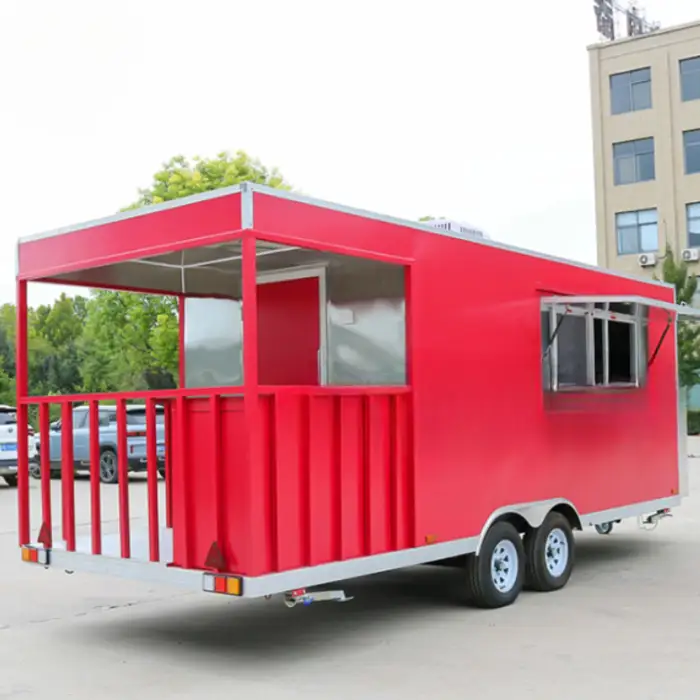
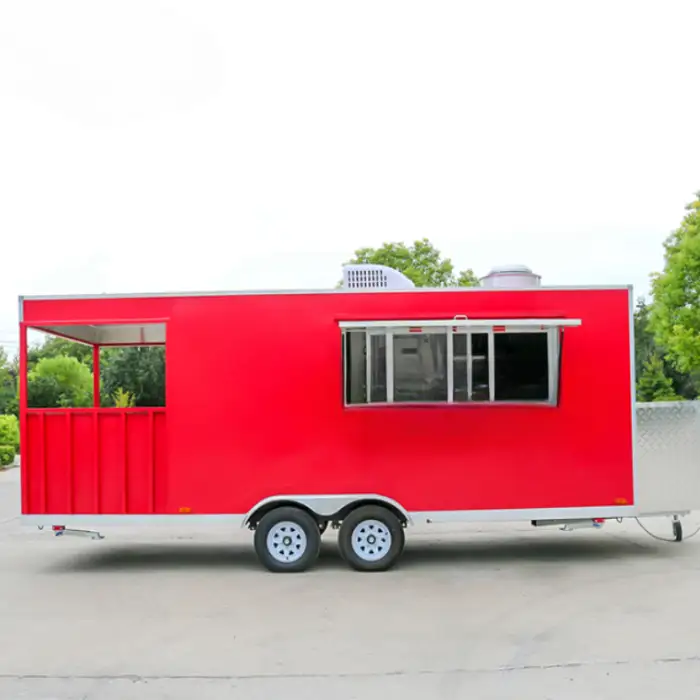
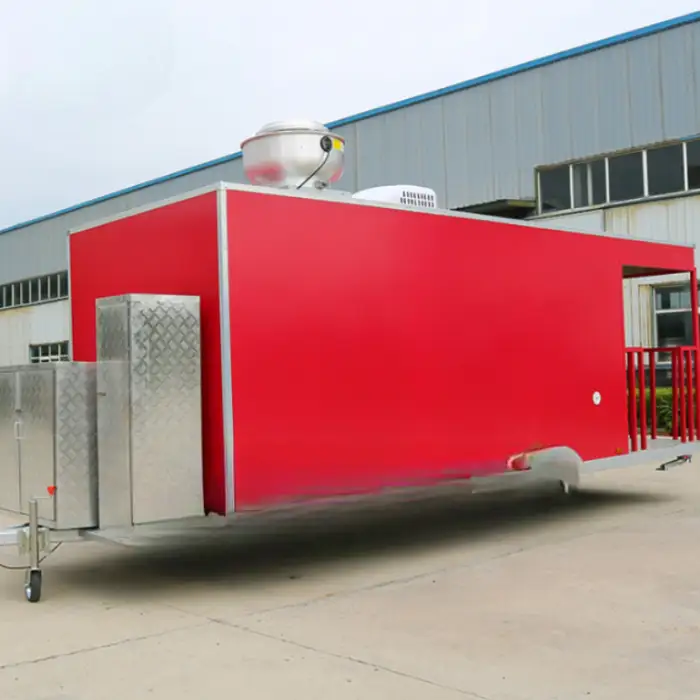
BBQ Food Trailer Commercial Street Food Truck With Porch Food Carts
Asset finance available
Do you want funding for this equipment?
Afrimart can connect you with trusted funding partners who specialise in asset finance for businesses like yours. Compare options and apply in minutes — final approval is subject to provider review.
Check funding options
Secure & no obligation

- Section : Consumer Electronics
- Category : Food Trucks
- SKU : 1601345294957

BBQ Food Trailer Commercial Street Food Truck With Porch Food Carts
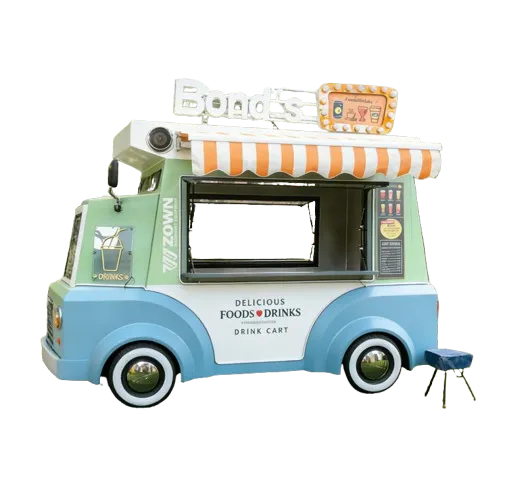
The BBQ Food Trailer Commercial Street Food Truck With Porch Food Carts is the perfect solution for anyone looking to start a mobile food business. This versatile food trailer is designed to meet the needs of various food vendors. It is built with high-quality materials and offers plenty of space to cook and serve delicious meals on the go.
Specifications
| Attribute | Details |
|---|---|
| Model Number | WH-S570 |
| Material | Stainless Steel, Fiberglass, Galvanized Sheet, Aluminum |
| Voltage | 110V/220V/380V |
| Power | 1.5-30kW |
| Dimensions | 400cm x 200cm x 210cm (13.2ft) or 570cm x 200cm x 210cm (18.8ft) |
| Weight | 1400kg or 1600kg |
| Type | Towable |
| Function | Multifunctional |
Key Features
- Durable stainless steel construction for long-lasting use.
- Customizable colors to match your brand.
- Spacious design allows for multiple cooking stations.
- Easy to tow for convenient mobility.
- Available in different sizes to suit your needs.
Applications
- Food trucks and street food vendors.
- Commercial catering events.
- Restaurants looking for additional service options.
- Snacks and fast food sales at fairs and festivals.
- Ice cream and dessert shops on the go.
The BBQ Food Trailer Commercial Street Food Truck With Porch Food Carts is your gateway to a successful mobile food venture. With its multifunctional design and reliable performance, you can serve delicious meals anywhere you go!
Product Info Gallery
- Shipping Timeframes: All orders are processed within 2-5 business days (excluding weekends and holidays). After your order has been processed, the estimated delivery time is before 13 Aug, 2026, depending on customs, Please note that due to high demand, some items may experience longer shipping times, which will be communicated at order confirmation email.
- Order Processing Time: Please allow 2-5 business days for us to process your order before it is shipped . Orders placed after 16:00 on Fridays, or during weekends and public holidays, will begin processing on the next business day. Processing times may be extended during peak seasons or sales events.
- Manufacturing Time: Some products needs manufacturing time, the manufacturing process will take approximately 10-30 business days depending on the product. This timeframe may vary depending on the complexity of the product and current demand. but this will be communicated with you during order confirmation.
- Returns and Exchanges: We offer a 30-day return policy for most items. If you are not completely satisfied with your purchase, you may return it within 30 days of receipt for a refund or exchange. Items must be unused, in their original packaging, and accompanied by proof of purchase. Return shipping costs are the responsibility of the customer, unless the item was damaged or defective upon arrival.
1. What are the available sizes and weight of this BBQ food trailer?
The trailer is available in two sizes: 400 cm x 200 cm x 210 cm (approx. 13.2 ft) and 570 cm x 200 cm x 210 cm (approx. 18.8 ft). The empty weights are approximately 1400 kg and 1600 kg respectively.
2. What materials is the trailer constructed from?
The trailer uses a combination of stainless steel, fiberglass, galvanized sheet, and aluminum for a durable, long-lasting build suited to commercial food service.
3. What power and electrical options are supported?
Voltage options include 110V, 220V, and 380V, and the trailer can be configured with power systems from 1.5 kW up to 30 kW. Specific electrical setup should be confirmed with the manufacturer or dealer.
4. Is the trailer towable and what should I consider when towing?
Yes — the unit is towable. Use the listed empty weight (1400–1600 kg) plus estimated equipment, supplies, and water to determine gross trailer weight, and ensure your tow vehicle and hitch are rated accordingly. Also check local towing regulations.
5. Can the interior layout and equipment be customized?
Yes. The trailer is designed to be multifunctional and the interior layout, cooking stations, and equipment can typically be customized to match your menu and workflow. Contact the supplier for available layout options and pricing for custom builds.
6. Does the trailer include a porch or serving area?
The product description references a porch/food cart serving concept. Porch or extended service windows are commonly available as part of this model or as an add-on — confirm exact configuration with the seller.
7. What types of food businesses is this trailer suitable for?
It is suitable for BBQ and grilled foods, street food vending, commercial catering, festival and fair sales, mobile dessert/ice cream service, and for restaurants wanting additional off-site service capability.
8. Are ventilation, hood, and fire suppression systems included?
Specific ventilation hoods and fire suppression systems are not detailed in the base description. For cooking with open flame or heavy smoke (e.g., BBQ), you should specify a commercial exhaust hood and fire suppression system as part of your build to meet safety codes and local regulations.
9. What plumbing options are available (sinks, water tanks, waste tanks)?
Plumbing setups such as handwash and prep sinks, fresh water tanks, and waste/gray water tanks are generally available as options. Confirm tank capacities, pump types, and hot water systems with the supplier based on your local health department requirements.
10. Can I run refrigerated equipment inside the trailer?
Yes — the trailer can accommodate refrigerated units if the power system is specified appropriately. Discuss refrigeration requirements with the vendor so they can size electrical supply or recommend generators.
11. What permits, licenses, and approvals will I need to operate?
You will typically need local business licensing, a mobile food vendor permit, health department approval for food handling and plumbing, and possibly fire department sign-off (especially for BBQ/grease-producing operations). Requirements vary by city and country—check with local authorities.
12. How do I maintain and clean the trailer?
Routine maintenance includes cleaning stainless steel surfaces after service, sanitizing food prep areas, flushing and treating water tanks, checking seals and doors, inspecting tires/brakes/hitch, and servicing ventilation and grease traps. Follow manufacturer maintenance recommendations for long-term durability.
13. What are the lead times, shipping, and installation services?
Lead times and shipping options vary by manufacturer and order customization. Many suppliers offer shipping and on-site installation or handover services for an additional fee. Contact the seller for current lead times, freight quotes, and installation packages.
14. Is there a warranty or after-sales support?
Warranty and after-sales support details are not specified in the general description. Ask the seller for full warranty terms (frame, body, electrical, and optional equipment) and available service/support plans before purchase.
15. How can I get a quote or place a custom order?
Provide the vendor with required trailer size, preferred interior layout, desired equipment list (grills, fryers, refrigeration, sinks), electrical requirements, and any exterior customization (colors/branding). The supplier will then provide a tailored quote and estimated delivery timeline.
Latest Order Arrivals
Discover our latest orders
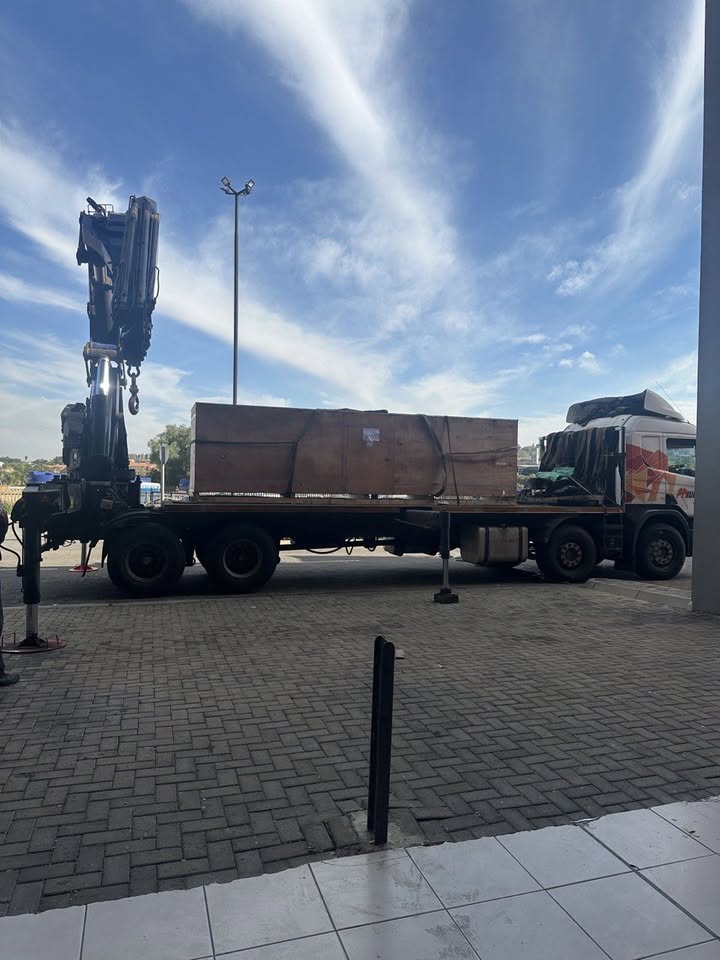
12 Heads Embroidery Machine
Toilet Paper Machine Machine
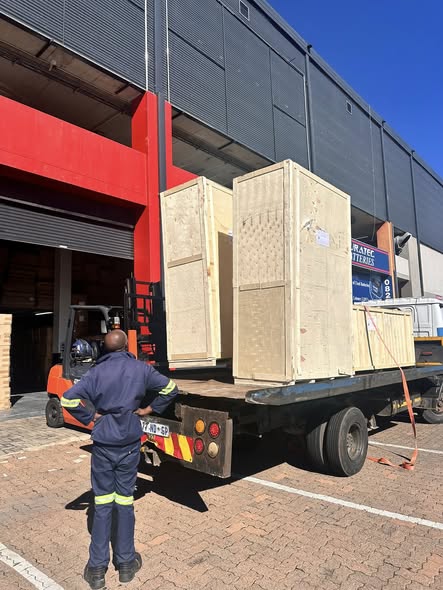
Order Collection
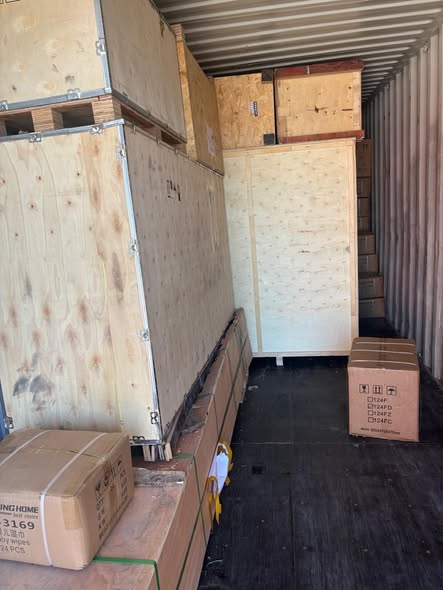
Cross Border Clients
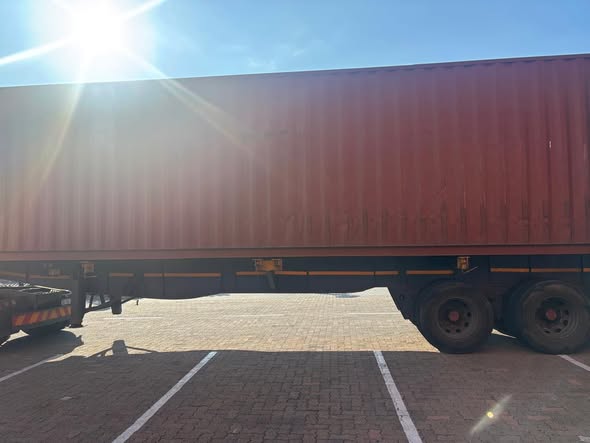
Order cros border countries Collected
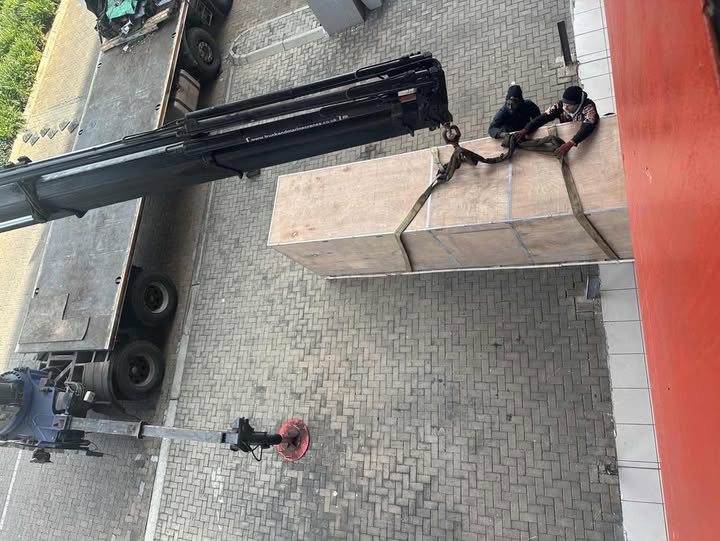
Industrial Machine Cllection
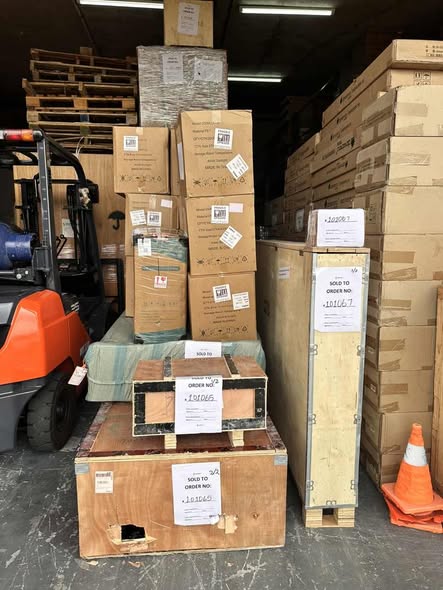
Agriculture Processing Machines
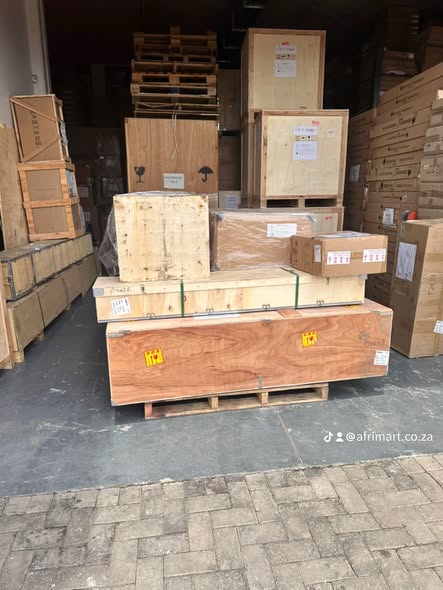
Ready for collection
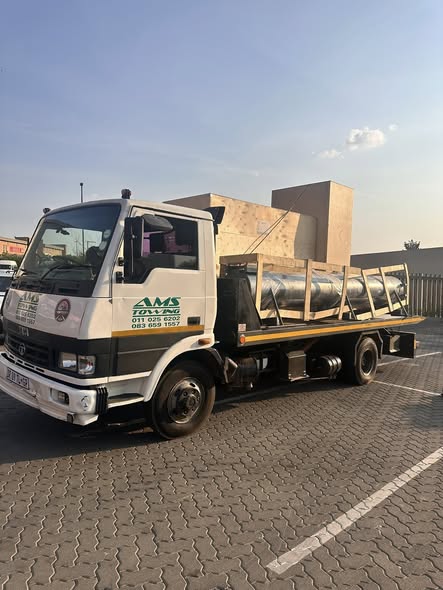
Water Pump Equipment
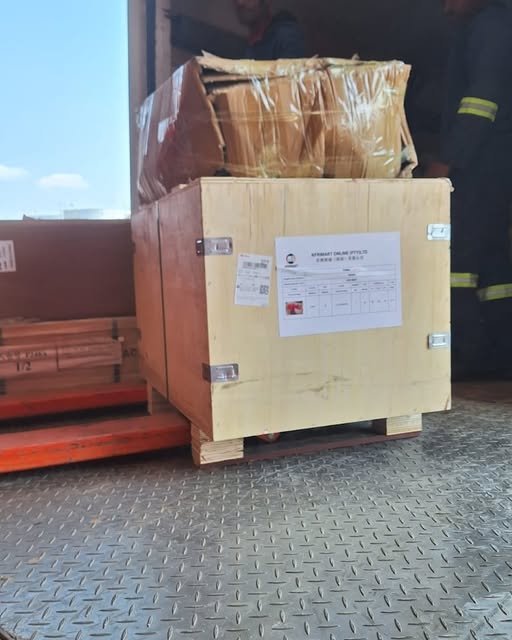
Packaging Machine and accessories
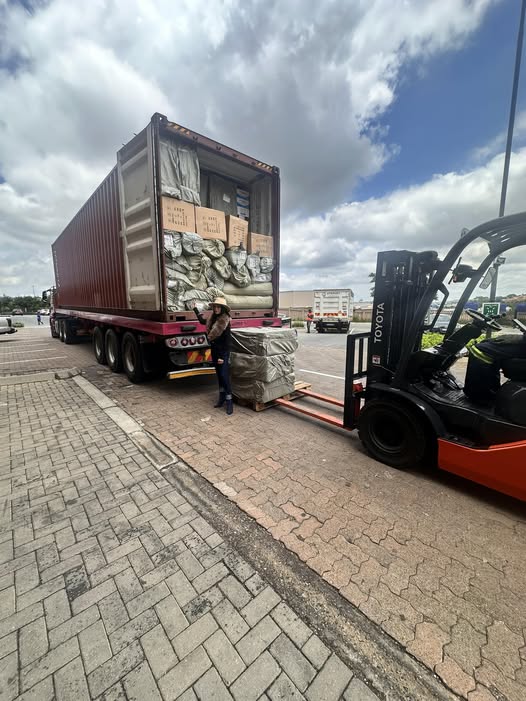
Fabrics Manufacturing Equipment
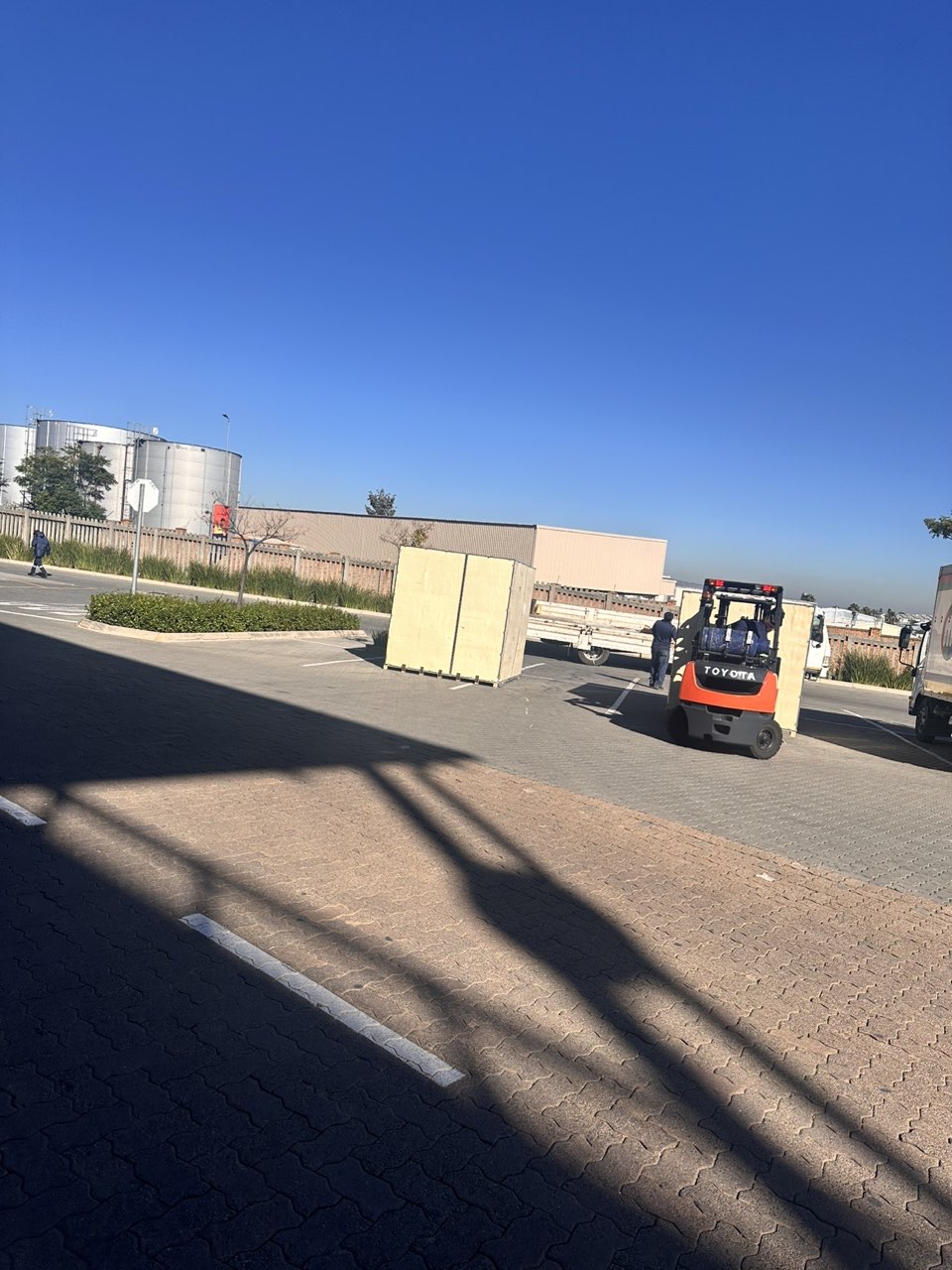
Mining Equipments
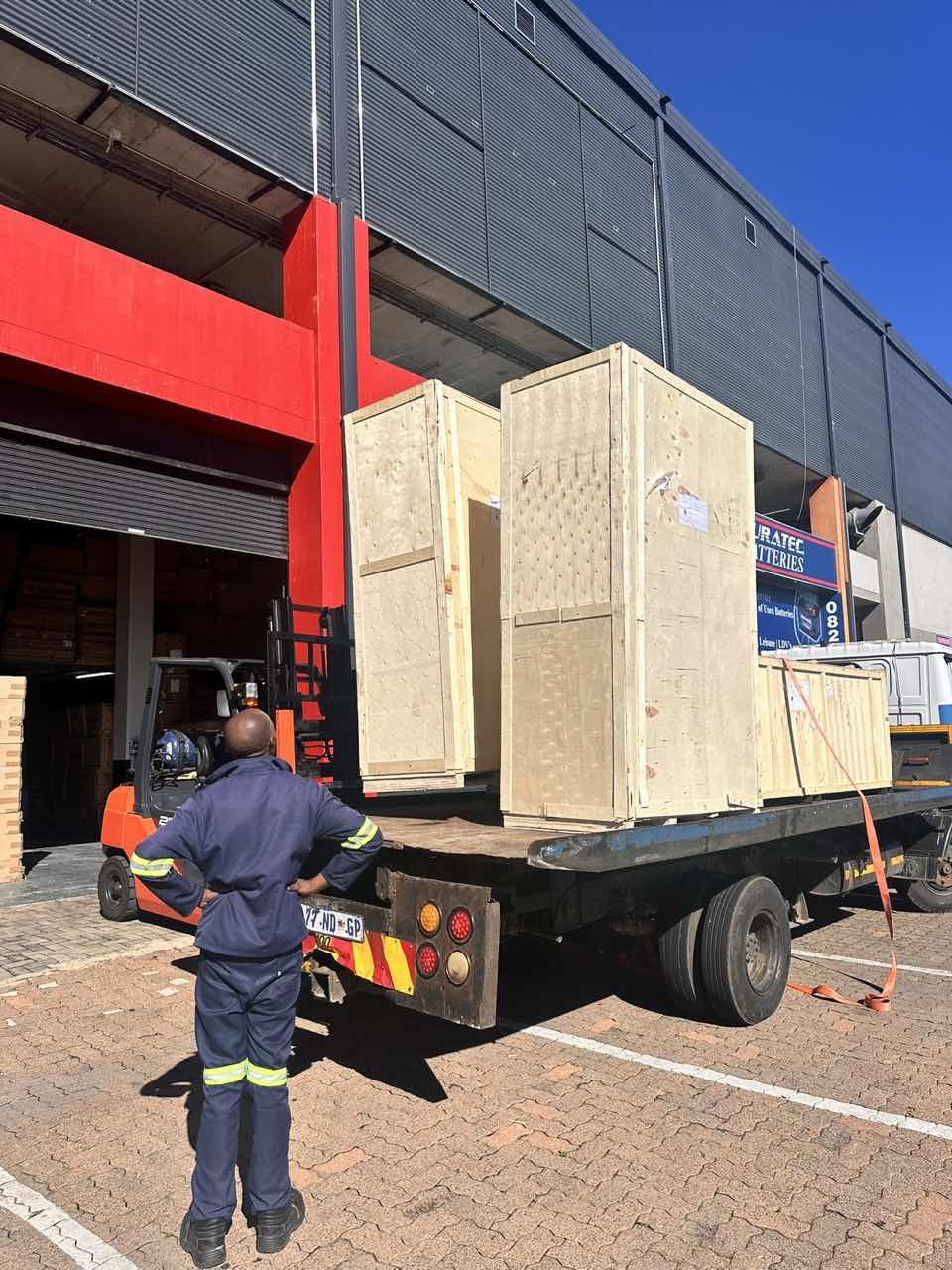
Food Processing Machine
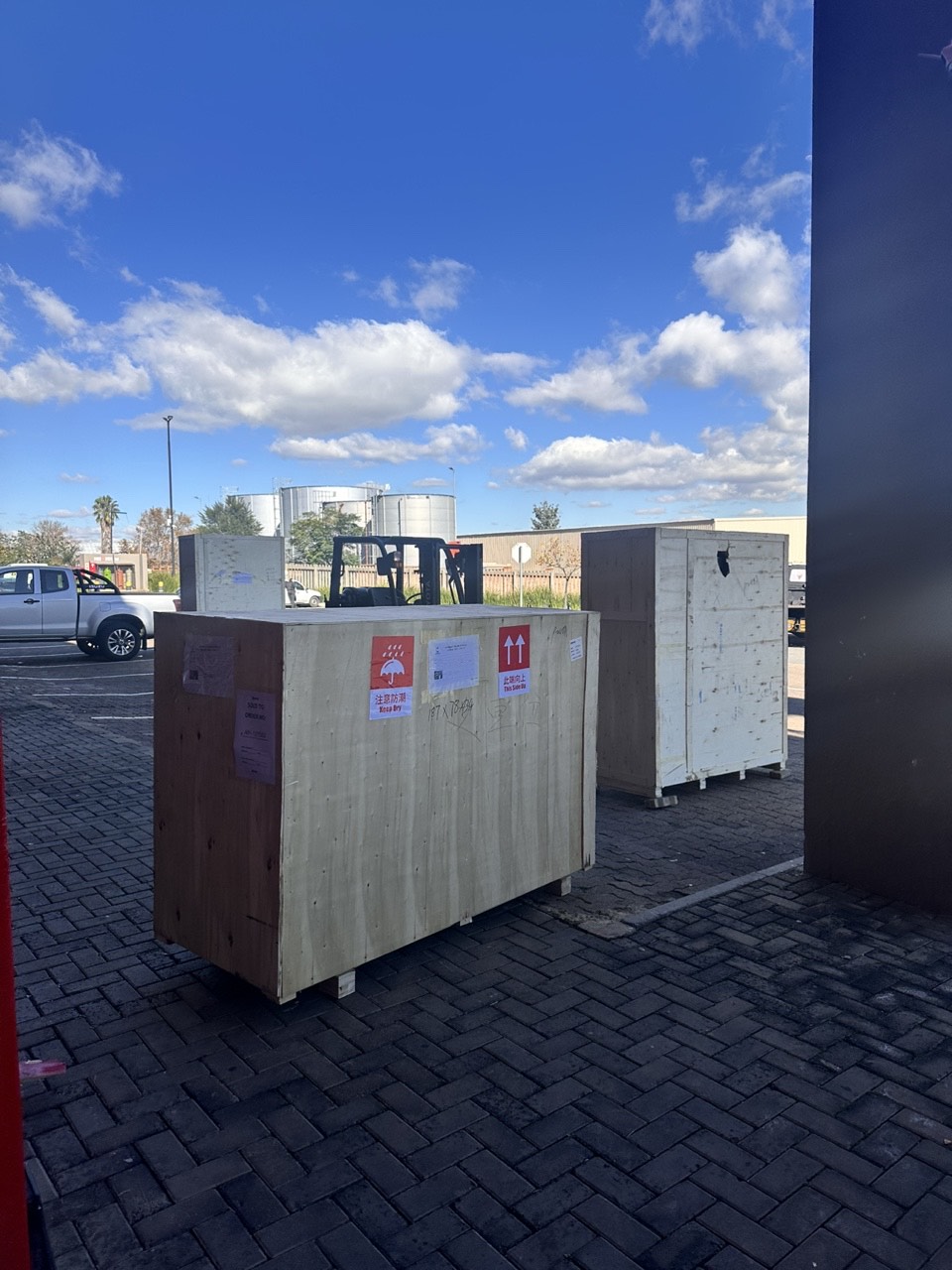
Batch of Orders
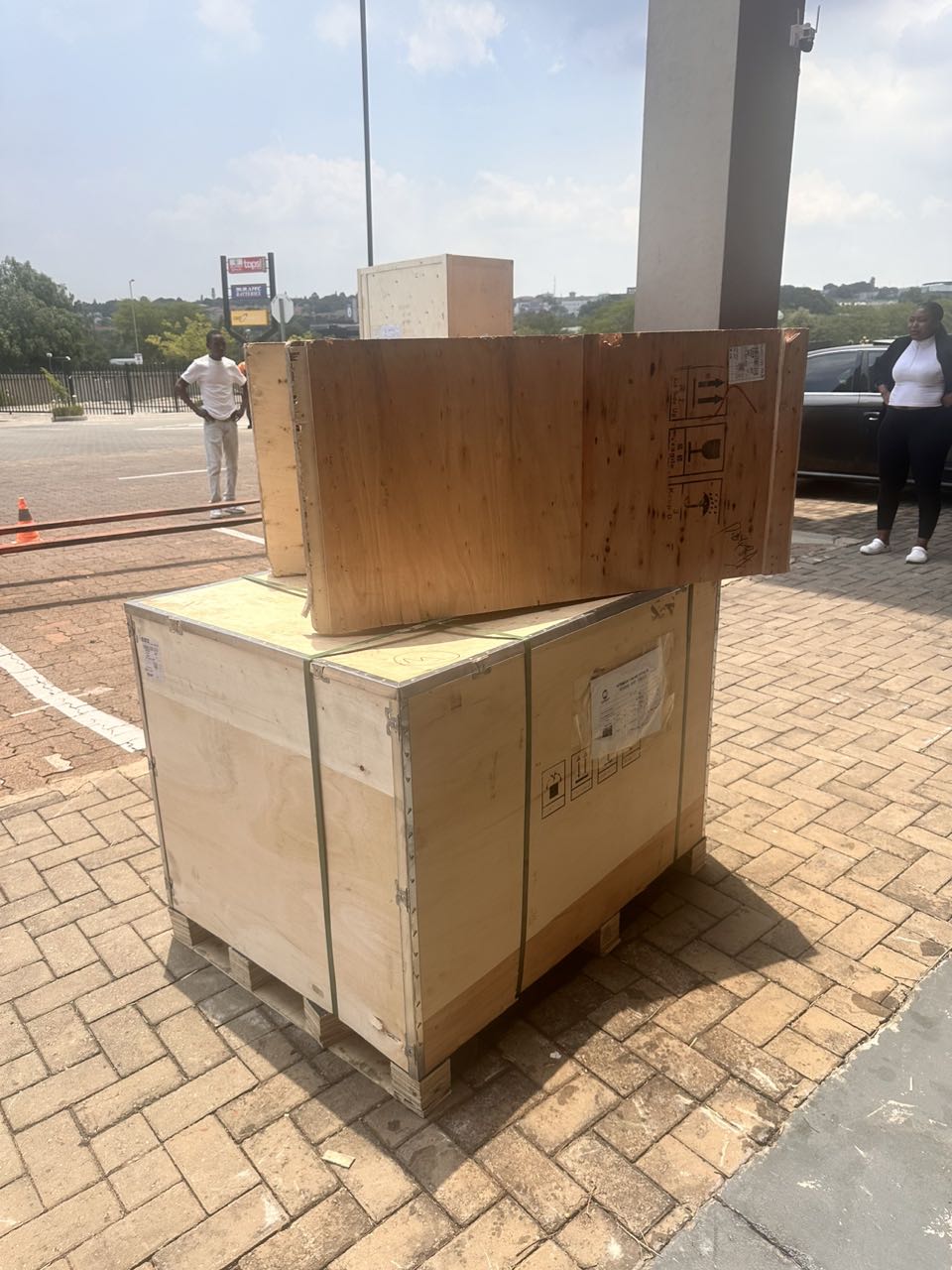
Batch of Orders
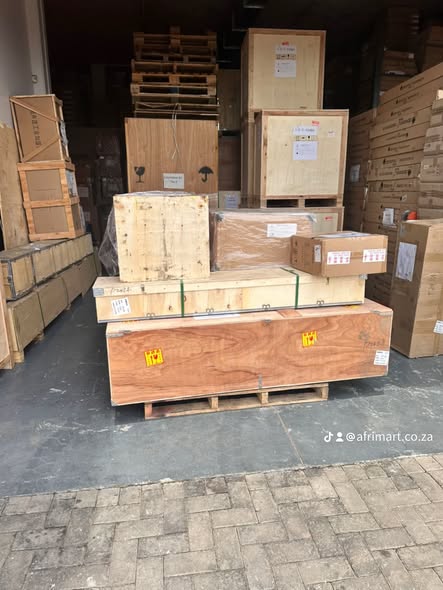
Latest Orders Labelled
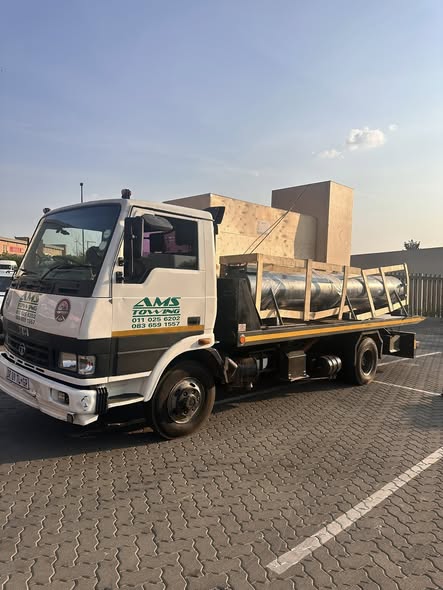
wheel alignment machines
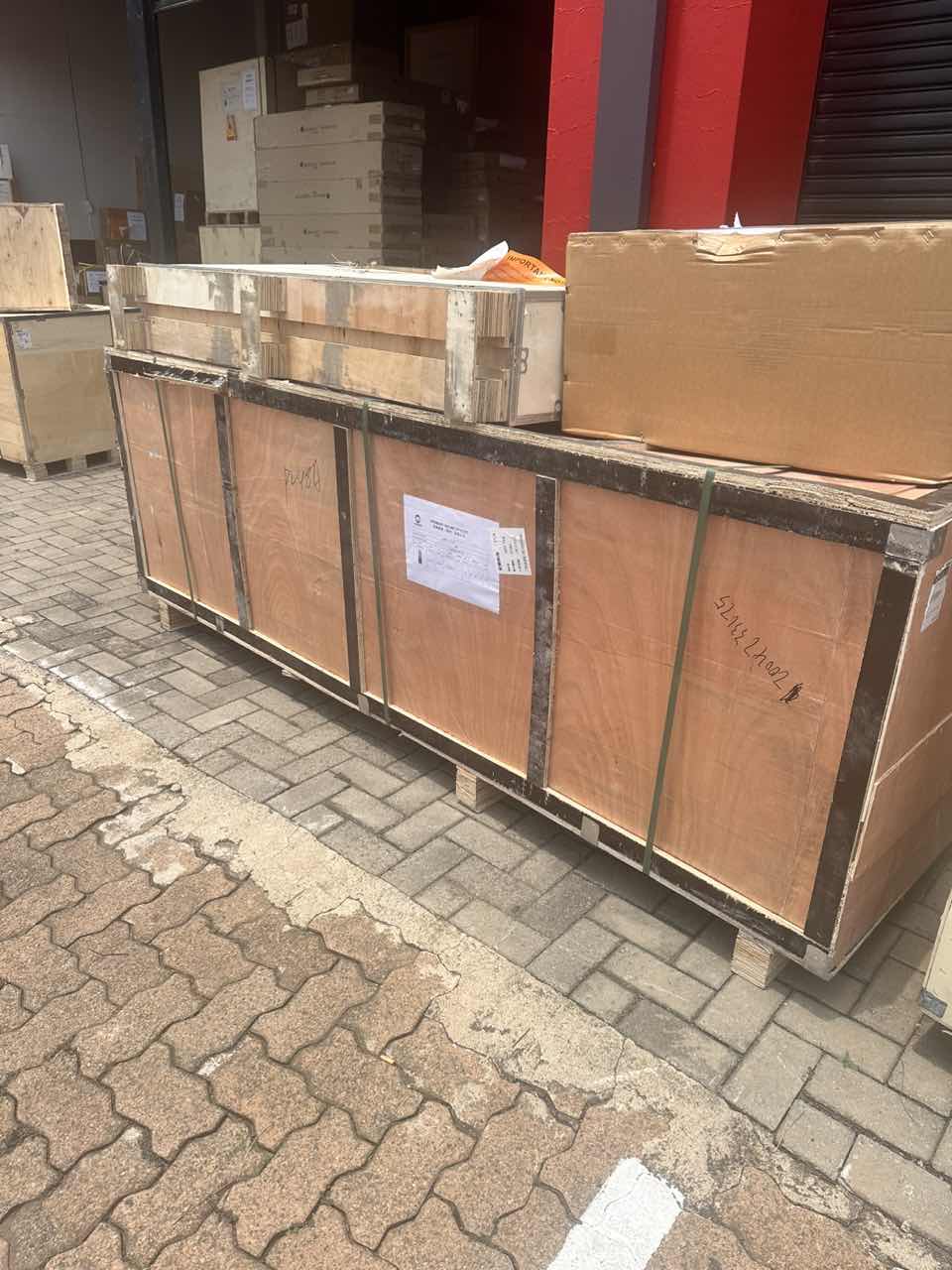
new arrivals
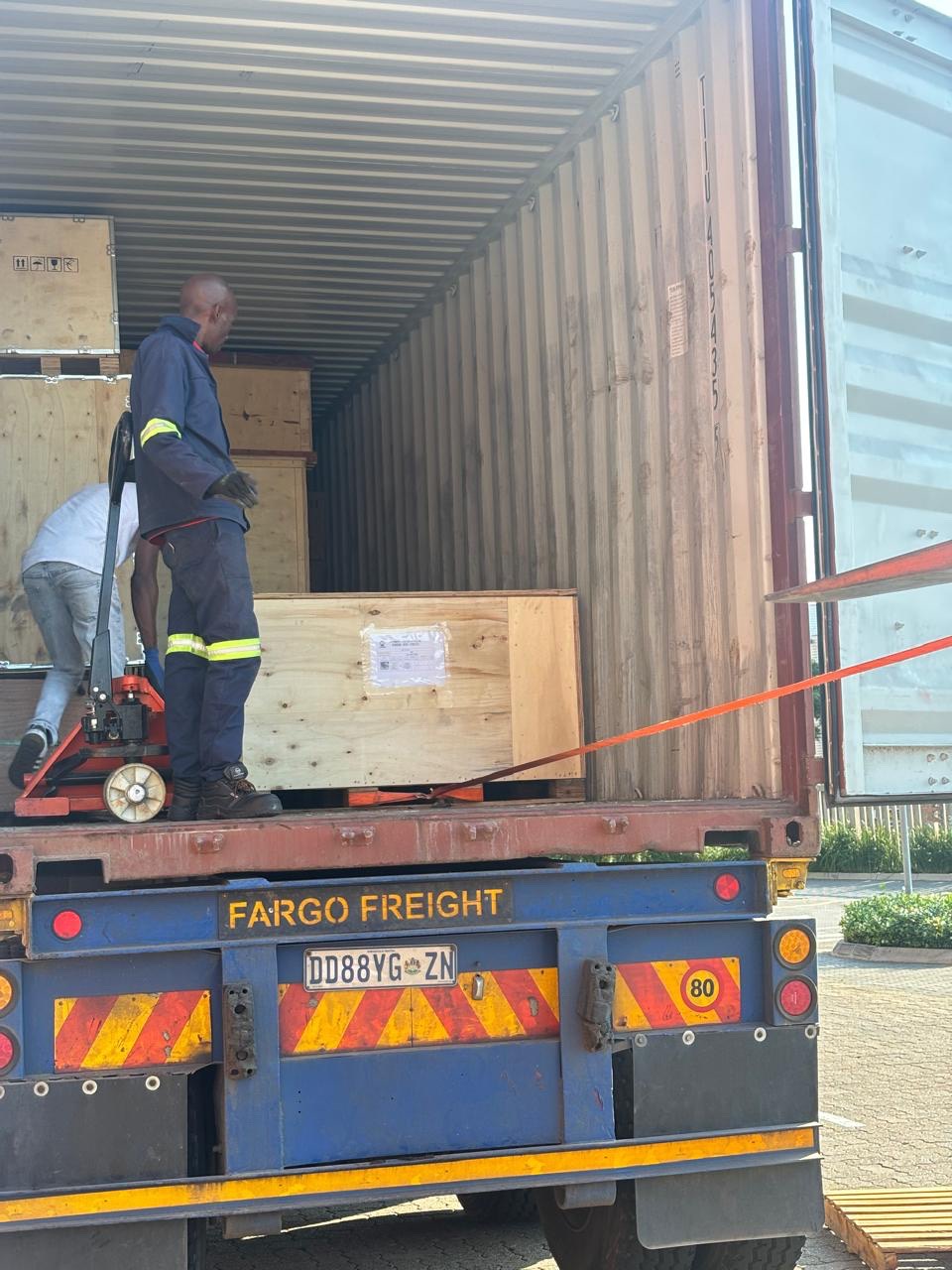
Pre Orders Offloading
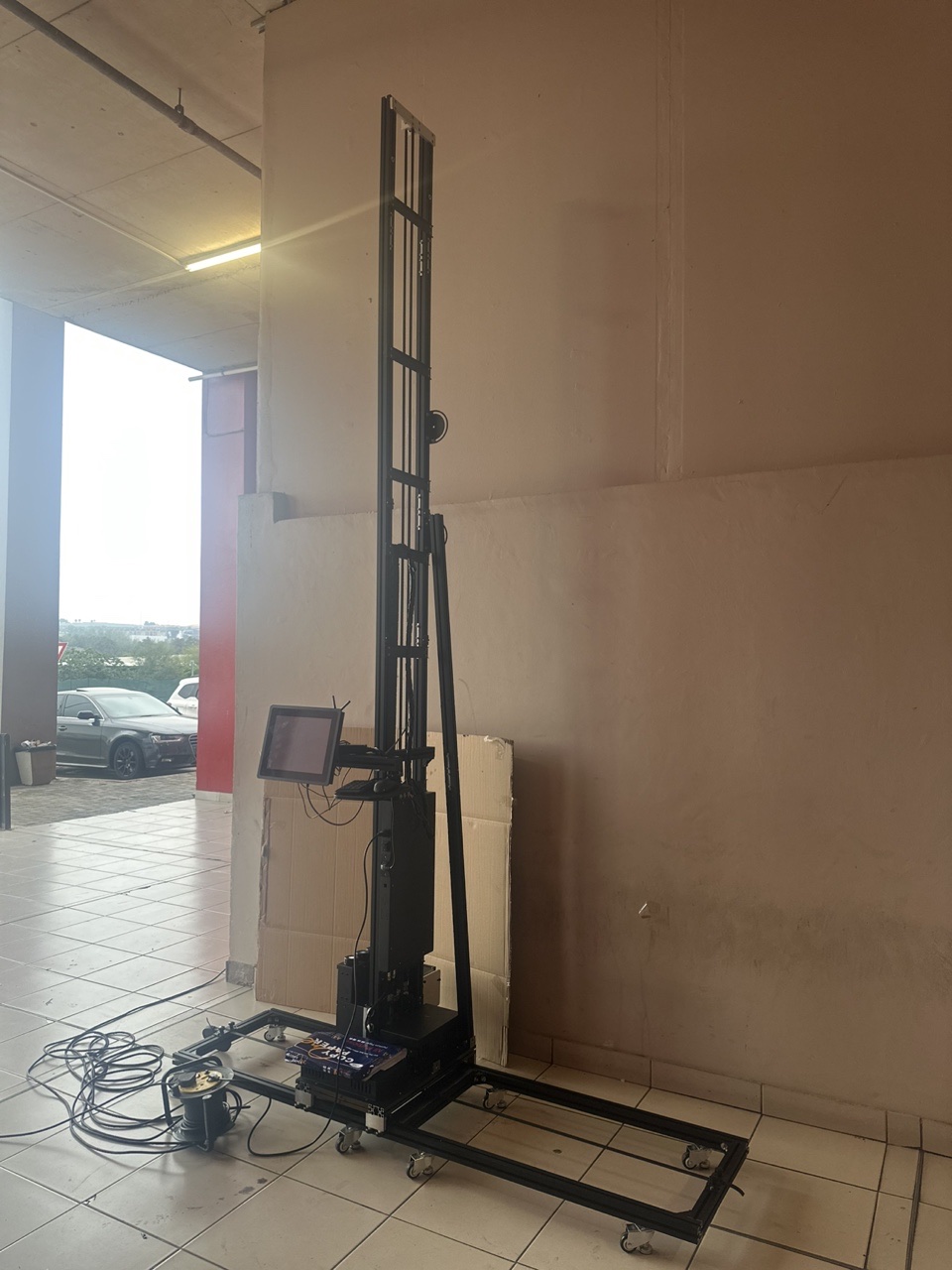
Latest Arrivals
Latest Arrivals
Latest Arrivals
Loading
Toilet paper making machine
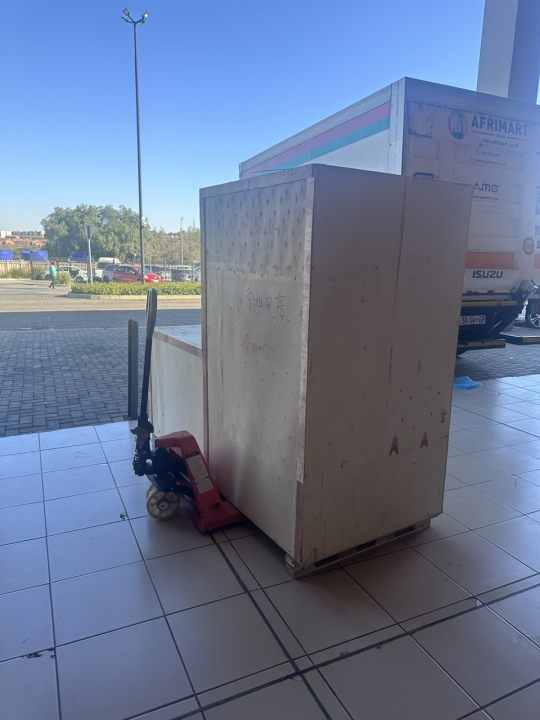
Toilet paper making machine
Toilet paper Rewinding Machine
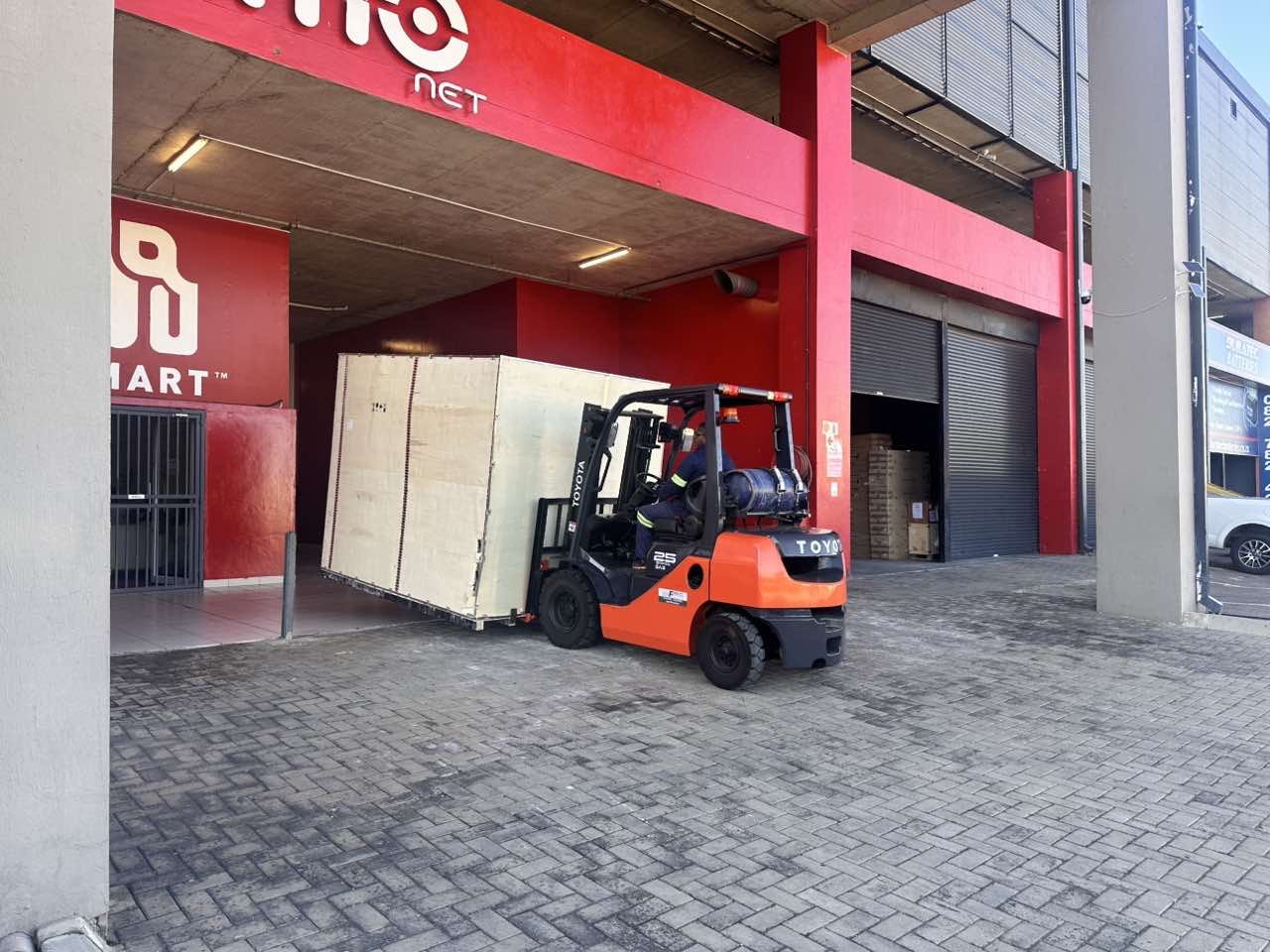
latest arrivals
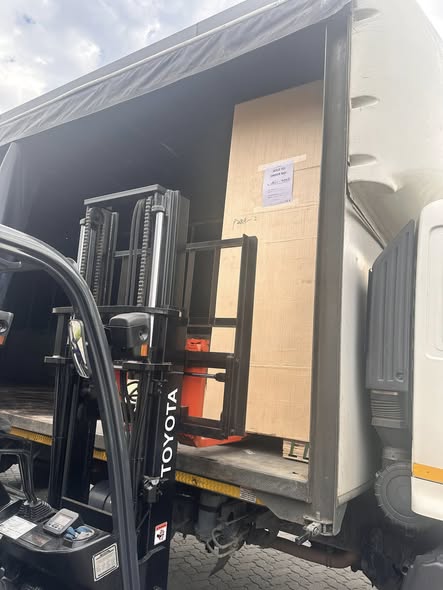
offloading
order success
order collection
order offloading