B21, China Town Mall, Midrand


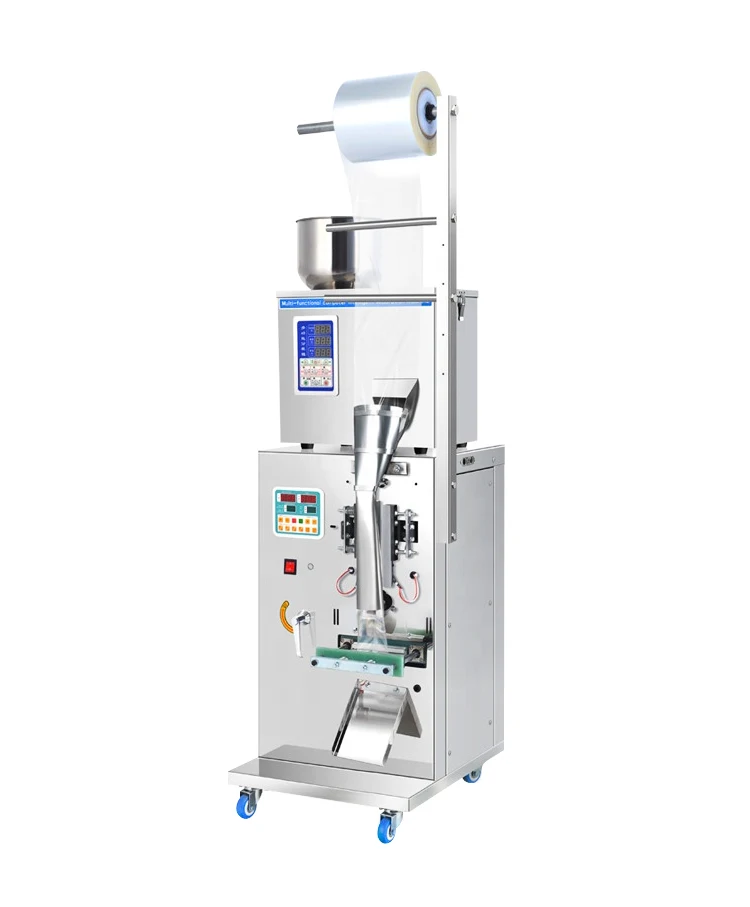
Back Sealing Packaging Machine
- Section : Machinery
- Category : Multi-Function Packaging Machines
- SKU : 1600661095951

Back Sealing Packaging Machine
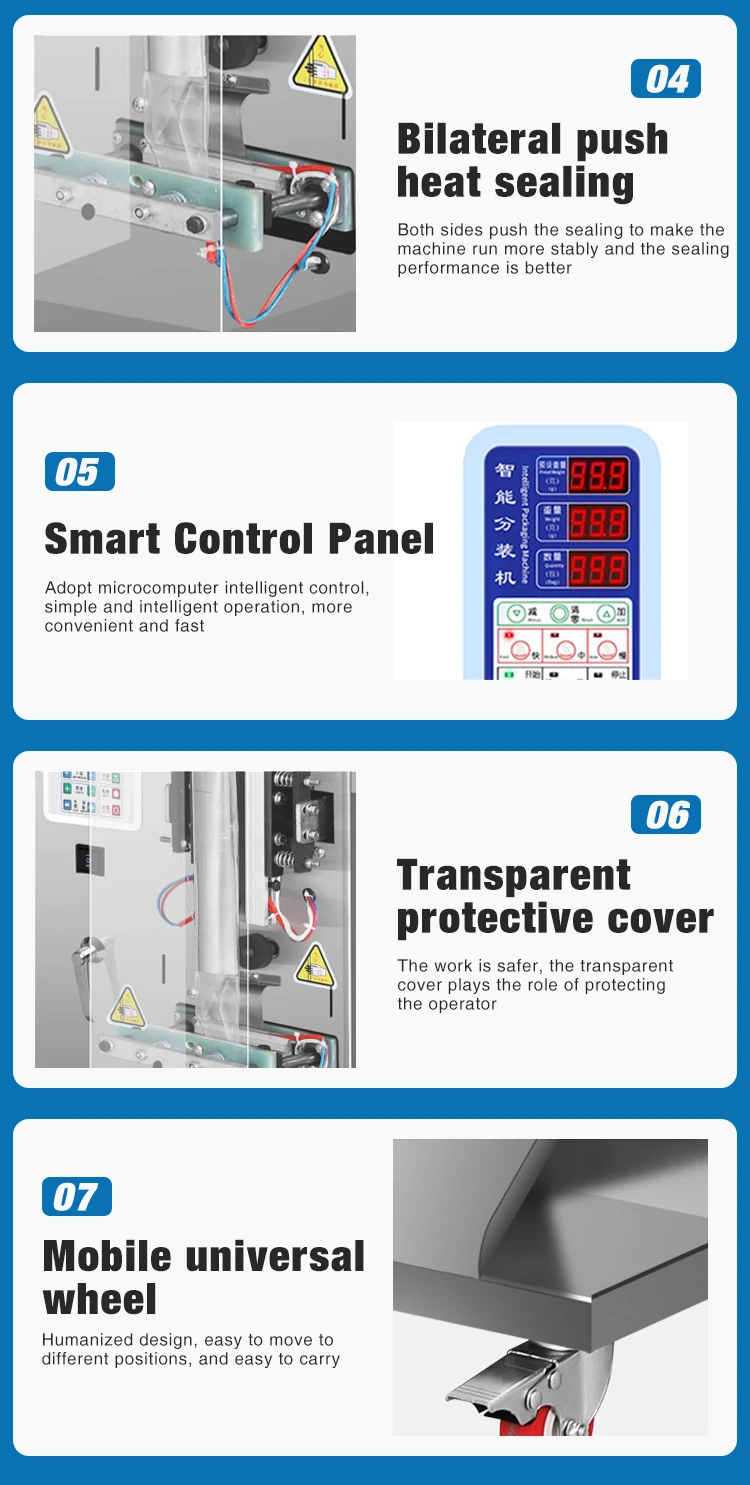
The Back Sealing Packaging Machine is expertly designed using microcomputer control and optical technology. This ensures high accuracy, fast operation, and excellent quality, making it the perfect solution for modernizing the tea packaging process. This automatic machine can replace multiple laborers in tea production, providing exceptional support for tea shops and businesses seeking to enhance efficiency.
Applications
This machine is suitable for a variety of products, including:
- Powders and granules such as seasoning powder and tea
- Cereals
- Hardware accessories
- Dried nuts
- Electronic components
Operation Process
- Install the Roll Films: Prepare the packaging material.
- Connect the Power Supply: Ensure the machine is powered.
- Start Production: Operate the machine to begin packaging.
In conclusion, the Back Sealing Packaging Machine is an effective tool for speeding up packaging operations while maintaining high-quality standards. It provides labor-saving solutions, making it an essential asset for any packaging environment.
Product Info Gallery
- Key Features: High accuracy, fast operation, labor-saving
- Ideal For: Tea shops, food producers, and various industries


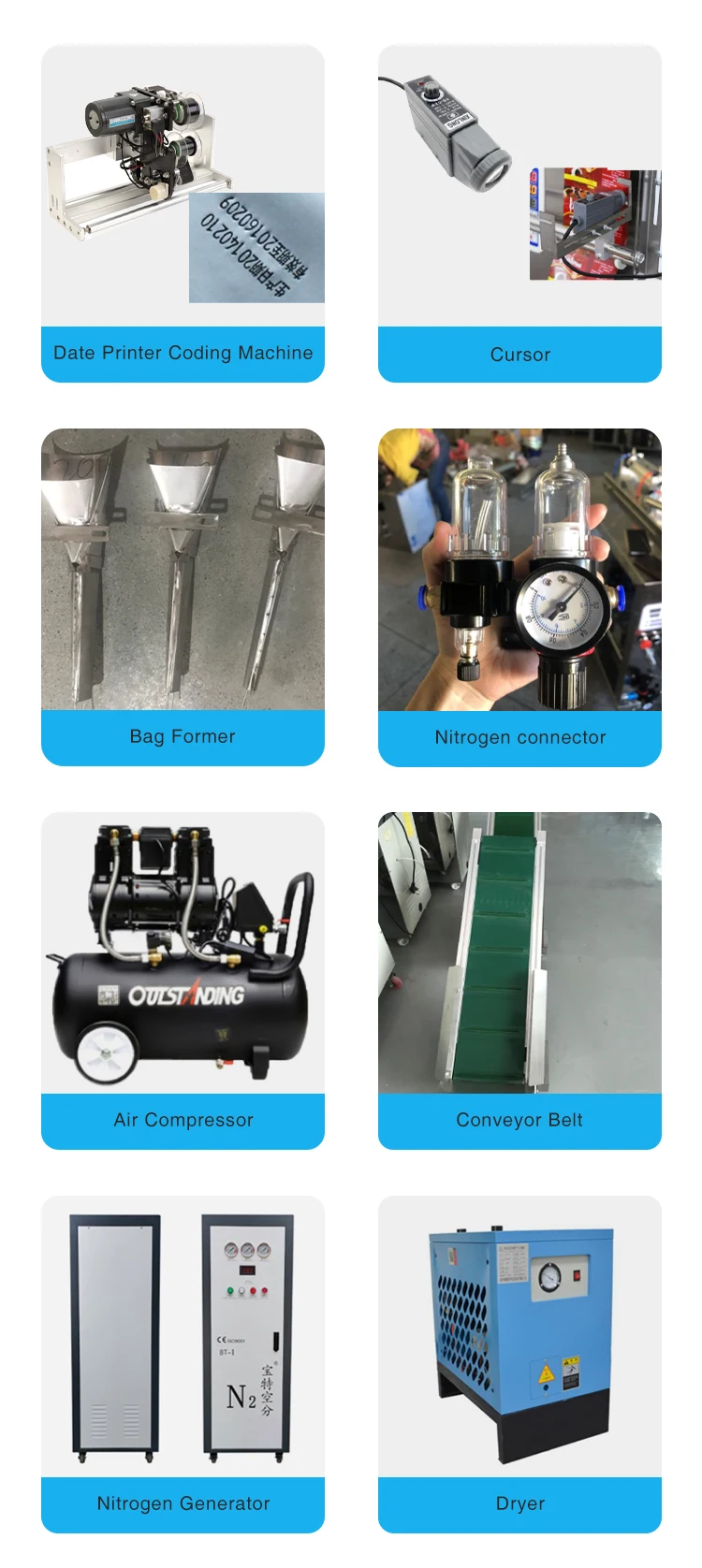
Optional
- Shipping Timeframes: All orders are processed within 2-5 business days (excluding weekends and holidays). After your order has been processed, the estimated delivery time is before 03 Aug, 2026, depending on customs, Please note that due to high demand, some items may experience longer shipping times, which will be communicated at order confirmation email.
- Order Processing Time: Please allow 2-5 business days for us to process your order before it is shipped . Orders placed after 16:00 on Fridays, or during weekends and public holidays, will begin processing on the next business day. Processing times may be extended during peak seasons or sales events.
- Manufacturing Time: Some products needs manufacturing time, the manufacturing process will take approximately 10-30 business days depending on the product. This timeframe may vary depending on the complexity of the product and current demand. but this will be communicated with you during order confirmation.
- Returns and Exchanges: We offer a 30-day return policy for most items. If you are not completely satisfied with your purchase, you may return it within 30 days of receipt for a refund or exchange. Items must be unused, in their original packaging, and accompanied by proof of purchase. Return shipping costs are the responsibility of the customer, unless the item was damaged or defective upon arrival.
1. What is a Back Sealing Packaging Machine?
A Back Sealing Packaging Machine is an automatic packing system that forms, fills and seals packages with the seal located on the back of the pouch. This model uses microcomputer control and optical technology for accurate, high-speed packaging — particularly suited for tea and other small-packet products.
2. Which products can this machine pack?
It can handle powders and granules (for example tea leaves, seasoning powder), cereals, dried nuts, hardware accessories, and small electronic components, provided the product flow characteristics are compatible with the chosen feeding system.
3. How does the machine operate (basic process)?
Basic steps are: install the roll film, connect power and start the control system, set your packaging parameters (length, sealing temperature, speed), load product into the hopper or feeding system, then start production. The machine will form the pouch from roll film, dose product, and perform back sealing.
4. What type(s) of packaging film can it use?
It typically accepts heat-sealable roll films such as laminated PET/PE, OPP/PE and other multi-layer films suitable for back-seal pouches. Film compatibility depends on heat-seal properties and film thickness — check with the supplier for supported film specifications.
5. What is the machine's production speed?
Speed depends on product type, pouch size and model configuration. Typical speeds range from a few dozen to several hundred pouches per minute. Ask the supplier for speed charts based on your product and pouch dimensions.
6. How accurate is the dosing and sealing?
The machine uses microcomputer control and optical technology for high positioning accuracy and consistent sealing. Dosing accuracy will depend on the chosen filler (auger, cup, volumetric, or multi-head weigher) and product properties; consult the supplier to match the proper dosing system to your product.
7. What power supply and voltage does the machine require?
Power requirements vary by model and optional equipment. Common industrial machines use three-phase power (e.g., 220–380V, 50/60Hz). Confirm exact voltage, phase and power consumption with the manufacturer or your local sales representative.
8. How easy is it to change film rolls and set up the machine?
Roll film installation is designed to be straightforward: mount the roll, thread the film through the film path and alignment guides, and set the registration with the optical sensor. The microcomputer control typically offers menus to input pouch length and other parameters. Training is recommended for efficient changeovers.
9. What maintenance is required?
Regular maintenance includes cleaning the sealing jaws and product contact areas, checking and replacing worn seals and cutter blades, lubricating moving parts per the manual, inspecting sensors and electrical connections, and verifying temperature control. Follow the manufacturer's maintenance schedule.
10. How do I clean the machine, especially for food use?
Disconnect power and follow lockout procedures, then remove product-contact parts if detachable. Wipe down surfaces with food-safe cleaners, avoid water contact with electrical components, and ensure all parts are dry before restarting. Refer to the supplier's cleaning instructions for model-specific guidance.
11. What safety features does the machine have?
Typical safety features include emergency stop buttons, safety guards or interlocks around moving parts, thermal protection for heaters, and electrical overload protection. Exact features vary by model; review safety documentation before operation and ensure operators are trained.
12. Can the machine be customized or fitted with optional equipment?
Yes. Common options include different dosing systems (auger, volumetric cup, multi-head weigher), nitrogen flushing, date/lot coders, pouch window or zipper attachments, and upgraded control packages. Contact the manufacturer to discuss optional configurations suited to your application.
13. What troubleshooting steps should I follow if sealing quality is poor?
Check film compatibility and sealing temperature, ensure sealing jaws are clean and undamaged, verify correct pressure and dwell time, confirm film alignment and registration, and inspect the cutter blade if present. If problems persist, consult the manual or supplier support.
14. What are typical lead time and warranty/support options?
Lead times depend on model, customization and order volume; small standard machines can often ship in weeks, while custom systems take longer. Warranty and after-sales support vary by supplier — confirm warranty length, spare parts availability and service options before purchase.
15. Is this machine suitable for small tea shops or only large producers?
It can benefit both. For tea shops, a compact model automates packaging and saves labor. For larger producers, higher-capacity configurations and integrated dosing systems increase throughput. Choose machine size and options according to your production volume and budget.
Latest Order Arrivals
Discover our latest orders
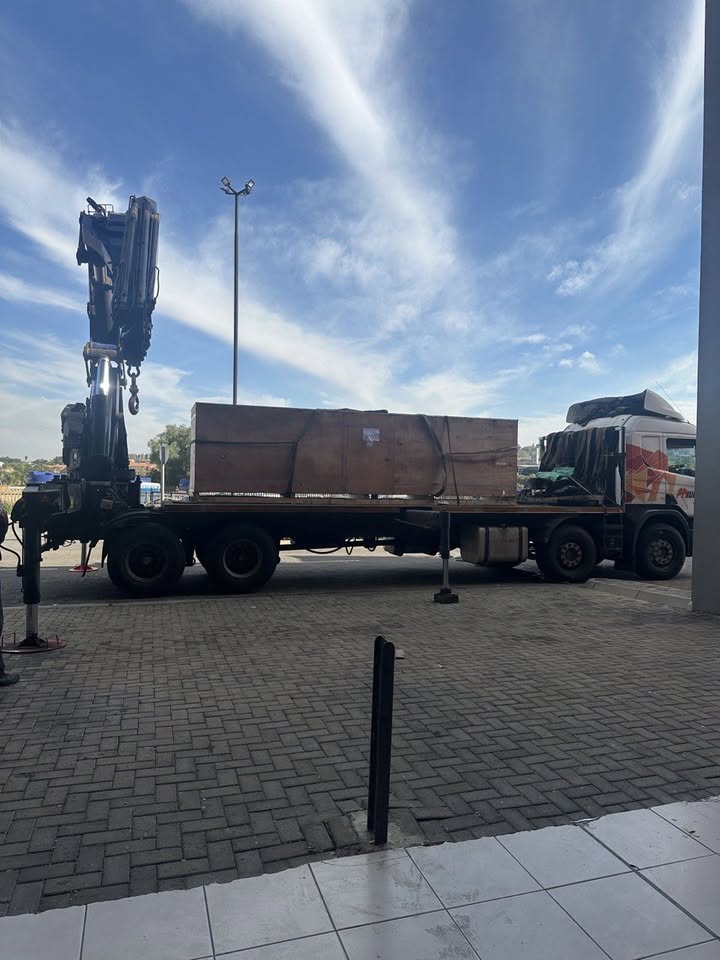
12 Heads Embroidery Machine
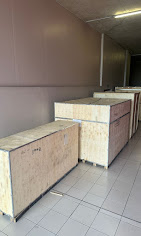
Toilet Paper Machine Machine
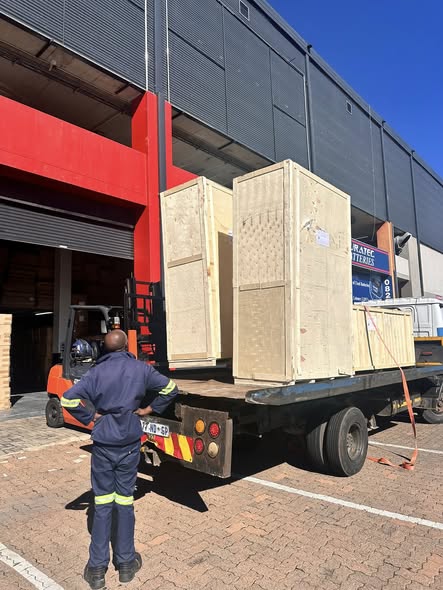
Order Collection
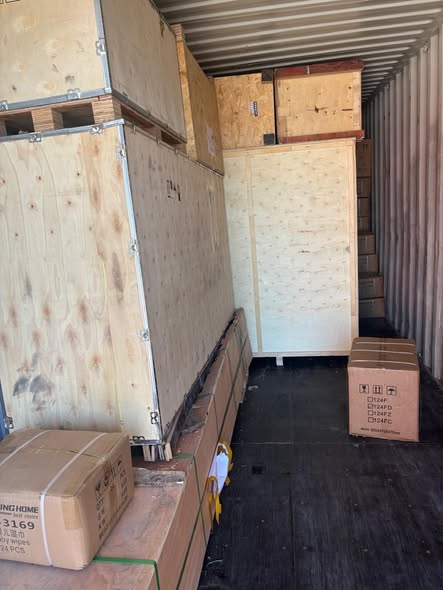
Cross Border Clients
Order cros border countries Collected
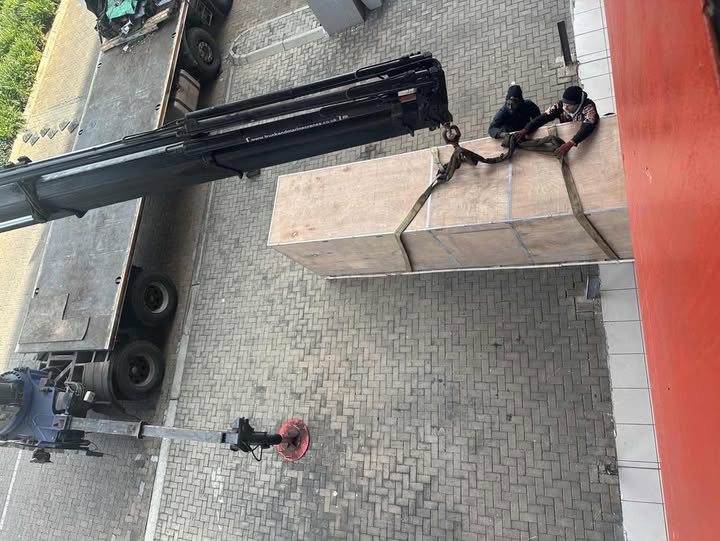
Industrial Machine Cllection
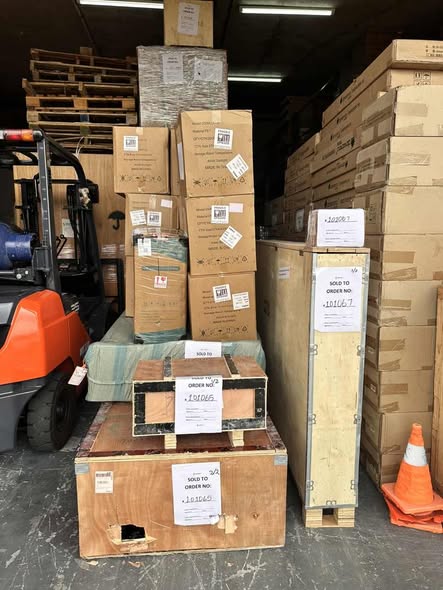
Agriculture Processing Machines
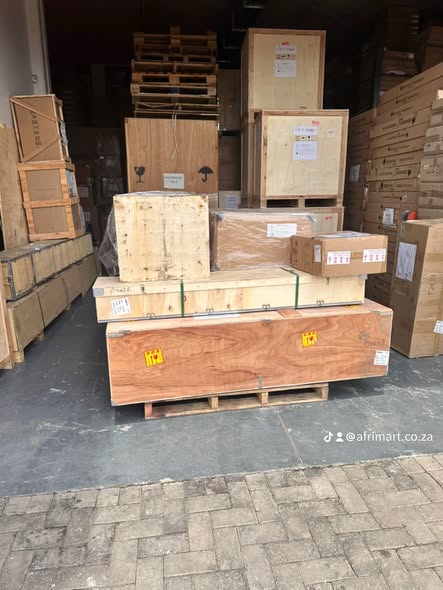
Ready for collection
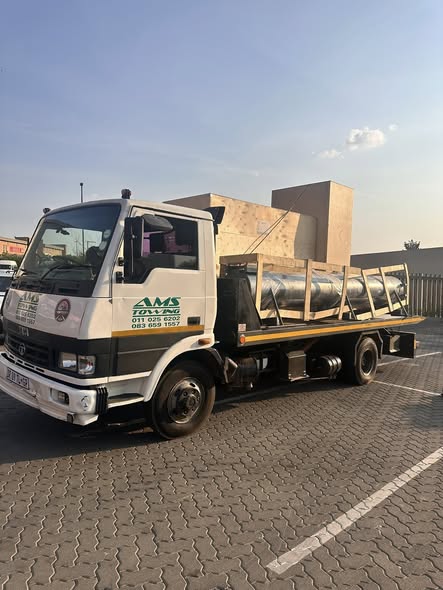
Water Pump Equipment
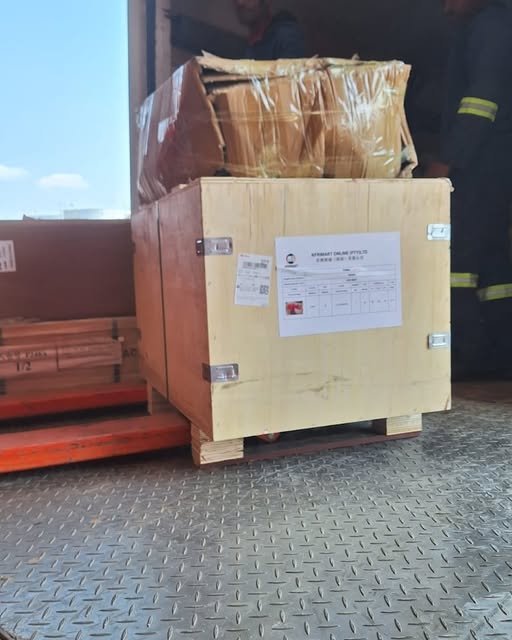
Packaging Machine and accessories
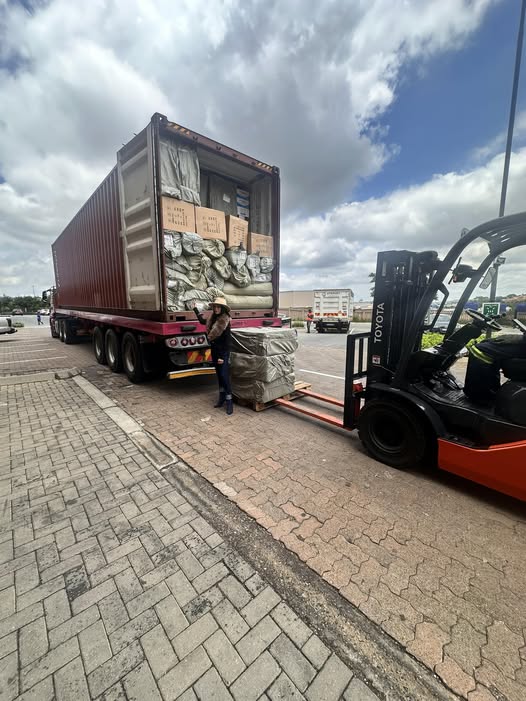
Fabrics Manufacturing Equipment
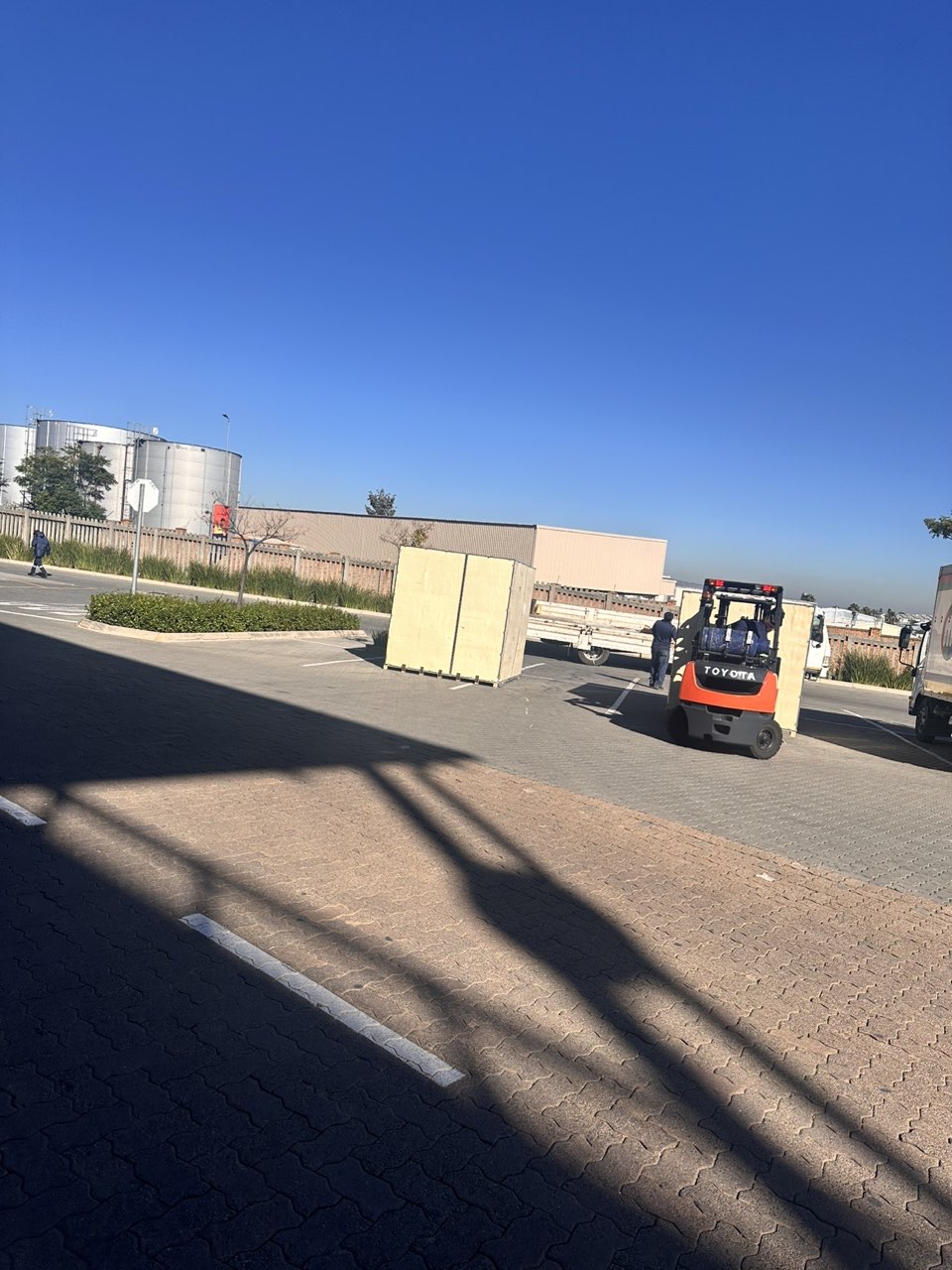
Mining Equipments
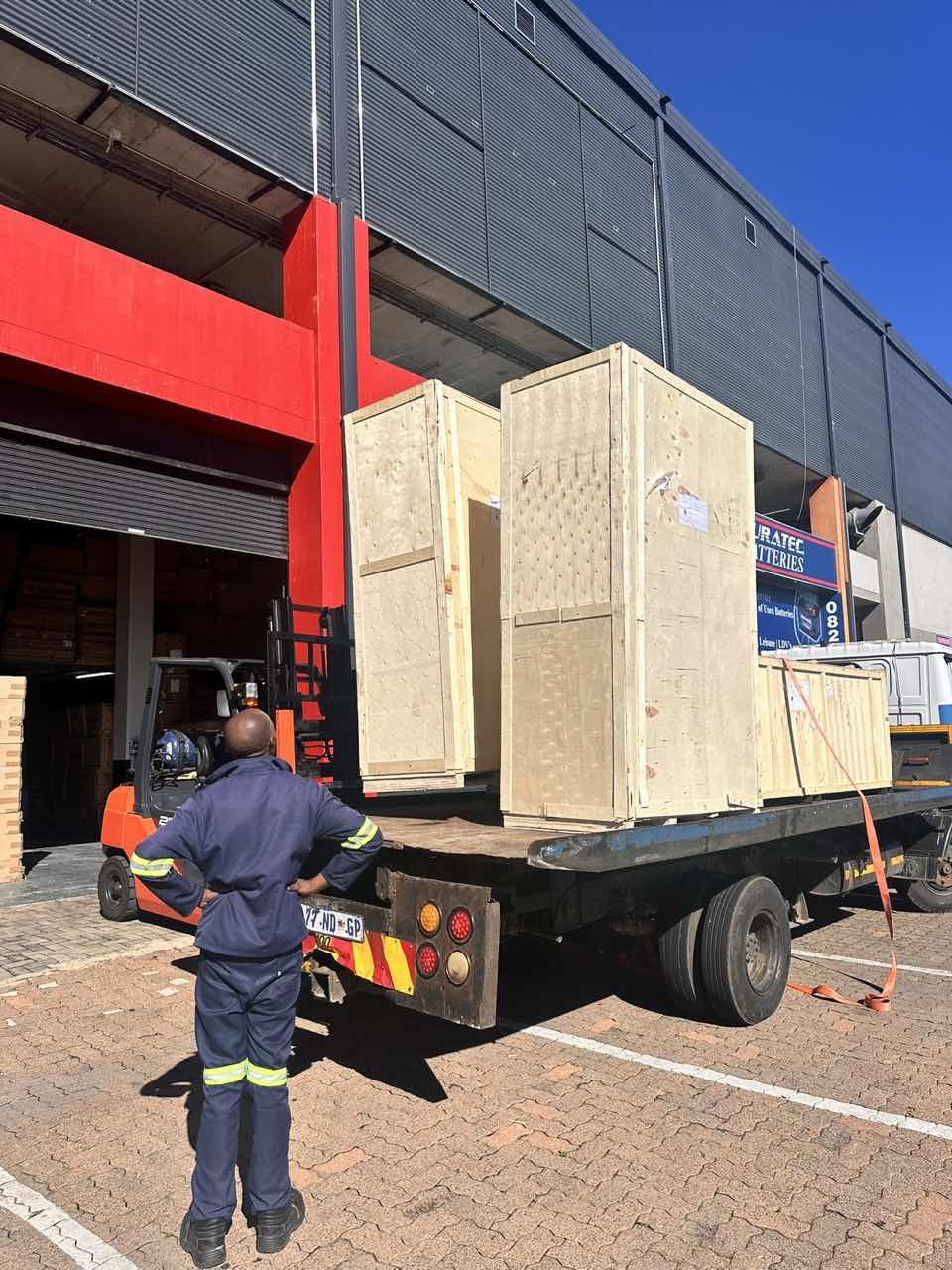
Food Processing Machine
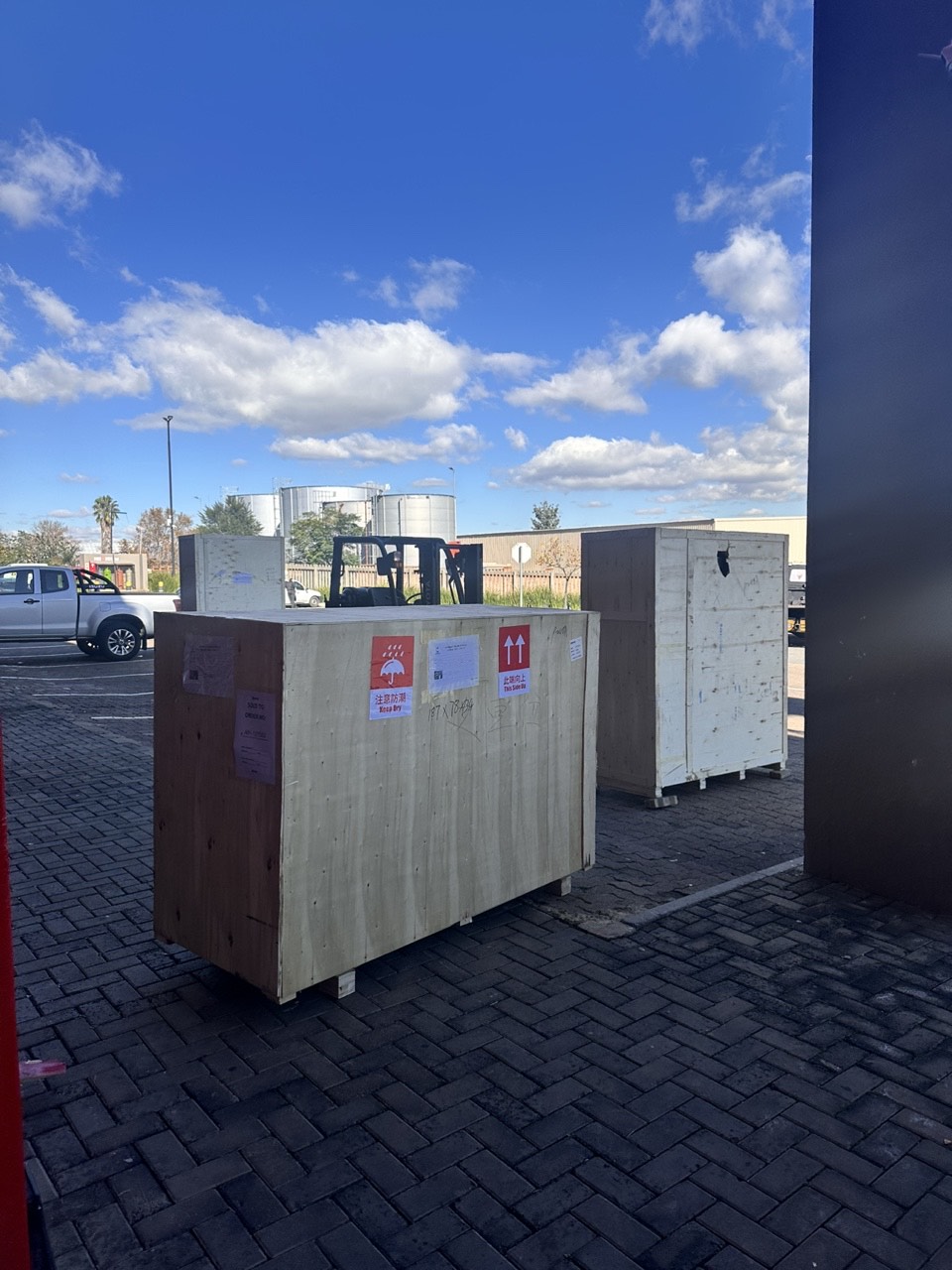
Batch of Orders
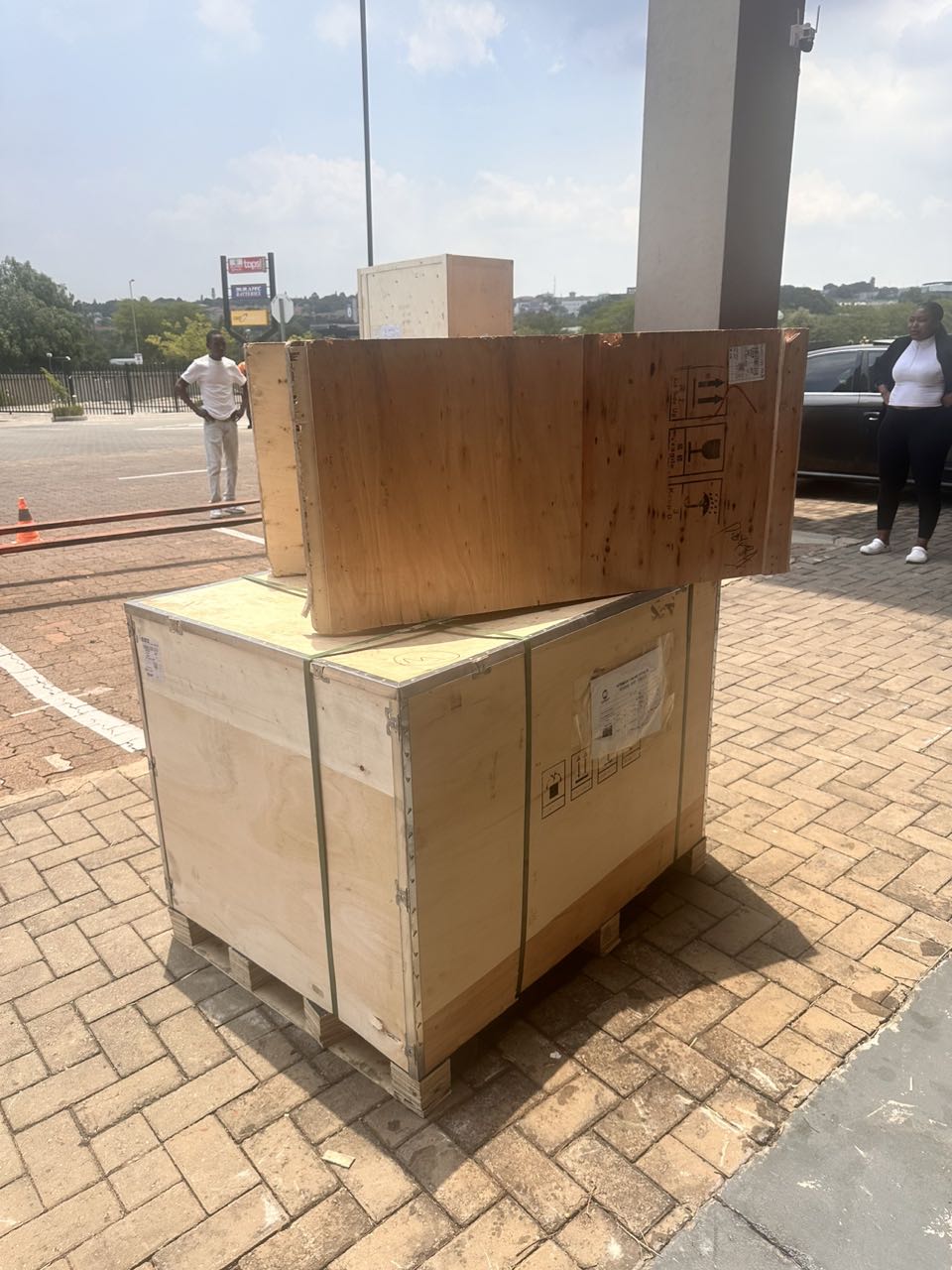
Batch of Orders
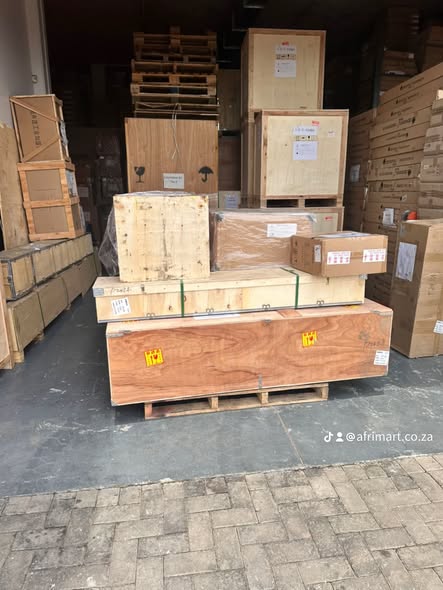
Latest Orders Labelled
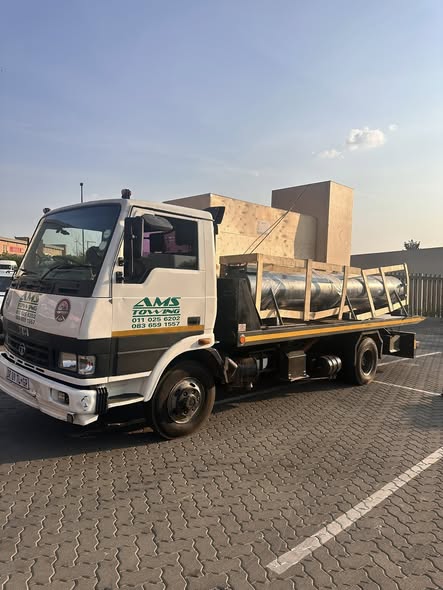
wheel alignment machines
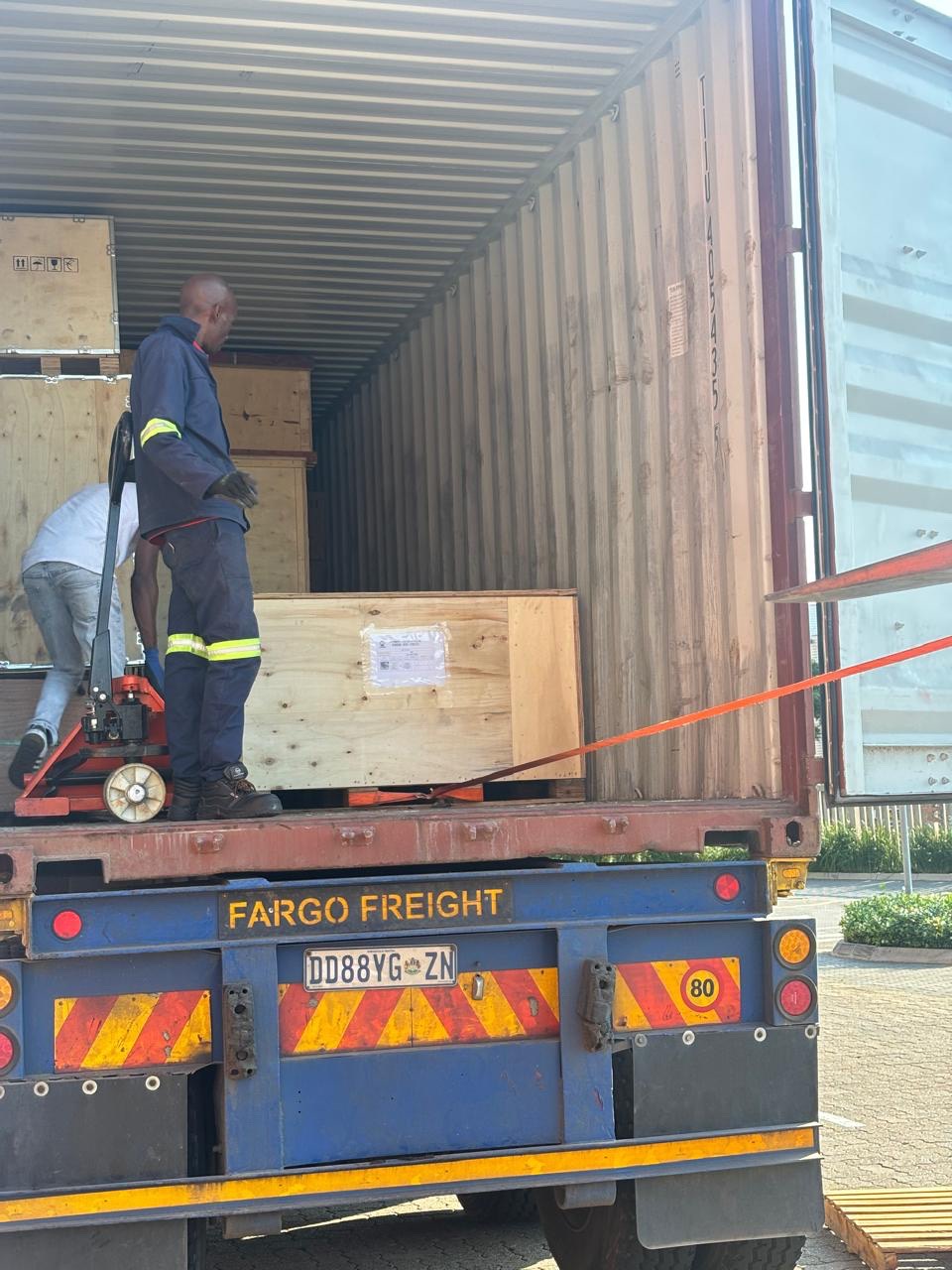
new arrivals
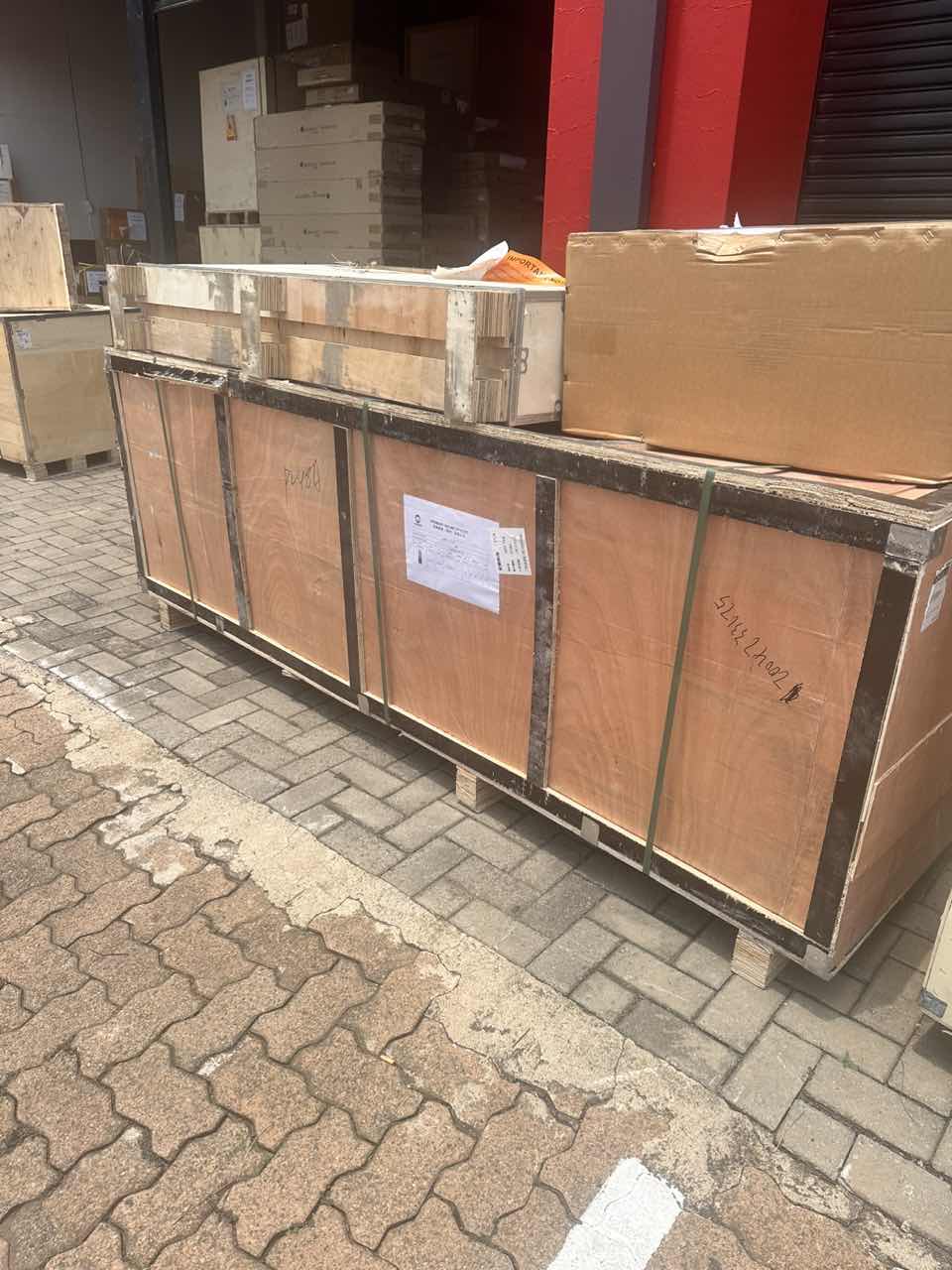
Pre Orders Offloading
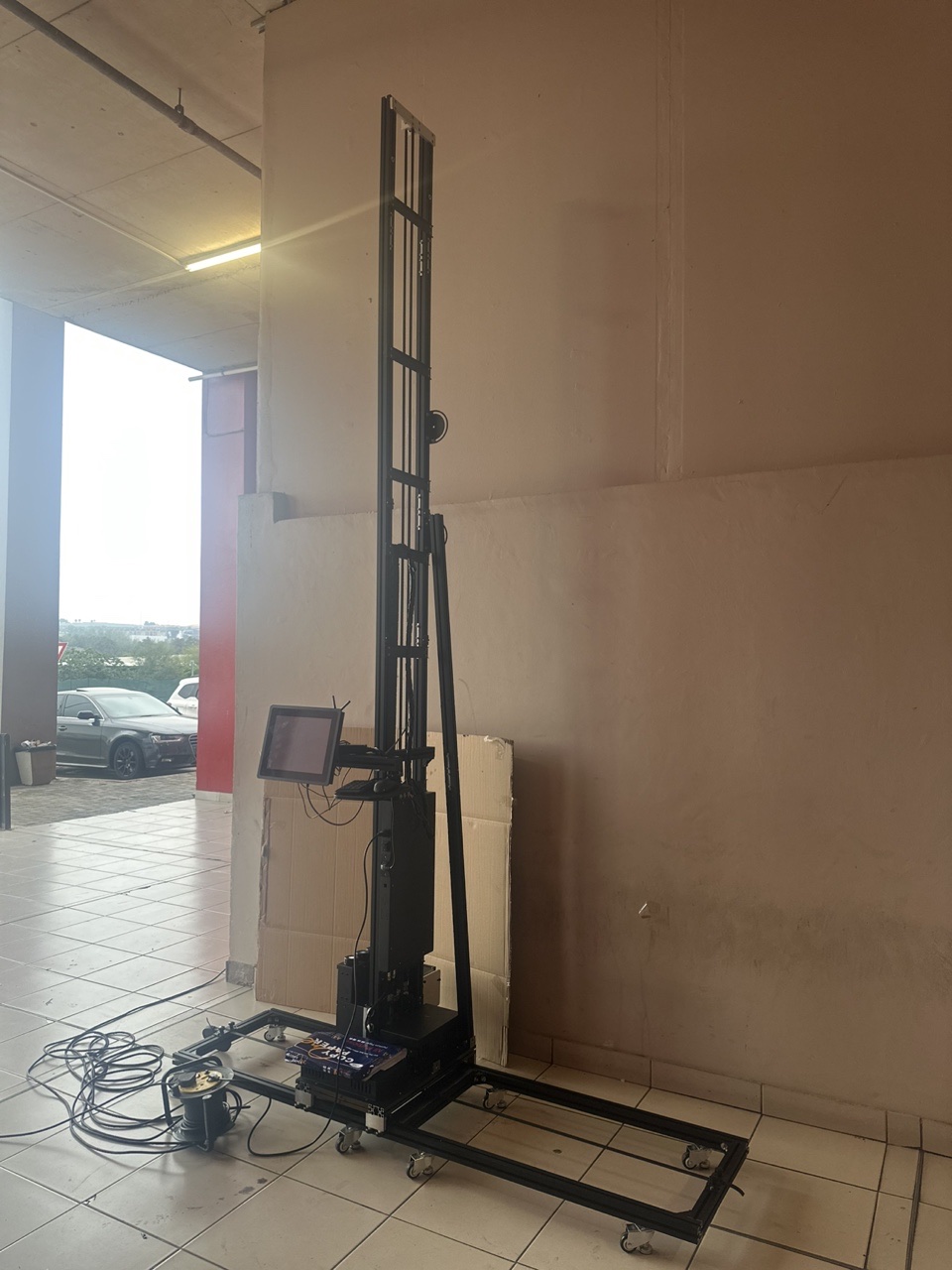
Latest Arrivals
Latest Arrivals
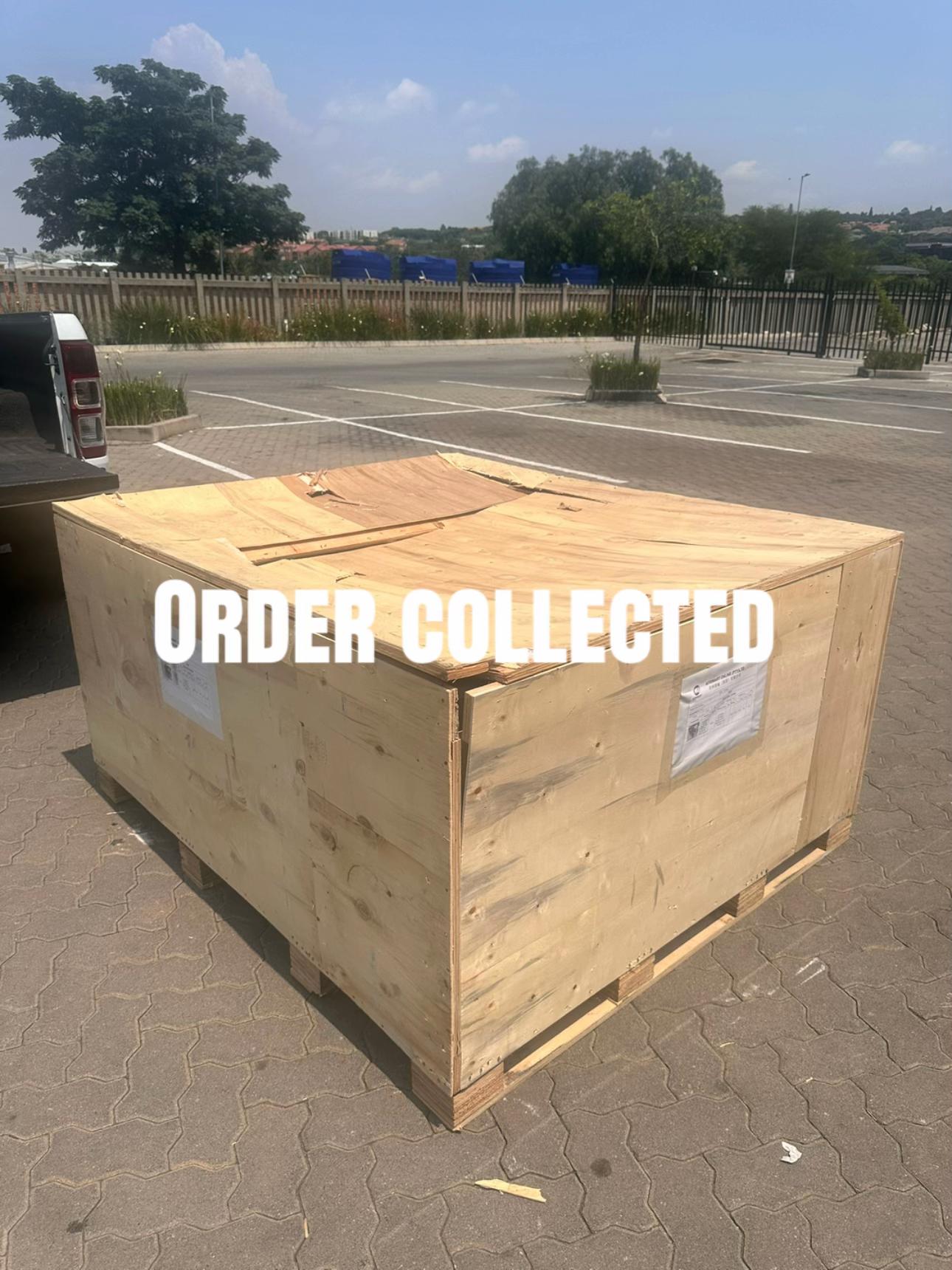
Latest Arrivals
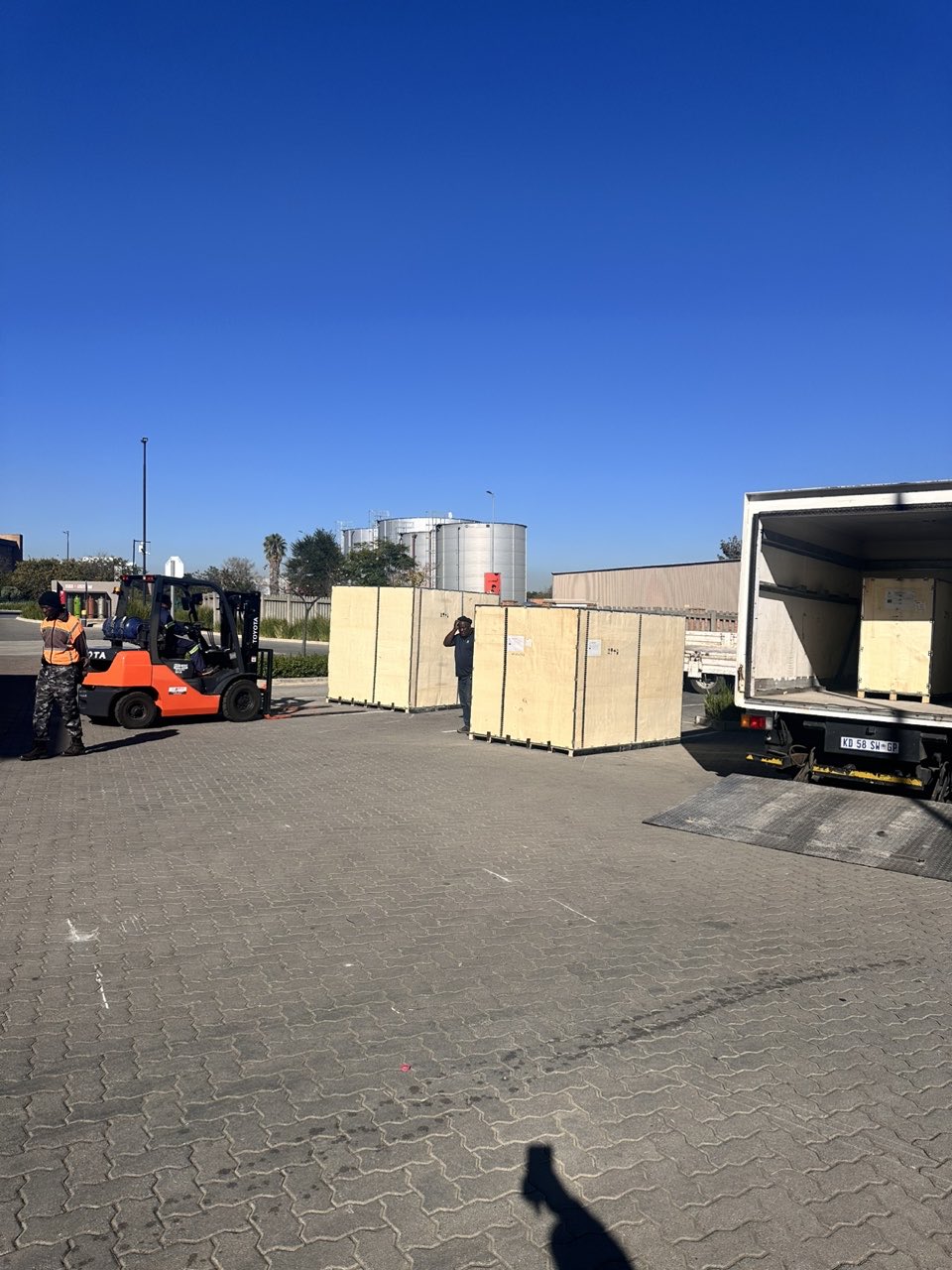
Loading
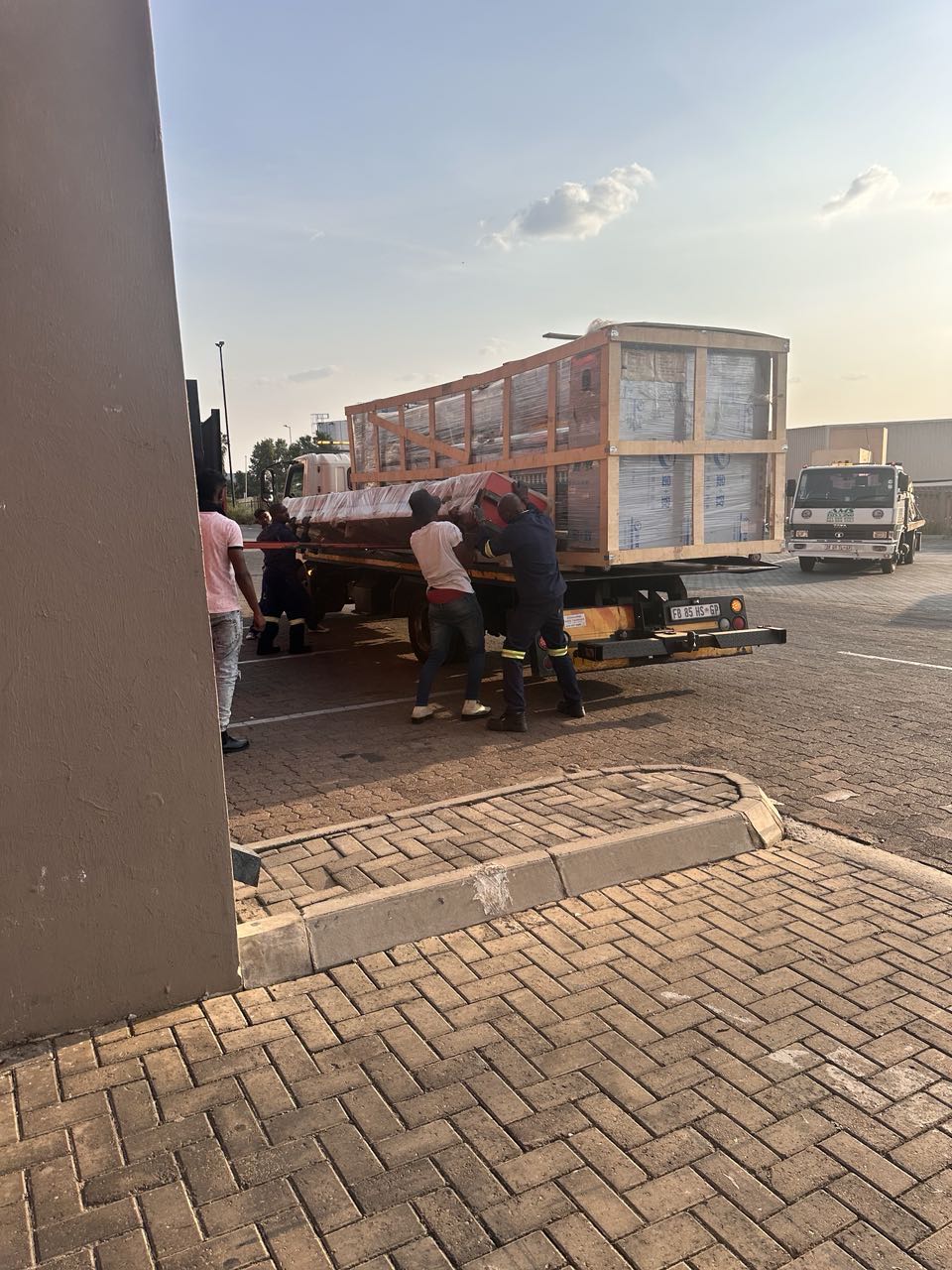
Toilet paper making machine
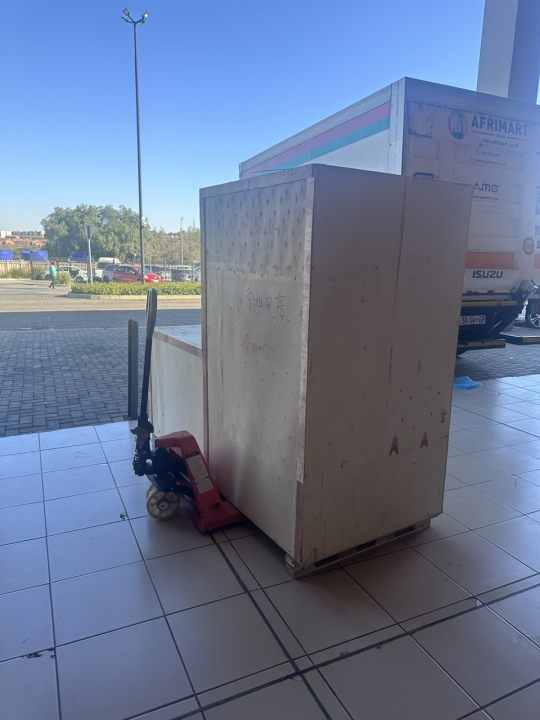
Toilet paper making machine
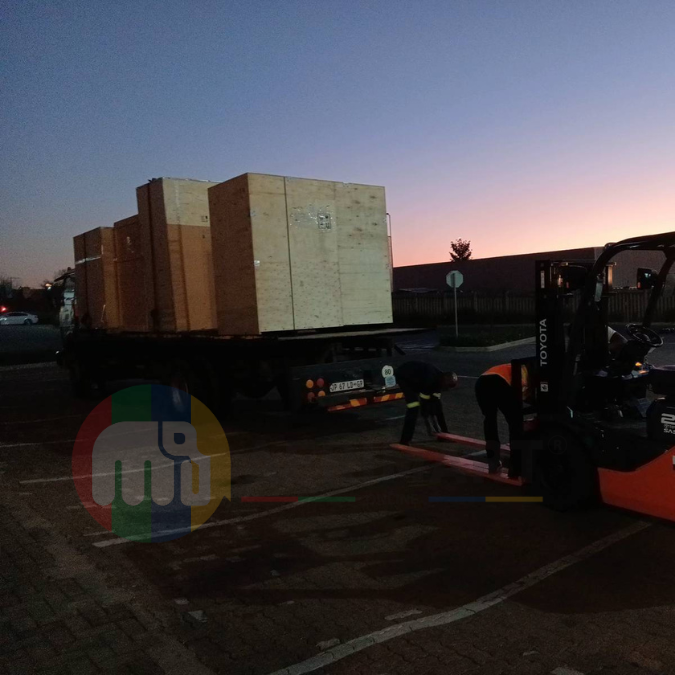
Toilet paper Rewinding Machine
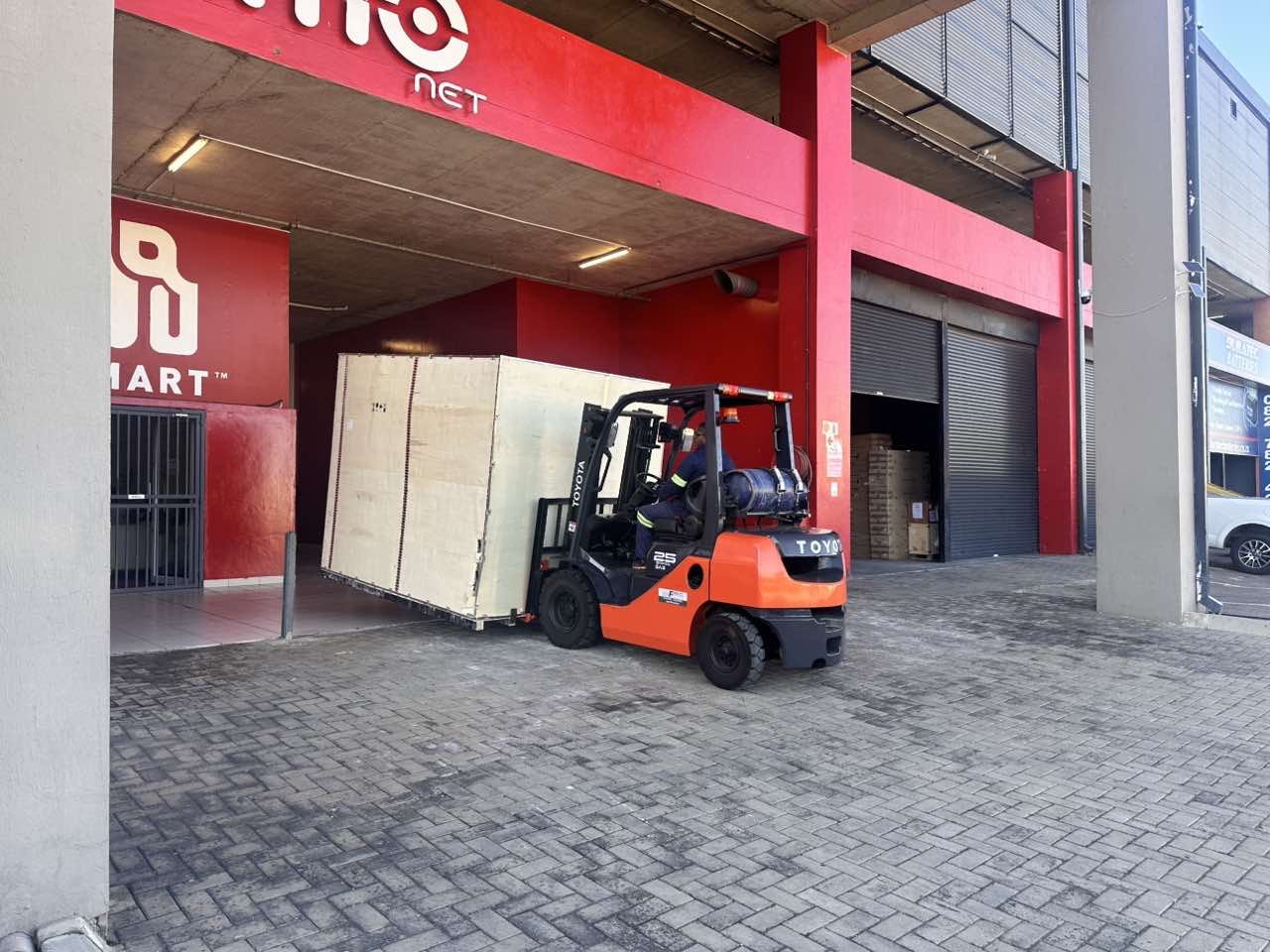
latest arrivals
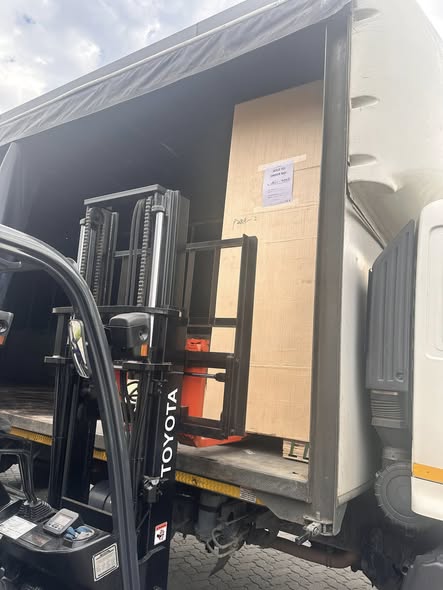
offloading
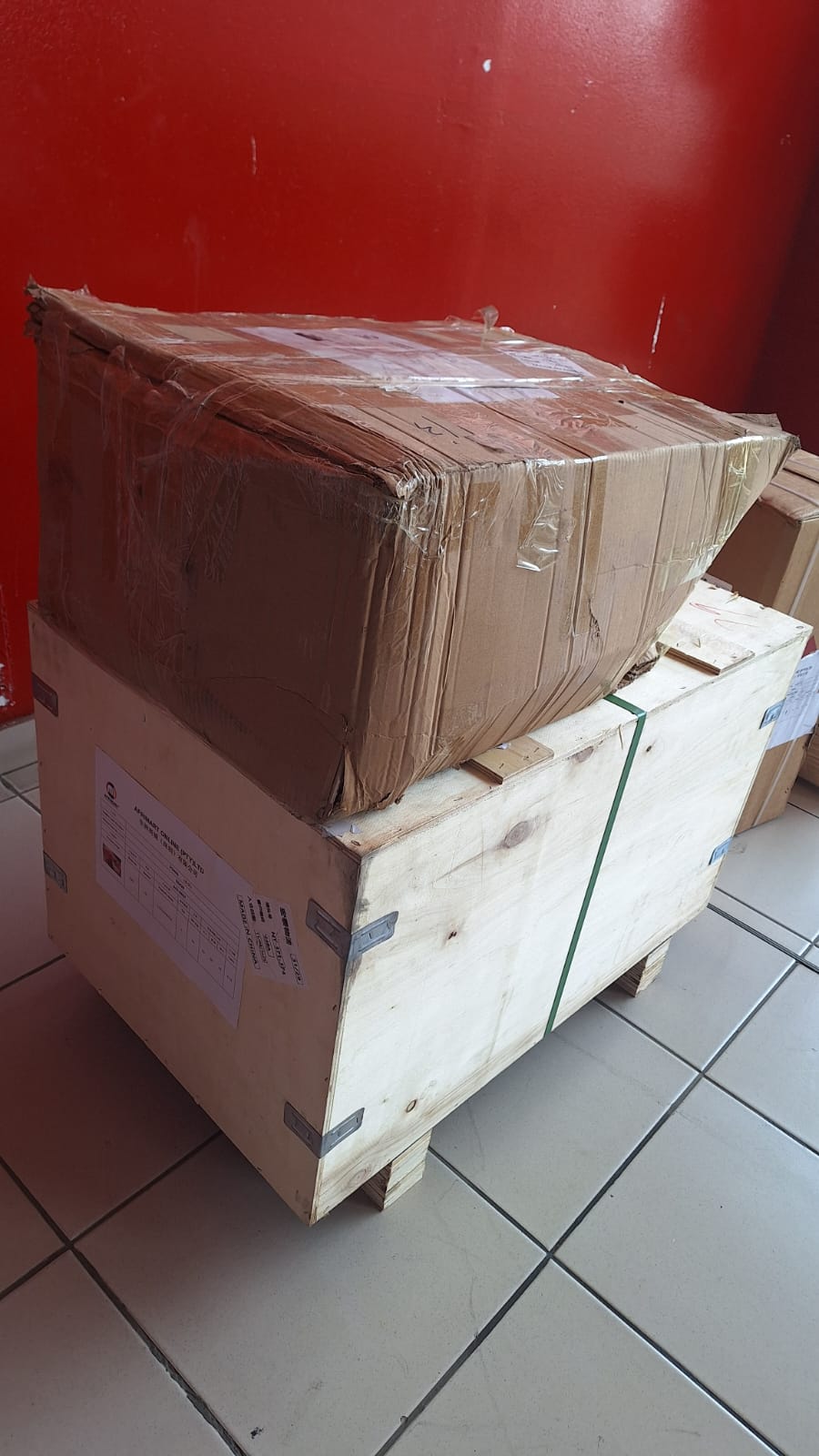
order success
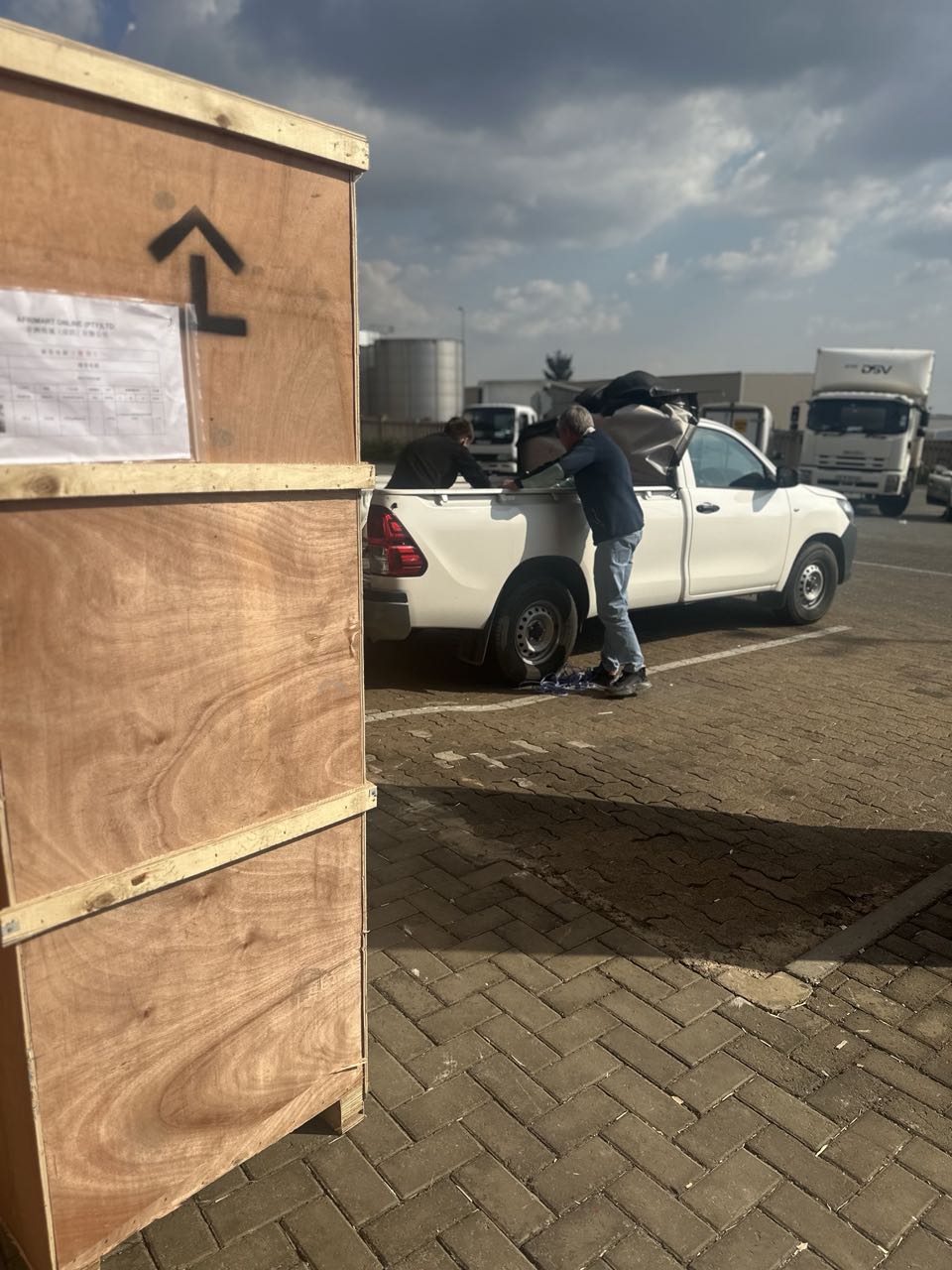
order collection
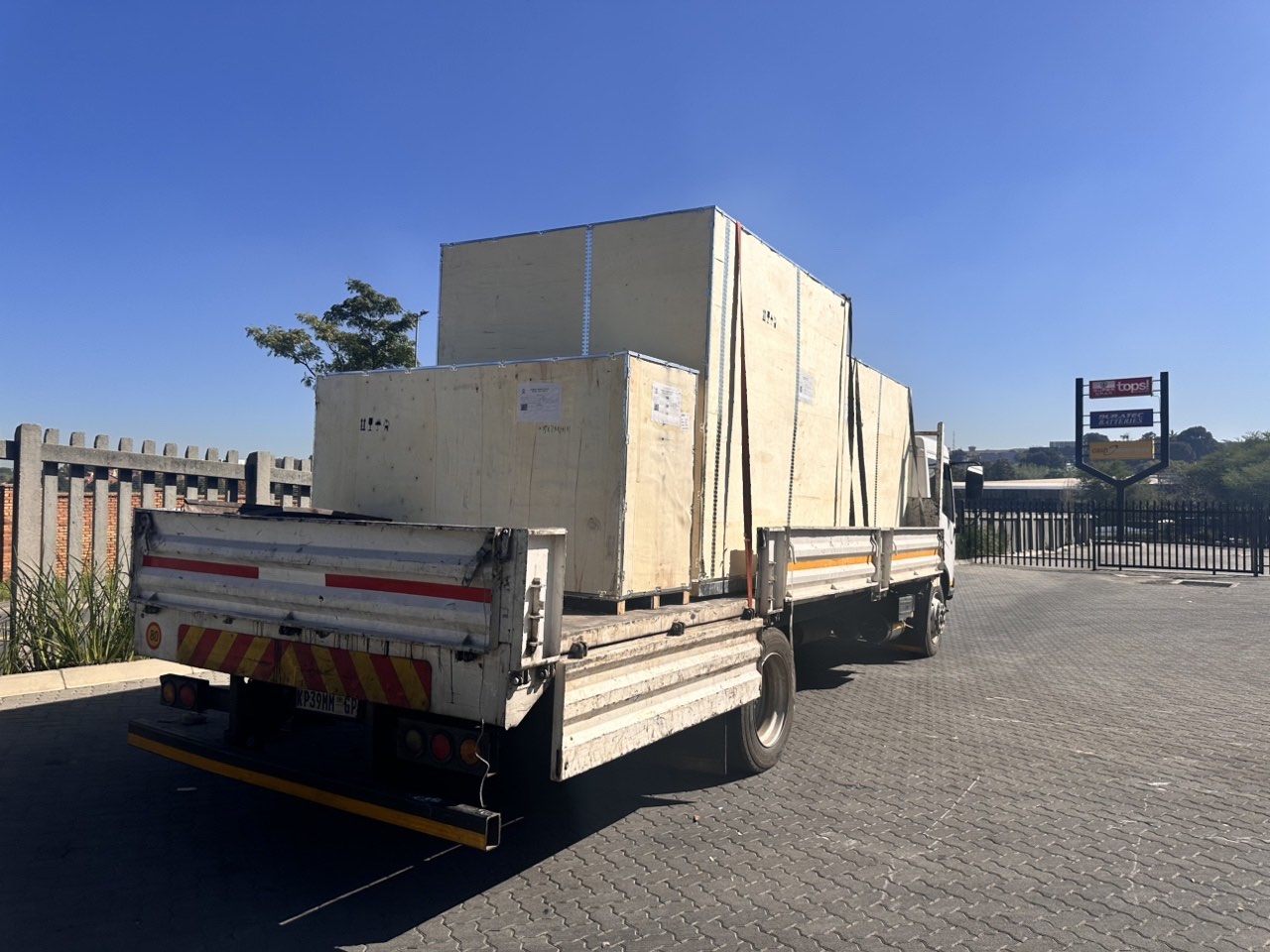
order offloading