B21, China Town Mall, Midrand

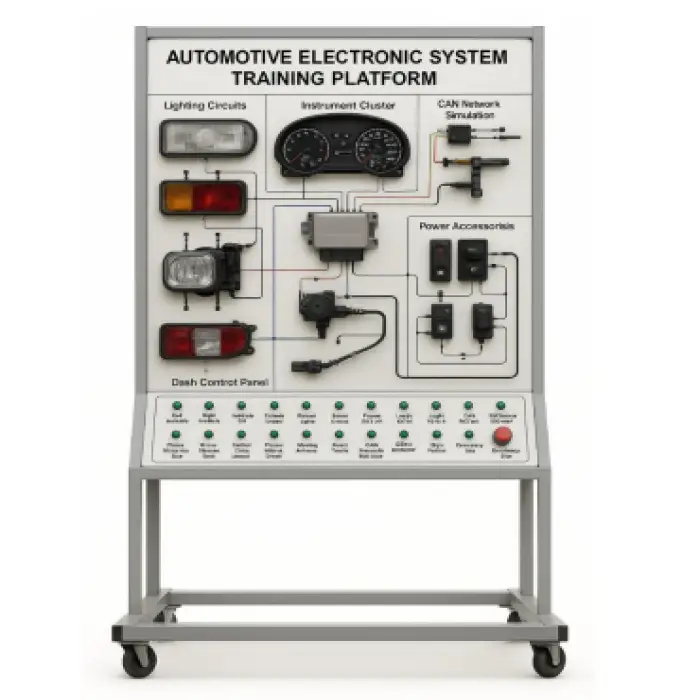
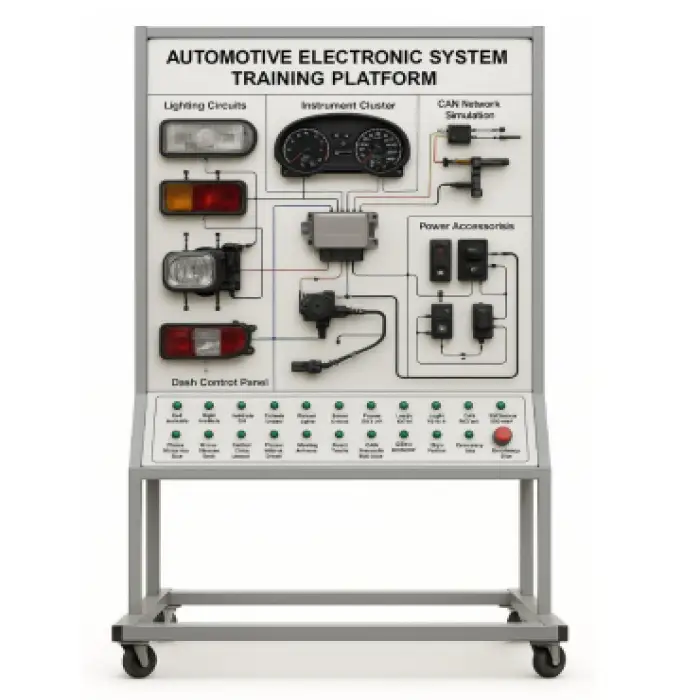
Automotive Whole Electrical Appliances Training Board
Asset finance available
Do you want funding for this equipment?
Afrimart can connect you with trusted funding partners who specialise in asset finance for businesses like yours. Compare options and apply in minutes — final approval is subject to provider review.
Check funding options
Secure & no obligation

- Section : Electrical & Tools
- Category : Tools & Hardware
- SKU : 110000050660100

Automotive Whole Electrical Appliances Training Board
The Automotive Whole Electrical Appliances Training Board is an essential tool for teaching automotive electrical systems. This training simulator is designed for training institutes and helps students learn about various automotive systems in a hands-on way. With its comprehensive features, the training board makes it easy to understand complex electrical functions in vehicles.
Specifications
| Attribute | Details |
|---|---|
| Model Number | GTAT-4001-001 |
| Starting System | 1 SET |
| Power Generation System | 1 SET |
| Drive Motor | 1 SET |
| Engine Control System | 1 SET |
| Lighting System | 1 SET |
| Power Windows/Electric Door Lock System | 1 SET |
| Audio Systems | 1 SET |
| Horn System | 1 SET |
| Electric Rearview Mirror System | 1 SET |
| Wiper and Water Spray System | 1 SET |
| Ignition/Fuel Injection System | 1 SET |
| Dashboard | 1 SET |
| Battery | 1 PCS |
| Fault Setting Module | Manual Switch Type |
| Mobile Stand with Test Panel | 1 SET |
| OBD Diagnostic Seat | 1 SET |
Key Features
- Hands-on learning experience
- Comprehensive electrical systems coverage
- Easy to use for instructors and students
- Durable construction for long-lasting use
- Includes various automotive systems
Applications
- Training institutes for automotive technology
- Vocational schools for hands-on electrical training
- Workshops for automotive service training
- Educational demonstrations for students
- Skill development for aspiring automotive technicians
Product Info Gallery

- Shipping Timeframes: All orders are processed within 2-5 business days (excluding weekends and holidays). After your order has been processed, the estimated delivery time is before 04 Aug, 2026, depending on customs, Please note that due to high demand, some items may experience longer shipping times, which will be communicated at order confirmation email.
- Order Processing Time: Please allow 2-5 business days for us to process your order before it is shipped . Orders placed after 16:00 on Fridays, or during weekends and public holidays, will begin processing on the next business day. Processing times may be extended during peak seasons or sales events.
- Manufacturing Time: Some products needs manufacturing time, the manufacturing process will take approximately 10-30 business days depending on the product. This timeframe may vary depending on the complexity of the product and current demand. but this will be communicated with you during order confirmation.
- Returns and Exchanges: We offer a 30-day return policy for most items. If you are not completely satisfied with your purchase, you may return it within 30 days of receipt for a refund or exchange. Items must be unused, in their original packaging, and accompanied by proof of purchase. Return shipping costs are the responsibility of the customer, unless the item was damaged or defective upon arrival.
1. What is the Automotive Whole Electrical Appliances Training Board (Model GTAT-4001-001)?
The GTAT-4001-001 is a comprehensive automotive electrical systems training simulator designed for training institutes and vocational schools to provide hands-on instruction in vehicle electrical systems.
2. Which vehicle systems are included on the training board?
The board includes a starting system, power generation system, drive motor, engine control system, lighting system, power windows/electric door lock system, audio system, horn, electric rearview mirror, wiper and water spray system, ignition/fuel injection system, dashboard, battery (1 PCS), OBD diagnostic seat, fault setting module (manual switch type) and an adjacent test panel on a mobile stand.
3. What are the key educational features of this training simulator?
Key features include hands-on learning, comprehensive coverage of common automotive electrical subsystems, an OBD diagnostic seat for fault diagnosis practice, a manual fault-setting module for controlled troubleshooting exercises, and a mobile stand with test panel for instructor demonstrations.
4. Who is the intended user for this product?
The product is intended for training institutes, vocational schools, automotive workshops offering practical training, and educational demonstrations for students learning automotive electrical systems.
5. How is the fault setting module operated?
The fault setting module uses a manual switch type interface, allowing instructors to introduce specific faults in controlled, repeatable ways to simulate common electrical failures for diagnostic training.
6. Does the board include an OBD diagnostic function?
Yes, the trainer includes an OBD diagnostic seat to practice connection, reading, and interpreting on-board diagnostics. For software compatibility and update details, contact the manufacturer or supplier.
7. Is the trainer portable and how is it installed?
The unit includes a mobile stand with a test panel for mobility within a classroom or workshop. Final installation and secure mounting should be performed on a stable surface by qualified personnel following the supplier's instructions.
8. What power supply or electrical requirements are needed?
Specific mains voltage and power consumption are not listed in the basic specs. Please consult the manufacturer or supplier documentation for required input voltage, fuse ratings, and power connection details before installation.
9. What safety precautions should be followed when using the training board?
Always disconnect power before altering wiring or components, use appropriate personal protective equipment, follow instructor supervision and lab safety rules, and ensure all connections are secure before energizing the system.
10. How is maintenance performed and what are common service tasks?
Routine maintenance includes visual inspection of wiring and connectors, cleaning dust from components and connectors, checking and tightening terminal connections, replacing worn bulbs/fuses, and testing the OBD seat and fault module. Refer to the maintenance manual for detailed procedures.
11. Are spare parts and consumables available?
Spare parts for commonly used components (fuses, bulbs, connectors, switches) are typically available from the manufacturer or authorized dealers. Contact your supplier for part numbers and availability.
12. Can the training board be customized for specific curricula or vehicle systems?
Customization options are often available—such as adding specific modules, regional vehicle variants, or curriculum-aligned fault sets. Contact the manufacturer or sales representative to discuss customization requirements and pricing.
13. What documentation and training materials are supplied with the unit?
The product listing references a 'Product Info Gallery'. Typically manufacturers provide user manuals, wiring diagrams, instructional guides and sometimes lesson plans; confirm the exact materials included with your supplier.
14. What support, warranty, or certifications come with the training board?
Warranty terms, after-sales support and any safety or quality certifications are set by the manufacturer or seller. Request written warranty details, service support contacts, and certification documentation prior to purchase.
15. How many students can train on the unit at once and how is it used in a classroom?
The trainer is designed for instructor-led demonstrations and hands-on exercises—typically one student or a small group works directly at the test panel while the rest observe. For larger classes, multiple units or rotation-based lab sessions are recommended.
Latest Order Arrivals
Discover our latest orders
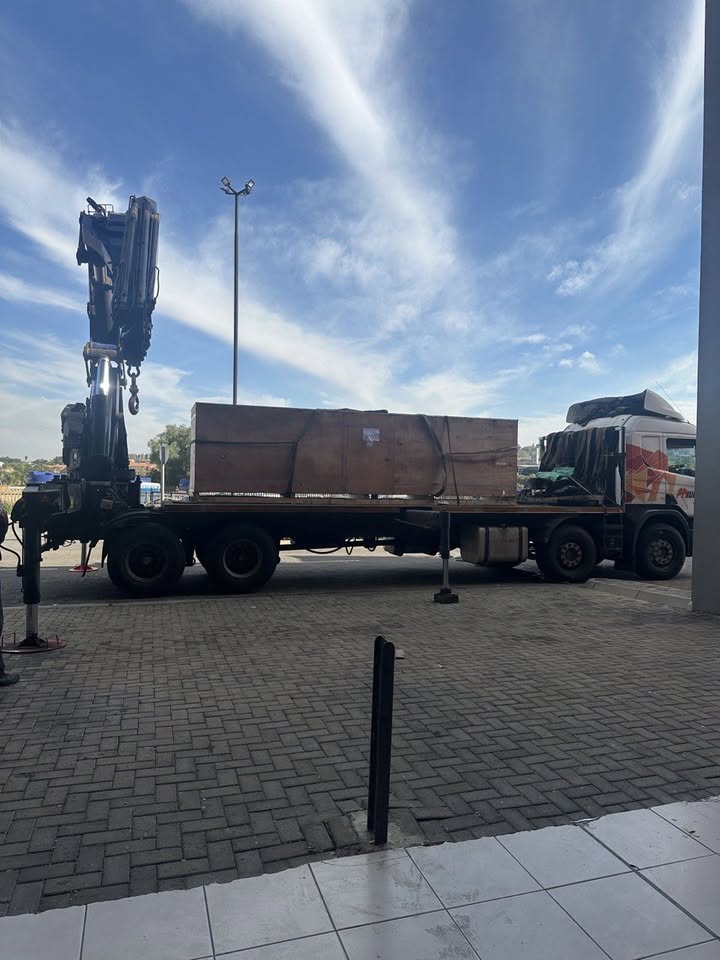
12 Heads Embroidery Machine
Toilet Paper Machine Machine
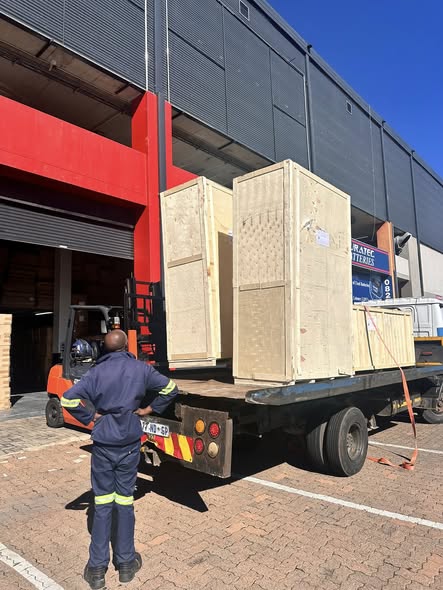
Order Collection
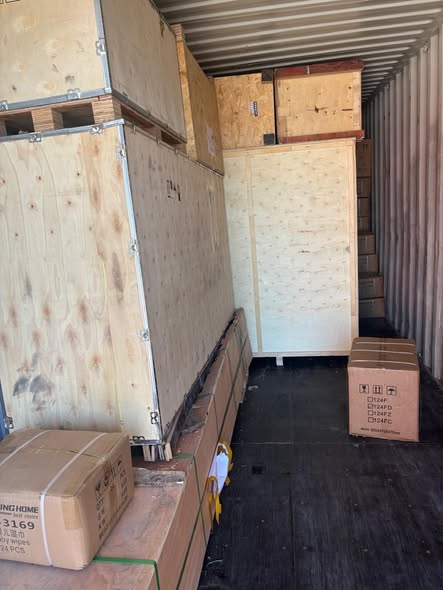
Cross Border Clients
Order cros border countries Collected
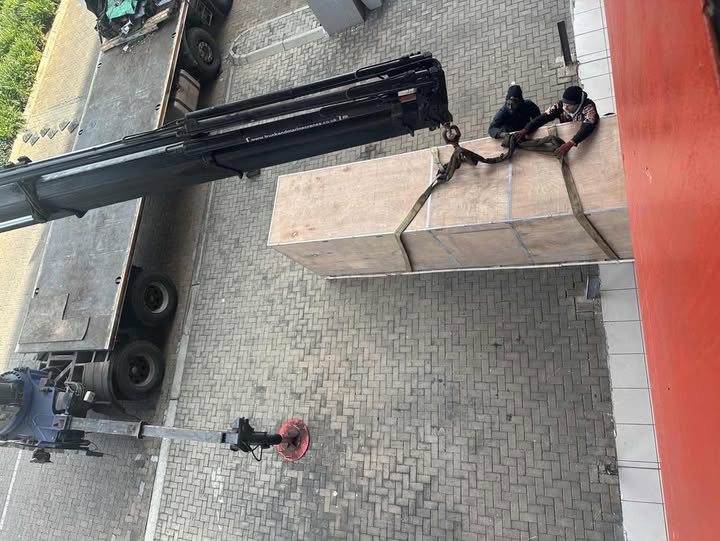
Industrial Machine Cllection
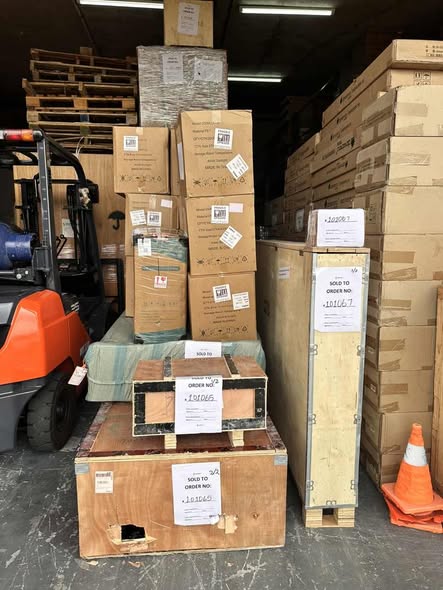
Agriculture Processing Machines
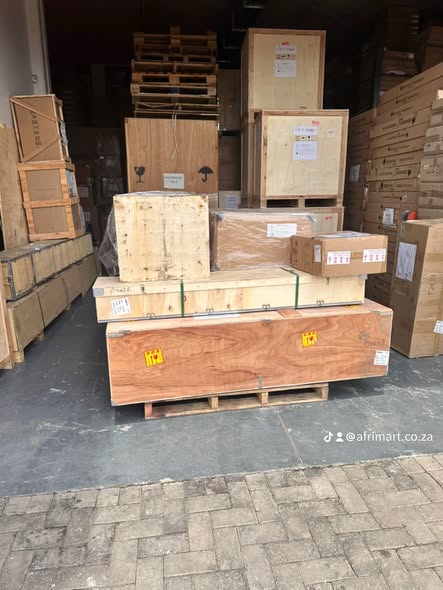
Ready for collection
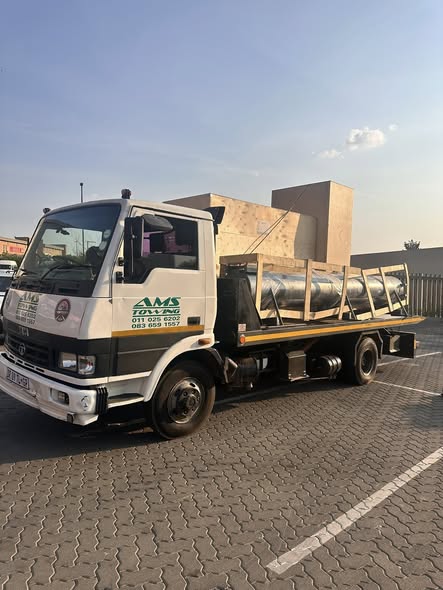
Water Pump Equipment
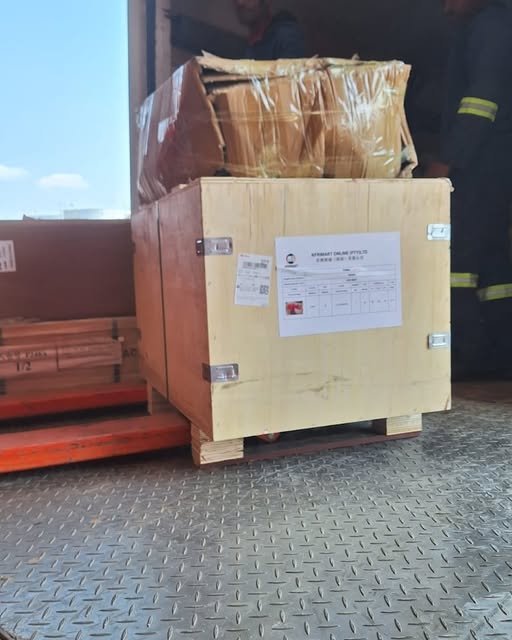
Packaging Machine and accessories
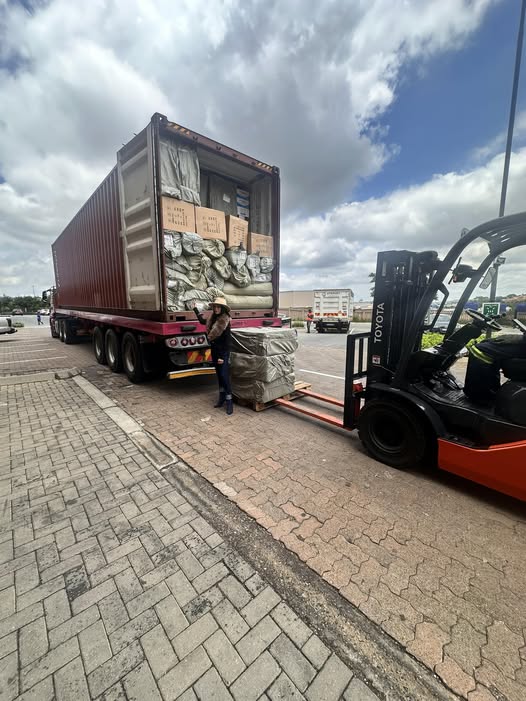
Fabrics Manufacturing Equipment
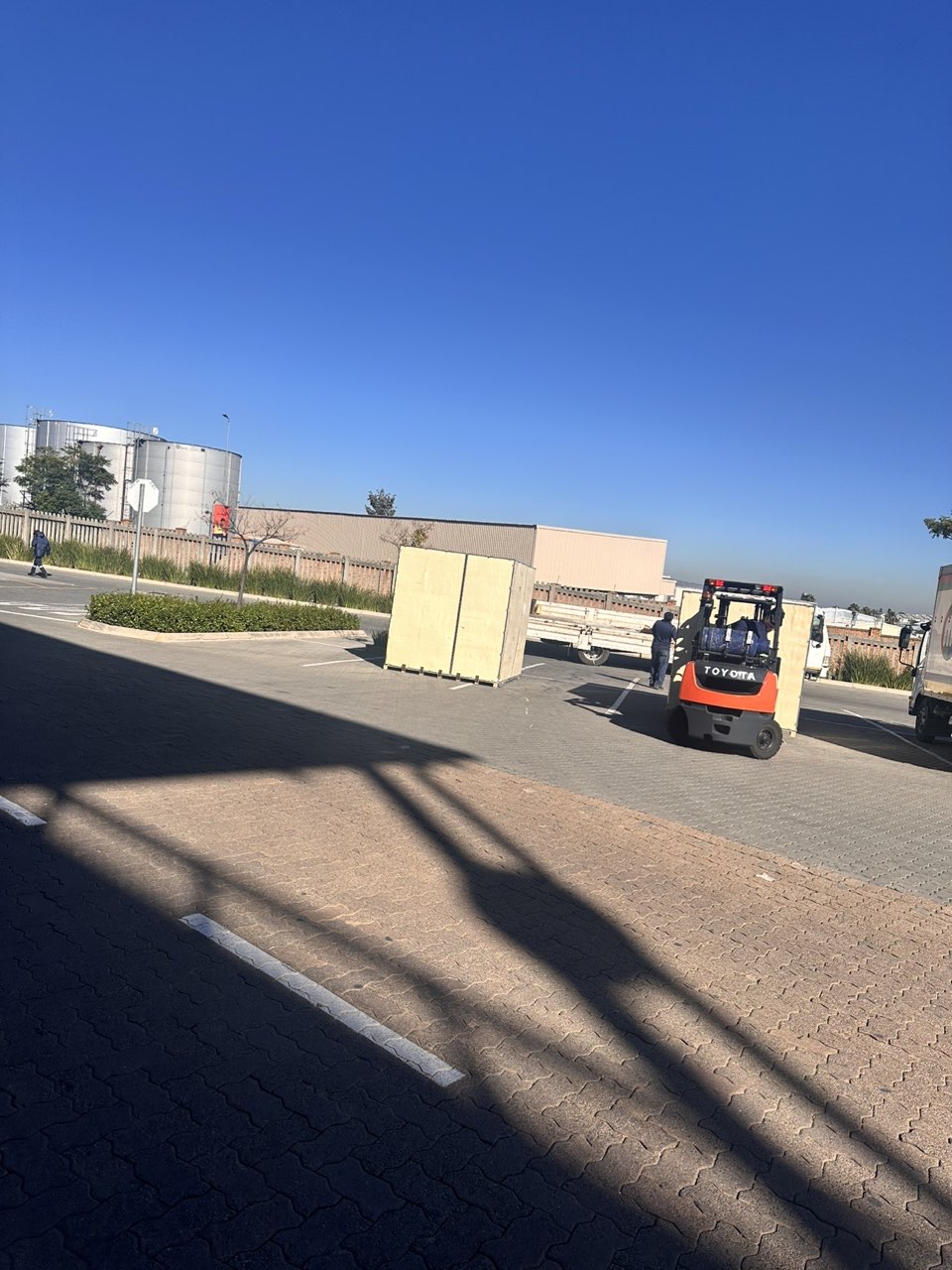
Mining Equipments
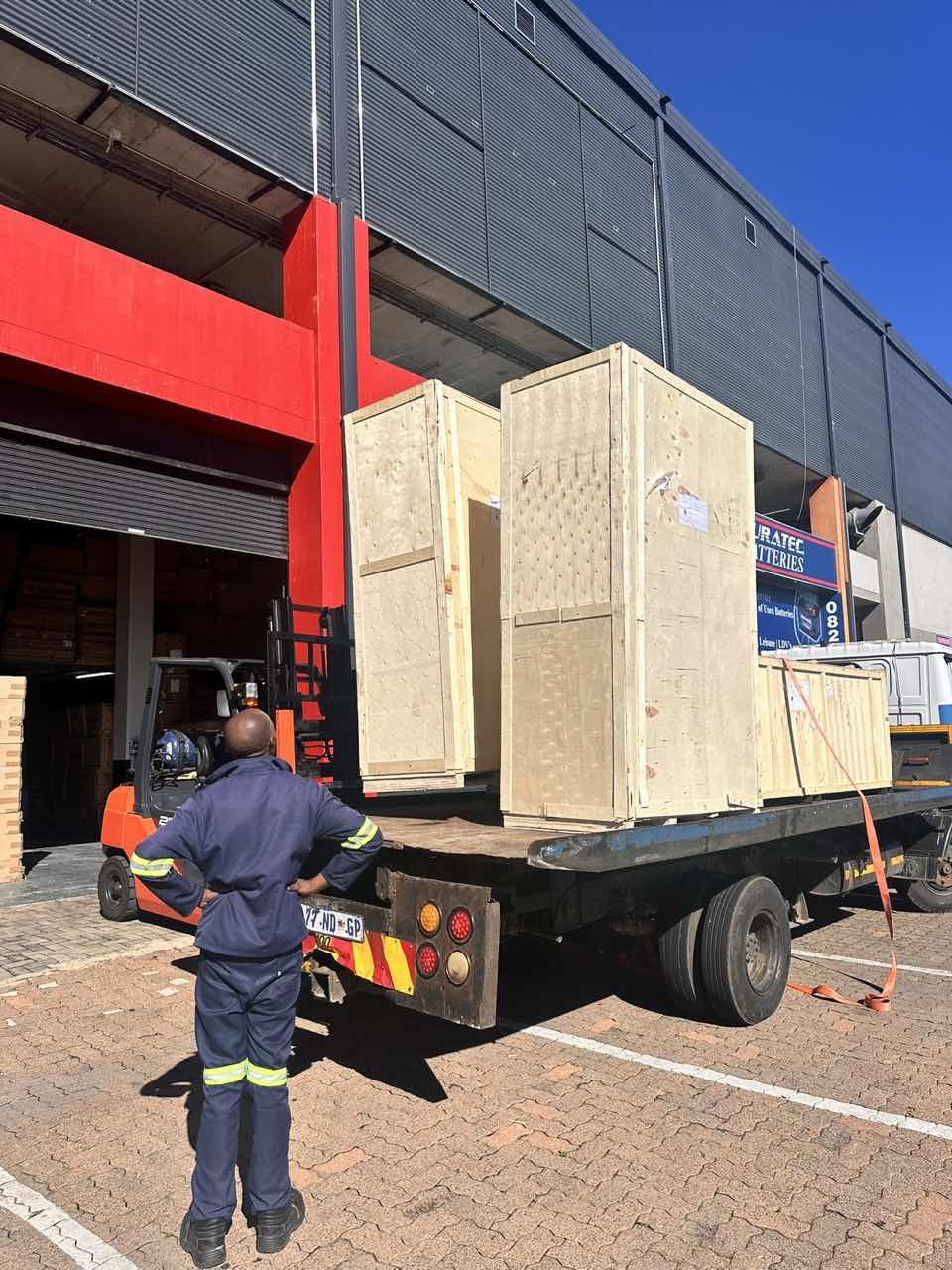
Food Processing Machine
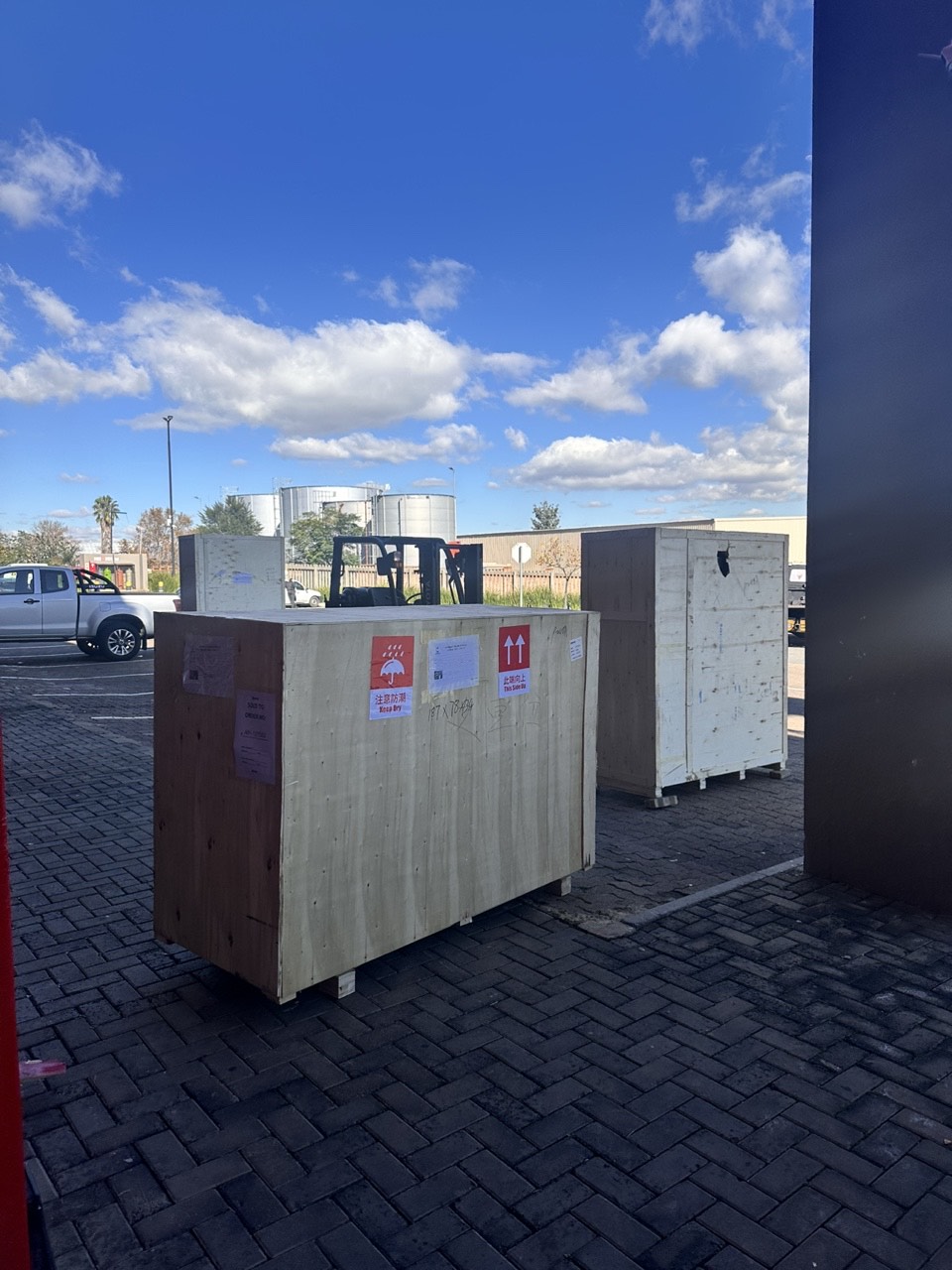
Batch of Orders
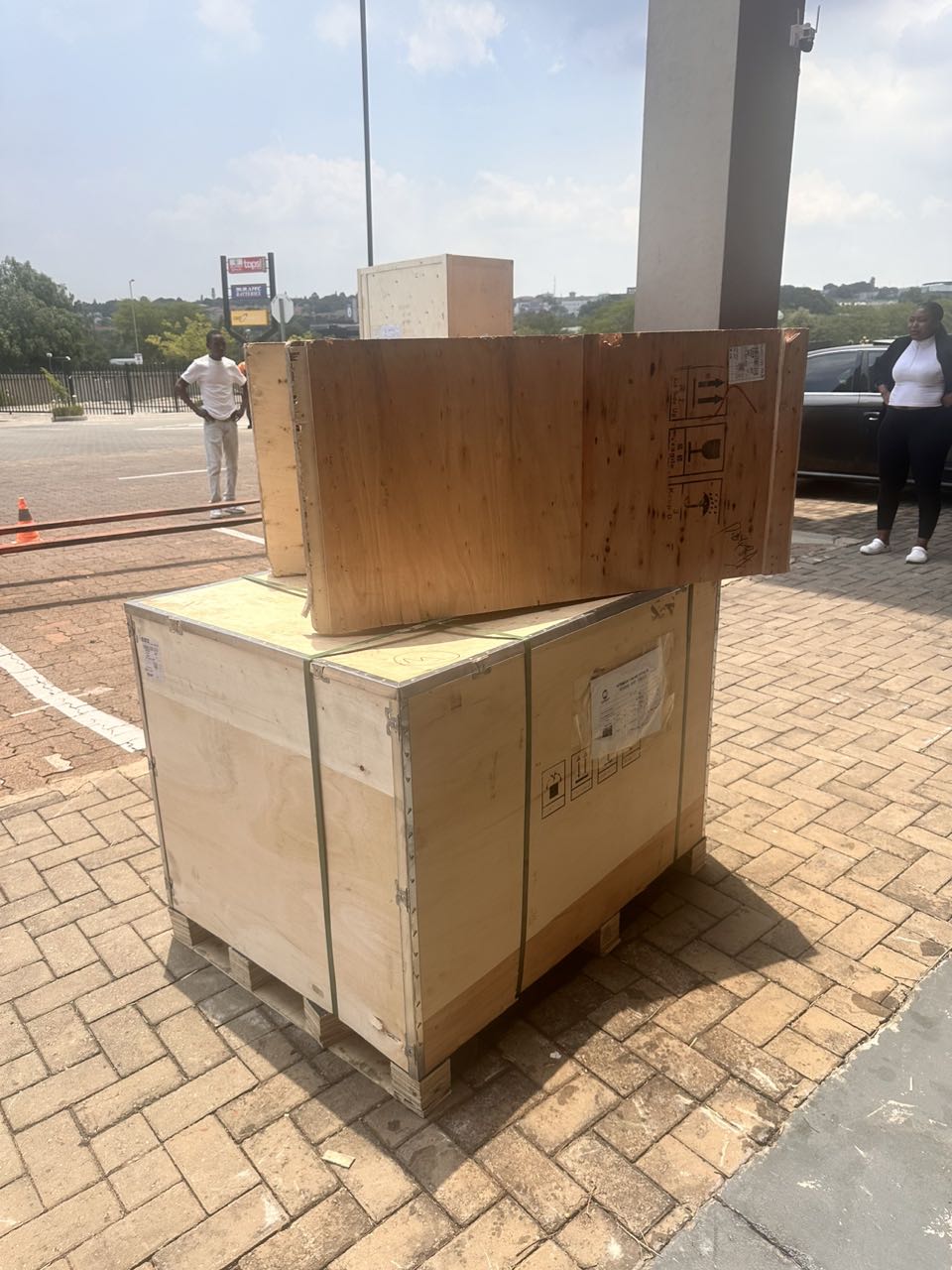
Batch of Orders
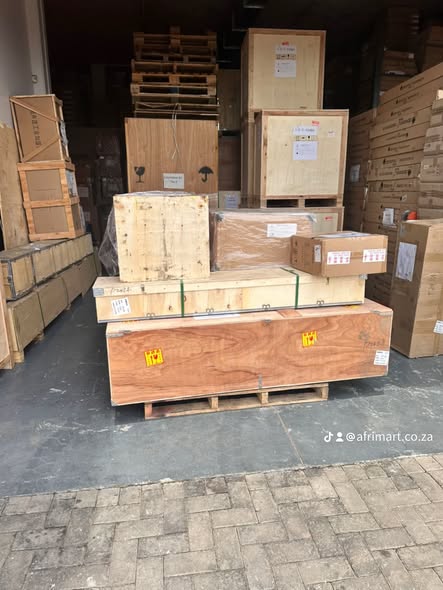
Latest Orders Labelled
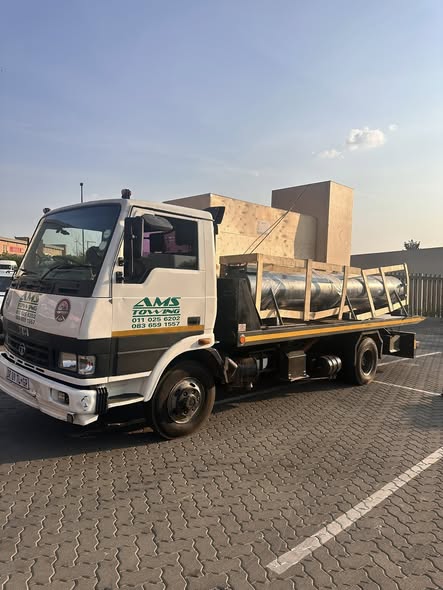
wheel alignment machines
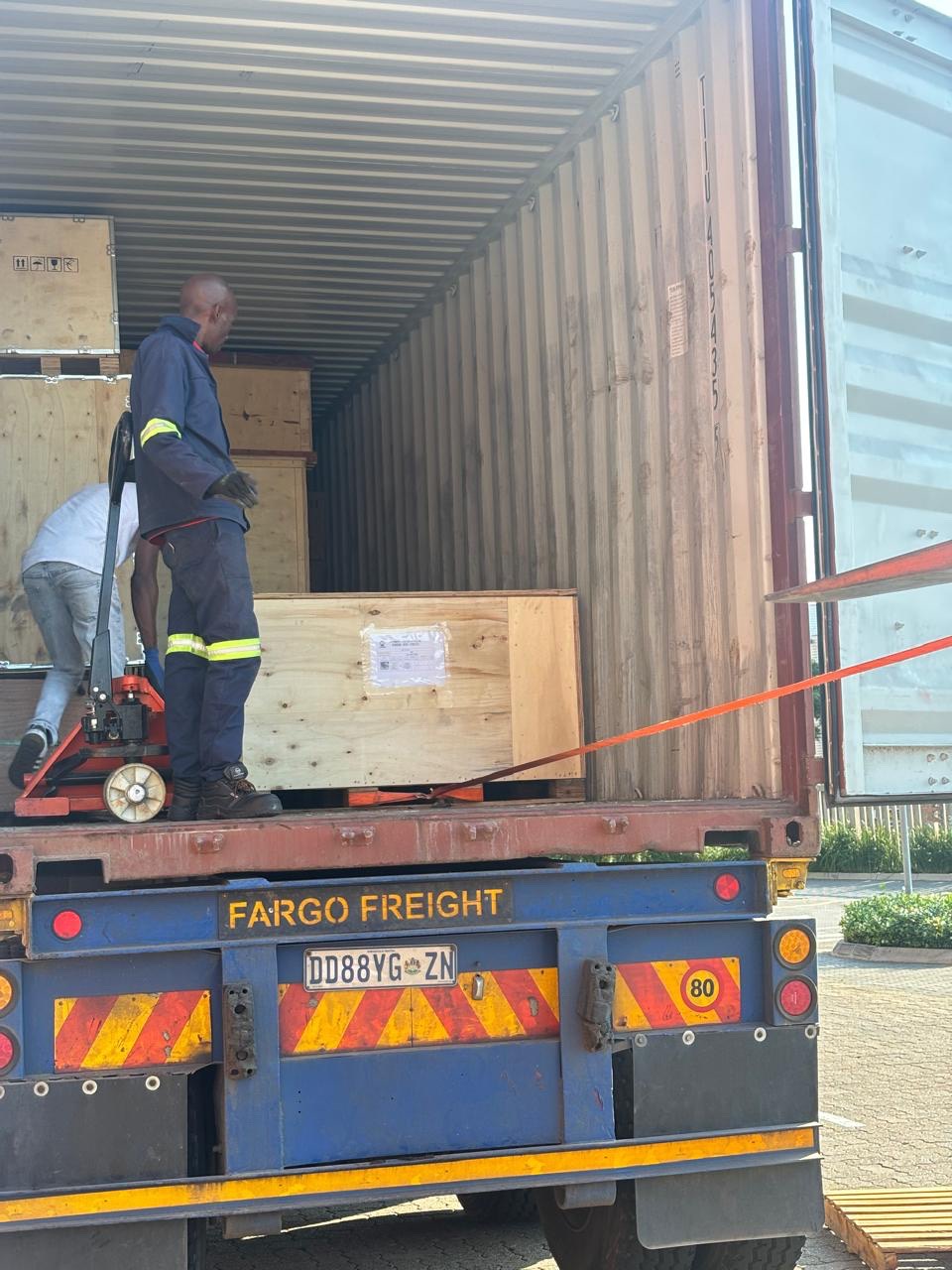
new arrivals
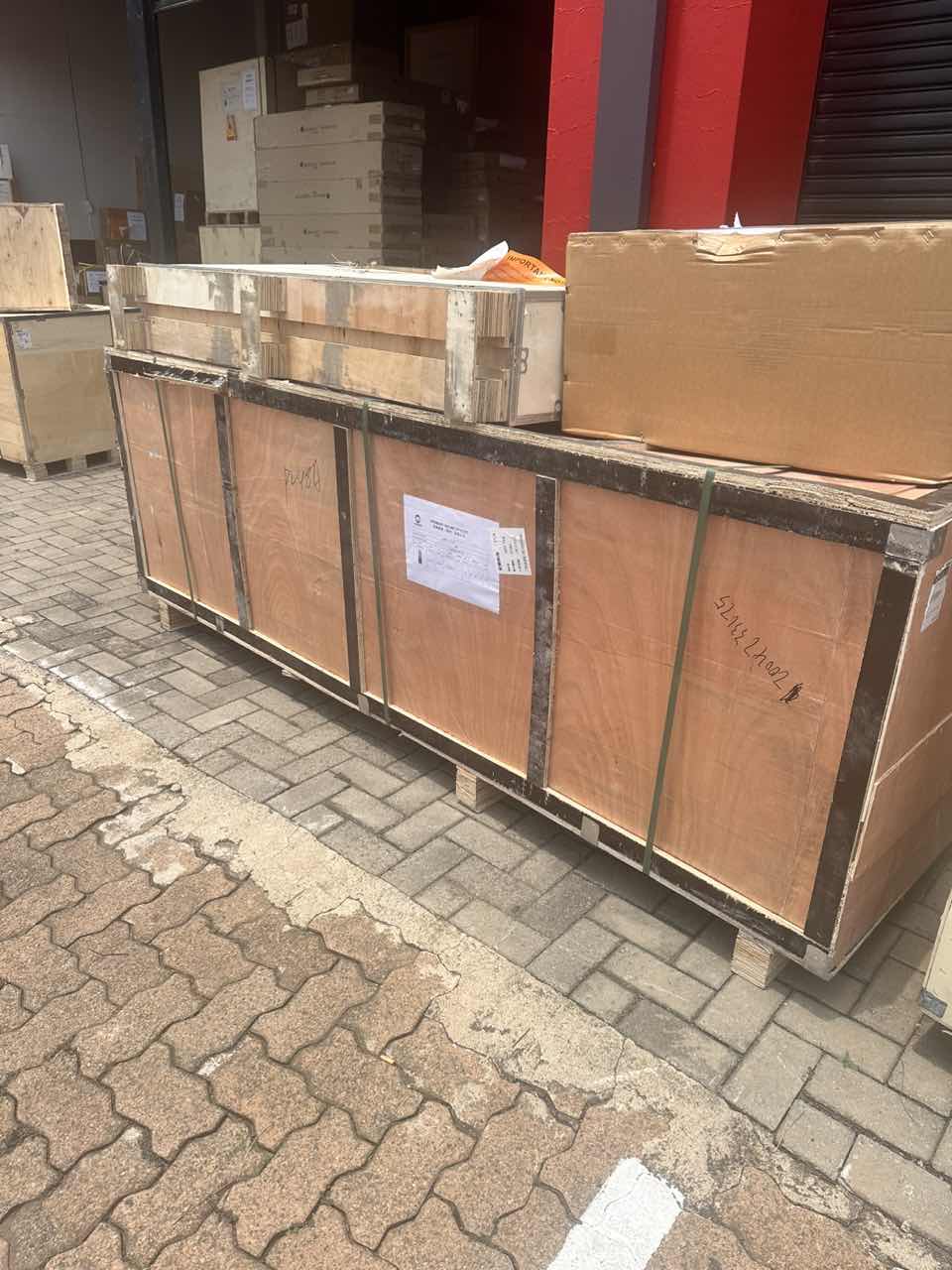
Pre Orders Offloading
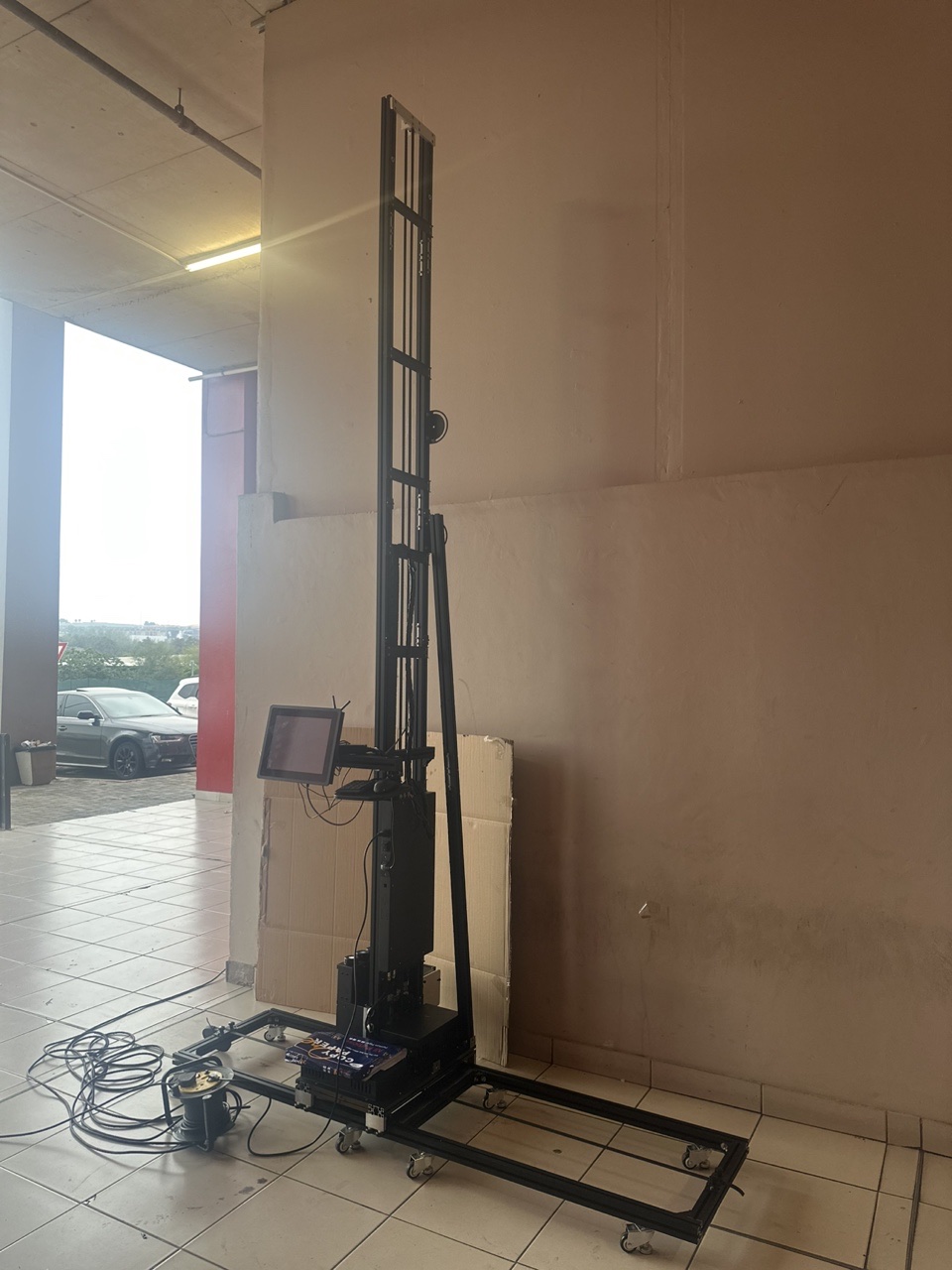
Latest Arrivals
Latest Arrivals
Latest Arrivals
Loading
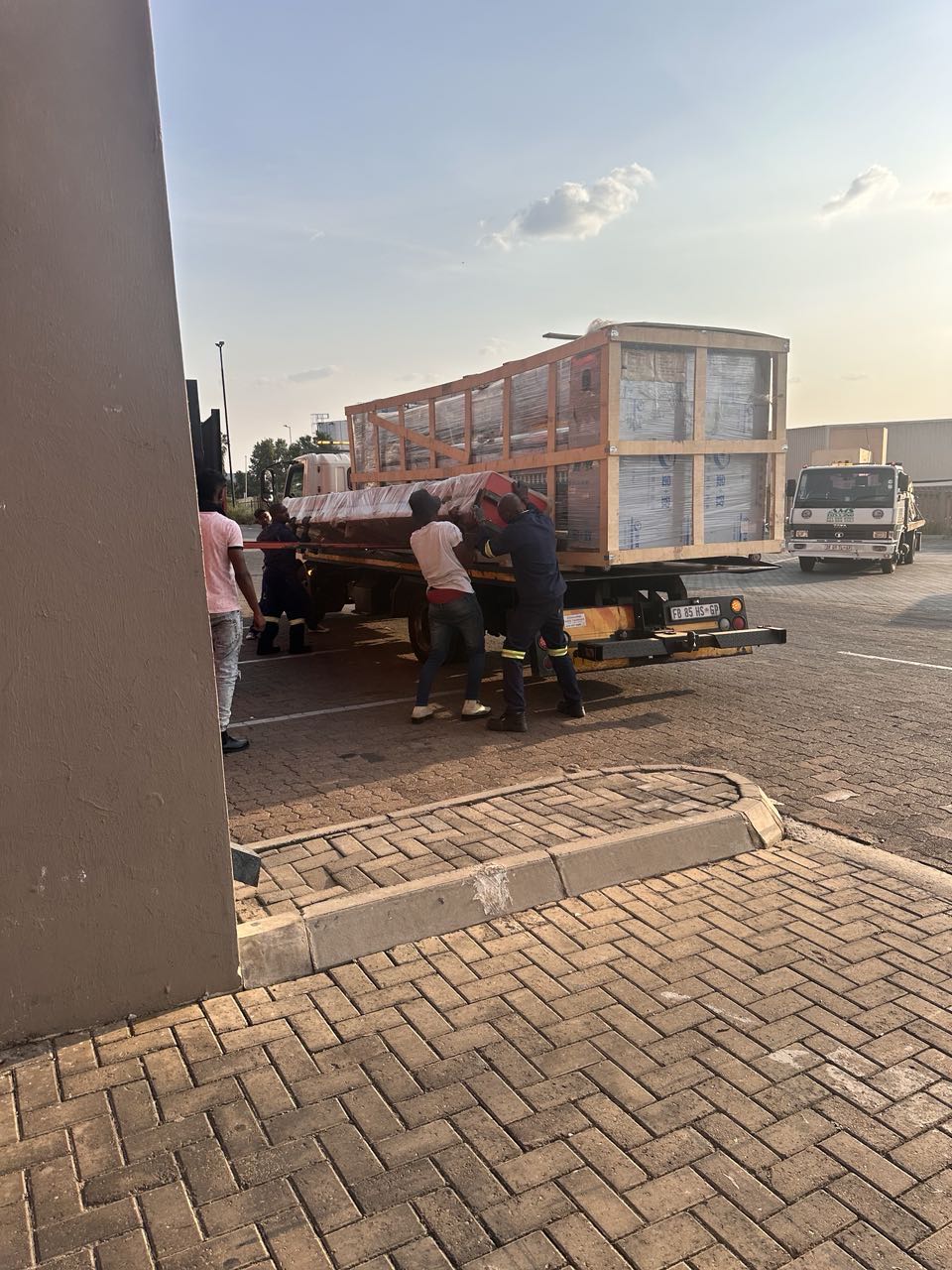
Toilet paper making machine
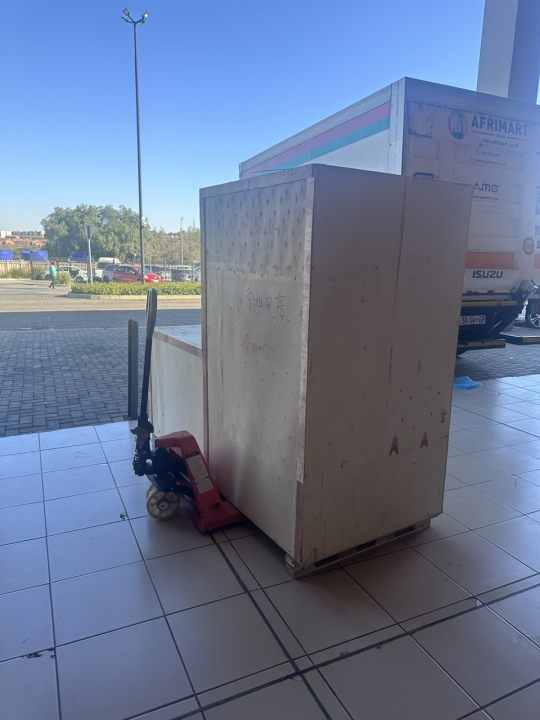
Toilet paper making machine
Toilet paper Rewinding Machine
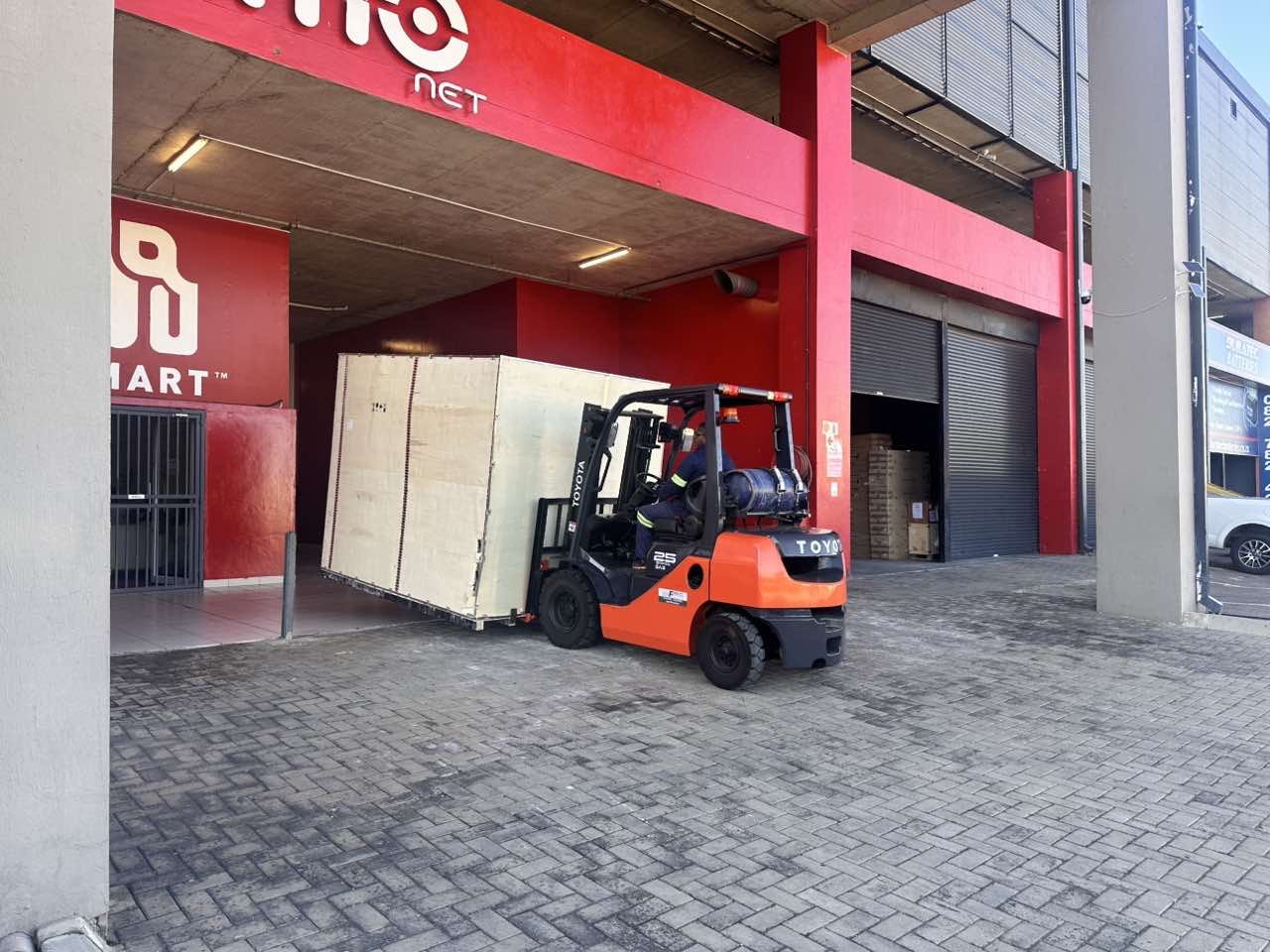
latest arrivals
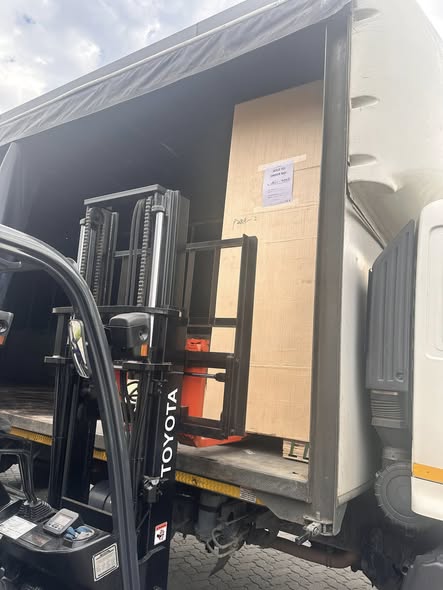
offloading
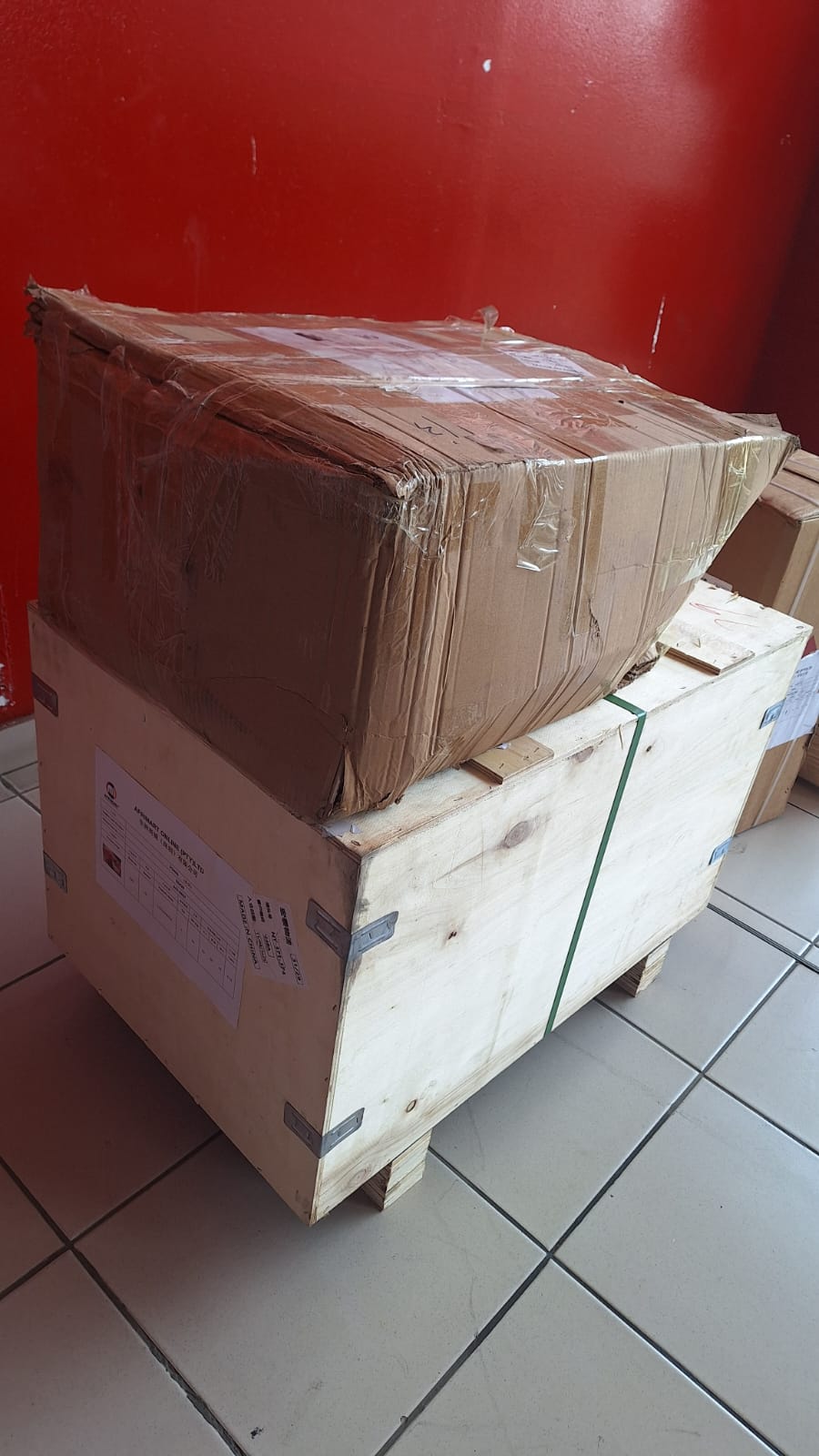
order success
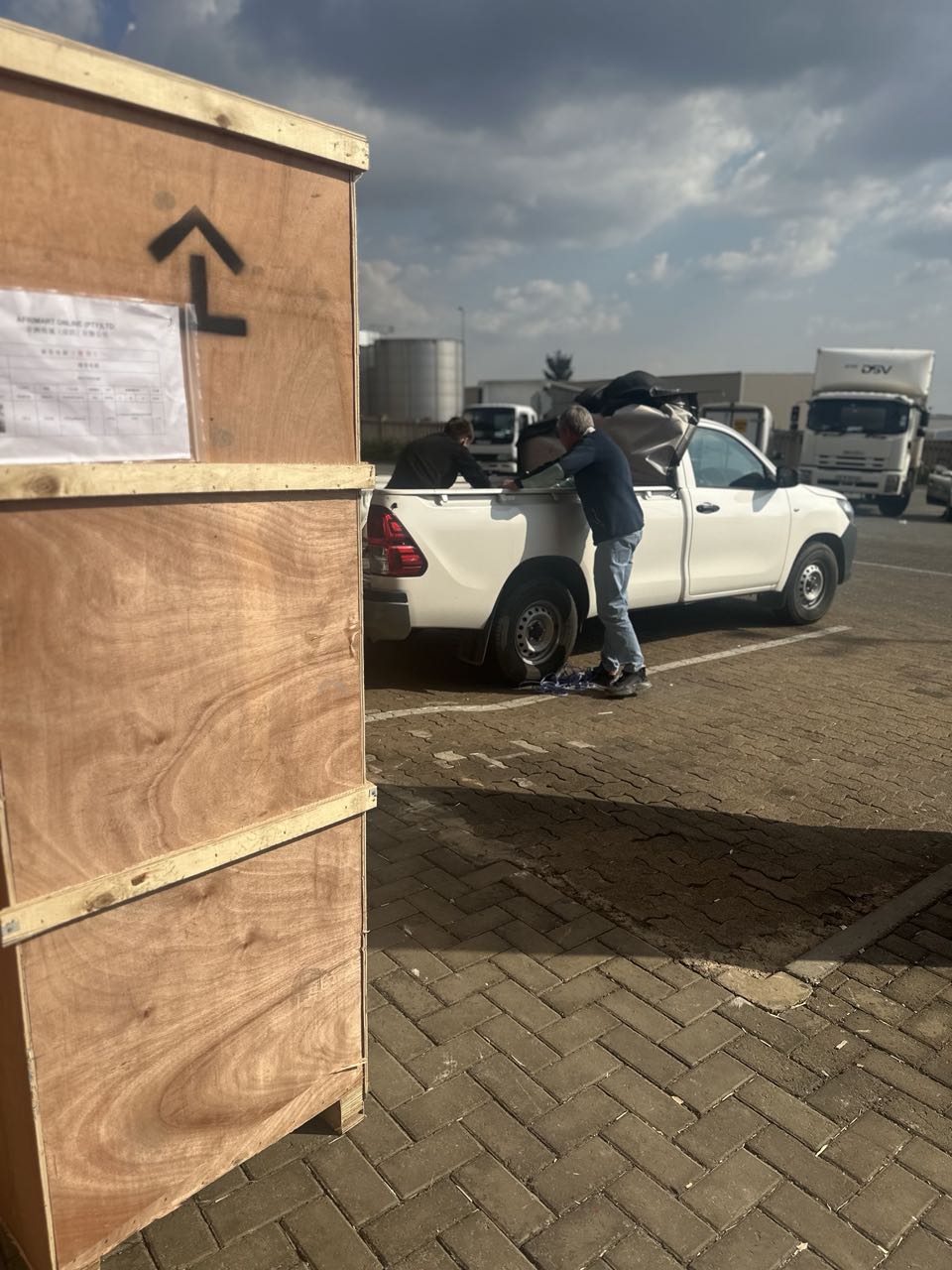
order collection
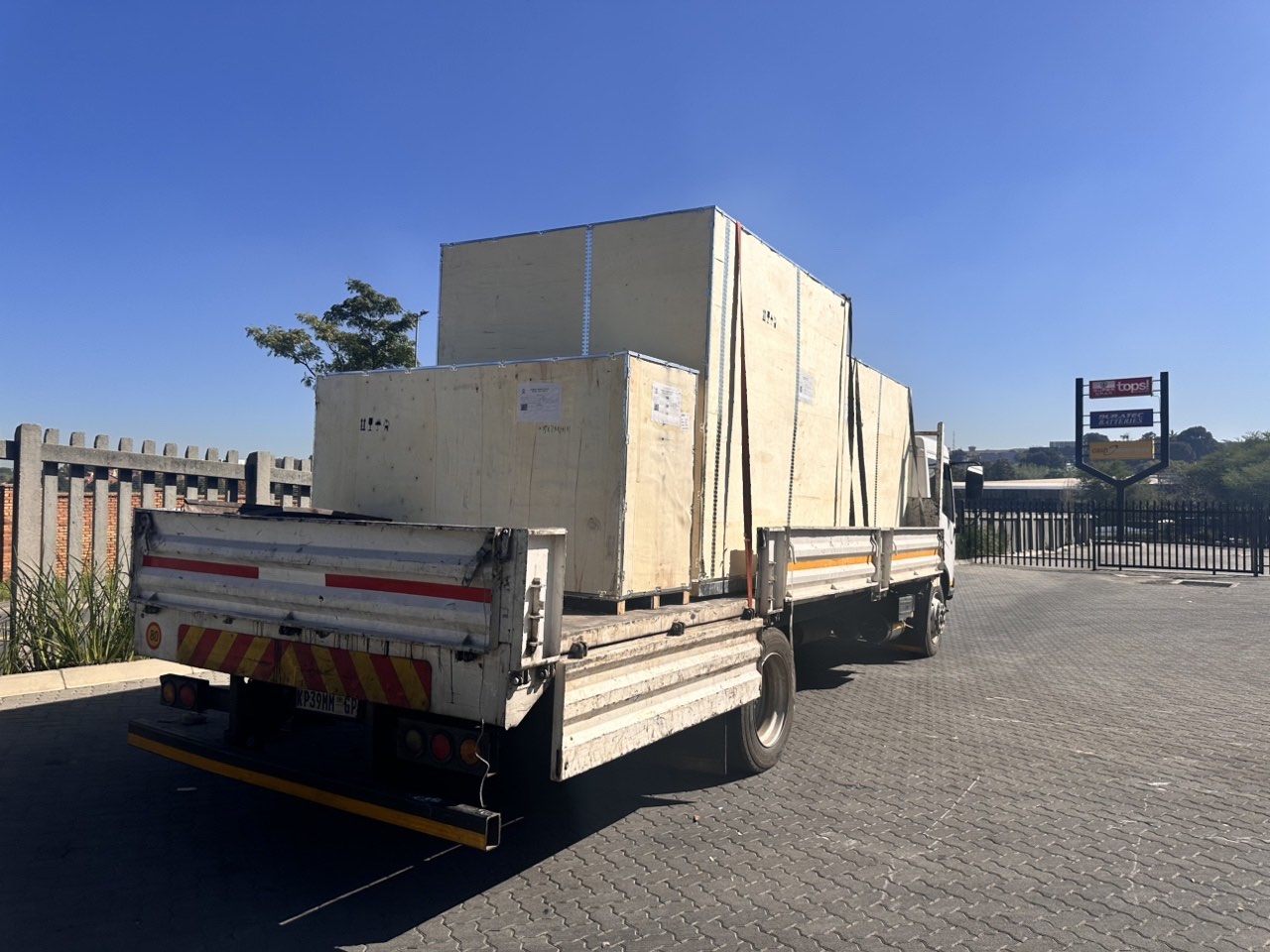
order offloading