B21, China Town Mall, Midrand

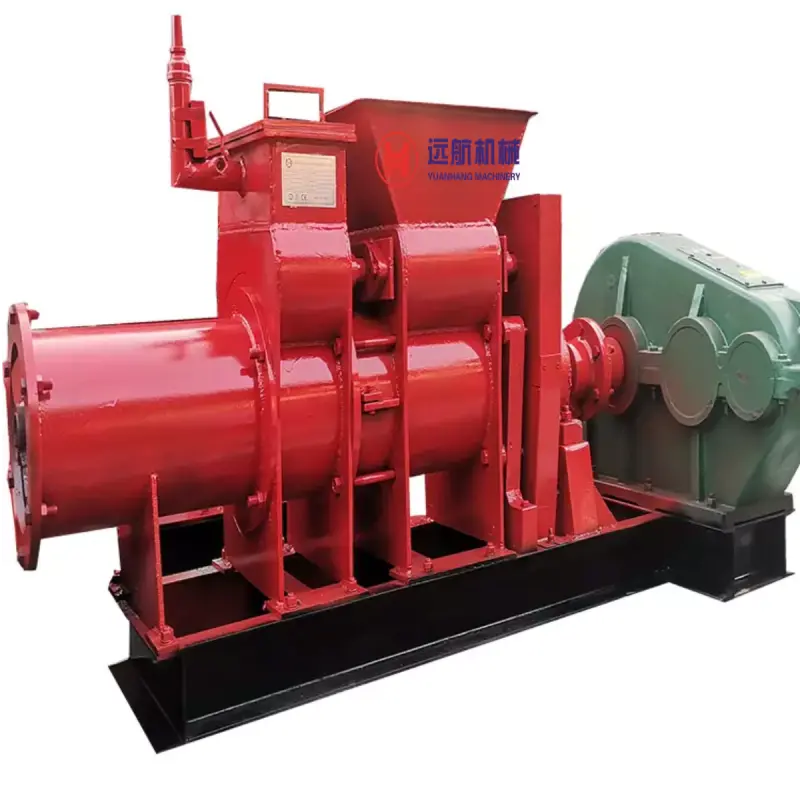
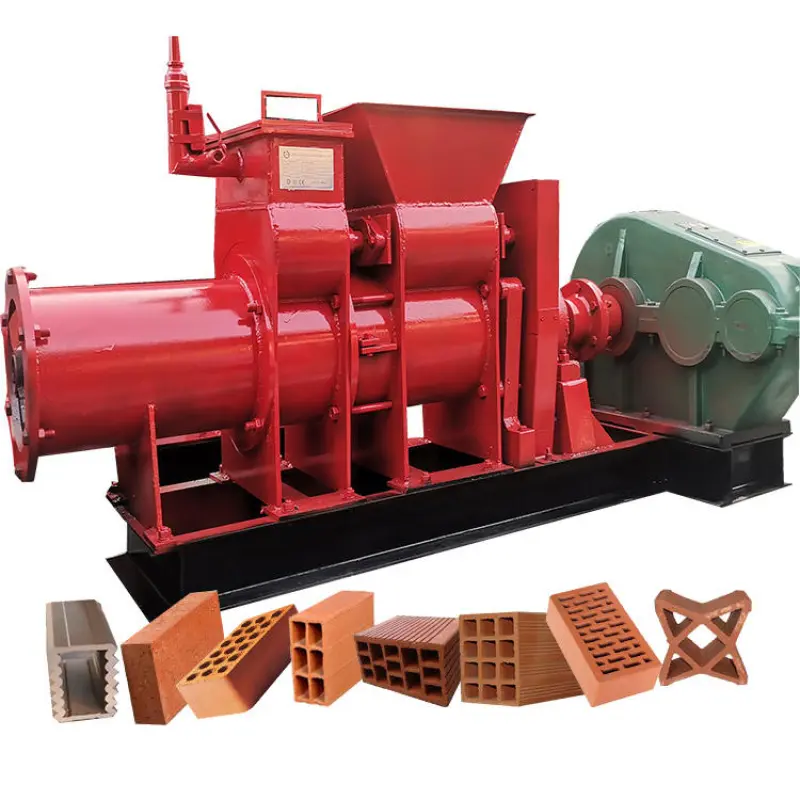
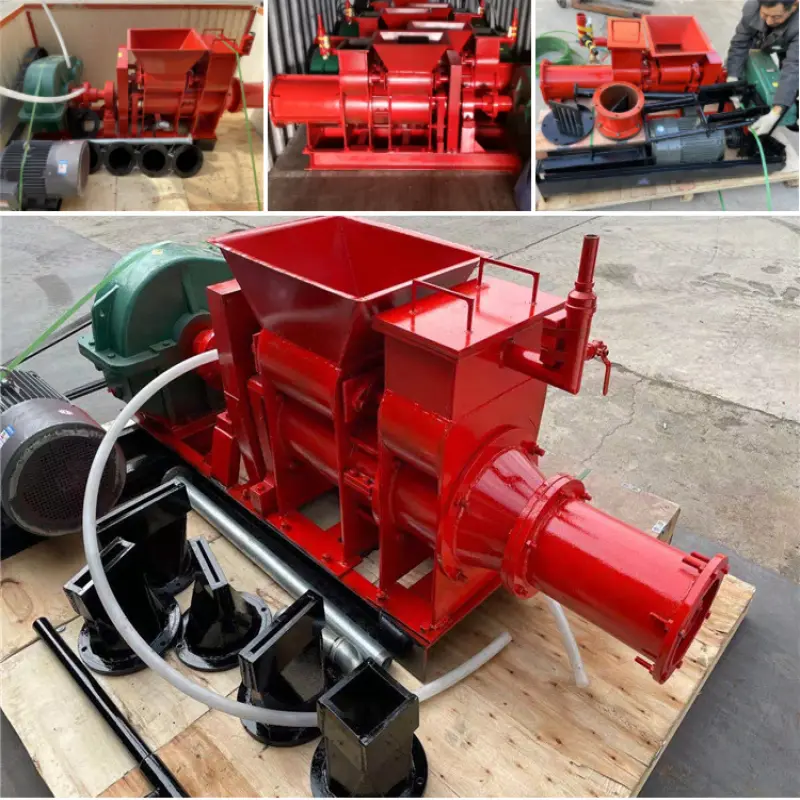
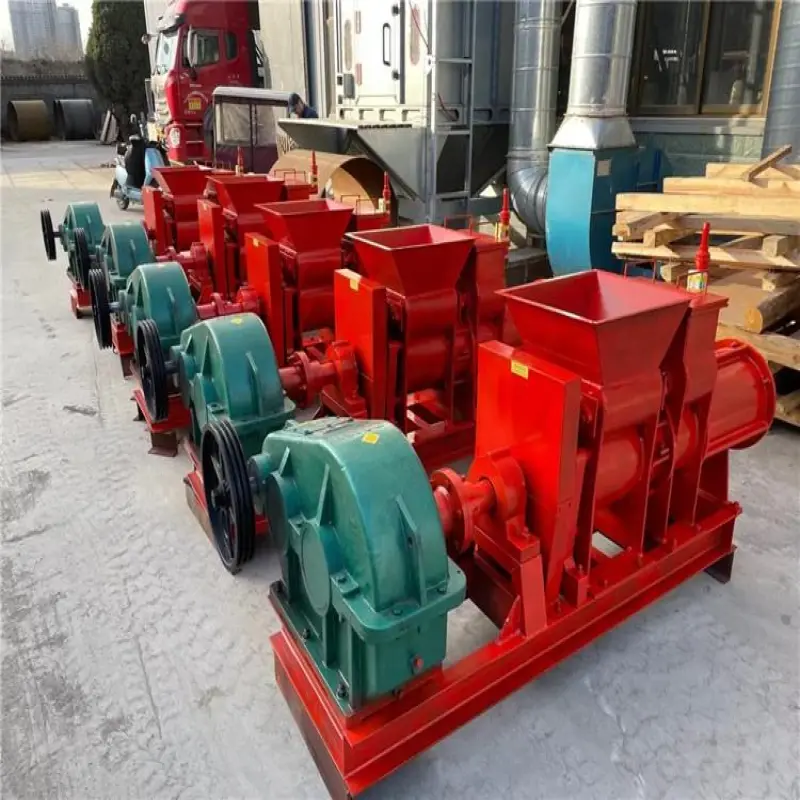
Automatic Vacuum Bricks Extruder Soil Mud Ceramic Earth Red Solid Tile Hollow clay block brick making Machine
Asset finance available
Do you want funding for this equipment?
Afrimart can connect you with trusted funding partners who specialise in asset finance for businesses like yours. Compare options and apply in minutes — final approval is subject to provider review.
Check funding options
Secure & no obligation
- Section : Machinery
- Category : Brick Making Machinery
- SKU : 1600344698132

Product Description


Automatic Vacuum bricks extruder soil mud ceramic red price Tile Hollow clay block brick making machine for sale

Automatic brick making machine
1. Send a set of solid brick mold for free.
2. This vacuum automatic clay brick making machine can produce different types of bricks, hollow bricks and solid bricks, and supports customization. Welcome to consult!
3.This brick -making machine is used for multiple machines, which can not only produce bricks, but also produce tiles. Create more profits for you.
Application field


- Shipping Timeframes: All orders are processed within 2-5 business days (excluding weekends and holidays). After your order has been processed, the estimated delivery time is before 20 Aug, 2026, depending on customs, Please note that due to high demand, some items may experience longer shipping times, which will be communicated at order confirmation email.
- Order Processing Time: Please allow 2-5 business days for us to process your order before it is shipped . Orders placed after 16:00 on Fridays, or during weekends and public holidays, will begin processing on the next business day. Processing times may be extended during peak seasons or sales events.
- Manufacturing Time: Some products needs manufacturing time, the manufacturing process will take approximately 10-30 business days depending on the product. This timeframe may vary depending on the complexity of the product and current demand. but this will be communicated with you during order confirmation.
- Returns and Exchanges: We offer a 30-day return policy for most items. If you are not completely satisfied with your purchase, you may return it within 30 days of receipt for a refund or exchange. Items must be unused, in their original packaging, and accompanied by proof of purchase. Return shipping costs are the responsibility of the customer, unless the item was damaged or defective upon arrival.
1. What is the Automatic Vacuum Bricks Extruder?
It is an automated clay/soil brick-making machine that uses vacuum-assisted extrusion to form solid and hollow bricks, tiles and clay blocks. It’s designed for continuous production and supports different molds and customization.
2. What types of products can this machine produce?
The machine can produce solid bricks, hollow bricks, clay blocks and roof or floor tiles (depending on mold configuration). It supports multiple brick shapes and sizes through replaceable molds.
3. What is included with the purchase?
According to the product description, a set of solid brick molds is included free. Other items typically include the extruder unit, control panel, vacuum system and necessary auxiliary components; confirm exact included items with the seller.
4. How does the vacuum extrusion technology help?
Vacuum-assisted extrusion removes excess air and moisture from the clay during forming, producing denser, stronger bricks with fewer surface defects and improved dimensional stability compared with non-vacuum extrusion.
5. What raw materials can I use?
You can use local clay, soil, mud and ceramic earth mixes. The machine accepts a range of raw clays and soils, but material composition and moisture must be adjusted for best results—consult the supplier for specific material preparation guidelines.
6. Do I need to prepare the raw material (moisture content, particle size)?
Yes. Proper mixing, sieving and moisture conditioning are important. Required moisture content and preparation procedures vary by material and product type; the supplier should provide recommended parameters for your feedstock.
7. Can the molds be customized?
Yes. The machine supports customized molds for different brick and tile shapes and sizes. Provide drawings or sample products to the manufacturer for mold customization and pricing.
8. What is the production capacity?
Production capacity depends on the specific machine model, mold size, brick type and operating conditions. Ask the supplier for capacity charts for the model you’re considering to get accurate bricks-per-hour or tons-per-day figures.
9. What power supply and plant space are required?
Power and footprint depend on the chosen model and auxiliary equipment. Industrial versions commonly require a three-phase power supply and a dedicated production area. The seller will provide exact electrical specifications and recommended installation footprint.
10. Is the machine fully automatic? How is it operated?
This product is described as an automatic vacuum extruder with PLC or control panel operation. Typical operation includes feeding prepared clay, setting parameters on the control panel, and automated extrusion and cutting/stacking. Degree of automation (e.g., conveyors, stacking) varies by configuration.
11. What installation, commissioning and training are provided?
Many suppliers offer on-site installation, commissioning and operator training either included or for an additional fee. Confirm with the seller whether installation, testing and staff training are part of the purchase or available as a service.
12. What maintenance and spare parts support is available?
Routine maintenance includes lubrication, vacuum pump and hydraulic checks, mold inspection and cleaning. Ask the supplier about recommended maintenance schedules and availability of spare parts or spare-mold kits and typical lead times.
13. What warranty and after-sales service does the machine come with?
Warranty terms vary by manufacturer. Typical offerings include a limited warranty period and paid after-sales services. Request written warranty terms, response time for technical support and availability of local service agents before purchase.
14. How do I get a price quote and what factors affect cost?
Contact the seller with desired production capacity, brick/tile sizes, mold requirements and required automation level. Price is influenced by machine model, customization, included accessories, shipping, installation and warranty/support packages.
Latest Order Arrivals
Discover our latest orders

12 Heads Embroidery Machine

Toilet Paper Machine Machine

Order Collection

Cross Border Clients

Order cros border countries Collected

Industrial Machine Cllection

Agriculture Processing Machines

Ready for collection

Water Pump Equipment

Packaging Machine and accessories

Fabrics Manufacturing Equipment

Mining Equipments

Food Processing Machine

Batch of Orders

Batch of Orders

Latest Orders Labelled

wheel alignment machines

new arrivals

Pre Orders Offloading

Latest Arrivals

Latest Arrivals

Latest Arrivals

Loading

Toilet paper making machine

Toilet paper making machine

Toilet paper Rewinding Machine

latest arrivals

offloading

order success

order collection

order offloading