B21, China Town Mall, Midrand

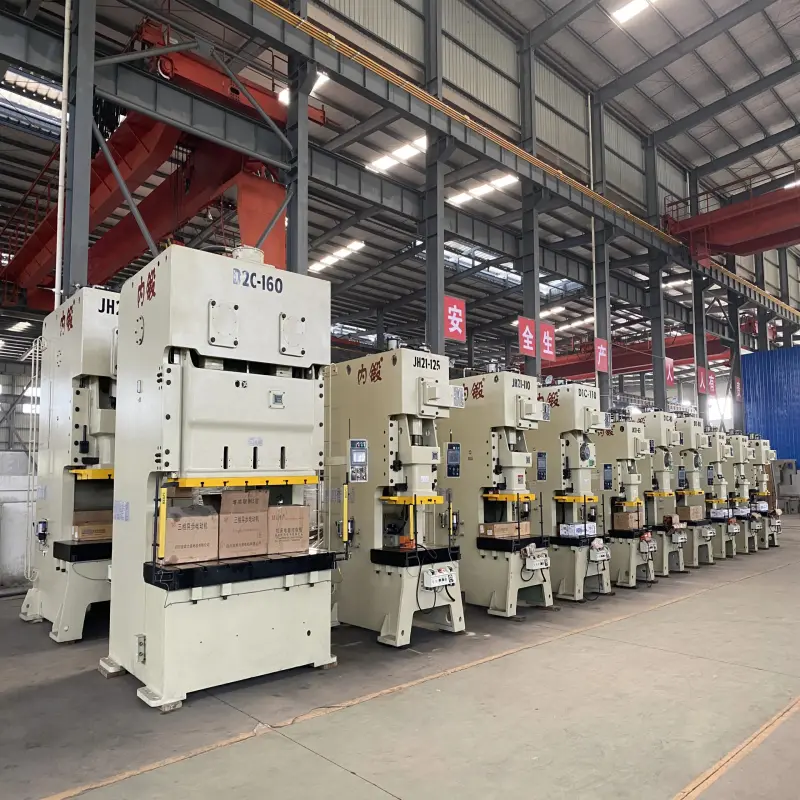
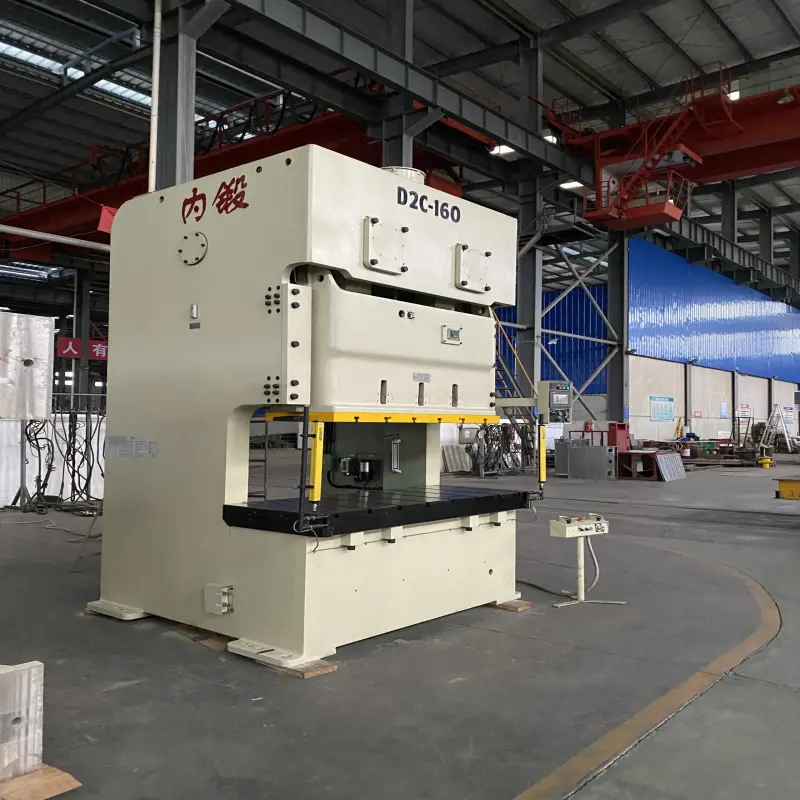
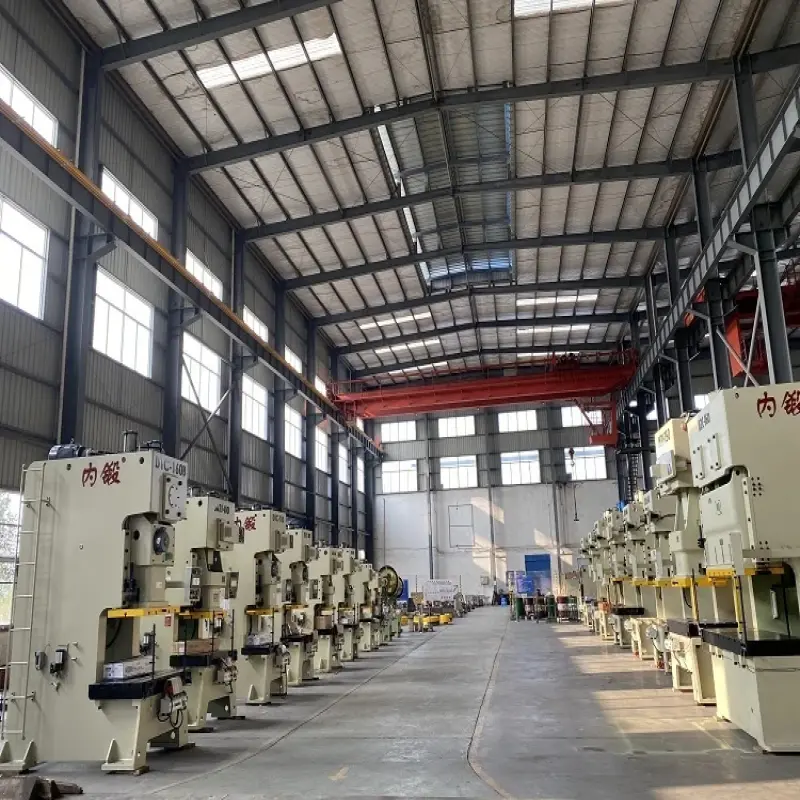
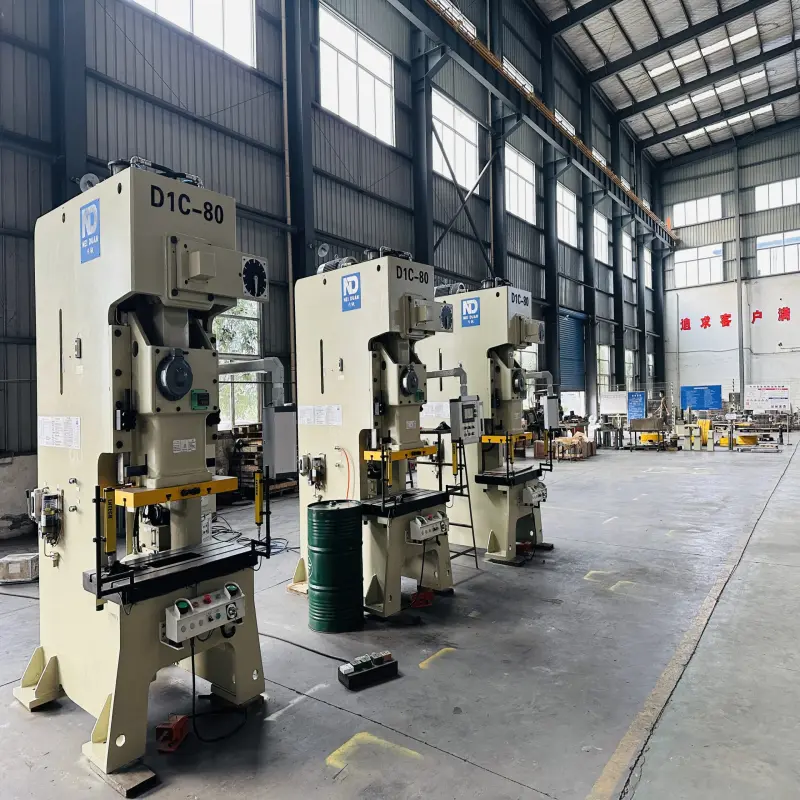
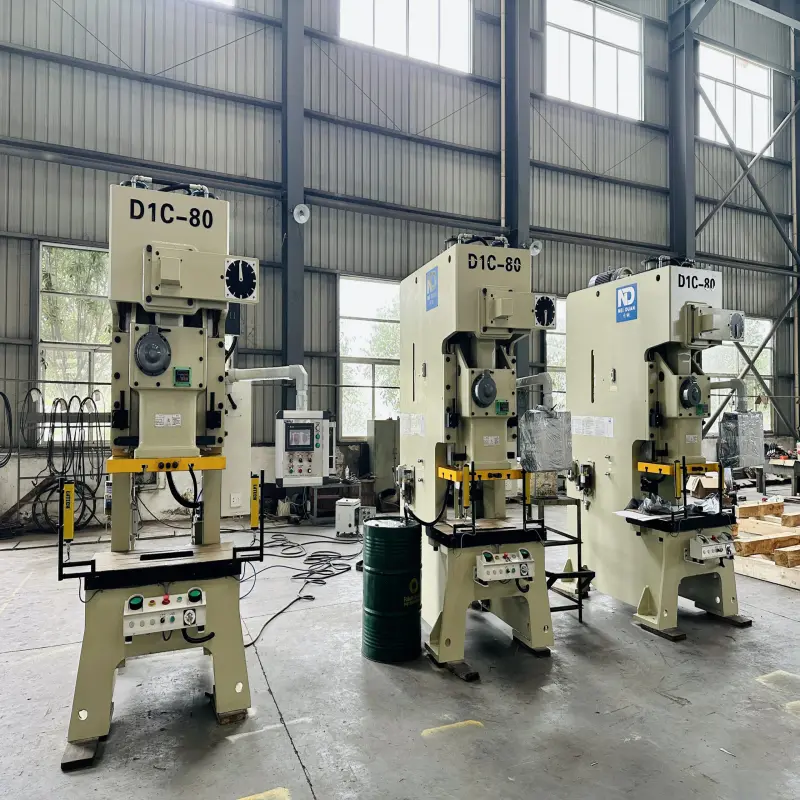
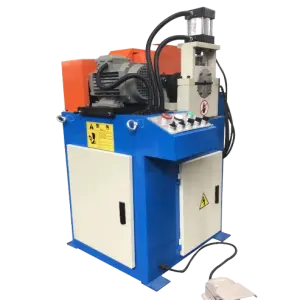
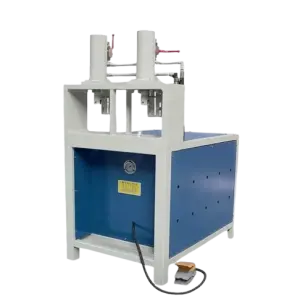
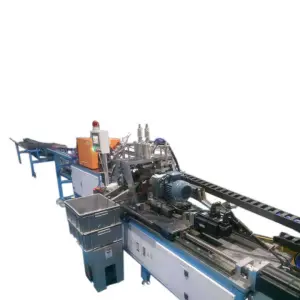
Automatic Metal Junction Electrical Metal Box Making Machine
Asset finance available
Do you want funding for this equipment?
Afrimart can connect you with trusted funding partners who specialise in asset finance for businesses like yours. Compare options and apply in minutes — final approval is subject to provider review.
Check funding options
Secure & no obligation
- Section : Machinery
- Category : Industrial Machinery
- SKU : 1600857350481

Product Description


| Machine Name: | Punching press machine |
| Keyword: | mechanical Power presses |
| Application: | Metals Forming Punching press machine |
| Function: | Stamping Metals Product |
| Type: | Manual/electric Punching Press Machine |
| Usage: | Metals Press machine |
| Color: | Customizable |
| Package: | Plywood Case |
- Shipping Timeframes: All orders are processed within 2-5 business days (excluding weekends and holidays). After your order has been processed, the estimated delivery time is before 15 Aug, 2026, depending on customs, Please note that due to high demand, some items may experience longer shipping times, which will be communicated at order confirmation email.
- Order Processing Time: Please allow 2-5 business days for us to process your order before it is shipped . Orders placed after 16:00 on Fridays, or during weekends and public holidays, will begin processing on the next business day. Processing times may be extended during peak seasons or sales events.
- Manufacturing Time: Some products needs manufacturing time, the manufacturing process will take approximately 10-30 business days depending on the product. This timeframe may vary depending on the complexity of the product and current demand. but this will be communicated with you during order confirmation.
- Returns and Exchanges: We offer a 30-day return policy for most items. If you are not completely satisfied with your purchase, you may return it within 30 days of receipt for a refund or exchange. Items must be unused, in their original packaging, and accompanied by proof of purchase. Return shipping costs are the responsibility of the customer, unless the item was damaged or defective upon arrival.
1. What is the Automatic Metal Junction Electrical Metal Box Making Machine used for?
It's used to form, punch and stamp electrical junction/metal boxes and similar sheet-metal enclosures from flat metal sheets, automating cutting, forming and punching operations to produce consistent boxes for electrical installations.
2. Is this machine fully automatic or semi-automatic?
The product line includes automatic and semi-automatic versions. The exact automation level depends on the model and buyer requirements; fully automatic models handle feeding, forming and punching with minimal operator intervention while semi-automatic models require more manual feeding or adjustment.
3. What types and thicknesses of metal can it work with?
It is designed for common sheet metals used in electrical boxes such as cold-rolled steel, galvanized steel and aluminum. Typical thickness range is approximately 0.3–2.0 mm, but capability depends on the machine tonnage and tooling—heavier gauges can be handled with a higher-spec model or customized configuration.
4. What production speed or cycle time can I expect?
Cycle time varies by model, box complexity and tooling. Typical automatic machines can produce several dozen to several hundred pieces per hour. We can provide estimated throughput for your specific box design once tooling and model are selected.
5. Do I need special tooling or dies for different box designs?
Yes—specific dies and tooling sets are required for different box sizes, shapes and punch patterns. Tooling can be supplied as part of the machine order and can be customized to your design.
6. What power supply does the machine require?
Standard industrial electrical supply is required; commonly 3-phase 380–400V, 50/60Hz. Exact power requirements depend on the selected model and motors; machines can be configured for different voltages on request.
7. What are the machine dimensions and footprint?
Footprint and weight vary by model and level of automation. We will provide detailed machine layout, footprint and installation requirements for your chosen model prior to purchase.
8. Is installation and operator training provided?
Yes. Standard supply generally includes machine commissioning, on-site installation assistance and basic operator training. Remote training and extended training packages are often available.
9. What maintenance is required and how frequently?
Routine preventive maintenance includes lubrication of moving parts, periodic inspection of dies and tooling, checking electrical connections, and replacing wear parts as needed. Frequency depends on usage; a daily visual check and regular scheduled maintenance (weekly/monthly) is recommended.
10. What safety features are included?
Machines typically include emergency stop buttons, safety guards, interlocks on access doors, and overload protection. Additional safety options (light curtains, two-hand controls) can be added to meet local regulations and customer requirements.
11. Can the machine be customized for specific box sizes or special features?
Yes—the machine, tooling and control software can be customized to produce specific box sizes, flange configurations, hole patterns and special features. Please provide drawings or samples for an accurate customization quote.
12. What packaging and shipping options are available?
Per the product description, machines are typically packed in plywood cases for sea or land transport. We can arrange export crating, sea freight, air freight and delivery to your site; shipping terms (FOB, CIF, etc.) can be negotiated.
13. Do you supply spare parts and after-sales support?
Yes. We provide spare parts, tooling replacements and technical after-sales support. Spare parts lists and recommended inventory levels will be supplied with the machine; prioritized support contracts are available.
14. What warranty and certifications come with the machine?
Standard warranty terms typically apply (often 12 months), covering manufacturing defects; exact warranty and service terms will be stated in the sales contract. Machines can be manufactured to comply with customer-required certifications (CE, UL, etc.) where applicable—please specify required certifications when ordering.
15. How long does it take from order to delivery?
Lead time depends on model, customization level and current production schedule. Typical lead times range from several weeks for standard models to a few months for customized equipment. We will provide an estimated delivery schedule when you confirm specifications.
Latest Order Arrivals
Discover our latest orders
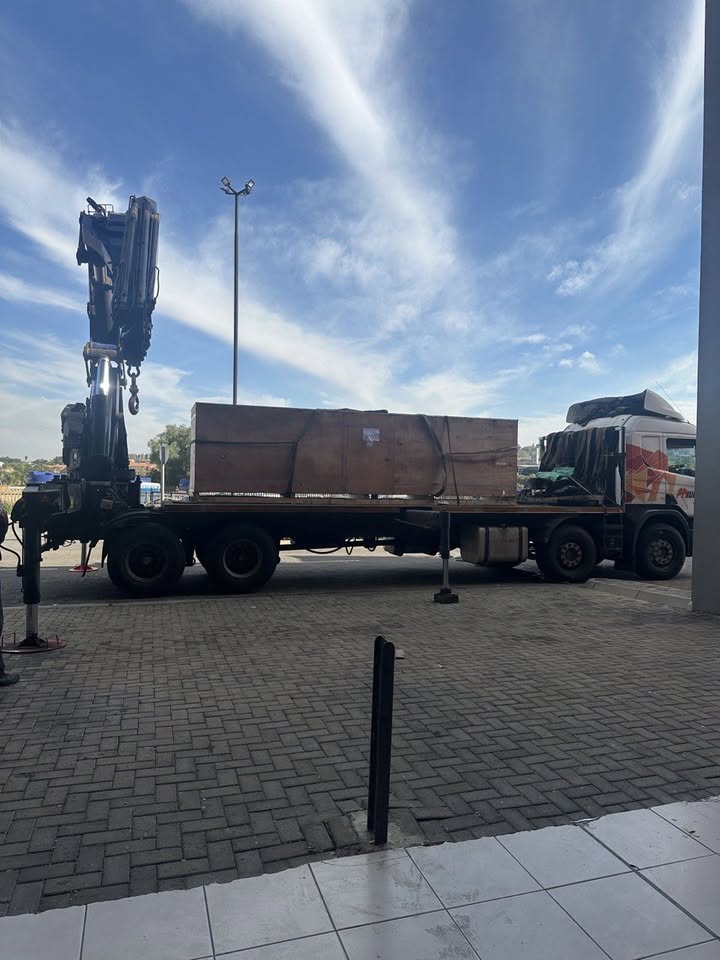
12 Heads Embroidery Machine
Toilet Paper Machine Machine
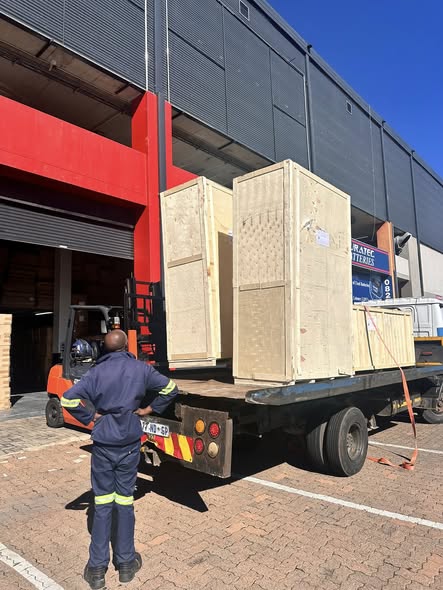
Order Collection
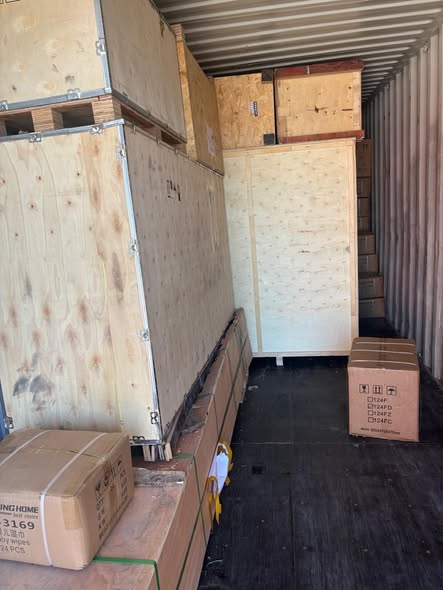
Cross Border Clients
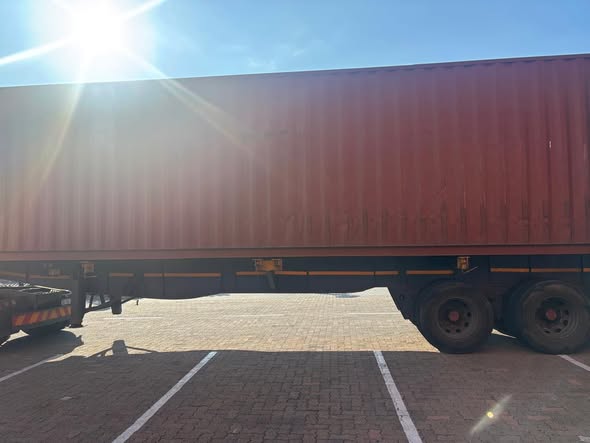
Order cros border countries Collected
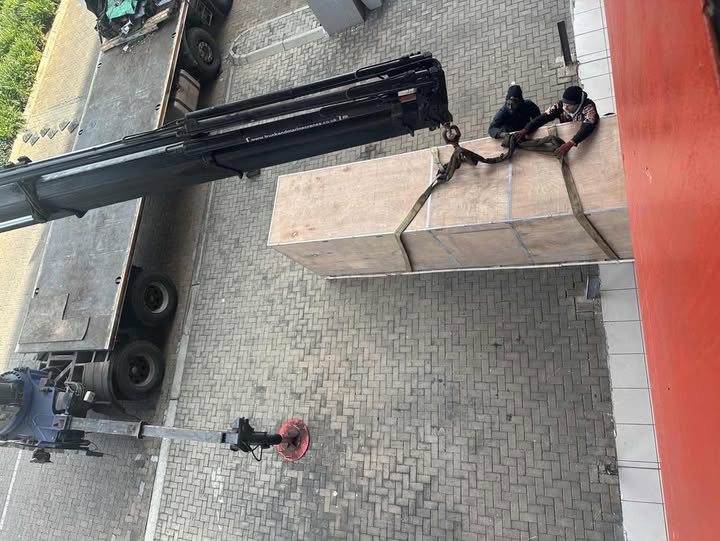
Industrial Machine Cllection
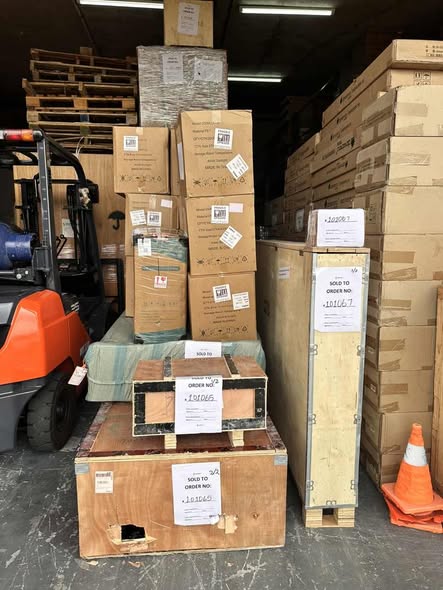
Agriculture Processing Machines
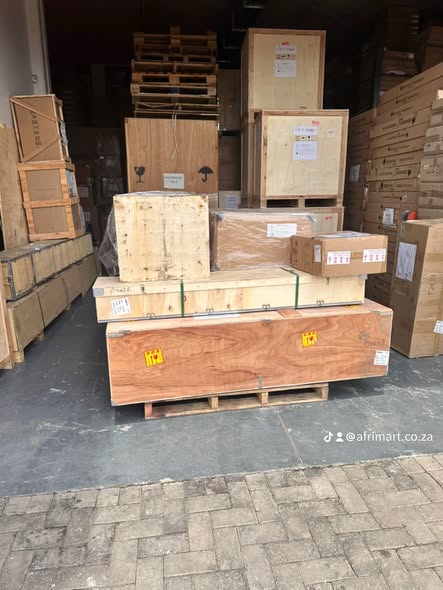
Ready for collection
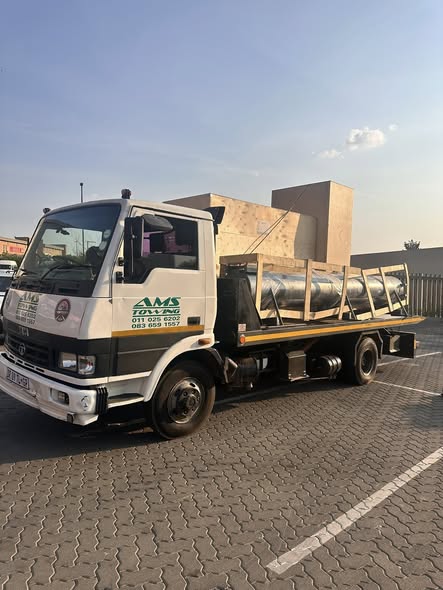
Water Pump Equipment
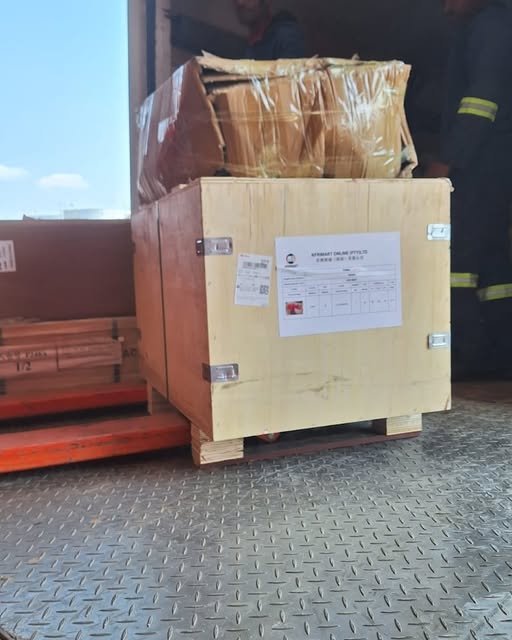
Packaging Machine and accessories
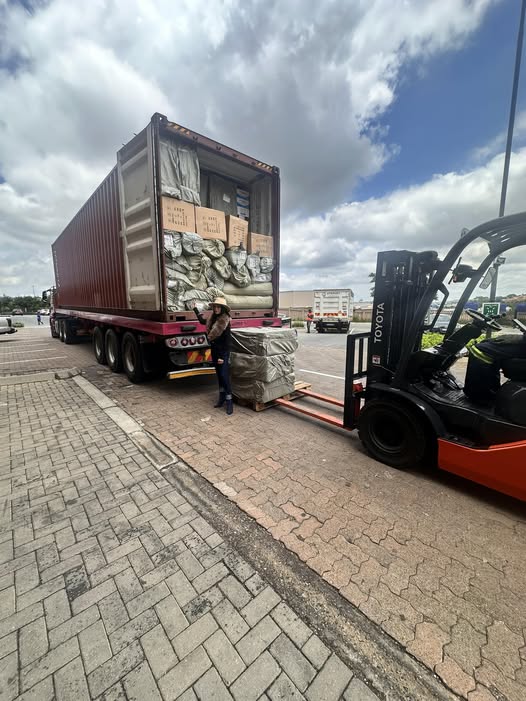
Fabrics Manufacturing Equipment
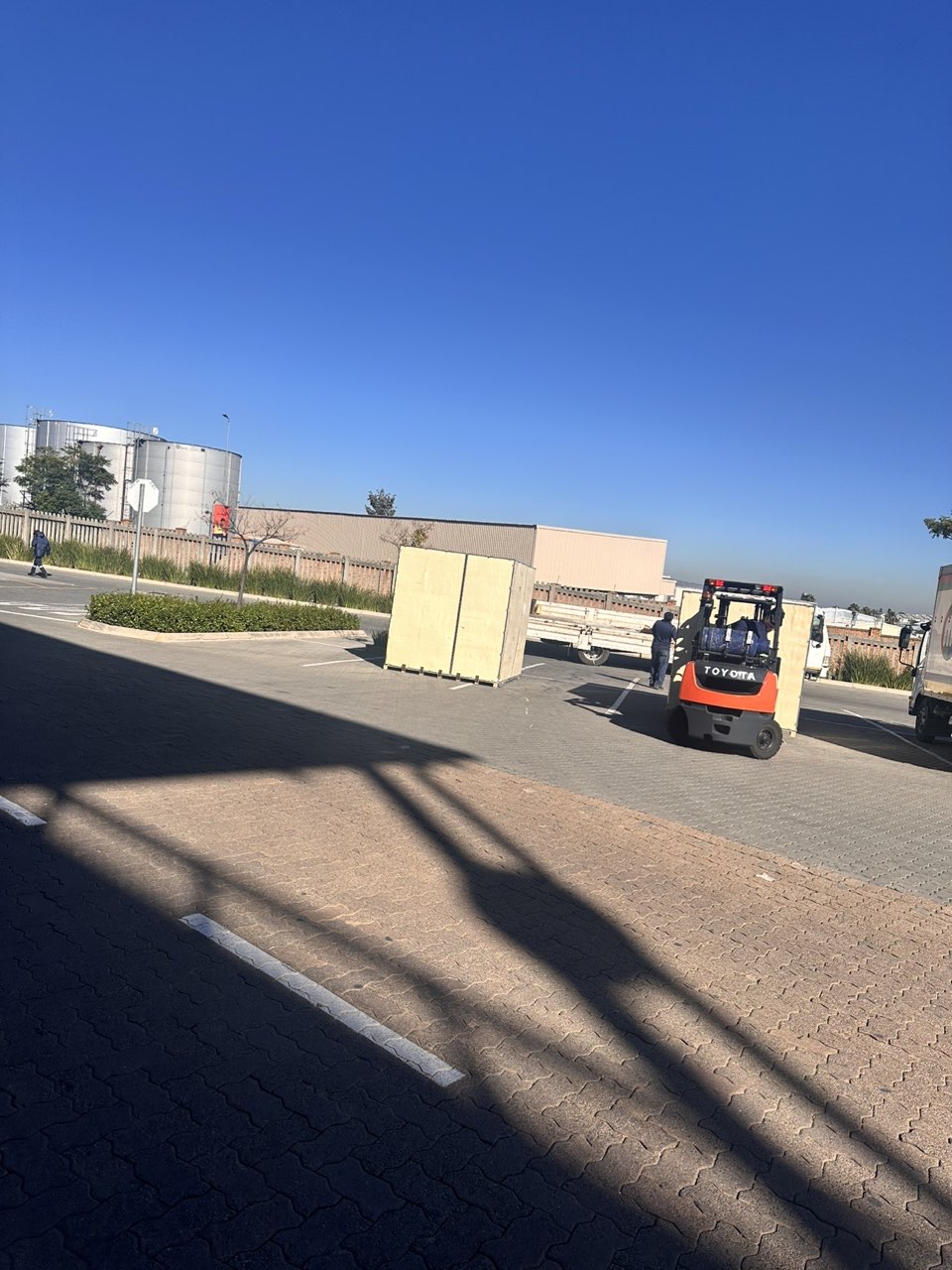
Mining Equipments
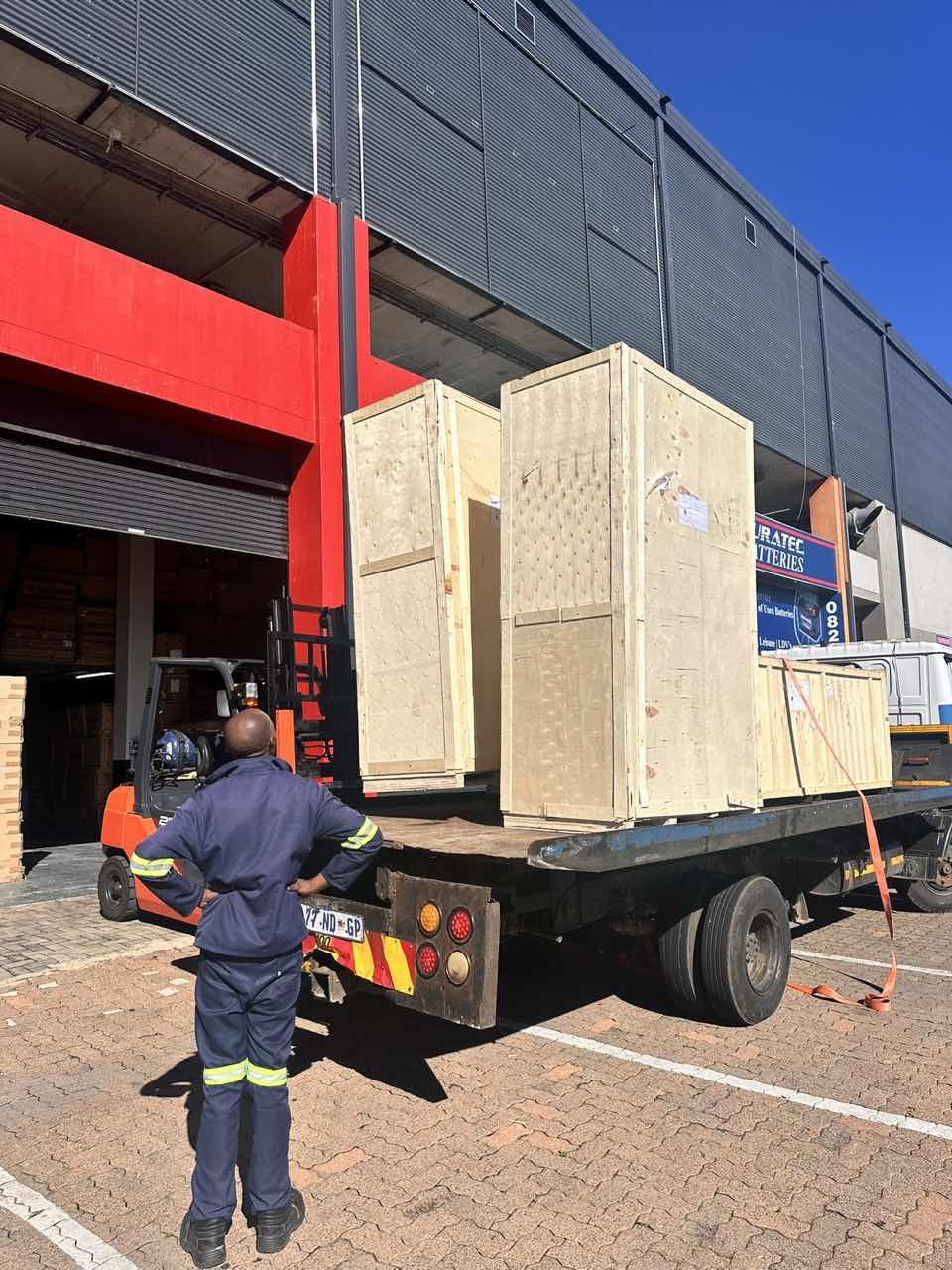
Food Processing Machine
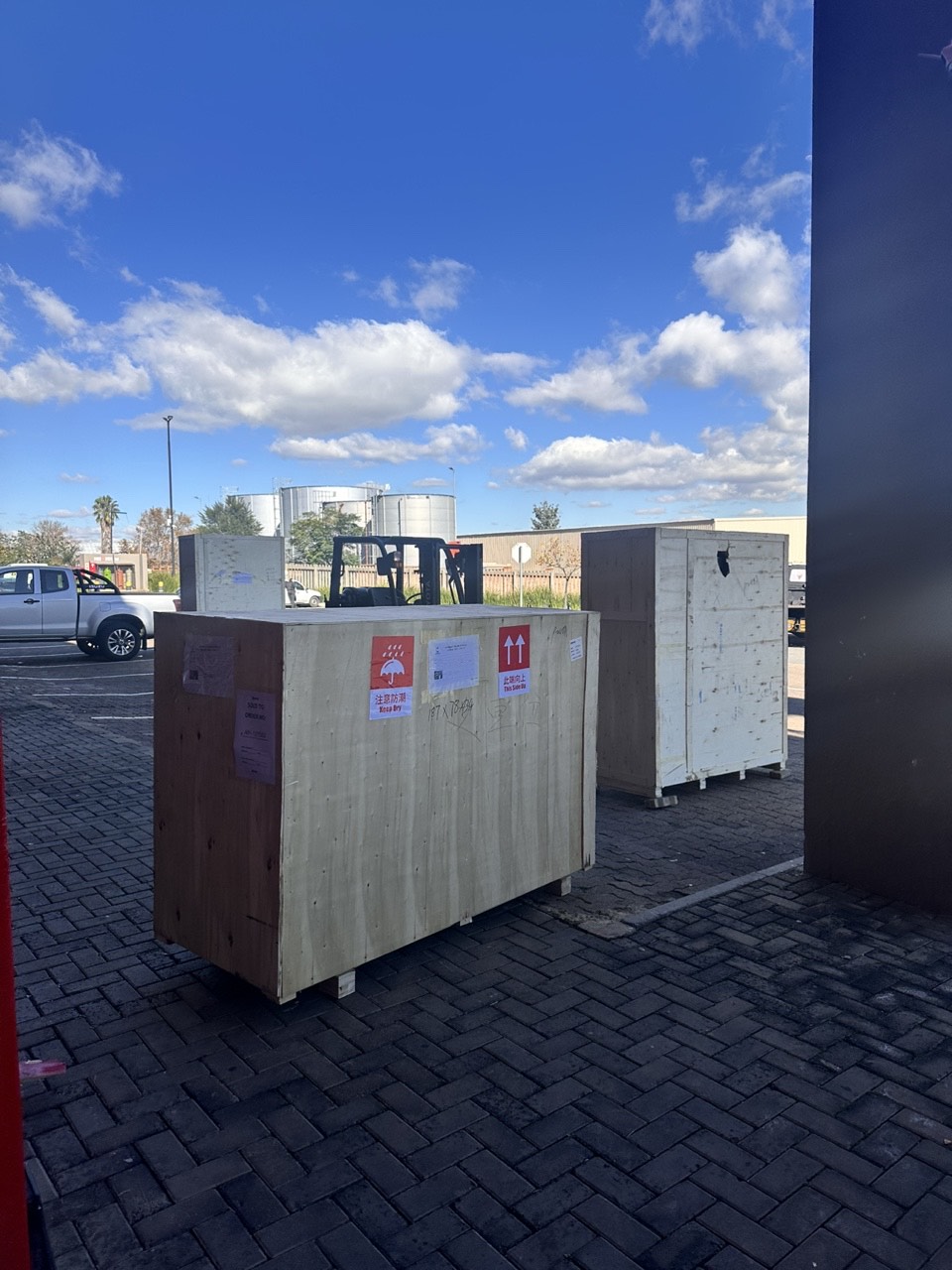
Batch of Orders
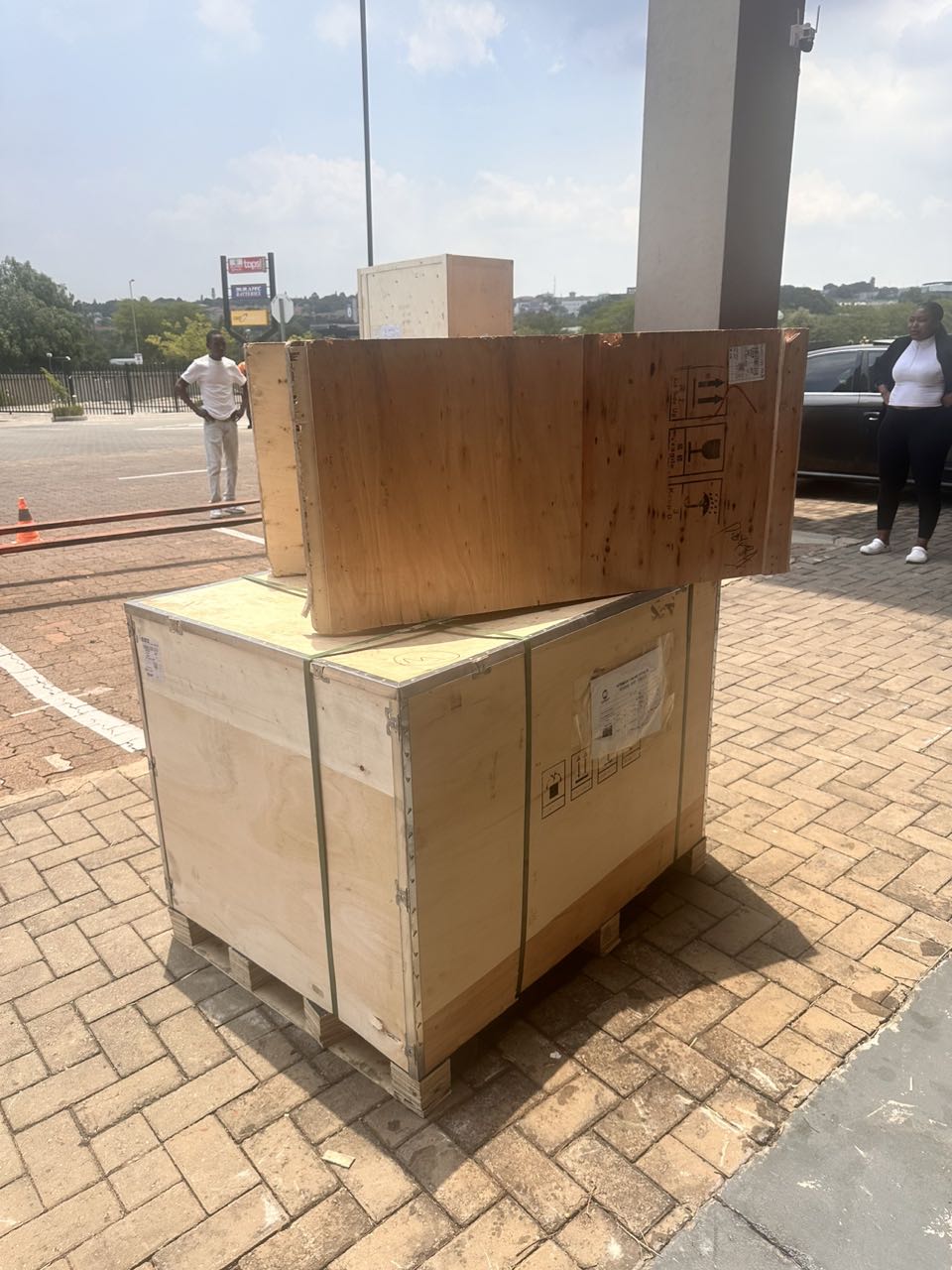
Batch of Orders
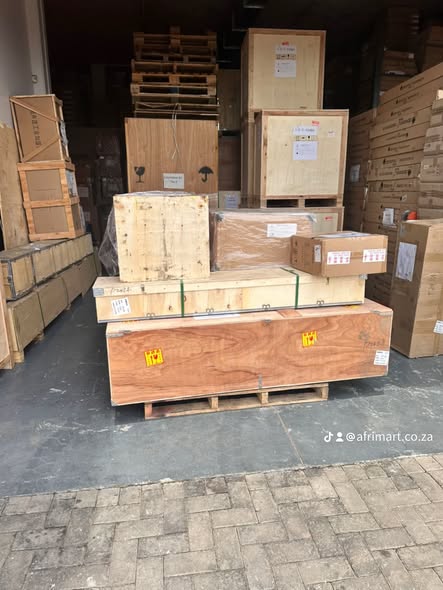
Latest Orders Labelled
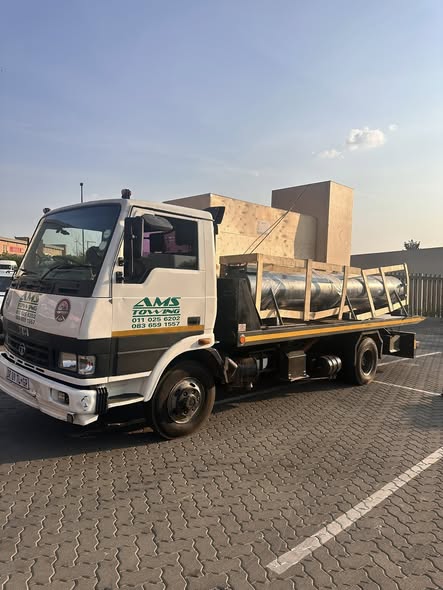
wheel alignment machines
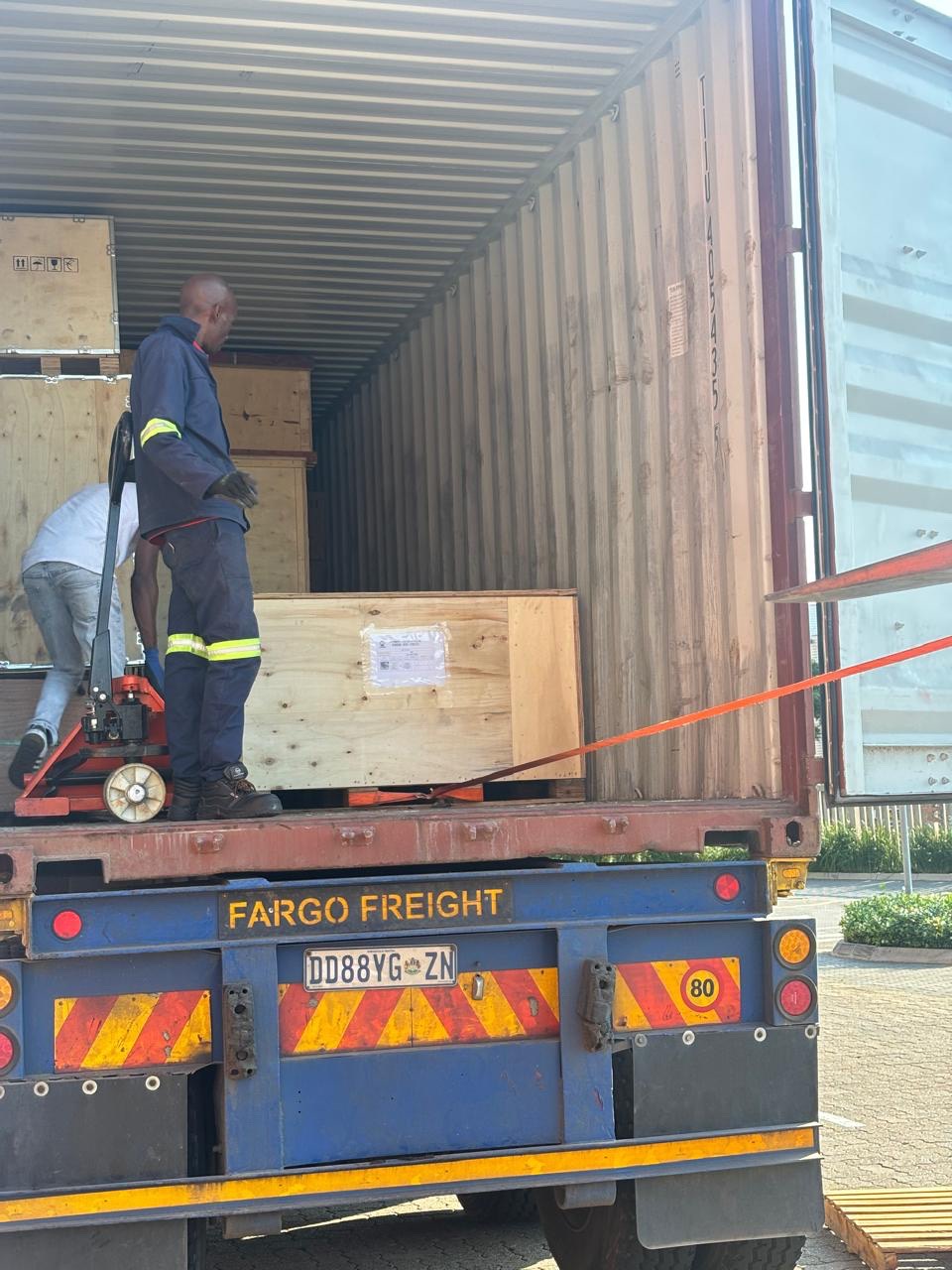
new arrivals
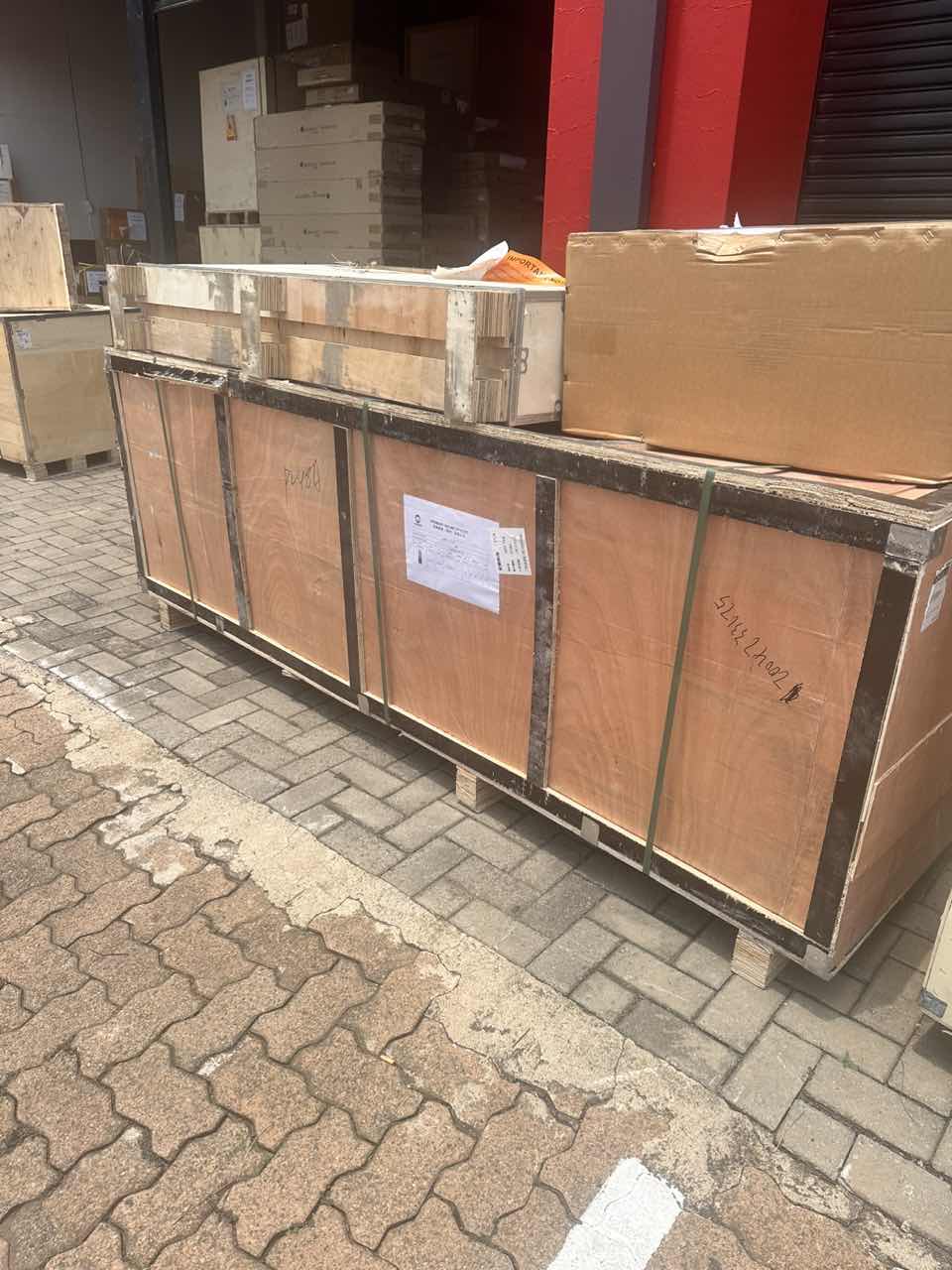
Pre Orders Offloading
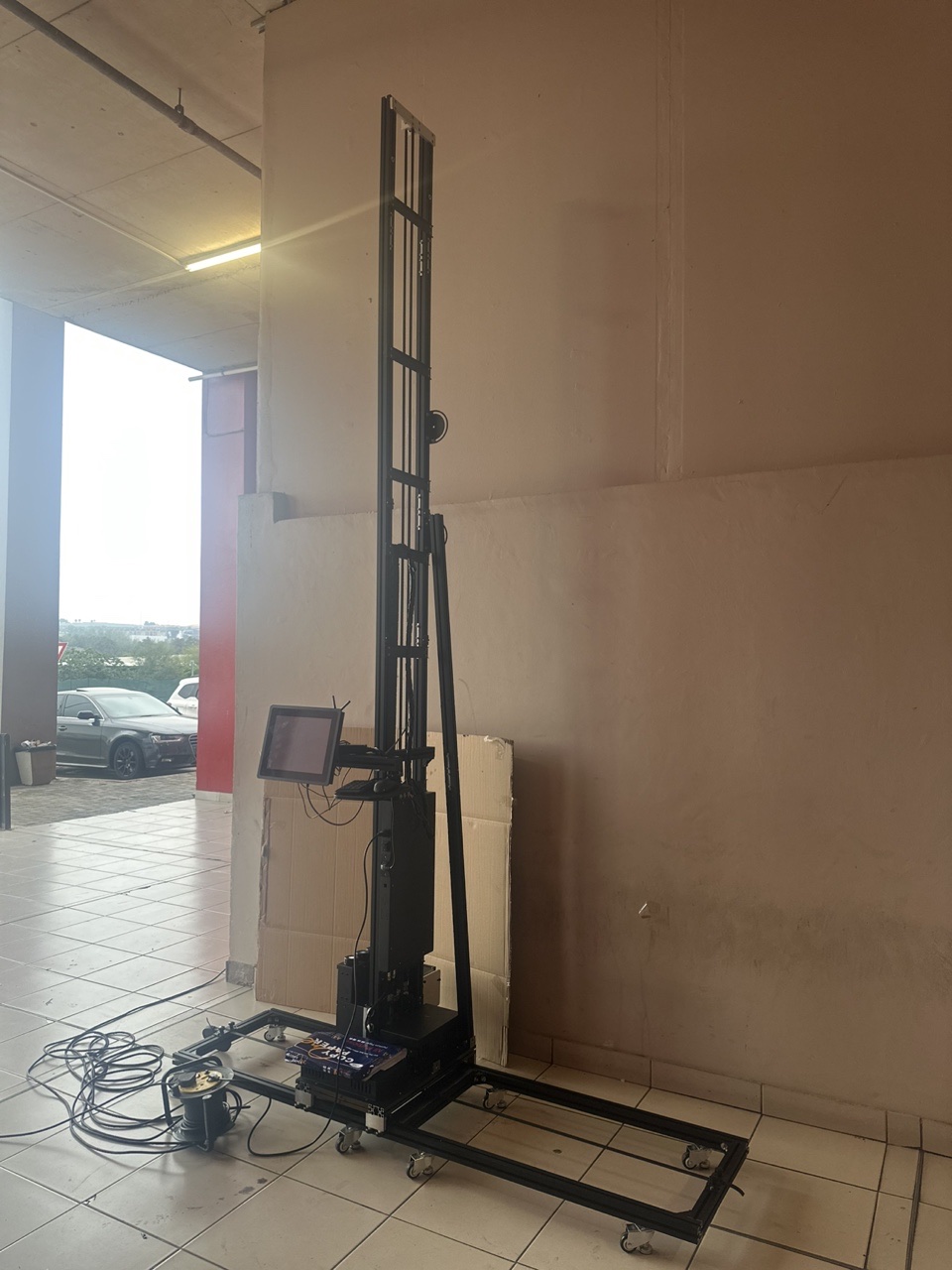
Latest Arrivals
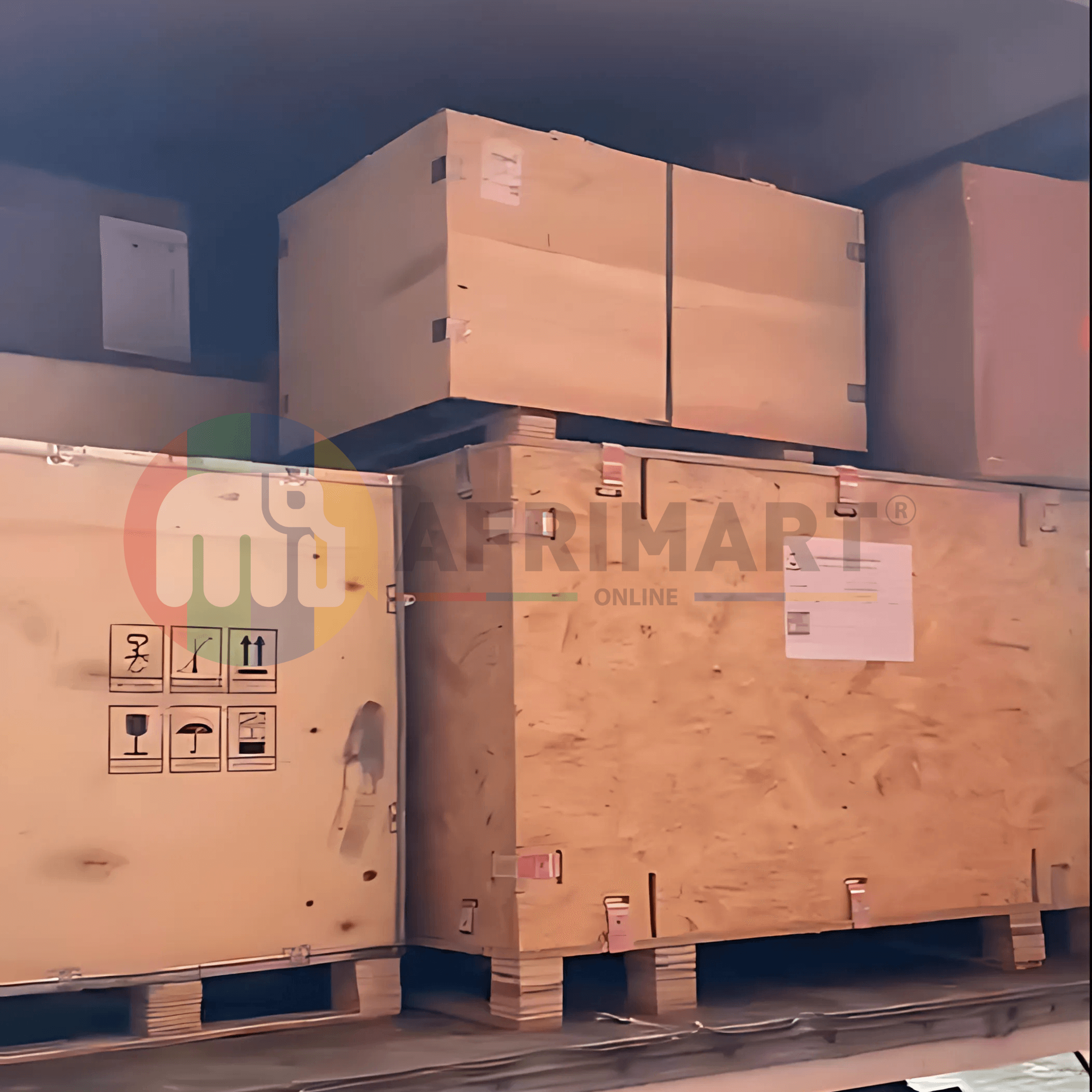
Latest Arrivals
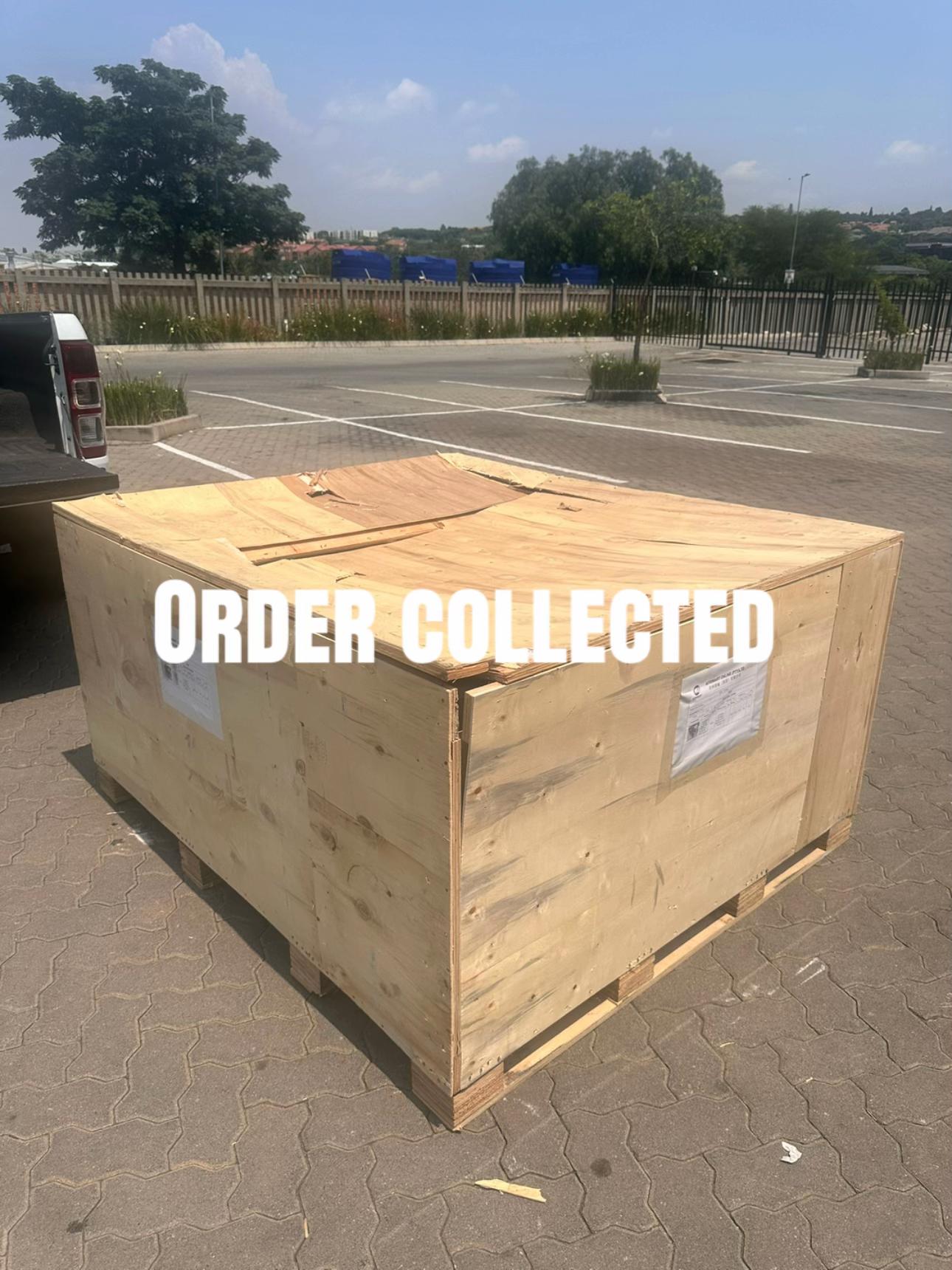
Latest Arrivals
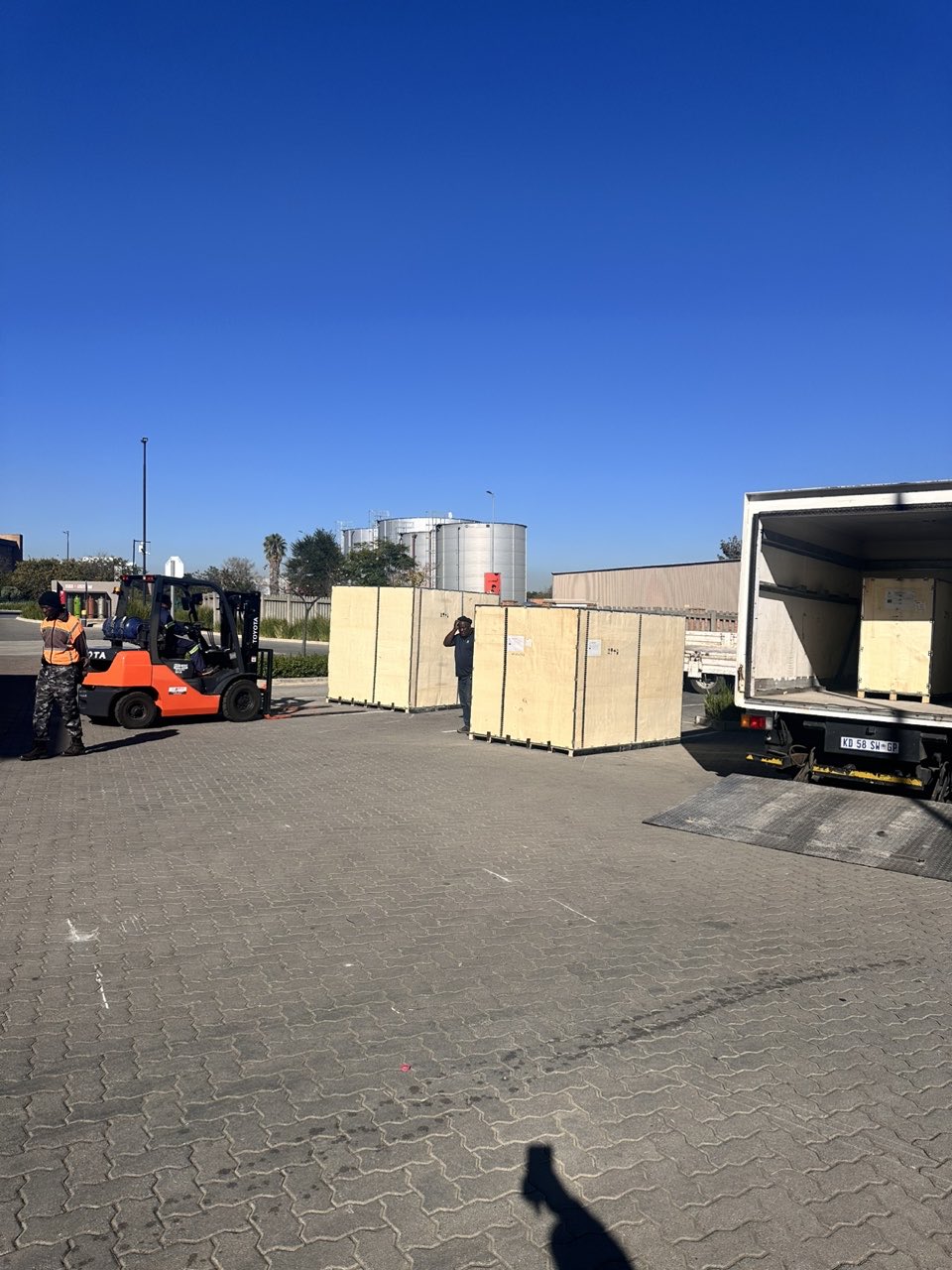
Loading
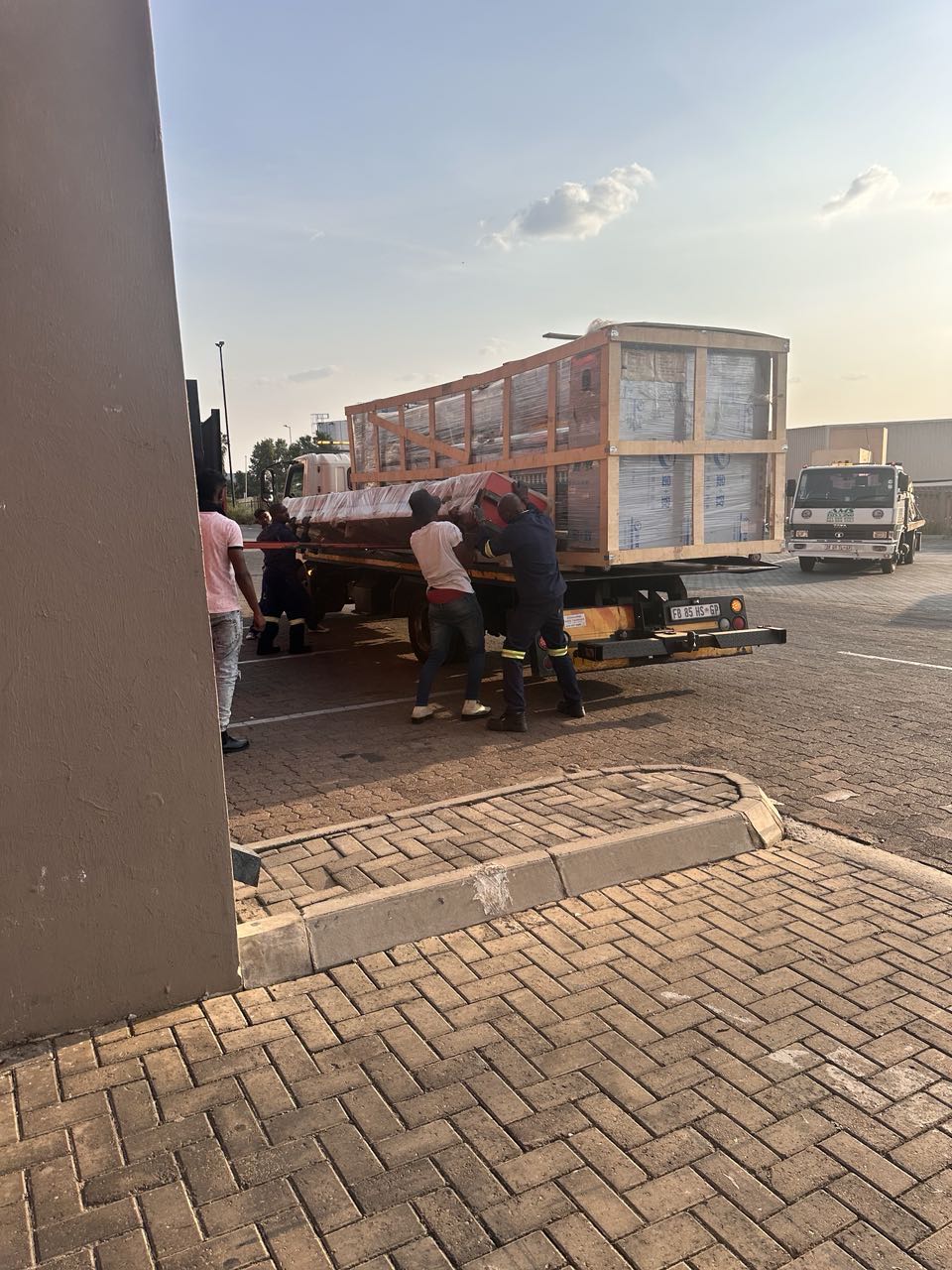
Toilet paper making machine
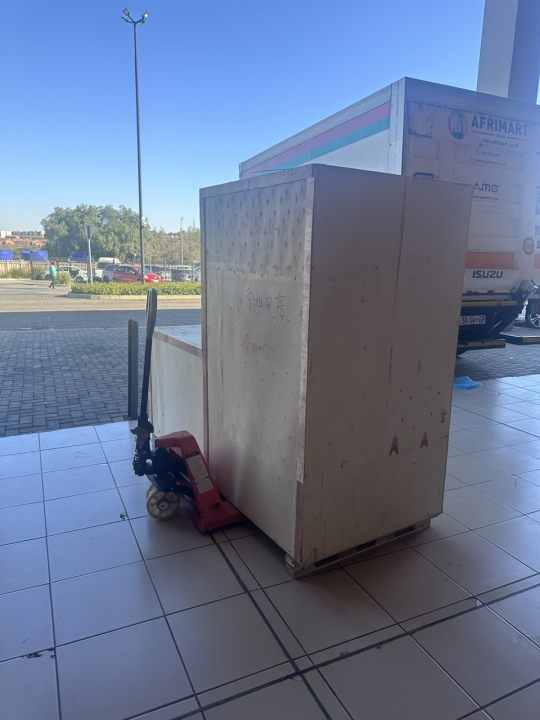
Toilet paper making machine
Toilet paper Rewinding Machine
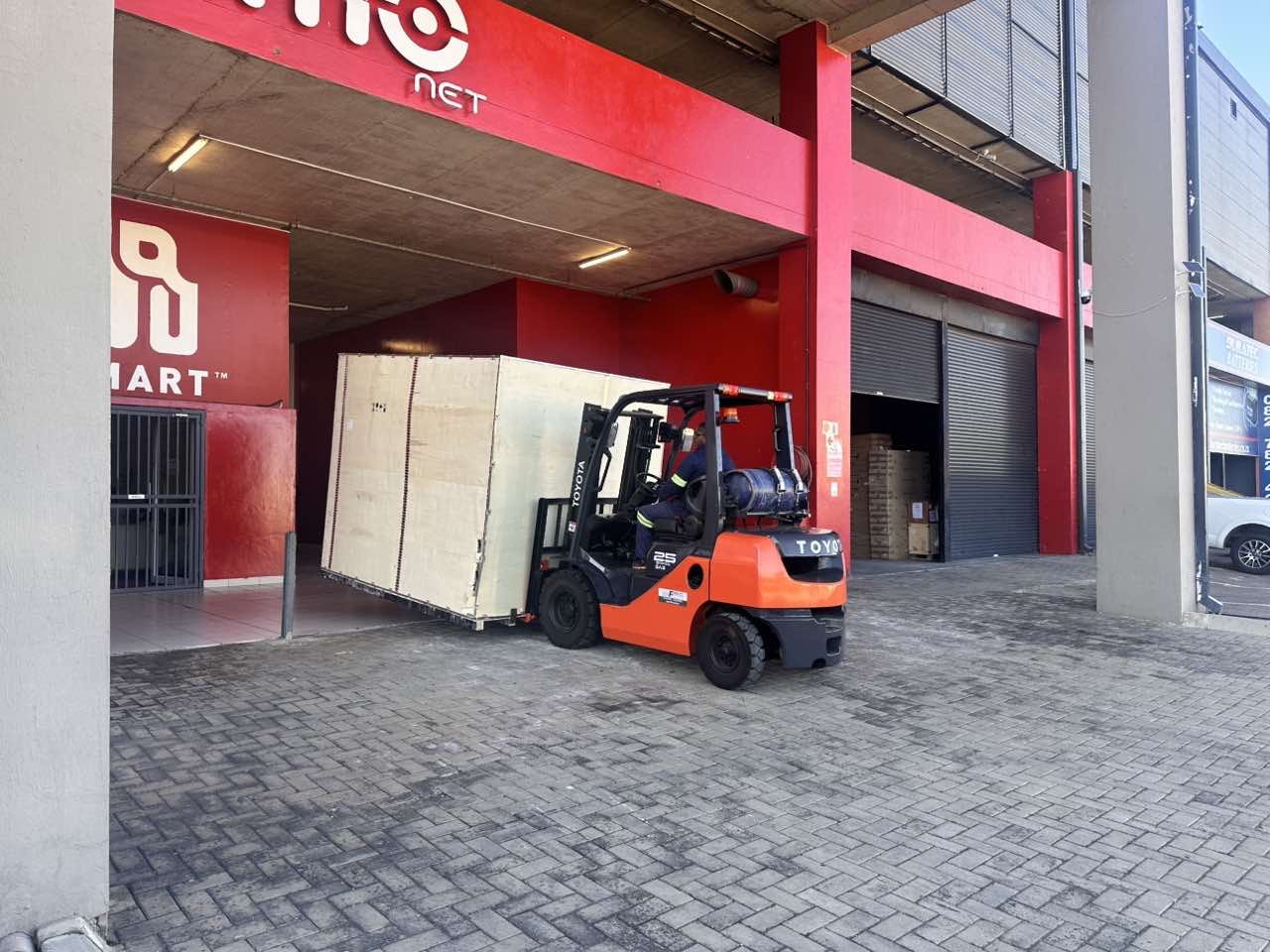
latest arrivals
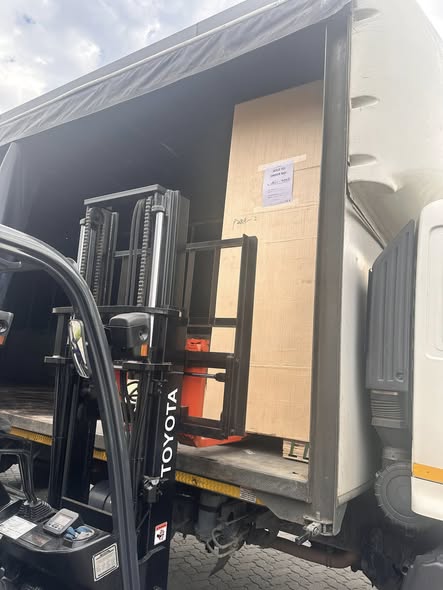
offloading
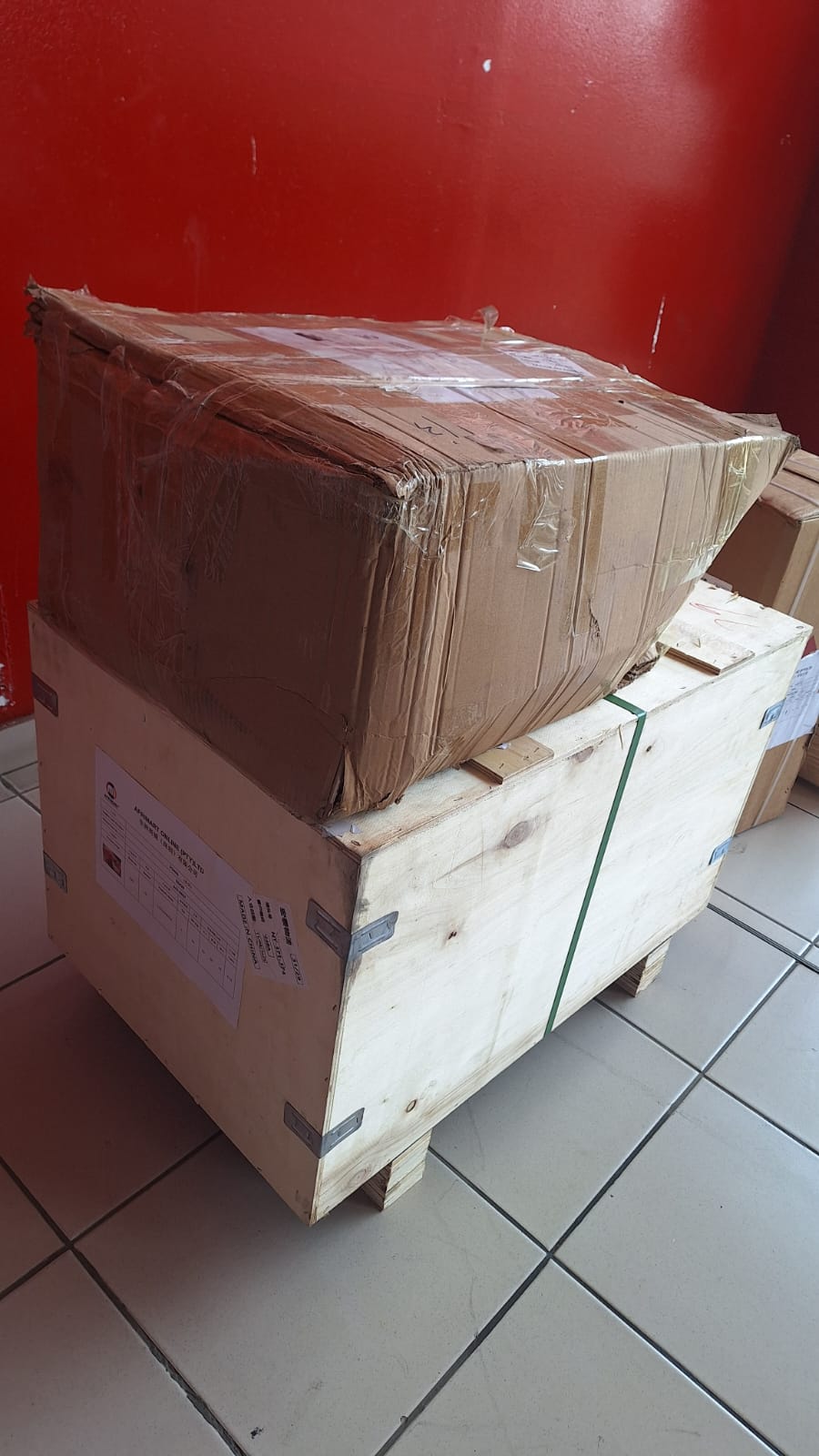
order success
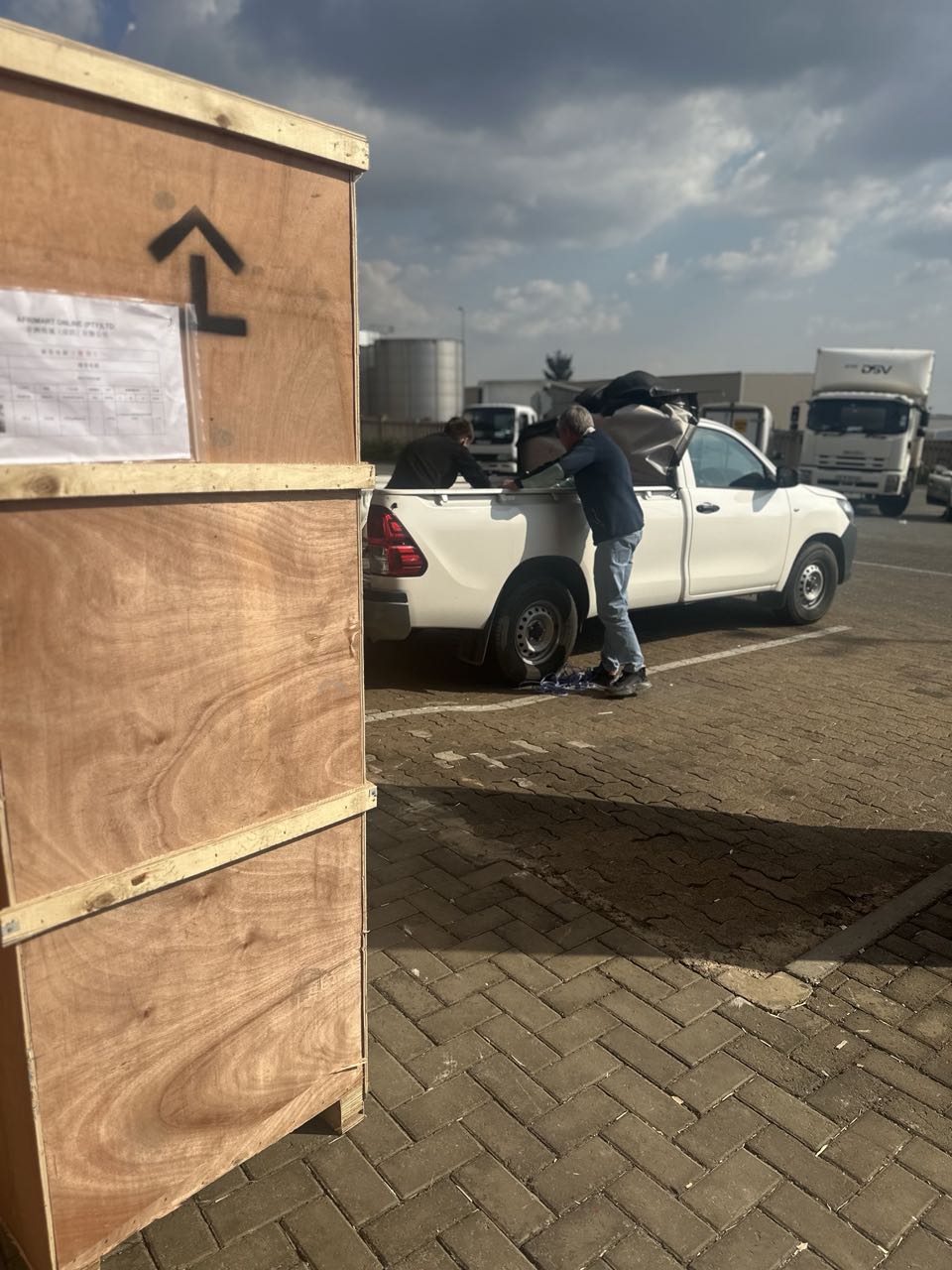
order collection
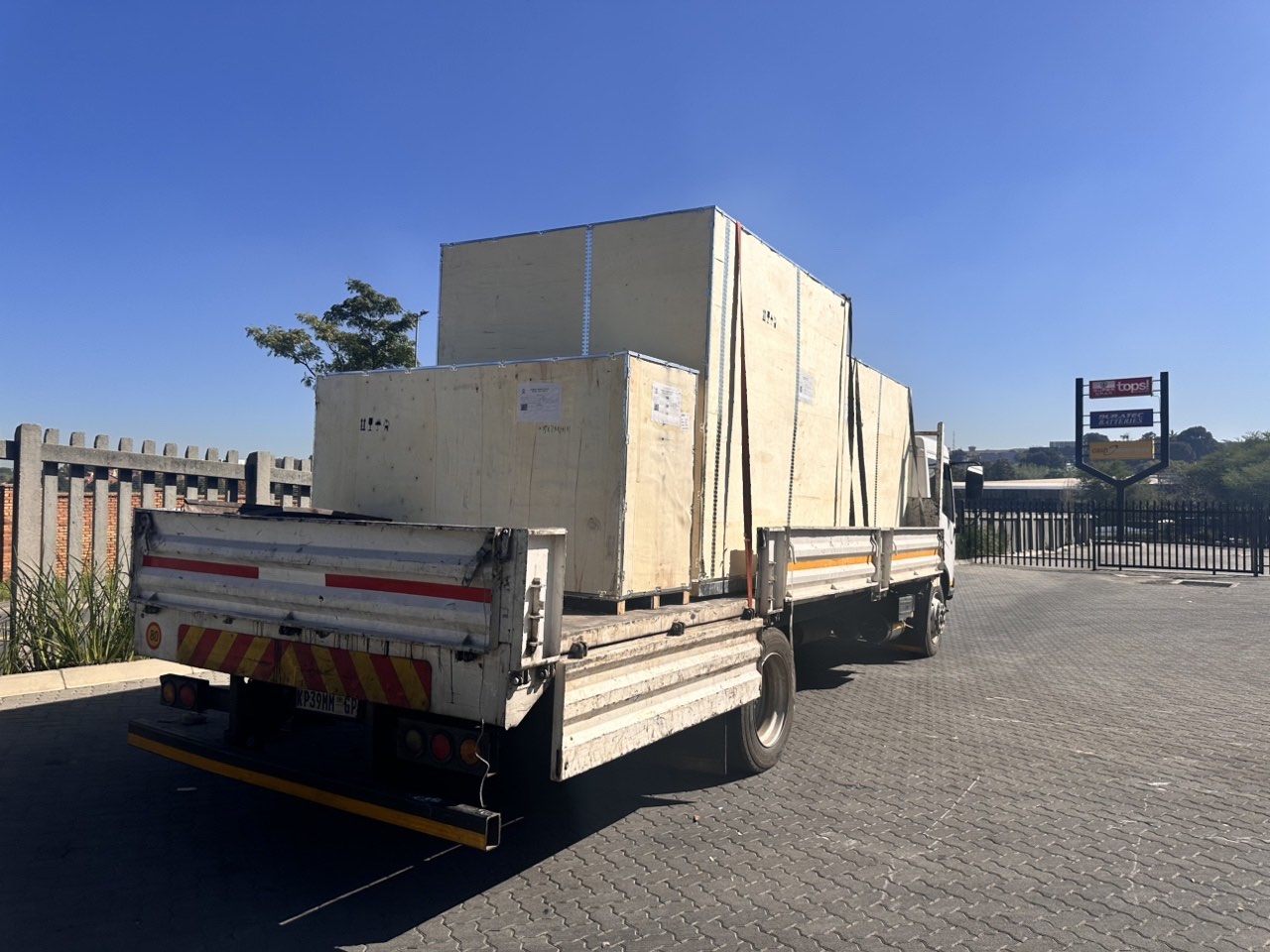
order offloading