B21, China Town Mall, Midrand

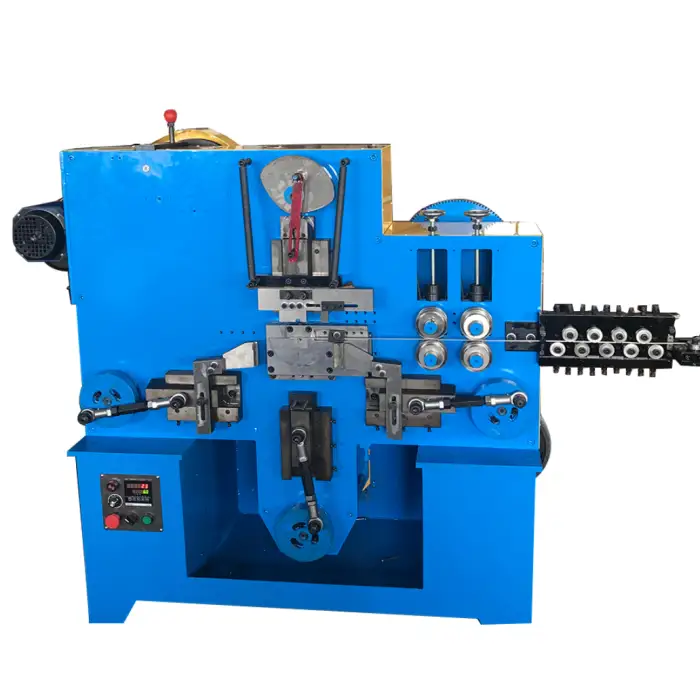
Automatic Metal Garden U Shape Staple Belt Buckle and Pin Making Machine
Asset finance available
Do you want funding for this equipment?
Afrimart can connect you with trusted funding partners who specialise in asset finance for businesses like yours. Compare options and apply in minutes — final approval is subject to provider review.
Check funding options
Secure & no obligation

- Section : Machinery
- Category : Metal & Metallurgy Machinery
- SKU : 1600388801870

Automatic Metal Garden U Shape Staple Belt Buckle and Pin Making Machine
The Automatic Metal Garden U Shape Staple Belt Buckle and Pin Making Machine is a powerful tool for producing high-quality D shape buckles. With its advanced technology and robust design, this machine is perfect for both small and large scale production. It is easy to use and ensures a long service life, making it an excellent choice for garden accessory manufacturers.
Specifications
| Attribute | Details |
|---|---|
| Power | 2.5kw |
| Weight | 500kg |
| Buckle Shape | D shape |
| Productivity | 40 pcs/min |
| Machine Type | Die Casting Machine |
| Core Components | PLC, Engine, Bearing, Gearbox, Motor, Pressure Vessel, Gear, Pump |
Key Features
- High productivity of 40 pieces per minute.
- Durable design for long service life.
- Easy to operate and maintain.
- Customizable color options available.
- Advanced PLC control for precision.
Applications
- Manufacturing garden accessories.
- Producing D shape buckles for various uses.
- Creating quality staples for garden projects.
- Utilizing in small to large scale production lines.
- Ideal for businesses in metal fabricating.
Product Info Gallery
- Shipping Timeframes: All orders are processed within 2-5 business days (excluding weekends and holidays). After your order has been processed, the estimated delivery time is before 05 Aug, 2026, depending on customs, Please note that due to high demand, some items may experience longer shipping times, which will be communicated at order confirmation email.
- Order Processing Time: Please allow 2-5 business days for us to process your order before it is shipped . Orders placed after 16:00 on Fridays, or during weekends and public holidays, will begin processing on the next business day. Processing times may be extended during peak seasons or sales events.
- Manufacturing Time: Some products needs manufacturing time, the manufacturing process will take approximately 10-30 business days depending on the product. This timeframe may vary depending on the complexity of the product and current demand. but this will be communicated with you during order confirmation.
- Returns and Exchanges: We offer a 30-day return policy for most items. If you are not completely satisfied with your purchase, you may return it within 30 days of receipt for a refund or exchange. Items must be unused, in their original packaging, and accompanied by proof of purchase. Return shipping costs are the responsibility of the customer, unless the item was damaged or defective upon arrival.
1. What products can the Automatic Metal Garden U Shape Staple Belt Buckle and Pin Making Machine make?
This machine is designed to produce D‑shape belt buckles, U‑shape garden staples, pins and similar small metal fittings used in garden accessories and light metal fabrication.
2. What is the machine's production capacity?
Rated productivity is up to 40 pieces per minute under standard conditions. Actual output depends on part geometry, material, mold configuration and cycle settings.
3. What are the machine's power and electrical requirements?
Installed electrical power is 2.5 kW. Voltage and phase options (e.g., 220V single‑phase or 380V three‑phase) are usually available — confirm the required supply with your supplier before ordering.
4. How heavy is the machine and what are the site requirements?
Machine weight is approximately 500 kg. Exact footprint and mounting/foundation requirements are available on request. A forklift/crane and a level, stable floor are recommended for installation.
5. Which metal materials are compatible with this die casting machine?
As a die‑casting type machine it is most commonly used with non‑ferrous die casting alloys such as zinc and aluminum (and, where applicable, magnesium). Use with ferrous metals or very thick steel parts typically requires different tooling or forming equipment — consult the manufacturer for specific material compatibility.
6. What are the main components and automation features?
Core components include PLC control, motor/engine, gearbox, bearings, pressure vessel, pump and gears. The advanced PLC enables precise cycle control, parameter adjustment and consistent output quality.
7. Are molds and tooling included, and can you supply custom molds?
Molds/tooling are typically custom and may be offered as optional extras. Most suppliers can design and manufacture molds to your part specifications — lead times and pricing vary depending on complexity.
8. How long does tooling changeover or model change take?
Changeover time depends on mold design (standardized quick‑change fixtures reduce downtime). Typical manual mold changes can take from 30 minutes to several hours; quick‑change systems or modular fixtures can significantly shorten this.
9. What maintenance is required and what is the expected service life?
Routine maintenance includes daily inspection and cleaning, regular lubrication of bearings and moving parts, periodic pump and gearbox checks, and scheduled replacement of wear parts. With proper maintenance the machine is designed for a long service life; actual lifespan varies with usage intensity and maintenance practices.
10. What safety features does the machine have?
Standard safety features typically include emergency stop buttons, safety guards around moving parts, pressure vessel protections and interlocks. Specific certifications and guard configurations vary by supplier and destination market — verify the safety standards and certificates provided.
11. Is installation and commissioning included?
Many suppliers offer on‑site installation, electrical hookup and commissioning as part of the purchase or as an add‑on service. Remote support or training may also be available. Confirm installation scope and any additional costs with the seller.
12. Does the machine support automation such as feeding and part removal?
Yes — the machine's PLC control makes it straightforward to integrate upstream feeders, vibratory bowl systems and downstream pick‑and‑place robots or conveyors for automated production lines. Ask the supplier about integration packages and options.
13. What spare parts should I keep on hand?
Common recommended spares include molds, seals and gaskets, pumps, bearings, filters, drive belts and electrical components (sensors, PLC modules). Your supplier can advise a parts list tailored to your production schedule and part types.
14. Are color customization and other cosmetic options available?
Yes — the machine offers customizable color options and certain cosmetic finishes. Functional customization (mold geometry, cycle parameters, automation options) is also available depending on your production requirements.
15. What warranty and after‑sales support are provided?
Warranty terms vary by manufacturer and distributor. Many vendors offer a standard warranty (commonly 12 months) plus paid extended support, spare parts supply and on‑site service contracts. Confirm the exact warranty coverage, response times and support channels before purchase.
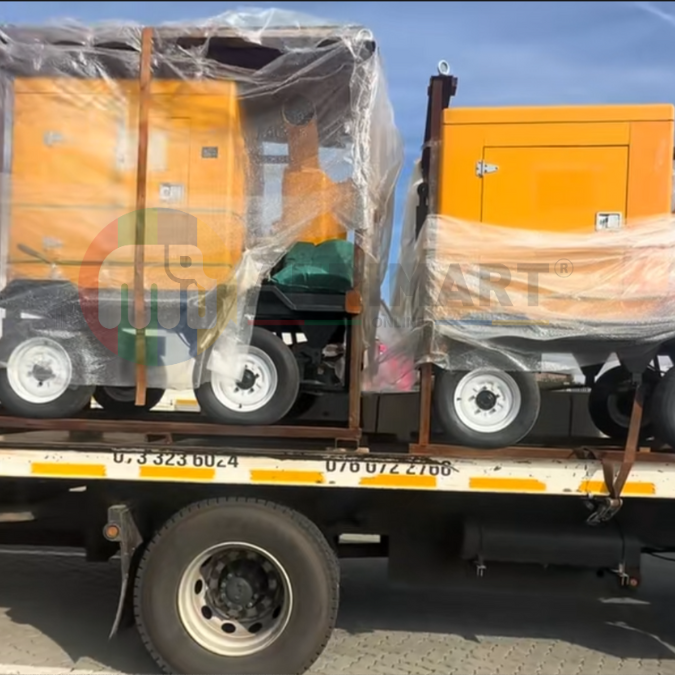
Latest Order Arrivals
Discover our latest orders
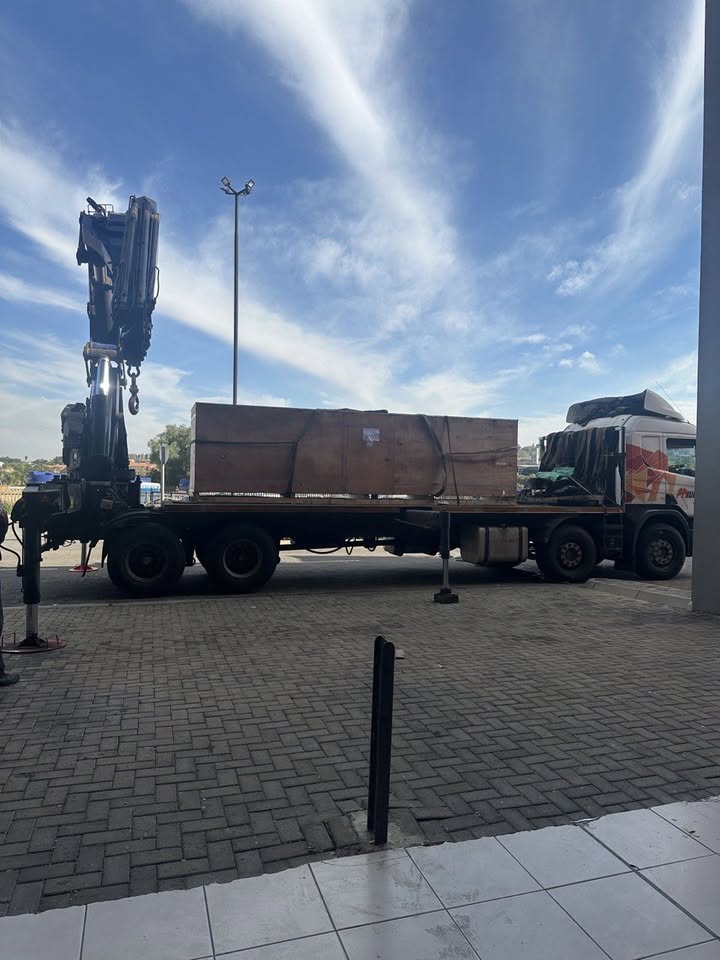
12 Heads Embroidery Machine
Toilet Paper Machine Machine
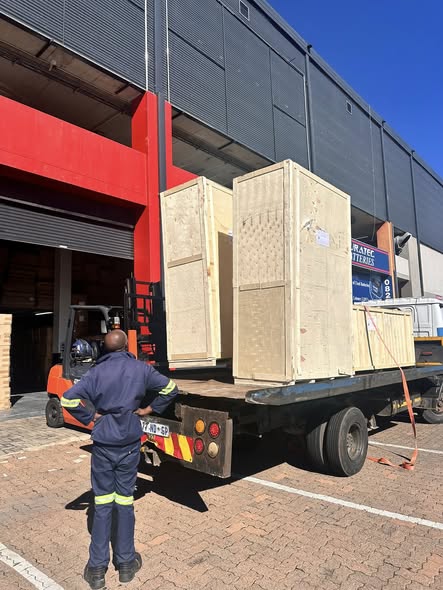
Order Collection
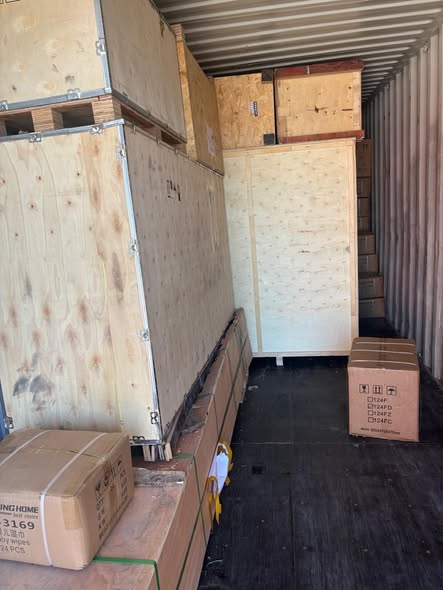
Cross Border Clients
Order cros border countries Collected
Industrial Machine Cllection
Agriculture Processing Machines
Ready for collection
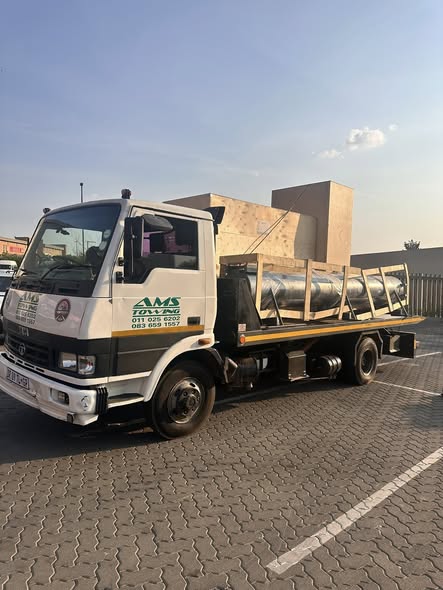
Water Pump Equipment
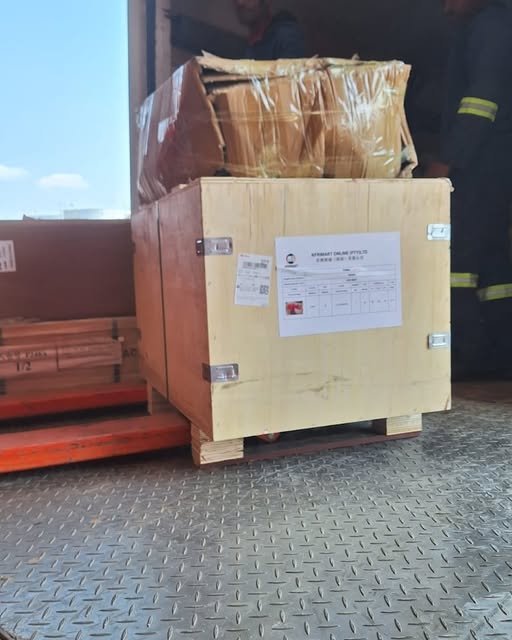
Packaging Machine and accessories
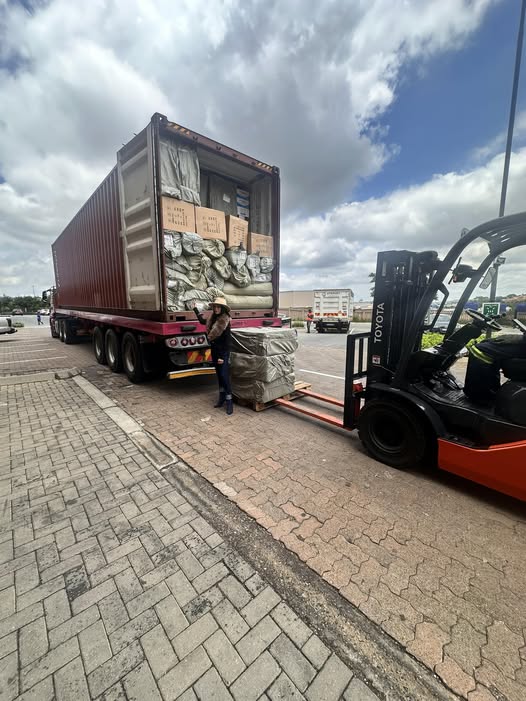
Fabrics Manufacturing Equipment
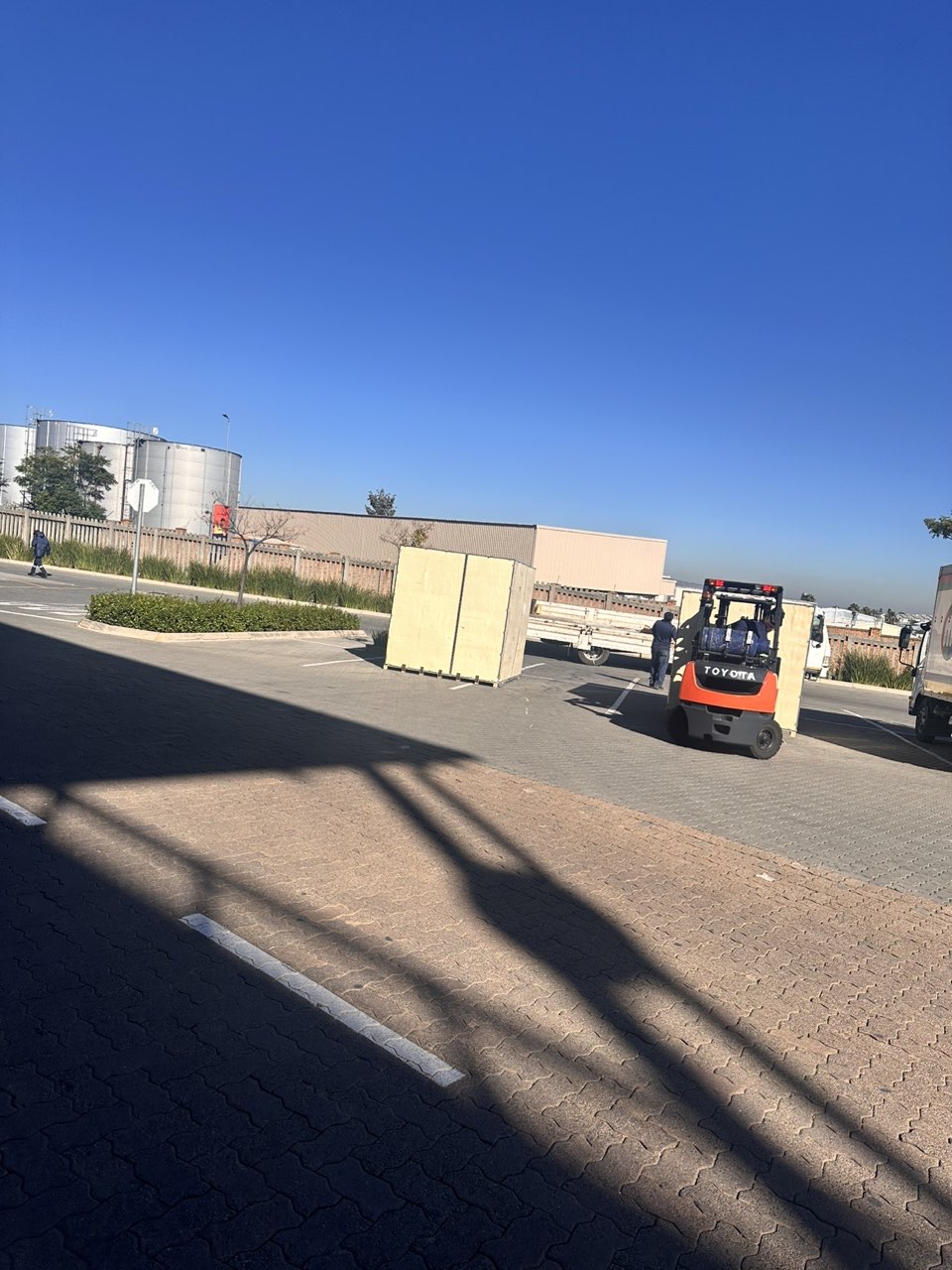
Mining Equipments
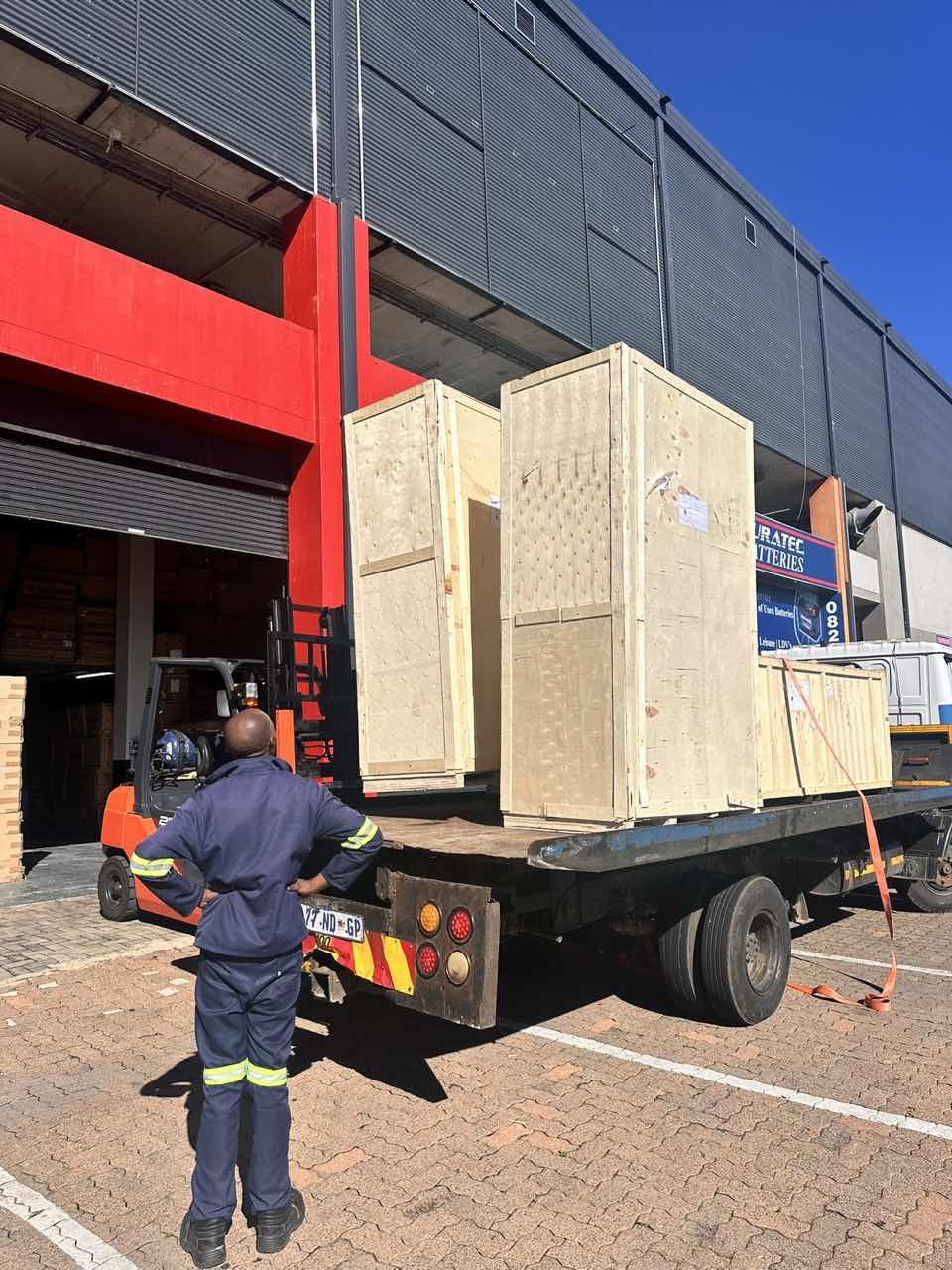
Food Processing Machine
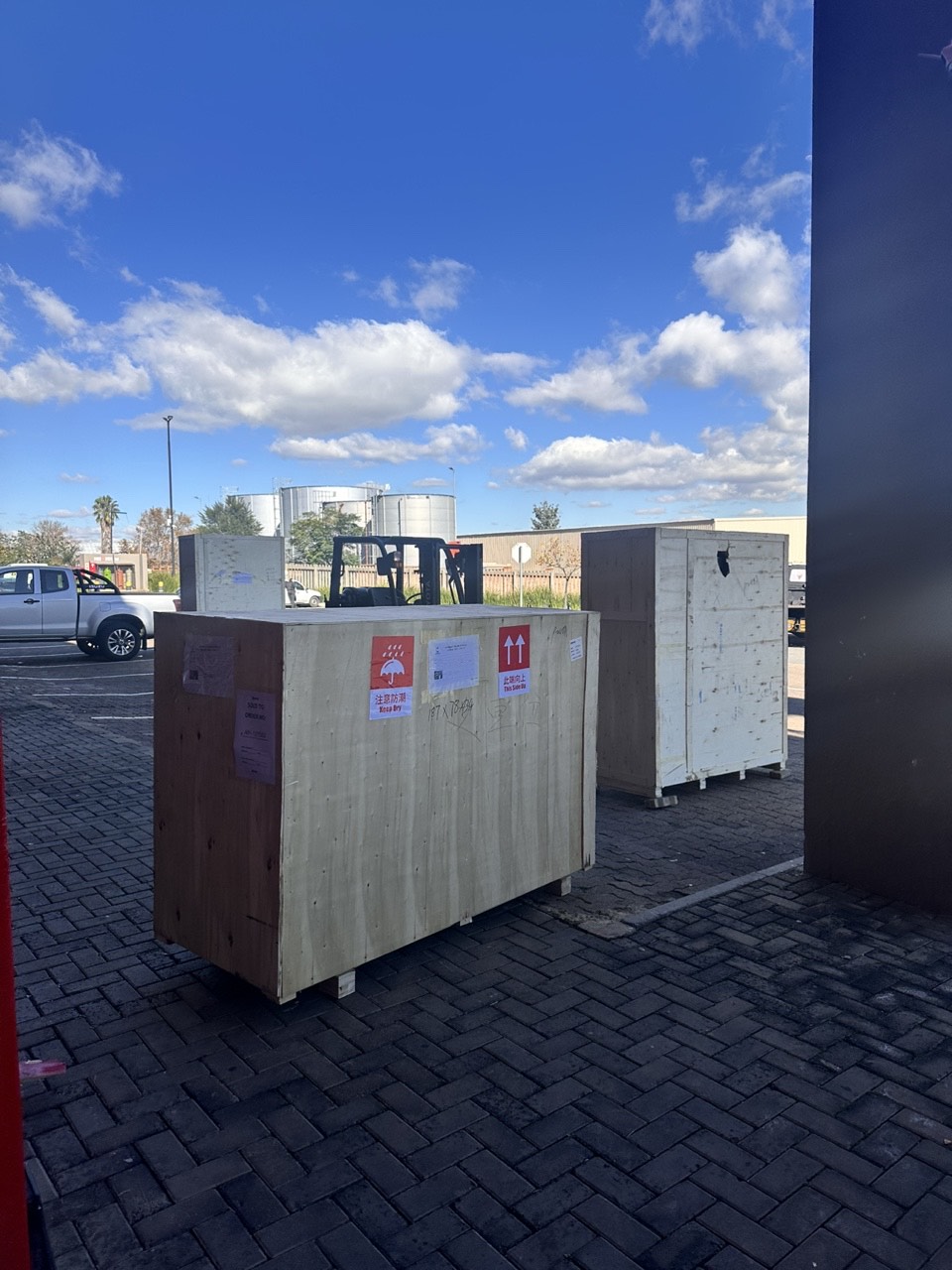
Batch of Orders
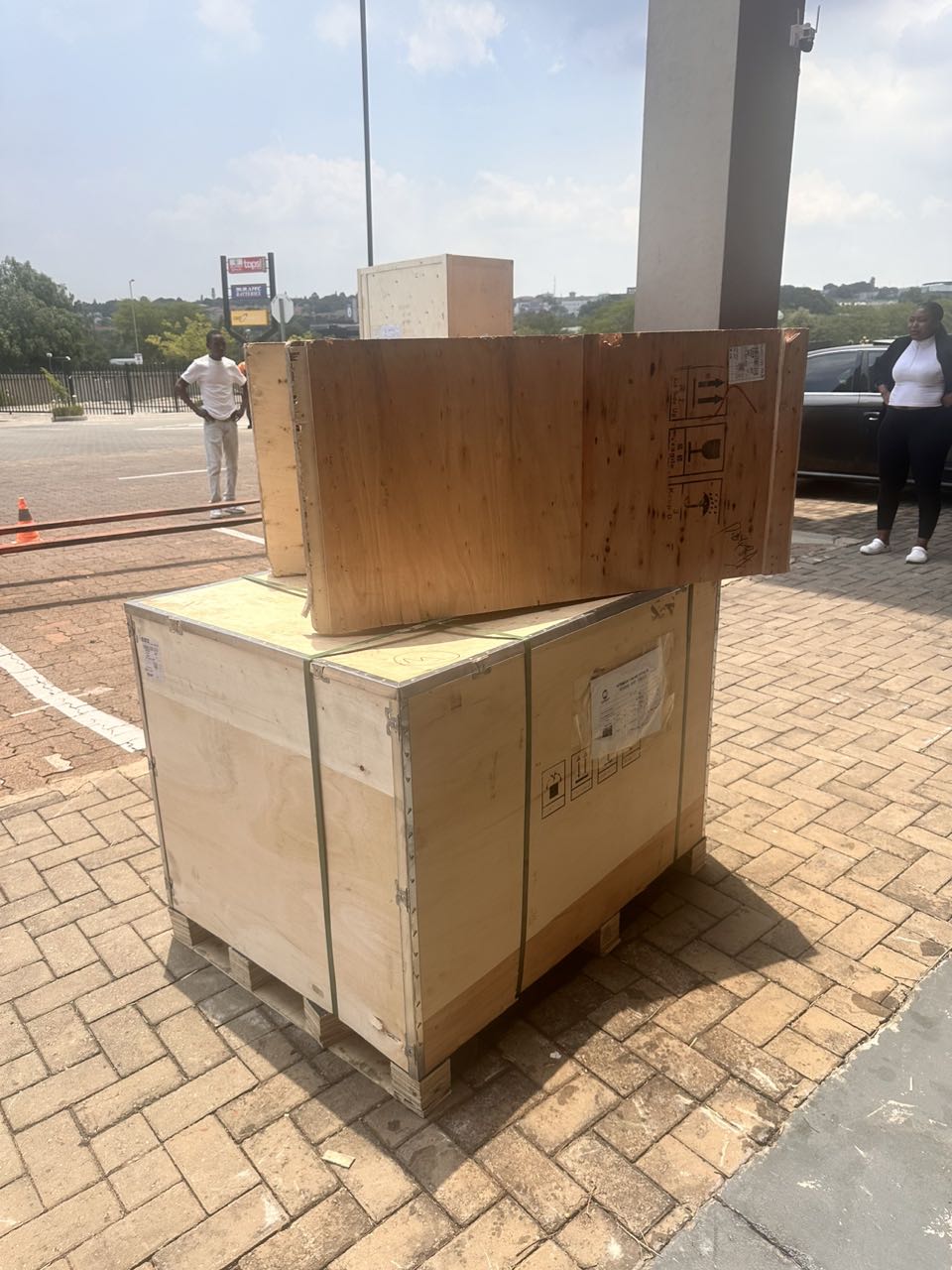
Batch of Orders
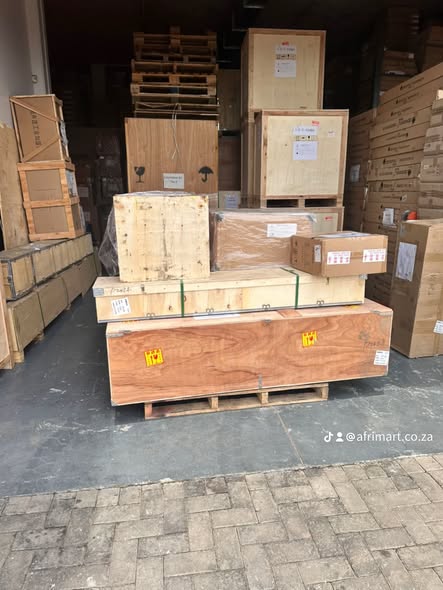
Latest Orders Labelled
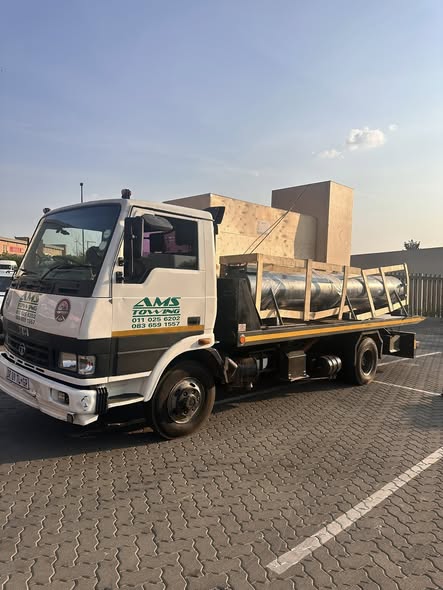
wheel alignment machines
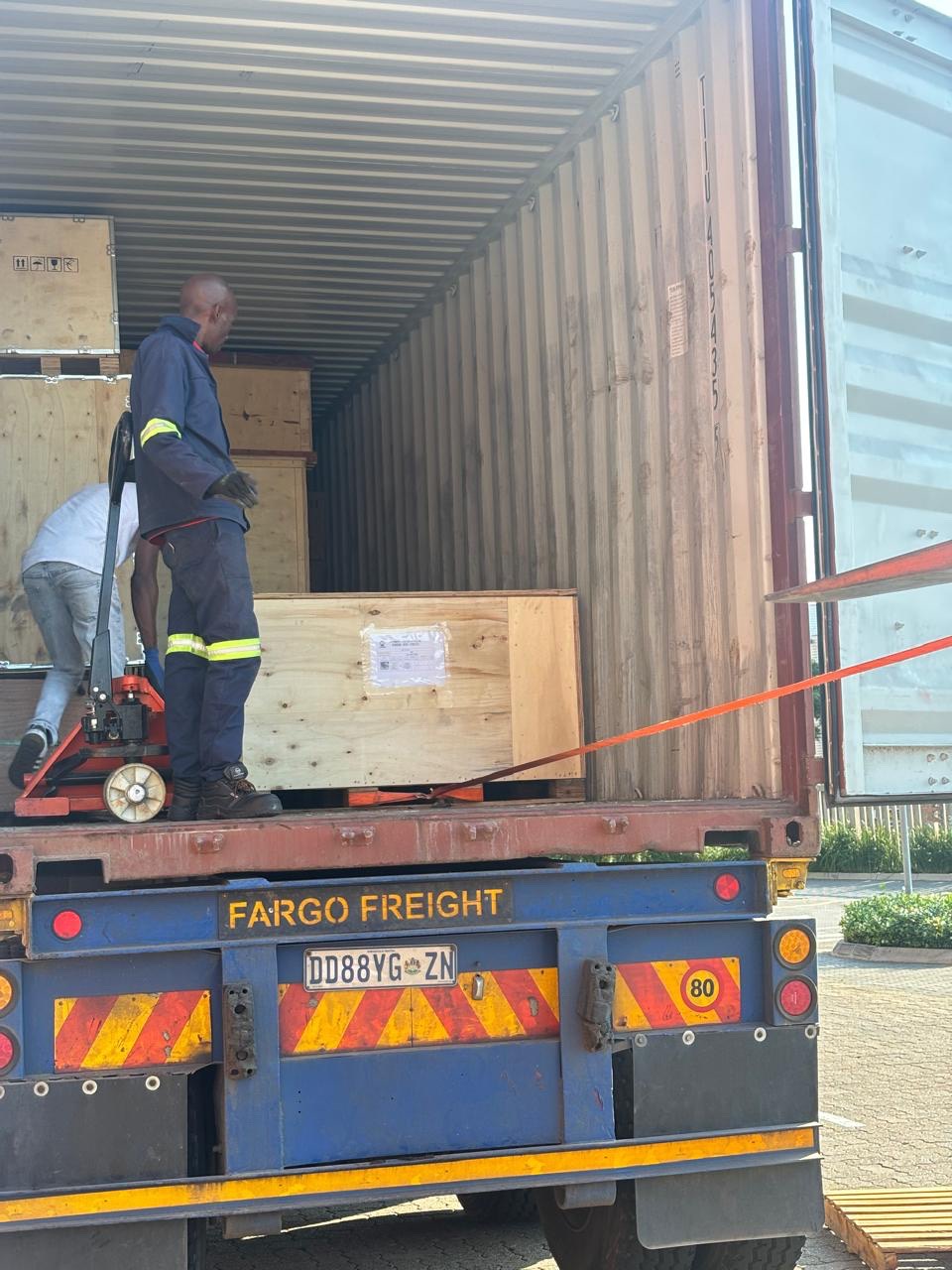
new arrivals
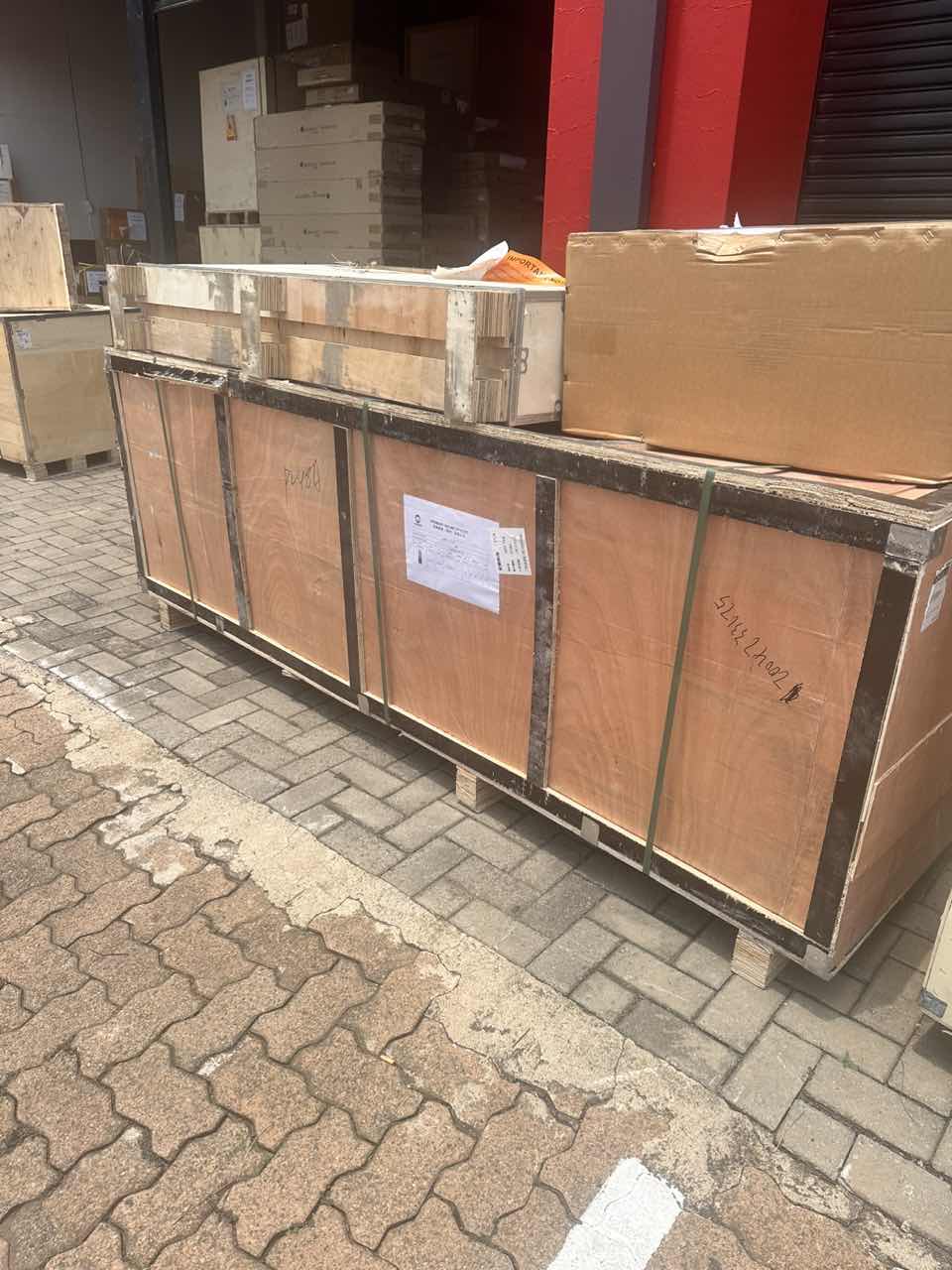
Pre Orders Offloading
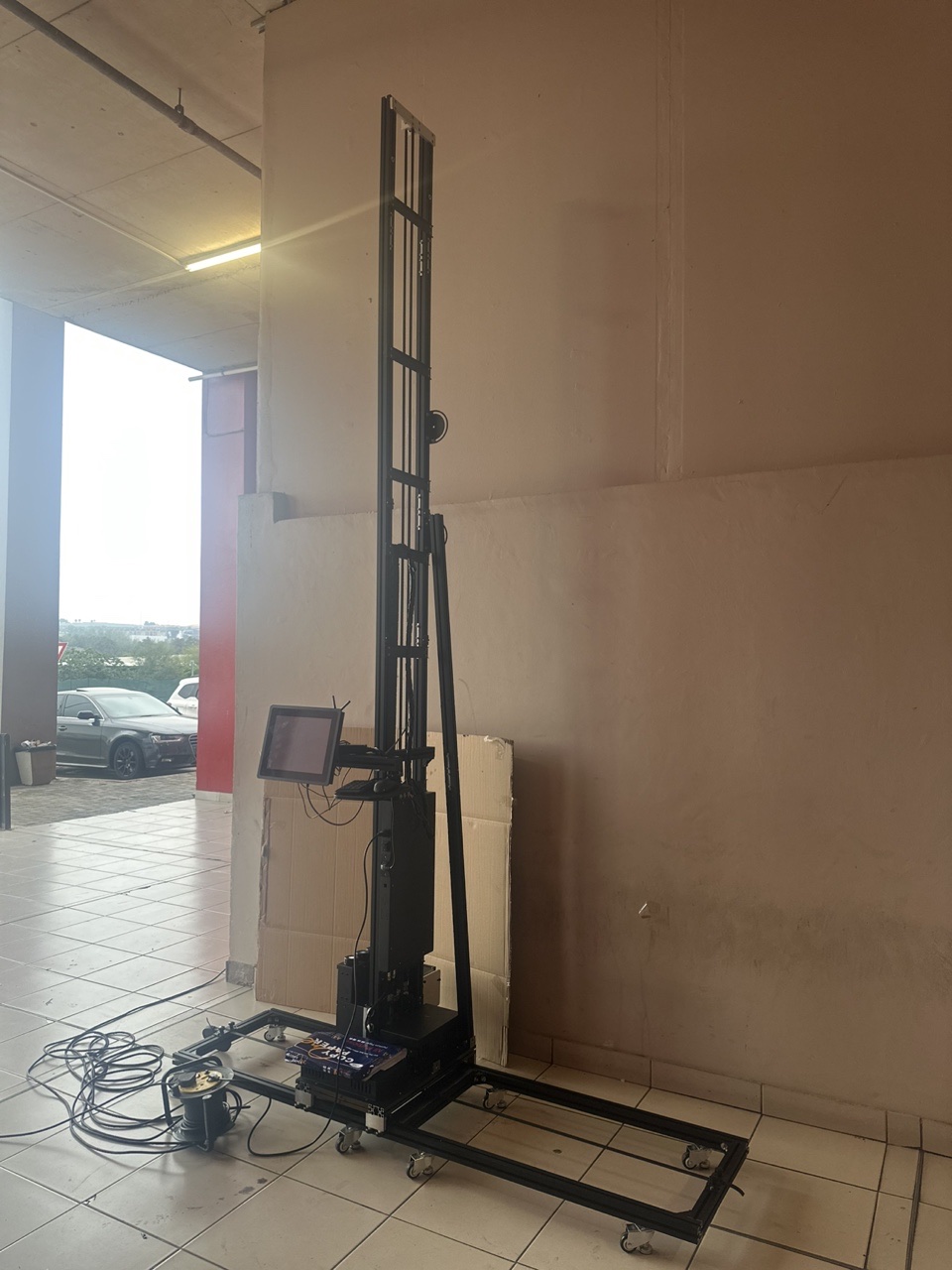
Latest Arrivals
Latest Arrivals
Latest Arrivals
Loading
Toilet paper making machine
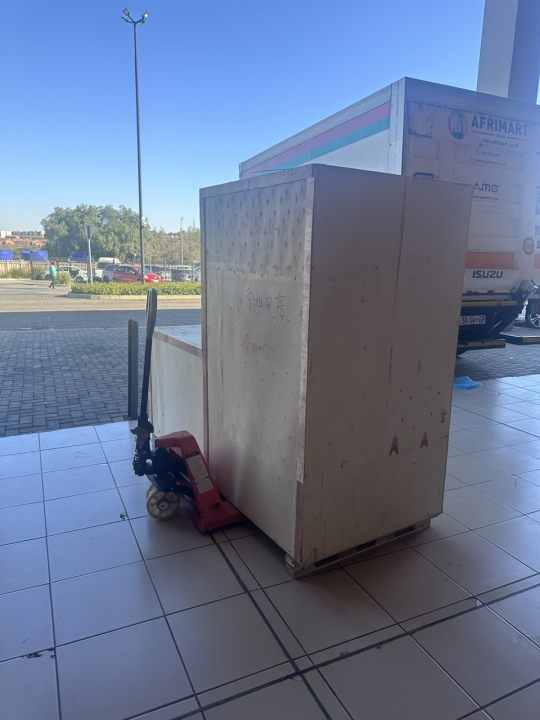
Toilet paper making machine
Toilet paper Rewinding Machine
latest arrivals
offloading
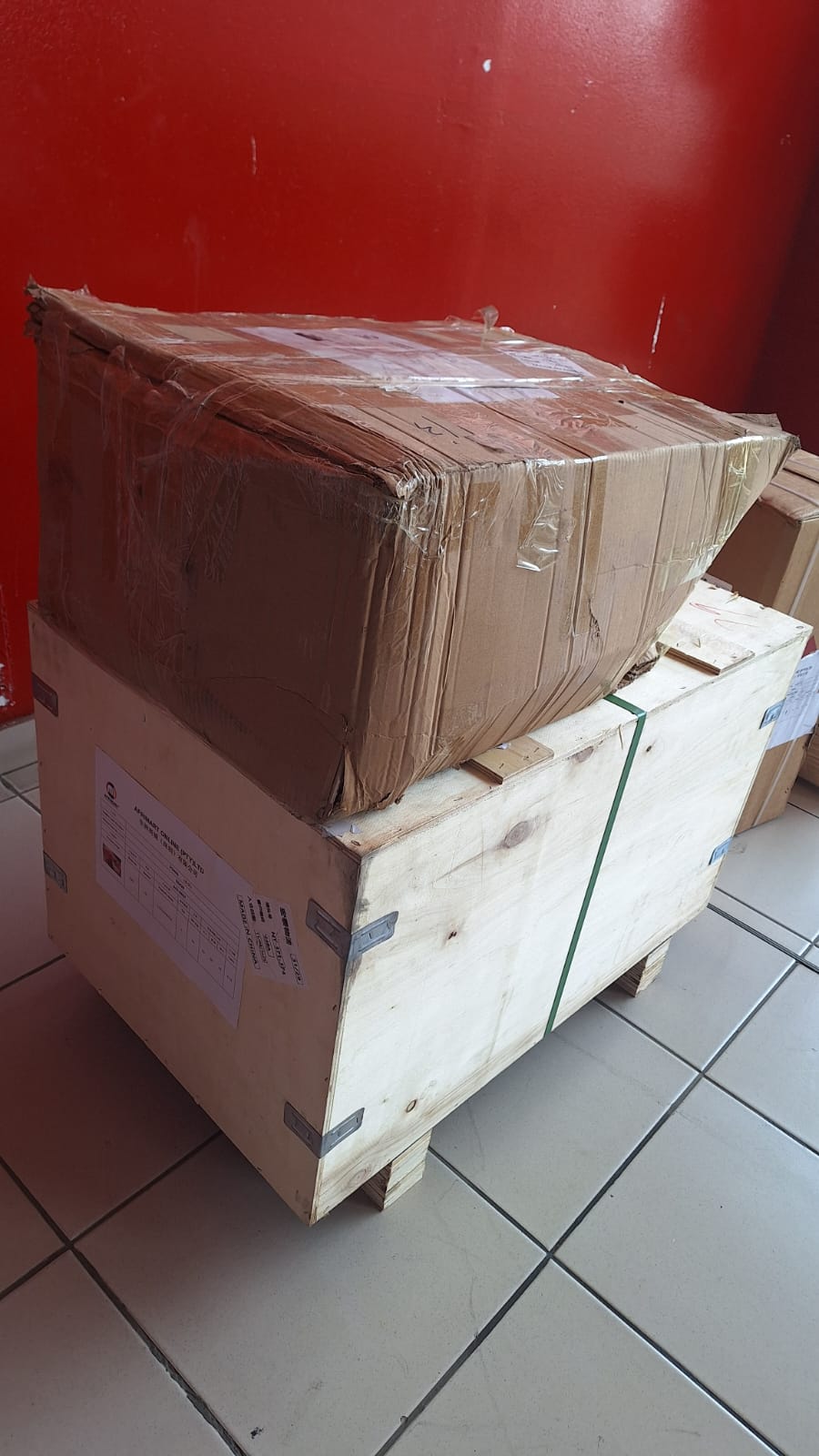
order success
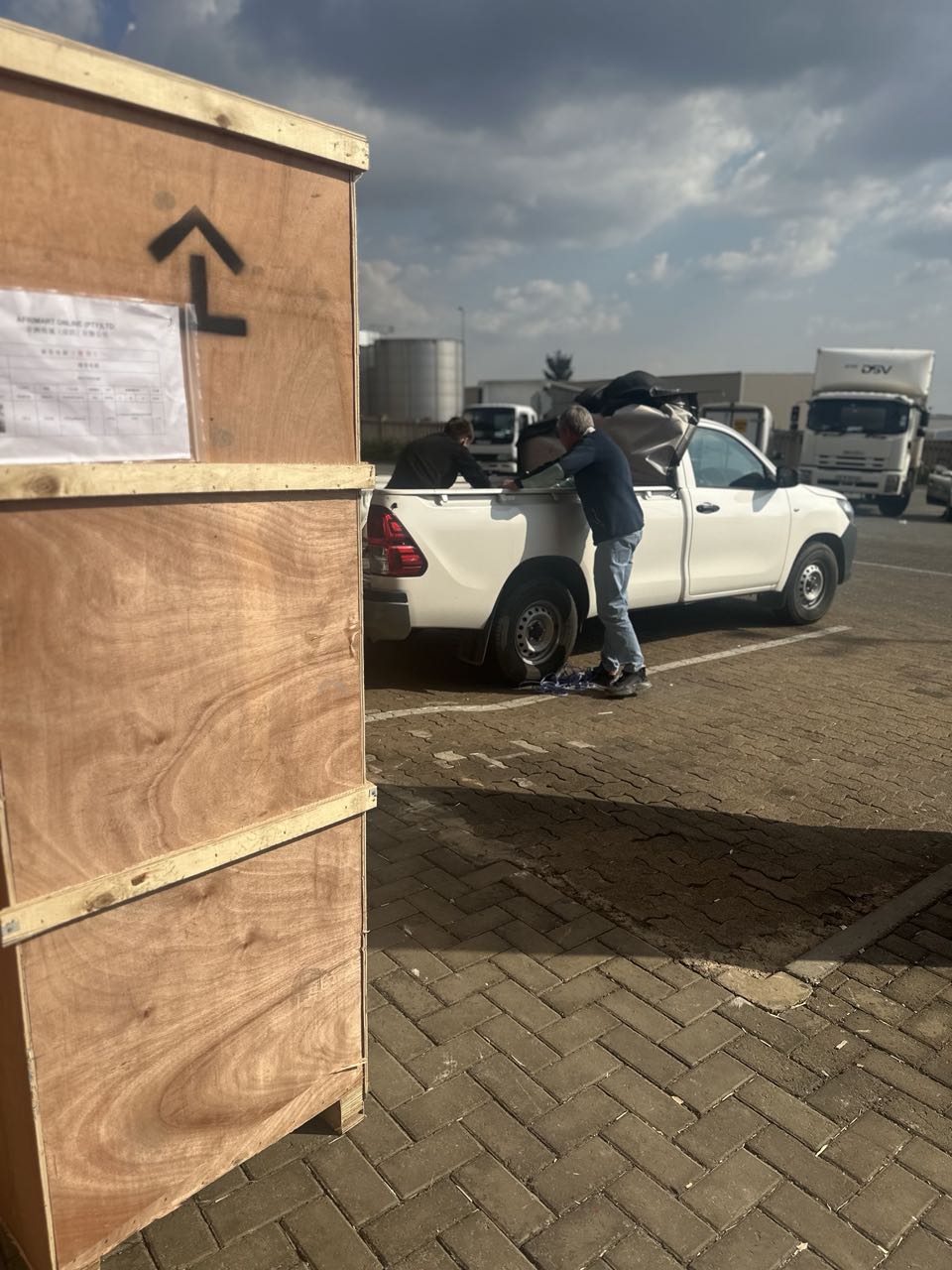
order collection
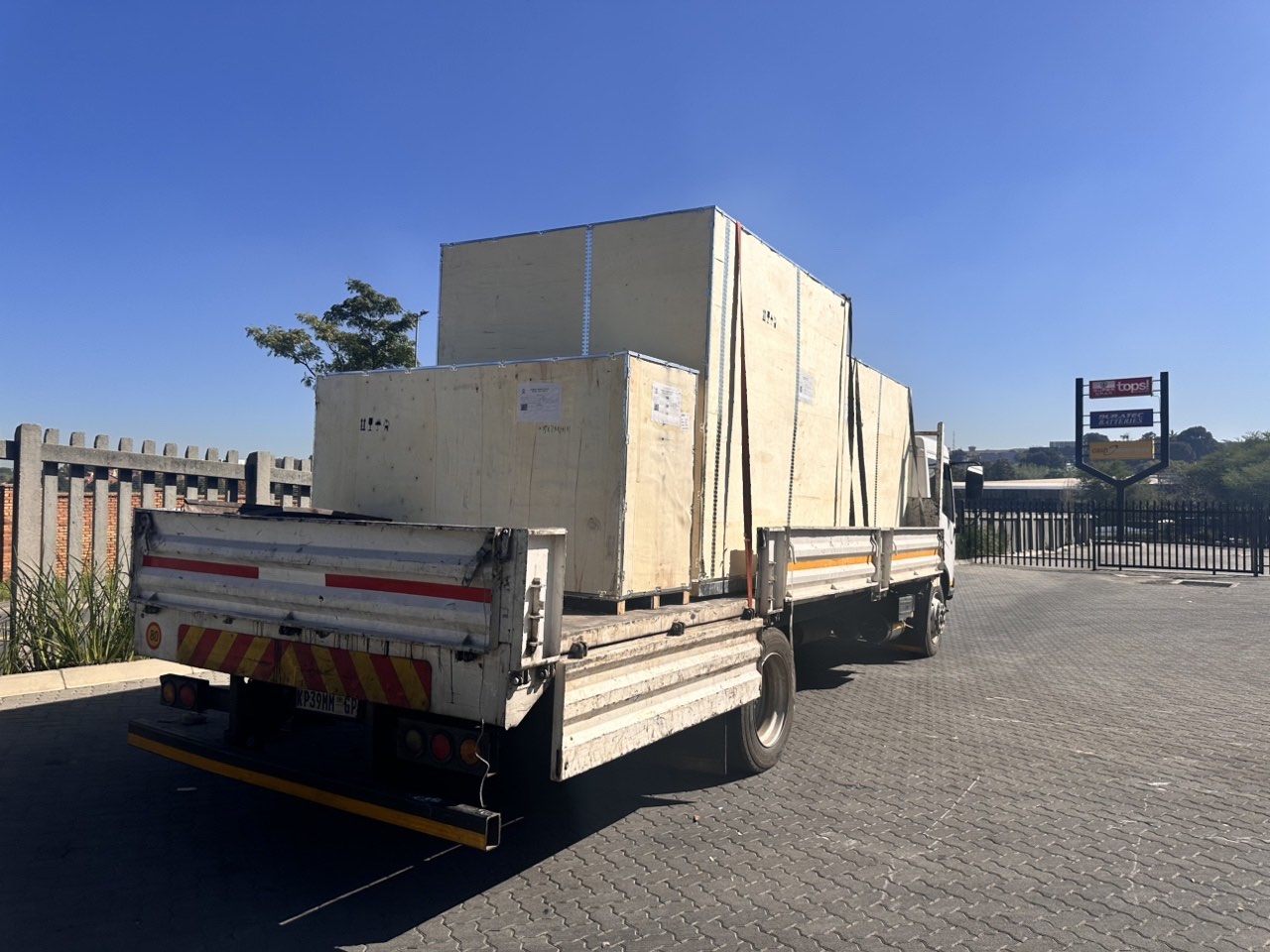
order offloading