B21, China Town Mall, Midrand

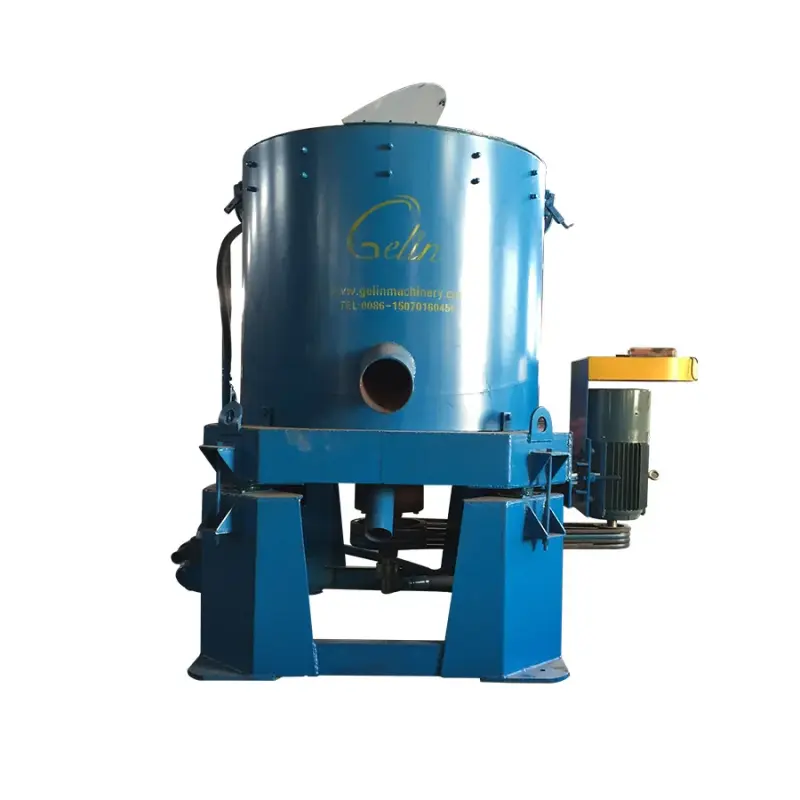
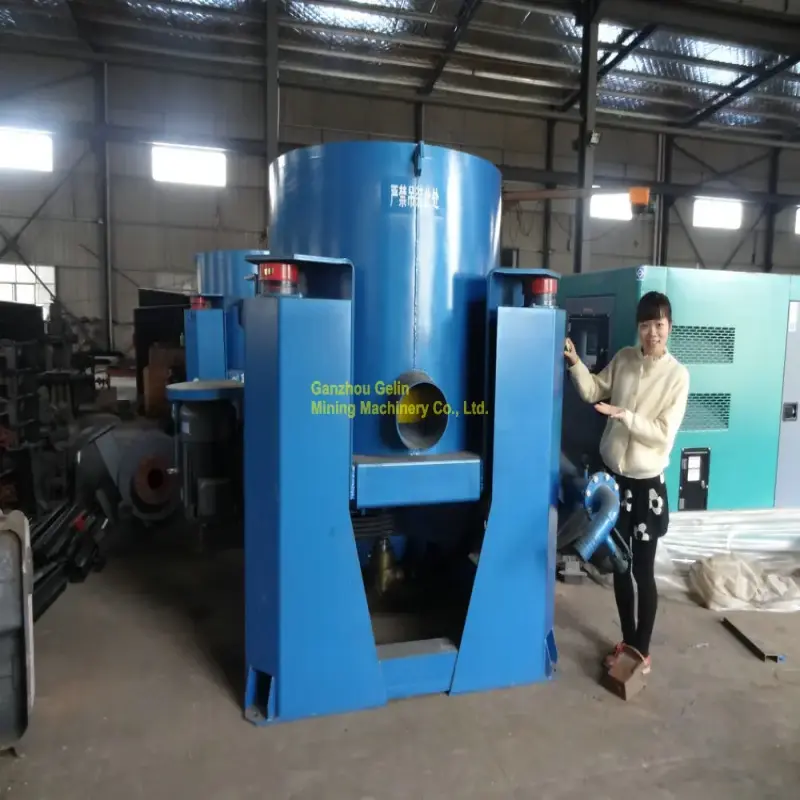
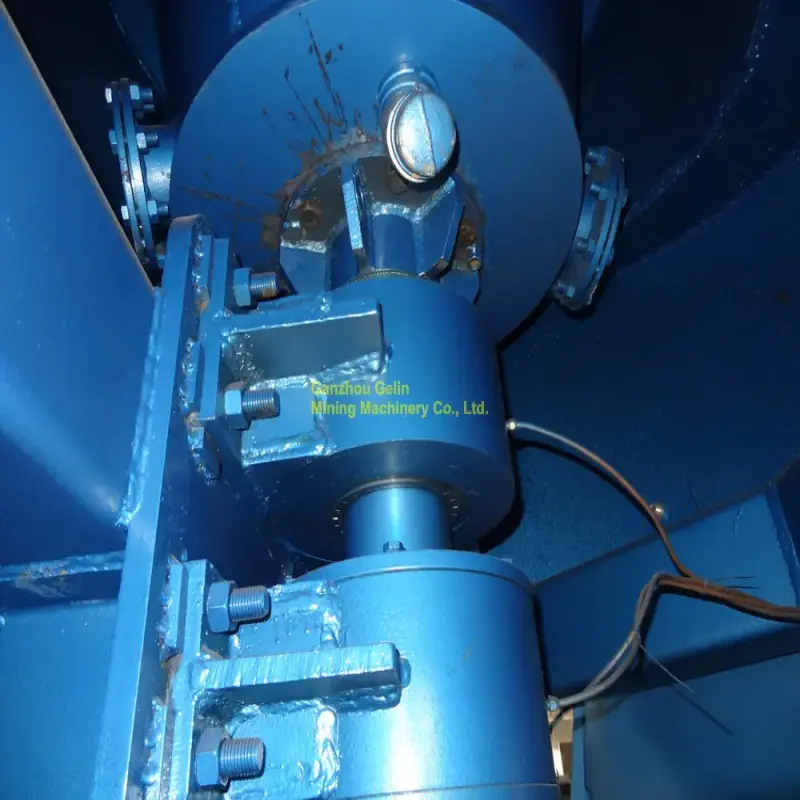
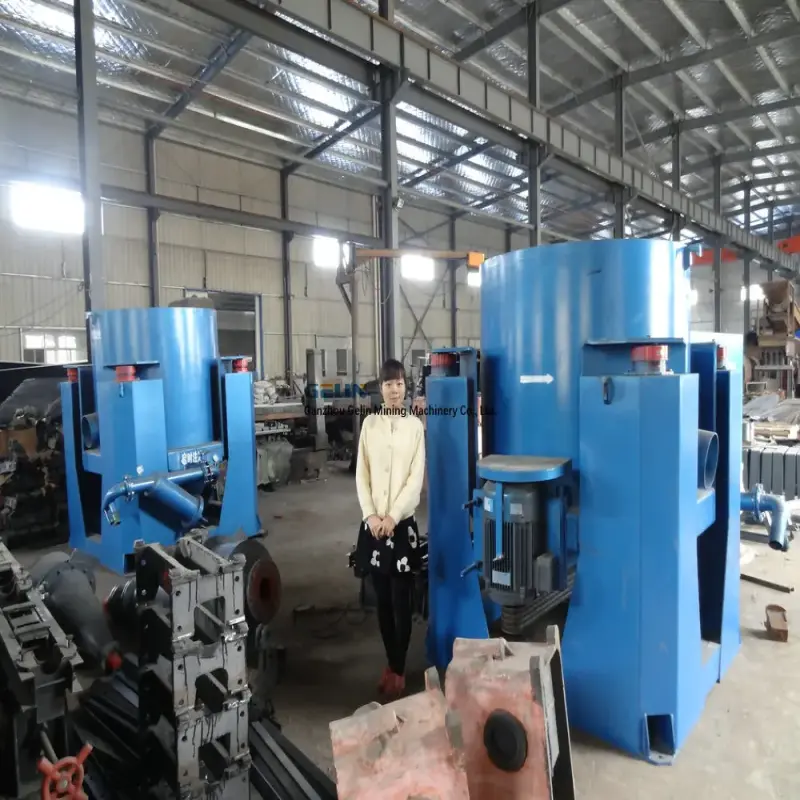
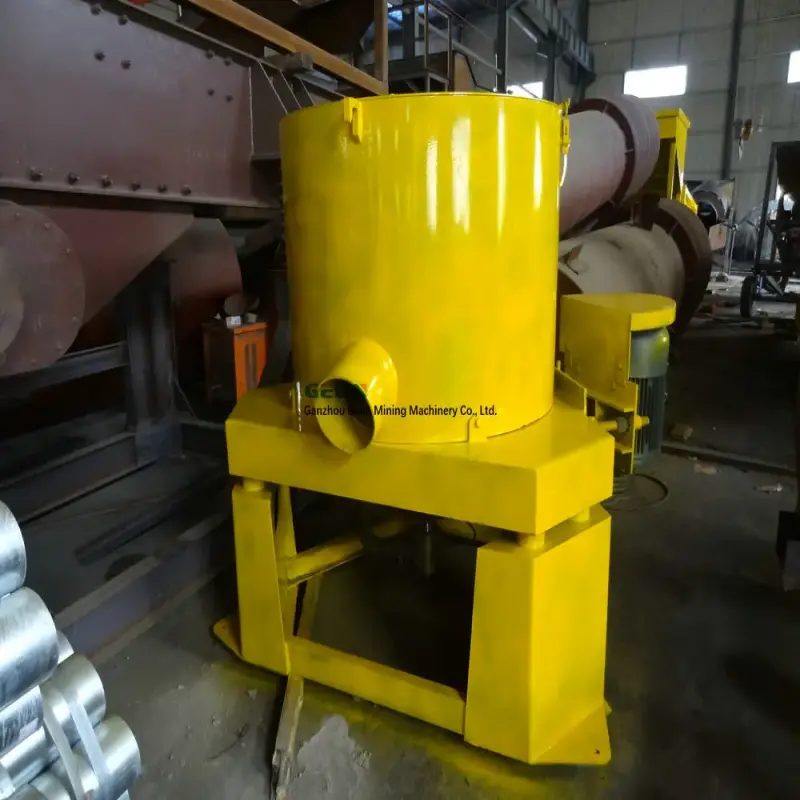
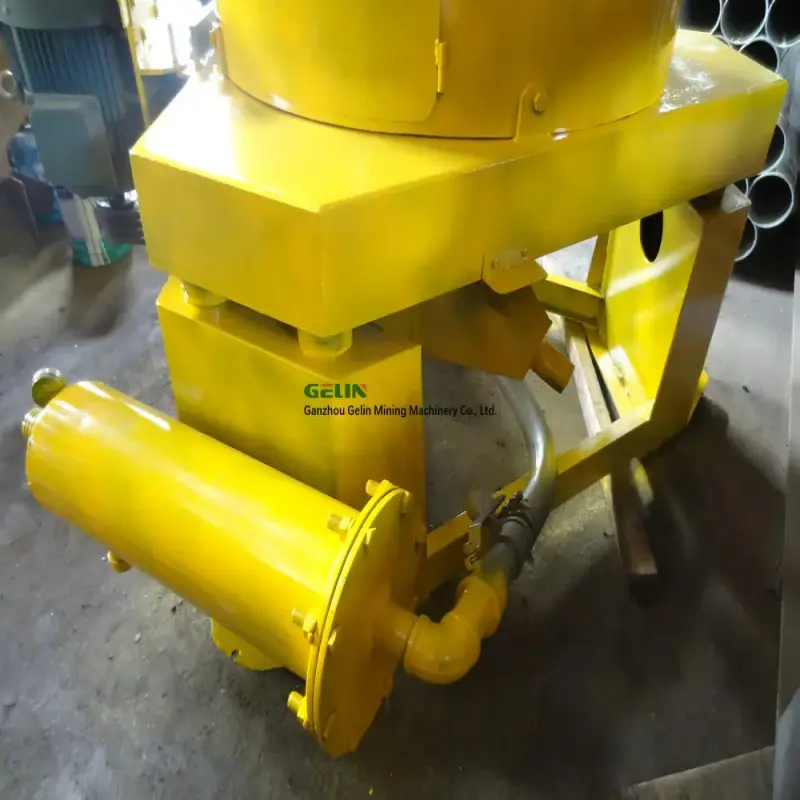
Automatic Gold Mining Equipment Centrifugal Gold Gravity Concentrator
Asset finance available
Do you want funding for this equipment?
Afrimart can connect you with trusted funding partners who specialise in asset finance for businesses like yours. Compare options and apply in minutes — final approval is subject to provider review.
Check funding options
Secure & no obligation

- Section : Machinery
- Category : Mining Machinery
- SKU : 1600958145521

Automatic Gold Mining Equipment Centrifugal Gold Gravity Concentrator
Product Description
Automatic Gold Mining Equipment Centrifugal Gold Gravity Concentrator

Gelin Gold Concentration Separator,also called centrifugal concentrator, is a new type of gravity concentration equipment for concentrating gold and other high density minerals.It is usually used for roughing separation during the gold separation flowchart to recover most of the useful minerals and get rid of most of the barren rocks.
Our factory provides different types with different capacities,semi-automatic type and full automatic type is available to sell too.

Features
1.High recovery rate: For placer gold,it will be 98% or more; for rock gold, it could reach 97% when the feeding size is below 0.04mm.
2.Large capacity and high efficiency.
3.Easy to install and adjust,the machine has Characteristics of integrity and simpleness utility,which makes it convenient to operate and change spare parts.
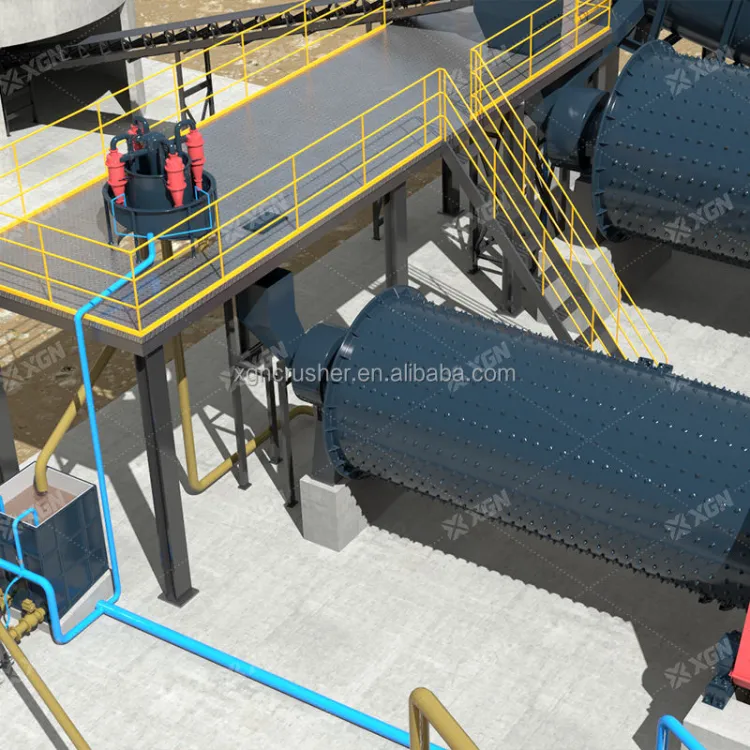
4.Eco-Friendly and low noise and no chemical agent involved.5.Small occupied area benefits to be a part of ore beneficiation plant.


Application&Successful Case
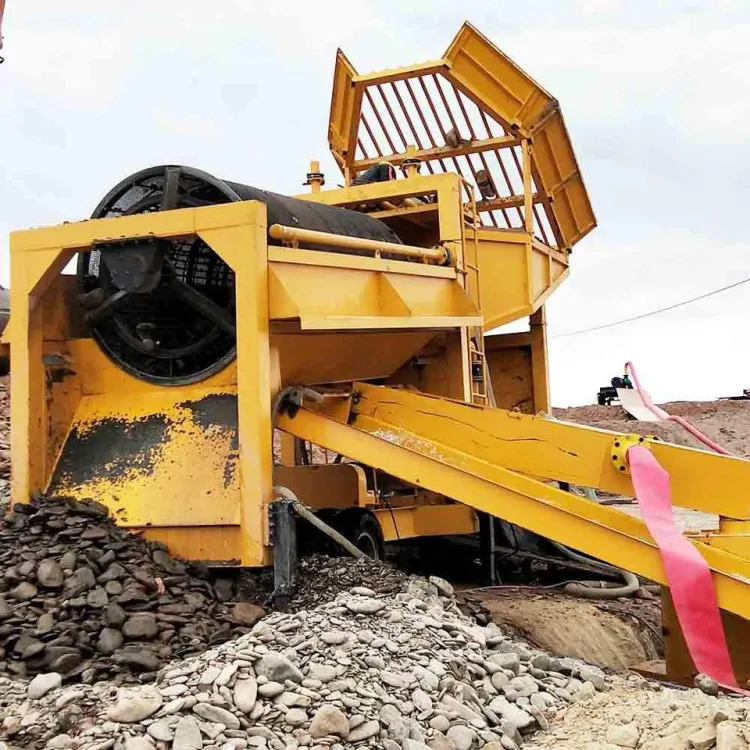
Centrifugal concentrator is widely used for the recovery of gold, tungsten, lead, manganese, iron, etc. We have exported to South Africa, Kenya,Congo,Indonesia,Pakistan,etc. and enjoy high reputation.

Working Principle
During operation, the lighter material flows upward over the grooves and heavy mineral particles (usually of economic value) become trapped within them.Pressurized water is injected through a series of tangential water inlets along the perimeter of each groove to maintain a fluidized bed of particles in which heavy mineral particles can be efficiently concentrated.

1. Access Door
2.Feeding Pipe
3. Drain Pan
4.Liner
5.Shell
6.Tailing Discharge Opening
7.Supporting Leg
8. Rack
9.Bearing Seat
10.Main Shaft
11.Rubber Seat
12.Spring
13.Motor
14.Belt
Technical Data
| TYPE | STLB20 | STLB30 | STLB60 | STLB80 | STLB100 |
| Capacity (T/H) | 0.2-0.3 | 2-3 | 10-15 | 35-45 | 60-120 |
| Feeding Size (mm) | 0-3 | 0-4 | 0-6 | 0-6 | 0-6 |
| Feeding Density(%) | 0-50% | ||||
| Water Required (T/H) | 1.5-2 | 4-6 | 10-15 | 17-25 | 40-60 |
| Output (kg/time) | 2-3 | 10-20 | 30-40 | 60-70 | 70-80 |
| Discharge Cycle (H) | 1-4 | 1-4 | 1-4 | 1-4 | 1-4 |
| Power (kw) | 0.75 | 1.5 | 5.5 | 11 | 18.5 |
| Rotary Speed (r/min) | 800 | 600 | 460 | 400 | 360 |
| Pressure Water | 20 | 120 | 400 | 1200 | 1500 |
| Weight (T) | 0.25 | 0.5 | 1.2 | 1.5 | 2 |
| Approximately Dimension (mm) | 790x785x790 | 1180x1140x1250 | 1970x1670x1750 | 2300x1800x2200 | 2500x2000x2400 |
- Shipping Timeframes: All orders are processed within 2-5 business days (excluding weekends and holidays). After your order has been processed, the estimated delivery time is before 06 Aug, 2026, depending on customs, Please note that due to high demand, some items may experience longer shipping times, which will be communicated at order confirmation email.
- Order Processing Time: Please allow 2-5 business days for us to process your order before it is shipped . Orders placed after 16:00 on Fridays, or during weekends and public holidays, will begin processing on the next business day. Processing times may be extended during peak seasons or sales events.
- Manufacturing Time: Some products needs manufacturing time, the manufacturing process will take approximately 10-30 business days depending on the product. This timeframe may vary depending on the complexity of the product and current demand. but this will be communicated with you during order confirmation.
- Returns and Exchanges: We offer a 30-day return policy for most items. If you are not completely satisfied with your purchase, you may return it within 30 days of receipt for a refund or exchange. Items must be unused, in their original packaging, and accompanied by proof of purchase. Return shipping costs are the responsibility of the customer, unless the item was damaged or defective upon arrival.
1. What is the Automatic Gold Mining Equipment Centrifugal Gold Gravity Concentrator?
It is a Gelin centrifugal concentrator — a gravity concentration machine that uses high G-forces and pressurized water to recover gold and other high-density minerals. It is typically used in the roughing stage to recover most valuable minerals and discard barren rock.
2. What minerals can this centrifugal concentrator recover?
It is suitable for recovering gold (placer and rock), tungsten, lead, manganese, iron and other high-density minerals.
3. What recovery rates can I expect?
For placer gold the recovery rate can be 98% or higher. For rock gold, recovery can reach about 97% when the feed particle size is below 0.04 mm.
4. What models and capacities are available?
Models include STLB20, STLB30, STLB60, STLB80 and STLB100. Combined across models the capacity range is approximately 0.2–120 t/h depending on model and feed conditions.
5. What are the typical power, rotary speed and water requirements?
Across models typical power ratings run from about 0.75 kW up to 18.5 kW. Rotary speeds range roughly 360–800 r/min. Pressurized water requirements vary by model from about 1.5 to 60 t/h. Refer to the specific model technical table for exact figures.
6. What feed size and feed density does the machine accept?
The concentrator is designed for fine feed; best rock-gold recovery occurs when feed is finer than 0.04 mm. Feed density can be adjusted but typical operating density is up to about 50% solids by weight — check the chosen model spec for limits.
7. What is the working principle of the centrifugal concentrator?
High-speed rotation generates centrifugal forces that drive heavier particles into grooves in the rotor. Pressurized tangential water creates a fluidized bed so heavy particles are trapped while lighter material flows out, enabling efficient gravity concentration.
8. What is the difference between semi-automatic and full-automatic types?
Semi-automatic units require manual monitoring and some manual control of feed and discharge, while full-automatic units include automated feed control, discharge timing and possibly integrated PLC controls for less operator intervention and more consistent operation.
9. How easy is installation and operation?
The machine is designed for simple installation and adjustment, with an integrated structure and straightforward spare parts replacement. Basic mechanical and electrical skills are sufficient for setup; full installation support can be arranged through the supplier.
10. What spare parts should I keep on hand?
Common spare parts include liners, belts, bearings, springs, rubber seats, main shafts, and motors. Keep wear parts such as liners and belts available to minimize downtime.
11. Is the machine environmentally friendly?
Yes. The concentrator operates with low noise, causes minimal dust, and does not require chemical reagents — making it an environmentally friendly option for gravity recovery.
12. How often should I perform maintenance and cleaning?
Daily visual inspections are recommended (check feed, water lines, seals, belt tension). Clean liners and grooves after each shift or campaign depending on ore abrasiveness. Perform scheduled bearing, belt and lubrication checks per manufacturer guidance (e.g., weekly or monthly) and replace worn parts promptly.
13. Can this equipment be integrated into an existing beneficiation plant?
Yes. The concentrator has a relatively small footprint and is suitable for inclusion in gravity separation circuits or used as a rougher ahead of downstream processing. Selection of the appropriate model depends on required throughput and feed characteristics.
14. Do you provide testing, customization, and global delivery?
Yes. The manufacturer has exported to countries including South Africa, Kenya, Congo, Indonesia and Pakistan. They typically offer sample testing services, model selection advice, and can customize unit configurations. Contact the sales team for quotations, lead times and factory test options.
15. How do I choose the right model for my application?
Choose based on desired throughput (t/h), typical feed particle size and feed concentration, available water and power, and available floor space. If uncertain, provide a sample and process conditions to the supplier so they can recommend the optimal model and settings.
Latest Order Arrivals
Discover our latest orders
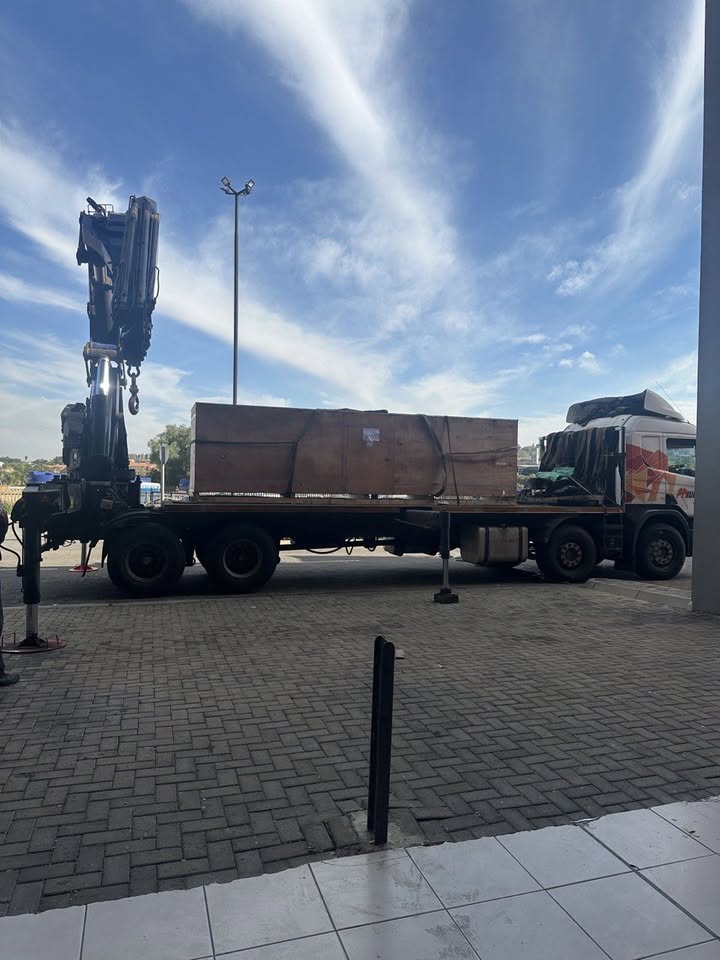
12 Heads Embroidery Machine
Toilet Paper Machine Machine
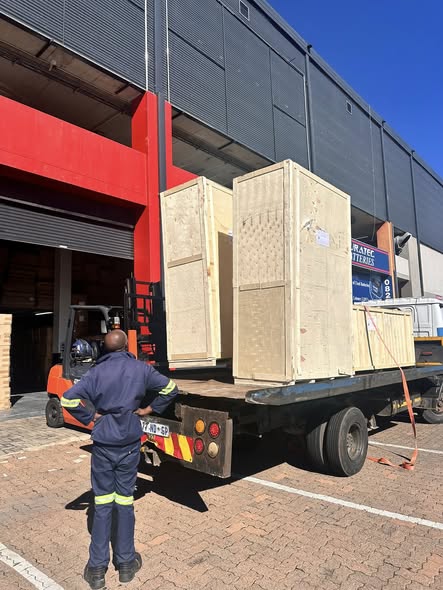
Order Collection
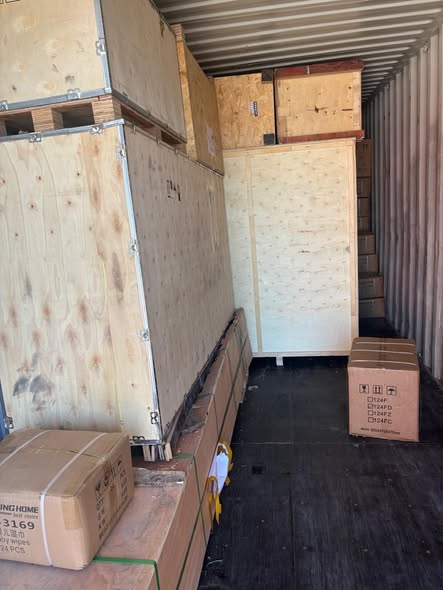
Cross Border Clients
Order cros border countries Collected
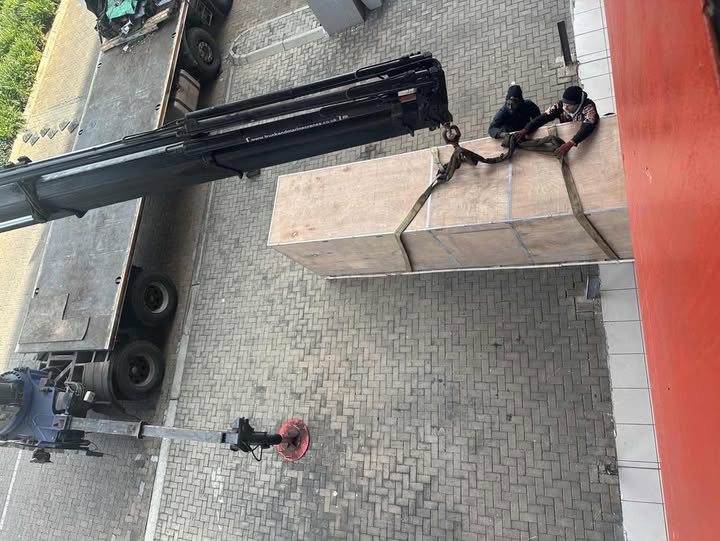
Industrial Machine Cllection
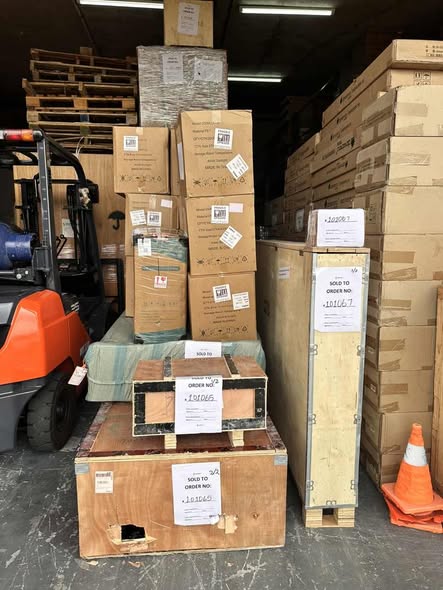
Agriculture Processing Machines
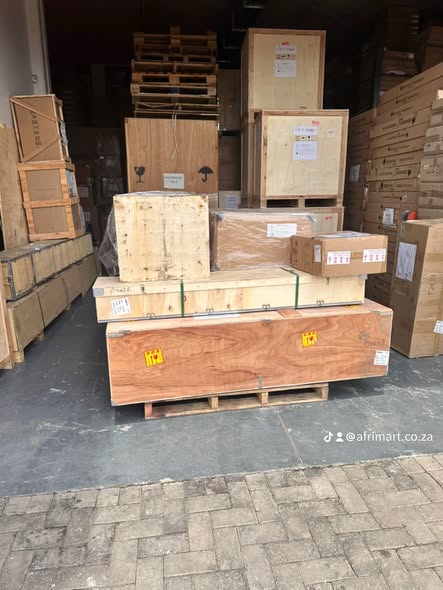
Ready for collection
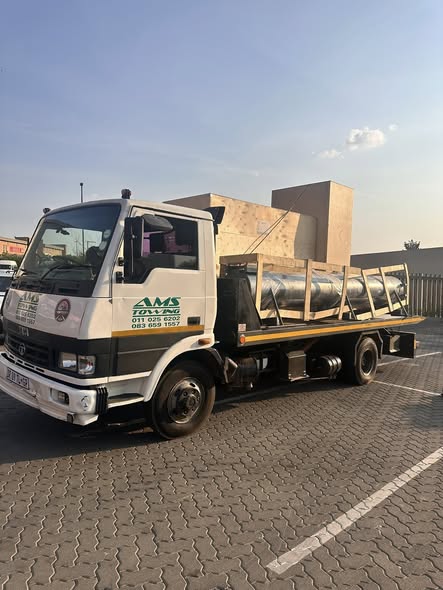
Water Pump Equipment
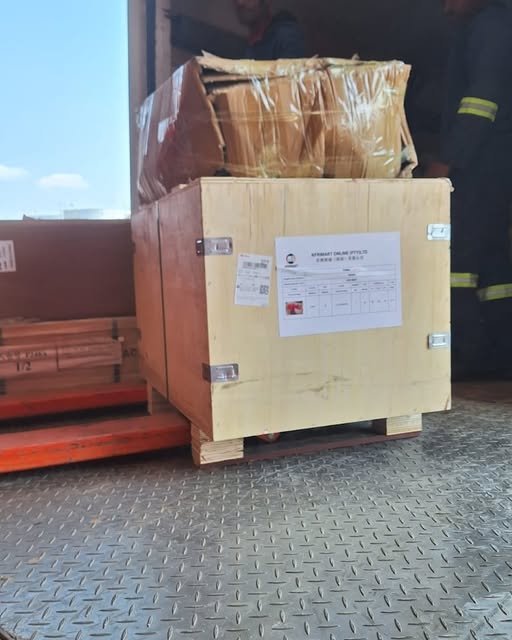
Packaging Machine and accessories
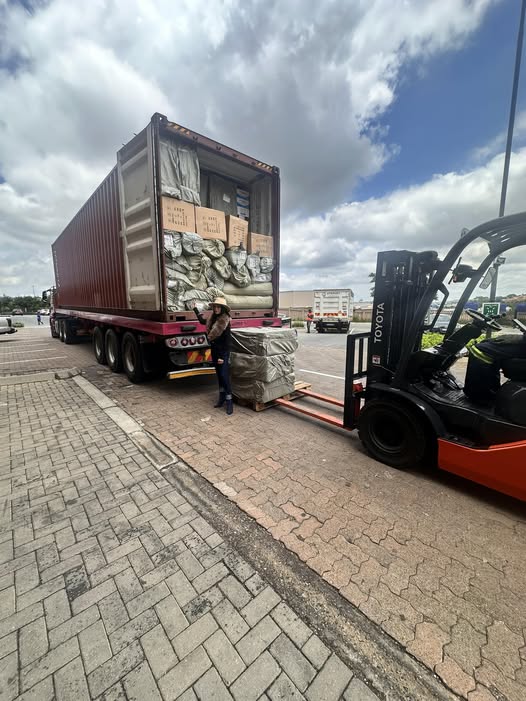
Fabrics Manufacturing Equipment
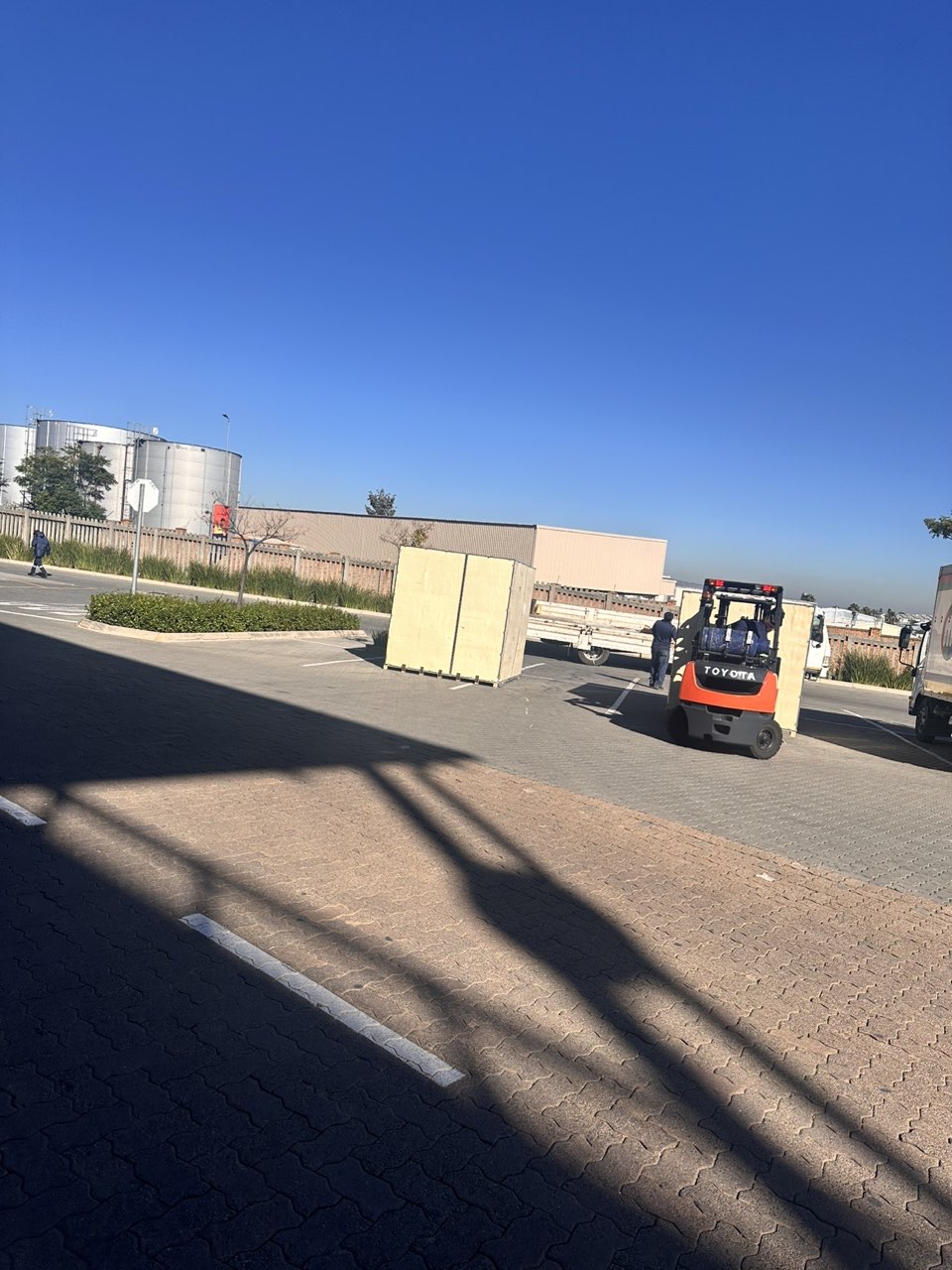
Mining Equipments
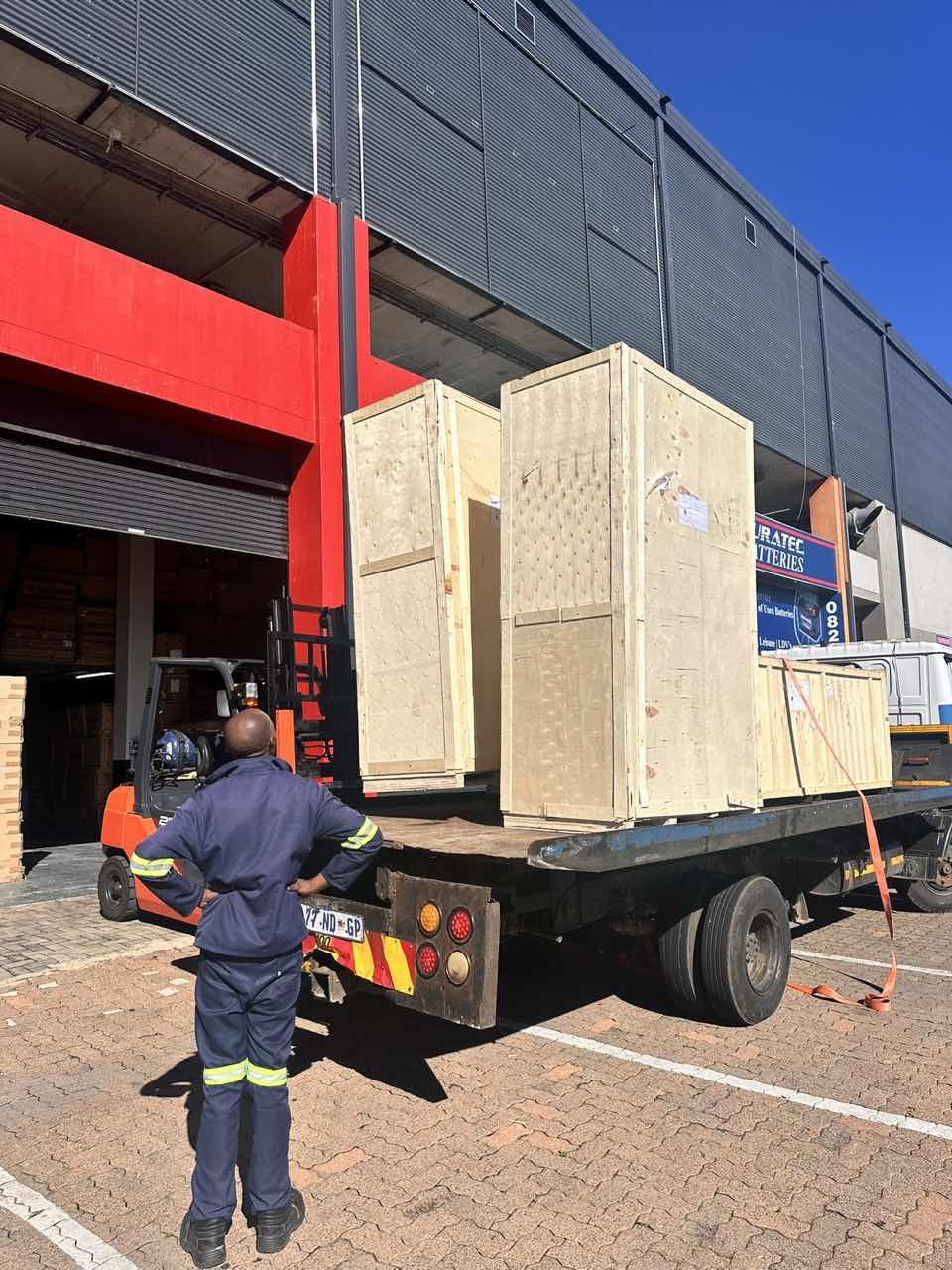
Food Processing Machine
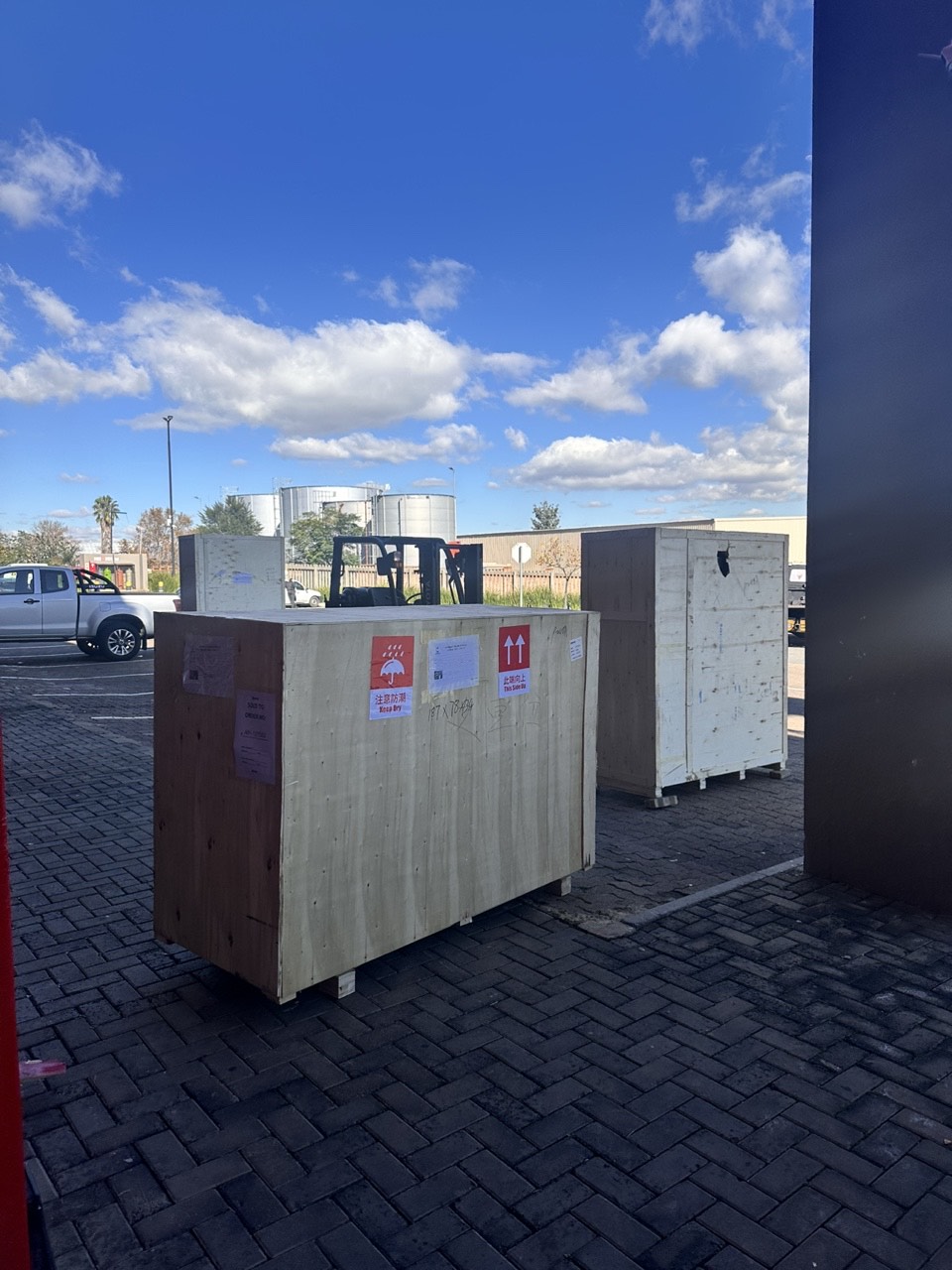
Batch of Orders
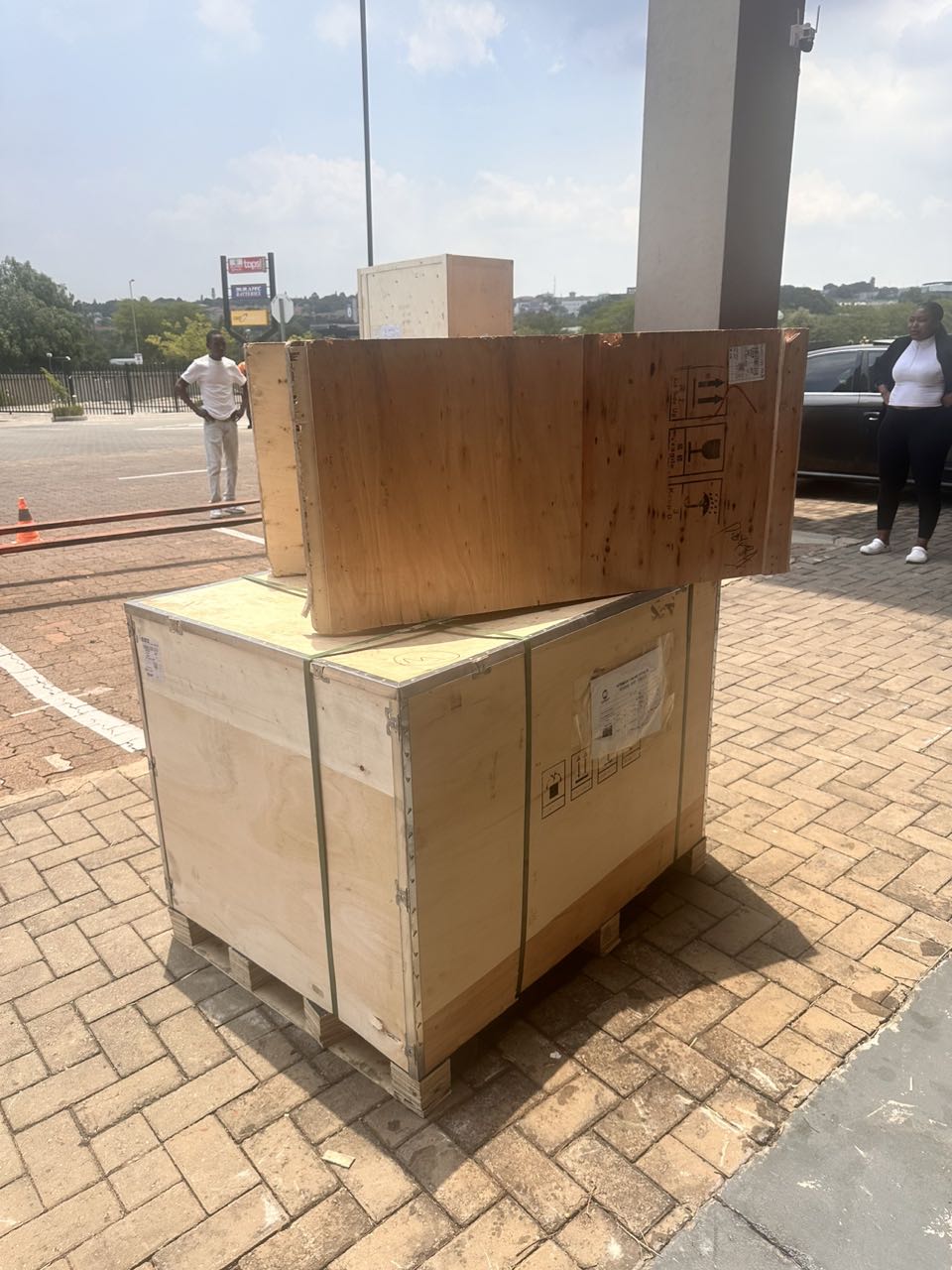
Batch of Orders
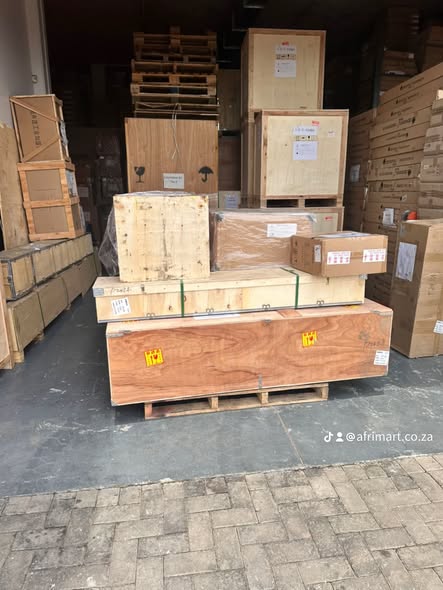
Latest Orders Labelled
wheel alignment machines
new arrivals
Pre Orders Offloading
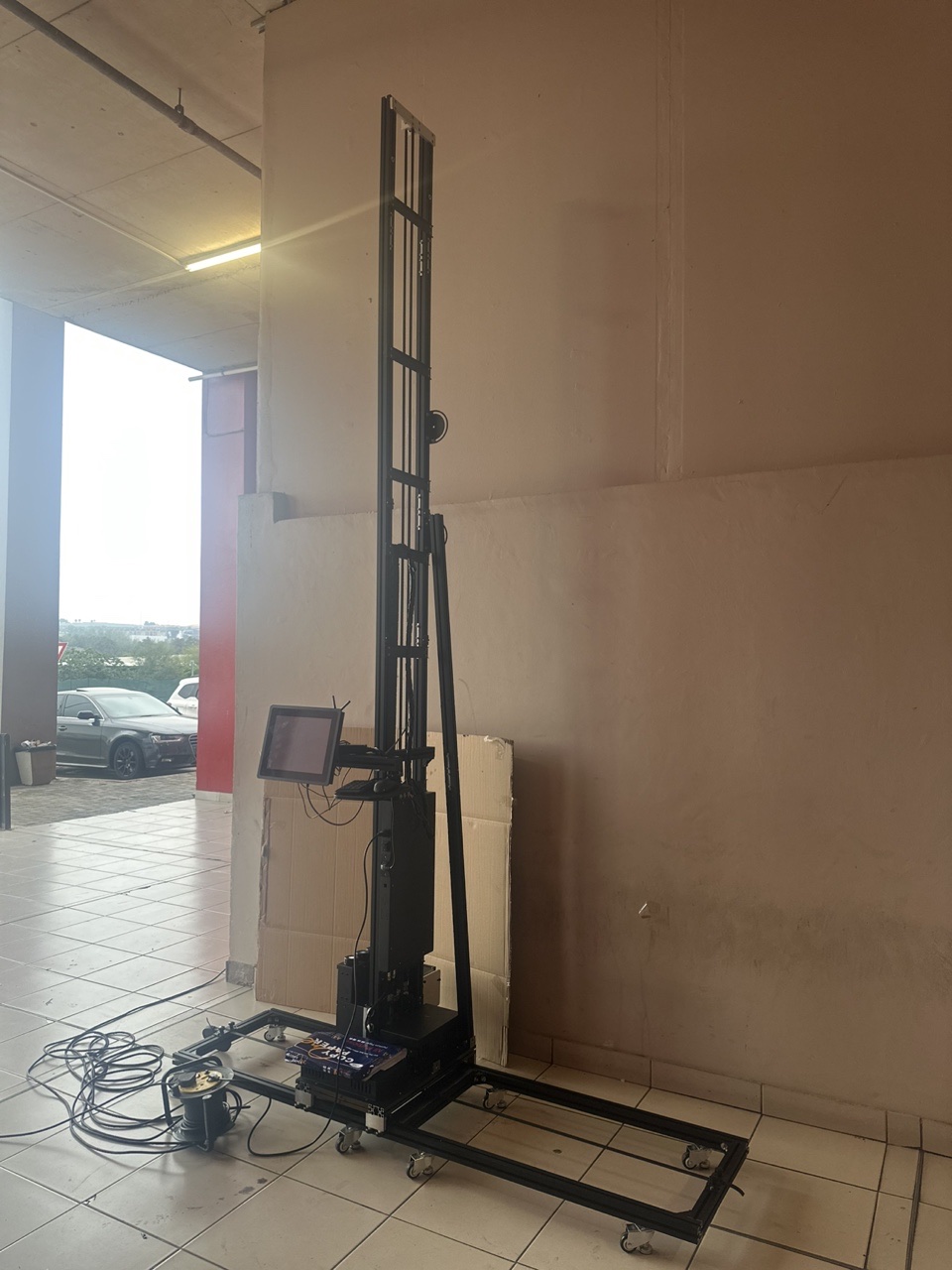
Latest Arrivals
Latest Arrivals
Latest Arrivals
Loading
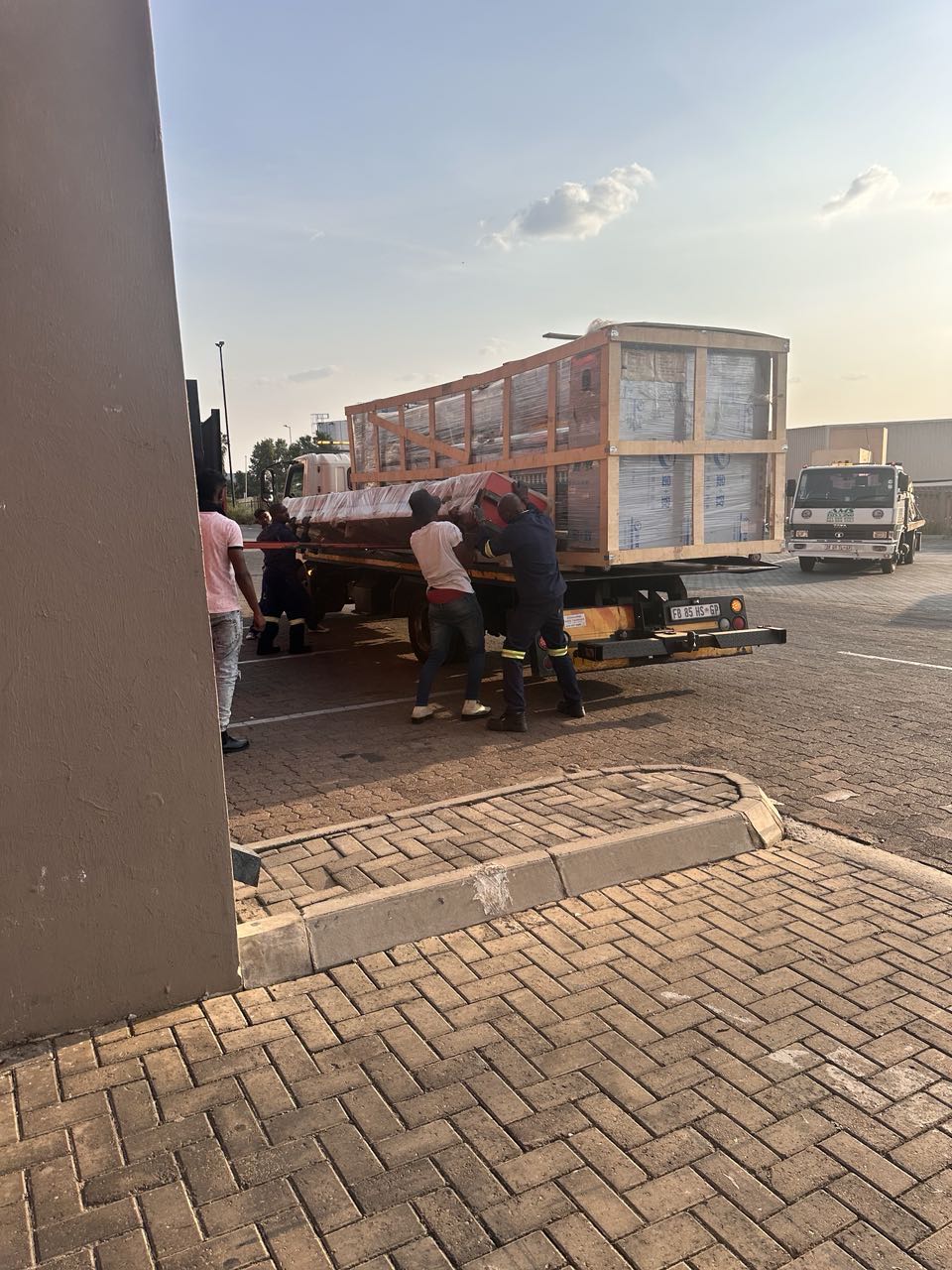
Toilet paper making machine
Toilet paper making machine
Toilet paper Rewinding Machine
latest arrivals
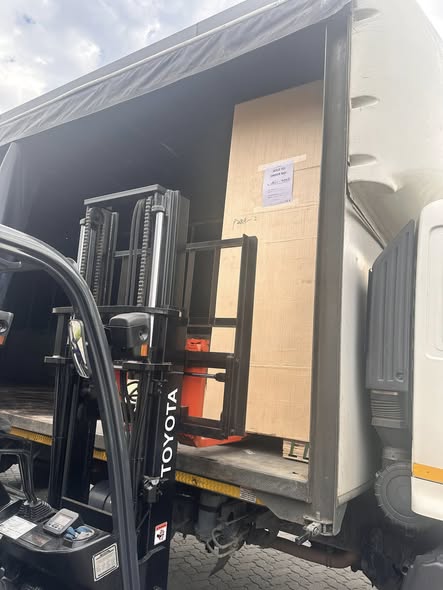
offloading
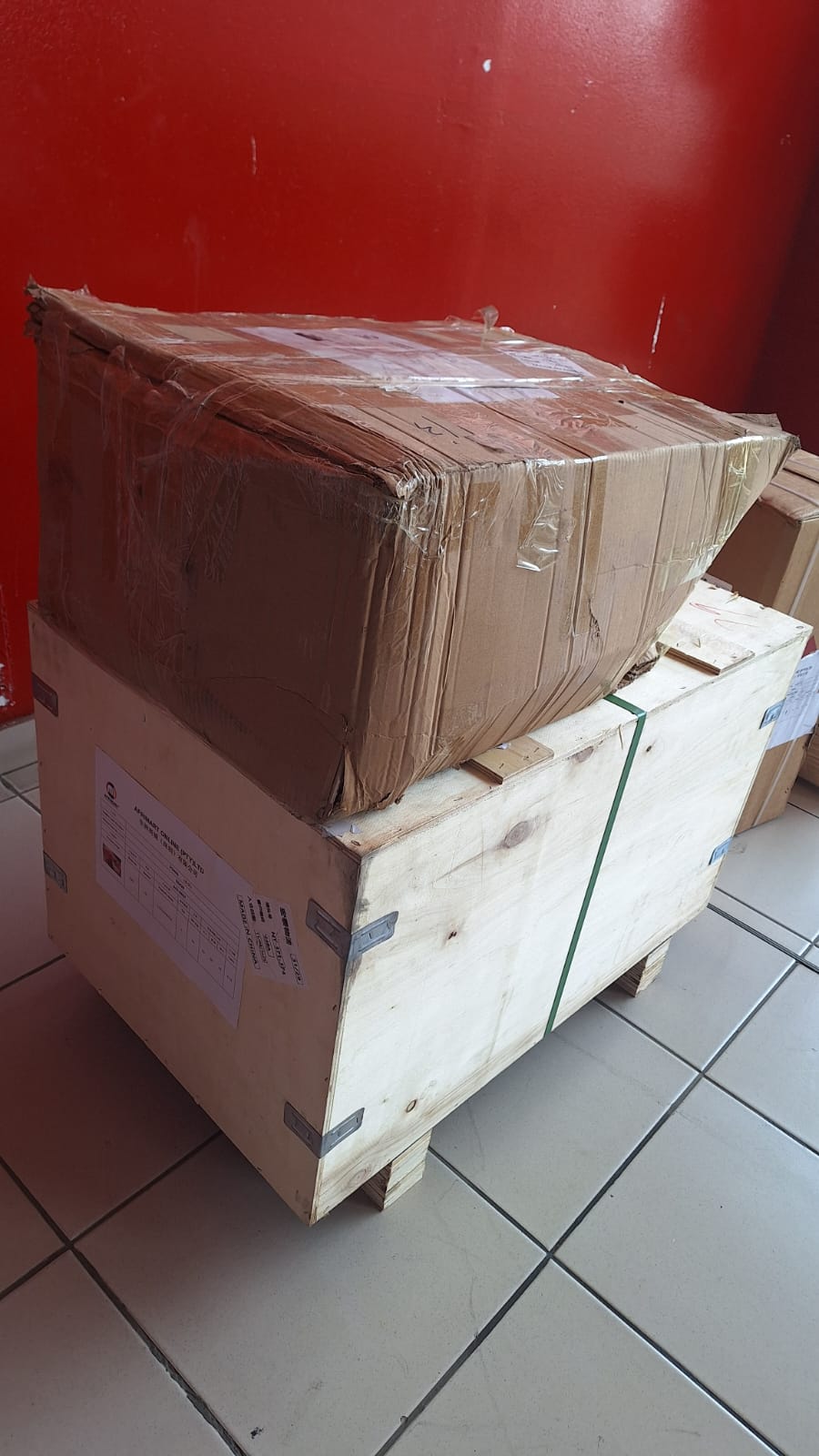
order success
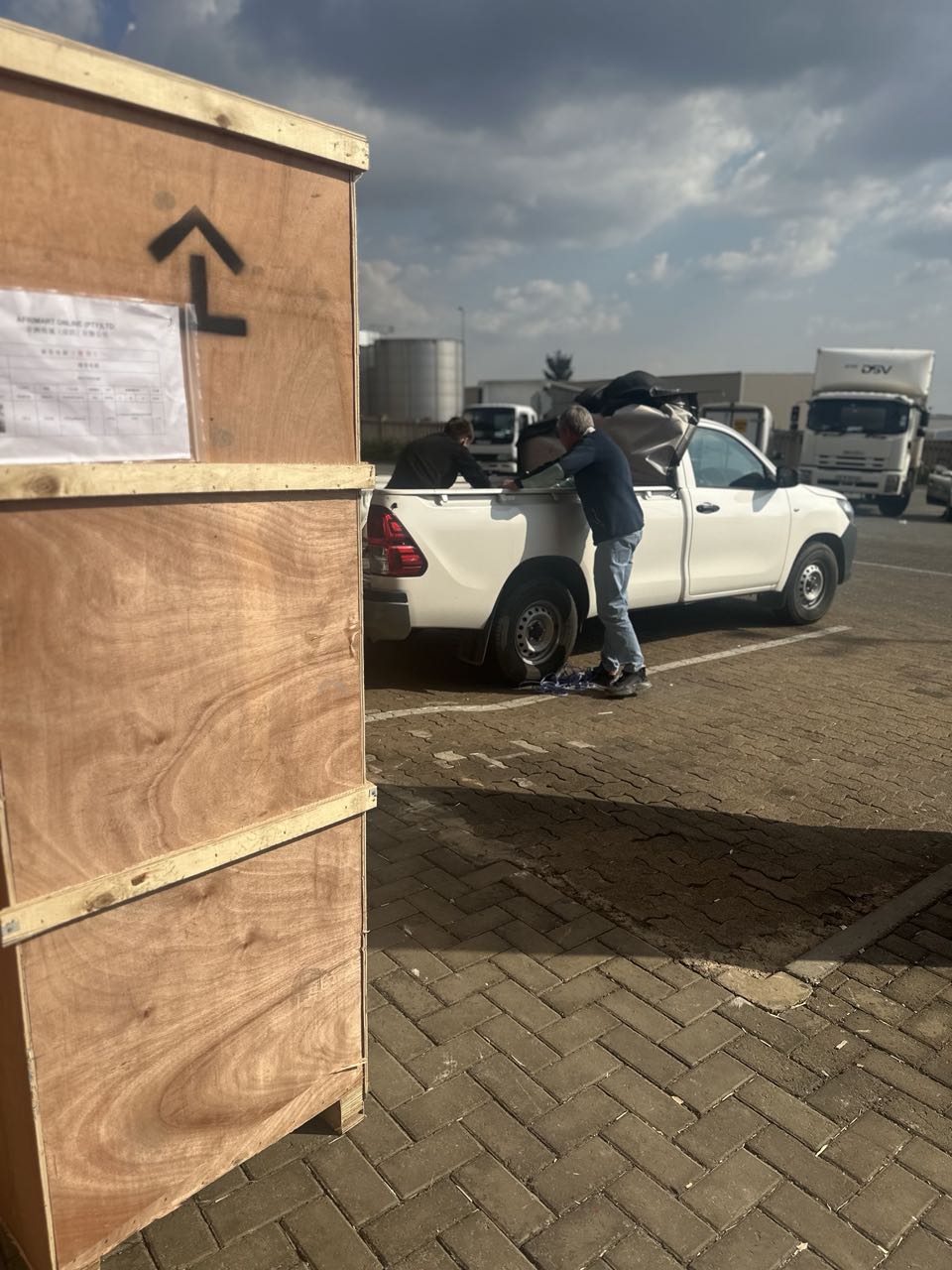
order collection
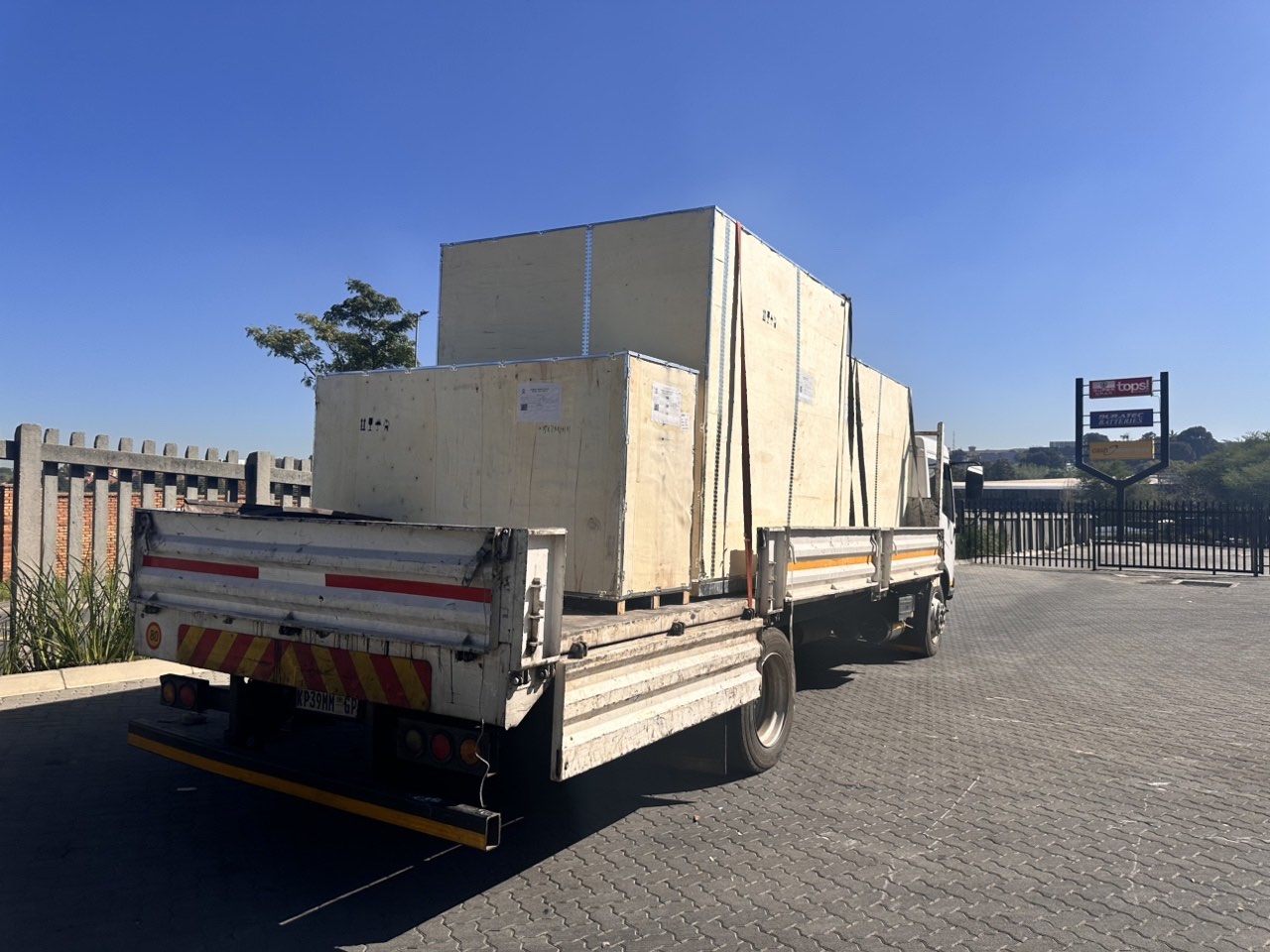
order offloading