B21, China Town Mall, Midrand

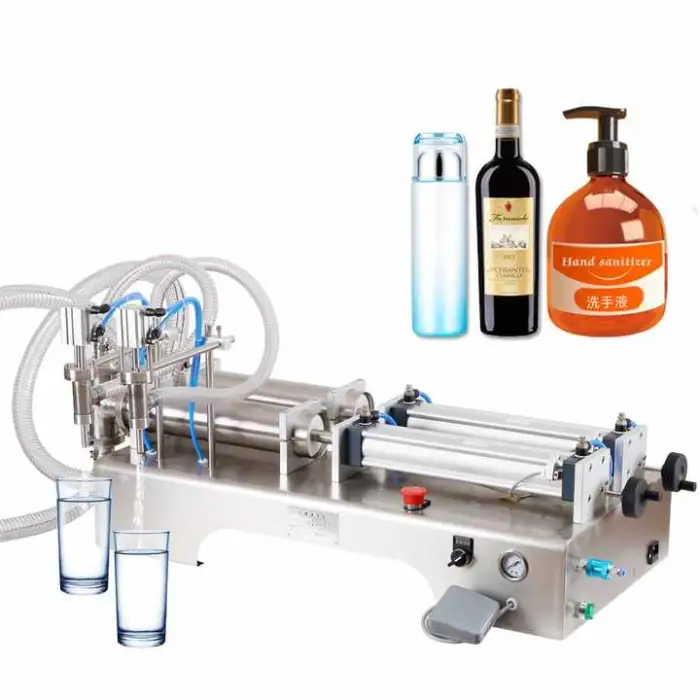
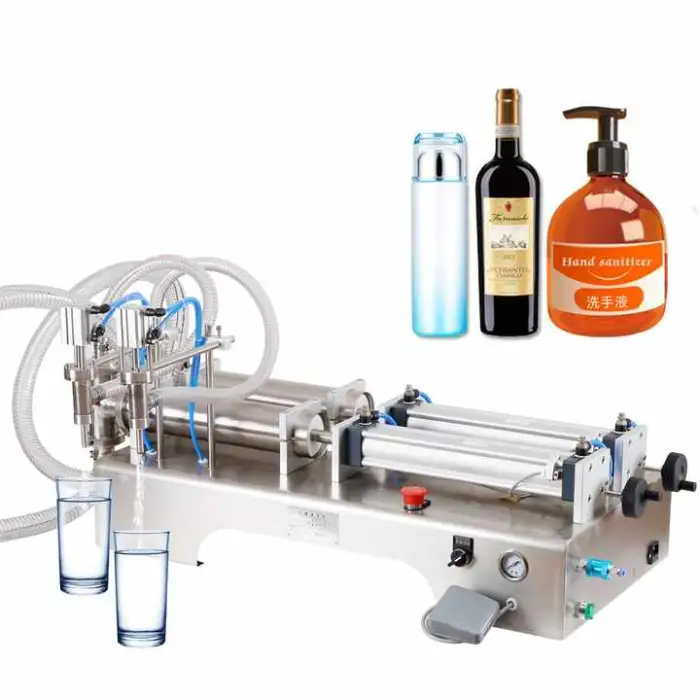
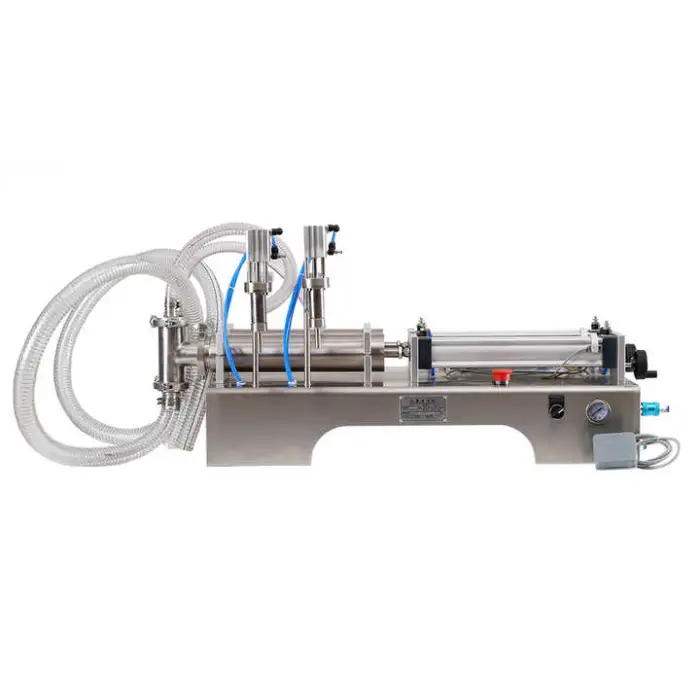
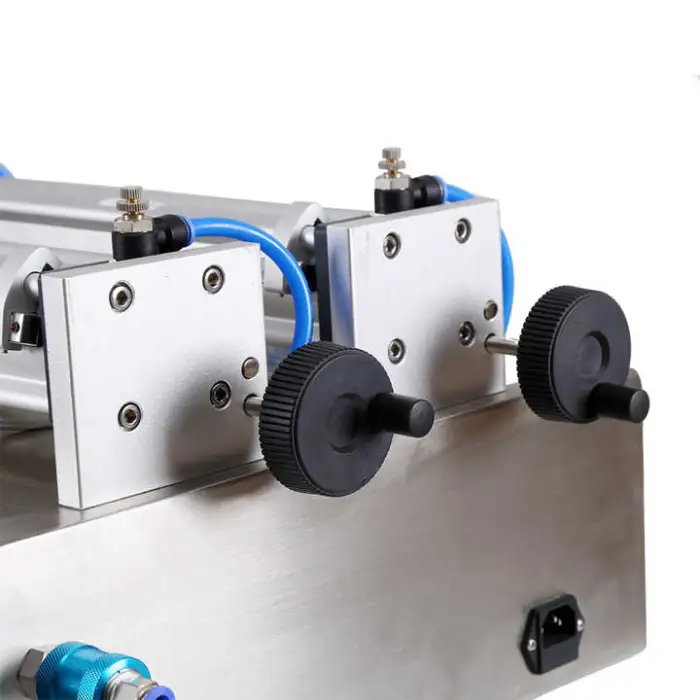
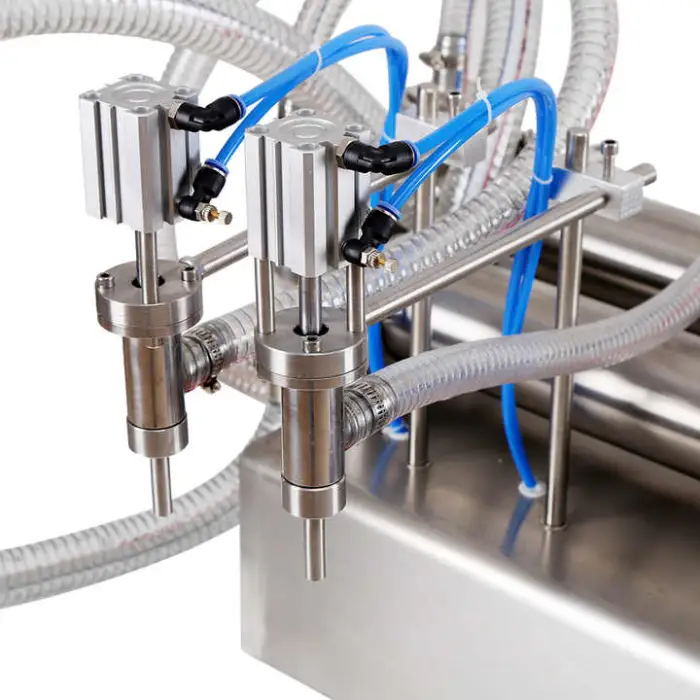
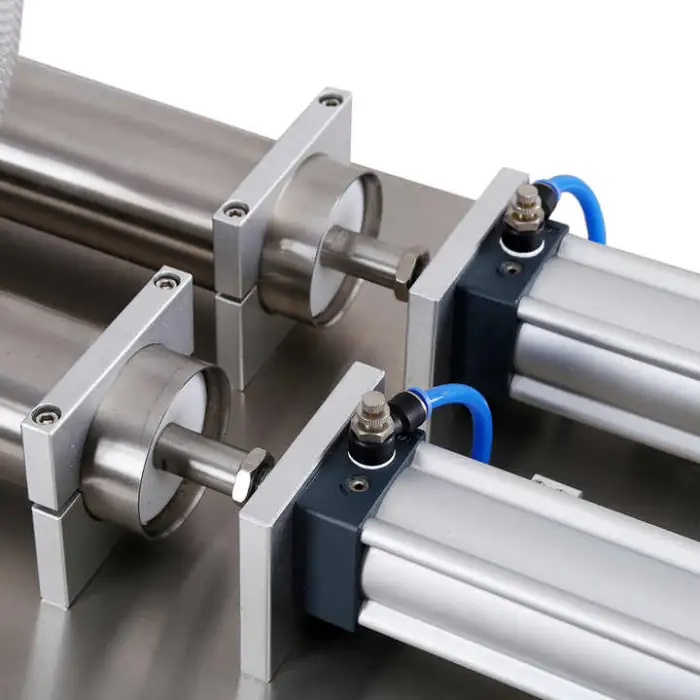
Automatic Carton Box Aseptic Milk Packing Machine Single Head Juice Vegetable Oil Liquid Filling Machine
- Section : Machinery
- Category : Packaging Machines
- SKU : 1600246419512

Automatic Carton Box Aseptic Milk Packing Machine Single Head Juice Vegetable Oil Liquid Filling Machine
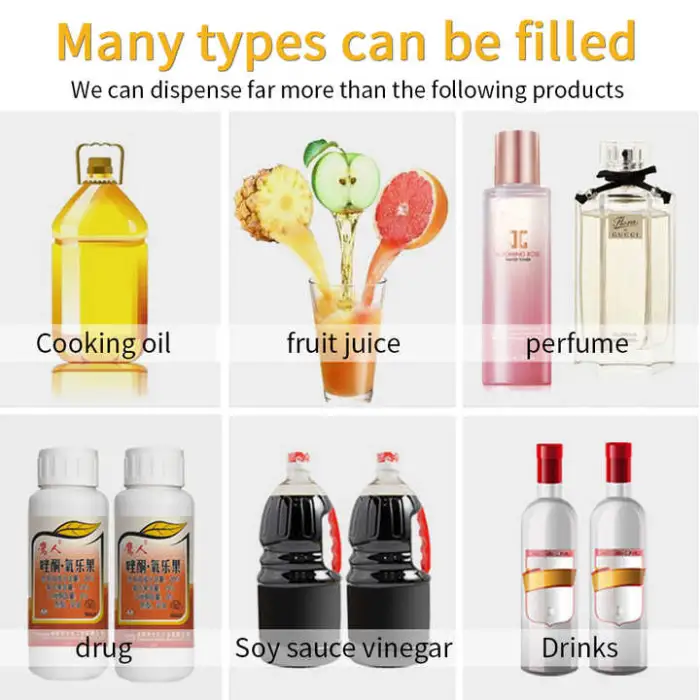
This Automatic Carton Box Aseptic Milk Packing Machine is a versatile and efficient solution for packaging liquids. It works well with a variety of products like milk, juice, water, and vegetable oil. This semi-automatic machine is designed to handle different packaging types, including cartons and stand-up pouches. With its high capacity and precise filling accuracy, this machine is perfect for food and beverage production lines.
Specifications
| Attribute | Details |
|---|---|
| Packaging Type | Cartons, Stand-up Pouch, Case |
| Driven Type | Pneumatic |
| Voltage | 220/110V |
| Automatic Grade | Semi-automatic |
| Packaging Material | Plastic, Wood |
| Application | Food, Beverage, Commodity, Chemical |
| Filling Material | Milk, Water, Oil, Juice |
| Filling Accuracy | ±1% |
| Machinery Capacity | 4000BPH, 8000BPH, 12000BPH, 6000BPH, 400BPH, 500BPH, 2000BPH, 100BPH, 200BPH |
| Single Package Size | 96X55X45 cm |
| Single Gross Weight | 35.000 KG |
Key Features
- Efficient liquid filling for various products
- Handles different packaging types
- High filling accuracy of ±1%
- Suitable for semi-automatic operations
- Durable and reliable pneumatic drive
Applications
- Food and beverage packaging
- Liquid filling for milk and juice
- Packaging vegetable oils
- Chemical and commodity applications
- Production lines requiring high efficiency
Product Info Gallery
- Shipping Timeframes: All orders are processed within 2-5 business days (excluding weekends and holidays). After your order has been processed, the estimated delivery time is before 01 Sep, 2026, depending on customs, Please note that due to high demand, some items may experience longer shipping times, which will be communicated at order confirmation email.
- Order Processing Time: Please allow 2-5 business days for us to process your order before it is shipped . Orders placed after 16:00 on Fridays, or during weekends and public holidays, will begin processing on the next business day. Processing times may be extended during peak seasons or sales events.
- Manufacturing Time: Some products needs manufacturing time, the manufacturing process will take approximately 10-30 business days depending on the product. This timeframe may vary depending on the complexity of the product and current demand. but this will be communicated with you during order confirmation.
- Returns and Exchanges: We offer a 30-day return policy for most items. If you are not completely satisfied with your purchase, you may return it within 30 days of receipt for a refund or exchange. Items must be unused, in their original packaging, and accompanied by proof of purchase. Return shipping costs are the responsibility of the customer, unless the item was damaged or defective upon arrival.
1. What products can this machine fill?
It is designed for liquid products such as milk, juice, water, vegetable oil and similar beverages or liquid commodities; it can also be used for some chemical liquids when compatible with materials and hygiene requirements.
2. Which packaging types does it support?
The machine handles cartons, stand-up pouches and cases as stated; tooling and guides are adjustable to accommodate these formats.
3. The name includes 'aseptic' — does it perform aseptic filling out of the box?
The machine is designed for aseptic-style liquid packing, but true aseptic filling requires upstream sterilization modules, sterile packaging material and an appropriate clean environment. Confirm with the supplier if an integrated sterilization/CIP/cleanroom solution is required for your product.
4. Is the machine fully automatic or semi-automatic?
This is a semi-automatic machine. Some manual involvement is required (for example loading/unloading packs, setup and supervision) though filling operations are automated.
5. What are the available capacity options (BPH)?
Available capacities listed include: 100 BPH, 200 BPH, 400 BPH, 500 BPH, 600 BPH, 1000–2000 BPH ranges and higher options up to 4,000 BPH, 6,000 BPH, 8,000 BPH and 12,000 BPH depending on model/configuration—confirm exact model selection with the supplier.
6. What is the filling accuracy?
Typical filling accuracy is ±1%. Actual accuracy depends on product viscosity, temperature, pack variation and calibration; proper setup improves results.
7. What are the electrical and drive requirements?
The machine uses a pneumatic drive system and supports 220V or 110V electrical supply. A compressed air supply is required for pneumatic components—consult the supplier for recommended air pressure and flow specifications.
8. What is the machine/package size and weight for shipping?
The single package size indicated is 96 x 55 x 45 cm with a single gross weight of 35.000 kg. These refer to the shipped/crated dimensions of the unit—confirm shipping details with the vendor for your selected configuration.
9. Which packaging materials are compatible?
The machine is specified to work with packaging made of plastic and wood (pack cases), and it handles standard carton and pouch materials. Verify compatibility for specialty films or composite cartons with the manufacturer.
10. What materials contact the product and are they food-grade?
The machine is intended for food and beverage use and is constructed to meet hygienic requirements. For specific stainless steel grades (e.g., SUS304/SUS316) and food-contact certifications, request material documentation from the supplier.
11. How long does it take to change over between different pack sizes or products?
Changeover time varies by model and operator experience. The machine is designed for adjustable tooling to facilitate reasonably quick changeovers; typical changeovers can be minutes to an hour depending on the extent of adjustments. Ask the supplier for exact changeover procedures and tooling options.
12. Does the machine support cleaning-in-place (CIP) and what maintenance is required?
The machine supports hygienic cleaning procedures; CIP capability depends on the selected configuration. Routine maintenance includes inspecting pneumatic components, seals, valves and nozzles, periodic calibration and following the supplier's maintenance schedule.
13. Is installation and operator training provided?
Suppliers typically offer installation guidance, commissioning and operator training (remote or onsite depending on agreement). Confirm training scope and any additional installation services when ordering.
14. What after-sales support, spare parts and certifications are available?
After-sales support and spare parts availability vary by manufacturer—most provide spare parts, technical support and optional service contracts. Certification (food safety, CE, etc.) depends on model and regional requirements, so request copies of certificates and service options from the vendor before purchase.
Latest Order Arrivals
Discover our latest orders
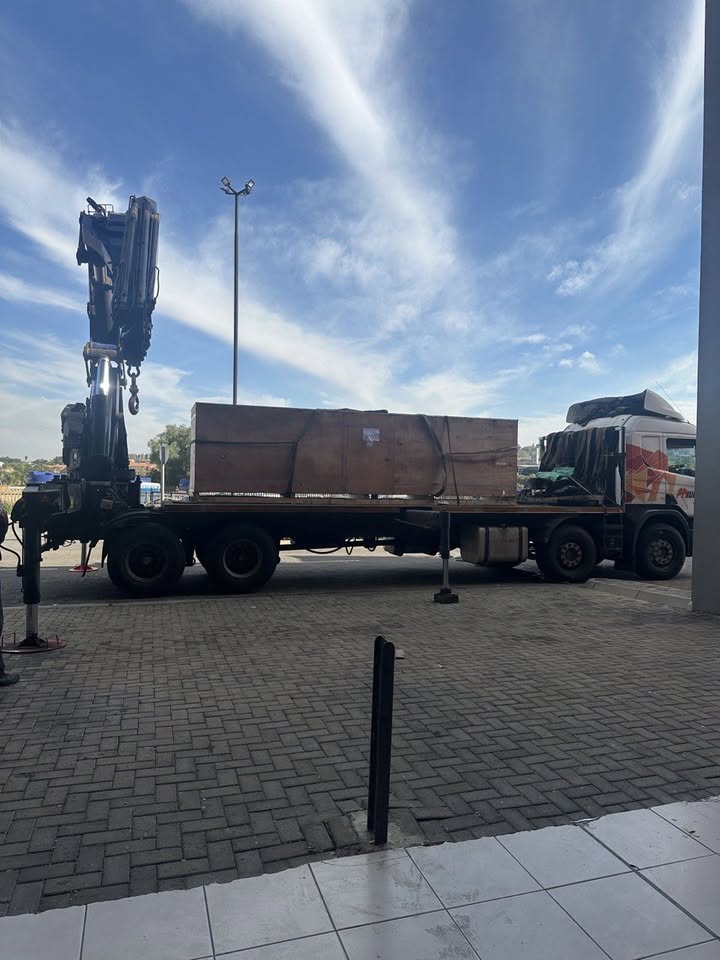
12 Heads Embroidery Machine
Toilet Paper Machine Machine
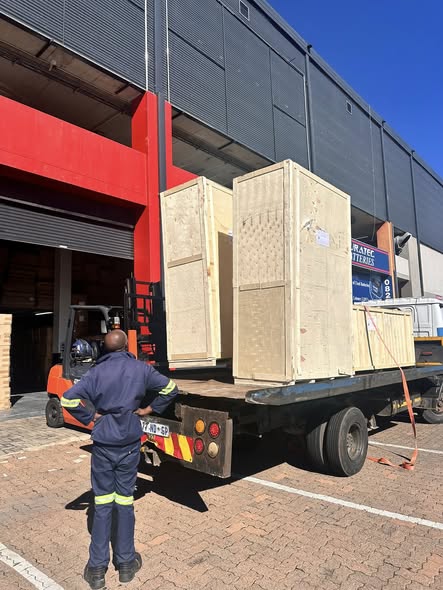
Order Collection
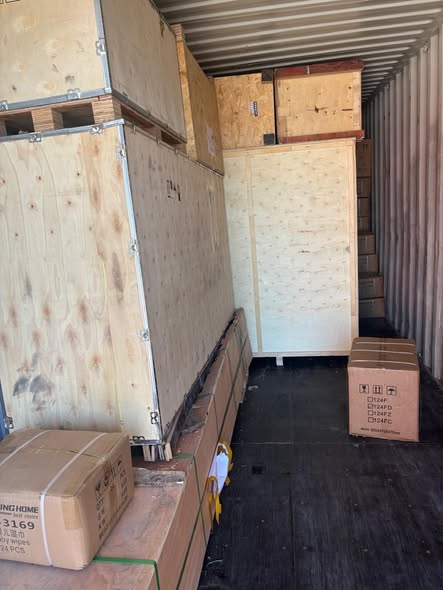
Cross Border Clients
Order cros border countries Collected
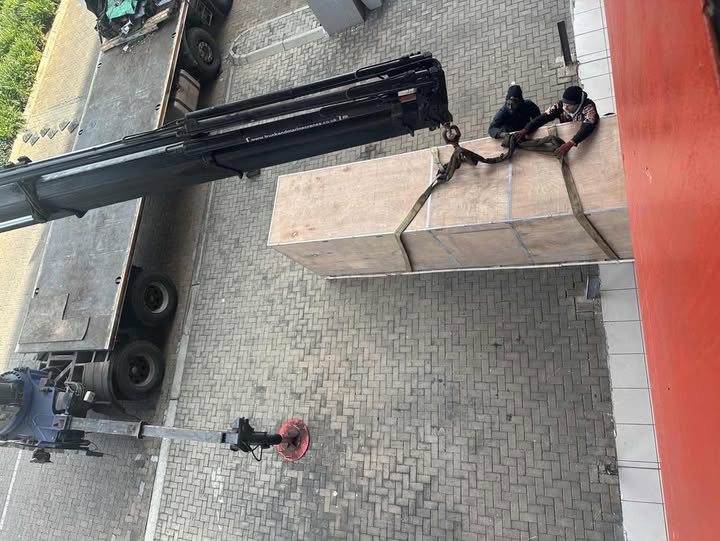
Industrial Machine Cllection
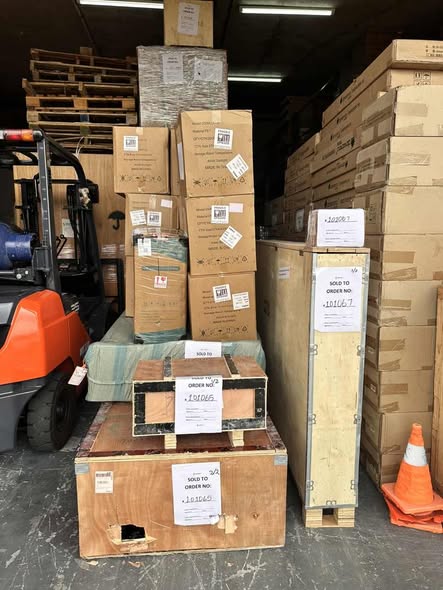
Agriculture Processing Machines
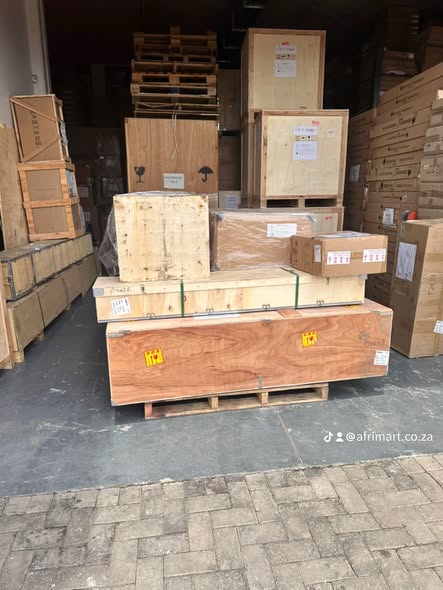
Ready for collection
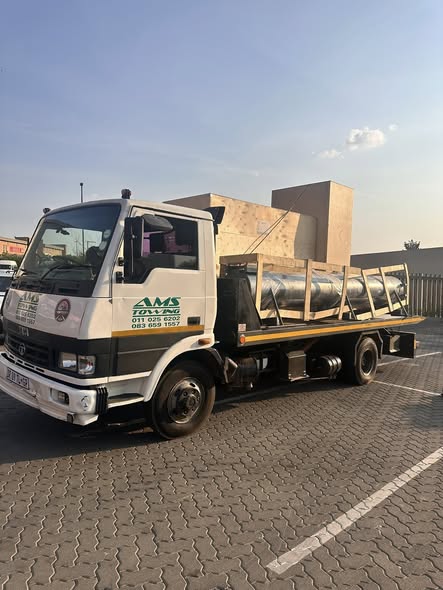
Water Pump Equipment
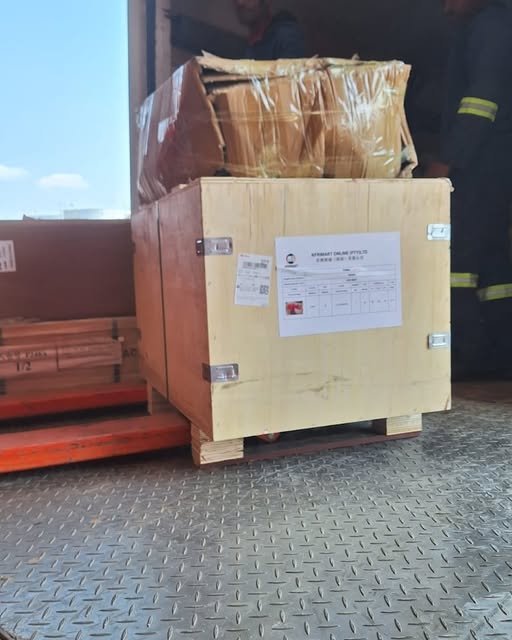
Packaging Machine and accessories
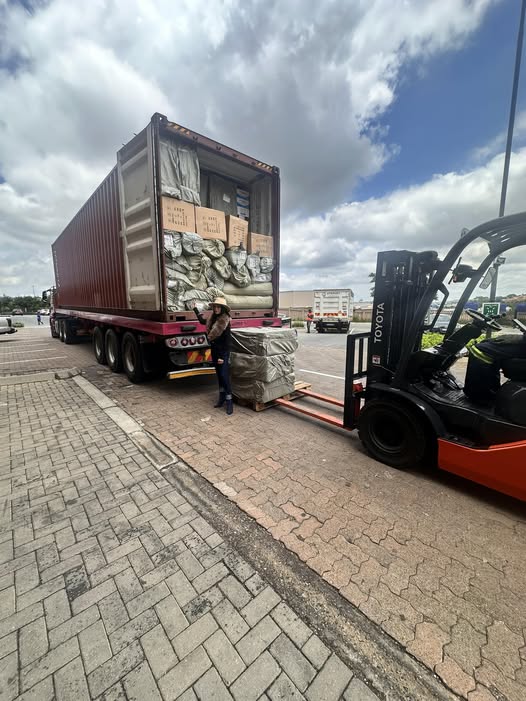
Fabrics Manufacturing Equipment
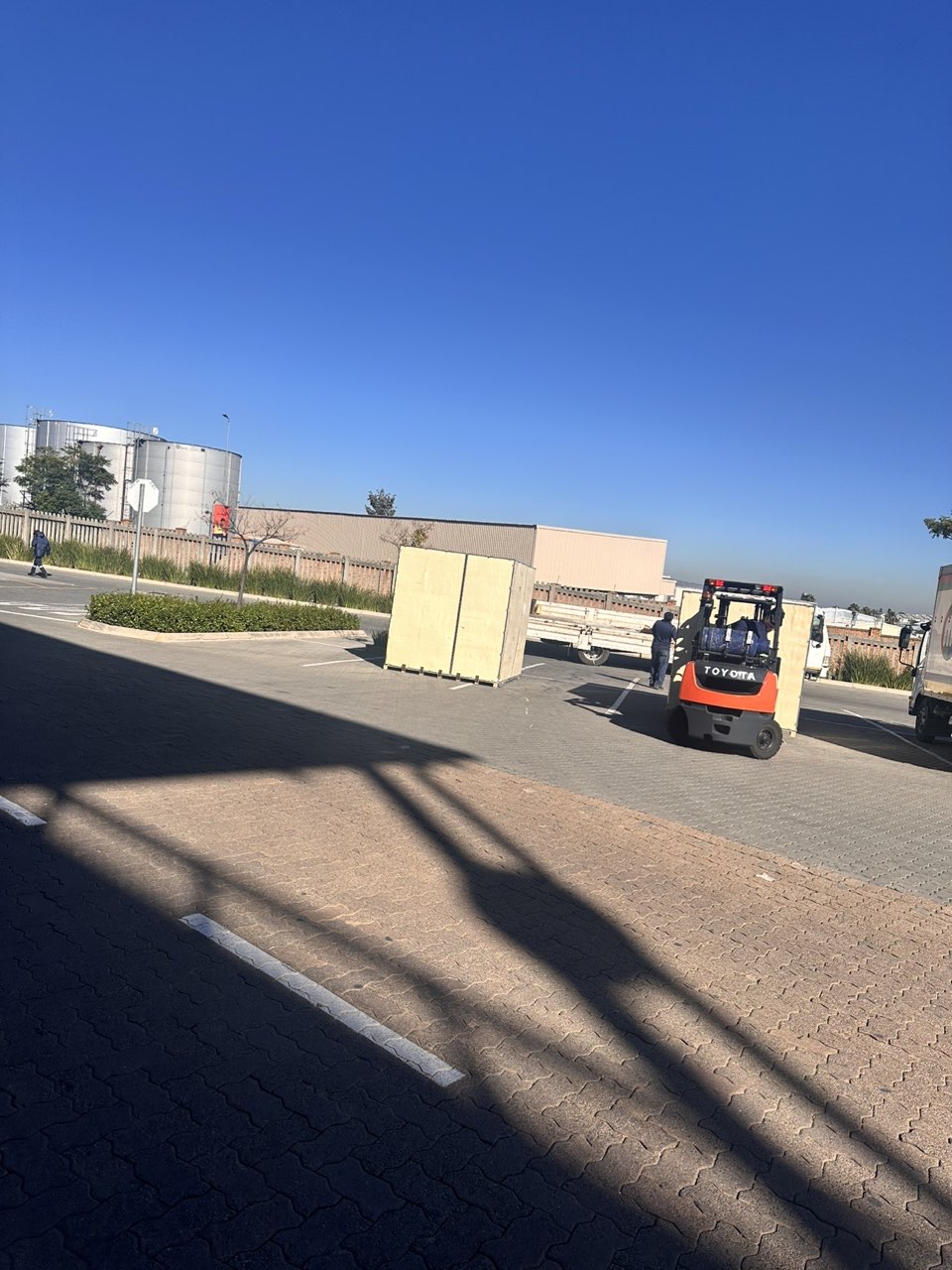
Mining Equipments
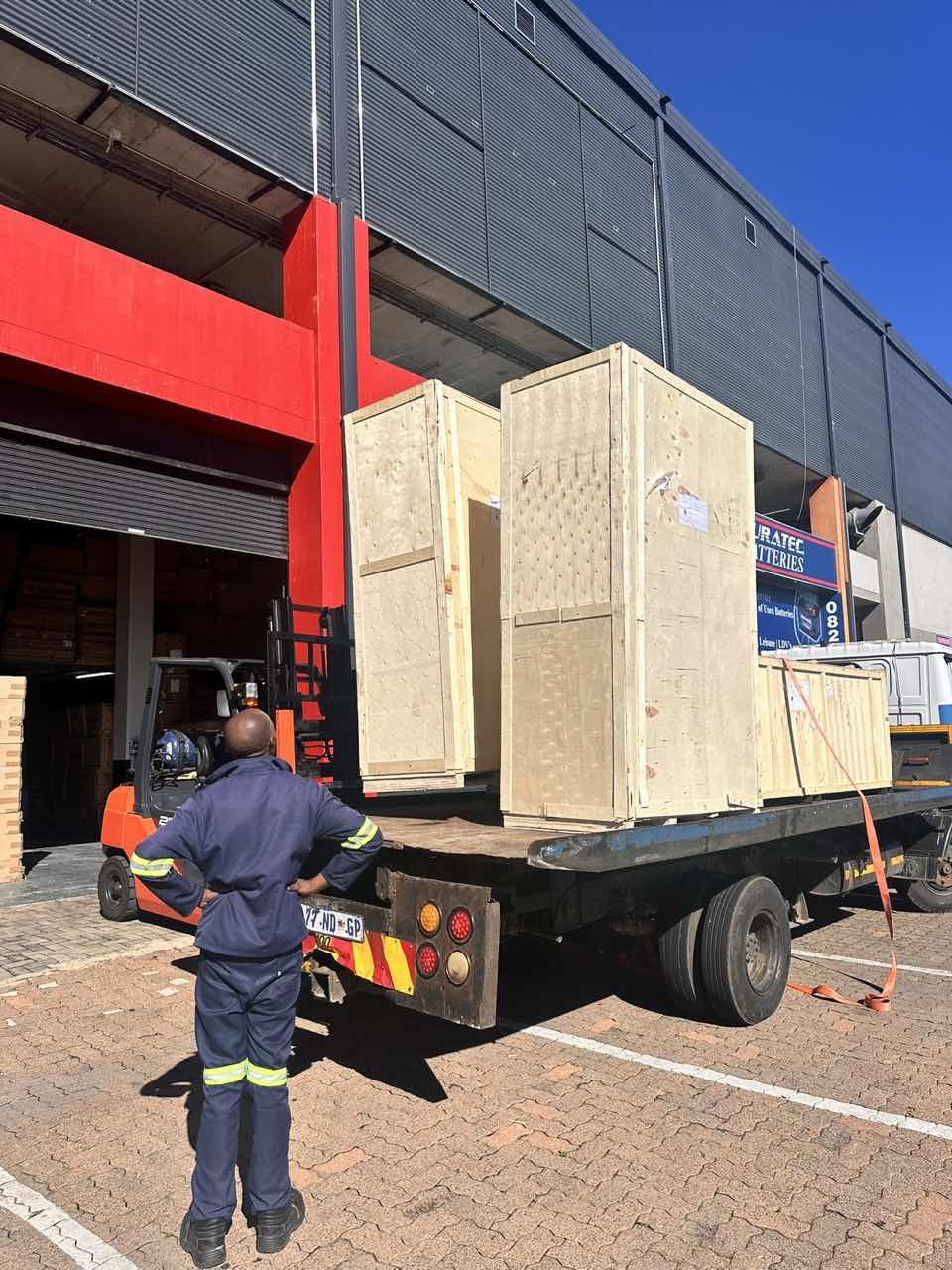
Food Processing Machine
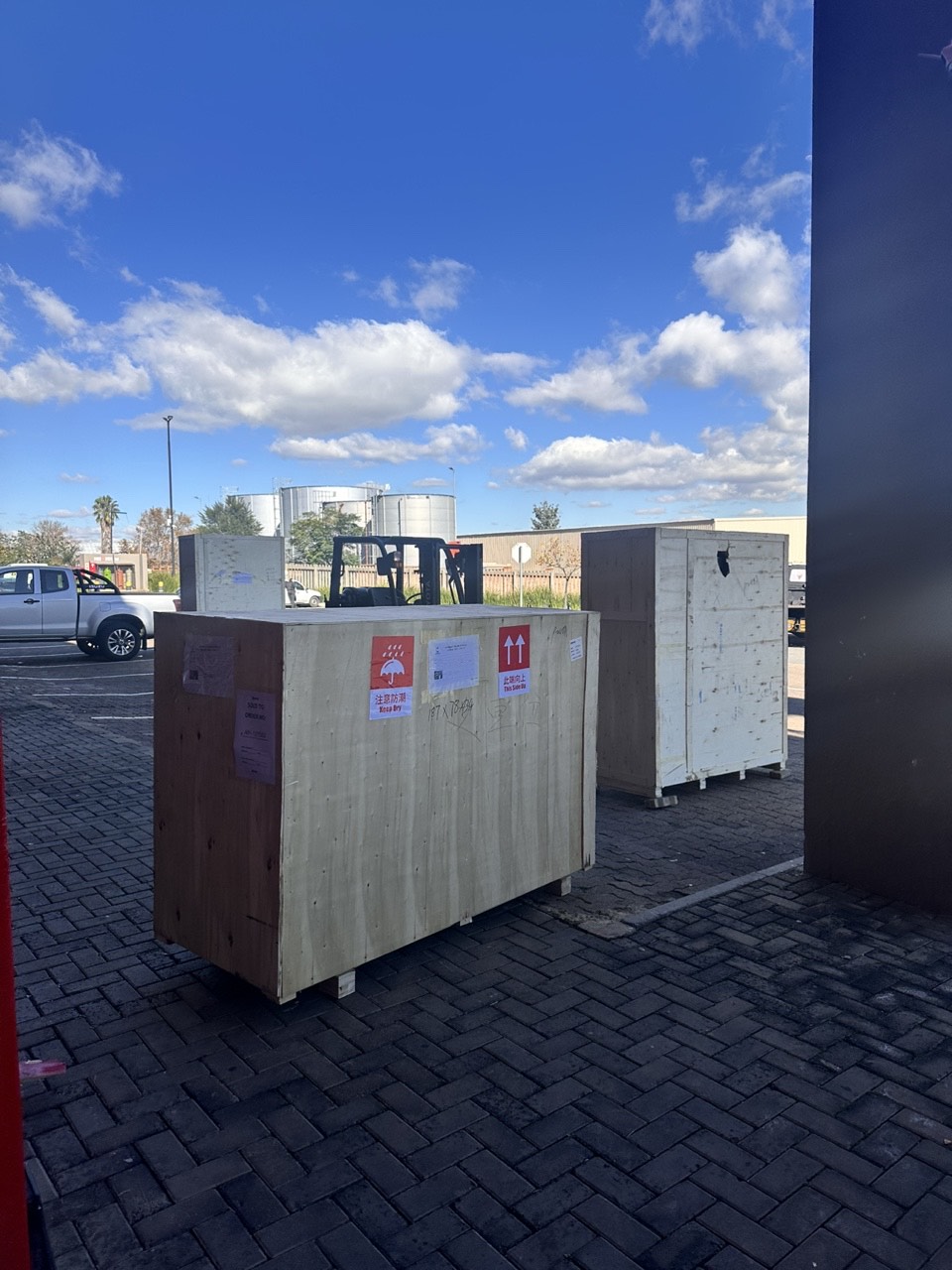
Batch of Orders
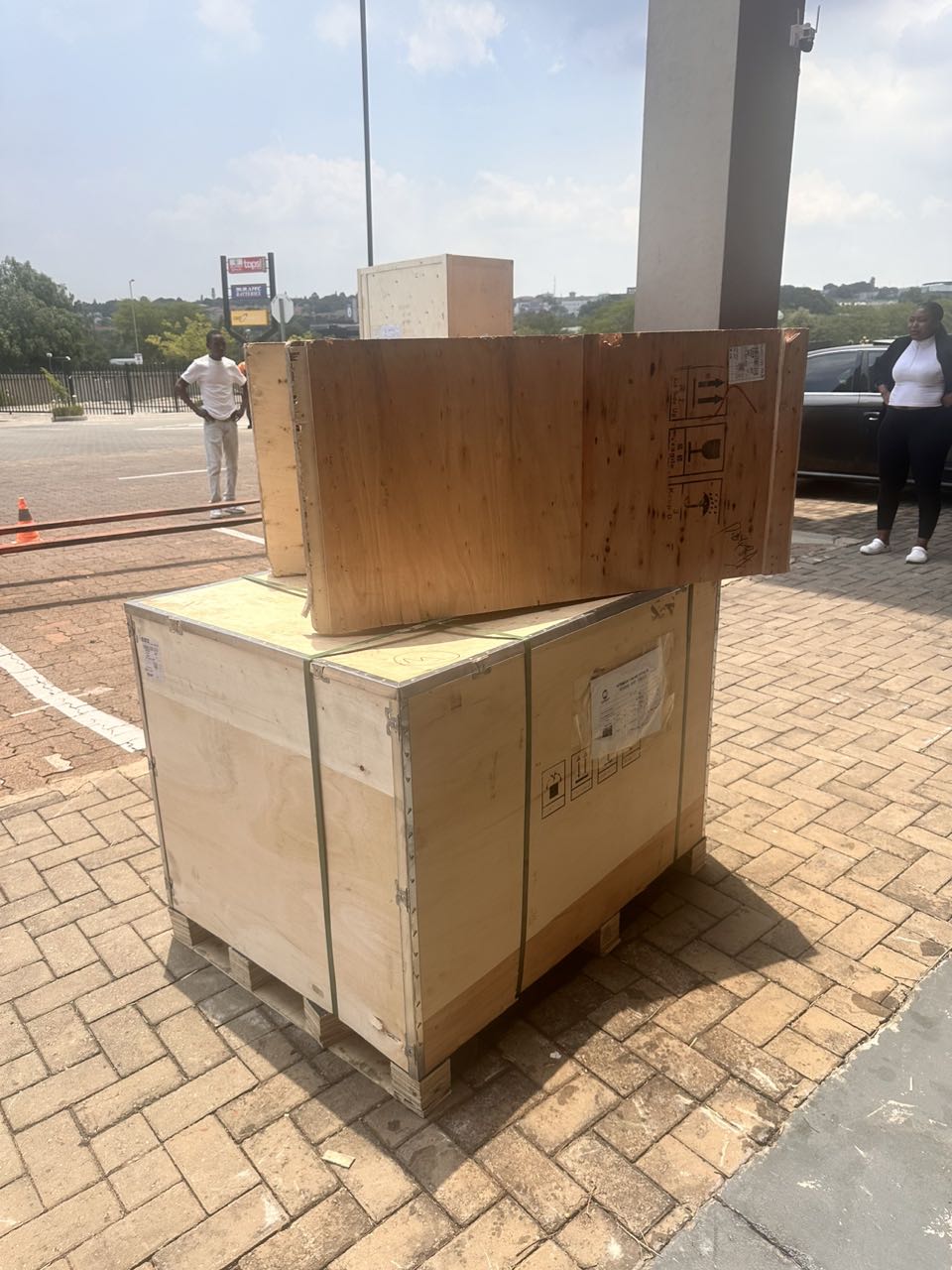
Batch of Orders
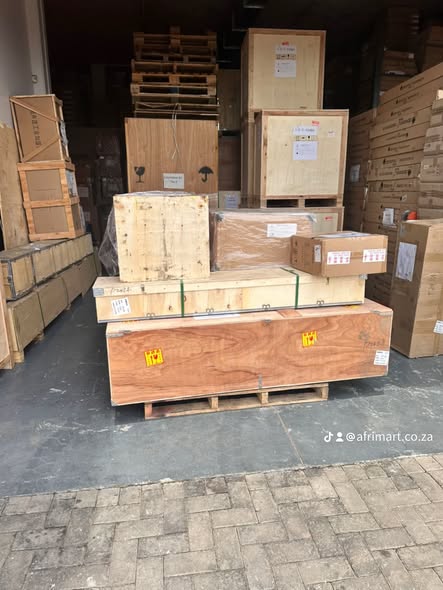
Latest Orders Labelled
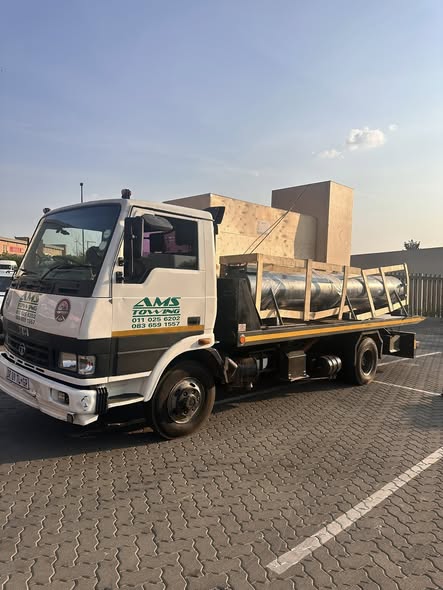
wheel alignment machines
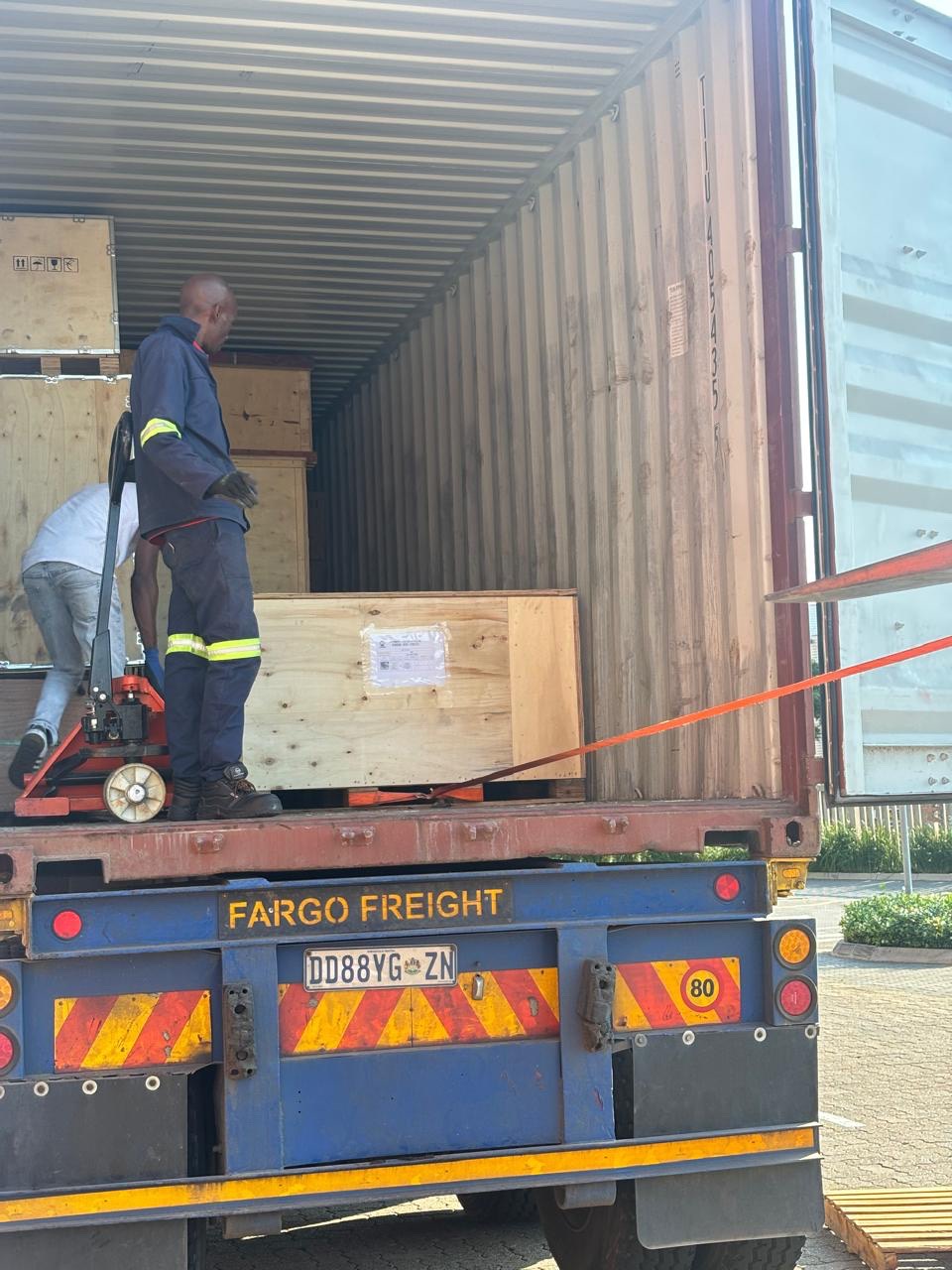
new arrivals
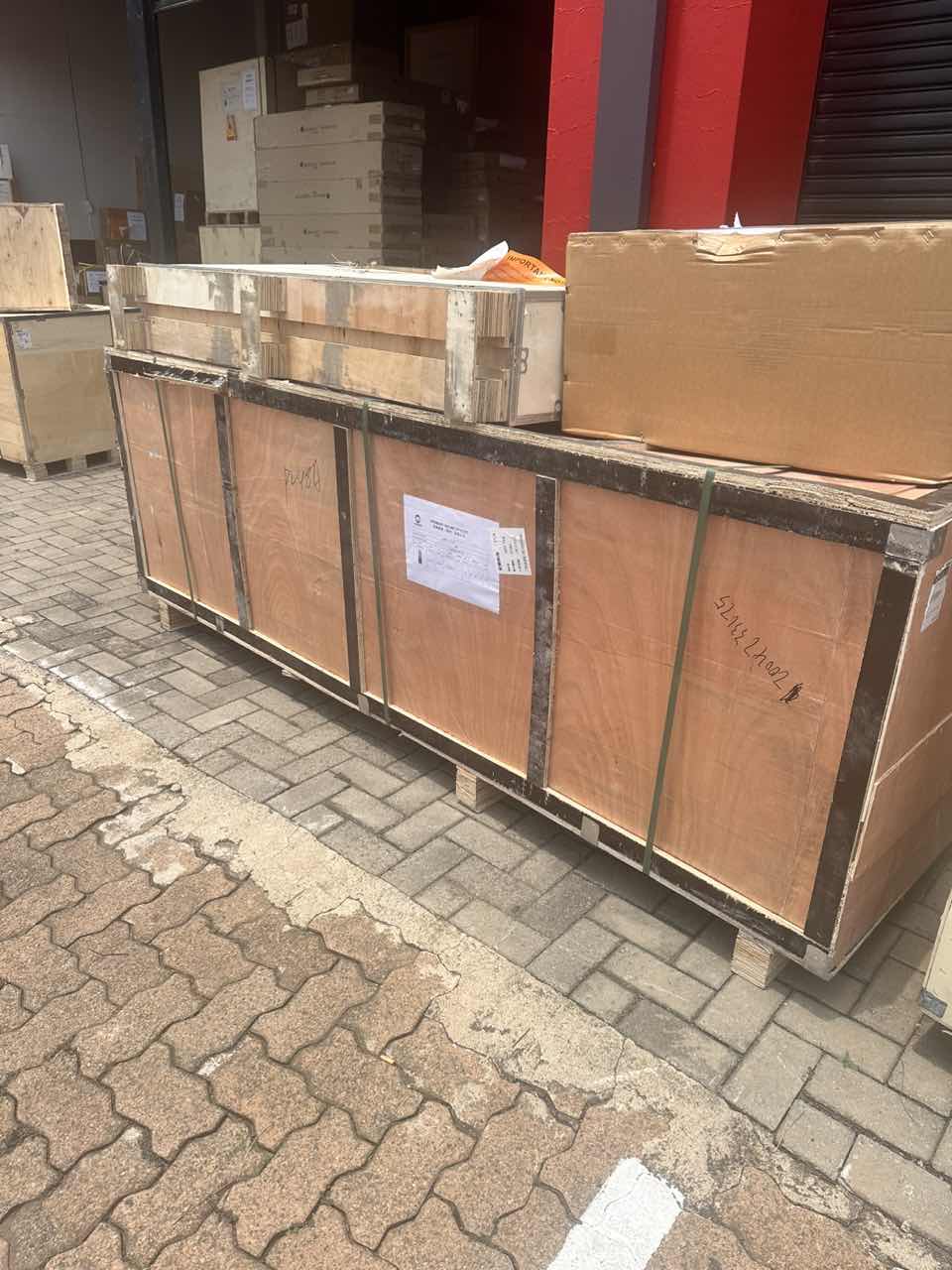
Pre Orders Offloading
Latest Arrivals
Latest Arrivals
Latest Arrivals
Loading
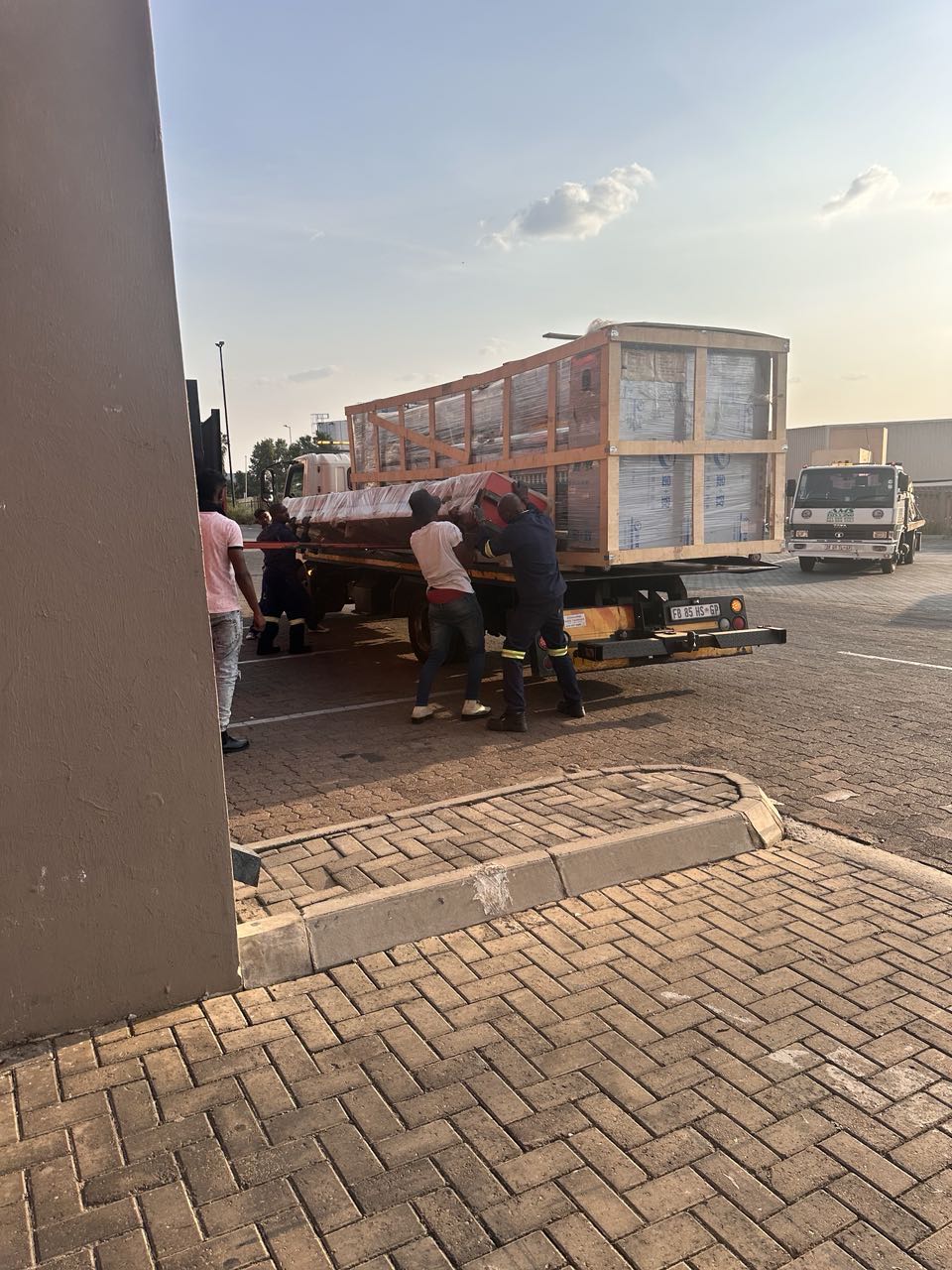
Toilet paper making machine
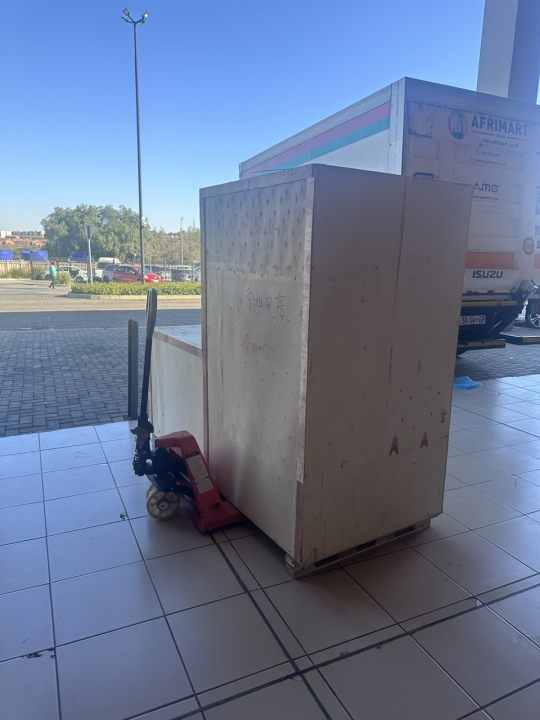
Toilet paper making machine
Toilet paper Rewinding Machine
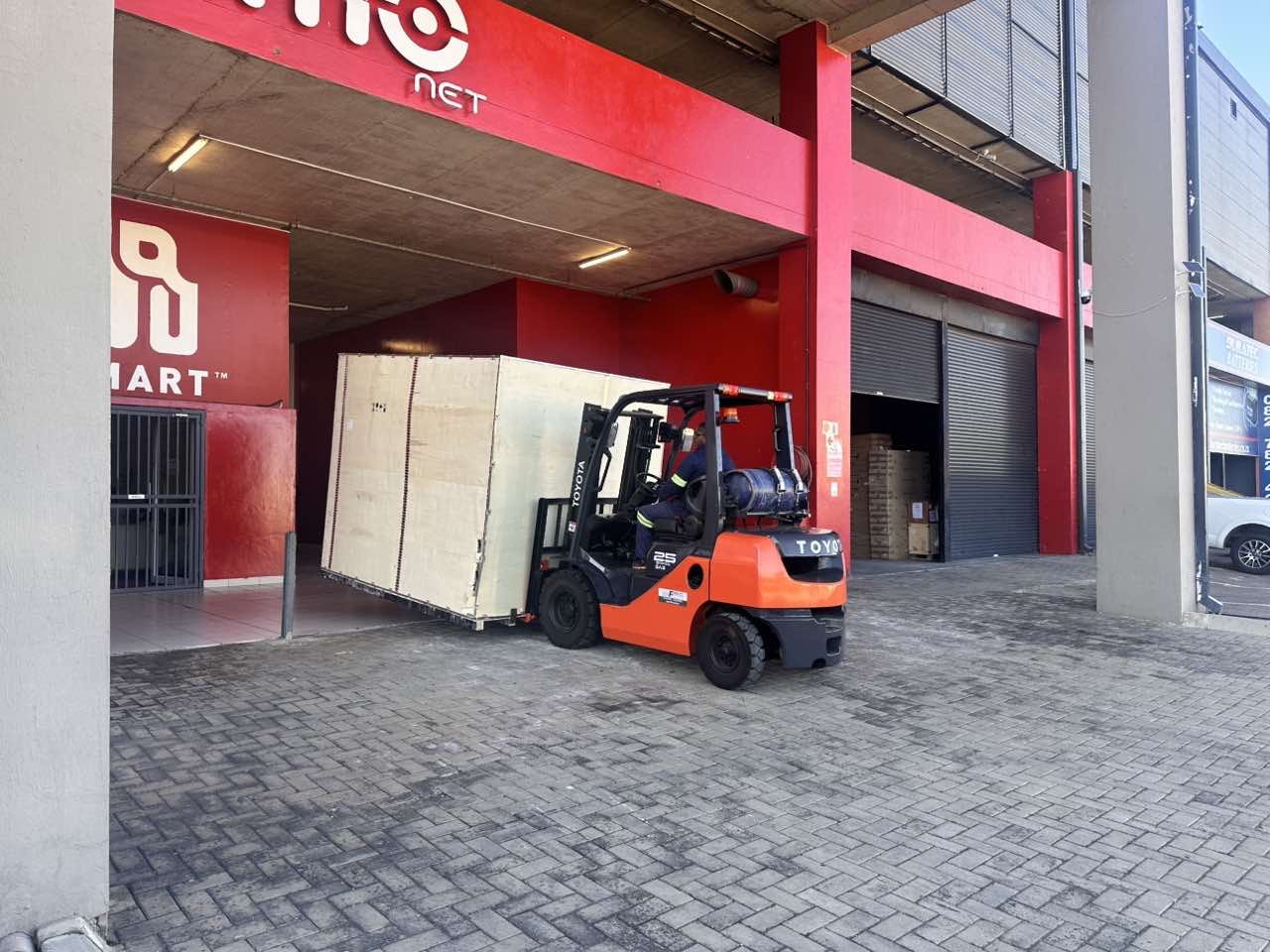
latest arrivals
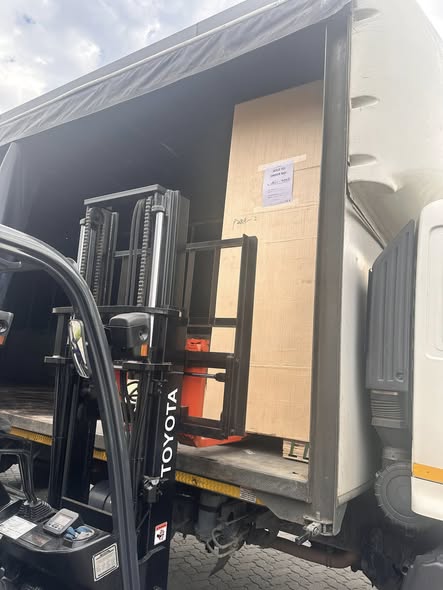
offloading
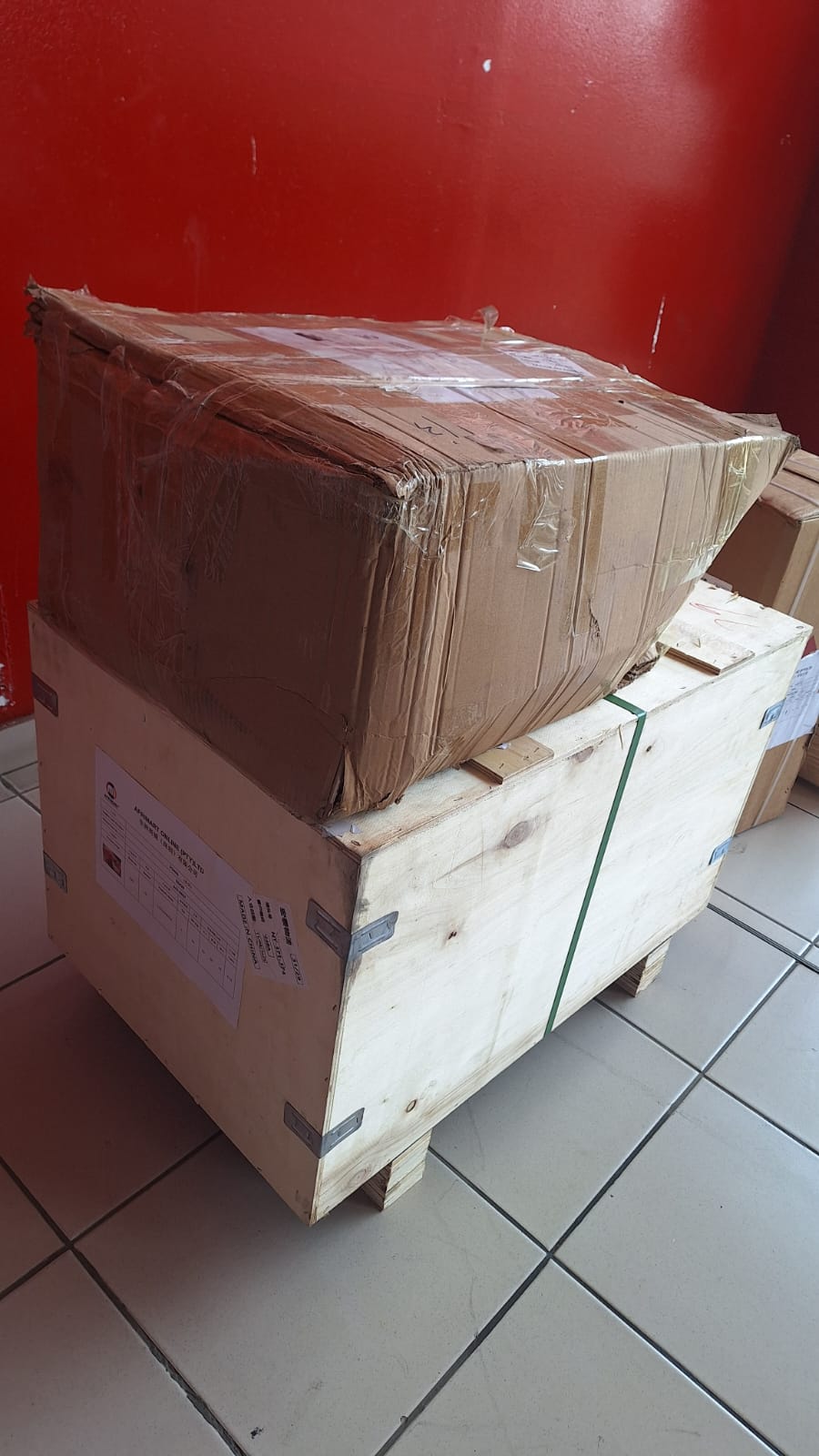
order success
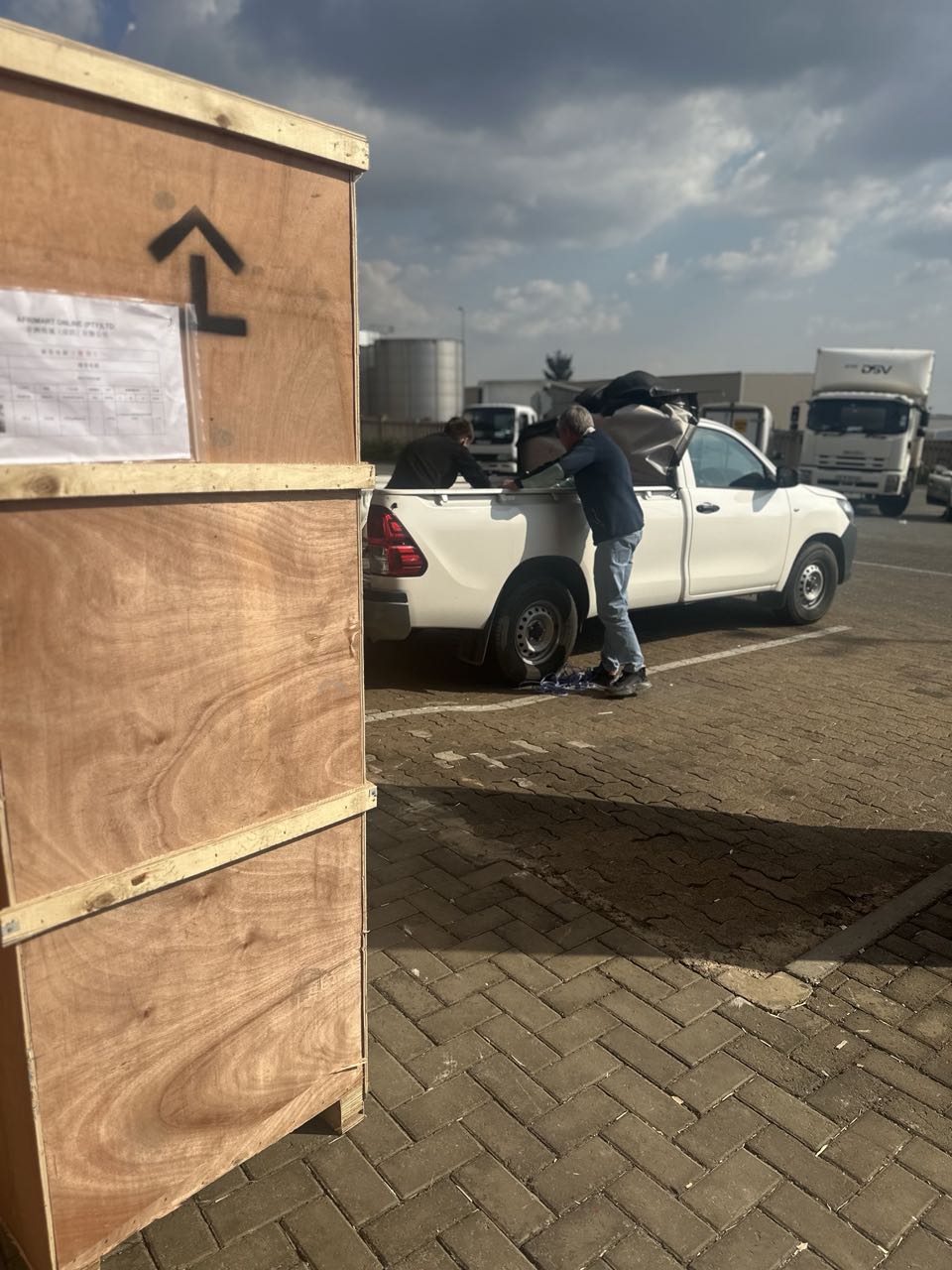
order collection
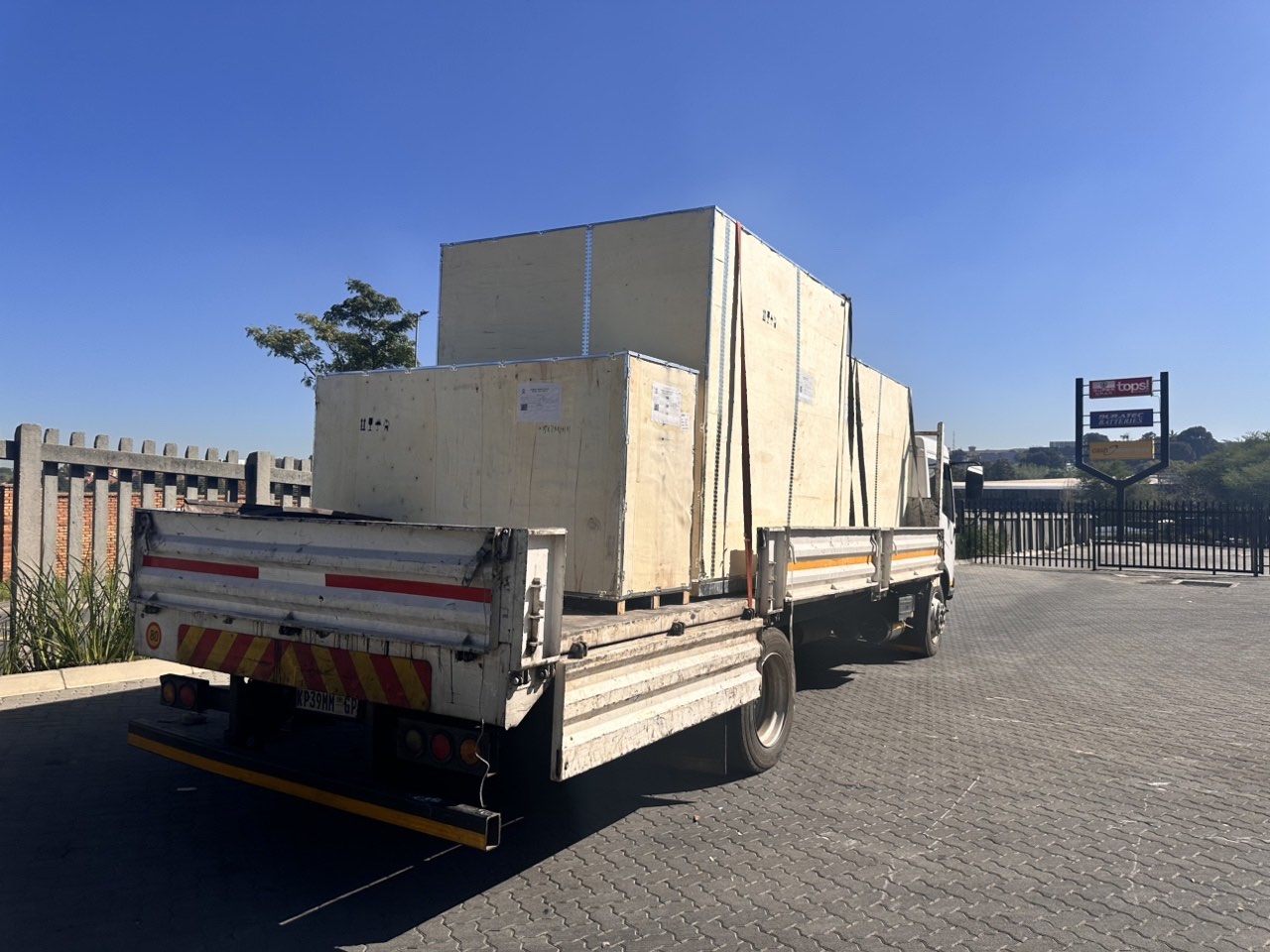
order offloading