B21, China Town Mall, Midrand


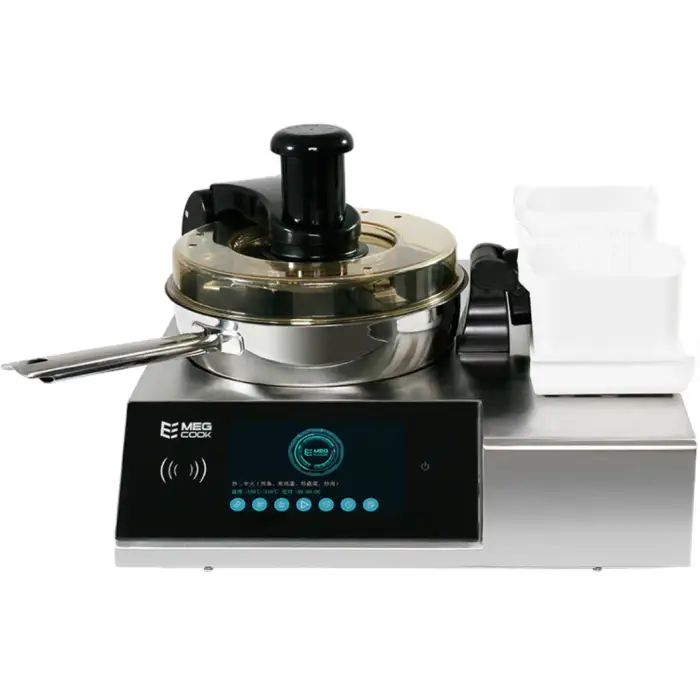
Automated Kitchen Machines Food Cooking Machinery Restaurant Kitchen Equipment 4400W
Asset finance available
Do you want funding for this equipment?
Afrimart can connect you with trusted funding partners who specialise in asset finance for businesses like yours. Compare options and apply in minutes — final approval is subject to provider review.
Check funding options
Secure & no obligation

- Section : Appliances
- Category : Kitchen Appliances
- SKU : 1601126772129

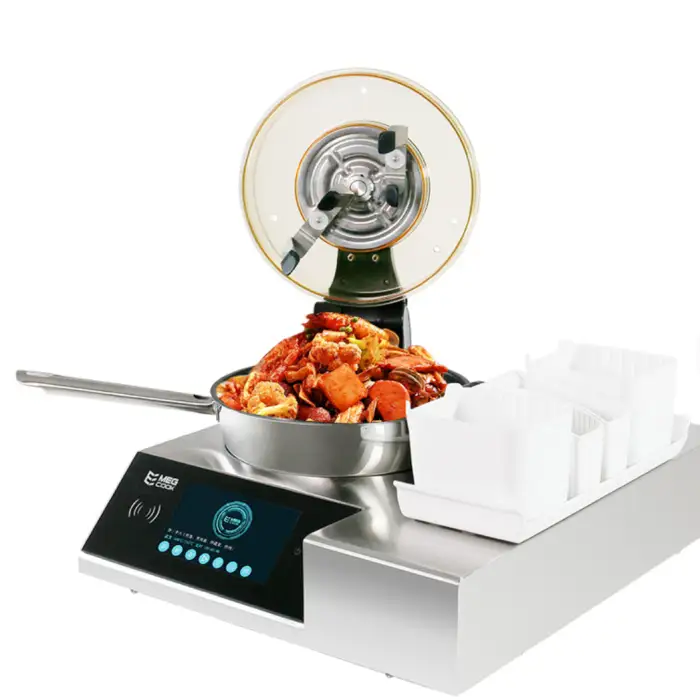
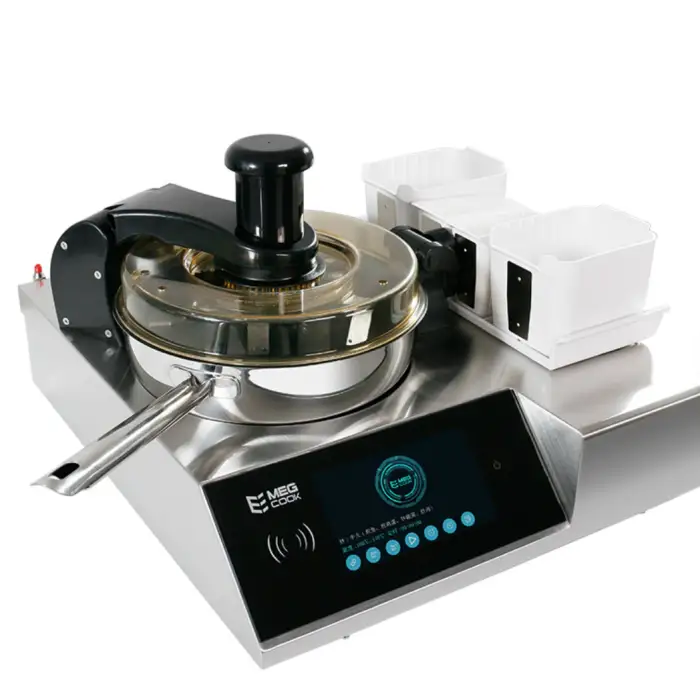
Automated Kitchen Machines Food Cooking Machinery Restaurant Kitchen Equipment 4400W
The Automated Kitchen Machines Food Cooking Machinery is the perfect solution for busy kitchens. This full-automatic intelligent cooking machine simplifies cooking tasks, making it easier and faster for chefs to prepare delicious meals. With a powerful 4400W motor, this machine is designed for efficiency and reliability, ensuring consistent results every time.
Specifications
| Attribute | Details |
|---|---|
| Dimension (L*W*H) | 730*650*410 mm |
| Power | 4400W |
| Voltage | 220V |
| Brand Name | MEGCOOK |
| Model Number | C44PB01-C03 |
| Weight | 26 KG |
| Machinery Function | Cooking |
| Product Materials | Glass-ceramics + SU304 |
| Product Size (closed lid) | 500*575*355 mm |
| Product Size (open lid) | 500*575*555 mm |
| Control Mode | Fuzzy Control |
Key Features
- Full-automatic cooking for convenience.
- Powerful 4400W motor for quick cooking.
- Made with durable glass-ceramics and SU304 material.
- Fuzzy control for easy operation.
- Compact design fits easily in any kitchen.
Applications
- Restaurants for efficient meal preparation.
- Catering services for large events.
- Home kitchens for family cooking.
- Food trucks for quick service.
- Meal prep for busy individuals.
Product Info Gallery
- Shipping Timeframes: All orders are processed within 2-5 business days (excluding weekends and holidays). After your order has been processed, the estimated delivery time is before 24 Jun, 2026, depending on customs, Please note that due to high demand, some items may experience longer shipping times, which will be communicated at order confirmation email.
- Order Processing Time: Please allow 2-5 business days for us to process your order before it is shipped . Orders placed after 16:00 on Fridays, or during weekends and public holidays, will begin processing on the next business day. Processing times may be extended during peak seasons or sales events.
- Manufacturing Time: Some products needs manufacturing time, the manufacturing process will take approximately 10-30 business days depending on the product. This timeframe may vary depending on the complexity of the product and current demand. but this will be communicated with you during order confirmation.
- Returns and Exchanges: We offer a 30-day return policy for most items. If you are not completely satisfied with your purchase, you may return it within 30 days of receipt for a refund or exchange. Items must be unused, in their original packaging, and accompanied by proof of purchase. Return shipping costs are the responsibility of the customer, unless the item was damaged or defective upon arrival.
1. What does the 4400W rating mean for this machine?
The 4400W rating is the electrical power consumption when the machine is operating at full load. Higher wattage generally means faster heat-up and higher cooking capacity, but actual performance will depend on the model configuration and cooking mode.
2. Is this equipment suitable for commercial restaurant use?
Yes — this product line is designed for commercial kitchens and continuous operation. It’s intended for restaurant, catering and institutional use, but confirm the specific model’s duty cycle and capacity with the supplier.
3. What kinds of food can the automated kitchen machine prepare?
Depending on attachments and configuration, these machines can handle tasks such as heating, simmering, stirring, frying, steaming and sauce preparation. Check the specific model’s available programs and accessories to confirm suitability for your menu.
4. What are the electrical requirements (voltage, phase, breaker)?
Electrical requirements vary by region and model. 4400W typically requires a dedicated circuit — many models are available in 220–240V single‑phase or 380–415V three‑phase versions. Always refer to the product data sheet and have a licensed electrician verify circuit and breaker sizing before installation.
5. What materials is the machine made from?
Commercial automated kitchen machines are commonly constructed from food‑grade stainless steel (e.g., 304) for the body and food-contact parts to ensure durability, corrosion resistance and ease of cleaning. Confirm material specifications on the product listing.
6. How do I clean and sanitize the machine?
Cleaning procedures depend on model design. Many units have removable, dishwasher‑safe parts and smooth stainless surfaces for easy wiping. Follow the manufacturer’s cleaning and sanitizing instructions, use approved food‑safe detergents, and disconnect power before deep cleaning.
7. Does the machine have programmable cooking modes or recipe control?
Most modern automated kitchen machines include programmable controls (digital panel, PLC or touchscreen) for setting time, temperature and agitation. Check the model’s control features to see if it supports multiple recipe storage or remote monitoring.
8. What safety features are included?
Typical safety features include thermal cutouts/overheat protection, emergency stop buttons, safety interlocks on access panels, and overload protection for motors. Verify the exact safety features on the product specification sheet.
9. Are spare parts and technical service available?
Availability of spare parts and service depends on the manufacturer or distributor. Ask the seller about local service centers, parts lead times and whether they provide installation and after‑sales support.
10. Does this equipment require special ventilation or installation?
Some cooking functions (frying, high‑heat operations) may require local exhaust/hood ventilation. Professional installation is recommended to ensure correct electrical hookup, gas (if applicable) and ventilation compliance with local codes.
11. What certifications should I look for?
Look for safety and sanitation certifications appropriate to your region, such as CE (Europe), UL/ETL (North America), NSF (food safety) and RoHS. Certification availability varies by model and manufacturer—confirm with the seller.
12. How noisy is the machine during operation?
Noise levels vary by model and function; mixing and motorized operations can produce moderate sound. If noise is a concern, request the decibel (dB) rating from the manufacturer or review user feedback.
13. What is the warranty and return policy?
Warranty terms differ by manufacturer and distributor. Many commercial machines come with a limited warranty (commonly 12 months) covering defects in materials and workmanship. Confirm warranty length, coverage details and return policy with the seller before purchase.
14. Can I order additional attachments or custom configurations?
Yes — many vendors offer optional attachments (different pans, blades, lids, dosing pumps, control upgrades) and custom configurations for specific kitchen workflows. Contact the manufacturer or distributor to discuss compatible accessories.
15. How do I choose the right model for my kitchen’s capacity needs?
Determine your daily production volume, batch sizes, menu items and available floor/electrical space. Compare those requirements to the machine’s capacity, throughput rate and footprint. Your dealer can often help size the correct model and recommend configurations for your operation.
Latest Order Arrivals
Discover our latest orders
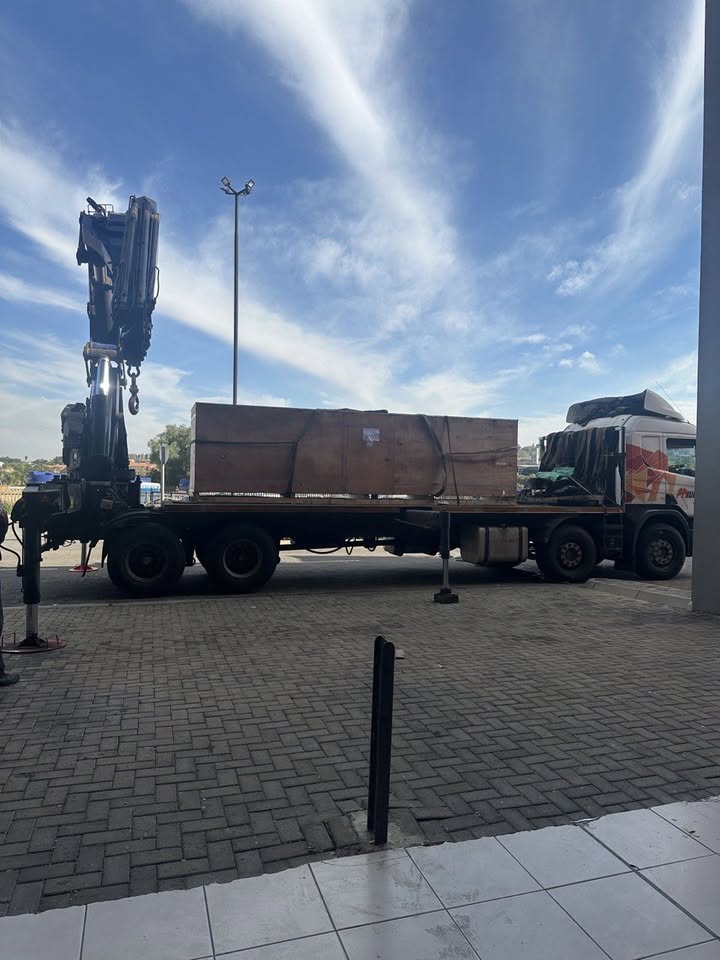
12 Heads Embroidery Machine
Toilet Paper Machine Machine
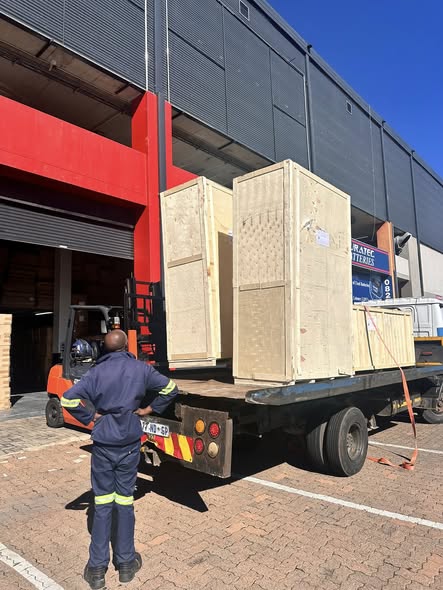
Order Collection
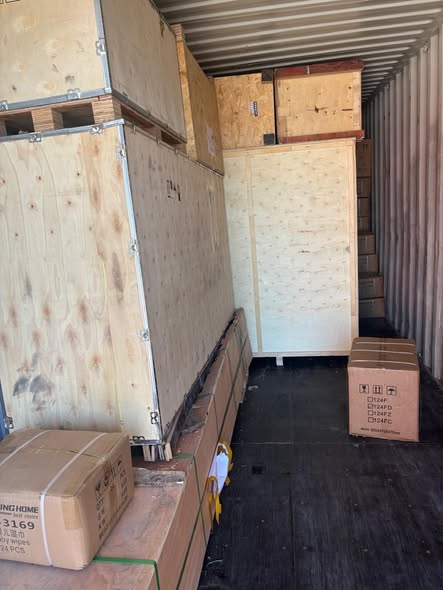
Cross Border Clients
Order cros border countries Collected
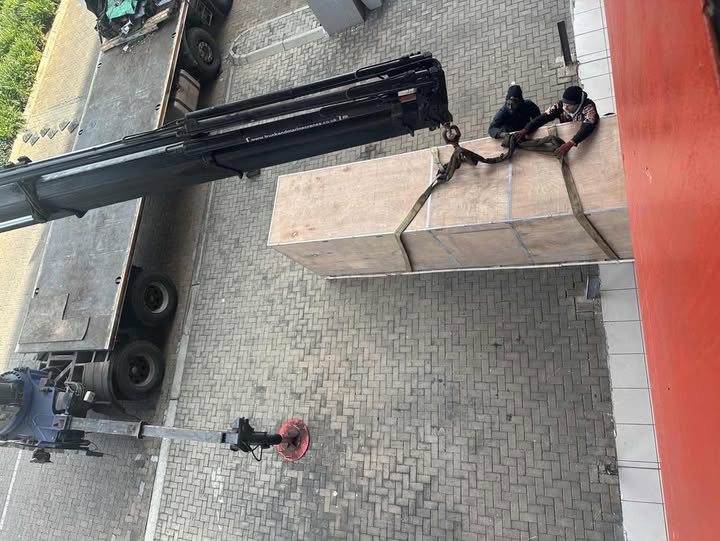
Industrial Machine Cllection
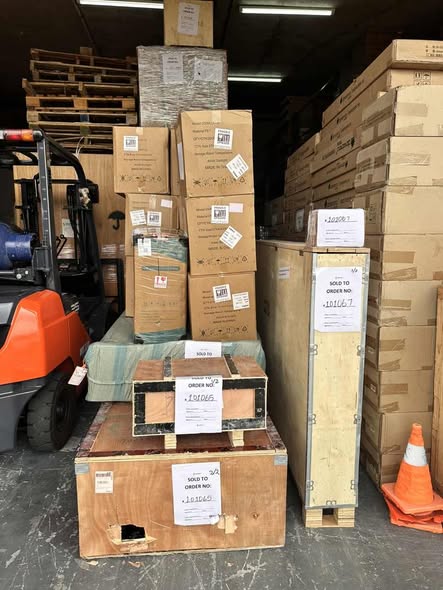
Agriculture Processing Machines
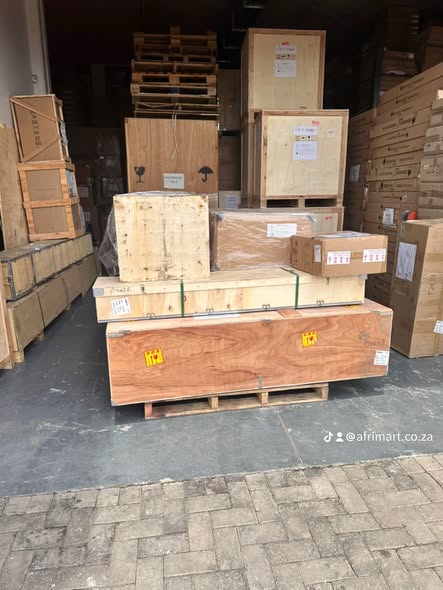
Ready for collection
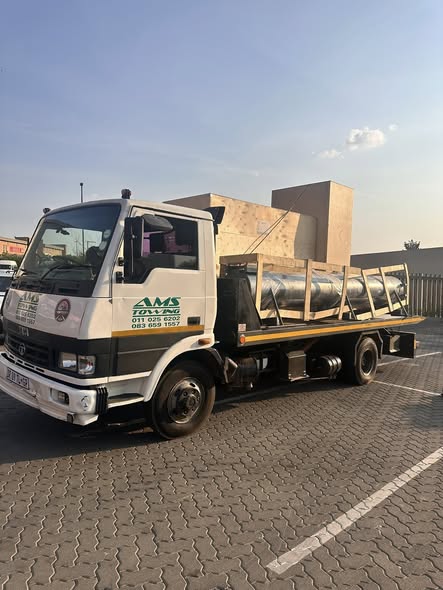
Water Pump Equipment
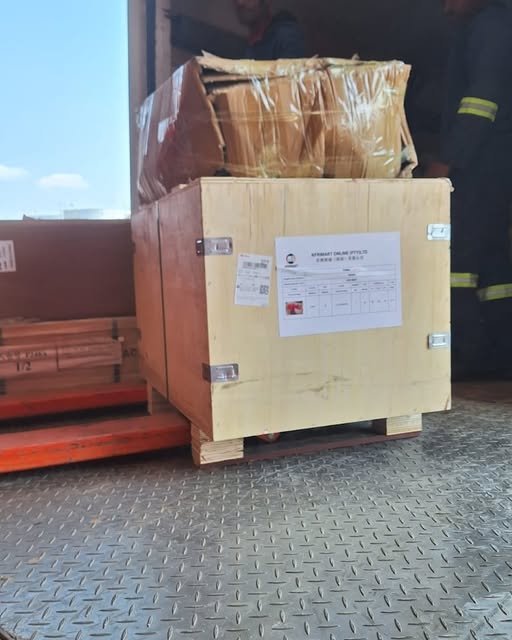
Packaging Machine and accessories
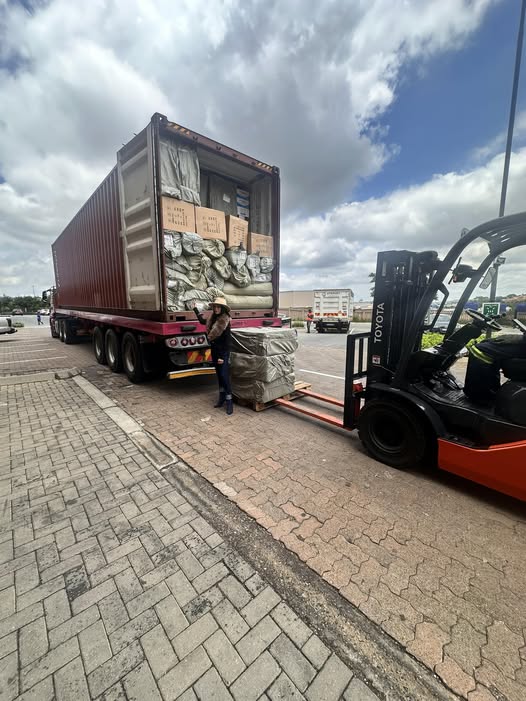
Fabrics Manufacturing Equipment
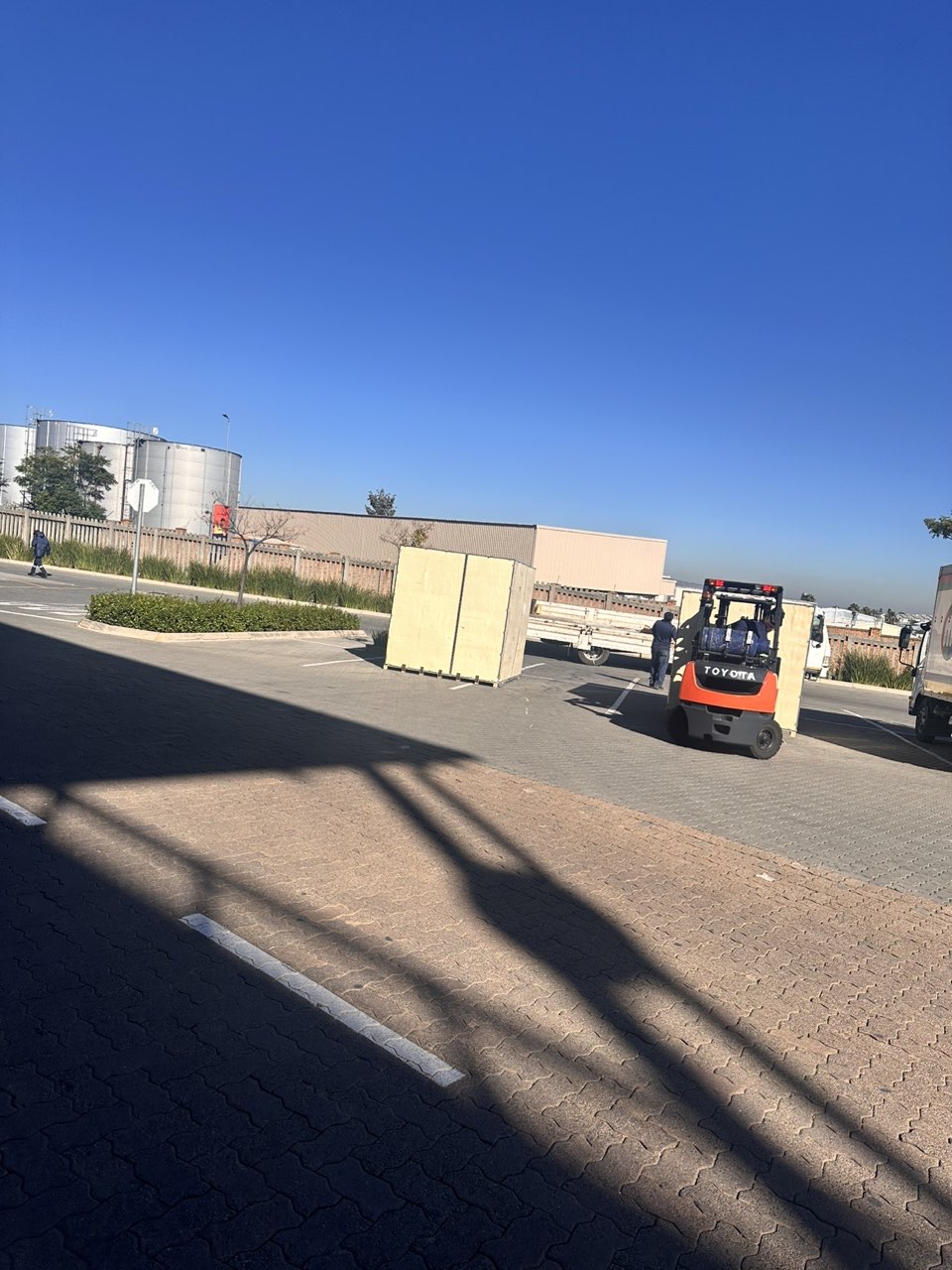
Mining Equipments
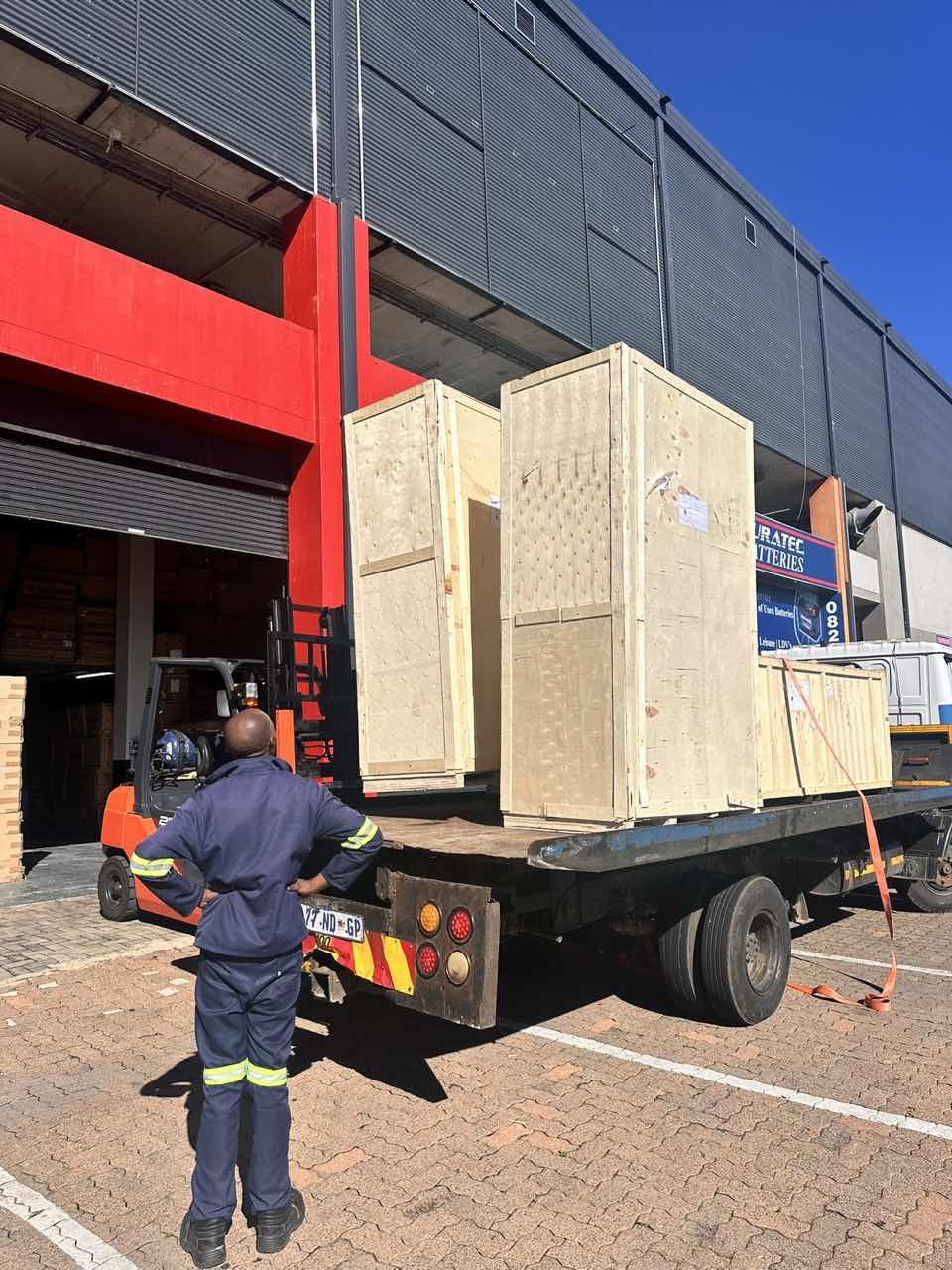
Food Processing Machine
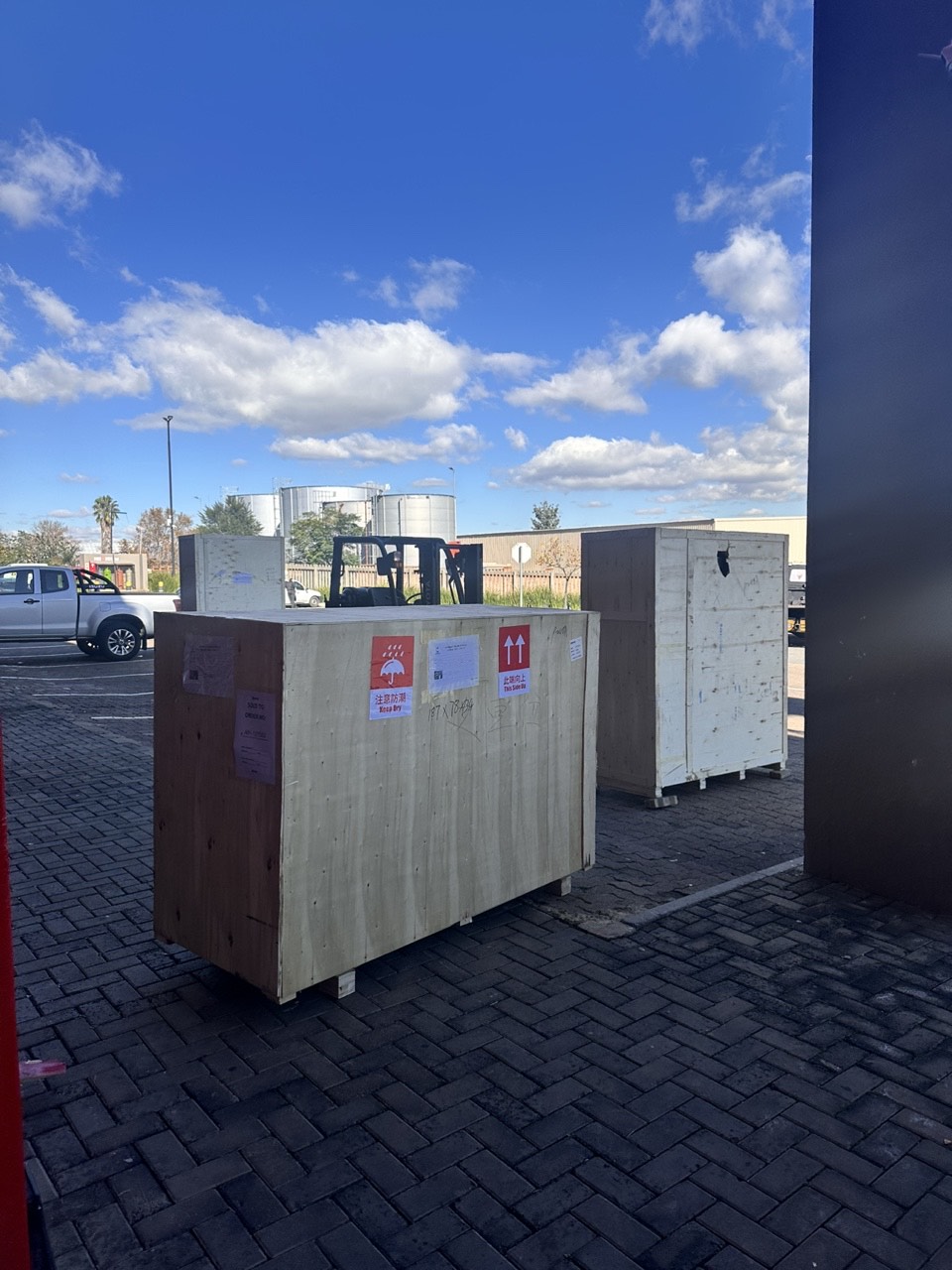
Batch of Orders
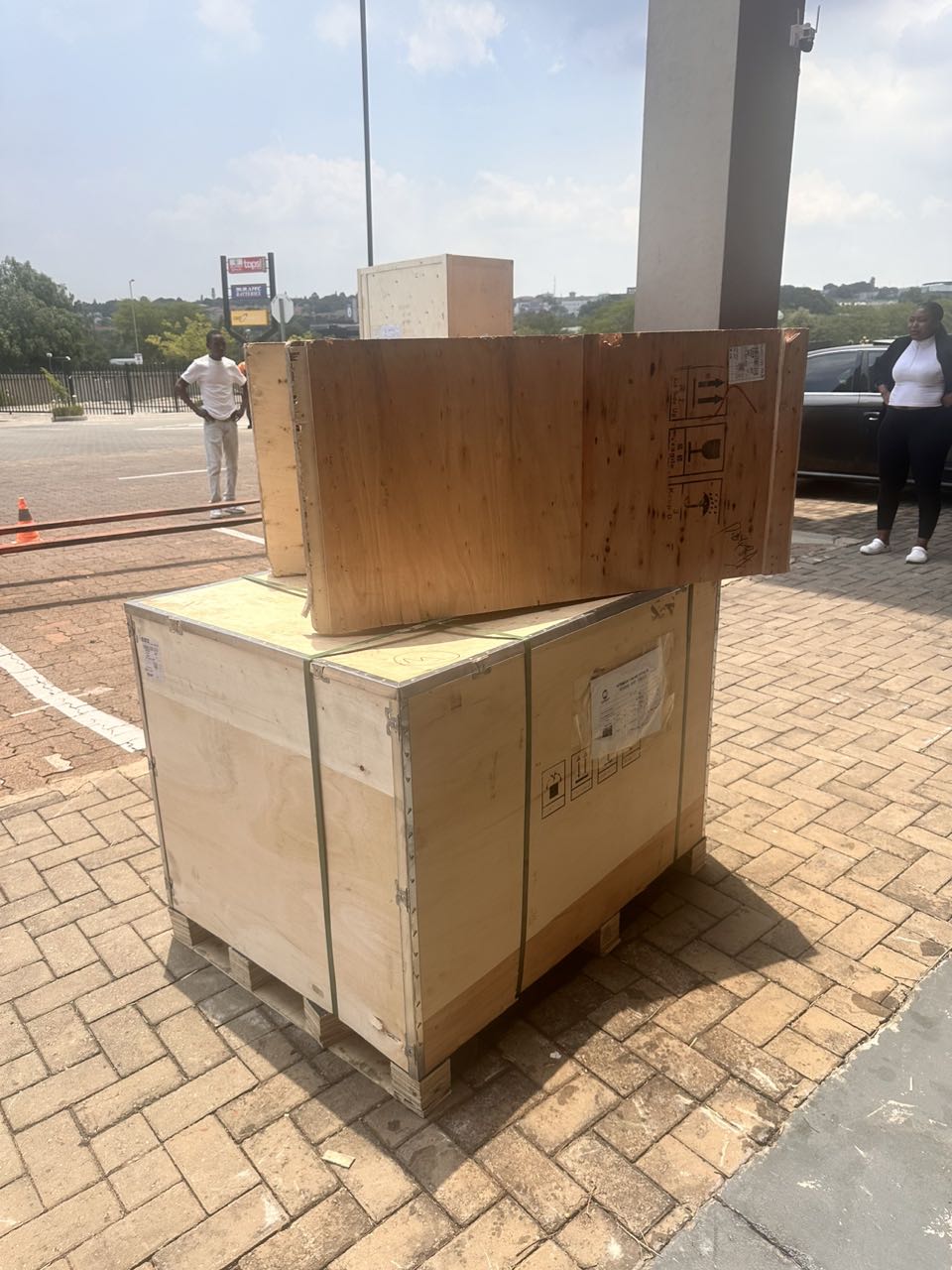
Batch of Orders
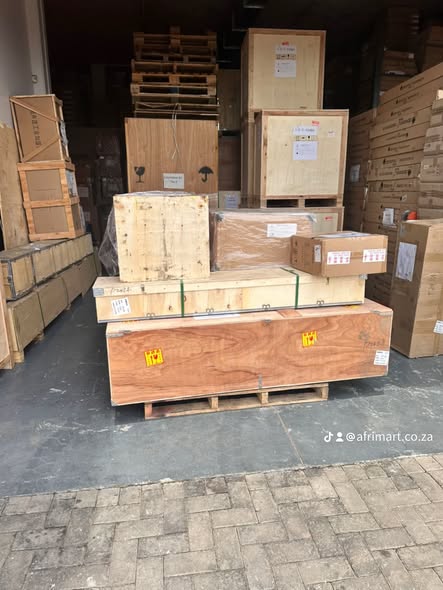
Latest Orders Labelled
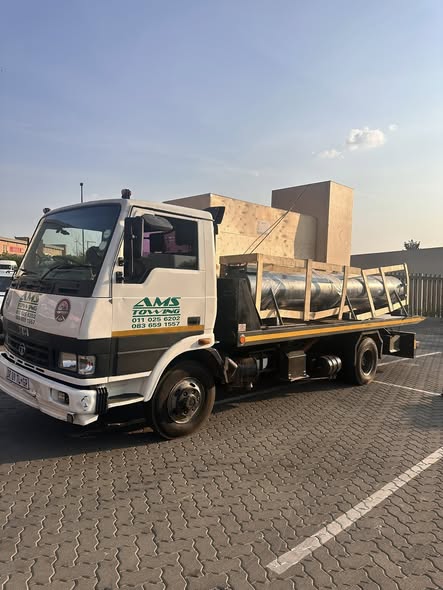
wheel alignment machines
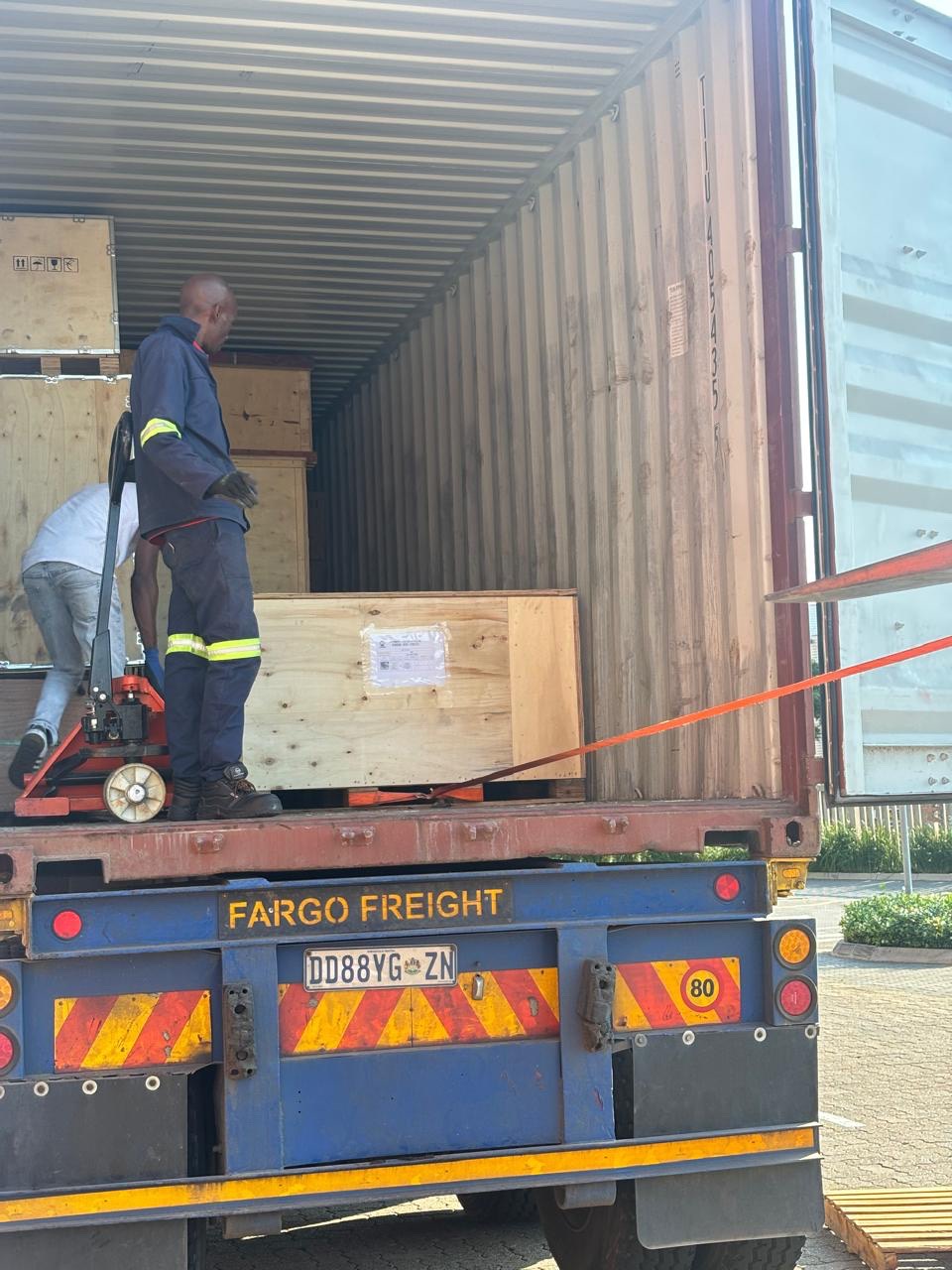
new arrivals
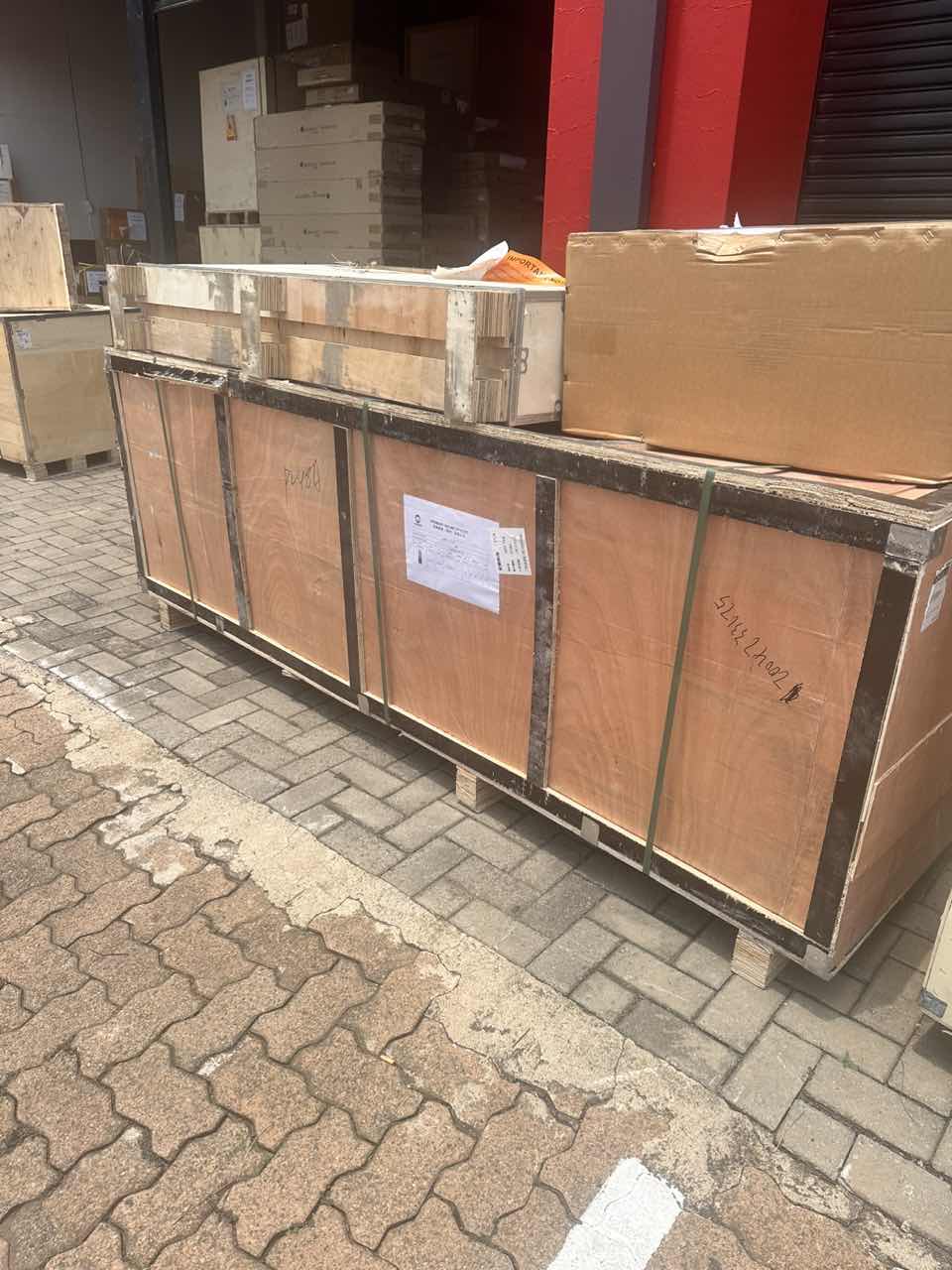
Pre Orders Offloading
Latest Arrivals
Latest Arrivals
Latest Arrivals
Loading
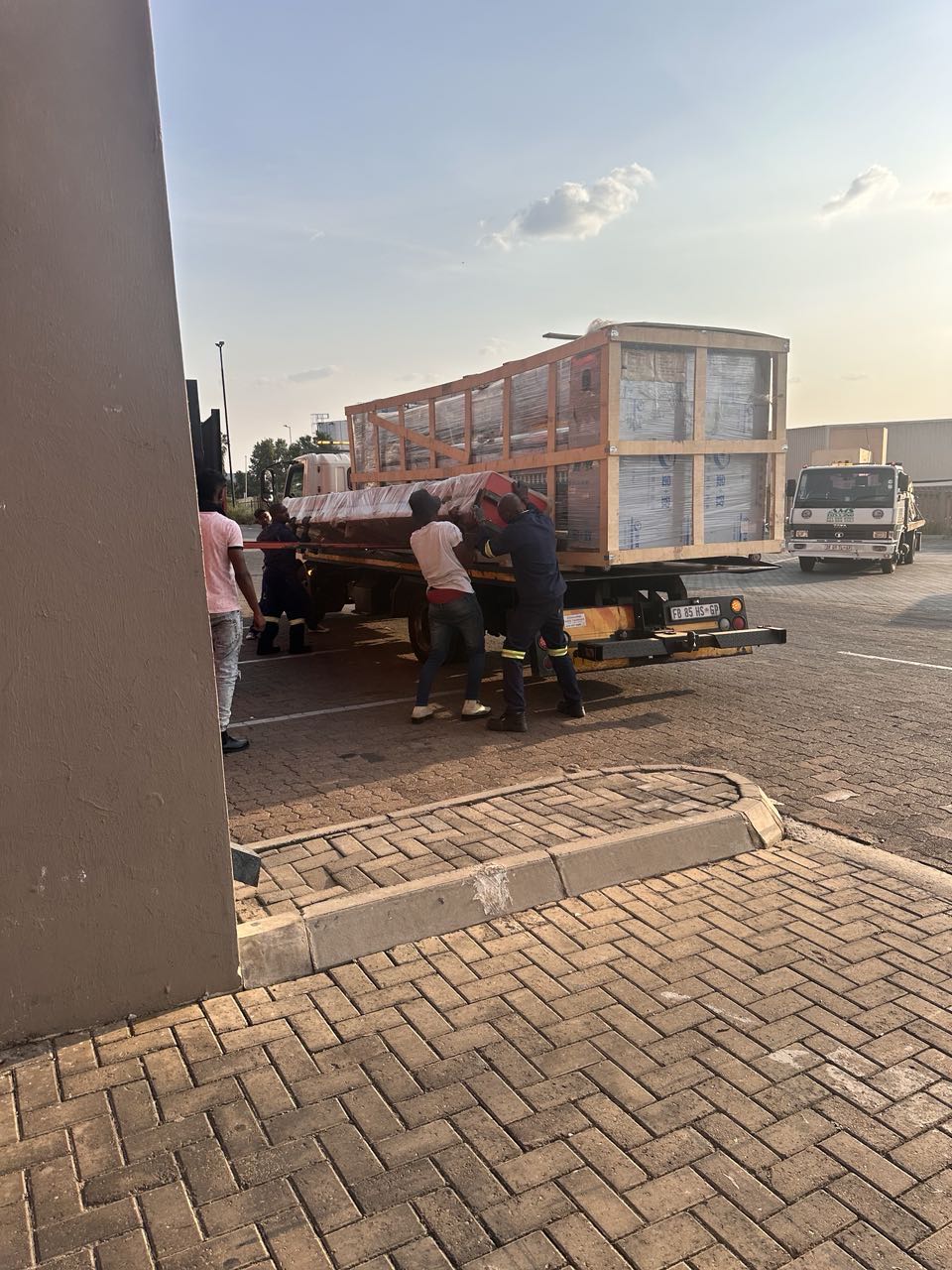
Toilet paper making machine
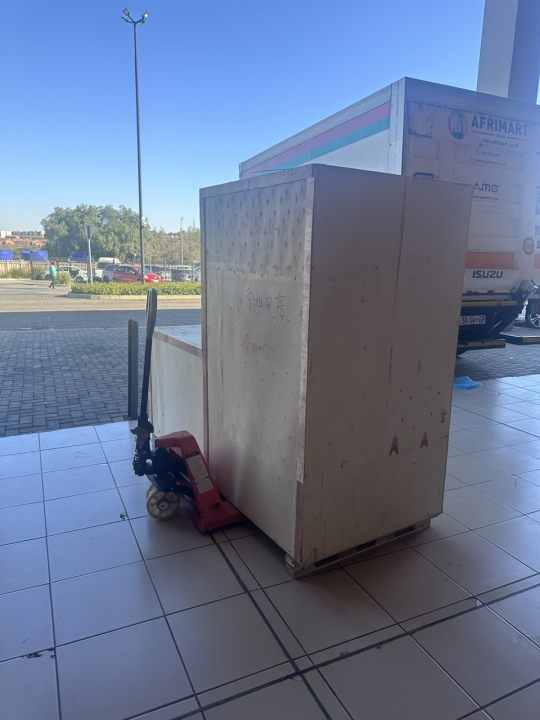
Toilet paper making machine
Toilet paper Rewinding Machine
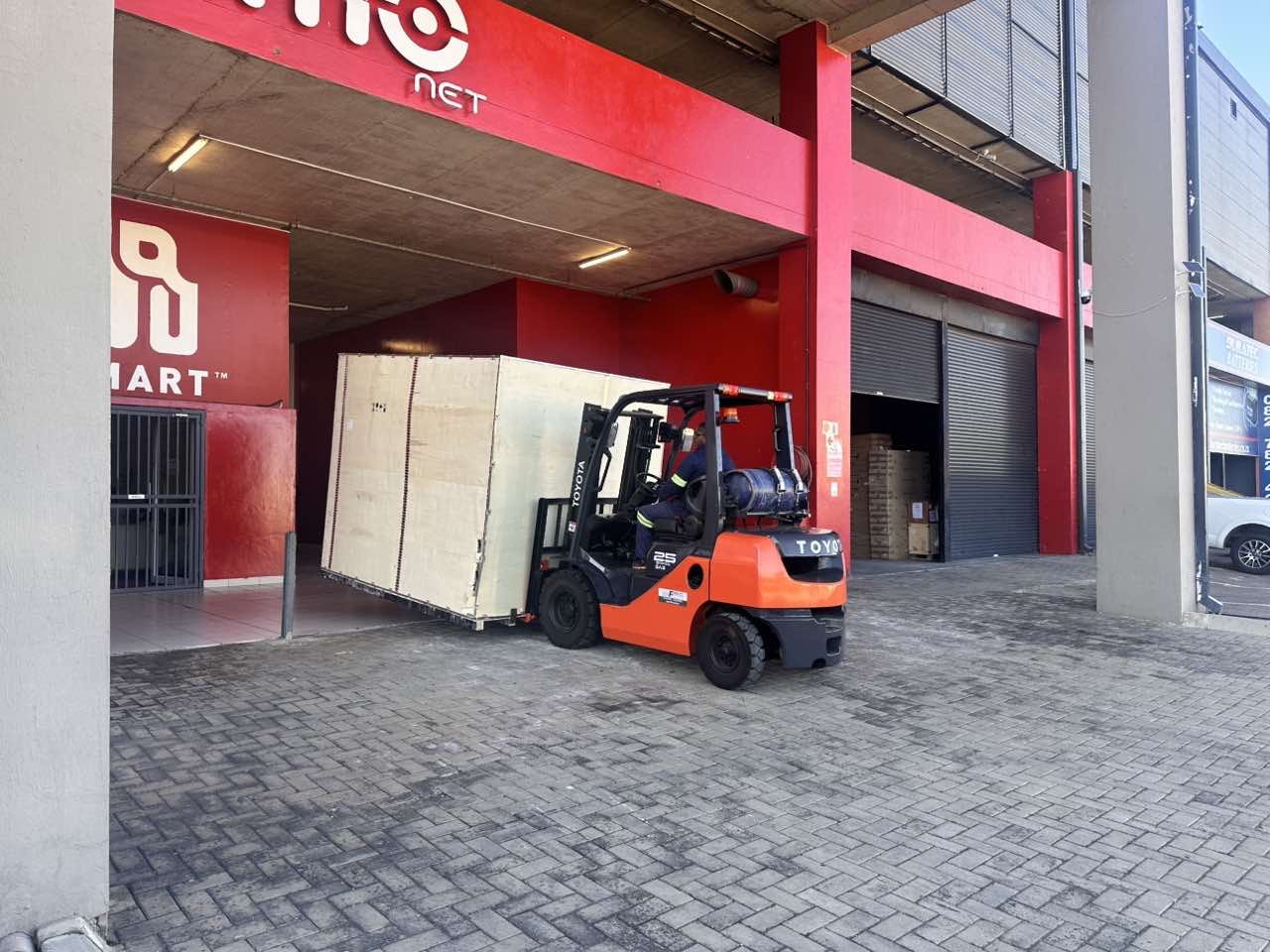
latest arrivals
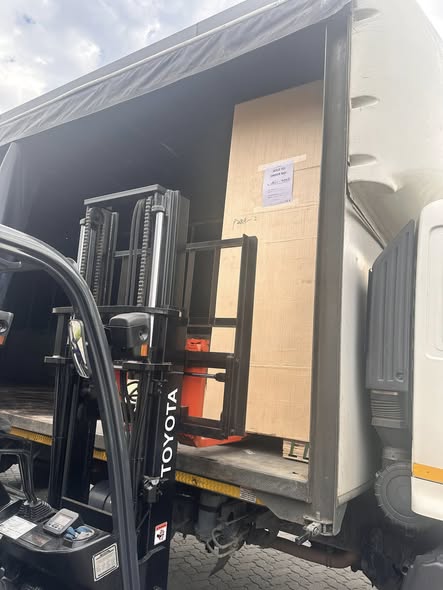
offloading
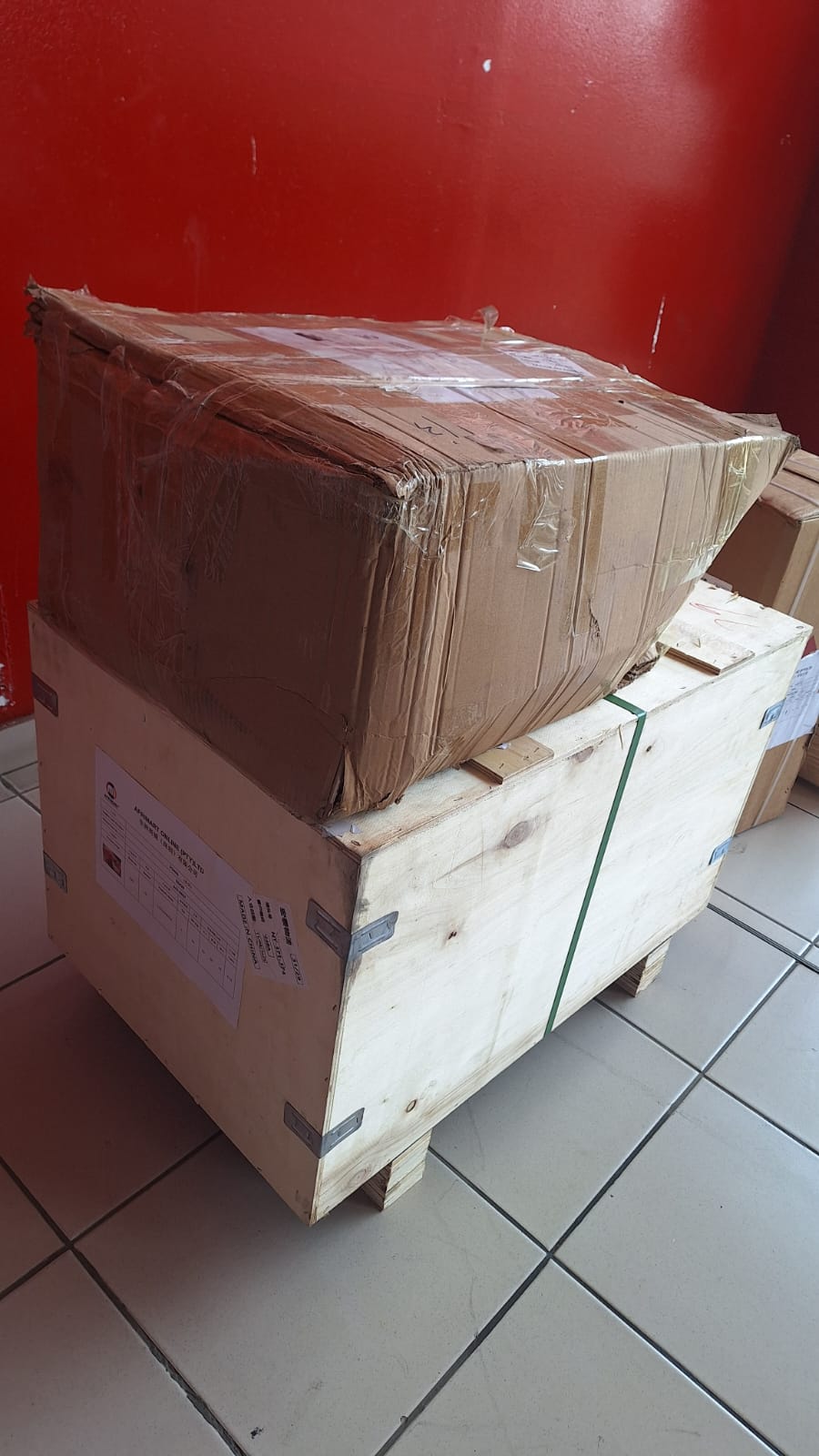
order success
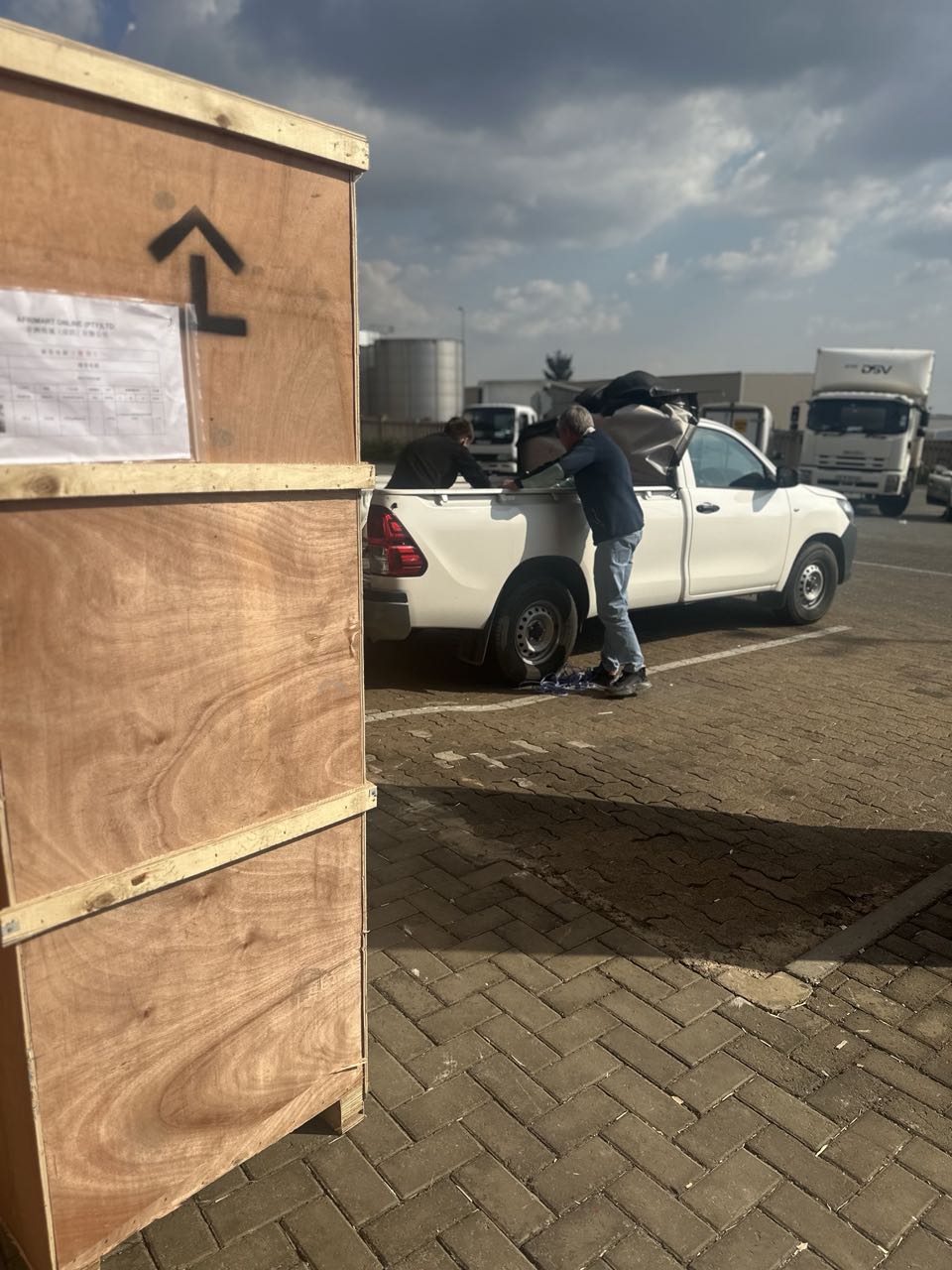
order collection
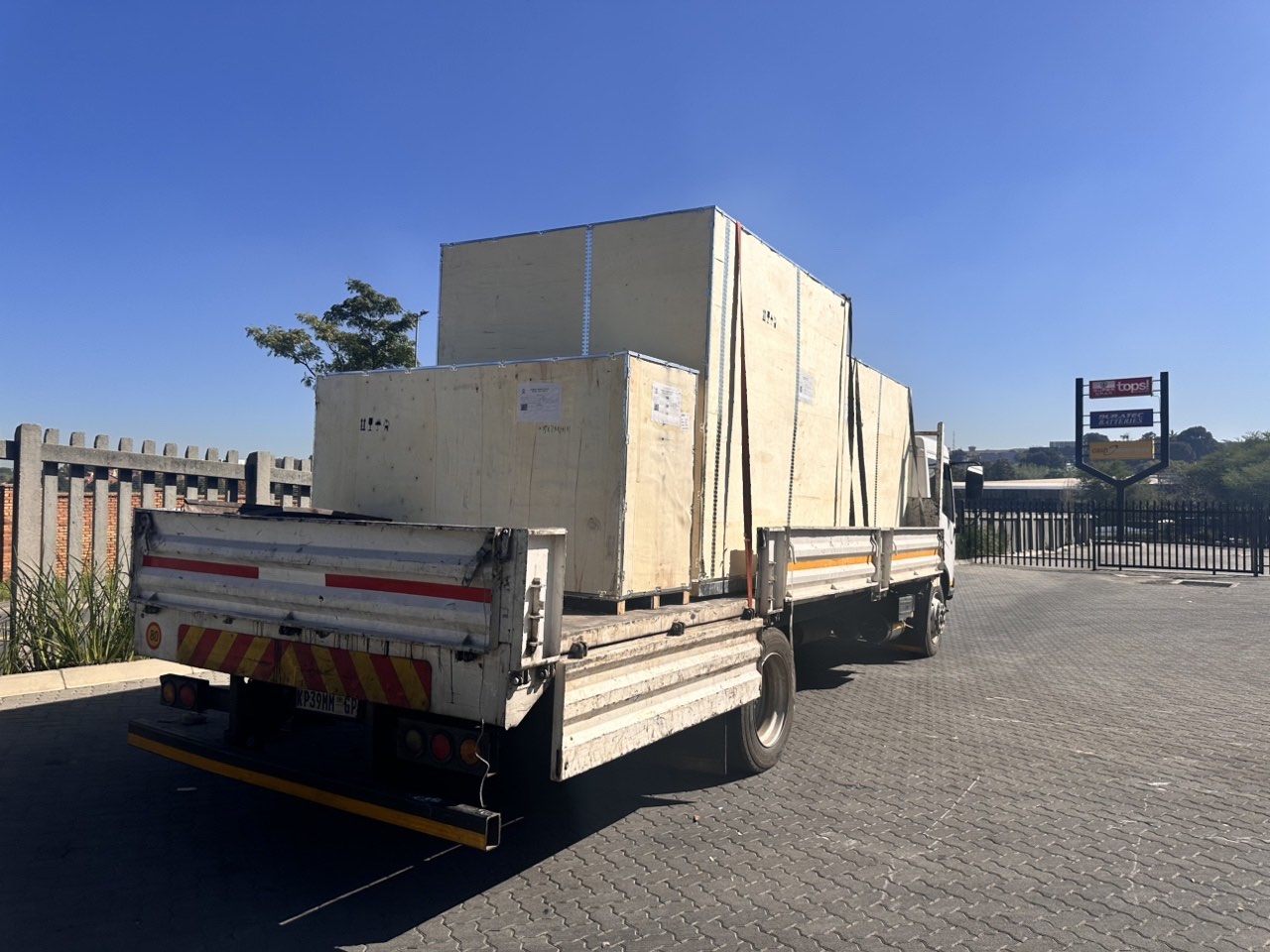
order offloading