B21, China Town Mall, Midrand


Anesthesia Gas Analyzer (Model: MG-1000)
Asset finance available
Do you want funding for this equipment?
Afrimart can connect you with trusted funding partners who specialise in asset finance for businesses like yours. Compare options and apply in minutes — final approval is subject to provider review.
Check funding options
Secure & no obligation

- Section : Medical Supplies
- Category : Veterinary Instrument
- SKU : 1601004656429

OEM Anesthesia Gas Analyzer (Model: MG-1000)
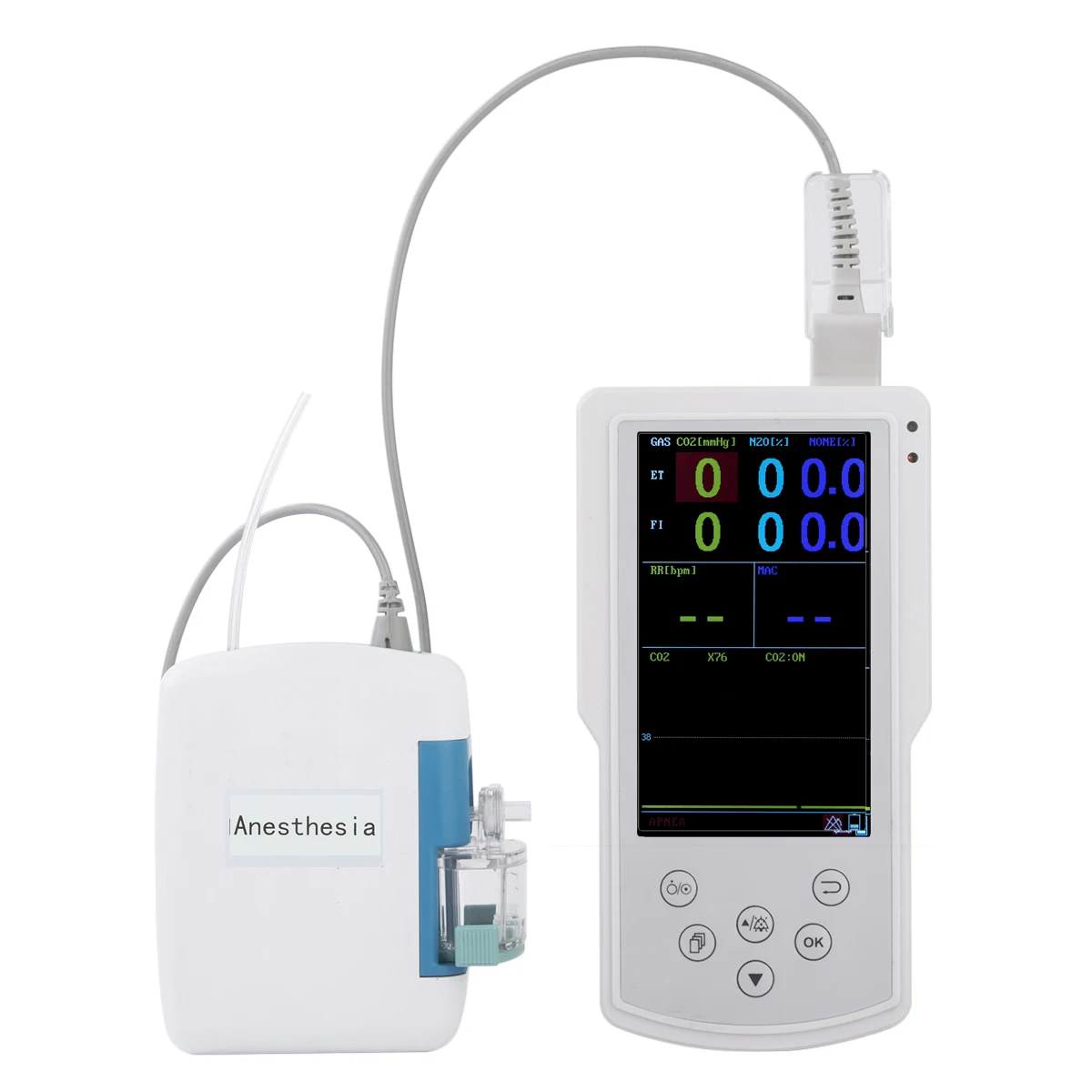
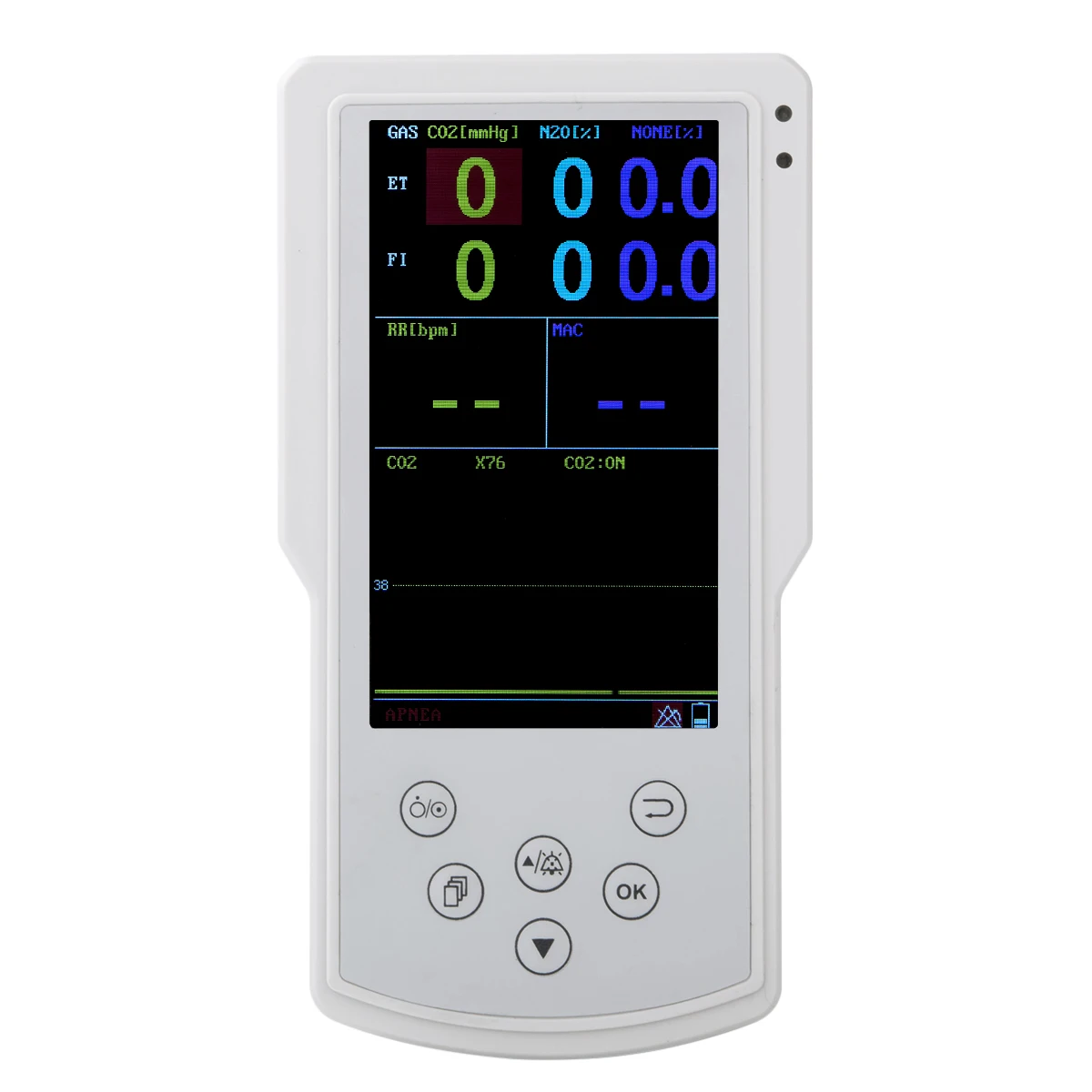
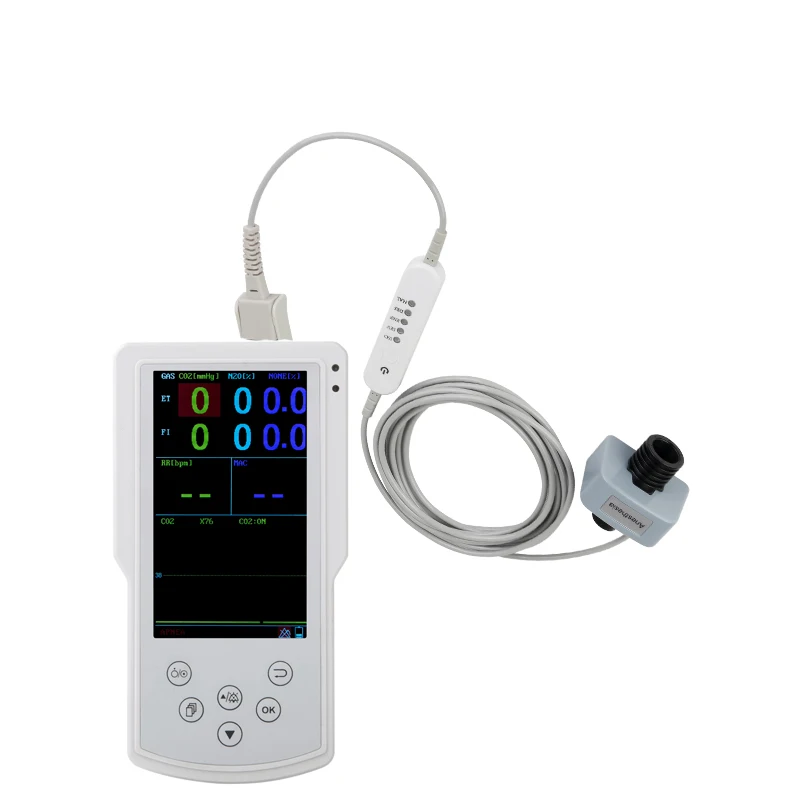
The OEM MG-1000 Anesthesia Gas Analyzer is a high-performance device designed for precise monitoring of anesthesia gas concentrations during veterinary surgeries. Compact and reliable, it ensures accurate gas detection, making it an essential tool in surgical environments.
Key Features:
- Product Name: Anesthesia Gas Analyzer
- Model Number: MG-1000
- Application: Veterinary, Surgery
- Material: Plastic
- Function: Anesthesia gas concentration detection
This Anesthesia Gas Analyzer is designed to ensure that the right gas concentrations are maintained during veterinary surgeries, helping to ensure the safety and efficacy of anesthesia administration.
Product Info Gallery
Technical Specifications
| Subject | Range & Accuracy |
| ETCO2 | 0-10% @ ±(0.2 vol% +2% of reading)
10-15% @ ± (0.3 vol% +2% of reading)
|
| Respiratory rate | 3 - 150 BPM @ ±1 breath |
| N2O | 0 - 100% @± (2vol% +2% of reading) |
| ISO,ENF,HAL | 0 - 6% @±(0.2vol% +2% of reading) |
| DES | 0 - 18% @± (0.2vol% +2% of reading) |
| SEV | 0 - 8% @± (0.2vol% +2% of reading) |
| Other Specifications | |
| Sample Rate | 100 ml/min, ±10ml/min |
| Initialization Time | 20 sec, full specifications within 60 sec.. |
| Clibration | No routine user calibration required |
| Compensation | Automatic for atmospheric pressure, temperature |
| Voltage & Power | 5.0 VDC ±5% |
| Temp& Humidity | Operating: 0º to 40°, 10 to 90% RH, Storage: -40º to 70ºC, <90% RH |
| Data Interface | Rs232, operating at 9600bps |
- Shipping Timeframes: All orders are processed within 2-5 business days (excluding weekends and holidays). After your order has been processed, the estimated delivery time is before 25 Jun, 2026, depending on customs, Please note that due to high demand, some items may experience longer shipping times, which will be communicated at order confirmation email.
- Order Processing Time: Please allow 2-5 business days for us to process your order before it is shipped . Orders placed after 16:00 on Fridays, or during weekends and public holidays, will begin processing on the next business day. Processing times may be extended during peak seasons or sales events.
- Manufacturing Time: Some products needs manufacturing time, the manufacturing process will take approximately 10-30 business days depending on the product. This timeframe may vary depending on the complexity of the product and current demand. but this will be communicated with you during order confirmation.
- Returns and Exchanges: We offer a 30-day return policy for most items. If you are not completely satisfied with your purchase, you may return it within 30 days of receipt for a refund or exchange. Items must be unused, in their original packaging, and accompanied by proof of purchase. Return shipping costs are the responsibility of the customer, unless the item was damaged or defective upon arrival.
1. What is the primary function of the Anesthesia Gas Analyzer MG-1000?
The primary function of the Anesthesia Gas Analyzer MG-1000 is to monitor anesthesia gas concentrations during veterinary surgeries, ensuring the right gas levels are maintained for patient safety.
2. What types of gases can the MG-1000 detect?
The MG-1000 can detect a variety of gases including Nitrous Oxide (N2O), Isoflurane (ISO), Enflurane (ENF), Halothane (HAL), Desflurane (DES), and Sevoflurane (SEV).
3. What is the sample rate of the MG-1000?
The sample rate of the MG-1000 is 100 ml/min, with a tolerance of ±10 ml/min.
4. Do I need to perform routine calibration on the MG-1000?
No, the MG-1000 does not require routine user calibration, making it easy to use in surgical environments.
5. What is the operating temperature range for the MG-1000?
The operating temperature range for the MG-1000 is from 0º to 40ºC with a humidity range of 10 to 90% RH.
6. How long does it take for the MG-1000 to initialize?
The MG-1000 takes approximately 20 seconds to initialize, with full specifications available within 60 seconds.
7. What is the power supply requirement for the MG-1000?
The MG-1000 requires a power supply of 5.0 VDC ±5%.
8. Can the MG-1000 adjust to changes in atmospheric pressure and temperature?
Yes, the MG-1000 automatically compensates for variations in atmospheric pressure and temperature.
9. What is the respiratory rate range that the MG-1000 can measure?
The MG-1000 can measure respiratory rates ranging from 3 to 150 BPM with an accuracy of ±1 breath.
10. Is the MG-1000 suitable for use in all veterinary surgeries?
Yes, the MG-1000 is designed specifically for veterinary surgeries, ensuring accurate monitoring of anesthesia gas concentrations.
11. What materials is the MG-1000 made of?
The MG-1000 is constructed from durable plastic, ensuring reliability in surgical environments.
12. What is the accuracy of the gas concentration measurements for the MG-1000?
The accuracy of the gas concentration measurements varies by gas type; for example, ETCO2 is ±(0.2 vol% + 2% of reading) for 0-10% concentration.
13. What data interface does the MG-1000 use?
The MG-1000 utilizes an RS232 data interface, operating at 9600 bps for data transmission.
14. What is the storage temperature range for the MG-1000?
The storage temperature range for the MG-1000 is from -40º to 70ºC with a humidity level of less than 90% RH.
15. Is the MG-1000 portable?
Yes, the compact design of the MG-1000 makes it portable and easy to use in various surgical settings.
Latest Order Arrivals
Discover our latest orders

12 Heads Embroidery Machine

Toilet Paper Machine Machine

Order Collection

Cross Border Clients

Order cros border countries Collected

Industrial Machine Cllection

Agriculture Processing Machines

Ready for collection

Water Pump Equipment

Packaging Machine and accessories

Fabrics Manufacturing Equipment

Mining Equipments

Food Processing Machine

Batch of Orders

Batch of Orders

Latest Orders Labelled

wheel alignment machines

new arrivals

Pre Orders Offloading

Latest Arrivals

Latest Arrivals

Latest Arrivals

Loading

Toilet paper making machine

Toilet paper making machine

Toilet paper Rewinding Machine

latest arrivals

offloading

order success

order collection

order offloading