B21, China Town Mall, Midrand

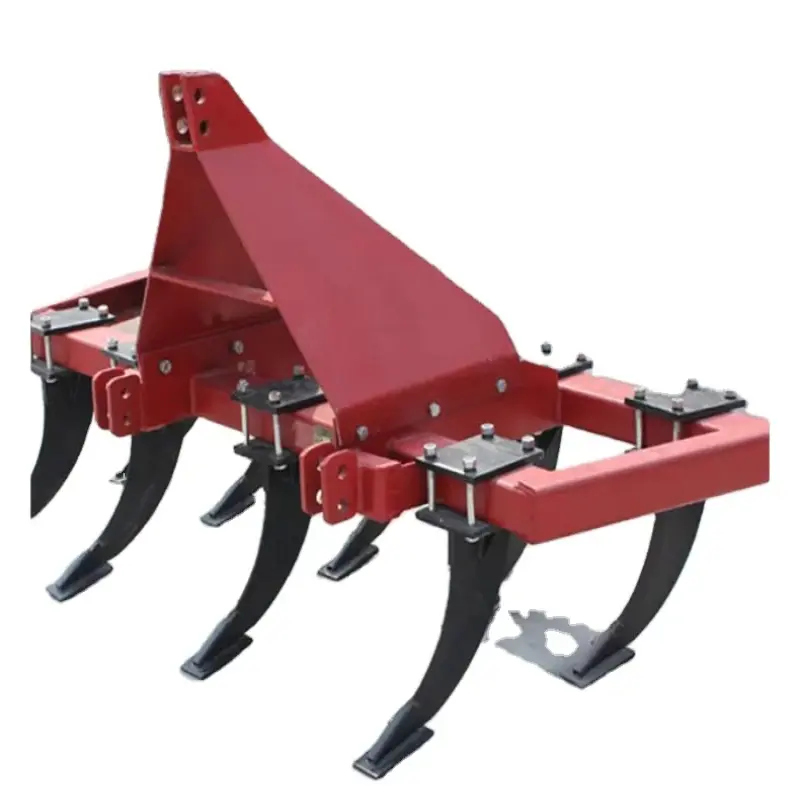
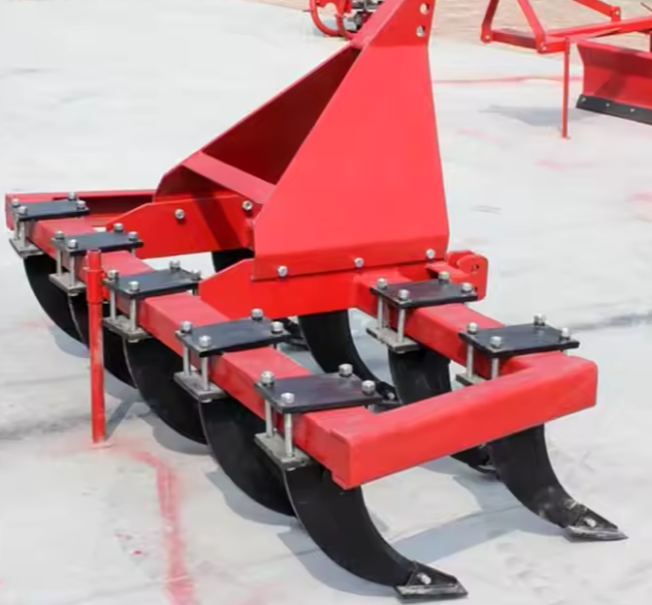
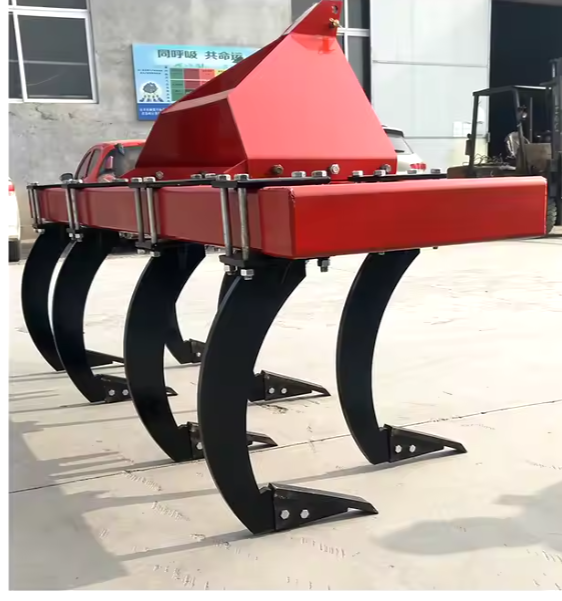
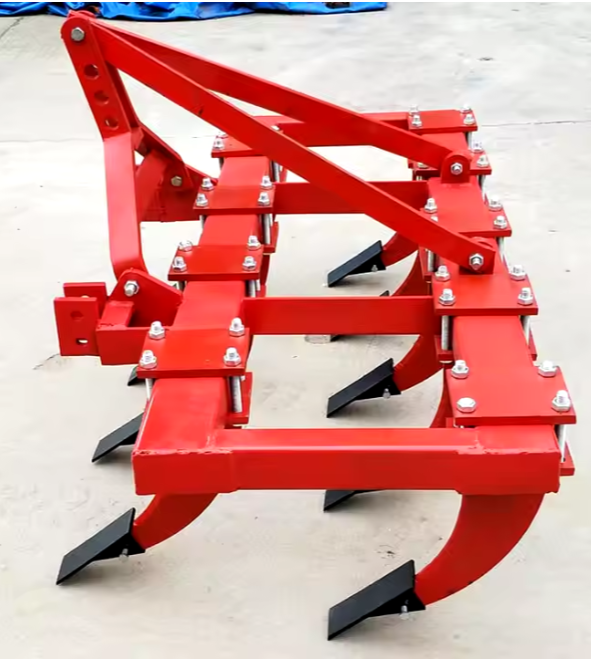
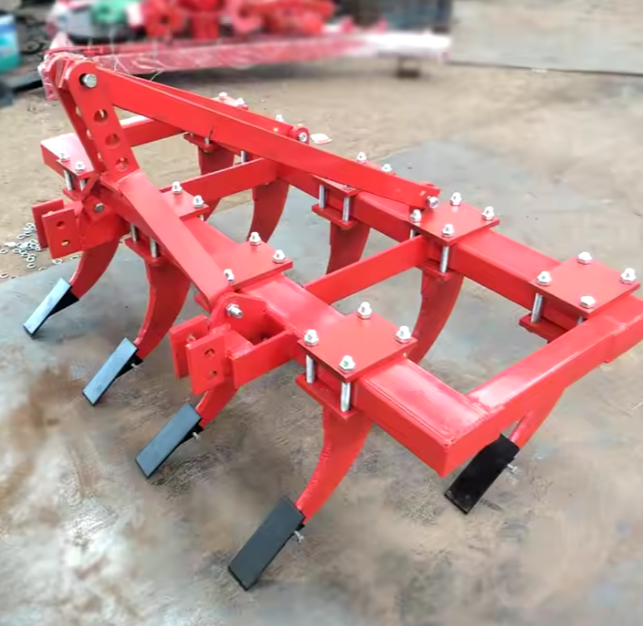
Agricultural Machinery Subsoiler

- Section : Machinery
- Category : Agriculture Machinery
- SKU : 1600606737775

Agricultural Machinery Subsoiler
The Agricultural Machinery Subsoiler is designed for efficient tillage, making it an essential tool for farmers looking to improve soil quality and productivity. Built with durable components, this machine offers reliability and high performance in various agricultural settings.
Key Features
- Power Options: Compatible with engines ranging from 25 to 100 hp, including optional diesel engines for versatile operation.
- Effective Tilling: Achieves a tilling depth of 150 mm to 300 mm, ensuring thorough soil preparation.
- Three-Point Mounted Linkage: Easily attaches to tractors for seamless operation in the field.
- Robust Construction: Weighing 500 kg, it is built to handle tough farming conditions.
- High Productivity: Designed to enhance efficiency in soil tilling, maximizing output for farming operations.
Usage
The Agricultural Machinery Subsoiler is ideal for farm tilling, helping to aerate the soil, improve water retention, and prepare land for planting.
In summary, this subsoiler is a reliable solution for farmers looking to enhance their tillage processes and boost agricultural productivity.
Product Info Gallery
- Core Components: Gear, Engine
- Dimensions: 500 mm x 650 mm x 350 mm


Detailed parameters
| Model | Unit | 3S-1.0 | 3S-1.4 | 3S-1.8 | 3S-2.1 | 3S-2.6 |
| Working width | mm | 1000 | 1400 | 1800 | 2100 | 2600 |
| No. of plowbody | pcs | 5 | 7 | 9 | 11 | 13 |
| Working depth | mm | 100-240 | ||||
| Total weight | kg | 240 | 280 | 320 | 370 | 450 |
| Matched power | hp | 25-30 | 30-40 | 50-60 | 70-80 | 80-90 |
| Linkage | Three-pointed mounted |
Detailed description


Workshop


| Composition | Contents % |
| c | 0.62~0.70 |
| Mn | 0.90~1.2 |
| Si | 0.17~0.37 |
| S | ≤0.035 |
| P | ≤0.035 |
| Ni | ≤0.25 |
| Cr | ≤0.25 |
| Cu | ≤0.025 |
- Shipping Timeframes: All orders are processed within 2-5 business days (excluding weekends and holidays). After your order has been processed, the estimated delivery time is before 13 Aug, 2026, depending on customs, Please note that due to high demand, some items may experience longer shipping times, which will be communicated at order confirmation email.
- Order Processing Time: Please allow 2-5 business days for us to process your order before it is shipped . Orders placed after 16:00 on Fridays, or during weekends and public holidays, will begin processing on the next business day. Processing times may be extended during peak seasons or sales events.
- Manufacturing Time: Some products needs manufacturing time, the manufacturing process will take approximately 10-30 business days depending on the product. This timeframe may vary depending on the complexity of the product and current demand. but this will be communicated with you during order confirmation.
- Returns and Exchanges: We offer a 30-day return policy for most items. If you are not completely satisfied with your purchase, you may return it within 30 days of receipt for a refund or exchange. Items must be unused, in their original packaging, and accompanied by proof of purchase. Return shipping costs are the responsibility of the customer, unless the item was damaged or defective upon arrival.
1. What is the Agricultural Machinery Subsoiler used for?
The subsoiler is used for deep tillage to break hardpan, aerate soil, improve water infiltration and retention, and prepare seedbeds — improving soil quality and crop productivity.
2. What tractor power is required to operate the subsoiler?
It is compatible with tractors from about 25 to 100 hp depending on the model. Specific model matching: 3S-1.0 (25–30 hp), 3S-1.4 (30–40 hp), 3S-1.8 (50–60 hp), 3S-2.1 (70–80 hp), 3S-2.6 (80–90 hp). An optional diesel engine configuration is also offered for standalone operation.
3. What is the working width and number of shanks (plow bodies) available?
Working widths available: 1000 mm (3S-1.0), 1400 mm (3S-1.4), 1800 mm (3S-1.8), 2100 mm (3S-2.1), and 2600 mm (3S-2.6). Corresponding number of plow bodies: 5, 7, 9, 11, and 13 respectively.
4. How deep can the subsoiler till?
Typical effective tilling depth is given as 150–300 mm in product highlights; model specifications list a working depth range of 100–240 mm. Actual depth is adjustable and depends on model, soil conditions and tractor power.
5. What are the weight and dimensions of the machine?
Overall dimensions are listed as 500 mm x 650 mm x 350 mm. Model weights vary: approximately 240 kg (3S-1.0), 280 kg (3S-1.4), 320 kg (3S-1.8), 370 kg (3S-2.1), and 450 kg (3S-2.6). Some listings reference a 500 kg configuration which may include optional components.
6. How is the subsoiler attached to the tractor?
The subsoiler uses a standard three-point mounted linkage (Category II/III depending on tractor and model) for secure and simple attachment. Always match your tractor hitch category and lifting capacity to the implement.
7. What are the main components and materials used in construction?
Core components include gears and engine (if configured). The frame and shanks are made from robust steels with typical composition ranges: C 0.62–0.70%, Mn 0.90–1.20%, Si 0.17–0.37%, S ≤ 0.035%, P ≤ 0.035%, Ni ≤ 0.25%, Cr ≤ 0.25%, Cu ≤ 0.025% — providing strength and wear resistance.
8. Is a diesel engine included or required?
Standard units are tractor-mounted and powered by the tractor's drawbar/hitch. An optional diesel engine configuration is available for users who require a self-powered unit; check product options with the supplier.
9. What maintenance is recommended to keep the subsoiler in good condition?
Regularly check and tighten bolts, inspect and replace worn shanks/points, lubricate moving parts, clean debris after use, check gear/engine (if fitted) per manufacturer guidance, and store under cover to reduce corrosion. Replace wear parts before they become dangerously worn.
10. Which soils and conditions is the subsoiler best suited for?
It is ideal for compacted soils, clay and loam where deep loosening is needed. Avoid extremely rocky fields or clear large surface debris before operation. Adjust depth and speed according to soil moisture and texture.
11. What safety precautions should operators follow?
Ensure tractor is turned off and parking brake engaged when hitching/unhitching. Use proper PPE (gloves, boots, eye protection), keep bystanders clear during operation, do not exceed recommended speeds, and avoid striking large obstacles. Follow the tractor and implement manuals for safe coupling and use.
12. Are spare parts and wear parts available?
Common wear parts (shanks, replaceable points/teeth, bolts) are typically available. Contact the supplier or manufacturer to order model-specific spare parts and for part numbers.
13. Can the subsoiler be customized for different farm sizes or tasks?
Yes — different working widths and numbers of plow bodies are offered across the model range to suit different tractor sizes and field widths. Optional features (e.g., reinforced shanks, different point types, or an onboard engine) may be available — consult the supplier for customization options.
14. What warranty or after-sales support is provided?
Warranty and after-sales support vary by manufacturer and dealer. Contact your supplier directly for specific warranty terms, service plans, and local support or spare-parts availability.
Latest Order Arrivals
Discover our latest orders
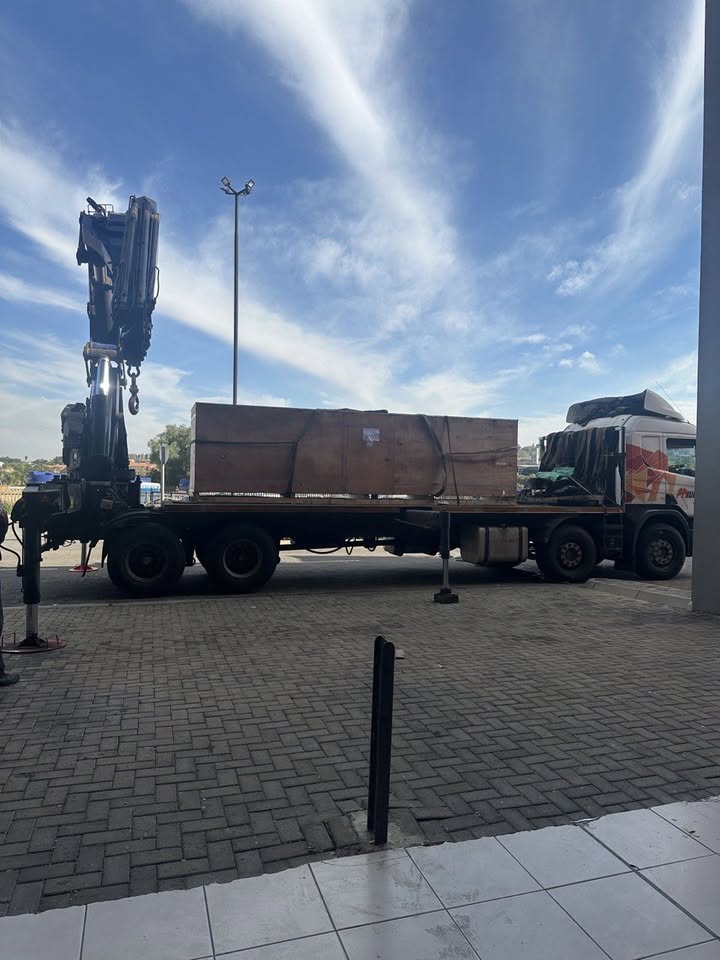
12 Heads Embroidery Machine
Toilet Paper Machine Machine
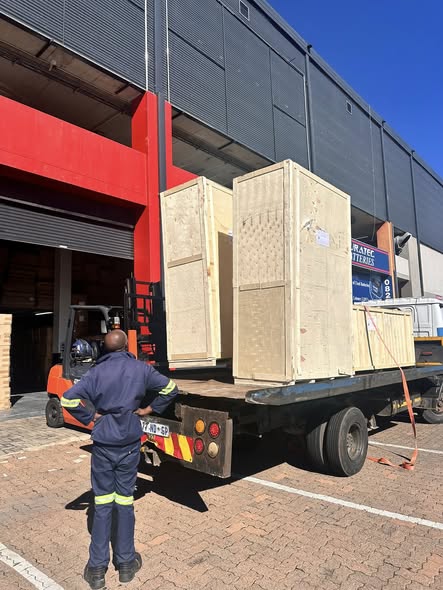
Order Collection
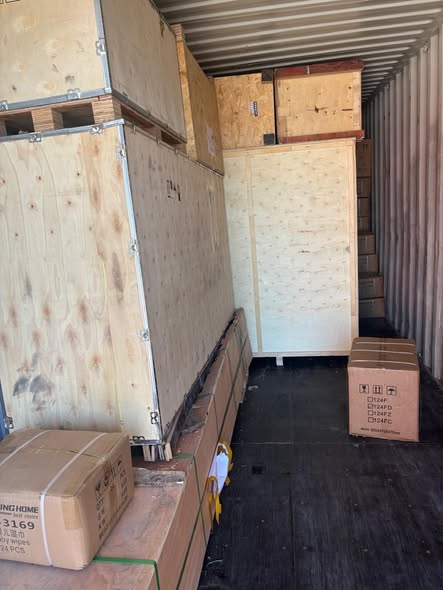
Cross Border Clients
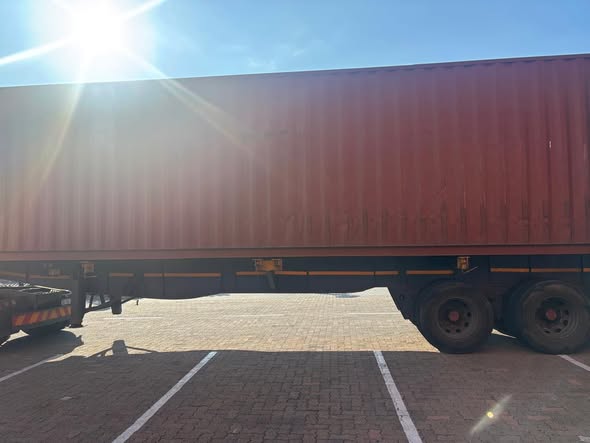
Order cros border countries Collected
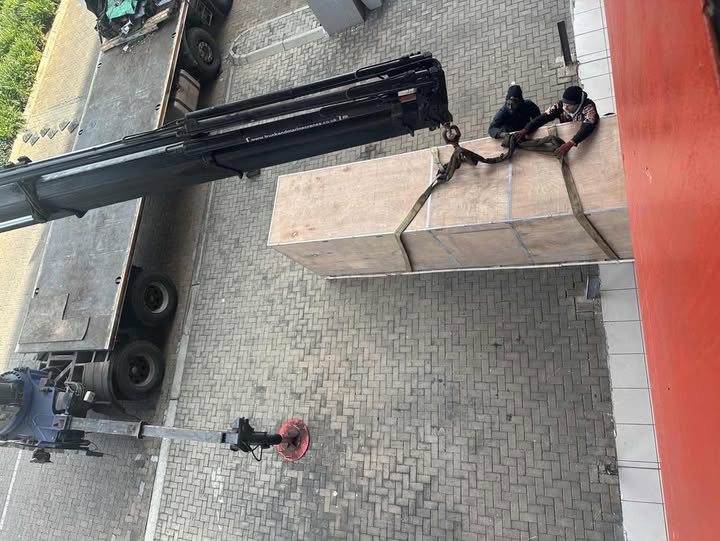
Industrial Machine Cllection
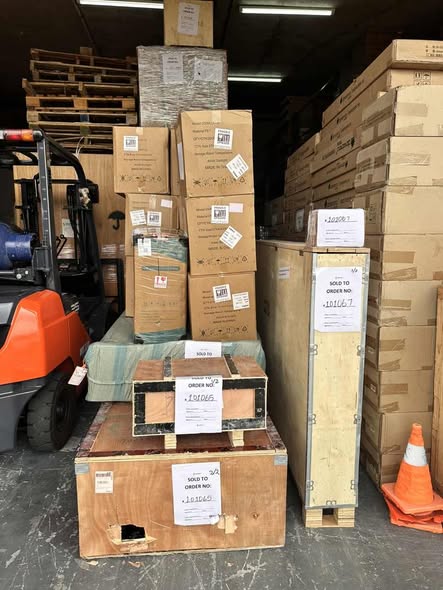
Agriculture Processing Machines
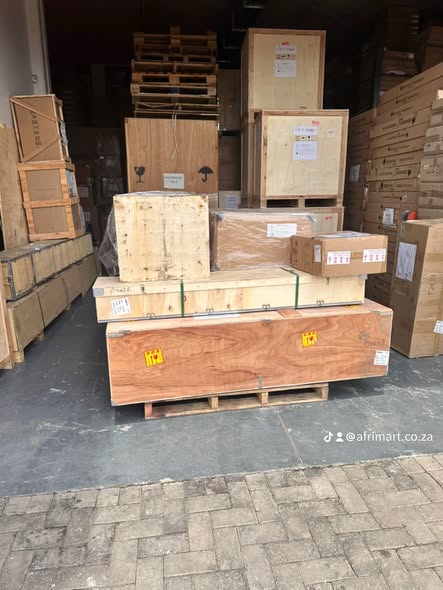
Ready for collection
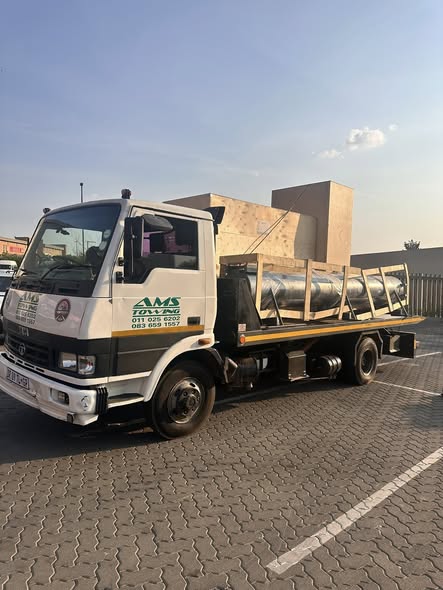
Water Pump Equipment
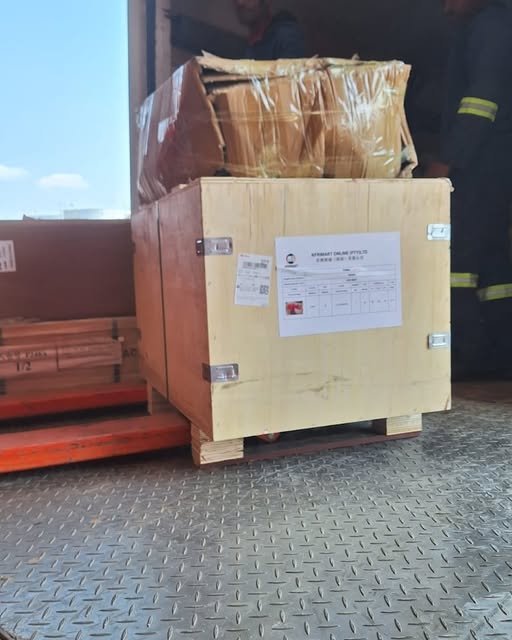
Packaging Machine and accessories
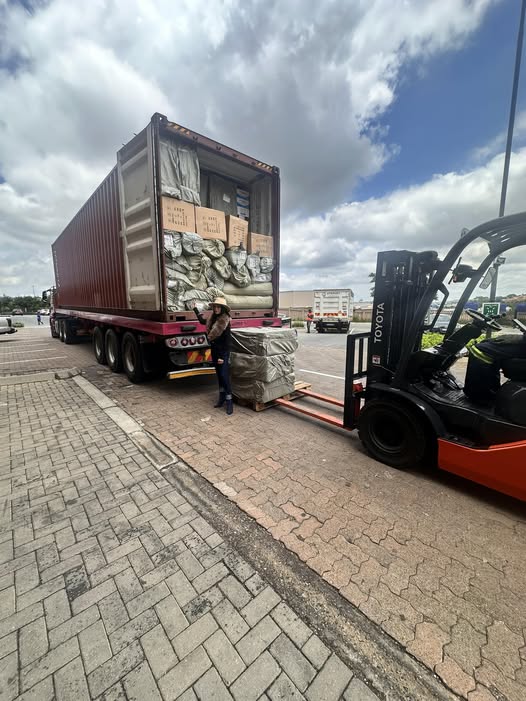
Fabrics Manufacturing Equipment
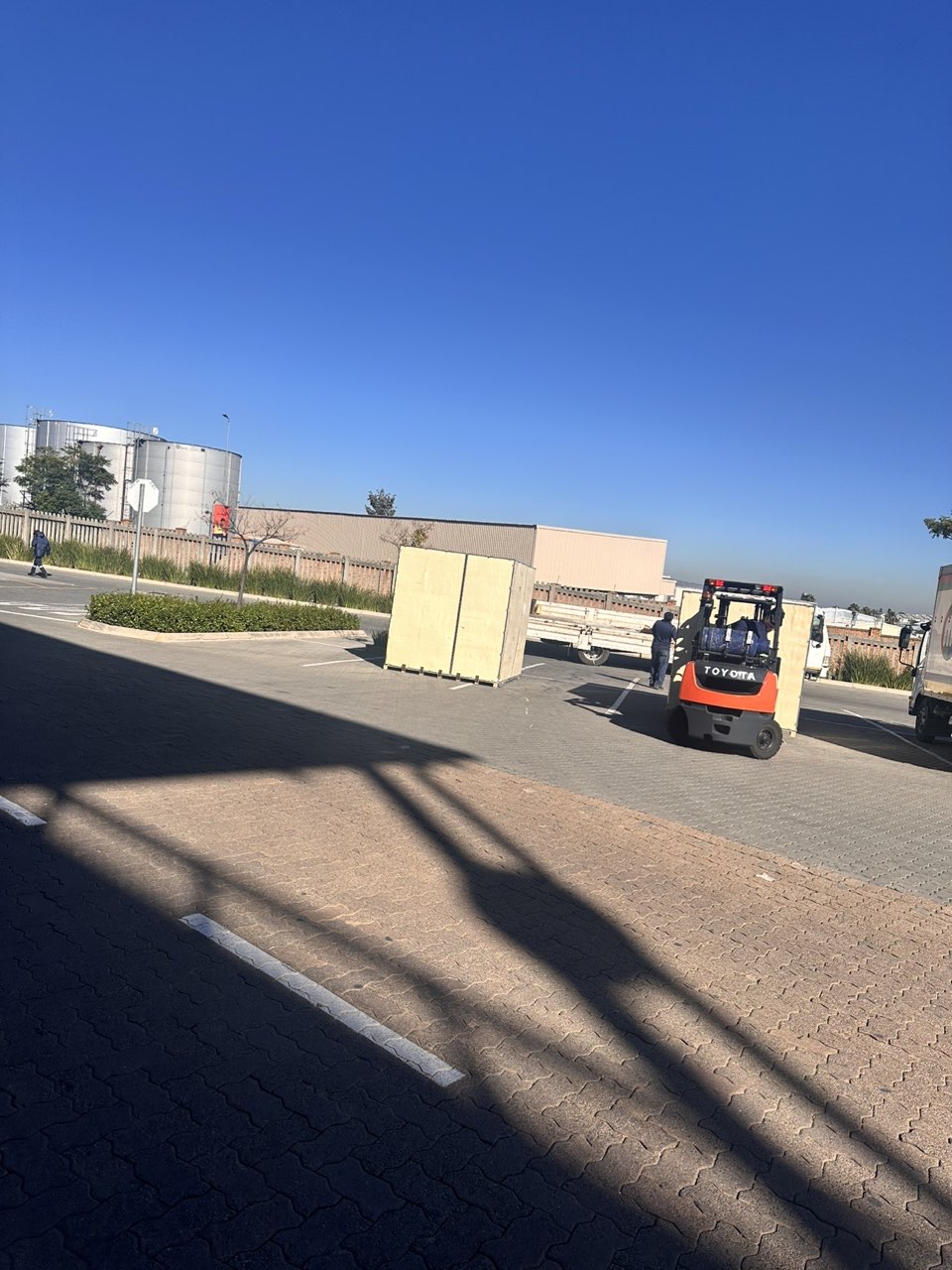
Mining Equipments
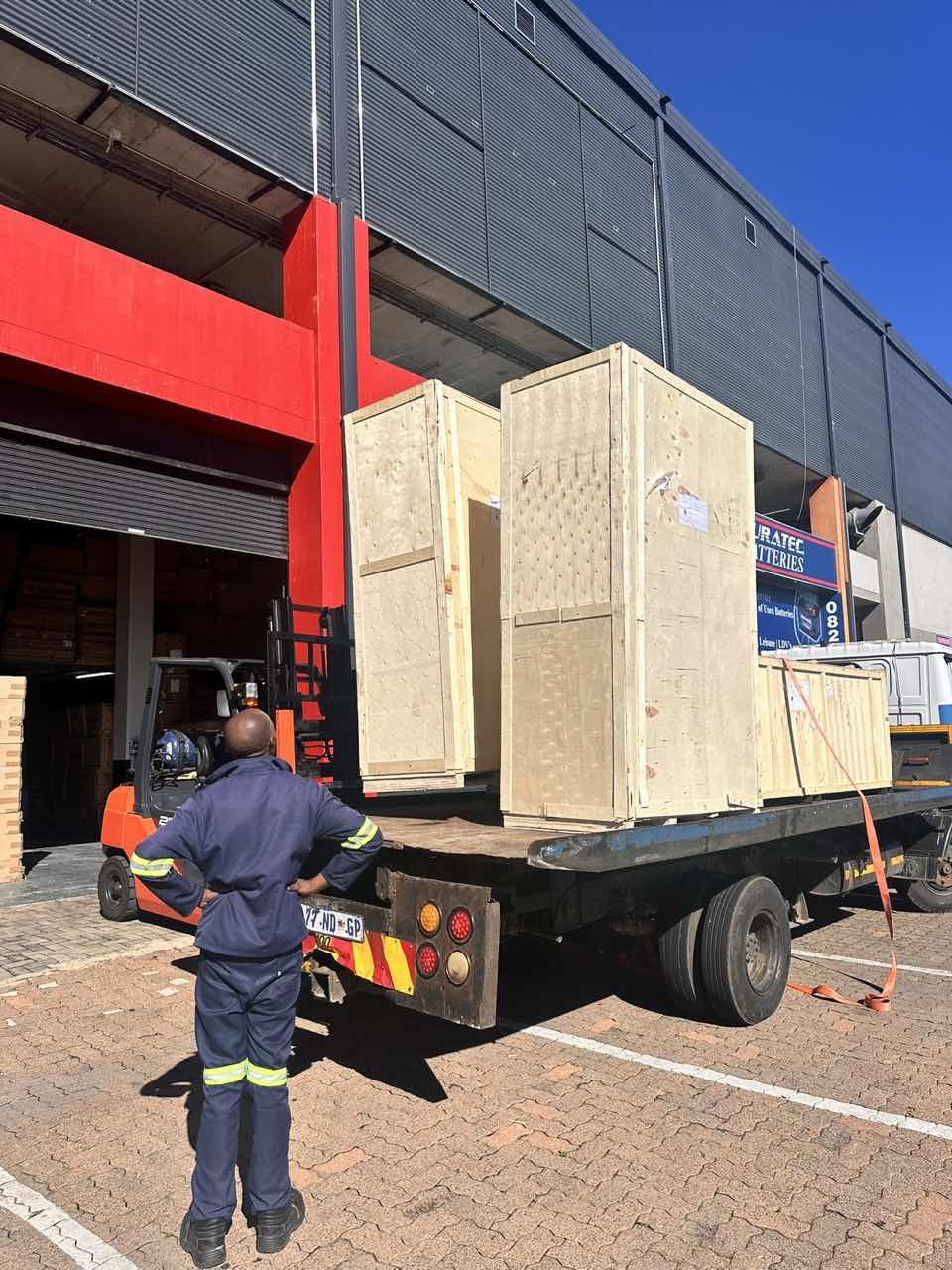
Food Processing Machine
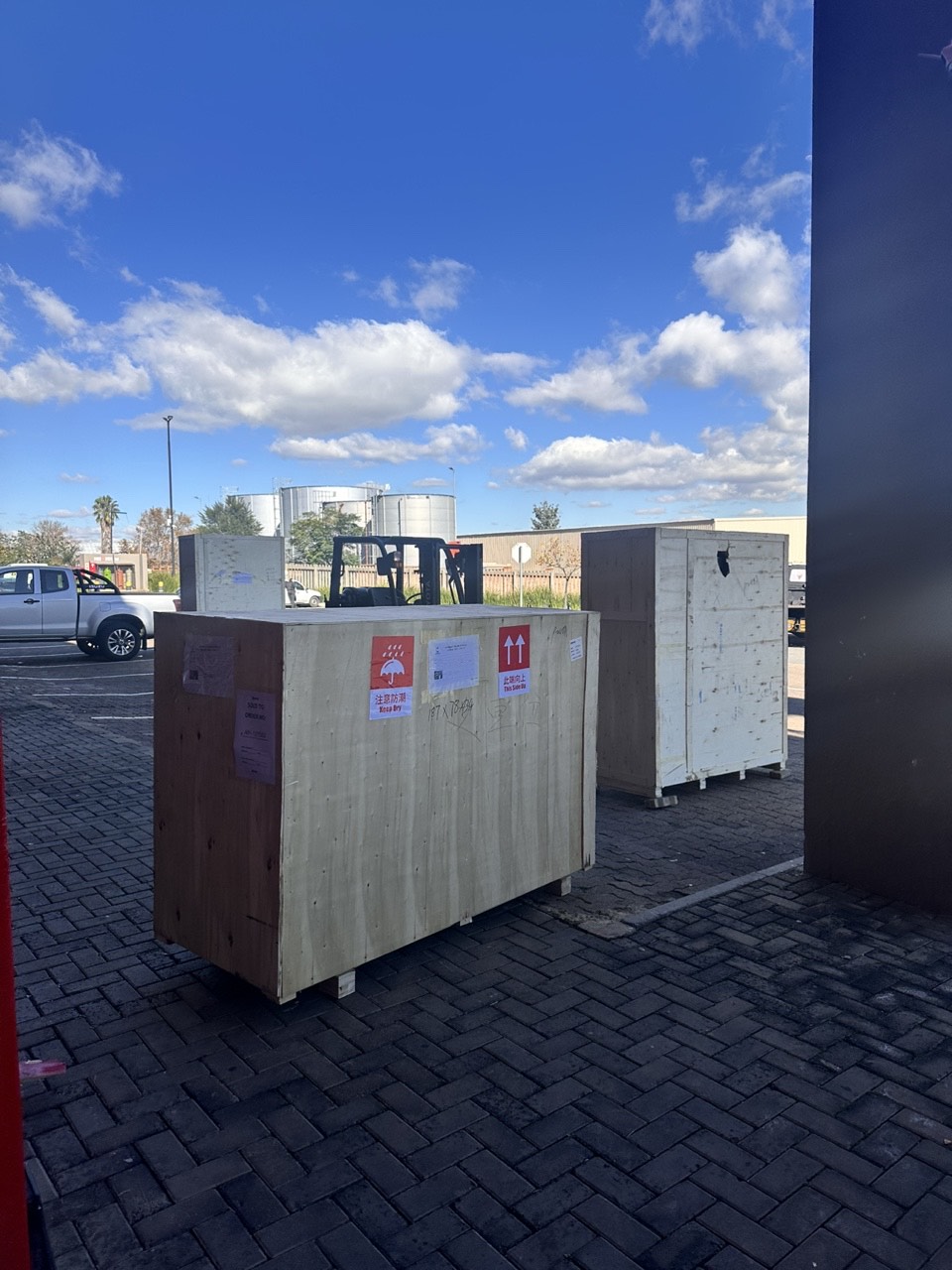
Batch of Orders
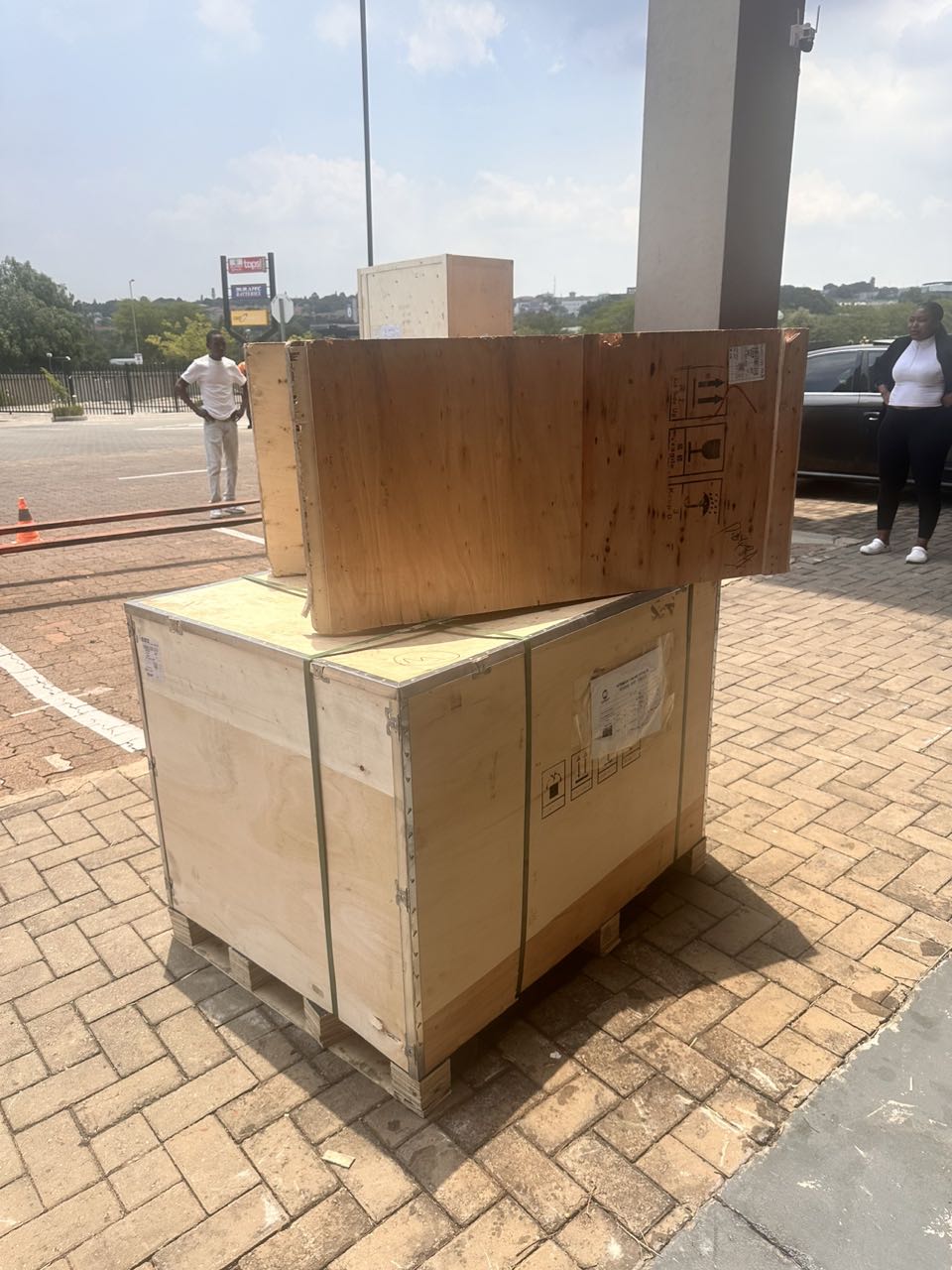
Batch of Orders
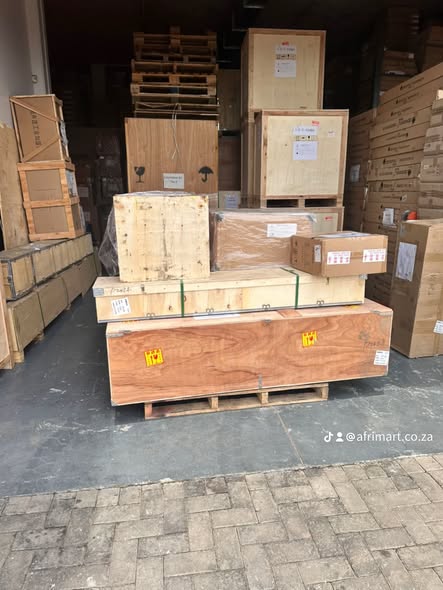
Latest Orders Labelled
wheel alignment machines
new arrivals
Pre Orders Offloading
Latest Arrivals
Latest Arrivals
Latest Arrivals
Loading
Toilet paper making machine
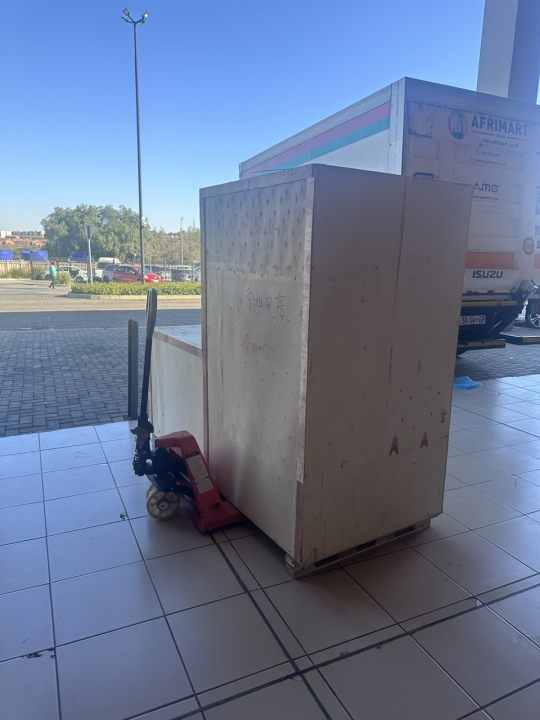
Toilet paper making machine
Toilet paper Rewinding Machine
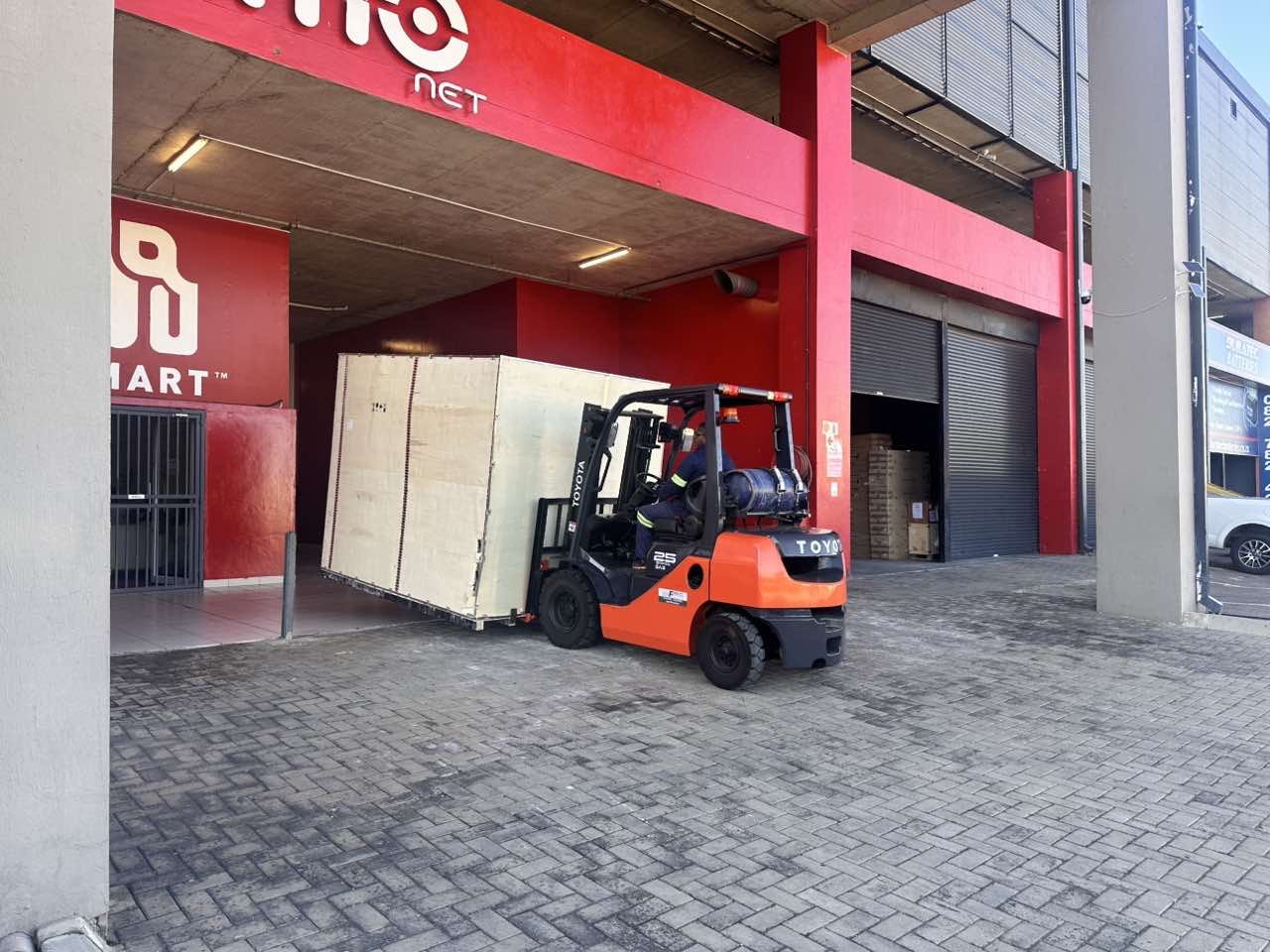
latest arrivals
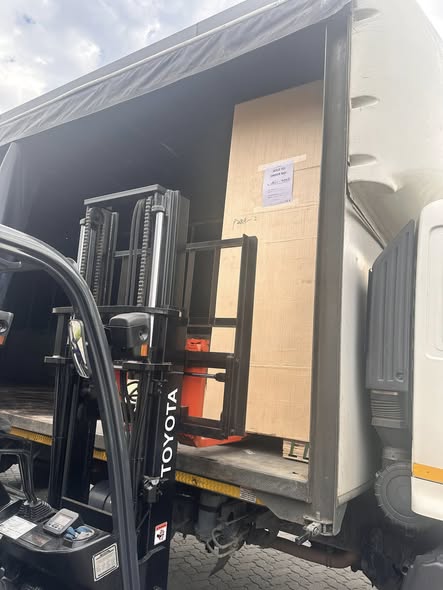
offloading
order success
order collection
order offloading