B21, China Town Mall, Midrand

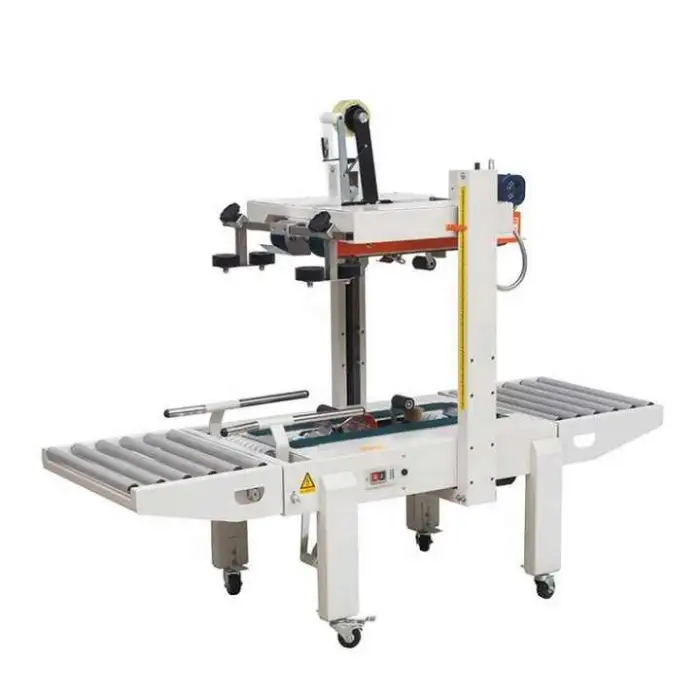
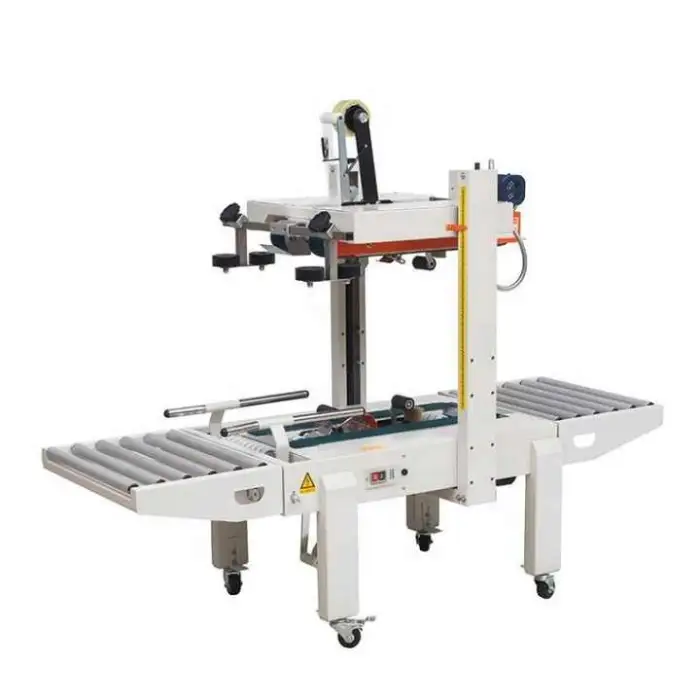
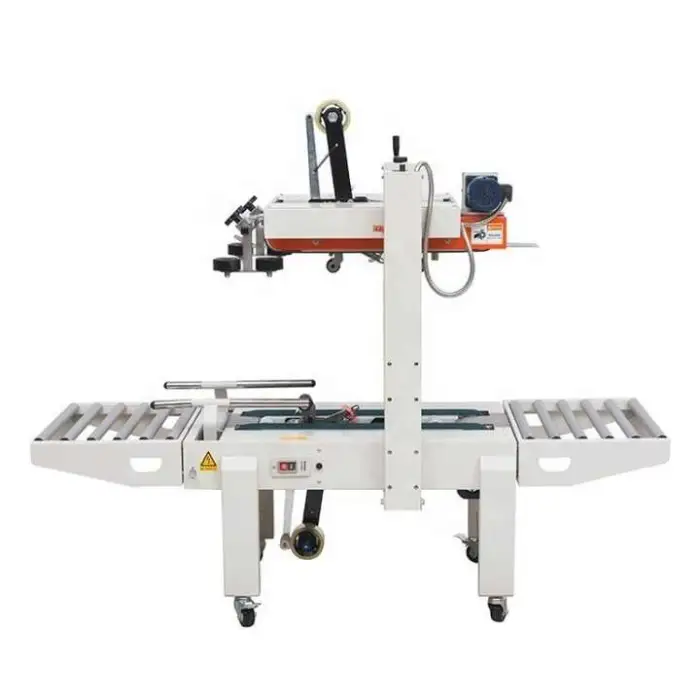
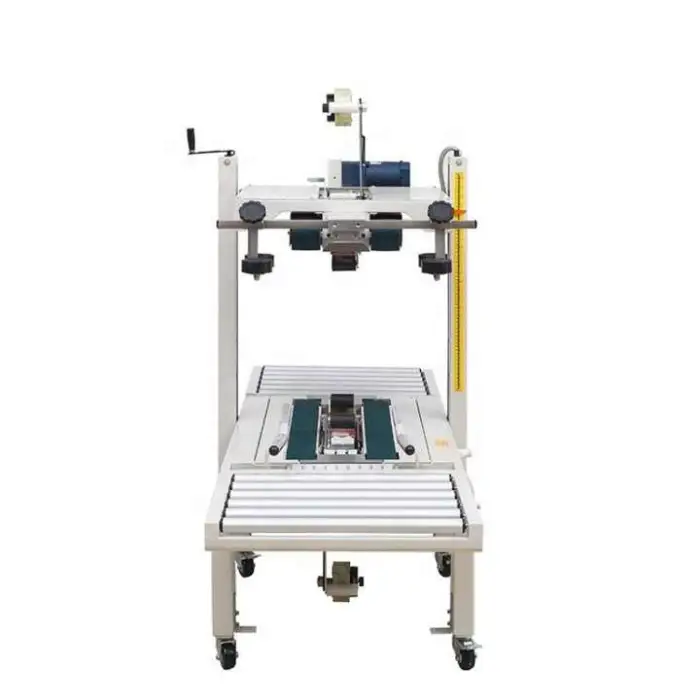
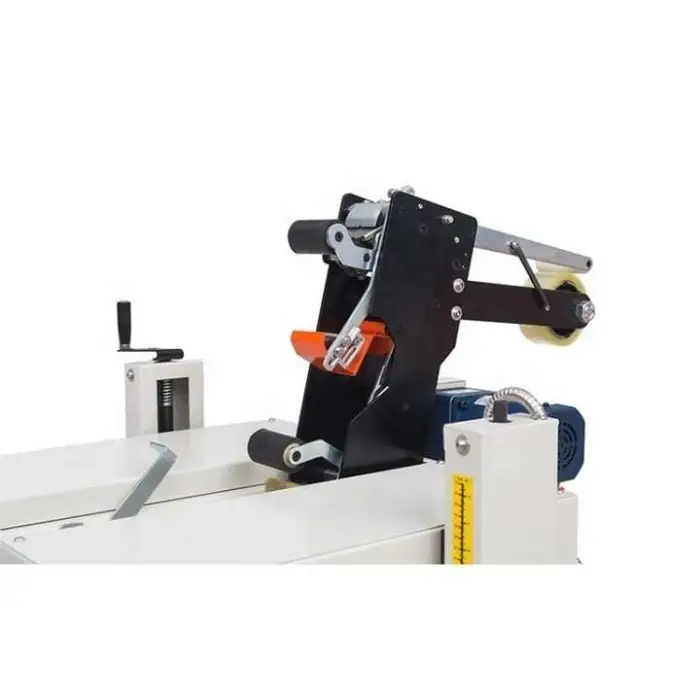
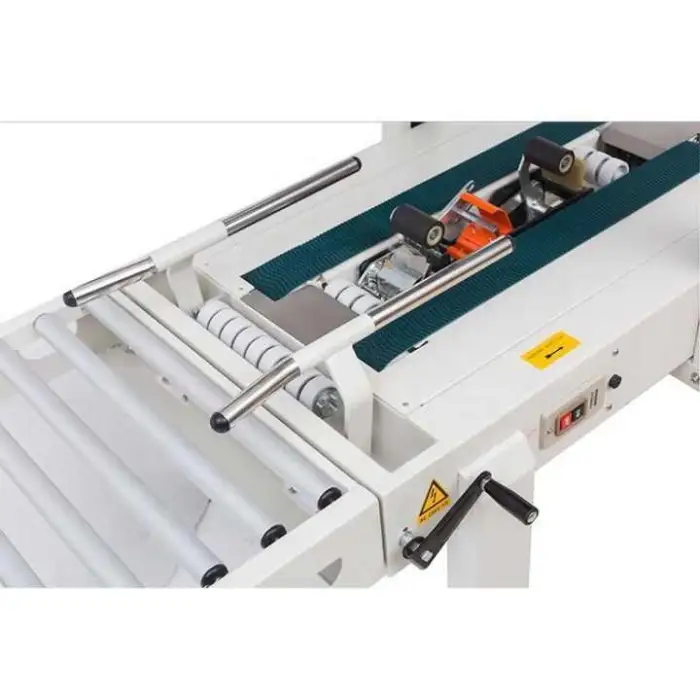
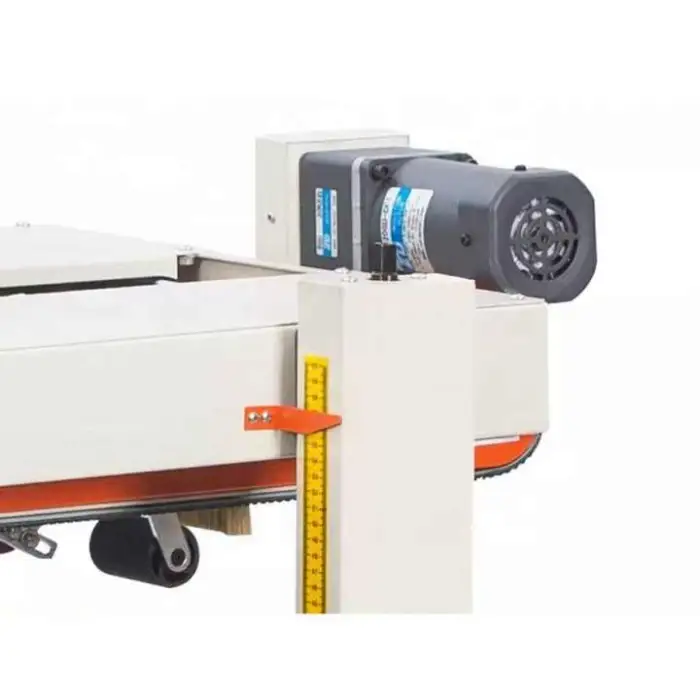
Adjustable Top Bottom Tape Automatic Cartons Boxes Box Sealer Carton Sealing Machine

- Section : Machinery
- Category : Packaging Machines
- SKU : 1601378390530

Adjustable Top Bottom Tape Automatic Cartons Boxes Box Sealer Carton Sealing Machine
The Adjustable Top Bottom Tape Automatic Cartons Boxes Box Sealer is a powerful and efficient machine designed to seal various types of packaging. It is perfect for sealing cartons, cans, bottles, bags, and more. This machine makes sealing easy and fast, helping businesses save time and improve productivity.
Specifications
| Attribute | Details |
|---|---|
| Driven Type | Electric |
| Packaging Type | Cartons, CANS, Bottles, Barrel, Stand-up Pouch, Bags, Film |
| Voltage | 220V, 110V, 380V |
| Sealing Type | Heat Sealing, Cold Sealing, High-Frequency Sealing |
| Service Provided | Video technical support, Online support |
| Automatic Grade | Automatic |
| Packaging Material | Plastic, paper, metal, Glass, Wood |
| Application | Food, Beverage, Commodity, Chemical, Machinery & Hardware, APPAREL, Textiles |
| Weight (KG) | 450 |
| Brand Name | YIZHOU |
| Selling Units | Single item |
Key Features
- Adjustable settings for different packaging types.
- Automatic operation for easy use.
- Supports various sealing methods.
- Durable design for long-lasting performance.
- Video technical support available.
Applications
- Ideal for food packaging.
- Perfect for beverage sealing.
- Great for sealing chemicals.
- Used in machinery and hardware packaging.
- Suitable for textiles and apparel.
Product Info Gallery
- Shipping Timeframes: All orders are processed within 2-5 business days (excluding weekends and holidays). After your order has been processed, the estimated delivery time is before 14 Aug, 2026, depending on customs, Please note that due to high demand, some items may experience longer shipping times, which will be communicated at order confirmation email.
- Order Processing Time: Please allow 2-5 business days for us to process your order before it is shipped . Orders placed after 16:00 on Fridays, or during weekends and public holidays, will begin processing on the next business day. Processing times may be extended during peak seasons or sales events.
- Manufacturing Time: Some products needs manufacturing time, the manufacturing process will take approximately 10-30 business days depending on the product. This timeframe may vary depending on the complexity of the product and current demand. but this will be communicated with you during order confirmation.
- Returns and Exchanges: We offer a 30-day return policy for most items. If you are not completely satisfied with your purchase, you may return it within 30 days of receipt for a refund or exchange. Items must be unused, in their original packaging, and accompanied by proof of purchase. Return shipping costs are the responsibility of the customer, unless the item was damaged or defective upon arrival.
1. What packaging types and materials can this carton sealing machine handle?
It handles a wide range of packaging types including cartons, cans, bottles, barrels, stand-up pouches, bags and film. Compatible packaging materials include plastic, paper, metal, glass and wood.
2. What sealing methods does the machine support and when should each be used?
The machine supports heat sealing, cold sealing and high-frequency (RF) sealing. Heat sealing is common for heat-sealable films and tapes; cold sealing is used with pressure-sensitive adhesives or cold-seal adhesives; high-frequency is used for certain plastics where RF welding provides a stronger joint. Material compatibility should be confirmed before selecting the sealing method.
3. Is the machine fully automatic and what is the operator's role?
Yes, the machine is automatic. The operator typically loads or feeds cartons onto the conveyor and adjusts guides/settings as needed. The machine then automatically applies top and bottom tape and discharges sealed packages. Operator tasks include monitoring, occasional adjustments and routine maintenance.
4. Which voltages are available and what are the electrical requirements?
The machine is available in 110V, 220V and 380V versions. Specific electrical requirements (single- or three-phase, amperage, and local compliance) should be confirmed with the supplier to match your facility power.
5. What tape types and widths does the sealer accept?
The sealer is designed to work with standard pressure-sensitive (adhesive) tape for top-and-bottom sealing. Tape widths and types are adjustable, but exact compatible widths depend on the specific model — consult the model datasheet or supplier for supported tape sizes.
6. What box sizes and shapes can the machine seal?
The machine has adjustable top and bottom guides to accommodate a variety of box sizes and shapes. Exact minimum and maximum length/width/height capacity vary by model; provide your carton dimensions to the supplier for confirmation or to request a suitable configuration.
7. What is the machine's throughput or sealing speed?
Throughput depends on carton dimensions, sealing method and line configuration. Typical industrial carton sealers process multiple cartons per minute, but for an exact speed figure for your product mix, request performance data from the supplier or specify your box sizes and target throughput.
8. What are the machine's weight and footprint?
The machine weight is approximately 450 kg. Footprint (length, width, height) varies by model and configuration; contact the supplier for detailed dimensions to plan floor space and conveyor integration.
9. What maintenance is required and how often?
Regular maintenance includes cleaning tape paths and sealing heads, checking and replacing worn blades/rollers, lubricating moving parts per the manual, and inspection of belts and electrical components. Frequency depends on usage but a weekly visual check plus monthly preventive maintenance is typical. The supplier provides maintenance guidance and video support.
10. Are spare parts and technical support available?
Yes. Video technical support and online support are provided. Spare parts availability varies by region; contact the supplier or authorized dealer for parts lists, lead times and ordering information.
11. What safety features does the machine have?
The machine is supplied with standard industrial safety features such as emergency stop, safety guards and interlocks. Exact safety certifications and additional options should be confirmed with the supplier to ensure compliance with local regulations.
12. Can the sealer handle fragile or irregularly shaped products?
The adjustable top/bottom settings and gentle handling options make it suitable for many fragile or irregular items, but performance depends on the product and package type. We recommend testing representative samples or consulting the supplier for recommended settings and protective packaging methods.
13. Does the machine require special training to operate?
Basic operation is straightforward, but we recommend operator training for setup, adjustment, maintenance and safety procedures. The supplier provides video technical support and can often supply operational guidance or training materials.
14. Can this machine be integrated into an existing production line?
Yes — it is commonly integrated with infeed and outfeed conveyors and other packaging equipment. Provide your line dimensions, conveyor height and control requirements to the supplier so they can recommend the correct configuration and any necessary accessories for seamless integration.
15. What warranty and after-sales services are offered?
Warranty terms and after-sales services (onsite support, spare parts, extended warranties) vary by seller and region. Contact the supplier or dealer to confirm warranty duration, coverage details and available service packages.
Latest Order Arrivals
Discover our latest orders
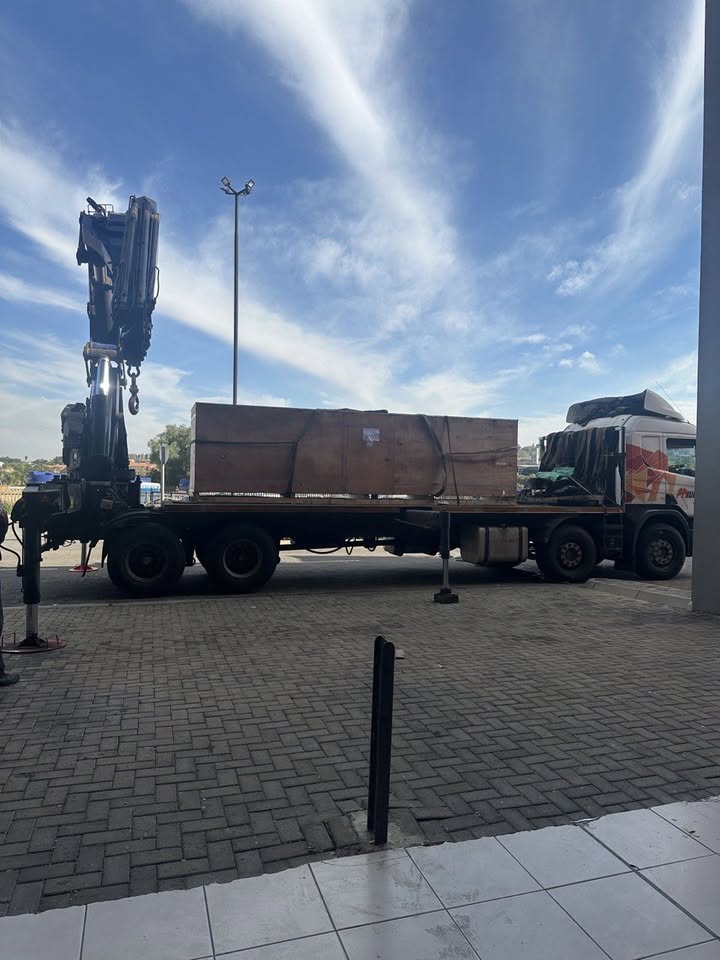
12 Heads Embroidery Machine
Toilet Paper Machine Machine
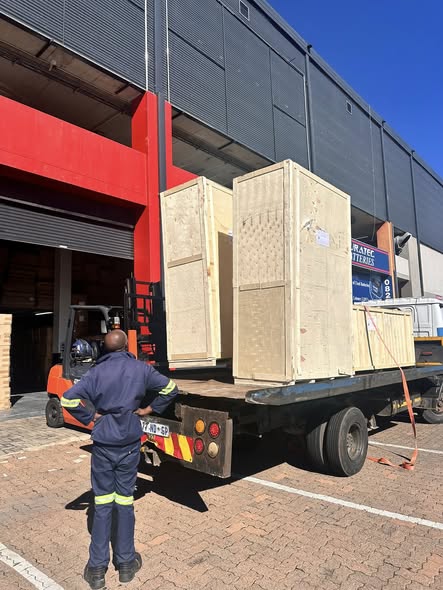
Order Collection
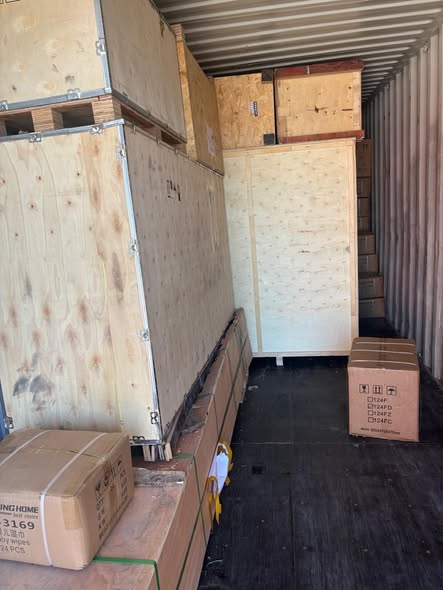
Cross Border Clients
Order cros border countries Collected
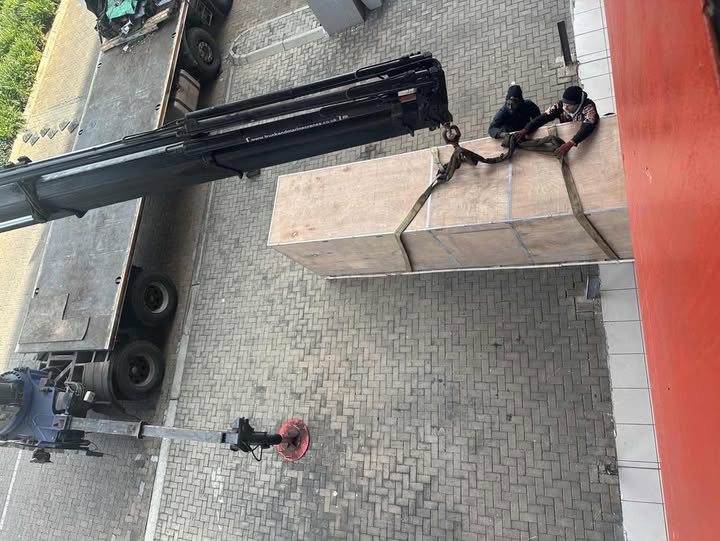
Industrial Machine Cllection
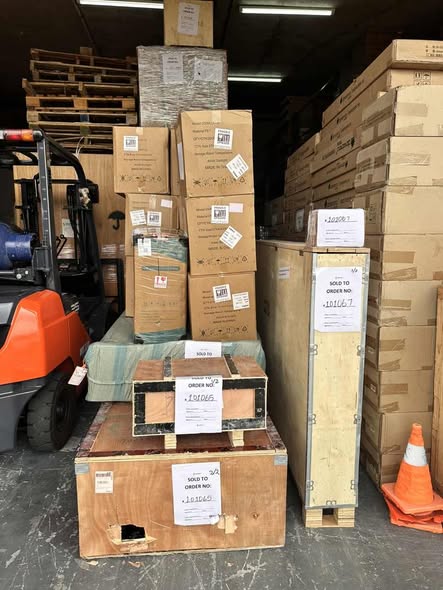
Agriculture Processing Machines
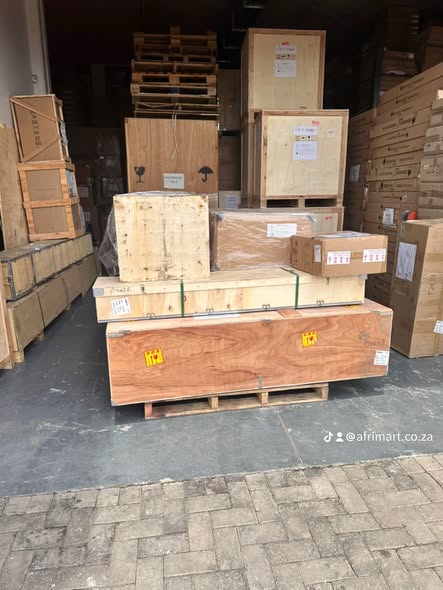
Ready for collection
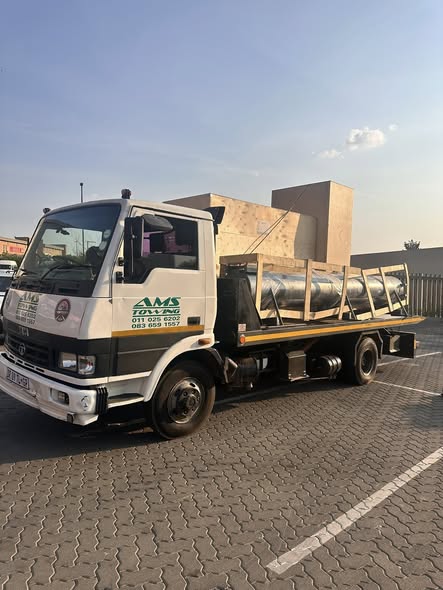
Water Pump Equipment
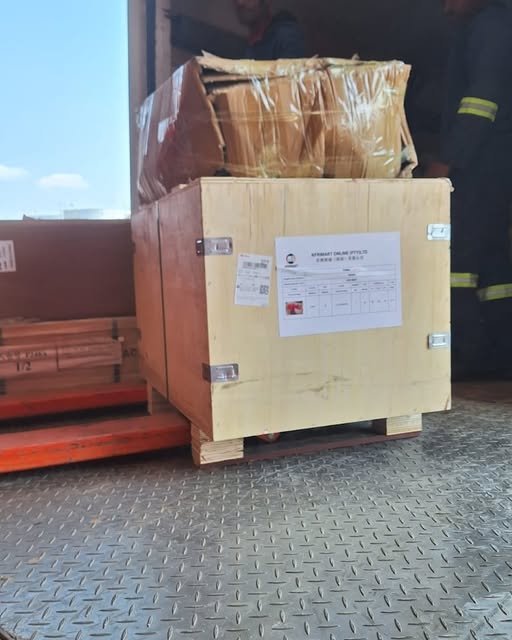
Packaging Machine and accessories
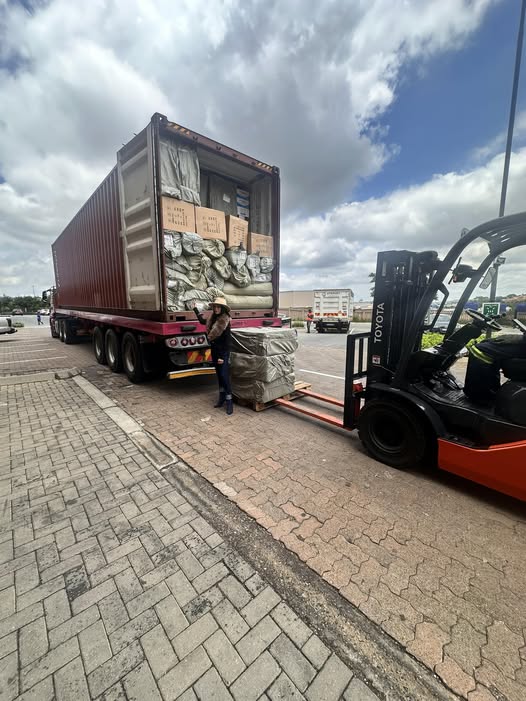
Fabrics Manufacturing Equipment
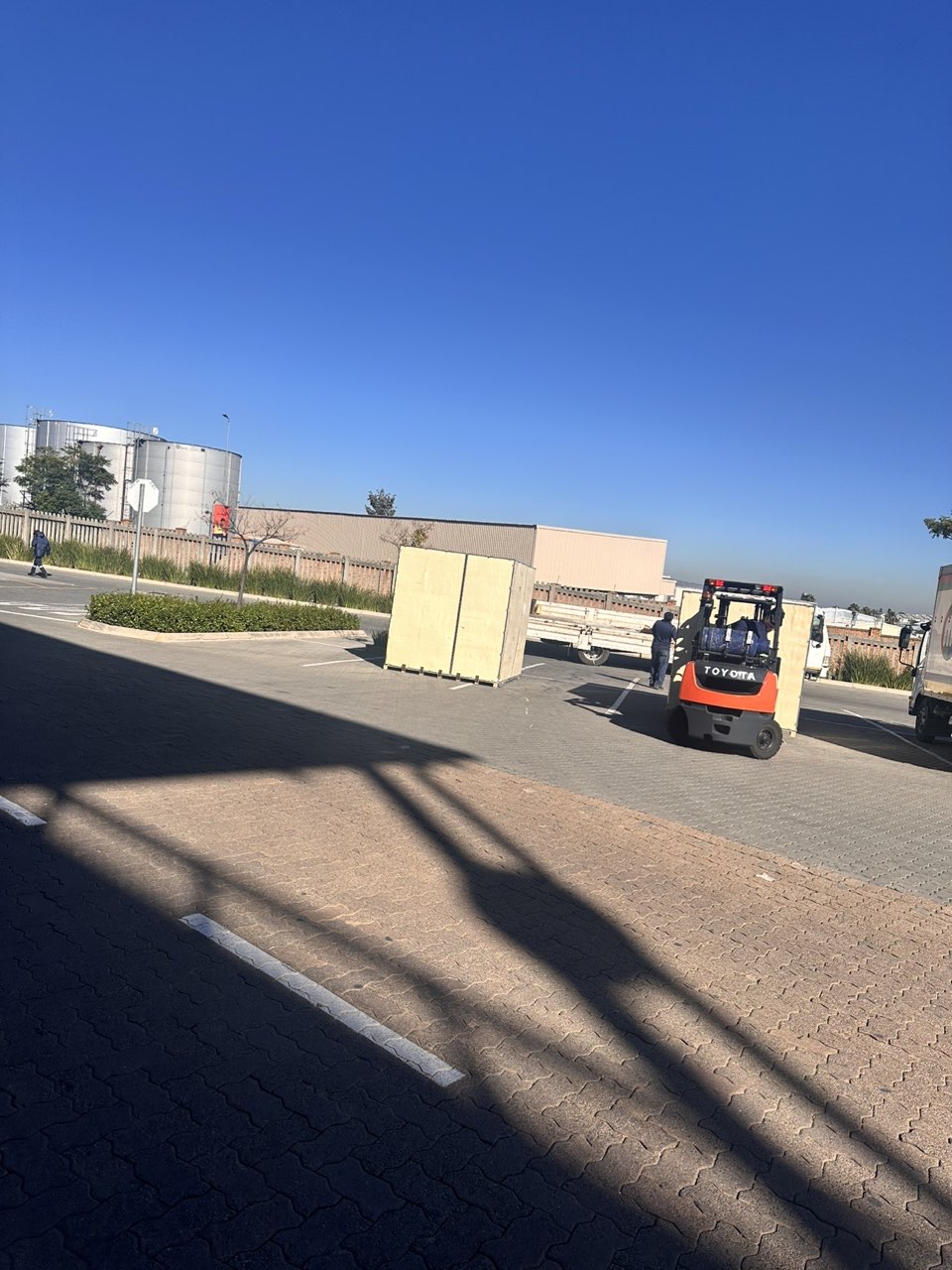
Mining Equipments
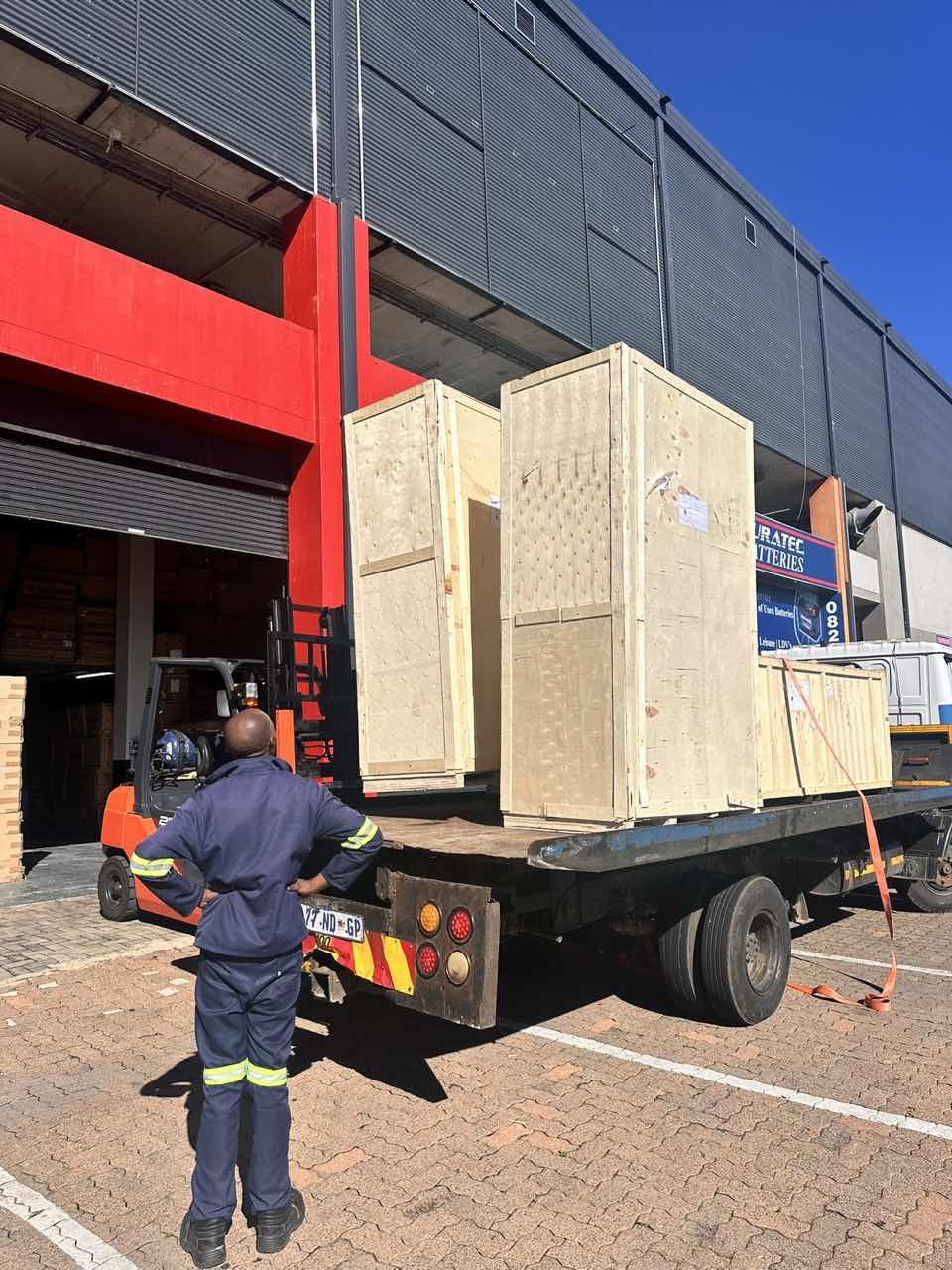
Food Processing Machine
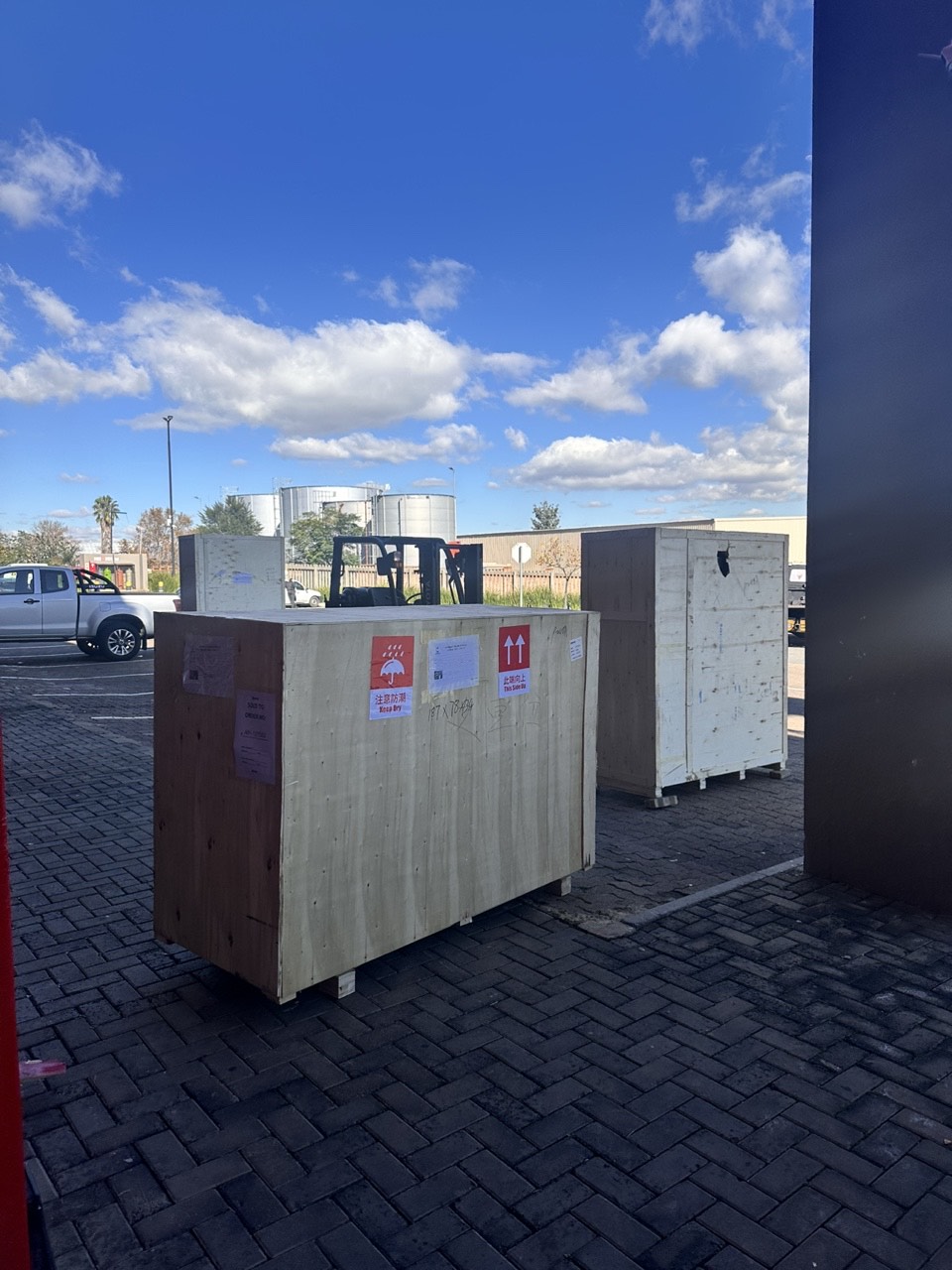
Batch of Orders
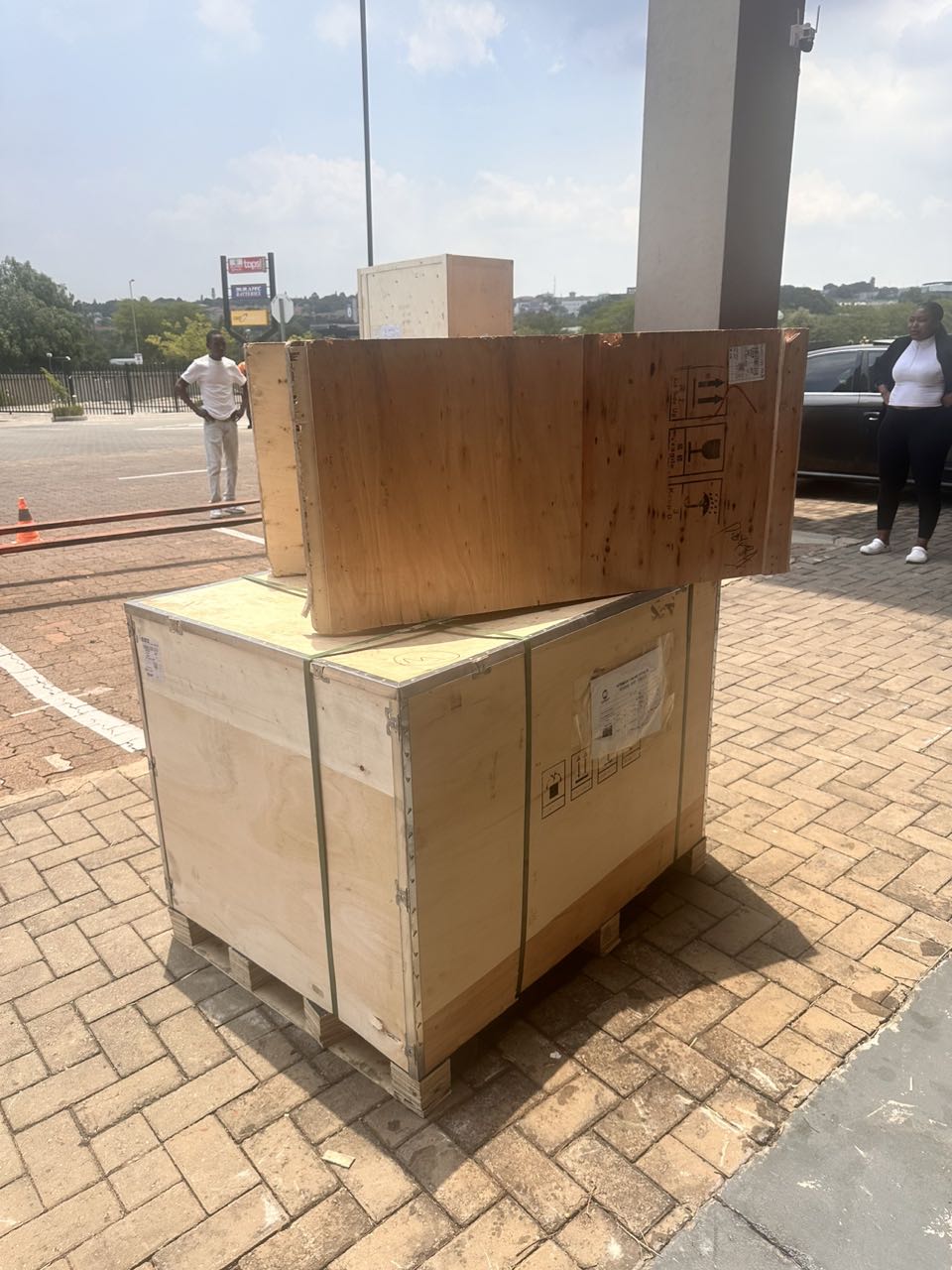
Batch of Orders
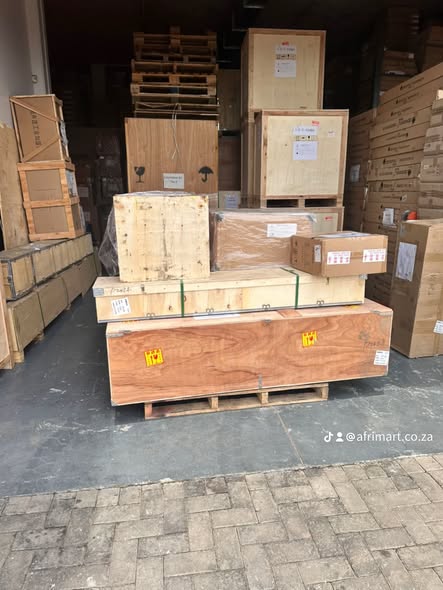
Latest Orders Labelled
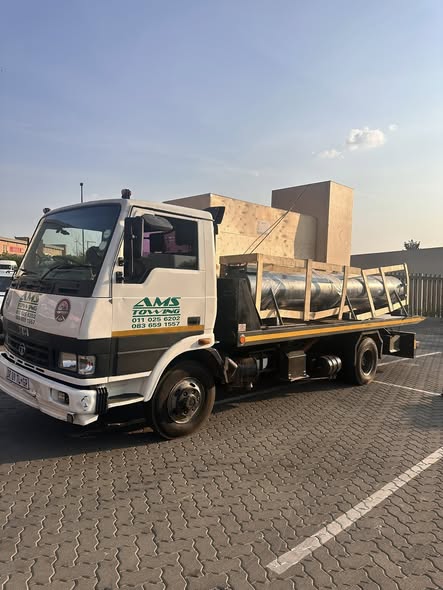
wheel alignment machines
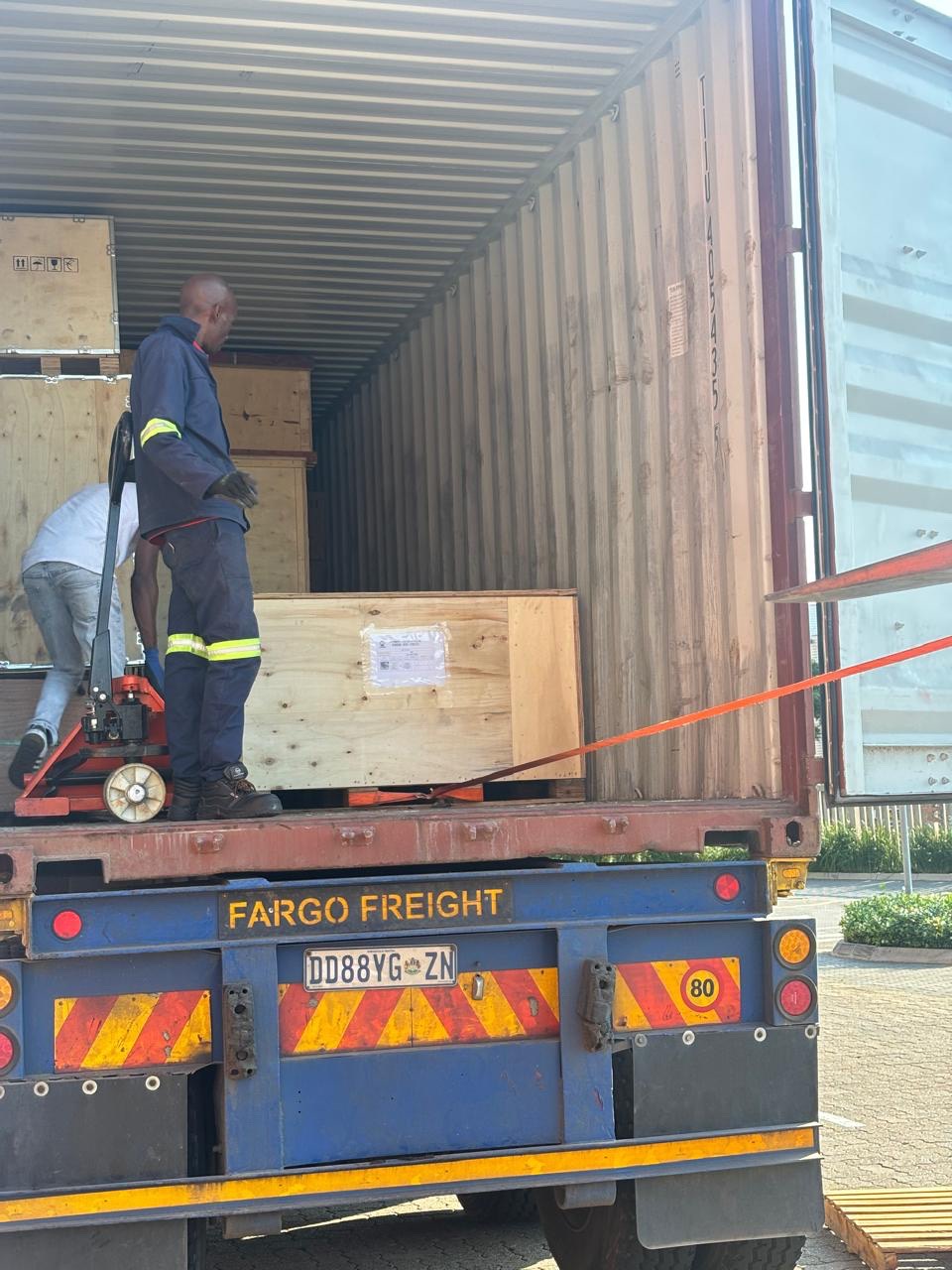
new arrivals
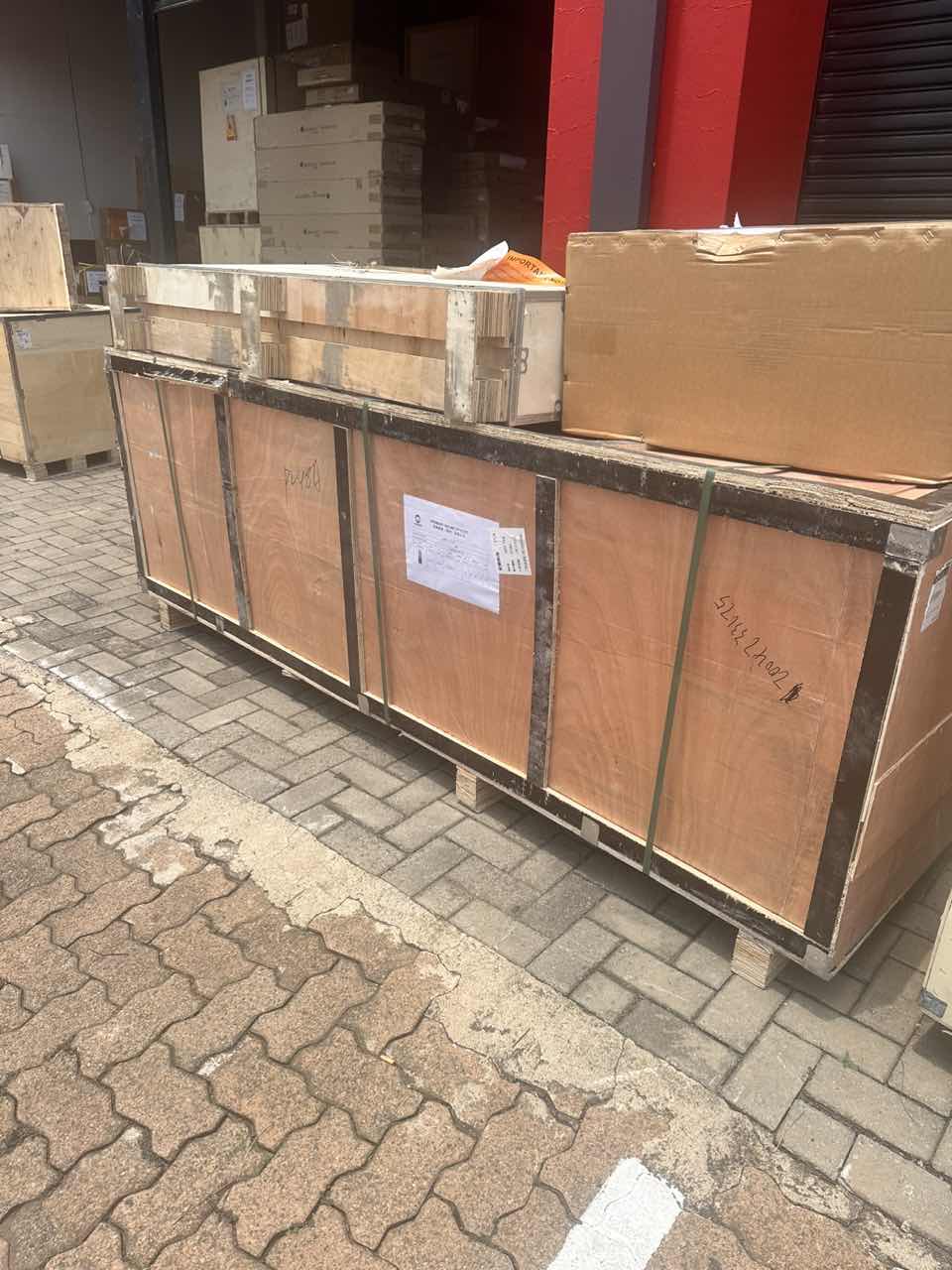
Pre Orders Offloading
Latest Arrivals
Latest Arrivals
Latest Arrivals
Loading
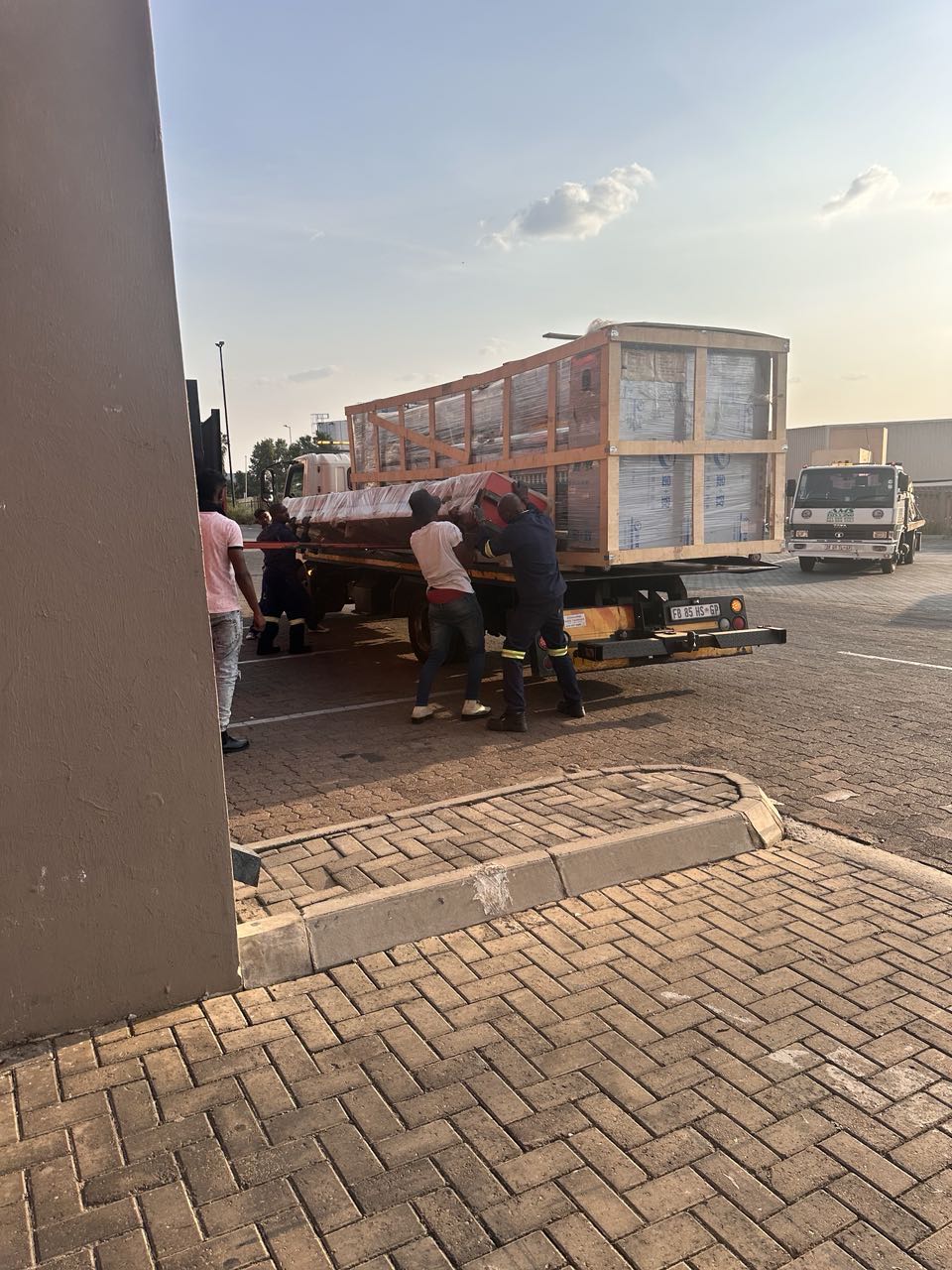
Toilet paper making machine
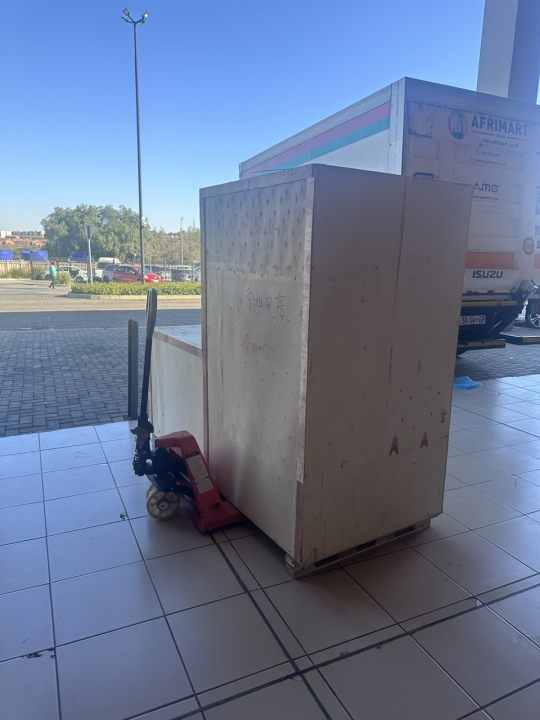
Toilet paper making machine
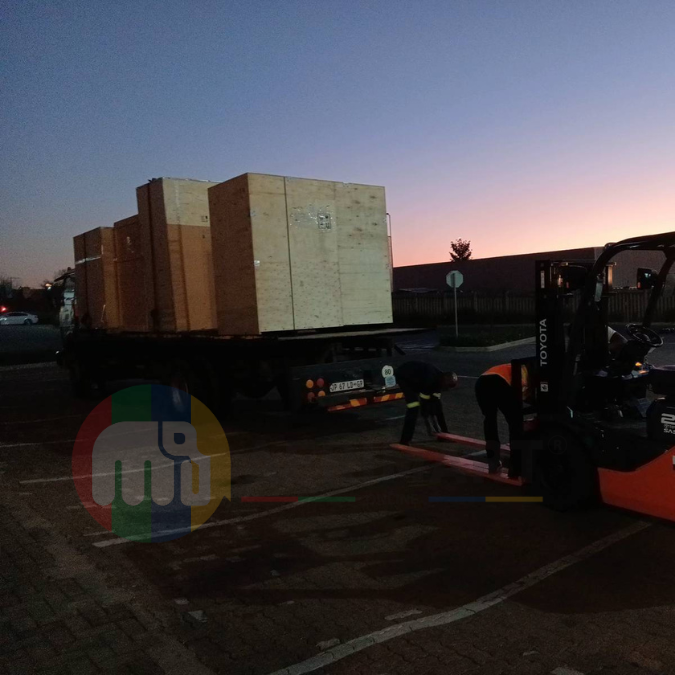
Toilet paper Rewinding Machine
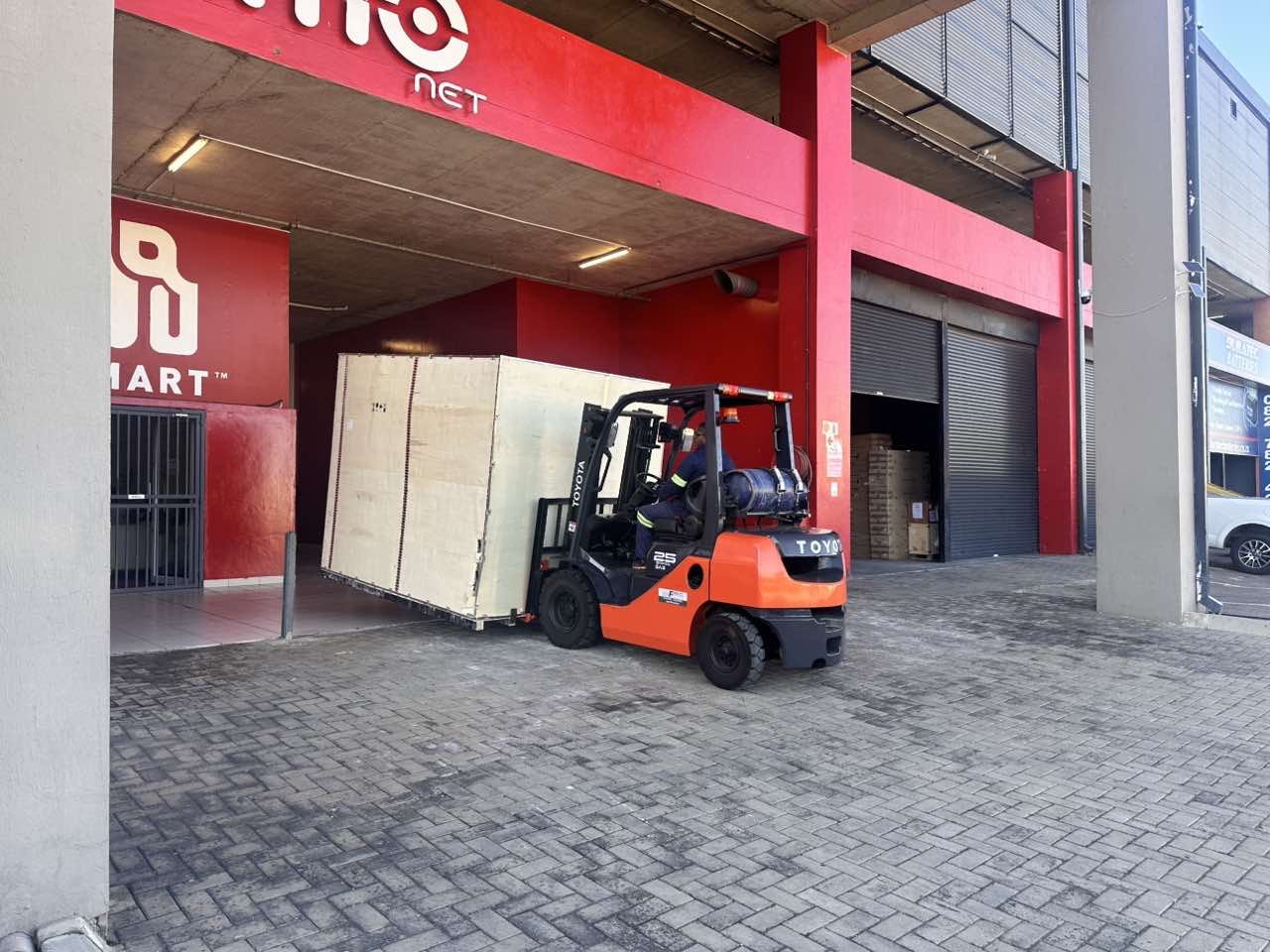
latest arrivals
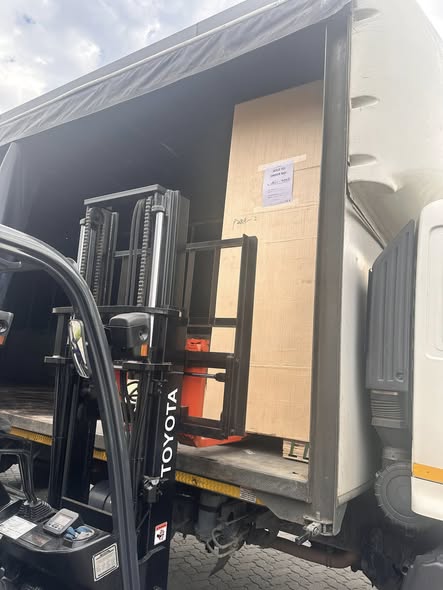
offloading
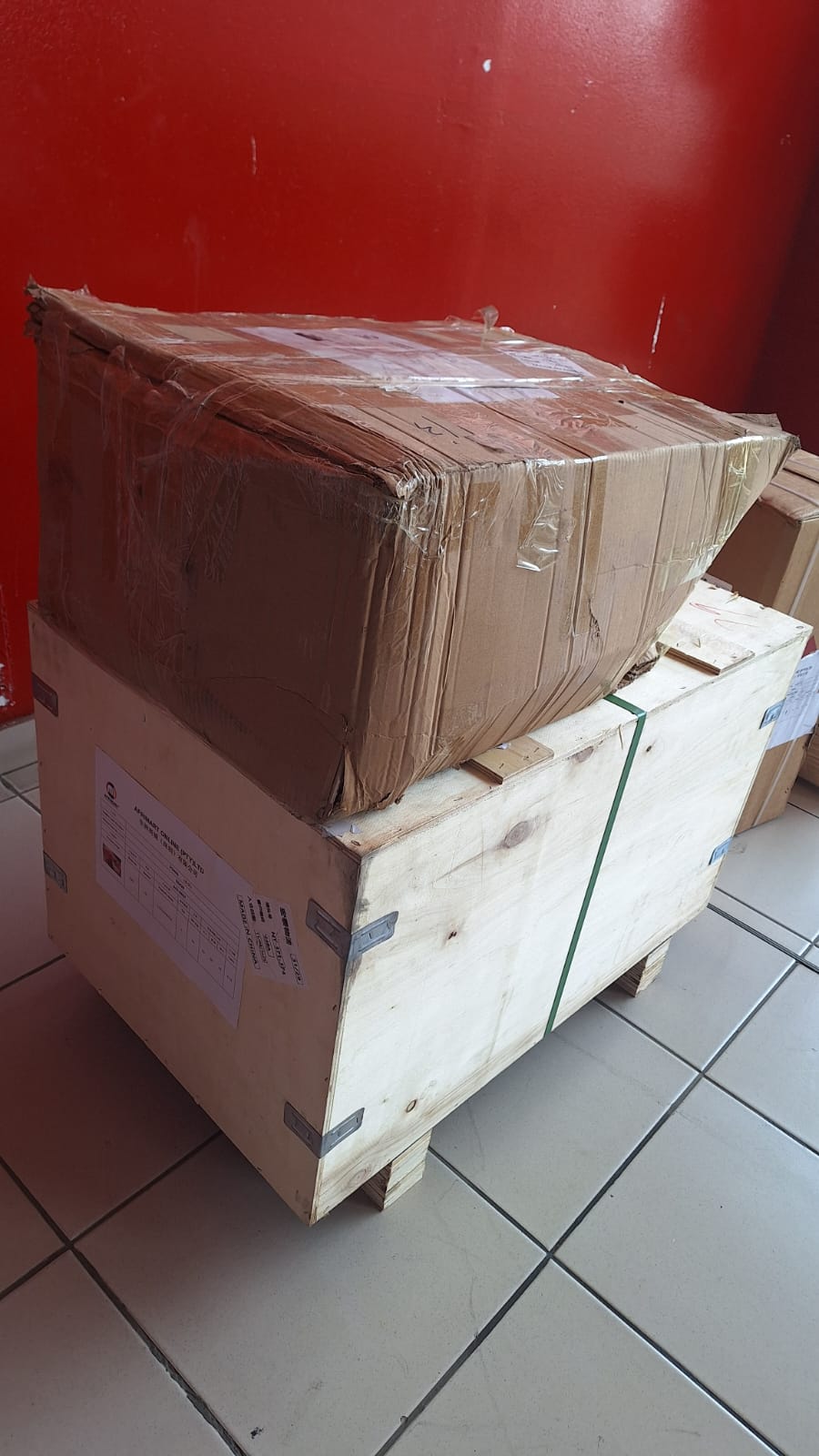
order success
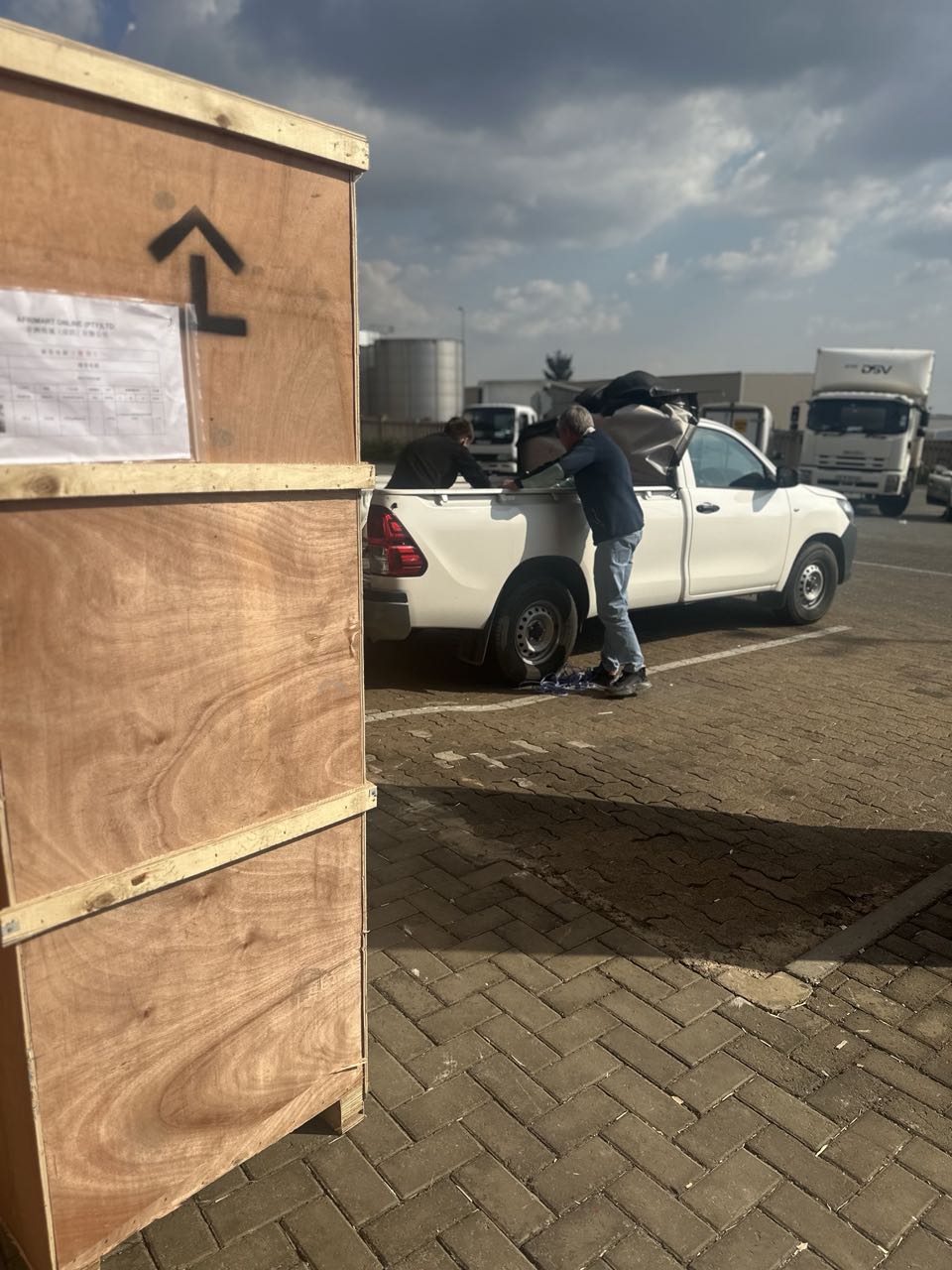
order collection
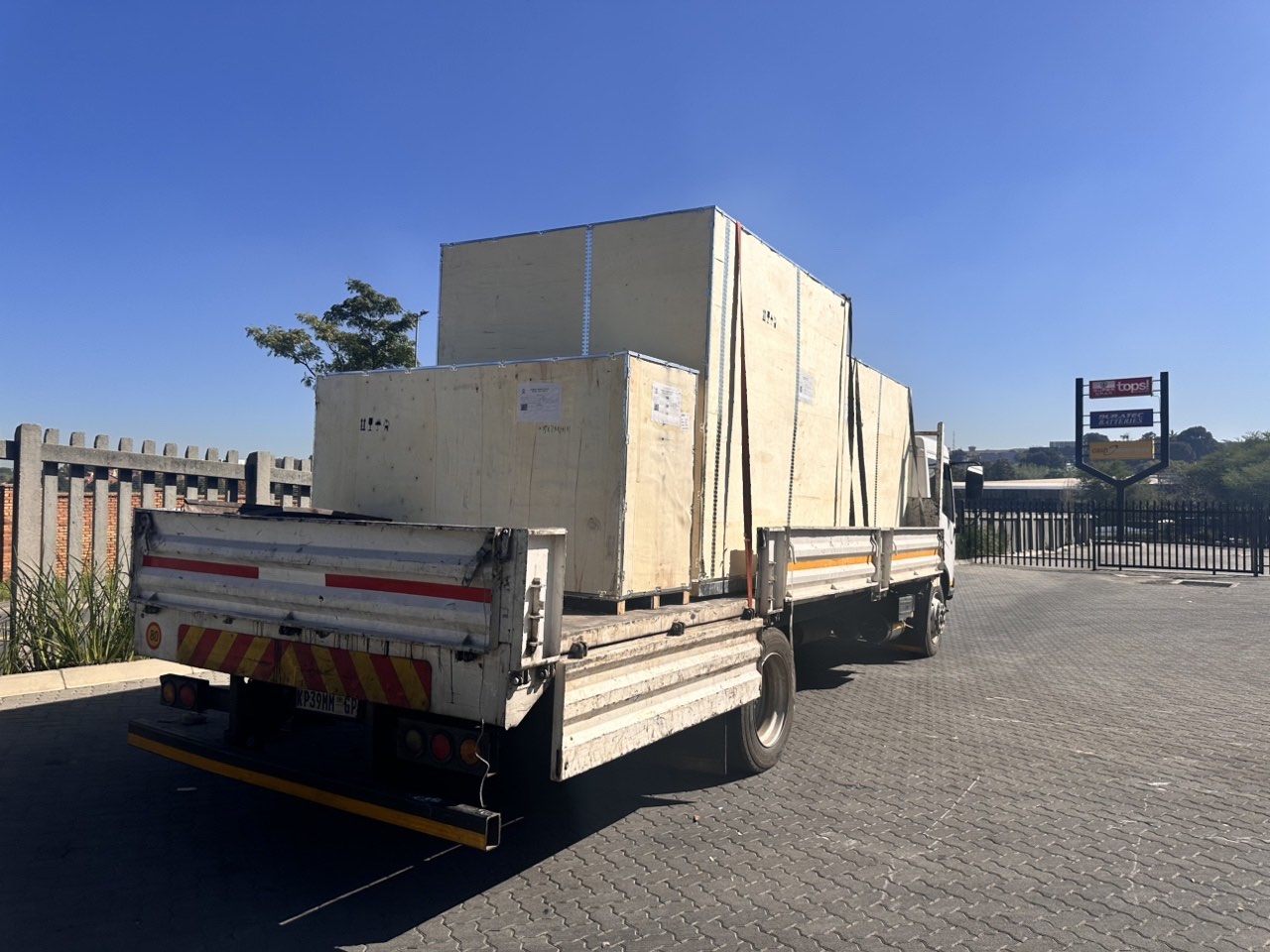
order offloading