B21, China Town Mall, Midrand

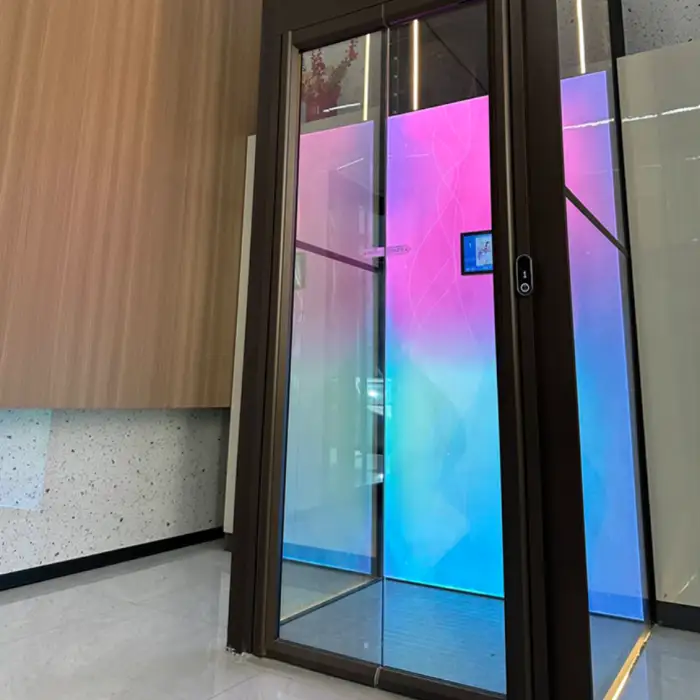
Accessible Lifting Platform for Small Household Electric Hydraulic Lifting
Asset finance available
Do you want funding for this equipment?
Afrimart can connect you with trusted funding partners who specialise in asset finance for businesses like yours. Compare options and apply in minutes — final approval is subject to provider review.
Check funding options
Secure & no obligation
- Section : Machinery
- Category : Material Handling
- SKU : 1601557257130

Accessible Lifting Platform for Small Household Electric Hydraulic Lifting
The Accessible Lifting Platform for Small Household Electric Hydraulic Lifting is the perfect solution for those who need a reliable and efficient way to move between floors. This home lift is designed for ease of use and safety. With its strong steel structure and various lifting mechanisms, it ensures durability and performance. Whether you live in a villa, apartment, or office, this elevator enhances accessibility for everyone.
Specifications
| Attribute | Details |
|---|---|
| Material | High-duty steel structure |
| Lift Mechanism | Screw-driven, Pneumatic, Hydraulic, Traction, Lift Chain |
| Voltage | 380V, 110V, 240V, 220V |
| Traction Machine | Hydraulic, geared, gearless |
| Speed | 0.25m/s, 0.4m/s, 0.63m/s |
| Control System | Monarch FX Controller |
| Safety Device | Emergency situation, Self-rescue, Power outage emergency, One-click call |
Key Features
- Durable high-duty steel structure
- Various lift mechanisms for different needs
- Customizable design to fit your style
- Online technical support available
- Multiple voltage options for flexibility
Applications
- Residential buildings
- Hotels and hospitality venues
- Villas and apartments
- Office buildings
- Hospitals and schools
- Malls and sports venues
- Leisure facilities
Product Info Gallery
- Shipping Timeframes: All orders are processed within 2-5 business days (excluding weekends and holidays). After your order has been processed, the estimated delivery time is before 08 Aug, 2026, depending on customs, Please note that due to high demand, some items may experience longer shipping times, which will be communicated at order confirmation email.
- Order Processing Time: Please allow 2-5 business days for us to process your order before it is shipped . Orders placed after 16:00 on Fridays, or during weekends and public holidays, will begin processing on the next business day. Processing times may be extended during peak seasons or sales events.
- Manufacturing Time: Some products needs manufacturing time, the manufacturing process will take approximately 10-30 business days depending on the product. This timeframe may vary depending on the complexity of the product and current demand. but this will be communicated with you during order confirmation.
- Returns and Exchanges: We offer a 30-day return policy for most items. If you are not completely satisfied with your purchase, you may return it within 30 days of receipt for a refund or exchange. Items must be unused, in their original packaging, and accompanied by proof of purchase. Return shipping costs are the responsibility of the customer, unless the item was damaged or defective upon arrival.
1. What is the Accessible Lifting Platform for Small Household Electric Hydraulic Lifting?
It is a compact home lift designed to improve accessibility in residences and small commercial spaces. The product uses a robust steel structure and selectable lift mechanisms (screw-driven, pneumatic, hydraulic, traction, or lift chain) to provide safe, reliable vertical transport between floors.
2. Which lift mechanisms are available and how do I choose?
Available mechanisms are screw-driven, pneumatic, hydraulic, traction, and lift chain. Choice depends on installation constraints, noise preferences, speed needs, and budget: hydraulic and screw-driven systems are common for low- to mid-rise residential use, traction systems offer smoother high-speed travel, and pneumatic may be used where a compact footprint is required. Contact the supplier to match mechanism to your site and requirements.
3. What materials and construction does the platform use?
The platform features a high-duty steel structure designed for durability and long service life. Finishes and cabin materials can typically be customized to match interior styles—confirm available options with the manufacturer.
4. What speed options are offered?
Speed options listed are 0.25 m/s, 0.4 m/s, and 0.63 m/s. The best choice depends on travel distance, passenger comfort, and local code requirements.
5. What voltage and power options are supported?
The lift supports multiple voltage options: 110V, 220V, 240V, and 380V to accommodate differing regional electrical standards. Final selection should be coordinated with your local electrician and site infrastructure.
6. What type of traction machines are available?
Traction machine options include hydraulic, geared, and gearless units. Gearless units are typically quieter and more efficient, geared units can be more economical for some uses, and hydraulic systems are often used where a machine room is not practical.
7. What safety features are included?
Standard safety features include emergency situation handling, self-rescue capability, power outage emergency procedures, and a one-click call function. Many installations also include emergency stop, door interlocks, overload protection, and alarm systems—verify the exact safety package with your supplier to ensure compliance with local regulations.
8. Is this lift suitable for wheelchair users?
The product is described as an accessible lifting platform, but wheelchair suitability depends on the specific platform size, door configuration, and load capacity. Request dimensions, rated load, and ADA/local accessibility compliance details from the manufacturer to confirm suitability for wheelchair access.
9. What are the typical installation requirements?
Installation requirements vary by mechanism and configuration: you will need to confirm shaft or hoistway dimensions, headroom, pit depth (if any), structural support, and electrical service. Professional site survey and installation by certified technicians are required. Contact the supplier for a site assessment and detailed installation specifications.
10. Is online technical support available?
Yes — the product listing specifies that online technical support is available. For on-site service, maintenance contracts, and warranty support, contact the vendor to arrange terms and response times.
11. How often does the lift require maintenance?
Maintenance frequency depends on usage, mechanism type, and local regulations. Typical residential lifts receive scheduled inspections and preventive maintenance at least every 6–12 months. Your supplier can provide a recommended maintenance schedule and service package.
12. Can the design and finishes be customized?
Yes. The lift offers customizable design options to fit interior style and functional needs. Customization may include cabin finishes, control panels, door styles, and optional features. Discuss available options and associated costs with the manufacturer or dealer.
13. Where is this lifting platform suitable to be used?
Recommended applications include residential buildings, villas and apartments, hotels, offices, hospitals, schools, malls, sports venues, and leisure facilities — essentially small- to mid-rise locations needing improved accessibility. Confirm local code requirements for your specific application.
14. How do I get pricing, lead time, and certifications?
Contact the manufacturer's sales team or an authorized dealer with your site details, desired configuration, and any compliance needs. They will provide a quote, estimated lead time, installation timeline, and documentation for certifications and code compliance.
Latest Order Arrivals
Discover our latest orders
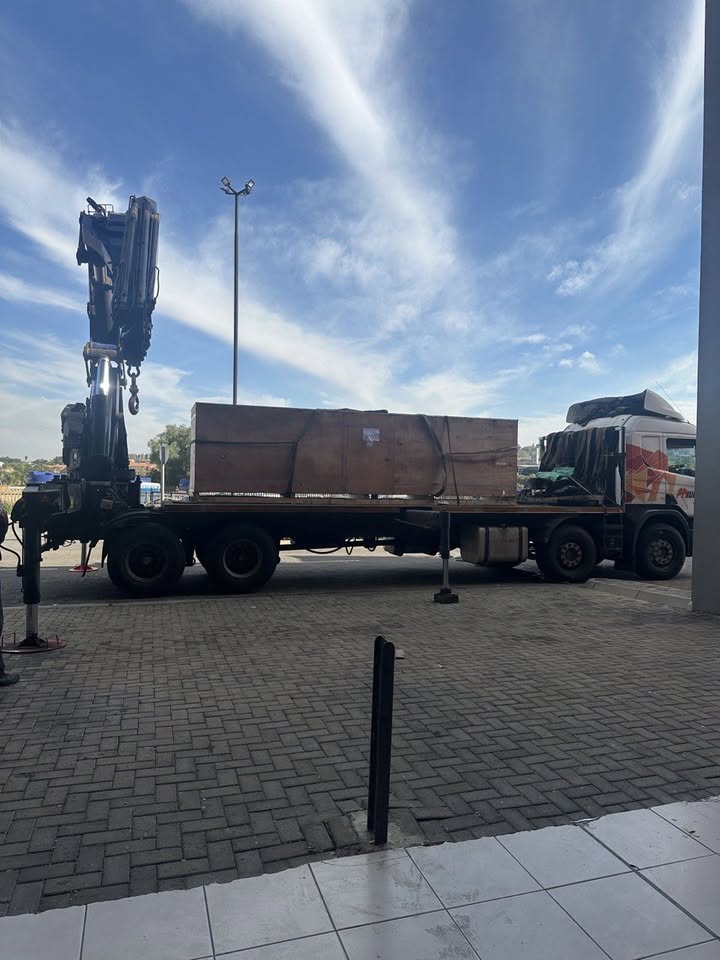
12 Heads Embroidery Machine
Toilet Paper Machine Machine
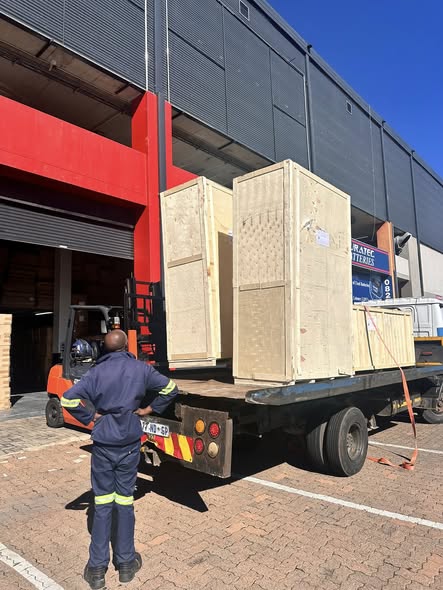
Order Collection
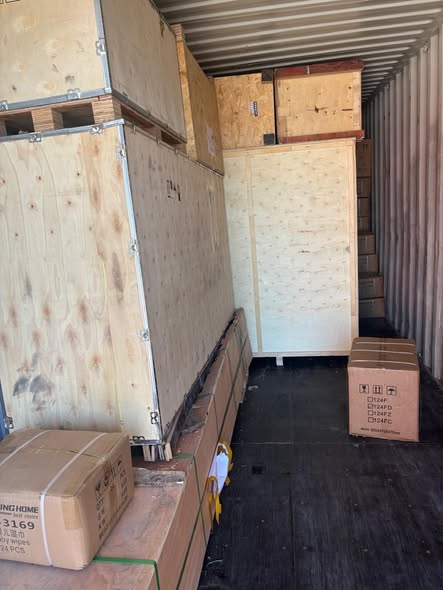
Cross Border Clients
Order cros border countries Collected
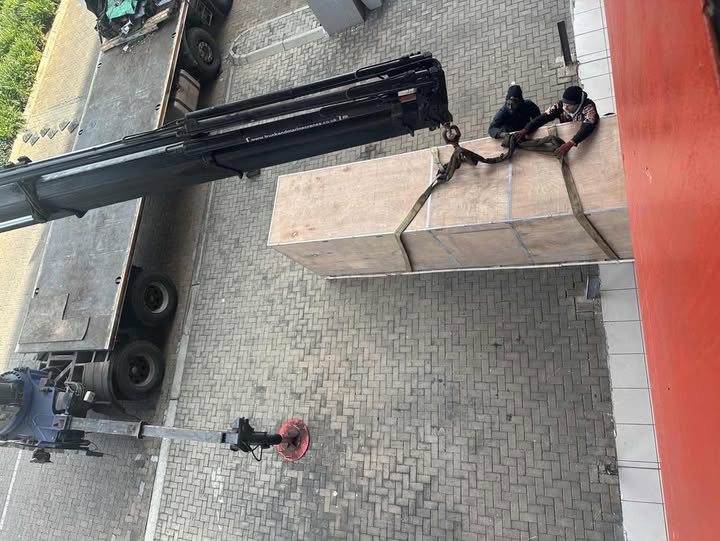
Industrial Machine Cllection
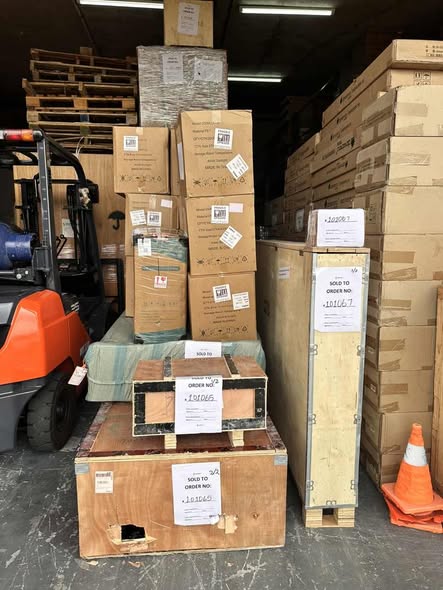
Agriculture Processing Machines
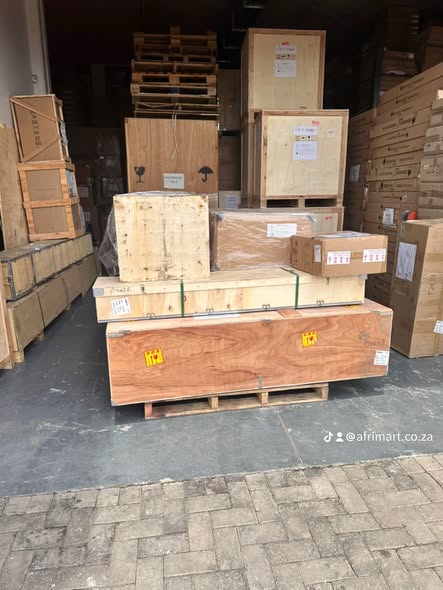
Ready for collection
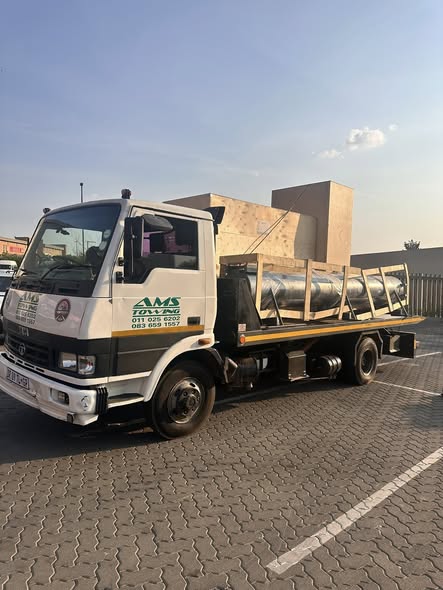
Water Pump Equipment
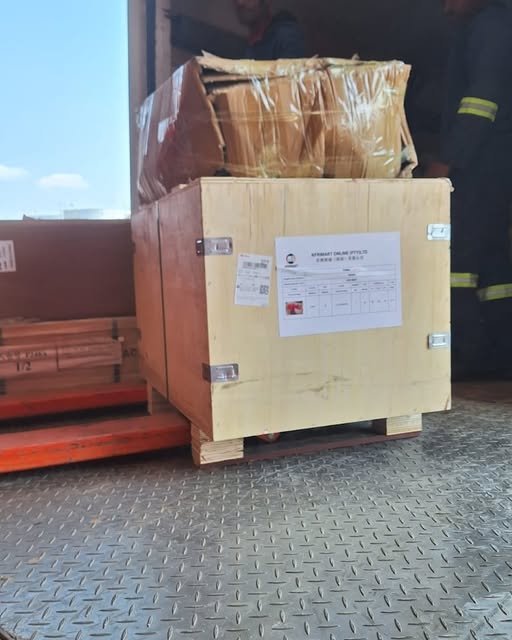
Packaging Machine and accessories
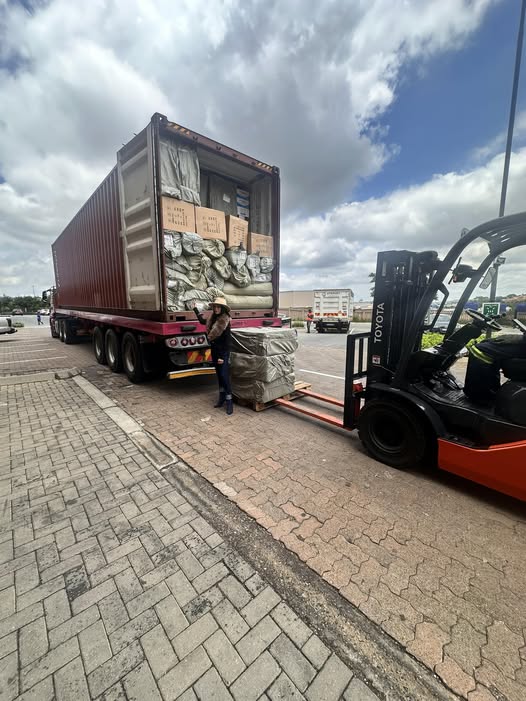
Fabrics Manufacturing Equipment
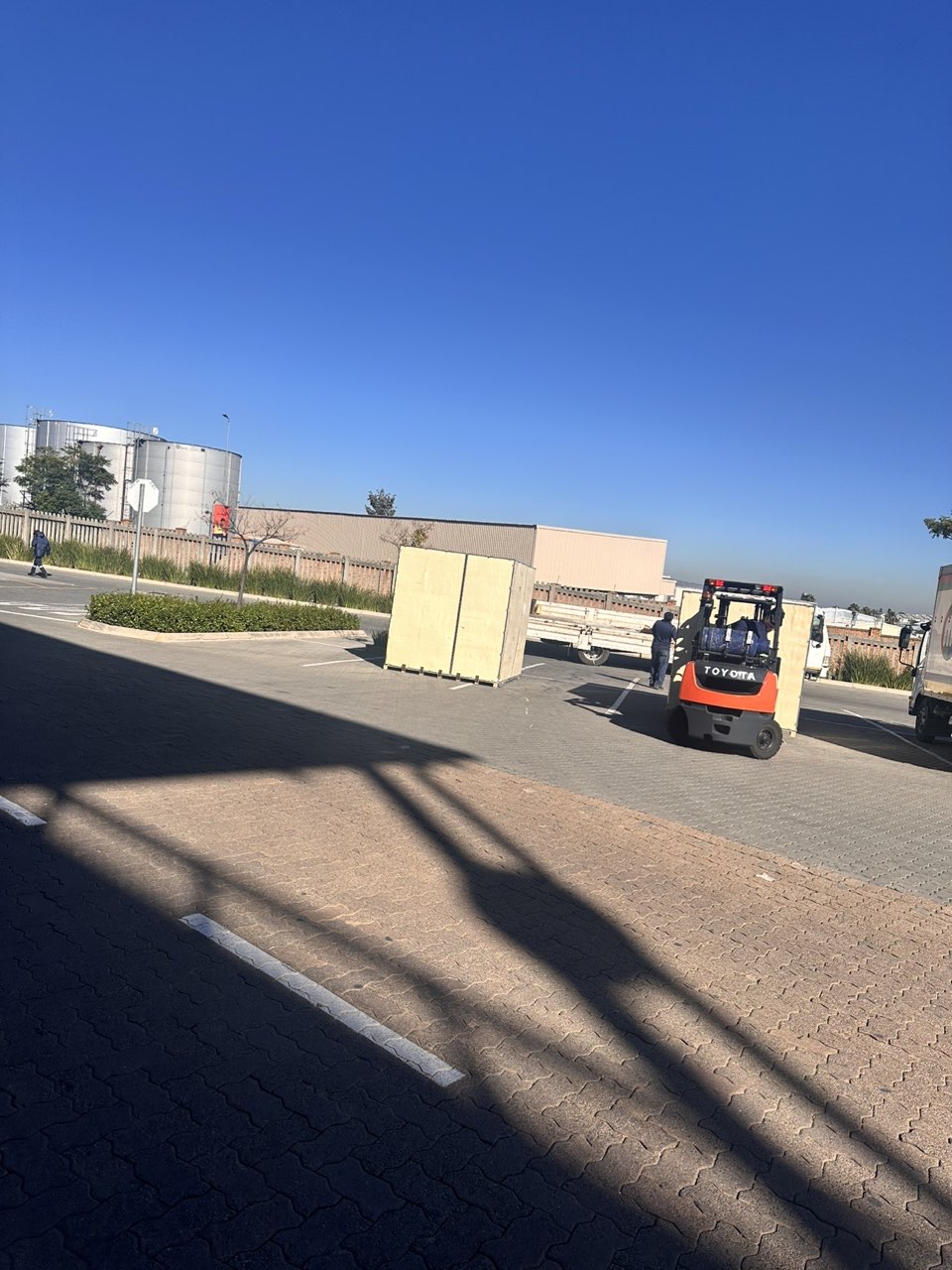
Mining Equipments
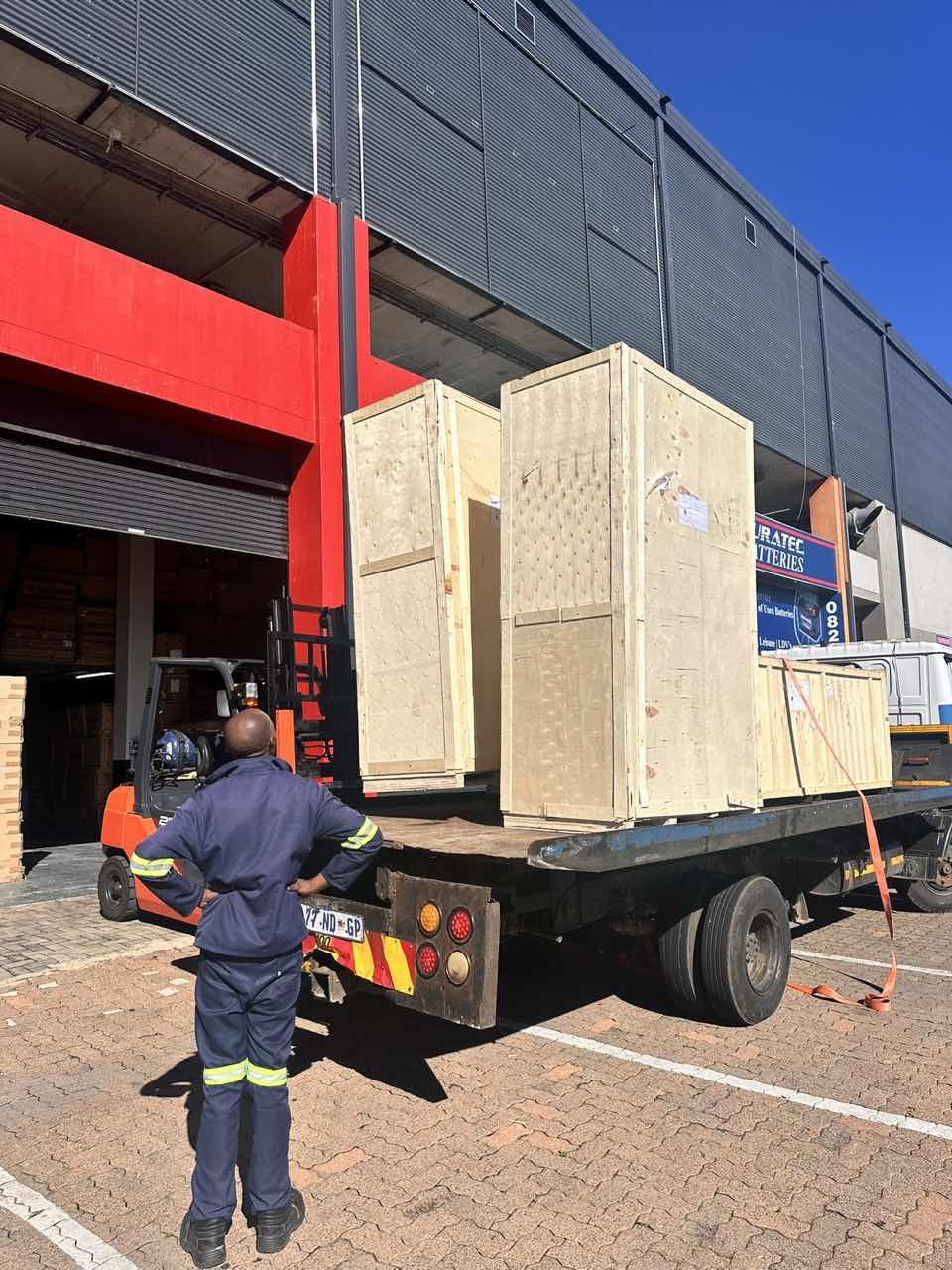
Food Processing Machine
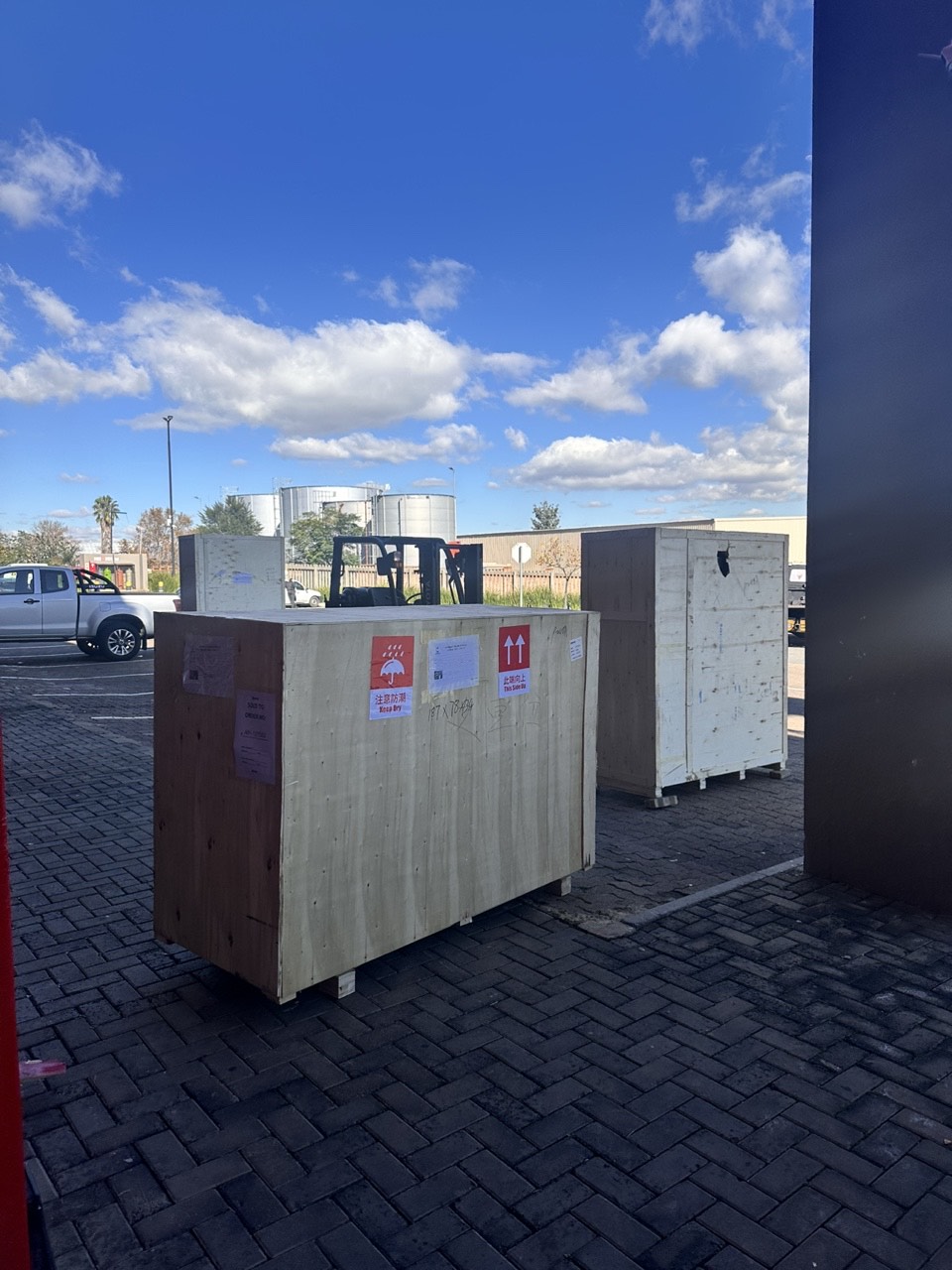
Batch of Orders
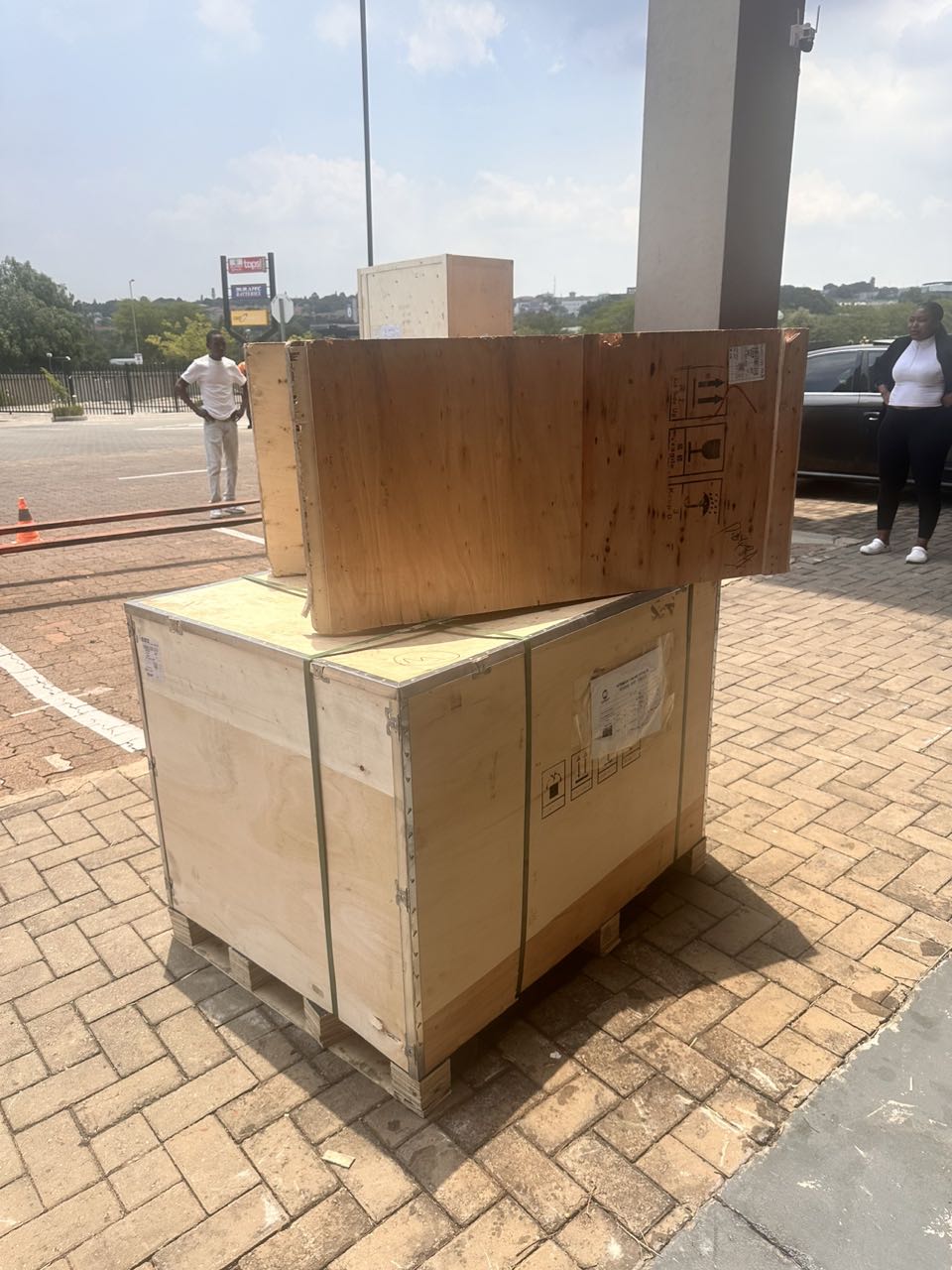
Batch of Orders
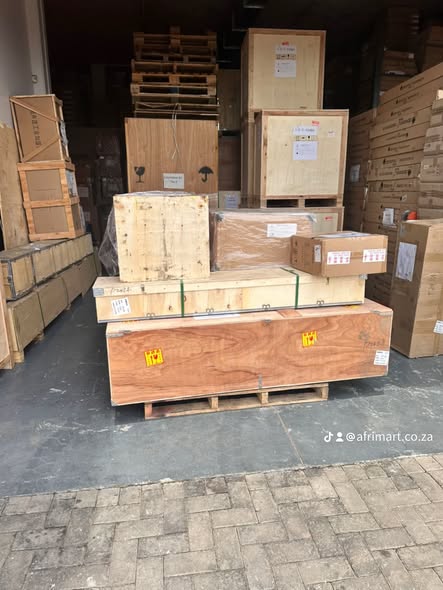
Latest Orders Labelled
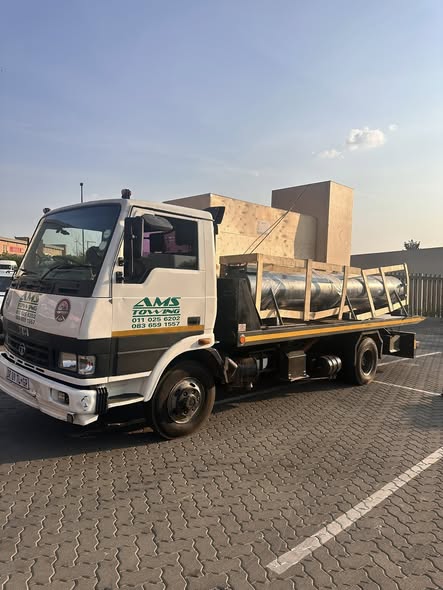
wheel alignment machines
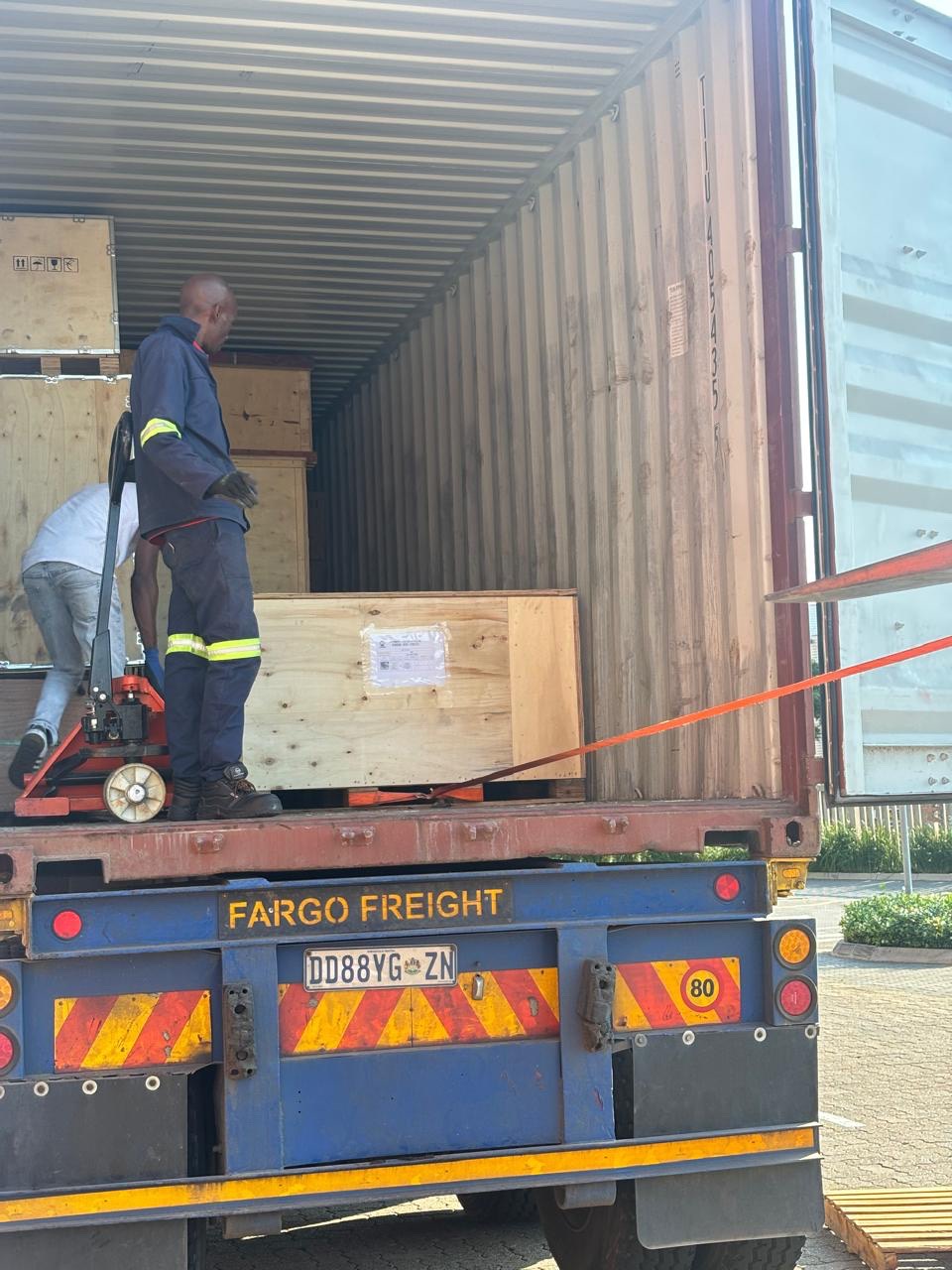
new arrivals
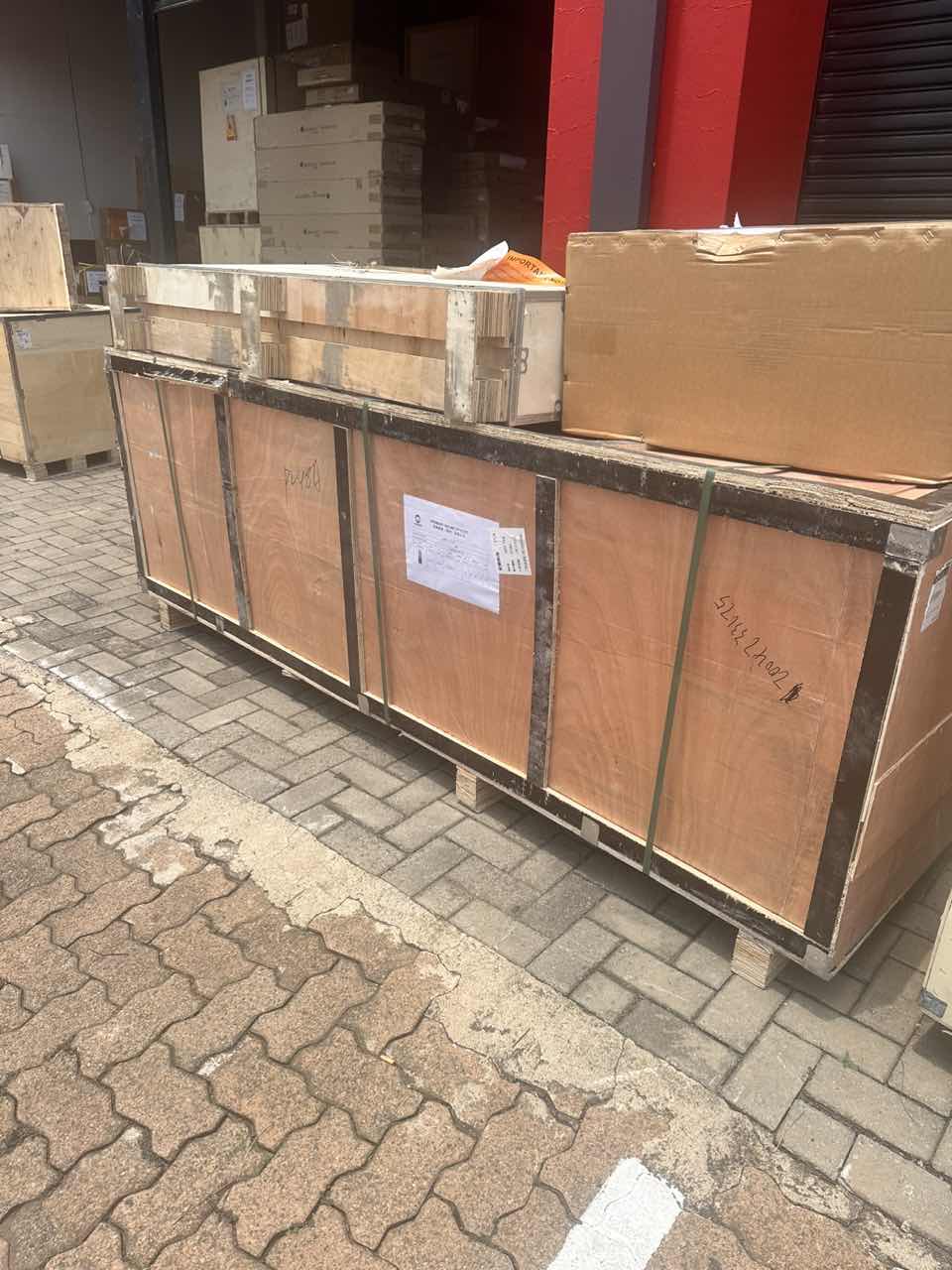
Pre Orders Offloading
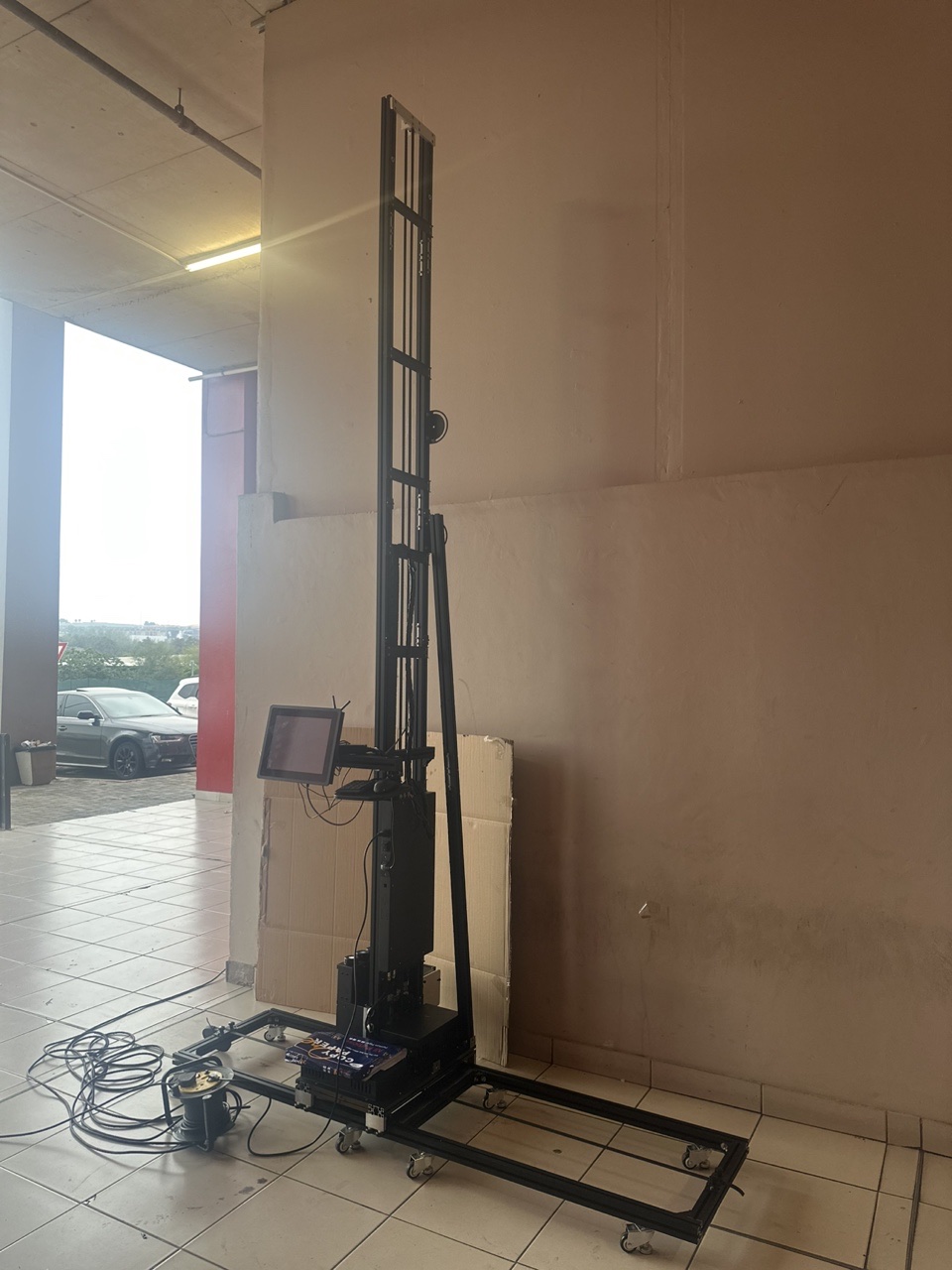
Latest Arrivals
Latest Arrivals
Latest Arrivals
Loading
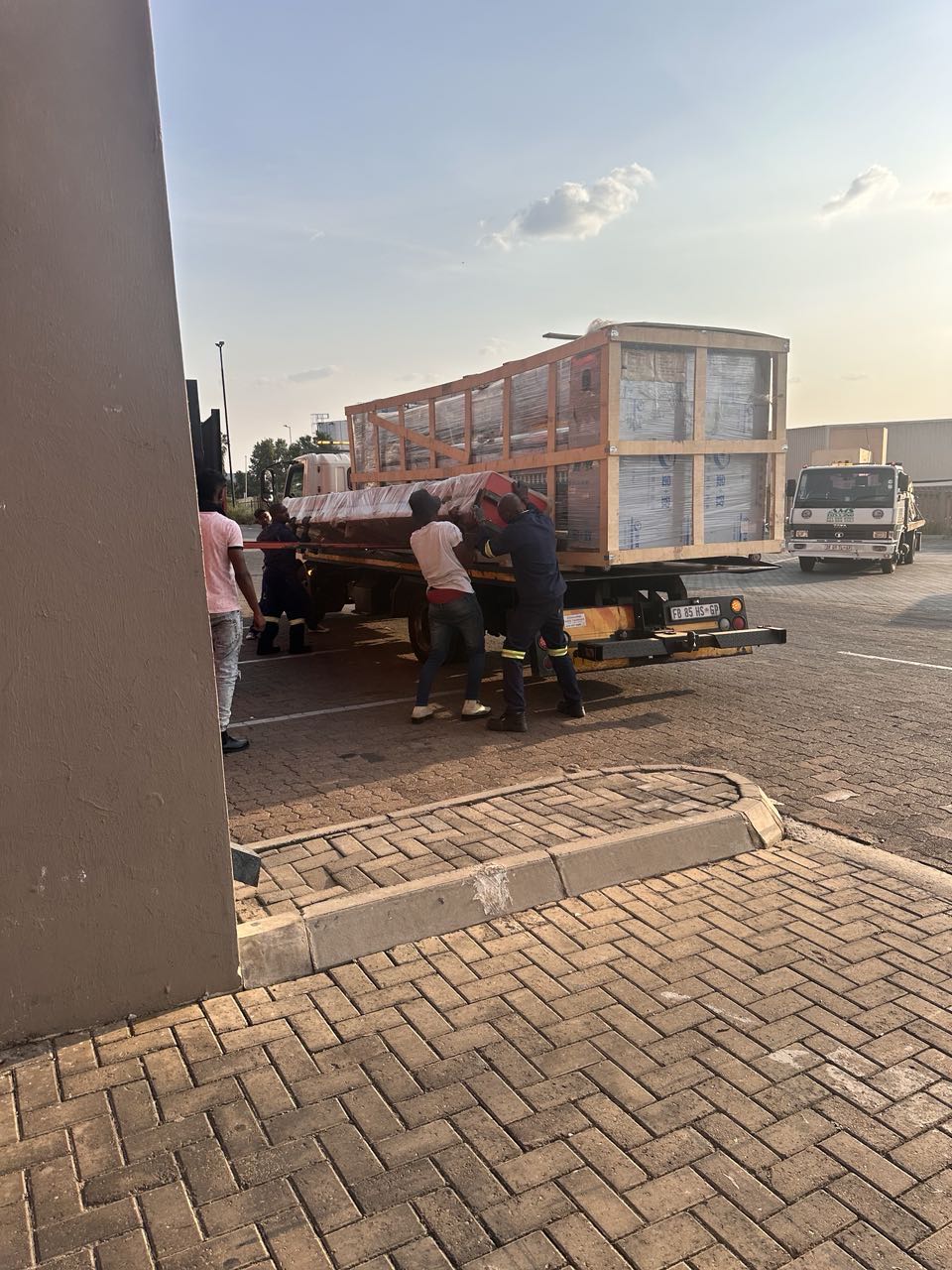
Toilet paper making machine
Toilet paper making machine
Toilet paper Rewinding Machine
latest arrivals
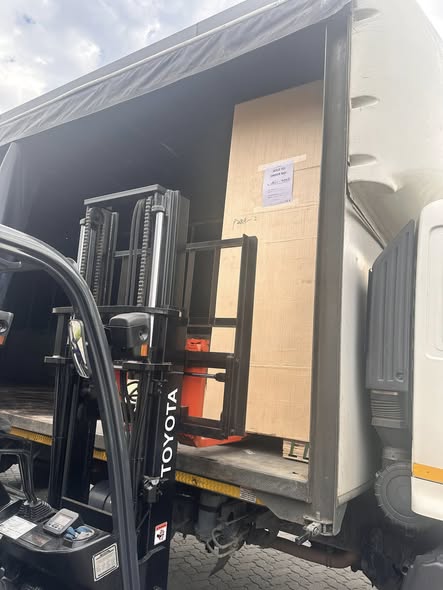
offloading
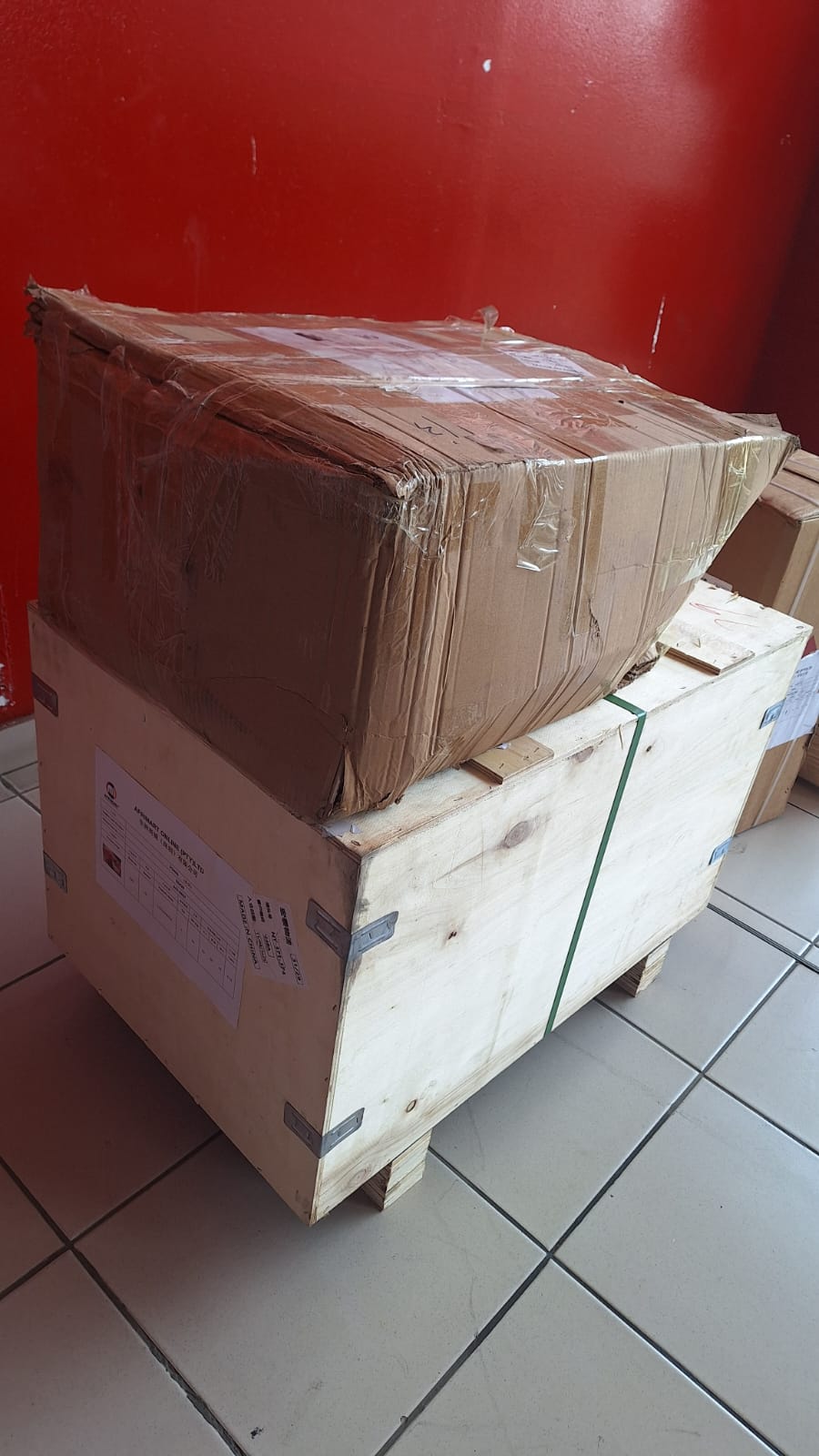
order success
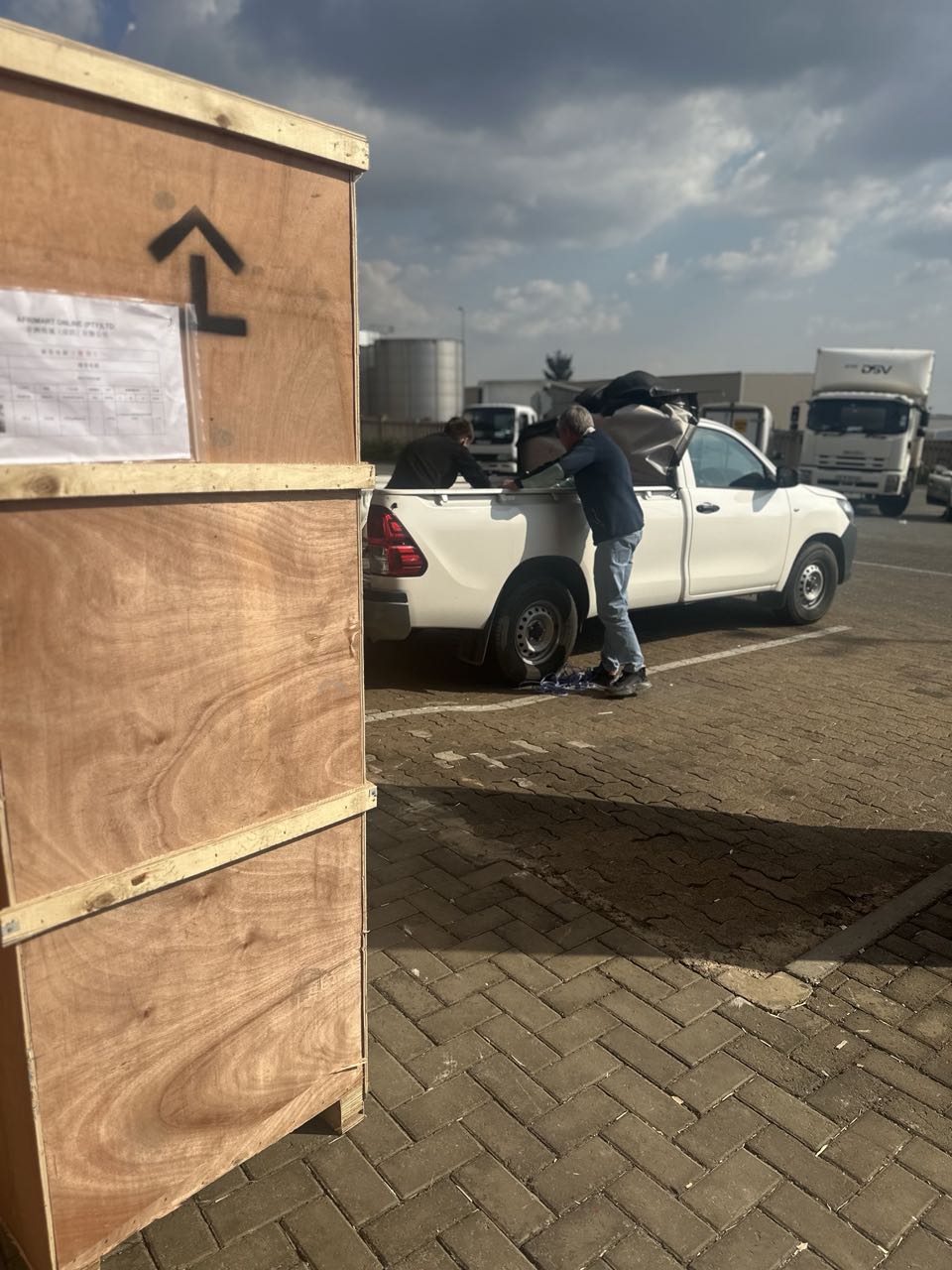
order collection
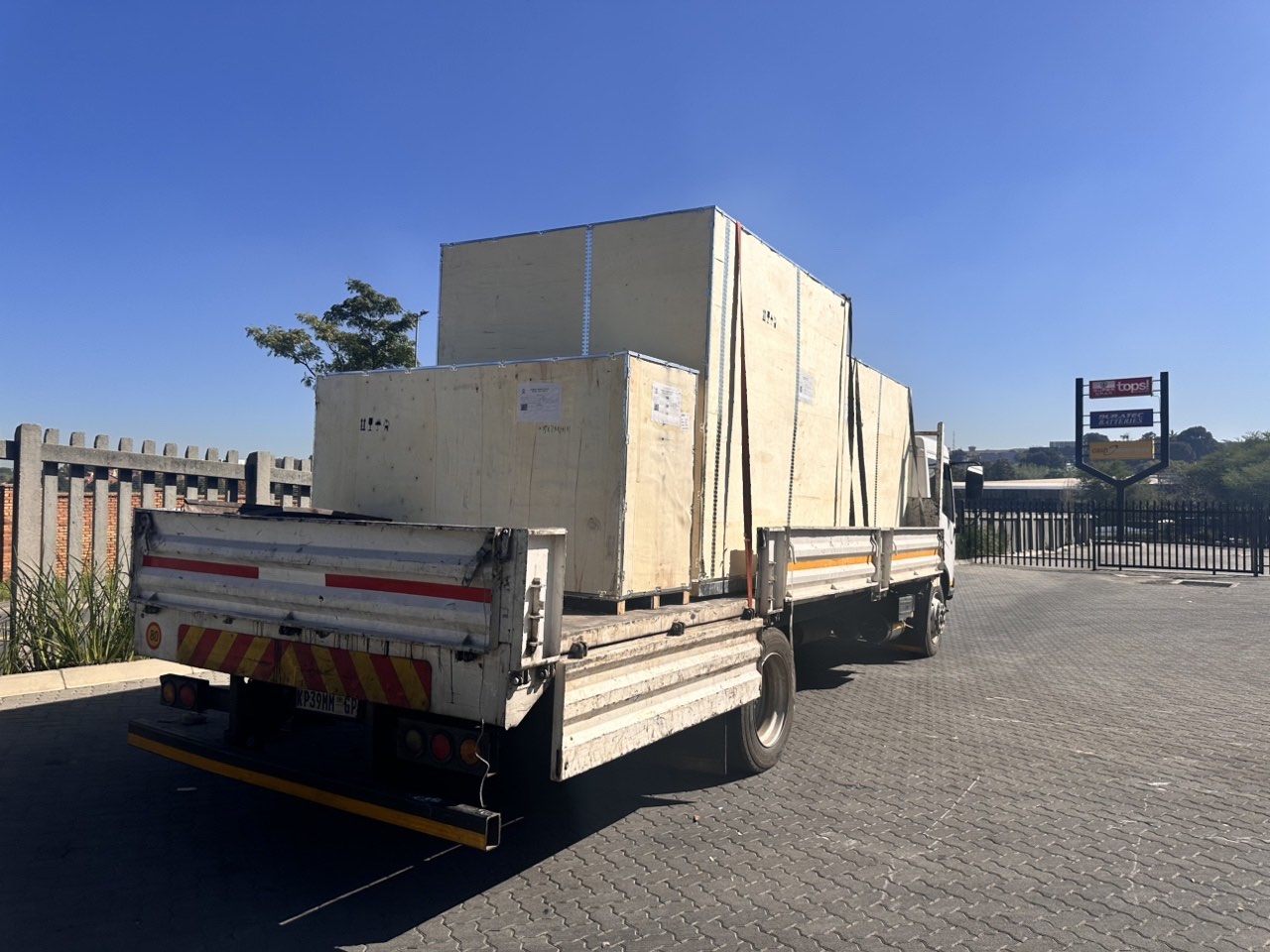
order offloading