B21, China Town Mall, Midrand

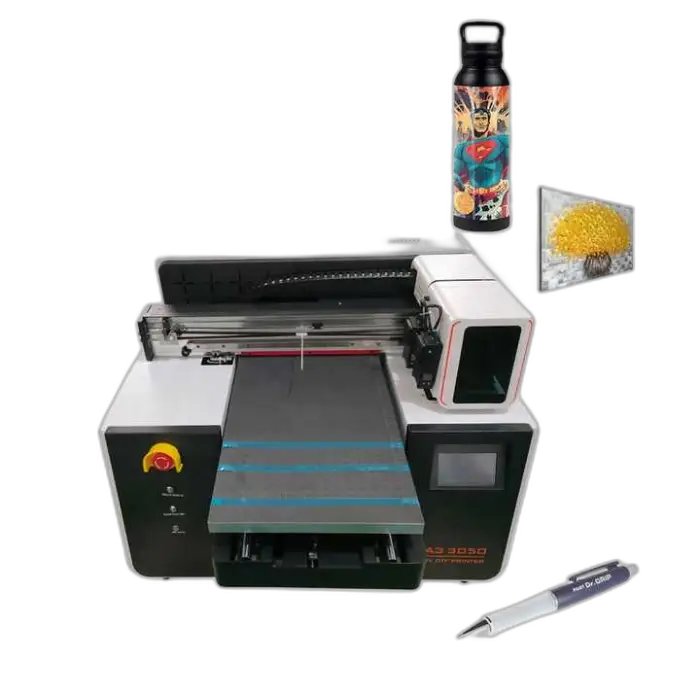
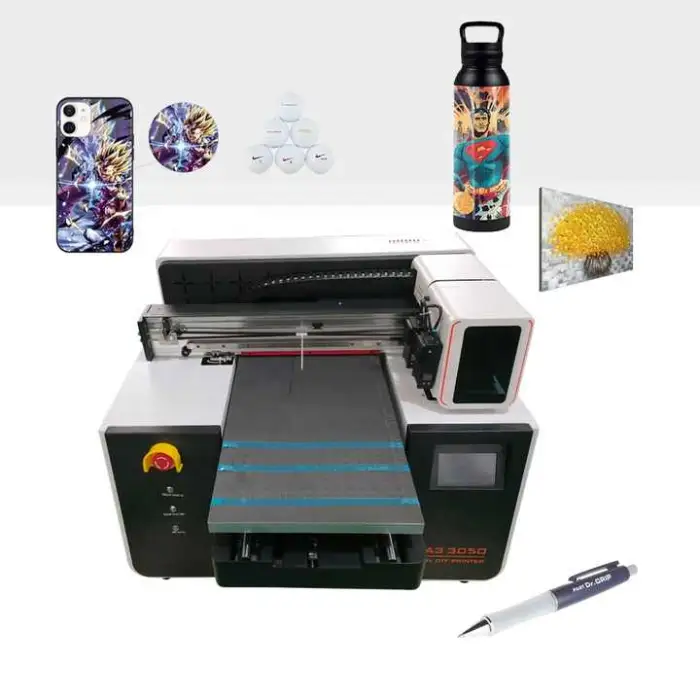
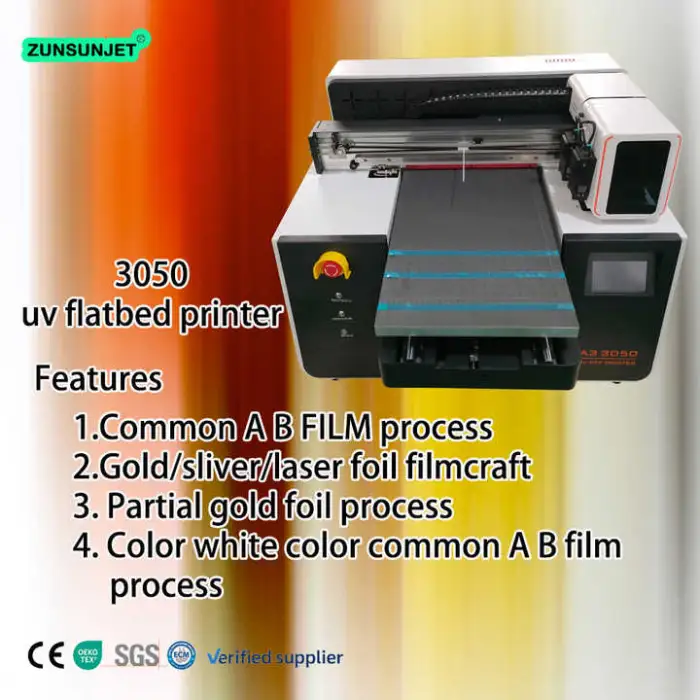
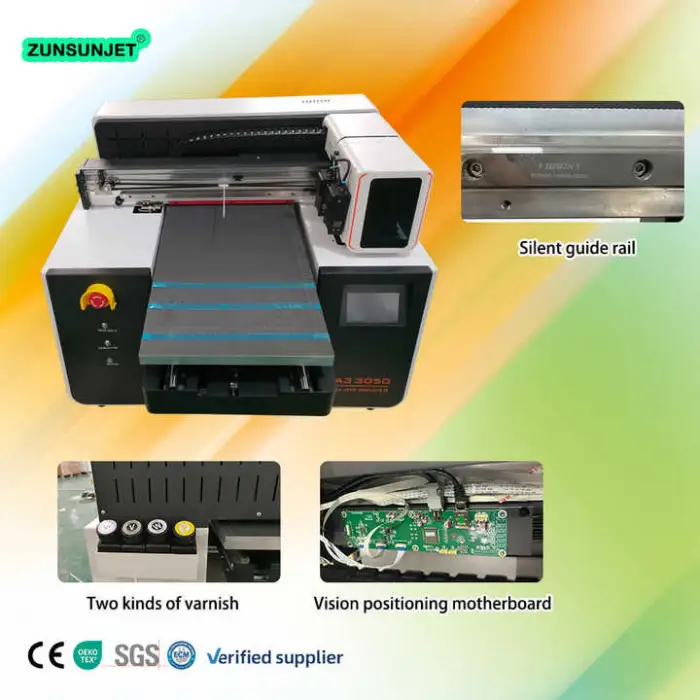
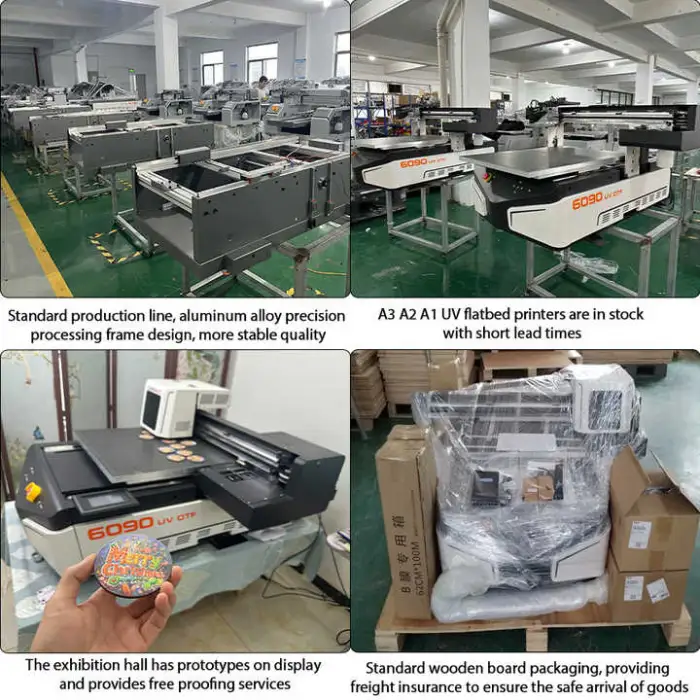
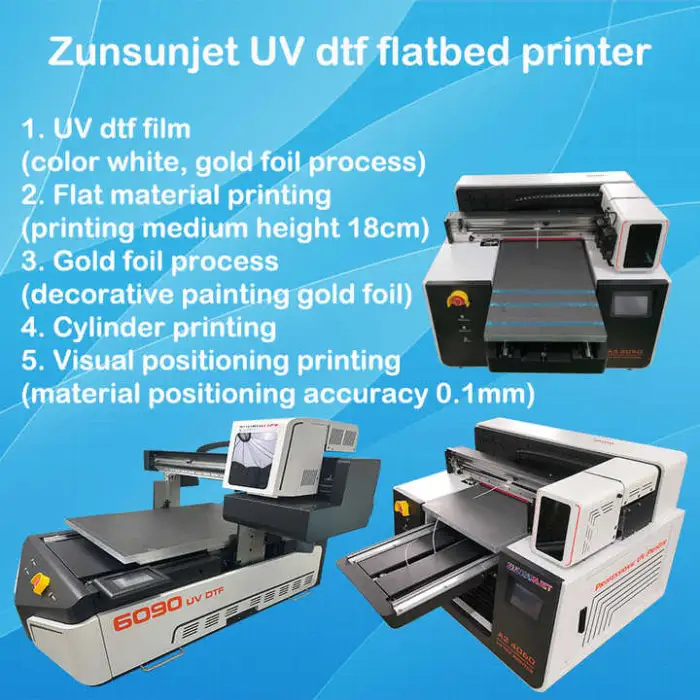
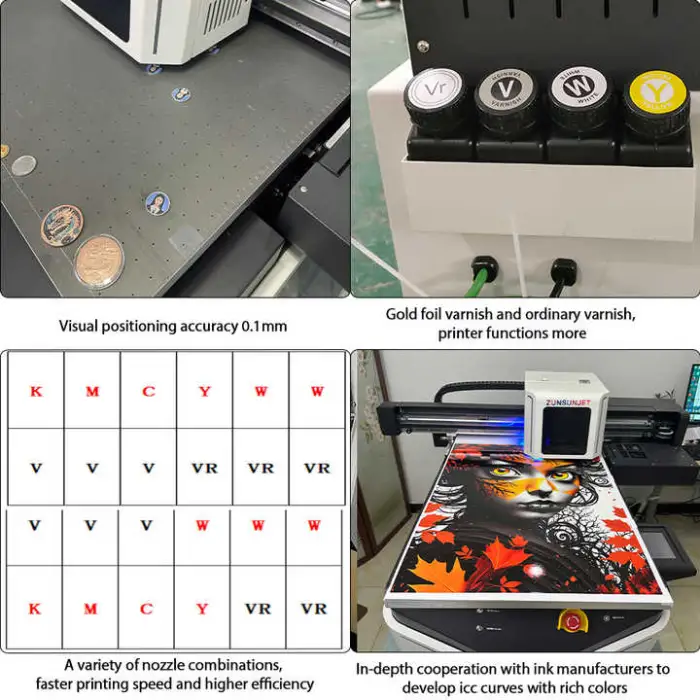
A3 Size 6 Color Flatbed Uv Dtf Phone Case Photo Printer With Cylinder Attachment Polem Camera Position
Asset finance available
Do you want funding for this equipment?
Afrimart can connect you with trusted funding partners who specialise in asset finance for businesses like yours. Compare options and apply in minutes — final approval is subject to provider review.
Check funding options
Secure & no obligation

- Section : Consumer Electronics
- Category : DTF Printers
- SKU : 1601237741511

A3 Size 6 Color Flatbed UV DTF Phone Case Photo Printer With Cylinder Attachment Polem Camera Position
This A3 Size 6 Color Flatbed UV DTF Phone Case Photo Printer is perfect for creating high-quality prints on various surfaces. With its advanced features, you can print vibrant designs directly onto phone cases and more. This printer is easy to use and provides excellent results for both personal and professional printing needs.
Specifications
| Attribute | Details |
|---|---|
| Product Name | A3 Size 6 Color Flatbed UV DTF Phone Case Photo Printer |
| Dimensions (L*W*H) | 84*64*61 CM |
| Weight | 76 KG |
| Ink Type | UV Ink |
| Material | Stainless Steel, Carbon Steel |
| Resolution | 720*2440 DPI |
| Print Head | 2 DX8/XP600 Heads for Epson |
| Automatic Grade | Semi-automatic |
| Applications | Phone Shell, Card, Udisk, Mobile Power, Hairpin |
Key Features
- Multicolor printing with CMYK + 3 varnish + 3 bronzing varnish.
- Compatible with various photo formats like TIF, JPG, PDF, PNG.
- Easy-to-use semi-automatic operation.
- High ink consumption efficiency at 13-15ml per square meter.
- Sturdy construction with stainless steel and carbon steel materials.
Applications
- Create custom phone cases.
- Produce unique cards and invitations.
- Print designs on USB drives and mobile power banks.
- Make personalized hairpins and accessories.
- Perfect for personalized printing projects.
The A3 Size 6 Color Flatbed UV DTF Phone Case Photo Printer is the ideal choice for anyone looking to produce stunning prints quickly and efficiently. Whether for personal use or business, this printer delivers outstanding quality and versatility.
Product Info Gallery
- Shipping Timeframes: All orders are processed within 2-5 business days (excluding weekends and holidays). After your order has been processed, the estimated delivery time is before 18 Jul, 2026, depending on customs, Please note that due to high demand, some items may experience longer shipping times, which will be communicated at order confirmation email.
- Order Processing Time: Please allow 2-5 business days for us to process your order before it is shipped . Orders placed after 16:00 on Fridays, or during weekends and public holidays, will begin processing on the next business day. Processing times may be extended during peak seasons or sales events.
- Manufacturing Time: Some products needs manufacturing time, the manufacturing process will take approximately 10-30 business days depending on the product. This timeframe may vary depending on the complexity of the product and current demand. but this will be communicated with you during order confirmation.
- Returns and Exchanges: We offer a 30-day return policy for most items. If you are not completely satisfied with your purchase, you may return it within 30 days of receipt for a refund or exchange. Items must be unused, in their original packaging, and accompanied by proof of purchase. Return shipping costs are the responsibility of the customer, unless the item was damaged or defective upon arrival.
1. What materials and substrates can this printer print on?
The printer is designed for direct printing on rigid and semi-rigid substrates commonly used for phone shells, cards, USB drives, mobile power banks, hairpins and other accessories. It uses UV-curable inks so it can handle plastics, coated metals, acrylics and similar materials. For unusual substrates, test samples or check with the supplier for compatibility.
2. What is the maximum printable area and print size?
The machine is an A3-size flatbed, so it supports printing up to A3 dimensions (approximately 297 × 420 mm). For exact printable area and platen usable space, confirm with the vendor as usable area can vary by fixture and attachment.
3. What inks does the printer use and what is ink consumption?
This printer uses UV-curable inks (including color and varnish/bronzing varnishes). Typical ink consumption is about 13–15 ml per square meter, though actual use depends on coverage, color density and print settings.
4. What print resolution and print heads does it use?
The printer supports a high resolution (specified as 720 × 2440 DPI) and is equipped with two Epson-style print heads (listed as DX8/XP600). Resolution and quality depend on print mode, RIP settings and substrate preparation.
5. What does '6 Color' mean and what are the varnish options?
The unit supports multicolor printing (CMYK base colors) and includes options for varnish and bronzing effects. Varnish channels provide gloss/matte/texture finishes and bronzing varnish allows metallic effects and enhanced visual finishes. Channel configuration may be vendor-dependent—confirm exact channel mapping before purchase.
6. What is the cylinder attachment and how is the camera position used?
The cylinder attachment (rotary fixture) allows printing on cylindrical or curved objects (for example small drinkware or power banks). The integrated camera or camera-position feature aids registration and alignment by locating the print position on irregular or pre-printed items to ensure accurate placement.
7. Which file formats and software does the printer support?
The printer accepts standard image files including TIF, JPG, PDF and PNG. It is typically used with RIP or printing software compatible with Epson print-heads—confirm the supplied or recommended RIP software with the seller and ensure driver compatibility with your operating system.
8. Is the printer automatic or manual? How easy is it to operate?
This unit is semi-automatic. Loading, positioning and fixtures (such as the cylinder attachment) are manual, while print and curing processes are automated. It is designed for ease of use but some training is recommended for optimal results and maintenance.
9. What maintenance is required?
Routine maintenance includes regular print-head cleaning and nozzle checks, keeping the flatbed and fixtures clean, using recommended inks and flushing cycles per vendor instructions, and replacing consumables (waste ink pads, filters) as needed. Follow the supplier’s maintenance schedule to preserve print quality and head life.
10. What are the machine dimensions and weight?
The machine dimensions are 84 × 64 × 61 cm (L × W × H) and it weighs approximately 76 kg.
11. How fast does the printer print?
Print speed varies depending on resolution, coverage, file complexity and substrate. The manufacturer does not list a single speed—expect trade-offs between high-resolution/photo-quality modes and faster draft modes. Request speed charts or sample prints from the vendor for your typical use cases.
12. What power requirements and environment conditions are needed?
Power requirements, recommended voltage and environmental operating conditions (temperature/humidity) are typically provided by the seller. Because these vary by region and configuration, confirm the local voltage, recommended ambient conditions and grounding requirements with your supplier before installation.
13. Are replacement parts, spare print heads and inks available?
Yes—replacement UV inks, varnish cartridges and maintenance parts (waste ink pads, filters, capping stations) are available through distributors or the manufacturer. For print heads (DX8/XP600), source compatible genuine or recommended alternatives and discuss lead times with your supplier.
14. Is training, installation and warranty provided?
Many suppliers offer installation, basic operator training and a warranty or service plan. Warranty terms, on-site setup and post-sale support vary—confirm included training, warranty length and service-level details with the vendor prior to purchase.
15. Can this printer do white ink and special effects?
Yes—the printer supports white ink layers (commonly used for printing on dark or transparent substrates) and offers varnish/bronzing channels for texture, gloss and metallic effects. Proper RIP settings and pre/post-treatment may be required for best results.
Latest Order Arrivals
Discover our latest orders
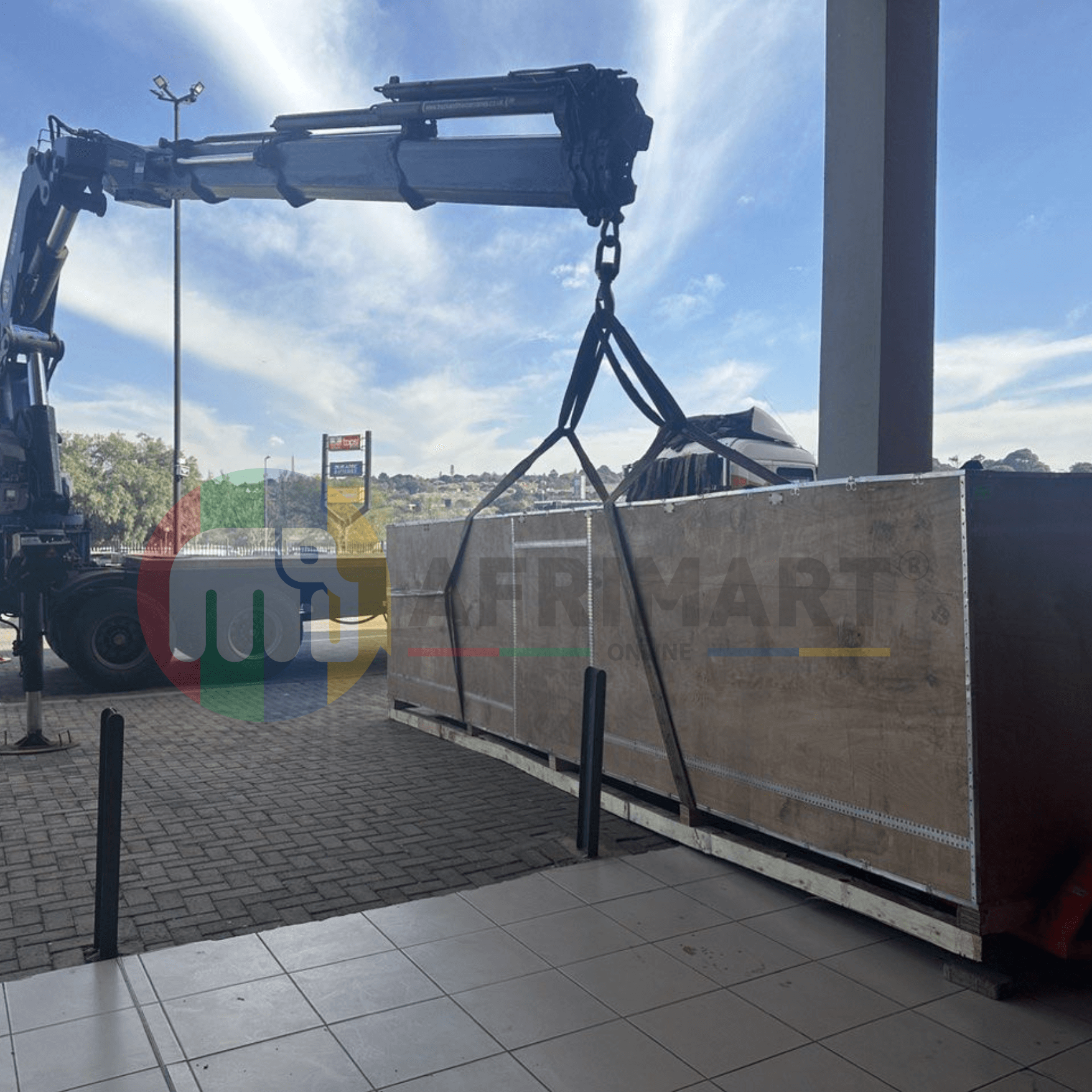
12 Heads Embroidery Machine
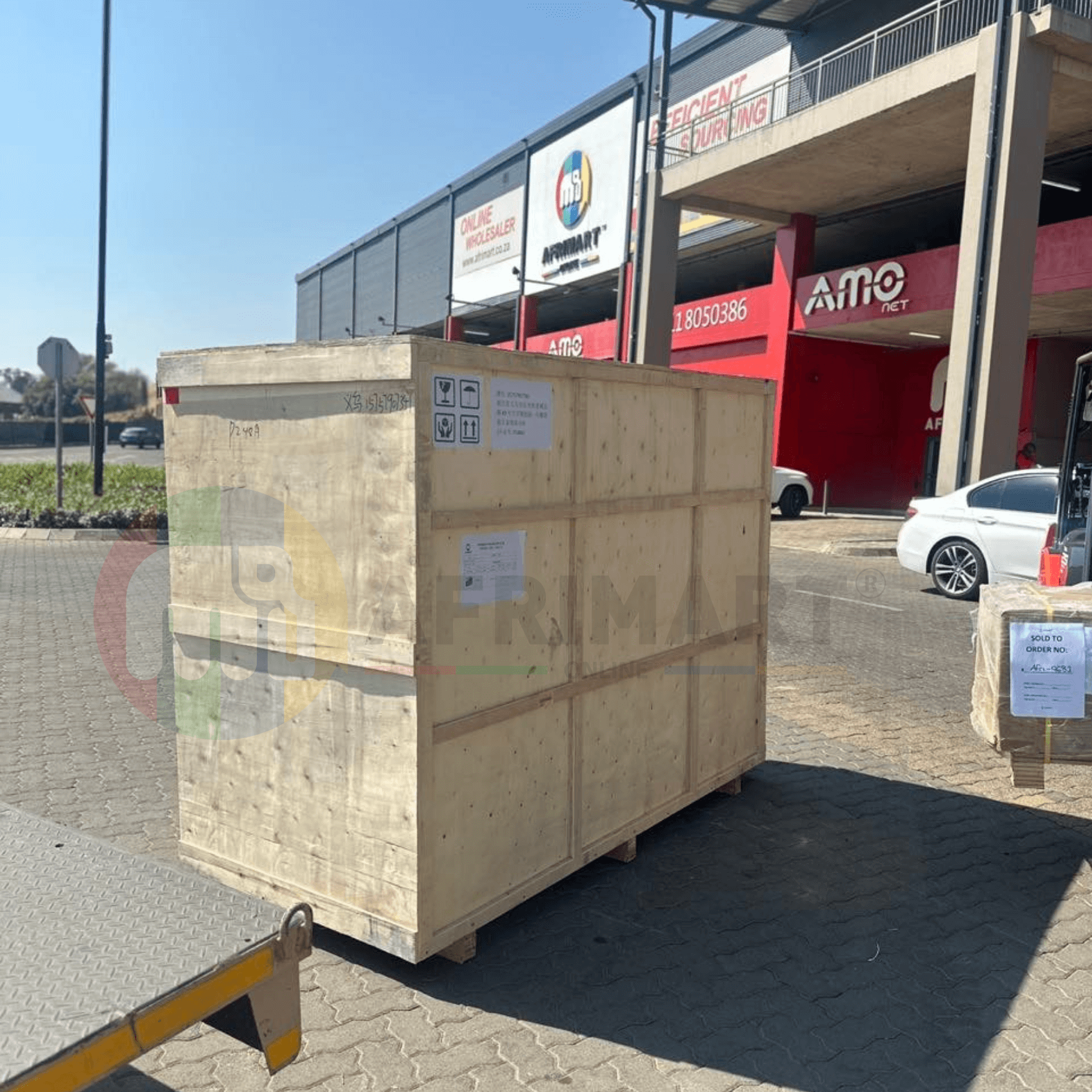
Dewatering Pump Machine
Order Collection
Portable Water Drilling Rig
Order Usefully Collected
Batch of Orders
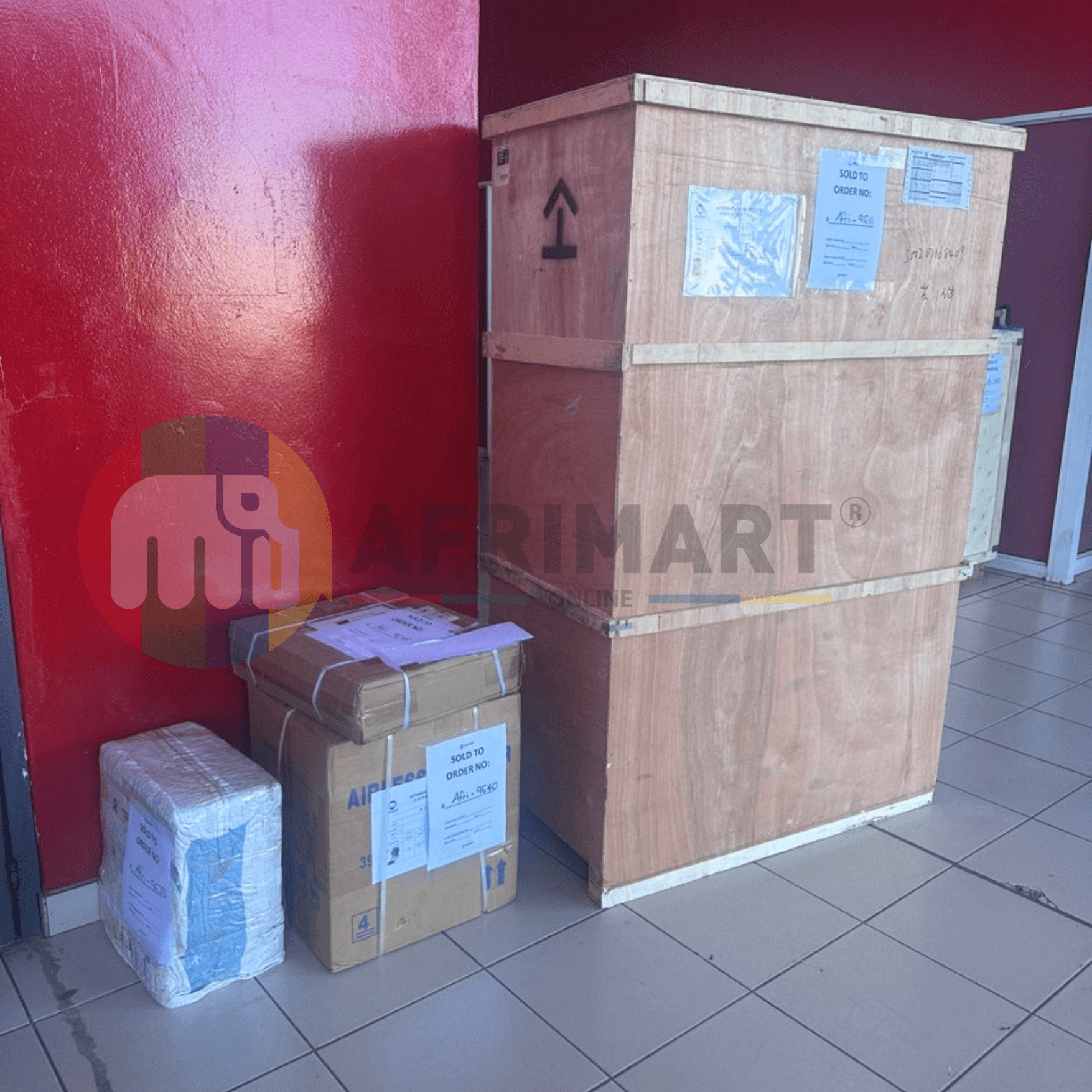
Agriculture Processing Machines
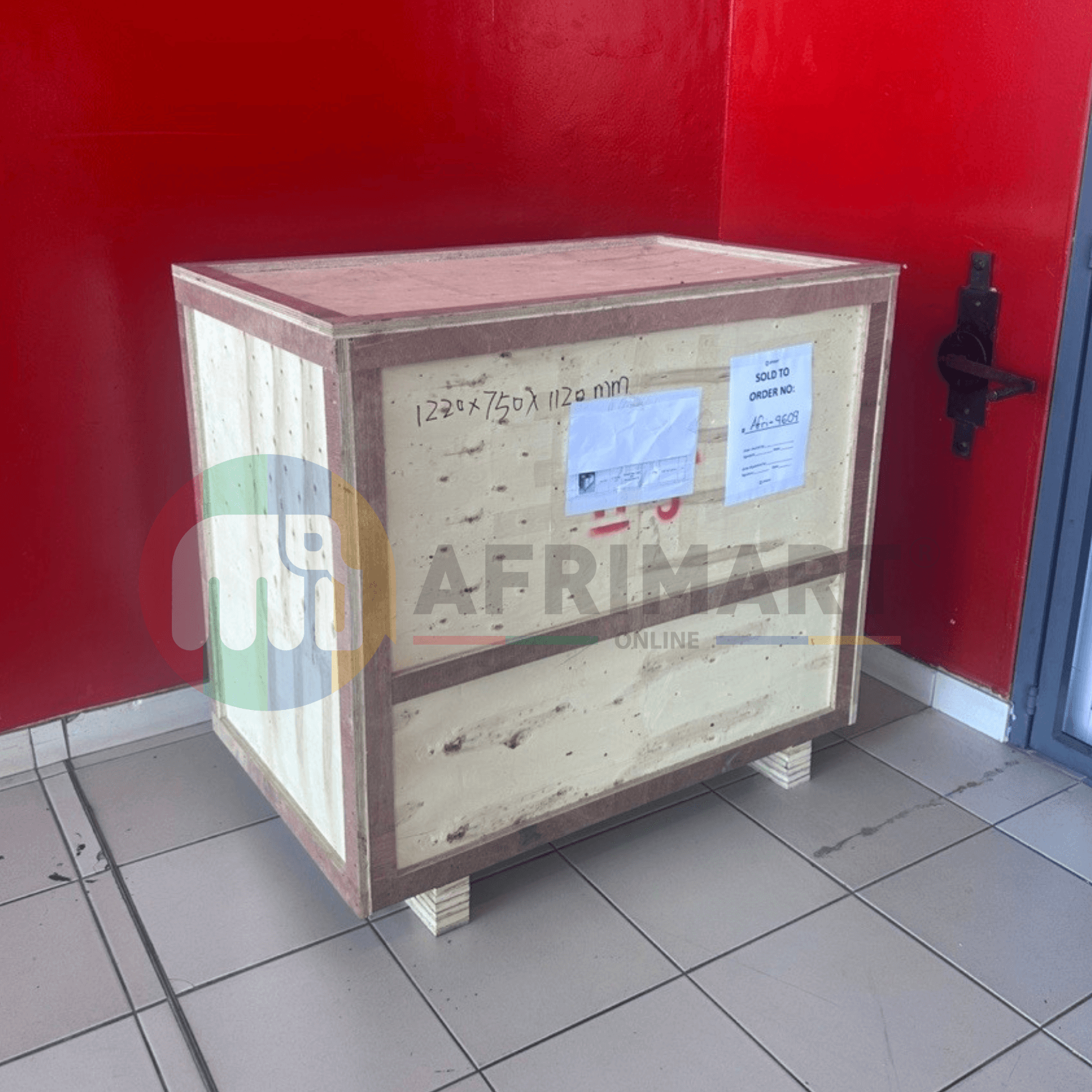
Meat Grinder Machine
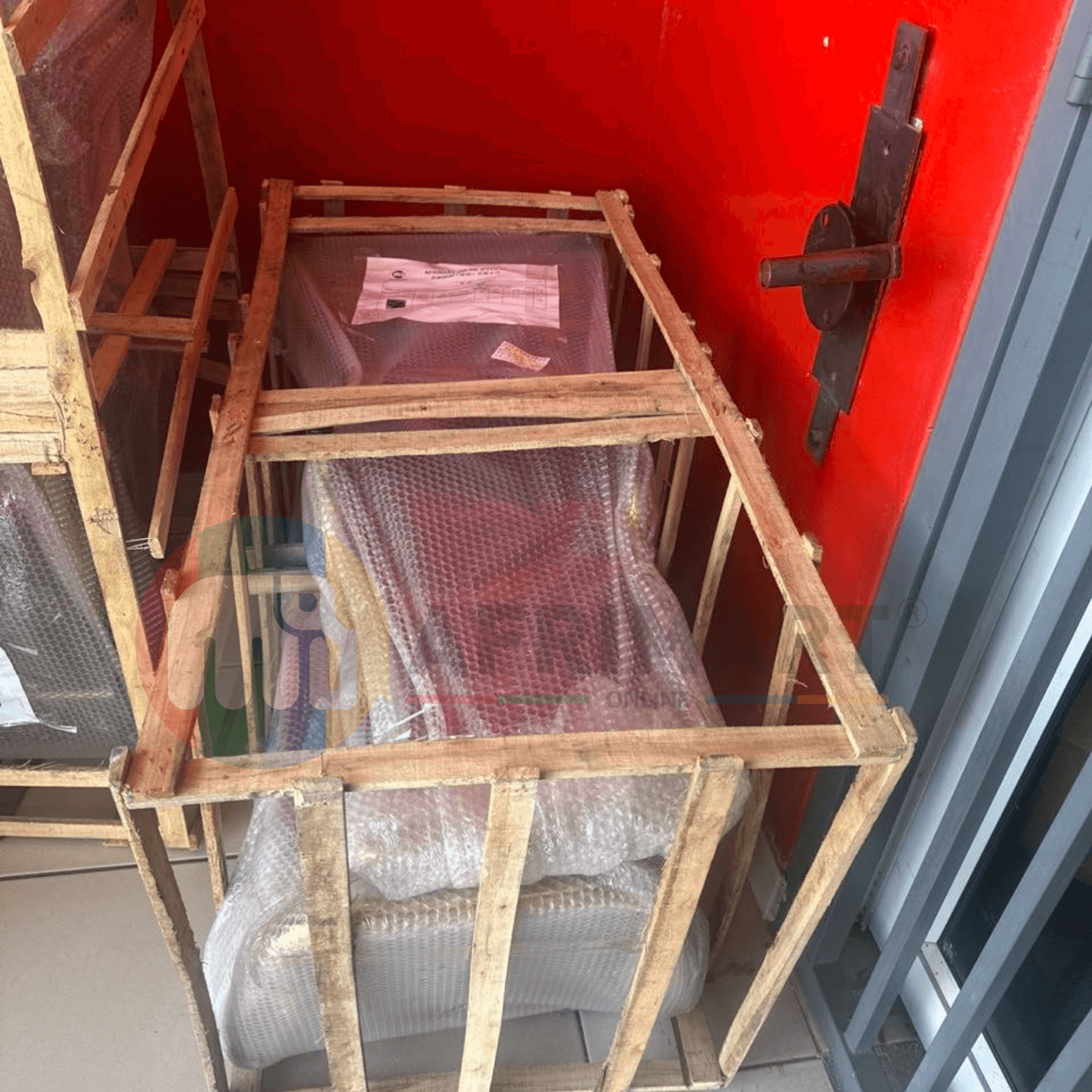
Water Pump Equipment
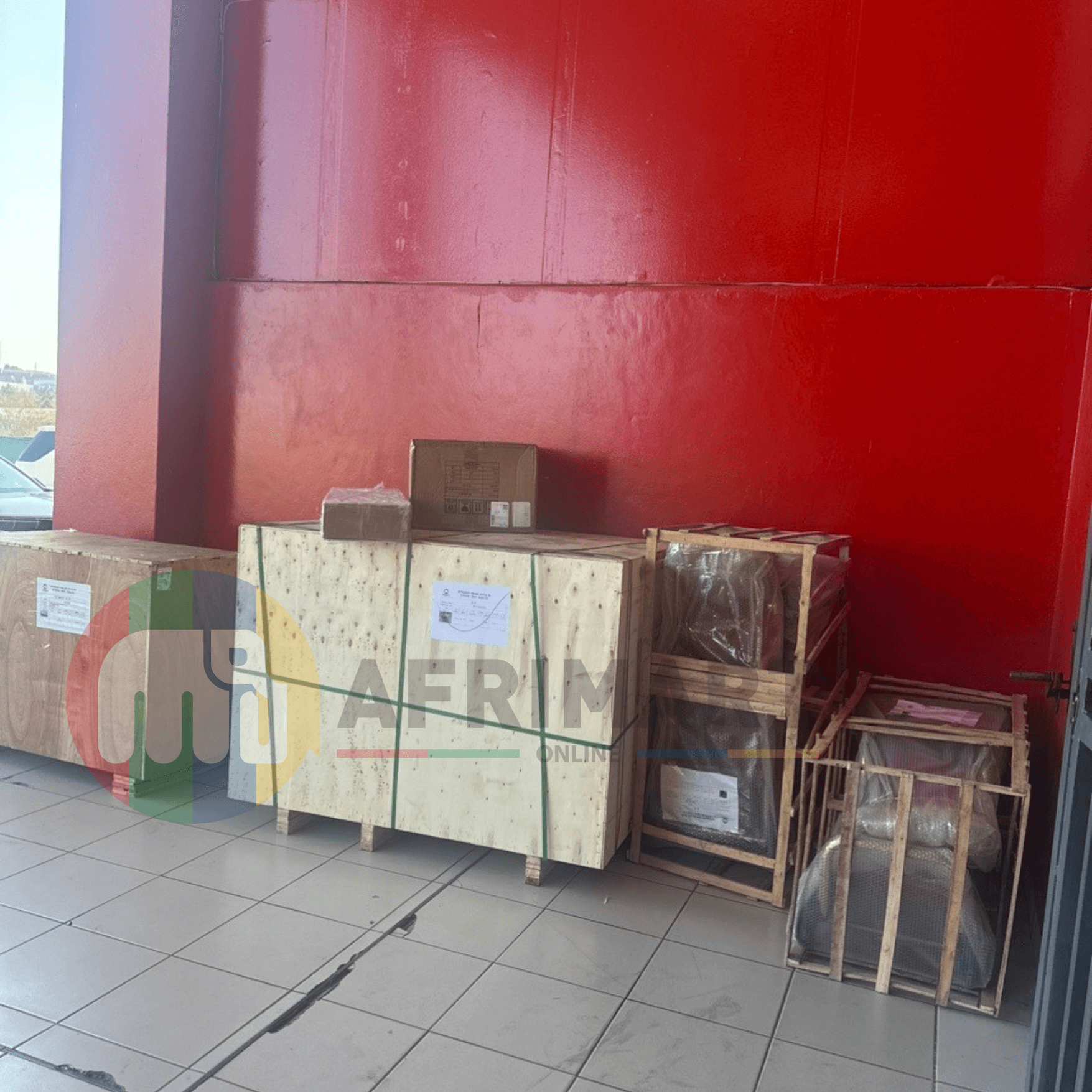
Packaging Machine and accessories
Fabrics Manufacturing Equipment
Mining Equipments
Food Processing Machine
Batch of Orders
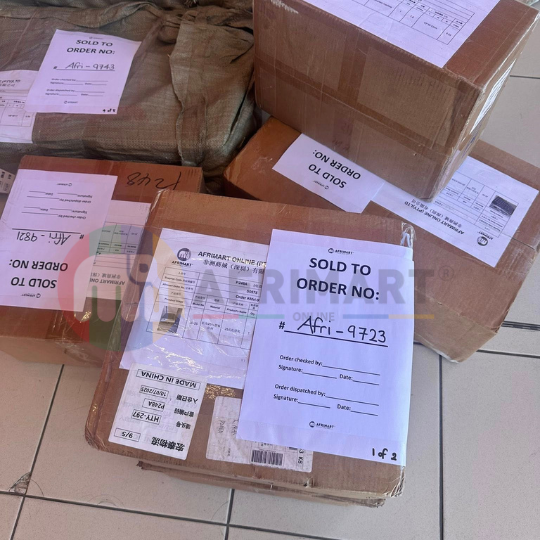
Batch of Orders
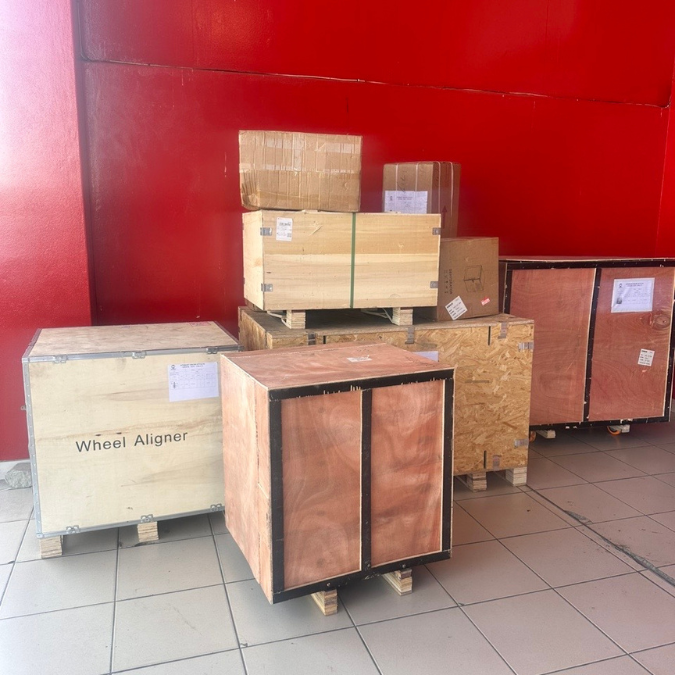
Latest Orders Labelled
wheel alignment machines
new arrivals
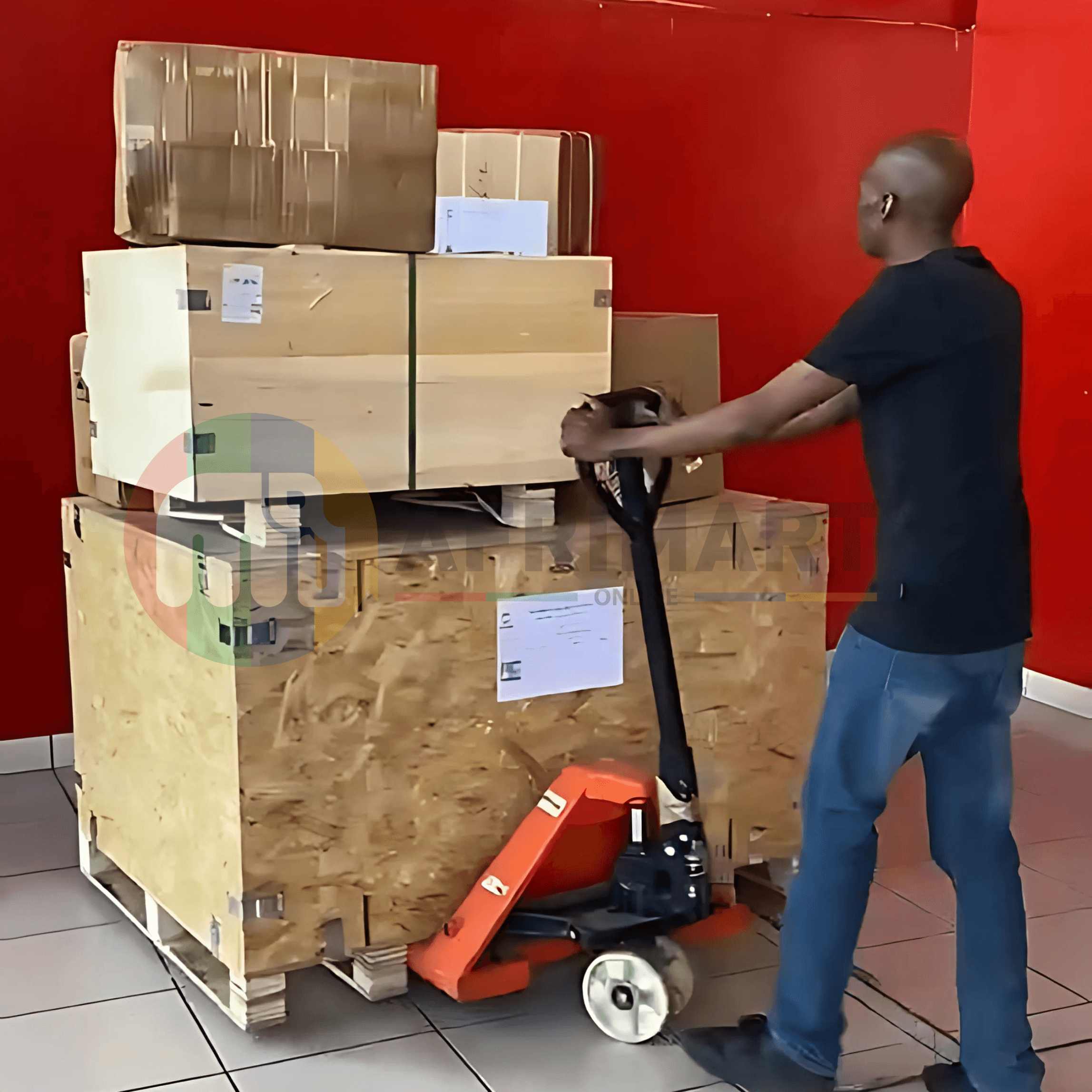
Pre Orders Offloading
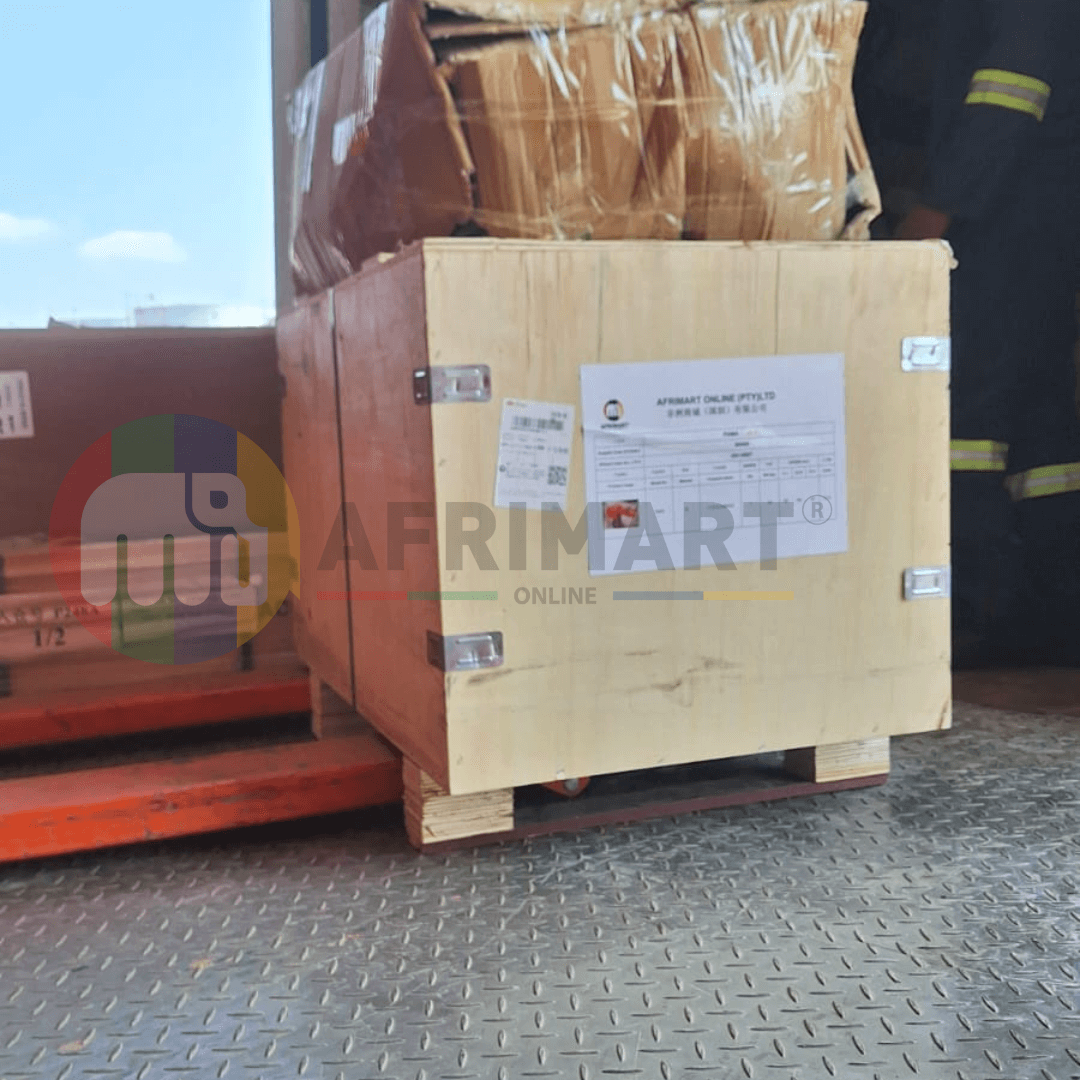
Latest Arrivals
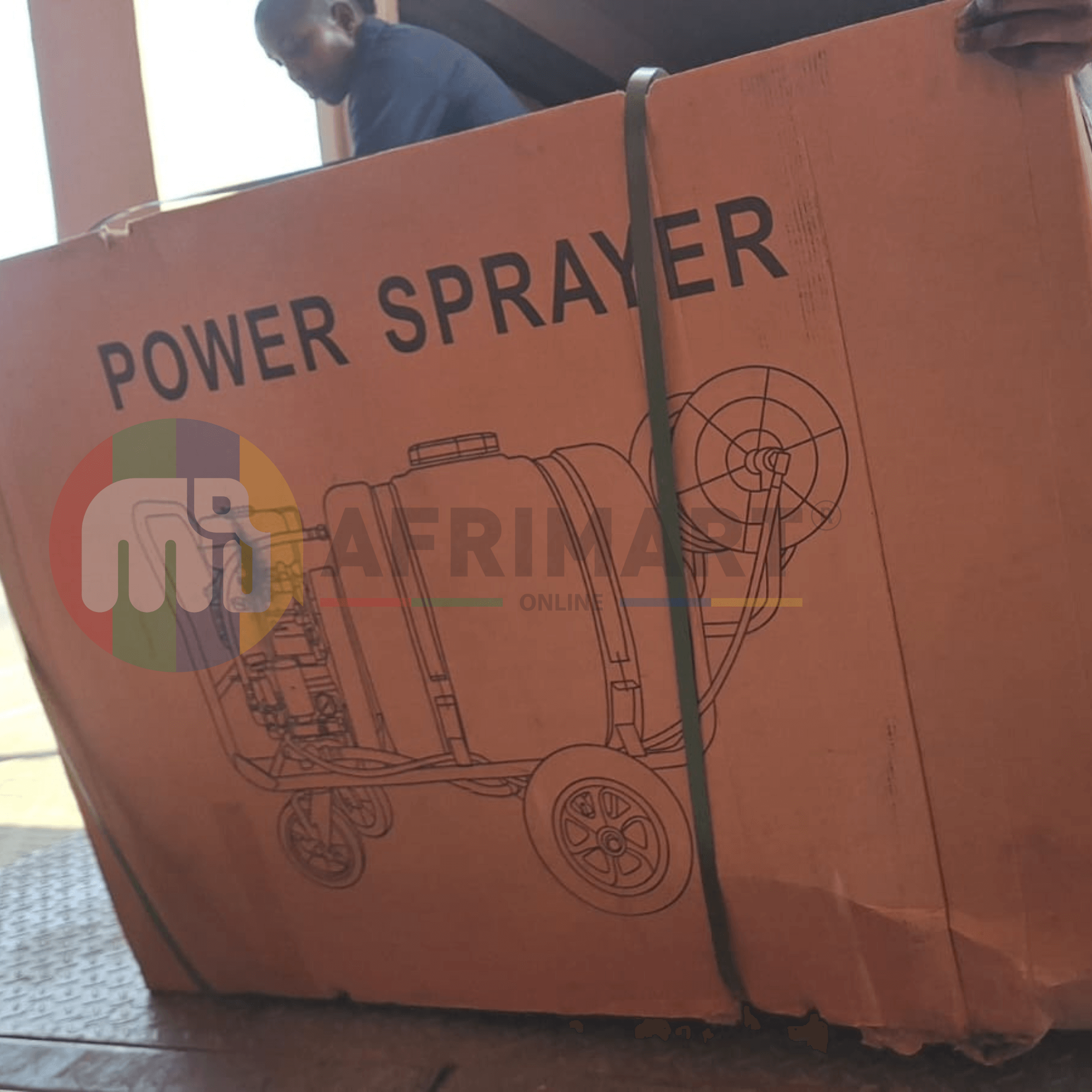
Latest Arrivals
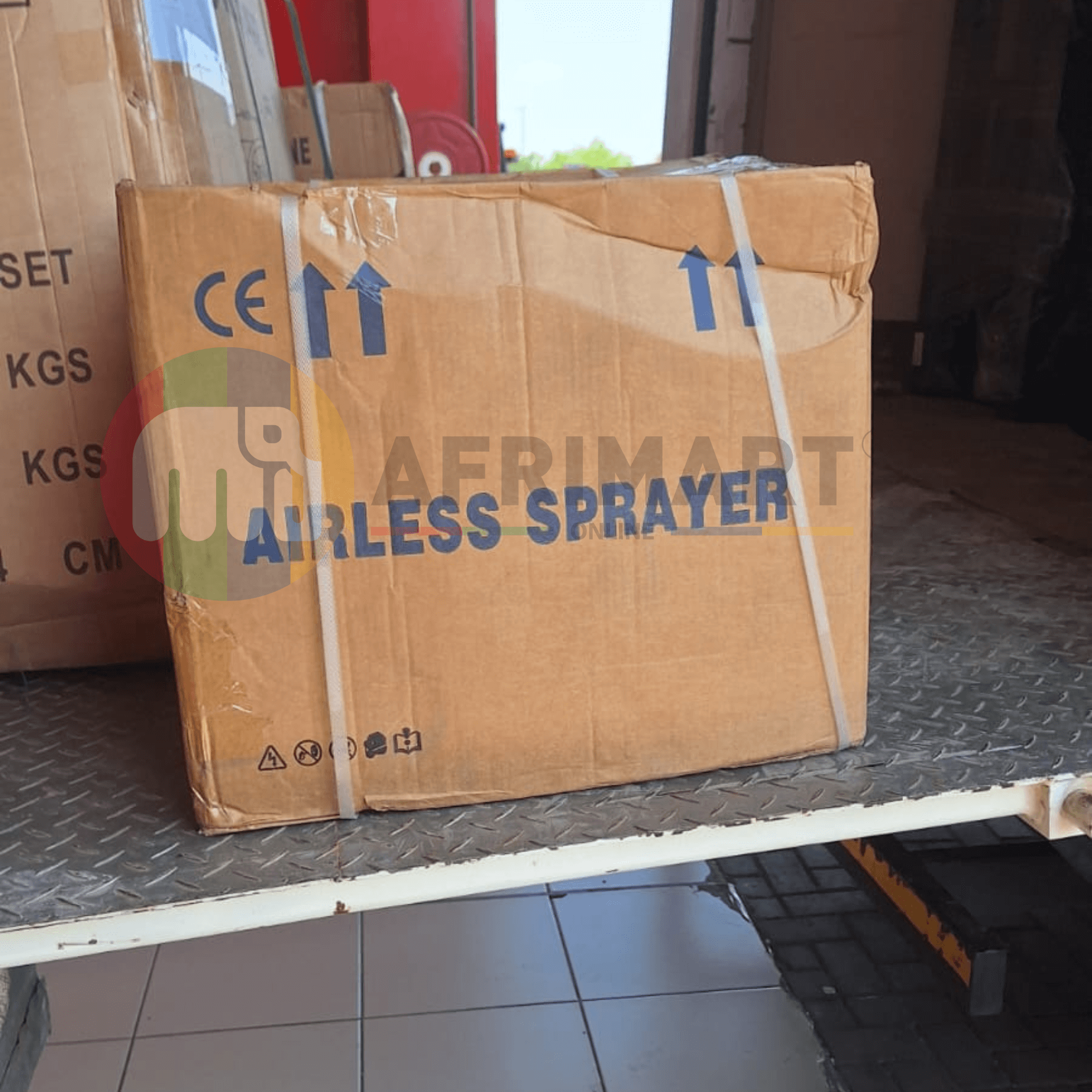
Latest Arrivals
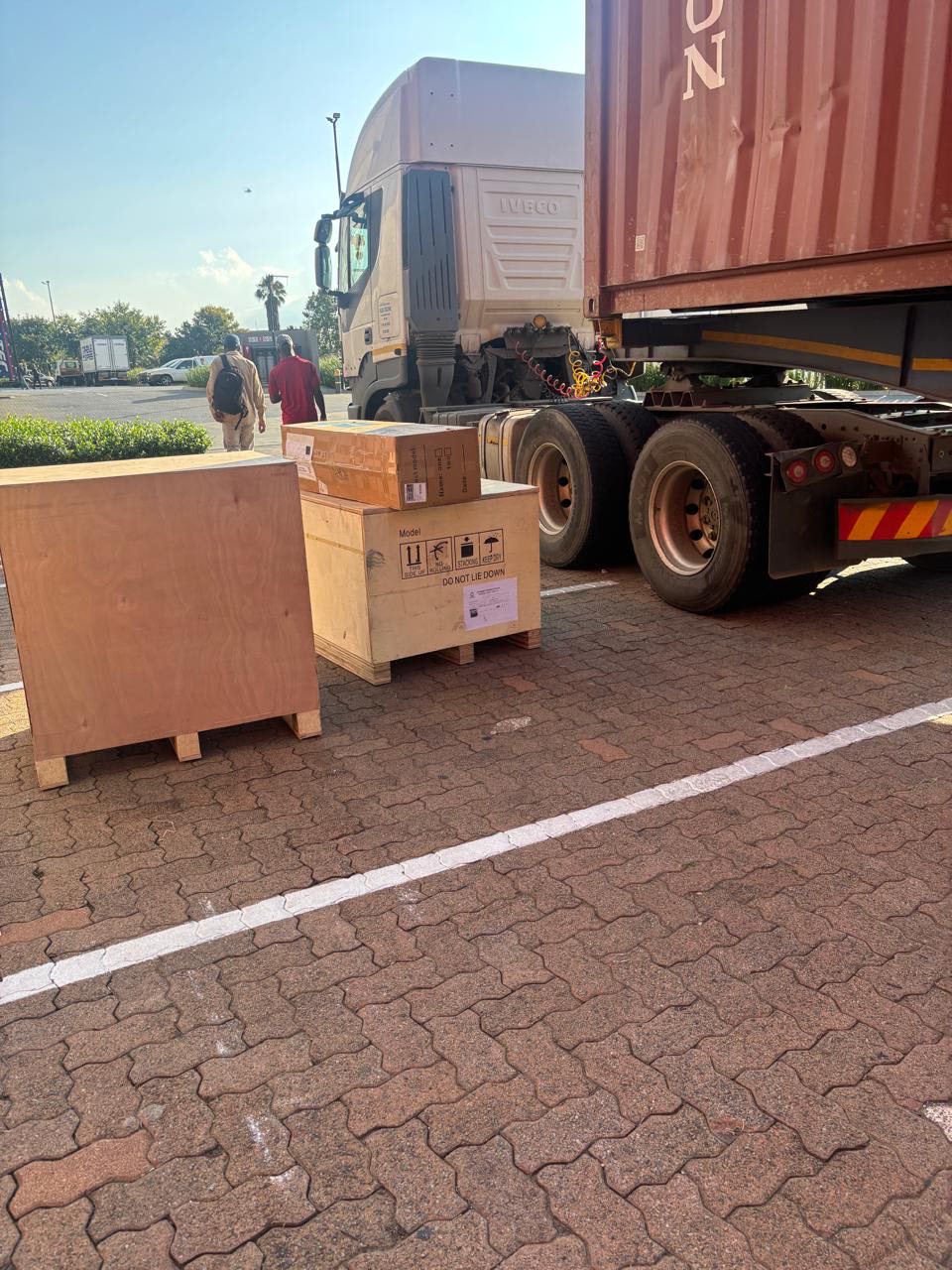
26 January 2026
Toilet paper making machine
Toilet paper making machine
Toilet paper Rewinding Machine
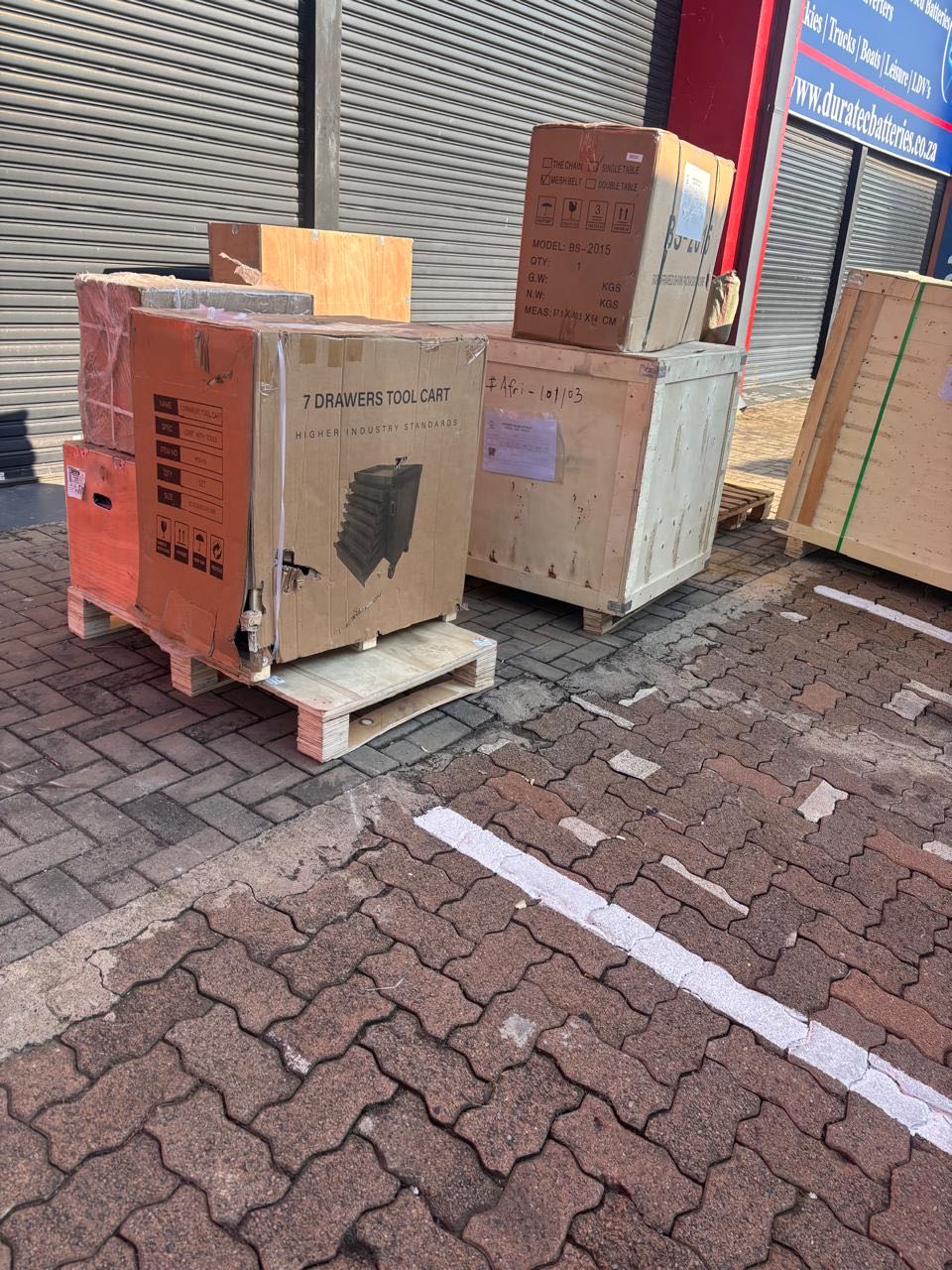
latest arrivals
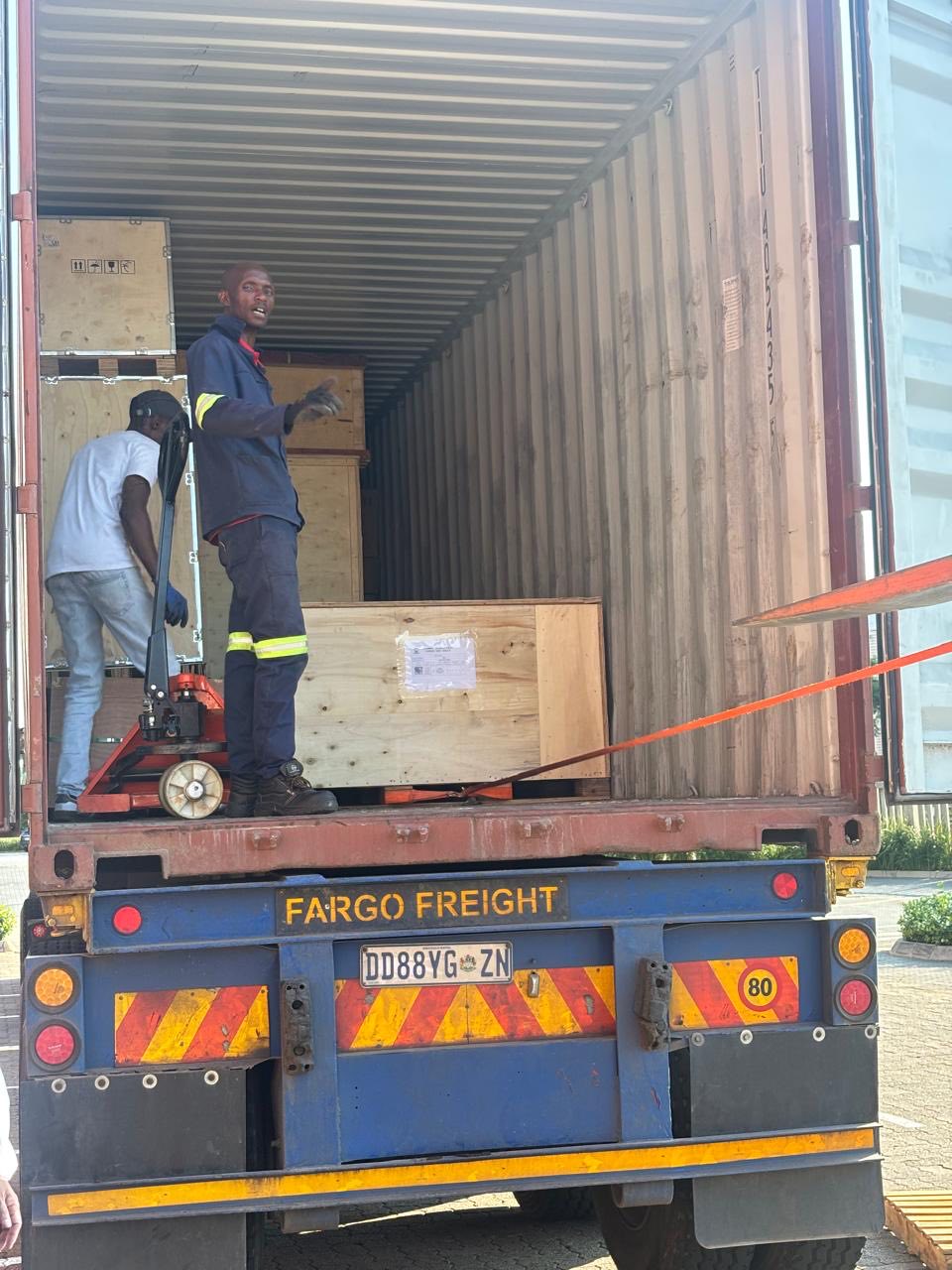
offloading
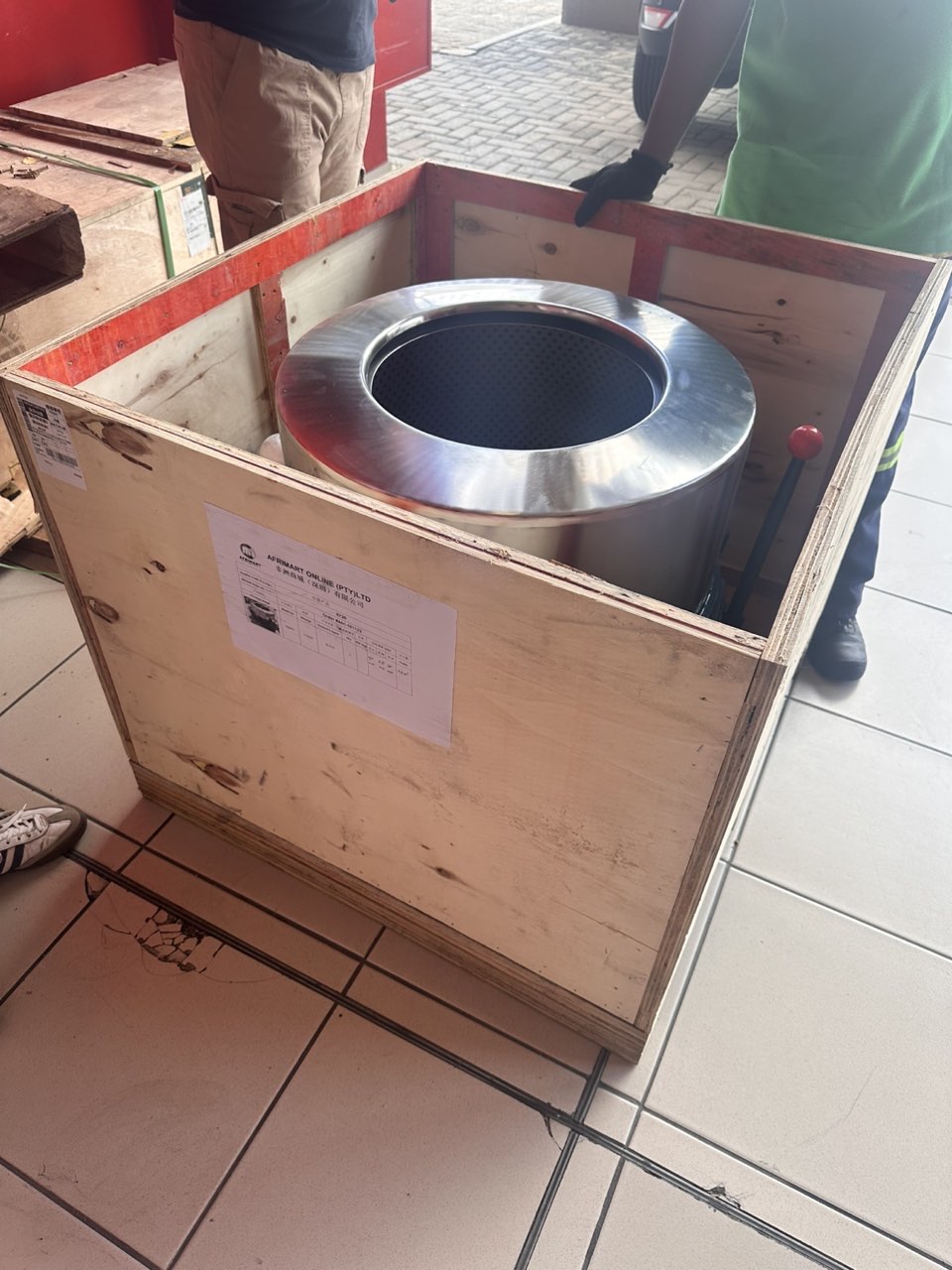
order success
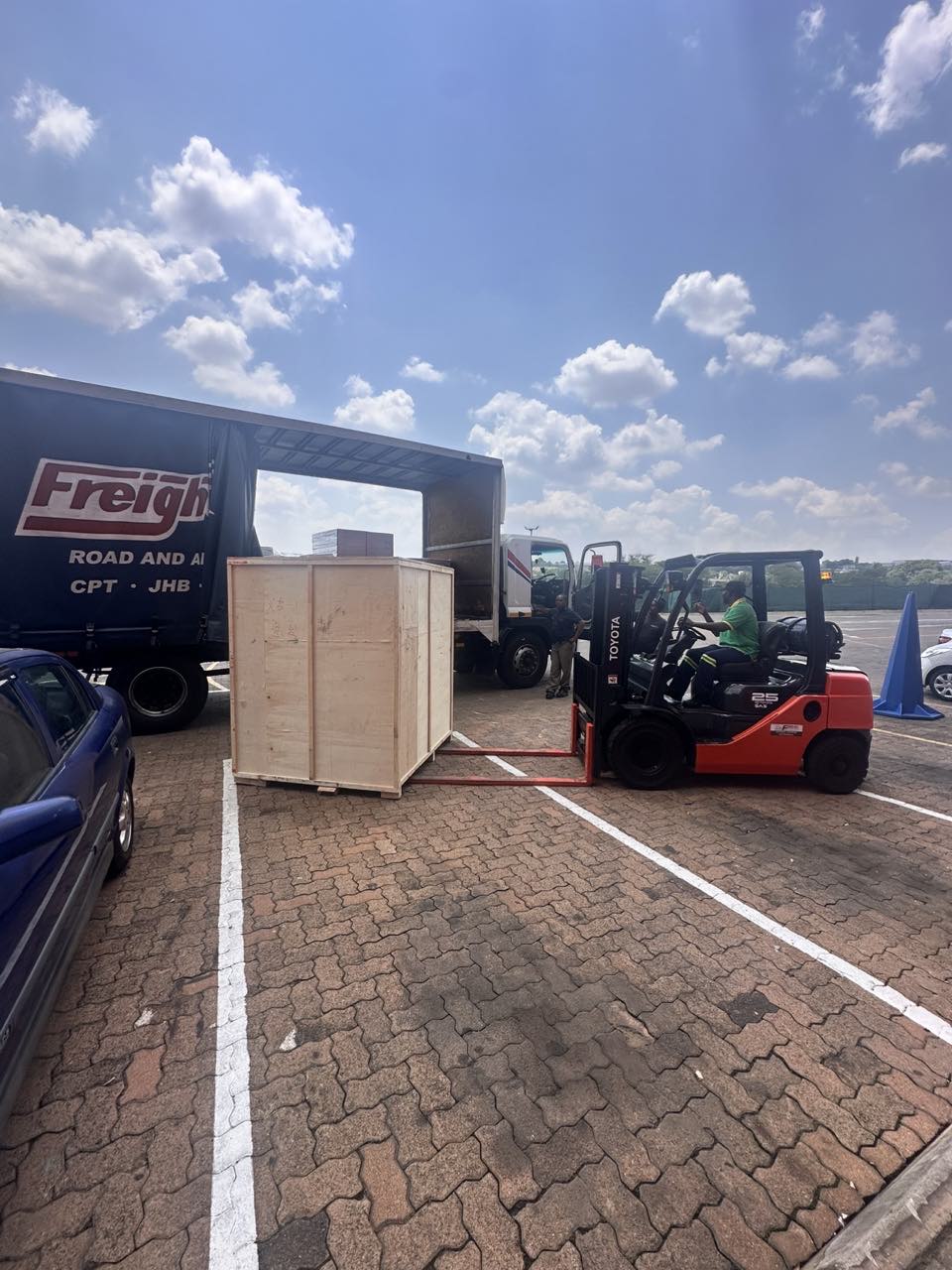
order collection
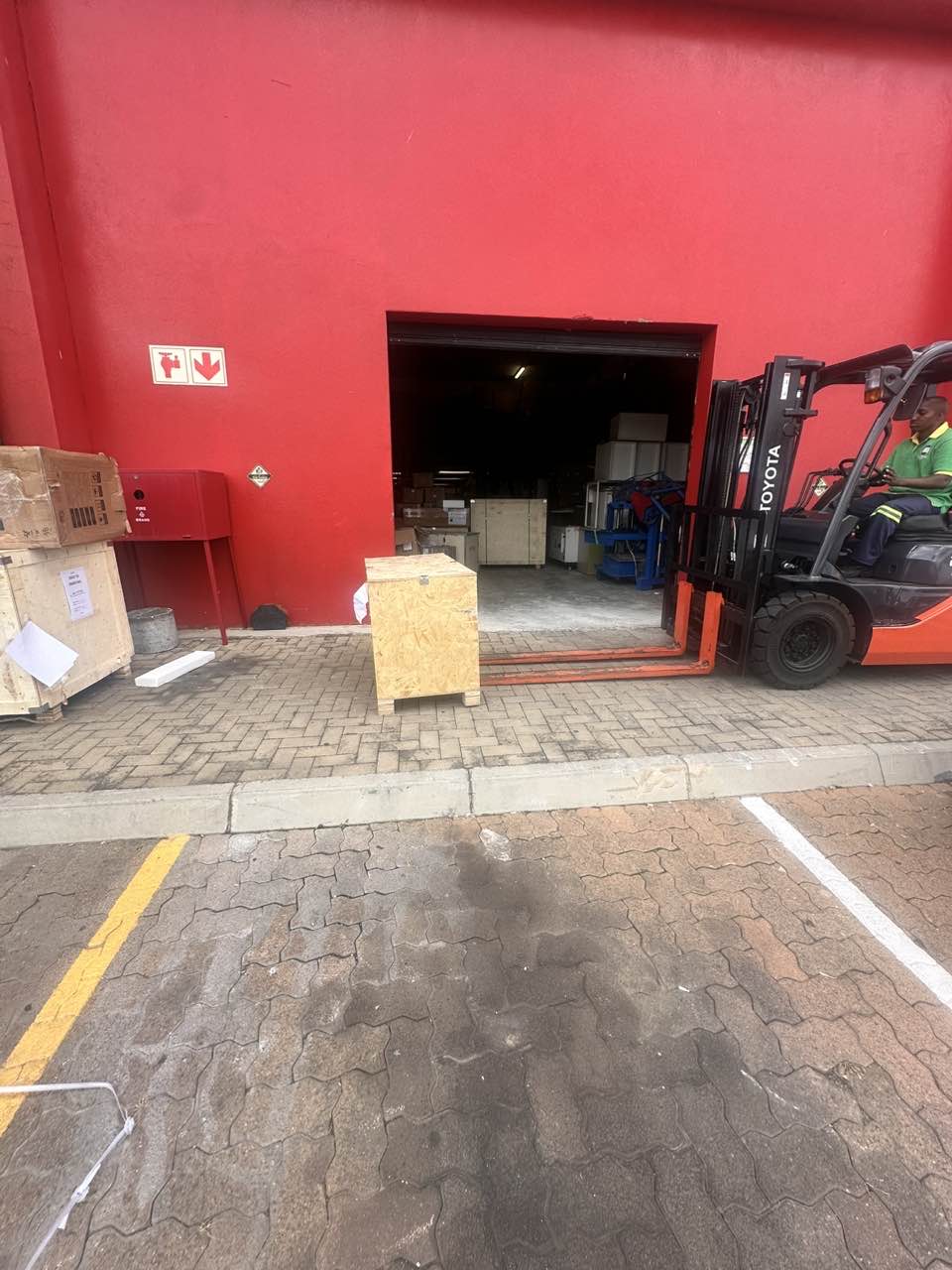
order offloading